No backyard? No problem. Some of the best harvests I’ve ever pulled came from a cramped city balcony crowded with mismatched containers. If you’ve been staring at a tiny patio wondering whether you can grow real food there, the answer is a firm yes.
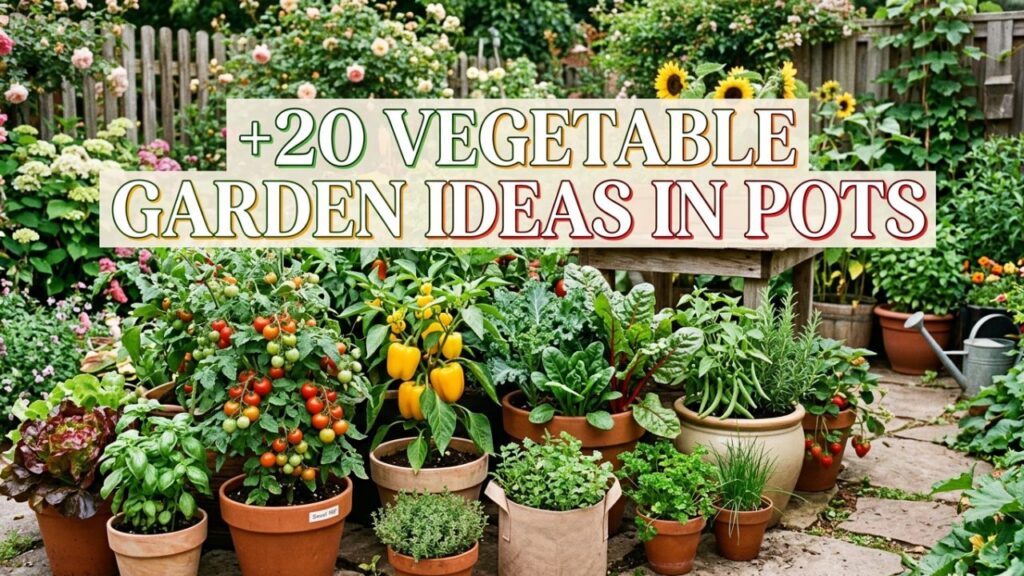
Container gardening opens the door for renters, apartment dwellers, and anyone short on soil.
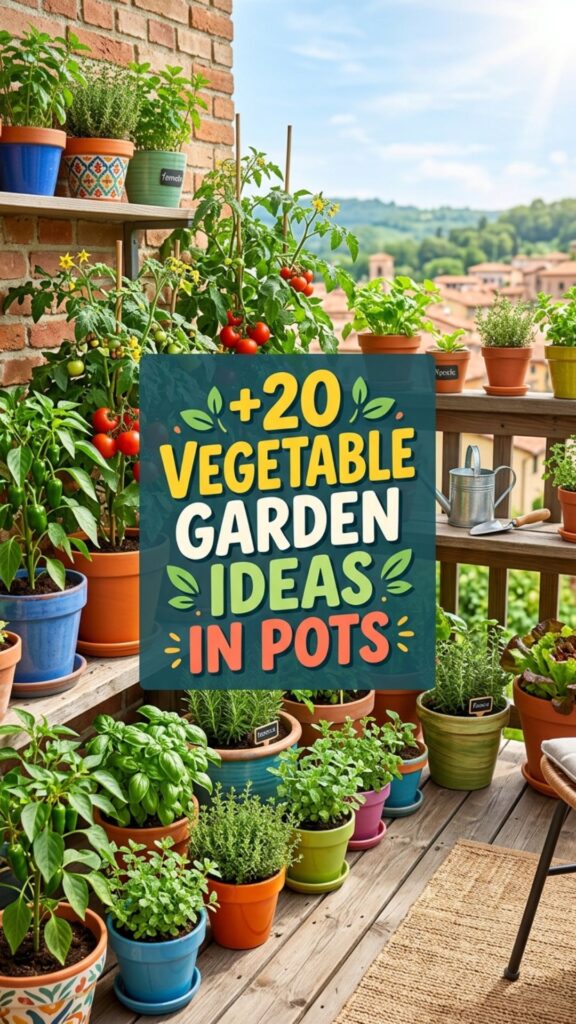
After years of squeezing tomatoes onto windowsills and herbs onto fire escapes, I’ve collected the tricks that actually work. Below you’ll find 20 vegetable garden ideas in pots, each one tested, practical, and ready for small spaces. Let’s dig in.
1. Start With Compact Cherry Tomatoes
Cherry tomatoes are the gateway crop for pot gardeners, and for good reason. They thrive in containers as small as five gallons and reward you with fruit for months. Look for determinate or “patio” varieties like ‘Tumbling Tom’ or ‘Tiny Tim’ that stay small but produce heavily.
Give them a sunny spot with at least six hours of light and a sturdy stake or cage. Water consistently, since uneven moisture causes cracked skins and blossom-end rot. One healthy plant can hand you a bowl of snacking tomatoes every week through summer.
2. Grow a Cut-and-Come-Again Lettuce Bowl
Loose-leaf lettuce is perfect for shallow, wide pots because its roots stay near the surface. Plant a mix of red and green varieties in a single bowl for a colorful salad garden that fits on a table. You snip outer leaves and the plant keeps producing.
Lettuce prefers cooler weather, so place your bowl where it gets morning sun and afternoon shade in hot months. Keep the soil damp and you’ll harvest fresh greens within four to five weeks. It’s the fastest confidence boost a new gardener can get.
3. Stack Herbs in a Vertical Planter
Herbs are the most forgiving plants for tight spaces, and a vertical planter multiplies your growing area without eating floor space. Tuck basil, parsley, thyme, and chives into stacked pockets on a sunny wall. Each pocket becomes its own mini garden.
Group herbs with similar water needs together to make care easier. Mediterranean herbs like rosemary and oregano like it drier, while basil and cilantro want more moisture. A vertical setup keeps everything within arm’s reach when you’re cooking.
4. Plant Peppers in Deep Buckets
Sweet and hot peppers love the warmth that dark containers trap, making them ideal for pots. A three- to five-gallon bucket gives their roots room to spread and supports a full-sized plant. Drill drainage holes in the bottom before filling with quality potting mix.
Peppers need warmth and patience, so wait until nights stay above 55°F before setting them out. Feed them every couple of weeks with a balanced fertilizer once flowers appear. A single ‘Jalapeño’ or ‘Mini Bell’ plant can produce dozens of peppers per season.
5. Try a Salad Table at Waist Height
A salad table is a shallow raised box on legs, perfect for people who don’t want to bend over. Fill it with a few inches of soil and sow radishes, arugula, spinach, and baby greens. The height also keeps hungry rabbits and slugs at bay.
Because the soil layer is thin, water more often, especially during heat waves. This setup shines on patios and balconies where floor pots feel cluttered. You get a tidy, accessible garden that doubles as an outdoor centerpiece.
6. Use Grow Bags for Potatoes
Fabric grow bags are a game-changer for potatoes in small spaces. They breathe well, drain easily, and fold flat for storage when the season ends. Plant two or three seed potatoes in a 10-gallon bag and cover them with a few inches of soil.
As the shoots grow, add more soil to encourage extra tubers along the buried stem. When the leaves yellow in late summer, simply tip the bag out and harvest. Kids love this part, and honestly, so do I.
7. Build a Trellis for Climbing Beans
Pole beans grow up instead of out, making them a smart pick when floor space is precious. Set a tall container against a wall and add a bamboo trellis or netting for support. The vines will happily climb five to six feet.
Beans also fix nitrogen in the soil, which quietly improves your growing mix. Pick pods young and often to keep the plant producing. A narrow pot in a sunny corner can deliver a steady supply of fresh green beans.
8. Fill a Window Box With Radishes
Radishes are the sprinters of the vegetable world, ready to harvest in three to four weeks. A standard window box holds plenty and fits on ledges where nothing else will. Sow seeds directly, thin them to an inch apart, and keep the soil moist.
Their quick turnaround makes them ideal for impatient beginners and for teaching children about growing food. Once you pull a round, plant more in the gap for continuous harvests. Few things beat a peppery radish you grew yourself.
9. Grow Dwarf Zucchini in a Large Pot
Zucchini has a reputation for sprawling, but bush varieties like ‘Patio Star’ stay compact. Give one plant a 10-gallon pot and it will still churn out plenty of fruit. These plants are thirsty, so a bigger container helps hold moisture.
Hand-pollinate the flowers if you don’t see many bees around your balcony. Just dab pollen from a male bloom into a female one with a small brush. Harvest zucchini when they’re six to eight inches long for the best flavor.
10. Create a Strawberry Pot Tower
A classic strawberry pot with side pockets packs a lot of plants into a small footprint. Everbearing varieties fruit throughout summer, giving you handfuls of berries over many weeks. Position it in full sun for the sweetest results.
Water carefully so the lower pockets don’t dry out while the top stays soaked. A quick trick is to insert a perforated tube down the center for even watering. This planter is as decorative as it is delicious.
11. Mix Edibles and Flowers Together
Companion planting works beautifully in pots and looks gorgeous too. Pair marigolds with tomatoes to deter pests, or add nasturtiums, which are entirely edible. This blend keeps your small space attractive and functional.
Flowers also attract pollinators, boosting yields on fruiting crops. Choose plants with matching sun and water needs so everyone thrives together. Your patio becomes a living arrangement that feeds both you and the bees.
12. Repurpose Everyday Containers
You don’t need fancy planters to grow vegetables. Old buckets, wooden crates, colanders, and even sturdy fabric shopping bags work wonderfully. The only rule is good drainage, so add holes wherever water might pool.
Upcycling keeps costs low and gives your garden personality. I once grew a lush crop of lettuce in a cracked storage tub that would’ve gone to the curb. Get creative and match container size to the plant’s root needs.
13. Grow Kale for Year-Round Greens
Kale is tough, nutritious, and surprisingly ornamental in a pot. It tolerates cold better than most greens, so you can harvest well into fall and even winter in mild climates. A three-gallon pot suits one plant nicely.
Pick the lower leaves first and let the center keep growing. Curly and ‘Lacinato’ types both do well in containers. A couple of plants can supply smoothies, salads, and sautés for months.
14. Set Up a Self-Watering Container
Busy schedules and forgetful watering are the top reasons container plants fail. Self-watering pots solve this with a reservoir that lets plants sip as needed. They’re a lifesaver during hot spells or weekend trips.
You can buy them ready-made or build one from two nested buckets. Thirsty crops like tomatoes and cucumbers especially benefit from the steady moisture. Less stress for you means healthier plants and better harvests.
15. Plant Cucumbers on a Compact Trellis
Bush cucumbers stay small enough for pots while still producing crisp fruit. Give them a five-gallon container and a short trellis so the vines climb upward. Vertical growth keeps the cucumbers clean and easy to spot.
Cucumbers love heat and consistent water, so don’t let the soil dry out. Harvest often to encourage more fruit and prevent bitter, oversized cukes. A single plant can keep your salads stocked all summer.
16. Grow Green Onions From Kitchen Scraps
This is the ultimate no-cost gardening idea. Save the root ends of store-bought green onions and plant them in a small pot of soil. Within days, fresh green shoots appear, ready to snip again and again.
Keep them on a sunny windowsill and water lightly. They regrow so fast you’ll rarely buy them again. It’s a simple win that hooks people on growing their own food.
17. Try Bush Peas in Spring
Peas love cool weather and grow happily in medium pots during spring and fall. Dwarf or bush varieties need little support and stay tidy on a balcony. Sow seeds directly into moist soil for the best germination.
The reward is sweet pods you can eat straight off the vine. Pick them daily to keep the plant productive. When the heat arrives and they fade, swap in a warm-season crop.
18. Cluster Pots for a Mini Farm Look
Grouping several containers together creates a lush, abundant feel in a small area. Clustered pots also shade each other’s soil, reducing water loss on hot days. Vary the heights with plant stands for visual interest.
Arrange taller plants at the back and trailing ones up front. This layout makes watering efficient and turns a bare corner into a productive garden. It’s the closest thing to a farm you’ll fit on a balcony.
19. Grow Microgreens Indoors
When outdoor space runs out, microgreens bring the garden inside. These tiny seedlings of radish, pea, or sunflower grow in shallow trays on a countertop. They’re ready to harvest in one to two weeks.
Packed with flavor and nutrients, microgreens dress up sandwiches, eggs, and salads. All you need is a sunny window or a small grow light. It’s fresh food you can grow year-round, regardless of the weather.
20. Add Vertical Wall Pockets for Leafy Crops
Wall-mounted fabric pockets turn a blank fence or balcony rail into growing space. Fill them with spinach, chard, or herbs to keep leafy greens off the ground. This idea maximizes tiny footprints where floor space is zero.
Because pockets hold less soil, water them a bit more frequently and feed regularly. Position them out of harsh afternoon sun to prevent wilting. A single wall can supply a steady stream of tender greens.
Start Your Container Garden Today
Growing food doesn’t require acres of land, just a sunny spot and a few good containers. These vegetable garden ideas in pots prove that a balcony, patio, or windowsill can feed you well. Start with one or two crops that excite you, then expand as your confidence grows.
Pick a single idea from this list and try it this week. Grab a pot, some soil, and a packet of seeds, then watch your small space come alive. Your first homegrown harvest is closer than you think, so go plant something today.
What vegetables grow best in pots?
The easiest vegetables for pots include tomatoes, peppers, lettuce, radishes, green onions, and herbs. They have modest root needs and thrive in containers with good drainage and six or more hours of sunlight.
How deep should a pot be for growing vegetables?
Leafy greens and herbs need pots about 6 to 8 inches deep. Root crops and larger plants like tomatoes and peppers do best in containers 10 to 12 inches deep or more, giving roots room to grow.
How often should I water vegetables in containers?
Most container vegetables need watering once a day in warm weather, and twice daily during heat waves. Check the top inch of soil; if it feels dry, it’s time to water. Self-watering pots reduce this chore.
Do vegetables in pots need special soil?
Yes, use a quality potting mix rather than garden soil. Potting mix drains well and resists compaction, while garden soil packs down and suffocates roots in containers. Add compost for extra nutrients.
Can I grow vegetables in pots without full sun?
You can grow leafy greens like lettuce, spinach, kale, and most herbs in partial shade with four to five hours of sun. Fruiting crops like tomatoes and peppers, however, need full sun to produce well.