Your backyard can be gorgeous without draining your wallet or the local water supply. After years of helping homeowners rethink their outdoor spaces, I’ve seen the same thing again and again: a few smart changes can slash a water bill by hundreds of dollars a year while making a yard easier to enjoy.
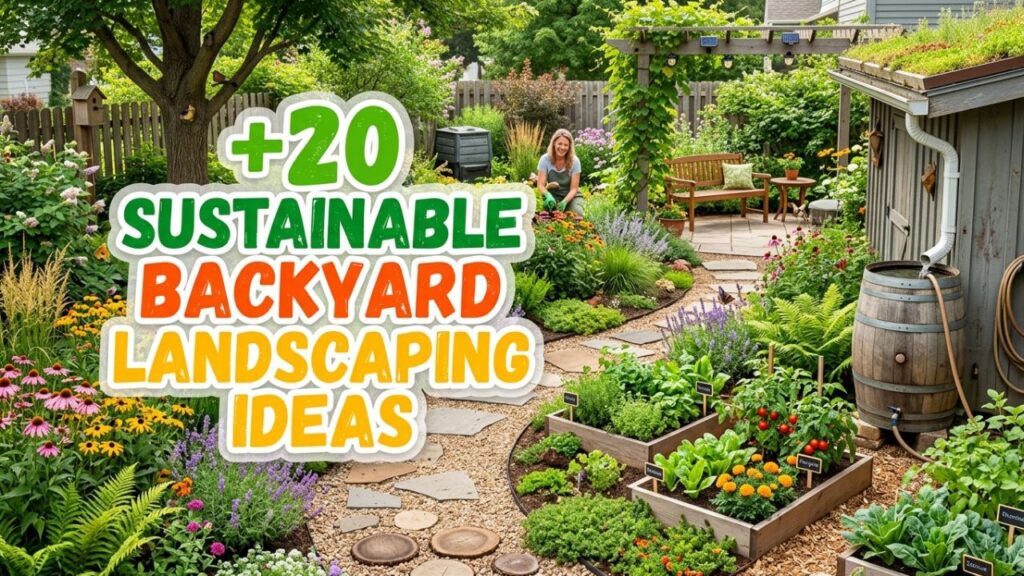
The best part? Most of these fixes are things you can do yourself over a weekend or two.
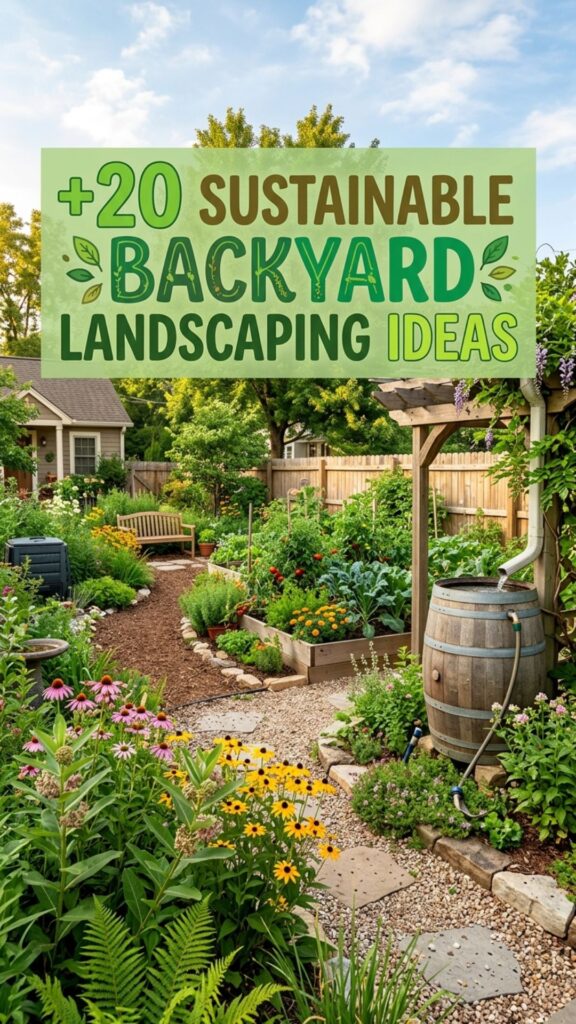
Below, you’ll find 20 sustainable backyard landscaping ideas that balance beauty, savings, and the health of the land around you. Some are simple swaps. Others are bigger projects worth planning for. Together, they’ll help you build a yard that thrives with less effort, less water, and less spending. Let’s dig in.
1. Replace Thirsty Lawns With Native Ground Cover
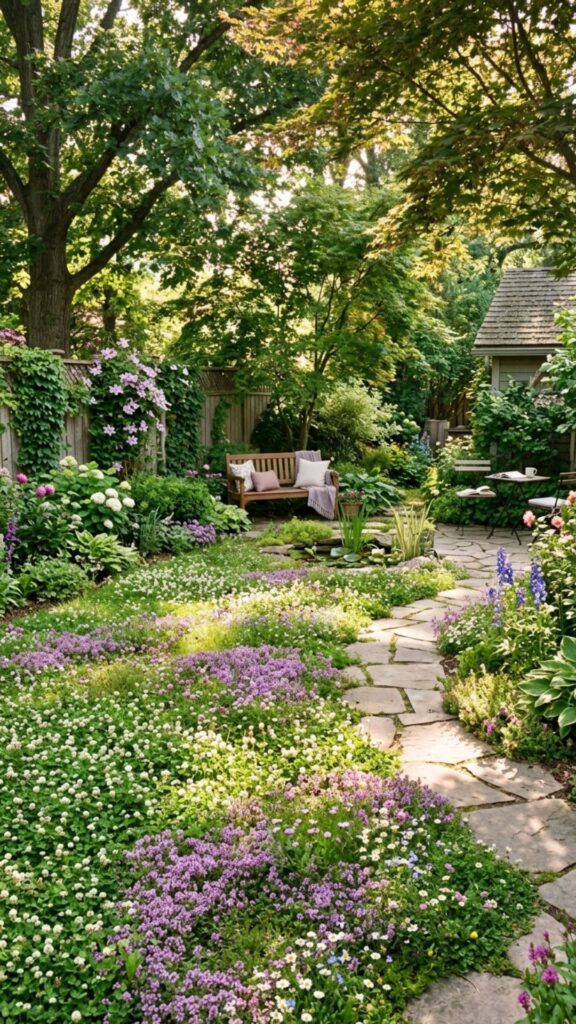
Traditional turf grass is one of the biggest water hogs in any yard. A typical lawn can soak up thousands of gallons every summer, and it demands constant mowing, feeding, and edging. Swapping part of it for native ground cover cuts that need dramatically while giving you a softer, more textured look.
Try creeping thyme, clover, or a regional wildflower mix suited to your climate. In my own yard, replacing a patch of Bermuda grass with clover cut mowing to twice a season and kept the ground green through a dry July. Native plants already know how to survive local conditions, so they rarely need extra pampering once established.
2. Group Plants by Water Needs
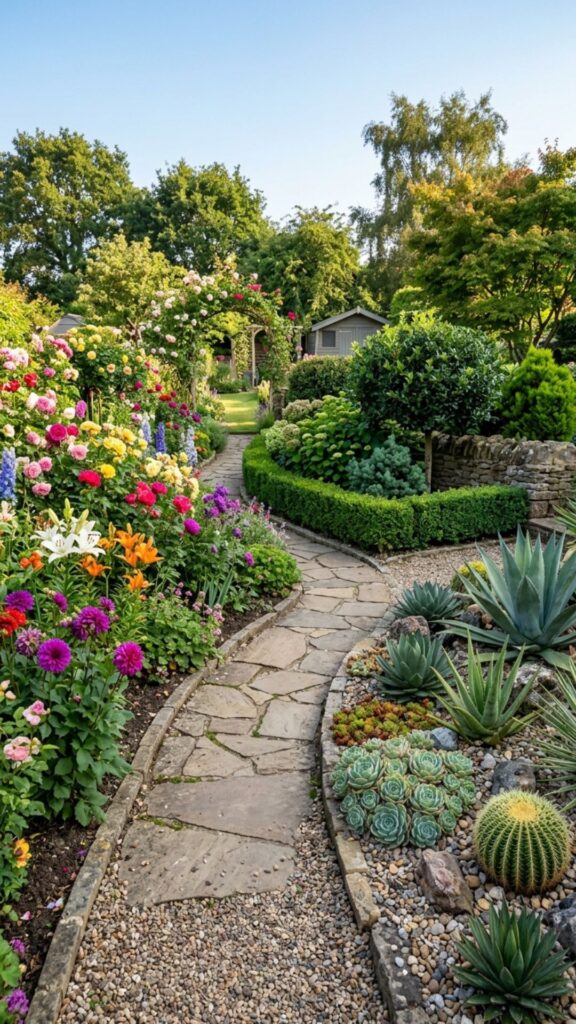
This technique, often called hydrozoning, is one of the smartest habits you can build. When you cluster plants with similar thirst levels together, you avoid overwatering the tough ones just to keep the delicate ones alive. It’s a small planning step with a big payoff.
Picture three zones: a high-water bed near a downspout, a medium zone for shrubs, and a low-water area for succulents or gravel plantings. You water each zone on its own schedule instead of blasting the whole yard the same way. Homeowners often report noticeable drops in usage within the first billing cycle.
3. Install a Drip Irrigation System
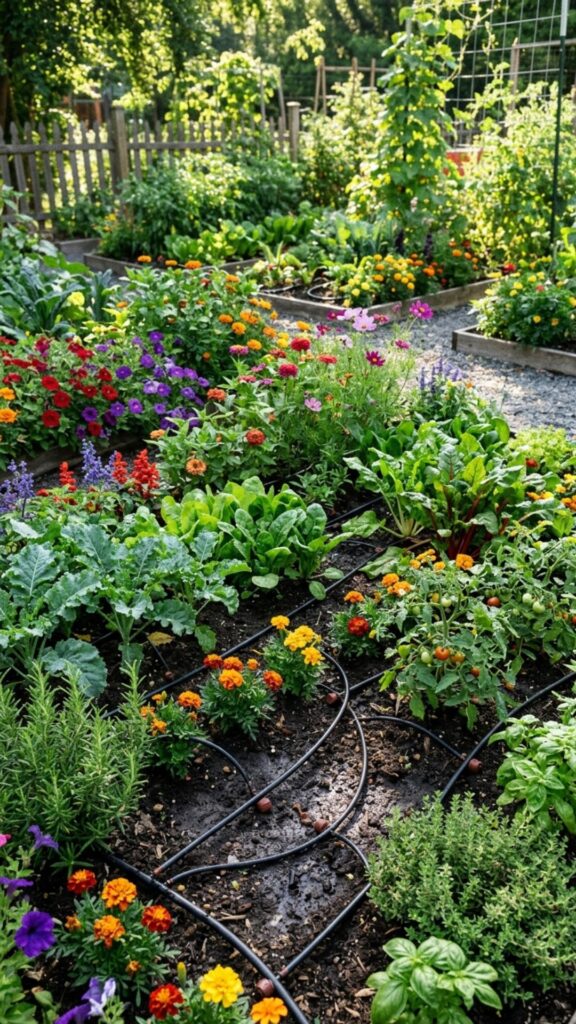
Sprinklers lose a surprising amount of water to wind and evaporation. Drip irrigation delivers water straight to the roots, where plants actually use it. Studies from university extension programs consistently show drip systems can be up to 50% more efficient than overhead spray.
You can buy a starter kit at most hardware stores and lay the tubing yourself in an afternoon. Pair it with a simple timer, and your garden practically waters itself at dawn when evaporation is lowest. Fewer weeds pop up too, since the surrounding soil stays drier.
4. Add a Rain Barrel to Capture Runoff
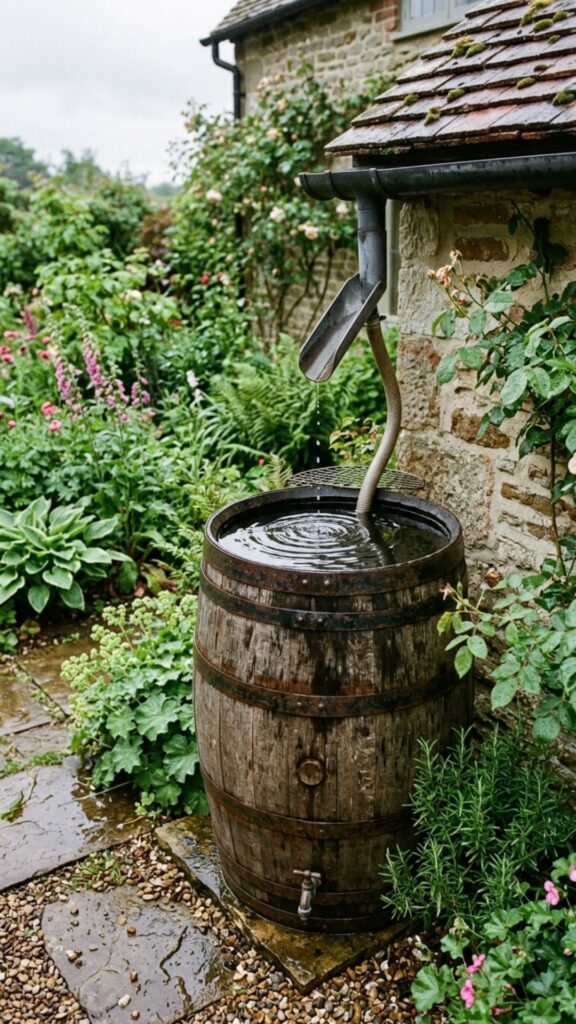
Every inch of rain that hits your roof sends dozens of gallons rushing into the storm drain. A rain barrel catches that free water so you can use it later on garden beds and containers. It’s one of the cheapest sustainability upgrades available.
Set a barrel under a downspout, add a spigot, and cover the top with mesh to keep bugs out. A single 55-gallon barrel can fill fast during a good storm. Some cities even offer rebates, so check with your local water authority before buying.
5. Choose Drought-Tolerant and Native Plants
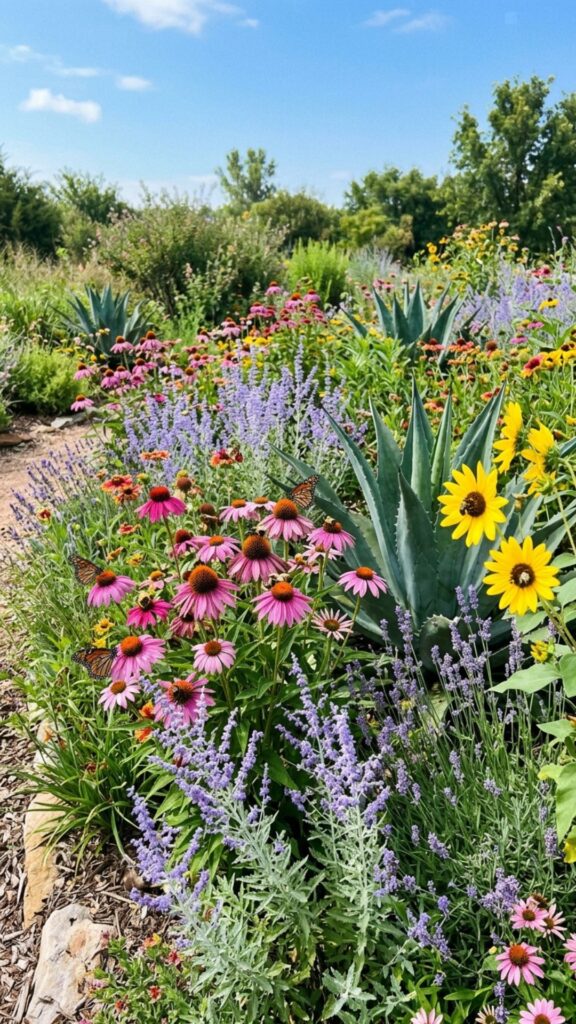
Plants that evolved in your region already handle its rainfall, heat, and soil. That means less watering, less fertilizer, and fewer failures. Native plants also feed local pollinators, which keeps your whole yard healthier.
Think coneflowers and black-eyed Susans in the Midwest, or agave and sage in the Southwest. Visit a local nursery and ask which species are truly native, not just “low maintenance.” The staff usually knows exactly what thrives on your street.
6. Use Mulch to Lock In Moisture
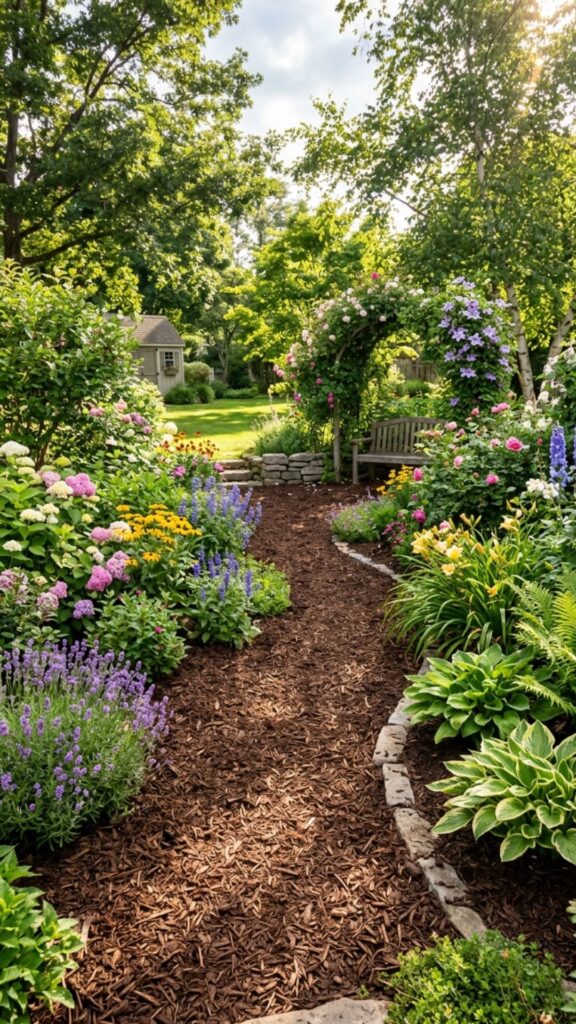
Bare soil dries out fast and invites weeds. A two- to three-inch layer of mulch keeps roots cool, holds moisture, and blocks weed growth all at once. It’s one of the easiest wins on this list.
Wood chips, shredded bark, or straw all work well. Skip dyed mulch when you can and use organic material that breaks down and feeds the soil over time. Refresh it once a year and you’ll water noticeably less during hot spells.
7. Build a Rain Garden in Low Spots
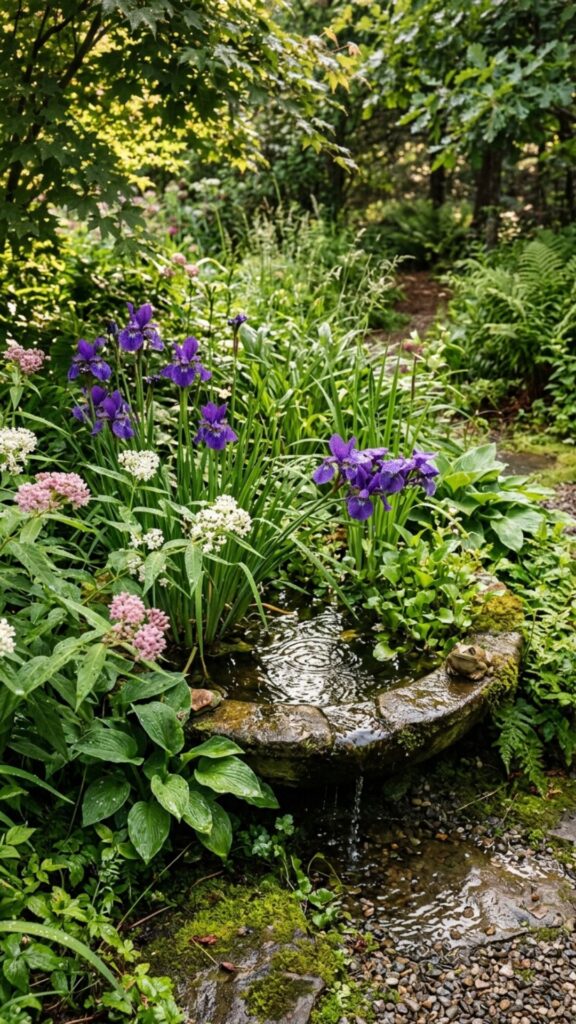
If part of your yard collects puddles after storms, turn that problem into a feature. A rain garden is a shallow, planted depression that captures runoff and lets it soak into the ground slowly. It reduces flooding and filters pollutants before they reach waterways.
Fill it with moisture-loving natives like swamp milkweed or blue flag iris. Once established, these gardens need almost no extra watering. They also become magnets for butterflies and birds, adding life to an otherwise soggy corner.
8. Install Permeable Paving
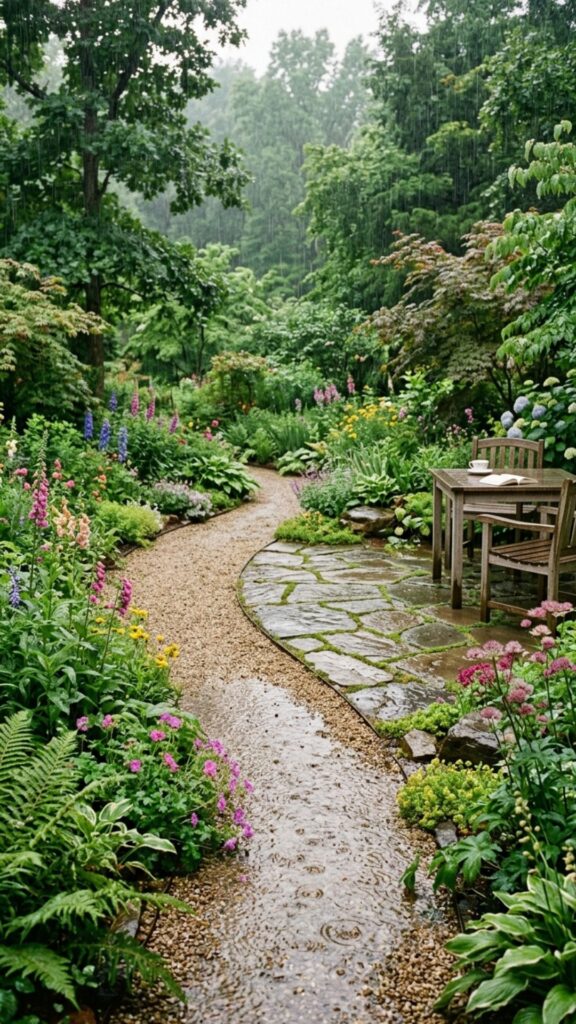
Solid concrete sends rainwater straight to the gutter. Permeable pavers, gravel, or porous concrete let water seep through into the soil below. This recharges groundwater and eases the strain on storm systems.
Use permeable materials for patios, walkways, or driveways. Gravel paths are especially budget-friendly and easy to install yourself. The look is relaxed and natural, and you’ll notice far fewer puddles after rain.
9. Plant Shade Trees Strategically
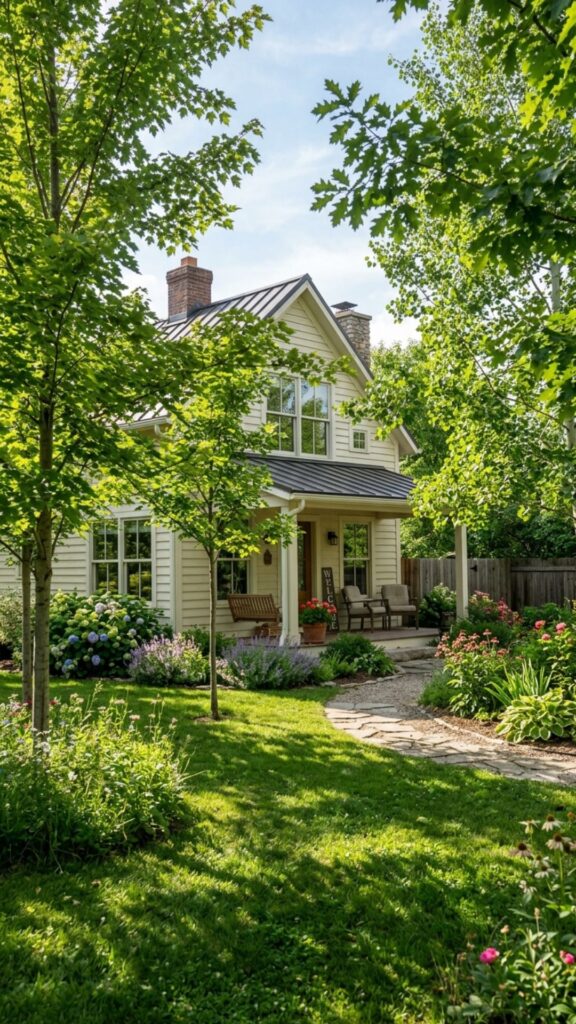
A well-placed tree does more than look nice. Shade cast over your home and yard reduces cooling costs and slows evaporation from the ground below. The Arbor Day Foundation notes that shade trees can trim summer air-conditioning bills significantly.
Plant deciduous trees on the south and west sides so they block harsh summer sun but let winter light through once leaves drop. A young tree costs little and pays you back for decades in comfort and savings.
10. Create a Composting System
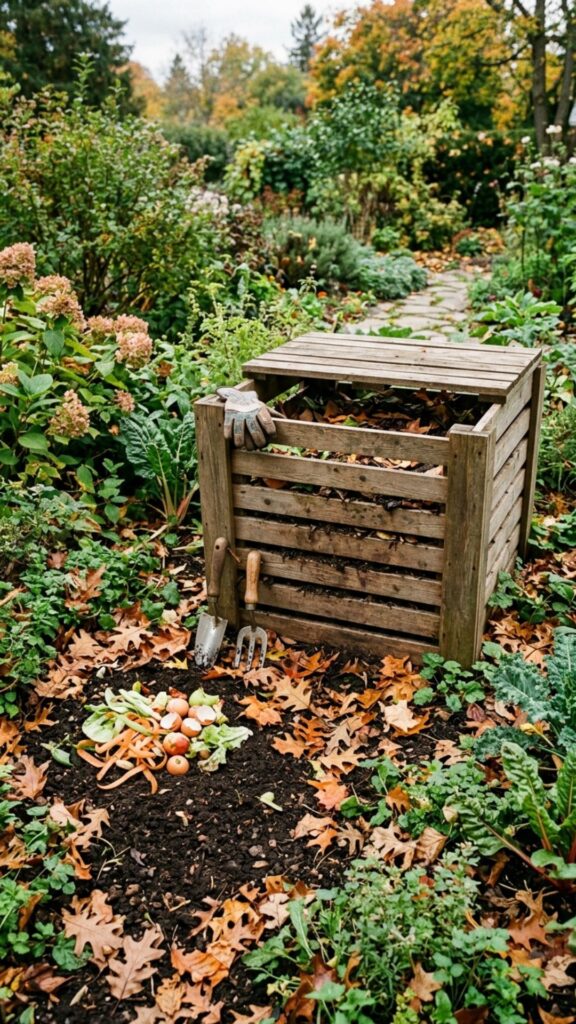
Compost is free fertilizer made from scraps you’d otherwise toss. Adding it to your soil improves its ability to hold water and feed plants, which cuts your need for store-bought products.
Start with a simple bin or pile in a corner. Toss in vegetable peels, coffee grounds, leaves, and grass clippings. Turn it now and then, and within months you’ll have rich, dark compost your garden will love. Your trash volume drops too.
11. Xeriscape With Gravel and Succulents
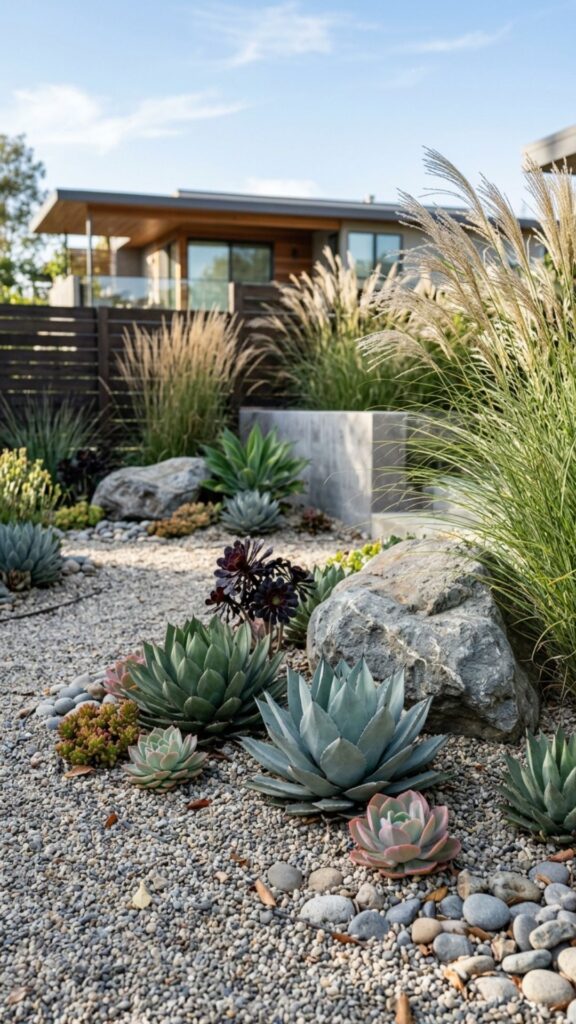
Xeriscaping is landscaping designed for minimal water use, and it’s stunning when done right. Combine gravel beds, boulders, and sculptural succulents for a low-water design that looks intentional and modern.
Agaves, sedums, and ornamental grasses need little more than rainfall once rooted. This approach shines in arid regions but works anywhere you want to shrink a thirsty flower bed. Maintenance drops to almost nothing.
12. Harvest Greywater From the Home
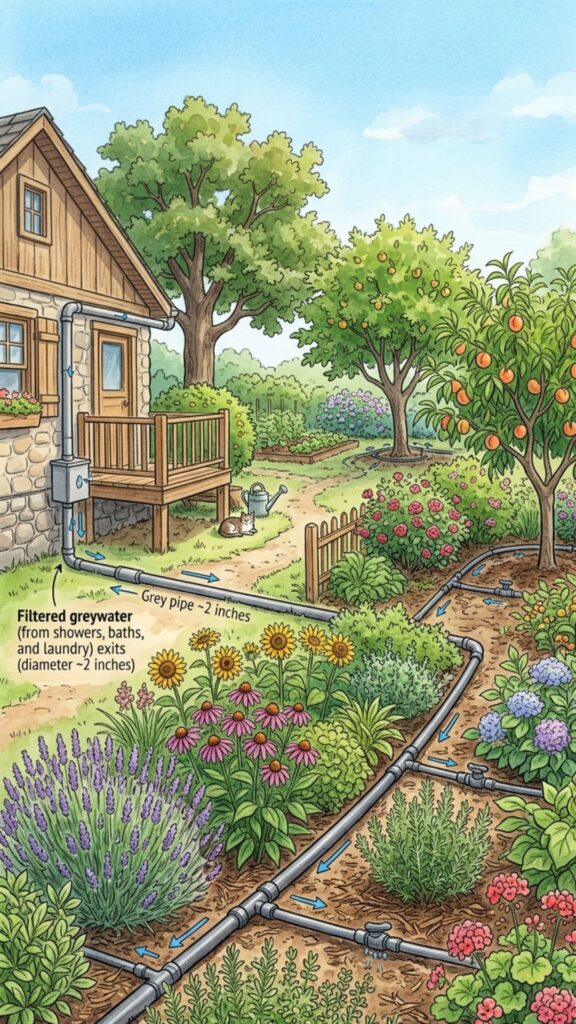
Greywater is the gently used water from sinks, showers, and laundry. With a proper system, you can redirect it to irrigate trees and ornamental plants instead of sending it down the drain.
Check your local codes first, since rules vary by area. A simple laundry-to-landscape system is often the easiest legal starting point. Use plant-friendly, biodegradable soaps, and you’ll reuse gallons that would otherwise go to waste.
13. Grow an Edible Garden
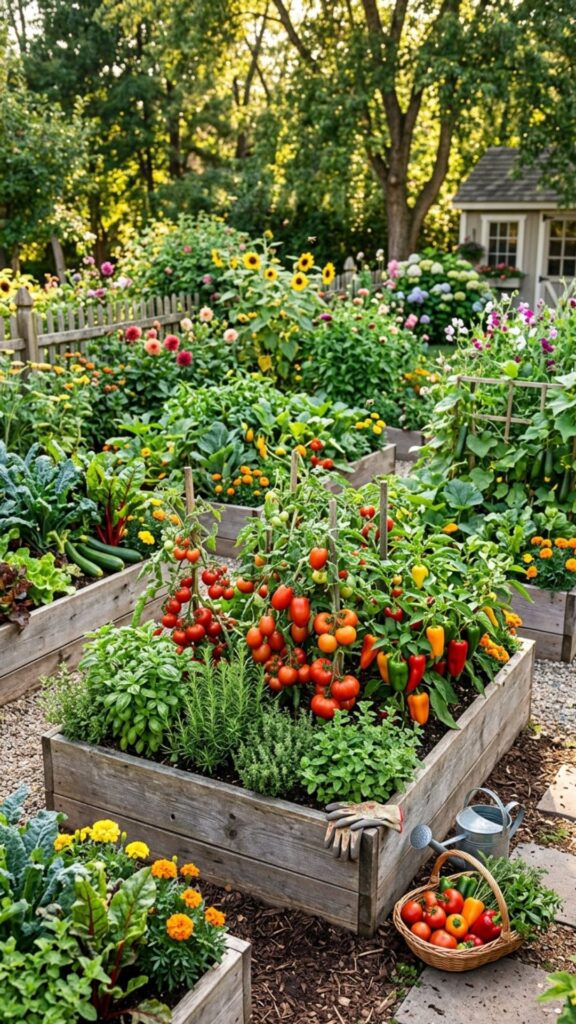
Food you grow at home costs less than store produce and travels zero miles. A vegetable and herb garden turns unused lawn into something productive and delicious.
Start small with tomatoes, peppers, and herbs in raised beds. Water them with your rain barrel supply and feed them with your compost. Few things beat picking dinner ingredients from your own backyard.
14. Add Pollinator-Friendly Flower Beds
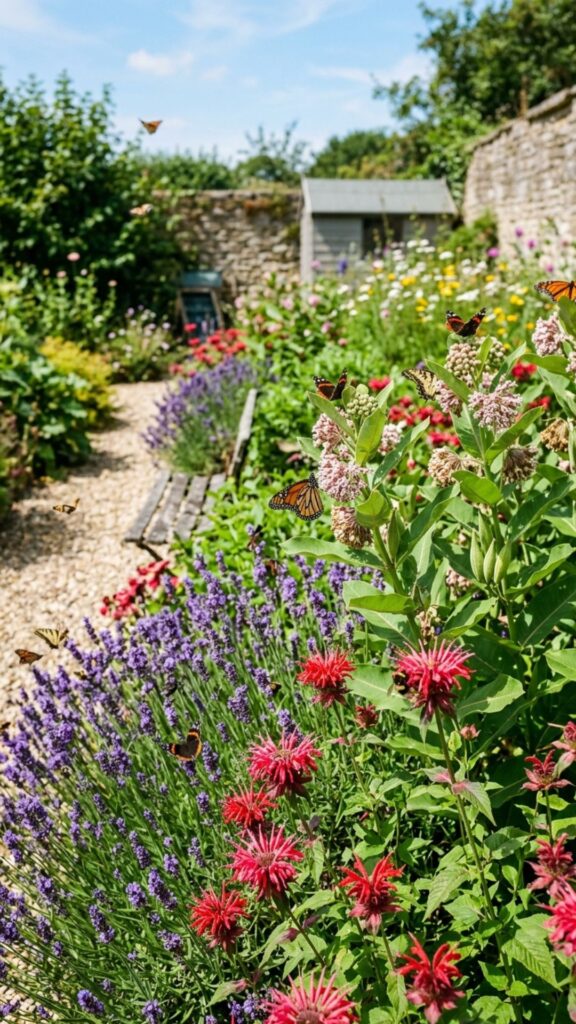
Bees, butterflies, and hummingbirds keep gardens flourishing. Planting flowers they love supports the ecosystem and boosts your own harvest through better pollination.
Choose native blooms like bee balm, lavender, and milkweed that flower at different times so there’s always food available. Skip pesticides that harm the very insects you’re trying to attract. The buzz of activity is a reward all its own.
15. Use Smart Irrigation Controllers
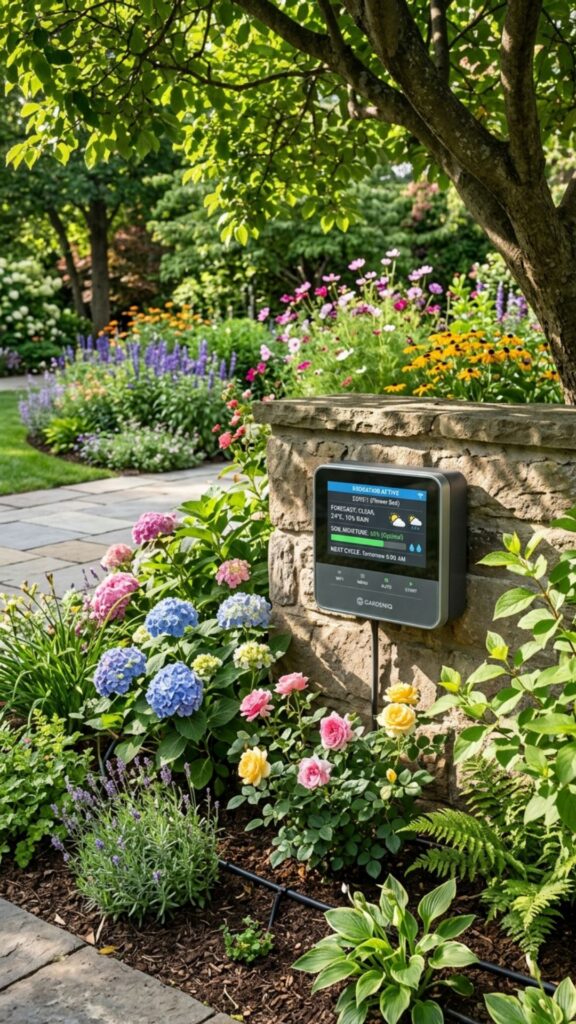
A smart controller adjusts watering based on weather and soil data. It skips a scheduled run when rain is coming and waters more during heat waves, so you never overdo it.
Many models connect to your phone and pull local forecasts automatically. The upfront cost is modest, and the water savings often pay it back within a season or two. It’s set-and-forget efficiency.
16. Install Terracing on Sloped Yards
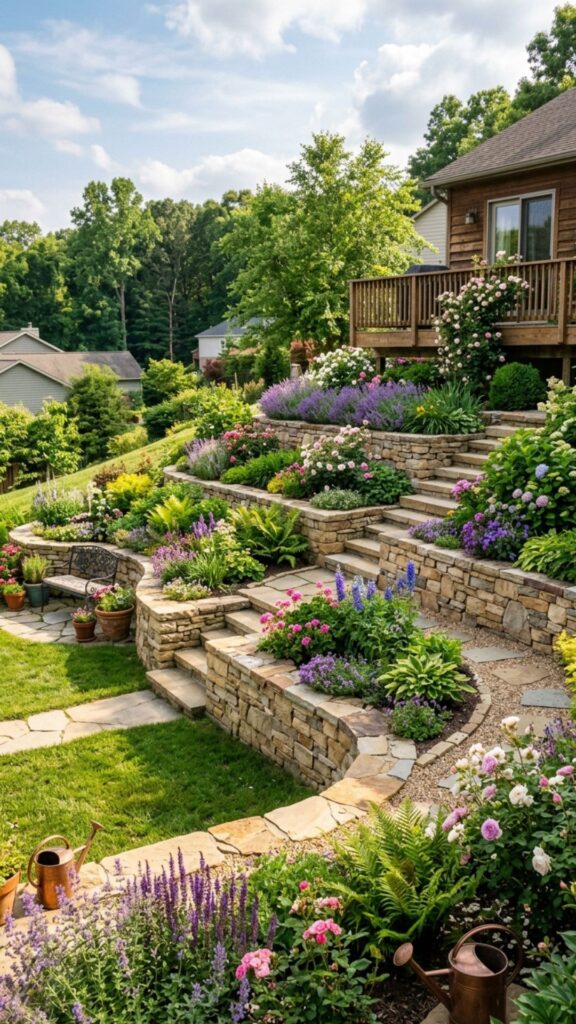
Slopes lose water and soil fast as everything runs downhill. Terracing breaks a slope into level steps that hold water where plants can use it and prevent erosion.
Use stone, timber, or recycled blocks to build the retaining edges. Each terrace becomes a tidy planting bed. Beyond the practical benefits, terraced yards look polished and add usable space to an otherwise tricky slope.
17. Choose Native Ornamental Grasses
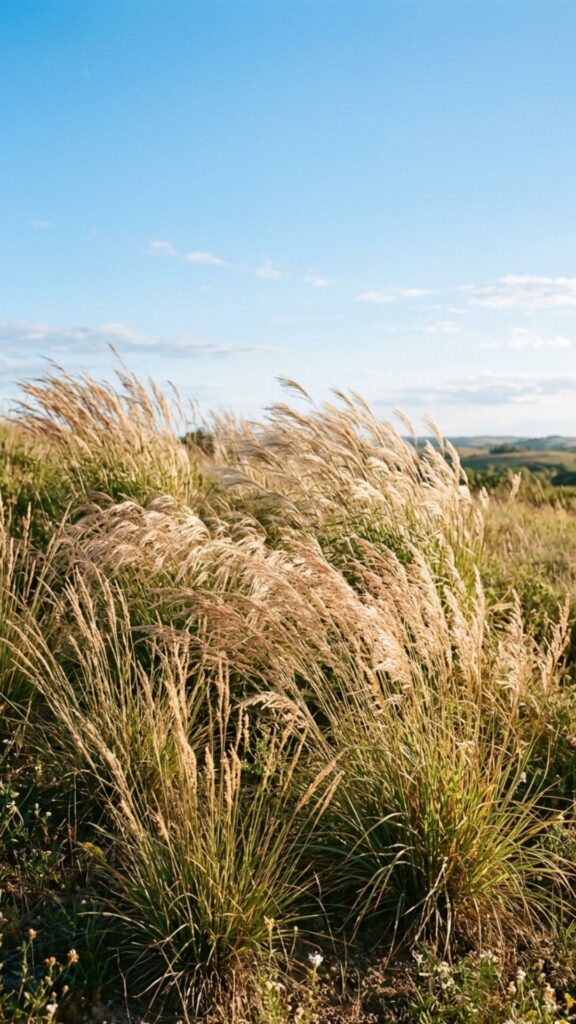
Ornamental grasses bring movement, texture, and year-round interest with barely any upkeep. Native varieties handle drought, resist pests, and rarely need fertilizer.
Little bluestem, switchgrass, and fountain grass sway beautifully in the wind and glow in autumn light. Plant them in clusters for impact. Once established, they mostly fend for themselves, which is exactly what busy homeowners want.
18. Set Up a Wildlife Habitat Corner
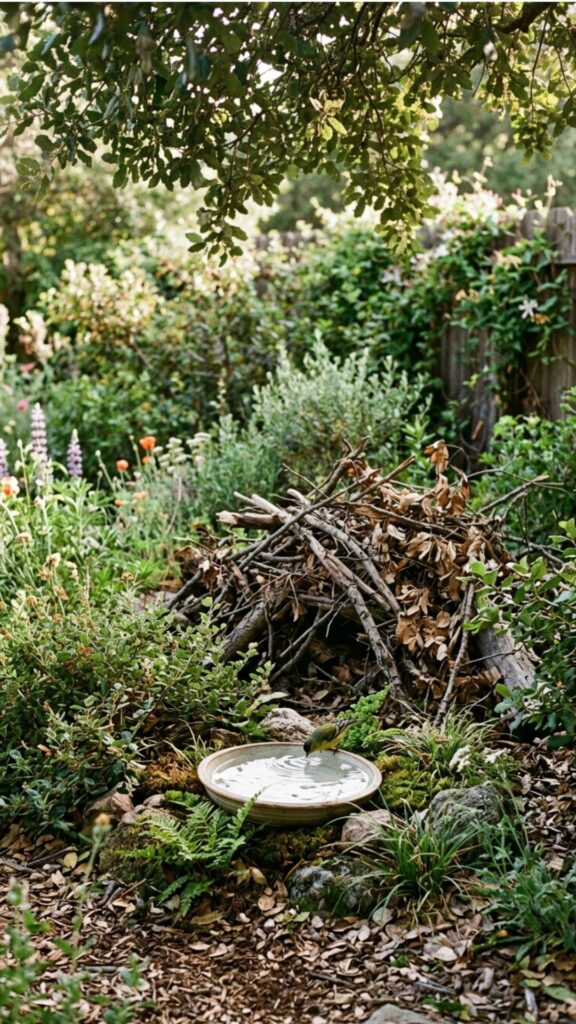
Dedicate a small area to nature and it will reward you. A brush pile, a few native shrubs, and a shallow water dish create shelter and food for birds and beneficial insects.
This corner needs almost no maintenance and adds real biodiversity to your yard. Beneficial predators like ladybugs and birds help control pests naturally, cutting your need for chemical sprays.
19. Reduce and Reuse Hardscape Materials
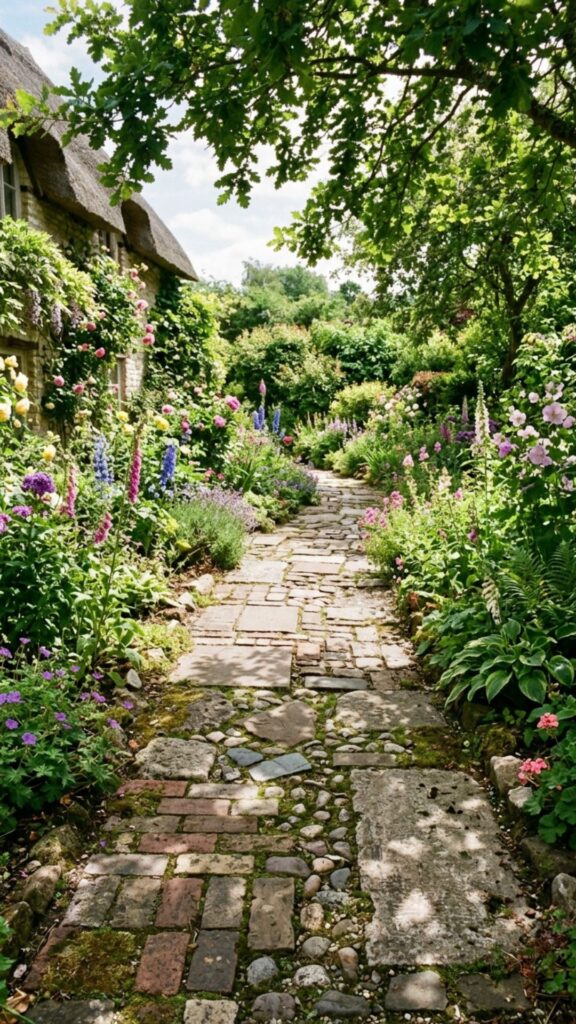
Before buying new stone or pavers, look at what you already have or what’s available secondhand. Salvaged brick, broken concrete, and reclaimed wood make striking, budget-friendly features.
Broken concrete, often called urbanite, can build charming retaining walls or paths. Reusing materials keeps waste out of landfills and gives your yard a one-of-a-kind character new products can’t match.
20. Install Solar-Powered Landscape Lighting
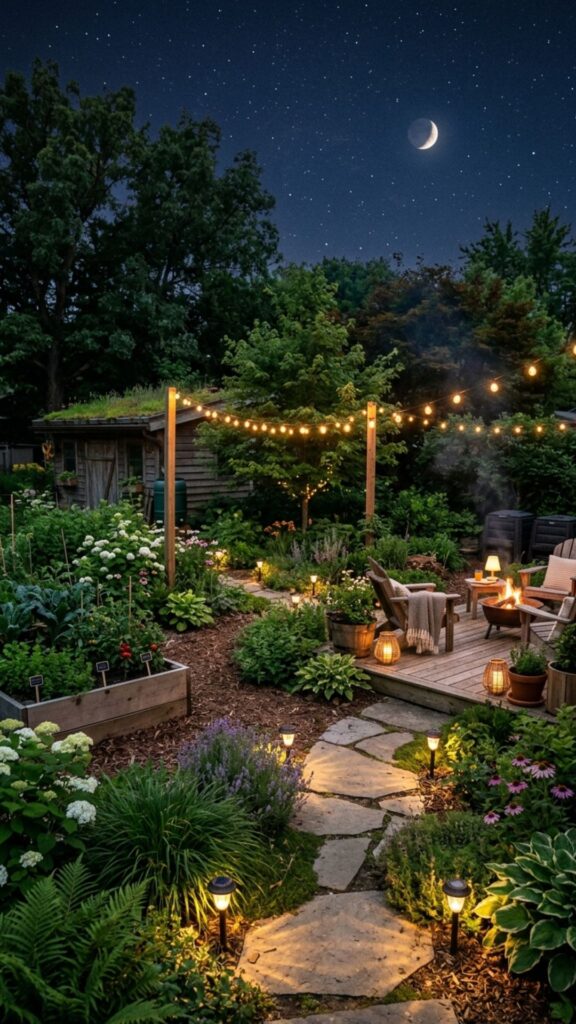
Lighting extends your evenings outdoors, but wired systems add to your electric bill. Solar path lights and string lights charge by day and glow at night for free.
Modern solar fixtures are brighter and more reliable than older versions. Line a walkway or highlight a favorite tree without digging trenches or hiring an electrician. It’s an easy finishing touch on a sustainable yard.
Conclusion
Building a beautiful, water-wise yard isn’t about doing everything at once. Pick two or three of these sustainable backyard landscaping ideas that fit your space and budget, then build from there. Start a rain barrel this weekend, swap one thirsty bed for natives next month, and watch your water bill shrink while your yard grows healthier.
Ready to get started? Grab a notebook, walk your yard, and note where water pools, where the sun beats down, and which patches you’d happily replace. That simple map is the first step toward a landscape that saves money for years to come. Your future self, and your wallet, will thank you.
What is the cheapest way to make my backyard more sustainable?
The cheapest starting point is mulching your garden beds and adding a rain barrel. Mulch costs little, holds moisture, and cuts watering needs, while a rain barrel captures free rainwater for your plants. Both can be done in a single weekend for under $100.
How much water can sustainable landscaping actually save?
Sustainable landscaping can cut outdoor water use by 30% to 60%, depending on your climate and choices. Drip irrigation alone improves efficiency by up to 50%, and replacing thirsty lawns with native plants delivers the biggest long-term savings.
Do drought-tolerant plants look dull or bare?
Not at all. Drought-tolerant gardens can be vibrant and full of texture. Native flowers, ornamental grasses, and blooming succulents offer color across the seasons while needing far less water than traditional beds.
How do I start xeriscaping my yard?
Begin by grouping plants by water needs, replacing turf with gravel or mulch, and choosing native, drought-tolerant species. Add drip irrigation and boulders for structure. Start with one section to keep the project manageable and affordable.
Are rain barrels legal everywhere?
Rain barrels are legal in most areas, and many cities encourage them with rebates. A few states have restrictions on collection amounts, so it’s smart to check your local water authority’s guidelines before installing one.