Choosing dining room chairs is harder than it looks. You’re balancing comfort, durability, style, and budget — all while trying to find something that actually fits your table and the room around it. Get it wrong, and even a beautiful dining table feels off.

This guide cuts through the confusion. You’ll find 20 of the most stylish and functional chair types available today, covering everything from classic upholstered seats to bold statement designs. Each one comes with specific, practical advice so you can decide what works best for your home — not just what looks good in a showroom.
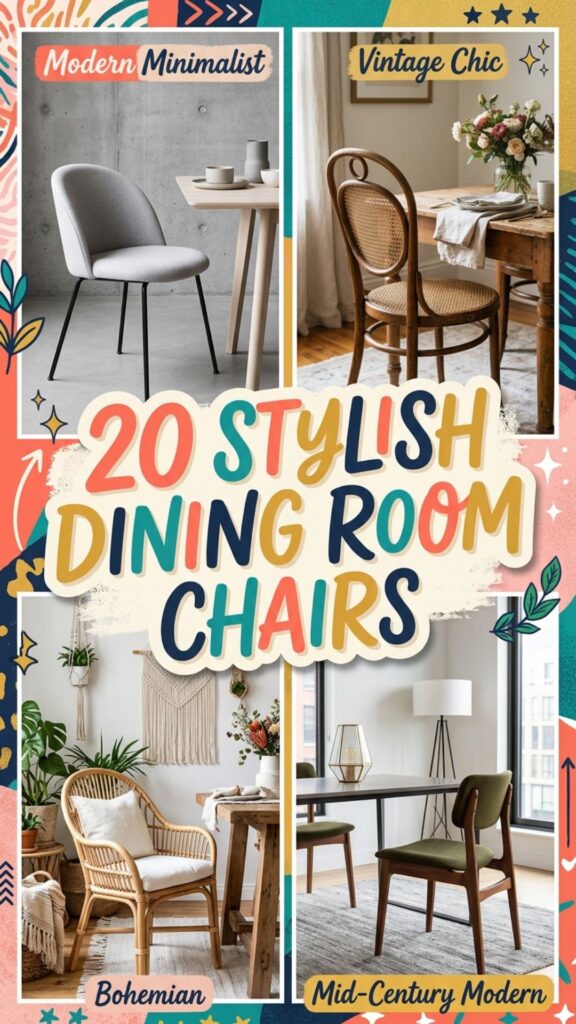
Whether you’re furnishing a first apartment, updating a family dining room, or designing something a little more formal, there’s a chair here for you.
1. Classic Upholstered Dining Chair
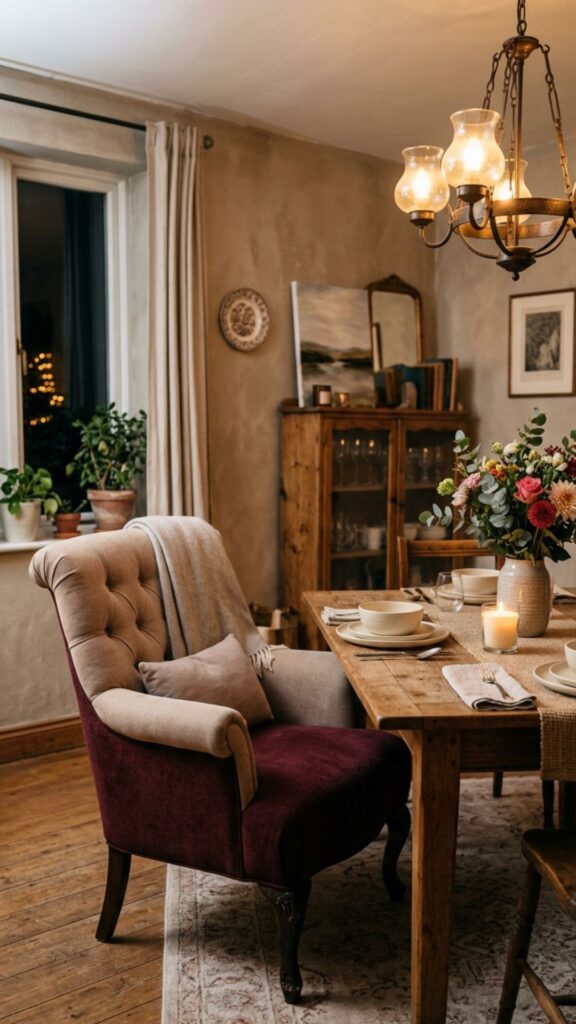
An upholstered dining chair is the most versatile pick for almost any dining room. Padded seats and backs make long meals noticeably more comfortable, and the fabric or leather covering gives you a wide range of styling options — from traditional to transitional.
For family use, choose a performance fabric like bouclé or treated linen that resists stains and cleans with a damp cloth. Opt for a solid wood frame in oak or walnut for longevity. This is one chair type that genuinely suits nearly every table shape and interior style.
2. Parsons Chair
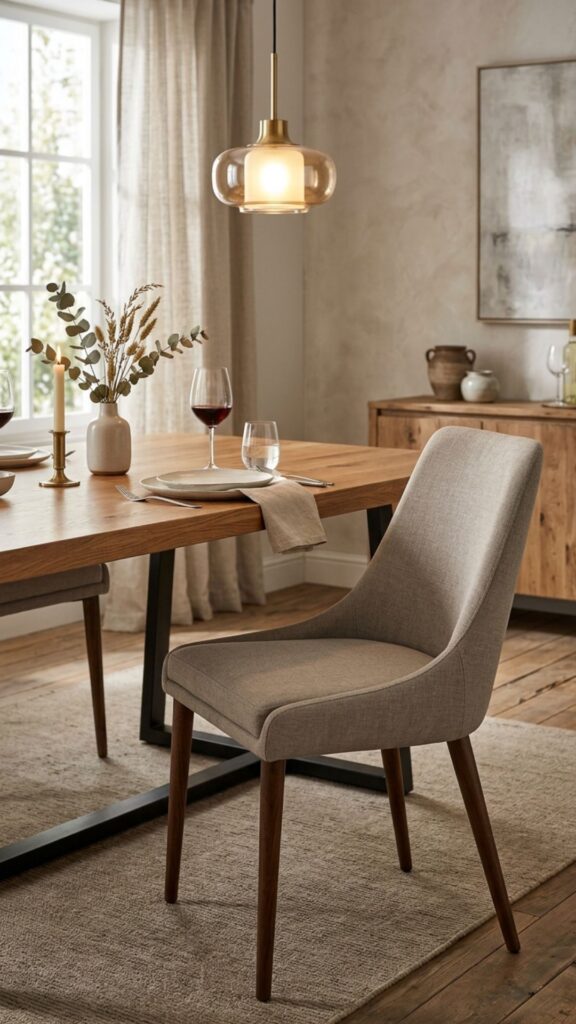
The Parsons chair is fully upholstered — seat, back, and legs — giving it a clean, boxy silhouette that works well in both modern and classic dining rooms. Its simple shape makes it easy to reupholster later, which extends its lifespan considerably.
Because the fabric covers the entire chair, your material choice matters more here than with other styles. A solid color or subtle texture reads as timeless. A bold print or contrasting piping adds personality without going overboard. This is a smart long-term investment when you buy a well-constructed frame.
3. Windsor Chair
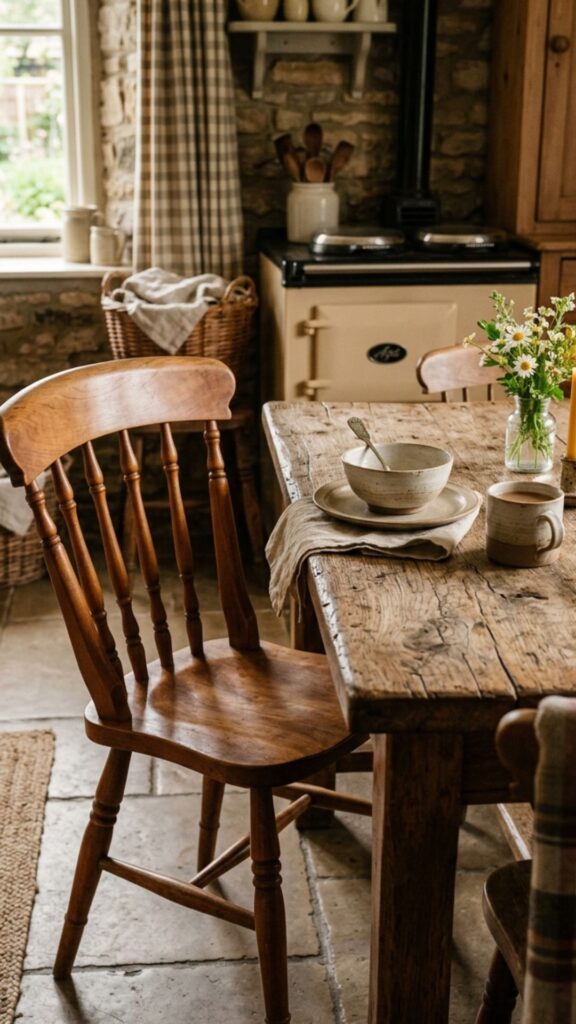
The Windsor chair is a true classic — wooden seat, splayed legs, and a spindle back that has remained largely unchanged for centuries. It’s immediately recognizable and works especially well in farmhouse, cottage, and traditional dining rooms.
Modern versions come painted in matte black, white, or forest green, which gives the style a more contemporary edge. Mix painted Windsors with a raw wood dining table for a casual, layered look that doesn’t feel overly matched or staged.
4. Ghost Chair
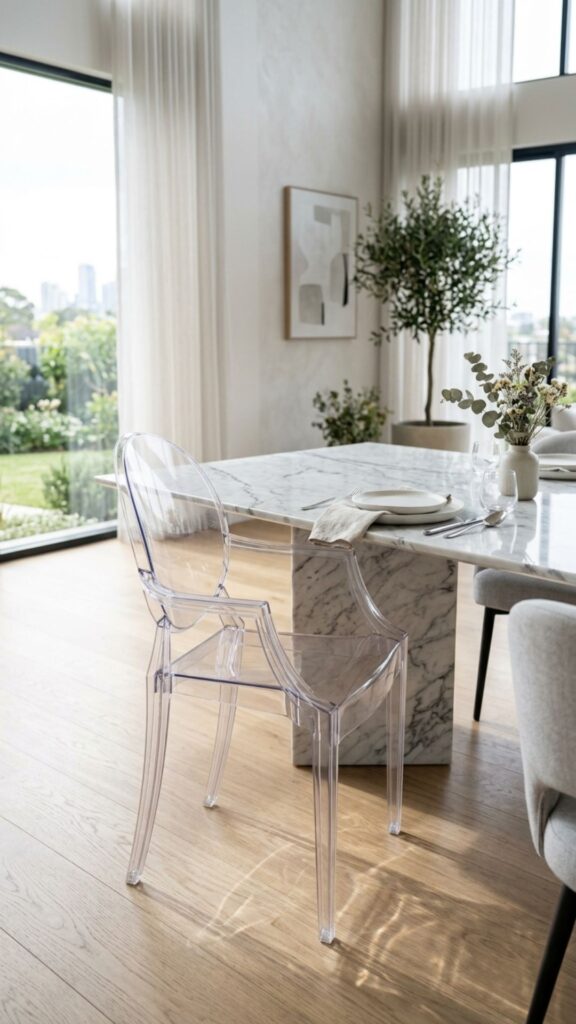
If your dining room leans toward the contemporary or eclectic, a ghost chair — made from a single piece of molded polycarbonate — is a striking choice. Its transparency lets the room’s flooring, rug, and table do the visual work without visual crowding.
Ghost chairs are lightweight, easy to wipe clean, and surprisingly sturdy. They work particularly well in smaller dining rooms where solid chairs would make the space feel heavy. Use them alongside a wooden or marble table for an interesting contrast of materials.
5. Cross-Back Dining Chair
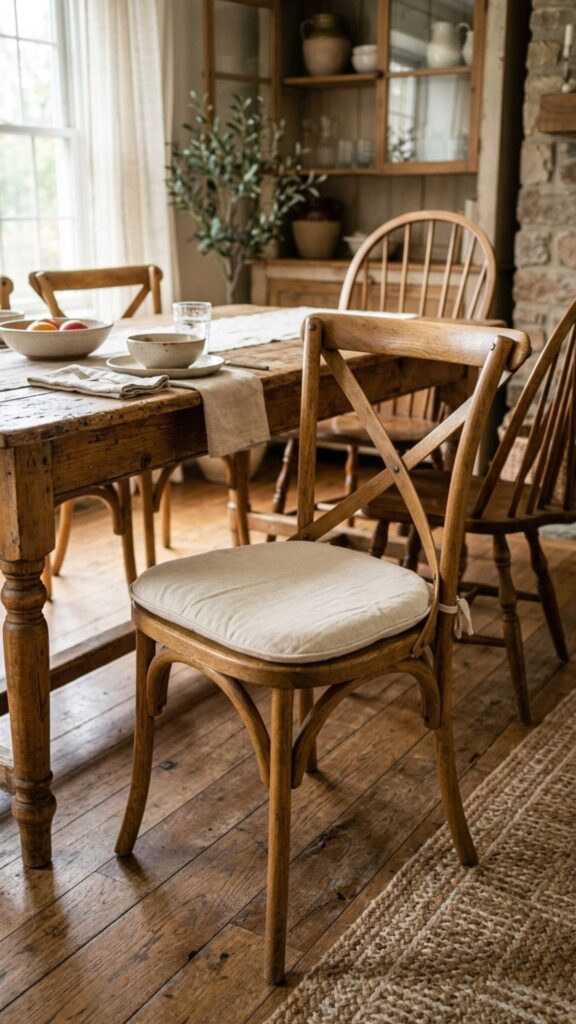
The cross-back — also called an X-back — is one of the most popular dining room chair styles today, especially in farmhouse and rustic interiors. The diagonal bracing on the backrest gives it a distinctive look that’s casual without being sloppy.
These chairs typically come in solid wood or metal, and both versions hold up well to everyday use. Add a tied-on seat cushion in a woven or linen fabric to soften the look and make long meals more comfortable. They mix easily with other chair styles if you want a collected, unfussy look.
6. Wishbone Chair
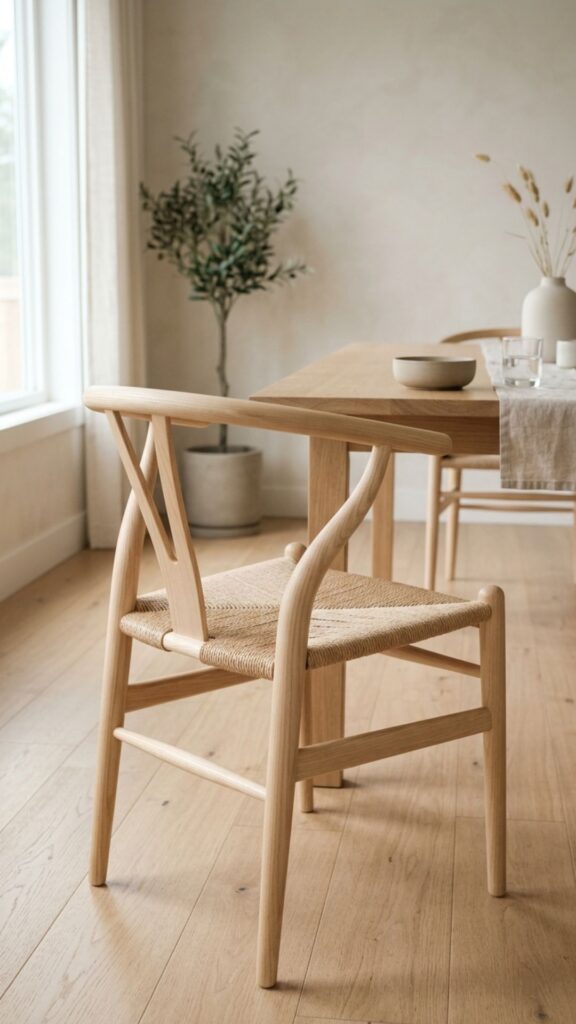
Designed by Hans Wegner in 1949, the Wishbone chair — named for its Y-shaped back — is one of the most recognized pieces of Scandinavian furniture. It’s light, elegant, and genuinely comfortable despite its slender profile.
It suits Scandinavian, mid-century, and contemporary dining rooms naturally, but it also holds its own in more eclectic spaces. The seat is woven from paper cord, which is more durable than it sounds and develops a subtle patina over time. This is a chair worth spending a little more on because it lasts.
7. Industrial Metal Chair
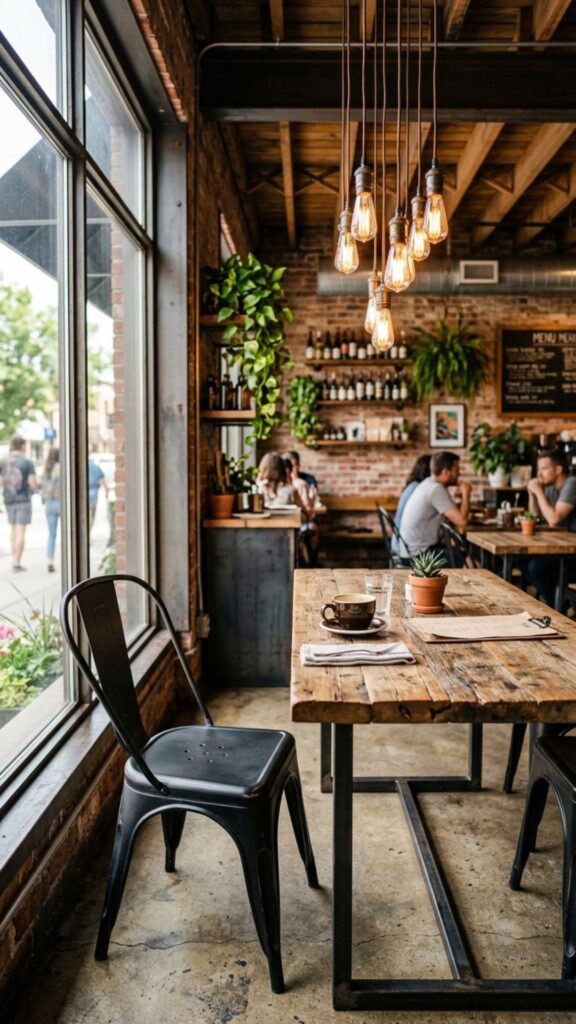
Powder-coated steel dining chairs with a slightly raw, utilitarian look suit industrial, loft, and modern-rustic dining rooms. They stack easily, clean quickly, and hold up to heavy daily use without showing wear.
Pair them with a reclaimed wood table and exposed bulb pendant lights for a cohesive industrial aesthetic. Add a simple seat cushion if comfort is a priority — hard metal seats aren’t ideal for multi-hour gatherings without one.
8. Rattan Dining Chair
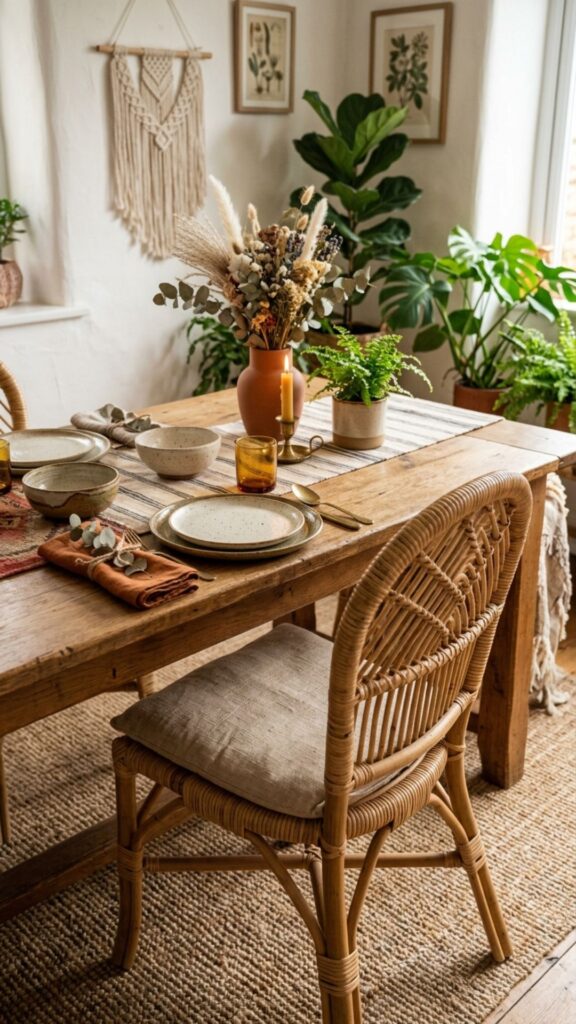
Rattan dining chairs bring warmth, texture, and a relaxed natural quality that suits coastal, bohemian, and transitional dining rooms. The woven or wrapped rattan frame pairs beautifully with linen cushions, wooden tables, and organic textures.
Look for chairs with a solid rattan or bamboo frame rather than a hollow one — they’re more stable and last longer. Indoor rattan is different from outdoor wicker, so confirm the material is suited for interior use before purchasing.
9. Velvet Dining Chair
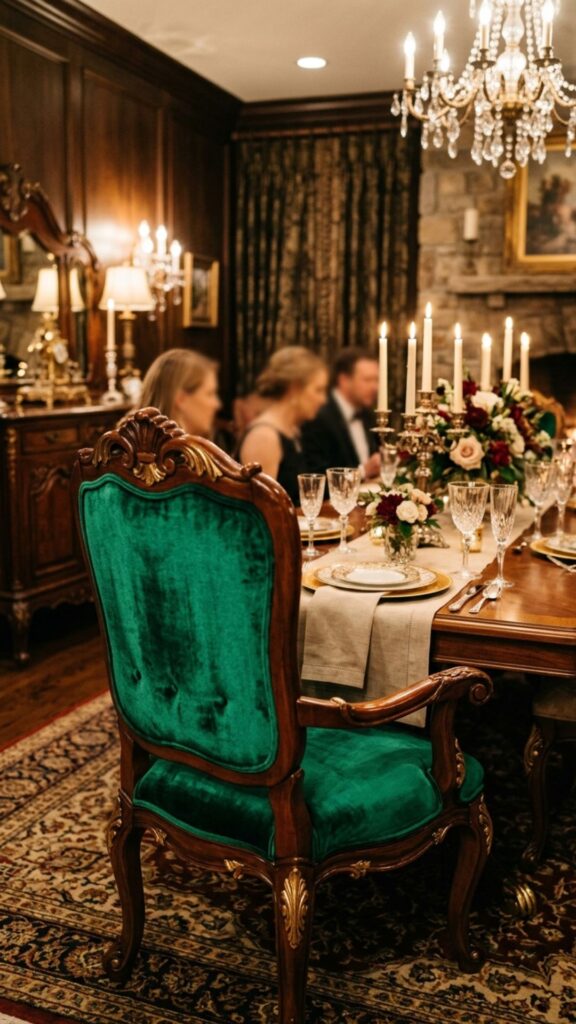
A velvet dining chair is the fastest way to add richness and formality to a dining room. Jewel tones — deep green, dusty rose, midnight blue — photograph beautifully and create a strong visual impression without requiring major renovations.
Choose a velvet with a dense pile and a kiln-dried hardwood frame for durability. Velvet can hold up well to everyday use if the quality is solid, but it does attract pet hair more readily than smooth fabrics. A lint roller nearby goes a long way.
10. Woven Seagrass Chair
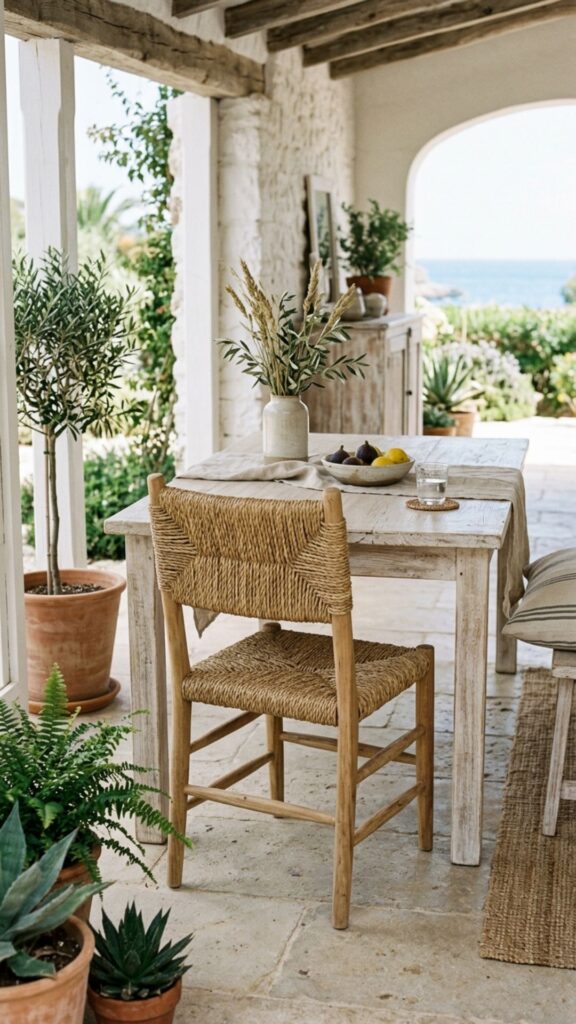
Seagrass chairs have a natural, handcrafted quality that suits coastal, organic-modern, and bohemian dining rooms. The woven seat and back add texture without pattern, which keeps the overall look grounded and calm.
These chairs pair especially well with whitewashed wood, stone, or concrete dining tables. They’re lightweight and easy to move, which makes them practical for rooms that double as entertaining spaces. Check that the frame is sturdy solid wood — the seagrass covering should complement a well-built structure, not compensate for a weak one.
11. Bench-Style Seating on One Side
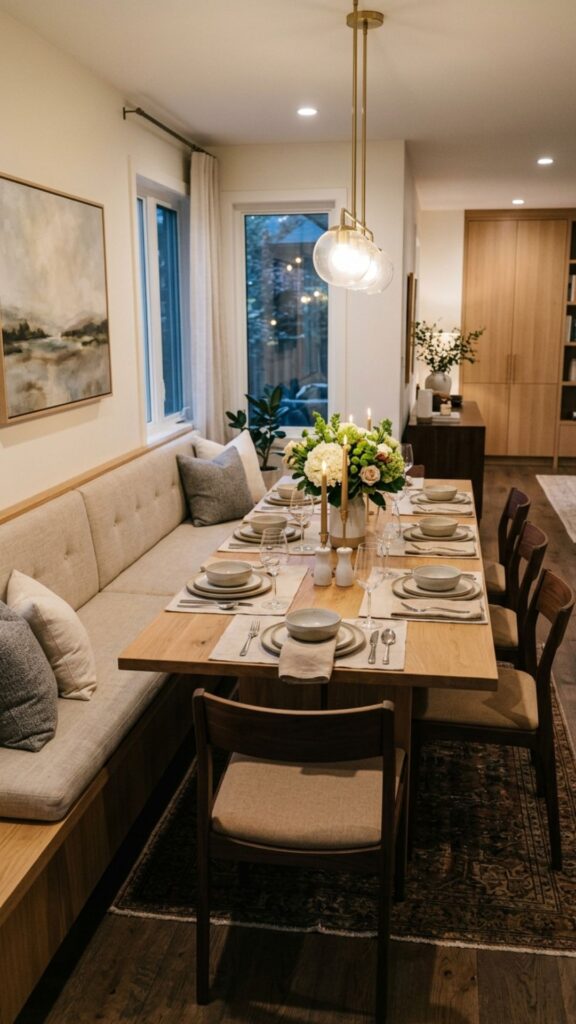
One of the most space-efficient approaches to dining seating is replacing dining room chairs on one side of the table with a long bench. It accommodates more people than individual chairs and creates a casual, communal feel.
Use individual chairs on the opposite side for visual balance and practicality — not everyone finds backless bench seating comfortable for long periods. A bench with a cushioned seat improves comfort significantly and ties the seating together visually.
12. Acrylic Lucite Chair
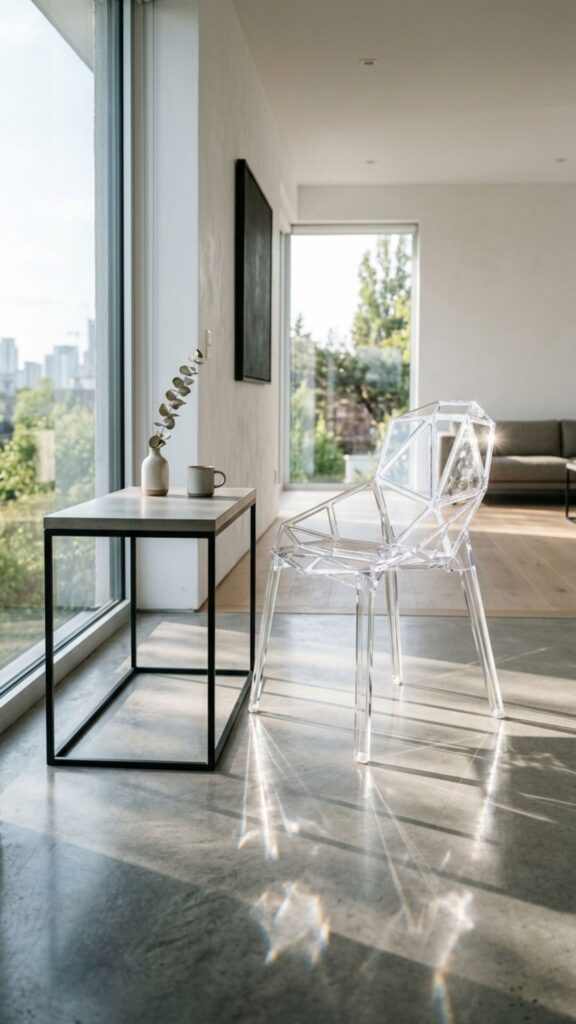
Similar to the ghost chair but with sharper angles and thicker material, acrylic Lucite chairs have a glamorous edge that suits Hollywood Regency and contemporary-glam dining rooms. They’re statement pieces that work best when paired with a simple, elegant table.
Clear acrylic shows fingerprints easily, so they require regular wiping. Tinted versions — in amber, smoke, or blush — are a practical alternative that still keeps the transparency effect while being slightly more forgiving in day-to-day use.
13. Ladder-Back Chair
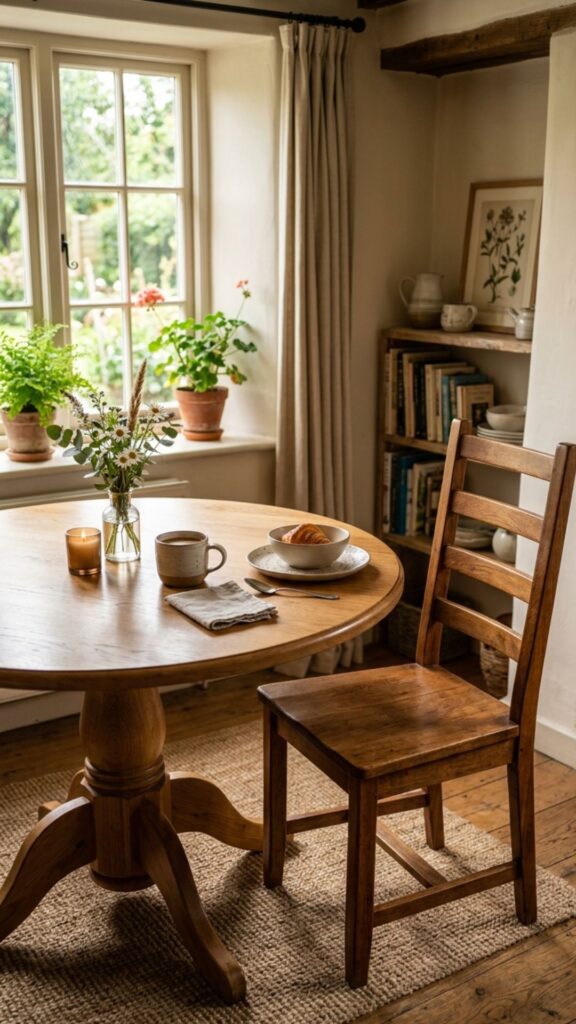
The ladder-back is a traditional style with horizontal slats forming the backrest — like the rungs of a ladder. It suits farmhouse, Shaker, country, and transitional dining rooms and has been a reliable choice for well over a century.
The open back design keeps the chair from feeling bulky, which is useful in smaller dining rooms. Pair it with a round pedestal table for a cozy, informal setup that invites lingering at the table long after a meal is done.
14. Wingback Dining Chair
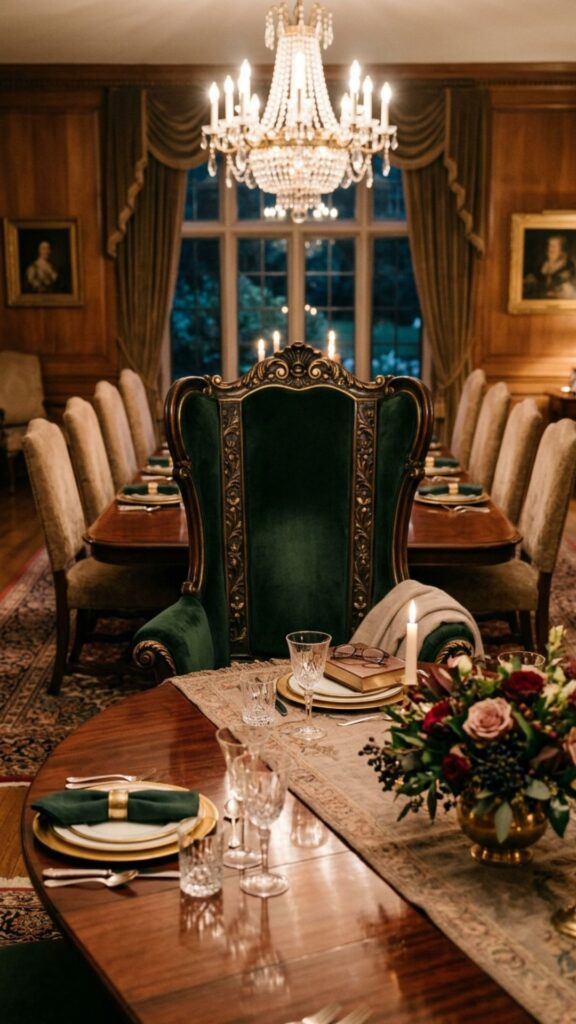
Wingback chairs bring a library or sitting room quality to the dining table — in the best possible way. The high back and side panels create an almost cocoon-like feeling that’s particularly suited to formal, moody dining rooms.
Because they’re slightly bulkier than standard dining chairs, they work best in larger rooms where they won’t crowd the space. Use wingbacks at the heads of the table only, flanked by slimmer chairs along the sides, to create a sense of hierarchy without overdoing it.
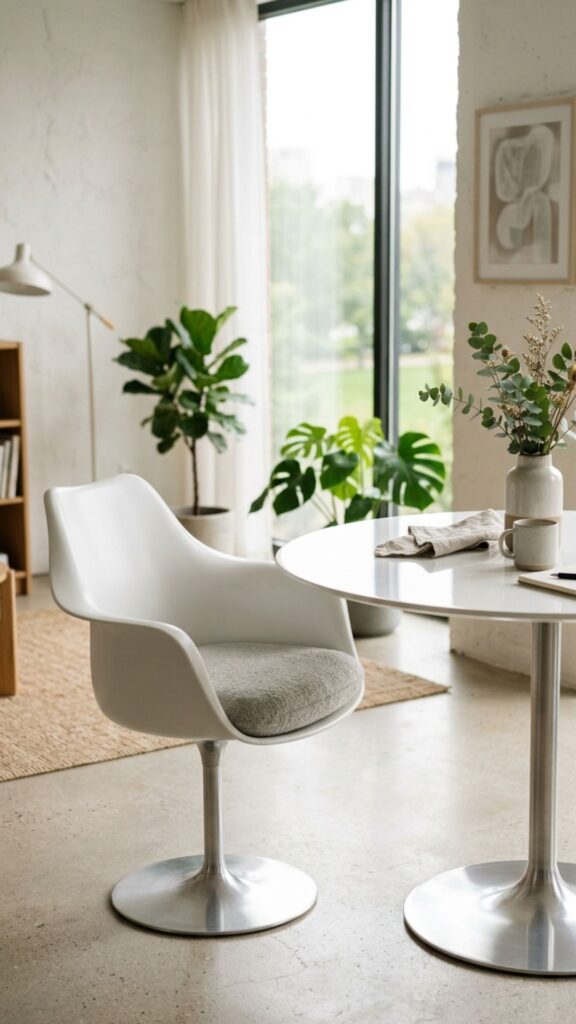
15. Tulip Chair
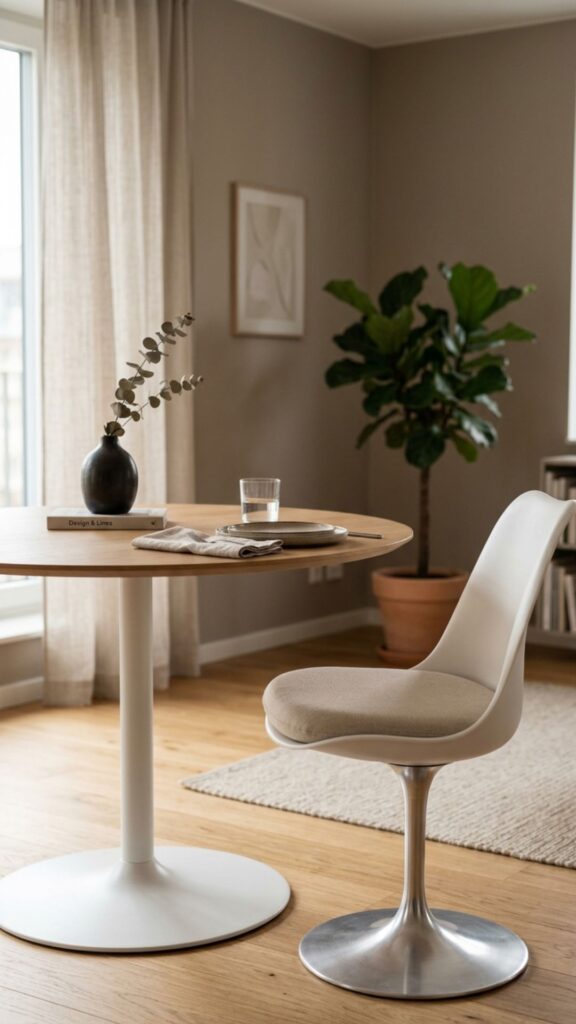
Eero Saarinen’s Tulip chair — a single pedestal base with a curved seat — is one of the most iconic mid-century pieces ever designed. It pairs naturally with a matching Tulip table, but it also works beautifully alongside other round or oval tables.
The molded fiberglass shell is durable and easy to clean. Cushioned seat pads are available in a range of colors, making it easy to personalize. This is a chair that works hard aesthetically while remaining genuinely comfortable for everyday dining.
16. Spindle-Back Chair
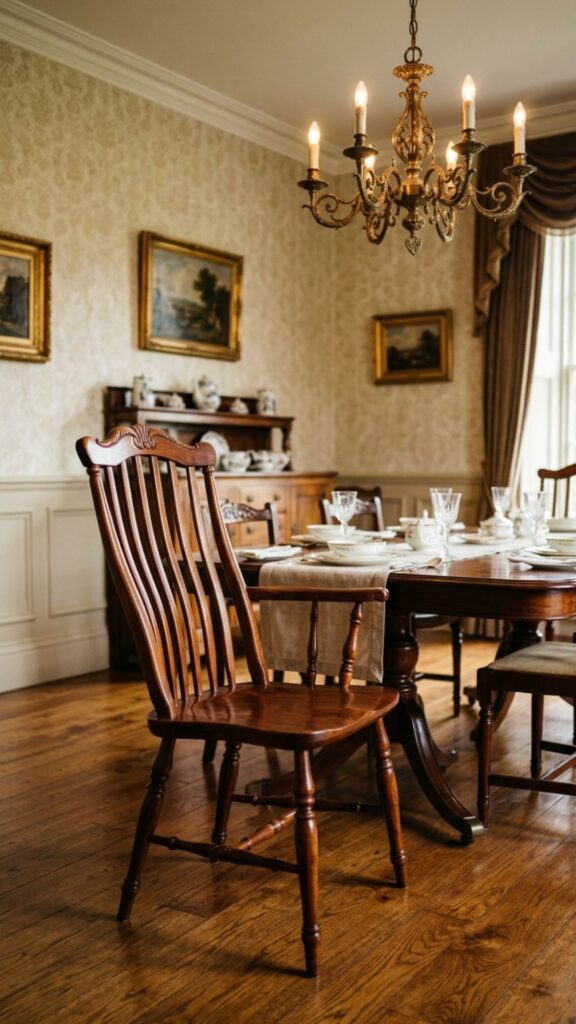
The spindle-back is a lighter, more refined cousin of the Windsor — with vertical spindles rather than a splayed construction. It suits Colonial, Shaker, and traditional dining rooms and has a quiet, understated elegance that never feels dated.
Paint it in a matte neutral or leave it in natural wood depending on your room’s palette. Spindle-back chairs mix well with other chair types if you’re going for an eclectic, curated look at the dining table.
17. Shell Chair
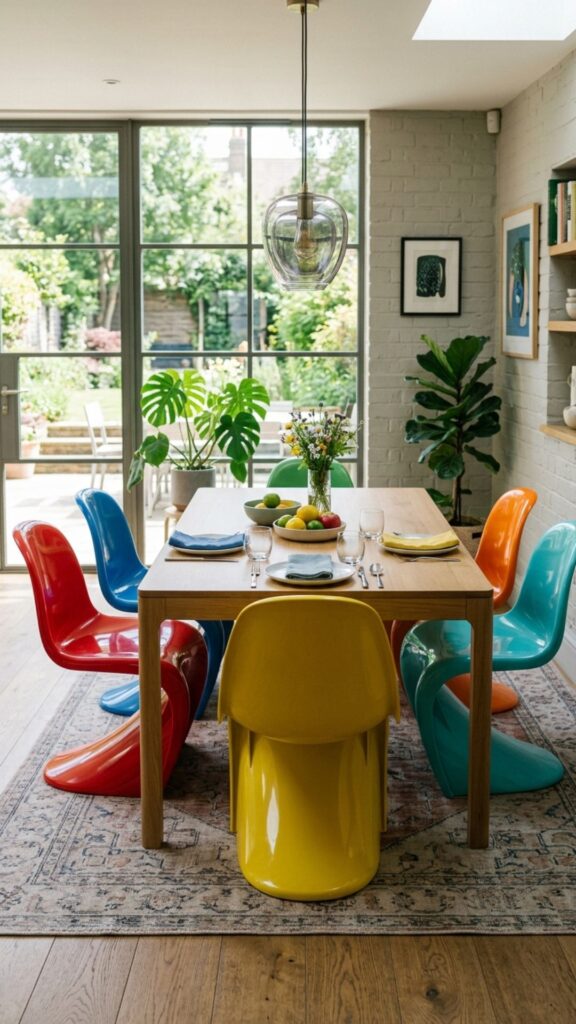
Inspired by the Eames molded plastic chair, shell chairs feature a curved seat made from molded polypropylene or ABS plastic. They’re lightweight, stackable, and come in dozens of colors, making them one of the most flexible dining chairs available.
Use a single bold color across all chairs for a graphic, intentional look. Or mix two complementary shades for a more playful result. Shell chairs are an affordable way to add a mid-century modern sensibility to a dining room without a significant investment.
18. Cane-Back Dining Chair
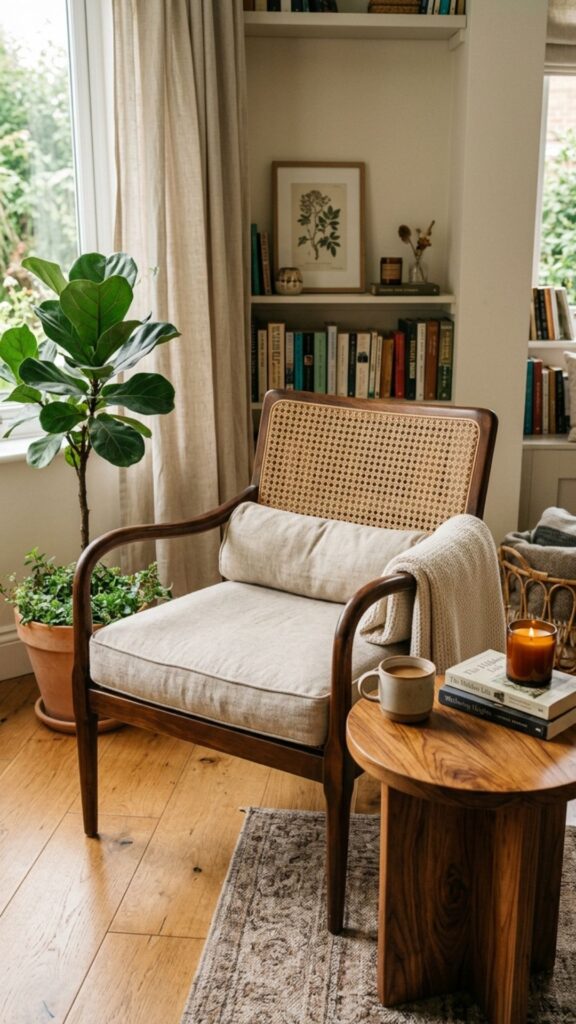
A cane-back dining chair has a woven cane panel in the backrest — a detail that reads as both vintage and contemporary depending on how it’s styled. It’s having a significant moment in interior design right now and pairs well with natural, organic aesthetics.
Look for chairs where the cane is a structural part of the frame rather than a thin insert that could loosen over time. A solid hardwood frame with natural cane webbing will outlast cheaper alternatives considerably. Style with a linen seat cushion and a round wood table for a cohesive, well-considered look.
19. Slipper Chair Adapted for Dining
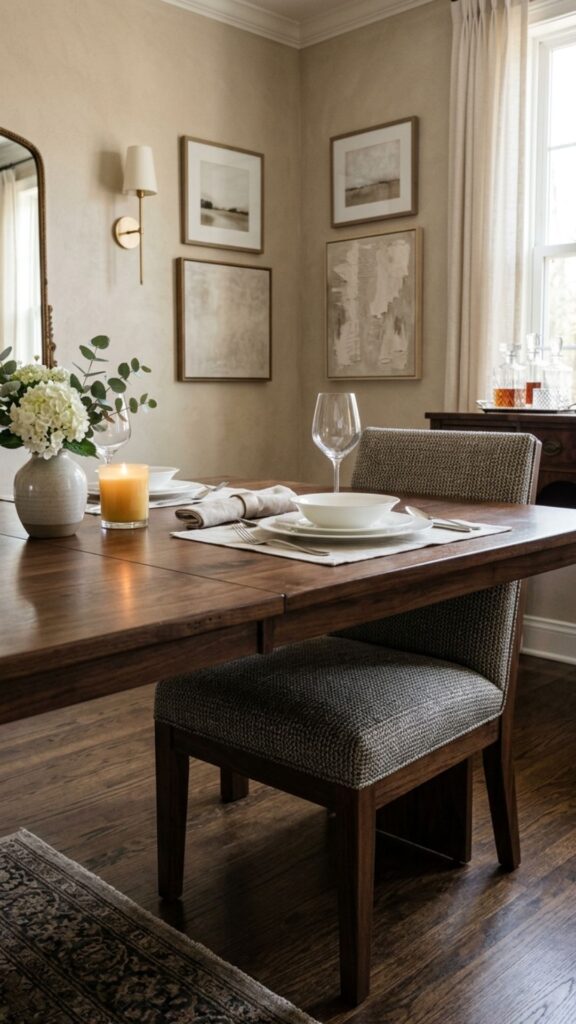
A slipper chair — typically armless, with a low seat height — isn’t always the obvious choice for a dining table, but when the proportions work, it adds a genuinely elegant, tailored quality to the room. It suits formal dining rooms and spaces with higher ceilings.
Confirm the seat height is compatible with your table height before purchasing — standard dining tables sit at 30 inches, and most dining chairs have a seat height of 17 to 19 inches. When the proportions are right, the result is a dining room that feels dressed, not assembled.
20. Mix-and-Match Chair Set
One of the most practical and creative approaches to dining room seating is deliberately mixing different chair styles. Use a consistent material — all wood, all metal, or all upholstered — to create coherence, while varying the silhouette for interest.
A popular combination: two upholstered armchairs at the head and foot of the table, with four matching side chairs along the sides. Another option is alternating two complementary chair styles — say, a solid back and a cane-back — around the full table. The key is one unifying element that makes the mix feel intentional rather than accidental.
Conclusion
The right dining room chairs do more than just fill space around a table — they set the tone for how the room feels and how comfortable your meals actually are. Whether you go for a timeless upholstered chair, a sculptural statement piece, or a mix of styles, the best choice is always the one that fits your space, your lifestyle, and the way you use the room every day.
Start by measuring your table height and the available floor space, then narrow your options to two or three styles from this list. Order fabric swatches or check return policies before committing — and trust that a small amount of research upfront saves a lot of regret later.
What are the most comfortable dining room chairs?
Upholstered chairs with padded seats and backs offer the most comfort for extended meals. Parsons chairs and wingback dining chairs rank among the most comfortable options because of their full padding and supportive structure. Adding a seat cushion to any wooden chair improves comfort significantly without changing the chair’s style.
How many dining room chairs do I need?
A standard rectangular dining table seats six to eight people — typically four to six chairs along the sides plus one at each end. As a general rule, allow 24 inches of table space per person so each seat feels comfortable and uncrowded. Round tables seat four to six depending on diameter.
What is the standard height for dining room chairs?
Most dining chairs have a seat height of 17 to 19 inches, which pairs correctly with a standard 30-inch dining table. Counter-height tables sit at 34 to 36 inches and require counter stools with seat heights of 24 to 26 inches. Always check both measurements before purchasing.
How do I choose dining room chairs that match my table?
Focus on three things: height compatibility, material relationship, and visual weight. A heavy, chunky table pairs well with more substantial chairs; a slender, refined table suits lighter chair profiles. You don’t need an exact match — wood chairs with a metal table, or upholstered chairs with a stone table, can both work beautifully when the proportions and tones are aligned.