Your backyard can be so much more than a patch of grass and a few chairs. When you combine smart landscaping with functional planting, you create a space that feeds you, relaxes you, and looks incredible year-round. That’s the magic of outdoor living with raised garden beds. They add structure, height, and color while making it easier to grow herbs, vegetables, and flowers without breaking your back.
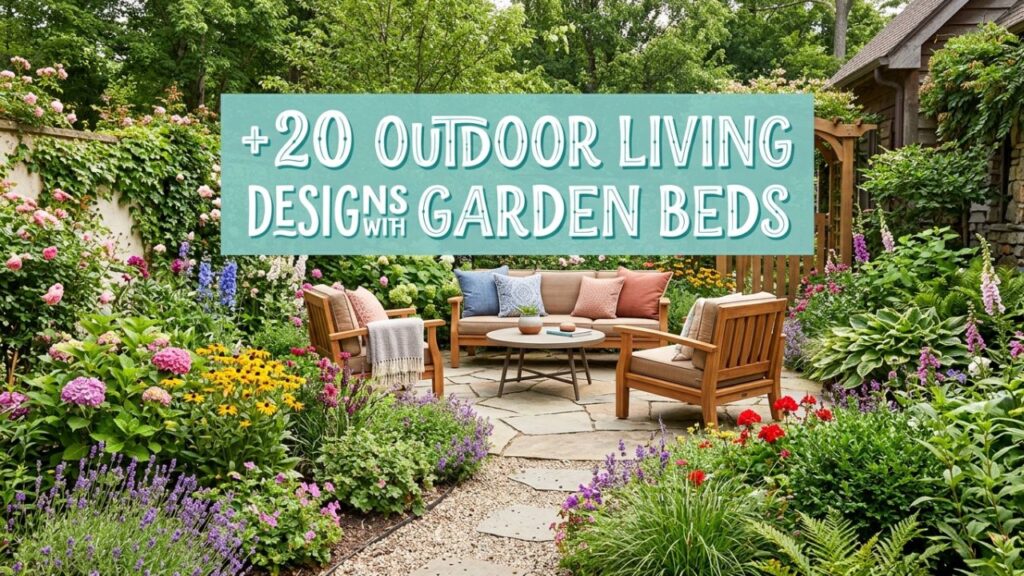
I’ve spent years designing and building garden spaces, and raised beds are almost always part of the plan. They solve drainage problems, keep soil healthy, and give any yard a polished, intentional look.
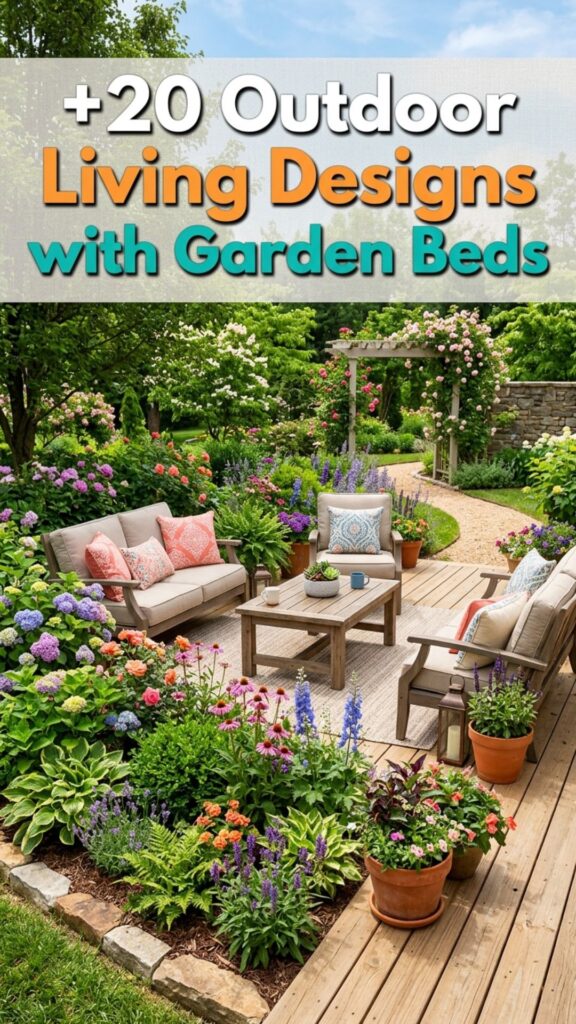
In this guide, you’ll find 20 design ideas that blend seating, dining, water features, and greenery into one cohesive outdoor retreat. Whether you have a tiny balcony or a sprawling lawn, there’s an idea here you can steal today.
1. The Patio Perimeter Border
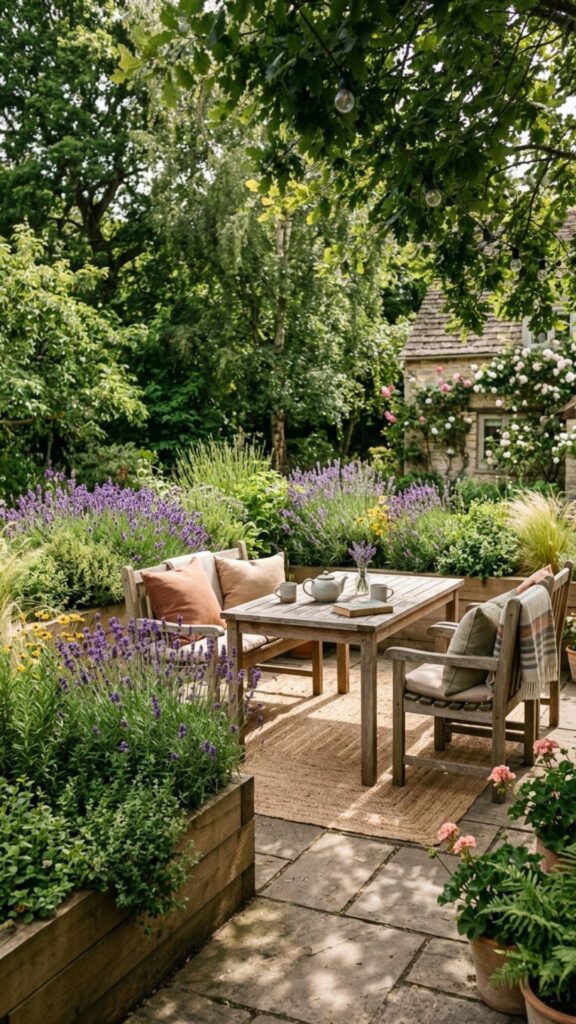
Framing a patio with low raised beds instantly defines the space and softens hard edges. Run a row of cedar or stone beds along the outer edge of your seating area, filling them with lavender, ornamental grasses, or trailing herbs. The greenery acts like a living wall, giving you privacy and a pleasant scent while you relax.
For the best effect, keep the beds around 12 to 18 inches tall so they don’t block views but still create separation. I often mix flowering perennials with a few evergreen shrubs so the border looks full even in winter. This layout works beautifully for outdoor living with raised garden beds because it turns an ordinary patio into a garden room.
2. Built-In Bench Seating
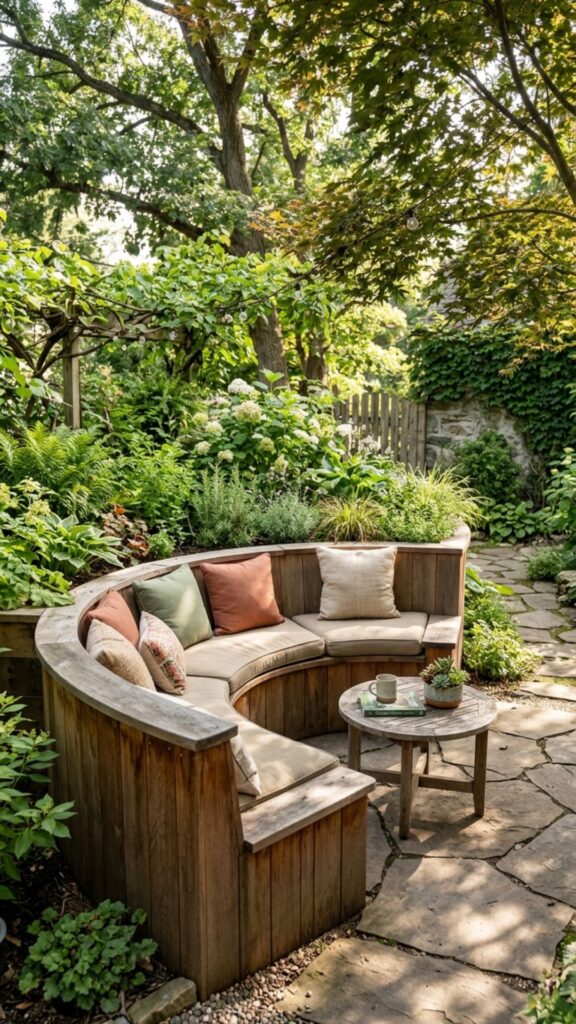
Combine raised beds with bench seating to save space and add function. Construct a wide wooden bed, then extend one side into a flat capped surface you can sit on. This works especially well around fire pits or dining zones where you want extra seats without cluttering the yard.
Add outdoor cushions for comfort and grow low-maintenance plants like succulents or thyme behind the seating. The result feels custom and expensive, even if you built it over a weekend. Just make sure the bench portion is sealed and sturdy enough to hold weight.
3. Vertical Herb Garden Wall
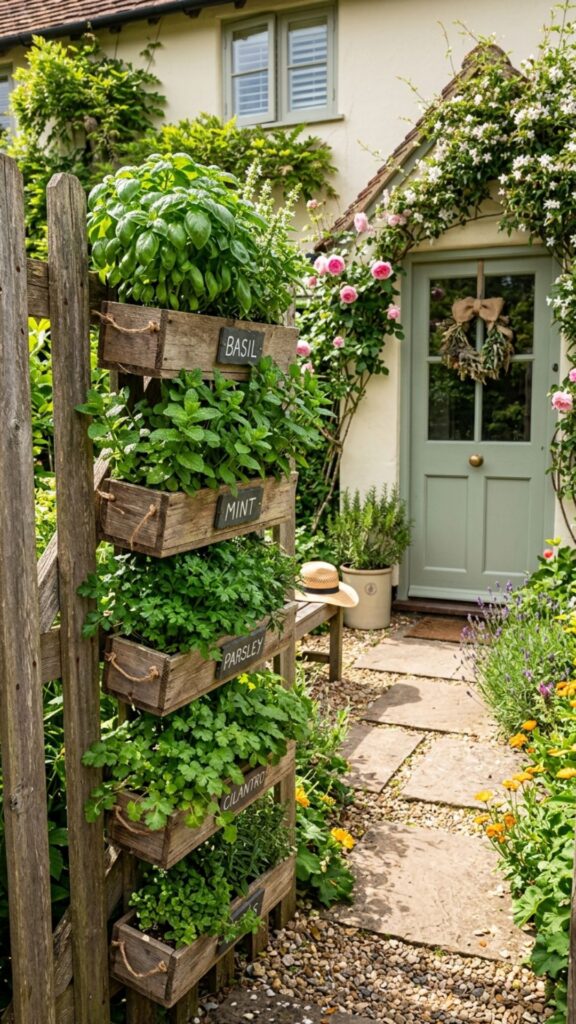
When floor space is tight, go up. A vertical raised bed mounted against a fence or wall gives you a productive herb garden in just a few square feet. Stack tiered boxes or use a modular panel system to grow basil, parsley, mint, and cilantro right outside your kitchen door.
This design is a lifesaver for small patios and city balconies. Position it where it gets at least six hours of sun, and install a simple drip line so watering takes seconds. Fresh herbs at arm’s reach make cooking outdoors a genuine pleasure.
4. The Sunken Dining Nook
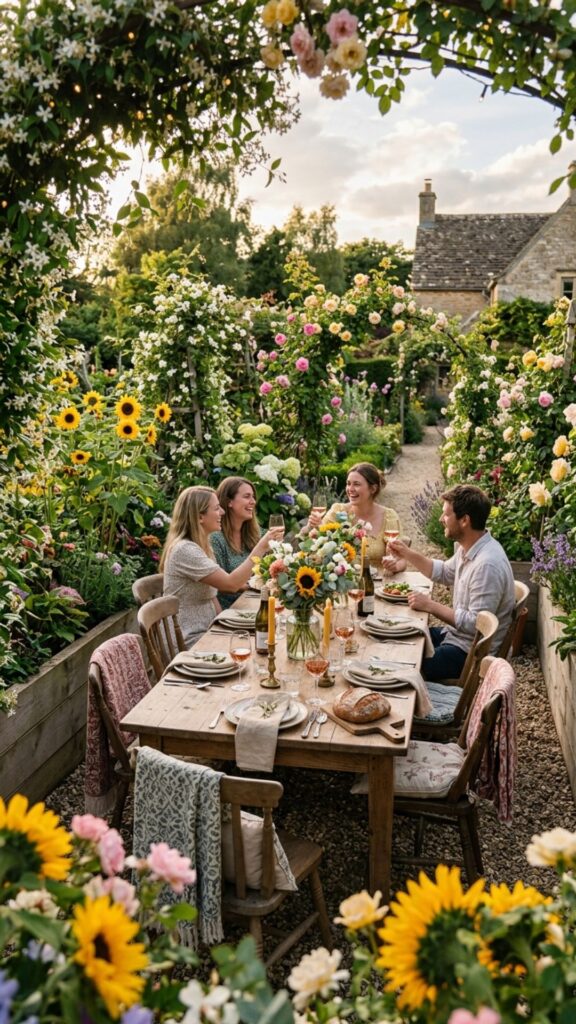
Picture an outdoor dining table surrounded on three sides by tall raised beds bursting with color. Sinking your dining area slightly below grade, or simply enclosing it with 24-inch beds, creates a cozy, sheltered feeling. Diners get a front-row view of blooming flowers and rustling greenery.
Fill these beds with a mix of tall sunflowers, climbing beans on trellises, and fragrant flowers like jasmine. The enclosure blocks wind and muffles noise, so meals feel intimate. It’s one of my favorite ways to make an outdoor kitchen feel like a special-occasion destination.
5. Modern Corten Steel Beds
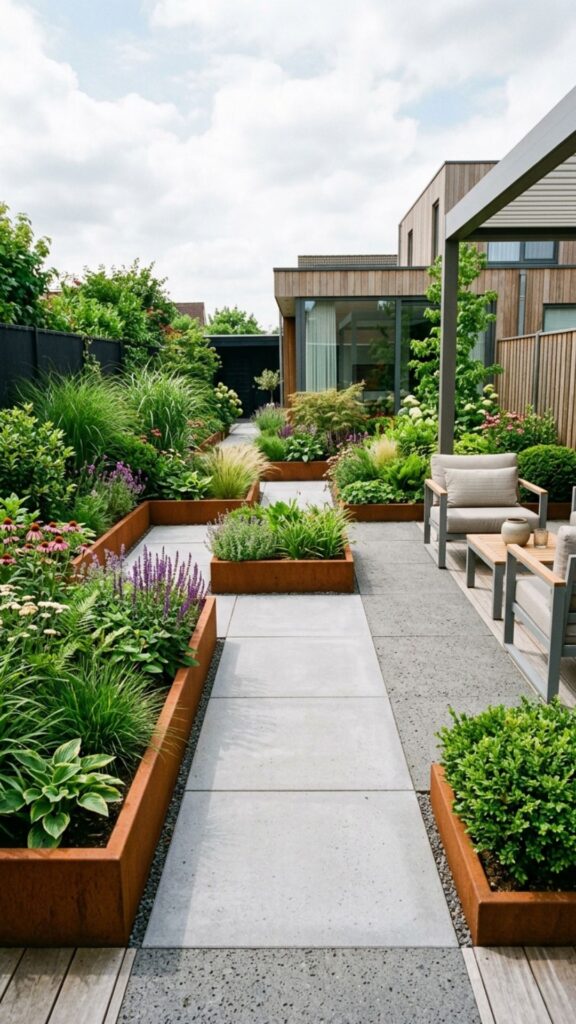
For a sleek, contemporary look, weathering steel (often called Corten) beds are hard to beat. The rich rust-orange finish pairs beautifully with concrete pavers and minimalist furniture. These beds hold their shape for decades and develop a protective patina that never needs painting.
Arrange them in clean geometric rows and plant with structural greenery like agave, boxwood, or ornamental grasses. The contrast between industrial metal and soft foliage is striking. If you love modern architecture, this is the design that ties your whole yard together.
6. Cottage-Style Flower Beds
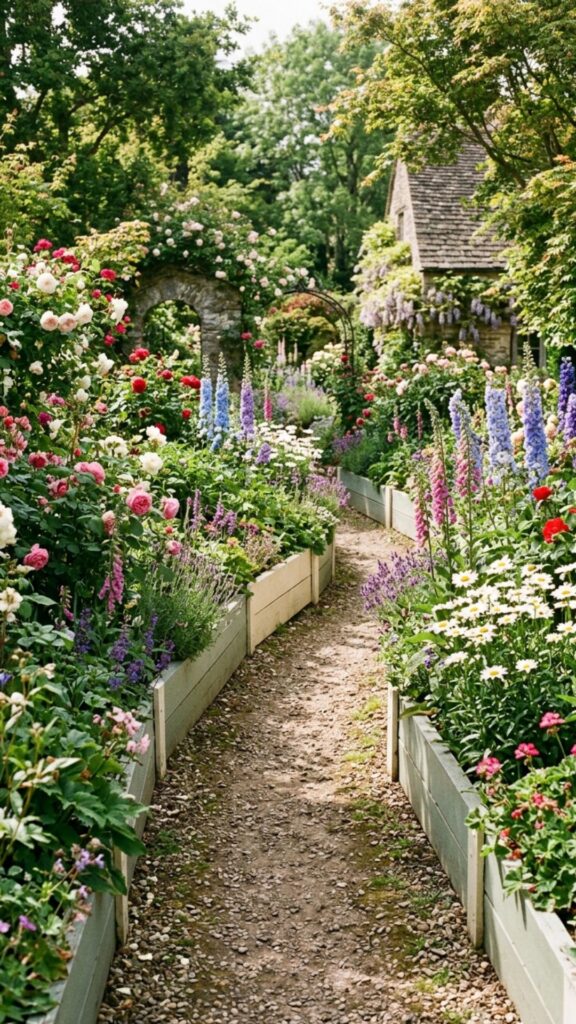
If you prefer romance over minimalism, lean into the cottage garden look. Use painted wooden beds in soft whites or sage green, then overflow them with roses, foxglove, delphinium, and daisies. The goal is abundant, slightly wild beauty.
Wind a gravel or brick path between the beds so you can wander and cut fresh flowers. Add a small arbor or bird bath as a focal point. This style rewards a little happy chaos, so don’t worry about perfect spacing, let the plants mingle and spill over the edges.
7. The Kitchen Garden Courtyard
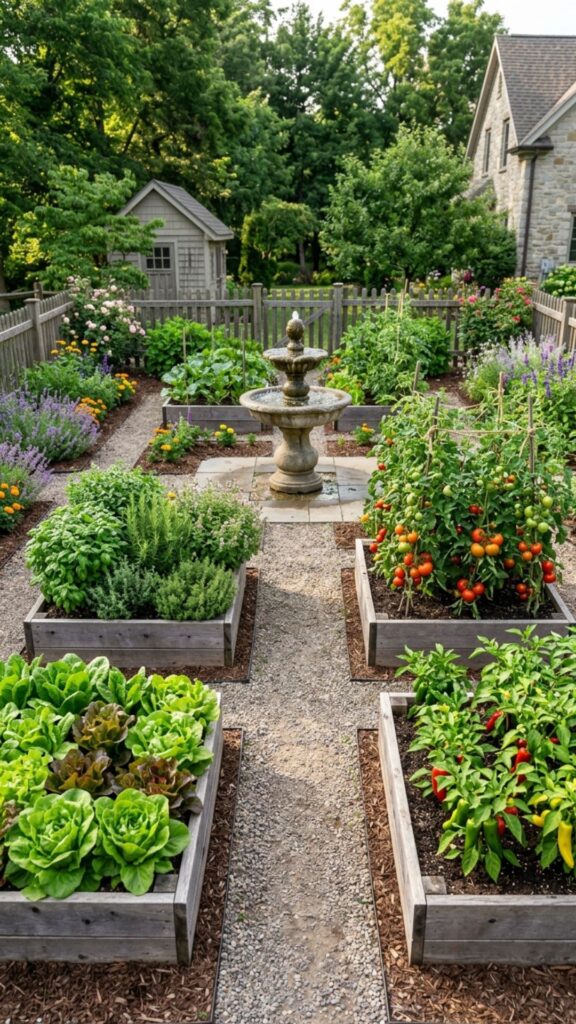
Turn a central courtyard into a working kitchen garden. Arrange four square raised beds around a small central path or fountain, creating a classic potager layout. Grow tomatoes, peppers, lettuces, and root vegetables in tidy, rotating sections.
This symmetrical design looks orderly and productive all season. Line the paths with brick or gravel for easy access after rain, and add a bench where you can rest between harvests. It’s proof that a vegetable garden can be as beautiful as it is useful.
8. Fire Pit Surround
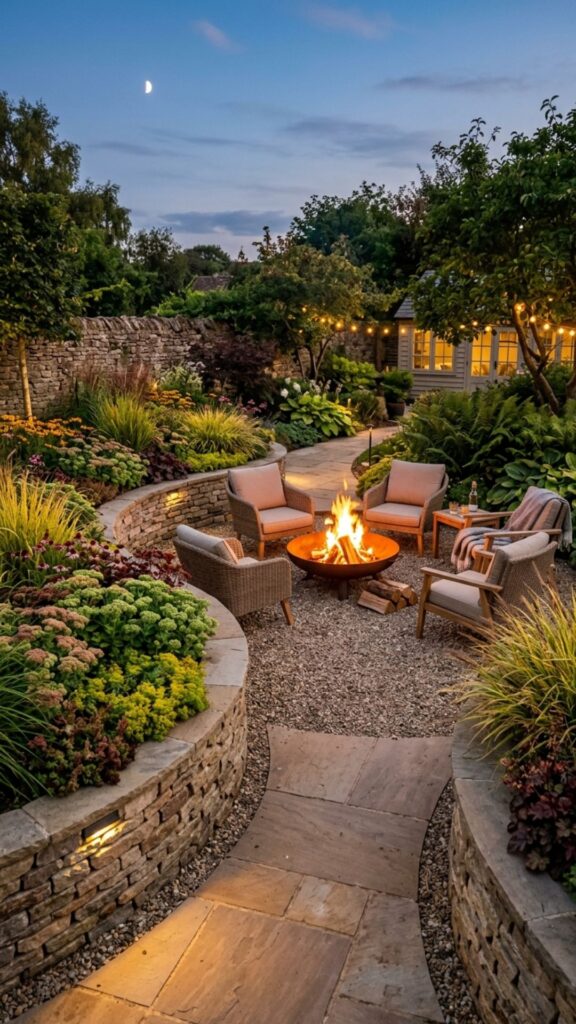
Nothing brings people together like a fire. Ring your fire pit with a curved arrangement of raised beds planted with heat-tolerant, fire-safe greenery like sedum and ornamental grasses. Leave comfortable gaps for chairs and foot traffic.
Keep flammable mulch and dry plants a safe distance from the flames for obvious reasons. The low beds define the gathering circle and add color you’ll enjoy long after the sun goes down. Solar lights tucked among the plants extend the ambiance into the evening.
9. Tiered Hillside Terraces
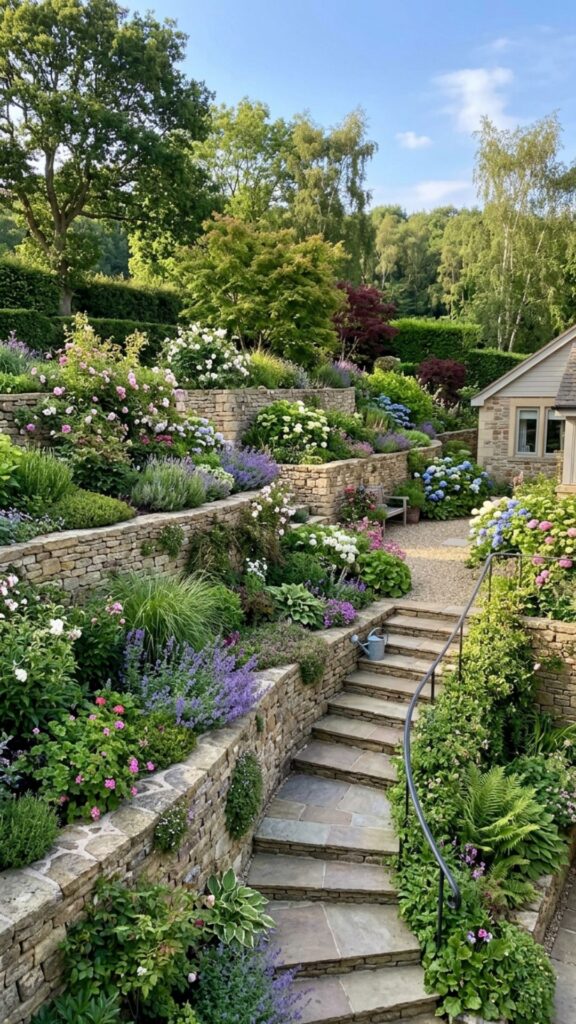
Got a slope? Turn it into an asset with terraced raised beds. Stepping beds down a hillside controls erosion, improves drainage, and creates dramatic layers of greenery. Each level becomes its own planting zone.
Use stone, timber, or interlocking blocks to build sturdy retaining walls, then plant taller specimens at the back and cascading plants at the front. Add stone steps between tiers so you can reach every bed. This approach transforms an awkward, hard-to-mow slope into a showpiece.
10. Poolside Planters
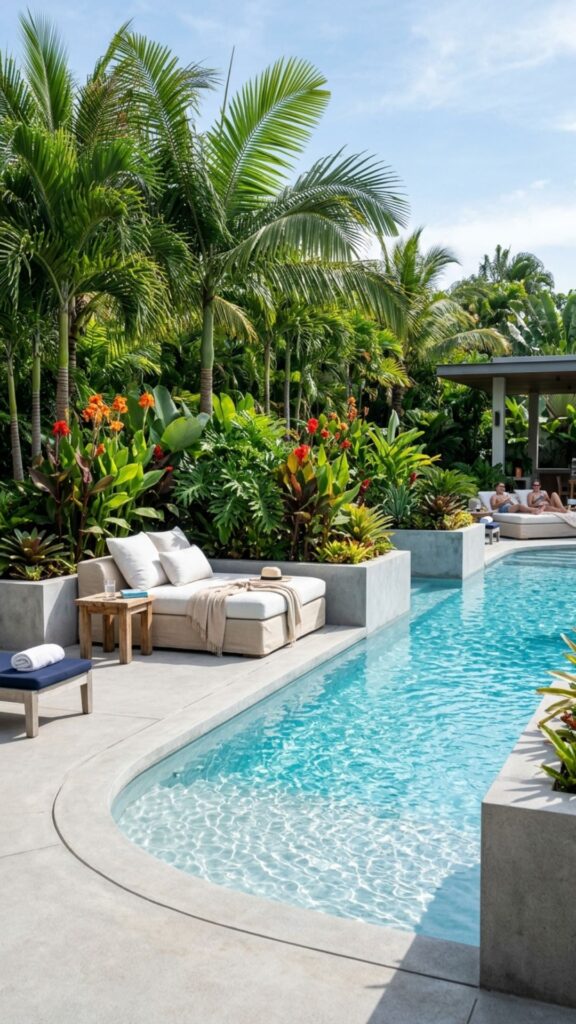
Frame your pool with raised beds to soften concrete and add a resort-like atmosphere. Choose tropical-looking plants such as canna lilies, ornamental banana, or hardy palms for that vacation feel. Keep messy, leaf-dropping plants away from the water to reduce cleanup.
Elevated beds keep soil and mulch contained so debris doesn’t blow into the pool. I recommend built-in beds that match your decking material for a seamless, high-end look. Suddenly your backyard feels like a private oasis.
11. The Privacy Screen Garden
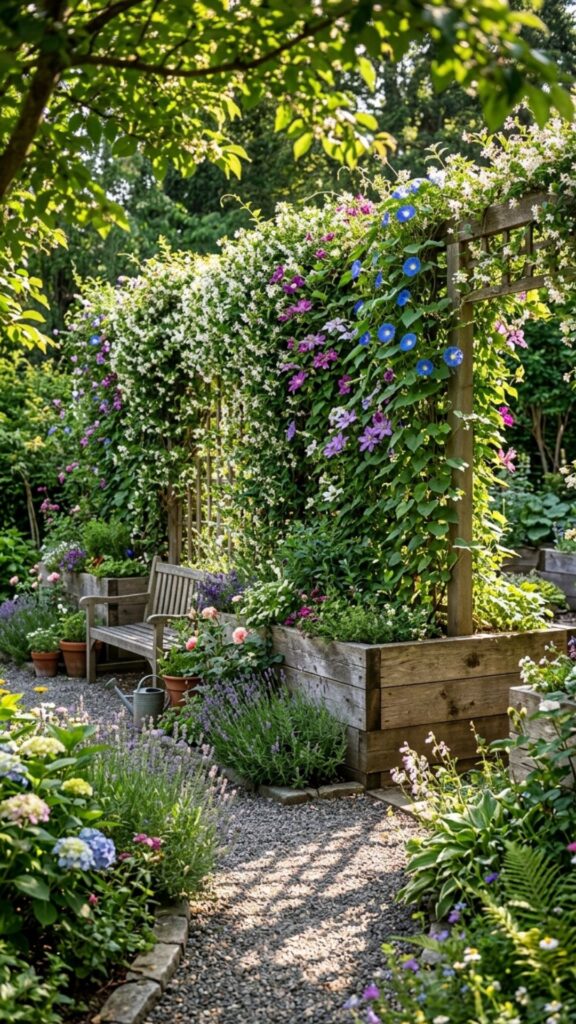
Block an unwanted view or nosy neighbors with tall raised beds topped by trellises. Grow climbing plants like clematis, jasmine, or grapevines to create a living privacy screen that gets lusher every year.
This double-duty design gives you seclusion and productivity in the same footprint. Position the beds along property lines or around a hot tub for instant intimacy. Within a season or two, you’ll have a green wall that no fence could match.
12. Container-Style Corner Beds
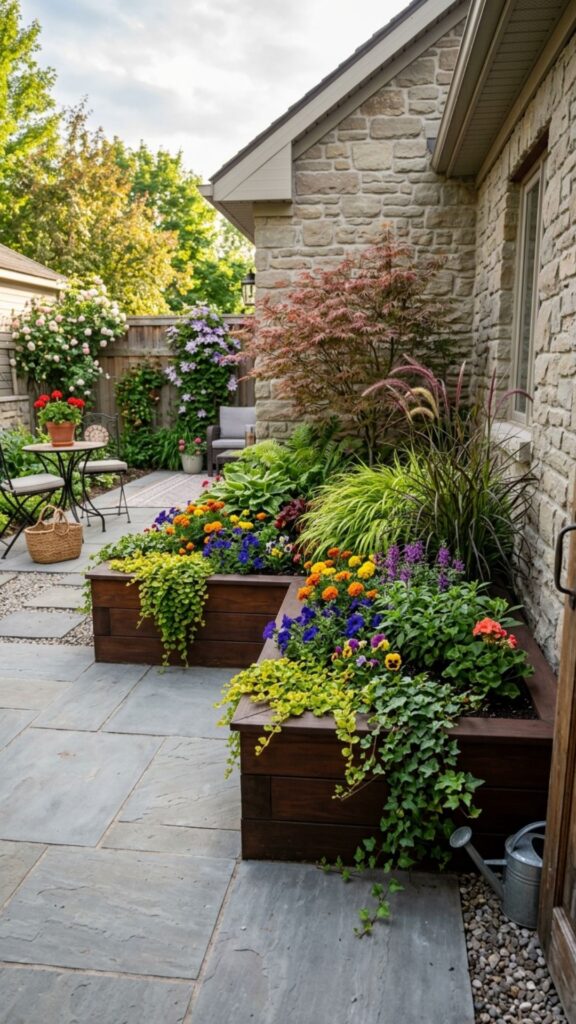
Tuck L-shaped raised beds into the corners of a deck or patio to use every inch of space. Corners are often wasted, but a well-placed bed turns them into productive, eye-catching features. This works perfectly for outdoor living with raised garden beds in compact yards.
Plant a mix of tall centerpieces, mid-height fillers, and trailing edge plants for a full, layered look. Because corners frame two directions, the display looks great from multiple angles. It’s a simple move with a big visual payoff.
13. The Meditation Garden
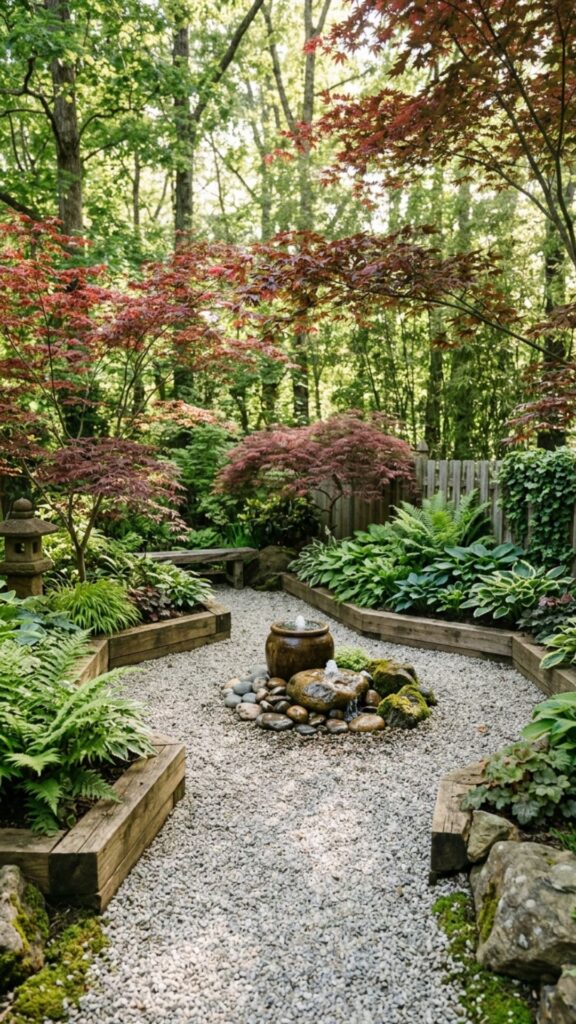
Create a calm retreat by pairing simple raised beds with gravel, a water feature, and comfortable seating. Fill the beds with soothing, low-maintenance greenery like ferns, hostas, and Japanese maples. Keep the palette green and restful rather than loud.
Add a small bubbling fountain and a couple of natural stones for a Zen feel. This design proves that gardens aren’t only about growing food, they’re about growing peace. Set aside a corner of your yard for quiet mornings and you’ll use it every day.
14. Raised Beds with Integrated Lighting
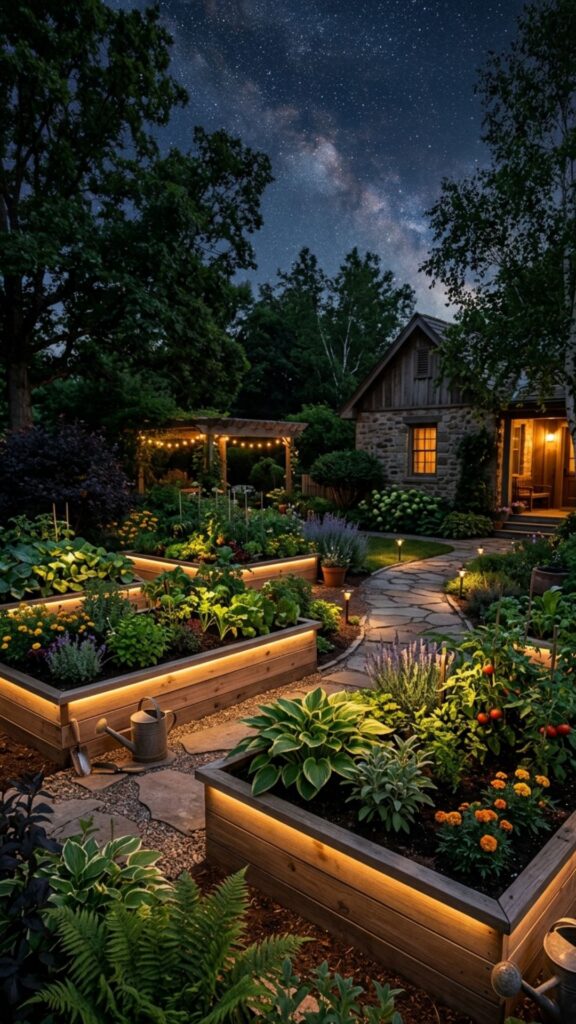
Extend your garden’s beauty into the night by building LED strip lighting into the sides or caps of your beds. Soft, low-voltage lights highlight textures and let you enjoy the space after dark. Path lights between beds add safety, too.
Solar-powered options make installation easy with no wiring required. Warm white light flatters greenery and creates a magical glow around your seating areas. It’s an inexpensive upgrade that dramatically changes how your yard feels in the evening.
15. The Edible Landscape Border
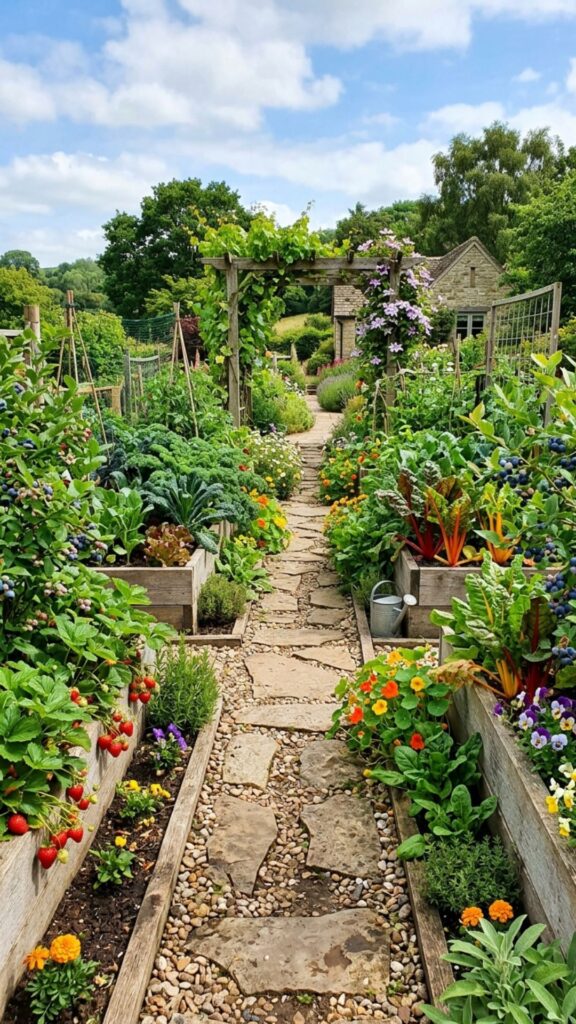
Replace ornamental hedges with productive raised beds full of edible plants. Line a walkway or driveway with beds of strawberries, blueberry bushes, kale, and rainbow chard. These plants are just as attractive as decorative shrubs but you get to eat the results.
Mix in edible flowers like nasturtiums and calendula for color and pollinator appeal. This approach maximizes every square foot and reduces your grocery bill. It’s a smart, sustainable choice that visitors always comment on.
16. Deck-Level Built-Ins
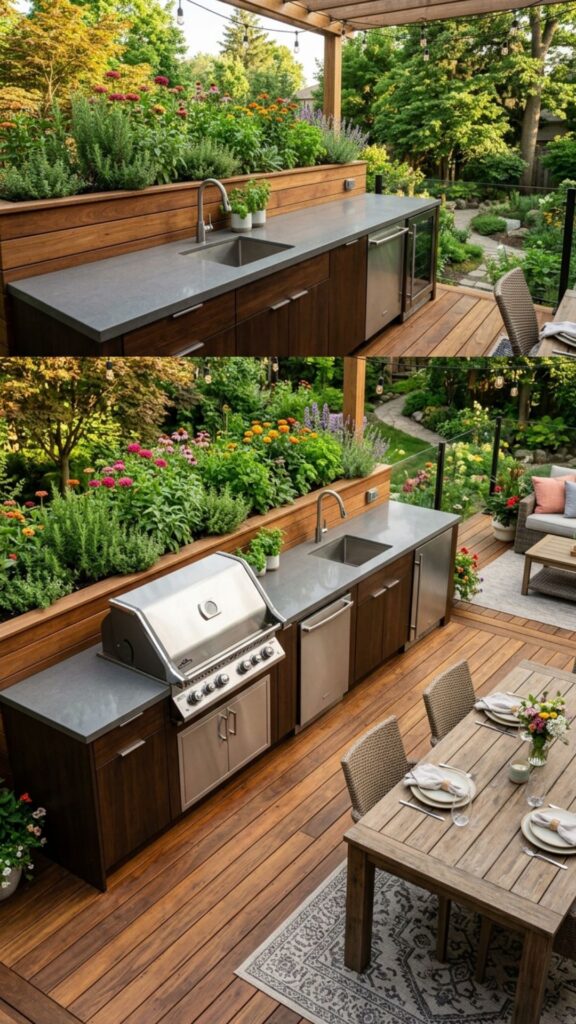
Integrate raised beds directly into your deck design for a seamless, custom look. Frame the beds with the same material as your decking so they appear built-in rather than added on. This is ideal for growing herbs and flowers within reach of your outdoor kitchen.
Make sure to line the beds with a waterproof barrier to protect the wood underneath. Position them where they won’t block traffic flow but still catch good sun. The finished space feels thoughtfully planned and thoroughly modern.
17. The Butterfly and Pollinator Haven
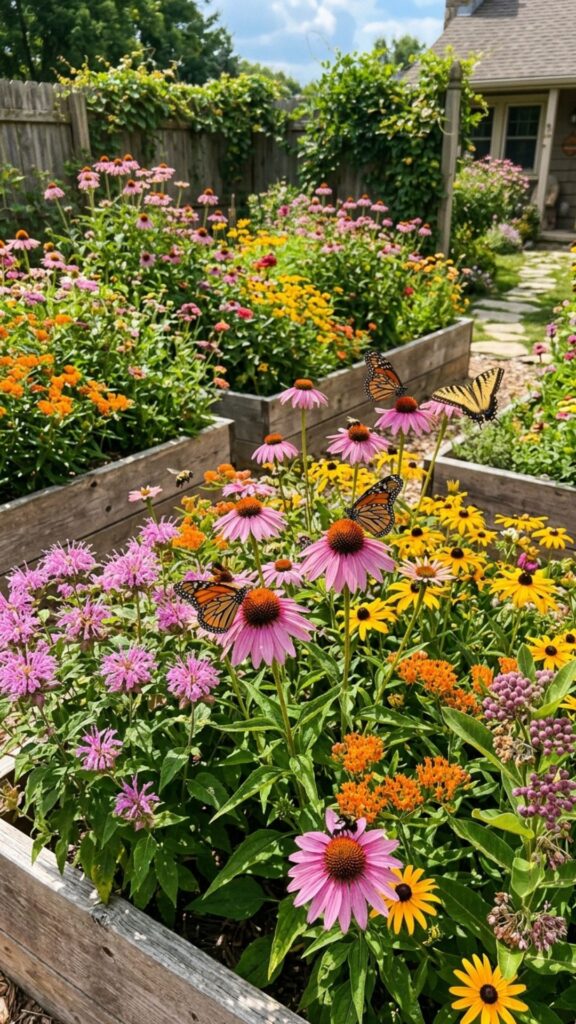
Design beds specifically to attract bees, butterflies, and hummingbirds. Plant native flowers such as coneflower, milkweed, bee balm, and black-eyed Susan. Raised beds make it easy to control soil quality and keep these pollinator favorites thriving.
Group plants in clusters so pollinators can find them easily, and skip the pesticides. You’ll be rewarded with constant, gentle movement and life throughout your garden. Supporting pollinators also boosts the yield of any vegetables you grow nearby.
18. Symmetrical Formal Garden
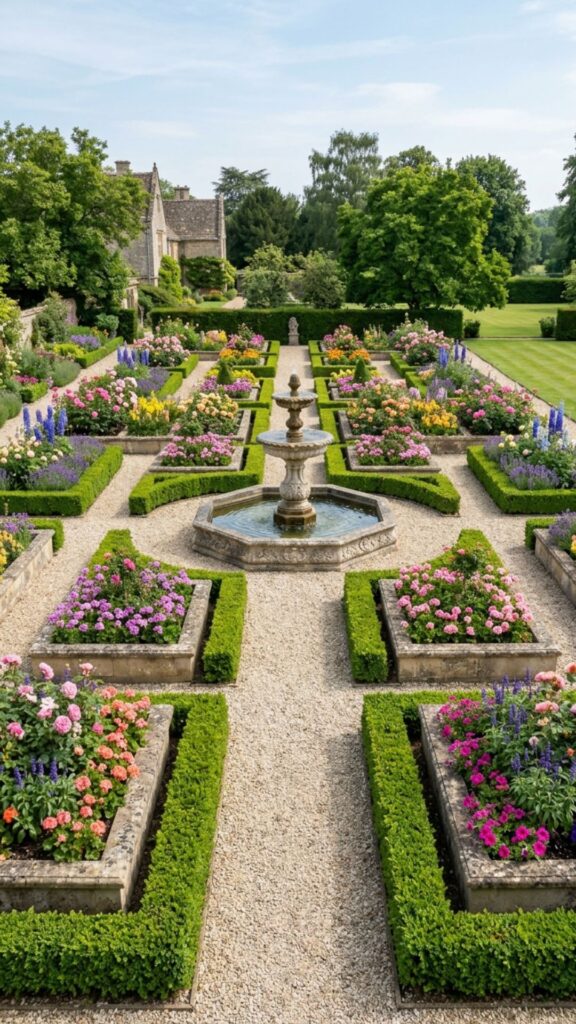
Create timeless elegance with matching raised beds arranged in perfect symmetry. Think clipped boxwood, gravel paths, and a central urn or fountain. This classic style suits traditional homes and looks tidy with minimal seasonal changes.
Repetition is key, so use identical beds and plant them the same way on each side. The structure gives your yard a sense of order and grandeur. Even a modest space feels refined when it follows formal geometry.
19. The Small-Space Balcony Garden
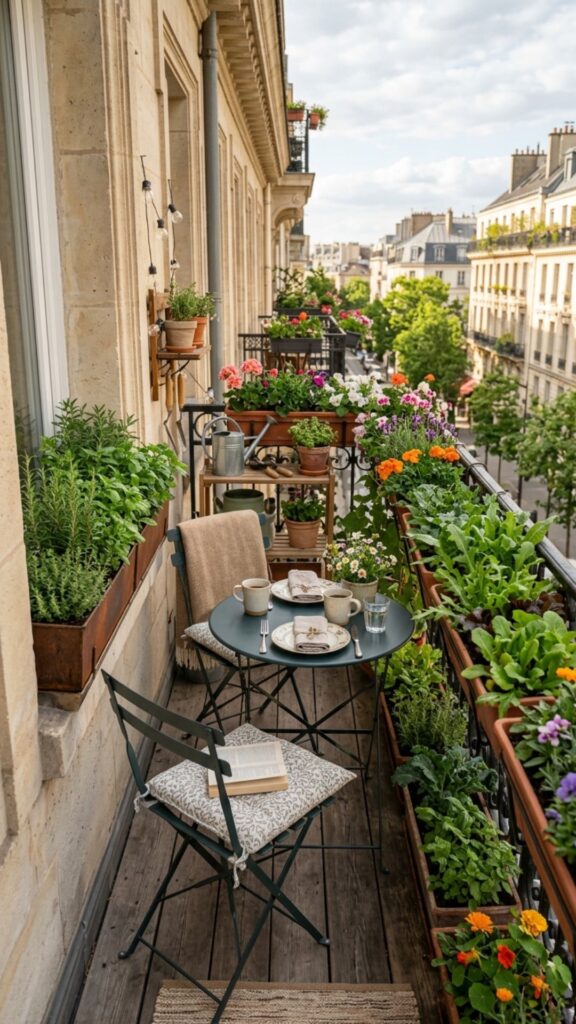
You don’t need a yard to enjoy raised beds. Slim, elevated planters designed for balconies let apartment dwellers grow herbs, salad greens, and flowers. Choose lightweight beds with built-in drainage trays to protect your flooring.
Pair a couple of narrow beds with a bistro table and two chairs for a complete outdoor retreat. Vertical stacking maximizes your harvest in minimal square footage. This is one of the most accessible ways to bring outdoor living with raised garden beds into urban homes.
20. The All-Season Structured Garden
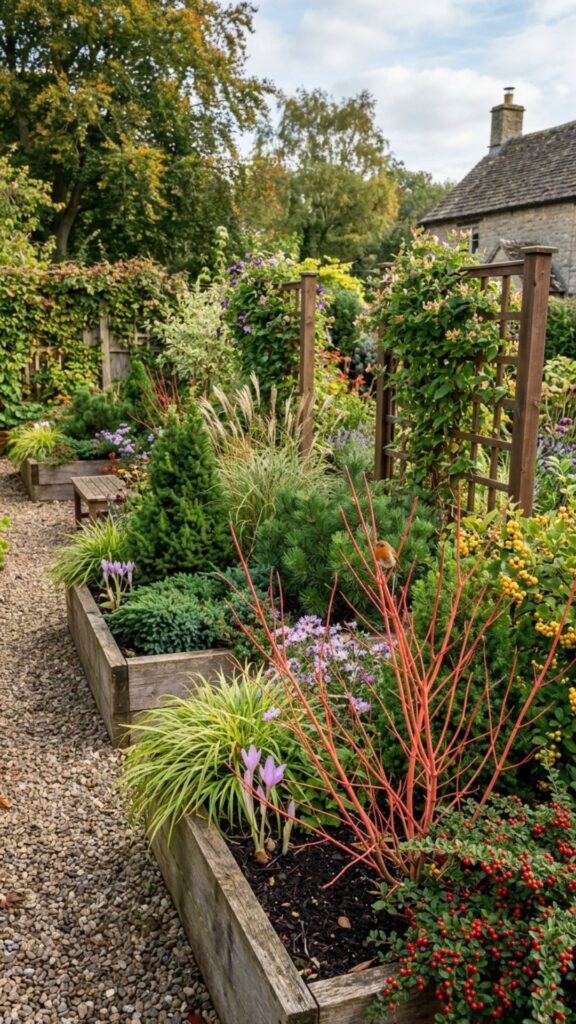
Design your beds to look good in every season by mixing evergreens, ornamental grasses, and plants with winter interest like red-twig dogwood. Add structural elements such as obelisks or trellises that stay attractive when plants die back.
Layer in bulbs for spring, annuals for summer, and berries for fall so there’s always something happening. Thoughtful planning here means you’ll never look out at a bare, sad garden. A well-structured bed rewards you 365 days a year.
Bringing It All Together
Raised garden beds are one of the smartest investments you can make in your outdoor space. They improve drainage, protect your back, and give your yard the structure and beauty it deserves. From cozy fire pit surrounds to productive kitchen courtyards, the ideas above prove there’s a design for every home, budget, and skill level.
Ready to transform your yard? Start small by choosing one design that fits your space, sketch a simple plan, and pick materials that match your home’s style. Then grab a shovel and get building, your dream outdoor living space is closer than you think. Share your project with a local garden group or professional if you want feedback, and don’t be afraid to adjust as you learn what thrives in your climate.
What is the best material for raised garden beds?
Cedar and redwood are the best materials for raised garden beds because they naturally resist rot and insects without chemicals. For a modern, long-lasting option, Corten steel or composite lumber also work well. Avoid treated wood in vegetable beds to keep chemicals out of your food.
How tall should a raised garden bed be?
Most raised garden beds work best between 12 and 24 inches tall. A height of 12 inches suits most vegetables and flowers, while 24 inches or higher reduces bending and is ideal for gardeners with mobility concerns. Deeper beds also improve drainage and root growth.
Do raised garden beds need a bottom?
No, most raised garden beds do not need a solid bottom. Leaving the bottom open lets roots reach the ground and improves drainage. However, adding a layer of hardware cloth underneath helps keep out burrowing pests like gophers and moles.
How much does it cost to build a raised garden bed?
A basic DIY raised garden bed typically costs between $50 and $200, depending on size and materials. Cedar and metal beds cost more upfront but last longer. Filling the bed with quality soil is often the largest expense, so buying soil in bulk saves money.
Can I combine seating and raised garden beds?
Yes, combining seating with raised garden beds is a popular space-saving design. You can build wide bed edges to double as benches or add bench seating along one side. Just seal the wood well and ensure the seating portion is sturdy enough to support weight safely.