A small living room doesn’t have to feel cramped or dull. With the right choices, even the tiniest space can feel open, warm, and full of personality. I’ve spent years helping friends and clients rework tight spaces, and the truth is simple: smart design beats square footage every time.

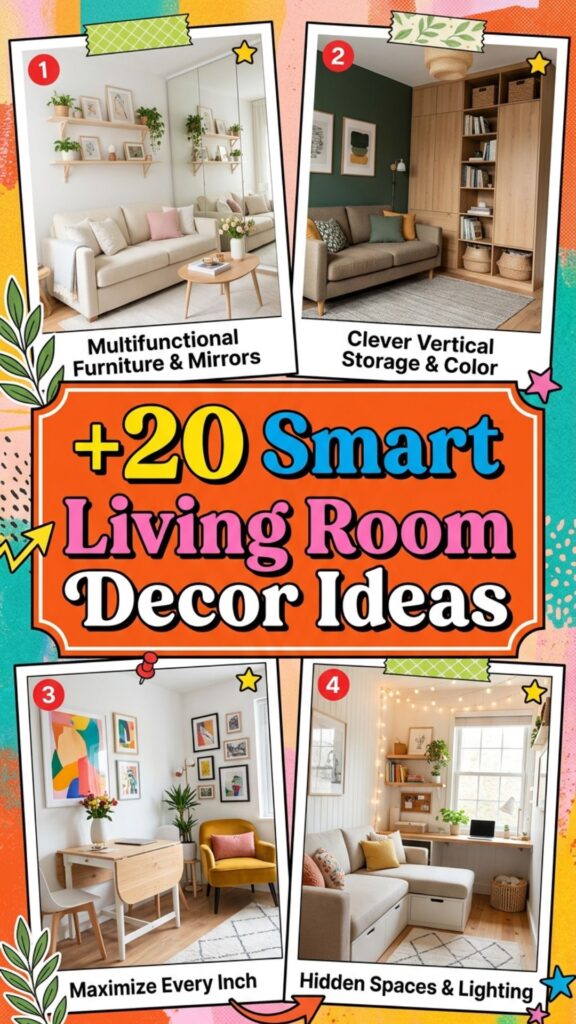
In this guide, you’ll find 20 practical small living room decor ideas for any house. Each one is easy to try, kind to your budget, and proven to work.
Whether you’re renting a studio or arranging a snug corner in a family home, you’ll walk away with real, usable tips. Let’s make that little room feel bigger, brighter, and completely yours.
1. Choose Multi-Functional Furniture
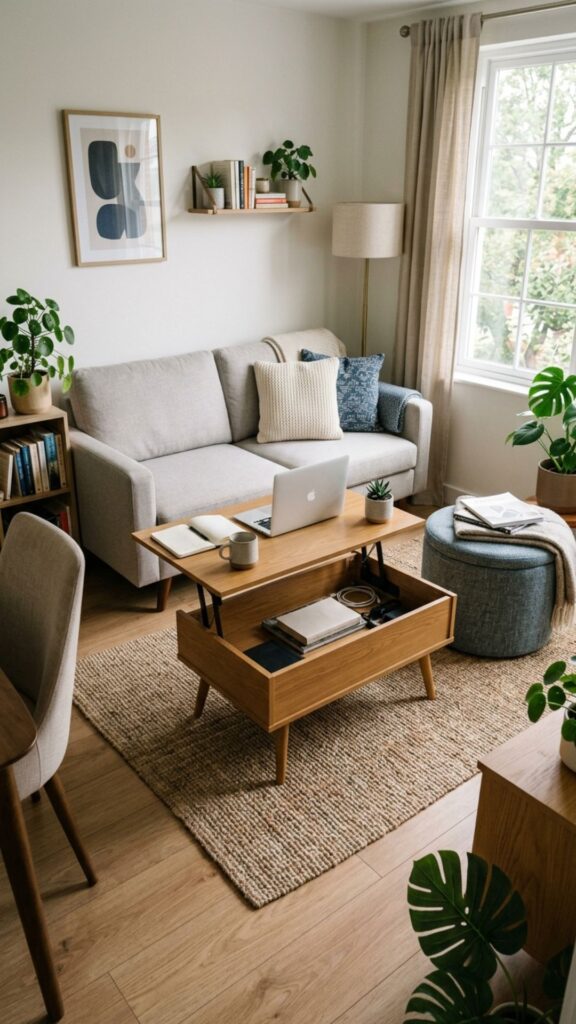
Furniture that does double duty is your best friend in a small room. Think ottomans with hidden storage, sofa beds for guests, or a coffee table that lifts into a desk. Every piece should earn its spot by serving more than one purpose.
I once helped a couple fit a full home office into a 12-foot living room using only a storage bench and a fold-out console. The trick is asking one question before you buy: “Can this thing do two jobs?” If the answer is yes, it belongs in a small space.
2. Use Light, Neutral Wall Colors
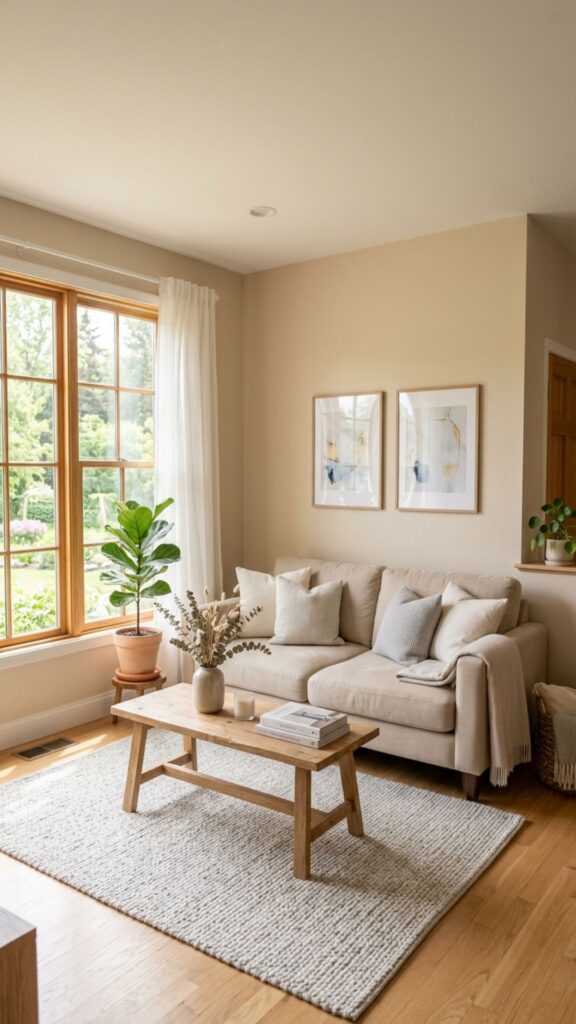
Light colors bounce sunlight around a room and make walls feel like they’re pushing outward. Soft whites, warm beiges, and pale greys are classic picks that instantly open up a tight space. They also give you a flexible backdrop for changing your decor later.
If plain white feels boring, try a warm off-white with a hint of cream. It keeps things bright without the sterile, hospital feel. Paint is one of the cheapest upgrades you can make, and the payoff in a small room is huge.
3. Hang Mirrors to Create Depth
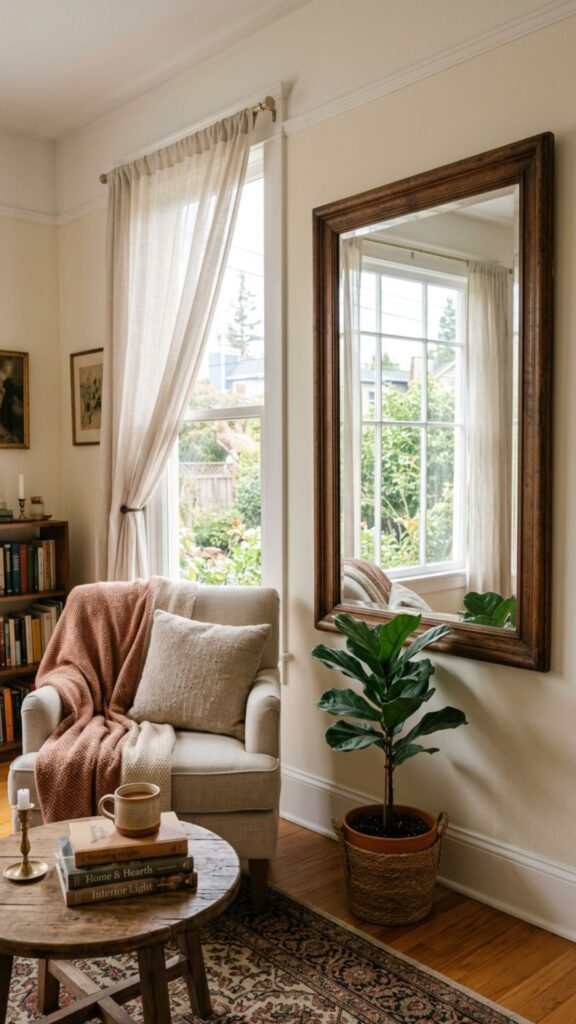
Mirrors are the oldest trick in the book for good reason. A large mirror reflects light and doubles the visual space, making your room feel twice as big. Place one across from a window to catch the most natural light.
For extra impact, lean an oversized floor mirror against the wall. It draws the eye upward and adds a stylish, gallery-like touch. Grouping several smaller mirrors also works if you want a decorative cluster instead of one big statement piece.
4. Go Vertical with Shelving
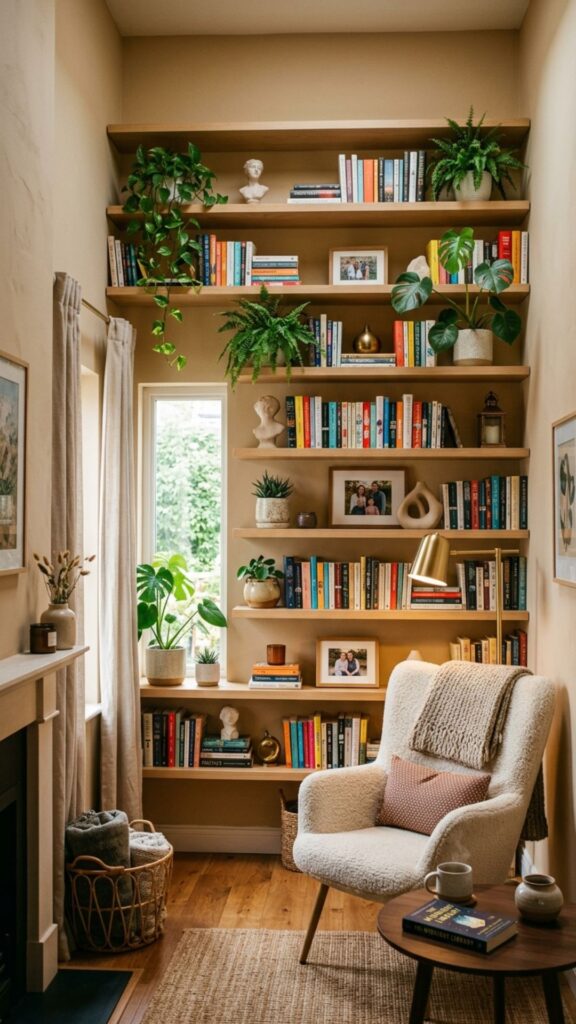
When floor space runs out, look up. Tall, narrow shelving units use the height of your walls without eating into your walking room. They store books, plants, and keepsakes while drawing the eye upward, which makes ceilings feel higher.
Floating shelves are a great renter-friendly option too. Mount them in a column or staircase pattern to add visual interest. Just keep them tidy, since cluttered shelves can quickly make a small room feel busy.
5. Pick a Sofa with Exposed Legs
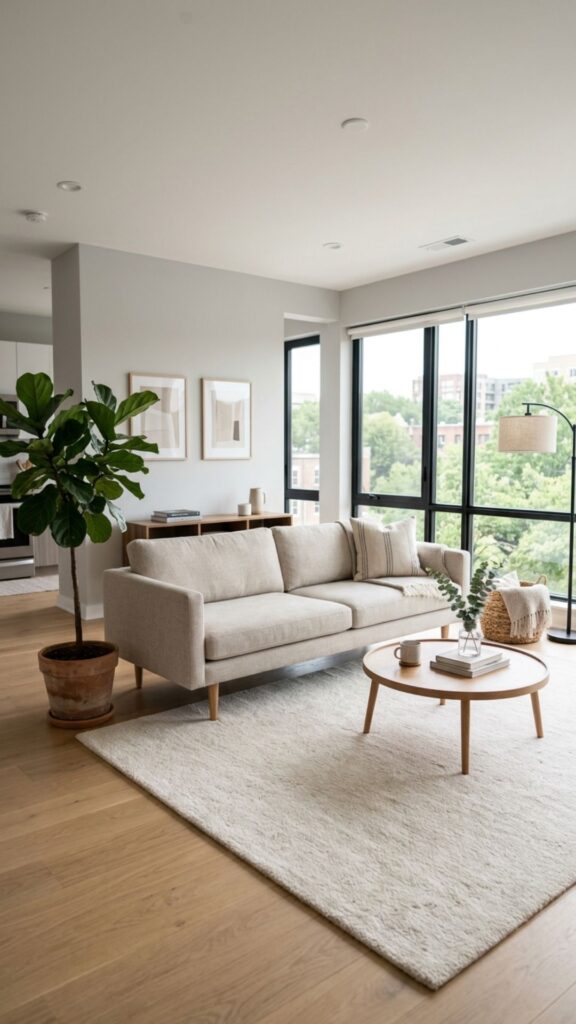
A sofa that sits up on slim legs lets light and floor show underneath. That little bit of visible space tricks your eye into thinking the room is more open. Bulky, skirted sofas do the opposite and can swallow a small area.
Look for a compact loveseat or an apartment-sized sofa with clean lines. Mid-century styles work especially well here. The airy look keeps your seating functional without making the whole room feel heavy.
6. Let in Natural Light
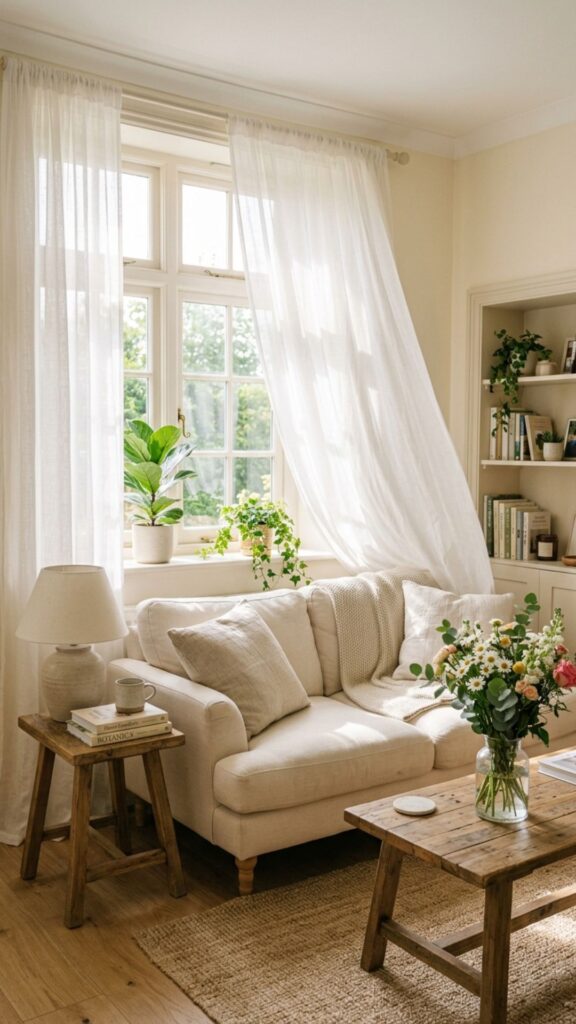
Nothing makes a small living room feel larger than sunlight. Skip heavy drapes and choose sheer curtains or simple blinds that you can open wide. The more daylight you let in, the more spacious and cheerful the room becomes.
Keep windows clear of tall furniture that blocks the view. If privacy is a concern, top-down bottom-up shades let you cover the lower half while keeping light flowing in from above. Clean windows matter too, so give them a wipe.
7. Add Plants for Life and Freshness
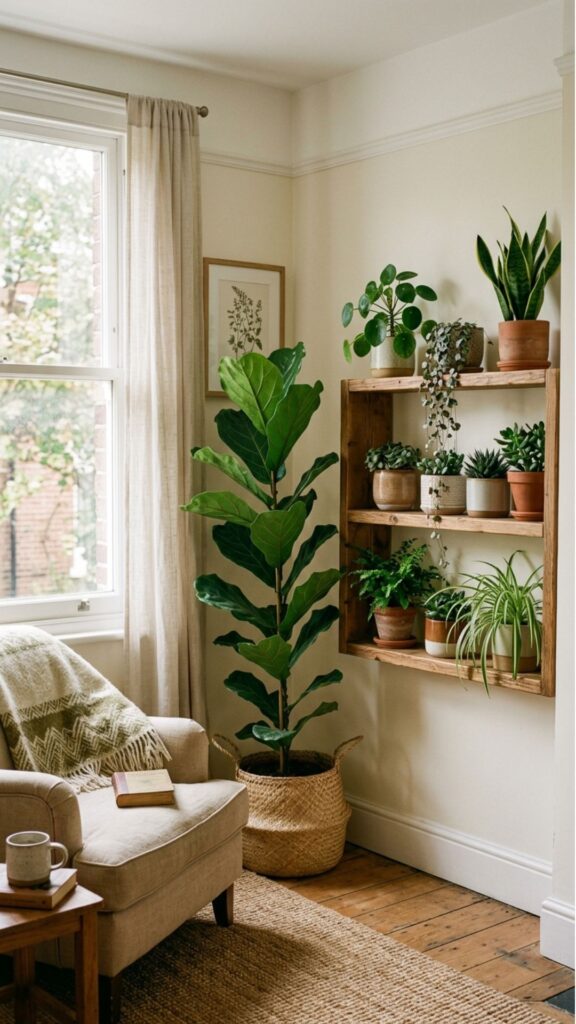
Greenery brings warmth and energy to any space without taking up much room. A few well-placed plants soften hard corners and add natural color. They also improve the mood of a room, which matters most where you relax.
Try a tall plant in an empty corner or small pots on your shelves. Low-maintenance options like pothos, snake plants, and ZZ plants thrive with little effort. If you lack a green thumb, quality faux plants look great and never wilt.
8. Use a Large Rug to Ground the Space
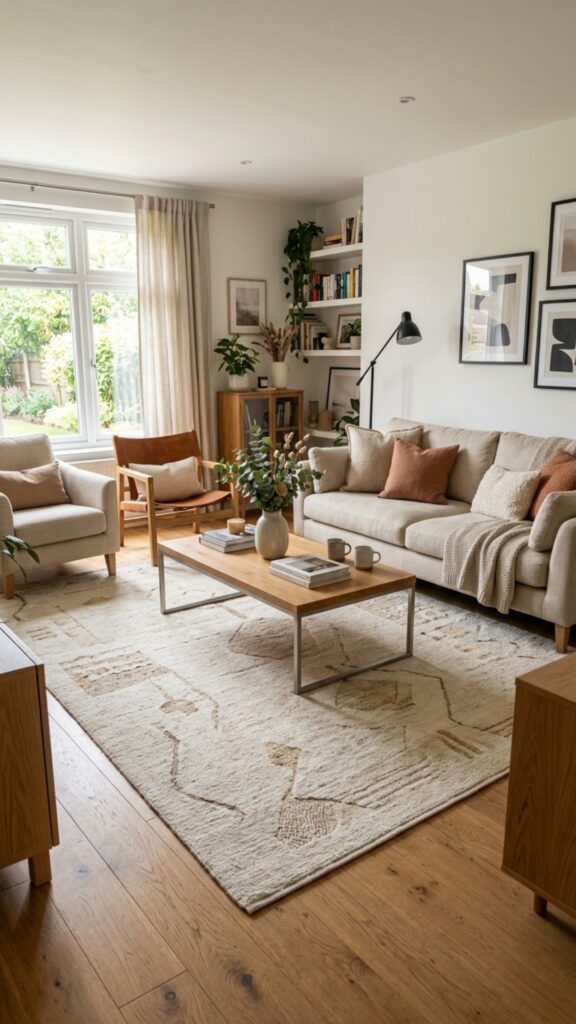
It sounds backward, but a bigger rug can make a small room feel larger. A rug that’s too tiny chops up the floor and makes everything look disjointed. Choose one large enough to fit under the front legs of your furniture.
This creates a unified zone that pulls the seating together. Stick with light colors or subtle patterns to keep things airy. A well-sized rug defines your living area and adds cozy comfort underfoot.
9. Embrace Wall-Mounted Lighting
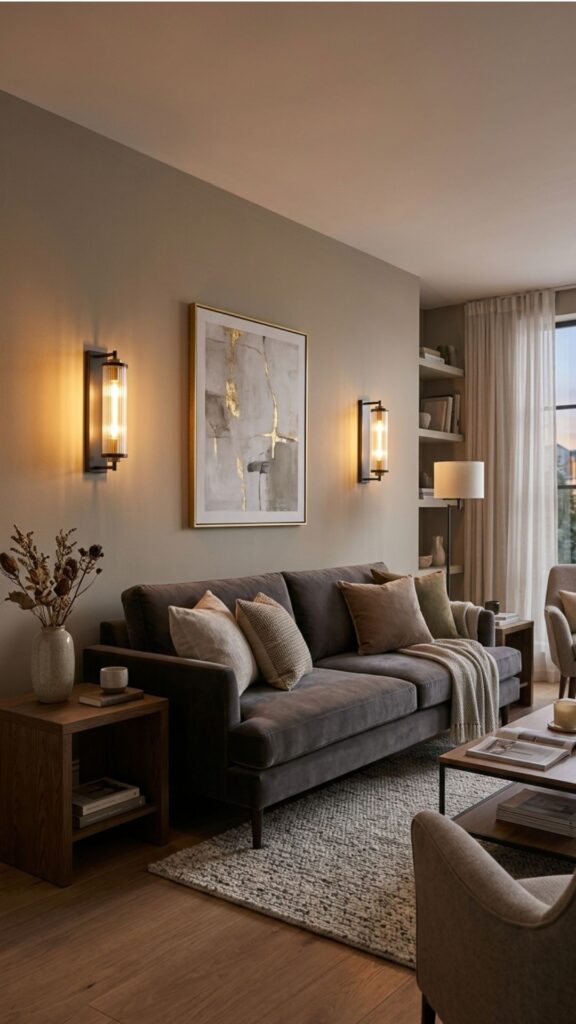
Table lamps and floor lamps take up precious surface and floor space. Wall sconces and pendant lights give you the same warm glow without the footprint. They free up your tables and add a polished, built-in look.
Swing-arm sconces beside the sofa are perfect for reading. If you rent and can’t hardwire, plug-in versions mount easily and hide the cord. Layered lighting from different heights keeps the room from feeling flat.
10. Keep Clutter Under Control
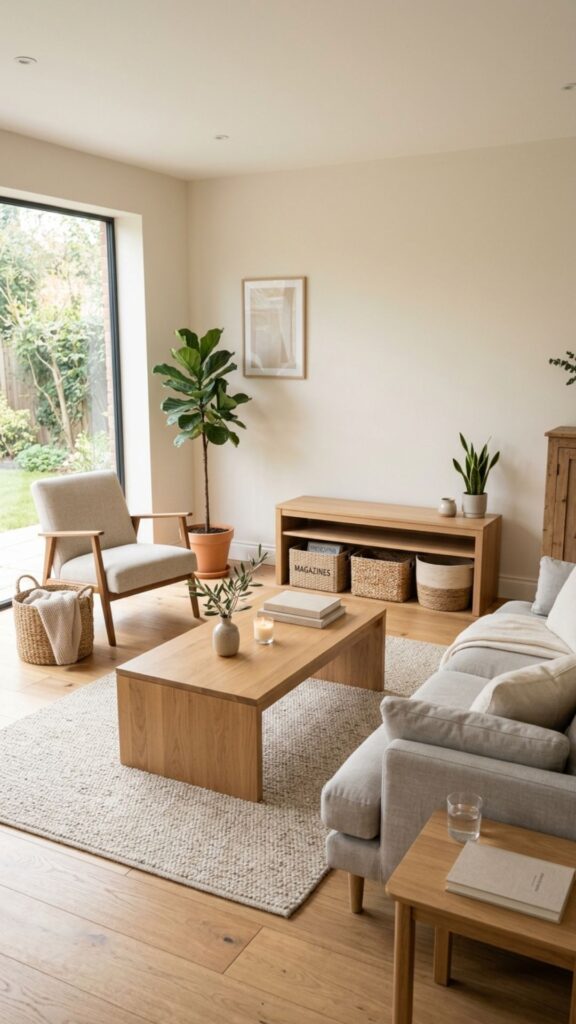
Clutter is the enemy of every small living room decor idea in this house-friendly list. Even beautiful furniture gets lost when surfaces are covered in random stuff. Regular decluttering keeps your space feeling calm and roomy.
Give everything a home, and use baskets or boxes to corral loose items. A quick five-minute tidy each evening prevents mess from piling up. When surfaces stay clear, the whole room breathes.
11. Choose Furniture That Fits the Scale
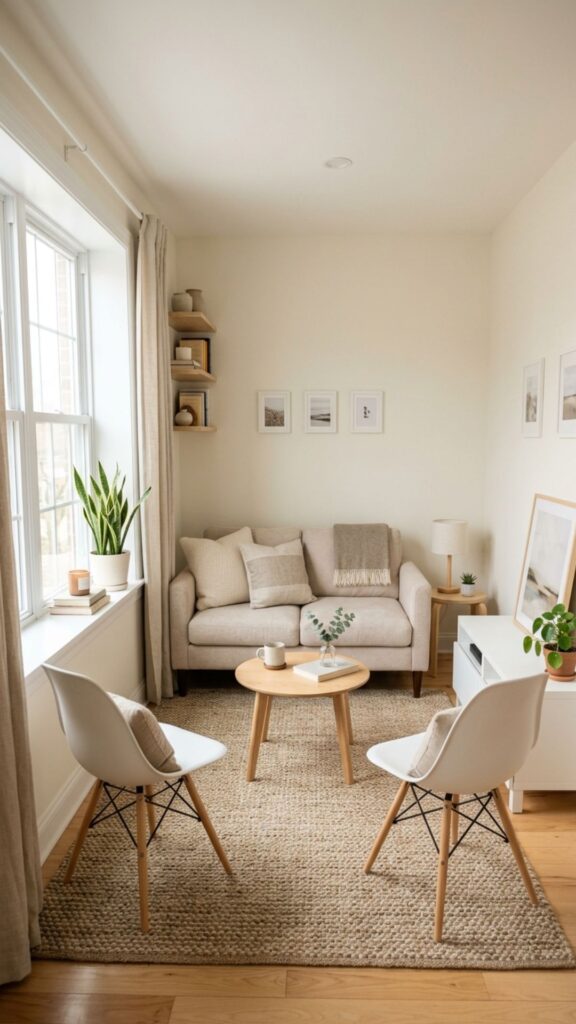
Oversized furniture overwhelms a small room fast. Measure your space before buying anything, and pick pieces that match the scale of the area. A slim armchair often works better than a giant recliner.
Leave breathing room between pieces so you can move around easily. Cramming in too much seating backfires and makes the room feel tight. Fewer, well-chosen pieces always beat a crowded layout.
12. Use Curtains to Add Height
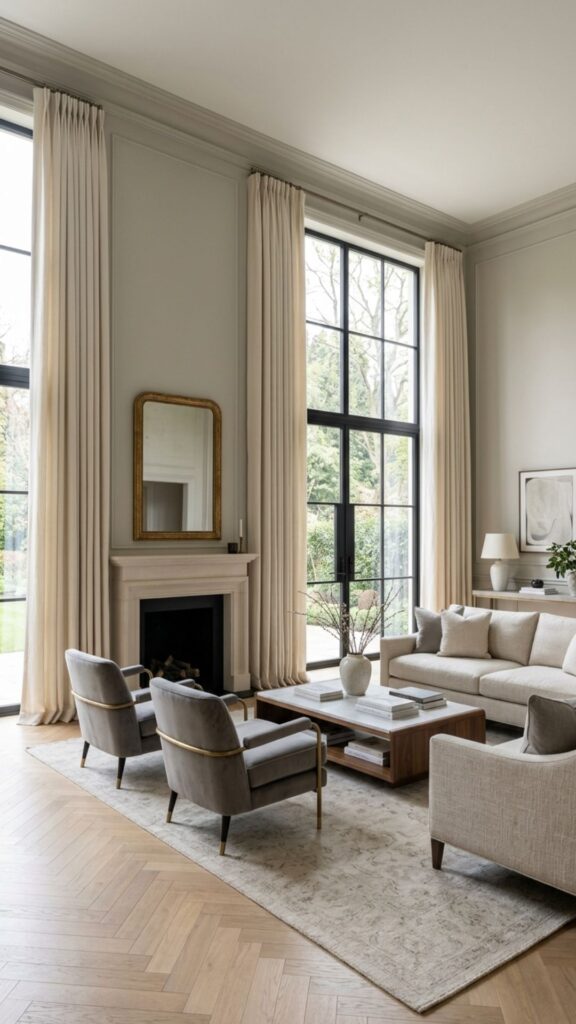
Hang your curtains high and wide, well above the window frame. Mounting the rod close to the ceiling draws the eye up and makes walls feel taller. Let the panels almost touch the floor for a clean, elegant drop.
This simple trick costs nothing extra and instantly adds drama. Choose light fabrics that won’t overpower the room. The illusion of height makes even a low-ceilinged space feel grander.
13. Try a Monochromatic Color Scheme
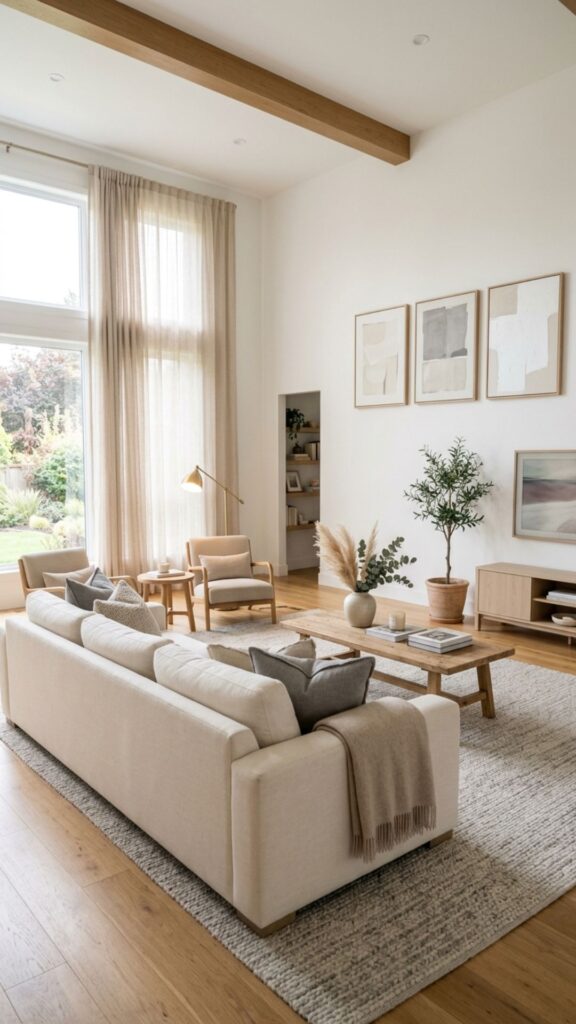
Sticking to one color family creates a smooth, seamless look. When walls, furniture, and accents share similar tones, the eye glides across the room without stopping. This makes the space feel continuous and larger.
You don’t need everything identical, just related shades. Layer different textures to keep it interesting, like a knit throw against a smooth sofa. The result feels intentional, calm, and surprisingly spacious.
14. Float Furniture Away from Walls
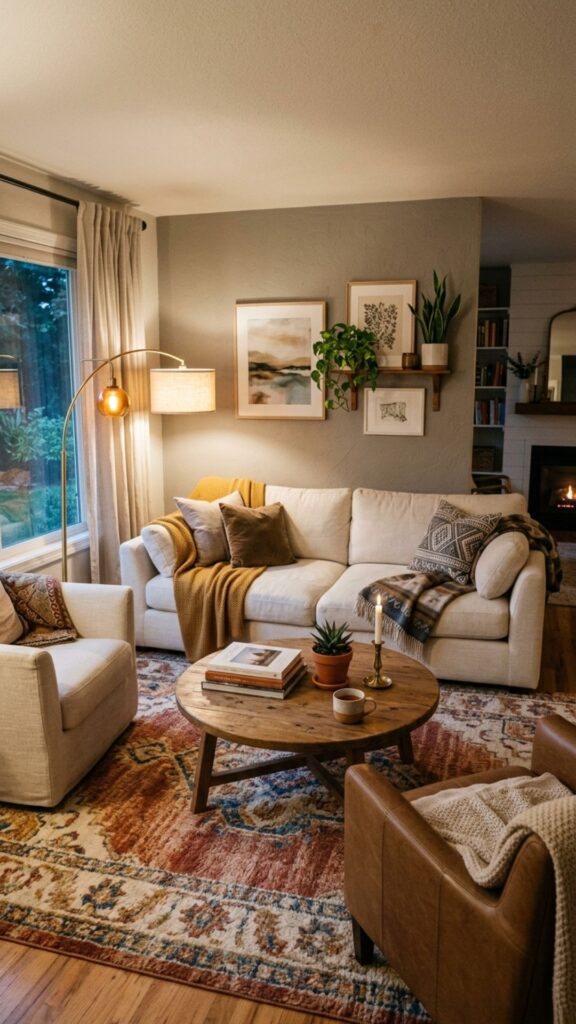
Pushing every piece against the wall seems space-saving, but it often makes rooms feel awkward. Pulling furniture slightly forward creates a cozy, balanced arrangement. Even a few inches of space behind the sofa adds depth.
Angle a chair or float your seating around a small rug to define the area. This approach makes the room feel curated rather than crammed. Experiment until the flow feels natural.
15. Add Storage That Blends In
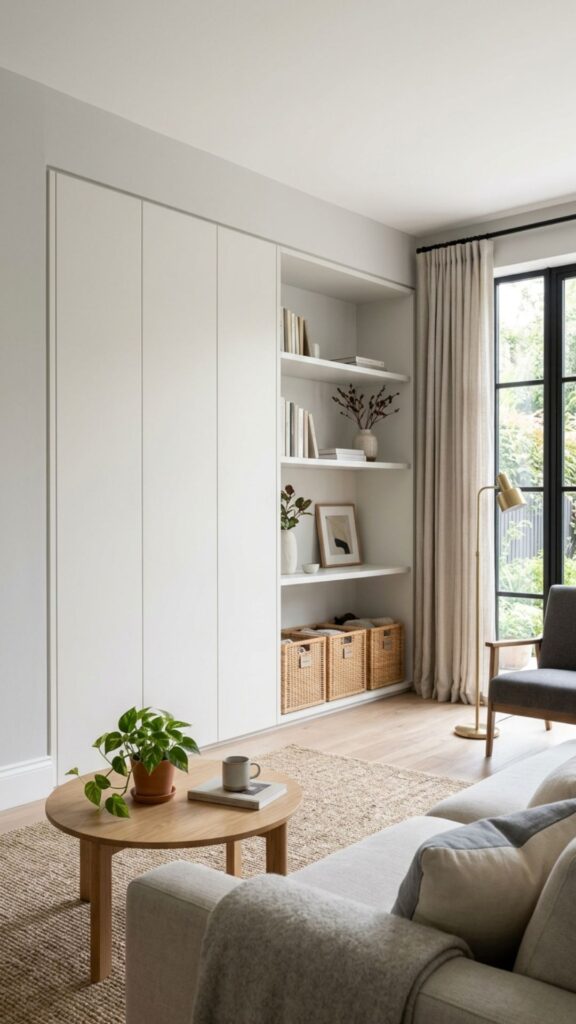
Hidden storage keeps clutter out of sight while looking clean. Choose media consoles with cabinets, closed baskets, and benches that open up. The less visible stuff you have, the calmer your room appears.
Built-in-style units that match your wall color practically disappear. This is one of the smartest small living room decor ideas for a busy house with kids or pets. Function and style can absolutely coexist.
16. Use Glass and Acrylic Pieces
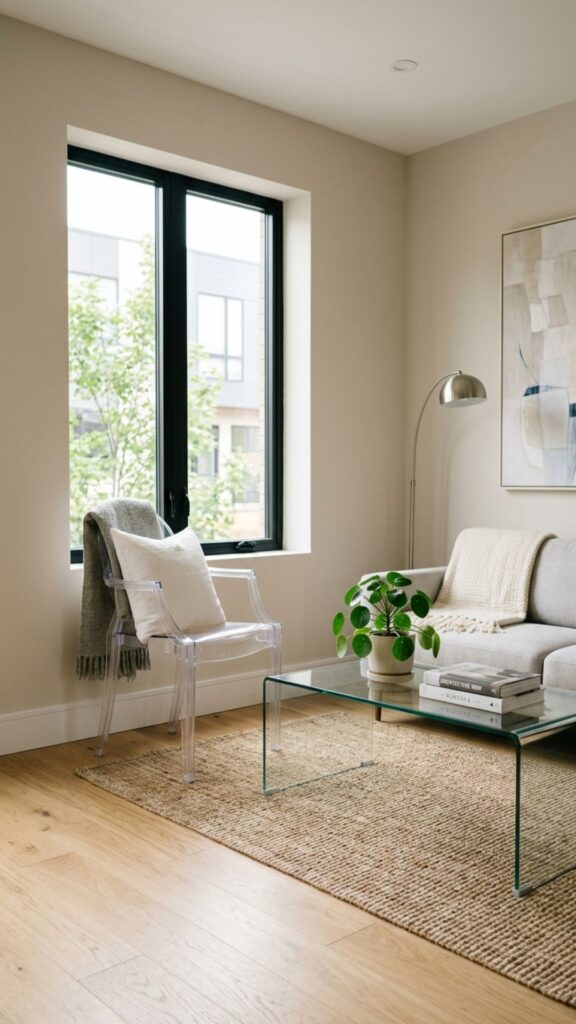
See-through furniture takes up visual space without blocking the view. A glass coffee table or acrylic side chair keeps sightlines open across the room. Your eye travels right through them, so nothing feels bulky.
These pieces work beautifully in modern and minimalist spaces. They’re easy to clean and add a light, airy touch. Just one clear piece can lighten up a crowded corner.
17. Create a Focal Point
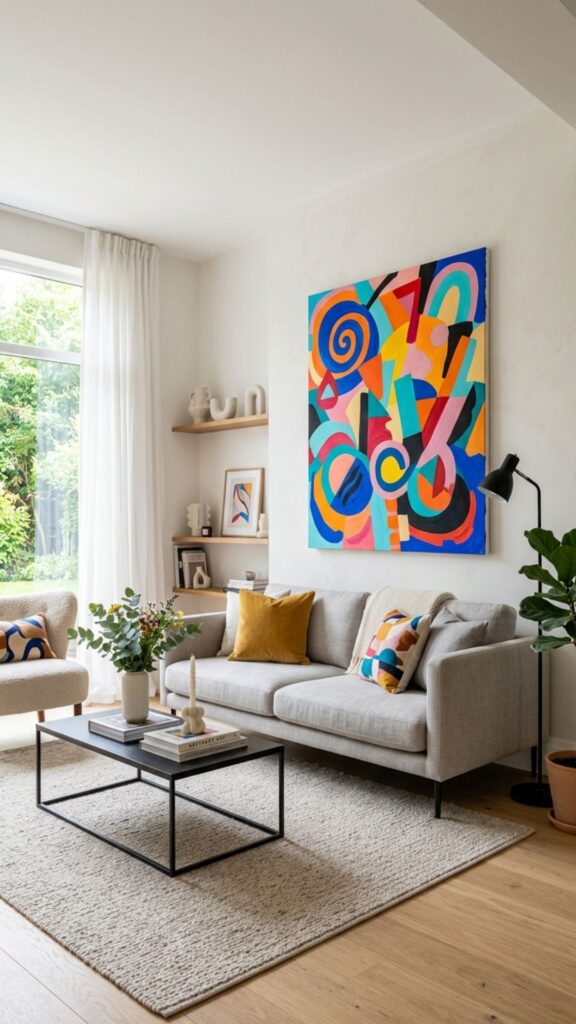
Every room needs one spot that draws attention first. It could be a bold piece of art, a striking rug, or a small accent wall. A clear focal point gives the eye a place to land and organizes the whole space.
Without one, small rooms can feel scattered and chaotic. Pick your favorite feature and let it shine. Keep everything else simple so your focal point does the talking.
18. Hang Art Higher and Larger
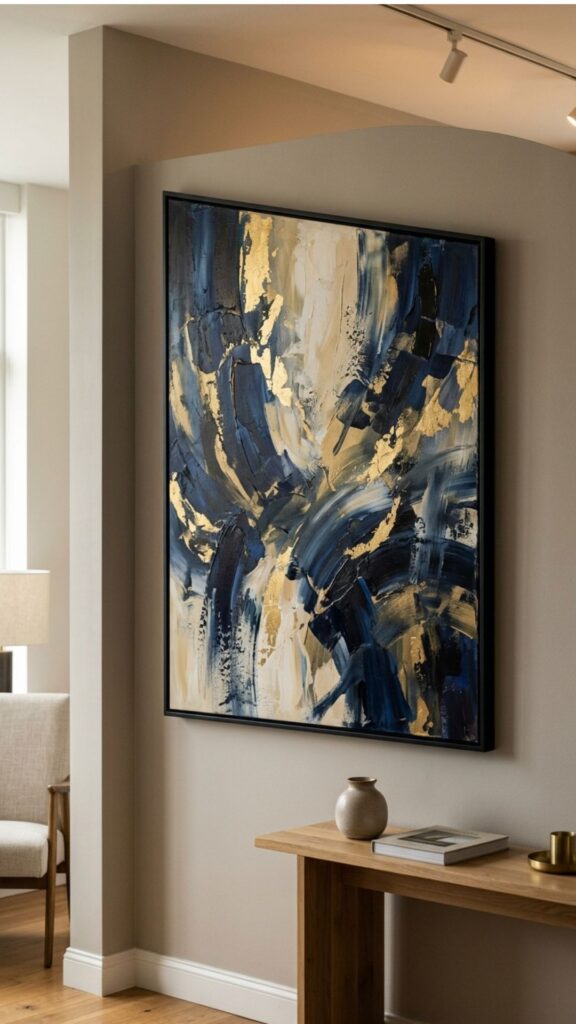
Small, scattered pictures make walls feel choppy. One large piece of art, or a tidy grouped gallery, creates a stronger, cleaner impression. Big art actually makes a small room feel more generous, not less.
Hang pieces a touch higher to lift the eye and add height. Keep frames simple and consistent for a unified look. Well-placed art turns bare walls into a real design feature.
19. Add Warmth with Textiles
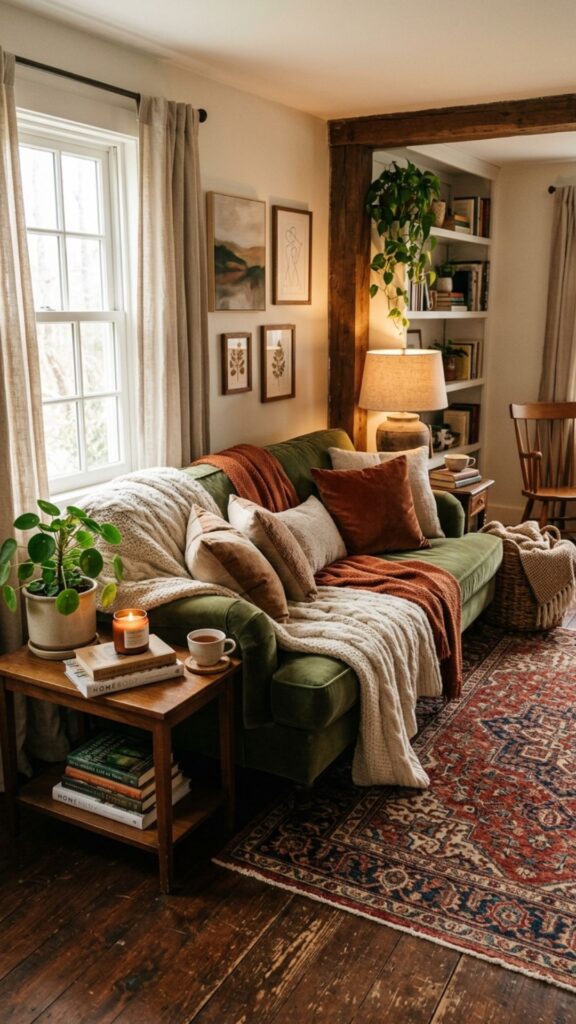
Soft throws, cushions, and a cozy rug make a small room feel inviting. Layering textures adds depth and comfort without cluttering the space. This is how you turn a tiny room into a snug retreat.
Stick to a tight color palette so the textiles feel coordinated. Mix smooth and chunky fabrics for interest. A few well-chosen soft touches make the whole room feel finished.
20. Keep the Layout Open and Flowing
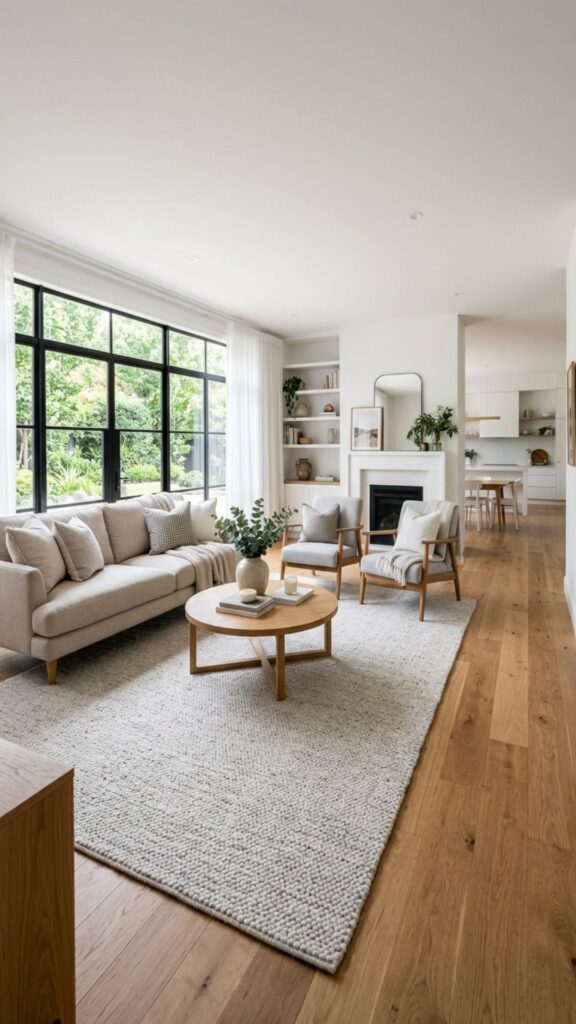
Good flow is everything in a small living room. Arrange furniture so there’s a clear path to walk through the space. When people can move freely, the room instantly feels bigger and more comfortable.
Avoid blocking doorways or windows with big pieces. Think about how you actually use the room day to day. An open, easy layout ties together every other idea on this list.
Conclusion
A small living room is full of potential once you know how to work with it. From light colors and mirrors to smart storage and multi-functional furniture, these 20 ideas prove that great style has nothing to do with square footage. Start with one or two changes, then build from there.
Ready to transform your space? Pick your three favorite ideas from this list and try them this weekend. Small tweaks add up fast, and you’ll be amazed at how much bigger and brighter your room can feel. Your dream living room is closer than you think.
How can I make my small living room look bigger?
Use light wall colors, add mirrors to reflect light, choose furniture with exposed legs, and keep clutter under control. Letting in natural light and using a large rug also make the space feel more open and spacious.
What colors are best for a small living room?
Light, neutral shades like soft white, warm beige, and pale grey work best. They reflect light and make walls feel farther apart. A monochromatic scheme in related tones also creates a seamless, roomy effect.
What furniture works best in a small living room?
Choose scaled-down, multi-functional pieces like storage ottomans, sofa beds, and slim-legged sofas. Glass or acrylic furniture keeps sightlines open. Always measure your space first and leave room to move around comfortably.
How do I add storage to a small living room?
Use hidden storage such as ottomans, benches, and closed media consoles. Go vertical with tall shelving to use wall height. Baskets and boxes keep loose items tidy while blending into your decor.
How many pieces of furniture should a small living room have?
Stick to a few well-chosen essentials, usually a sofa, one or two chairs, a coffee table, and a storage unit. Fewer pieces with breathing room between them always feel more spacious than a crowded layout.