You don’t need a sprawling backyard to grow your own food. A sunny balcony, a narrow patio, or even a bright windowsill can produce more tomatoes, herbs, and greens than you’d expect.
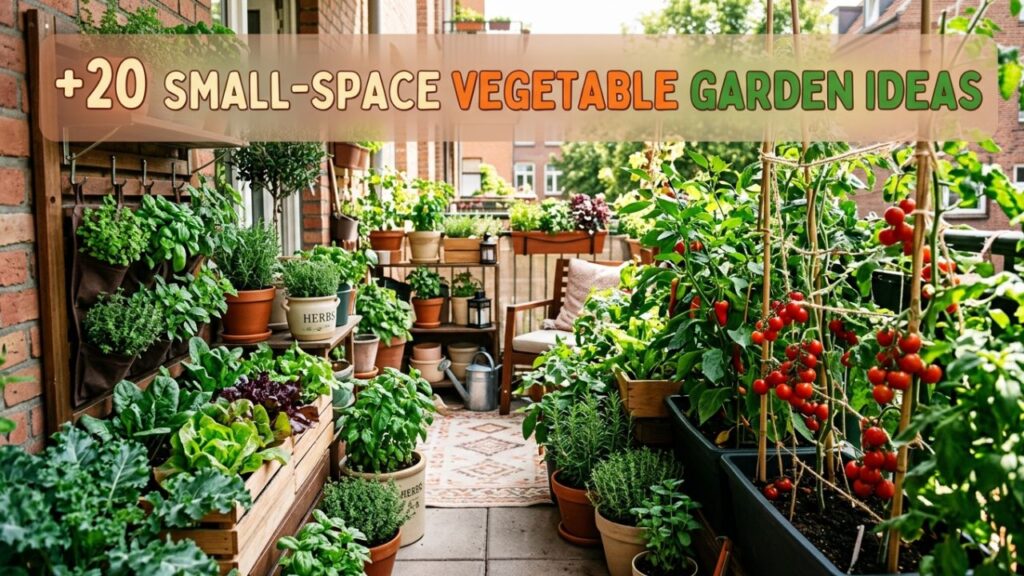
I’ve grown vegetables in apartments and tiny rentals for over a decade, and the biggest lesson is simple: smart design beats square footage every time.
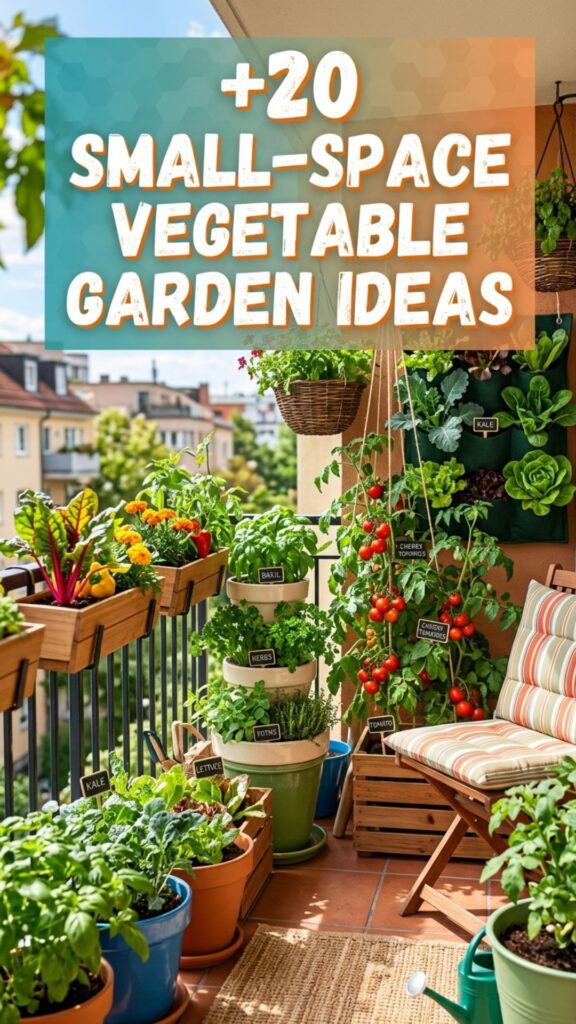
This guide walks you through 20 vegetable garden ideas for small space living that actually work. You’ll learn how to use vertical room, pick the right containers, choose compact crops, and squeeze harvests out of spots you thought were useless. Each idea is something you can start this weekend.
1. Start With Container Gardening
Containers are the backbone of any small garden. Pots, buckets, and grow bags let you place vegetables exactly where the sunlight lands, and you can move them as the seasons shift. A single 5-gallon container can hold one tomato plant, a few pepper plants, or a generous cluster of lettuce.
The trick is matching the pot size to the plant. Root vegetables and tomatoes need depth, while herbs and salad greens thrive in shallower containers. Always drill drainage holes and use a quality potting mix instead of garden soil, which compacts too tightly in pots.
2. Go Vertical With Wall Planters
When floor space runs out, look up. Vertical planters mounted on walls or fences turn blank surfaces into productive growing zones. A single wall can hold a dozen pockets of herbs, strawberries, or leafy greens.
This approach keeps plants off the ground and away from many pests. It also makes watering and harvesting easier on your back. If you rent, choose freestanding vertical units that lean against the wall so you avoid drilling into surfaces.
3. Build a Compact Raised Bed
Raised beds aren’t just for big yards. A 3-by-3-foot raised bed fits neatly on a patio or in a corner of a courtyard and gives roots plenty of room to spread. The higher soil warms faster in spring, so you can plant earlier.
Fill your bed with a mix of compost, topsoil, and aged manure for steady nutrition. Because you control the soil quality, raised beds often outperform in-ground gardens in the same footprint. Add a simple trellis at the back to grow climbers upward.
4. Use Window Boxes for Quick Wins
Window boxes are perfect for renters and beginners. They hook onto railings or sit on sills, and they’re ideal for shallow-rooted crops like radishes, chives, and lettuce. You get a harvest within arm’s reach of your kitchen.
Choose a box at least 8 inches deep and pair it with a self-watering insert if your window gets hot afternoon sun. Rotate your plantings every few weeks to keep the box producing all season long.
5. Try Hanging Baskets for Trailing Crops
Hanging baskets free up every inch of ground and add greenery at eye level. Cherry tomatoes, strawberries, and trailing herbs like thyme spill beautifully over the edges. They’re a smart pick for balconies where floor space is precious.
Because baskets dry out quickly, line them with coir or moss to hold moisture. Water in the early morning and check them daily during heat waves. The reward is a cascade of fruit you can pick without bending down.
6. Set Up a Balcony Rail Garden
Your balcony railing is prime real estate. Railing planters clip directly onto the bars and hold a surprising amount of soil. They line the perimeter without eating into your standing or seating space.
Herbs, salad greens, and compact peppers do well here. Just double-check that planters are secured firmly, especially on upper floors where wind can knock them loose. A safety strap or bracket adds peace of mind.
7. Grow Up a Trellis
A trellis lets vining plants climb instead of sprawl, which is a game changer in tight spots. Cucumbers, pole beans, and small squash varieties grow vertically and take up a fraction of the ground they’d normally need.
Lean a trellis against a sunny wall or anchor it into a large pot. As the plant grows, gently tie the stems to guide them upward. You’ll harvest cleaner, straighter produce and enjoy better air circulation that cuts down on disease.
8. Make a Pallet Garden
An old wooden pallet becomes a vertical planter with a little effort. Stand it upright, line the back and sides with landscape fabric, fill the slots with soil, and plant into the gaps. It’s cheap, sturdy, and surprisingly productive.
Pallet gardens shine for shallow-rooted crops like lettuce, spinach, and herbs. Make sure the pallet is heat-treated, not chemically treated, so nothing harmful leaches into your food. Look for an “HT” stamp on the wood.
9. Try Stackable Planters
Stackable or tiered planters give you multiple growing levels in one small footprint. Each tier holds several plants, so a single tower can grow a full salad garden in the space of one pot.
They’re ideal for strawberries, herbs, and greens. Many designs rotate so every plant gets its share of sun. Water from the top and let it trickle down, which keeps the whole tower evenly moist.
10. Use Grow Bags for Flexibility
Fabric grow bags are lightweight, breathable, and easy to store when empty. The fabric air-prunes roots, which creates healthier plants than solid pots often do. They’re perfect for potatoes, carrots, and tomatoes.
You can fold them flat at season’s end and tuck them in a closet. Move them around your space to chase the sun, or group them for a fuller look. A 10-gallon bag handles most large vegetables comfortably.
11. Plant a Salad Table
A salad table is a waist-high, shallow planting tray on legs. It brings your greens up to a comfortable height, so there’s no kneeling or bending. The shallow depth suits lettuce, arugula, and other cut-and-come-again crops.
Build one from scrap lumber and hardware cloth, or buy a ready-made version. Because you harvest often, the table stays fresh and keeps producing. It also fits neatly against a wall or fence.
12. Line a Fence With Pocket Planters
Fabric pocket planters hang on fences and turn a boundary into a garden. Each pocket holds a single plant, giving you dozens of growing spots on one panel. They’re great for herbs, greens, and compact flowers that attract pollinators.
Water carefully, since pockets drain fast and can dry out on hot days. A drip line threaded across the top makes maintenance effortless. This idea is one of my favorite vegetable garden ideas for small space fences and walls.
13. Grow Microgreens Indoors
Microgreens are the fastest crop you can grow, ready to harvest in one to three weeks. A single shallow tray on a countertop yields a nutrient-dense handful of greens. They need no outdoor space at all.
Sow seeds thickly on a thin layer of soil, keep them moist, and place them near a bright window. Snip them young for salads and sandwiches. It’s a great way to garden year-round, even in the dead of winter.
14. Use Companion Planting to Maximize Space
Companion planting pairs crops that help each other, letting you fit more into a tight bed. Basil planted beside tomatoes can improve flavor and deter pests, while lettuce grows happily in the shade of taller plants.
The idea is to layer plants with different heights and root depths so they share space without competing. Tuck quick-growing radishes between slower crops to harvest before the neighbors need the room. Every square inch works harder.
15. Try a Self-Watering Container
Self-watering containers have a reservoir at the bottom that wicks moisture up to the roots. They’re a lifesaver for busy people and anyone gardening on a hot balcony where pots dry out fast.
Fill the reservoir once, and the plant drinks as needed for days. This steady moisture leads to healthier growth and fewer wilting emergencies. Tomatoes, peppers, and cucumbers especially reward the consistency.
16. Create a Herb Spiral in Miniature
A small herb spiral packs many plants into a compact, sculptural mound. The spiral shape creates microclimates: the top drains fast and suits drought-loving herbs like rosemary, while the base stays moist for mint and parsley.
Build one from stacked bricks or stones in a corner of your patio. It looks striking and gives you a full herb collection in about a square yard. Harvest often to keep the plants bushy and productive.
17. Repurpose Everyday Containers
You don’t need to buy fancy pots. Buckets, colanders, old sinks, and wooden crates all work as planters, as long as they drain well. Upcycling saves money and gives your garden character.
Drill holes in the bottom of anything solid, and add a mesh layer to keep soil from washing out. A galvanized tub can host a whole salad garden, while a hanging colander makes a charming home for trailing herbs.
18. Set Up a Tiered Plant Stand
A tiered plant stand turns a small corner into a green display with several growing levels. Each shelf holds a few pots, so you multiply your capacity without spreading outward.
Place taller, sun-loving plants on top and shade-tolerant greens below. The stand also makes watering and inspection easy since everything sits at different heights. It’s a tidy solution for cramped balconies and porches.
19. Grow Dwarf and Compact Varieties
Plant breeders have created compact versions of nearly every vegetable. Look for names like “patio,” “bush,” or “dwarf” on seed packets. These varieties stay small but still produce full-size harvests.
Bush beans, patio tomatoes, and mini bell peppers thrive in pots without taking over. Choosing the right variety is half the battle in a small garden. It lets you grow favorites that would otherwise sprawl out of control.
20. Design a Vertical Garden Wall
A living wall is the ultimate space saver. Modular panels or a framed pocket system cover an entire wall with plants, creating a green backdrop that also feeds you. It’s ideal for narrow balconies with tall, unused vertical surfaces.
Set up drip irrigation to keep the wall evenly watered, since gravity pulls moisture downward fast. Plant a mix of herbs, greens, and strawberries for a wall that’s both beautiful and edible. It turns a plain surface into a working garden.
Conclusion
Small spaces are no barrier to growing your own food. Whether you start with a single container, a window box, or a full vertical wall, these vegetable garden ideas for small space living prove that fresh produce is within reach. The key is working upward, choosing compact crops, and matching each plant to the light and space you have.
Pick just one idea from this list and try it this weekend. Grab a container, some potting mix, and a packet of seeds, then plant something today. Your first harvest is closer than you think, and every small success builds the confidence to grow more.
What vegetables grow best in small spaces?
Leafy greens, herbs, cherry tomatoes, peppers, radishes, and bush beans grow best in small spaces. They have shallow roots or compact growth habits, making them well suited to containers, window boxes, and vertical planters.
How much sunlight does a small vegetable garden need?
Most vegetables need at least 6 hours of direct sunlight per day. Leafy greens and herbs can manage with 4 to 5 hours, while fruiting crops like tomatoes and peppers need the full 6 to 8 hours to produce well.
Can I grow vegetables on a balcony without a yard?
Yes, you can grow plenty of vegetables on a balcony using containers, railing planters, hanging baskets, and vertical planters. Choose compact varieties and position them to catch the most sunlight for the best results.
How often should I water a container vegetable garden?
Container gardens usually need watering once a day, and sometimes twice during hot weather. Pots dry out faster than ground soil, so check the top inch of soil daily and water whenever it feels dry.
Do I need special soil for small-space gardening?
Yes, use a quality potting mix rather than garden soil. Potting mix drains well and won’t compact in containers, giving roots the air and moisture they need to thrive in a confined space.