A small living room can feel cramped, cluttered, and frankly a little frustrating. But here’s the good news: you don’t need a huge space or a fat wallet to create a room you love.
After years of helping friends and family reimagine tight spaces, I’ve learned that smart choices matter far more than square footage or spending.
In this guide, you’ll find 20 practical small living room decor ideas on a budget. Each one is easy to try, affordable, and proven to work. Whether you rent an apartment or own a cozy home, these tips will help you stretch every dollar and every inch. Let’s dig in.
1. Use Mirrors to Double Your Space
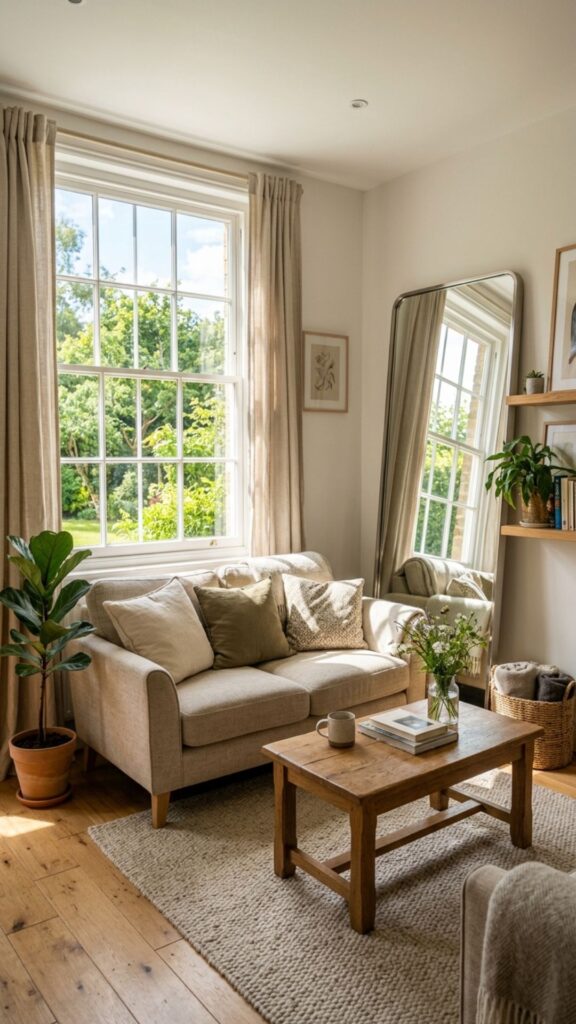
Mirrors are the oldest trick in the interior design book, and for good reason. A well-placed mirror reflects light and creates the illusion of a bigger room. Hang one across from a window, and you’ll instantly brighten the whole area while making it feel twice as large.
You don’t need an expensive designer mirror either. Thrift stores, garage sales, and discount retailers often carry beautiful frames for under $30. Lean a tall mirror against the wall for a modern, effortless look that skips the cost of hanging hardware.
2. Choose Multi-Functional Furniture
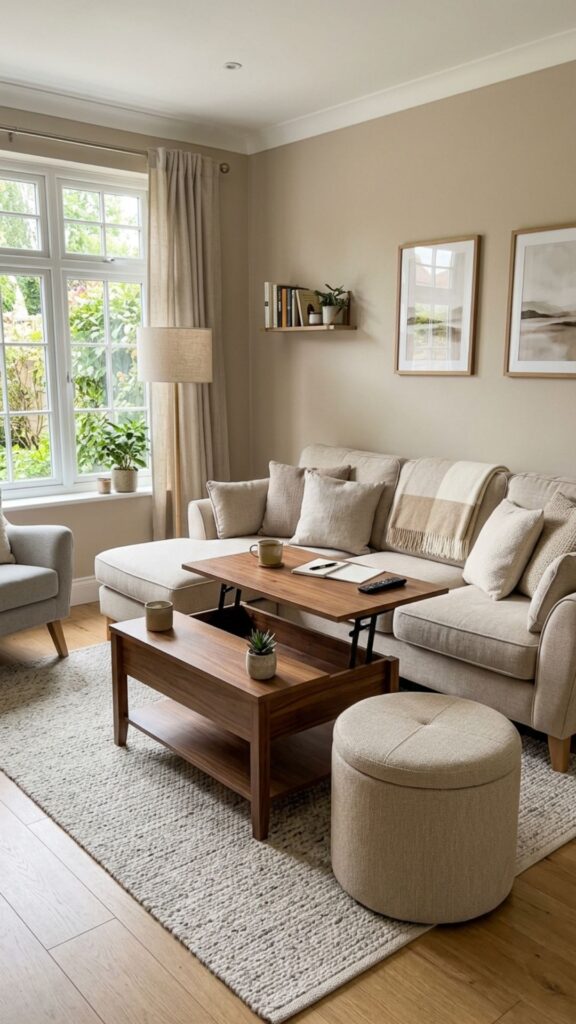
When space is tight, every piece needs to earn its keep. Look for furniture that does double duty, like an ottoman with hidden storage or a coffee table that lifts into a desk. These pieces cut clutter and save you from buying extra items.
Storage benches, sofa beds, and nesting tables are budget-friendly favorites. You can find quality secondhand options online through marketplaces where people sell gently used furniture for a fraction of retail price.
3. Paint Walls in Light, Neutral Colors
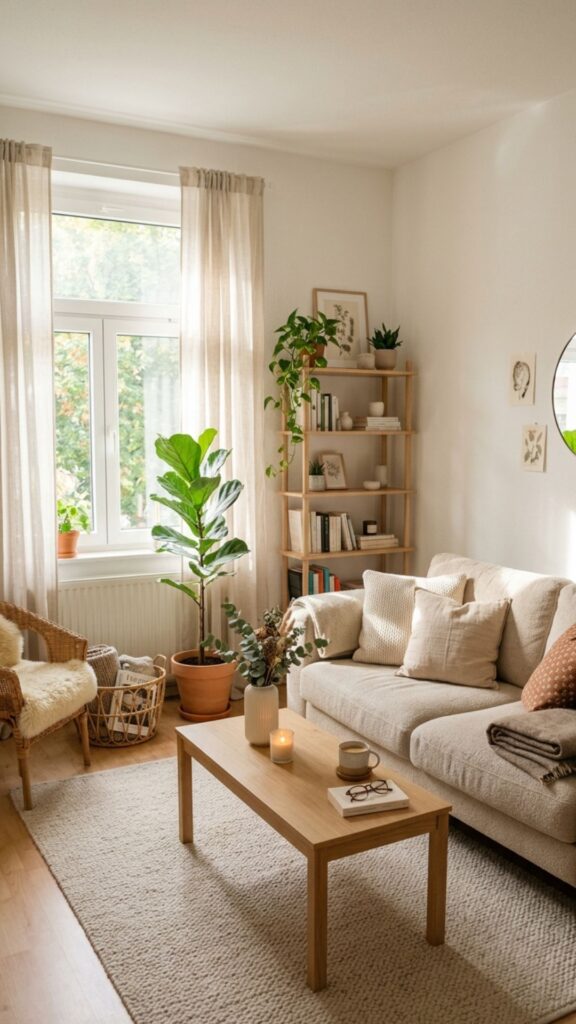
Color has a powerful effect on how big a room feels. Light shades like soft white, pale gray, and warm beige bounce light around and open up cramped spaces. A single gallon of paint costs around $30 and can completely refresh a room.
If you rent and can’t paint, try removable peel-and-stick wallpaper in a light pattern. It comes off cleanly when you move out and gives your walls personality without the permanent commitment.
4. Hang Curtains High and Wide
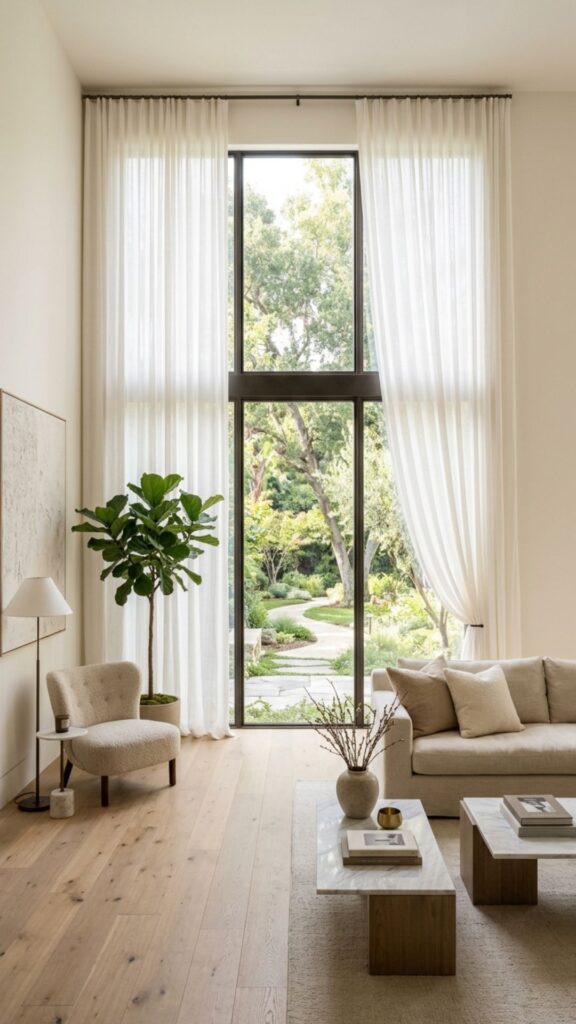
Here’s a designer secret that costs almost nothing: mount your curtain rod close to the ceiling and extend it past the window frame. This draws the eye upward and makes your windows, and your whole room, appear grander.
Choose light, airy fabrics in neutral tones to keep things bright. Sheer panels let sunlight filter through while still offering privacy. Budget curtain sets often run under $20 a pair.
5. Add Vertical Storage With Floating Shelves
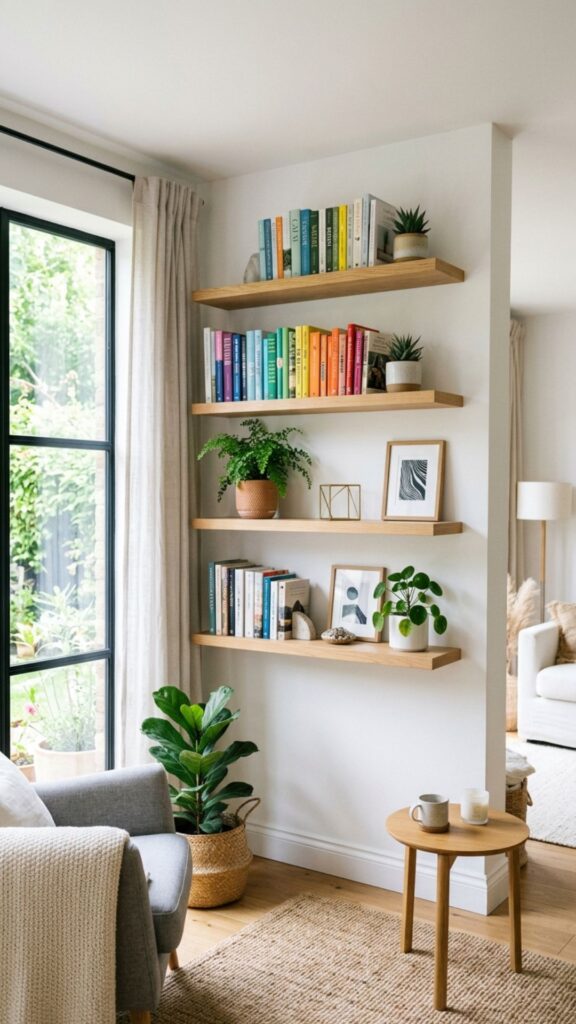
When floor space is limited, go up. Floating shelves take advantage of empty wall space to store books, plants, and decor without eating into your living area. They keep surfaces clear and make the room feel organized.
Install them in a staggered pattern for visual interest, or line them up for a clean, symmetrical look. A basic set of floating shelves costs around $15 to $25, and you can install them yourself in an afternoon.
6. Bring in Plants for Life and Color
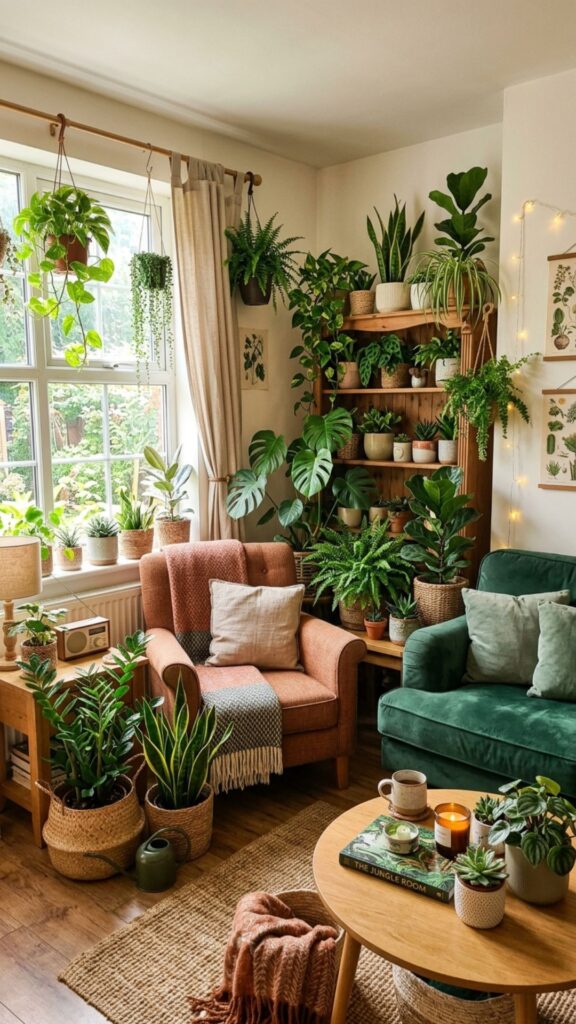
Plants add warmth, color, and a fresh feeling to any small living room. They soften hard edges and make a space feel alive. Best of all, they’re one of the cheapest ways to decorate.
Start with low-maintenance options like pothos, snake plants, or succulents. These thrive on neglect and cost just a few dollars each. Group them at different heights on shelves or in corners to create a lush, layered look.
7. Swap Bulky Furniture for Slim Profiles
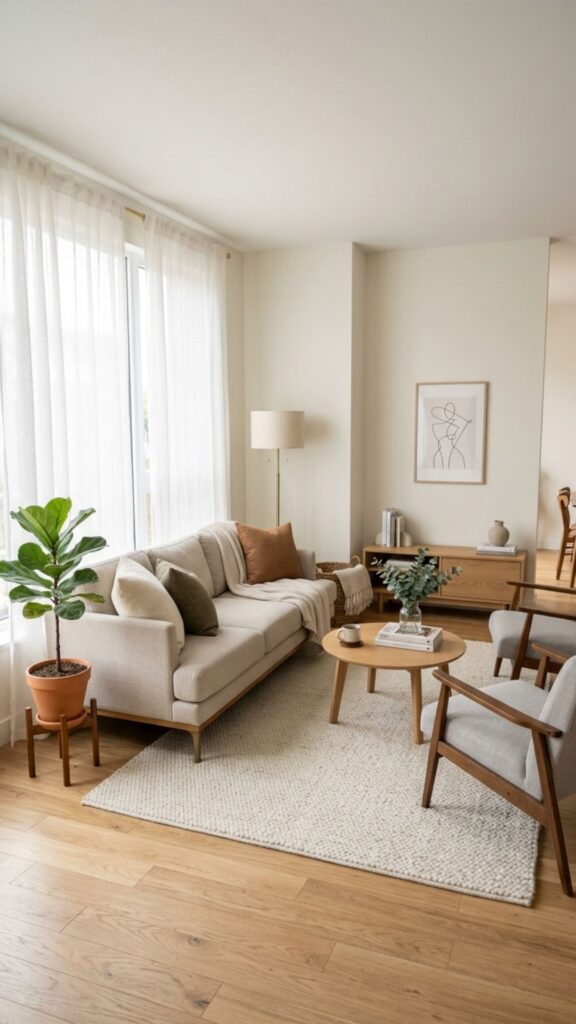
Oversized sofas and chairs swallow up small rooms fast. Instead, pick furniture with slim arms, exposed legs, and a lighter footprint. Raised legs let light flow underneath, which tricks the eye into seeing more floor.
You don’t have to buy new. Search local listings for armless loveseats or streamlined chairs that fit your space. Slim furniture often costs less than the bulky alternatives, so your budget wins twice.
8. Create a Gallery Wall on a Budget
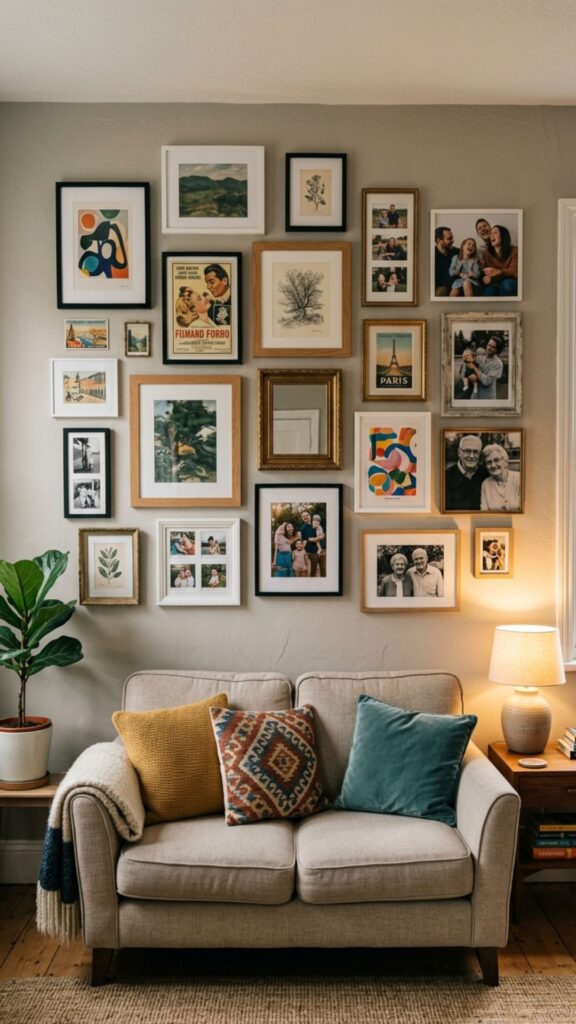
A gallery wall adds personality and draws attention upward, which helps a small room feel taller. You can build one using art prints, family photos, postcards, or even pages from old books in matching frames.
Grab frames from dollar stores or thrift shops and spray-paint them a single color for a cohesive look. Lay everything out on the floor first to plan your arrangement before you start hammering nails.
9. Use Rugs to Define Zones
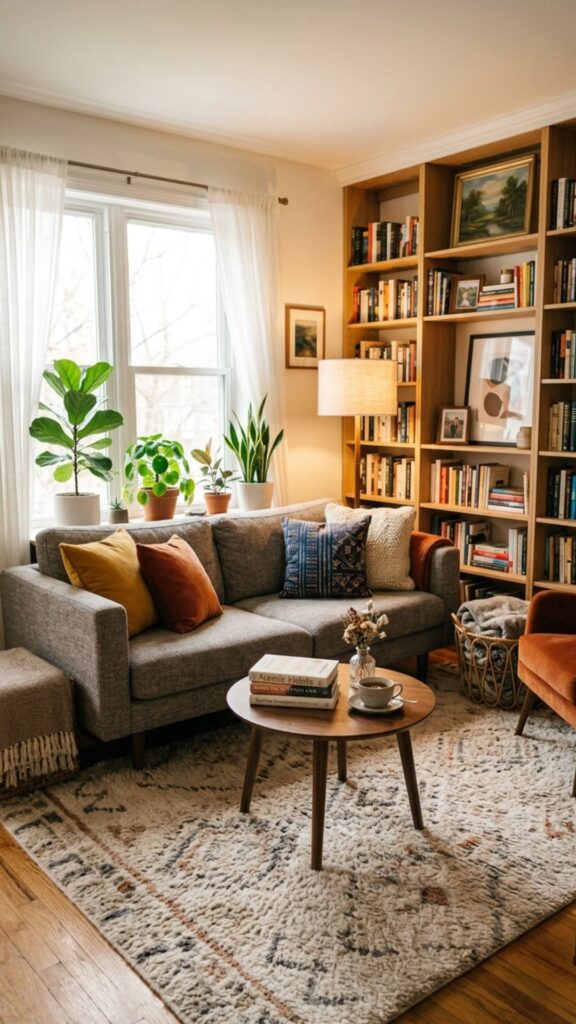
A rug anchors your seating area and adds warmth underfoot. In a small living room, the right rug can visually separate the space and make it feel intentional rather than cramped.
Choose a rug large enough to fit at least the front legs of your furniture on it. This connects your pieces and makes the room feel bigger. Budget rugs are widely available for $30 to $60, and machine-washable options save on cleaning costs.
10. Maximize Natural Light
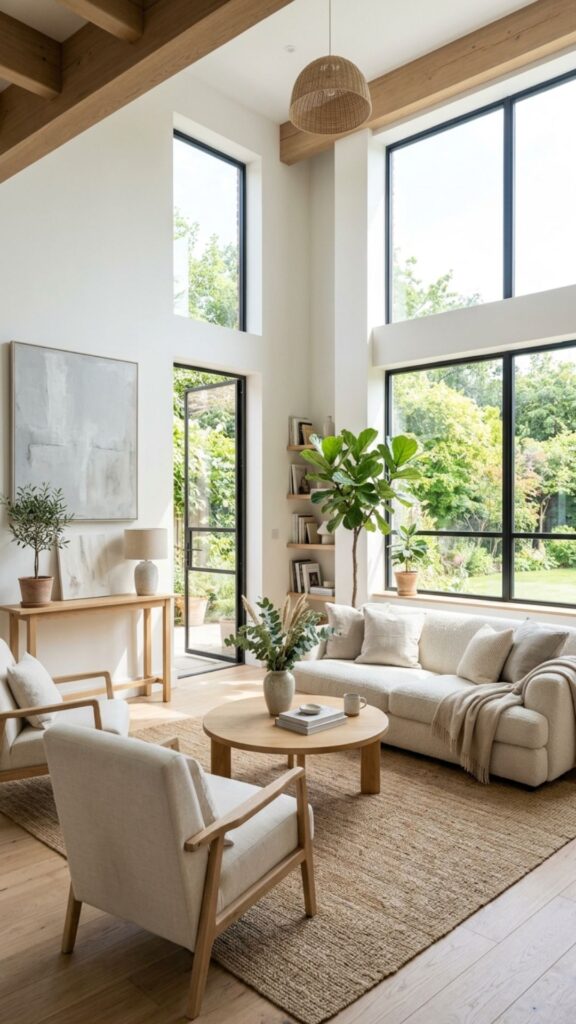
Nothing opens up a small space like sunlight. Keep windows clear of heavy drapes and bulky furniture so light can flow freely. A bright room always feels more spacious and welcoming.
Clean your windows regularly, since grime blocks surprising amounts of light. Position your seating to take advantage of the sunniest spots, and use light-colored decor to reflect that natural glow around the room.
11. Declutter and Keep Surfaces Clear
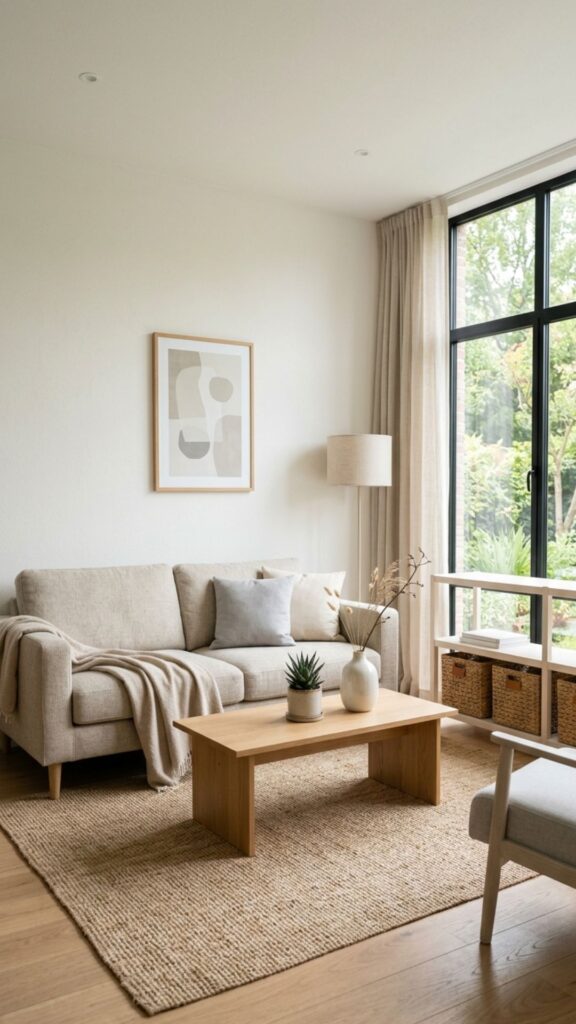
Clutter is the enemy of small spaces. Too many items on tables and shelves make a room feel chaotic and cramped. Regular decluttering is completely free and instantly improves how your space looks and feels.
Adopt a simple rule: for every new item you bring in, remove one. Store what you don’t use daily in bins or baskets. Clear surfaces create a sense of calm and openness that no purchase can match.
12. Layer Lighting for Depth
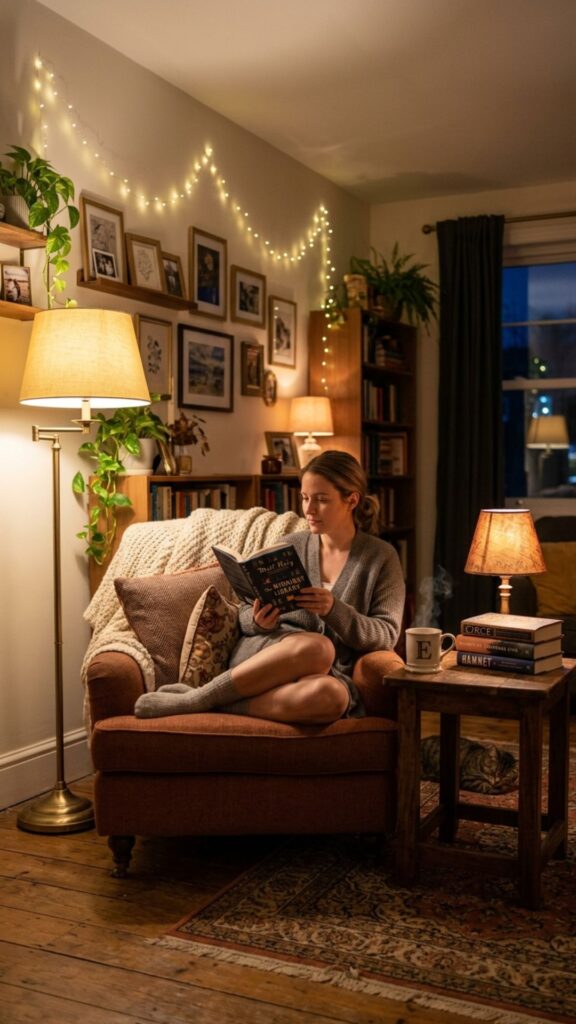
Relying on a single overhead light flattens a room and makes it feel dull. Instead, layer your lighting with table lamps, floor lamps, and string lights. Multiple light sources create depth and coziness.
Thrift stores are goldmines for unique lamps at low prices. Warm LED bulbs cost little and last for years, saving you money over time while giving your space a soft, inviting glow.
13. Pick a Cohesive Color Palette
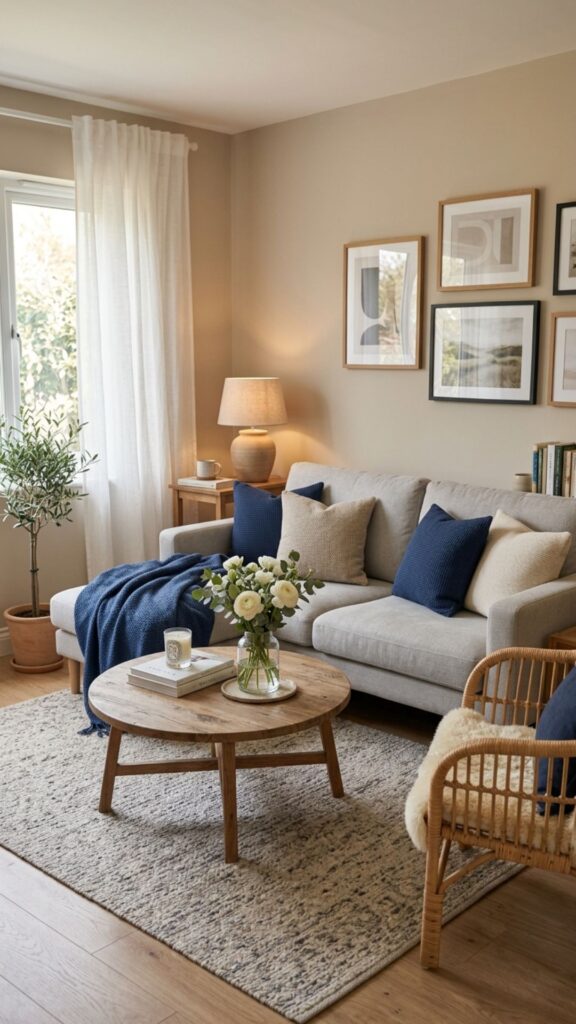
A tight, consistent color scheme makes a small room feel calm and put-together. When too many colors compete, the space looks busy and smaller than it is. Stick to two or three main shades.
Choose one neutral base, one main color, and one accent. Repeat these across pillows, throws, and art. This ties everything together without spending much, since you can shop your existing items or add a few cheap accessories.
14. Use Wall-Mounted Lighting
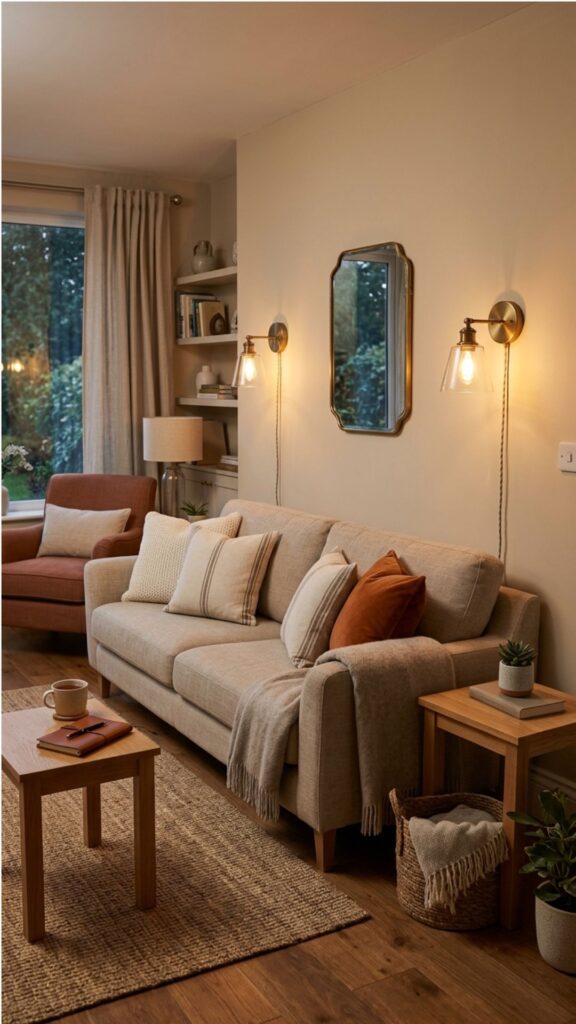
Table lamps take up precious surface space you may not have. Wall-mounted sconces free up that space while adding style and light exactly where you need it. Plug-in versions require no wiring, so renters can use them too.
Look for affordable plug-in sconces online, many priced under $30 a pair. Mount them beside a sofa for reading or flank a mirror to create a polished, custom feel on a small budget.
15. Add Texture With Throws and Pillows
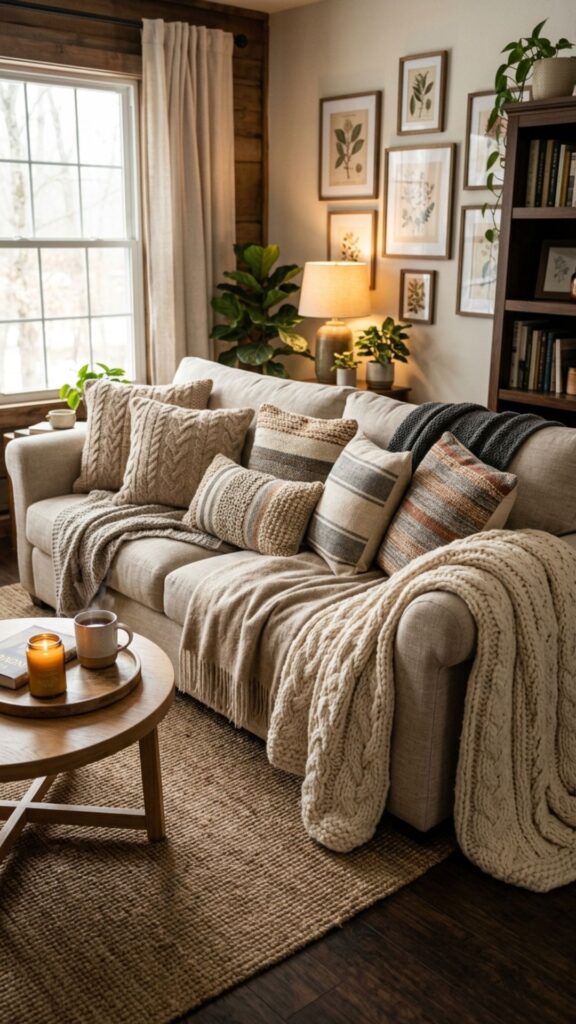
Texture makes a room feel rich and inviting without adding bulk. Soft throws, woven pillows, and knit blankets bring warmth and depth to your seating area. They’re also an easy way to change your look with the seasons.
You can find budget pillow covers for a few dollars each, then swap them out whenever you want a refresh. Mixing textures like cotton, linen, and faux fur adds visual interest that photographs beautifully.
16. Try a Statement Wall
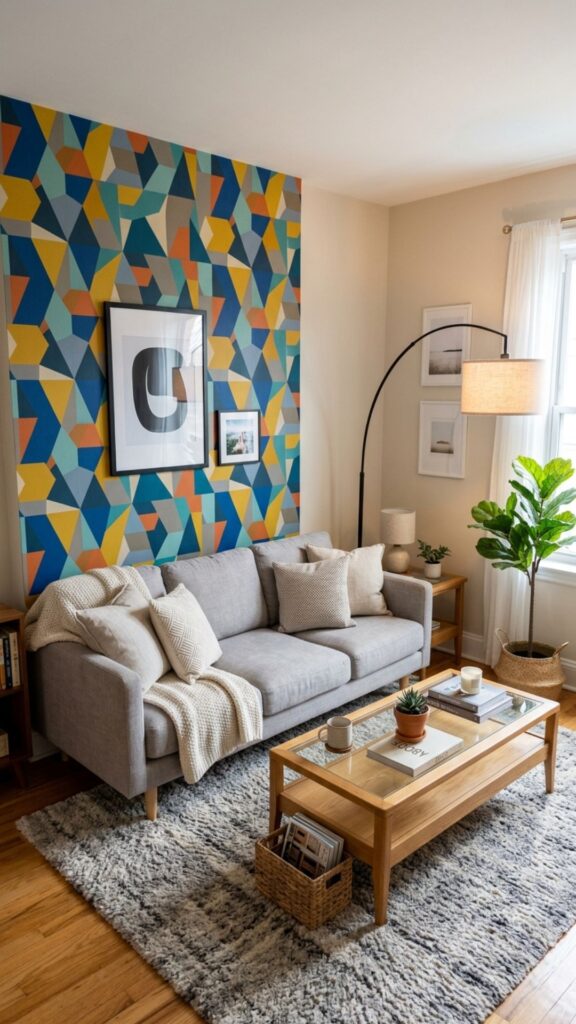
One bold accent wall adds drama without overwhelming a small space. Paint a single wall a deeper shade, or use peel-and-stick wallpaper for a pattern that pops. This creates a focal point and gives the room character.
Keep the rest of your walls neutral so the statement wall stands out. This trick uses minimal materials, which means minimal cost, while delivering major visual impact.
17. Float Furniture Away From Walls
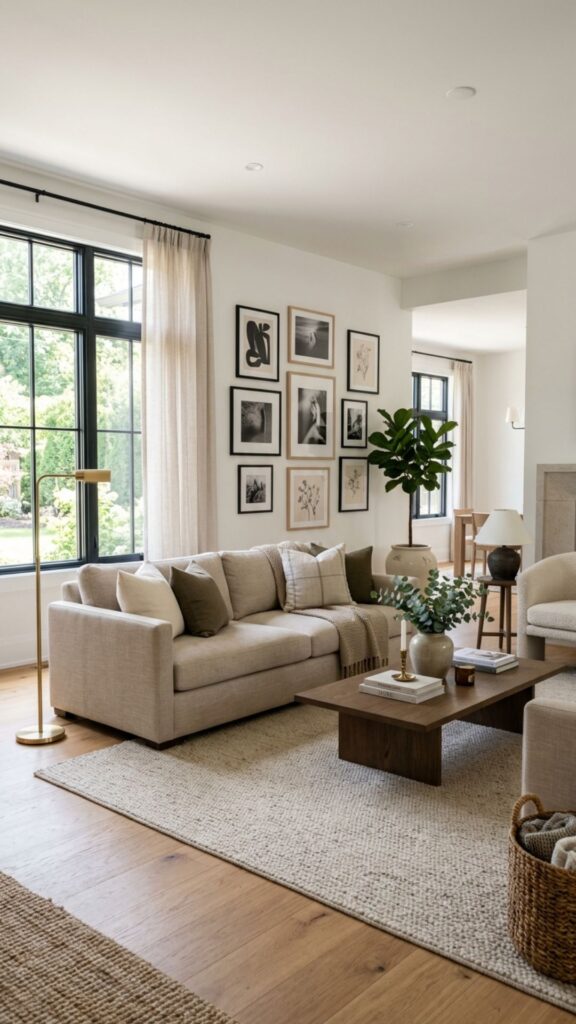
It sounds backwards, but pushing all your furniture against the walls can actually make a room feel smaller. Pulling pieces slightly inward creates breathing room and a more intentional, designed layout.
Even a few inches of space behind the sofa adds depth. This costs nothing and simply requires rearranging what you already own. Experiment with different setups until the room feels open and comfortable.
18. Repurpose and Upcycle Old Items
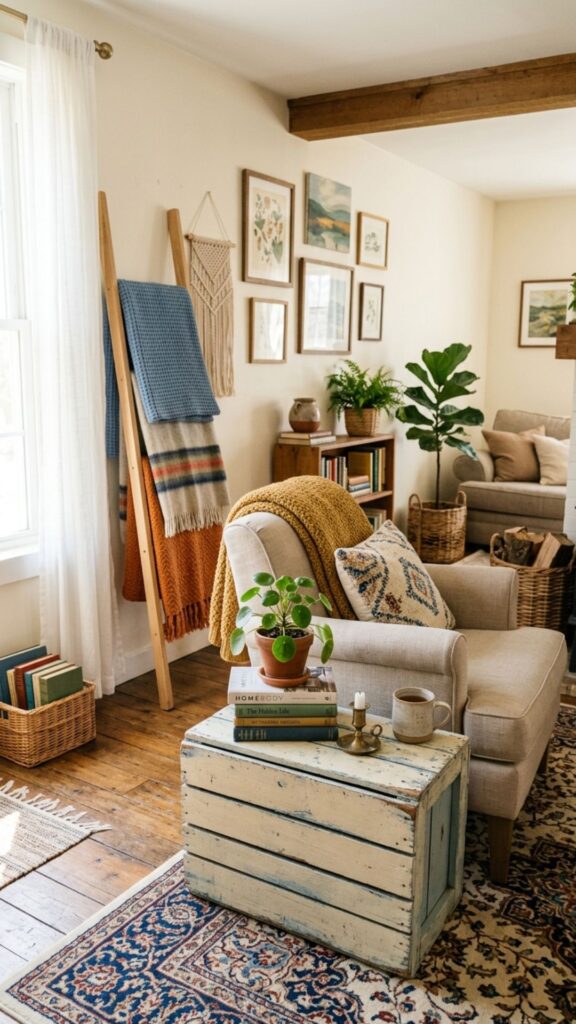
Before you buy anything new, look at what you already have. An old wooden crate becomes a side table. A ladder turns into a blanket rack. Upcycling saves money and gives your space unique, personal touches.
A fresh coat of paint or new hardware can transform tired furniture into something stylish. This hands-on approach is both budget-friendly and satisfying, and it keeps usable items out of the landfill.
19. Keep the Coffee Table Small or Skip It
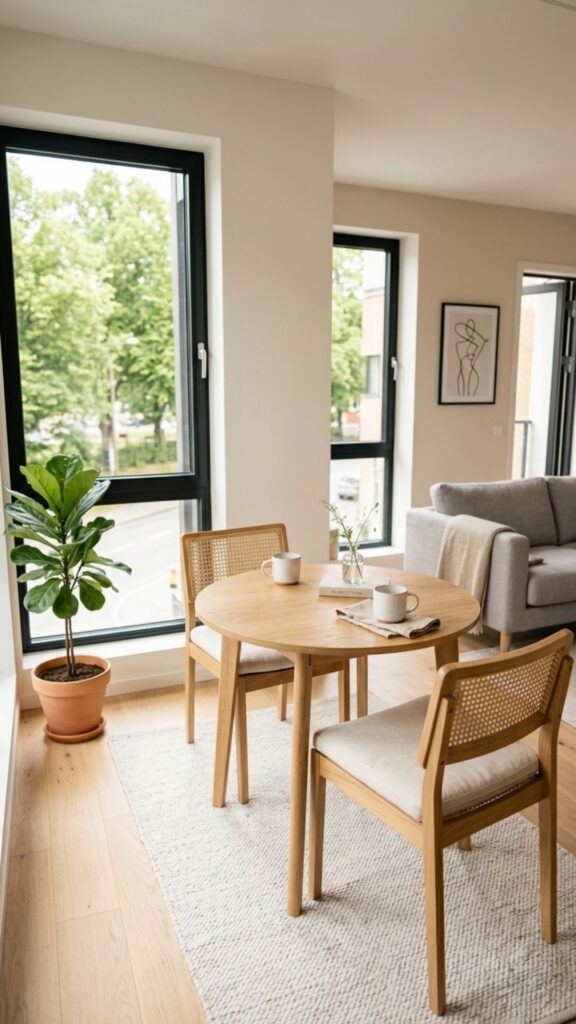
A giant coffee table dominates a small living room. Opt for a slim, round, or nesting table instead. Round tables have no sharp corners, which improves flow and makes the space feel less crowded.
You can even skip the coffee table entirely and use a small side table or a stack of sturdy books. This frees up floor space and forces you to keep clutter to a minimum.
20. Draw the Eye Upward With Vertical Decor
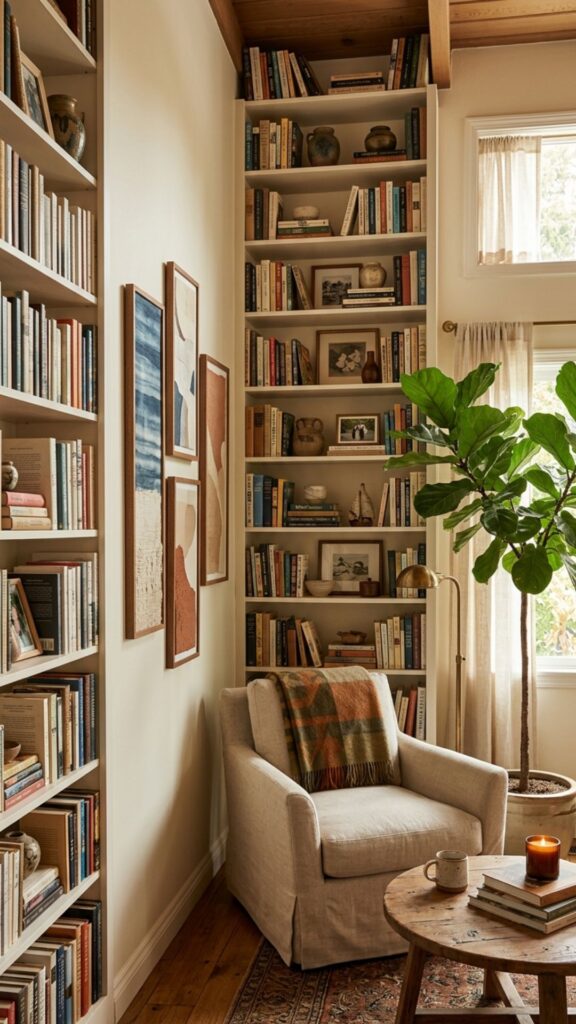
To make low ceilings feel higher, guide the eye upward with tall, vertical elements. Hang art in vertical arrangements, use tall bookcases, or add a floor-to-ceiling plant in a corner.
Vertical stripes on a wall or curtains also stretch a room visually. These tricks cost little but pay off big, making your small living room feel taller and more open than its actual dimensions.
Conclusion
Decorating a small living room on a budget isn’t about spending more; it’s about choosing wisely. From mirrors that double your light to multi-functional furniture that fights clutter, these small living room decor ideas prove that style has nothing to do with square footage. Start with just one or two tips and watch your space transform.
Ready to give your living room a fresh new look? Pick your three favorite ideas from this list and try them this weekend. Small changes add up fast, and your dream space is closer and cheaper than you think. Grab a paintbrush, rearrange that furniture, and make your small living room feel like home.
How can I decorate a small living room on a very tight budget?
Focus on free and low-cost changes first. Declutter, rearrange your furniture, and let in more natural light. Then add a few affordable touches like thrifted mirrors, budget throw pillows, and low-maintenance plants. These simple steps deliver a big impact for very little money.
What colors make a small living room look bigger?
Light, neutral colors like soft white, pale gray, and warm beige make a small living room look bigger. They reflect light and create an open, airy feeling. Stick to a cohesive palette of two or three shades to keep the space calm and uncluttered.
What type of furniture works best in a small living room?
Multi-functional furniture with slim profiles works best in small living rooms. Look for pieces like storage ottomans, sofa beds, and nesting tables that save space and reduce clutter. Furniture with exposed legs also helps the room feel more open by letting light flow underneath.
How do I make my small living room feel less cluttered?
Keep surfaces clear and use vertical storage like floating shelves. Adopt a one-in, one-out rule to control belongings, and store items you don’t use daily in baskets or bins. A tidy, organized room always feels larger and more relaxing.
Can renters decorate a small living room without permanent changes?
Absolutely. Renters can use peel-and-stick wallpaper, plug-in wall sconces, leaning mirrors, and freestanding shelves. These options add plenty of style and function without holes, paint, or damage, so you get your full deposit back when you move.