There’s something magnetic about cooking under an open sky, surrounded by earthy colors and the smell of woodsmoke. That’s the heart of African-inspired outdoor cooking.
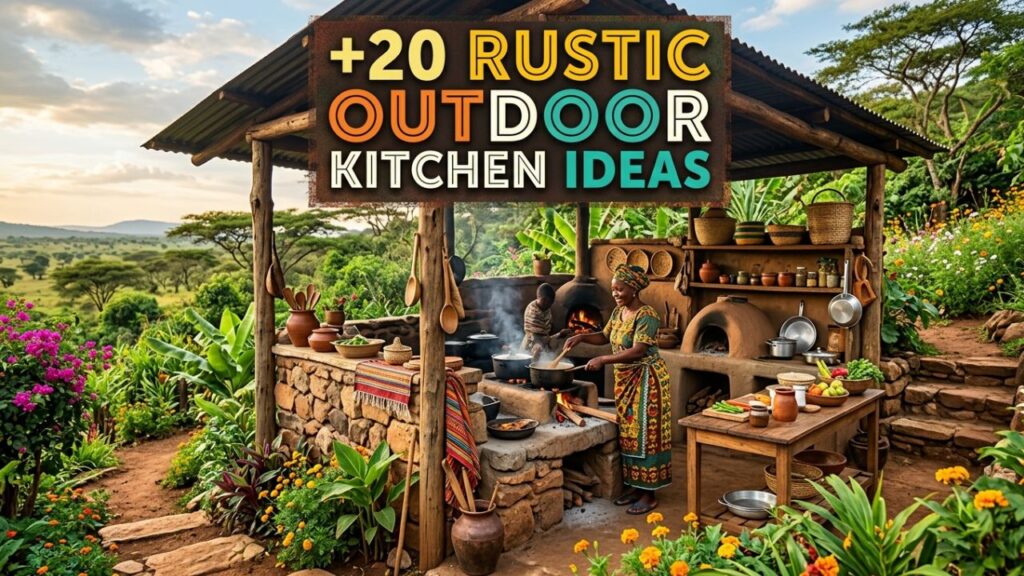
Across the continent, food has always brought people together around fire, clay, and shared stories. If you want to recreate that feeling at home, you’re in the right place.
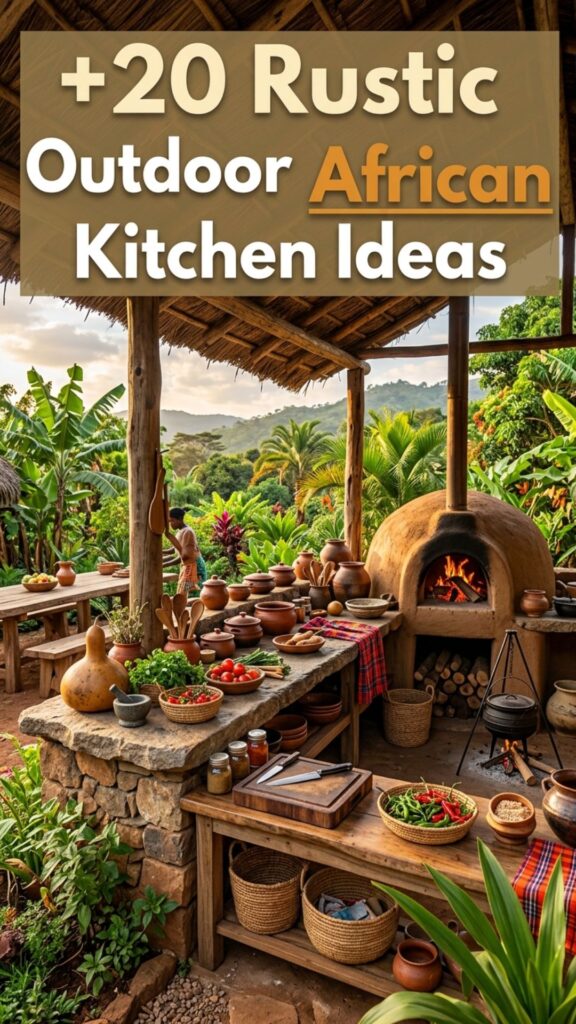
This guide walks you through 20 rustic outdoor kitchen ideas African inspired spaces are known for. You’ll get practical design tips, material suggestions, and real ways to blend function with warmth. Whether you have a sprawling yard or a modest patio, these ideas help you build a space that feels alive. Let’s dig in.
1. Build a Central Open-Fire Cooking Pit
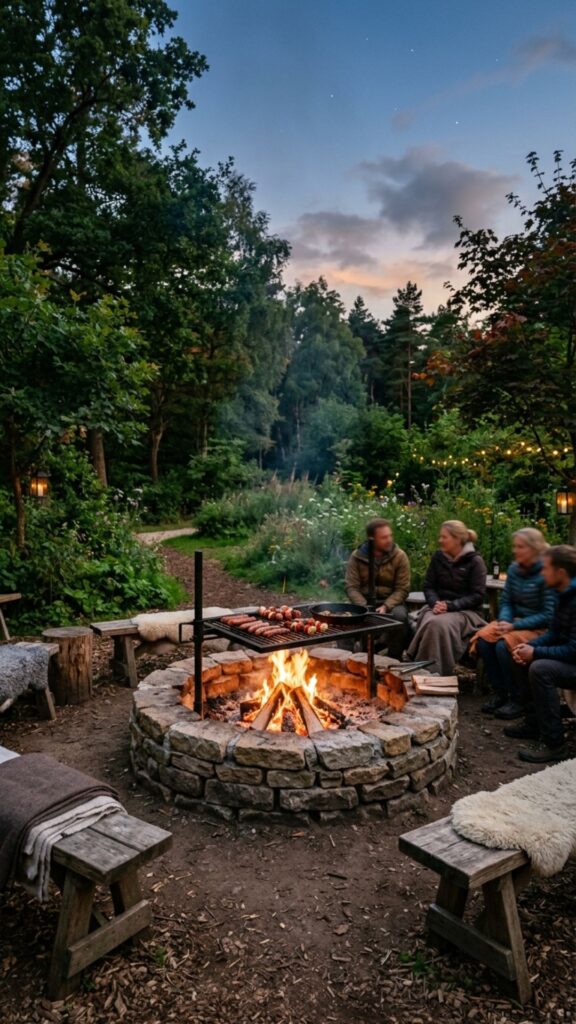
An open-fire pit sits at the soul of many traditional African kitchens. It’s where meals slow-cook for hours and where friends gather to talk. Start with a circular stone or brick surround, then add a sturdy grill grate you can raise or lower over the flames. This gives you control whether you’re searing meat or gently smoking vegetables.
Place the pit as a focal point, not tucked in a corner. Surround it with low seating so people can lean in and feel the heat. Use fire-safe clearances and keep a bucket of sand nearby for safety. This single feature instantly sets the rustic tone for everything else.
2. Use Rammed Earth and Adobe Walls
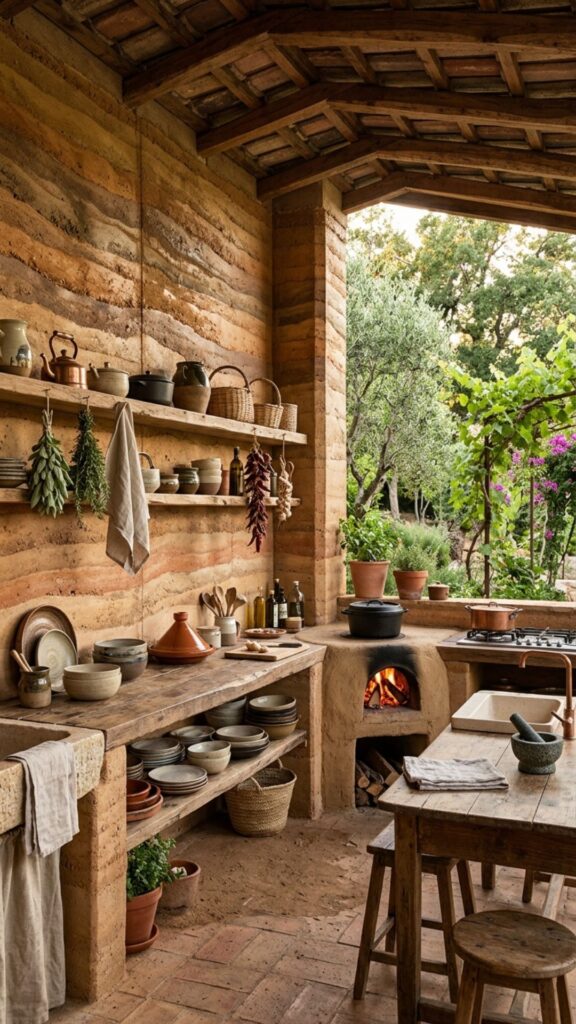
Rammed earth walls are one of the oldest building methods in Africa, and they look stunning outdoors. They hold heat during cool evenings and keep spaces shaded when the sun blazes. The natural, layered texture adds depth that painted concrete simply can’t match.
If a full rammed earth wall feels like too much work, try an adobe-style plaster finish over cinder block. Choose warm ochre, terracotta, or sandy tones. These earthy shades tie your whole kitchen together and reflect the landscapes that inspired them.
3. Add a Wood-Fired Clay Oven
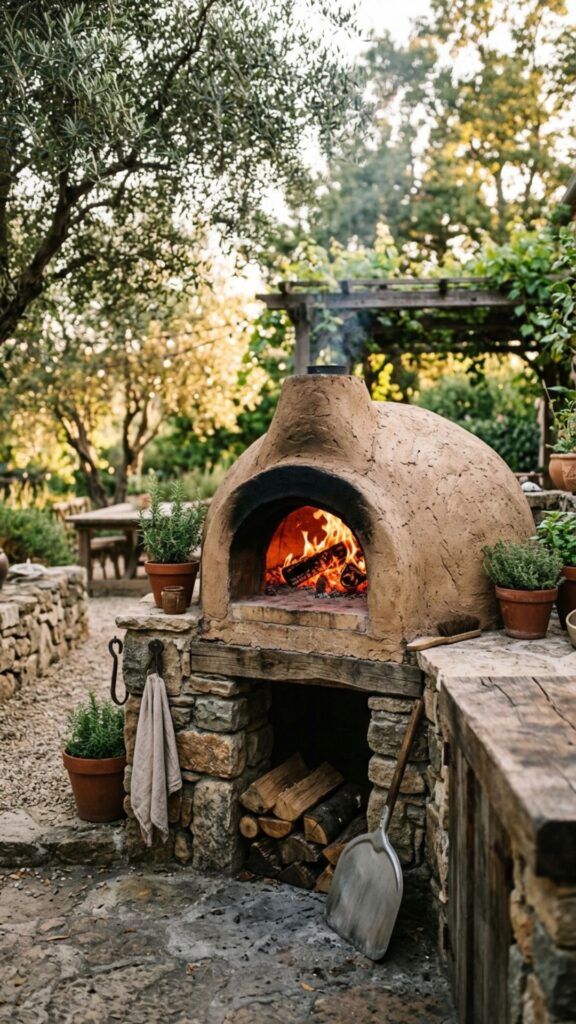
A clay oven, sometimes called a beehive oven, brings serious flavor and undeniable charm. You can bake flatbreads, roast whole fish, or slow-cook stews inside it. The rounded, hand-built shape becomes a sculptural centerpiece in your space.
Build yours from clay, sand, and straw, or buy a pre-made model if you’re short on time. Position it away from seating so smoke drifts clear of guests. Once you master the heat, you’ll wonder how you ever cooked without one.
4. Incorporate Natural Thatched Roofing
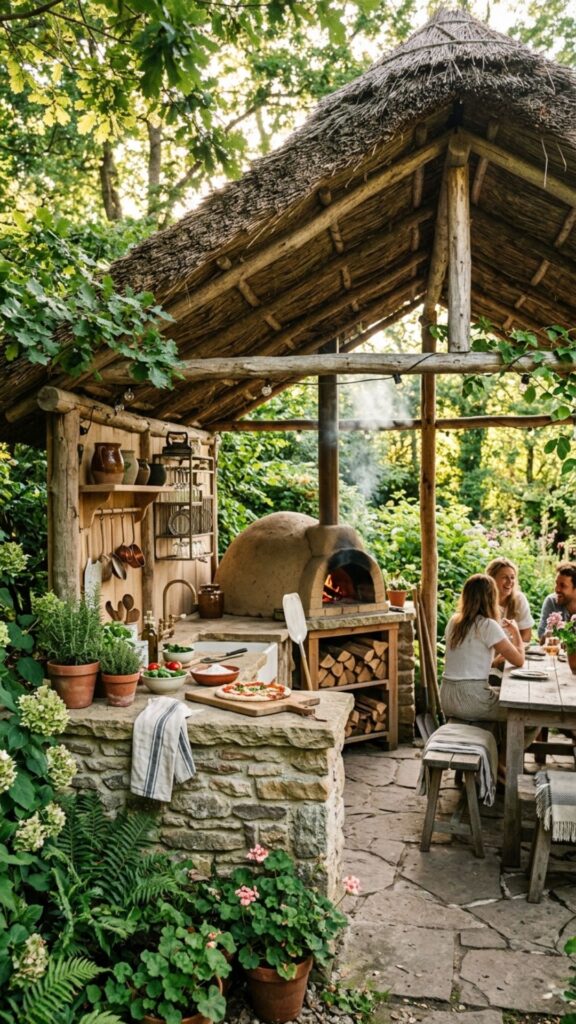
Thatch roofing shades your kitchen while keeping the look authentically rustic. Made from dried grasses or reeds, it stays cool underneath even on hot afternoons. It’s a classic feature across rural African homes for good reason.
For a longer-lasting option, look at synthetic thatch that resists fire and weather. Pair it with wooden support poles left in their natural finish. The result feels like a cozy shelter that invites people to linger over long meals.
5. Choose Locally Sourced Stone Countertops
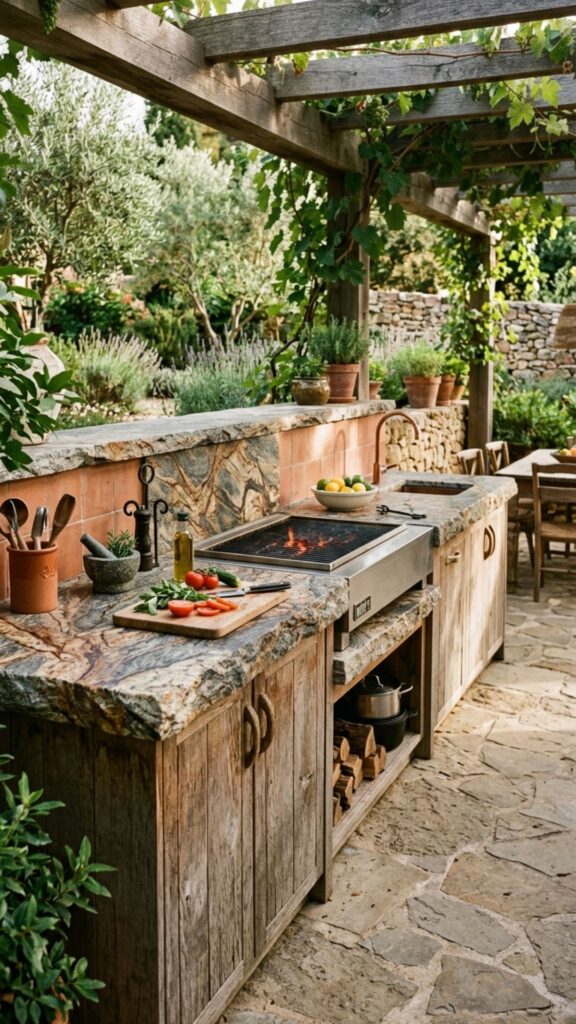
Stone countertops handle heat, spills, and heavy use with ease. Granite, slate, and rough-cut fieldstone all bring an organic feel that suits a rustic theme. Their uneven surfaces and natural veining make each piece one of a kind.
Whenever possible, source stone from local quarries. It cuts transport costs, supports nearby workers, and keeps your design rooted in place. A well-chosen stone slab ages beautifully and only looks better over the years.
6. Hang Woven Basket Lighting
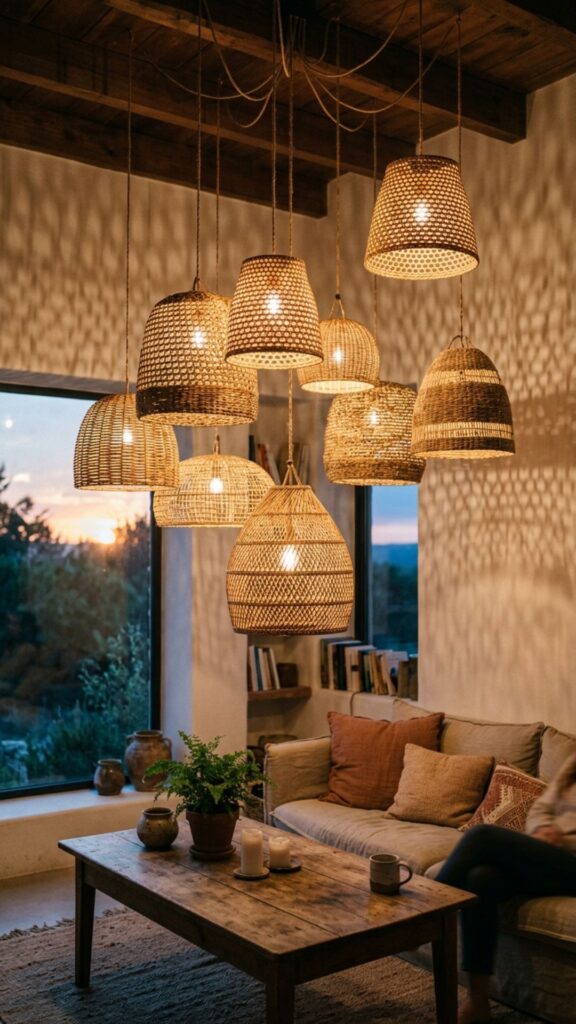
Lighting shapes the mood after sunset, and woven baskets make gorgeous lampshades. Turn them upside down over bulbs to cast warm, patterned shadows across your space. This trick nods to traditional African weaving crafts.
Use LED bulbs to stay cool and energy-smart inside natural fibers. Mix basket sizes and hang them at different heights for a relaxed, layered glow. It’s an affordable detail that adds huge personality.
7. Create a Spice and Herb Growing Wall
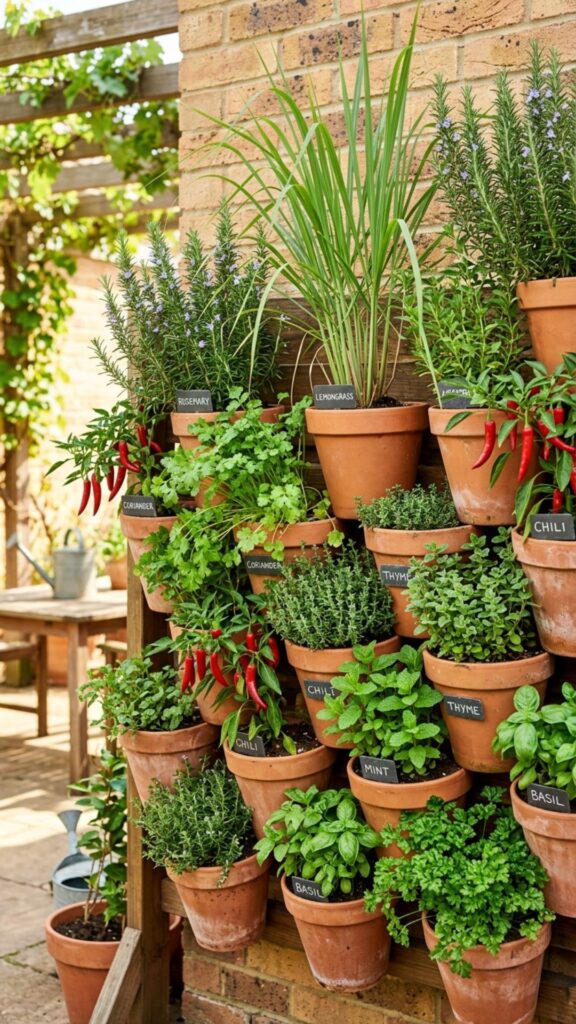
Fresh herbs are a cook’s best friend, and a vertical garden keeps them within arm’s reach. Grow rosemary, coriander, chili, and lemongrass in stacked clay pots or wooden crates. These flavors show up in countless African dishes.
A growing wall also softens hard surfaces with lively greenery. Water it with a simple drip system to save time. You get fresh ingredients, natural beauty, and a splash of scent every time the breeze moves through.
8. Install a Rustic Wooden Prep Table
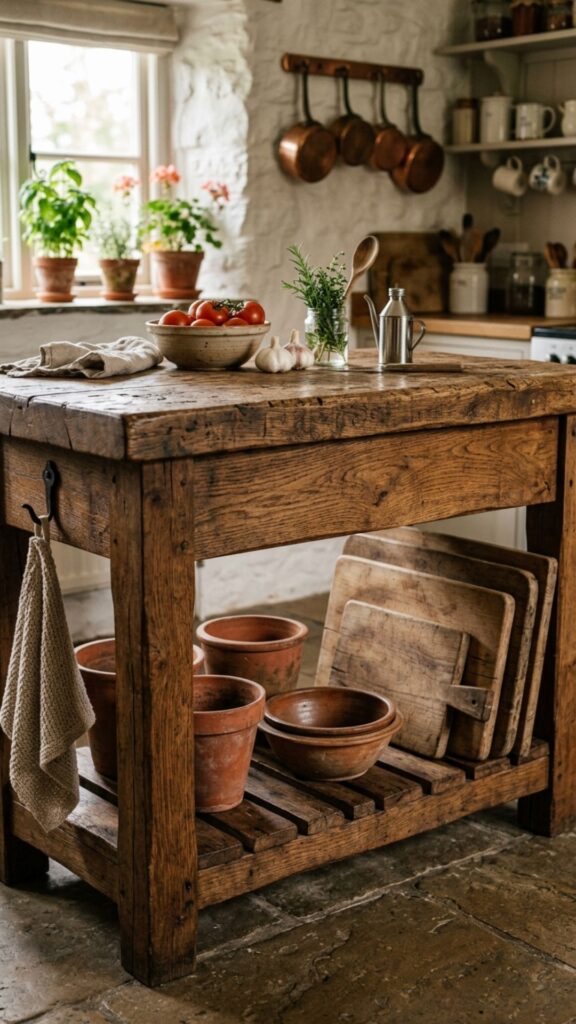
A solid wooden table gives you room to chop, mix, and plate meals. Reclaimed hardwood adds instant history and character to your kitchen. Look for thick, chunky legs and a surface you won’t mind scratching over time.
Seal the wood with food-safe oil to guard against moisture. Add a lower shelf for pots, boards, and baskets. This workhorse piece keeps you organized while staying true to the rustic look.
9. Feature Bold Geometric Tile Accents
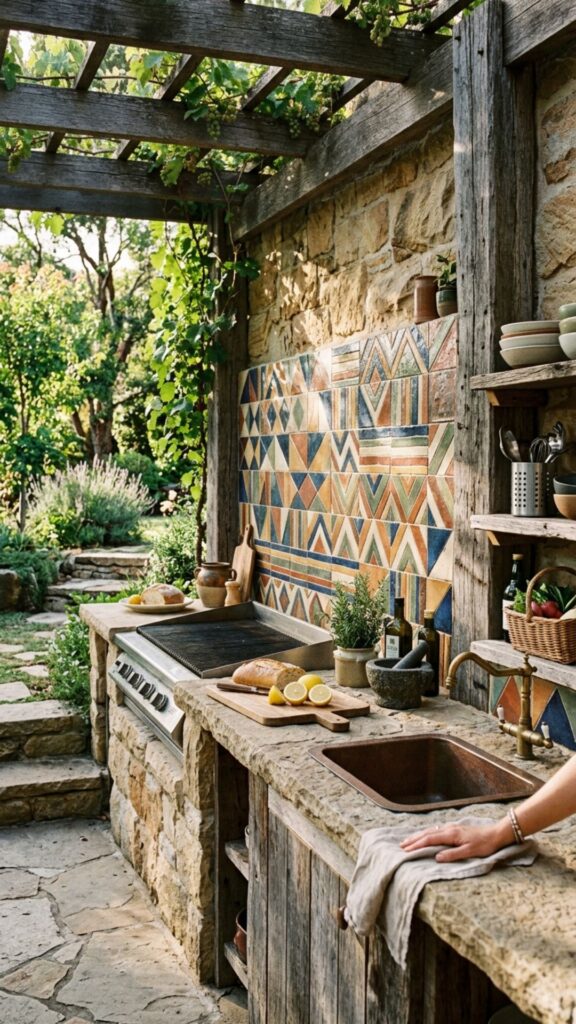
Geometric patterns run deep in African design traditions. Use them sparingly as a backsplash or floor accent to add energy without overwhelming the space. Bold triangles, diamonds, and zigzags work beautifully.
Stick to a warm, earthy palette so the patterns feel grounded. Handmade or hand-painted tiles bring extra texture and soul. A little goes a long way, so let the pattern breathe against plainer surfaces.
10. Set Up a Communal Dining Area
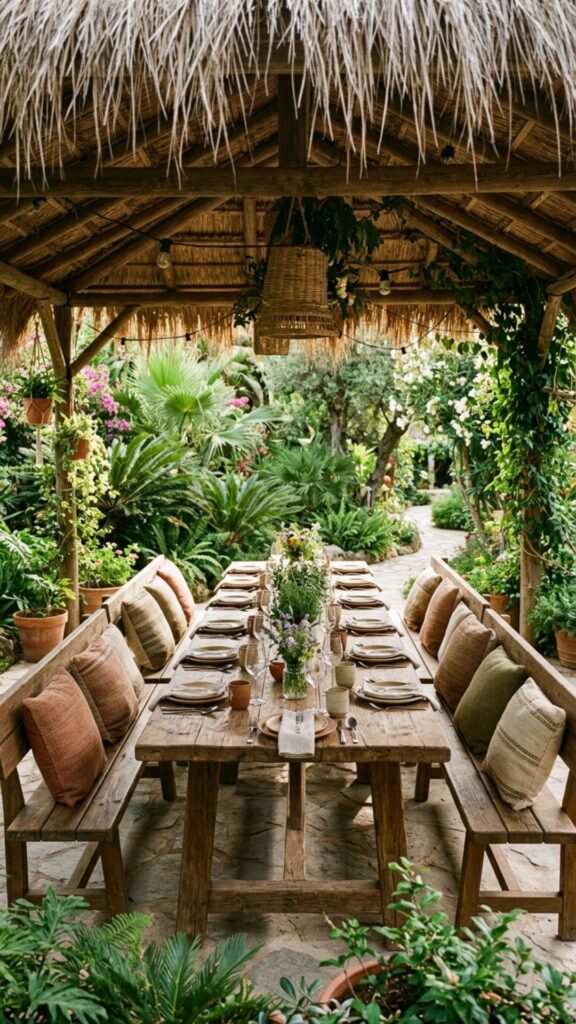
Meals in African culture are rarely a solo affair. Build a large communal table where everyone eats together, elbow to elbow. Long wooden benches encourage conversation and keep things casual.
Shade the area with a pergola or thatch cover for comfort. Add cushions in woven or block-print fabrics for softness. This space becomes the heart of your gatherings, where food and stories flow freely.
11. Use Carved Wooden Stools and Seating
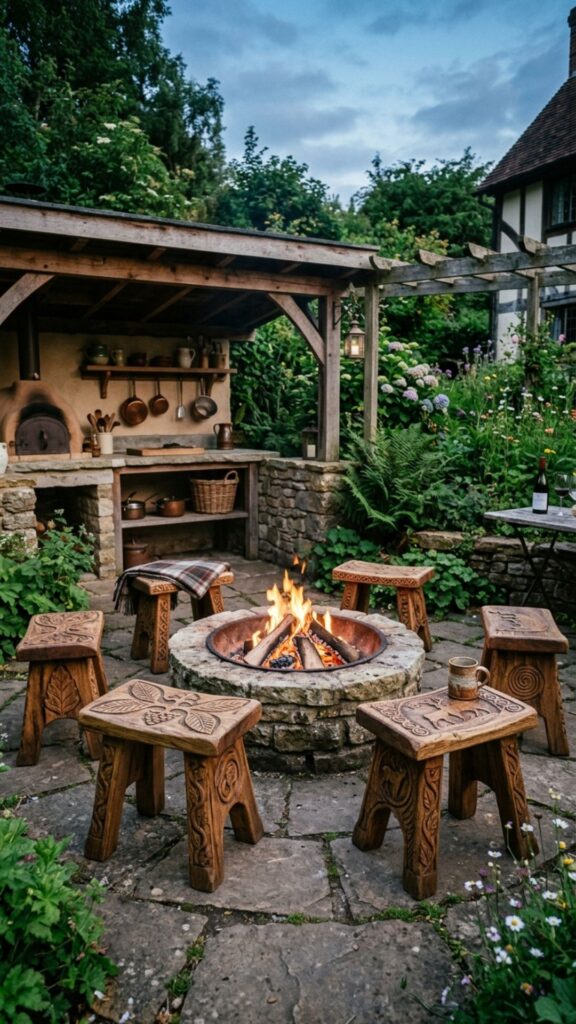
Hand-carved stools are both practical and sculptural. Each one carries the mark of the maker, adding warmth you can’t fake. Scatter them around your fire pit and prep zones for flexible seating.
Choose durable hardwoods that handle the outdoors well. Low stools keep the atmosphere relaxed and close to the ground. They’re easy to move, easy to stack, and always look right at home.
12. Add a Traditional Water Feature or Basin
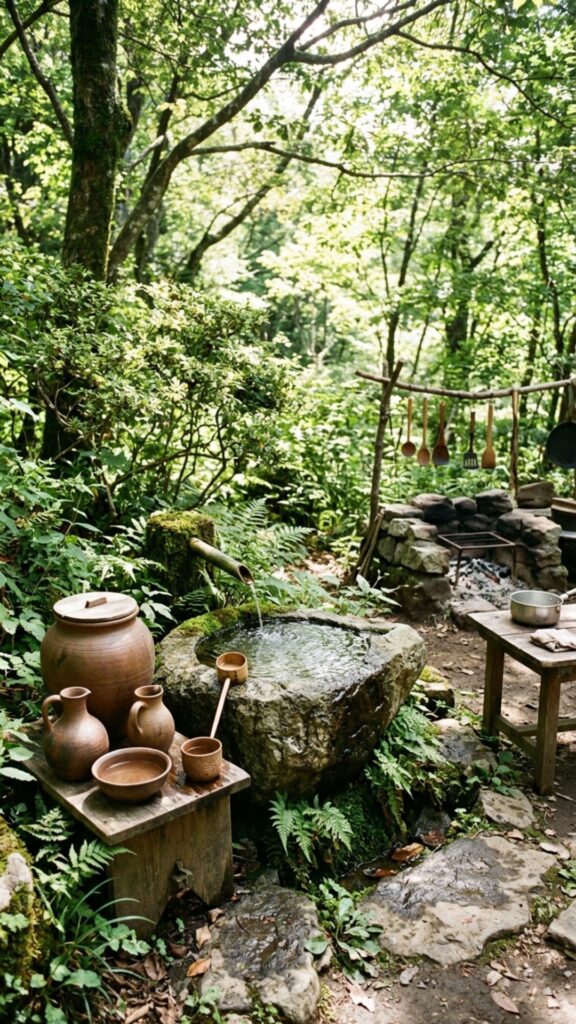
A stone or clay water basin brings a calming touch to your kitchen. It’s handy for rinsing produce and cooling drinks on hot days. The gentle sound of water also softens the busy energy of cooking.
Keep the design simple and rugged rather than polished. A carved stone trough or large ceramic vessel works perfectly. This small addition makes the whole space feel more complete and lived-in.
13. Display Clay Pots and Earthenware
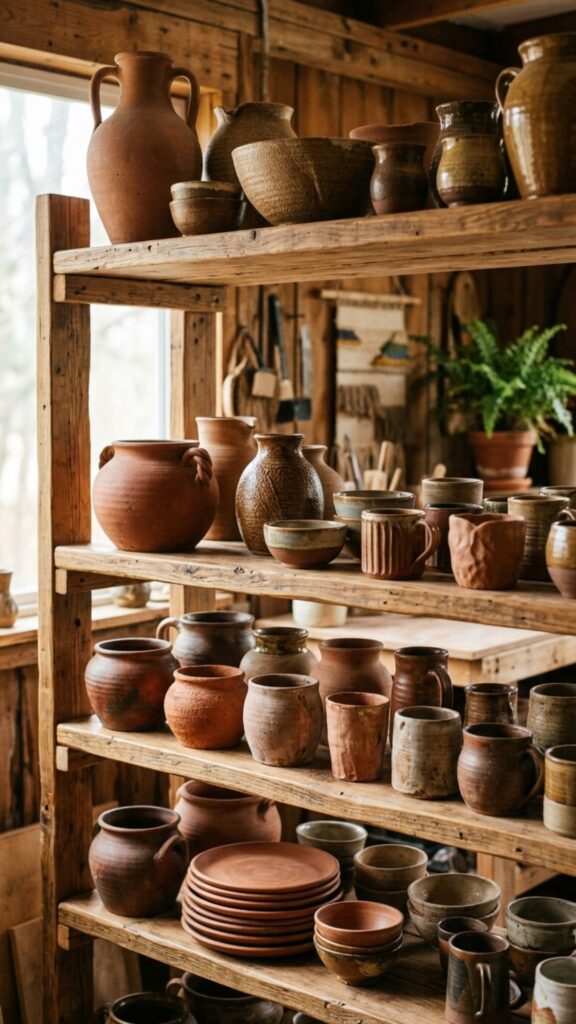
Earthenware pots aren’t just for show, they cook and store food brilliantly. Line them along shelves or hang them from hooks as everyday décor. Their rounded shapes and matte finish scream rustic charm.
Use them for slow-simmered stews that taste richer in clay. Group different sizes together for visual interest. Functional beauty like this is exactly what makes these spaces feel authentic.
14. Build In Ample Wood Storage
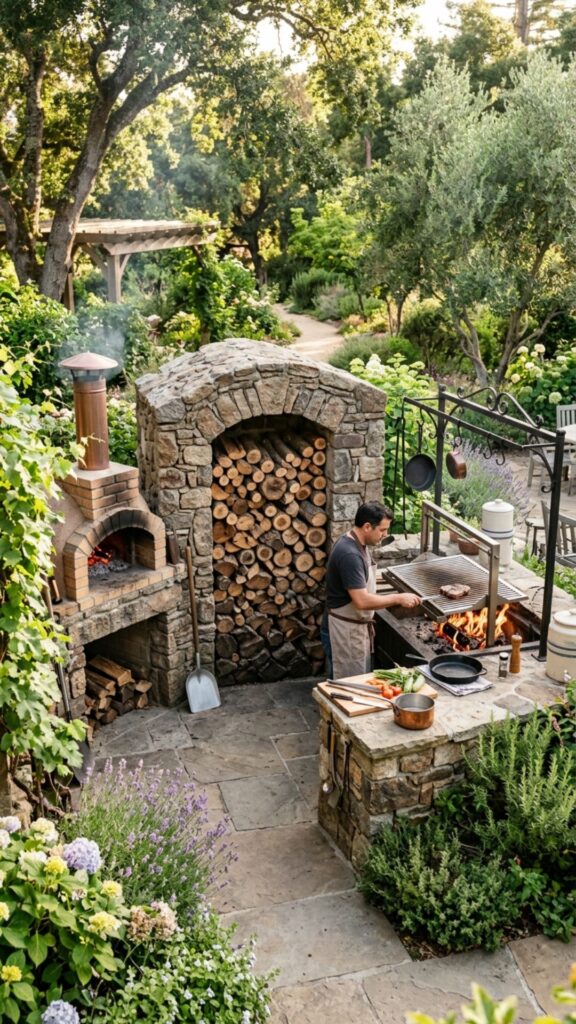
If you’re cooking with fire, you need somewhere to store fuel. A dedicated wood stack keeps logs dry and close to your cooking zone. Neatly arranged firewood also doubles as textured wall décor.
Build a simple wooden or stone alcove to hold it all. Cover the top to protect against rain. Keeping wood organized saves you scrambling mid-meal and adds to that grounded, self-sufficient feel.
15. Layer Natural Fiber Rugs and Mats
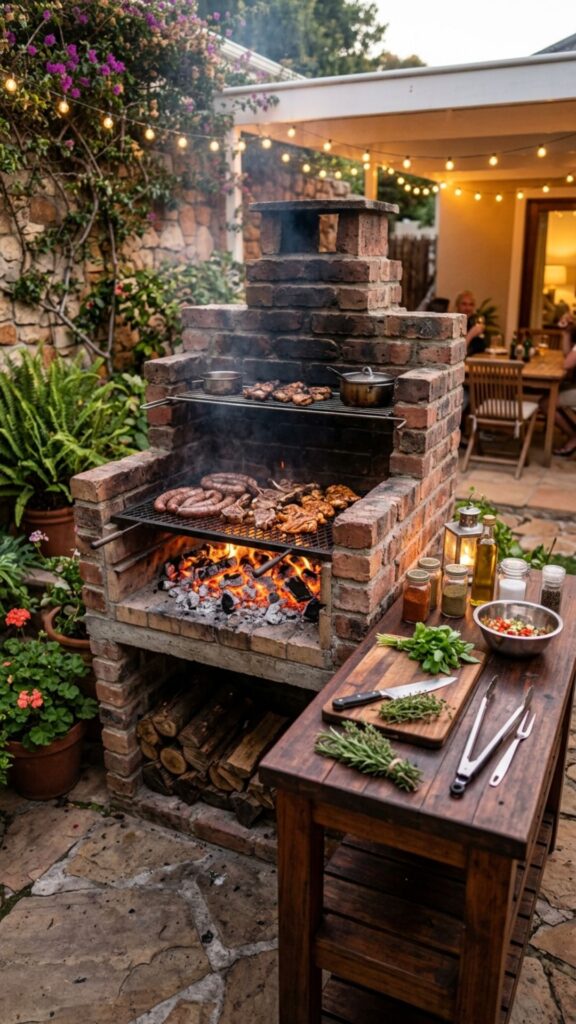
Woven grass or sisal mats define seating and dining zones underfoot. They add warmth, texture, and a sense of comfort to hard outdoor floors. Rolled up easily, they suit changing weather.
Choose naturally dyed fibers in earthy shades. Layer a few for a richer, more relaxed look. These simple pieces tie the whole scheme together and invite bare feet to stay awhile.
16. Incorporate a Built-In Braai Grill
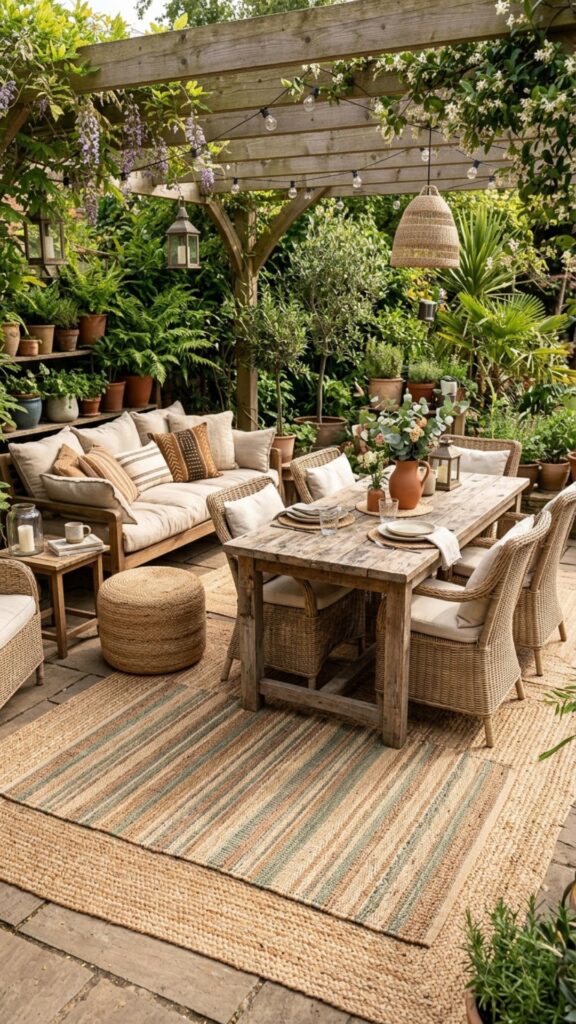
The braai is South Africa’s beloved barbecue, and it deserves pride of place. Build a permanent brick or stone grill station with a wood or charcoal firebox. It’s designed for slow, social cooking sessions.
Include a warming shelf and a spot to rest tools and platters. Position it where the cook can chat with guests while working. A good braai turns cooking into the main event, not a chore.
17. Use Warm Earth-Toned Color Palettes
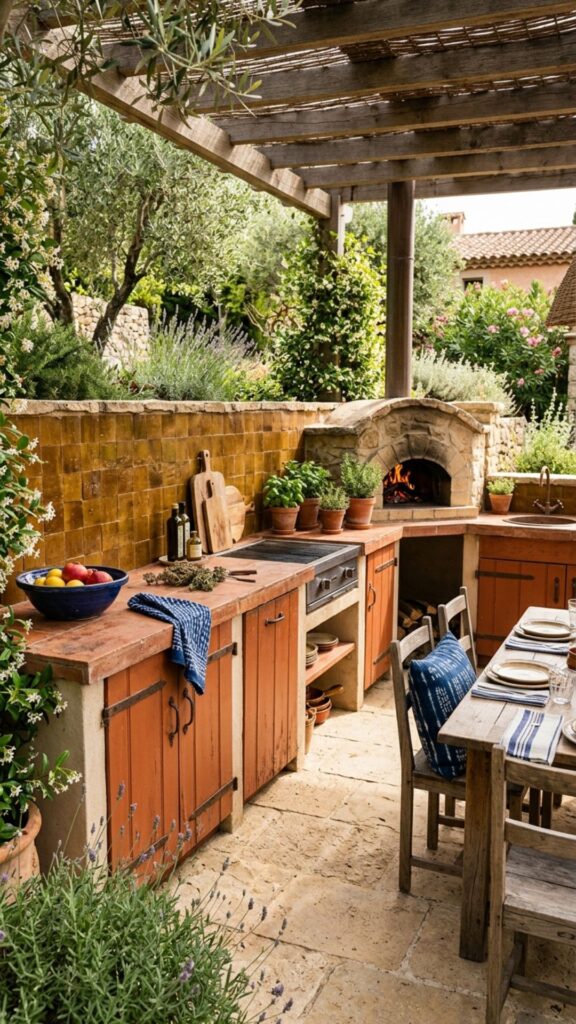
Color pulls your whole space into harmony. Lean into terracotta, burnt orange, deep ochre, and sandy beige. These tones echo African soil, sunsets, and savannah grasses.
Add small pops of indigo or deep red through textiles and pottery. Keep large surfaces neutral so accents shine. A thoughtful palette makes even a simple setup feel intentional and rich.
18. Add Sheltered Pergola Structures
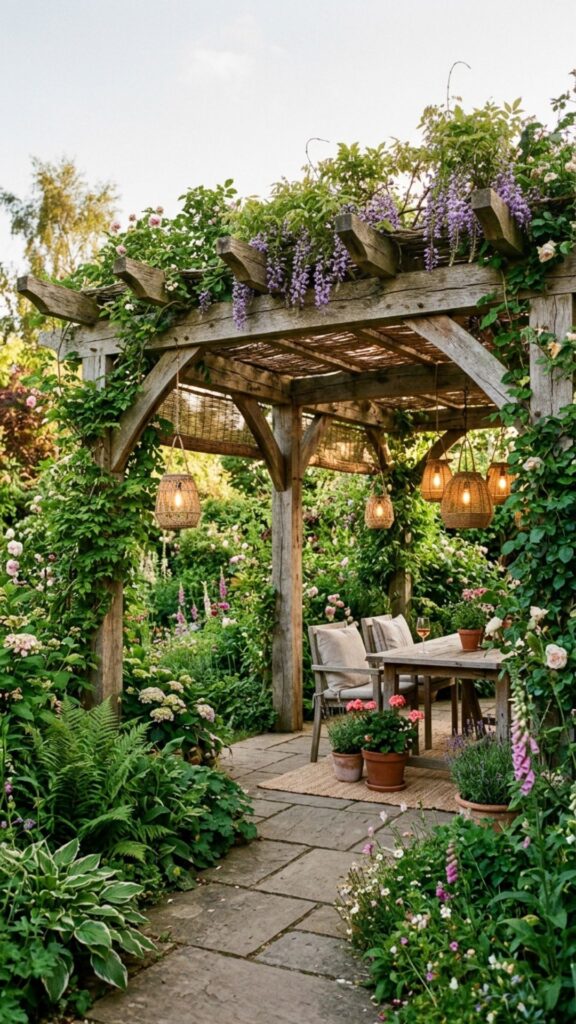
A pergola offers shade and structure without closing off the sky. Build one from rough timber posts and beams for a rustic feel. Train climbing plants over it for natural cover and greenery.
Drape it with fabric or thatch panels for extra sun protection. Hang lanterns or basket lights from the beams. This overhead framework anchors your kitchen and makes it usable in any season.
19. Feature Handmade Ceramic Dinnerware
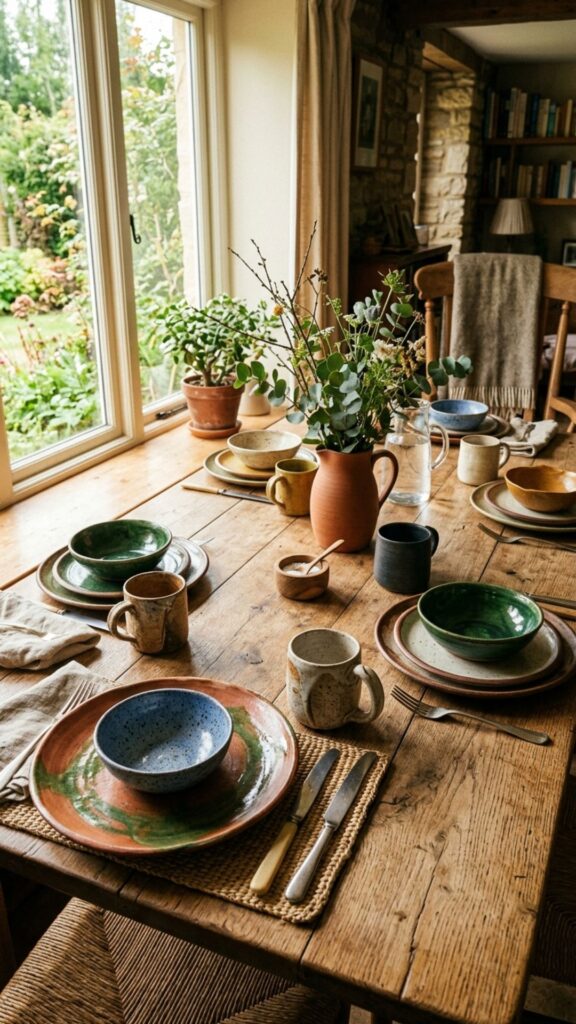
The right dishes complete the experience. Handmade ceramic plates and bowls carry the same rustic soul as the rest of your space. Their uneven edges and earthy glazes feel personal and warm.
Support local potters or artisans when you shop. Mismatched sets add charm rather than looking careless. Serving food on pieces with a story makes every meal feel special.
20. Blend Modern Function With Rustic Roots
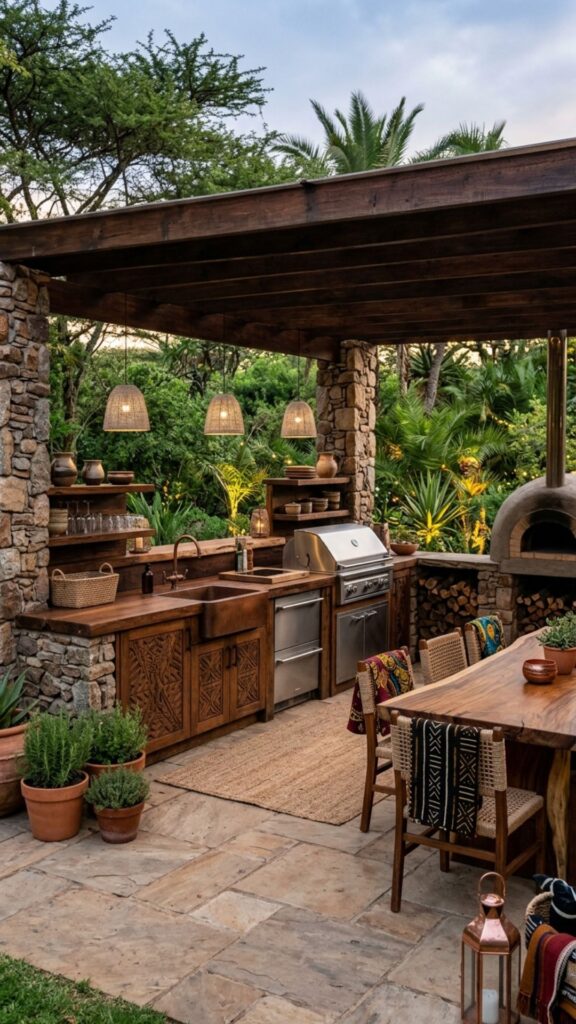
You don’t have to give up convenience to get the look. Tuck a modern fridge, sink, or gas burner behind stone and wood facings. This keeps daily cooking easy while honoring the rustic style.
Balance is everything here. Let natural materials lead and hide the tech where you can. The best outdoor kitchen ideas African inspired spaces offer this exact mix of old-world warmth and everyday practicality.
Bring Your African-Inspired Outdoor Kitchen to Life
Building a rustic outdoor kitchen isn’t about copying a single look. It’s about capturing a feeling of warmth, community, and connection to the land. Each of these 20 ideas gives you a starting point to shape a space that fits your home and your way of cooking.
Start small if you need to. Add a fire pit this month, a clay oven next season, and grow from there. The joy is in the process as much as the finished space. Ready to begin? Pick your favorite idea from this list, sketch a simple plan, and take the first step toward a backyard that brings people together.
What makes an outdoor kitchen African inspired?
An African-inspired outdoor kitchen uses natural materials like clay, stone, and wood, warm earthy colors, open-fire cooking, and communal dining. It focuses on rustic textures, handmade décor, and spaces built for gathering and sharing meals together.
What materials work best for a rustic African outdoor kitchen?
The best materials are rammed earth, adobe, natural stone, reclaimed wood, clay, and thatch. These handle heat and weather well, age beautifully, and create the earthy, textured look that defines African-inspired design.
How much space do I need for an outdoor kitchen?
You can build a functional outdoor kitchen in as little as 100 square feet. Focus on a cooking area, prep surface, and small seating zone. Larger spaces allow for communal tables, clay ovens, and dedicated dining areas.
Is a clay oven hard to maintain?
Not really. Keep it dry with a cover, brush out ash after use, and repair small cracks with fresh clay as needed. With basic care, a well-built clay oven lasts for many years.
Can I mix modern appliances with a rustic African design?
Yes. Hide modern fridges, sinks, and burners behind wood or stone facings. This keeps your kitchen practical for daily use while preserving the natural, rustic look throughout the space.