Your dining room does more than hold a table and some chairs. It’s where birthdays get celebrated, weeknight dinners happen, and real conversations take place.

Whether you’re starting from scratch or refreshing a tired space, knowing which dining room essentials actually matter saves you time, money, and a lot of second-guessing.
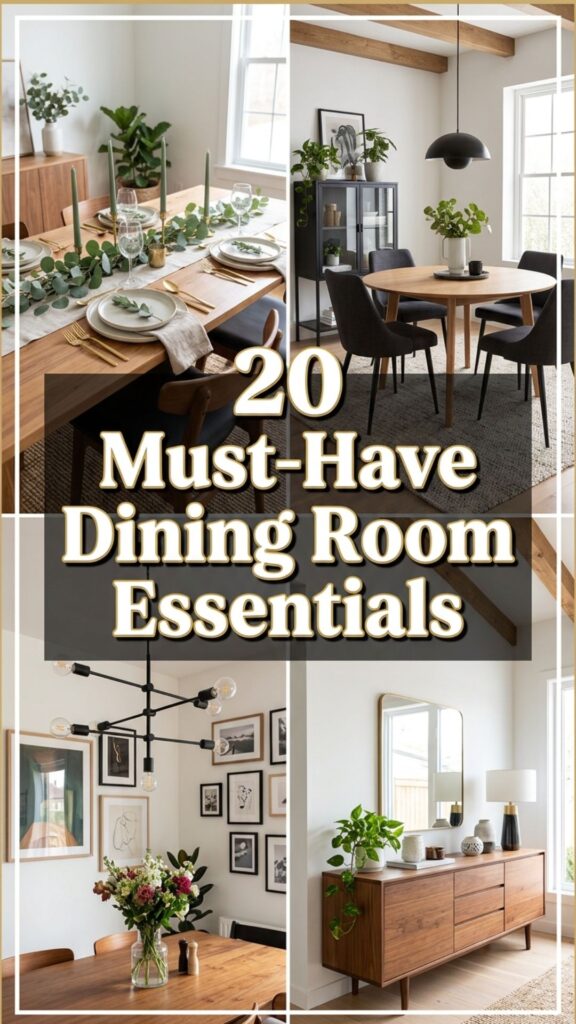
This guide covers 20 items that make a dining room both beautiful and practical. You’ll find advice for small spaces, tight budgets, and anyone who wants a room that looks pulled together without feeling like a showroom.
1. A Well-Sized Dining Table
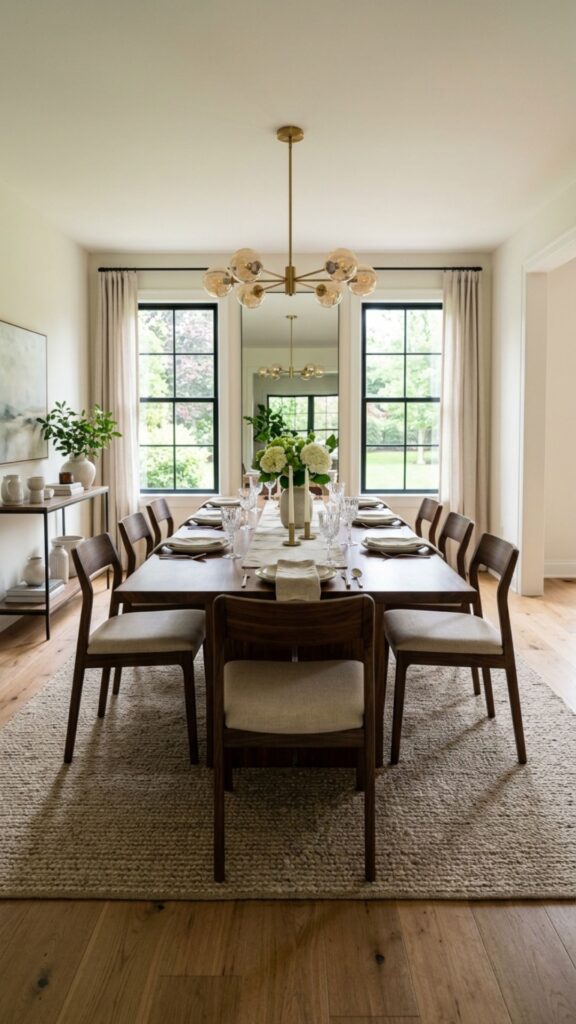
The dining table is the centerpiece of the room, so getting the size right matters more than the style. A good rule: allow at least 36 inches between the table edge and the wall so people can move comfortably. For most households, a rectangular table works best because it scales well in different room sizes.
If you’re working with limited space, consider an extendable table. Compact day-to-day, but expandable when guests arrive — it solves one of the most common dining room headaches without requiring a second table in storage.
2. Comfortable Dining Chairs
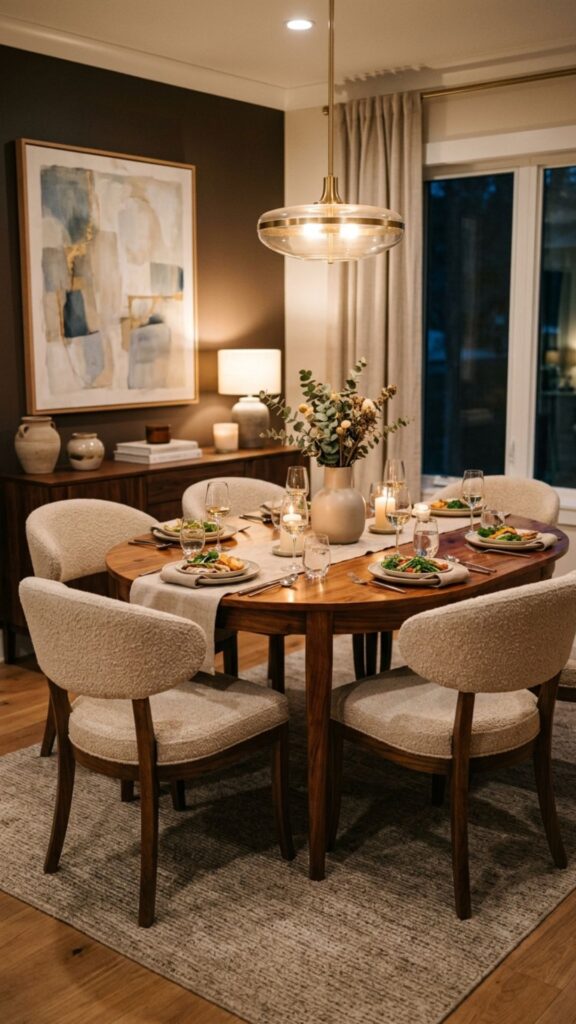
Chairs that look great but hurt after 20 minutes will empty your dining room fast. Seat height matters — standard chairs work best with tables between 28 and 30 inches tall. Look for chairs with a slightly padded seat or a gently curved back for support during longer meals.
Mixing chair styles is a trend that’s here to stay. Try matching chairs on the long sides with two accent chairs at the heads. It adds visual interest and lets you use what you already own without buying a full matching set.
3. A Dining Table Runner or Tablecloth
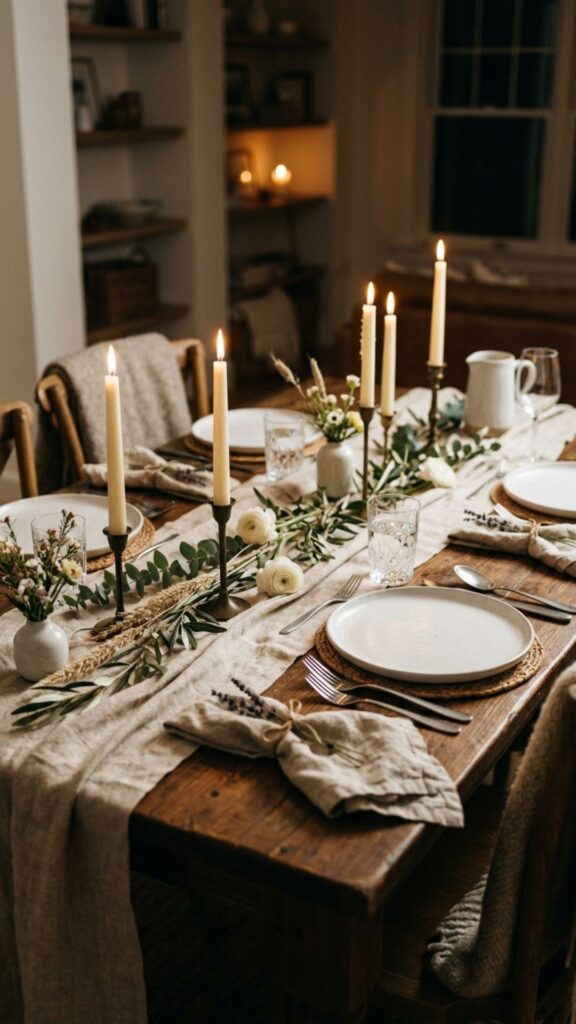
A runner or tablecloth protects your table surface and immediately lifts the look of the room. Natural fabrics like linen or cotton are popular because they feel relaxed and wash well. Save tablecloths for formal occasions and use a runner for everyday styling — it covers less surface and is far easier to launder.
For households with kids or frequent entertaining, choose darker colors or patterned fabrics that hide small stains between washes. A second runner in a seasonal color also gives the room a fresh look without buying new furniture.
4. Proper Overhead Lighting
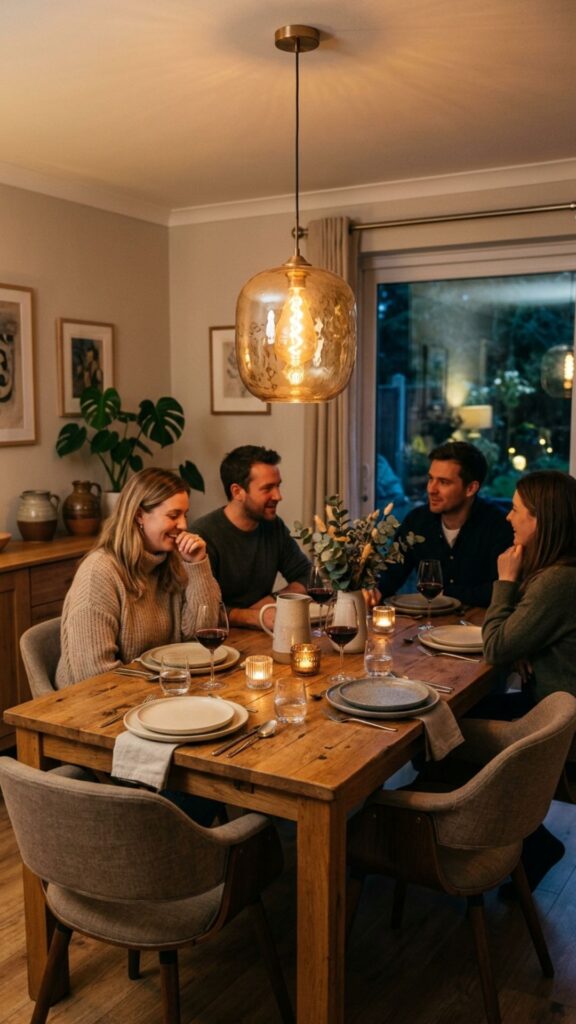
Lighting sets the mood more than almost anything else in a dining room. A pendant light or chandelier hung 30 to 36 inches above the table surface creates the right visual anchor without blocking sightlines across the table. The fixture should be roughly half to two-thirds the width of your table.
Don’t overlook the bulb choice. Warm white bulbs (around 2700K) make food look more appetizing and create a welcoming atmosphere. Add a dimmer switch if possible — it’s a low-cost upgrade that transforms how the room feels at different times of day.
5. A Sideboard or Buffet Table
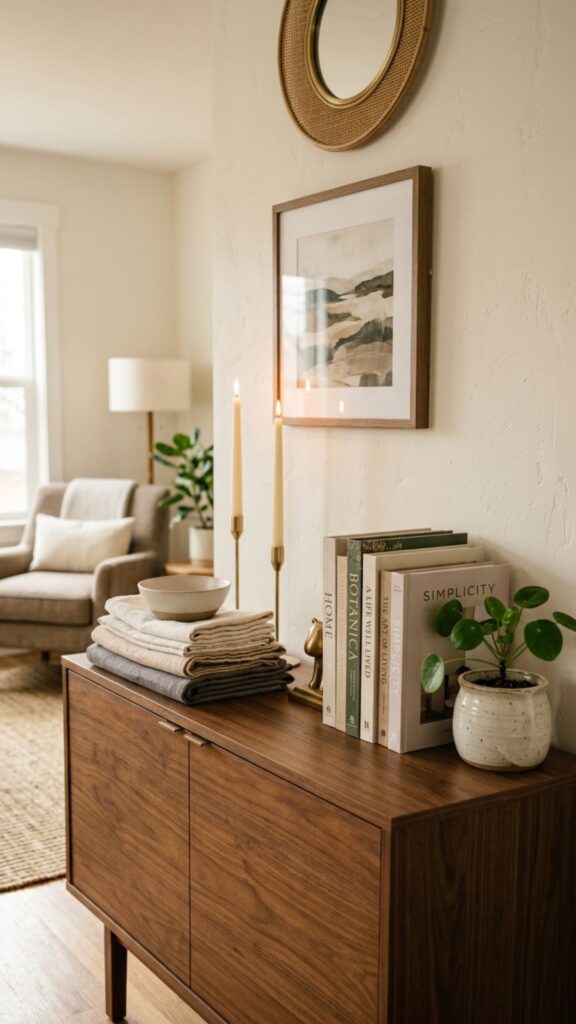
A sideboard adds serious storage without taking up floor space the way a cabinet would. Use it to store extra linens, serving pieces, or wine. During meals, it doubles as a serving station so dishes aren’t crowded onto the dining table.
Even a modest sideboard from a thrift store or discount retailer can anchor a dining room when styled well. A few candles, a small plant, or a stack of books on top turns it from pure storage into a design feature.
6. Dinnerware Set
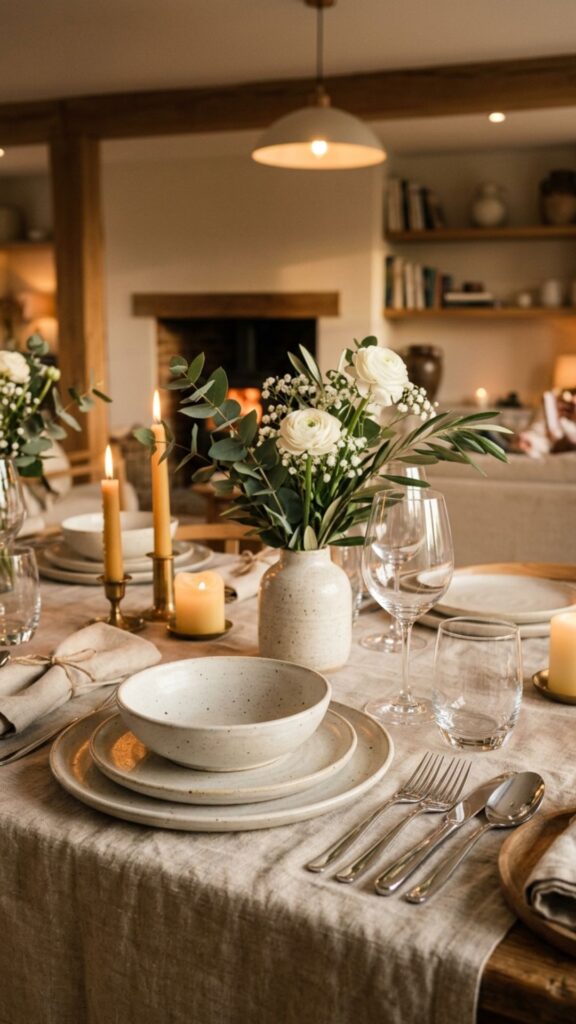
A cohesive dinnerware set ties a table together instantly. You don’t need fine china — a simple, neutral stoneware set in white, cream, or grey works with almost any table style and looks intentional without much effort. Stoneware is also durable, chip-resistant, and dishwasher-safe, which matters for everyday use.
Buy a set slightly larger than your household needs so you have backup pieces. Twelve-piece sets for a family of four means you always have enough even when the dishwasher hasn’t run yet.
7. Glassware
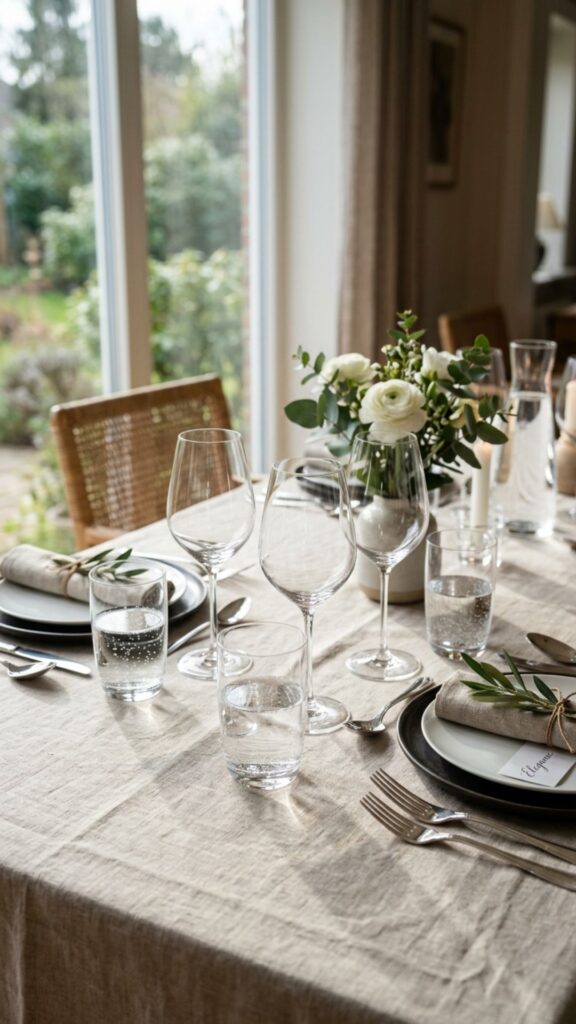
Glassware does double duty — functional for daily use and visually appealing on a set table. Start with a set of all-purpose wine glasses and sturdy tumblers. Clear glass always looks clean and pairs with any table setting.
If storage is tight, stackable glasses or stemless wine glasses are practical choices. They take up less shelf space and are more stable, which matters if you have young children or frequent gatherings.
8. Quality Flatware
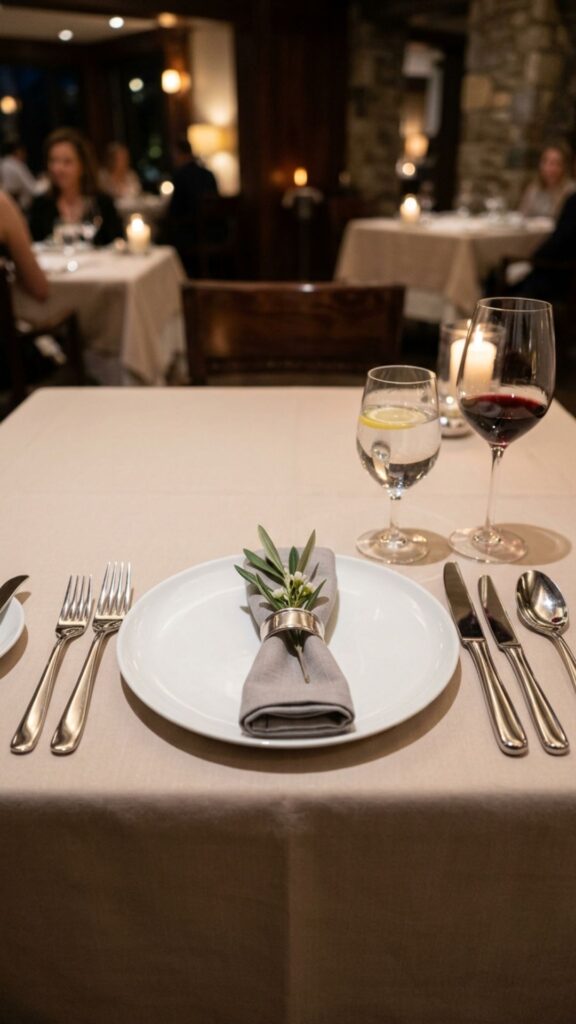
Flatware gets handled every single meal, so it’s worth spending a little more here. Stainless steel flatware with an 18/10 rating is the gold standard for durability and resistance to rust or staining. Heavier pieces tend to feel more substantial and hold up better over time.
Keep a set of everyday flatware for regular meals and consider a slightly elevated set for entertaining. You don’t need separate formal silverware — a more decorative stainless steel set covers both uses without the maintenance.
9. Placemats or Charger Plates
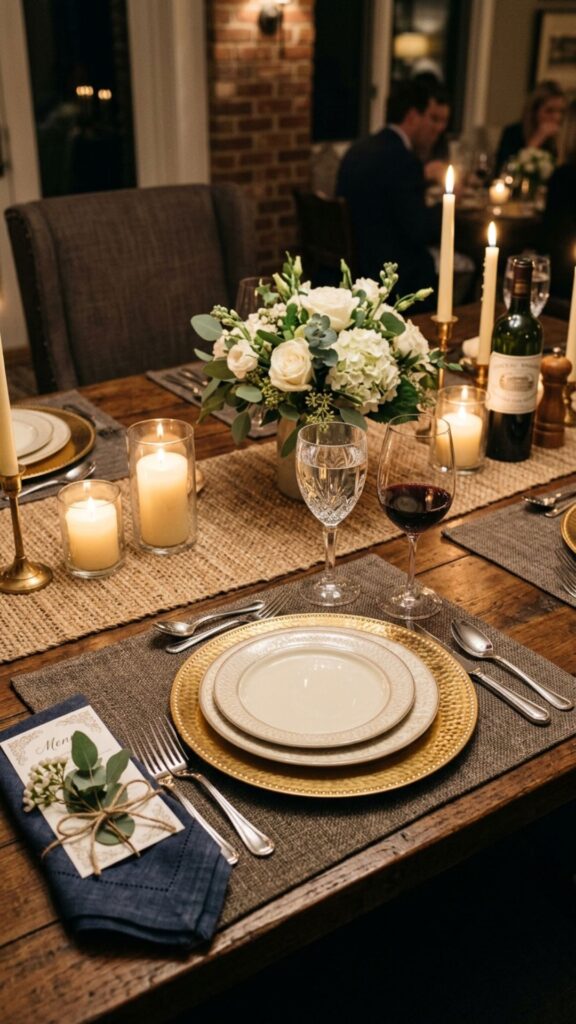
Placemats define each person’s space at the table and protect the surface from heat and spills. Woven rattan, fabric, or silicone options all work well depending on your style. Rattan reads casual and warm; clean-lined fabric placemats suit more formal setups.
Charger plates layer under dinner plates to elevate a table setting for special occasions. They add color and texture without much cost and make an everyday table look considerably more polished.
10. Cloth Napkins
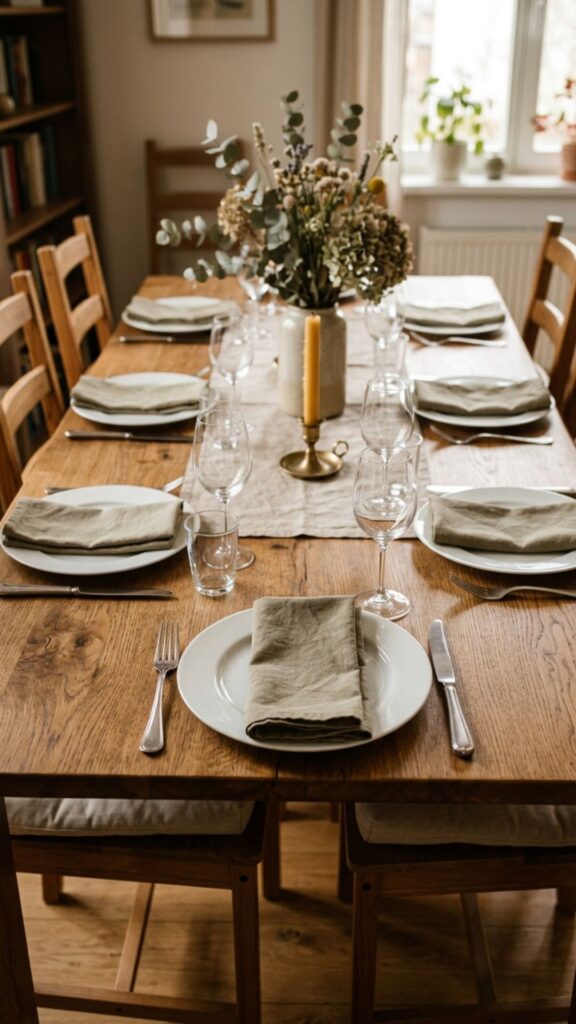
Switching from paper to cloth napkins is one of the easiest upgrades you can make. They look better, feel better, and cost less over time. Linen or cotton napkins in a neutral tone coordinate with almost any table setting and soften with every wash.
Buy at least eight so you can launder without running out. Fold them simply — a basic rectangle or soft fan shape is clean and approachable without looking like origami.
11. A Statement Mirror or Wall Art
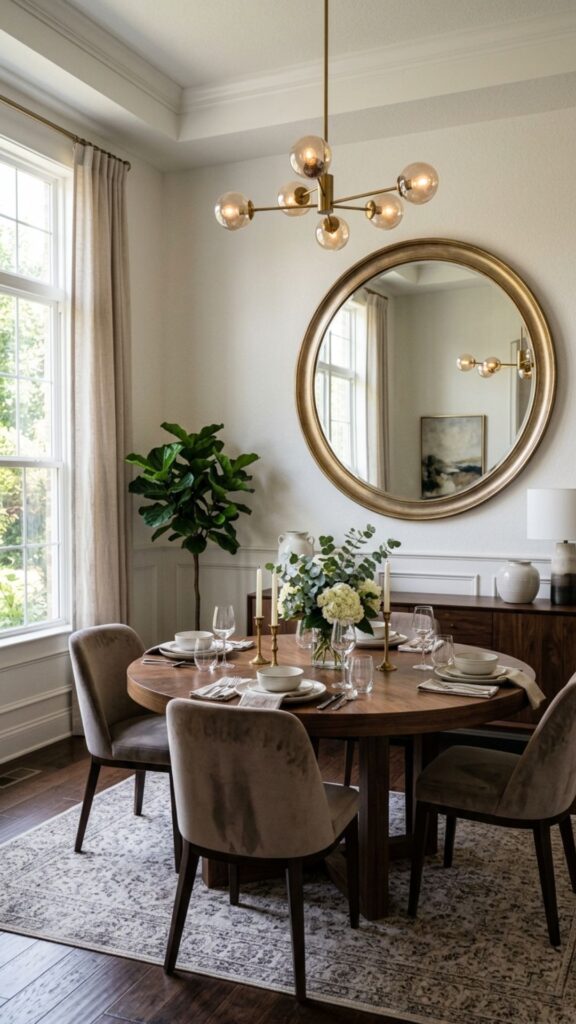
Bare dining room walls make a space feel unfinished. A large mirror opposite a window bounces light around the room and makes smaller spaces feel more open. It’s one of the oldest tricks in interior design, and it genuinely works.
If a mirror doesn’t fit your style, a single large piece of wall art scaled to your wall size makes a strong impact. Avoid grouping too many small frames — one or two larger pieces look more intentional and are much easier to style.
12. Window Treatments
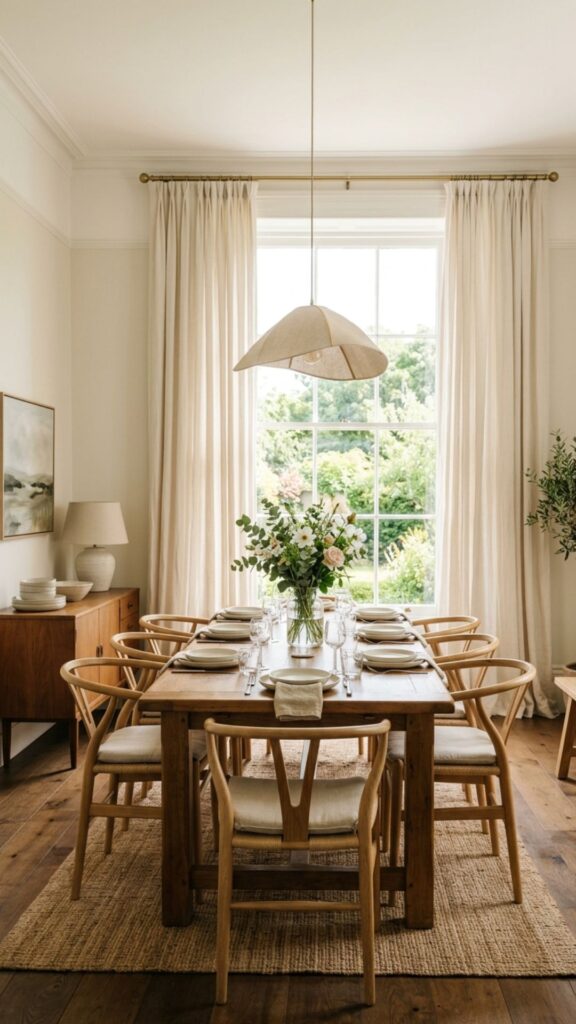
Curtains or blinds frame the room and control light, which affects how the entire space feels at different hours. Linen curtains in a natural tone add softness without blocking light. Roman shades work well in smaller dining rooms where curtains might overwhelm the space.
Hang curtains high — close to the ceiling — and wide, extending several inches past the window frame on each side. This makes windows look larger and the room feel taller, a worthwhile trick especially in compact dining rooms.
13. A Area Rug
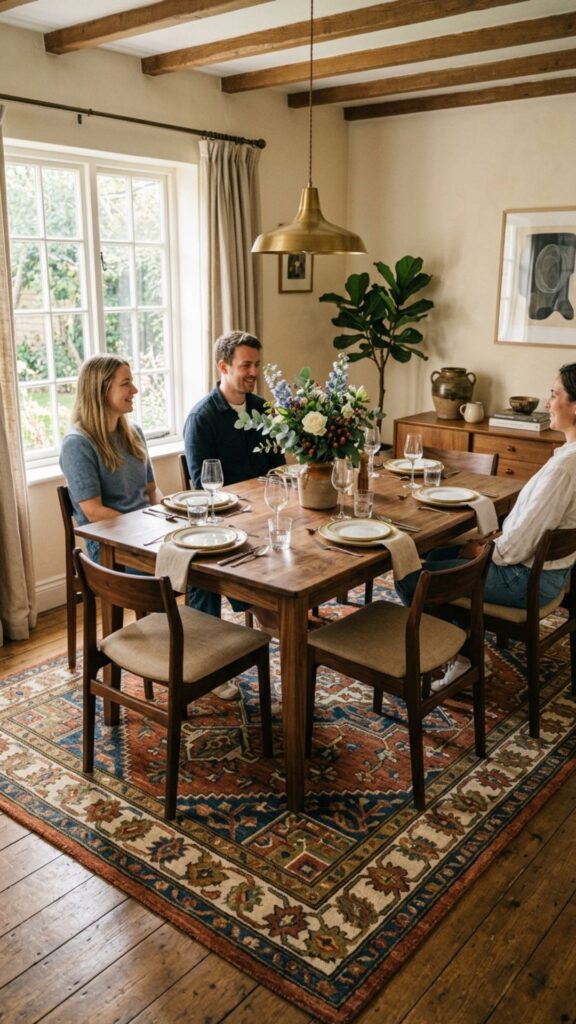
A rug beneath the dining table grounds the space and adds warmth. The key rule: the rug should be large enough that all chair legs remain on it even when chairs are pulled out. A 8×10 rug works under most standard dining tables; go larger if your table is bigger.
Choose a low-pile rug for easy cleaning — food and crumbs stay on the surface and vacuum up easily. Patterned rugs are particularly forgiving in dining rooms because they hide spills and wear between deep cleans.
14. Centerpiece or Table Décor
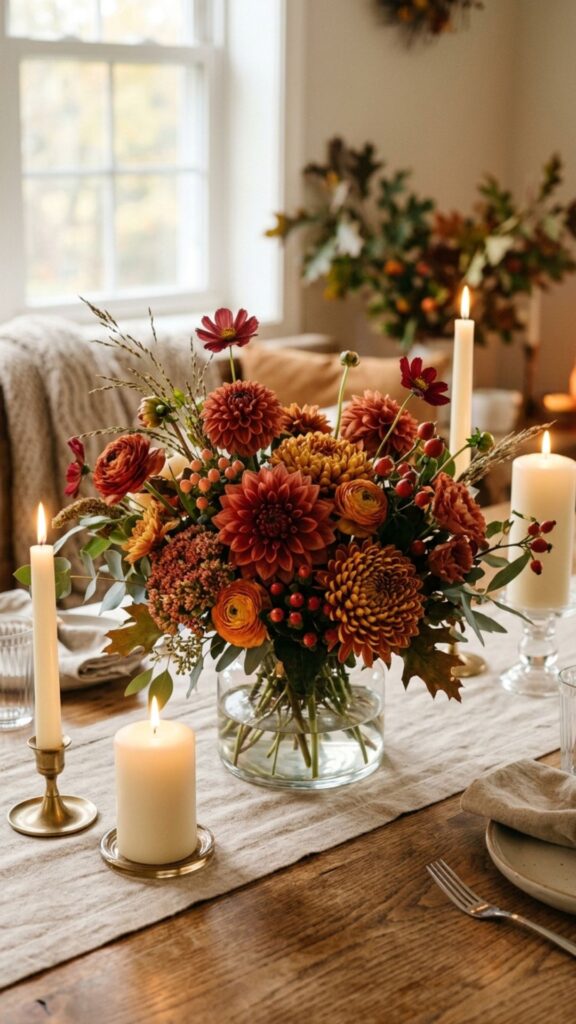
A simple centerpiece gives the table a finished look without cluttering it. A low vase of seasonal flowers, a bowl of fruit, or a cluster of candles in varying heights all work well. The key word is low — anything that blocks eye contact across the table disrupts conversation.
Swap centerpieces seasonally to refresh the room without redecorating. Dried botanicals, evergreen branches, or a bowl of citrus are inexpensive options that rotate easily and always look intentional.
15. Candles and Candleholders
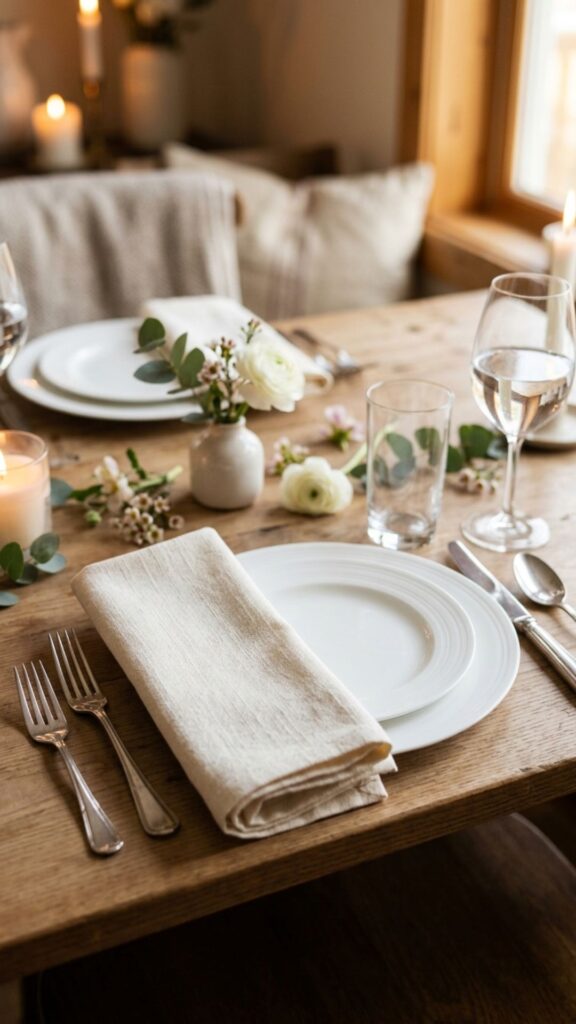
Candles create instant warmth and atmosphere. Pillar candles on a tray, taper candles in simple holders, or a cluster of tea lights all add soft light that makes evening meals feel special rather than ordinary.
Choose unscented candles for the dining table — food aromas should take center stage during meals. Scented candles work better in adjacent spaces where they won’t compete with what’s being served.
16. Storage Solutions
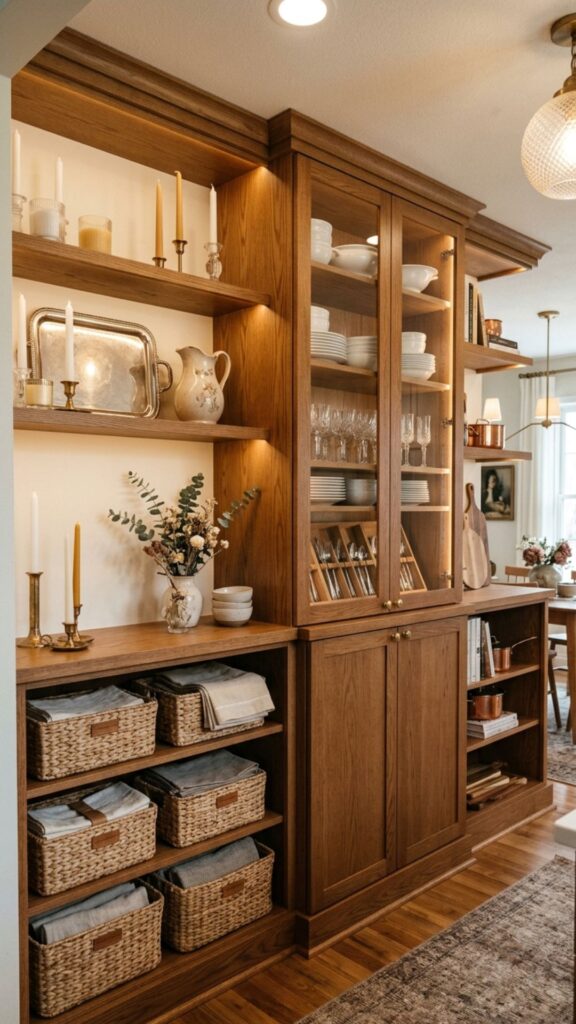
Clutter kills a dining room’s style faster than anything. A dedicated space for table linens, extra candles, serving pieces, and seasonal items keeps the room feeling calm and ready to use. A sideboard covers this nicely, but wall-mounted shelves or a small cabinet also work in tighter spaces.
Use baskets or bins inside cabinets to keep categories separate — linens in one, candles in another. It sounds simple, but organized storage means you spend less time hunting for things when guests are already arriving.
17. Serving Bowls and Platters

Bringing food to the table in attractive serving pieces elevates even a simple weeknight meal. A few versatile pieces — a large oval platter, two or three serving bowls in different sizes — handle most entertaining needs without requiring an entire collection.
Choose pieces that coordinate with your dinnerware without matching exactly. Slightly different textures or complementary tones add visual layering to a table and give the meal a thoughtful, styled quality.
18. Bar Cart or Drink Station
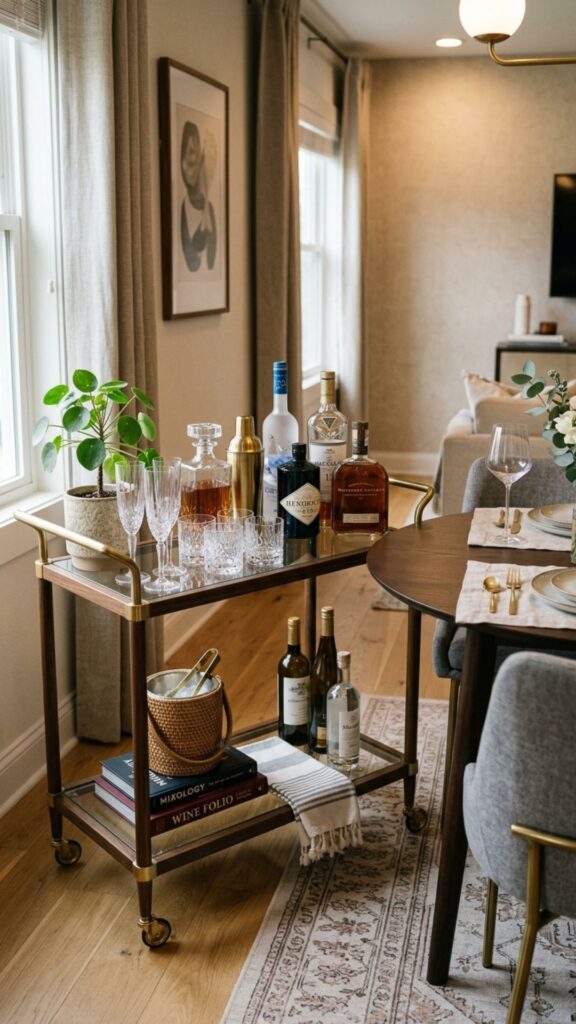
If space allows, a small bar cart or dedicated drink station keeps beverages organized and accessible during meals. It reduces table clutter and makes hosting easier — guests can help themselves without interrupting the flow of conversation.
A bar cart also doubles as a styling opportunity. Stack a few books, add a plant, and display your nicest glasses. When it’s not in use, it contributes to the room’s décor rather than sitting idle.
19. Good-Quality Table Linens
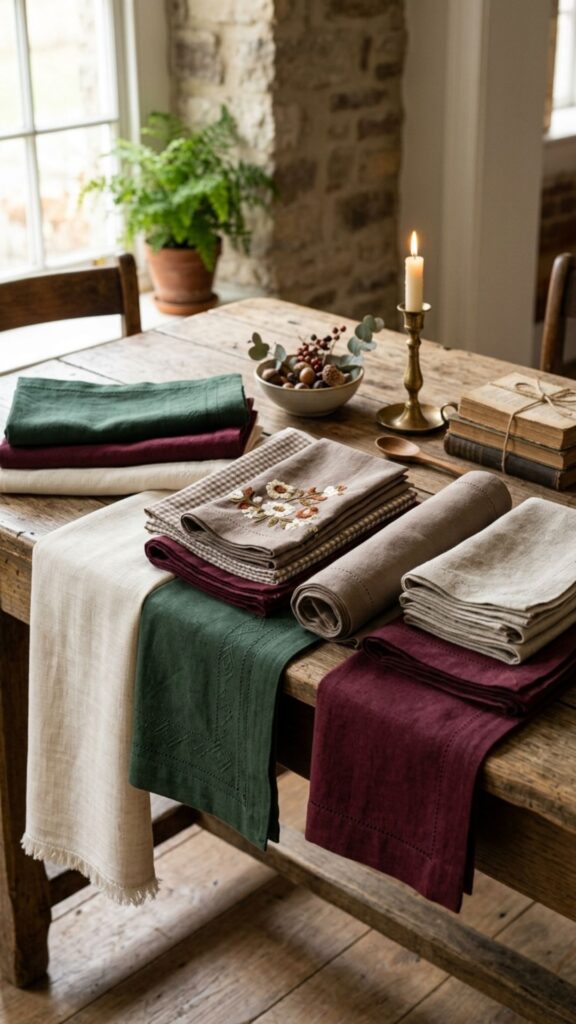
Beyond placemats and napkins, having a few quality table linens in rotation makes a real difference. A neutral tablecloth, a patterned runner, and a seasonal option give you flexibility for different occasions without overcrowding your storage.
Look for wrinkle-resistant fabrics if ironing isn’t your idea of a good time. Many modern linen blends hold their shape well out of the dryer and look polished with minimal effort.
20. Personal Touches
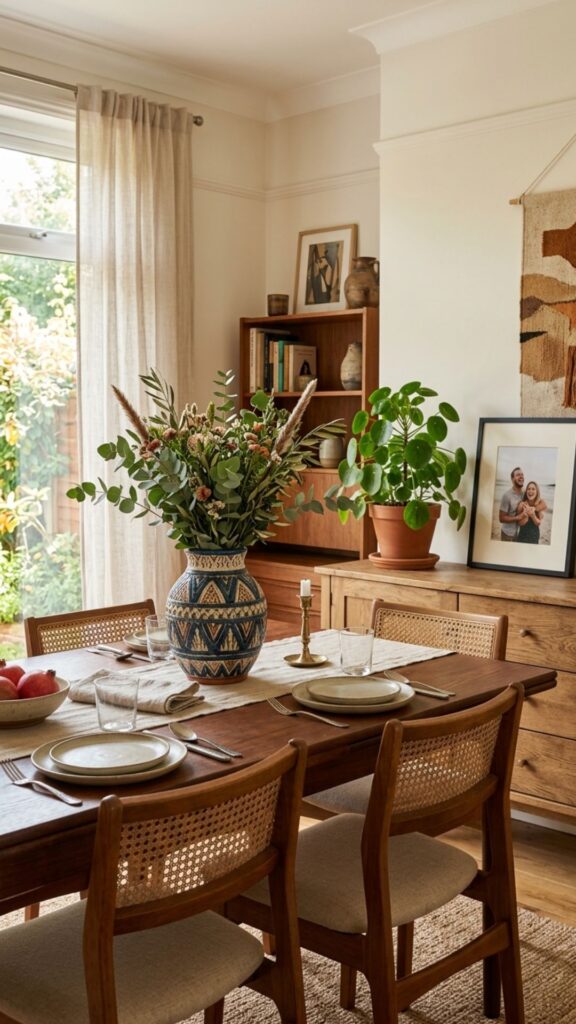
The details that reflect you — a ceramic piece you brought back from a trip, a framed photo, a plant you’ve kept alive for two years — are what make a dining room feel lived in rather than staged. These aren’t extras; they’re what gives the space character.
Don’t overthink this part. One or two genuinely personal items placed with intention say more about the room than any styling guide can prescribe. A stylish dining room should feel like yours, not like a catalog page.
Conclusion
Building a dining room you love doesn’t require a big budget or a complete overhaul. Start with the foundational dining room essentials — the table, chairs, lighting, and dinnerware — and build from there. Each addition should serve a purpose, solve a problem, or bring a little more warmth to the space.
If you’re refreshing your dining room, start by identifying the two or three items that feel most lacking and work outward. Small, intentional changes add up faster than you’d expect, and before long you’ll have a space that invites people to sit down, stay a while, and come back.
Ready to start? Pick one item from this list and focus there first. A single good investment almost always leads to the next.
What are the most important dining room essentials for a small space?
For small dining rooms, prioritize a well-sized extendable table, lightweight chairs that tuck in fully, and vertical storage like wall shelves or a narrow sideboard. Skip the bar cart and oversized rug — scale everything to the room, and the space will still feel intentional and complete.
How do I choose the right dining table size?
Measure your room first and leave at least 36 inches between the table and each wall for comfortable movement. A rectangular table roughly half the length of your room is a reliable guideline. For households of four, a 60- to 72-inch table covers everyday meals and most entertaining needs.
What’s the easiest way to make a dining room look more stylish without spending a lot?
Upgrade your lighting first — a pendant or chandelier makes a dramatic difference and doesn’t require any new furniture. Adding cloth napkins, a simple centerpiece, and a runner costs very little but immediately makes the room look more polished and intentional.
How do I keep a dining room looking tidy day to day?
Designate storage for everything that doesn’t belong on the table — linens, candles, and serving pieces should all have a home nearby. A quick habit of clearing the table fully after each meal keeps the room ready to use and avoids the gradual clutter that makes dining rooms feel chaotic.