A productive home office should feel comfortable, organized, and easy to use. Yet many workspaces fall short because the desk height, layout, or storage does not support the way people actually work.
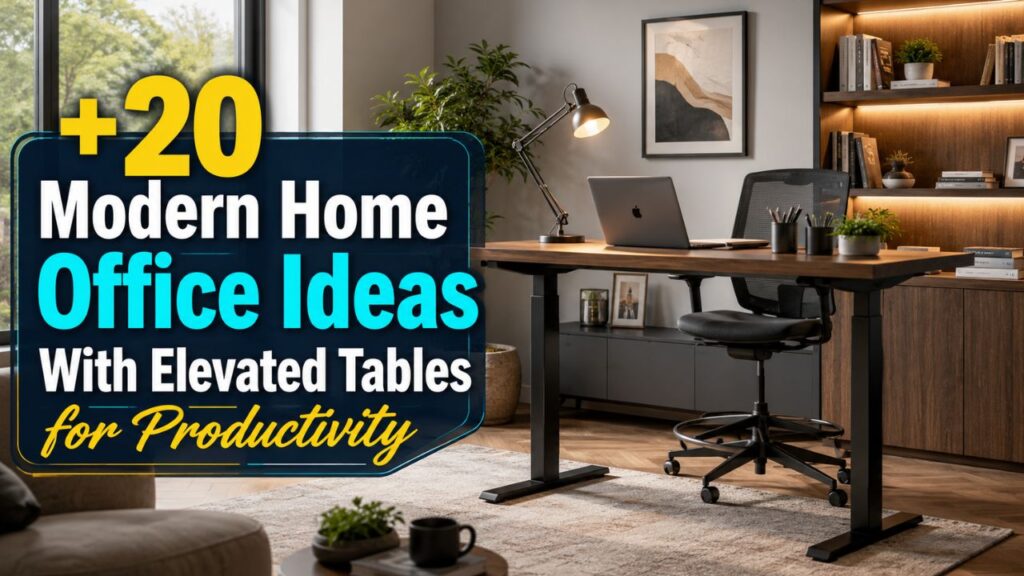
That is why elevated tables are becoming a practical choice for modern home offices. They can improve posture, create extra storage underneath, separate work zones, and make even a small room feel more intentional.
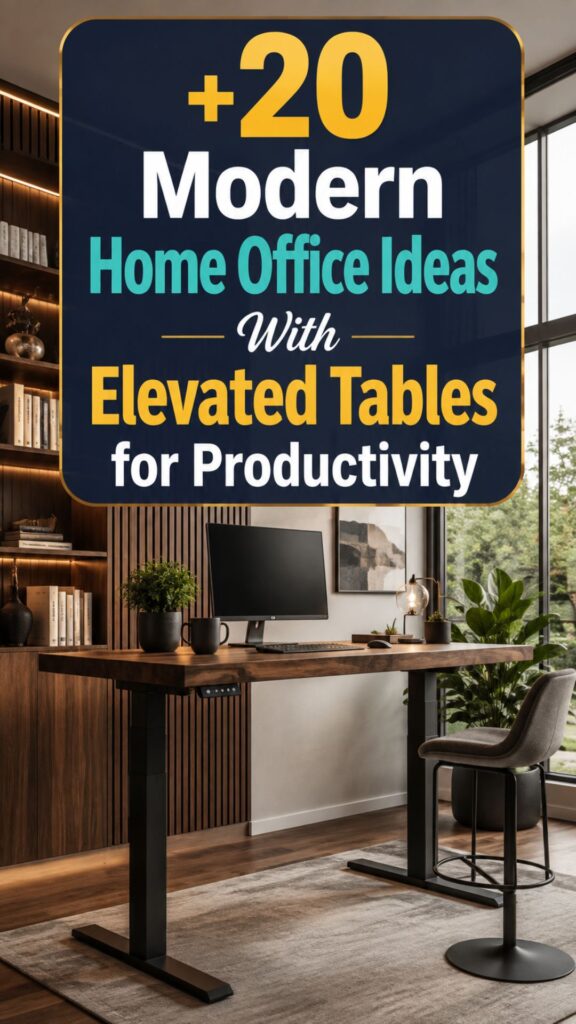
These home office ideas elevated table designs range from simple standing desks to layered workstations, floating surfaces, compact corners, and stylish multi-level setups. Whether you work from home every day or only need a quiet place for occasional tasks, these ideas can help you create a workspace that feels better and works harder.
1. Choose a Simple Elevated Standing Table
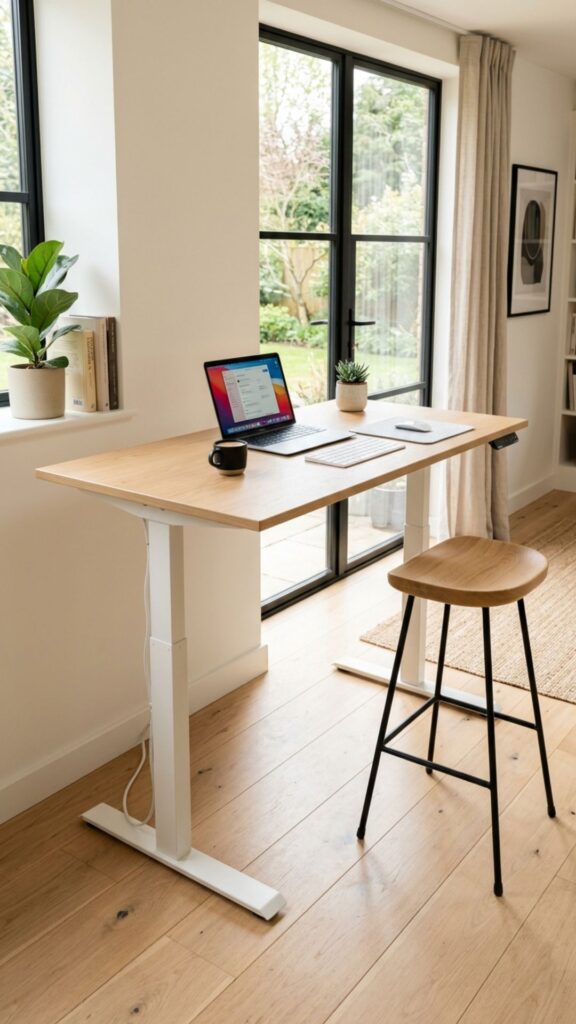
A standing-height table is one of the easiest ways to create a more flexible home office. The taller surface lets you work while standing and can reduce the amount of time spent sitting during long workdays. Choose a clean design with enough depth for your laptop, keyboard, and essential office supplies.
Add a tall adjustable chair or stool so you can switch between sitting and standing. This arrangement works especially well in smaller rooms because the elevated table creates an open feeling underneath instead of filling the room with bulky furniture.
2. Build an Elevated Table Along a Window
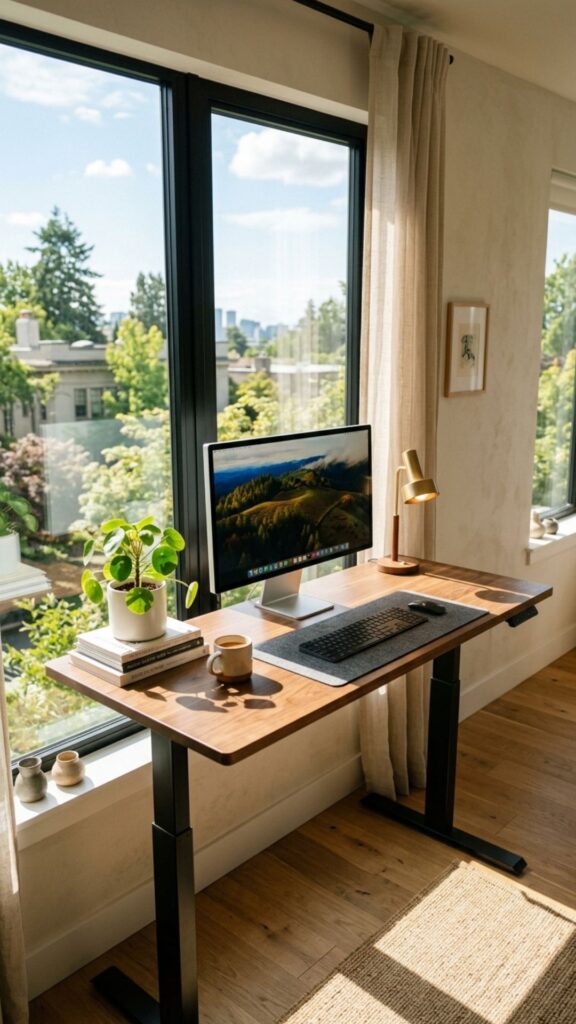
Positioning an elevated work table near a window can make your office feel brighter and more comfortable. Natural light helps reduce the closed-in feeling that often comes with working indoors, while the higher surface can provide a better view outside.
Keep the desktop simple so it does not block the window. A slim monitor, small desk lamp, and one or two decorative items are usually enough. Use blinds or curtains to control glare during the brightest parts of the day.
3. Use an Elevated Table With Storage Underneath
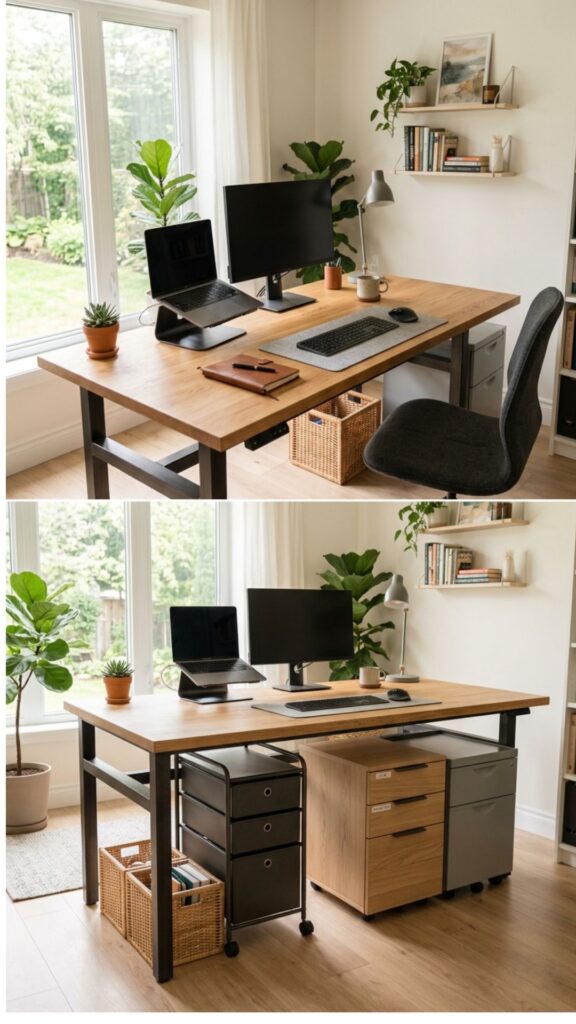
One major advantage of an elevated table is the unused space below it. Instead of leaving this area empty, add filing cabinets, storage baskets, rolling drawers, or open shelving underneath.
The key is keeping enough legroom around your working position. Place storage toward the sides rather than directly in front of your chair. This gives you organization without making the workspace feel cramped.
4. Create a Two-Level Computer Workstation
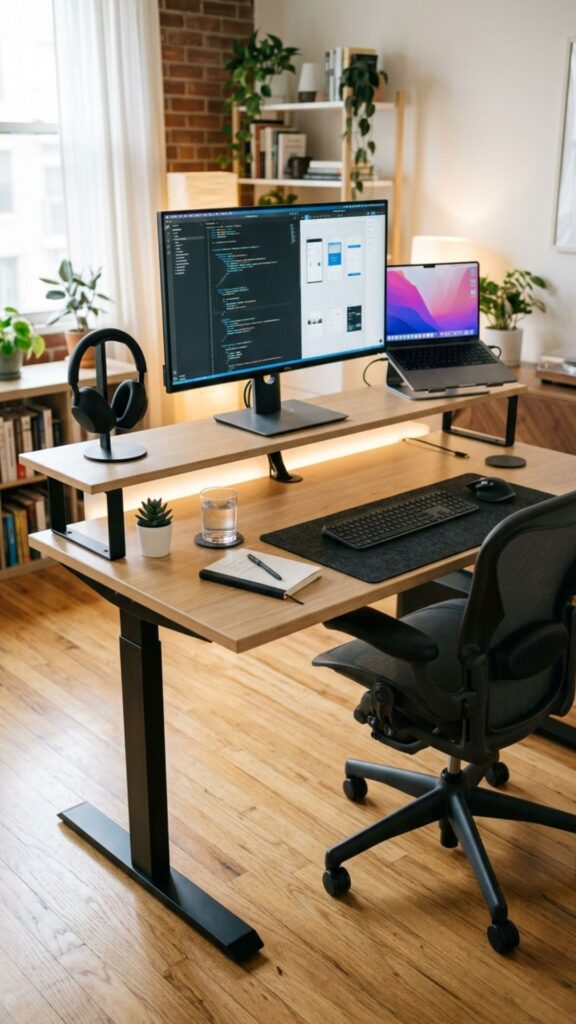
A two-level desk can improve both organization and ergonomics. Use the upper level for your monitor and the lower surface for your keyboard, notebook, and daily work essentials.
Raising the monitor closer to eye level can also help reduce the habit of looking downward throughout the day. Make sure your screen sits at a comfortable viewing height rather than simply raising it as high as possible.
5. Add an Elevated Table Behind a Sofa
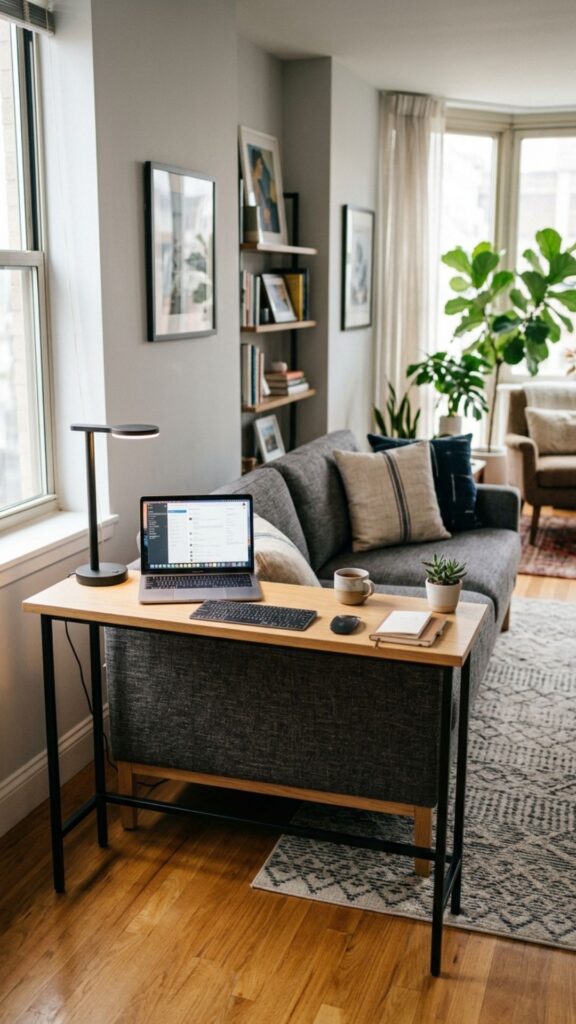
A narrow elevated table behind a sofa can turn unused living room space into a functional workstation. This is a useful solution when you do not have a dedicated home office.
Choose a table that matches the height and style of your existing furniture. A slim laptop, compact lamp, and wireless accessories help keep the setup visually clean when the workspace shares a room with your living area.
6. Try a Minimalist Elevated Wood Table
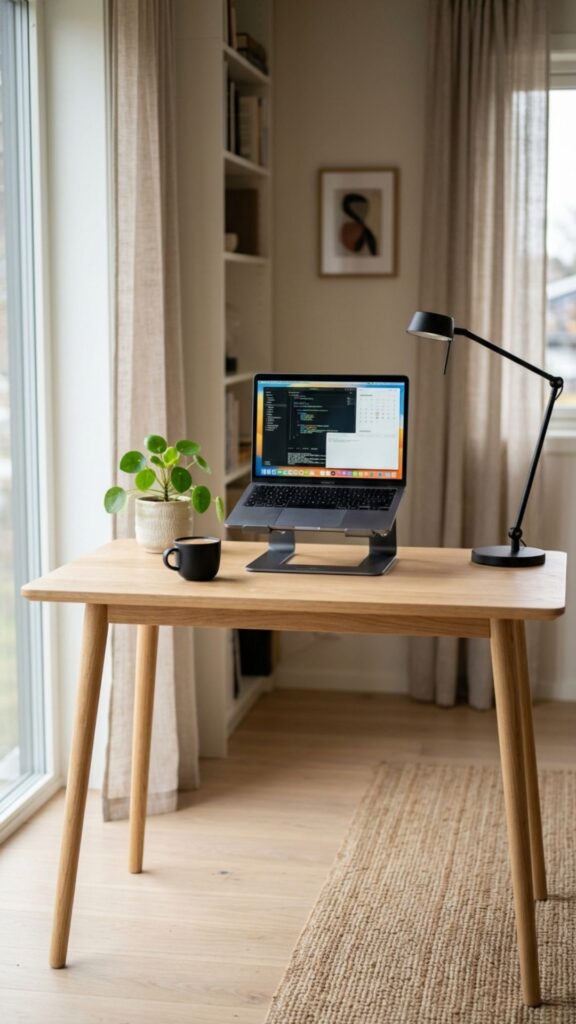
A simple wooden table can create a warm and inviting office without adding visual clutter. Look for a solid wood or wood-look surface with slim legs and minimal detailing.
Keep accessories limited to items you actually use. A laptop stand, ceramic cup, small plant, and desk lamp may be all you need. This approach is especially effective for people who concentrate better in calm, uncluttered surroundings.
7. Create an Industrial Elevated Office Table
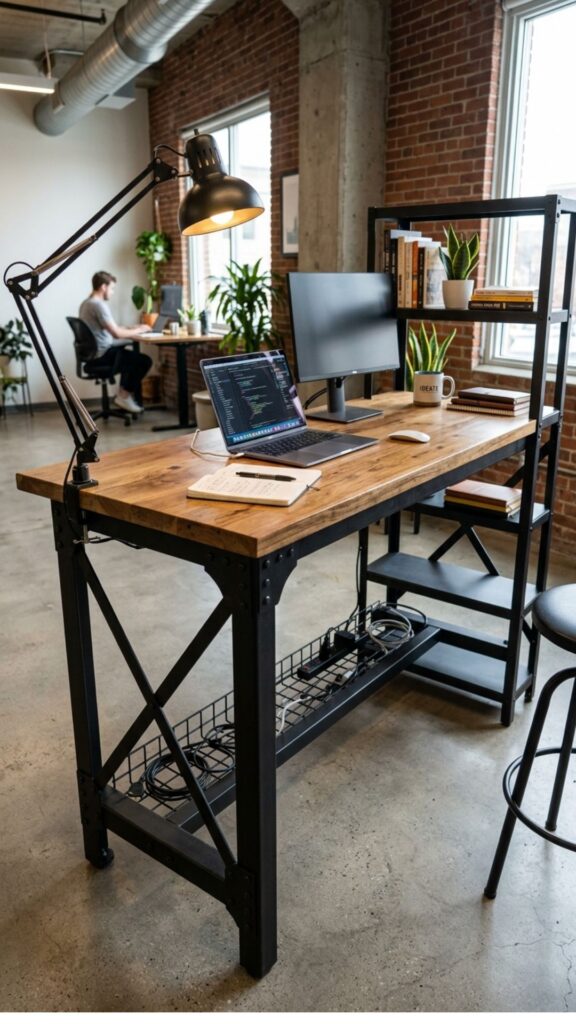
For a more urban look, combine a wooden tabletop with black metal legs or a steel frame. The contrast creates an industrial workspace that feels modern without looking overly polished.
Add practical details such as wire baskets, metal shelving, or a task lamp. Neutral walls and simple accessories help balance the stronger materials and prevent the room from becoming visually heavy.
8. Install a Floating Elevated Desk
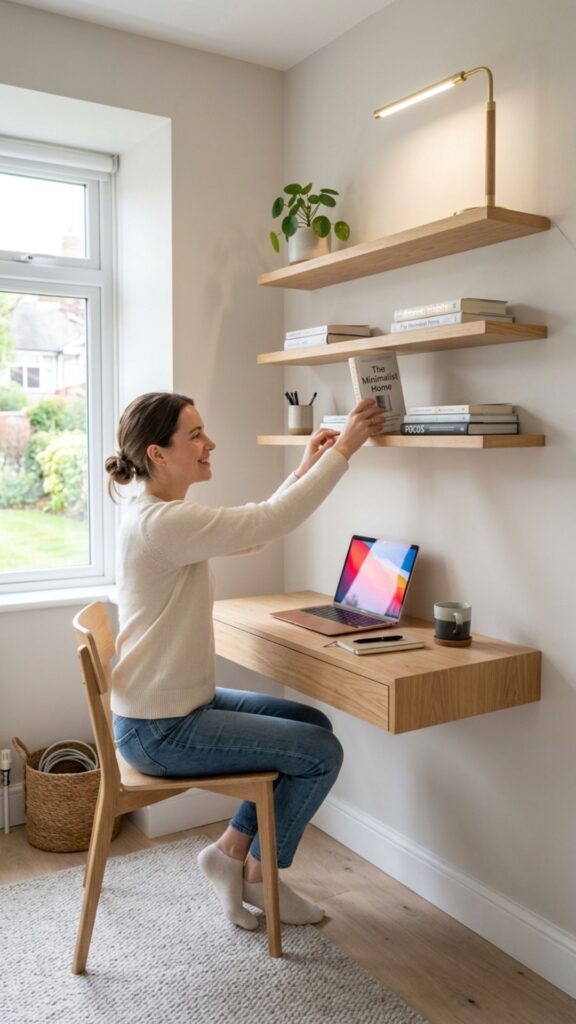
A wall-mounted floating desk is a smart choice when floor space is limited. Because there are no traditional desk legs, the room stays visually open and cleaning underneath becomes easier.
Install the surface at a height that suits your preferred working position. You can also add floating shelves above the desk for books, stationery, and decorative objects without taking up valuable floor space.
9. Turn a Kitchen-Style Counter Into an Office
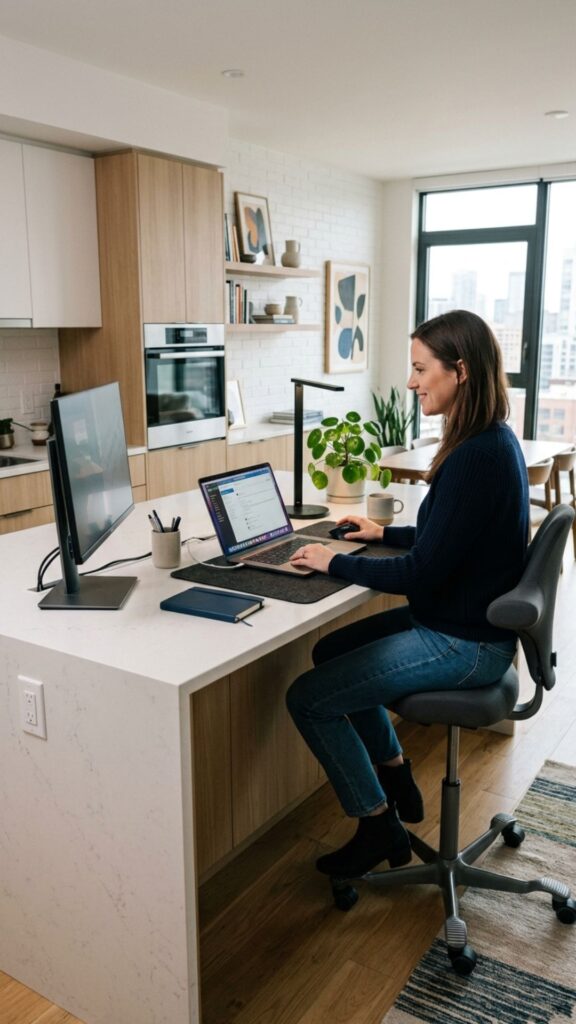
A counter-height surface can become a surprisingly practical workstation. It provides enough elevation for standing work while also offering room for a tall stool when you want to sit.
This setup works particularly well in apartments or multipurpose rooms. Use cable organizers to keep chargers hidden and choose office accessories that blend naturally with the surrounding interior.
10. Use an Adjustable Elevated Desk
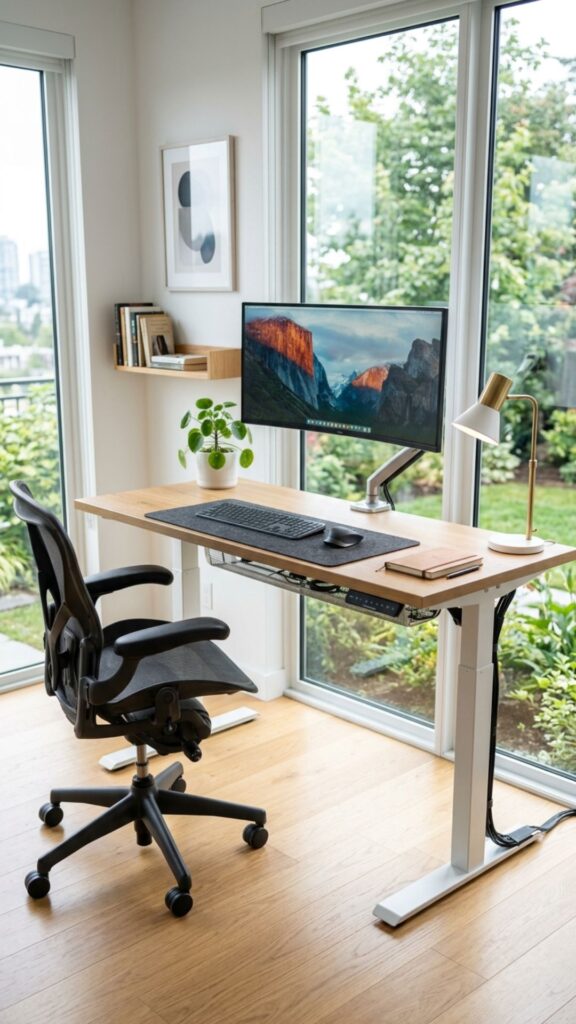
An adjustable desk gives you the flexibility to change working height throughout the day. Electric and manual models allow you to move easily between sitting and standing positions.
When exploring home office ideas elevated table layouts, adjustable designs are among the most versatile options. They work for different users, different tasks, and changing routines without requiring you to redesign your entire office.
11. Create a Corner Elevated Workstation
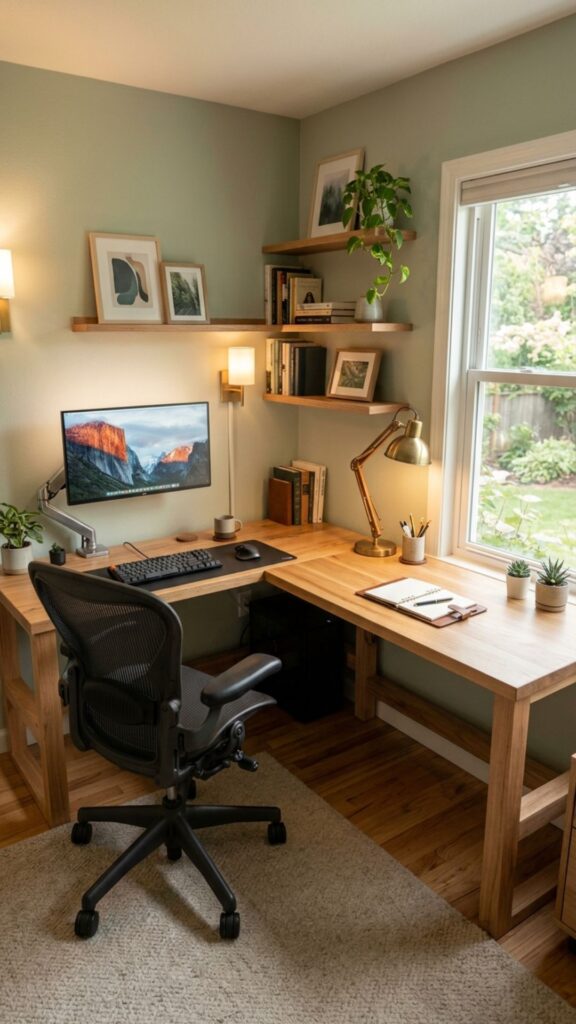
Corners often become wasted areas, especially in small bedrooms or spare rooms. A compact elevated corner table can transform that unused space into a focused work zone.
Choose an L-shaped design if you need more surface area. One side can hold your computer while the other provides room for writing, paperwork, or creative projects. This separation can make multitasking easier.
12. Add an Elevated Table With Open Shelving
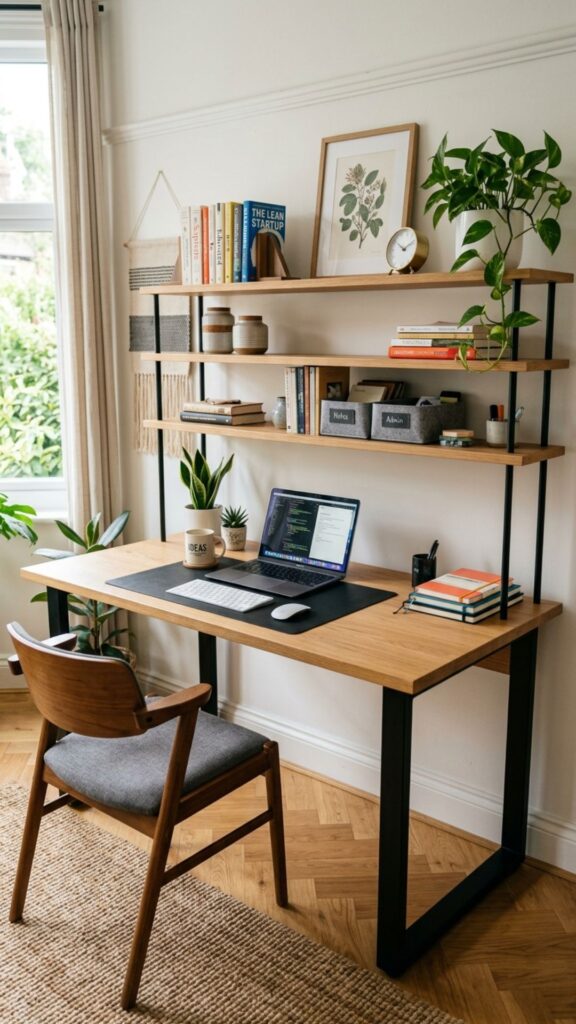
A table with shelves built above or below the main surface provides storage without requiring separate cabinets. Open shelving also keeps frequently used items within easy reach.
Avoid filling every shelf. Leave some open space between books, containers, plants, and decor. A little breathing room makes the workstation feel organized rather than crowded.
13. Create a Narrow Elevated Desk for Small Spaces
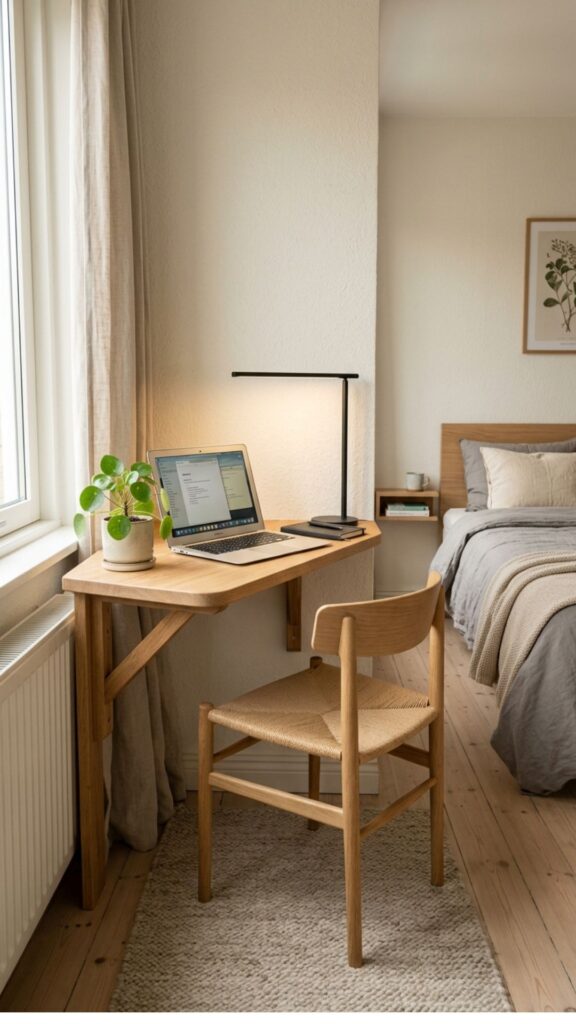
You do not need a large room to create a practical office. A narrow elevated table can fit along a hallway wall, bedroom corner, or unused section of a living room.
Look for a desk between roughly 18 and 24 inches deep if space is tight. Before buying, measure the area carefully and make sure there is still enough room to move comfortably behind your chair.
14. Use an Elevated Table as a Creative Station
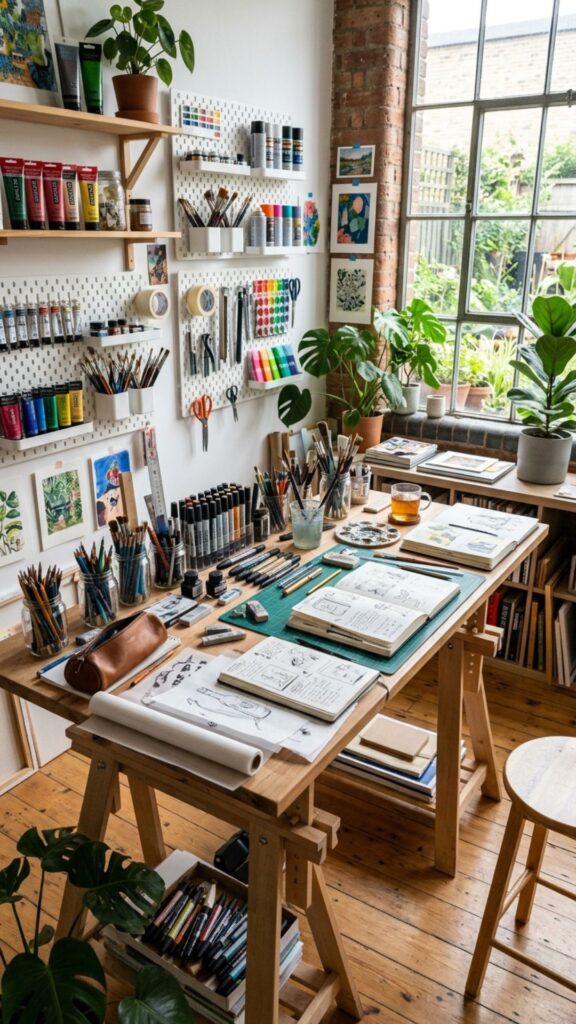
Elevated tables are not only useful for computer work. Designers, artists, architects, and hobbyists can use taller surfaces for sketching, crafting, planning, and reviewing large documents.
Add containers for tools and wall-mounted organizers for frequently used supplies. Keeping your creative materials visible but organized makes it easier to start working without searching through drawers every time.
15. Pair an Elevated Table With a Pegboard Wall
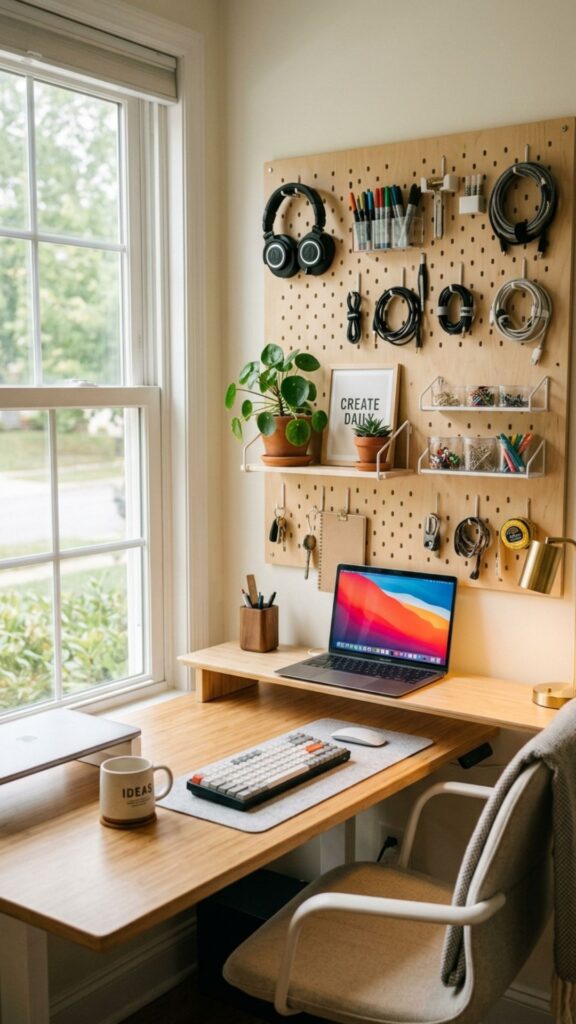
A pegboard can turn the wall above your elevated table into functional storage. Use hooks, containers, shelves, and clips to organize cables, stationery, headphones, notebooks, and small tools.
The advantage of a pegboard is flexibility. You can rearrange the layout as your work habits change instead of committing to permanent shelving or built-in storage.
16. Create a Scandinavian Elevated Workspace
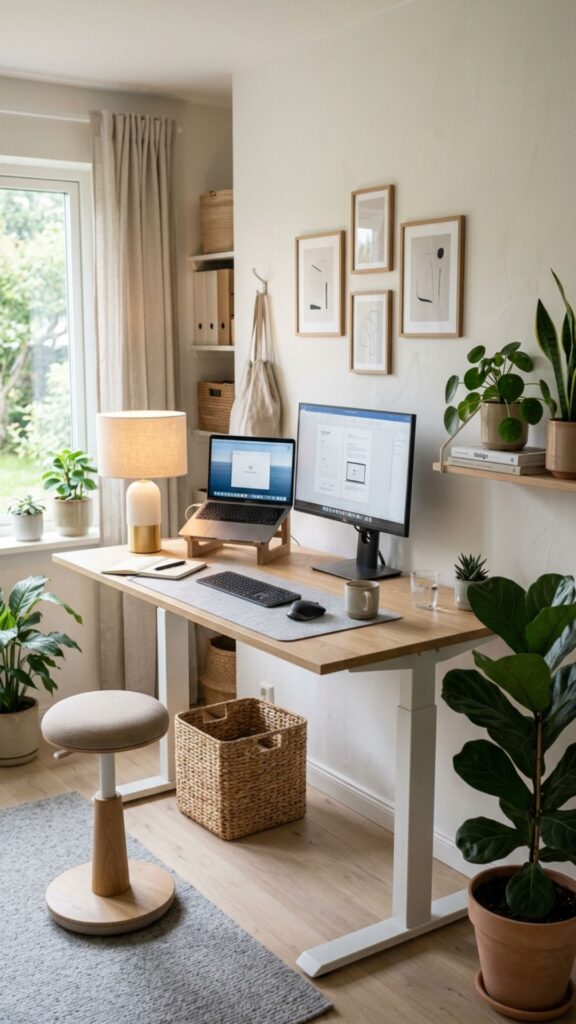
Scandinavian offices focus on simple shapes, natural materials, and practical comfort. Choose an elevated table made from light wood and pair it with white, beige, or soft gray surroundings.
Add a comfortable chair, warm desk lamp, woven storage basket, and one or two plants. The result feels calm and welcoming while still providing everything needed for productive work.
17. Add a Raised Monitor Shelf to Your Existing Desk
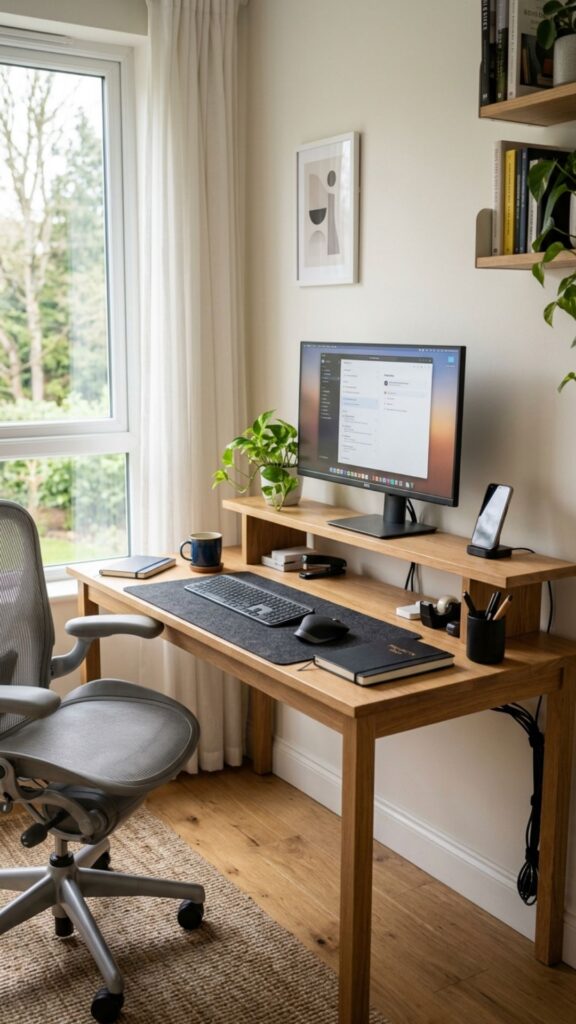
You do not necessarily need to replace your current desk. A raised monitor platform can create the benefits of an elevated setup while using furniture you already own.
The space under the monitor shelf can hold your keyboard, notebooks, or small office supplies when they are not in use. This simple change can instantly make a crowded desktop feel more structured.
18. Design an Elevated Office Table for Two
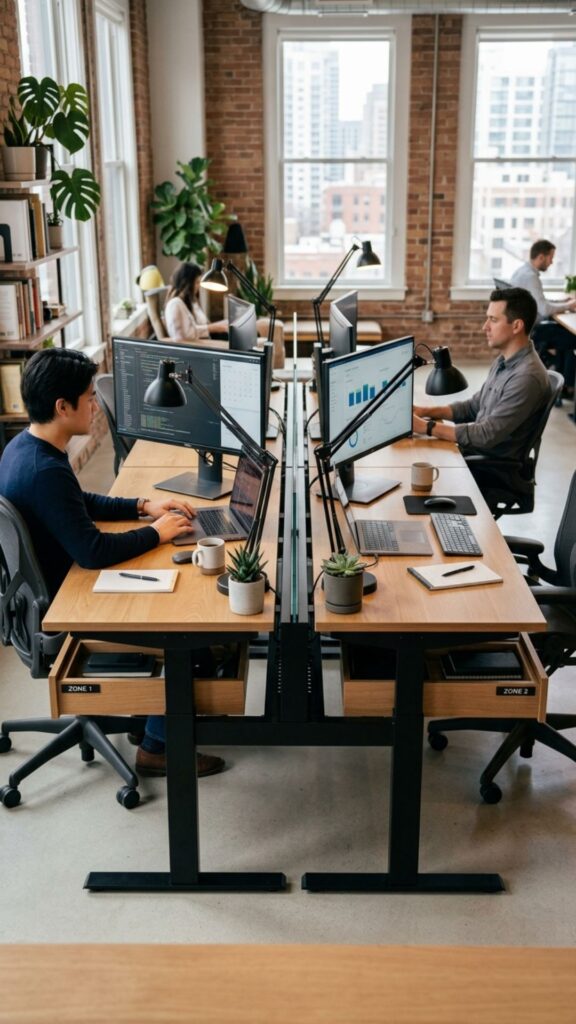
If two people work from home, a long elevated table can provide a shared workstation without requiring two separate desks. Divide the surface into clear working zones for each person.
Give each side its own storage, lighting, and cable management. Even when sharing the same table, keeping personal work areas clearly defined helps reduce distractions and clutter.
19. Add Plants Around Your Elevated Workspace
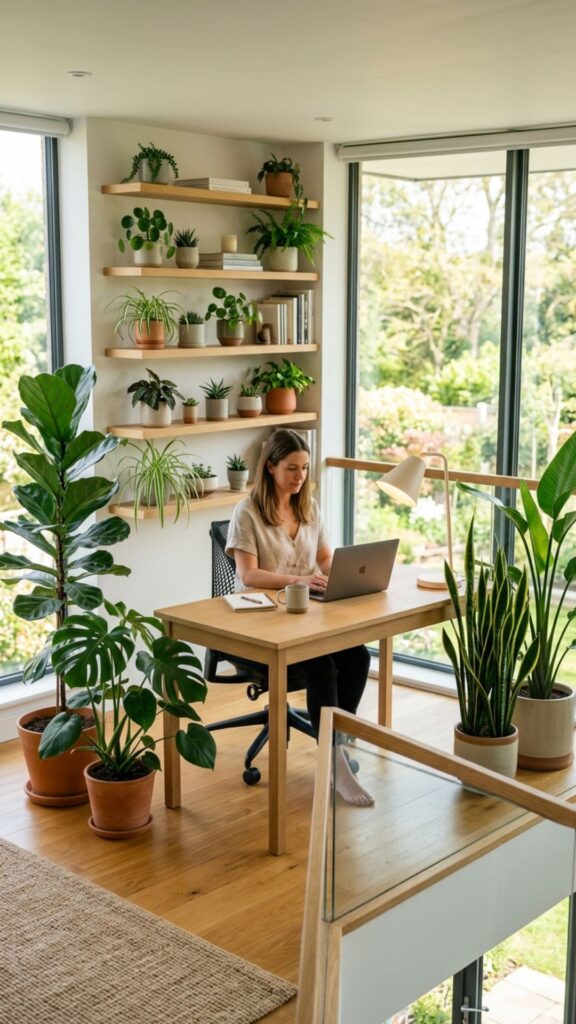
Plants can soften the straight lines and hard surfaces commonly found in modern office furniture. Place small plants on shelves and use taller floor plants beside the elevated table.
Avoid overcrowding your actual working surface. The goal is to bring natural elements into the room while keeping enough open space for comfortable daily work.
20. Build a Custom Elevated Table Into an Alcove
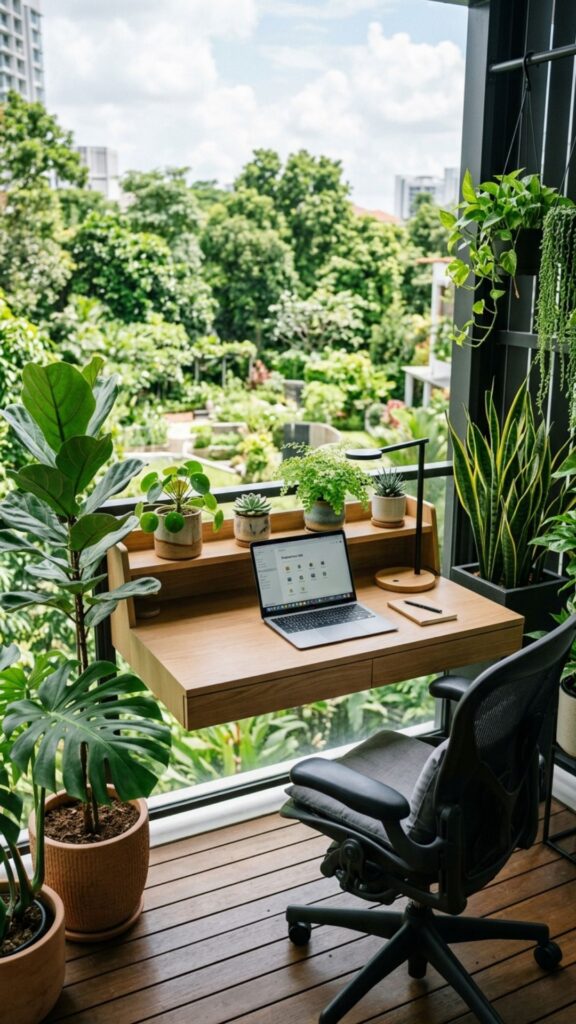
An unused alcove can become a dedicated home office with a custom elevated tabletop. A wall-to-wall surface often looks cleaner than placing a standard desk into an awkward space.
Add shelving above and drawers below to maximize storage. Custom dimensions also allow you to choose the exact height, depth, and width required for your equipment and working style.
Conclusion: Build a Workspace That Works Better for You
The best home office is not necessarily the biggest or most expensive one. It is a space that supports the way you work.
These home office ideas elevated table designs show how a raised surface can improve organization, flexibility, posture, and overall workspace style. From floating desks and standing tables to creative stations and custom alcove setups, there is an option for almost every room size and working routine.
Start by measuring your available space and identifying the biggest problem with your current setup. Then choose one elevated table idea that solves that problem. Even a small change to desk height, storage, or layout can make your workday noticeably more comfortable and productive.
What is an elevated table in a home office?
An elevated table is a work surface positioned higher than a standard sitting desk. It may be designed for standing, counter-height seating, monitor placement, or creating multiple working levels.
Are elevated desks better for productivity?
They can help some people stay more active and change positions throughout the day. Productivity depends on the entire setup, so comfortable screen, keyboard, lighting, and seating positions are equally important.
Can I use an elevated table in a small home office?
Yes. Floating desks, narrow counter-height tables, corner workstations, and wall-mounted surfaces are particularly useful in compact rooms because they make efficient use of limited floor space.
Should I sit or stand at an elevated desk?
You can do both if your setup allows it. Many people find switching positions more comfortable than staying seated or standing for the entire workday.
How can I make an elevated desk look stylish?
Choose materials that match your room, hide loose cables, limit desktop clutter, and add a few intentional details such as a plant, lamp, framed print, or coordinated storage containers.