A pergola can turn a plain patch of grass into the favorite spot in your home. It offers shade, structure, and a bit of style all at once. After years of helping homeowners plan outdoor upgrades, I’ve seen how the right pergola completely changes how people use their yards.
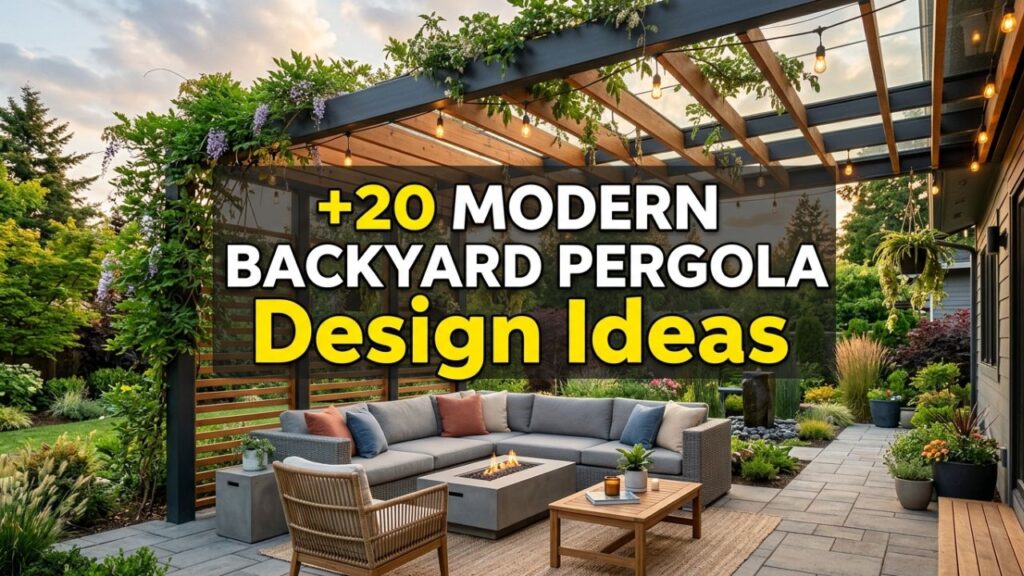
If you’re hunting for backyard pergola design ideas that actually fit your space and budget, you’re in the right place.
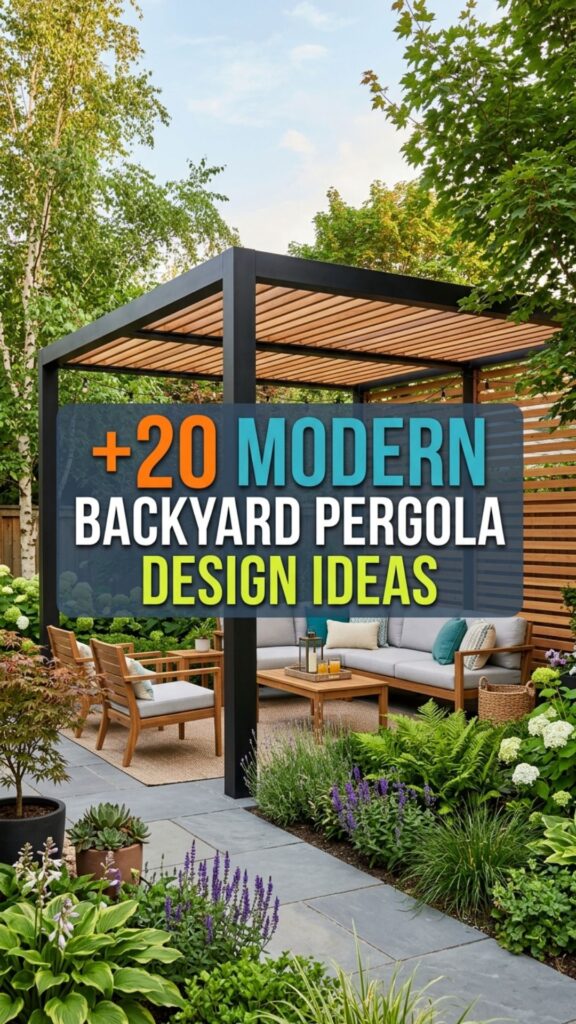
Below, you’ll find 20 practical concepts, from sleek modern builds to cozy retreats. Each one includes real details you can use, whether you’re hiring a pro or tackling a weekend DIY project. Let’s dig in.
1. Sleek Black Steel Pergola
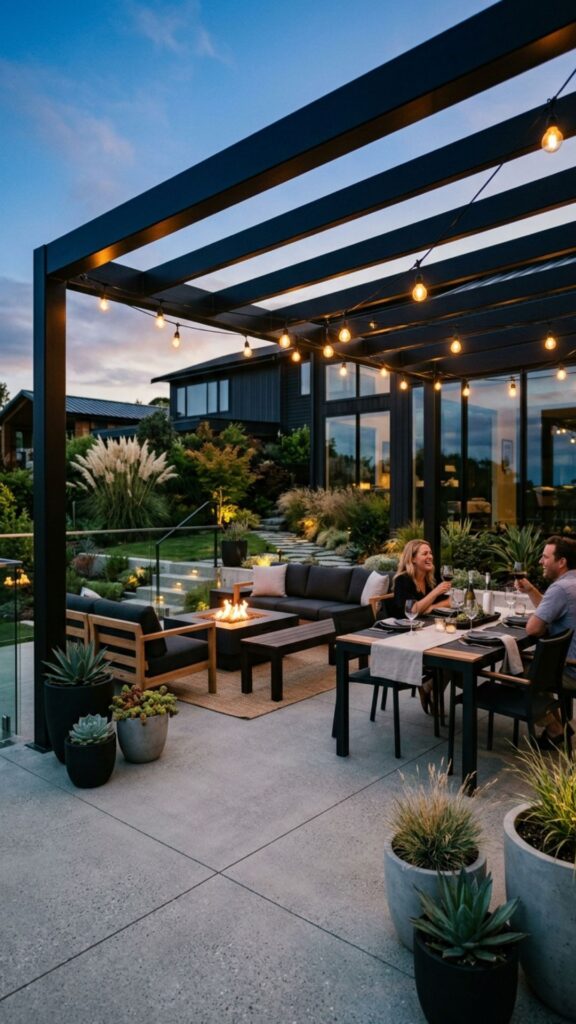
A black steel frame gives your yard a bold, modern edge. Steel handles harsh weather better than wood, so it won’t warp or rot over time. The clean lines pair beautifully with concrete patios and minimalist landscaping.
This style works well for contemporary homes with flat rooflines and neutral colors. Pair it with string lights or a slatted roof for shade. Expect a higher upfront cost, but steel rewards you with decades of low-maintenance use.
2. Classic Cedar Wood Retreat
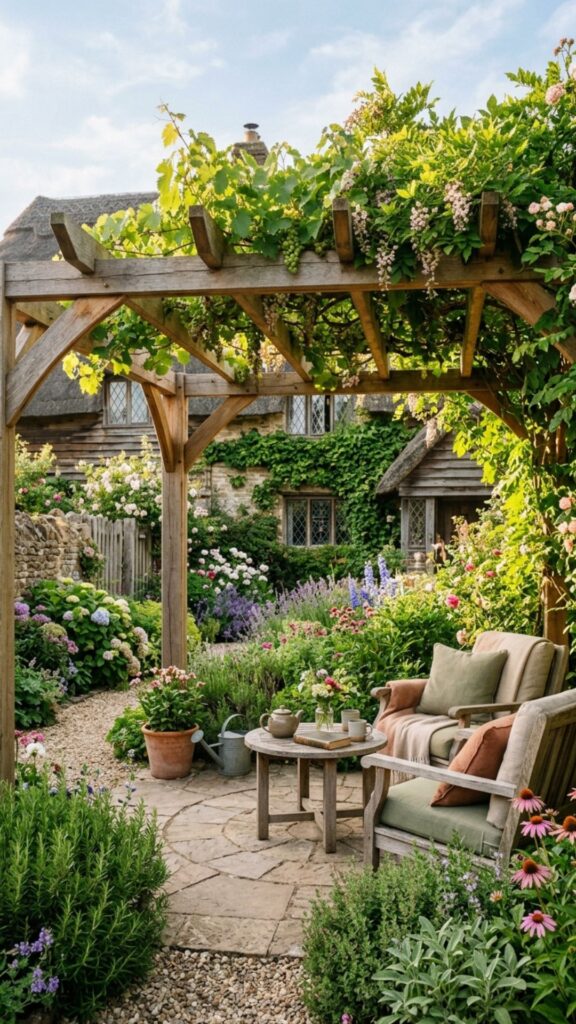
Cedar remains a favorite for good reason. It smells great, resists insects naturally, and ages into a soft silver-gray if left untreated. A cedar pergola brings warmth to any backyard.
Add climbing vines like wisteria or clematis for a living roof that grows fuller each season. Seal the wood every two to three years to keep the rich tone. This design suits traditional and cottage-style homes especially well.
3. Attached Patio Cover
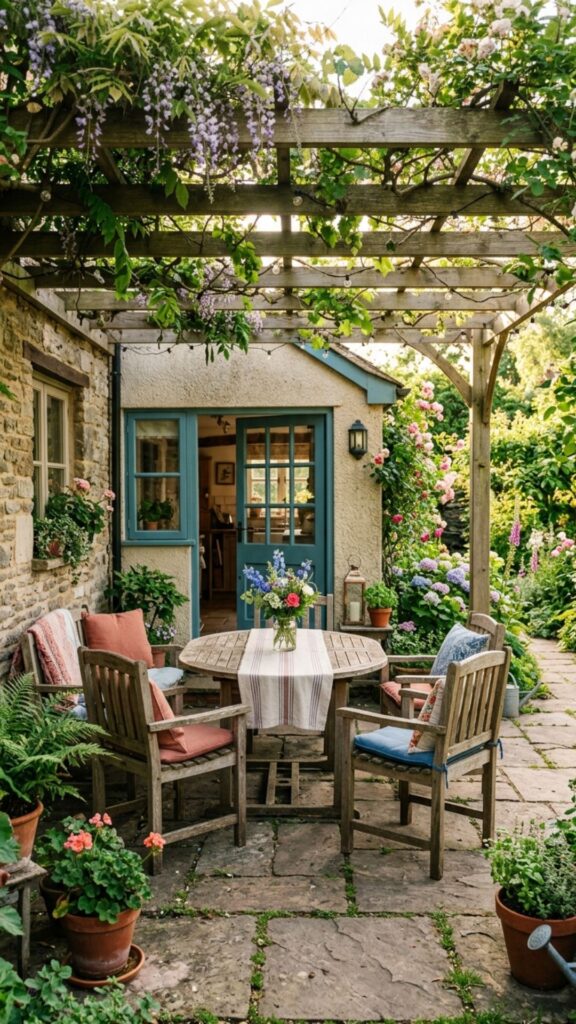
An attached pergola connects directly to your house, extending your living space outdoors. It’s ideal for smaller yards where a freestanding structure would eat up room. You get instant shade right off your kitchen or living room door.
Because one side mounts to your wall, you save on materials and labor. Just make sure the ledger board is flashed properly to prevent water damage. This setup is perfect for morning coffee spots and covered grilling zones.
4. Freestanding Garden Pavilion
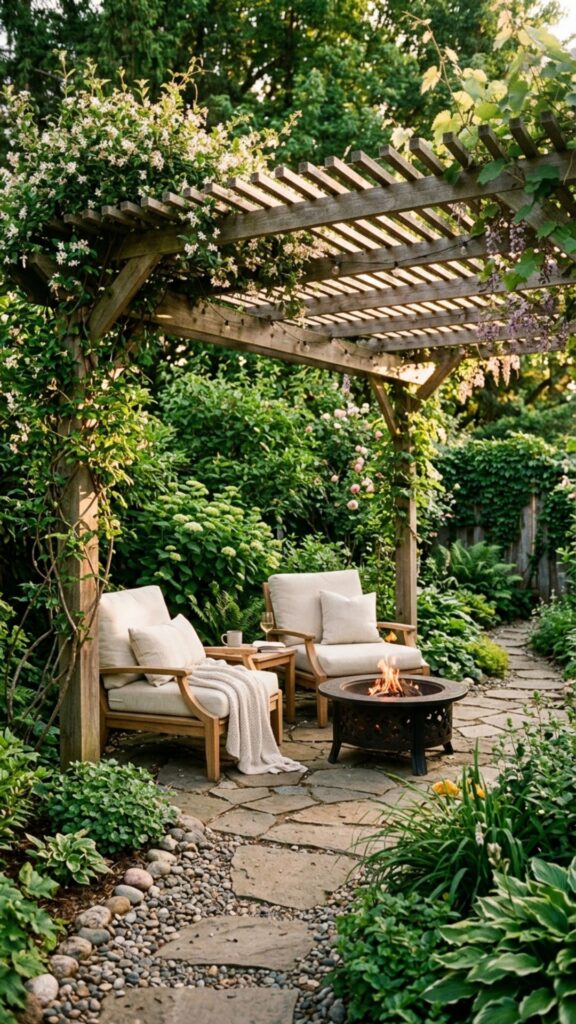
A freestanding pergola stands on its own anywhere in your yard. Place it near a garden bed, pool, or the back corner for a private escape. This flexibility makes it one of the most popular backyard pergola design ideas out there.
You can anchor it with concrete footings for stability in windy areas. Add a fire pit nearby and comfortable seating to create a true destination. It works as a dining area, reading nook, or evening hangout spot.
5. Louvered Roof Pergola
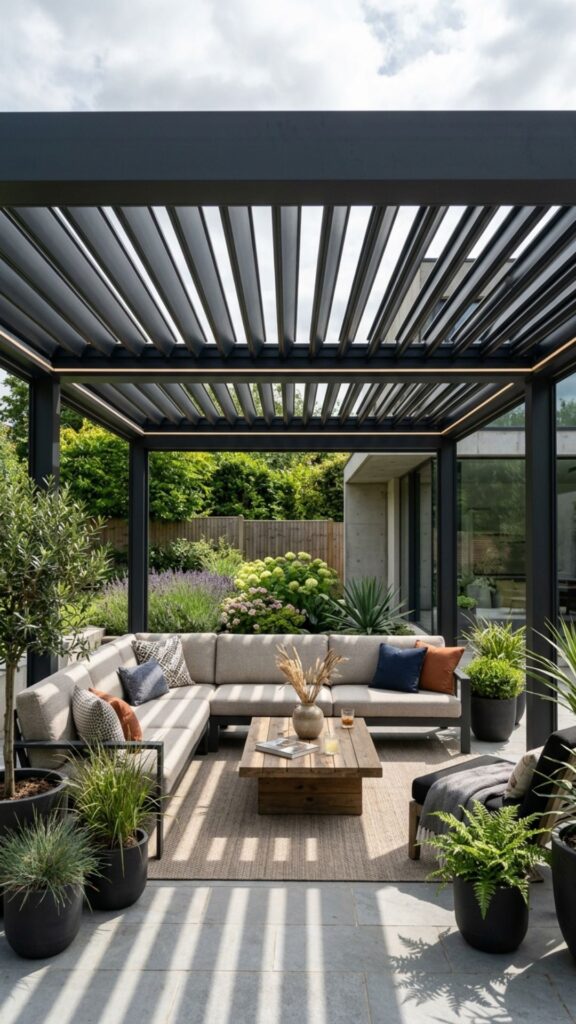
Louvered roofs let you control sunlight with adjustable slats. Open them for full sun, tilt them for filtered light, or close them tight before a storm. Many modern versions use a simple hand crank or motorized remote.
This smart design gives you all-weather use without rebuilding anything. The aluminum versions resist rust and require almost no upkeep. It’s a bigger investment, but it turns your pergola into a year-round space.
6. Rustic Reclaimed Wood Build
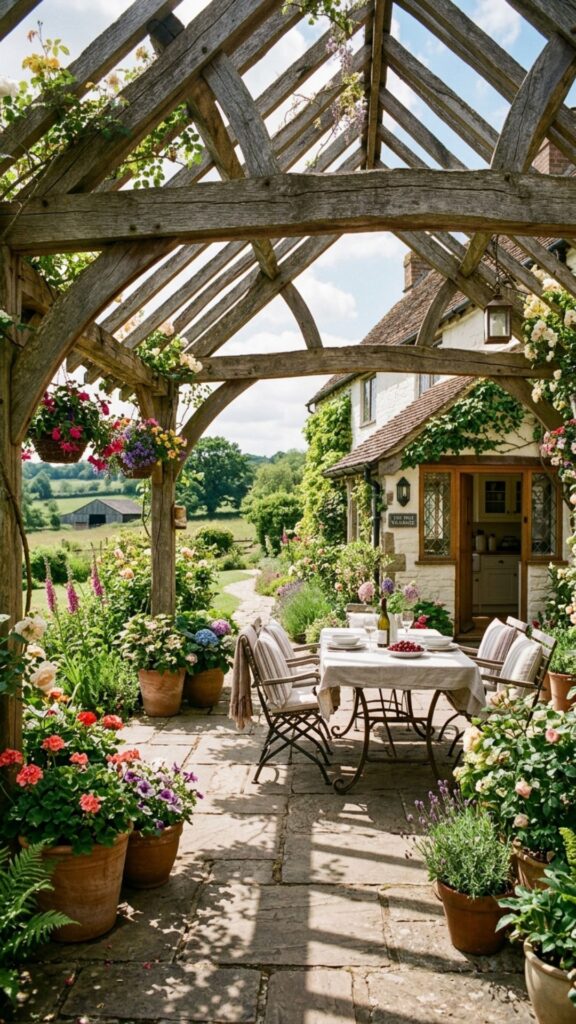
Reclaimed wood adds character no new lumber can match. Old barn beams or salvaged timber bring texture, history, and a one-of-a-kind look. Each piece tells a story through its knots and weathering.
This eco-friendly choice reduces waste and often costs less than premium new wood. Sand and seal the beams to remove splinters and protect against rot. It pairs wonderfully with farmhouse and industrial home styles.
7. Poolside Shade Structure
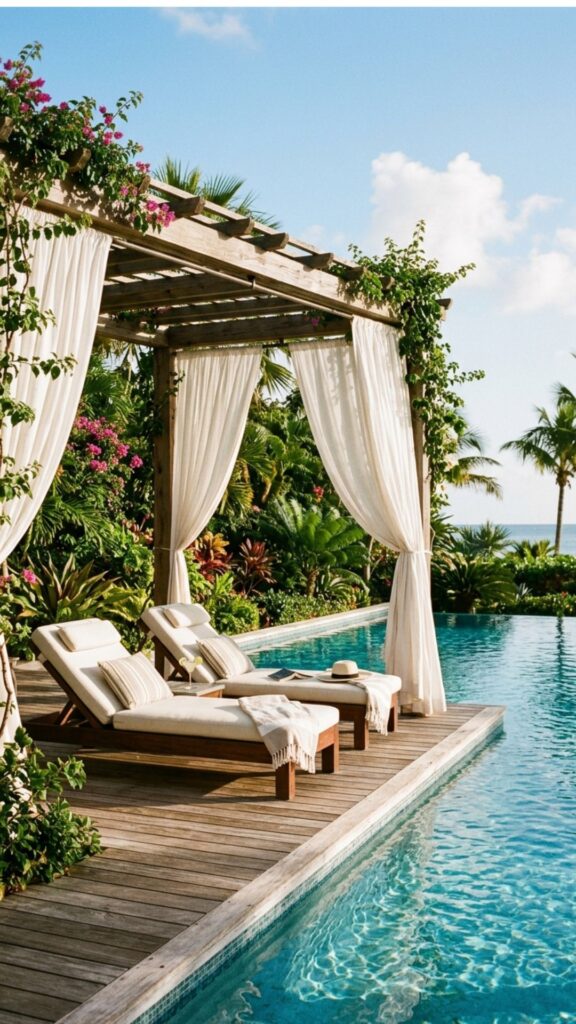
A pergola beside your pool offers a cool break from the sun. Position it to cast shade over lounge chairs during peak afternoon hours. This keeps swimmers comfortable and protects skin from too much exposure.
Use rot-resistant materials since pool areas stay wet and humid. Aluminum or treated wood holds up best against chlorine and splashing. Add outdoor curtains for privacy and a resort-like feel.
8. Modern Minimalist Design
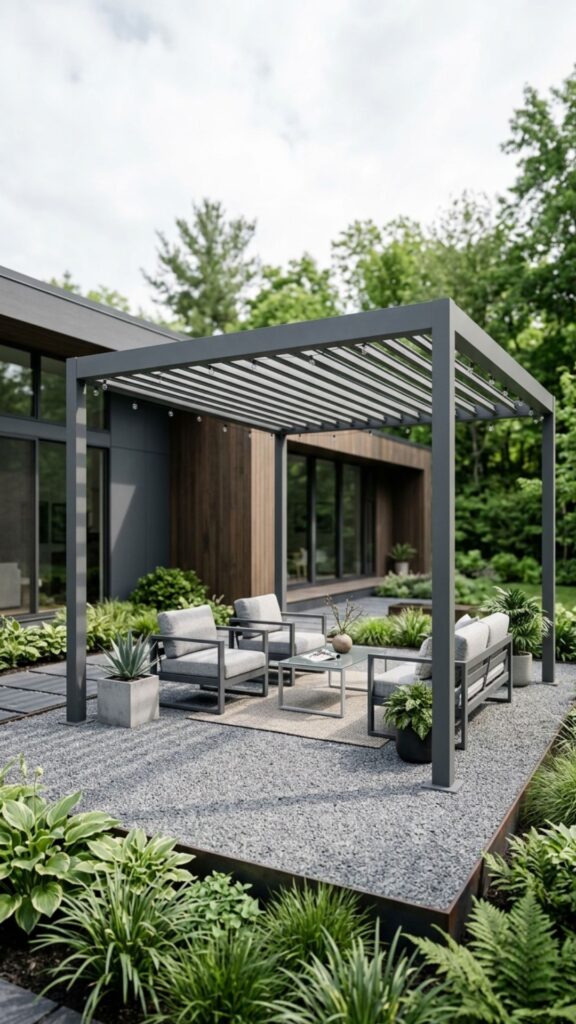
Less is more with a minimalist pergola. Think slim posts, a simple flat top, and a single neutral color like white, gray, or charcoal. No fussy details, just clean geometry.
This look shines in contemporary yards with gravel, concrete, or artificial turf. Skip the vines and go with a bare frame or a light fabric canopy. It creates a calm, uncluttered space that feels open and fresh.
9. Vine-Covered Green Canopy
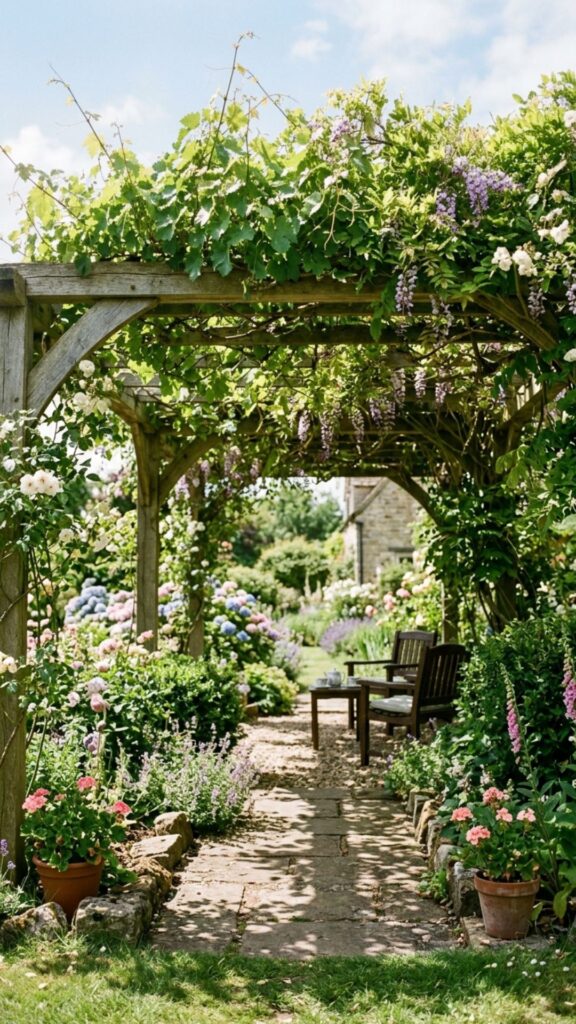
Let nature build your roof with climbing plants. Grapevines, jasmine, or roses weave through the beams to form a lush, shaded ceiling. The green canopy cools the air and attracts butterflies and bees.
Start with fast growers if you want coverage in one season. Train the vines with garden ties as they climb. This living pergola feels magical and works in gardens of every size.
10. Bamboo Tropical Escape
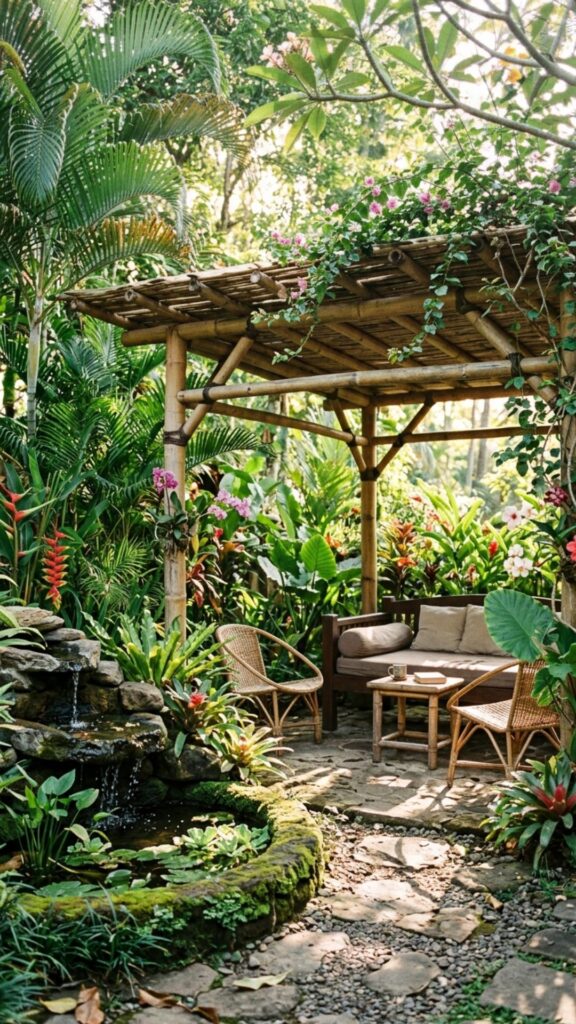
Bamboo brings an instant island vibe to your backyard. It’s lightweight, sustainable, and surprisingly strong when properly treated. A bamboo pergola pairs beautifully with tropical plants and a small water feature.
Seal the bamboo to protect it from moisture and cracking. Add a thatched roof section for extra shade and authentic style. This affordable option is great for creating a laid-back, vacation-like retreat.
11. Pergola with Retractable Canopy
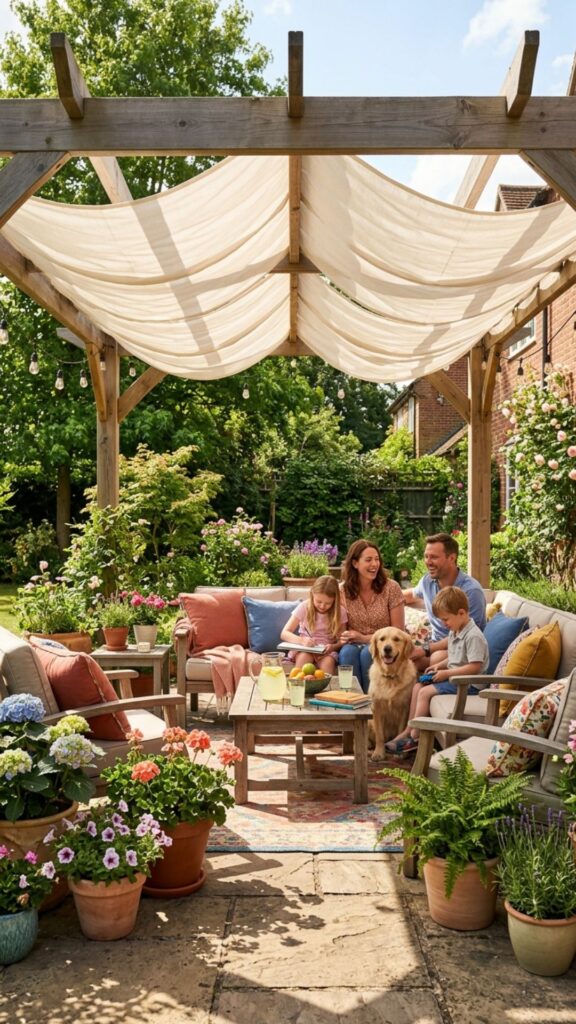
A retractable fabric canopy gives you shade on demand. Slide it closed on hot days and pull it back to enjoy the stars at night. Most systems run on a simple track and take seconds to adjust.
Choose UV-resistant, water-repellent fabric for the longest life. Neutral tones blend in, while bold colors make a statement. This flexible design suits busy families who want easy control over sun and shade.
12. Corner Nook Pergola
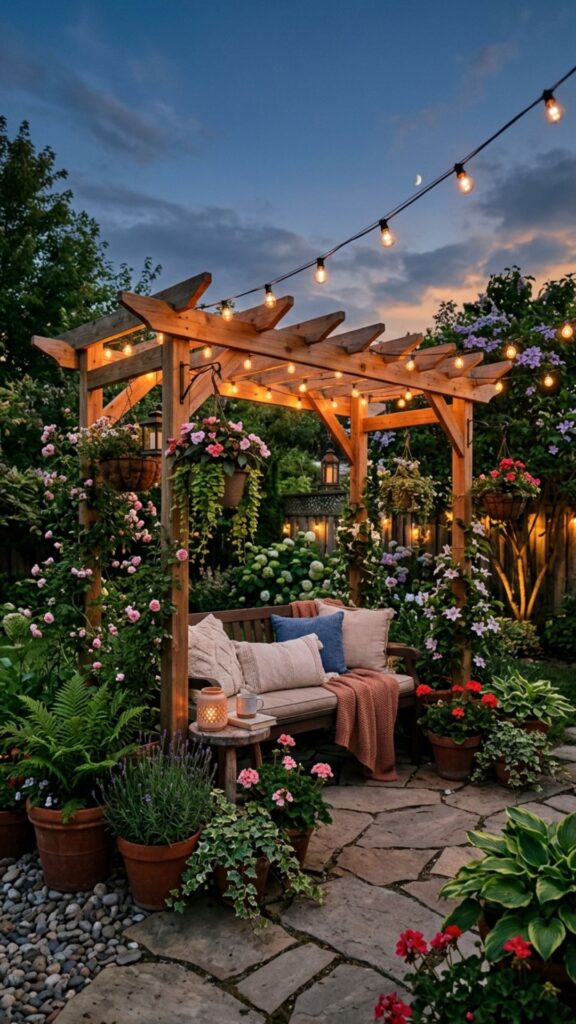
Tuck a small pergola into an unused corner of your yard. It transforms wasted space into a cozy hideaway for reading or relaxing. Two walls or fences can even support part of the structure, cutting build costs.
Add a bench, some cushions, and potted plants to soften the space. String lights overhead make it perfect for quiet evenings. This idea proves you don’t need a huge yard for a great pergola.
13. Pergola Over an Outdoor Kitchen
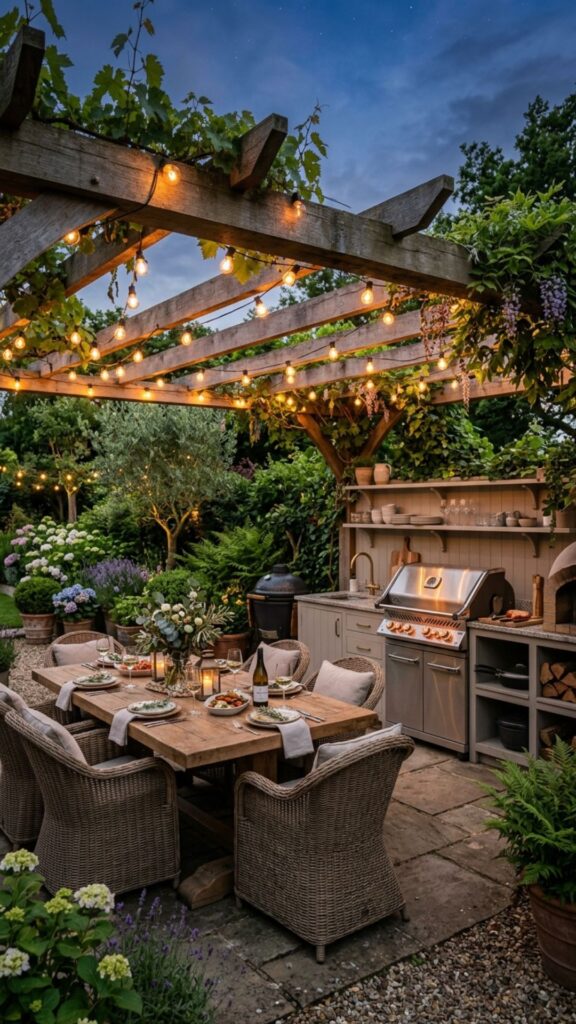
Cooking outside gets better with a pergola overhead. It shields your grill, prep counters, and guests from sun and light rain. This makes outdoor entertaining comfortable no matter the forecast.
Use fire-safe materials and keep flammable canopies away from open flames. Add hanging storage for tools and built-in lighting for night cooking. It’s a favorite among homeowners who love hosting backyard dinners.
14. Curved Arch Pergola
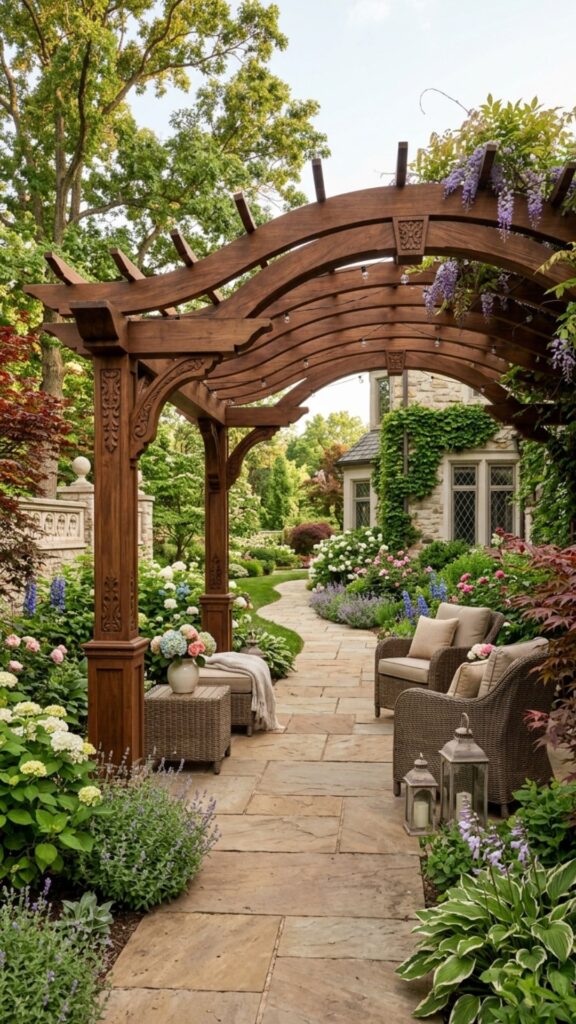
Break away from straight lines with a curved-top design. Gentle arches add elegance and a soft, welcoming feel. They draw the eye upward and make the structure a true focal point.
Curved beams cost more because they require special shaping, but the payoff is stunning. This style fits both modern and Mediterranean homes. Pair it with a stone patio for a polished, upscale look.
15. Pergola with Built-In Seating
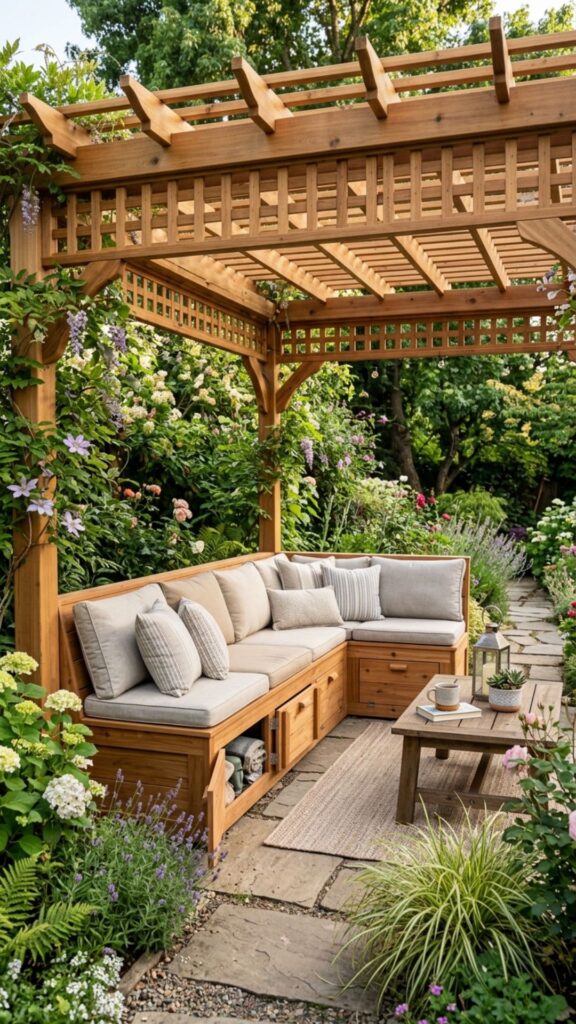
Save space and money by building benches right into the frame. The posts double as supports for wide, comfortable seating around the edges. This creates a natural gathering spot with no extra furniture needed.
Add storage under the benches for cushions, toys, or garden tools. Top the seats with weatherproof cushions for comfort. This clever design works great for families and frequent entertainers.
16. Zen Garden Pergola
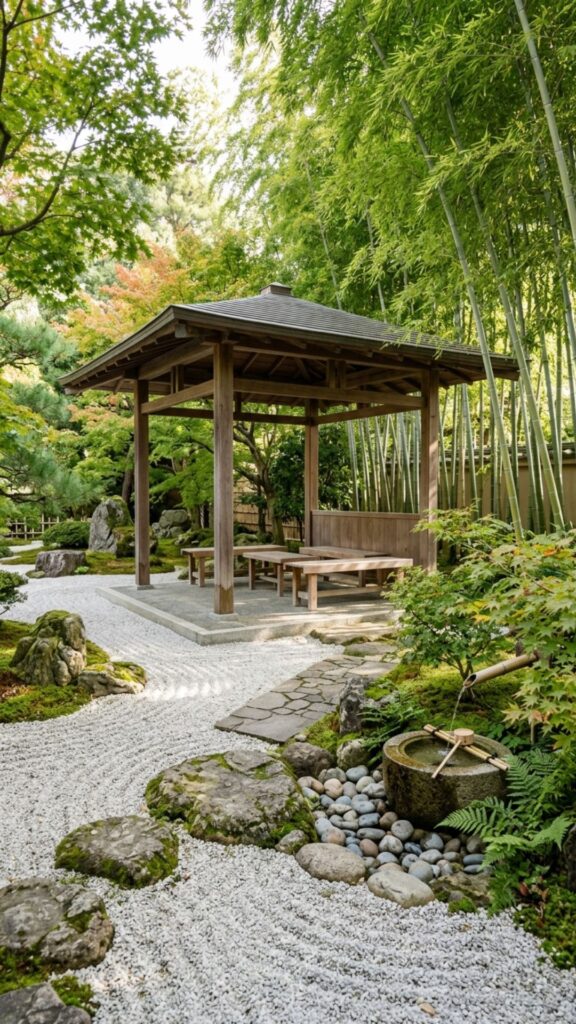
Create a peaceful retreat with a Japanese-inspired pergola. Use clean wood tones, gravel paths, and a few carefully placed stones or a small fountain. The goal is calm, balanced simplicity.
Keep decorations minimal and let negative space do the work. A single bonsai or bamboo cluster completes the mood. This design offers a quiet escape from daily stress right in your backyard.
17. Pergola with String Lights
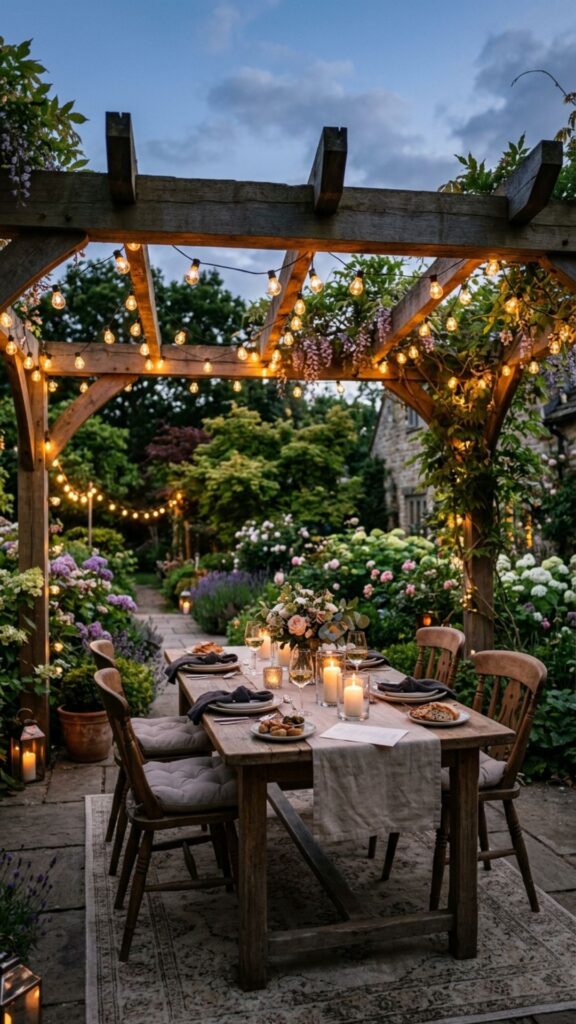
Lighting turns any pergola into an evening wonderland. Warm white string lights draped across the beams cast a soft, inviting glow. They make late-night chats and dinners feel special.
Use solar or LED lights to keep energy costs low. Wrap them around posts and zigzag them overhead for even coverage. This budget-friendly upgrade adds huge charm with very little effort.
18. Concrete and Wood Combo
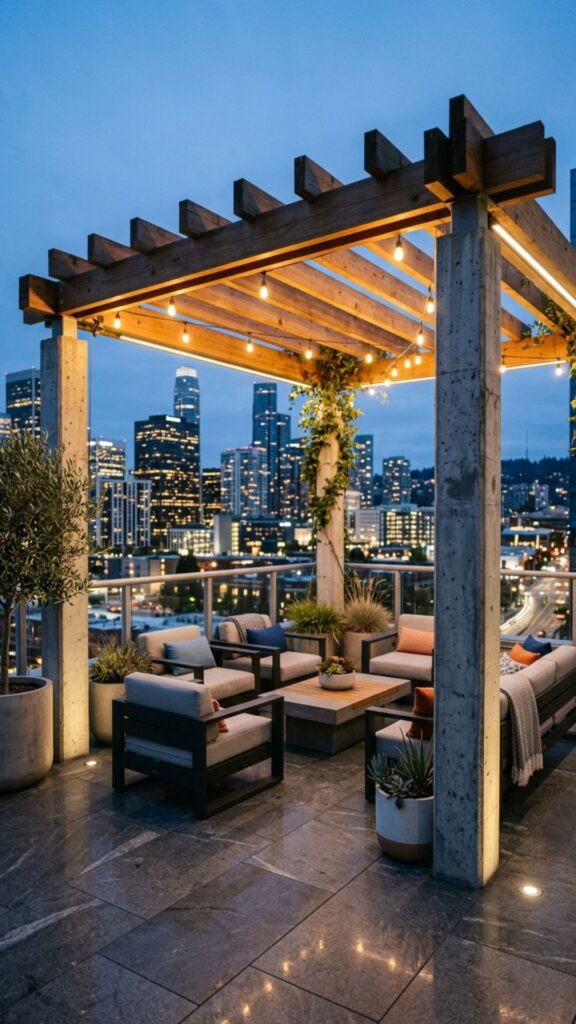
Mixing concrete posts with wood beams gives you the best of both worlds. Concrete offers rock-solid support, while wood adds natural warmth. The contrast looks strikingly modern.
This hybrid stands up well to weather and heavy use. It suits industrial and contemporary homes with bold architecture. Finish the concrete smooth or leave it raw for an edgy, urban feel.
19. Poolhouse-Style Covered Pergola
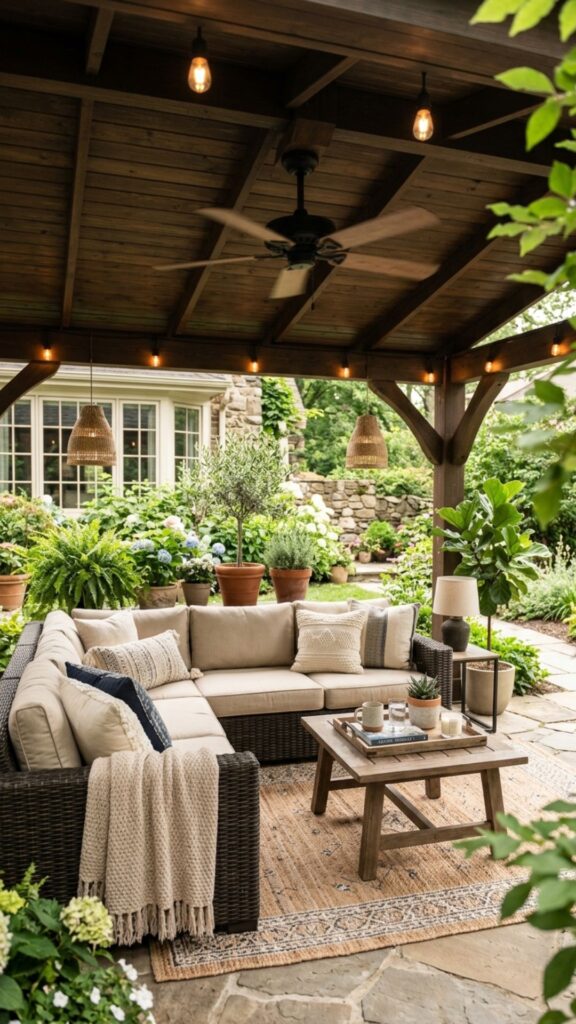
For a semi-permanent structure, add a solid roof section to your pergola. This creates a shaded lounge that stays dry during light rain. It bridges the gap between an open pergola and a full patio cover.
Match the roof shingles or panels to your home for a cohesive look. Add ceiling fans and outdoor speakers for extra comfort. This upgrade feels like a true outdoor room.
20. Pergola with Privacy Screens
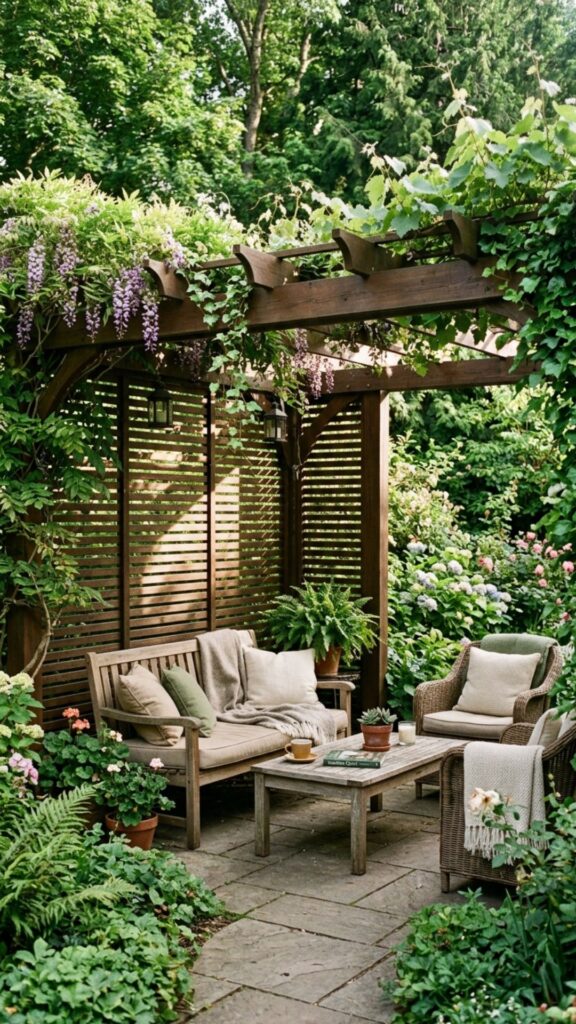
Add lattice panels or slatted walls to block views from neighbors. Privacy screens turn an open pergola into a secluded getaway. They also cut wind and create a cozier feel.
Grow climbing plants on the screens for a green, natural barrier. Choose the slat spacing based on how much privacy you want. This design is ideal for close-set yards and busy neighborhoods.
Conclusion: Start Planning Your Dream Pergola Today
The right pergola blends function, comfort, and style to match your home and lifestyle. Whether you love the sleek look of black steel, the warmth of cedar, or the ease of a louvered roof, there’s a design here for you. The key is to match your pick to your yard size, budget, and how you plan to use the space.
Ready to build? Sketch your ideas, set a budget, and measure your yard before you shop. Then reach out to a local contractor or grab your tools for a weekend project. Your perfect backyard retreat is closer than you think, so start today.
How much does it cost to build a backyard pergola?
A basic DIY pergola costs between $500 and $2,000, depending on materials. Professionally built or custom designs with features like louvered roofs can run $3,000 to $10,000 or more.
What is the best material for a pergola?
Cedar and redwood are top choices for natural beauty and rot resistance. Aluminum and steel offer the lowest maintenance, while vinyl provides an affordable, weatherproof option.
Do I need a permit to build a pergola?
Many areas require a permit for freestanding or attached structures, especially above a certain size. Always check with your local building department before you start.
How long does a pergola last?
A well-built wood pergola lasts 10 to 15 years with regular sealing. Aluminum and steel versions can last 20 years or more with minimal upkeep.
Can a pergola provide full shade?
Open pergolas offer partial shade. For full shade, add a retractable canopy, louvered roof, climbing vines, or fabric panels across the top.