Spending every weekend mowing, weeding, and watering gets old fast. I’ve spent years helping homeowners rethink their yards, and the biggest lesson is this: a beautiful backyard doesn’t have to eat up your free time.
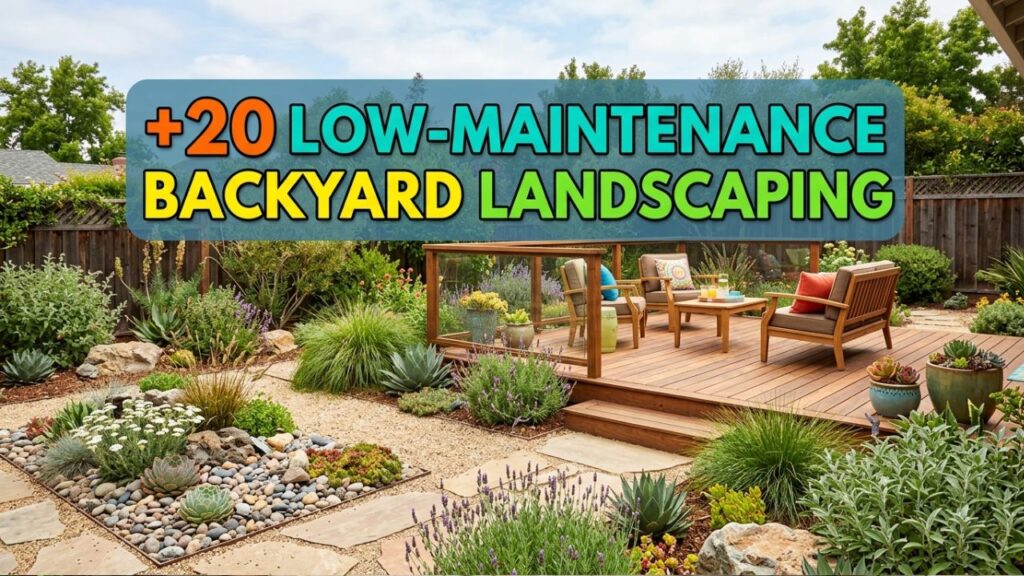
Low-maintenance backyard landscaping is all about smart choices that work with nature instead of against it.
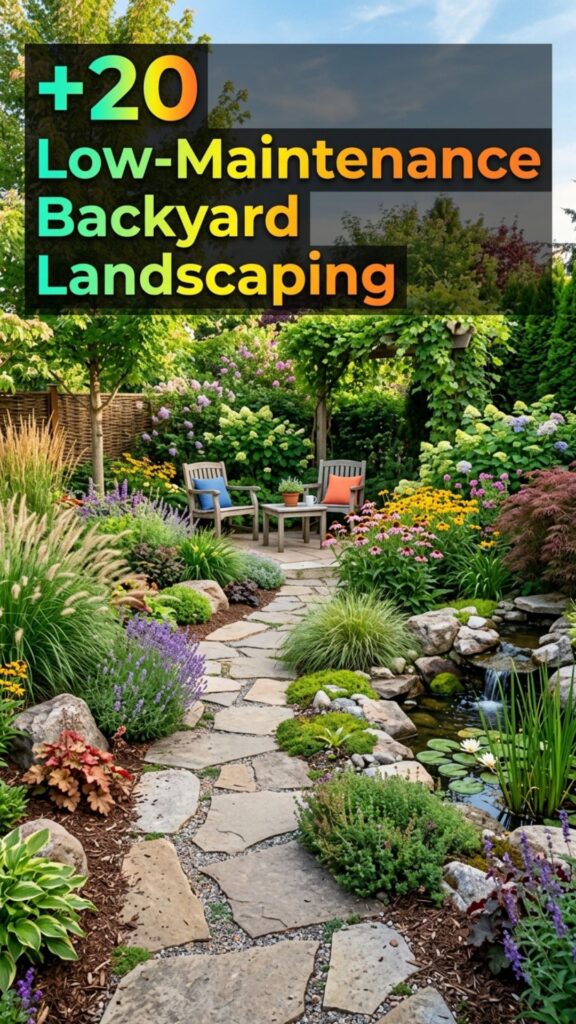
In this guide, you’ll find 20 practical ideas you can mix and match to fit your space, climate, and budget. Some take a weekend to set up. Others just require swapping one thirsty plant for a tougher one. By the end, you’ll know exactly where to start.
1. Replace Thirsty Grass With Native Plants
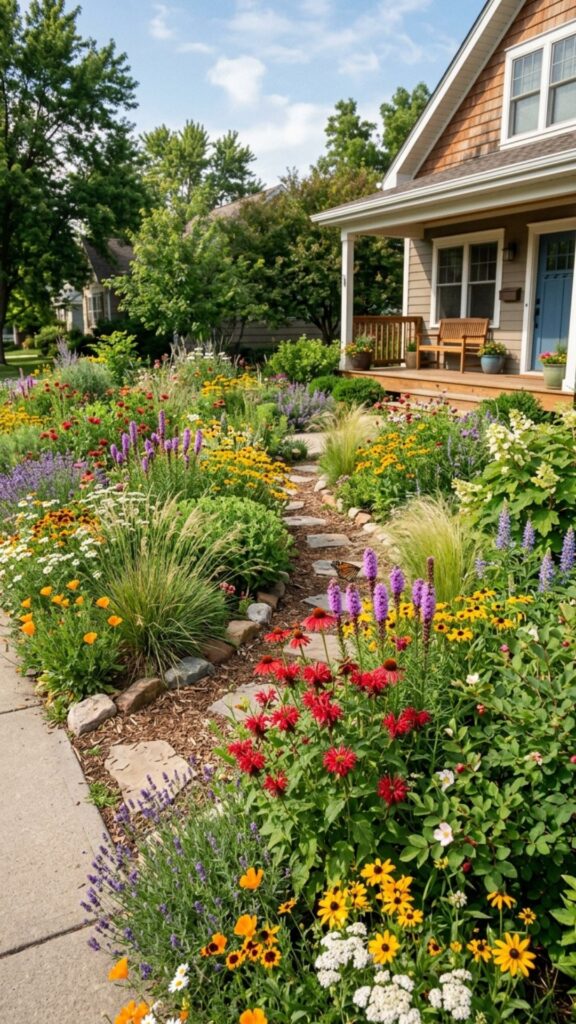
Traditional lawns demand constant mowing, watering, and fertilizing. Swapping sections of turf for native plants cuts that workload dramatically. Native species already thrive in your local soil and rainfall, so they rarely need extra attention once established.
Start by checking your regional native plant list through a local extension office. Group plants with similar water needs together, and within a season or two you’ll notice fewer weeds and far less watering. It’s one of the most effective changes you can make.
2. Install a Drip Irrigation System
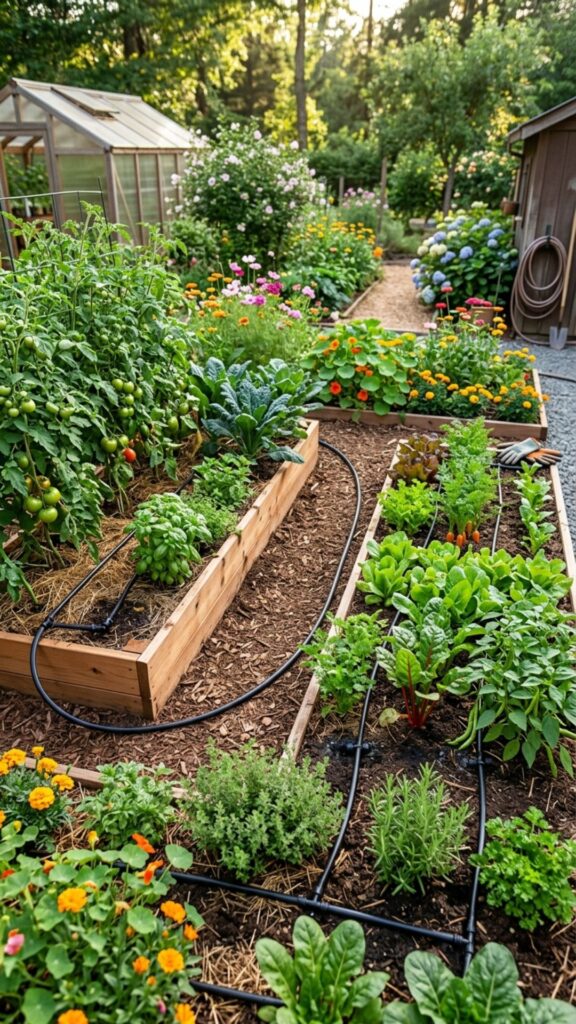
Hand-watering wastes time and water. A drip irrigation system delivers moisture straight to plant roots on a timer, so you can forget about dragging hoses around. It also reduces evaporation and keeps foliage dry, which lowers disease risk.
You can buy a basic kit at most garden centers and set it up in an afternoon. Pair it with a smart controller that adjusts to weather, and your plants get exactly what they need without you lifting a finger.
3. Add a Thick Layer of Mulch
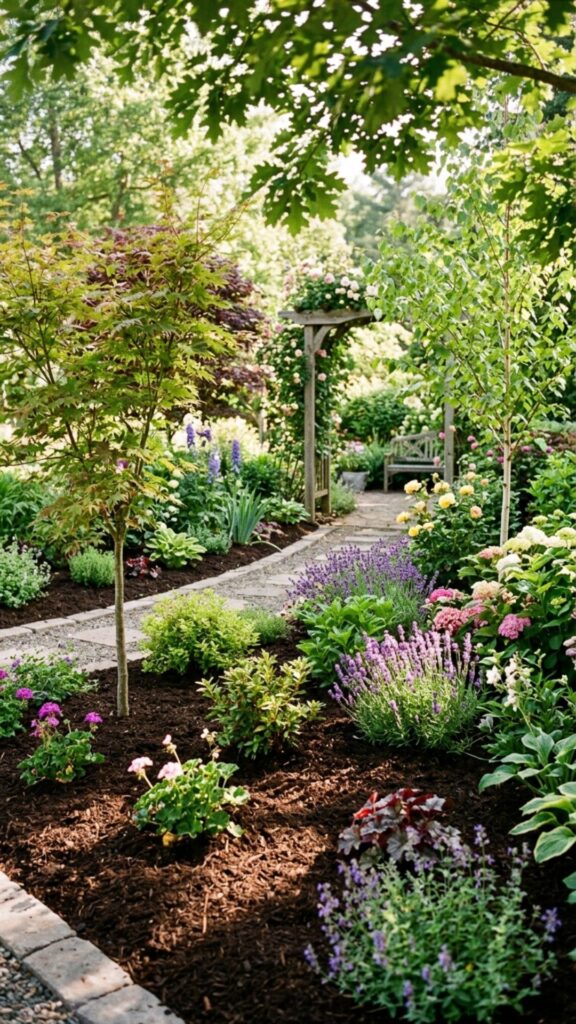
Mulch is the closest thing to a maintenance shortcut you’ll find. A two- to three-inch layer smothers weeds, holds moisture, and regulates soil temperature. That means less watering and far less weeding all season.
Wood chips, bark, and shredded leaves all work well. Refresh the layer once a year and you’ll keep your beds looking tidy while feeding the soil as the mulch breaks down.
4. Choose Perennials Over Annuals
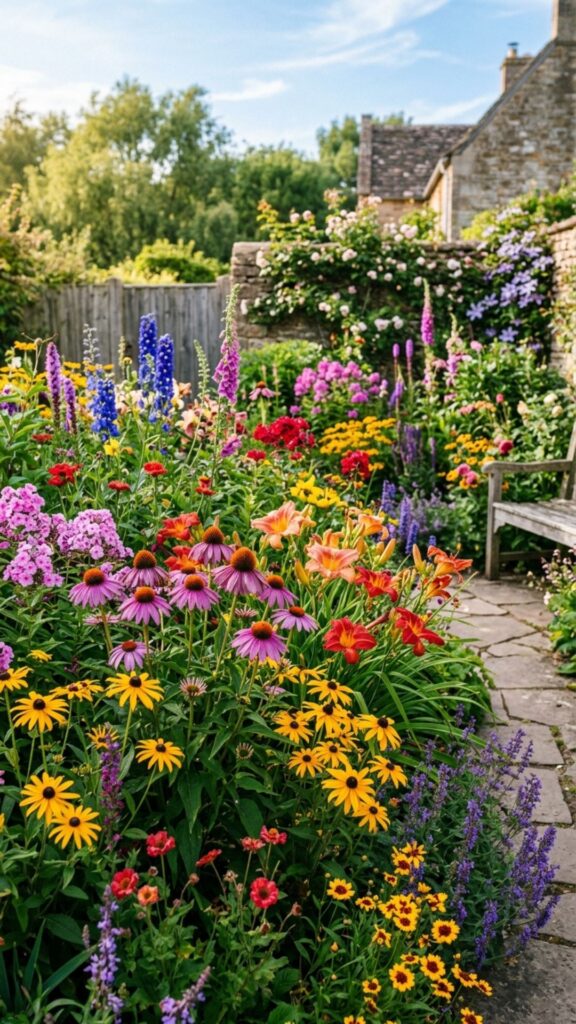
Annuals look great but die off each year, forcing you to replant every spring. Perennials come back on their own season after season, saving money and effort. Plant them once and enjoy years of blooms.
Reliable choices include coneflowers, daylilies, black-eyed Susans, and lavender. Mix early and late bloomers so something is always flowering, and you’ll get color without the yearly hassle.
5. Create Gravel or Rock Gardens
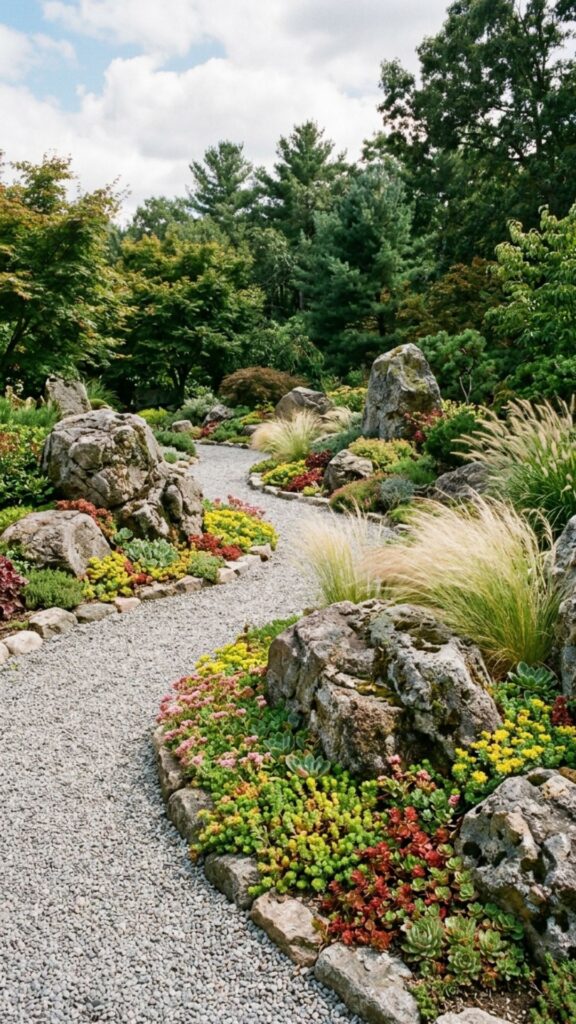
Rock gardens bring texture and interest with almost zero upkeep. Gravel, stones, and boulders never need watering or trimming, and they suppress weeds when laid over landscape fabric. They’re perfect for slopes and dry corners.
Tuck in a few drought-tolerant plants like sedum or ornamental grasses for softness. The result is a striking, sculptural space that stays put through every season.
6. Use Ground Cover Plants Instead of Lawn
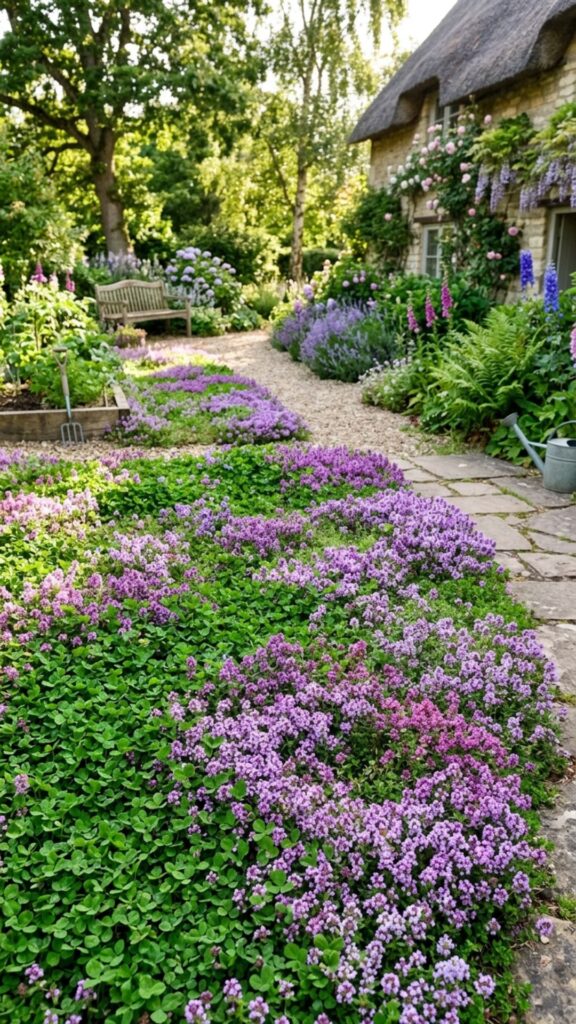
Ground covers spread to fill space, choking out weeds and eliminating the need to mow. Options like creeping thyme, clover, and vinca form a dense mat that handles foot traffic and looks lush.
They’re ideal for spots where grass struggles, such as shady areas or steep banks. Once established, they mostly care for themselves and reward you with texture and, in some cases, fragrant blooms.
7. Build Raised Garden Beds
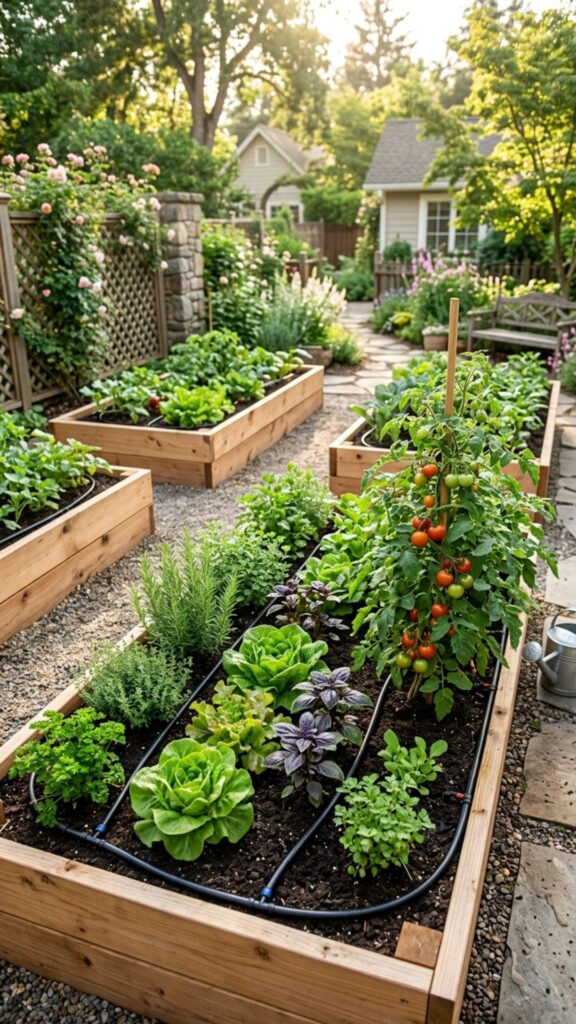
Raised beds keep your plantings contained, which makes weeding and watering far easier. The defined edges stop grass from creeping in, and the improved soil drains better and warms faster in spring.
Build them from cedar, stone, or recycled composite. Fill with quality soil, add drip lines, and you’ve got a productive, tidy growing space that saves your back and your time.
8. Plant Drought-Tolerant Succulents
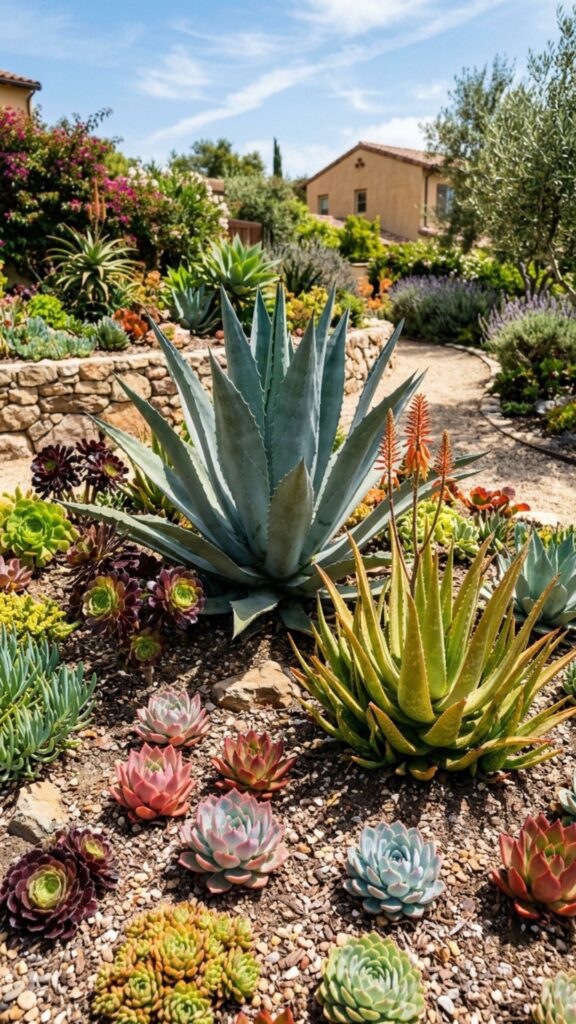
Succulents store water in their leaves, so they shrug off dry spells that would kill other plants. They thrive on neglect, making them perfect for busy homeowners or hot, sunny yards.
Agave, aloe, and echeveria come in endless shapes and colors. Plant them in well-draining soil, water sparingly, and enjoy a bold, modern look that practically maintains itself.
9. Add a Patio or Deck
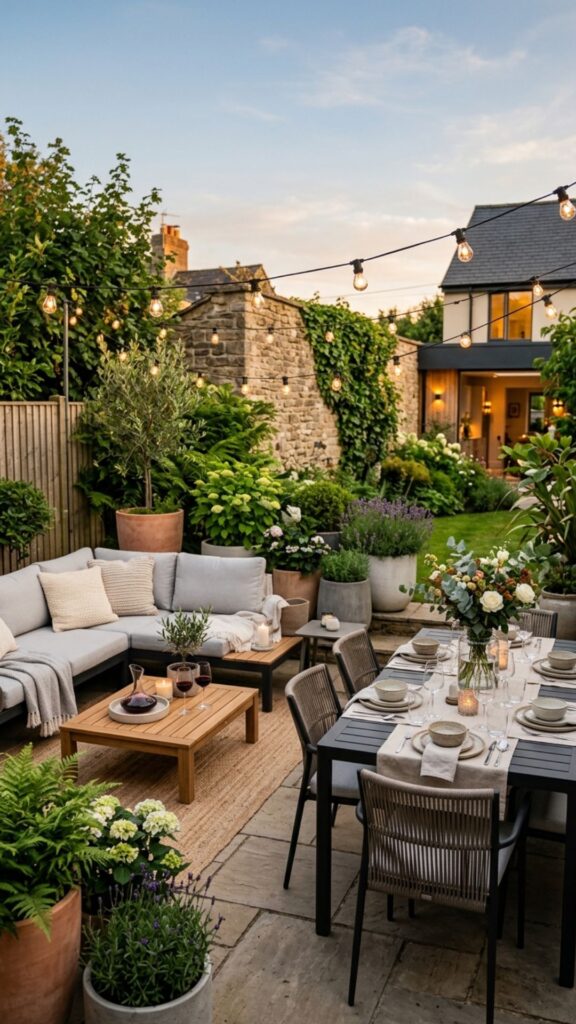
Hardscaping replaces high-maintenance lawn with usable living space. A patio or deck never needs mowing or watering, and it creates a spot for entertaining, dining, or relaxing outdoors.
Choose durable materials like pavers, concrete, or composite decking. An occasional sweep and rinse is all it takes to keep it looking sharp for years.
10. Incorporate Ornamental Grasses
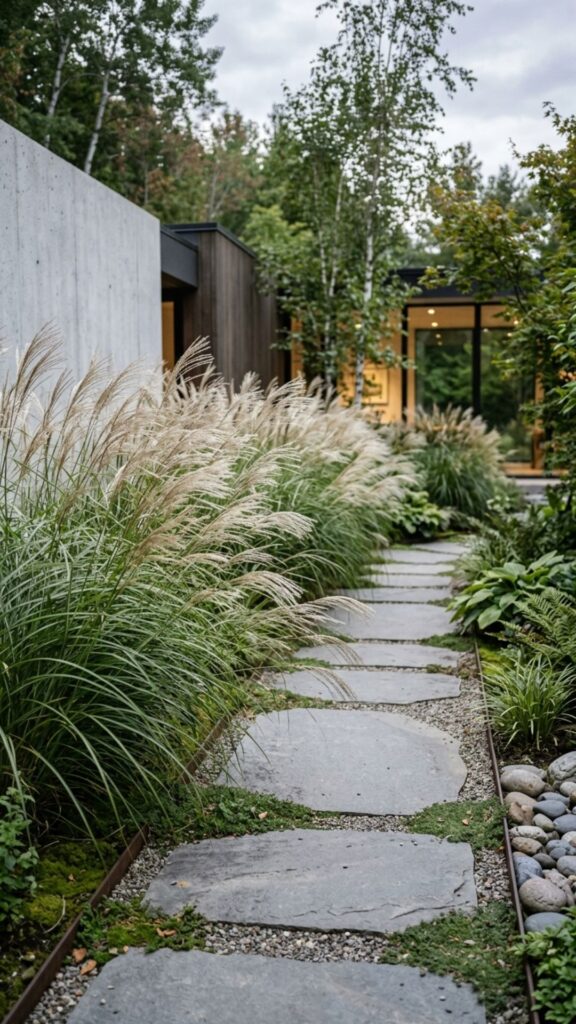
Ornamental grasses add movement, height, and year-round interest with minimal fuss. Once rooted, they tolerate drought, resist pests, and need only a single cutback in late winter.
Fountain grass, feather reed grass, and blue fescue are popular picks. Plant them in clusters for drama, and let the wind do the rest of the work.
11. Design With Evergreen Shrubs
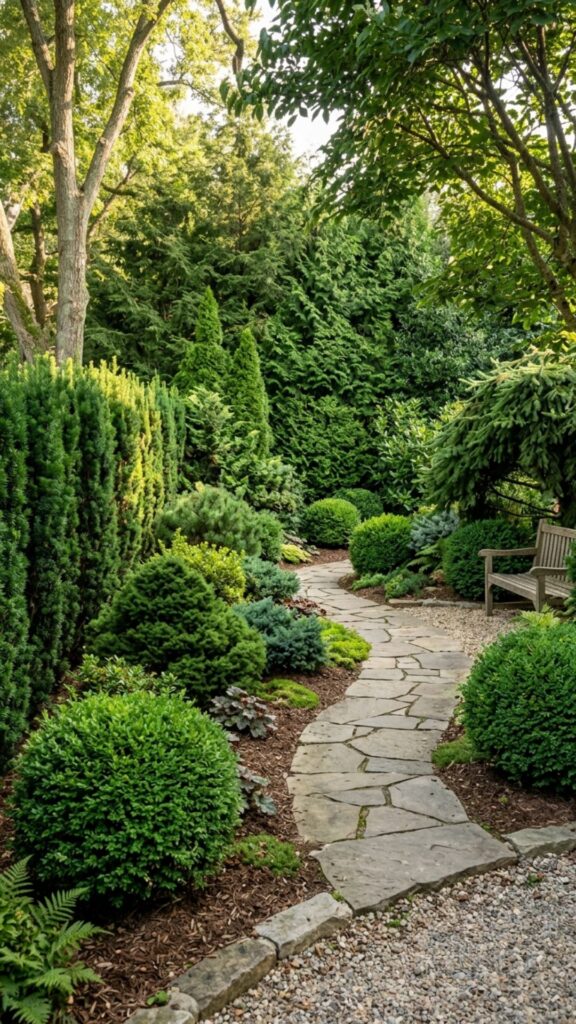
Evergreens keep your yard looking full and green even in winter, and most need only light pruning once a year. They provide structure, privacy, and a backdrop for showier plants.
Boxwood, juniper, and holly are dependable performers. Space them properly at planting time so they fill in naturally without constant shaping.
12. Set Up a Rain Garden
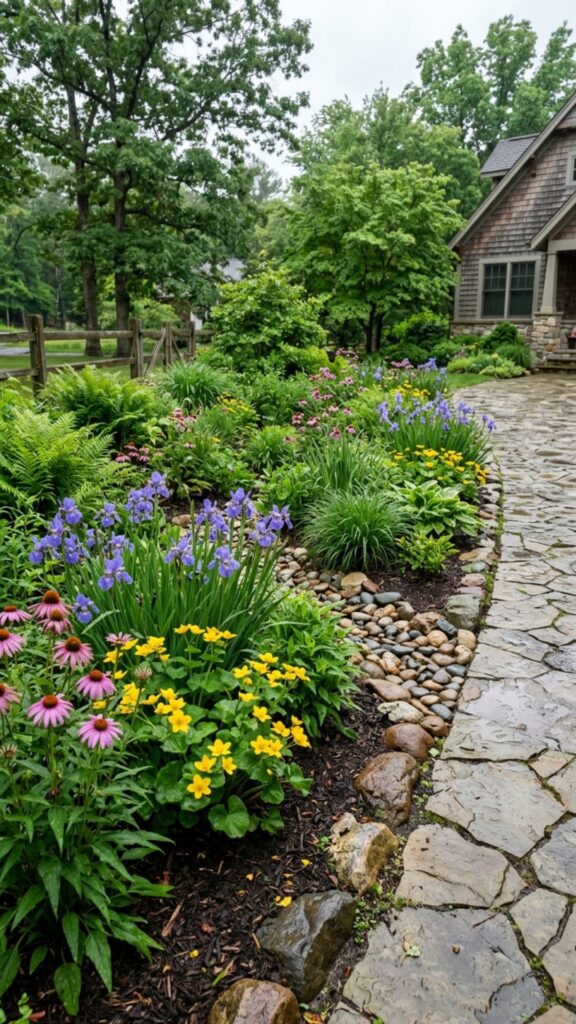
A rain garden captures runoff from roofs and driveways, letting it soak into the ground instead of pooling. This solves drainage problems while creating a self-watering plant bed.
Fill it with moisture-loving natives like swamp milkweed or Joe-Pye weed. After a good rain, these plants drink up the extra water, so you rarely need to irrigate them yourself.
13. Install Artificial Turf
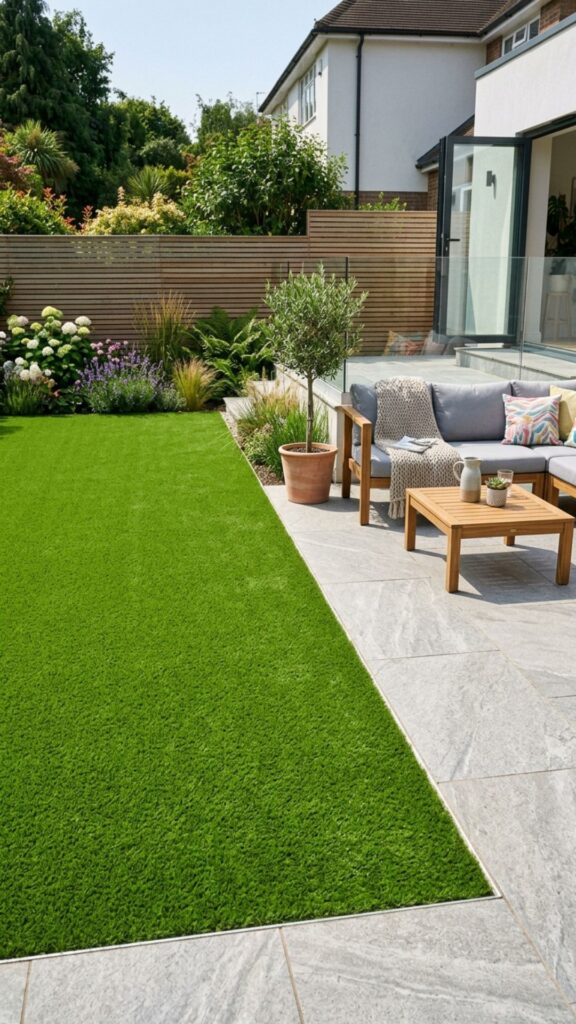
For a green lawn without any work, artificial turf is hard to beat. It never needs mowing, watering, or fertilizing, and it stays lush through droughts and heavy use.
Modern versions look and feel surprisingly natural. The upfront cost is higher, but you’ll save countless hours and gallons of water over the years, especially in kids’ play areas or dog runs.
14. Group Plants by Water Needs
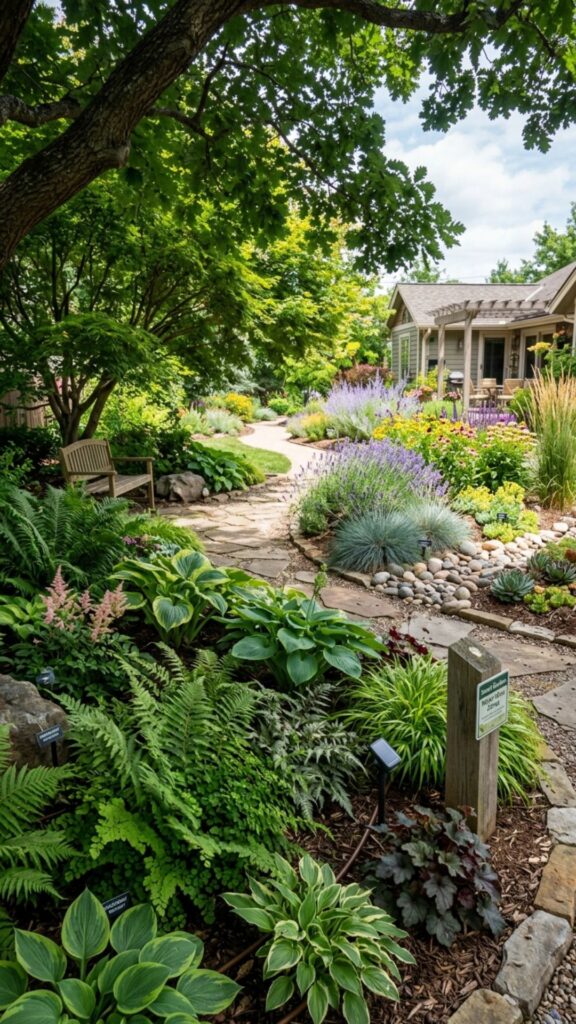
Placing plants with similar water requirements together, a practice called hydrozoning, makes watering efficient and simple. You avoid overwatering some plants while underwatering others.
Put thirsty plants near downspouts or shaded zones, and drought-tolerant ones in sunny, dry spots. This one planning trick can slash your watering time and keep everything healthier.
15. Add Container Gardens
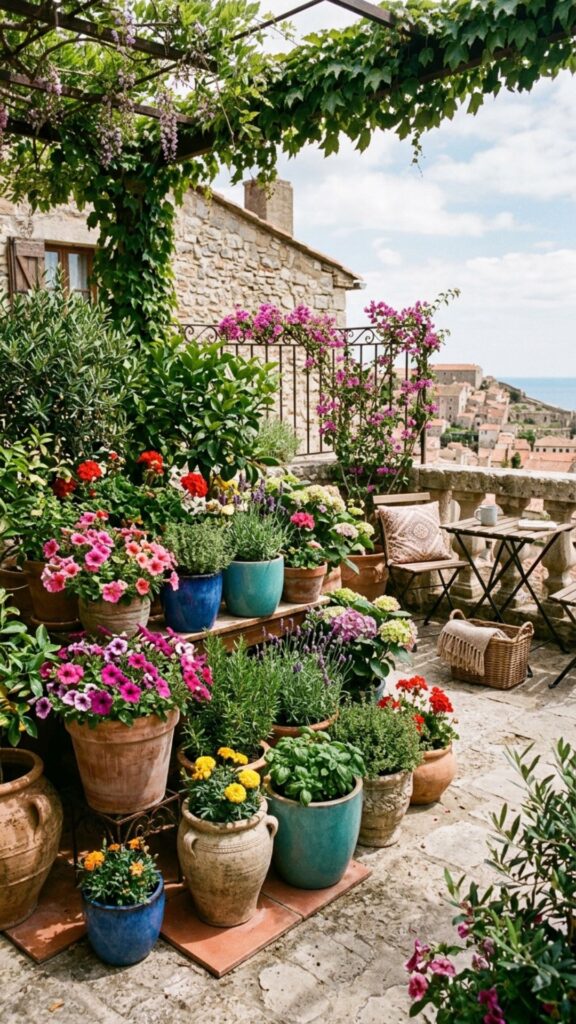
Containers let you grow flowers, herbs, and small shrubs in a controlled space that’s easy to manage. You can move them for sun or shade and swap them out with the seasons.
Choose large pots that hold moisture longer, and add self-watering reservoirs to stretch time between waterings. They bring instant color to patios, steps, and balconies with little effort.
16. Use Landscape Fabric Under Beds
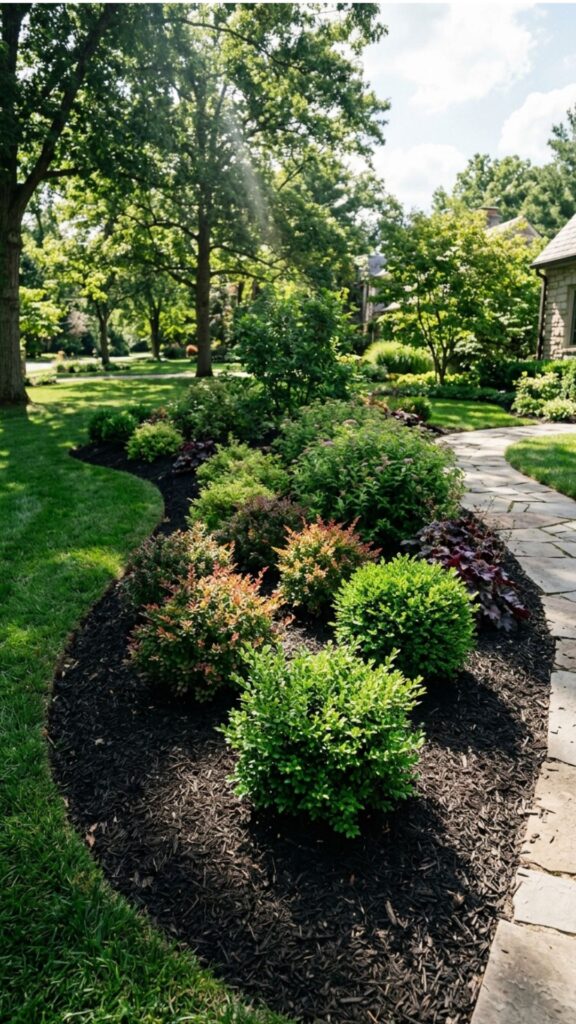
Landscape fabric blocks weeds before they start, saving hours of pulling and hoeing. Lay it over soil, cut openings for your plants, and top it with mulch or gravel.
It works especially well in shrub beds and paths where you won’t be digging often. The barrier keeps weeds down for years while still letting water reach plant roots.
17. Plant Low-Maintenance Trees
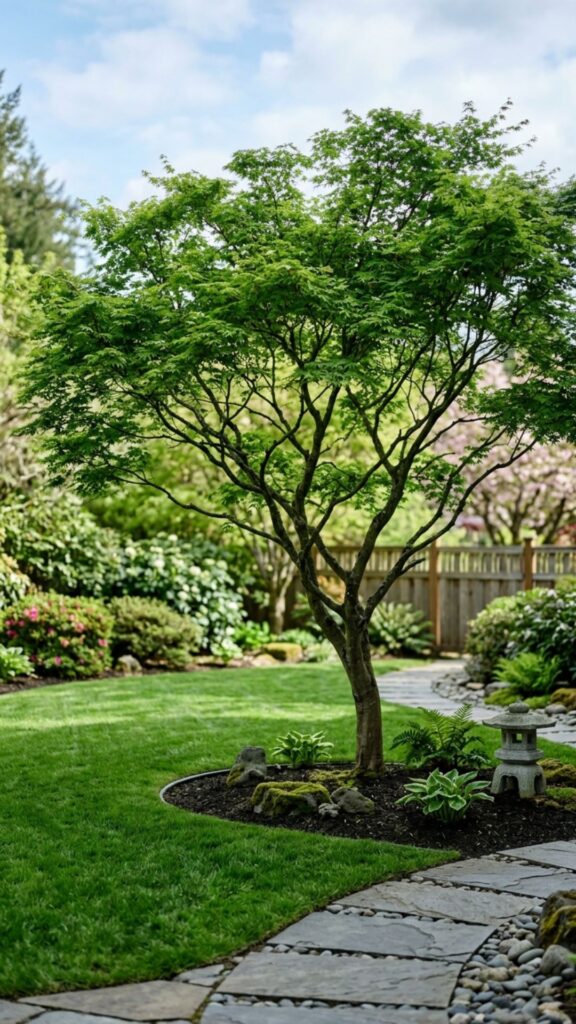
The right tree offers shade, beauty, and privacy with barely any care. Slow-growing, disease-resistant species drop less debris and rarely need pruning.
Consider a serviceberry, crape myrtle, or Japanese maple depending on your climate. Water them well the first year, and they’ll reward you for decades with minimal fuss.
18. Create Defined Pathways
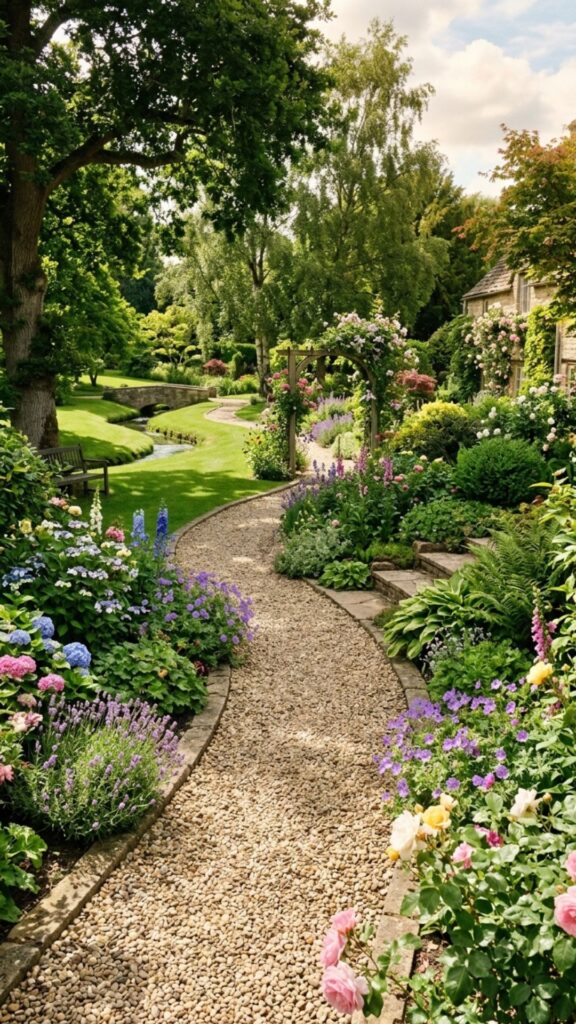
Well-placed paths reduce wear on your lawn and guide foot traffic away from planting beds. Materials like gravel, flagstone, or pavers require no mowing and little upkeep.
Edge them cleanly to keep grass and gravel separate. A tidy path instantly makes your whole yard look more intentional and cared for, without adding to your chore list.
19. Add Solar-Powered Lighting
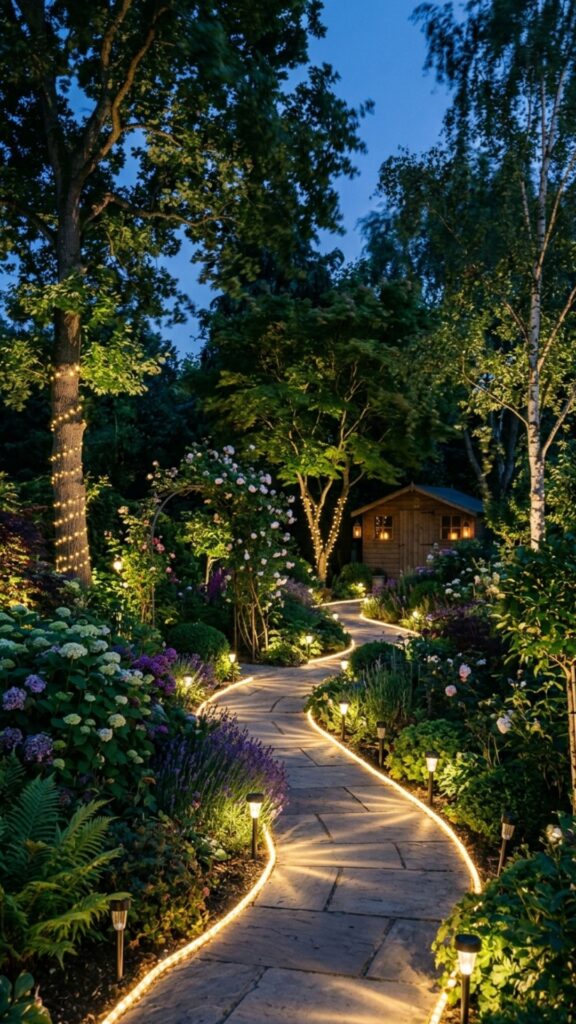
Solar lights charge themselves during the day and switch on automatically at night. There’s no wiring, no electric bill, and no timers to fuss with.
Line pathways, highlight trees, or wash walls with soft light. Beyond the beauty, good lighting improves safety and lets you enjoy your backyard well after sunset.
20. Embrace a Xeriscape Design
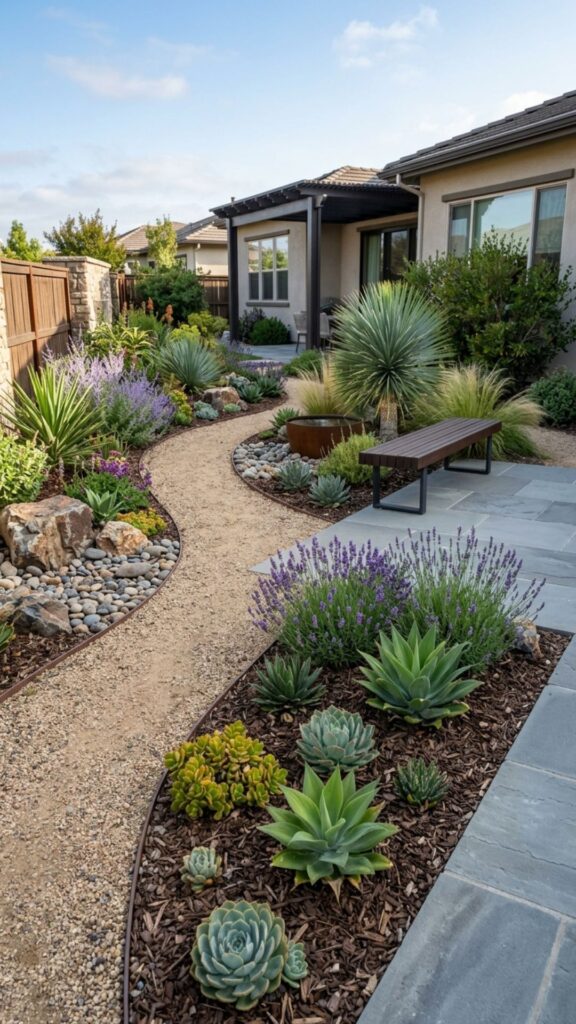
Xeriscaping combines many of these ideas into one water-wise system built for dry climates. It uses drought-tolerant plants, mulch, efficient irrigation, and hardscaping to nearly eliminate watering.
Even if you don’t live somewhere arid, xeriscape principles cut maintenance sharply. Plan zones thoughtfully, choose tough plants, and you’ll have a resilient yard that looks great with very little input.
Conclusion: Start Small and Build From There
You don’t need to overhaul your entire yard in one weekend. Pick two or three of these low-maintenance backyard landscaping ideas that fit your space, and start there. Swap a patch of grass for ground cover, add mulch, or set up a drip line. Each change frees up time you’d rather spend enjoying your yard than working on it.
Ready to reclaim your weekends? Grab a notebook, walk your backyard, and mark the spots that give you the most trouble. Tackle those first, and watch how quickly a low-effort, great-looking landscape comes together.
What is the easiest low-maintenance landscaping option?
Mulch and native plants are the easiest place to start. Mulch cuts weeding and watering right away, while native plants thrive on local rainfall with little care once established.
How can I reduce watering in my backyard?
Install drip irrigation, group plants by water needs, add mulch, and choose drought-tolerant species like succulents and ornamental grasses. Together, these steps can cut water use dramatically.
Is artificial turf worth it for a low-maintenance yard?
Yes, if you want a green lawn without any upkeep. It costs more upfront but eliminates mowing, watering, and fertilizing, making it ideal for high-traffic or dry areas.
Which plants require the least maintenance?
Perennials, succulents, ornamental grasses, and evergreen shrubs top the list. Once rooted, they resist drought and pests and need only occasional trimming.
How do I keep weeds down without constant work?
Combine landscape fabric with a thick layer of mulch. This double barrier blocks most weeds for years while keeping moisture in the soil.