Your kitchen is more than just a place to cook. It’s where mornings begin, meals come together, and family memories get made. But if your cooking area feels cluttered, cramped, or just plain frustrating to work in, the problem usually comes down to the individual kitchen elements that make up the space.
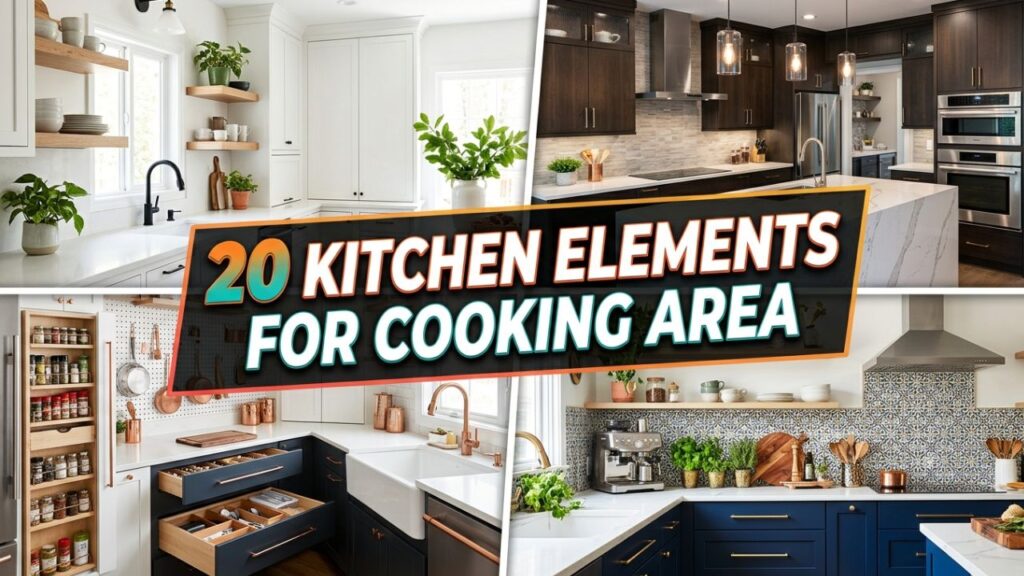
Kitchen elements are the physical components — appliances, surfaces, storage systems, lighting, and fixtures — that determine how a kitchen looks, feels, and functions. The right combination can make cooking faster, easier, and even enjoyable. The wrong setup leads to wasted time, cluttered counters, and a space you’d rather avoid.
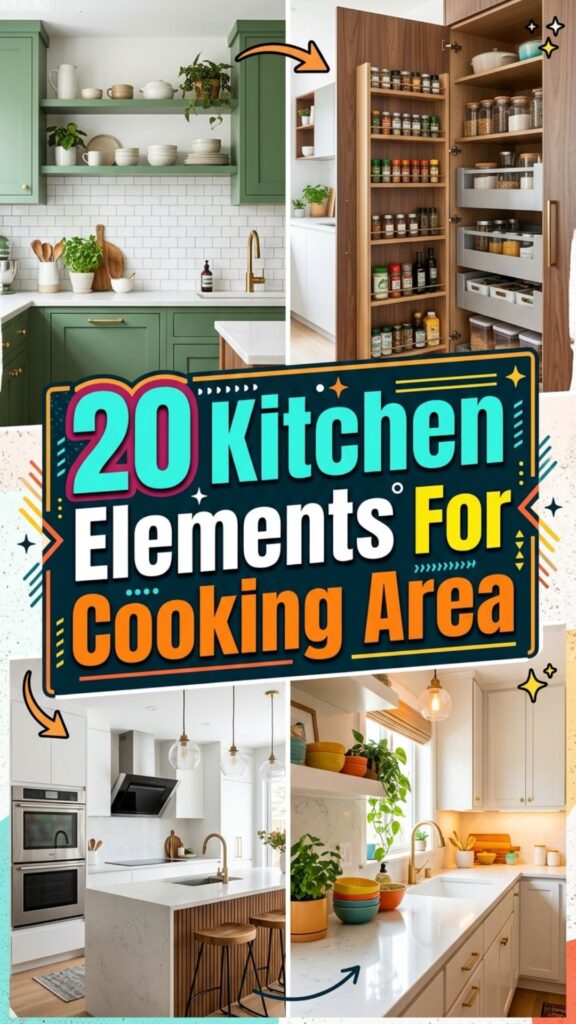
In this guide, you’ll find 20 specific kitchen elements worth considering, whether you’re doing a full renovation or just making smart upgrades. Each one comes with practical advice you can act on right away.
1. Kitchen Cabinets: The Backbone of Your Storage
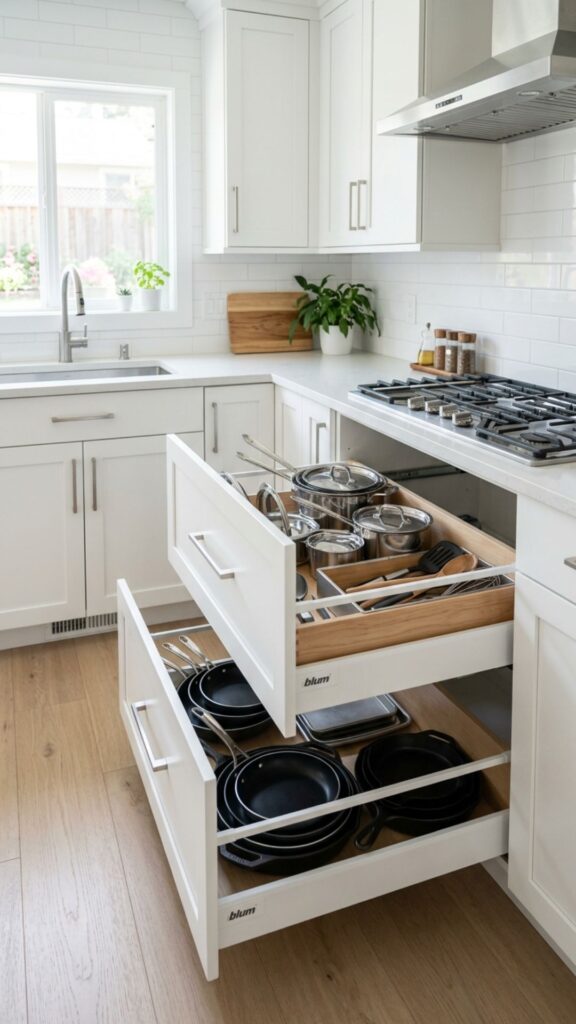
Cabinets take up more visual and functional real estate than almost anything else in a kitchen. They set the tone for the entire space and determine how well you can organize everything from pots to pantry staples. If your cabinets are outdated, poorly laid out, or falling apart, the rest of the kitchen suffers.
When choosing or upgrading cabinets, think about interior fittings as much as the exterior finish. Pull-out shelves, lazy Susans, and built-in dividers can double the usable space inside standard cabinet boxes. If a full replacement isn’t in the budget, refacing doors and adding new hardware can deliver a dramatic visual upgrade at a fraction of the cost.
2. Countertops: Where All the Action Happens
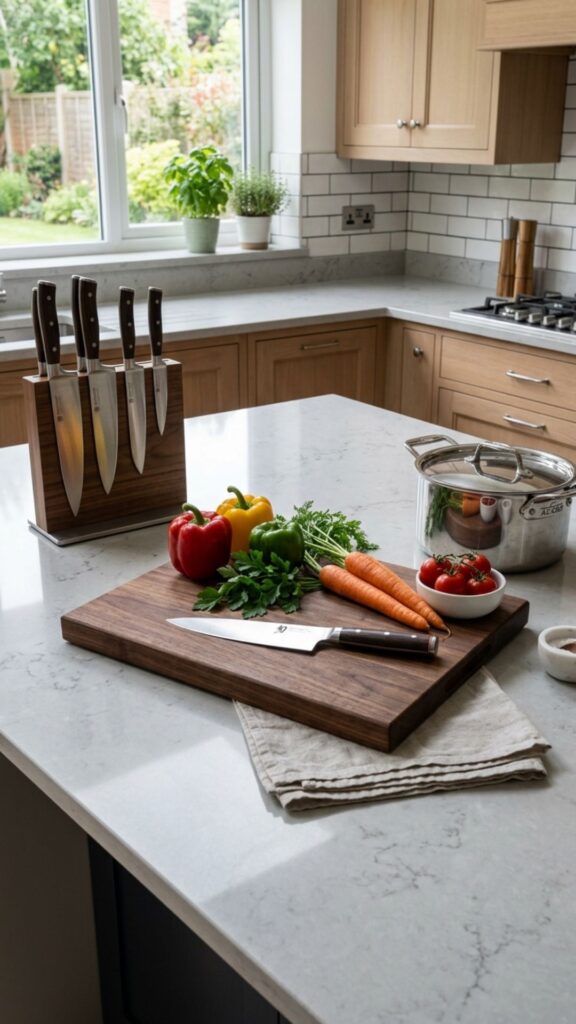
Countertops are one of the hardest-working kitchen elements in any home. You prep food on them, set hot pans on them, and lean against them while waiting for water to boil. Choosing the right material makes a real difference in daily usability. Quartz is popular for its low maintenance and durability. Butcher block adds warmth but needs regular oiling. Granite looks great but requires sealing.
Beyond material, consider the amount of counter space you have. One of the most common complaints in kitchen design is not having enough room to prep. If adding square footage isn’t possible, removing small appliances from the counter and storing them elsewhere can immediately open things up.
3. Kitchen Island: Extra Space That Earns Its Keep
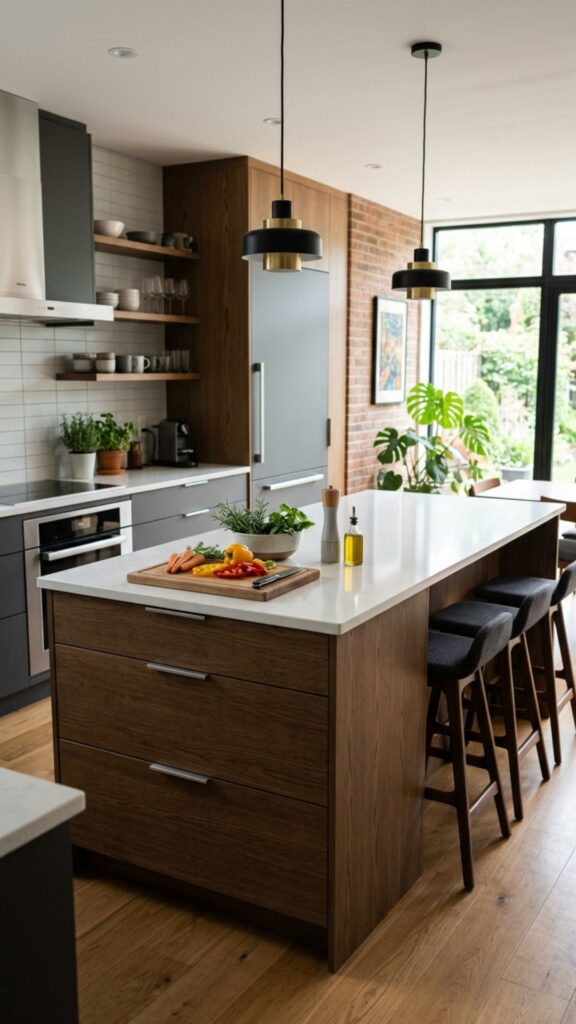
A well-placed kitchen island can function as a prep station, storage unit, dining spot, and social hub all at once. It’s one of the most requested kitchen elements during renovations — and for good reason. Even a modest island adds significant counter space and can dramatically improve the kitchen’s workflow.
If your kitchen is too small for a permanent island, a rolling butcher block cart offers similar benefits with flexibility. When sizing a fixed island, make sure there’s at least 42 inches of clearance on all sides for comfortable movement. Adding a lower seating overhang makes it double as a breakfast bar without extra furniture.
4. Kitchen Sink: More Than Just a Place to Wash Dishes
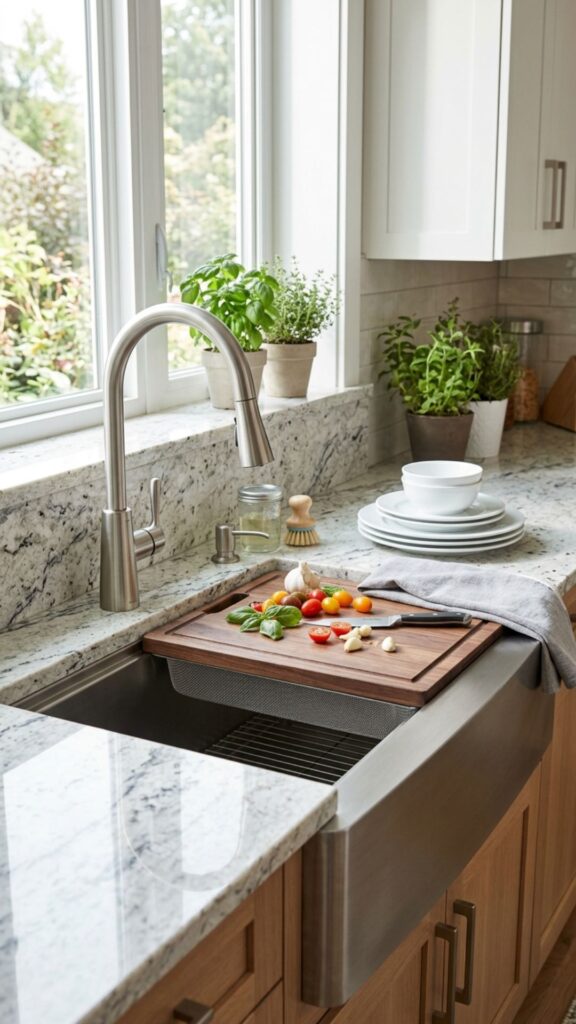
The sink is one of the most frequently used kitchen elements, yet it often gets overlooked during upgrades. A deep, single-basin farmhouse sink makes it easier to wash large pots and sheet pans. A double basin gives you room to soak and rinse simultaneously. The right choice depends entirely on how you cook and clean.
Faucet choice matters just as much as the sink itself. A pull-down spray head with a high arc gives you much more flexibility than a standard tap. Look for a ceramic disc cartridge inside the faucet — it lasts longer and drips less. Pair your sink with a quality cutting board insert to create instant prep space right beside the water source.
5. Refrigerator: The Command Center of Your Kitchen
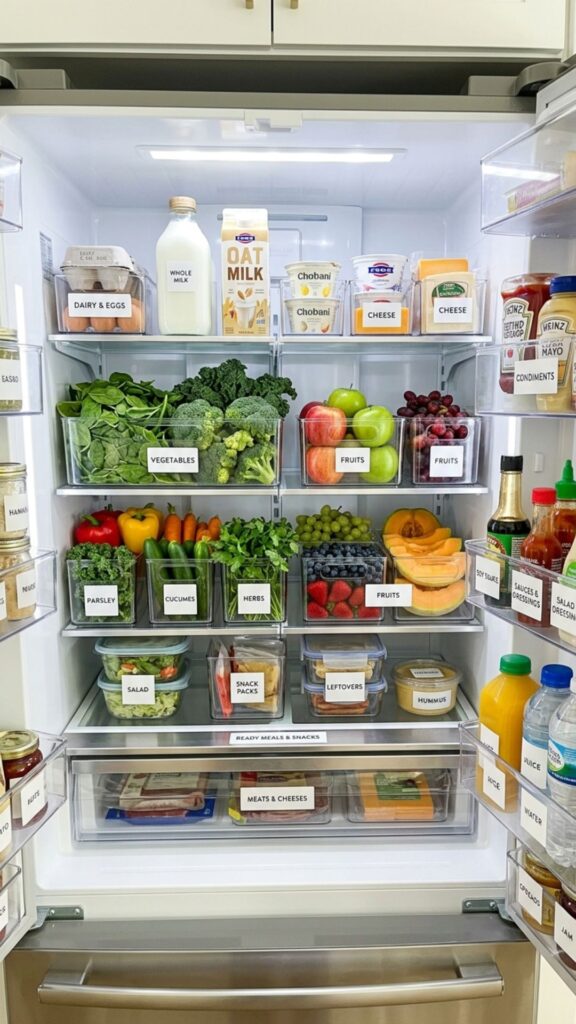
A refrigerator that doesn’t fit your habits creates constant frustration. If you’re always digging to the back of a French door model to find vegetables, a different layout might work better. Bottom-freezer models keep fresh food at eye level. Counter-depth refrigerators give a cleaner, built-in look without the extra cost of true built-in units.
Organization inside the fridge matters too. Clear bins, labeled zones, and consistent placement of items all reduce the time spent staring into an open refrigerator. A good rule: keep the most-used items at eye level and store less-used items on upper or lower shelves.
6. Kitchen Lighting: The Element People Forget Until It’s Too Late
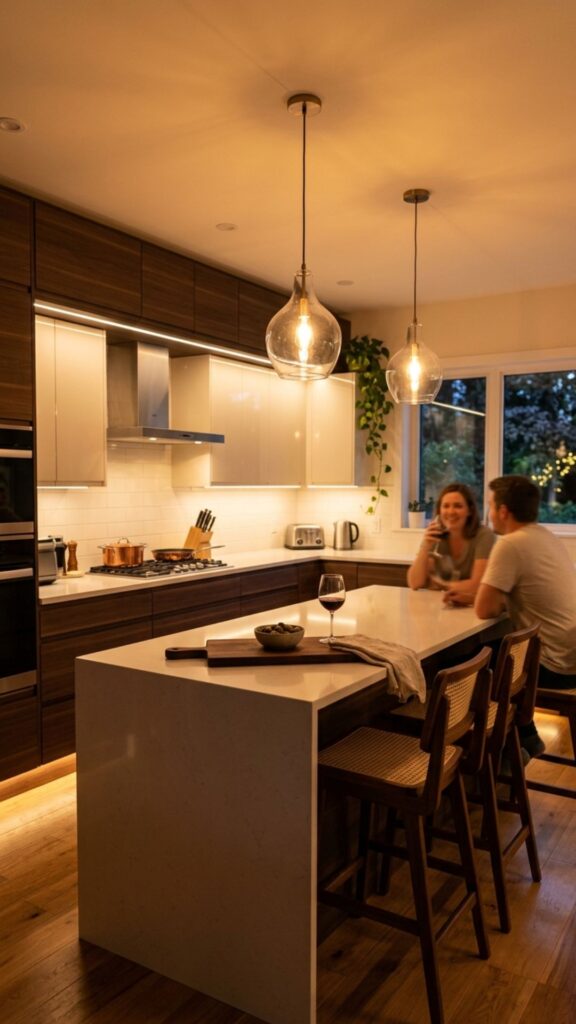
Poor lighting makes every other kitchen element harder to use. If your only light source is a single overhead fixture, you’re likely working in your own shadow much of the time. Layered lighting — ambient, task, and accent — solves this problem completely.
Under-cabinet LED strips are one of the most affordable and impactful upgrades you can make. They illuminate countertops directly and make reading recipes, chopping, and cleaning far easier. Pendant lights over an island add both function and style. Dimmer switches let you shift the mood from bright work-mode to relaxed dinner-party atmosphere without changing a single bulb.
7. Backsplash: Protection and Personality in One
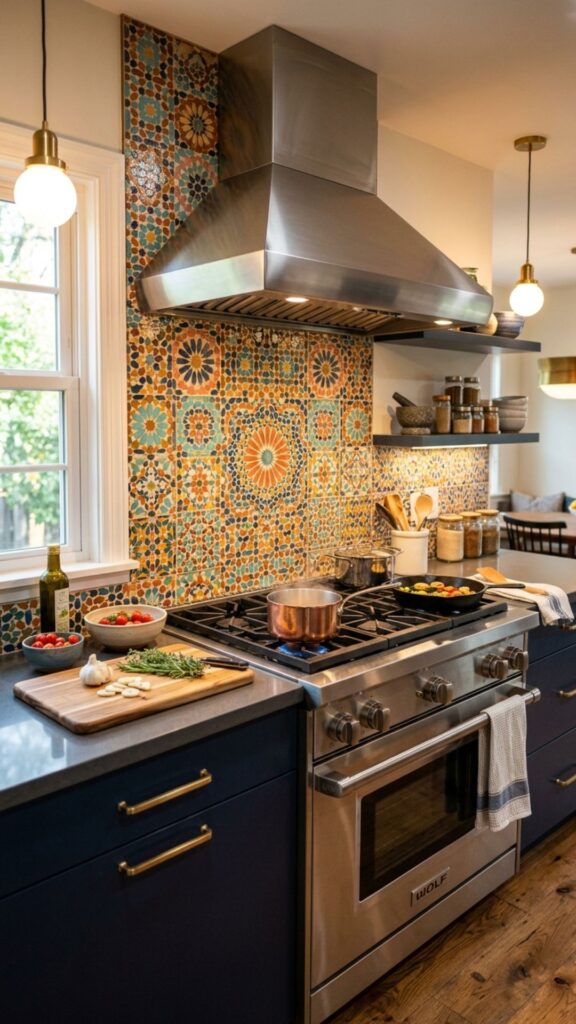
The backsplash protects your walls from splatter while giving you a spot to inject color, texture, or pattern into the kitchen. Subway tile is the classic safe choice — clean, easy to clean, and timeless. But zellige tile, patterned cement tile, or even painted wood shiplap can give your kitchen a more distinctive character.
From a practical standpoint, grout choice matters. Epoxy grout resists staining far better than traditional cement grout and is worth the extra cost in high-splatter areas near the stove. If budget is tight, peel-and-stick tile panels have improved significantly and can look surprisingly convincing.
8. Range or Cooktop: The Heart of the Cooking Experience
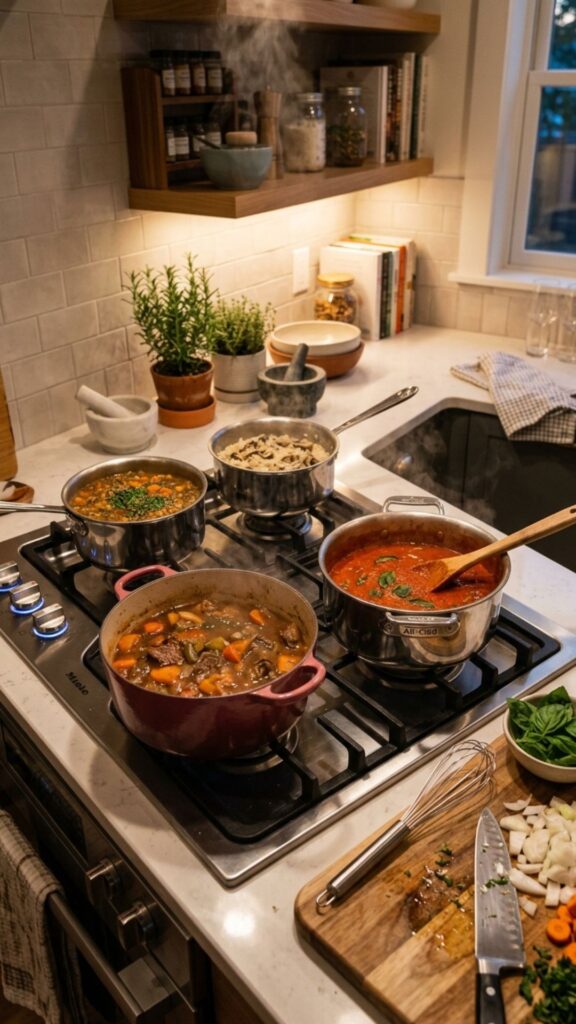
Your cooking surface shapes your entire cooking experience. Gas ranges give instant, adjustable heat that many cooks prefer. Induction cooktops are faster, more energy-efficient, and easier to clean but require compatible cookware. Electric coil or smooth-top ranges sit in the middle — affordable and widely available.
Whatever you choose, make sure the number of burners matches your cooking style. If you regularly cook multi-course meals, a five or six-burner range makes a real difference. A griddle attachment or bridge burner can expand your options without requiring a full appliance upgrade.
9. Range Hood: Don’t Underestimate Ventilation
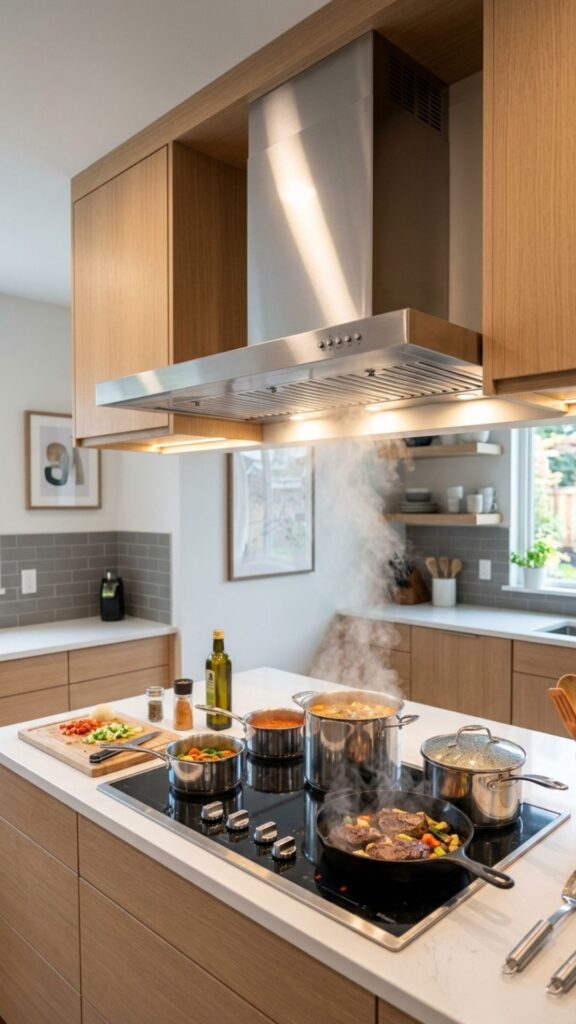
A good range hood removes smoke, steam, grease, and cooking odors before they settle into your cabinets and walls. It’s one of the most undervalued kitchen elements — and one of the most noticeable when it’s absent. If your kitchen smells like last night’s dinner every morning, ventilation is the likely culprit.
When shopping for a hood, pay attention to CFM (cubic feet per minute) ratings. For a gas range, aim for at least 100 CFM per 10,000 BTUs. For a 30-inch range, a 400–600 CFM hood is usually adequate. Ducted hoods that vent outside are far more effective than recirculating models, so if you can run ductwork, it’s worth the effort.
10. Pantry Storage: Organized Dry Goods Change Everything
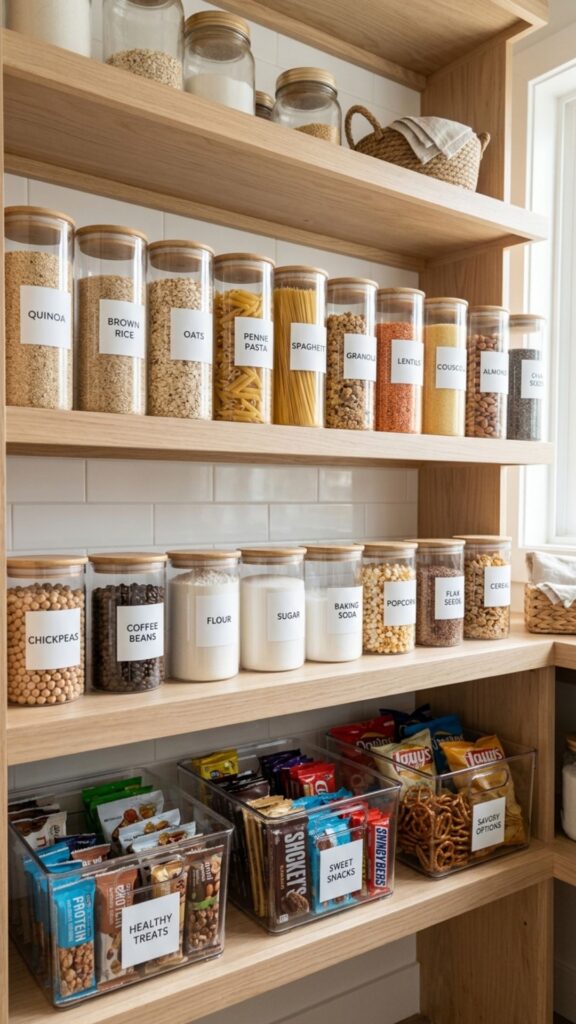
Whether it’s a walk-in pantry, a reach-in closet, or a few deep cabinets, dedicated pantry storage is a game-changer for everyday cooking. When dry goods, canned items, and snacks have a proper home, counters stay clear and meal prep becomes faster.
Clear canisters, uniform bins, and simple labels make pantry organization sustainable rather than just a one-weekend project. Group items by category — baking, grains, canned goods, oils — so restocking and finding what you need becomes second nature. A pantry door organizer can add surprising amounts of storage in what’s otherwise wasted space.
11. Kitchen Flooring: Comfort and Durability Underfoot
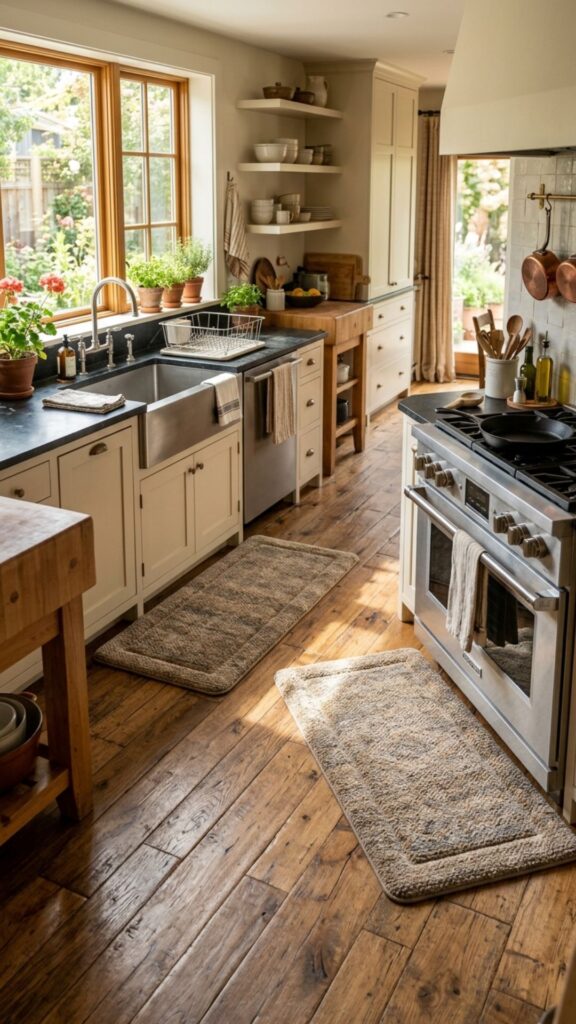
You might spend hours standing on your kitchen floor each day. That makes material choice more than a style decision — it’s a comfort and safety one. Luxury vinyl plank offers the look of hardwood with water resistance and a softer feel underfoot. Porcelain tile is extremely durable but hard on the legs during long cooking sessions.
Anti-fatigue mats placed at the sink and stove can make a substantial difference if you’re standing for extended periods. If you’re doing a full flooring upgrade, radiant heating beneath tile is a luxury that pays off every winter morning you step into the kitchen.
12. Kitchen Hardware: Small Details, Big Impact
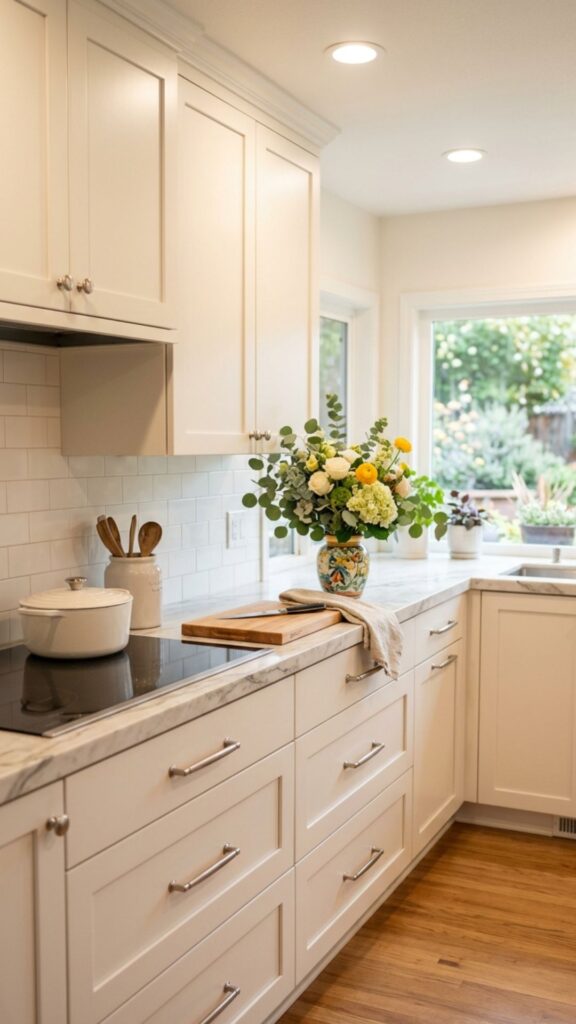
Cabinet knobs and drawer pulls are some of the most affordable kitchen elements you can swap out for an immediate refresh. Brass hardware brings warmth and a modern-traditional feel. Matte black is sleek and contemporary. Brushed nickel blends with almost anything.
When replacing hardware, consistency matters. Mixing too many finishes creates visual noise. Pick one or two metal tones and carry them through the knobs, pulls, faucet, and light fixtures. It’s a small move that pulls the whole kitchen together.
13. Kitchen Window: Natural Light Is a Design Tool
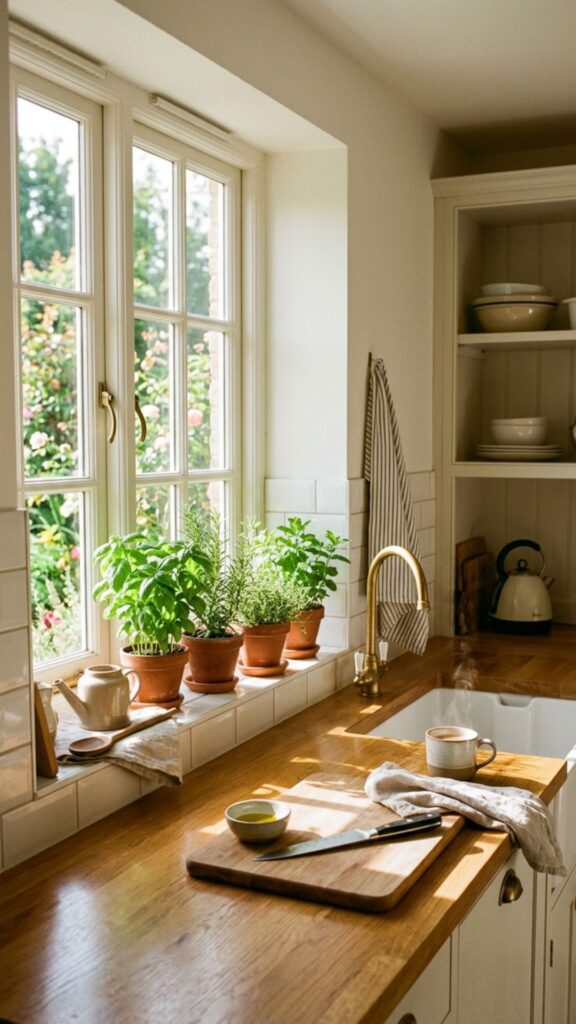
A kitchen window does more than let air in. Natural light makes a space feel larger, cleaner, and more inviting. If your kitchen has a dark corner, a window or skylight in the right spot can transform how the room feels without a single structural change beyond the opening itself.
If new windows aren’t possible, maximize the light you have. Remove heavy curtains and swap them for simple roller shades or nothing at all. Placing mirrors or reflective tile near existing windows can bounce light further into the room.
14. Dishwasher: A Time-Saving Kitchen Essential
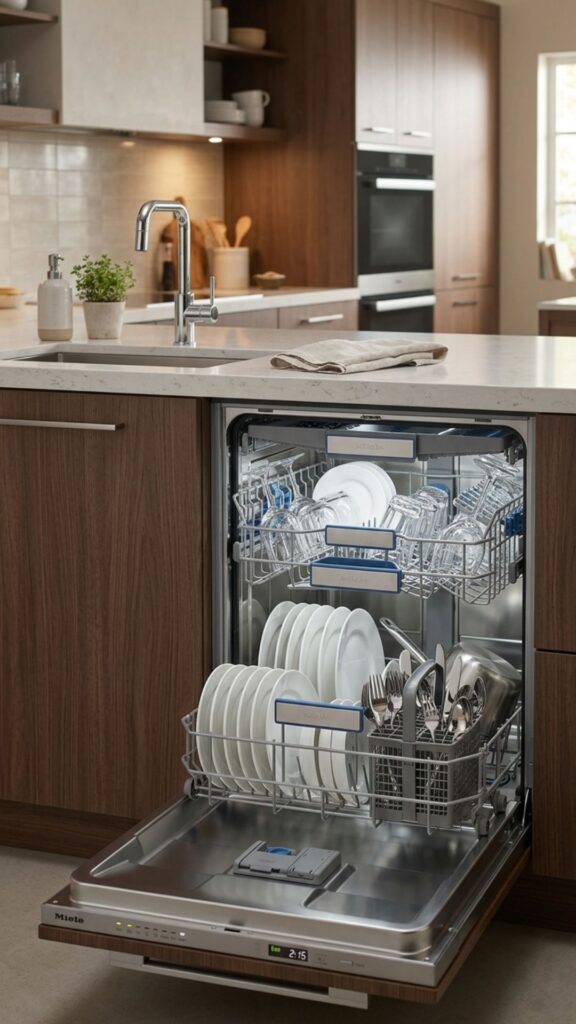
A reliable dishwasher is one of those kitchen elements that earns its place every single day. Models vary significantly in noise level, wash cycle efficiency, and interior layout. If you have a household that runs the dishwasher once or twice daily, investing in a quieter, energy-efficient model pays off over time.
Interior flexibility matters too. Adjustable tines, a third rack for utensils, and fold-down shelf options let you fit more per load. A model rated at 44 decibels or below is generally considered quiet enough to run during dinner without disrupting conversation.
15. Kitchen Shelving: Open Storage Done Right
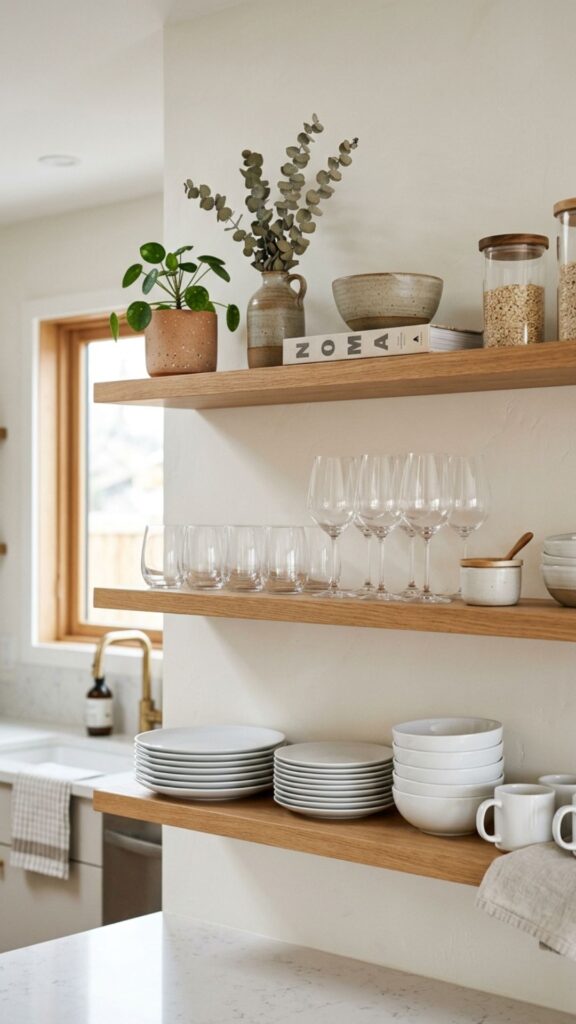
Open shelving gets criticized when it’s poorly executed and celebrated when it’s done well. The key difference is intention. Dedicated display shelves for everyday dishes, glasses, and a few decorative pieces look curated. Random clutter on open shelves looks messy and collects grease.
Floating shelves above the counter give you accessible storage without the closed-in feeling of upper cabinets. If you’re replacing upper cabinets with open shelves, keep the lower cabinets for items you want hidden — cleaning supplies, pots, baking equipment — and use shelves only for items you reach for daily.
16. Kitchen Faucet: Upgrade the One You Touch Most
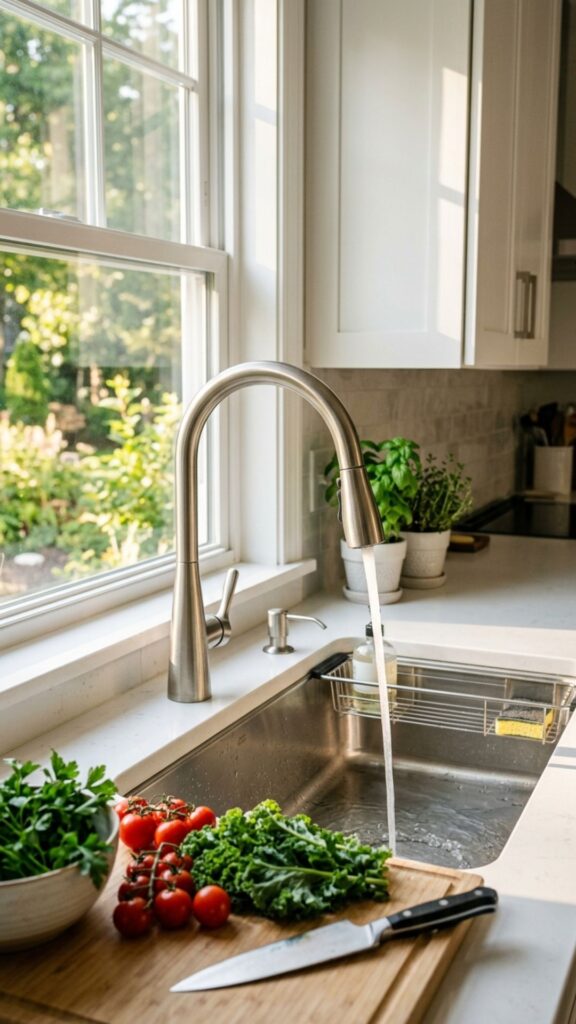
You touch your kitchen faucet more than almost any other fixture in your home. A faucet that’s loose, leaky, or awkwardly placed becomes a small frustration you experience multiple times a day. Replacing it is one of the most accessible DIY upgrades a homeowner can tackle in an afternoon.
Look for a faucet with a high arc and pull-down spray head for maximum flexibility. Touchless models have become much more affordable and genuinely useful when your hands are covered in raw chicken or dough. Finish should match your sink and hardware for a cohesive look.
17. Microwave Placement: Function Over Convention
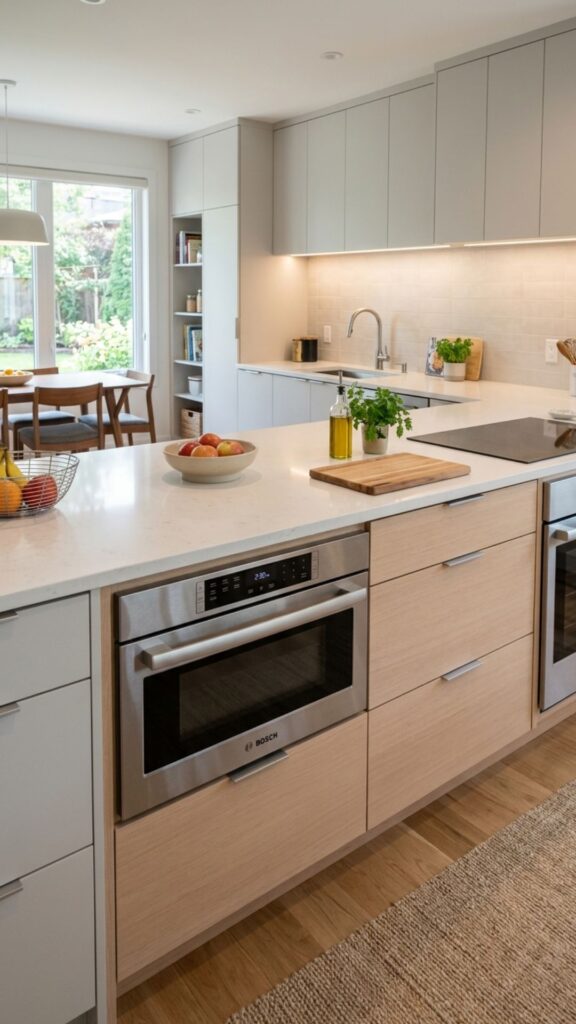
Most people default to placing the microwave on the counter, but that sacrifices valuable prep space. Over-the-range microwaves free up the counter but position the appliance high — awkward for shorter users and potentially unsafe when removing hot liquids. A drawer-style microwave installed below the counter is increasingly popular and genuinely practical.
Wherever yours goes, make sure it’s located near where you’ll actually use it — close to the refrigerator for reheating leftovers and near the prep area for defrosting. Microwave placement is one of those kitchen elements that’s easy to overlook in the planning stage and annoying to live with afterward.
18. Kitchen Colors: Set the Mood From the Start
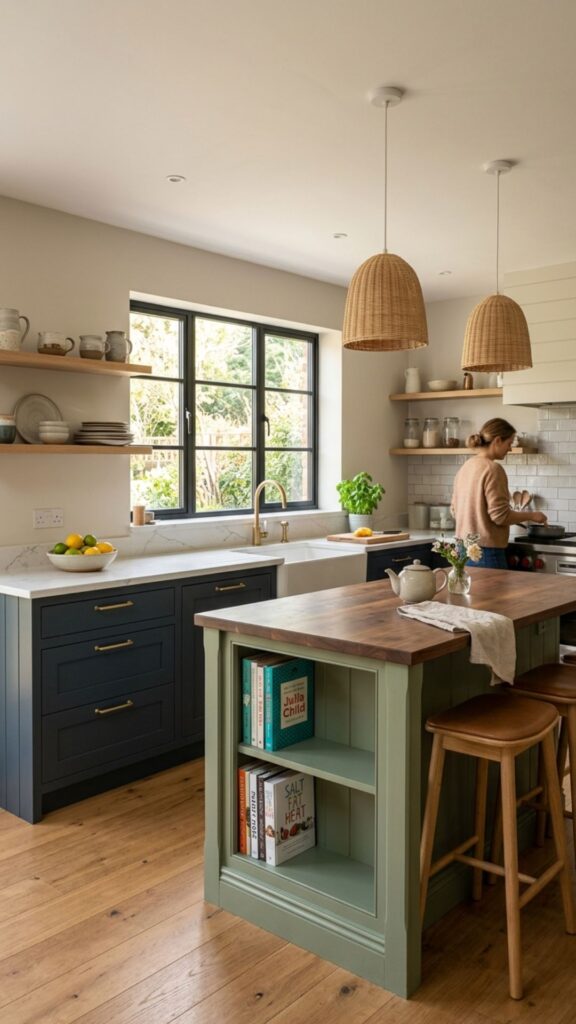
Color is one of the most powerful and most affordable kitchen elements you can control. Light, neutral tones — whites, warm greiges, soft sage — make kitchens feel larger and more open. Deeper tones like navy, forest green, or charcoal on lower cabinets add drama while keeping the space grounded.
Paint is the easiest place to experiment. An accent wall, painted island, or bold cabinet color can completely change the room’s character without a major investment. When choosing colors, bring home large swatches and observe them throughout the day — kitchen lighting shifts dramatically between morning and evening.
19. Kitchen Organization Systems: A Place for Everything
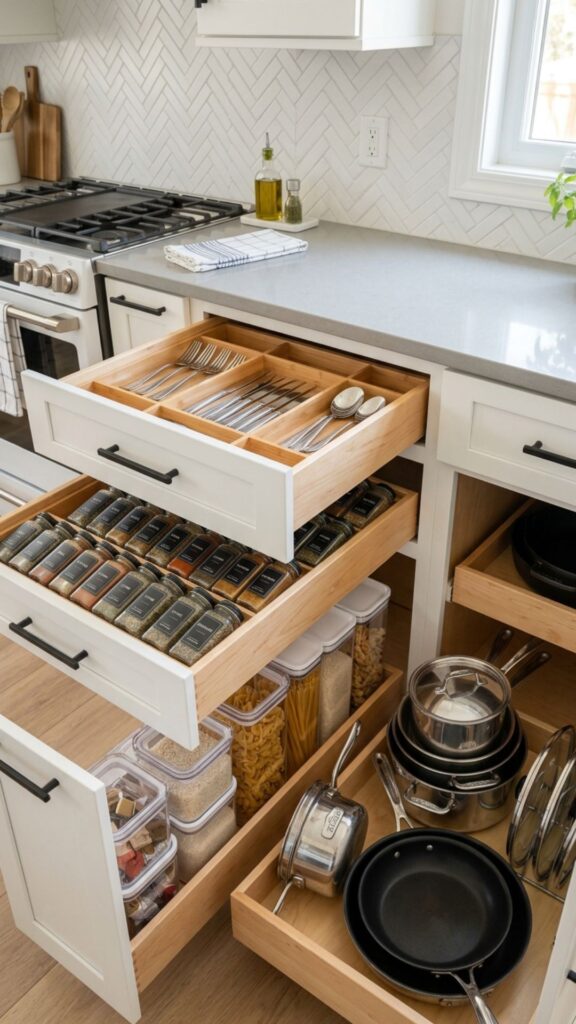
Drawers full of tangled utensils, overstuffed cabinets, and mystery items in the back of shelves are signs that your kitchen lacks a proper organization system. This isn’t a willpower problem — it’s a design problem. When storage isn’t built around how you actually cook, clutter is inevitable.
Drawer dividers for utensils, pull-out trash and recycling bins, spice drawer inserts, and peg systems for pots and pan lids all solve specific, common pain points. Start with the areas that frustrate you most and address them one at a time. A single well-organized drawer makes a bigger difference to daily cooking than it sounds.
20. Kitchen Décor and Personal Touches: Make It Yours
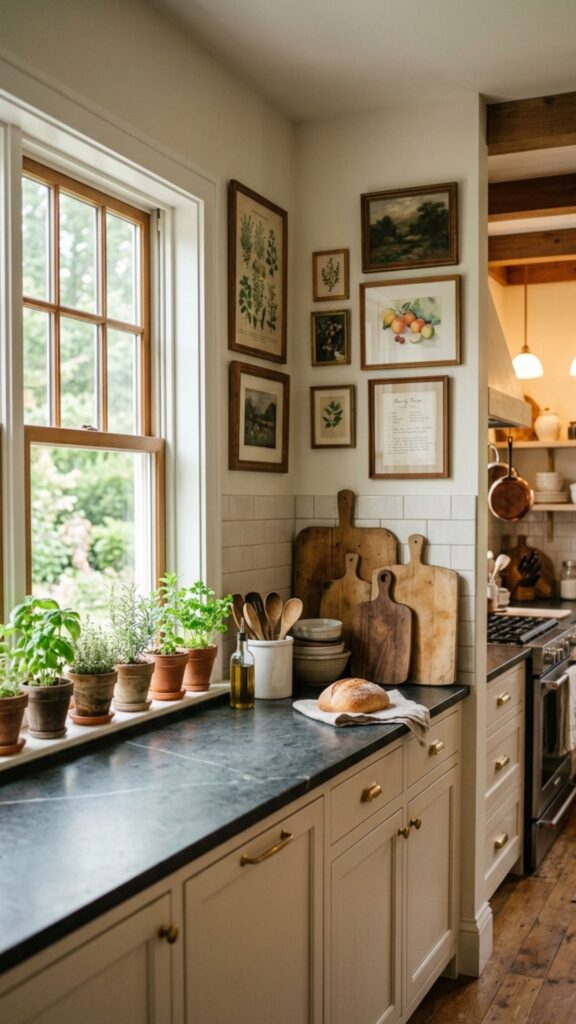
Function matters most, but the kitchen also needs to feel like your space. A few well-chosen decorative kitchen elements — a piece of art, a potted herb on the windowsill, a collection of vintage cutting boards — add warmth and personality without compromising usability.
The key is editing. One or two intentional decorative moments read as style. Fifteen competing items read as clutter. Choose décor that means something to you and keep surfaces as clear as possible otherwise. A kitchen that reflects your personality is one you’ll genuinely enjoy spending time in.
Conclusion
Transforming your kitchen doesn’t require a full gut renovation or an unlimited budget. The kitchen elements you choose — from the cabinets and countertops down to the hardware and lighting — collectively determine how the space works and feels day to day. Small, targeted upgrades can make a remarkable difference, especially when you focus on the things that frustrate you most.
Start by walking through your kitchen with fresh eyes. What slows you down? What feels cluttered or cramped? Pick one or two elements from this list and make a plan. Progress builds momentum, and before long your kitchen will be a place you actually look forward to using.
Ready to upgrade your cooking space? Start with the one element that bothers you most and go from there. Small changes add up fast.
What are the most important kitchen elements to prioritize in a renovation?
Cabinets, countertops, and lighting have the biggest combined impact on function and appearance. If budget is limited, focus on these three before anything decorative. Good storage and adequate workspace make everyday cooking dramatically easier.
How can I improve my kitchen without a full remodel?
Painting cabinets, replacing hardware, adding under-cabinet lighting, and improving organization are all high-impact changes that don’t require a contractor. Even decluttering the counters and adding a few well-placed storage solutions can make the space feel significantly better.
What kitchen elements are worth splurging on vs. saving on?
Splurge on items you touch or use daily — the faucet, range, and sink are worth investing in. Save on decorative items like backsplash tile accents, open shelving, and cabinet hardware, where budget-friendly options can look just as good as premium ones.
How do I choose kitchen elements that won’t look dated quickly?
Stick with classic materials and neutral color palettes for fixed, expensive elements like cabinets and countertops. Express personality through easily swappable items — hardware, light fixtures, paint, and décor. This approach keeps the kitchen looking fresh without requiring costly upgrades every few years.