A beautiful kitchen can still feel frustrating if the layout fights your daily routine. Maybe the drawers hit the dishwasher, the island blocks traffic, or the lighting looks great until you start chopping vegetables. Good kitchen design interior planning is not just about choosing cabinets and countertops. It is about making the room work for cooking, cleaning, gathering, and living.
This guide breaks down 20 common kitchen design mistakes and shows you how to avoid them before they become expensive regrets. Whether you are planning a full renovation or updating a few key areas, these tips will help you make smarter decisions.
You’ll learn how to:
- Plan a kitchen layout that supports real movement
- Choose finishes that balance style and function
- Avoid storage, lighting, and appliance placement mistakes
- Create a kitchen that feels timeless, practical, and personal
Kitchen Design Interior Mistakes That Hurt Layout and Flow
A strong kitchen starts with movement. If the space is hard to walk through, cook in, or clean, even the most expensive finishes will not save it. The best kitchen design interior choices support how you use the room every day.
Think about your routine before you think about colors. Where do groceries land? Where do dishes dry? Where does someone stand while making coffee? These small questions shape a kitchen that feels easy to use.
1. Ignoring the Kitchen Work Triangle
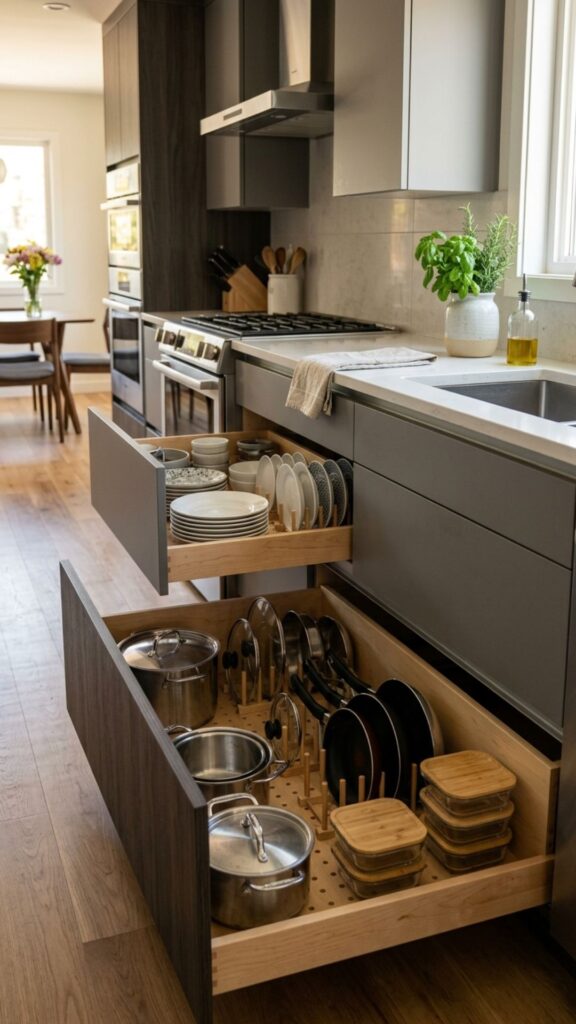
The work triangle connects the sink, stove, and refrigerator. When these three areas sit too far apart, cooking feels tiring. When they sit too close together, the kitchen can feel cramped.
A good kitchen interior layout keeps these zones close enough for easy movement but not so tight that people bump into each other. For example, if your refrigerator is across the room from your prep counter, you may waste steps every time you cook.
Key point: Place the sink, stove, and refrigerator in a layout that supports quick, natural movement.
2. Making Walkways Too Narrow
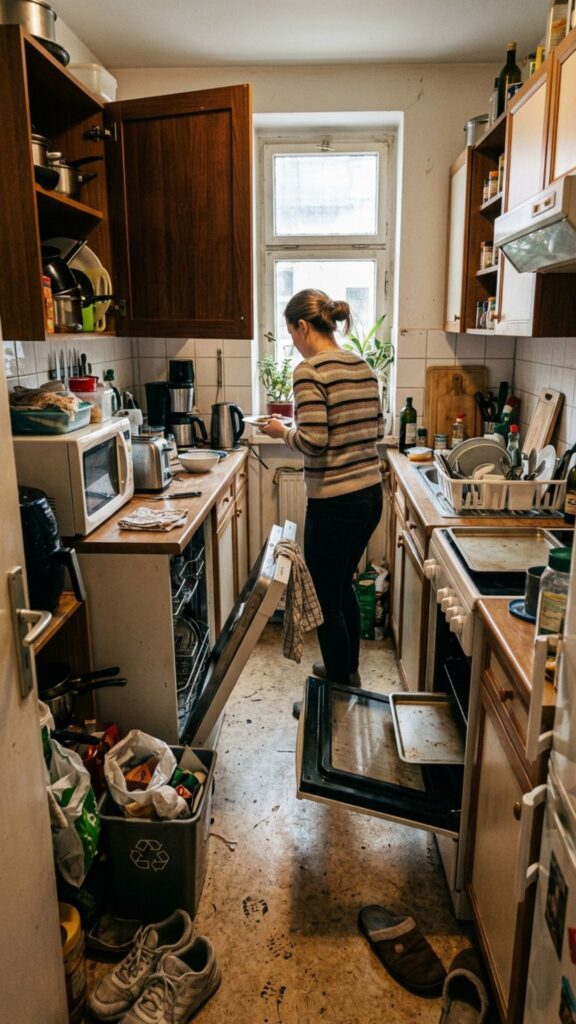
A common kitchen design interior mistake is underestimating walkway space. A narrow aisle may look fine on paper, but it can feel uncomfortable when cabinet doors, people, and appliances are all in use.
Aim for at least 36 inches for a walkway and around 42 to 48 inches in busy cooking zones. If two people cook often, wider paths make a major difference.
Try this: Open your dishwasher, oven, and refrigerator doors in the plan. Make sure someone can still pass safely.
3. Choosing an Island That Is Too Big
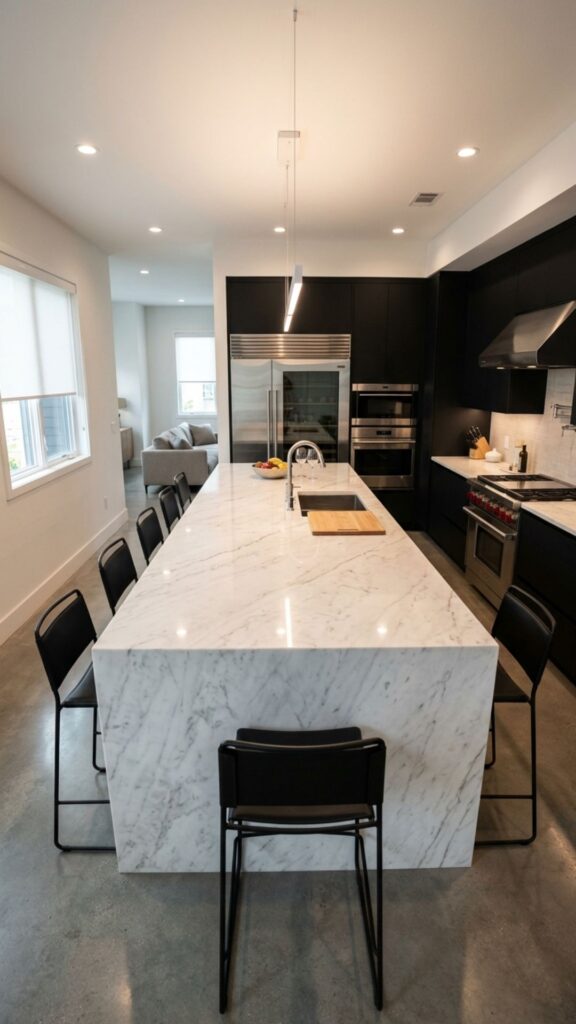
Kitchen islands are useful, but bigger is not always better. An oversized island can block traffic, crowd appliances, and make the kitchen feel heavy.
Before adding one, ask what purpose it serves. Is it for prep, seating, storage, or all three? A smaller island with smart storage may work better than a large one that disrupts the room.
Key point: An island should improve your kitchen interior design, not make the space harder to use.
4. Placing Appliances in Awkward Spots
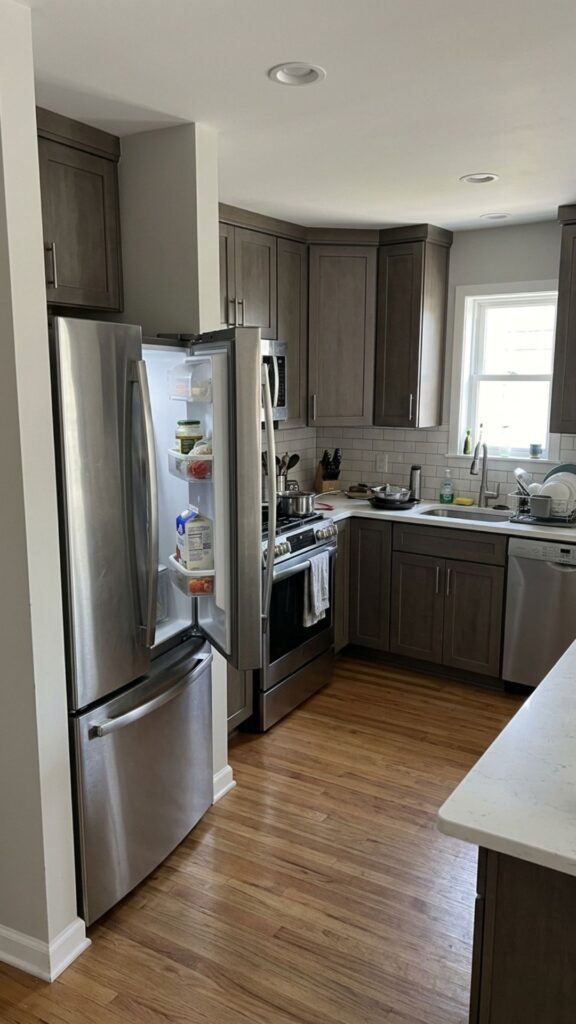
Appliance placement can make or break a kitchen. A refrigerator that opens into a wall, an oven beside a tight corner, or a dishwasher far from the sink will cause daily frustration.
Place appliances where they support your habits. The dishwasher should sit close to the sink. The trash should be near prep space. The microwave should be accessible without blocking the main cooking zone.
Example: If kids often heat snacks, placing the microwave outside the main cooking path can reduce crowding.
Storage Mistakes in Kitchen Interior Design
Storage is one of the biggest reasons people remodel kitchens. Yet many new kitchens still lack practical storage because the design focuses too much on appearance. Strong kitchen design interior planning looks at what you own before deciding where cabinets go.
The goal is not just more cabinets. The goal is better access. Deep drawers, pull-outs, dividers, and vertical storage often work harder than standard shelves.
5. Not Planning Storage Around Real Items
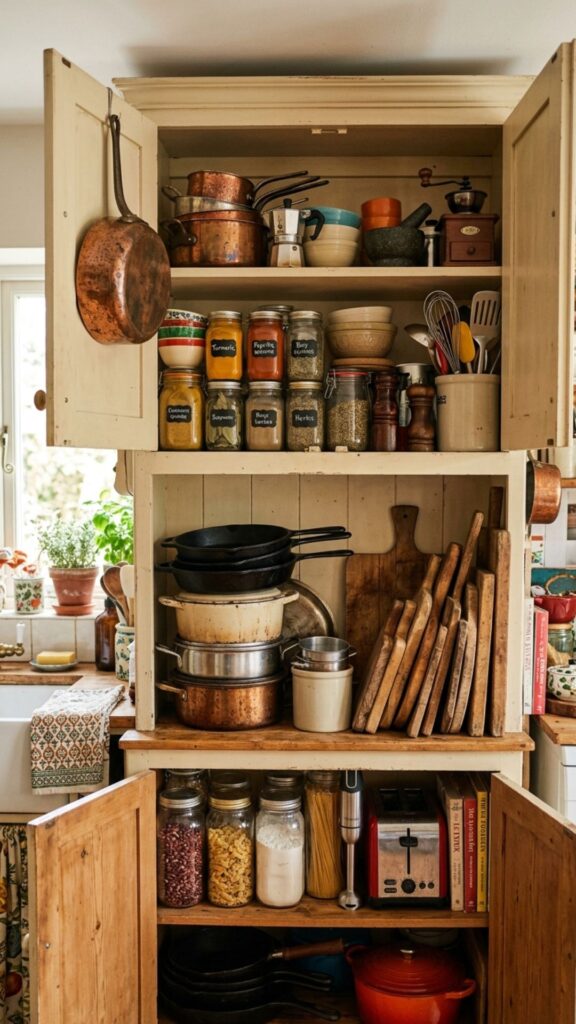
Many people design cabinets first and think about their belongings later. This leads to awkward storage for pots, spices, cutting boards, small appliances, and cleaning supplies.
Before finalizing your kitchen plan, list what you need to store. Measure tall items like mixers, oil bottles, and baking sheets. Then assign them a home.
Key point: Design storage around your real kitchen items, not a generic cabinet layout.
6. Forgetting Deep Drawers
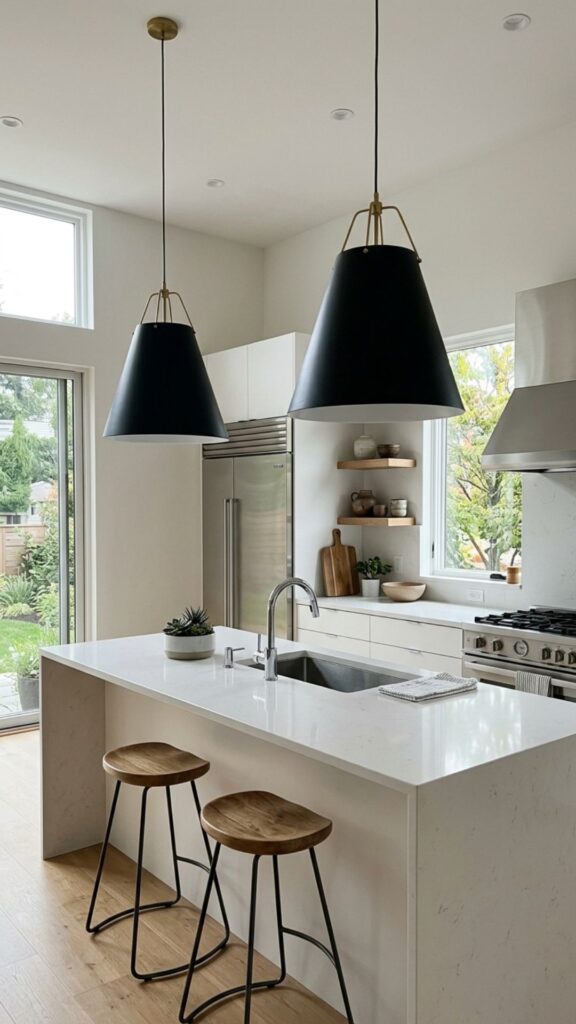
Lower cabinets with fixed shelves can be hard to use. Items get pushed to the back, and you may need to kneel down to find them.
Deep drawers are often more practical for pots, pans, dishes, and food containers. They pull out fully, so you can see everything at once.
Try this: Use deep drawers near the stove for cookware and near the dishwasher for plates and bowls.
7. Wasting Corner Cabinet Space
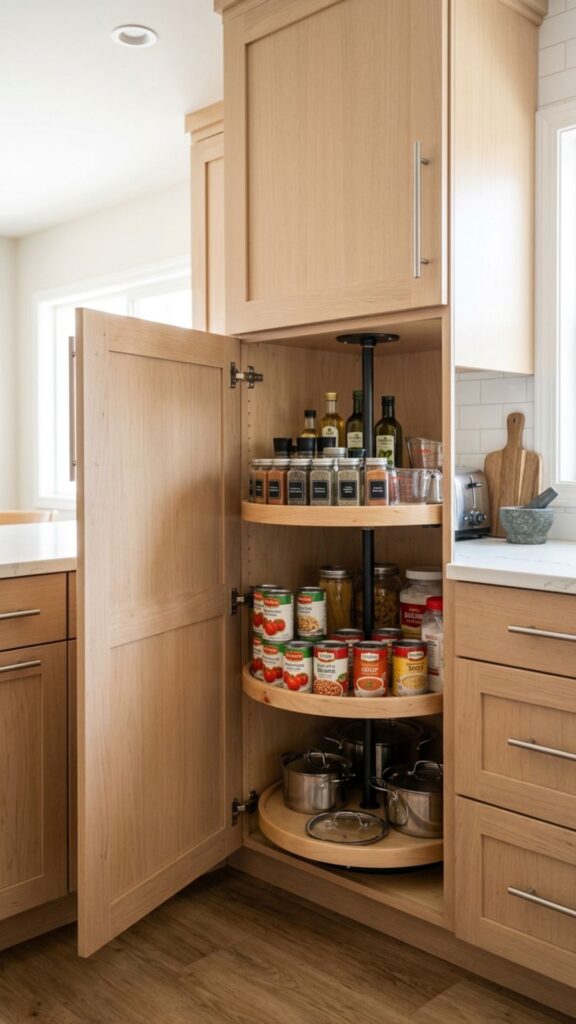
Corner cabinets can become dark storage holes if they are not planned well. Many homeowners lose valuable space because corners are difficult to reach.
Use solutions like lazy Susans, pull-out shelves, or blind-corner organizers. These options make corner storage easier and more useful.
Key point: A smart kitchen interior layout turns corners into functional storage, not forgotten space.
8. Skipping a Dedicated Trash and Recycling Area
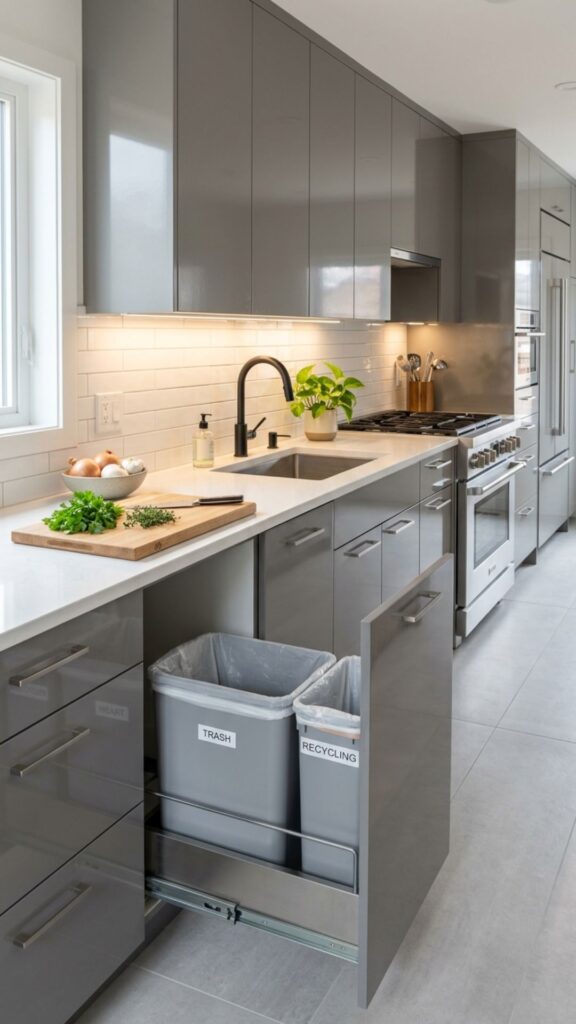
Trash placement may not sound exciting, but it matters every day. If your bin sits across the room from your prep area, cooking becomes messy and inefficient.
Include a pull-out trash and recycling cabinet near the sink or main prep zone. This keeps waste hidden and makes cleanup easier.
Example: Place the trash beside the cutting board area so scraps can go straight into the bin.
Lighting Mistakes That Make Kitchens Hard to Use
Lighting affects safety, mood, and function. A kitchen with only one ceiling light may look flat and leave shadows over key work areas. Great kitchen design interior plans use layers of light.
A good lighting plan includes ambient lighting for the whole room, task lighting for work areas, and accent lighting for warmth or style. Each layer has a job.
9. Relying on One Overhead Light
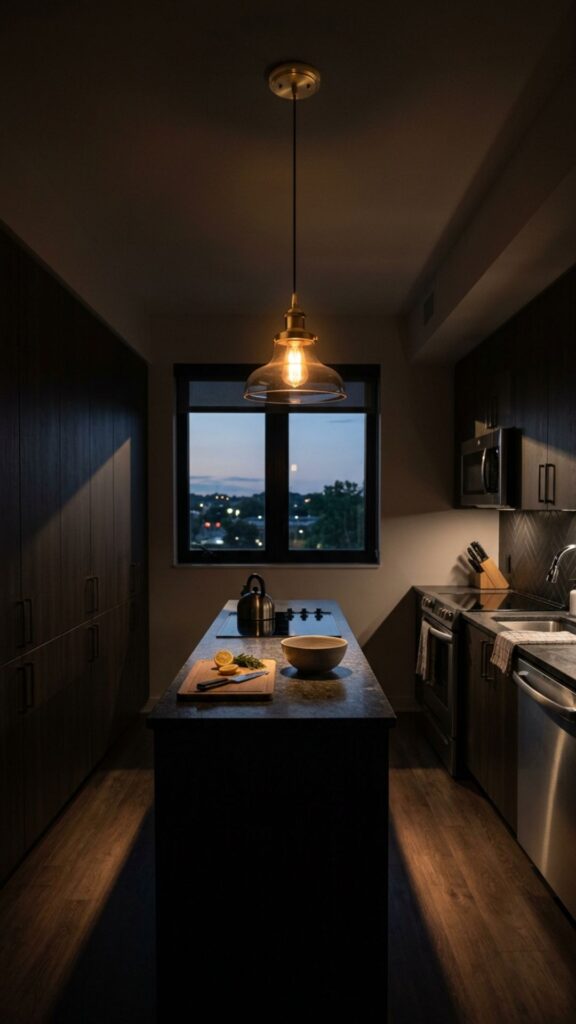
One overhead fixture cannot properly light a full kitchen. It often creates glare in some spots and shadows in others.
Use recessed lights, pendants, under-cabinet lights, and natural light together. This creates a balanced space that works from morning coffee to evening cleanup.
Key point: Layered lighting makes your kitchen safer, warmer, and easier to use.
10. Forgetting Under-Cabinet Lighting
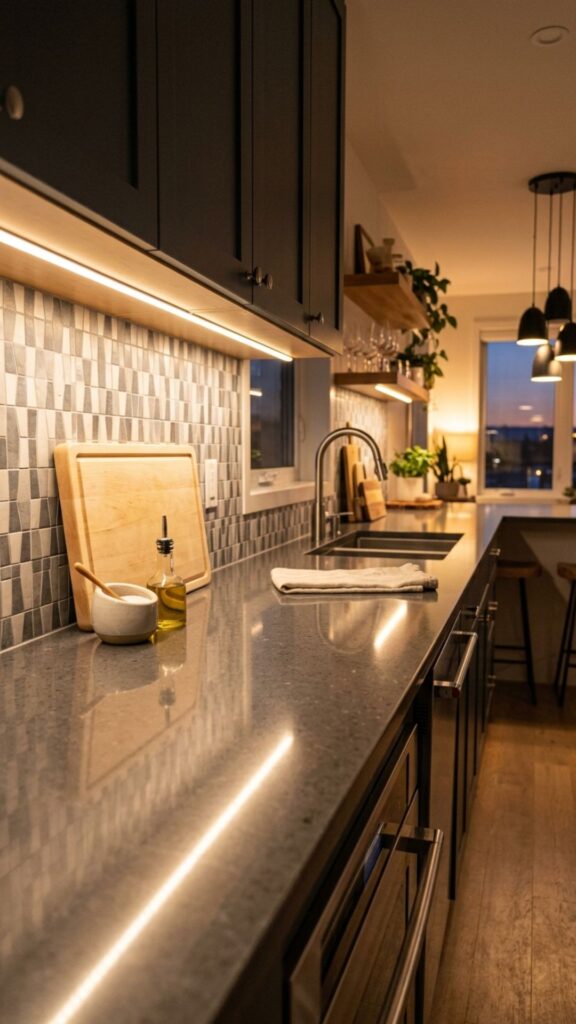
Upper cabinets can block ceiling light from reaching countertops. This makes prep work harder, especially when chopping or reading recipes.
Under-cabinet lighting solves this problem. LED strips or puck lights brighten the counter without taking up space.
Try this: Install warm white under-cabinet lights for a softer look that still gives enough visibility.
11. Hanging Pendant Lights at the Wrong Height
Pendant lights can add style, but poor placement causes problems. If they hang too low, they block views. If they hang too high, they may not light the island well.
A common guideline is to hang pendants about 30 to 36 inches above the countertop. Adjust based on ceiling height, fixture size, and sight lines.
Key point: Pendant lights should look good and help people see clearly.
Kitchen Design Interior Mistakes with Materials and Finishes
Finishes shape the personality of your kitchen. But choosing based only on trends can lead to surfaces that stain, scratch, or feel dated quickly. Practical kitchen design interior choices balance beauty with daily life.
Think about how much you cook, how often you clean, and whether kids or pets use the space. The right material is not always the most expensive one. It is the one that fits your lifestyle.
12. Picking Countertops Only for Looks
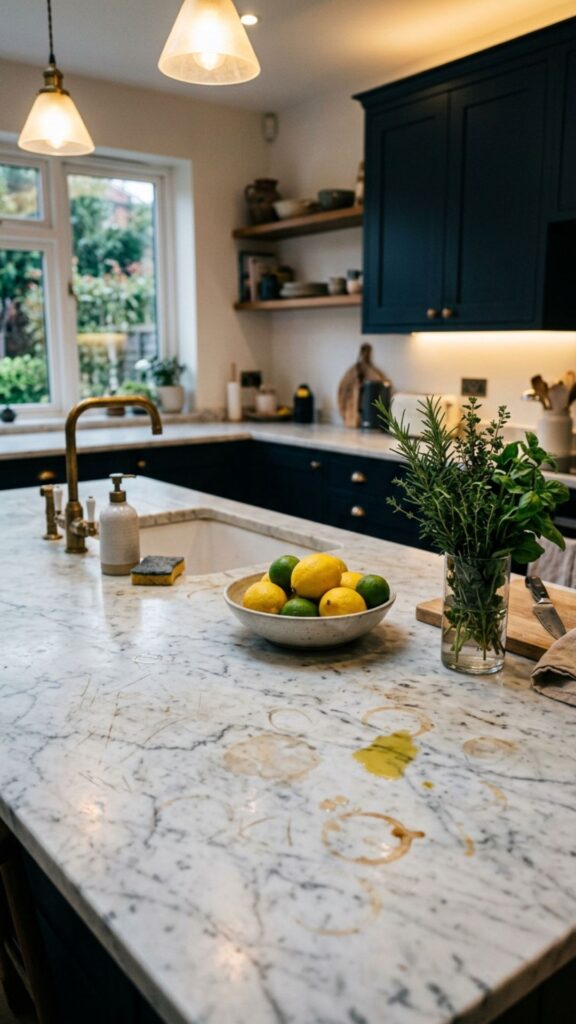
A countertop may look stunning in a showroom, but it must handle spills, heat, crumbs, and daily use. Some materials require sealing or careful maintenance.
Quartz, granite, butcher block, laminate, and porcelain all have pros and cons. Choose based on your cooking habits and cleaning style.
Example: If you want low maintenance, quartz may suit you better than marble, which can stain and etch.
13. Choosing Slippery or Fragile Flooring
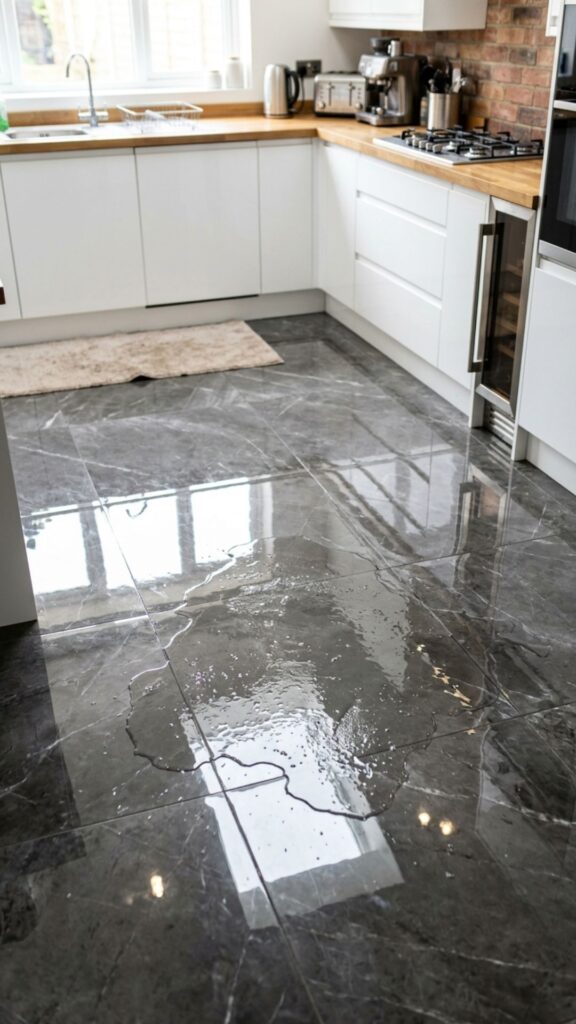
Kitchen floors need to handle water, dropped utensils, foot traffic, and frequent cleaning. A glossy tile may look elegant but feel slippery when wet.
Look for durable, easy-clean flooring with some slip resistance. Porcelain tile, luxury vinyl, engineered wood, and sealed natural stone can all work well when chosen carefully.
Key point: Kitchen flooring should be comfortable, safe, and tough enough for daily use.
14. Overusing Trendy Colors
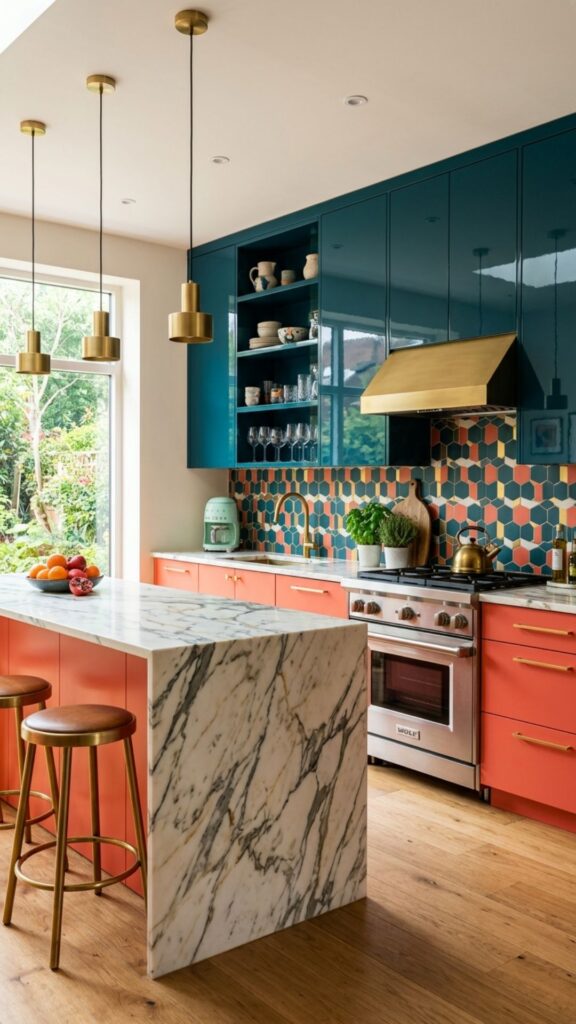
Trends can inspire fresh ideas, but too much trend-focused design may age quickly. A bold cabinet color or dramatic backsplash can work, but it should fit your home’s style.
If you love a trend, use it in places that are easier to update, such as paint, stools, lighting, or decor. Keep major investment pieces more timeless if resale matters.
Try this: Pair classic cabinets with a more expressive backsplash or hardware for balance.
15. Ignoring Backsplash Maintenance
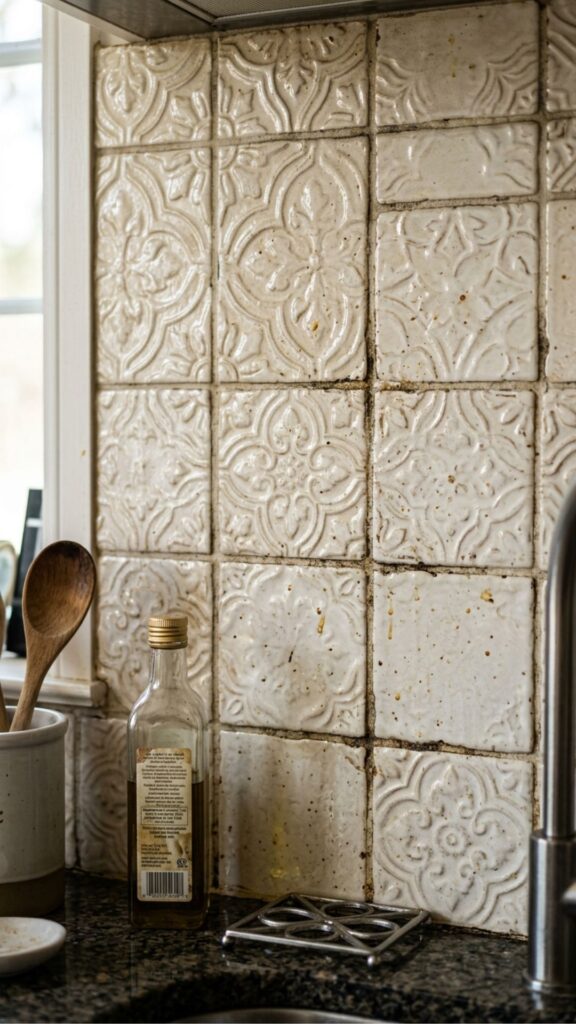
A backsplash protects walls from splashes, grease, and stains. Some materials look beautiful but are hard to clean because of texture, grout lines, or porous surfaces.
Choose a backsplash that matches your cleaning habits. Smooth tile, slab stone, quartz, or glass can be easier to wipe down than rough or heavily textured options.
Key point: The best backsplash supports both style and easy maintenance.
Common Kitchen Interior Design Mistakes with Comfort and Details
Small details often decide whether a kitchen feels polished or annoying. Cabinet handles, outlets, seating, ventilation, and sound all affect the final experience. A well-planned kitchen design interior considers these details early.
These choices may seem minor during planning, but they become part of your daily routine. Fixing them later can be costly or inconvenient.
16. Not Adding Enough Outlets
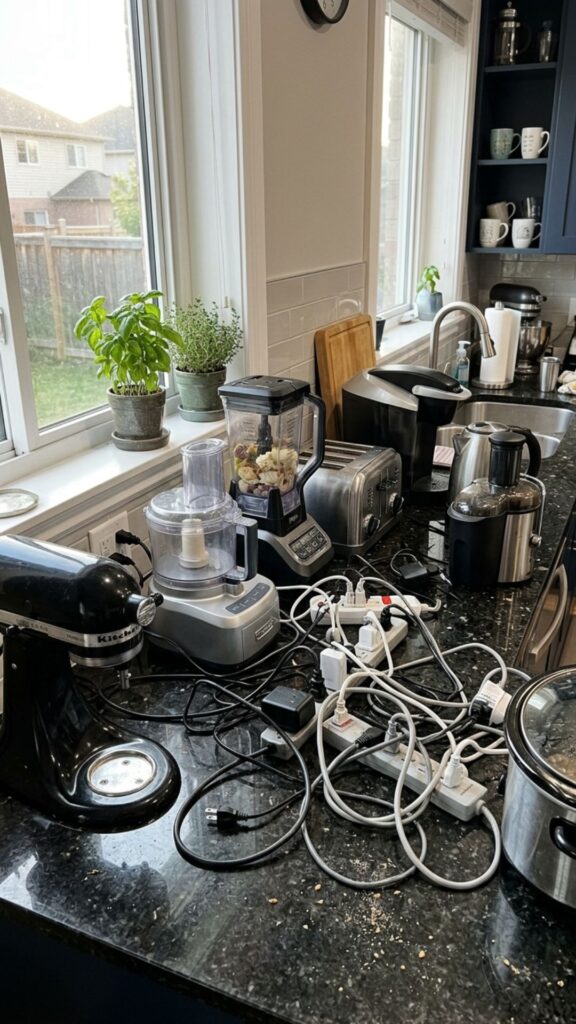
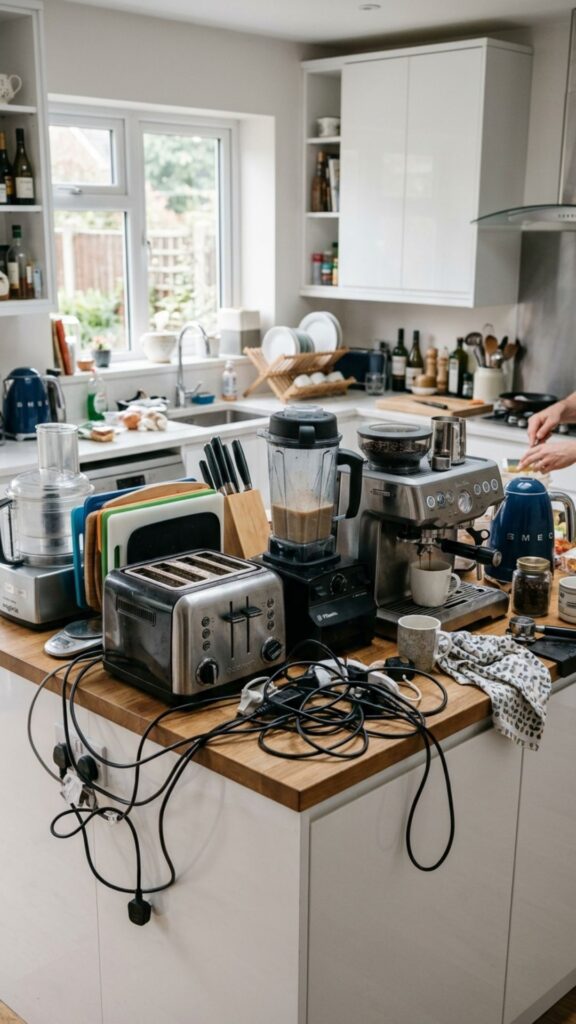
Modern kitchens need power for coffee makers, mixers, blenders, air fryers, phone chargers, and task lighting. Too few outlets create clutter and limit where you can use appliances.
Plan outlets along counters, islands, pantry zones, and coffee stations. Follow local electrical codes and consider outlets with USB ports where helpful.
Key point: More useful outlets mean fewer cords crossing your counters.
17. Forgetting Ventilation
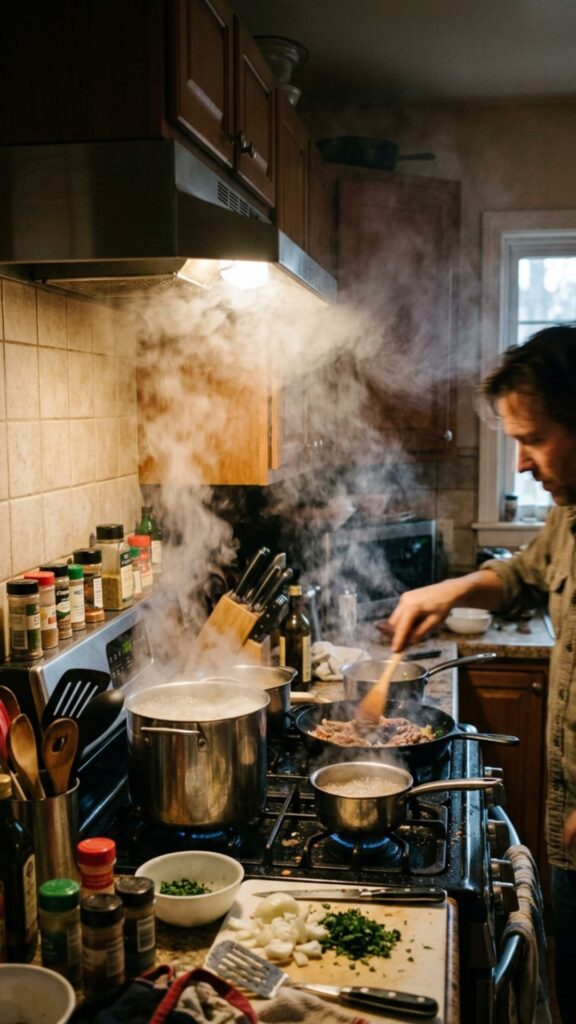
Cooking creates steam, grease, smoke, and odors. Without proper ventilation, these can settle on cabinets, walls, and fabrics.
Choose a range hood that matches your cooktop size and cooking style. If you cook often or use high heat, ventilation becomes even more important.
Example: A serious home cook may need stronger ventilation than someone who mostly reheats meals.
18. Choosing Style Over Comfortable Seating
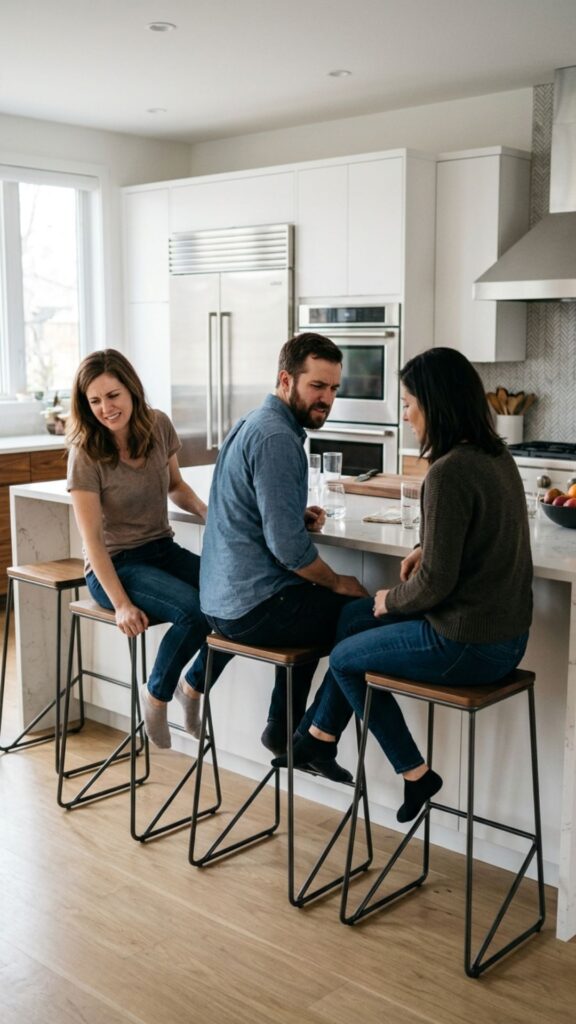
Kitchen seating should look good, but it also needs to feel comfortable. Stools that are too high, too low, or too close together make eating and conversation awkward.
Allow enough knee space and elbow room. For island seating, leave about 24 inches of width per person and choose stools that match counter height.
Key point: Comfortable seating turns a kitchen into a place people want to gather.
19. Skipping a Landing Zone
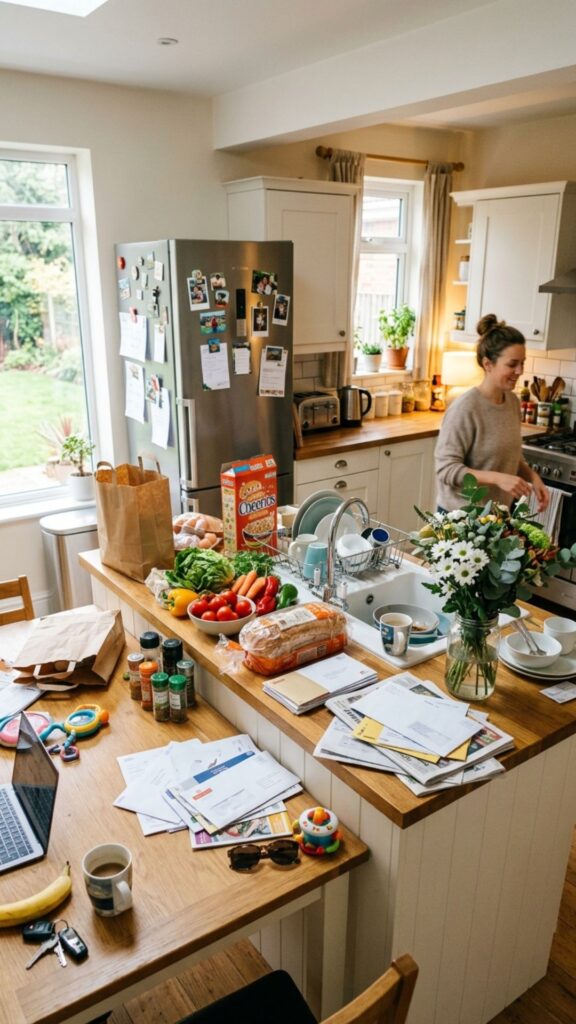
A landing zone is a clear surface where you set groceries, hot pans, mail, or dishes. Without one, items pile up in random spots.
Create landing space near the refrigerator, oven, and entry point if possible. Even a small counter section can make the kitchen feel more organized.
Try this: Add a drop zone near the fridge so groceries can be unloaded quickly.
20. Not Matching the Kitchen to the Rest of the Home
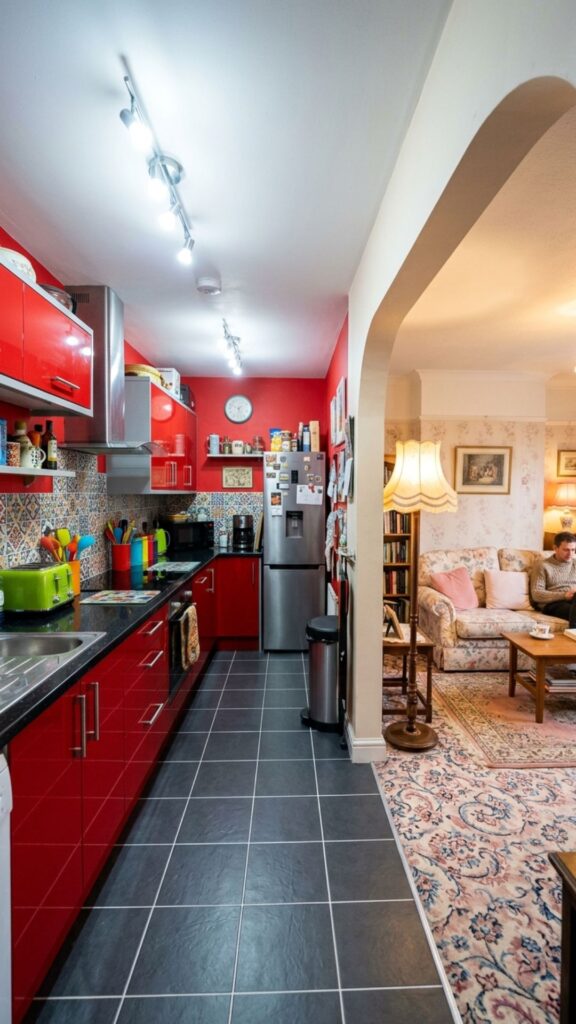
A kitchen should feel connected to nearby rooms. If the style, scale, or colors feel completely separate, the home can look disjointed.
This does not mean every room must match. Instead, repeat a few elements, such as wood tones, metal finishes, wall colors, or trim details. This creates flow.
Key point: A successful kitchen interior design feels like part of the home, not a showroom dropped into it.
Quick Checklist for Better Kitchen Design Interior Planning
Use this checklist before you approve your final plan:
- Can two people move through the kitchen comfortably?
- Are the sink, stove, and refrigerator placed logically?
- Do you have enough task lighting over counters?
- Is there storage for your actual cookware, dishes, and pantry items?
- Are outlets placed where you use appliances?
- Do finishes match your cleaning and maintenance habits?
- Is there enough landing space near key zones?
- Does the kitchen style connect with the rest of your home?
A good kitchen design interior plan should answer “yes” to most of these questions before construction starts.
Conclusion: Design a Kitchen That Works Every Day
The best kitchens are not just attractive. They are easy to move through, simple to clean, comfortable to gather in, and practical for daily life. Avoiding these 20 mistakes can save money, reduce stress, and help you make choices you will still like years from now.
Start with layout, then plan storage, lighting, materials, and details. If you are remodeling soon, use this checklist during conversations with your contractor, designer, or cabinet supplier. A thoughtful kitchen design interior plan today can prevent costly changes tomorrow.
Before choosing finishes, sketch your daily kitchen routine and compare it against these 20 mistakes. You will spot weak points early and make better design decisions with confidence.
What is the biggest mistake in kitchen design interior planning?
The biggest mistake is planning the look before the layout. A kitchen must first support movement, cooking, cleaning, storage, and safety.
How do I make a small kitchen feel more functional?
Use vertical storage, deep drawers, light colors, layered lighting, and compact appliances. Keep walkways clear and avoid oversized islands or bulky furniture.
What should I prioritize in a kitchen remodel?
Prioritize layout, storage, lighting, ventilation, and durable surfaces. Decorative choices matter, but function should guide the main decisions.
Are kitchen islands always a good idea?
No. An island works only if the kitchen has enough clearance around it. In a small space, a peninsula or movable cart may be better.
How can I avoid choosing finishes that go out of style?
Use timeless materials for expensive items like cabinets and countertops. Add trends through paint, lighting, hardware, rugs, or decor that you can update later.