There’s something magical about an Italian kitchen. It’s the heart of the home, where meals stretch into hours and conversation flows as freely as the wine. And right at the center of it all?
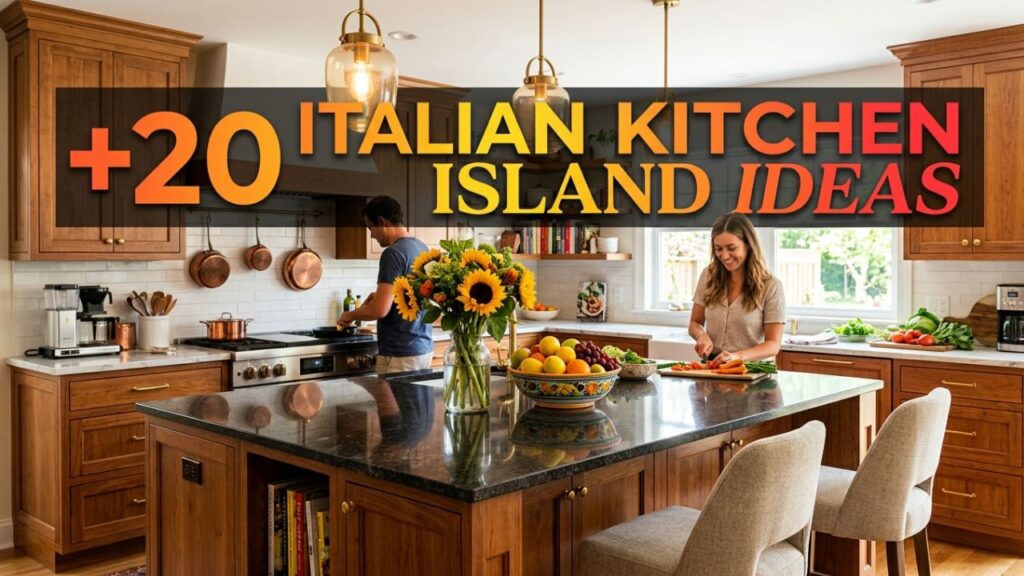
The island. After years of helping homeowners reimagine their kitchens, I’ve seen how the right island can transform a space from purely functional to genuinely soulful.
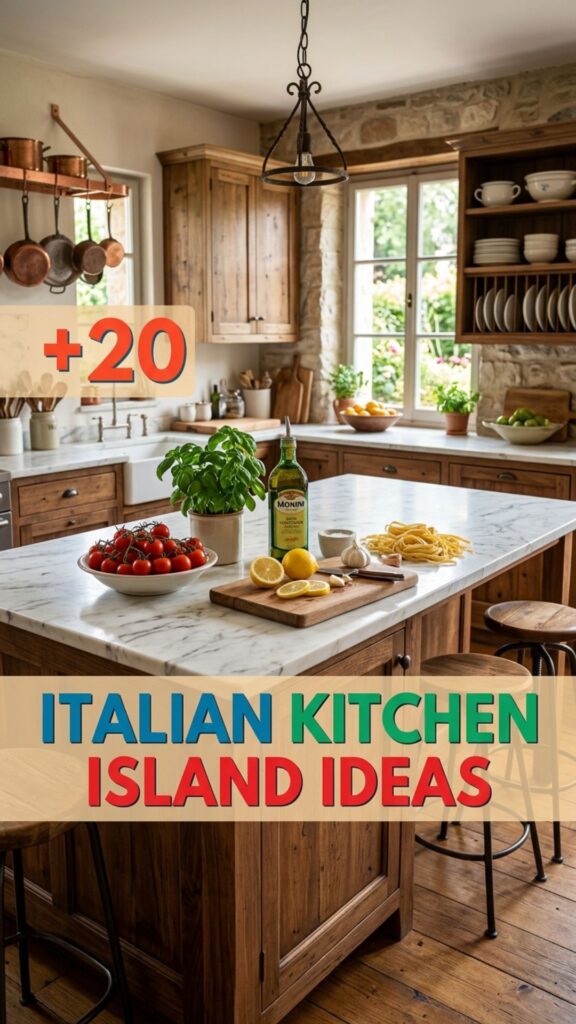
Whether you dream of a rustic Tuscan farmhouse or a sleek Milanese loft, the perfect island ties everything together. In this guide, you’ll find 20 kitchen island ideas rooted in Italian design traditions. Each one offers practical inspiration you can adapt to your own space, budget, and cooking style. Let’s dig in.
1. Reclaimed Wood for Rustic Warmth
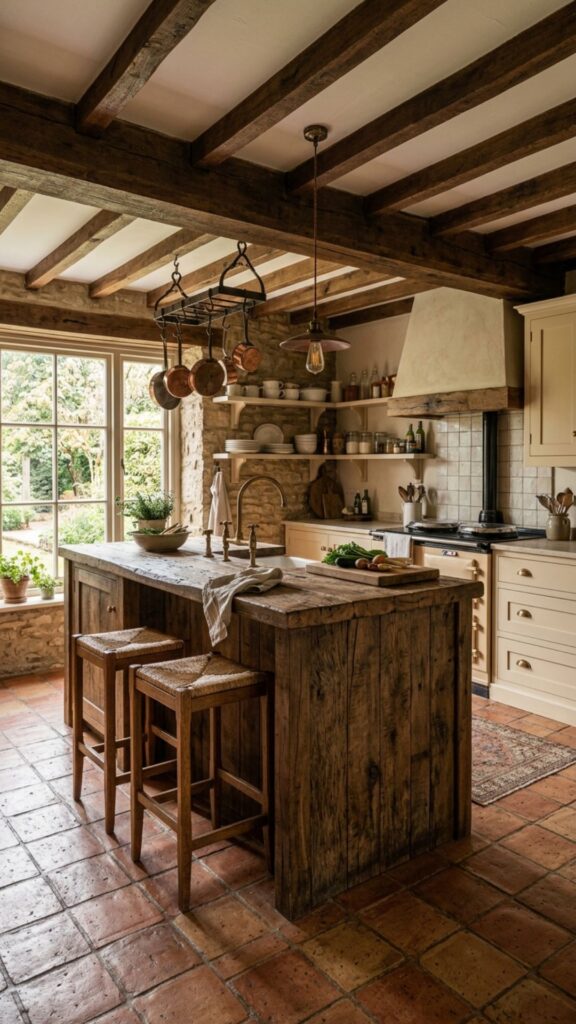
Nothing says Italian countryside quite like weathered timber. A reclaimed wood island brings instant character, with natural knots and grain telling a story before you’ve even chopped an onion. These pieces pair beautifully with terracotta floors and exposed ceiling beams.
The best part is the sustainability angle. Salvaged wood from old barns or wine barrels adds authenticity you simply can’t fake with new materials. I always recommend sealing the surface with a food-safe oil to protect it from spills while keeping that lived-in, honest look.
2. Carrara Marble Countertops
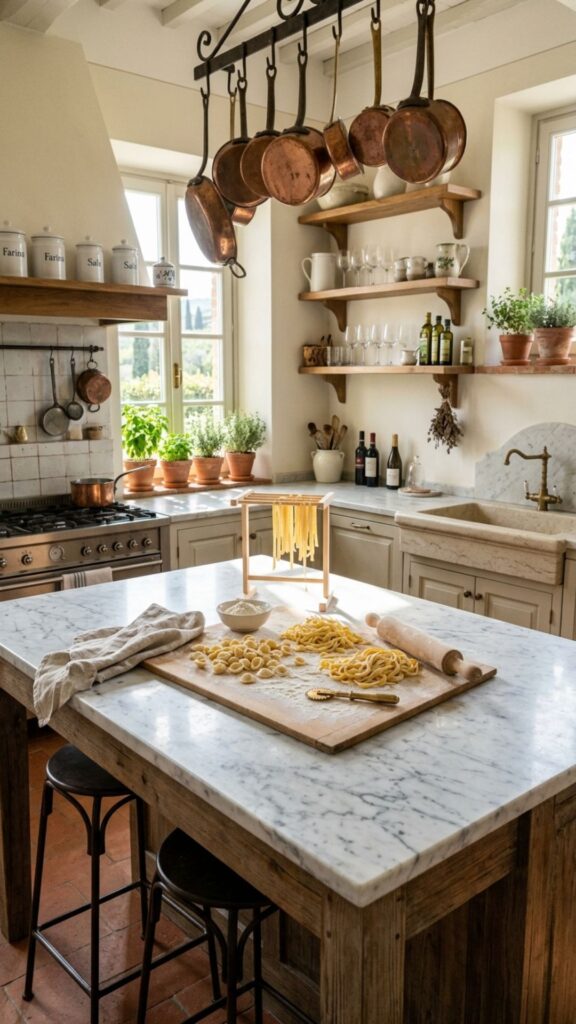
Few materials feel more Italian than marble quarried from Carrara, the same source Michelangelo used for his sculptures. A marble-topped island gives your kitchen an elegant, cool surface that’s perfect for rolling pasta dough and kneading bread.
Yes, marble stains and scratches over time. But here’s the thing: many Italian families embrace that patina. Each mark becomes part of the kitchen’s history. If you prefer low maintenance, a quality sealant applied yearly keeps it looking gorgeous for decades.
3. Terracotta Tile Accents
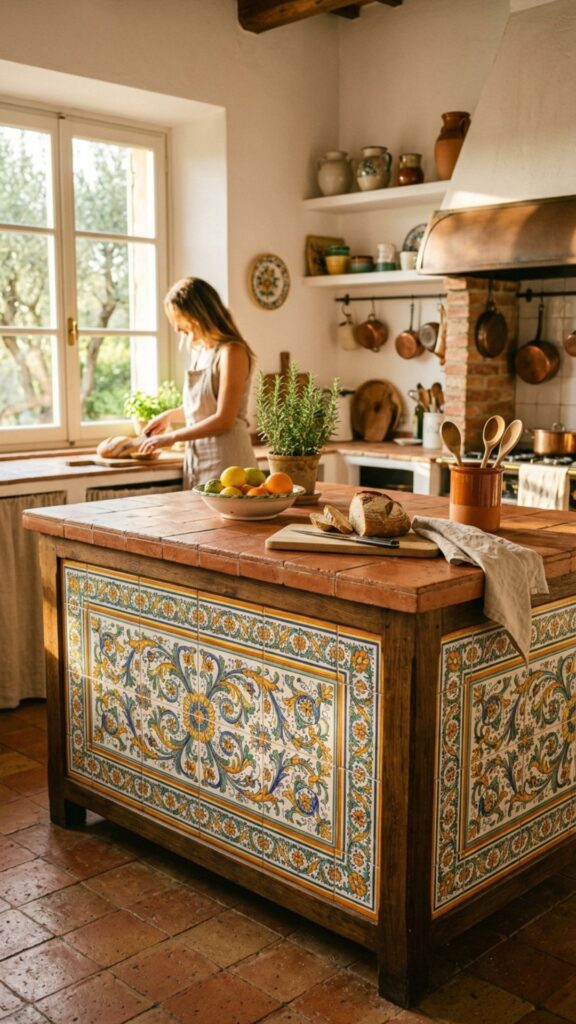
Warm, earthy terracotta instantly evokes sun-baked Mediterranean villas. Consider wrapping the base of your island in handmade terracotta tiles for a pop of color and texture that grounds the whole room.
This idea works especially well in kitchens with plenty of natural light. The tiles catch morning sun and glow with a soft, golden hue. Mix in a few hand-painted majolica tiles for extra personality, and you’ve got a focal point guests won’t stop admiring.
4. Open Shelving Base for Display
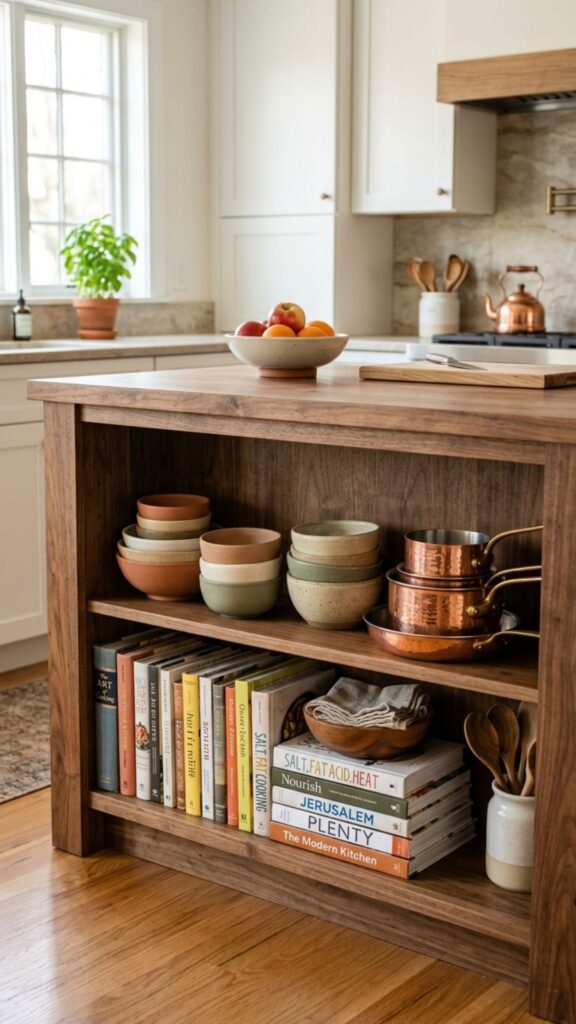
Swap closed cabinets for open shelving beneath your island. This lets you show off ceramic bowls, copper pots, and stacks of cookbooks, adding warmth and a sense of everyday use.
Italian kitchens celebrate ingredients and tools rather than hiding them away. Open shelves keep your favorite items within arm’s reach while creating that inviting, lived-in feel. Just remember to edit regularly so the look stays curated, not cluttered.
5. Built-In Wine Storage
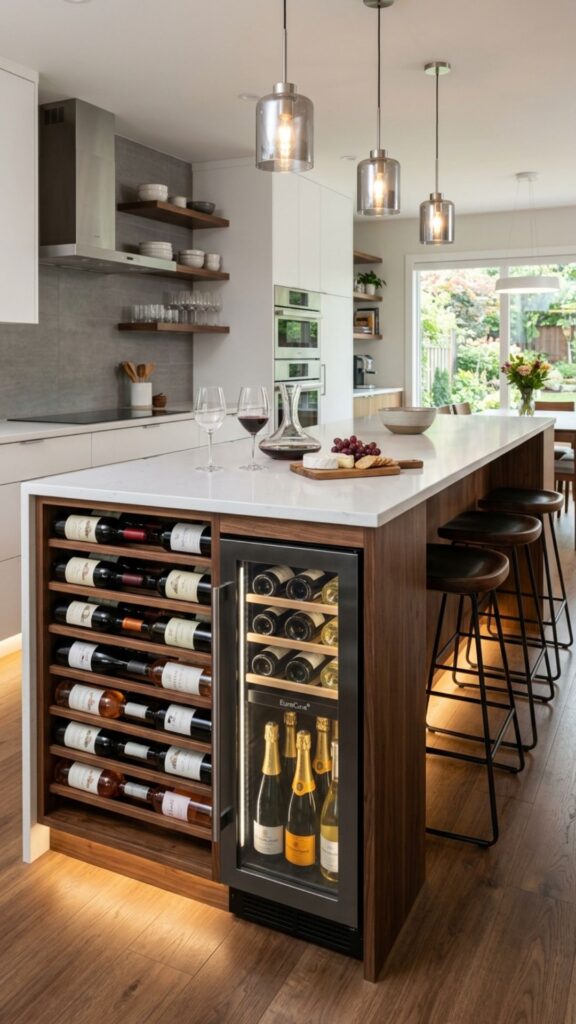
For a nation that loves its Chianti and Barolo, wine storage is practically essential. Integrate a small wine rack or a temperature-controlled fridge into your island for easy access during meals.
Position the storage on the side facing your dining area so serving feels effortless. A cluster of bottles displayed horizontally adds a decorative touch too. It’s a smart use of space that turns your island into a genuine entertaining hub.
6. Butcher Block Prep Surface
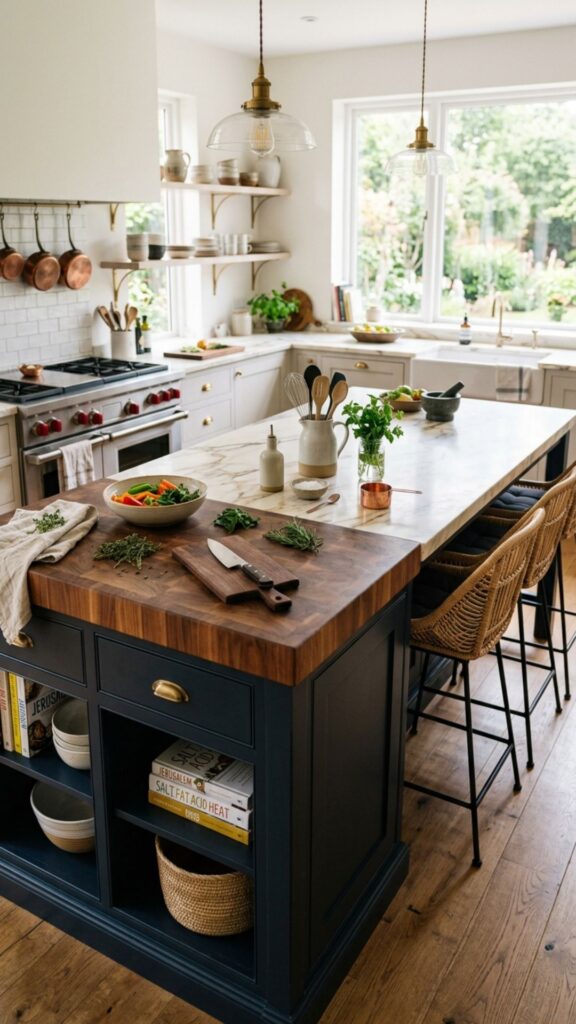
A thick butcher block section brings serious functionality to any island. Italian home cooks spend hours chopping herbs, slicing tomatoes, and portioning meats, so a durable wood prep zone earns its keep.
I love pairing butcher block with a stone countertop on the same island. You get the best of both worlds: a warm cutting surface and a cool baking area. Treat the wood with mineral oil monthly and it’ll last a lifetime.
7. Farmhouse Sink Integration
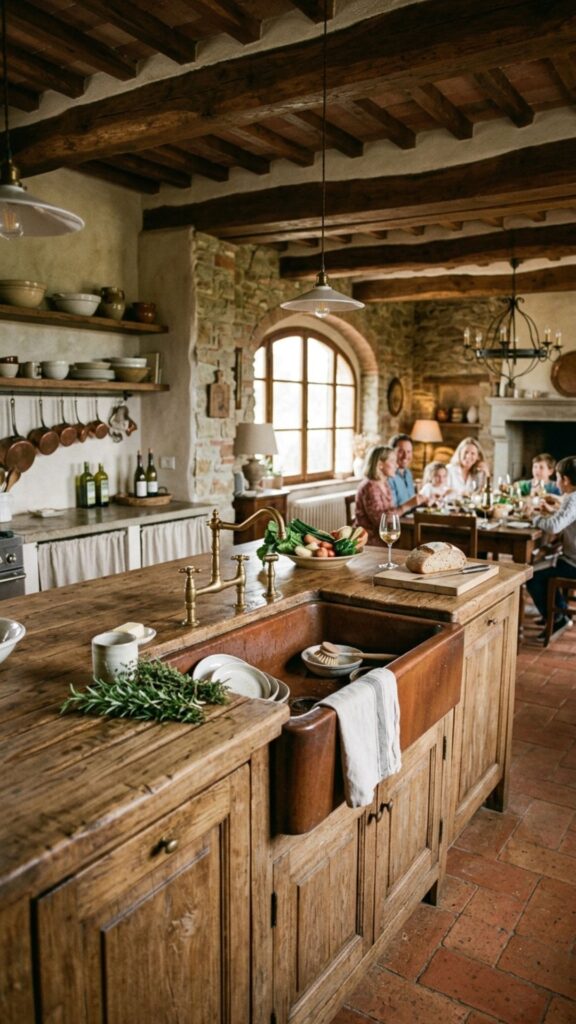
An apron-front farmhouse sink built into your island channels that timeless rustic Italian spirit. Its deep basin handles big stockpots and heaping piles of fresh vegetables with ease.
Choosing a fireclay or natural stone sink amplifies the traditional feel. Place it facing the room so you can chat while washing up. This layout keeps the cook connected to family and guests, which is what Italian cooking is all about.
8. Copper Accents and Fixtures
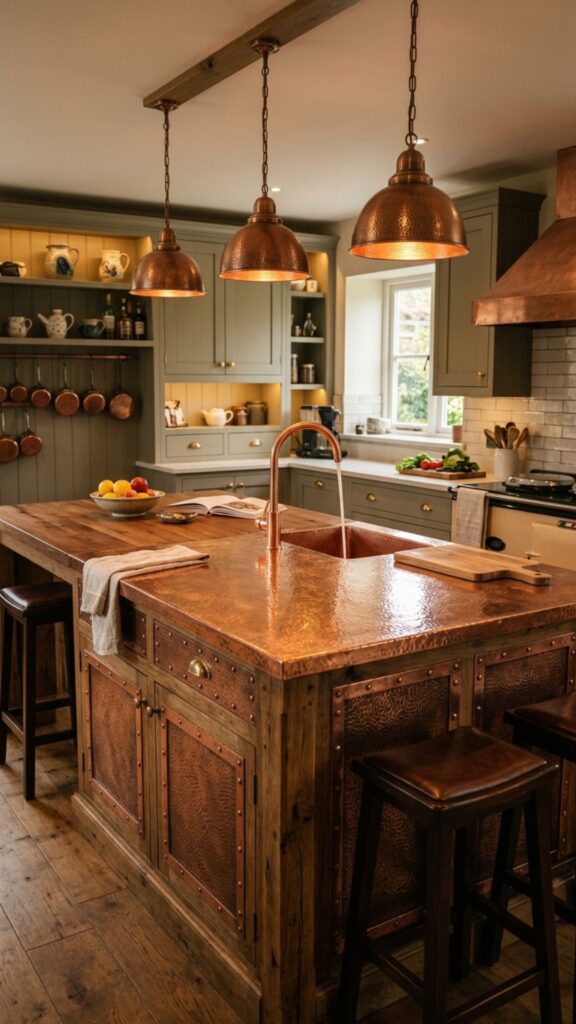
Copper has long held a place in Italian kitchens, prized for its beauty and heat conductivity. Add copper pendant lights, faucet fixtures, or a hammered copper countertop section for a rich, warm glow.
Over time, copper develops a natural patina that only deepens its charm. If you prefer a bright shine, a quick polish restores it in minutes. Either way, these accents bring a handcrafted, artisanal quality that mass-produced kitchens lack.
9. Curved Island for Flow
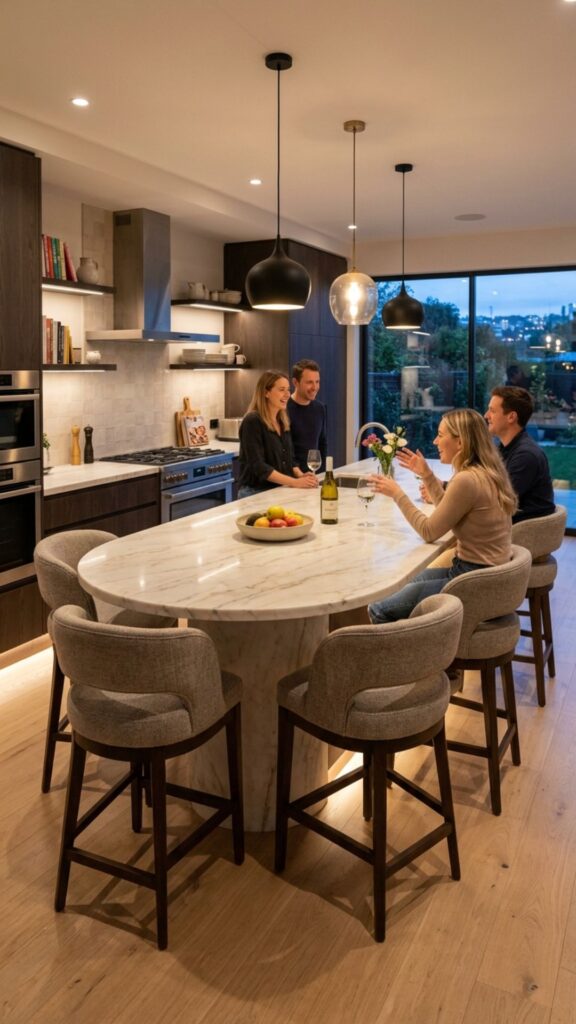
Break away from boxy shapes with a gently curved island. Rounded edges soften the room and improve traffic flow, especially in busy kitchens where multiple cooks gather.
Curves also feel more organic, echoing the relaxed elegance of Italian design. A semicircular seating area invites family to perch with an espresso while you cook. It’s a practical choice that also looks effortlessly stylish.
10. Two-Tone Cabinetry
Combining two colors on your island base adds depth and visual interest. Think creamy off-white paired with sage green, or warm walnut against soft gray, all classic Italian palettes.
This approach lets your island stand out as a statement piece while complementing surrounding cabinetry. Keep one tone neutral to avoid overwhelming the space. The result feels intentional and sophisticated without trying too hard.
11. Integrated Herb Garden
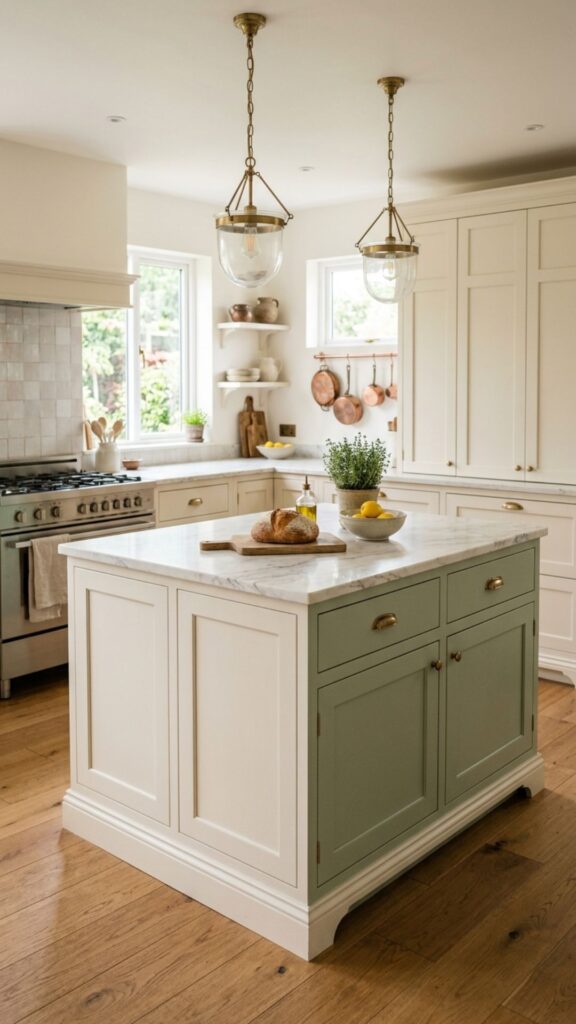
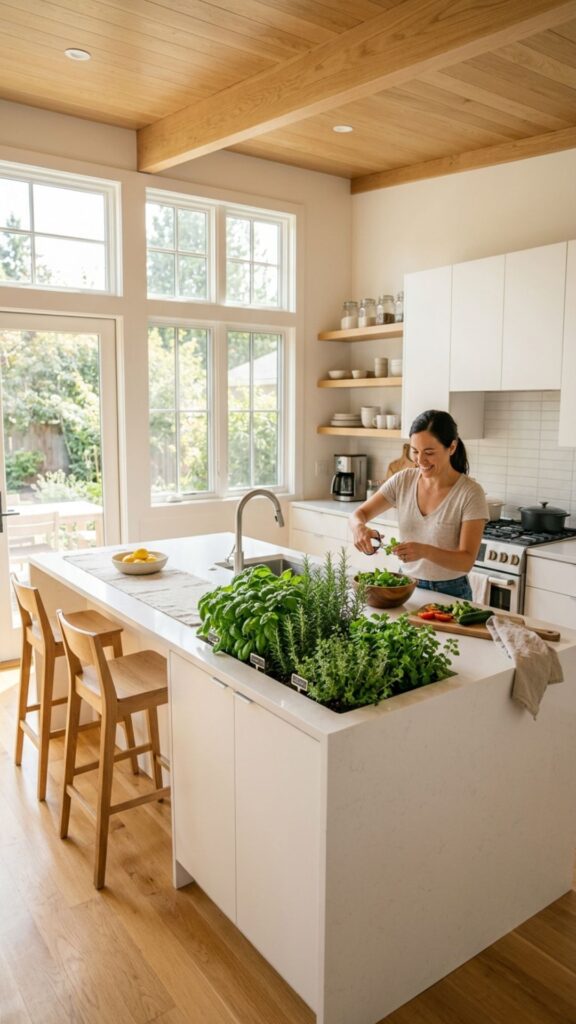
Fresh basil, rosemary, and oregano are the backbone of Italian cooking. Build a small planter box into the end of your island so you can snip herbs the moment a recipe calls for them.
Place the garden near a window for adequate sunlight. Beyond the practical benefits, the greenery adds life and fragrance to your kitchen. There’s real joy in cooking with ingredients you’ve grown just steps from the stove.
12. Pizza Oven Adjacent Design
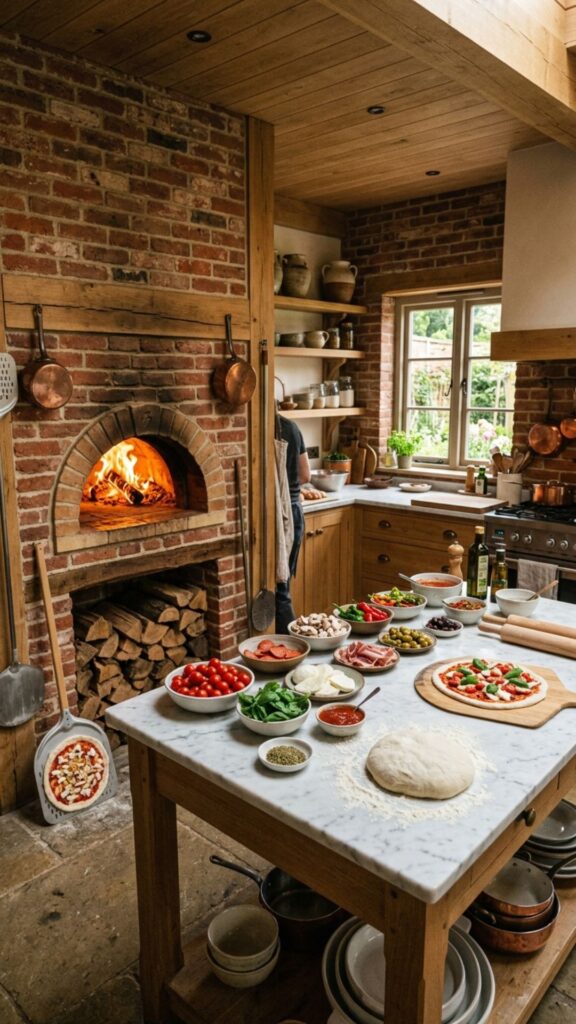
If you’re serious about homemade pizza, position your island near a wood-fired or built-in oven. Use the island as your prep and assembly station for stretching dough and layering toppings.
A marble or stone surface works best here since it stays cool and handles flour beautifully. Design the layout so you can move seamlessly from prep to oven. Weekend pizza nights will never be the same.
13. Antique Table Repurposed
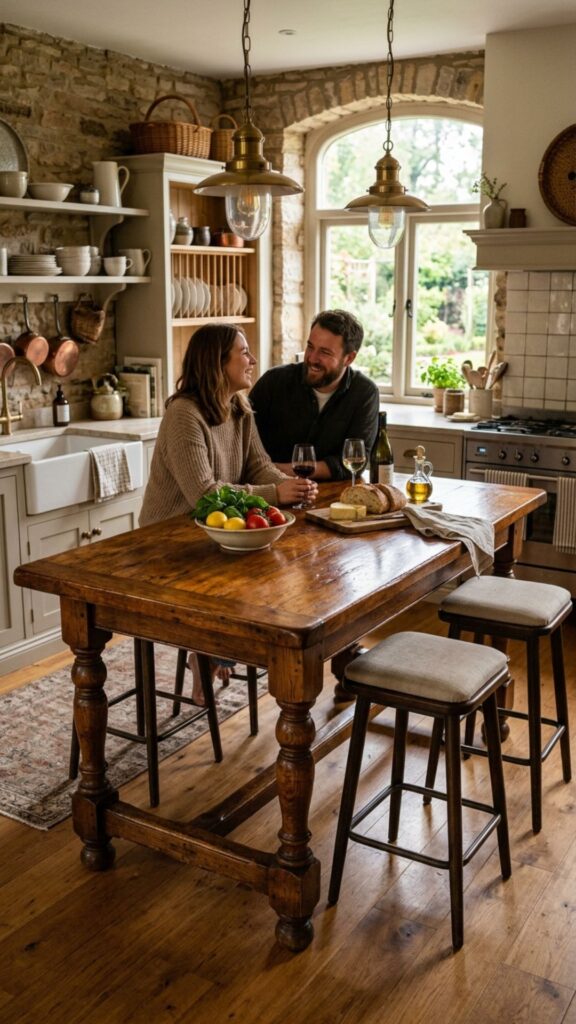
For an authentic touch, transform an old Italian dining table into your island. A vintage piece with turned legs and worn wood brings history and character no new build can match.
Hunt through antique markets or family attics for the right table. Add a fresh countertop if needed, but keep the original base visible. This idea celebrates the Italian love of heirlooms and gives your kitchen a truly one-of-a-kind centerpiece.
14. Waterfall Edge Countertop
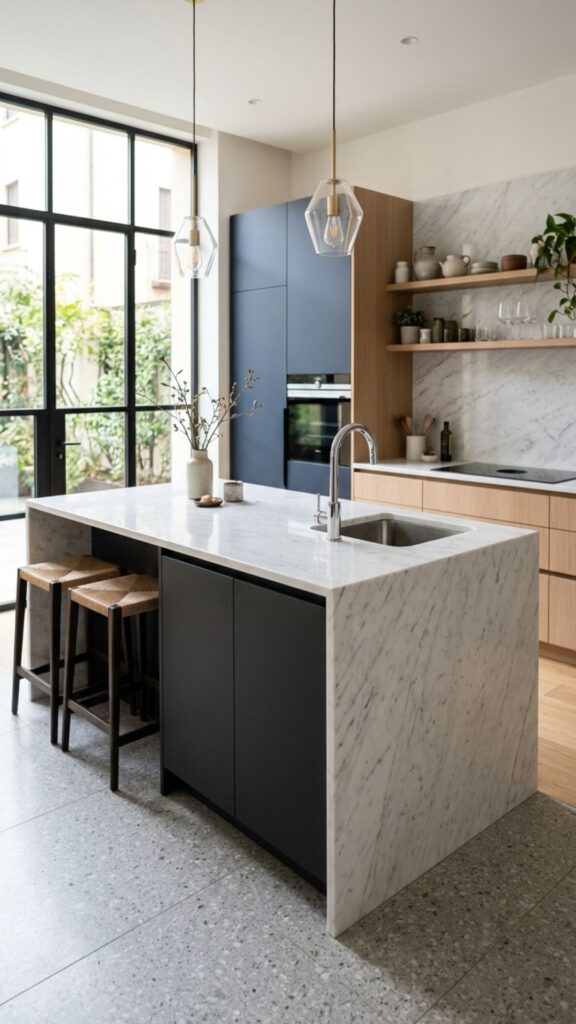
For a modern Milanese feel, choose a waterfall edge where the countertop material flows down the sides to the floor. This sleek look suits contemporary Italian kitchens beautifully.
Marble, quartz, or granite all work well for this style. The continuous surface creates a clean, luxurious statement. It’s proof that Italian design isn’t only about rustic charm; it embraces bold modern lines too.
15. Seating with Wrought Iron Stools
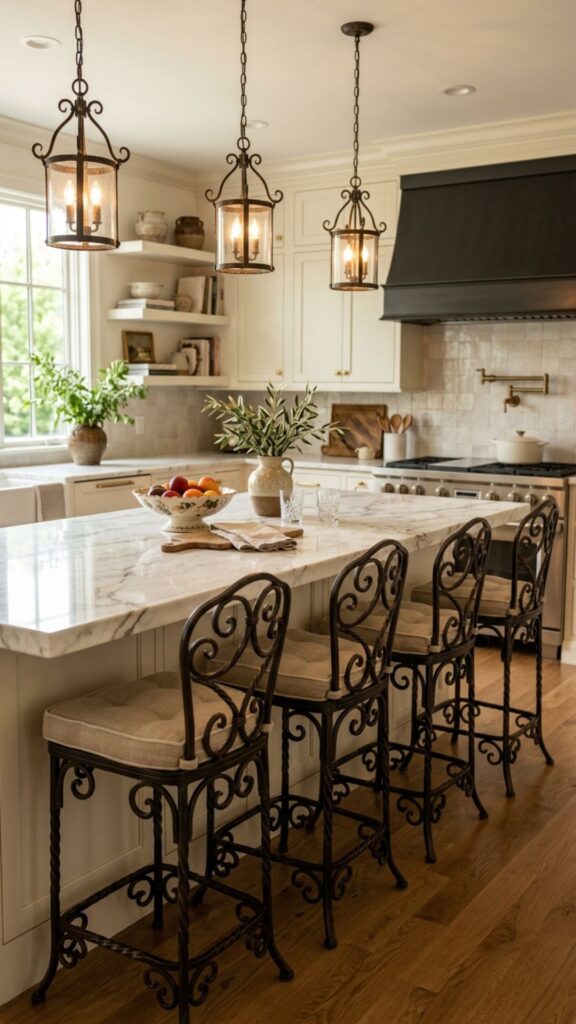
Add wrought iron bar stools for a classic Italian accent that balances rustic and refined. Their intricate scrollwork adds artistry while providing comfortable seating for casual meals.
Choose cushioned seats in leather or linen for extra comfort during those long, lingering conversations. The dark metal contrasts nicely with lighter countertops. It’s a small detail that pulls the whole aesthetic together.
16. Concrete Countertop for Industrial Edge
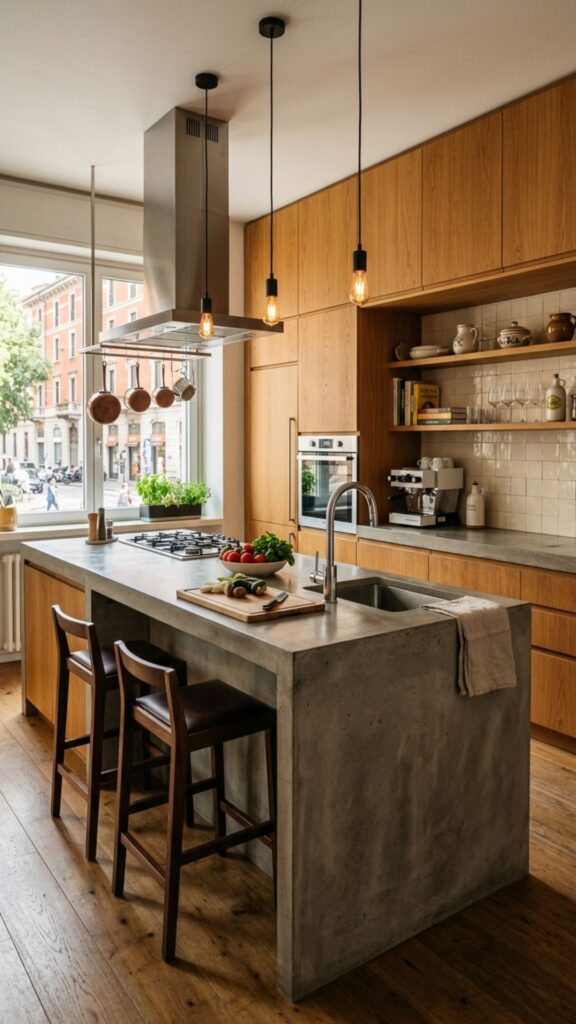
Concrete brings a modern, urban Italian vibe reminiscent of Milan’s design studios. It’s incredibly durable and can be tinted or polished to suit your style.
You can even embed small details like glass fragments or fossils for a personalized touch. Concrete pairs surprisingly well with warm wood accents, balancing industrial cool with organic warmth. Seal it properly to guard against stains.
17. Hidden Storage Solutions
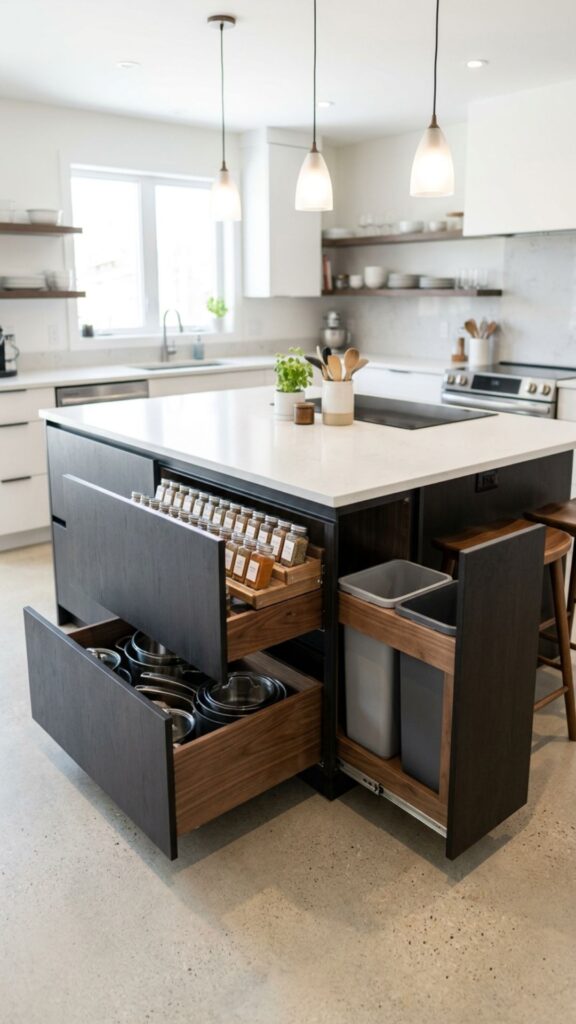
Maximize function with clever hidden storage. Deep drawers, pull-out spice racks, and concealed trash bins keep your island tidy while housing all your cooking essentials.
Italian kitchens value efficiency as much as beauty. Custom inserts organize everything from olive oil bottles to pasta machines. A clutter-free surface means more room for actually cooking, which is exactly the point.
18. Statement Pendant Lighting
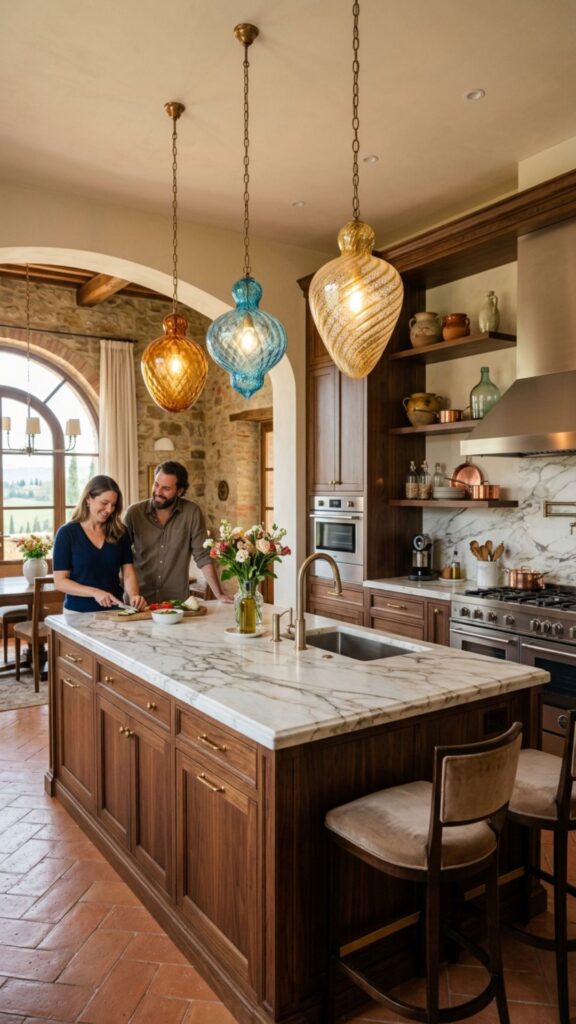
Hang eye-catching pendant lights above your island to anchor the space and set the mood. Murano glass fixtures, handblown in Venice, bring authentic Italian craftsmanship overhead.
Choose warm-toned bulbs for a cozy, inviting glow. Cluster three pendants for larger islands or a single dramatic fixture for smaller ones. Good lighting transforms both the look and functionality of your cooking zone.
19. Mixed Material Layering
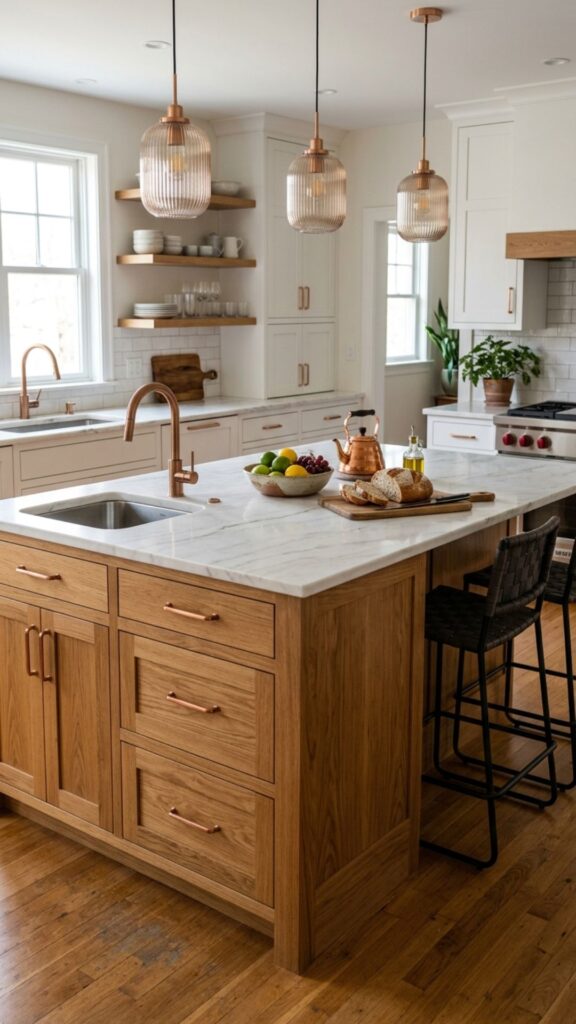
Combine stone, wood, and metal on a single island for rich, layered texture. This approach reflects the Italian talent for blending old and new into something harmonious.
For example, pair a marble top with a wood base and copper handles. The contrast keeps the eye engaged and adds depth. Just balance the materials carefully so the island feels cohesive rather than chaotic.
20. Multi-Level Island for Zones
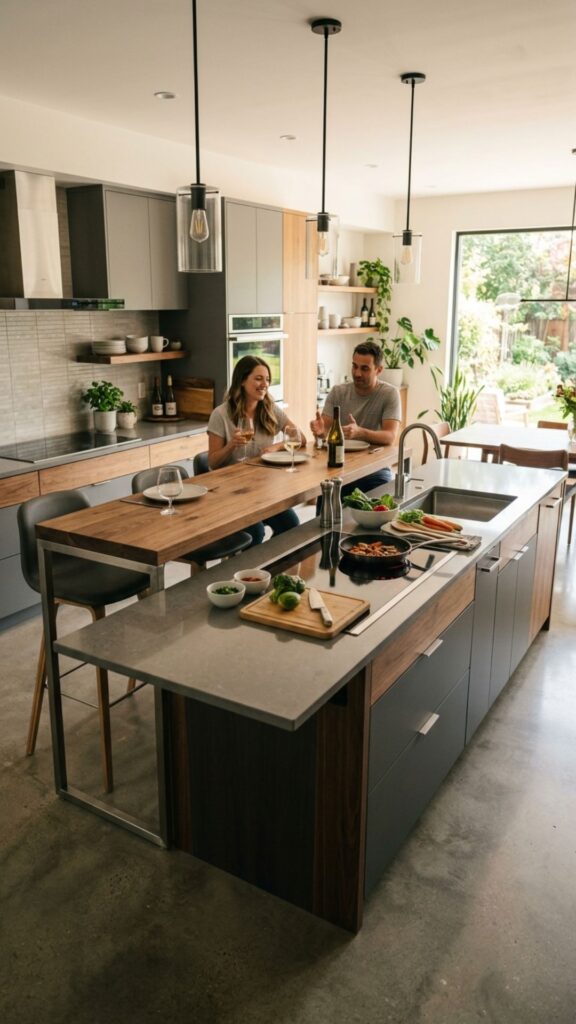
Design your island with two heights: a lower prep surface and a raised bar for dining. This separation creates distinct zones that keep cooking and entertaining flowing smoothly.
The higher level also hides prep mess from guests, a thoughtful touch for anyone who loves to host. It’s a practical solution that works especially well in open-concept homes. You get everything you need in one striking centerpiece.
Bringing Your Italian Kitchen Island to Life
The beauty of Italian design lies in its balance of function, tradition, and effortless style. Whether you lean toward rustic reclaimed wood or sleek waterfall marble, the perfect island reflects how you cook and gather. Start by choosing the ideas that speak to your daily routine, then layer in materials and details that feel authentically you.
Ready to create your dream cooking space? Take these ideas to a trusted kitchen designer or contractor and start planning your renovation today. Your timeless Italian kitchen island is closer than you think, and every meal made there will feel like a little celebration.
What makes a kitchen island look Italian?
An Italian kitchen island typically features natural materials like marble, reclaimed wood, or terracotta, combined with warm tones and handcrafted details. Copper accents, wrought iron stools, and open shelving also contribute to that authentic Mediterranean feel.
What is the best countertop material for an Italian kitchen island?
Carrara marble is the classic choice for its timeless elegance and Italian heritage. However, butcher block, concrete, and quartz also work well depending on whether you want a rustic or modern look and how much maintenance you prefer.
How much space do I need for a kitchen island?
You need at least 36 to 42 inches of clearance around all sides of your island for comfortable movement. For a functional island, aim for a minimum footprint of about 40 by 40 inches, though larger kitchens can support more generous sizes.
Can I add an Italian-style island to a small kitchen?
Absolutely. Choose a compact or curved design, use light colors like off-white or soft sage, and incorporate open shelving to keep things feeling airy. A single statement pendant light and a marble top can deliver plenty of Italian charm even in tight spaces.
How do I maintain a marble island countertop?
Seal the marble once a year, wipe up spills promptly, and use cutting boards to prevent scratches. Avoid acidic cleaners, which can etch the surface. With basic care, marble develops a beautiful patina that lasts for generations.