A porch should be the place you actually want to sit. But when the sun beats down and the air feels like an oven, that dream cools off fast. We know the feeling. You want a spot to relax, sip something cold, and watch the evening roll in without melting.

The good news? A hot climate doesn’t have to steal your porch away from you. With the right shade, smart materials, and a few cooling tricks, you can make an outdoor space that stays comfortable even in July.
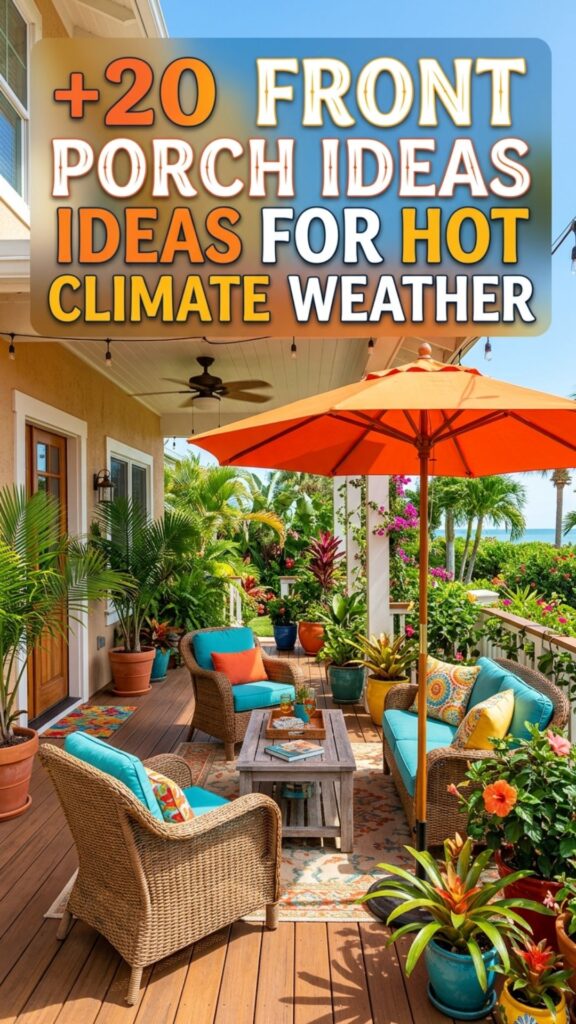
Below are 20 front porch ideas for hot climate living. Each one is practical, doable, and built to help you feel good, look good, and enjoy your home more.
1. Install a Deep Roof Overhang
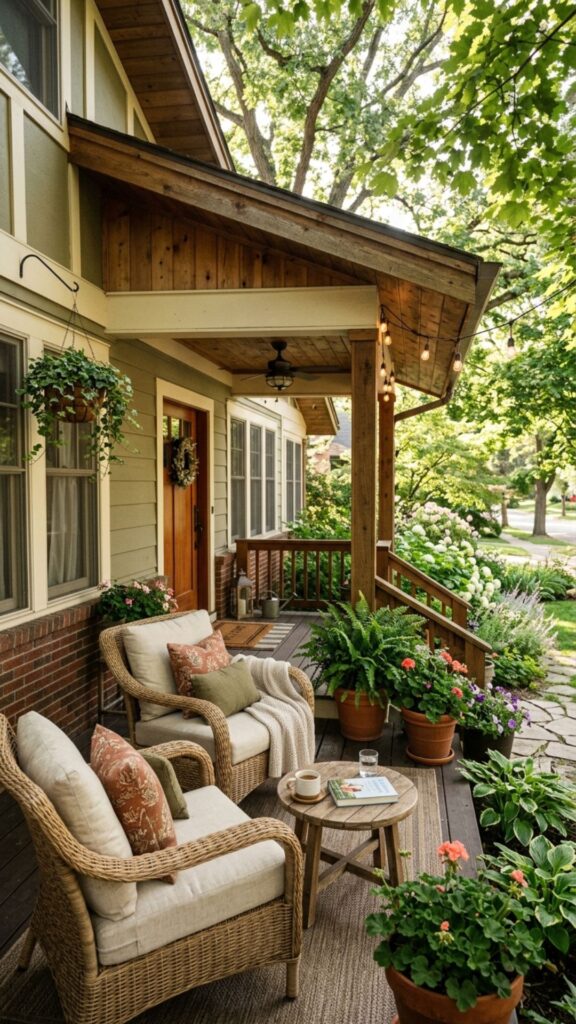
A deep overhang is the simplest way to keep sun off your porch. When the roof extends two to four feet past the porch edge, it blocks the high midday sun while still letting in soft morning light. This one structural choice can drop the surface temperature of your porch by several degrees.
If you’re building or renovating, ask your contractor about overhang depth early. It costs less to plan for it now than to add shade later. We’ve seen homeowners regret a short overhang more than almost any other porch decision.
2. Add a Ceiling Fan Built for the Outdoors
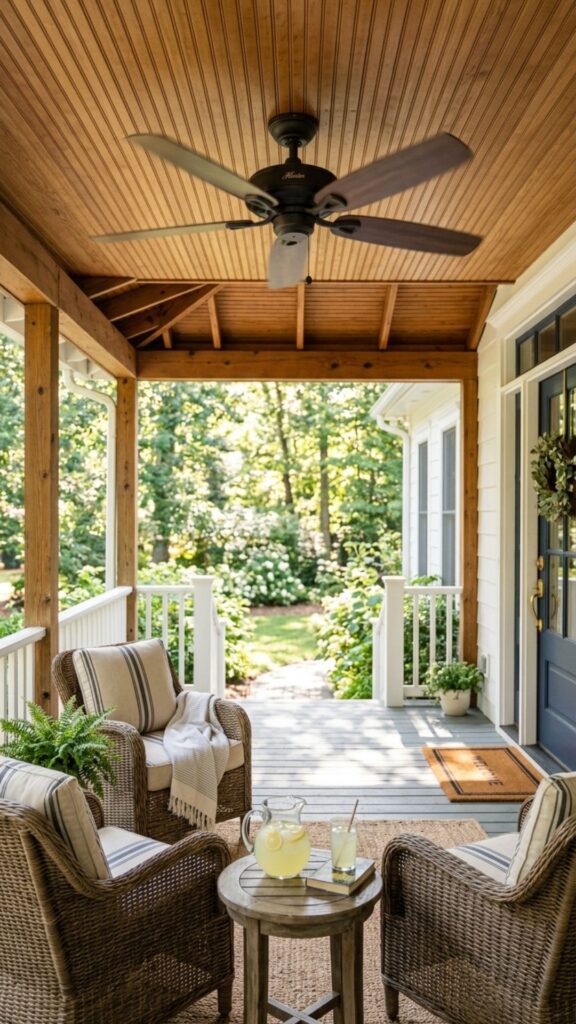
A porch ceiling fan moves air across your skin, and moving air feels cooler even when the temperature stays the same. Look for a fan rated for wet or damp locations so humidity and rain won’t damage the motor. A 52-inch blade span works well for most standard porches.
Mount the fan at least seven feet above the floor for safe clearance. Pair it with a dimmer or speed control so you can adjust the breeze as the day heats up. It’s a small upgrade that changes how the whole space feels.
3. Choose Light-Colored Flooring
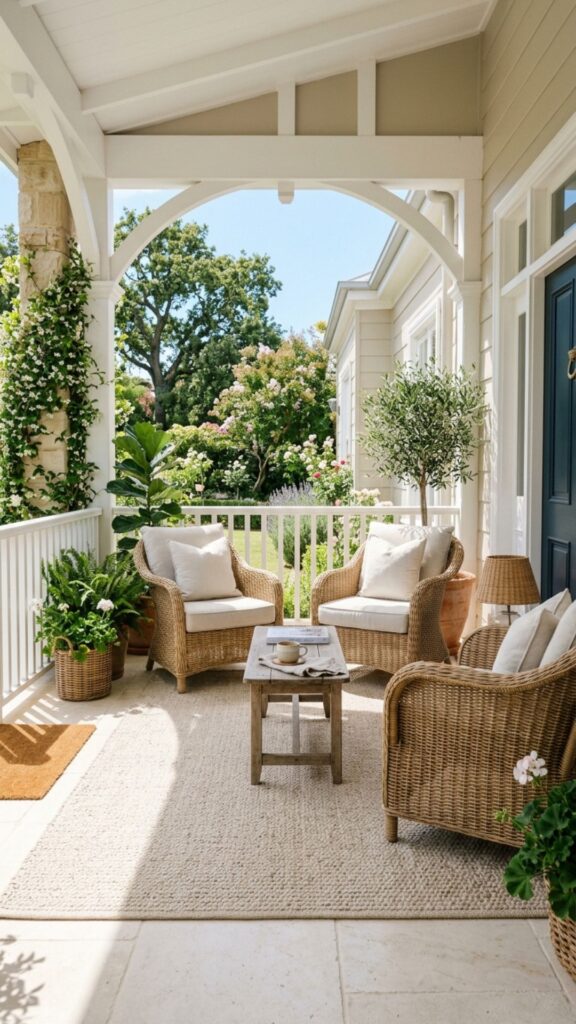
Dark floors soak up heat and radiate it back at you for hours. Light colors reflect sunlight instead, keeping the surface cooler underfoot. Pale gray, sand, or off-white tones make a real difference on scorching afternoons.
If you already have dark flooring, an outdoor rug in a light shade helps. It also protects bare feet from a floor that’s hot enough to sting. Choose a rug made for outdoor use so it dries fast and resists fading.
4. Hang Outdoor Roller Shades
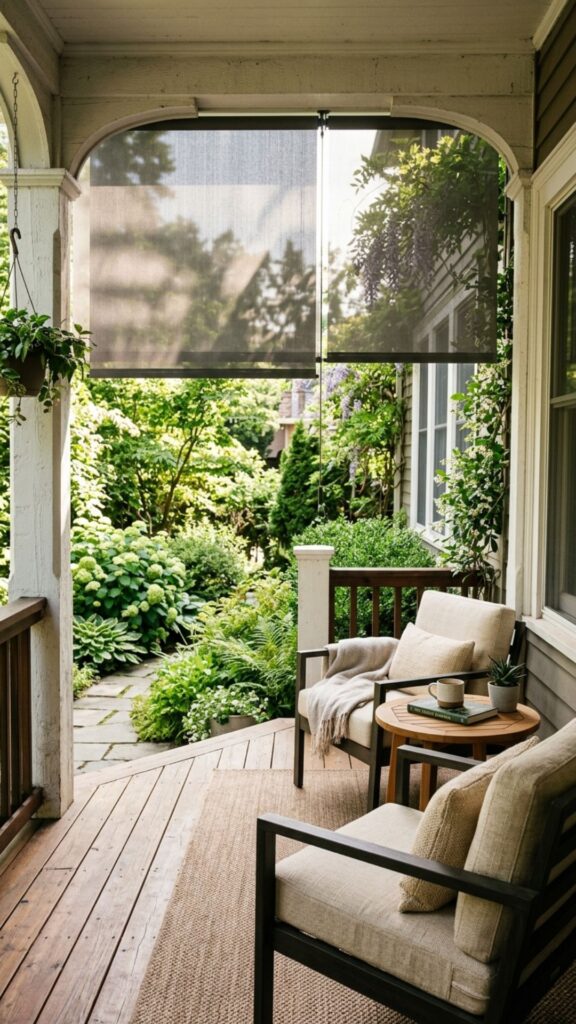
Roller shades let you block the sun exactly when you need to. In the late afternoon, when the light comes in sideways and an overhang can’t help, you simply pull them down. Solar screen fabrics cut glare and heat while still letting you see out.
Look for shades rated for UV resistance so they hold up season after season. Many come with a simple crank or motorized option. This is one of the most flexible front porch ideas for hot climate homes because you control the shade minute by minute.
5. Plant Shade Trees Nearby
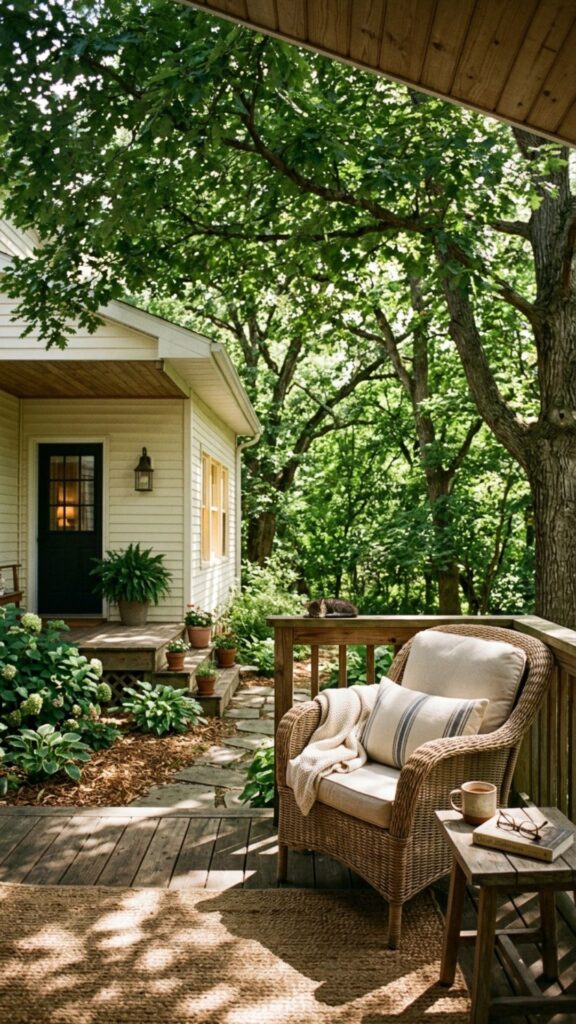
A well-placed tree is natural air conditioning. Plant a deciduous tree on the south or west side of your porch, and it will shade you in summer, then drop its leaves to let winter sun through. Nature handles the seasons for you.
Choose species suited to your region and check the mature spread before planting. Trees like live oak, red maple, or desert willow offer good cover in warm areas. The shade takes a few years to fill in, so plant sooner rather than later.
6. Use a Pergola with Climbing Vines
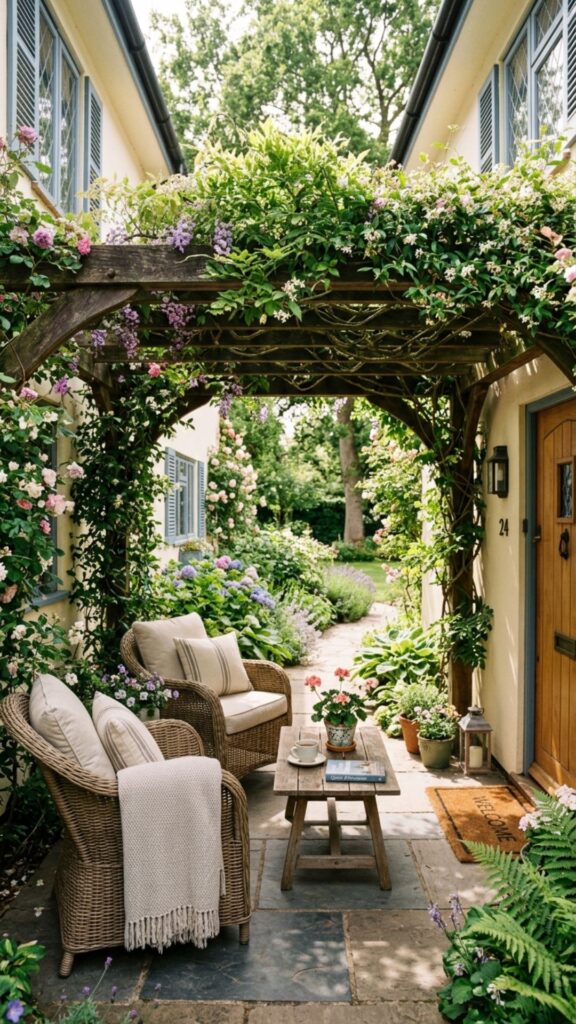
A pergola adds structure and partial shade, and climbing vines turn it into a living roof. Plants like trumpet vine, star jasmine, or grapevine cover the beams and cool the air as they release moisture. The result feels like a green retreat.
Build your pergola with the slats running north to south for balanced coverage through the day. Give vines a season or two to establish. Once they fill in, you’ll get shade that smells good and looks beautiful.
7. Add a Retractable Awning
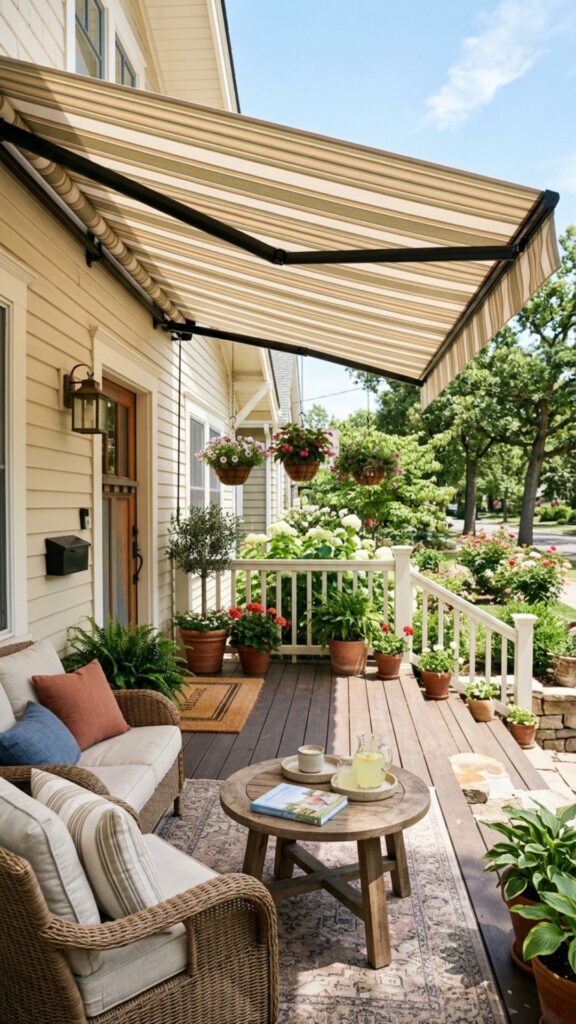
A retractable awning gives you shade on demand. Extend it when the sun is harsh, then roll it back for open sky in the evening. Motorized versions make this effortless, and some even retract automatically in high winds.
Pick a fabric with a high UV block rating and a color that matches your home. Awnings work especially well on porches that face west, where the setting sun turns everything into a heat trap. It’s shade that adapts to your day.
8. Set Up a Misting System
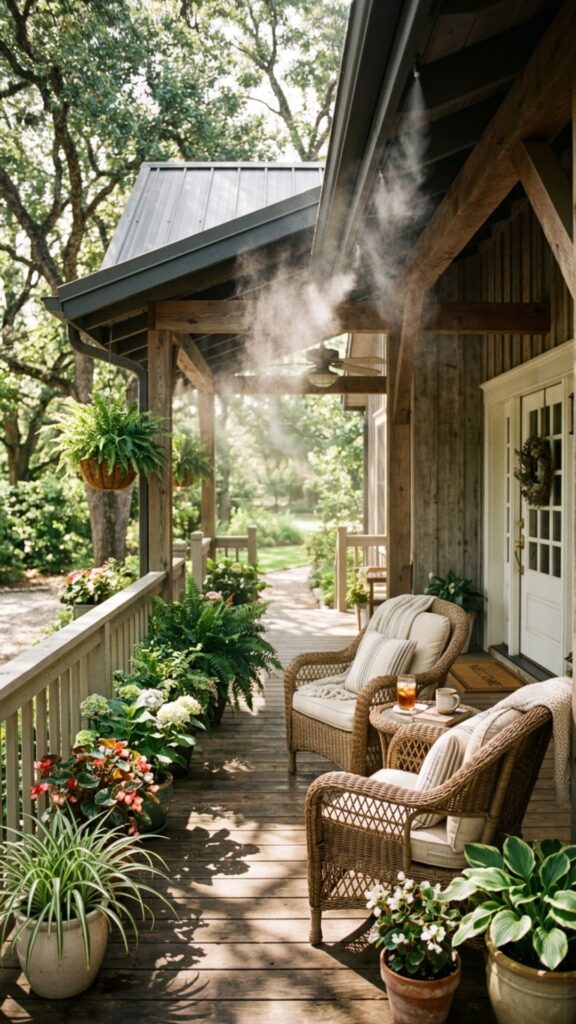
A misting system cools the air through evaporation. Fine water droplets absorb heat as they vanish, and the temperature around your porch can drop by ten to twenty degrees. In dry climates, the effect is dramatic.
Install the lines along your porch ceiling or railing for even coverage. High-pressure systems mist finer and leave less moisture behind than low-pressure ones. On the hottest days, this simple setup keeps your porch usable when nothing else will.
9. Pick Heat-Resistant Furniture Materials
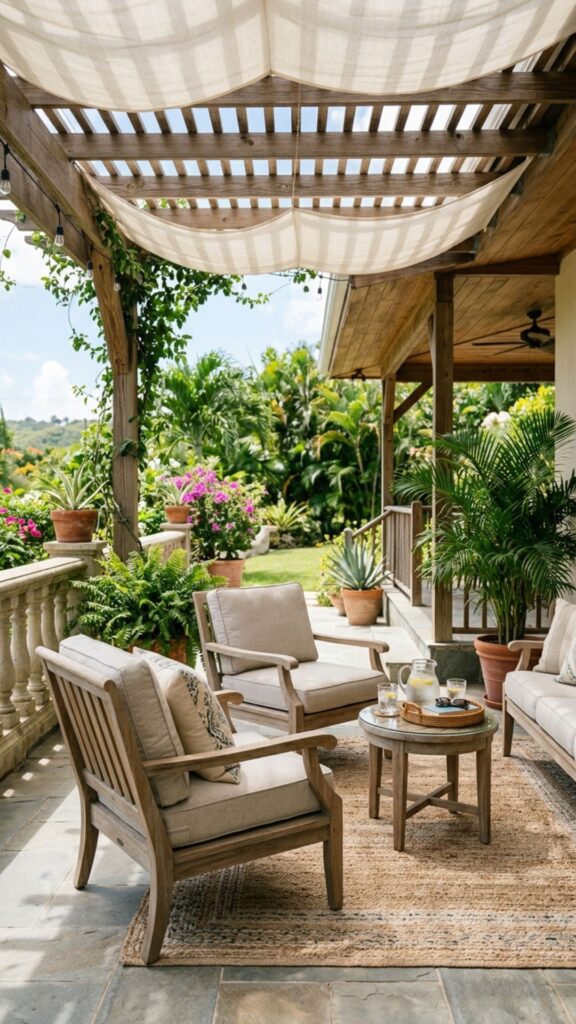
Metal furniture gets painfully hot in direct sun. Instead, choose materials that stay cooler to the touch, like teak, HDPE recycled plastic, or powder-coated aluminum with thick cushions. Your skin will thank you.
Add cushions with quick-dry foam and fade-resistant fabric. Sunbrella and similar performance fabrics handle sun and humidity without breaking down. Comfortable seating is what turns a porch from a passageway into a place you linger.
10. Create Cross-Ventilation with Open Sides
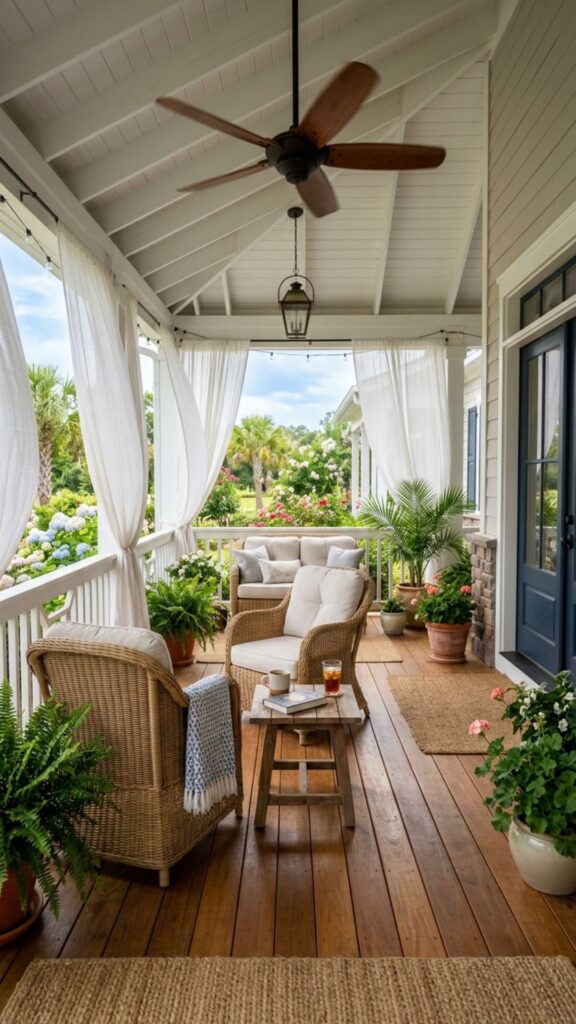
Air needs a path to flow. If your porch has solid walls on multiple sides, warm air gets trapped. Keep at least two opposite sides open so breezes can move straight through and carry heat away.
If privacy is a concern, use slatted screens or lattice instead of solid walls. They block sightlines while letting air pass. This is one of those front porch ideas for hot climate design that costs nothing but planning.
11. Install Bahama or Louvered Shutters
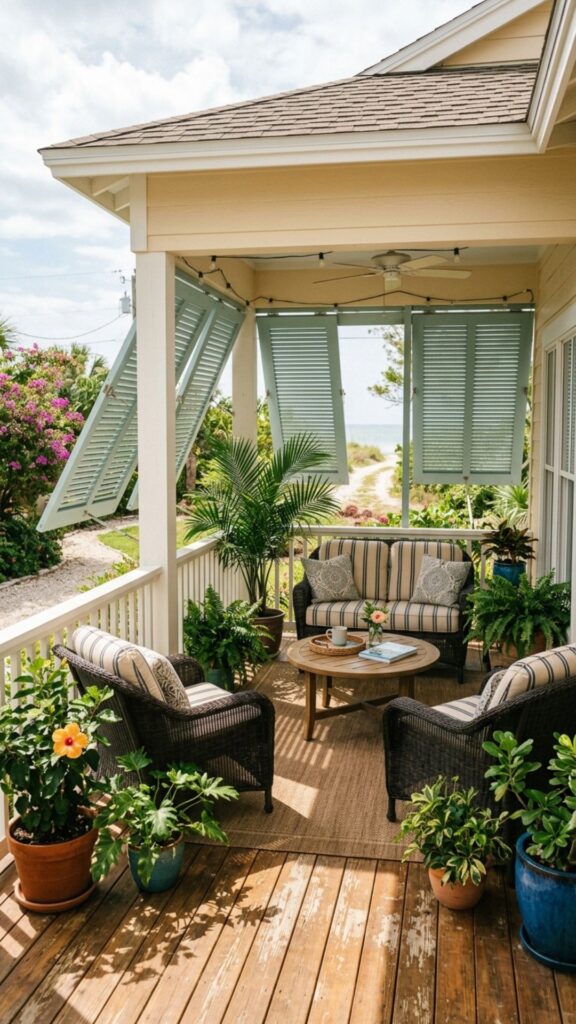
Bahama shutters mount at the top and swing outward, casting shade over your porch while letting air slip underneath. They’re a coastal classic for good reason. Louvered designs let you angle the slats to control light and airflow.
These shutters also add character to your home’s exterior. Choose durable materials like aluminum or composite that resist warping in heat and humidity. They protect against sun during the day and storms when weather turns.
12. Add Potted Plants for Cooling Greenery
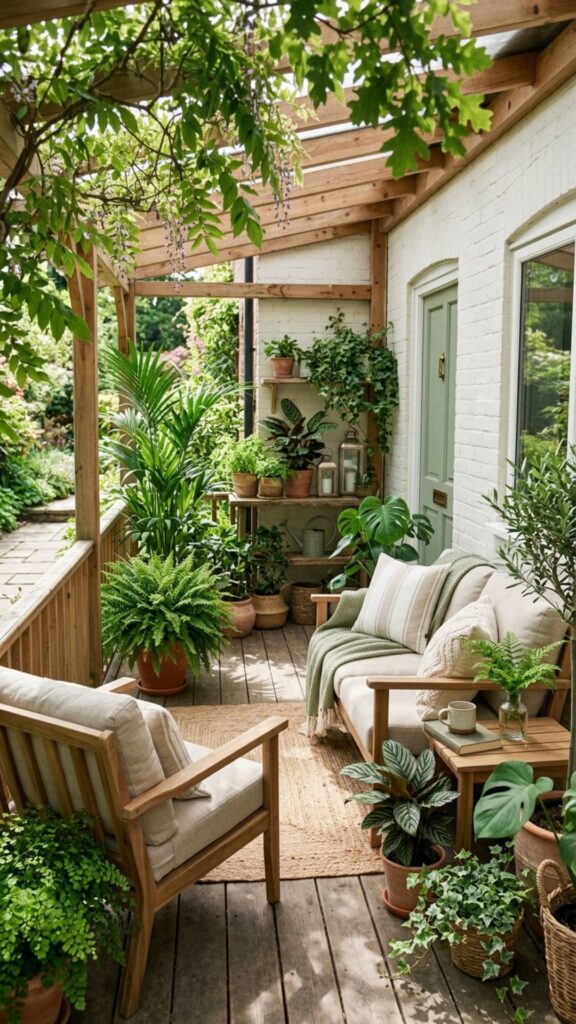
Plants cool their surroundings through a process called transpiration, releasing water vapor that lowers the air temperature nearby. A cluster of leafy potted plants makes your porch feel fresher and softer.
Group ferns, palms, or elephant ears in shaded corners, and use succulents where the sun hits hardest. Water in the early morning so plants stay hydrated through the heat. Greenery cools the space and lifts your mood at the same time.
13. Choose a Light-Colored Roof or Reflective Coating
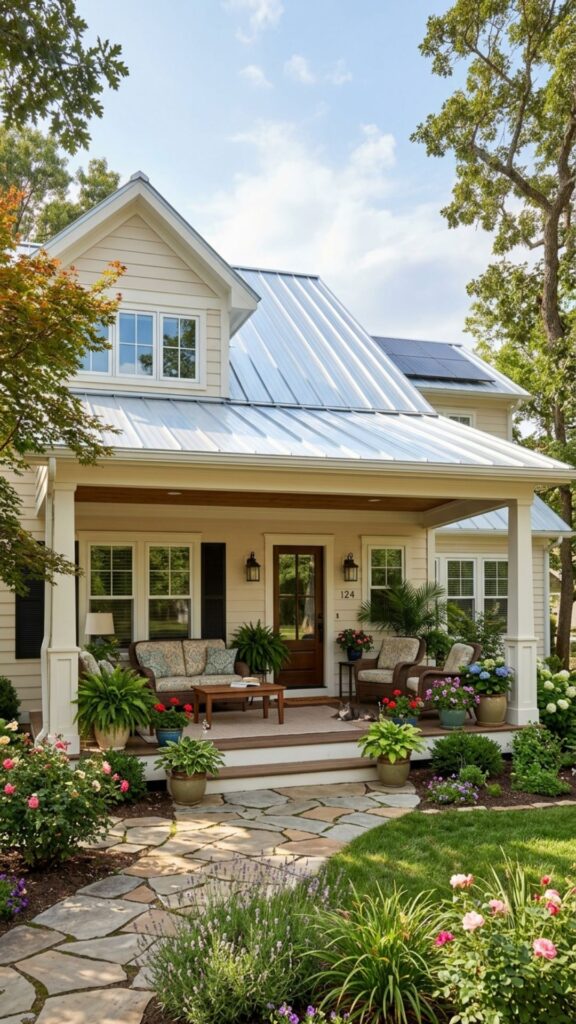
A cool roof reflects sunlight instead of absorbing it. Light-colored shingles or a reflective coating on your porch roof can lower the temperature underneath by a noticeable margin. Less heat overhead means a cooler space below.
Ask a roofer about reflective or “cool roof” products rated for your climate. Many come with energy-saving benefits for the whole home. It’s an upgrade you won’t see much, but you’ll definitely feel it.
14. Use Outdoor Curtains for Flexible Shade
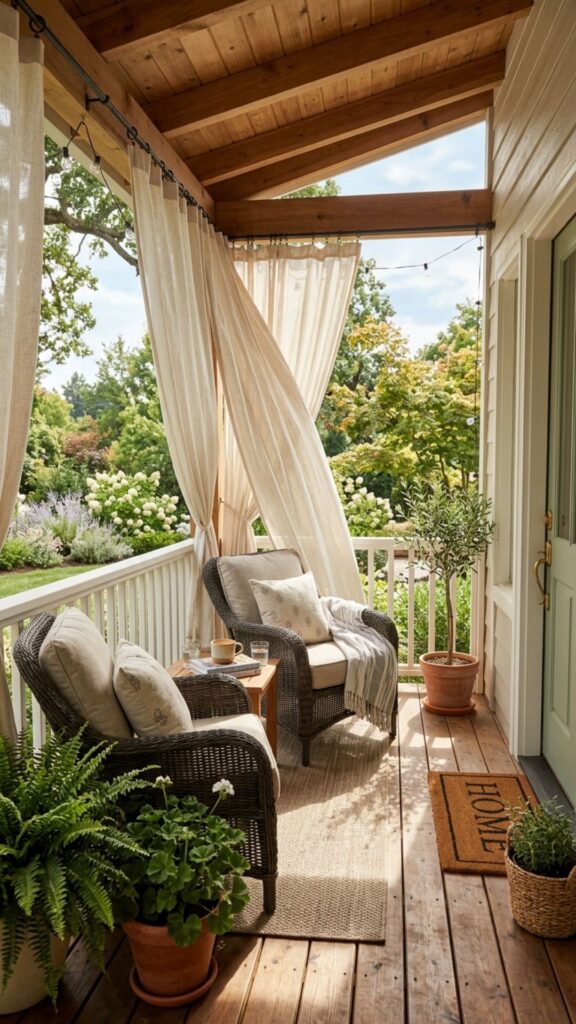
Flowing outdoor curtains soften a porch and block low-angle sun. Slide them closed when the afternoon light gets intense, then open them for airflow later. They add privacy and a relaxed, breezy look.
Hang them on a sturdy rod or wire, and pick fabric made for the outdoors so it resists mildew and fading. Tie them back with simple hooks when you want full openness. Few upgrades add this much comfort and style for so little money.
15. Add a Water Feature for Cooling Sound and Air
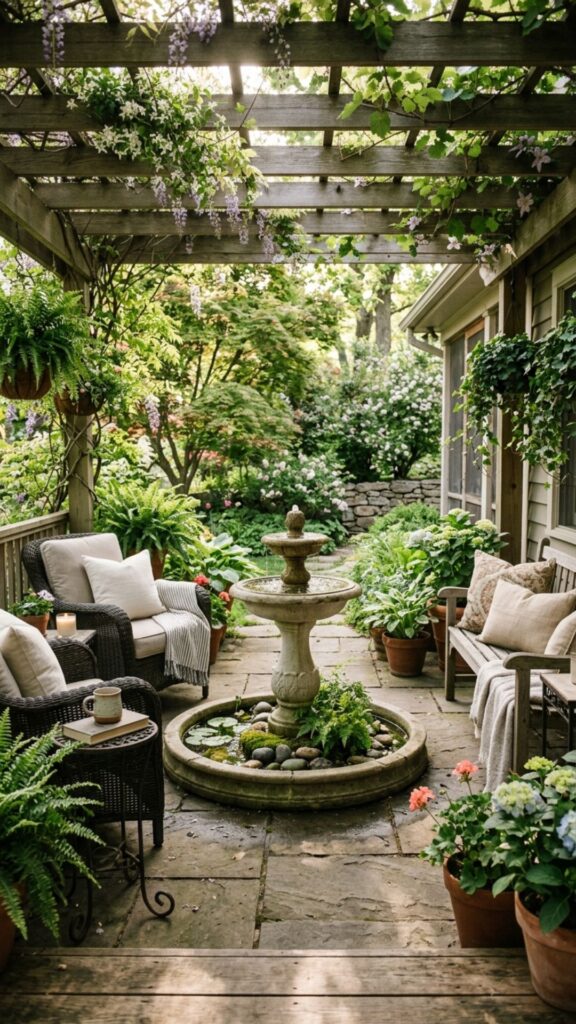
A small fountain does more than look pretty. Moving water cools the air slightly as it evaporates, and the gentle sound helps drown out street noise. Together, they make a porch feel calmer and cooler.
A tabletop or wall-mounted fountain fits even small spaces. Keep it in shade to slow evaporation and use a recirculating pump to save water. It’s a peaceful touch that quietly fights the heat.
16. Install Slatted Privacy Screens
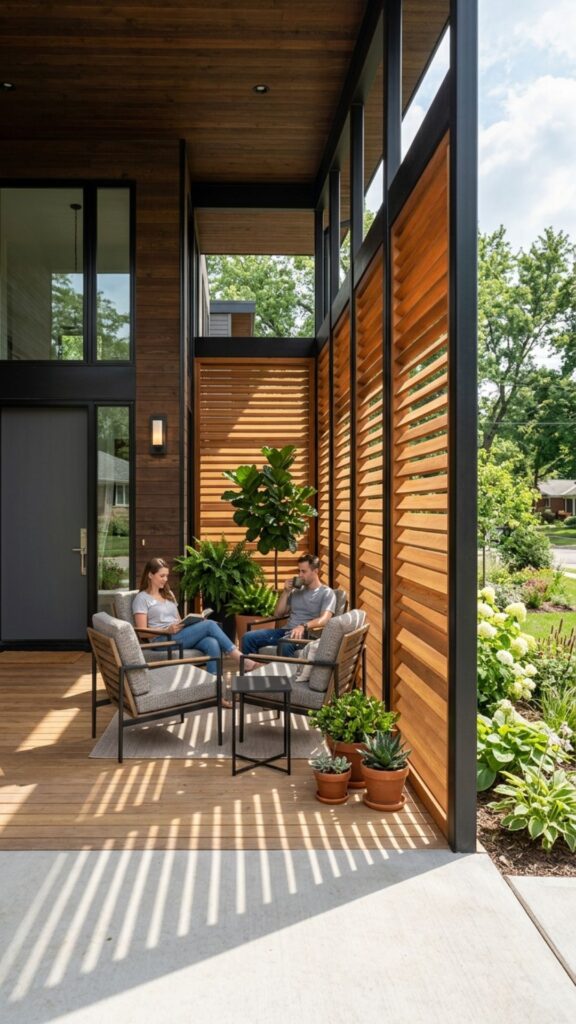
Slatted screens block harsh sun and prying eyes while still letting air flow through the gaps. Position one on the west side of your porch to break the late-day glare without sealing the space in.
Wood, composite, or metal all work well, so choose what matches your home. Angle the slats to control exactly how much light gets through. You get shade and privacy without turning your porch into a stuffy box.
17. Swap in a Porch Swing or Hammock
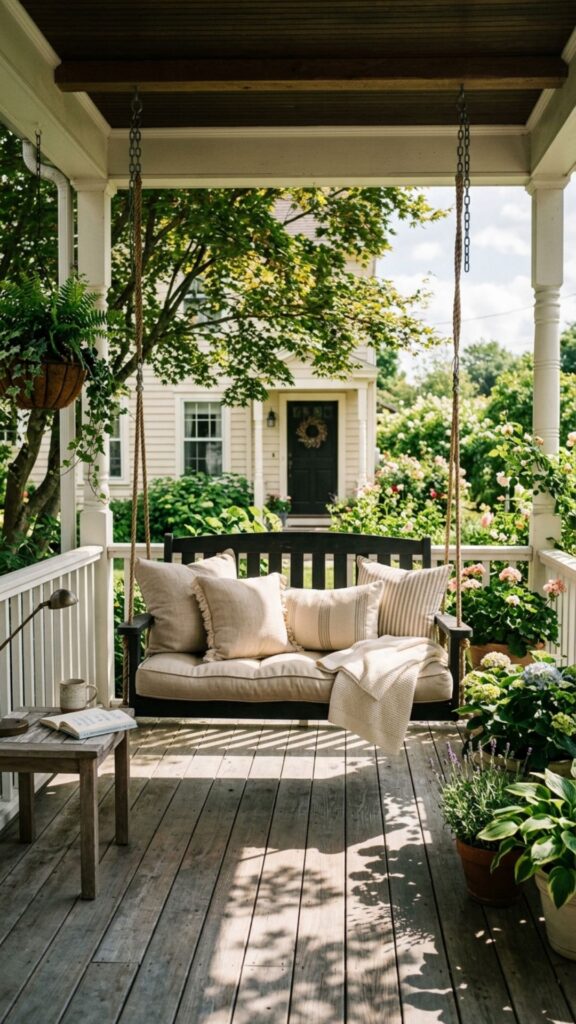
A swing or hammock invites airflow because you’re slightly raised and moving. The gentle sway creates its own light breeze, and hanging seats keep you off hot flooring. They’re built for slow, cool evenings.
Hang them in the shadiest corner and use rope or hardware rated for outdoor weight and weather. Add a couple of breathable cushions for comfort. It’s the kind of spot the whole family fights over on a warm night.
18. Use Bamboo or Reed Shades for Natural Cover
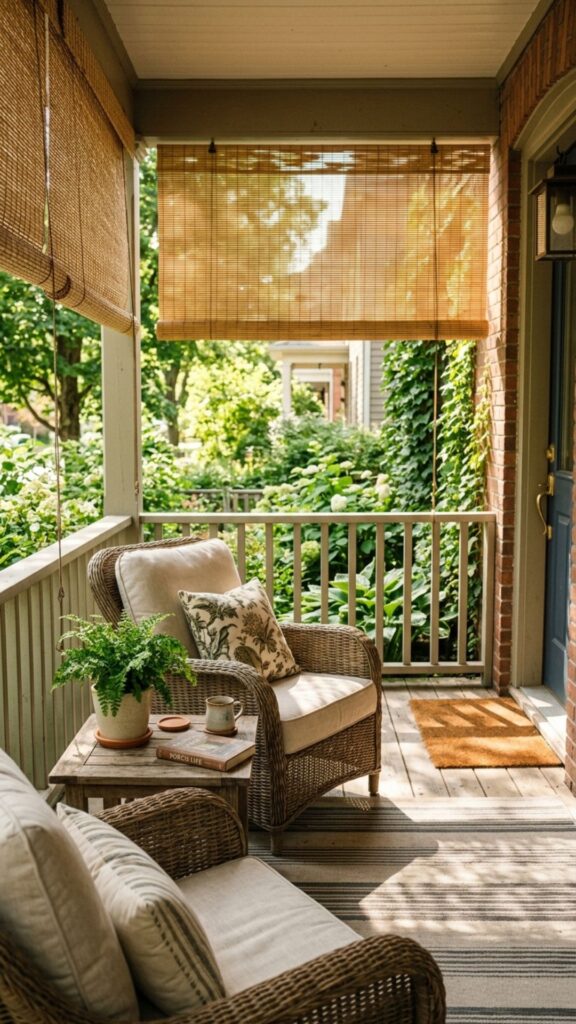
Natural bamboo and reed shades filter sunlight beautifully and add texture to your porch. They cost less than many other shading options and roll up when you want an open view. The dappled light they cast feels gentle and warm.
Mount them along the porch edge where the sun comes in strongest. Treat them with a UV-protective spray to extend their life outdoors. They’re an affordable, good-looking way to tame the heat.
19. Add Strategic Outdoor Lighting for Evening Use
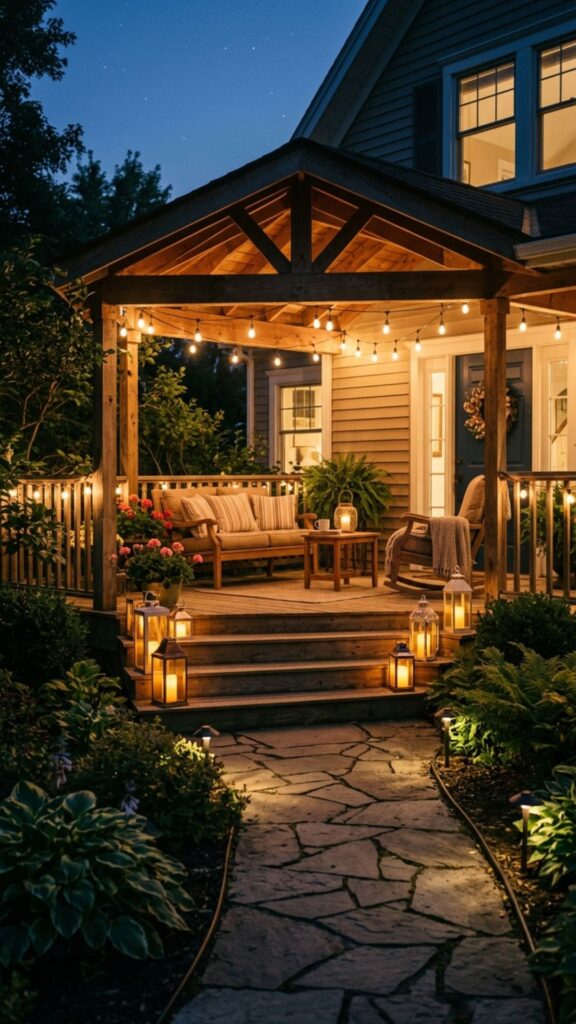
In hot climates, the porch comes alive after sunset. Soft, warm lighting extends your time outdoors once the heat breaks. LED string lights, lanterns, and low-voltage path lights create a welcoming glow.
Choose warm-white bulbs over harsh cool tones for a relaxed feel, and avoid bright fixtures that draw bugs and add heat. Put lights on a dimmer or timer so the mood sets itself. Good lighting turns your porch into an evening escape.
20. Insulate the Porch Ceiling
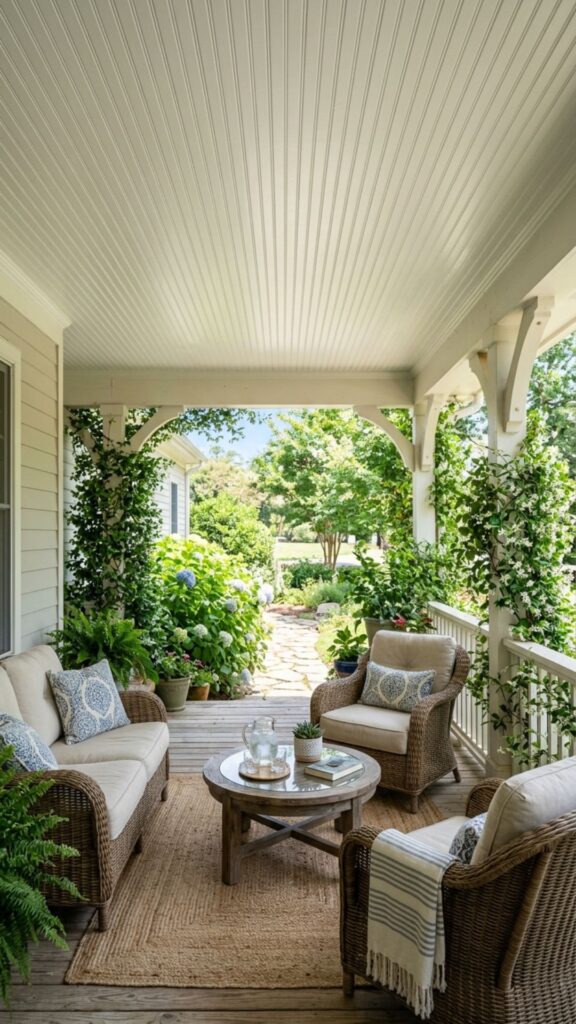
An uninsulated porch ceiling lets attic heat radiate straight down onto you. Adding insulation and a finished ceiling, like beadboard, blocks that heat and makes the space more comfortable all day.
This works best on covered porches attached to the house. Pair the insulation with a light-colored ceiling finish to reflect any heat that gets through. It’s a behind-the-scenes fix that pays off every single afternoon.
Bringing It All Together
You don’t need every idea on this list to enjoy your porch again. Start with shade and airflow, since those two do the heavy lifting. A deep overhang, a good fan, and light-colored surfaces alone can transform how a hot-weather porch feels.
From there, layer in the extras that fit your home and budget. A misting system for dry heat, some leafy plants for softness, a swing for slow evenings. Small changes add up fast.
We believe your porch should work for you, not against the weather. Pick two or three of these front porch ideas for hot climate comfort and try them this season. Then grab a cold drink, settle in, and enjoy the space you’ve earned.
What is the best way to cool a front porch in a hot climate?
The best way to cool a porch is to combine shade with airflow. Start with a deep roof overhang or awning to block direct sun, then add an outdoor ceiling fan to keep air moving. In dry climates, a misting system can lower the temperature by ten to twenty degrees.
What flooring stays coolest on a hot porch?
Light-colored flooring stays coolest because it reflects sunlight instead of absorbing it. Pale concrete, light stone, and light-toned composite decking all resist heat well. Dark materials like black tile or dark stained wood get much hotter and hold that heat longer.
Do misting systems really work in humid climates?
Misting systems work best in dry heat, where water evaporates quickly and cools the air fast. In humid climates, they still help but less dramatically, and they can leave surfaces damp. If you live somewhere humid, a good fan and strong shade will usually do more.
Which direction should a porch face in a hot climate?
A north-facing or east-facing porch stays coolest because it avoids the intense afternoon sun. West-facing porches get the hottest, harshest light late in the day, so they benefit most from awnings, shades, and shutters. You can’t always change direction, but you can shade for it.
How can I add shade to a porch without a permanent roof?
You can add shade without building a roof by using retractable awnings, outdoor roller shades, pergolas with vines, or bamboo shades. These options give you flexible coverage you control by hand or motor. They cost far less than permanent construction and adapt to the sun’s daily path.