Watching a three-year-old gasp at the first green sprout poking through the soil is pure magic. I’ve spent years helping early childhood teachers set up classroom gardens, and I can tell you that few activities capture young attention quite like growing food. Kids who won’t touch a carrot at lunch will happily nibble one they pulled from the dirt themselves.
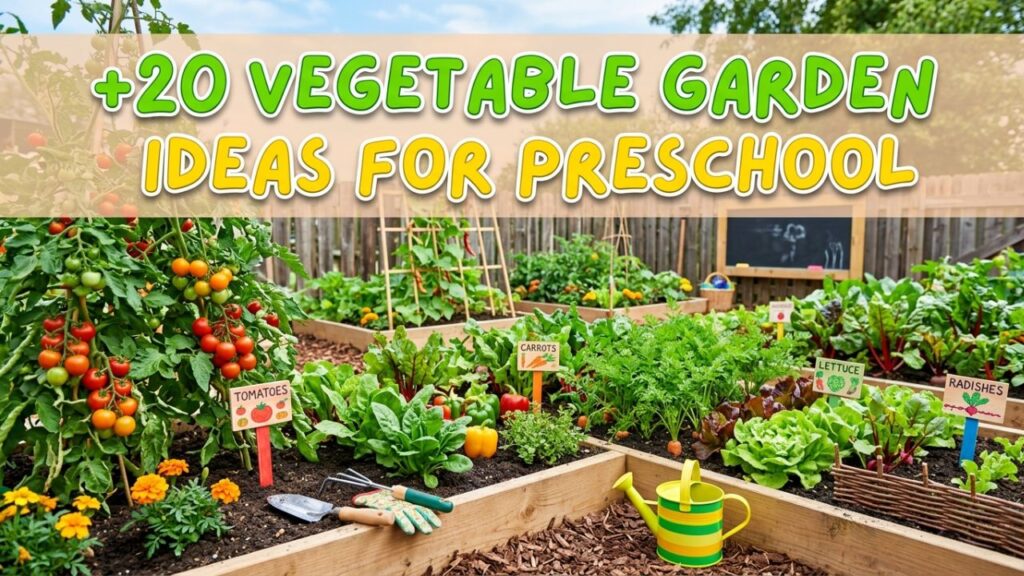
If you’re a preschool teacher or parent looking for fresh vegetable garden ideas for preschool settings, you’re in the right place.
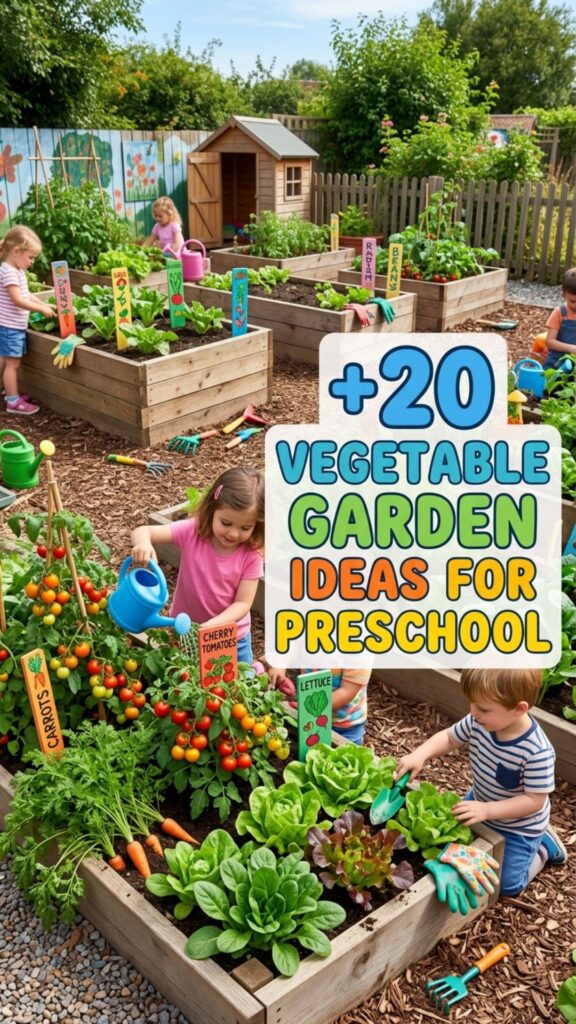
Below, you’ll find 20 practical, low-mess, and genuinely fun garden projects. Each one is designed for tiny hands, short attention spans, and the busy reality of a classroom. Let’s dig in.
1. Start With a Salad Bowl Container Garden
A simple container garden is the easiest way to begin. Grab a wide, shallow pot, fill it with potting soil, and plant lettuce, spinach, and cherry tomatoes together. Children love that everything they need for a salad lives in one bowl. This approach keeps things contained, literally, so soil stays where it belongs.
Place the bowl near a sunny window and let kids take turns with a small watering can. When the lettuce is ready, harvest it together and make a class salad. This full-circle experience shows children exactly where their food comes from, which builds healthy eating habits early.
2. Grow Cherry Tomatoes in Hanging Baskets
Cherry tomatoes are a preschool favorite because they’re sweet, small, and fun to pick. Hanging baskets keep the plants off the ground and away from curious feet. They also add a splash of color to your classroom or outdoor play area.
Let children count the tomatoes as they ripen from green to red. This simple observation builds early math and science skills without feeling like a lesson. Just remind little ones to wait until the fruit turns fully red before tasting.
3. Plant a Pizza Garden
A pizza garden delights kids because it connects to a food they already love. Use a round bed or large pot and divide it into “slices.” In each slice, plant an ingredient like tomatoes, basil, oregano, or bell peppers.
As the garden grows, talk about how each plant becomes part of a real pizza. When harvest day arrives, host a mini pizza-making party using your homegrown toppings. It’s a tasty reward that turns weeks of patience into a celebration.
4. Try an Easy Radish Patch
Radishes are the sprinting champions of the vegetable world. They sprout in days and are ready to harvest in about three to four weeks, which perfectly matches a preschooler’s sense of time. Slow-growing crops can lose their attention, but radishes keep the excitement alive.
Plant seeds in loose soil and let children watch daily changes. When it’s time to pull them, the surprise of a bright red root hiding underground never gets old. It’s one of the most rewarding vegetable garden ideas for preschool classrooms.
5. Build a Bean Teepee
A bean teepee is part garden, part playhouse. Set several tall poles in a circle, tie the tops together, and plant pole beans at the base. As the vines climb, they create a leafy green hideout kids can sit inside.
This project teaches children how plants grow upward and seek sunlight. It also gives them a cozy reading nook once the leaves fill in. Few things beat storytime tucked inside a living bean tent.
6. Sprout Seeds in a Clear Cup
Sometimes the best lessons happen indoors. Place a wet paper towel and a few bean seeds inside a clear plastic cup. Kids can watch roots and shoots grow right before their eyes, no soil required.
This activity reveals the hidden world beneath the ground, which is usually a mystery to young children. Label each cup with a name so every child feels ownership. Once the seedlings sprout, transplant them outside for the next stage.
7. Create a Sensory Herb Garden
Herbs engage more than just the eyes. Plant mint, basil, chives, and lavender in small pots so children can touch and smell each one. This sensory experience is especially valuable for young learners still exploring the world through their senses.
Encourage kids to describe what they smell using words like “sweet,” “spicy,” or “fresh.” This builds vocabulary while sparking curiosity. Herbs are also forgiving plants, so they handle enthusiastic little gardeners well.
8. Grow Carrots in a Deep Bucket
Carrots need loose, deep soil to grow straight, so a tall bucket works beautifully. Fill it with soft potting mix, sprinkle carrot seeds on top, and thin the seedlings as they grow. The real thrill comes at harvest.
Pulling a carrot from the soil feels like uncovering buried treasure. Kids never expect the long orange root hiding below the leafy green tops. It’s a memorable moment that turns a snack into an adventure.
9. Design a Rainbow Vegetable Bed
Color captures a child’s imagination instantly. Plant a bed organized by color: red tomatoes, orange carrots, yellow peppers, green beans, and purple eggplant. The result is a living rainbow that teaches colors naturally.
Use the garden to talk about eating a variety of colorful foods for good health. This gentle nutrition lesson sticks because children connect it to something they helped create. Photos of the rainbow bed also make wonderful updates for parents.
10. Use Recycled Egg Cartons as Seed Starters
Egg cartons are free, and they make perfect little seed pots. Fill each cup with soil, plant a seed, and set the carton on a windowsill. When seedlings are ready, you can cut apart the cups and plant them directly in the ground.
This project sneaks in a lesson about recycling and reusing materials. Kids feel proud knowing they saved something from the trash. It’s budget-friendly too, which every teacher appreciates.
11. Plant a Pumpkin Patch for Fall
Pumpkins take patience, but the payoff aligns perfectly with autumn celebrations. Plant seeds in late spring so the vines have all summer to grow. By fall, you’ll have pumpkins ready for harvest.
Watching a tiny seed become a giant orange pumpkin amazes young minds. Track the growth with a simple chart and measure the pumpkins together. The harvest doubles as a festive seasonal event.
12. Set Up a Butterfly-Friendly Veggie Garden
Vegetables and pollinators go hand in hand. Plant marigolds, nasturtiums, and dill alongside your veggies to attract butterflies and bees. Kids get a two-for-one experience: growing food and watching wildlife.
Talk about how bees and butterflies help plants make food. This introduces the idea of pollination in a way preschoolers can grasp. A magnifying glass makes the observation even more exciting.
13. Grow Snap Peas Along a Fence
Snap peas are crunchy, sweet, and easy to grow along a fence or trellis. They climb naturally, so children can watch the vines reach higher each week. Best of all, kids can eat them straight off the plant.
The satisfying snap of a fresh pea pod is a sensory delight. Encourage children to listen for the sound as they pick. It’s a simple pleasure that makes healthy snacking feel like play.
14. Make a Potato Tower
Potatoes surprise almost everyone with how they grow. Stack a tower using a wire cage or old tires lined with straw and soil. Plant seed potatoes and add more soil as the plants grow taller.
At harvest time, dismantle the tower and dig through the layers for hidden potatoes. Kids love the treasure-hunt feeling of finding them buried inside. This hands-on discovery teaches patience and rewards curiosity.
15. Create Personalized Plant Markers
Let each child decorate a plant marker with their name and a drawing. Use wooden craft sticks, painted rocks, or old spoons. These markers give kids ownership over their plants and help them remember what they planted.
This craft blends art with gardening, which keeps creative kids engaged. It also makes the garden feel personal and cared for. When children spot their own marker, they light up with pride.
16. Grow Microgreens on the Windowsill
Microgreens are tiny, fast, and packed with flavor. Sprinkle seeds like broccoli or radish onto a shallow tray of soil and keep them near a sunny window. Within one to two weeks, you’ll have a mini crop ready to snip.
These little greens are perfect for classrooms with limited space. Kids can taste them on crackers or in a class sandwich. The quick turnaround keeps young gardeners motivated and eager for more.
17. Start a Classroom Compost Bin
A small compost bin teaches kids where garden nutrients come from. Collect fruit and veggie scraps in a container and watch them break down over time. This closes the loop between growing and reusing.
Children learn that “waste” can feed new plants, which is a powerful early lesson in sustainability. Assign a daily compost helper to keep everyone involved. It’s a meaningful addition to any vegetable garden ideas for preschool plan.
18. Grow Lettuce in a Recycled Bottle
Cut a large plastic bottle in half, add soil, and plant lettuce seeds inside. This upcycled planter fits on any shelf and uses materials you already have. It’s another chance to teach recycling through gardening.
Lettuce grows quickly and can be harvested leaf by leaf. Kids enjoy picking a few leaves for a class taste test. The steady growth keeps their interest without a long wait.
19. Set Up a “Touch and Feel” Vegetable Station
Not every child will taste new veggies right away, and that’s okay. Create a station where kids can hold and explore vegetables of different textures, like bumpy cucumbers, smooth peppers, and fuzzy squash. Exploring with hands lowers anxiety around unfamiliar foods.
Describe each texture together to build language skills. Over time, this hands-on comfort often leads to a willingness to taste. It’s a gentle, pressure-free way to expand young palates.
20. Keep a Simple Garden Journal
A class garden journal captures the whole growing adventure. Draw pictures, tape in leaves, and jot down observations each week. Even scribbles count as valuable records for little learners.
Reviewing the journal shows children how much their plants, and their skills, have grown. It reinforces memory and early literacy in a natural way. At year’s end, it becomes a keepsake families treasure.
Bringing Your Preschool Garden to Life
Starting a classroom garden doesn’t require a green thumb or a big budget. It just takes a little soil, some seeds, and the willingness to let kids get their hands dirty. Every idea above is designed to fit the real rhythms of a preschool day, short attention spans and all.
Pick one or two projects that excite you and start small. As you gain confidence, add more. Your students will gain patience, curiosity, and a lifelong love of fresh food along the way. Ready to plant your first seed? Choose an idea today and watch your classroom bloom.
What vegetables are easiest for preschoolers to grow?
Radishes, lettuce, cherry tomatoes, snap peas, and carrots are the easiest vegetables for preschoolers. They grow quickly, need little care, and offer exciting harvests that match a young child’s short attention span.
How much space do I need for a preschool vegetable garden?
You need very little space. A sunny windowsill, a few containers, or a small raised bed is enough. Many vegetable garden ideas for preschool classrooms use recycled cups, egg cartons, and buckets that fit almost anywhere.
How do I keep preschoolers engaged in gardening?
Choose fast-growing plants, give each child their own marker or plant, and add hands-on tasks like watering and harvesting. Sensory activities and garden journals also keep young children curious and involved week after week.
Is classroom gardening safe for young children?
Yes, classroom gardening is safe with basic supervision. Use non-toxic plants, wash hands after digging, and supervise tool use. Stick to child-safe, edible vegetables and avoid pesticides to keep every learner protected.