Your dining room might be the most underused room in the house — and also the one with the most potential. Whether you’re squeezing guests around a too-small table or watching your family spill into the hallway at every dinner, a cramped dining space is frustrating in a way that compounds every single day. The good news? You don’t need to move to fix it.
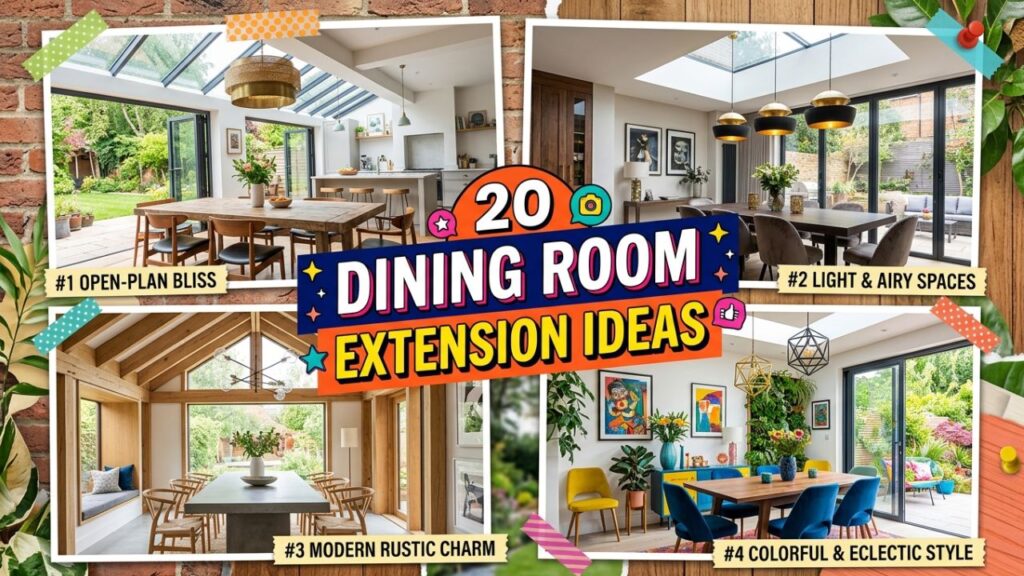
Dining room extensions range from full rear additions to simple structural tweaks that open up the flow of your home. In this guide, you’ll find 20 practical, inspiring dining room extension ideas that work across different budgets, house types, and architectural styles.
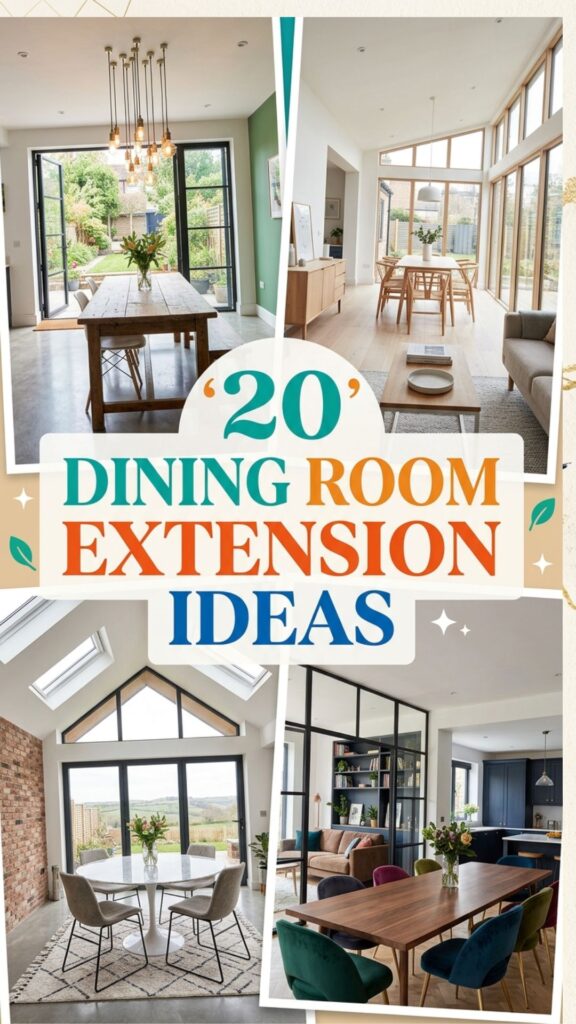
Whether you want to bring the outdoors in, knock down a wall, or add a glass-roofed structure to the back of your home, there’s something here that fits your situation.
1. Single-Story Rear Extension for a Larger Dining Area
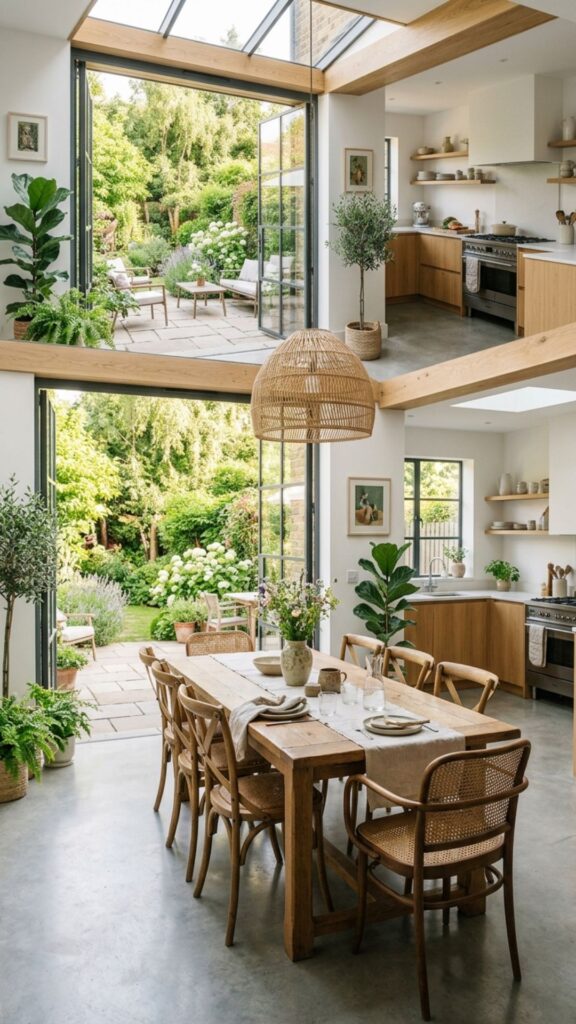
A single-story rear extension is one of the most popular ways to create a genuinely spacious dining room. It pushes your floor plan out into the garden, typically adding anywhere from 10 to 30 square meters of usable space depending on permitted development rules in your area.
The key to making this work is designing the new dining zone to flow naturally from the existing kitchen or living space. Open-plan layouts tend to work best — remove any walls between the original structure and the extension to create one continuous, connected space.
2. Wraparound Extension for Corner Dining Space
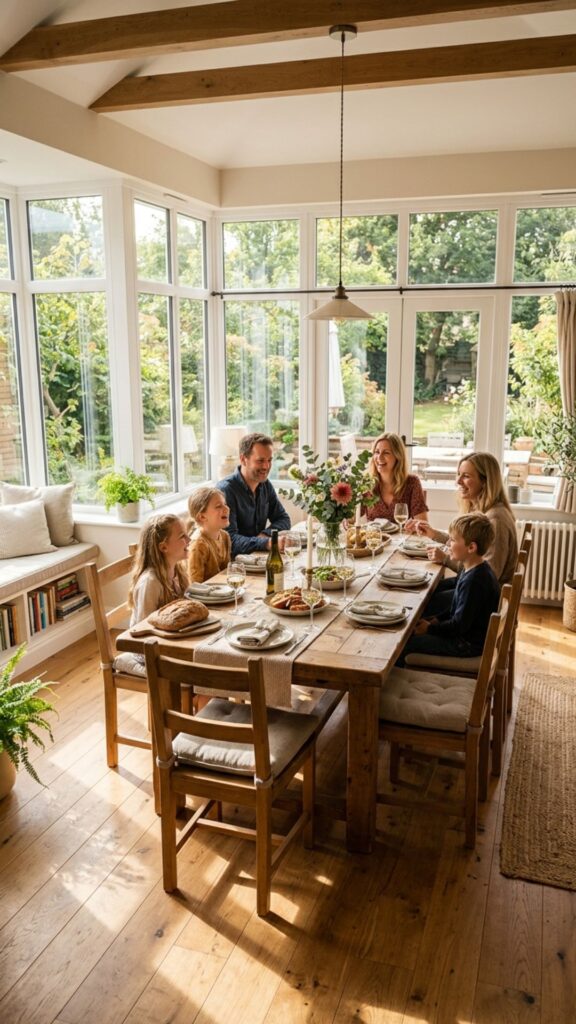
A wraparound extension adds space to both the rear and side of your home simultaneously, which gives you far more flexibility in how you arrange the interior. This is especially useful if you want a dedicated dining area that sits slightly apart from the main kitchen without being fully separated.
Position a large dining table in the corner of the wraparound zone, where natural light enters from two directions. The dual-aspect windows make this one of the most naturally bright dining room extension ideas available without adding skylights.
3. Glass Box Extension for a Statement Dining Room
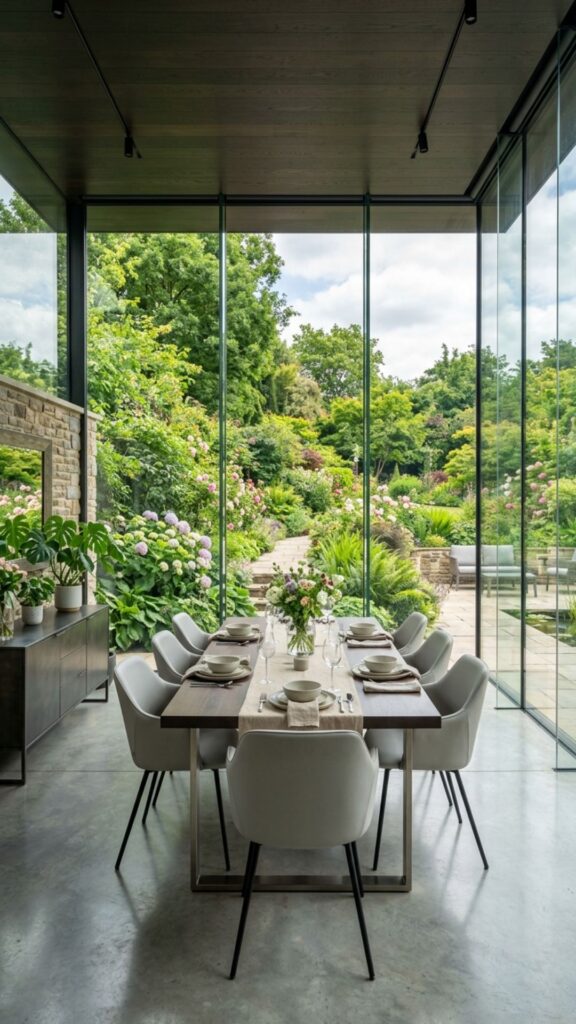
A frameless glass box extension is the closest thing to dining outdoors while staying comfortably inside. Floor-to-ceiling glazing on three sides creates a room that feels more like a garden pavilion than a traditional dining space — and it looks extraordinary from both inside and outside the home.
This type of extension works best on properties with attractive garden views. Work with a structural glazing specialist to ensure the design handles thermal performance properly, since poorly insulated glass boxes can become too hot in summer and too cold in winter.
4. Orangery Extension for a Classic Feel
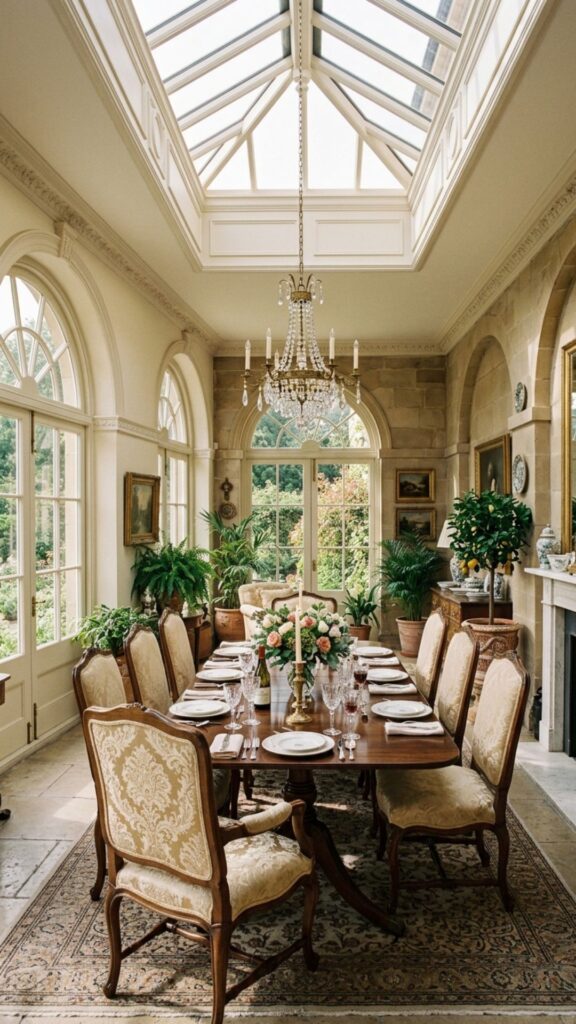
An orangery sits between a traditional extension and a full glass structure. It features solid walls with large windows, a lantern roof light at its center, and a sense of permanence that glass-only structures don’t always convey — making it a good choice for period properties and traditional homes.
The dining room benefits enormously from the overhead lantern, which floods the table with diffused natural light throughout the day. Pair the space with heritage-style furniture and warm tones to honor the architectural character of the structure.
5. Bifold Doors to Connect Dining Room and Garden
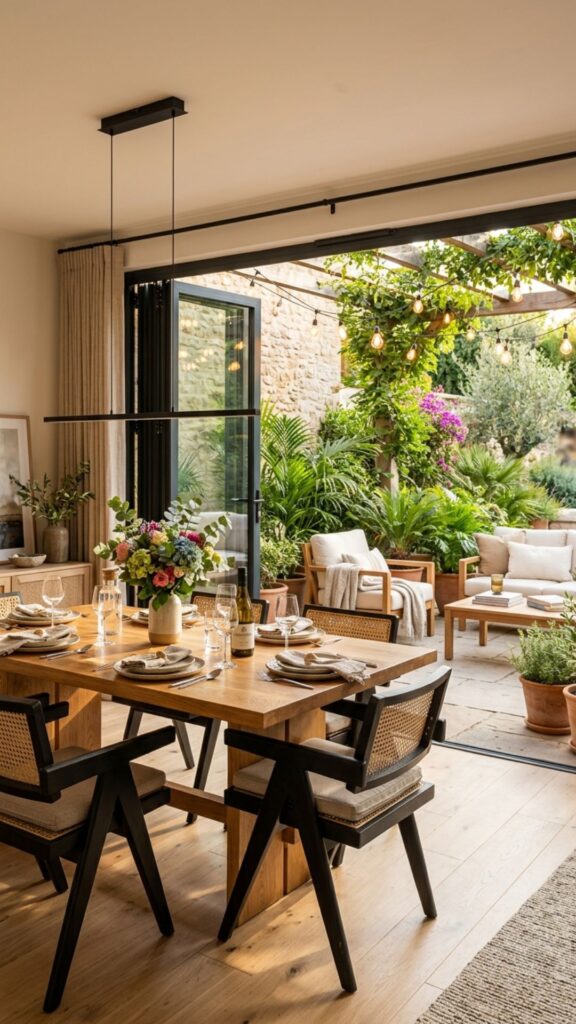
Sometimes a dining room extension isn’t about adding square footage — it’s about removing the barrier between inside and outside. Installing bifold doors across an entire rear wall effectively doubles the perceived size of your dining room whenever the weather allows.
When fully opened, bifold doors create a seamless transition from your dining table to a patio or deck. This works particularly well during warm months for entertaining, and the doors fold away neatly so they don’t encroach on the room when closed.
6. Loft Conversion with Dining Space Below
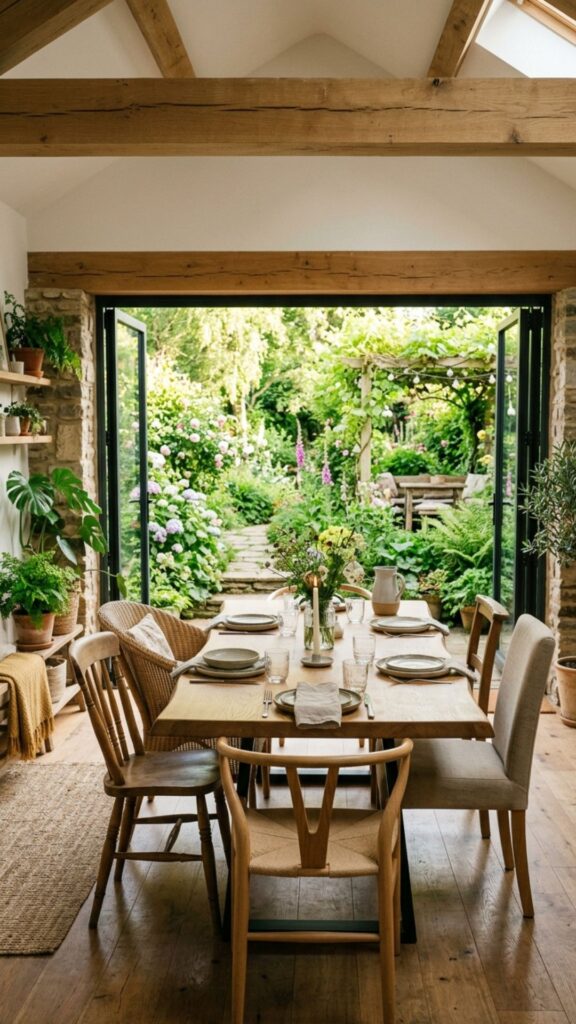
Converting a loft can free up ground-floor rooms to be repurposed, which means your existing upstairs bedroom can become a loft room and your ground-floor space can expand into a dedicated dining area. It’s an indirect dining room extension idea, but a remarkably effective one.
This approach makes most sense in homes where the dining room currently doubles as a study or spare room. Reconfiguring the internal layout while using the loft conversion to absorb displaced functions gives you the dining footprint you actually need.
7. Side Return Extension to Widen the Dining Zone
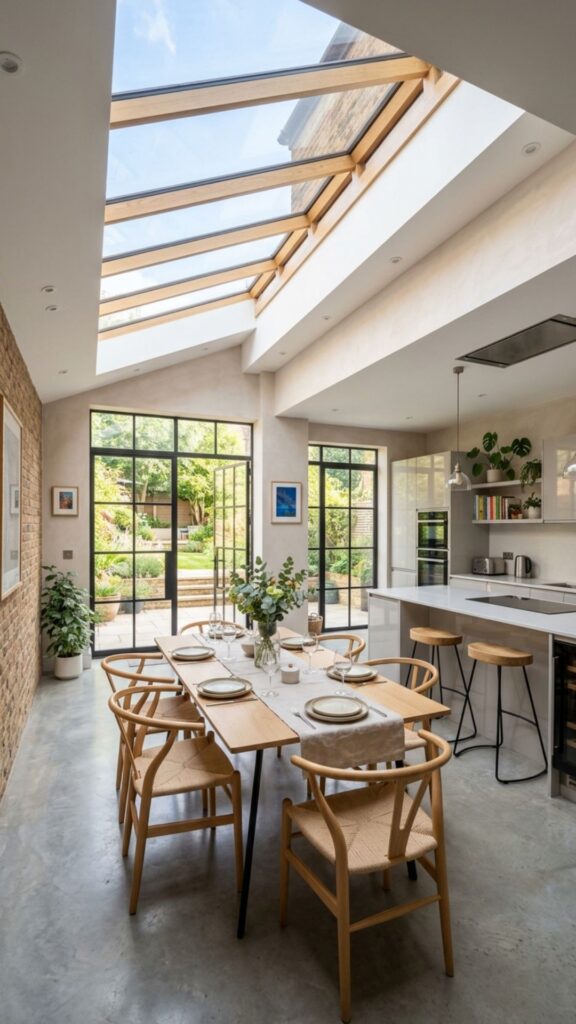
Many terraced and semi-detached homes have a narrow gap running alongside the kitchen — the side return. Infilling this gap with an extension can add significant width to the back of your home, making an previously awkward kitchen-diner genuinely comfortable.
Even a modest side return extension of around one meter can make a real difference when it comes to fitting a proper dining table. Add a rooflight above the new section to compensate for the loss of natural light that comes with closing off the side gap.
8. Rear Dormer Extension on Two Stories
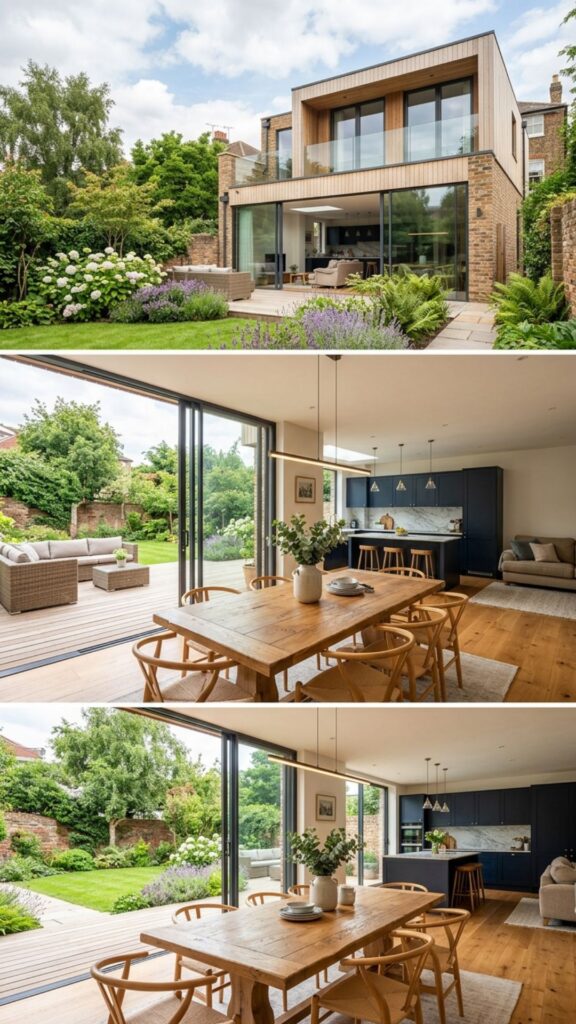
If your home already has a first-floor rear extension potential, a two-story rear extension creates substantial space on both floors. The ground floor becomes your new expanded dining room, while the upper floor adds a bedroom or bathroom — improving both livability and resale value.
Two-story extensions require planning permission in most cases, so budget time for the application process. The return on investment is typically strong, as you’re adding multiple new rooms rather than just one.
9. Folding Wall System to Merge Dining Room with Living Room
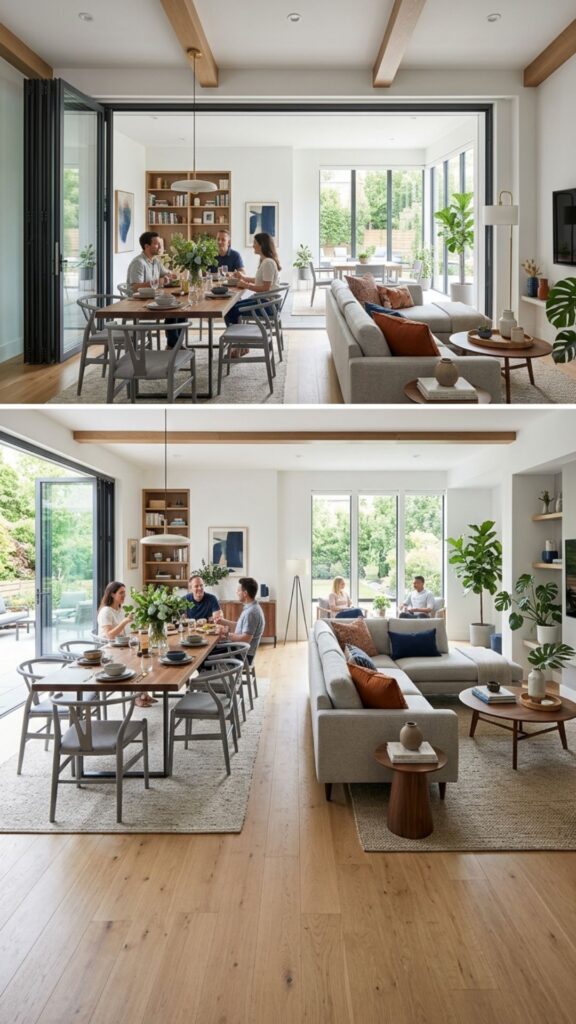
Not every extension idea requires building new structure. A large folding or sliding partition wall between your dining room and living room lets you combine the two spaces into one large, open-plan area when needed and separate them when privacy or noise reduction matters.
This is a smart, cost-effective option if you already have a dining room that’s adequately sized but feels isolated. The flexibility of an open or closed layout lets the space serve multiple purposes throughout the day.
10. Garden Room Extension as a Dedicated Dining Space
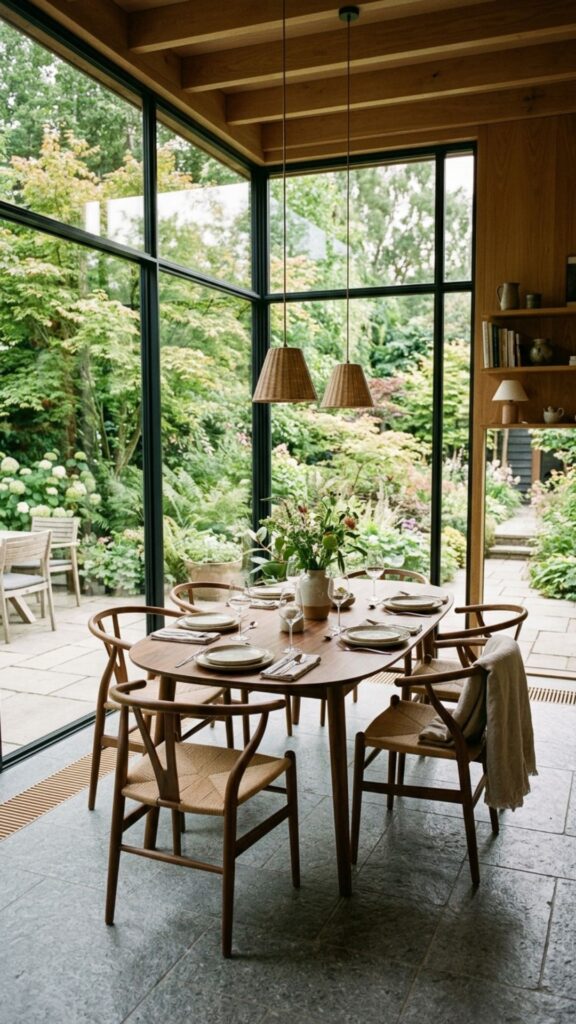
A garden room is a self-contained structure that connects directly to your home via a covered walkway or direct door opening. It can serve as a beautiful, year-round dining room that puts you right on the edge of the garden without being inside it.
The best garden room dining spaces use full-height glazing, under-floor heating, and high-quality insulation so the space is genuinely comfortable in every season. This option is often more affordable than a traditional extension and can be built with less disruption.
11. Skylights and Roof Lanterns Without Extending Outward
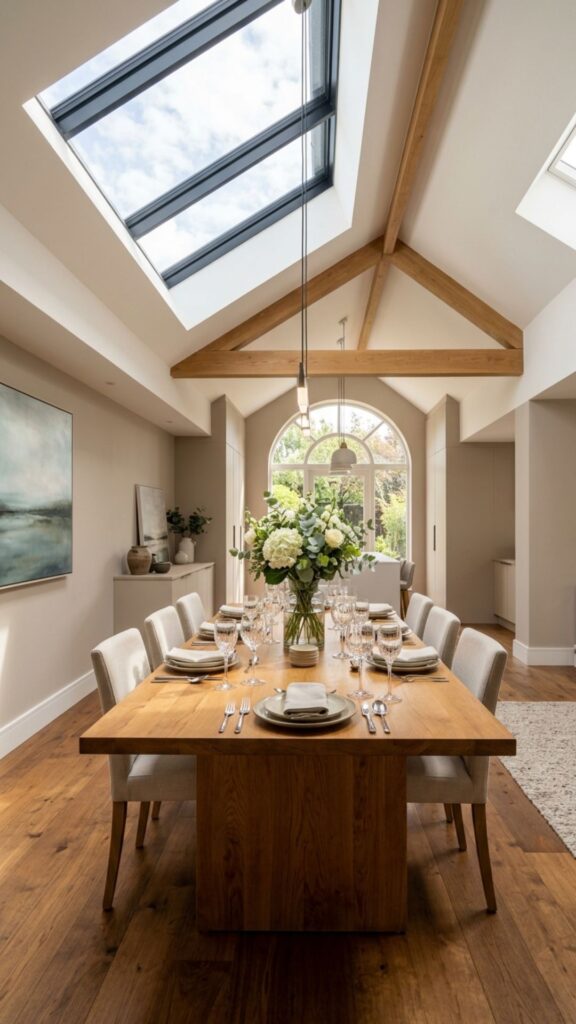
Sometimes adding light is more transformative than adding space. Installing a large roof lantern or multiple skylights above an existing dining room brings in overhead natural light that makes the room feel bigger, airier, and more connected to the outside.
This is one of the most budget-friendly dining room extension ideas if physical expansion isn’t possible. A well-positioned 2×1 meter rooflight directly above the dining table can dramatically reduce dependence on artificial lighting and improve the mood of every meal.
12. Structural Wall Removal to Open Up the Floor Plan
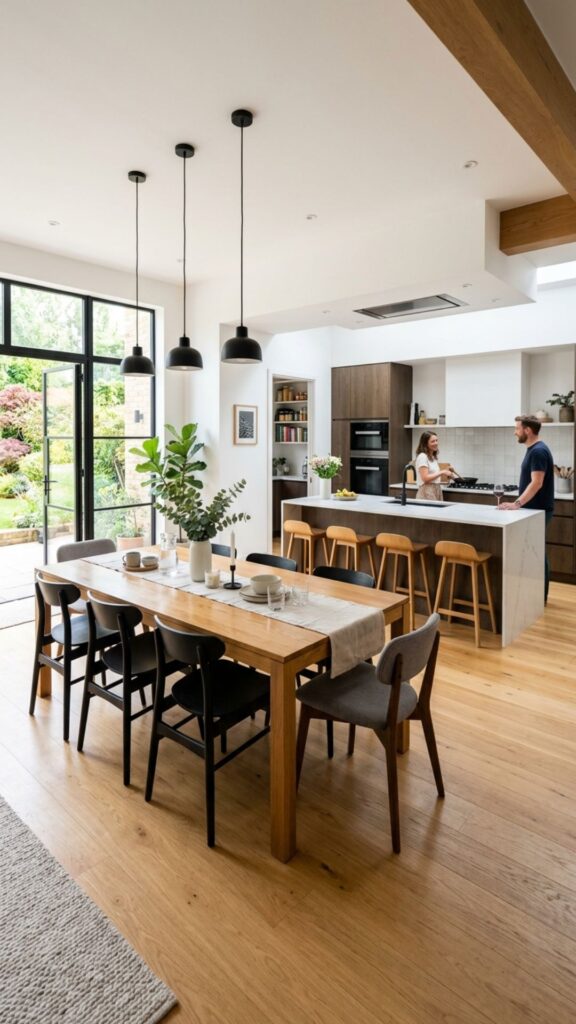
Removing a load-bearing wall between the dining room and an adjoining room — typically the kitchen or sitting room — is one of the highest-impact changes you can make without actually building an extension. The room effectively doubles in usable area without any external building work.
Always use a structural engineer to assess and approve load-bearing wall removal. A steel RSJ beam will typically be installed above the opening to carry the load safely. The cost is usually modest compared to the transformation it delivers.
13. Covered Outdoor Dining Extension with Pergola
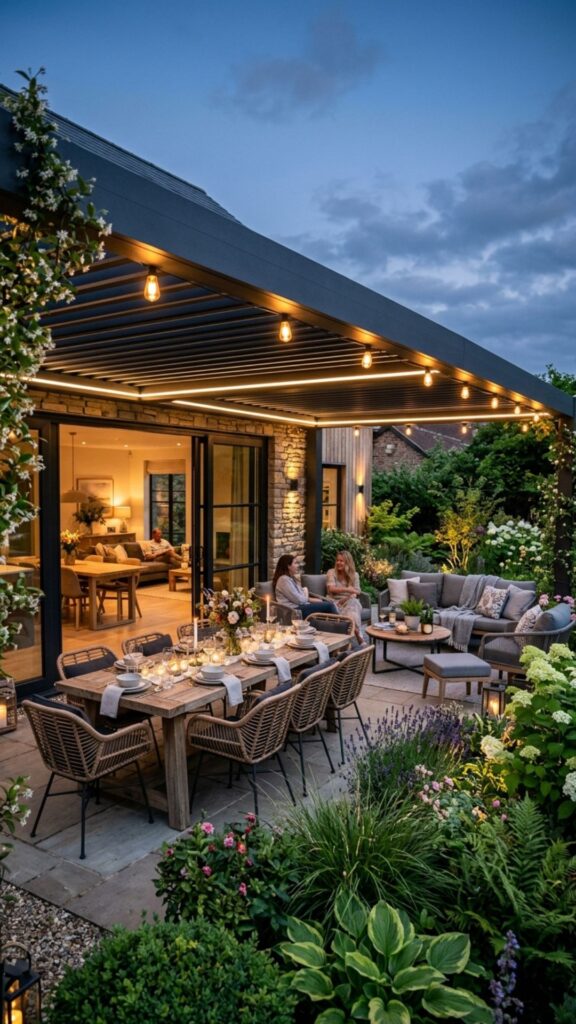
If a full glass extension is outside your budget, a robust pergola structure attached to the rear of your dining room creates covered outdoor dining space that functions for much of the year. Add retractable blinds or a polycarbonate roof for all-weather protection.
This works beautifully as an extension of a patio door or bifold door dining room. The transition from inside table to outside table becomes seamless, and the covered structure gives your guests shelter without the formality of being indoors.
14. Double-Height Dining Room Extension for Volume and Drama
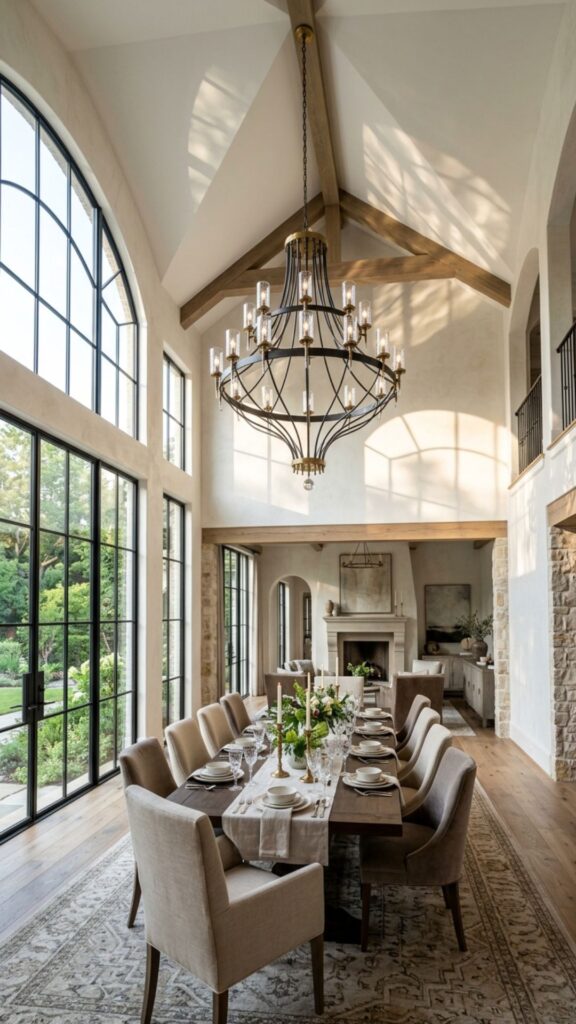
If your budget allows, a double-height rear extension creates a dining room with extraordinary presence. Vaulted ceilings or mezzanine-level glazing fill the space with light from above and create a sense of scale that a standard room simply can’t match.
This type of design often includes a feature pendant light or chandelier that hangs dramatically through the full height of the space. It suits contemporary architectural styles particularly well and becomes an unforgettable room for anyone who visits.
15. Basement Conversion with Upper-Level Dining Expansion
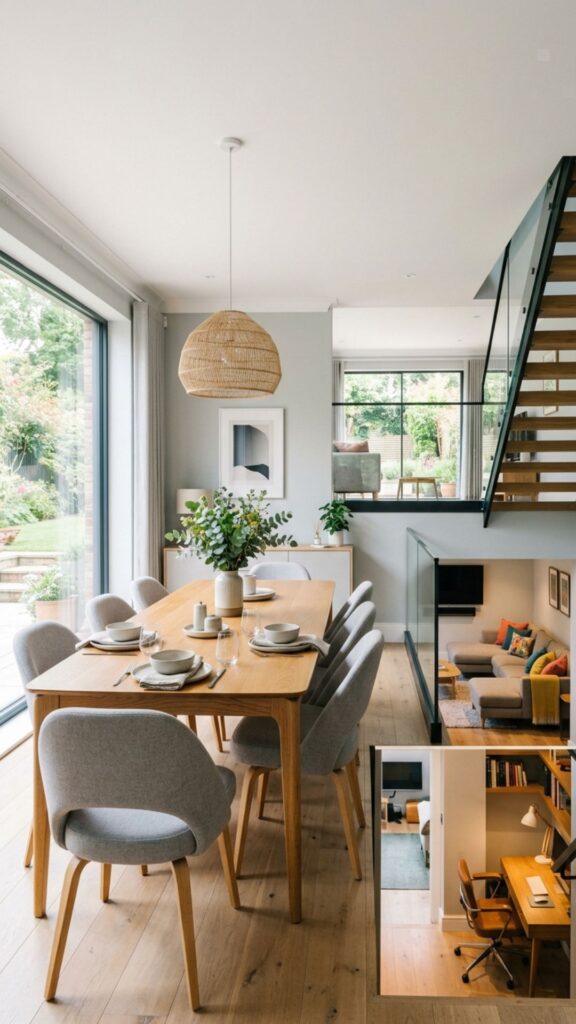
Converting an existing basement or cellar into a habitable room frees up ground-floor space, which can then be reconfigured to expand the dining room footprint. It’s an indirect approach, but one that avoids the planning challenges associated with building outward or upward.
Basement conversions require careful attention to waterproofing, natural light, and ventilation. A well-executed lower-ground-floor space — used as a utility room, home office, or playroom — can absorb functions currently crowding your dining area.
16. Lean-To Extension for a Simple, Cost-Effective Solution
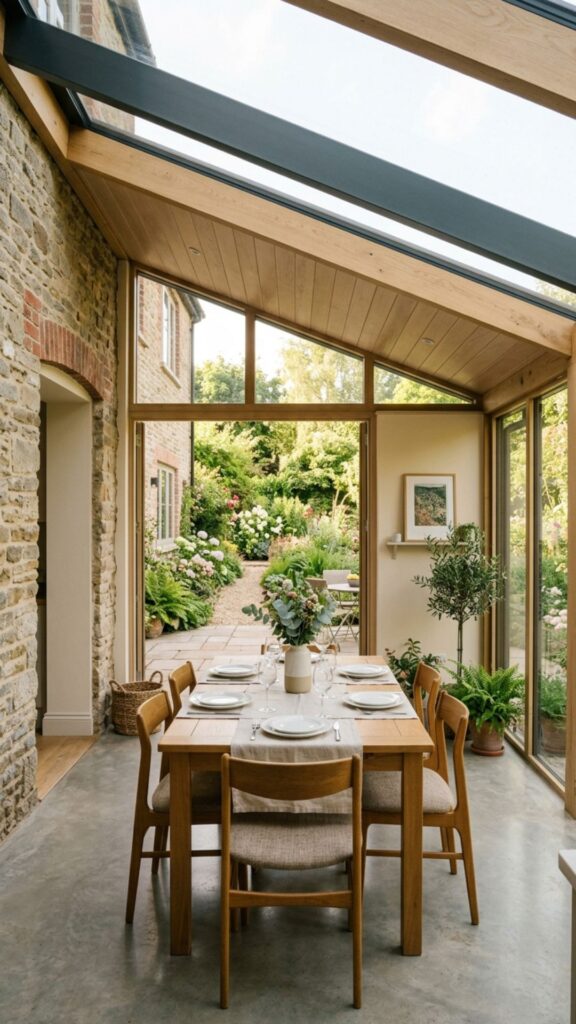
A lean-to extension has a single-pitch roof that slopes away from the main house wall, making it one of the most straightforward and affordable extension types to build. It’s a reliable choice for adding a dining space to the back of a bungalow or a ground-floor flat.
Despite being simple in form, a lean-to can be designed with style. Use large windows or a glazed gable end to maximize light, and finish the interior with quality materials so the space feels like a natural, high-quality part of the home rather than an afterthought.
17. Kitchen Diner Reconfiguration with Extended Footprint
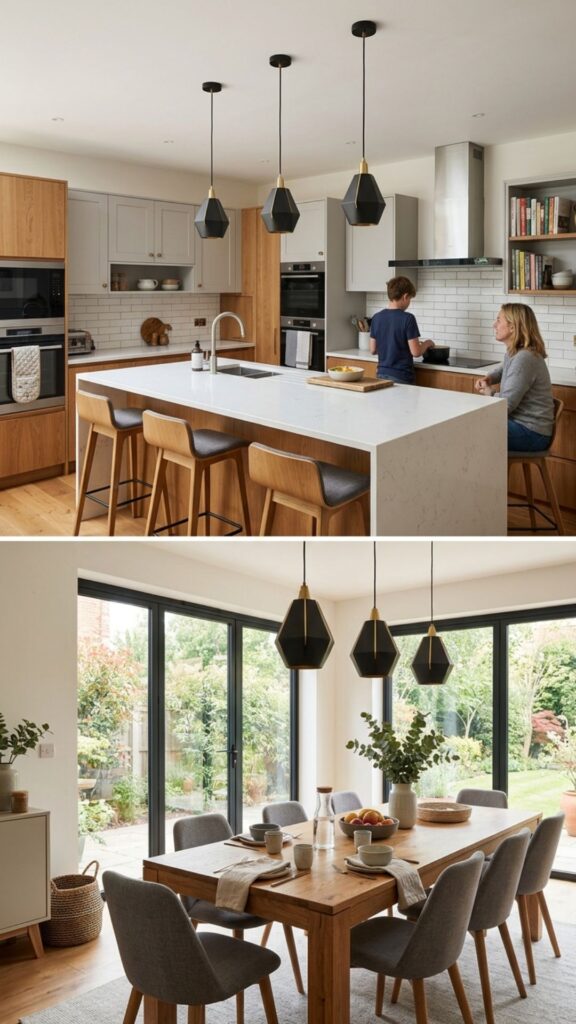
Many homes already have a combined kitchen-diner that simply isn’t large enough to accommodate both functions comfortably. Extending the footprint of this combined space — even by a few square meters — gives you enough room to fit a proper dining table without it cramping the cooking zone.
Focus on creating a visual and functional separation between the kitchen and dining areas within the extended space. A kitchen island, change in flooring material, or pendant lighting above the table can define the zones without needing physical walls.
18. Adding a Bay Window to Expand the Dining Area
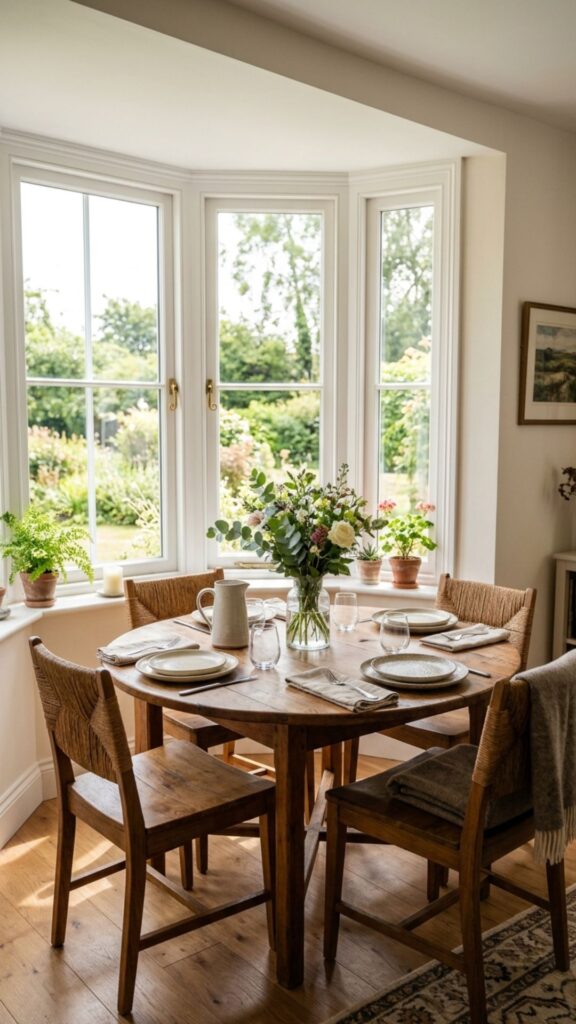
A bay window projection is a modest structural addition that adds a small but meaningful amount of floor space to a dining room while dramatically increasing natural light. Even a shallow 600mm projection with three glazed panels can transform the feel of the room.
Position the dining table in or near the bay to take advantage of the light and the sense of enclosure that bay windows naturally create. This works particularly well in Victorian and Edwardian homes where the bay window is already an architectural feature of the front elevation.
19. Under-Deck or Below-Terrace Dining Extension
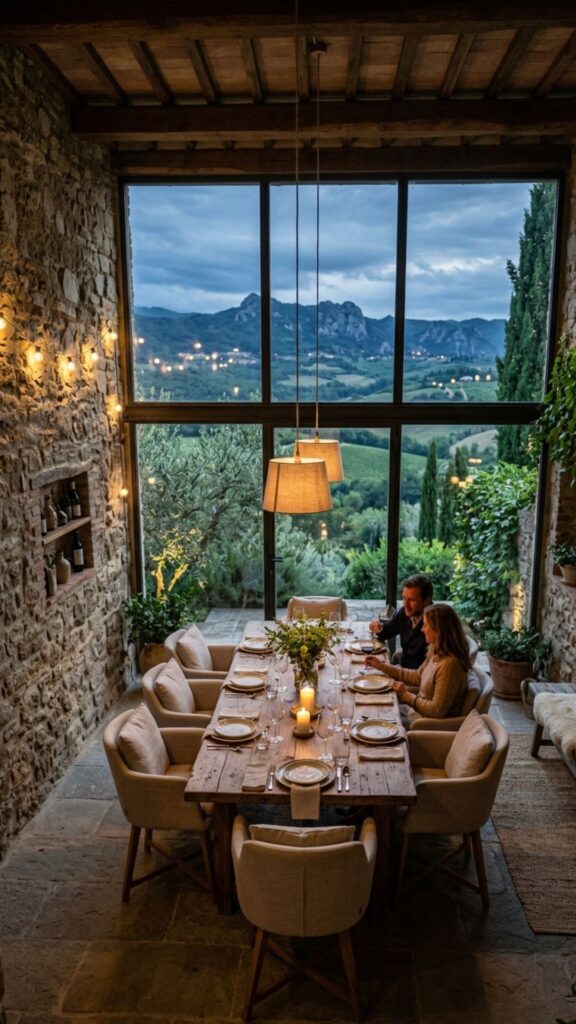
Homes with raised terraces or decking often have an underutilized void beneath them. Converting this lower-ground-floor space into a dining room — partially or fully below garden level — creates a unique, sheltered space that’s naturally cool in summer and characterful year-round.
This type of project requires proper waterproofing, drainage, and a thoughtful approach to bringing in natural light — typically through floor-level windows set into a retaining wall or a glazed link at garden level. The result is a genuinely distinctive dining room extension.
20. Modular Extension for Fast and Flexible Expansion
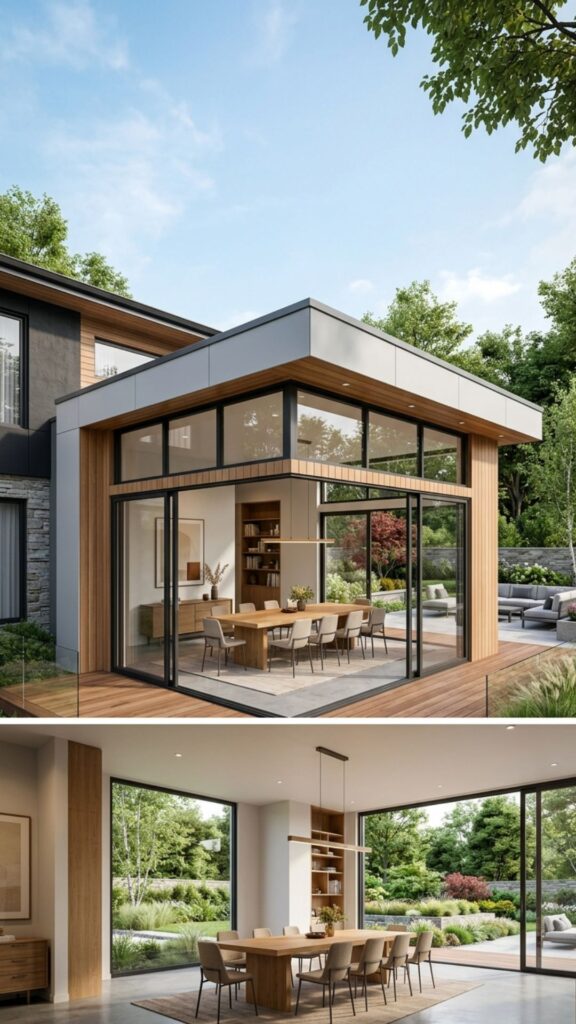
Modular or prefabricated extensions are built off-site and installed in a matter of days, dramatically reducing disruption to your home. They’ve improved significantly in quality and design variety, and many are now indistinguishable from traditionally built extensions once completed.
This is one of the most practical dining room extension ideas for homeowners who want speed, cost certainty, and minimal building site mess. Modular extensions can be designed to a high specification and are available in a wide range of sizes and configurations.
Conclusion
There’s no single right answer when it comes to dining room extension ideas — the best choice depends on your home’s layout, your budget, your planning constraints, and how you actually use the space. But one thing is consistent across every option on this list: a thoughtfully extended dining room pays back in daily quality of life and long-term property value.
Start by identifying your biggest pain point — is it lack of space, lack of light, or a disconnected layout? That answer will point you toward the right type of project. Then consult a qualified architect or design-and-build specialist to get a realistic picture of what’s possible within your specific home and permitted development rights.
The next step is yours. Pull together three of the ideas that resonated most and bring them to a professional for an initial consultation. You may be closer to the dining room you’ve always wanted than you think.
What is the cheapest way to extend a dining room?
The most affordable dining room extension ideas include removing a non-load-bearing wall to open up an adjoining room, installing bifold doors to create a connection with outdoor space, or adding a rooflight to improve the sense of volume without building outward. Structural wall removal with a steel beam installed typically delivers the highest visual impact per pound spent.
Do I need planning permission for a dining room extension?
In many countries, small single-story rear extensions fall within permitted development rights and don’t require full planning permission. However, the rules vary depending on your property type, location, and the size of the proposed extension. Always check with your local planning authority before starting any building work.
How much does a dining room extension cost?
Costs vary widely depending on size, specification, and location. A basic single-story rear extension in the UK typically starts at around £1,500–£2,500 per square meter. A glass box or orangery extension will cost more due to specialist materials. Always get at least three quotes and include architect and structural engineer fees in your budget planning.
Will a dining room extension add value to my home?
Yes — a well-designed dining room extension generally adds more value than it costs, particularly when it improves the flow of the home, adds a desirable open-plan layout, or creates a genuine extra reception room. Extensions that bring in more natural light and connect the home to the garden tend to be especially attractive to buyers.
How long does a dining room extension take to build?
A standard single-story rear extension typically takes 10–16 weeks to build once work begins, depending on size and complexity. Planning and design work adds time before that — usually 8–12 weeks for a permitted development project. Modular extensions can reduce the on-site build phase to just a few days, though the design and manufacturing lead time still applies.