Many homeowners find their formal dining rooms sitting empty for most of the year. If you only use this space for holiday gatherings, you are missing out on valuable square footage.
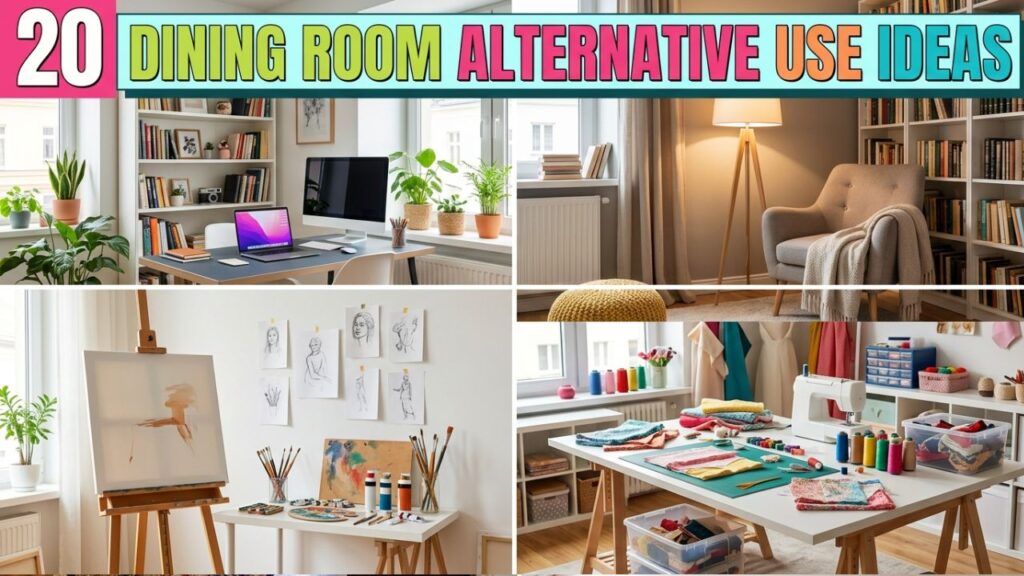
The best dining room alternative use ideas involve transforming the space to fit your daily lifestyle, whether that means creating a dedicated home office, an interactive playroom, a home gym, or a cozy library. Repurposing this room allows you to maximize your floor plan without the need for an expensive addition.
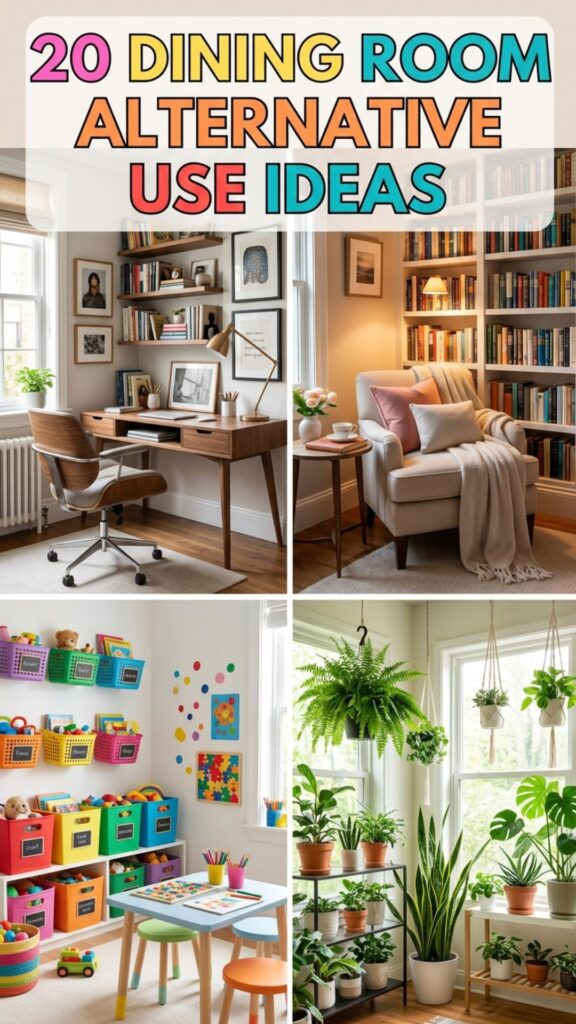
In this guide, we will explore 20 practical ways to reimagine your unused space. You will learn how to match your room’s location and lighting with the perfect function, overcoming common layout challenges along the way.
Whether you live in a sprawling suburban house or a compact urban apartment, you will find actionable inspiration to make every square foot work for you.
Productivity and Focus Areas
1. Dedicated Home Office
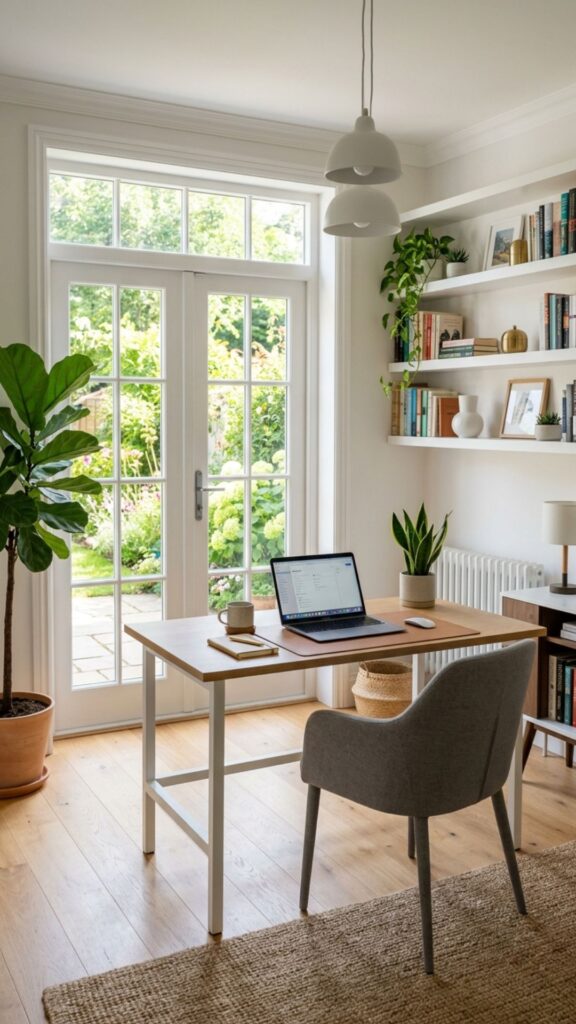
Transforming your dining area into a home office is one of the most popular dining room alternative use ideas. Because these rooms often sit near the front of the house or just off the kitchen, they offer excellent natural light and accessibility. You can install French doors to create privacy during meetings while maintaining the flow of your home’s floor plan.
To make this work, focus on cable management and adequate lighting. Since dining rooms usually feature a central chandelier, swap it out for recessed lighting or a modern ceiling fan, and add task lamps to your desk. Floating shelves on the longest wall can replace a traditional china cabinet, giving you plenty of room for files and office supplies.
2. Quiet Library and Reading Room
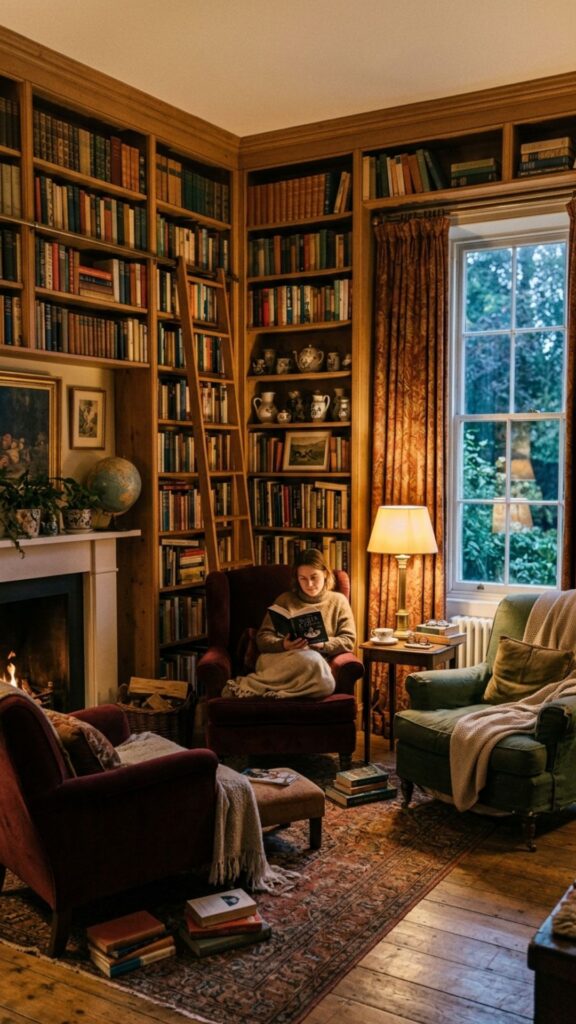
If you love books, turn that empty space into a personal library. Floor-to-ceiling built-in bookcases instantly elevate the room, adding both character and value to your property. Place two comfortable wingback chairs or a plush velvet sofa in the center to create a relaxing environment for reading and unwinding after a long day.
To keep the room feeling spacious, paint the bookshelves the same color as the walls. This creates a seamless look, especially in smaller homes. Add thick area rugs and heavy curtains to absorb sound, ensuring your reading nook remains a peaceful retreat away from the noise of the kitchen or living room.
3. Homework Station for Kids
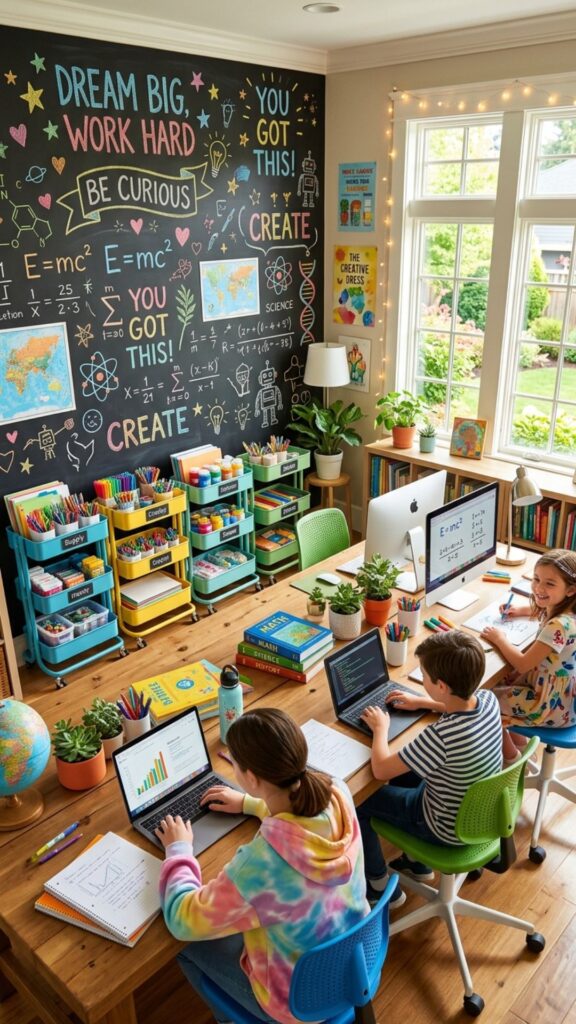
Families often struggle to find a dedicated spot for children to complete their schoolwork. A dining room makes a fantastic homework station because it allows parents to keep an eye on the kids while preparing meals in the adjacent kitchen. A long, sturdy table against the wall can accommodate multiple computers and ample elbow room for projects.
Organization is critical for a homework room. Dedicate specific drawers or rolling carts to each child so they can easily access their supplies. Incorporate a large bulletin board or a chalkboard wall to keep track of schedules, assignments, and school calendars, keeping the rest of the house clutter-free.
4. Craft and Hobby Studio
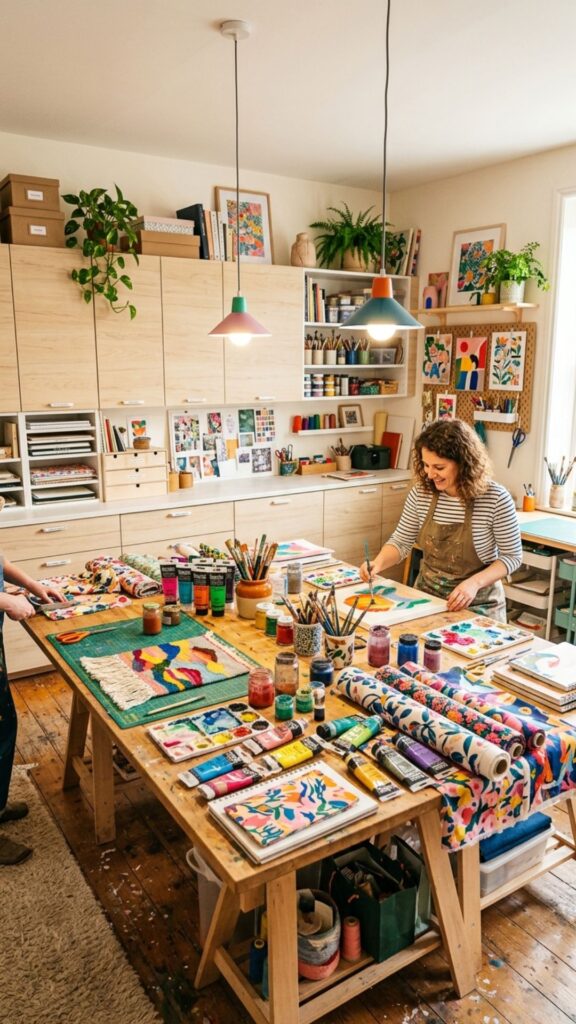
Crafters know how quickly supplies can take over a living space. A dedicated craft studio solves this problem by giving you a place to leave projects out while they dry or await completion. An oversized island or a counter-height worktable works beautifully in the center of the room, allowing you to stand or sit comfortably while working on sewing, painting, or scrapbooking.
When designing a hobby room, prioritize closed storage. Use cabinets with doors to hide messy supplies like paints, glues, and fabric scraps. If your former dining room lacks natural light, invest in high-quality daylight LED bulbs so you can see colors accurately while you create.
Entertainment and Leisure Zones
5. Interactive Game Room
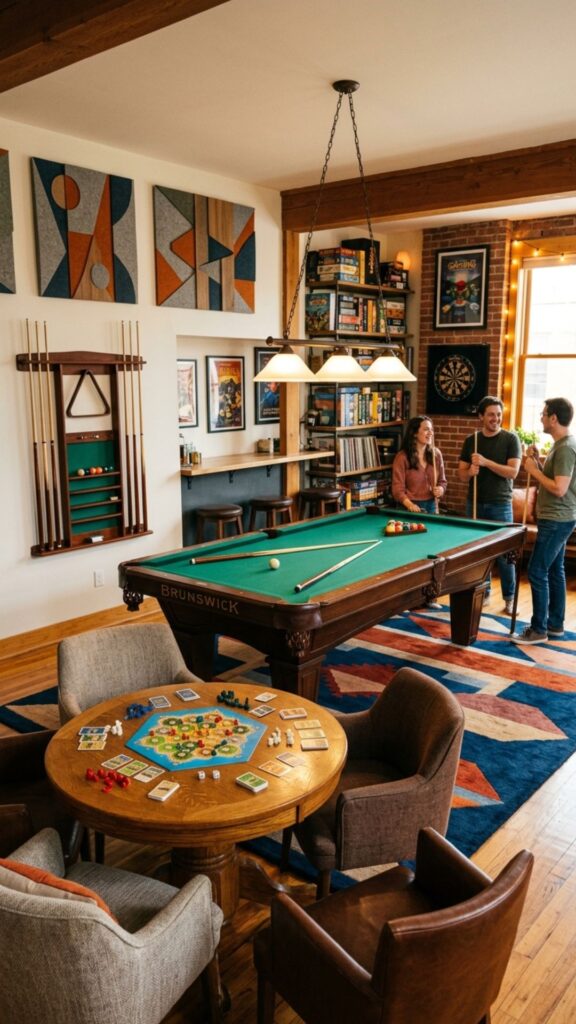
A game room provides an excellent gathering space for friends and family without the formality of a dining table. You can easily fit a pool table, foosball table, or a custom board game table in the center of the room. This setup keeps the entertainment central to the home, making it a natural hub during parties and casual weekend hangouts.
Consider the acoustics when planning this conversion. Hardwood floors and bare walls will amplify the noise of cheering and rolling dice. Lay down a thick, durable rug and hang acoustic art panels to keep the noise from echoing into the neighboring rooms.
6. Cozy Home Theater
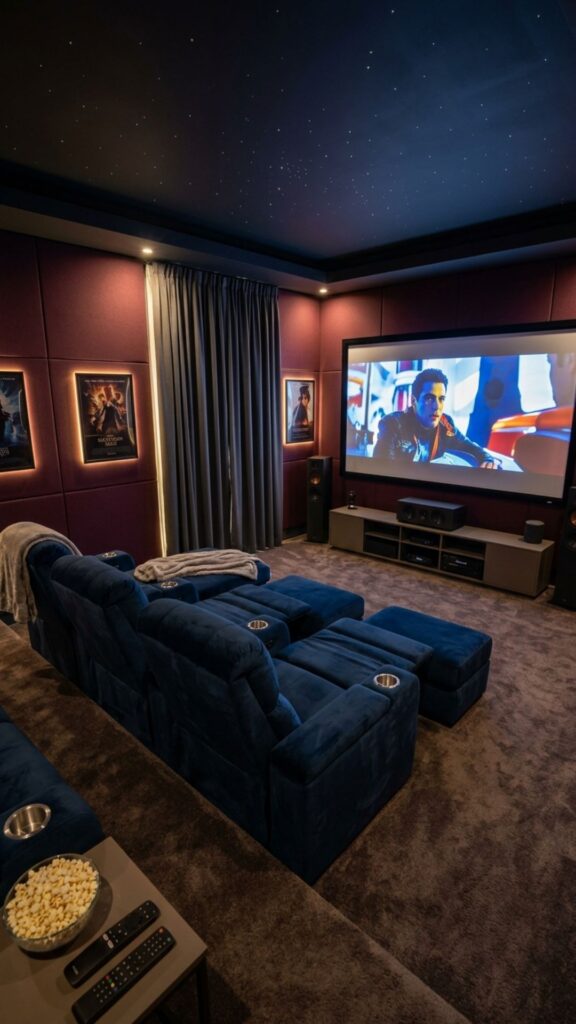
You do not need a basement to create an incredible home theater experience. A dining room with limited windows is actually the perfect candidate for a media room. Paint the walls a deep, moody color like navy blue or charcoal gray to enhance the viewing experience and reduce screen glare.
Mount a large television or a projector screen on the main wall, and arrange modular seating that can be reconfigured based on your audience size. Blackout curtains are a must for any windows, and a soundbar system will provide immersive audio without the need to run wires through the walls of an older home.
7. Music and Rehearsal Room
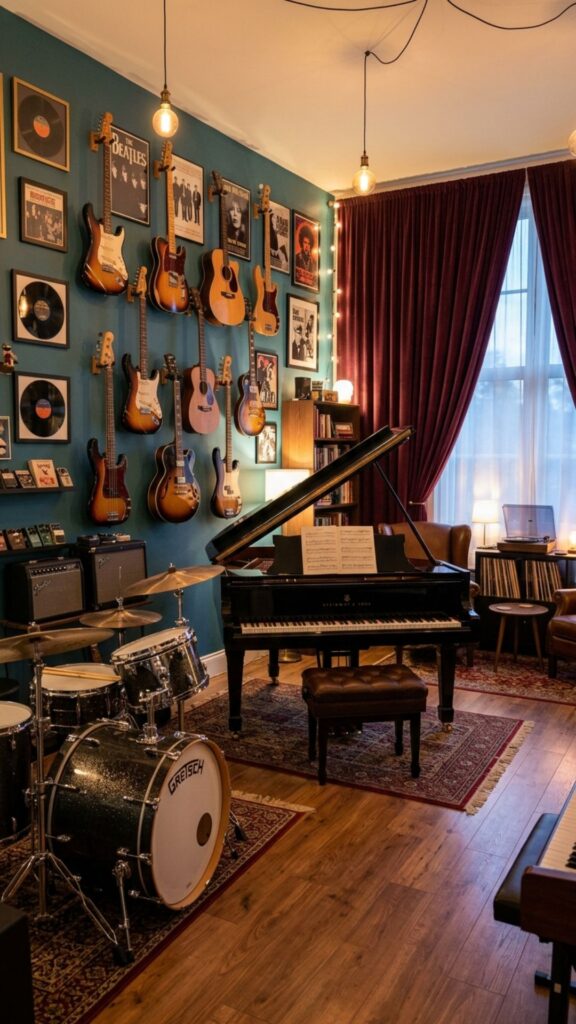
For musical families, a dedicated rehearsal room is a dream come true. A standard dining room easily accommodates a baby grand piano, a drum kit, or a collection of guitars. Displaying instruments on wall mounts keeps them safe from foot traffic while turning them into unique pieces of art.
Soundproofing is the biggest challenge when creating a music room in a central part of the house. You can add weatherstripping to the doors, install heavy window treatments, and place sound-absorbing acoustic foam behind the drywall if you are doing a full renovation.
8. Indoor Garden or Conservatory
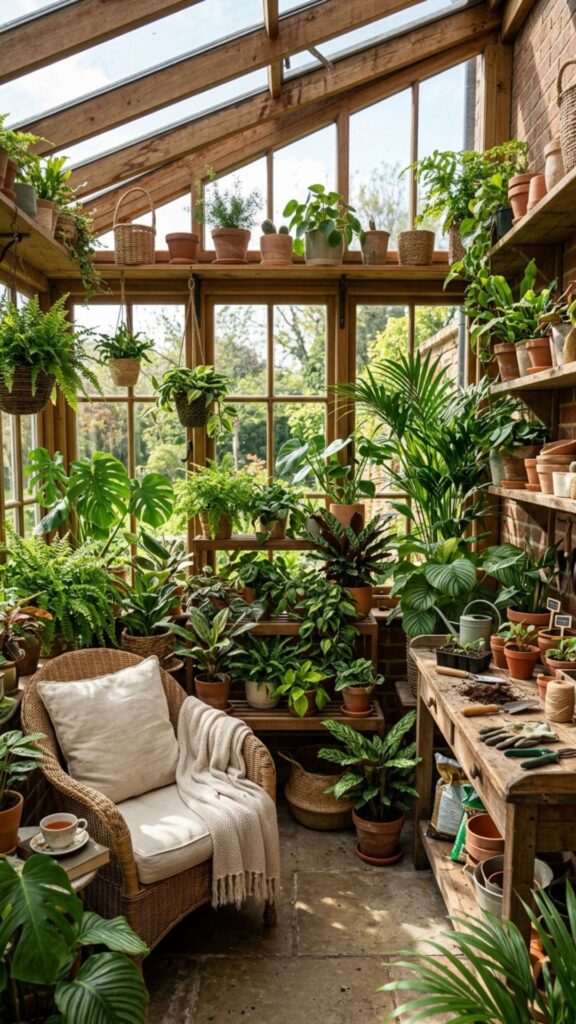
If your dining room features large windows or French doors, it might be the perfect spot for an indoor plant sanctuary. Houseplants thrive in dedicated environments where you can control humidity and light. A central potting table allows you to tend to your plants comfortably, while tiered plant stands maximize vertical space.
Moisture control is essential for an indoor garden. Protect hardwood floors with a large waterproof mat or consider replacing the flooring with moisture-resistant luxury vinyl plank or tile. Add a small seating area so you can sit and enjoy your lush, green oasis year-round.
Health and Wellness Spaces
9. Fully Equipped Home Gym
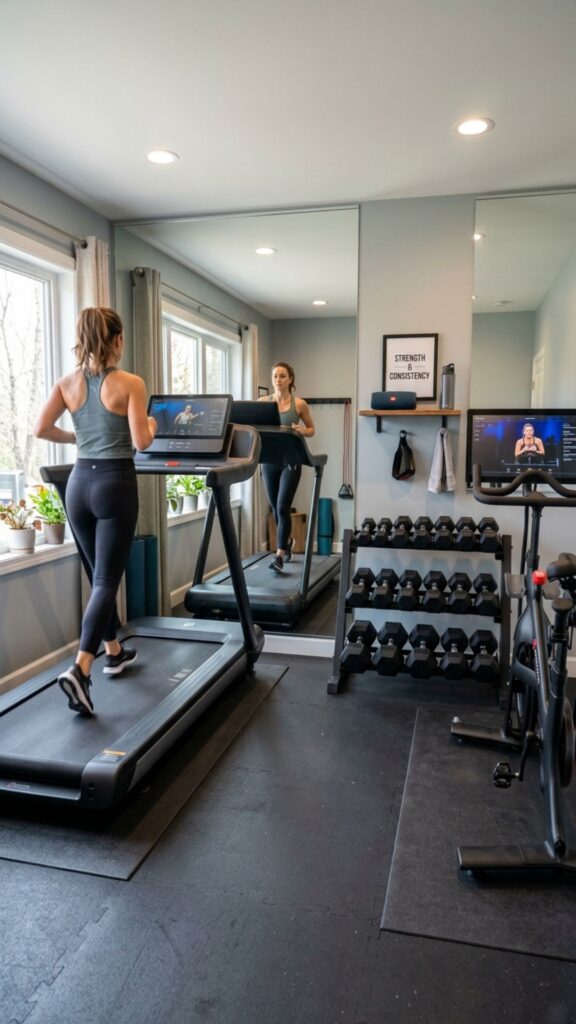
Turning an unused room into a home gym removes all excuses for skipping a workout. You can easily fit a treadmill, a stationary bike, and a rack of free weights into a standard dining space. Having your equipment visible and accessible on the main floor often encourages more consistent use compared to a dark basement setup.
Protecting your home’s structure is the primary concern here. Lay down interlocking rubber gym mats to protect the floors from heavy dropped weights. Install a large mirror on one wall to open up the space and help you monitor your form during exercises.
10. Yoga and Meditation Retreat
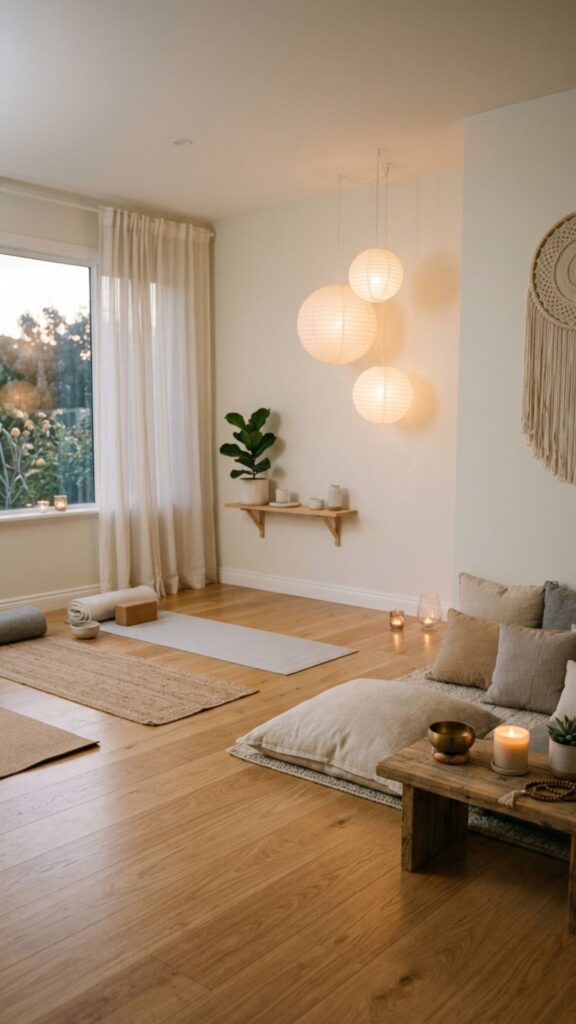
A yoga and meditation room requires very little equipment, making it an affordable dining room alternative use idea. The goal is to create a calming, minimalist environment. Clear out all heavy furniture, leaving only yoga mats, floor cushions, and perhaps a small altar or shelf for candles and essential oil diffusers.
Soft lighting is crucial for setting the right mood. Install a dimmer switch on the main overhead light and use salt lamps or floor lanterns for a warm, ambient glow. Keep the color palette neutral with soft whites, sage greens, or warm earth tones to promote relaxation.
11. Spa and Relaxation Room
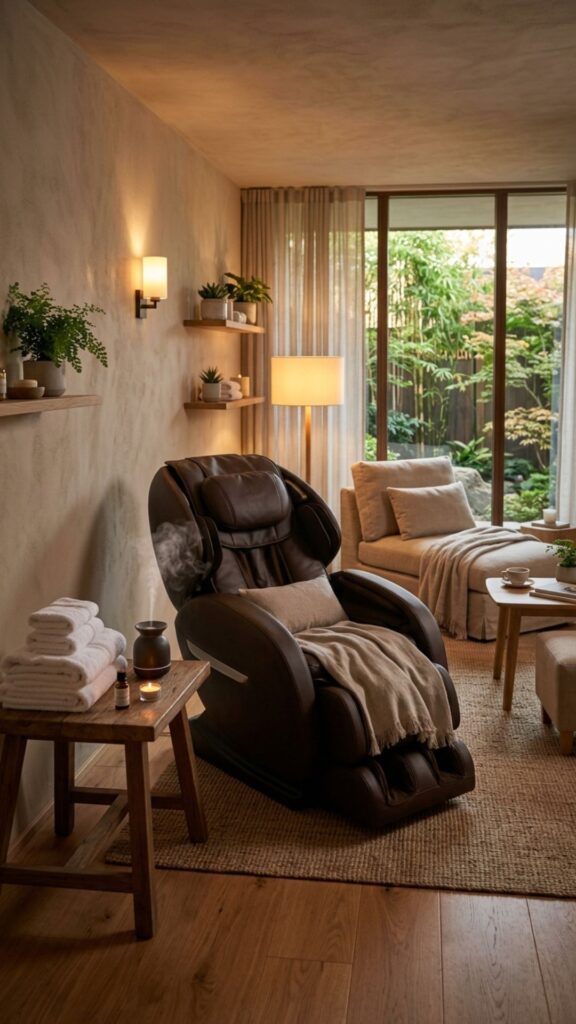
If you want to take your wellness routine to the next level, create a home spa room. This works especially well if the dining room connects to a main floor bathroom. You can install an infrared sauna, a massage chair, or simply a collection of comfortable loungers for reading and relaxing after a long day.
To achieve a true spa feel, engage all the senses. Play soft, ambient music through hidden speakers, use an aromatherapy diffuser, and keep a stack of fresh, fluffy towels nearby. A small rolling cart can hold lotions, massage oils, and facial treatments, keeping the space organized and serene.
12. Dance or Movement Studio
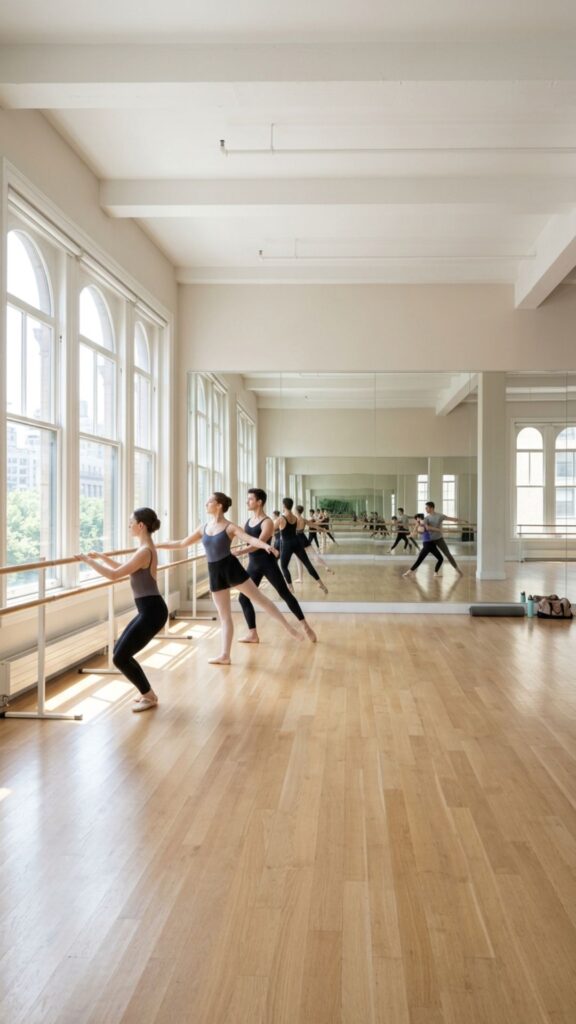
A dance studio is a fantastic option for families with active children or adults who love barre or Zumba workouts. You need open floor space, making this one of the easiest conversions to execute. Simply clear out the table and chairs, and you have a blank canvas for movement.
To make the room functional, install a wall-to-wall mirror and a secure ballet barre along the longest wall. Ensure the flooring is safe for dancing; if you have hard tile or concrete, you may need to install a sprung floor or a specialized dance mat to prevent joint injuries.
Family and Guest Accommodations
13. Playroom for Toddlers
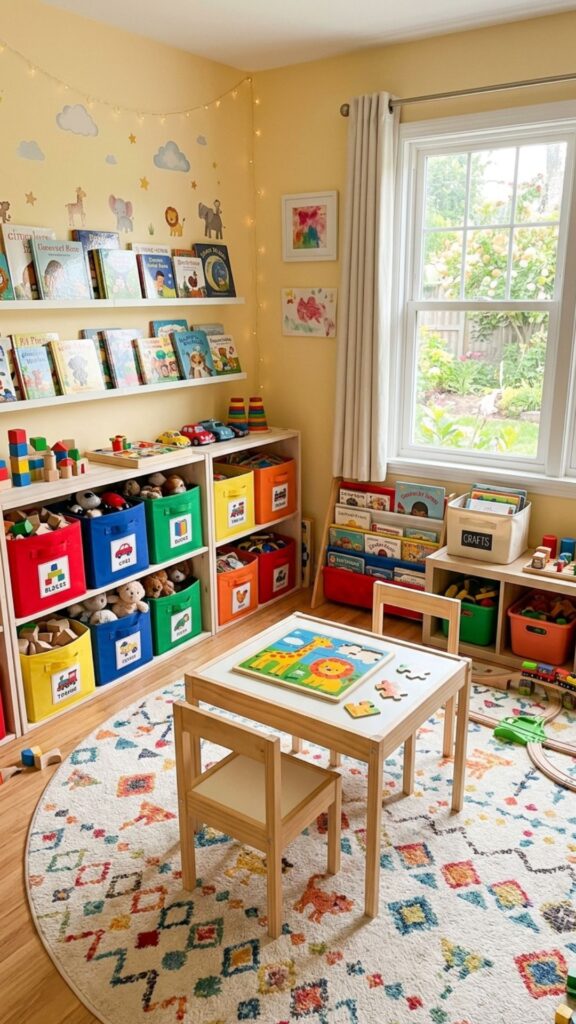
Keeping toys contained is a universal struggle for parents. Converting a dining room into a playroom keeps children on the main floor where you can supervise them, but gives their toys a specific boundary. Use low, accessible shelving so kids can reach their own bins and learn to clean up after themselves.
Safety and durability are your main priorities. Cover sharp wall corners, anchor all bookshelves to the wall, and lay down a soft, washable rug. A small, child-sized table in the center replaces the formal dining table, providing a perfect spot for coloring and puzzles.
14. Guest Bedroom Conversion
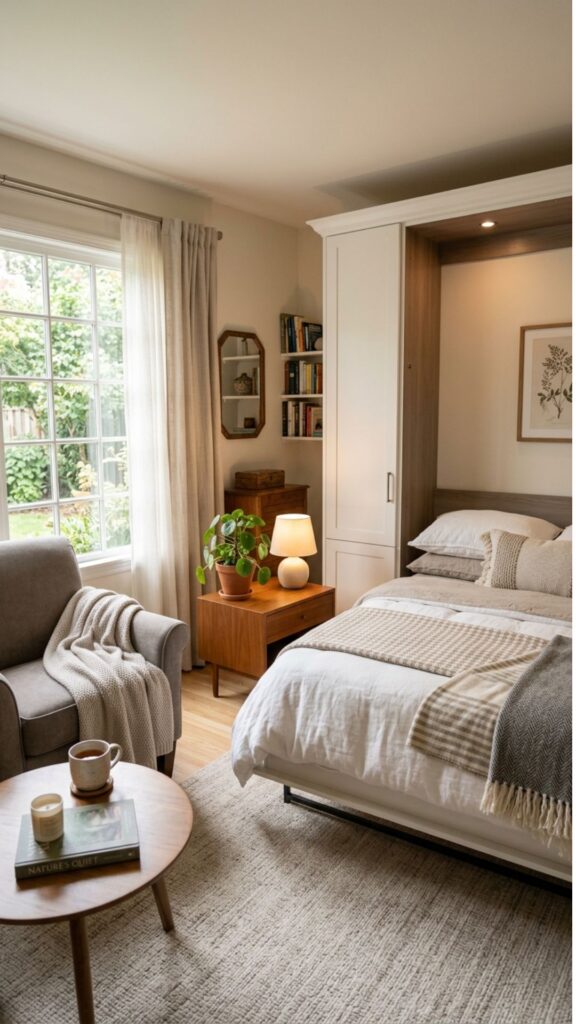
If you frequently host overnight visitors but lack a spare bedroom, closing off the dining room is a smart solution. You can frame out a new wall and add a door to create a private, permanent guest room. This instantly adds value to your home by increasing the official bedroom count.
If you want to maintain flexibility, use a high-quality Murphy bed or a stylish sleeper sofa. This allows the room to function as a quiet sitting area or a library during the months when you do not have company, only transforming into a bedroom when needed.
15. Teen Hangout Lounge
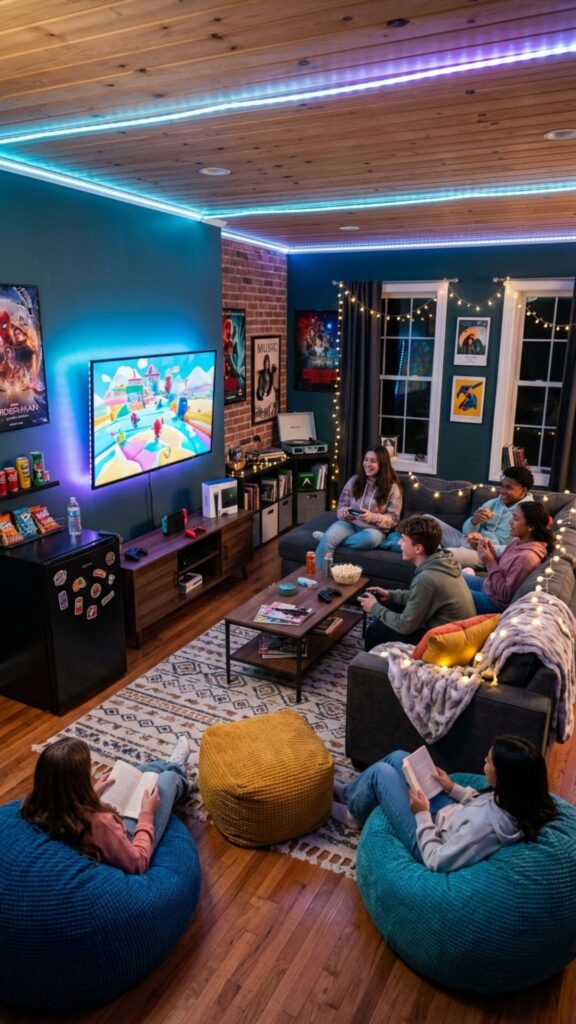
Teenagers need a space of their own that is separate from the main family living room. A teen lounge provides a safe, comfortable place for them to hang out with friends, play video games, and watch movies. Furnish the room with oversized bean bags, a comfortable sectional, and a large television.
Give your teens a say in the design to ensure they actually want to use the space. Incorporate fun elements like LED strip lighting, vintage arcade cabinets, or a mini-fridge stocked with drinks and snacks. This keeps them close to home while giving them a sense of independence.
16. Pet Oasis and Care Room
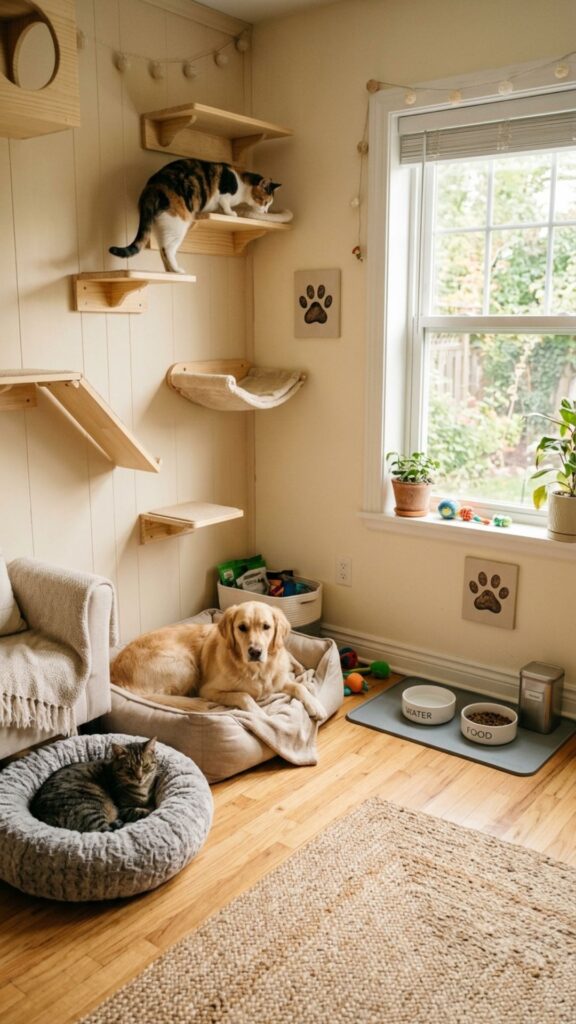
Pet owners know that crates, litter boxes, and food bowls can quickly clutter a kitchen. Dedicating an unused room to your furry friends solves this problem perfectly. You can set up large, comfortable beds, climbing structures for cats, and designated feeding stations in one central location.
Choose easy-to-clean materials for this room. Use wipeable semi-gloss paint on the walls and place waterproof mats under food and water bowls. You can even install a custom gate at the doorway to keep pets safely contained when you have guests over or need to leave the house.
Practical Storage Solutions
17. Walk-in Pantry and Prep Kitchen
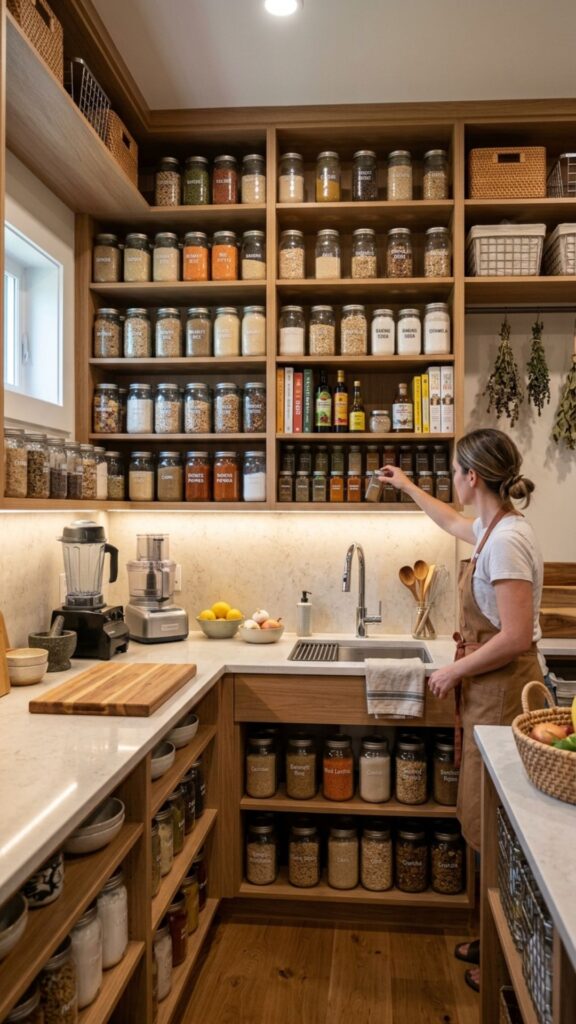
For home chefs, kitchen storage is never quite enough. Converting an adjacent dining room into a massive walk-in pantry or a butler’s prep kitchen is a dream. You can install wrap-around shelving for bulk food items, small appliances, and extensive dishware collections.
If your budget allows, add plumbing and electrical upgrades to create a true prep space. A secondary sink, an extra dishwasher, and plenty of counter space allow you to do the messy prep work out of sight, keeping your main kitchen pristine for entertaining.
18. Mudroom and Drop Zone
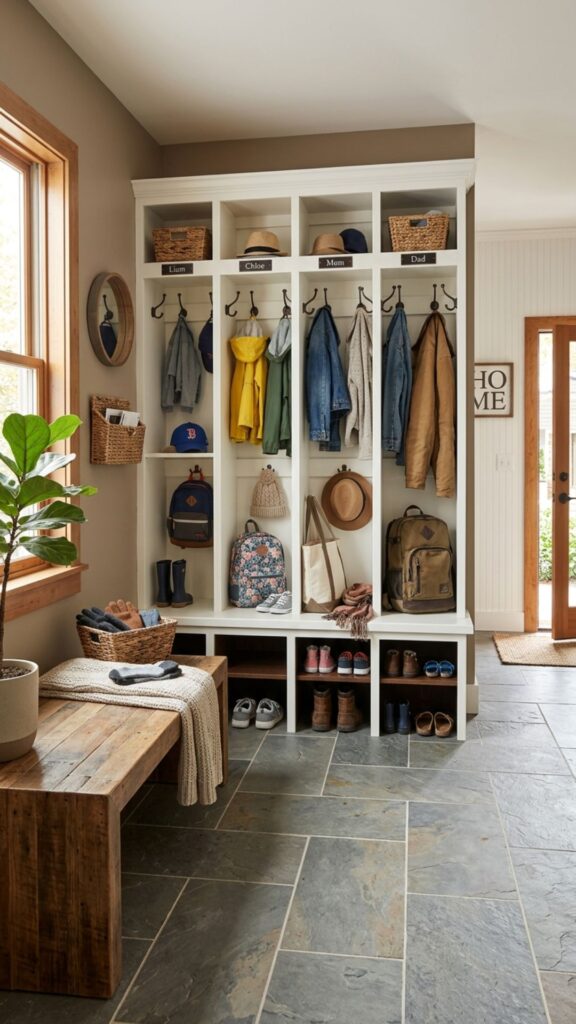
If your home lacks a proper entryway, the dining room can serve as a highly functional mudroom. This is especially useful if the room sits near the front door or garage entrance. Build custom lockers or cubbies for each family member to store coats, shoes, backpacks, and sports equipment.
Add a sturdy bench for putting on shoes and plenty of hooks for quick hanging. A durable, patterned tile floor or a dark, washable rug will help hide the dirt and moisture that gets tracked in from the outside.
19. Mega Closet and Dressing Room
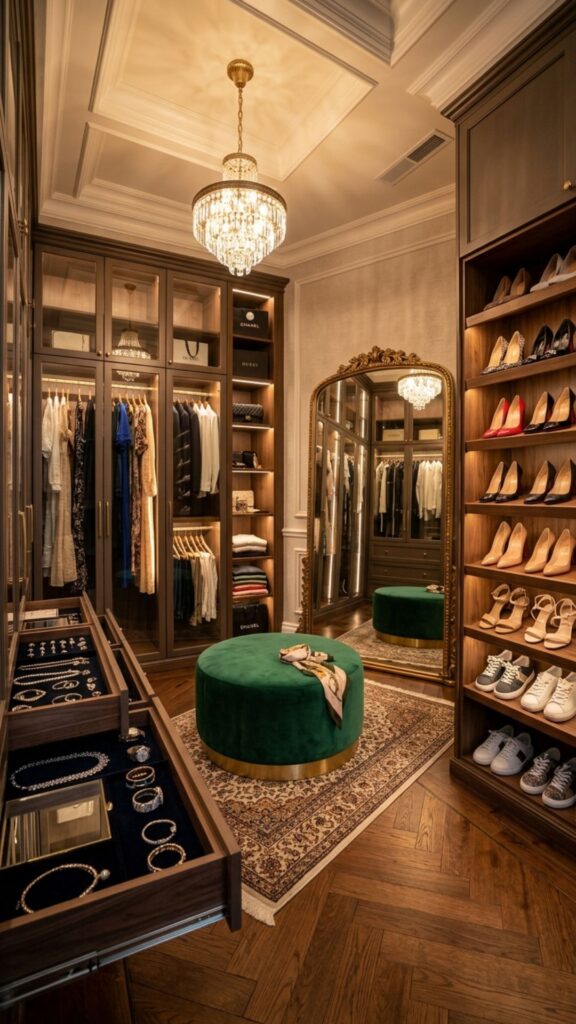
Transform your unused space into a luxurious, boutique-style dressing room. This is a brilliant dining room alternative use idea for older homes that lack adequate closet space. Install a custom closet system with hanging rods, shoe displays, and jewelry drawers.
Bring in a large, comfortable ottoman for the center of the room and a full-length mirror with flattering lighting. Not only does this solve storage problems, but it also creates a glamorous start to your daily routine.
20. Multi-Purpose Flex Room
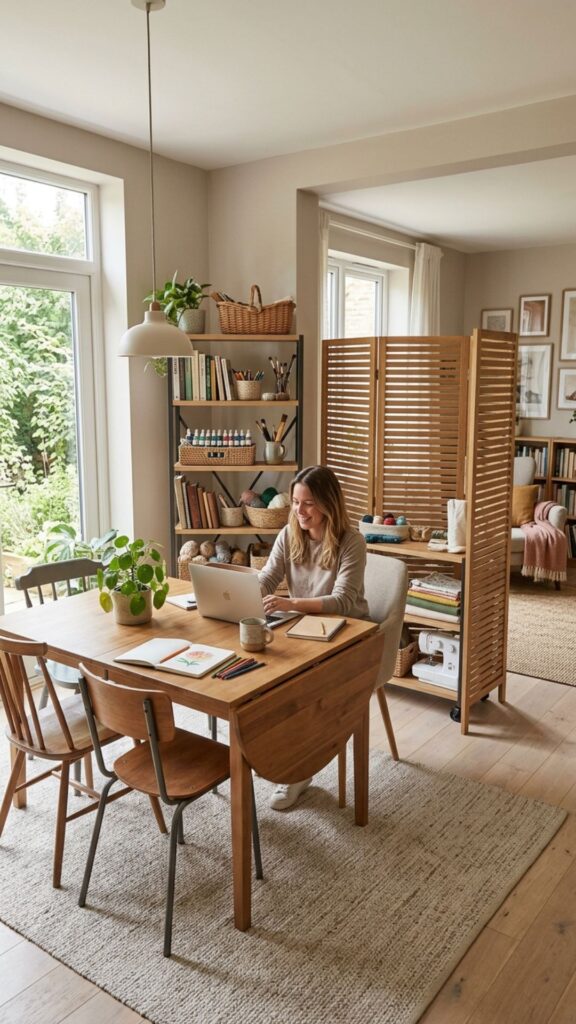
If you cannot decide on just one function, create a multi-purpose flex room. The key to a successful flex room is modular, multi-functional furniture. A solid drop-leaf table can serve as a desk during the day, a craft table in the afternoon, and extend for dining when you do host a holiday meal.
Use decorative folding screens or bookcases on casters to divide the space as needed. By keeping the layout flexible, the room can adapt to your changing needs week by week or year by year, ensuring the square footage is never wasted.
Conclusion
Your home should adapt to your lifestyle, not the other way around. By exploring these dining room alternative use ideas, you can reclaim valuable square footage and create a space that actually serves your daily needs. Whether you need a quiet place to work, an active space to exercise, or a fun zone for your kids, that empty room is a blank canvas waiting for your creativity.
Stop letting prime real estate sit empty and gather dust. Look at your floor plan today, assess what your family truly needs, and start planning your room transformation. Grab a tape measure, sketch out a new layout, and take the first step toward making your home more functional today!
Does converting a dining room lower property value?
Generally, no. As long as the conversion does not involve removing load-bearing walls or making irreversible, highly specific changes, buyers appreciate functional spaces. Rooms that can easily transition back to a dining space or serve as a home office often increase a home’s appeal to modern buyers.
How do I close off an open-concept dining room?
If your dining space is part of an open floor plan, you can create separation without building permanent walls. Use large area rugs, freestanding bookshelves, heavy curtains on a ceiling track, or elegant folding screens to define the new zone while maintaining the flow of the house.
What is the cheapest way to repurpose a dining room?
The most budget-friendly conversions rely on repurposing furniture you already own. Turning the room into a yoga studio, a reading nook, or a kids’ playroom often requires little more than clearing out the table and bringing in comfortable seating, floor mats, or existing bookshelves.
Where do we eat if we get rid of the dining room?
Most modern families eat their daily meals at a kitchen island, a breakfast nook, or on the living room sofa. For occasional large gatherings, you can invest in a high-quality folding table to set up in the living room, or use an expanding coffee table that lifts to dining height.