A pinch of soil under tiny fingernails, the wide-eyed wonder of spotting the first sprout, the pride of harvesting a carrot you planted yourself. These moments stick with kids far longer than any worksheet. School gardens do something textbooks can’t: they turn learning into a hands-on adventure that engages the senses, builds patience, and teaches where food really comes from.
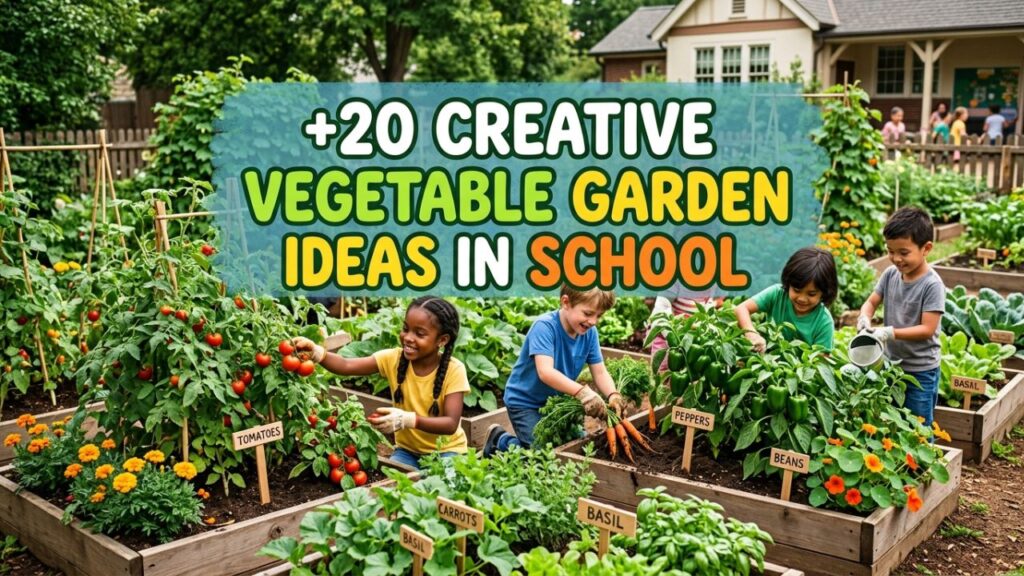
If you’re a teacher, parent volunteer, or administrator looking to bring gardening to your campus, you don’t need acres of land or a big budget. You need a few smart ideas and a little enthusiasm.
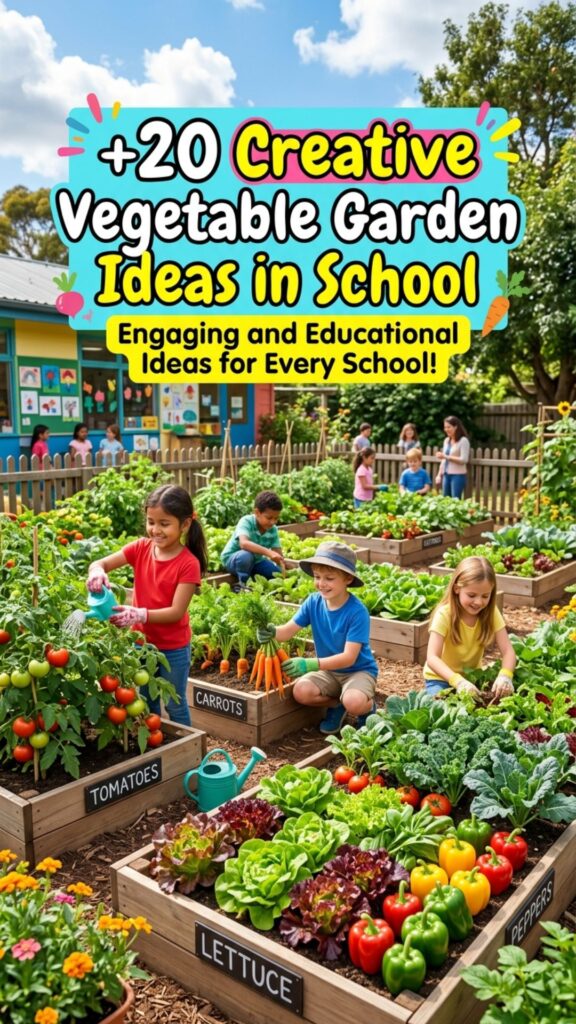
Below, you’ll find 20 creative vegetable garden ideas in school settings, each designed to fit different spaces, ages, and goals. Whether you have a sprawling schoolyard or a single sunny windowsill, there’s something here for you.
1. Start With Simple Raised Beds
Raised beds are the backbone of most successful school gardens, and for good reason. They give you full control over soil quality, drain well, and keep pathways clean. Kids can reach the plants easily without stepping on the growing area, which protects delicate roots. A few beds made from untreated lumber or recycled boards can transform an empty patch of ground into a productive plot.
For young learners, raised beds also create clear boundaries. Each class or grade can “own” a bed, which builds responsibility and friendly competition. Fill them with fast-growing crops like lettuce, radishes, and beans so students see results within weeks. Quick wins keep enthusiasm high and prove that their effort pays off.
2. Grow a Pizza Garden
Few themes get kids as excited as a pizza garden. Plant tomatoes, basil, oregano, peppers, and onions in a round bed shaped like a pizza, with pathways dividing it into “slices.” Each slice grows a different topping, making the garden both a learning tool and a delicious goal to work toward.
This idea connects gardening to something children already love to eat. When harvest time arrives, you can host a class pizza-making day using the ingredients they grew. It’s a memorable way to teach nutrition, cooking basics, and the farm-to-table journey all at once.
3. Create a Rainbow Vegetable Patch
Color captures attention, especially for younger students. A rainbow vegetable patch groups crops by color: purple eggplants and cabbage, red tomatoes and radishes, orange carrots, yellow squash, and green lettuce and peas. The visual result is stunning and turns the garden into a natural art project.
Beyond looking beautiful, this approach teaches kids about the nutrients different colored vegetables provide. Explain that eating a “rainbow” of produce helps their bodies stay strong. It’s a simple, memorable lesson in healthy eating that sticks because they can see and taste it.
4. Use Vertical Gardens for Small Spaces
Not every school has room to spare. Vertical gardens solve this by growing upward instead of outward. Use wall-mounted planters, hanging pockets, or trellises to grow beans, peas, cucumbers, and cherry tomatoes. This works brilliantly for courtyards, balconies, or narrow strips along a building.
Vertical setups also bring the garden closer to eye level, making it easier for small children to tend and observe. They spark great conversations about how plants climb and reach for sunlight. Best of all, they prove that limited space is never a reason to skip gardening.
5. Plant a Sensory Garden
A sensory garden delights all five senses and is especially valuable for younger children and students with additional needs. Include fuzzy lamb’s ear, fragrant mint and lavender, crunchy snap peas, and colorful flowers alongside your vegetables. The goal is to create a space that invites touching, smelling, and tasting.
This type of garden encourages mindfulness and calm. Children slow down, observe closely, and connect with nature in a meaningful way. Teachers often find that sensory gardens double as quiet, soothing spaces for kids who need a moment to reset during a busy day.
6. Build a Container Garden on Wheels
Mobile container gardens offer flexibility that fixed beds can’t match. Plant vegetables in large pots or crates set on rolling platforms so you can move them to catch the sun or bring them indoors during bad weather. This is perfect for schools with paved play areas or unpredictable climates.
Containers also make gardening accessible year-round. During cold months, wheel the pots into a classroom or greenhouse and keep the growing going. Kids love watching plants “travel,” and the setup teaches them how sunlight and temperature affect growth.
7. Design a Salad Bar Garden
Imagine walking outside to pick your own lunch. A salad bar garden grows everything needed for a fresh, healthy meal: leafy greens, cherry tomatoes, cucumbers, carrots, and herbs. Students harvest the ingredients and assemble their own salads, learning about portions and nutrition in the process.
This hands-on activity often turns picky eaters into curious tasters. When kids grow their own food, they’re far more willing to try it. A salad bar garden makes healthy eating feel like a reward rather than a rule.
8. Grow Herbs on a Windowsill
When outdoor space is tight, look to the windowsill. Herbs like basil, chives, parsley, and mint thrive in small pots with plenty of sunlight. A row of herb containers along a classroom window brings greenery indoors and offers daily lessons in plant care.
Windowsill herbs are low-maintenance and quick to reward. Students can snip fresh leaves for cooking projects or simply enjoy the scents. This tiny garden is an easy first step for schools testing the waters before committing to something larger.
9. Try Companion Planting Lessons
Companion planting teaches kids that plants, like people, do better with good neighbors. Pair tomatoes with basil, carrots with onions, or beans with corn. Certain combinations repel pests, improve flavor, and boost growth naturally, reducing the need for chemicals.
This idea introduces older students to real gardening science and ecology. They learn how nature works together in balance. Keep a garden journal where students record which pairings thrive, turning the plot into a living experiment they can study over time.
10. Set Up a Butterfly and Bee Garden
Pollinators are essential to any thriving vegetable garden, and few things fascinate children more than watching a bee at work. Plant flowers like marigolds, sunflowers, and zinnias alongside your vegetables to attract butterflies and bees. Their visits directly improve your harvest.
This garden becomes a mini ecosystem lesson. Students learn how pollination helps fruits and vegetables form, why insects matter, and how everything in nature connects. It’s a powerful, visible way to teach the importance of protecting wildlife.
11. Create a Three Sisters Garden
The Three Sisters method, rooted in Indigenous American farming traditions, plants corn, beans, and squash together. The corn gives beans something to climb, the beans add nutrients to the soil, and the squash leaves shade the ground to keep it moist. It’s teamwork in plant form.
This idea blends history, culture, and science into one project. Students learn about traditional farming wisdom while seeing how plants support each other. It’s a rich lesson that honors the past while growing real food today.
12. Grow a Themed Alphabet Garden
For the youngest learners, an alphabet garden links gardening to early literacy. Plant vegetables and herbs that represent different letters: A for arugula, B for beans, C for carrots, and so on. Label each plant clearly so children connect words with living things.
This playful approach turns the garden into a giant, growing spelling book. As kids water and tend the plants, they reinforce letter recognition and vocabulary. Learning feels natural because it happens through discovery rather than drills.
13. Build a Compost Corner
No garden lesson is complete without teaching what happens to food scraps and leaves. A compost corner shows students how waste breaks down into rich soil that feeds new plants. Set up a simple bin and let kids add fruit peels, coffee grounds, and yard trimmings.
Composting teaches responsibility and environmental awareness in a tangible way. Children watch nature recycle before their eyes and understand why reducing waste matters. Come planting season, they get to use the “black gold” they helped create.
14. Design a Fairy-Tale or Story Garden
Spark imagination by building a garden inspired by a favorite story. A “Jack and the Beanstalk” garden filled with towering beans, or a “Peter Rabbit” patch of lettuce and carrots, brings beloved tales to life. Add small signs or props to complete the scene.
This creative twist blends reading and gardening seamlessly. Kids stay engaged because the garden tells a story they already know and love. It’s a wonderful way to bridge language arts with outdoor learning.
15. Start a Seed-Saving Program
Teach students the full circle of plant life by saving seeds from mature vegetables. Let a few plants like beans, tomatoes, or peppers go to seed, then collect, dry, and store them for the next planting season. Kids learn that gardens can renew themselves.
Seed saving builds a sense of continuity between classes and years. This year’s students can leave seeds for next year’s group, creating a lasting legacy. It also introduces the concept of biodiversity and self-sufficiency in an easy-to-grasp way.
16. Grow Vegetables in Recycled Materials
Turn trash into treasure by planting in recycled containers. Old boots, plastic bottles, tin cans, and wooden pallets can all become quirky planters. This budget-friendly idea teaches sustainability while adding personality to your garden.
Children love the creativity of upcycling. Ask them to decorate their containers, giving each plant a personal home. This project shows that gardening doesn’t require fancy equipment, only imagination and a willingness to reuse what you already have.
17. Create a Classroom Hydroponics System
For a modern, soil-free twist, introduce a small hydroponics setup. Plants grow in nutrient-rich water instead of dirt, making it clean and ideal for indoor classrooms. Lettuce and herbs grow quickly, giving students fast, visible results.
Hydroponics sparks curiosity about science and technology. Older students especially enjoy monitoring water levels, nutrients, and growth rates. It’s a great way to show that farming is evolving and that innovation can happen anywhere, even in a classroom.
18. Set Up Grade-Level Garden Plots
Give each grade its own dedicated plot to nurture throughout the year. This creates ownership and pride while allowing teachers to match crops to age-appropriate lessons. Younger grades might grow easy radishes, while older students tackle trickier tomatoes.
Grade-level plots also encourage friendly comparison and shared learning. Classes can visit each other’s gardens, swap tips, and celebrate successes together. This structure keeps the whole school invested in the growing season.
19. Plant a Seasonal Rotation Garden
Teach students that gardening changes with the calendar by planting a seasonal rotation garden. Cool-weather crops like spinach and peas go in during spring and fall, while warm-weather favorites like tomatoes and peppers thrive in summer. Rotating crops keeps the soil healthy and the garden productive.
This idea shows kids that patience and timing matter. They learn to read the seasons and understand why certain foods appear at certain times of year. It’s a natural lesson in planning, observation, and working with nature’s rhythm.
20. Host a Harvest Celebration Garden
End the growing season with a garden designed around celebration. Grow crops that ripen together so students can host a harvest party, cooking demonstration, or farmers market. This gives all their hard work a joyful, meaningful conclusion.
A harvest celebration builds community and pride. Invite families to taste the results and see what the children accomplished. These events turn a simple garden into a source of connection, proving that growing food is about more than just vegetables.
Conclusion
School gardens teach lessons that reach far beyond biology. They nurture patience, teamwork, healthy habits, and a genuine respect for the environment. The best part? You can start small and grow from there. A single windowsill herb pot or one raised bed can plant the seed for something wonderful.
Pick one or two of these vegetable garden ideas in school and give them a try this season. Gather a few volunteers, grab some seeds, and watch your students light up as they dig in. Ready to get growing? Start planning your school garden today and give your young learners an experience they’ll carry for a lifetime.
What is the best vegetable to grow in a school garden?
The best vegetables for school gardens are fast-growing, easy, and reliable. Radishes, lettuce, beans, and cherry tomatoes are top choices because they sprout quickly and produce visible results within weeks, keeping students motivated and engaged.
How much space do you need for a school vegetable garden?
You don’t need much space at all. A single raised bed, a few containers, or even a sunny windowsill can support a productive garden. Vertical gardens and container gardens on wheels make growing possible in even the smallest schoolyards.
How do school gardens benefit children?
School gardens improve nutrition awareness, teach responsibility, and boost hands-on learning in science, math, and reading. Studies show that children who garden are more willing to eat vegetables and develop stronger connections to nature and healthy eating.
What is the cheapest way to start a school garden?
The cheapest approach uses recycled materials like plastic bottles, tin cans, and wooden pallets as planters. Pair these with donated seeds and homemade compost, and you can launch a thriving garden for almost nothing.
When is the best time to start a school garden?
Early spring is ideal for most cool-weather crops, while late spring works well for warm-weather vegetables. Many schools plant in early fall too, choosing hardy greens that grow well in cooler temperatures before winter arrives.