A home office should do more than provide a place for your laptop. It should help you concentrate, stay comfortable, keep everyday clutter under control, and make starting work feel a little easier. The challenge is creating a workspace that handles all of those jobs without turning into a dull corporate corner inside your home.
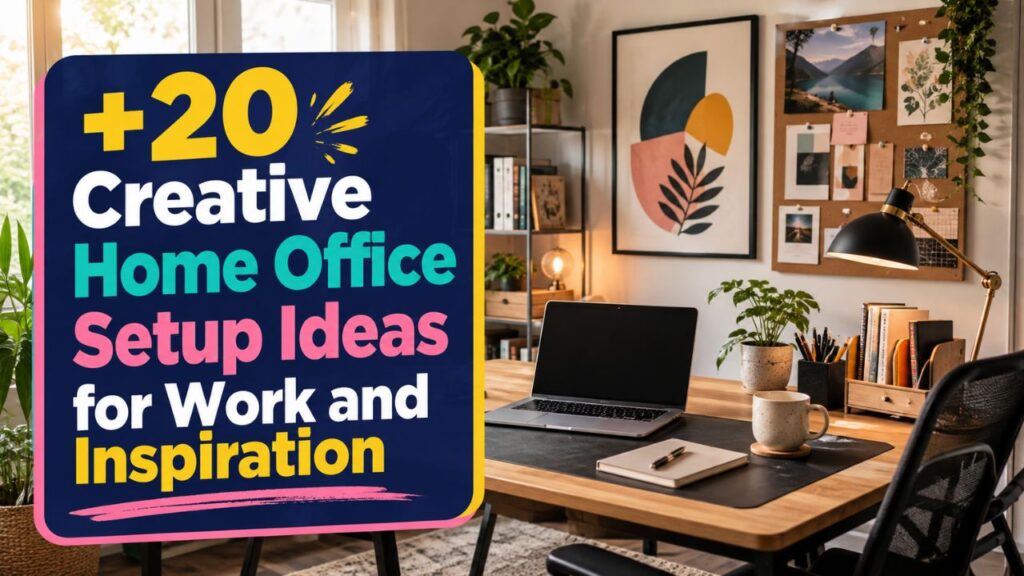
The best home office ideas creative homeowners can use are often surprisingly practical. A colorful wall, an unusual desk position, attractive storage, better lighting, or one carefully designed inspiration board can completely change how a workspace feels.
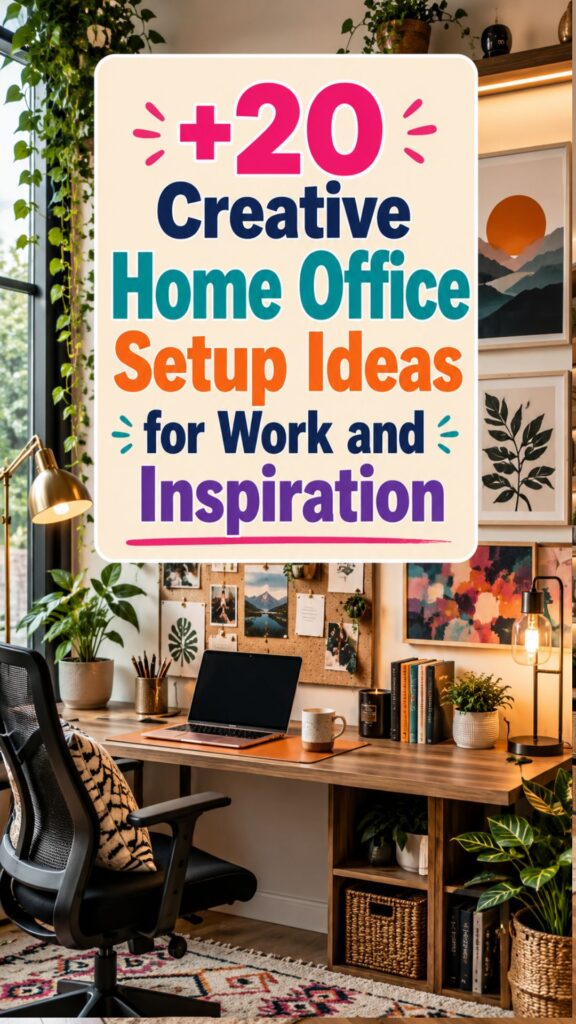
You also do not need a dedicated room or a large decorating budget. Some of the most interesting offices fit into bedrooms, living rooms, alcoves, spare corners, and other overlooked spaces.
Below are 20 creative home office setup ideas designed to balance productivity, personality, organization, and comfort.
1. Create an Inspiration Wall Behind Your Desk
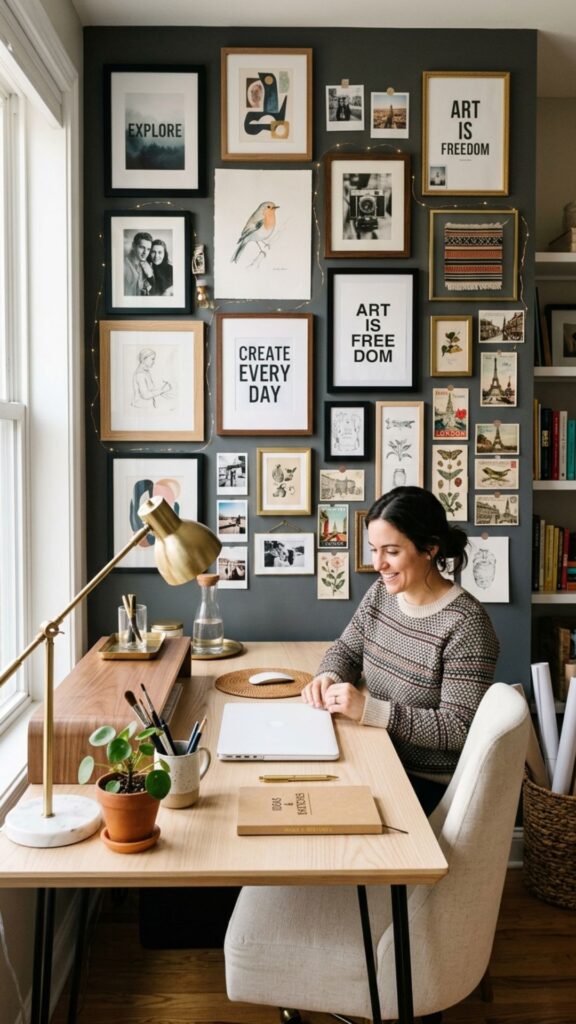
Turn the wall behind or beside your desk into something that actually inspires you. Add framed artwork, photographs, postcards, typography, sketches, fabric samples, or meaningful objects instead of leaving the entire space blank.
Keep the display visually connected by repeating a few colors, frame styles, or themes. A graphic designer might display typography and illustrations, while a writer could use photographs, favorite book covers, and handwritten notes. Among home office ideas creative professionals can personalize easily, an inspiration wall offers plenty of flexibility.
2. Turn an Empty Corner Into a Compact Office
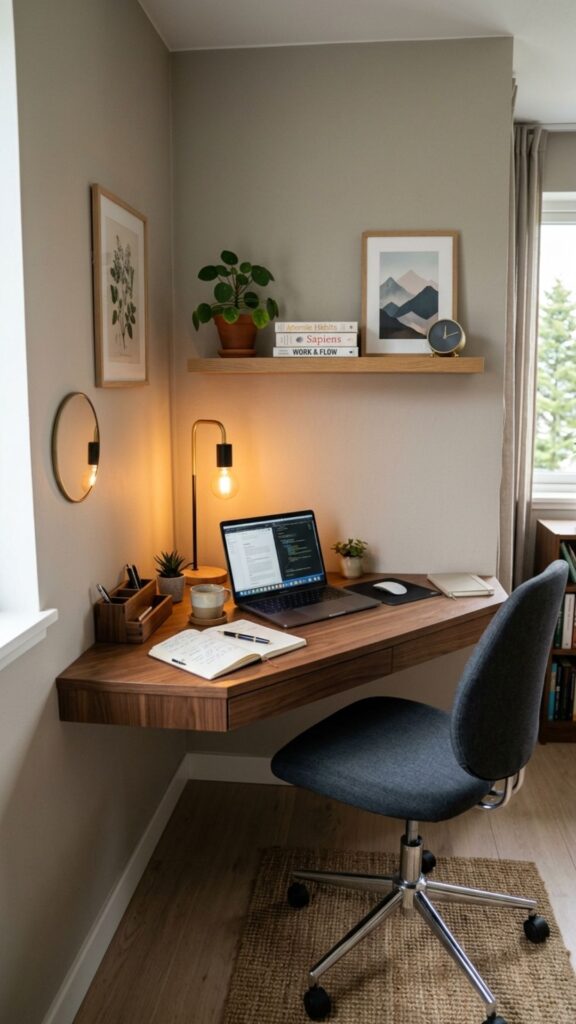
An unused corner can become a surprisingly effective workspace with the right furniture. A small corner desk, floating desktop, or narrow writing table can create a defined work zone without taking over the room.
Add a wall-mounted shelf above the desk for stationery and paperwork. A compact lamp and comfortable chair complete the setup. This approach works particularly well in apartments where a separate office simply is not available.
3. Use a Bold Accent Wall to Define the Workspace
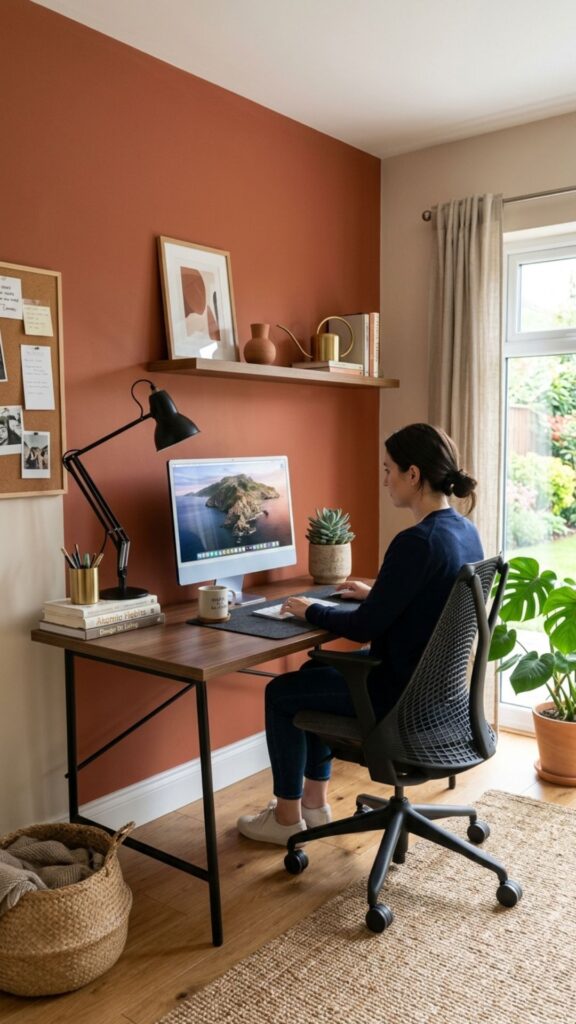
Paint can visually separate your office from the rest of the room. Deep green, muted terracotta, warm blue, charcoal, or earthy brown can give the workspace its own identity without requiring major renovation.
If paint feels too permanent, try peel-and-stick wallpaper instead. Patterns can work beautifully when the desk and accessories remain relatively simple. These home office ideas creative decorators often use demonstrate how one wall can make a basic desk arrangement feel intentional.
4. Build Your Workspace Around Natural Light
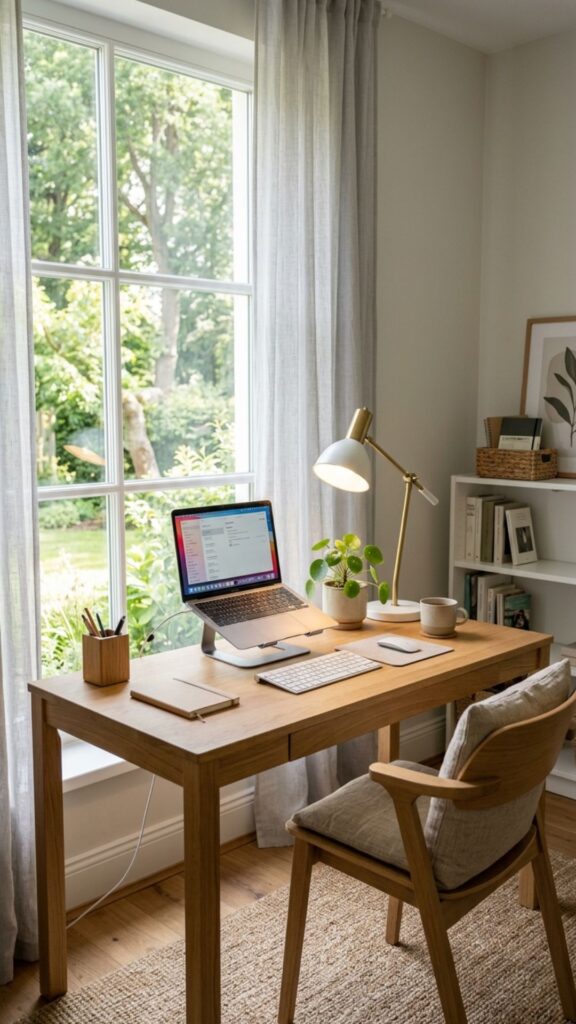
Whenever possible, position your desk where daylight can reach the workspace. Natural light can make a small office feel brighter and more inviting while reducing the need to work under artificial lighting throughout the day.
Avoid placing your monitor directly opposite a bright window if glare becomes distracting. Positioning the desk perpendicular to the window often provides a better balance. Add a light-filtering blind or curtain when you need greater control during sunny afternoons.
5. Add Floating Shelves for Practical Display Storage
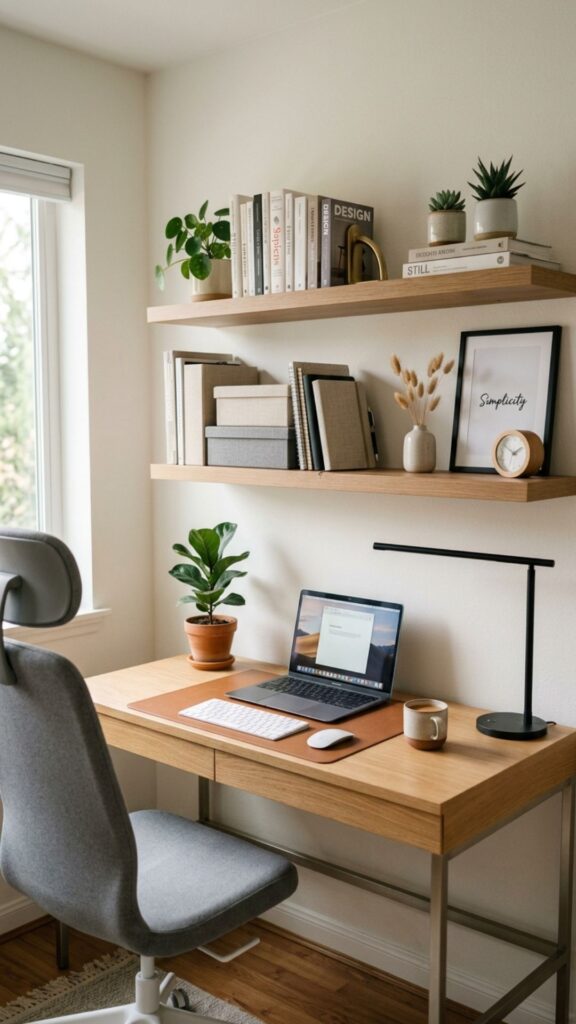
Floating shelves make use of vertical space while keeping the floor clear. Install two or three above the desk to store books, small boxes, plants, notebooks, and decorative objects.
Try not to fill every centimetre. Leaving some breathing room between objects keeps the shelves from looking messy. Mixing useful items with a few decorative pieces gives your office personality without sacrificing valuable storage.
6. Design a Creative Pegboard Organization Wall
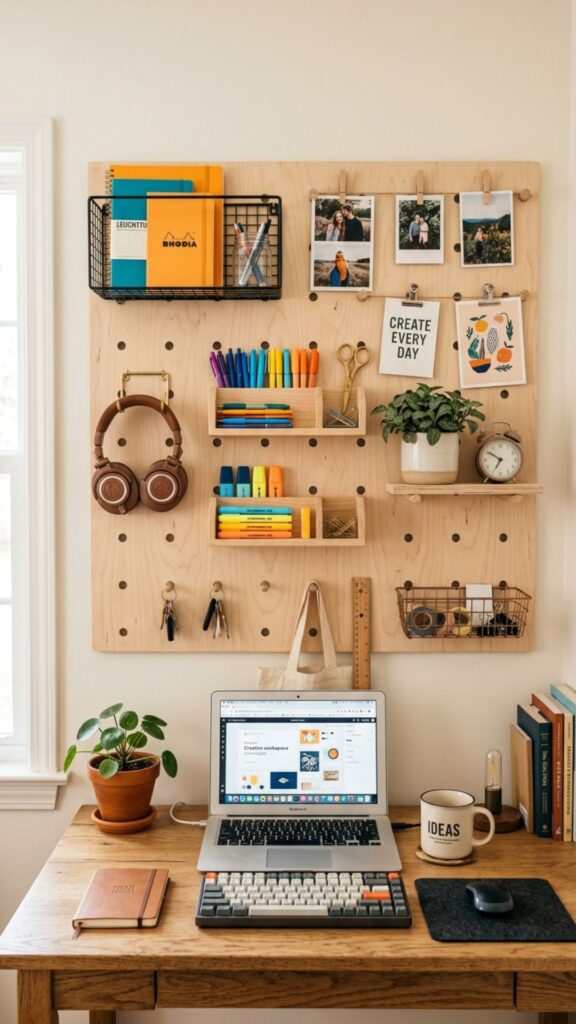
A pegboard can hold far more than workshop tools. Use one above your desk for scissors, headphones, notebooks, stationery containers, calendars, photographs, and small shelves.
The real advantage is flexibility. Hooks, trays, and containers can be rearranged whenever your workflow changes. For anyone researching home office ideas creative enough to combine storage and visual interest, a pegboard is one of the most adaptable solutions.
7. Give Your Desk a Window-Facing View
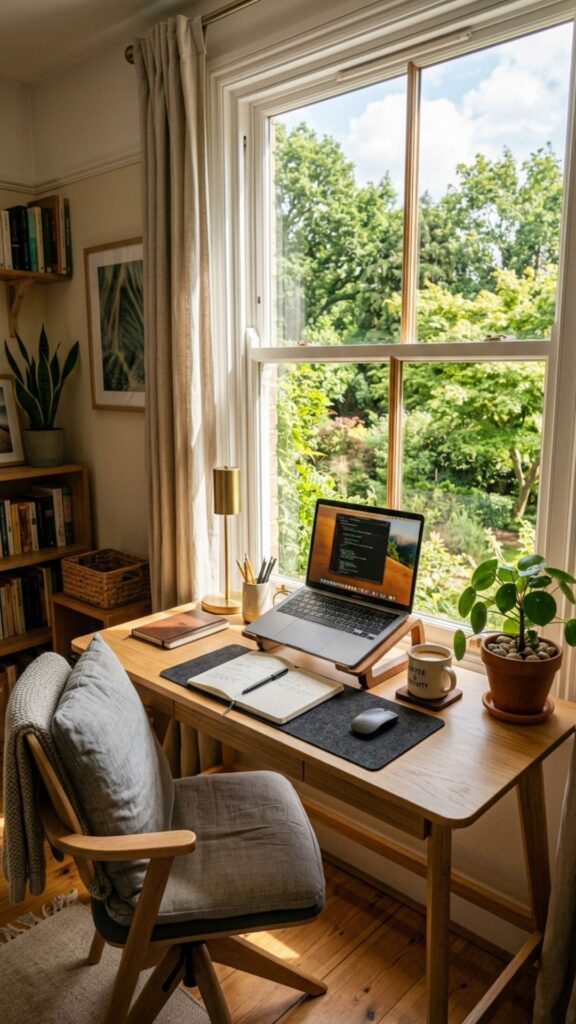
Looking at a blank wall for several hours can make a workspace feel restrictive. If your room allows it, move the desk toward a window overlooking the garden, street, trees, or skyline.
A pleasant view can also provide a visual break from screens. Just make sure the desk position does not create excessive monitor glare. Adding blinds lets you adjust the light throughout the day without losing the benefits of the window.
8. Create a Built-In Office Inside an Alcove
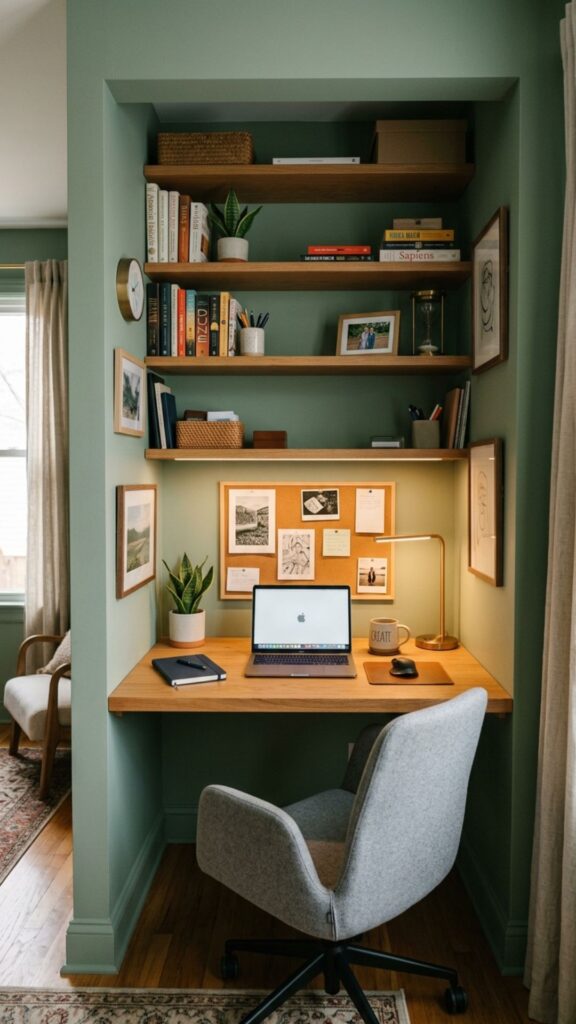
An alcove, recessed wall, or awkward niche can become a custom-looking office with relatively simple additions. Install a fitted desktop between the walls and add shelving above it.
Paint the entire area in one color to make the office feel deliberate rather than squeezed into leftover space. This technique is especially useful when you want creative home office ideas that maximize every available square foot.
9. Mix Vintage Furniture With Modern Technology
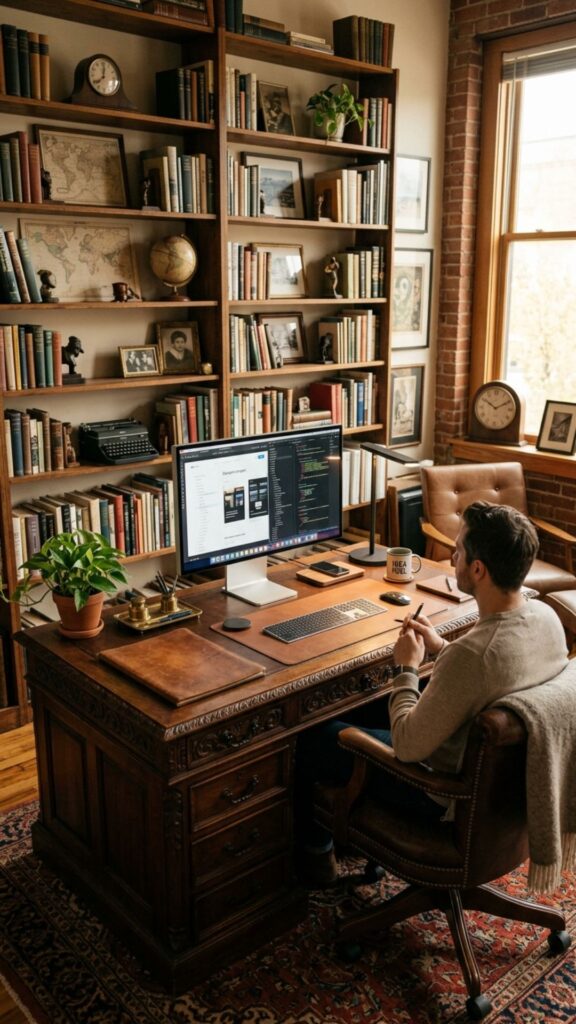
Your home office furniture does not need to look like traditional office furniture. An antique writing desk, vintage cabinet, old wooden chair, or second-hand bookcase can add character to a modern workspace.
Balance older pieces with practical technology such as a monitor arm, wireless charger, or streamlined task lamp. Combining different periods keeps the room interesting while allowing you to maintain a functional contemporary setup.
10. Build a Color-Coded Workspace
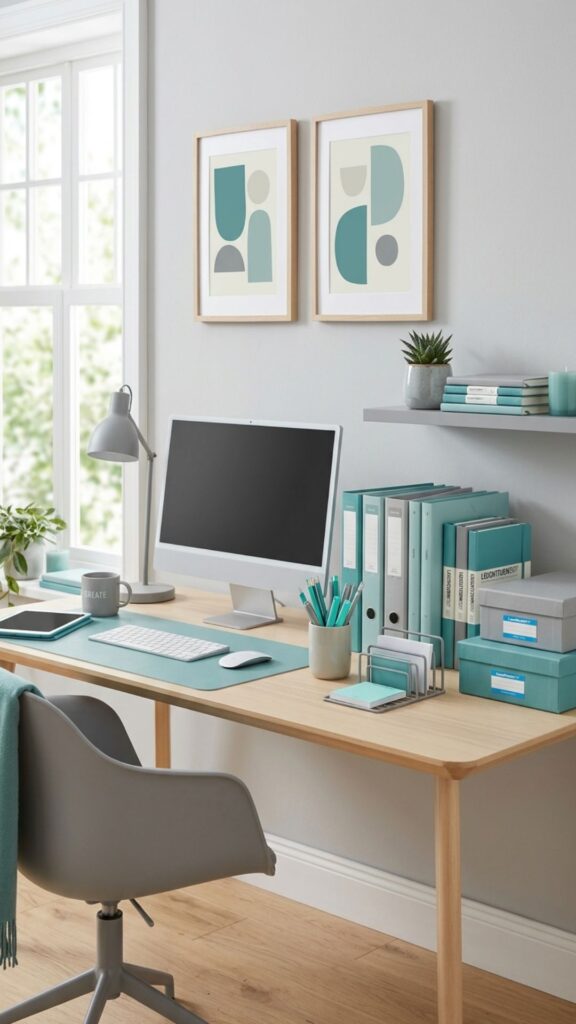
Color can improve both organization and atmosphere. Choose two or three coordinated shades and repeat them through storage boxes, notebooks, folders, artwork, desk accessories, and textiles.
You can also use color practically. Assign different folder colors to clients, projects, household paperwork, or subjects. This is one of the simplest home office ideas creative workers can implement without replacing expensive furniture.
11. Add Indoor Plants Around Your Work Area
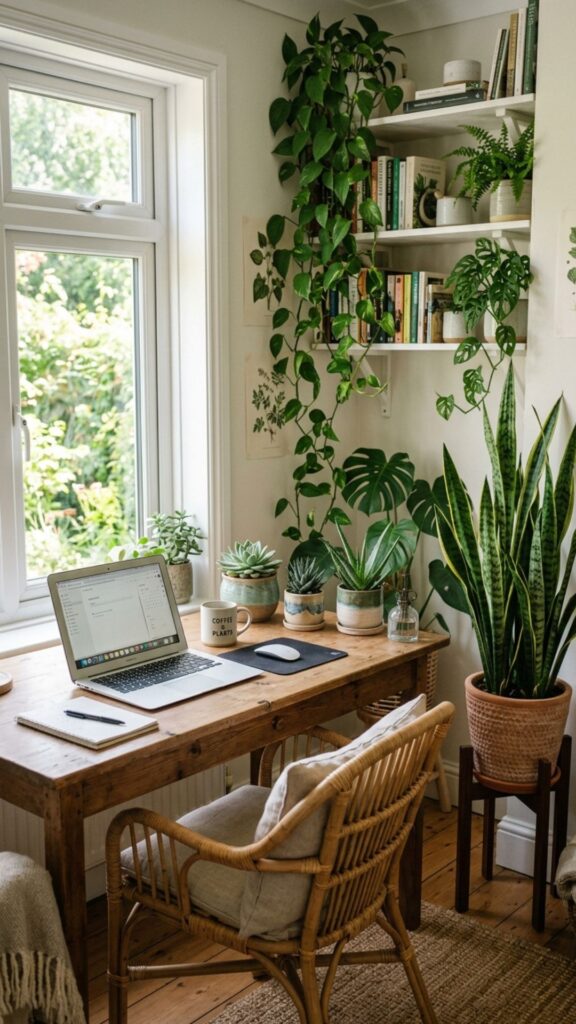
Plants can soften hard office furniture and make a workspace feel more connected to the rest of your home. Try pothos on a shelf, a snake plant beside the desk, or small succulents near a bright window.
Choose plants according to your actual lighting conditions rather than appearance alone. Artificial greenery can also work in darker offices where live plants struggle. The objective is to introduce texture and life without creating extra maintenance.
12. Make a Dual-Purpose Office and Reading Corner
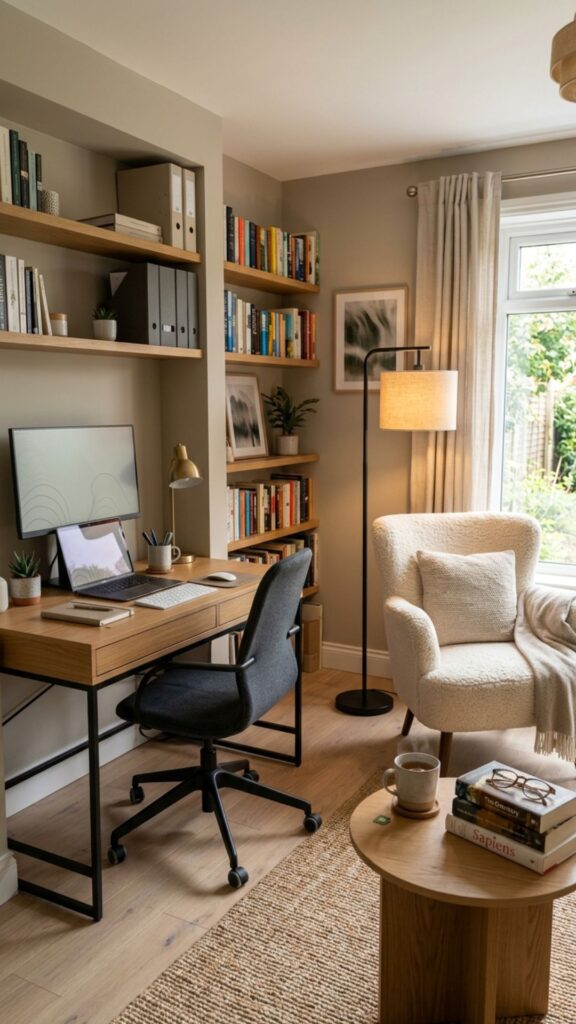
If you have enough room, add a comfortable chair beside your desk. It creates a separate area for reading documents, brainstorming, taking calls, or simply stepping away from your computer.
Include a floor lamp and small side table to make the corner useful. Creating different zones inside the same office helps prevent the desk from becoming the only place where every work activity happens.
13. Use a Statement Desk as the Main Design Feature
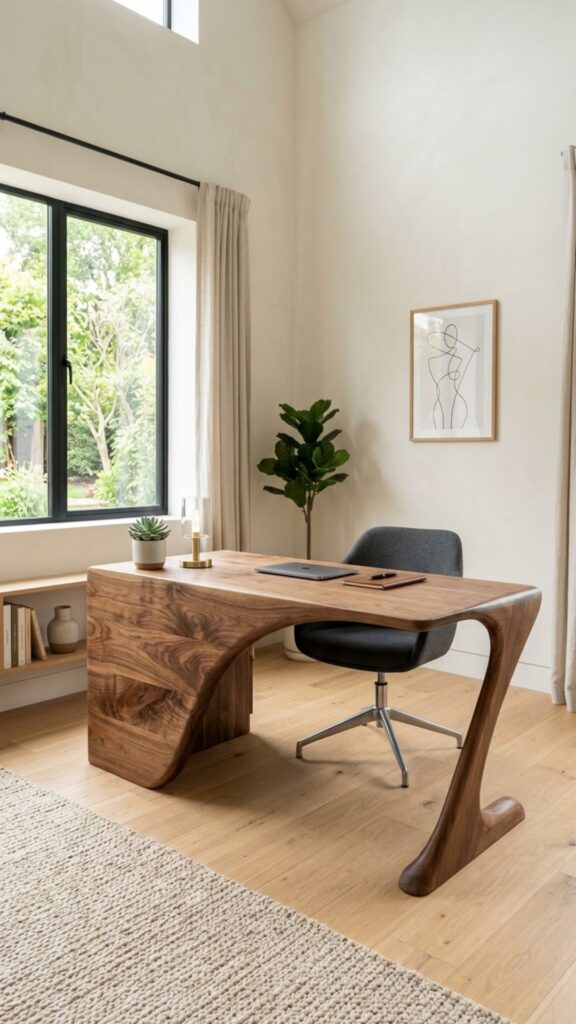
Instead of decorating heavily around an ordinary desk, let the desk itself become the focal point. Consider a sculptural wooden table, curved desk, vintage writing desk, floating desktop, or minimalist table with distinctive legs.
Keep nearby furniture understated so the desk receives visual attention. This works particularly well for people looking for home office ideas creative enough to feel stylish without filling the room with decorations.
14. Create a Hidden Office Inside a Cabinet
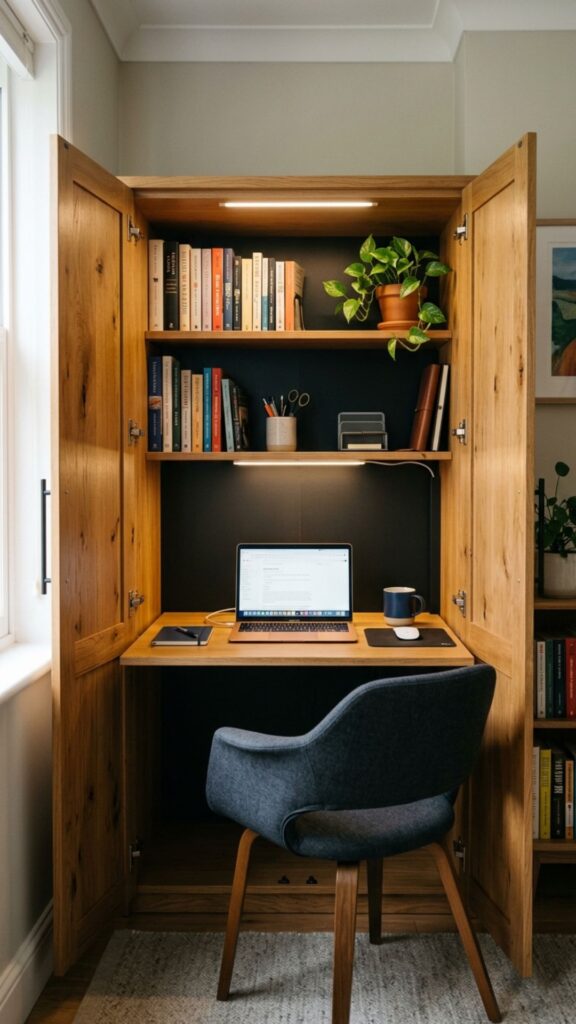
A cabinet office is useful when your workspace shares a room with everyday living areas. A tall cupboard, armoire, or specially designed cabinet can hide your laptop, stationery, documents, and charger cables once the working day ends.
Install a small desktop inside and use the upper portion for shelving. When the doors close, the room immediately looks less like an office. This is particularly practical in studio apartments and multipurpose rooms.
15. Design a Gallery Wall Around the Workspace
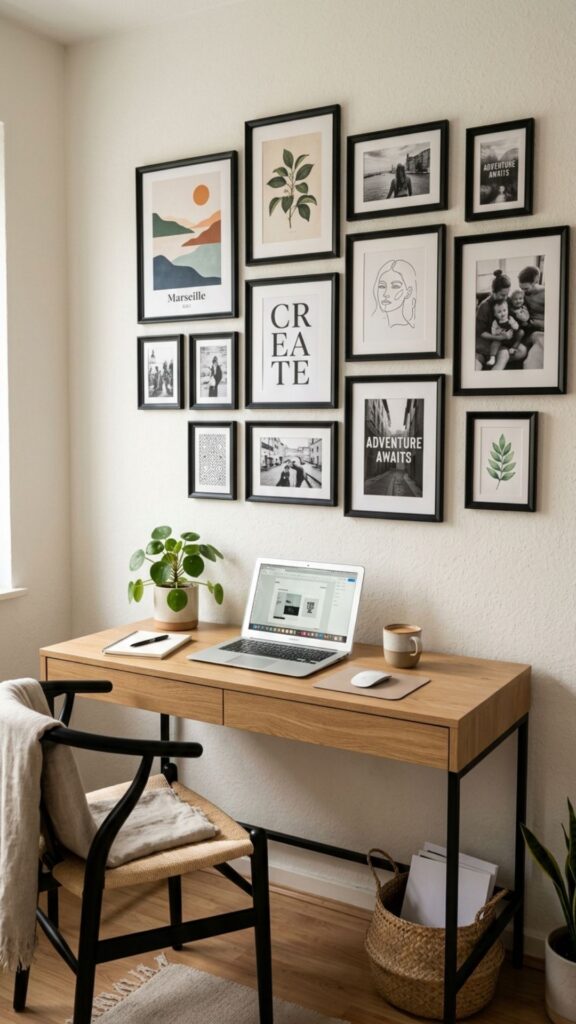
A gallery wall can make a simple desk arrangement feel much more personal. Combine artwork, photography, prints, typography, or personal photographs in different sizes.
Lay the arrangement on the floor before hanging anything. This helps you experiment with spacing without making unnecessary holes in the wall. For a calmer look, keep the frame colors consistent even when the artwork varies.
16. Add a Large Planning Board for Everyday Ideas
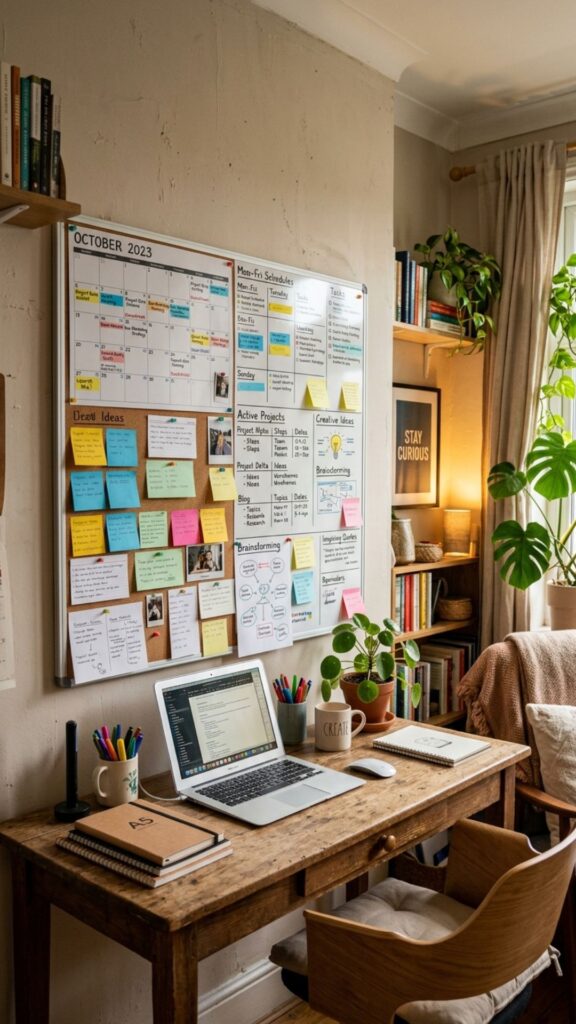
A large corkboard, magnetic board, whiteboard, or wall planner gives you one central place for deadlines, notes, schedules, reminders, and ideas.
Divide the board into simple sections such as current projects, upcoming deadlines, ideas, and personal reminders. Keeping important information visible can reduce the number of loose notes scattered around your desk. It also makes these home office ideas creative and genuinely functional.
17. Create a Monochrome Office With Textural Details
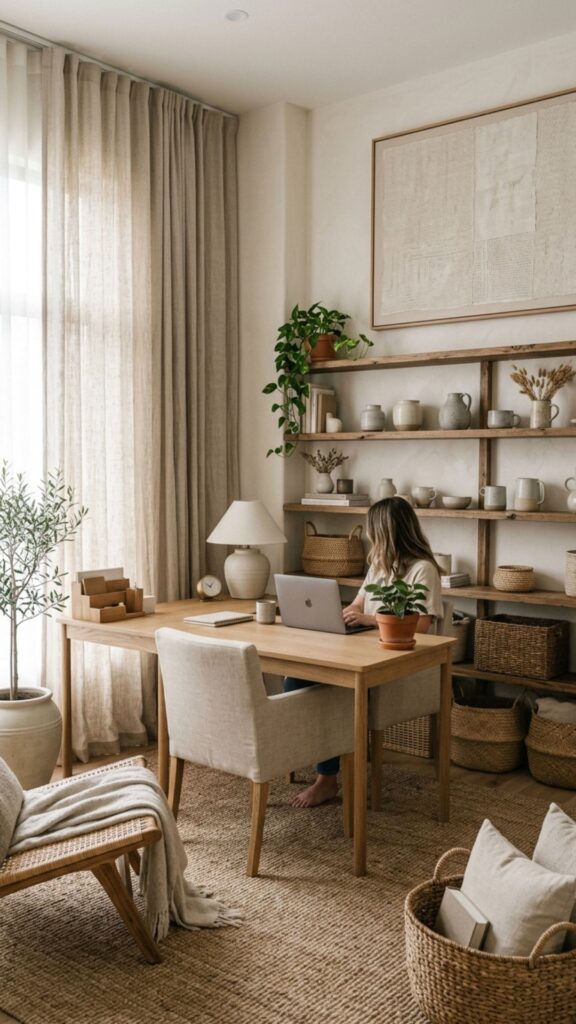
Creative spaces do not always need bright colors. A monochrome office can feel equally interesting when different materials and textures are layered together.
For example, pair a cream desk with linen curtains, woven baskets, ceramic accessories, timber shelves, and textured artwork. The limited color palette creates visual calm, while the varied surfaces stop the room from feeling flat or clinical.
18. Use Unexpected Storage Instead of Standard Filing Cabinets
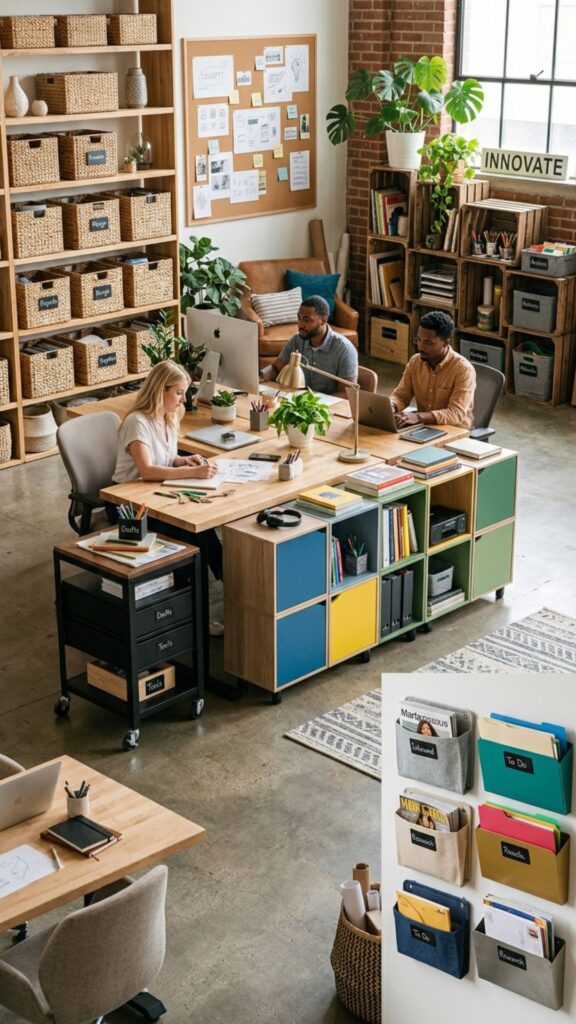
Traditional filing cabinets are practical, but they are not your only option. Vintage trunks, decorative baskets, rolling carts, wall pockets, modular cubes, and wooden crates can all provide useful office storage.
Choose storage according to what you actually use. Frequently accessed items should remain within reach, while archived documents can sit farther away. Creative storage solutions work best when they improve your workflow rather than simply looking interesting.
19. Create a Flexible Standing and Sitting Setup
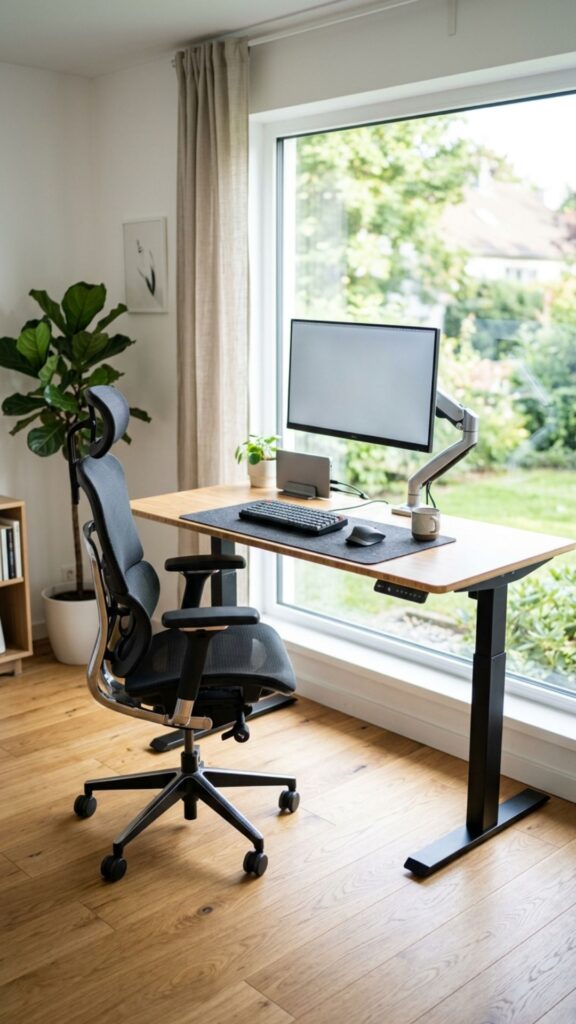
Sitting in one position throughout the working day can become uncomfortable. A height-adjustable desk gives you the option to alternate between sitting and standing depending on the task.
You do not necessarily need an expensive electric desk. A desktop riser can convert an existing table into a flexible workstation. Among practical home office ideas creative remote workers can adopt, flexibility often has more value than elaborate decoration.
20. Personalize Your Office Around the Work You Actually Do
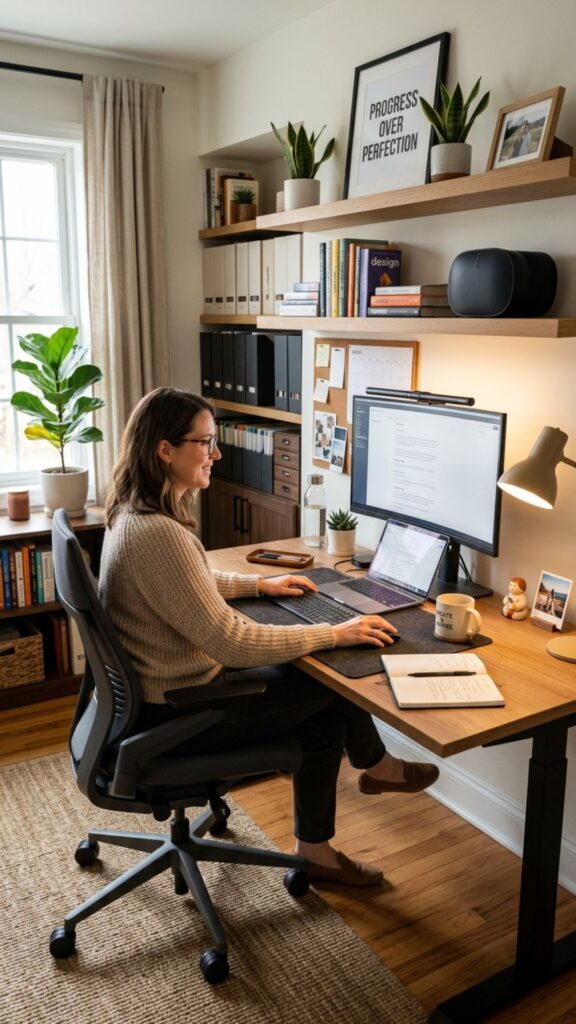
The most successful office is designed around your real routine rather than a photograph you saw online. Someone who spends most of the day on video calls needs different lighting and backgrounds from someone who paints, writes, teaches, or manages paperwork.
Start by listing the activities you perform most often. Then arrange your desk, storage, lighting, technology, and accessories around those tasks. The best home office ideas creative setups are not simply attractive—they remove small frustrations from your working day.
How to Make a Creative Home Office Feel Organized
Creativity and organization do not have to compete. Start by keeping frequently used items within easy reach and moving occasional-use supplies into drawers, cabinets, baskets, or shelves.
Cable management also makes a noticeable difference. Use cable clips, sleeves, under-desk trays, or boxes to prevent chargers and wires from dominating the workspace. If possible, give every common item a permanent home so clearing your desk takes only a few minutes.
A useful rule is to keep your primary work surface relatively clear. Decorative objects can live on shelves and walls, leaving enough open desk space for your computer, notebook, drink, and current project.
What Makes a Home Office More Inspiring?
An inspiring workspace usually combines three things: comfort, personal meaning, and visual variety. You should have enough practical support to work comfortably, but the room should also contain objects, colors, or materials you genuinely enjoy.
Do not add decoration simply because it appears in popular office photographs. A framed travel photo, handmade ceramic mug, favorite plant, collection of books, or artwork from someone you know may inspire you more than expensive accessories.
This is why home office ideas creative enough to reflect your personality often feel better over time than highly styled spaces designed around temporary trends.
Conclusion: Create a Workspace That Works Your Way
A creative home office does not require a huge room, expensive furniture, or a complete renovation. Small changes can have a significant impact when they solve real problems.
Start with the basics: comfortable seating, useful lighting, enough storage, and an appropriate desk. Then introduce personality through artwork, color, plants, interesting furniture, flexible organization, or meaningful objects.
Use these home office ideas creative homeowners and remote workers can adapt as inspiration rather than strict rules. Your workspace should support the way you think, create, organize, and work.
Choose one idea you can implement this week and build from there. Even a single thoughtful improvement can make your office feel more comfortable, organized, and inspiring.
What are some easy creative home office ideas on a budget?
Start with inexpensive changes such as rearranging your desk, adding a corkboard, creating a gallery wall with existing prints, painting an accent wall, or organizing supplies in baskets and containers you already own. Small changes often make more difference than replacing all your furniture.
How can I make a small home office look creative?
Use vertical space instead of adding more floor furniture. Floating shelves, pegboards, wall-mounted lighting, compact desks, and attractive organizers can make a small office practical while adding visual character.
Where should a desk be placed in a home office?
Place your desk where you have comfortable lighting, enough room to move, and minimal distractions. A position perpendicular to a window often provides natural light while reducing screen glare. The best location ultimately depends on your room layout and daily workflow.
How can I make my home office more inspiring without creating clutter?
Choose a small number of meaningful decorative elements instead of filling every surface. Artwork, one or two plants, an inspiration board, attractive stationery, and coordinated storage can add personality while keeping the work area organized.
What should every creative home office include?
At minimum, include a comfortable chair, practical desk, suitable lighting, organized storage, reliable technology, and enough clear work surface. After those essentials are covered, add personal touches that make the space enjoyable and reflect how you work.