Your garden holds more potential than you might think. With a little planning, that patch of grass or forgotten corner can become a room you actually want to spend time in, no matter the weather.
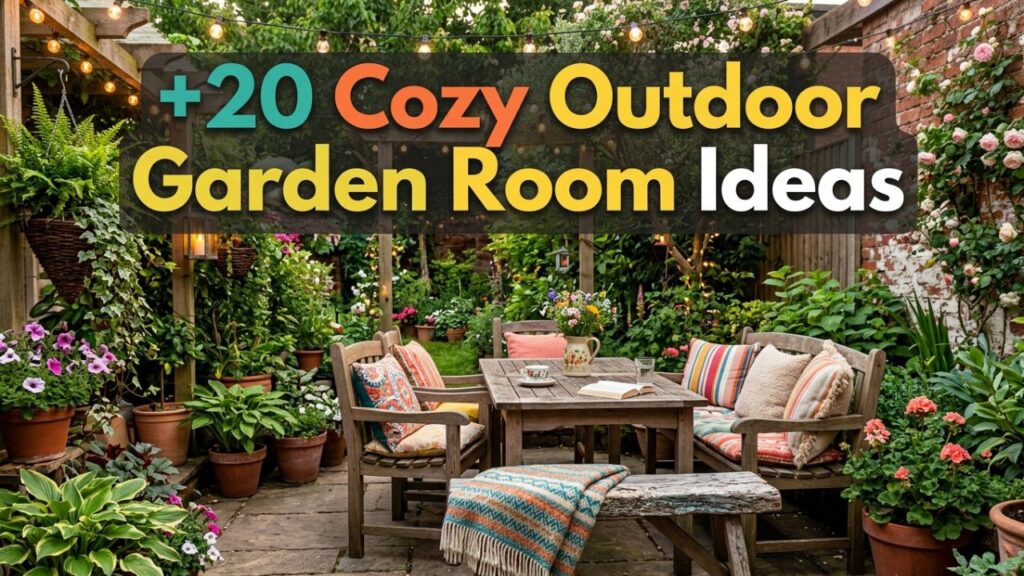
After years of helping homeowners rethink their outdoor spaces, I’ve seen how the right garden room can change daily life. It becomes the spot where you sip morning coffee, read on rainy afternoons, or host friends long after the sun goes down.
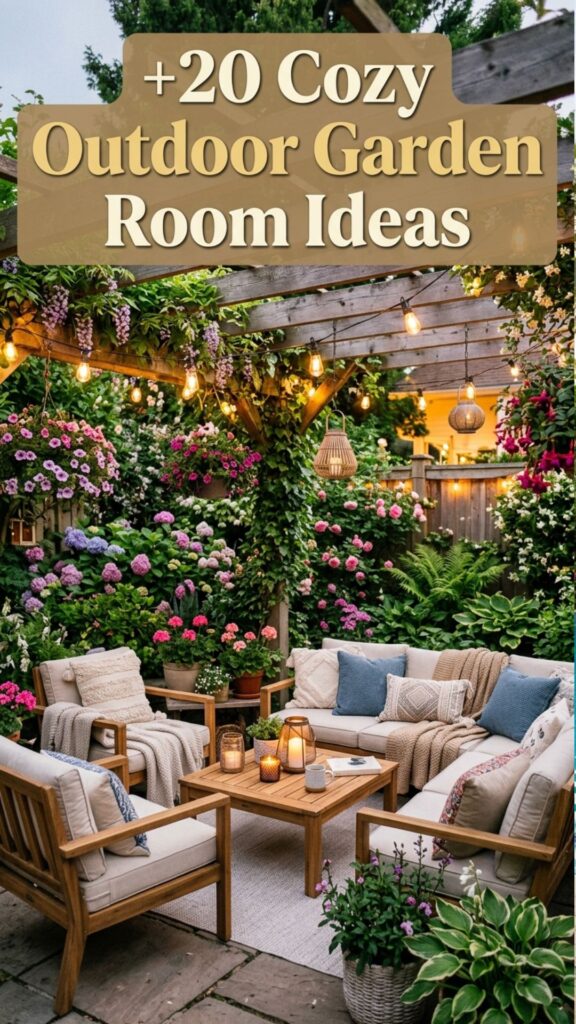
Below you’ll find 20 outdoor garden room ideas that balance comfort, style, and function. Some are quick weekend projects. Others are bigger investments that pay off for years. Whatever your budget or space, there’s something here to help you build a garden room you’ll love in every season.
1. Start With a Solid Weatherproof Roof
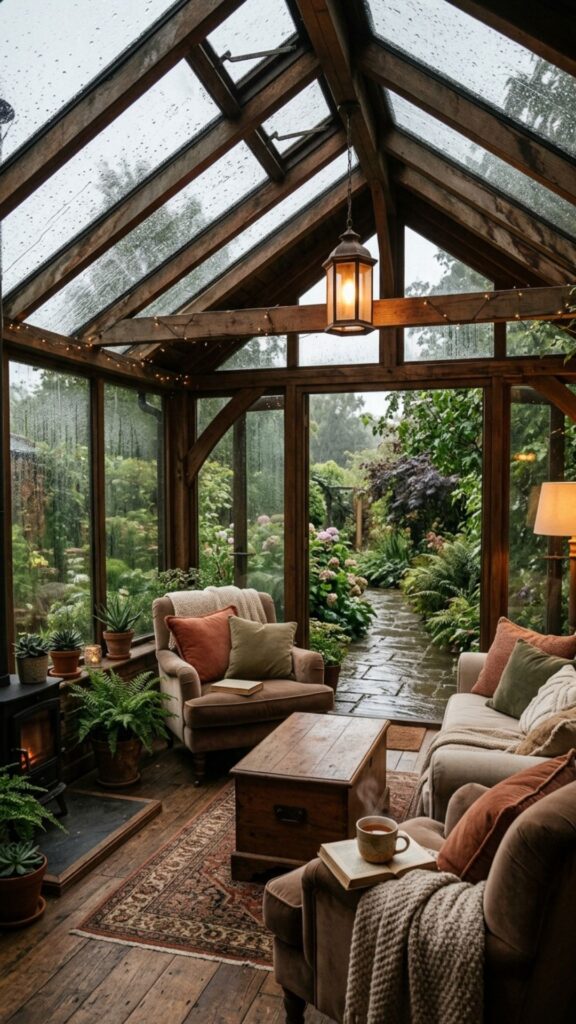
A cozy garden room starts overhead. Before you buy a single cushion, think about how you’ll stay dry. A pitched roof, a pergola with a retractable canopy, or a polycarbonate cover keeps rain off and extends how many months you can use the space.
I always tell clients to plan the roof first because it shapes everything else. Once you know you’re protected, you can add electronics, rugs, and soft furniture without worrying about water damage. A good roof turns a fair-weather patio into a genuine year-round room.
2. Add a Wood-Burning Stove for Real Warmth
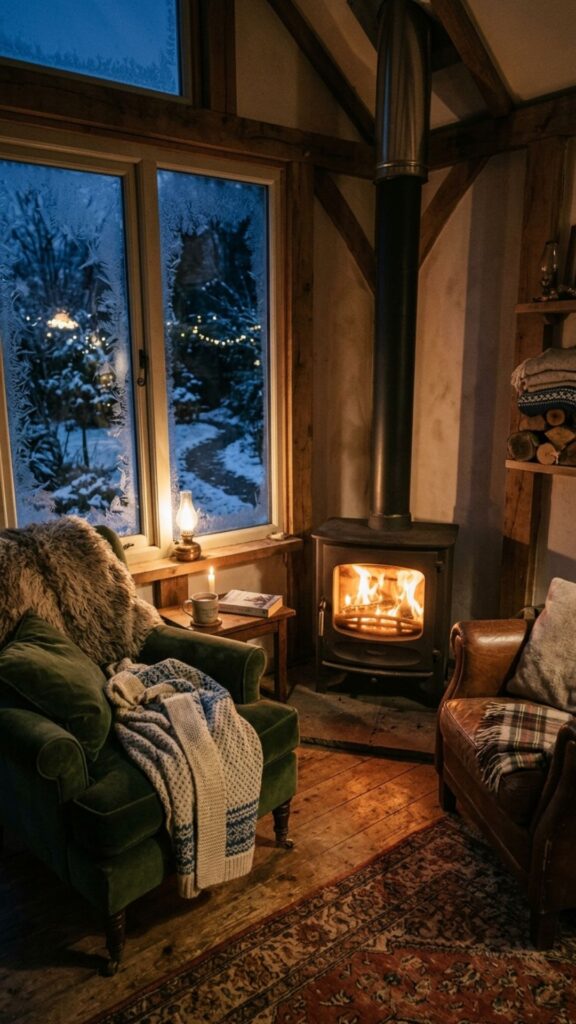
Nothing makes an outdoor space feel like a room quite like a fire. A small wood-burning stove throws serious heat and gives you that crackling sound and gentle glow that electric heaters can’t match. It’s the feature guests always gather around.
Installation does require proper flue placement and clearance from anything flammable, so hire a certified professional. Done right, a stove lets you enjoy your garden room through frosty evenings, wrapped in warmth while the cold stays outside.
3. Install Bi-Fold Doors to Blur Indoor and Outdoor
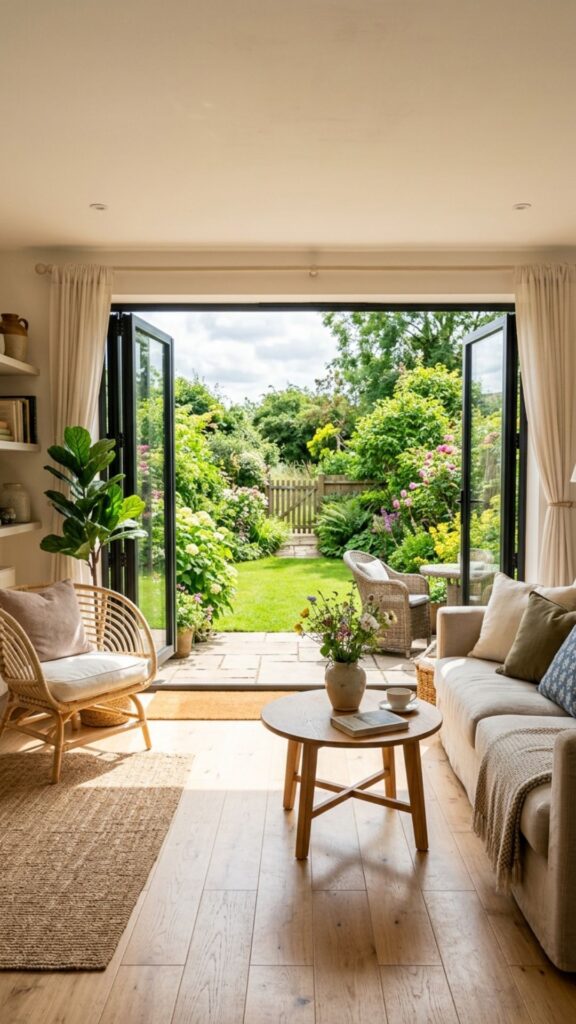
Bi-fold or sliding glass doors let you open the whole wall in summer and seal it tight in winter. This flexibility is why they’ve become a favorite in modern garden room design. You get fresh air when you want it and full shelter when you don’t.
Choose double-glazed panels for insulation. On cold days, sunlight streams through the glass and warms the room naturally. On warm days, you fold the doors back and the garden becomes part of your living space.
4. Layer Soft Lighting for Evening Comfort
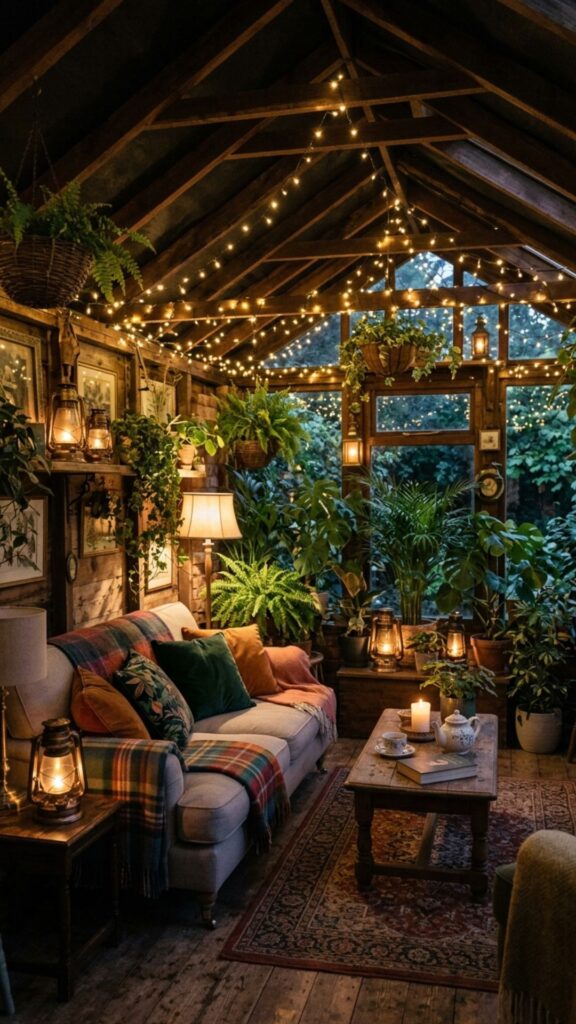
Harsh overhead lights kill the mood fast. Instead, layer your lighting with string lights, lanterns, and a few warm-toned lamps. This mix creates pockets of glow that make the space feel intimate after dark.
Dimmable fixtures give you control over the atmosphere. Bright enough for a card game, soft enough for a quiet nightcap. Solar options work well for accent lighting and save you money on wiring simple areas.
5. Choose Weather-Resistant Furniture You Can Sink Into
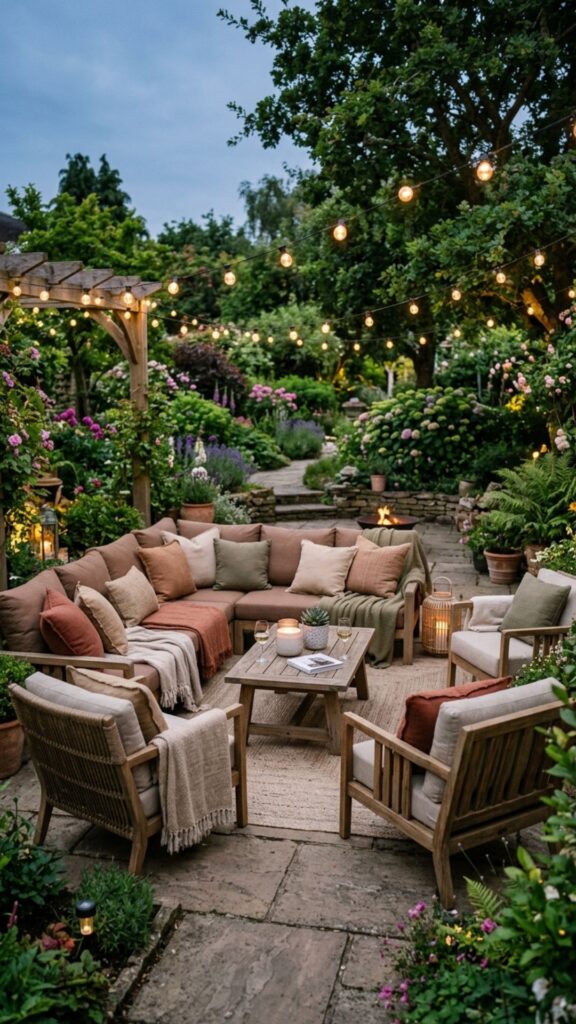
Comfort is what turns a shed into a room. Look for deep-seated furniture with quick-dry foam and fabrics rated for outdoor use. Acrylic and olefin materials resist fading, mold, and moisture far better than standard upholstery.
Test furniture before buying if you can. You want pieces you can actually relax in for hours. Add a few oversized cushions and a soft throw, and even a simple bench becomes a place you never want to leave.
6. Bring in a Fire Pit for Casual Gatherings

If a stove feels like too much, a fire pit offers a friendlier, budget-conscious alternative. Gas models light instantly and need no cleanup. Wood-burning ones give you that classic campfire feel.
Surround the pit with a ring of comfortable seating and you’ve created a natural gathering point. It’s ideal for toasting marshmallows with kids or enjoying a glass of wine with friends on a cool night.
7. Insulate the Walls for True Year-Round Use
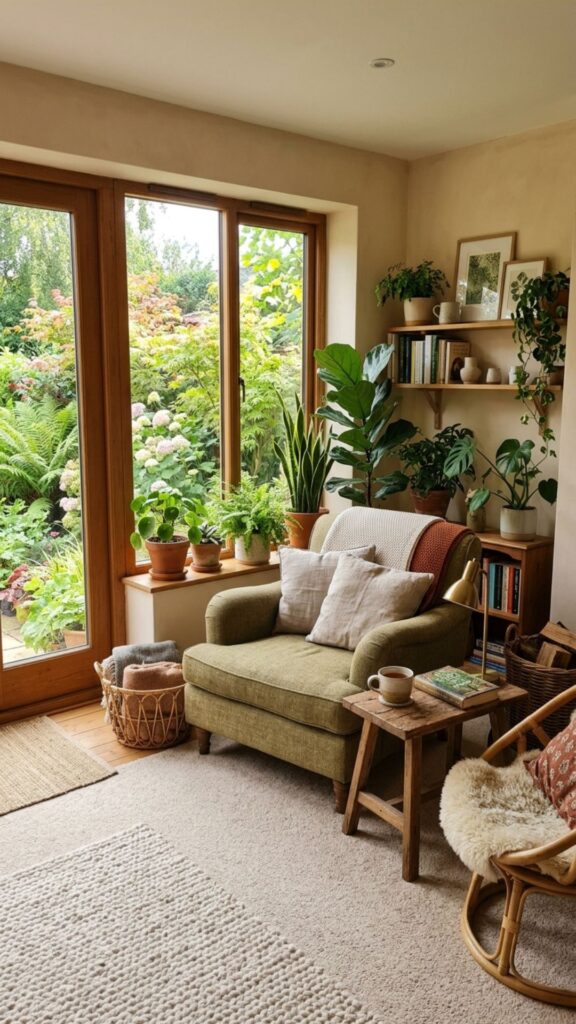
Many people forget insulation until their first cold snap. Insulated walls and flooring keep heat in during winter and out during summer. This single upgrade often makes the difference between a room used three months a year and one used twelve.
Sheep’s wool, rigid foam boards, and multifoil products all work well. Pair insulation with proper ventilation to stop condensation. The result is a stable, comfortable temperature that heaters and fans can maintain easily.
8. Create a Reading Nook With a View
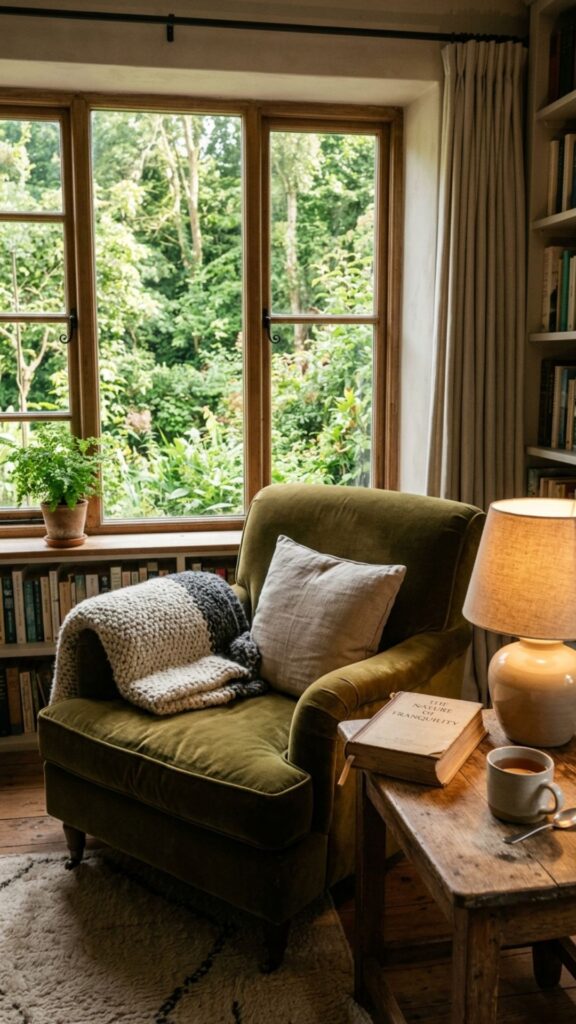
Tuck a comfortable armchair into a corner facing your best garden view. Add a small side table, a lamp, and a shelf of books, and you’ve built a retreat that pulls you outside every day.
Position the nook where natural light falls in the morning or afternoon, depending on when you like to read. A window or glass panel framing greenery makes the space feel like a private hideaway.
9. Grow a Living Green Wall
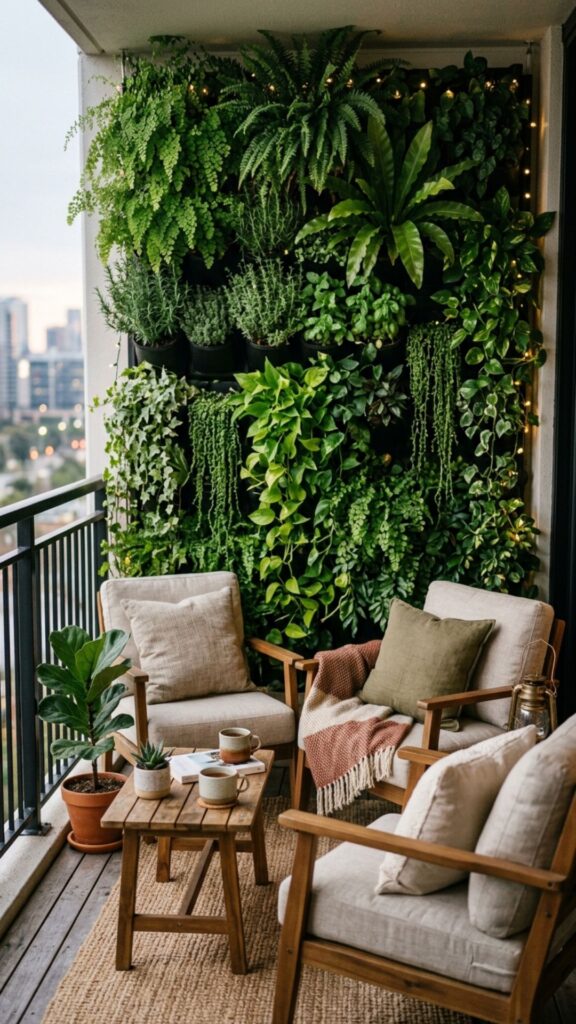
A vertical garden brings life and softness to any structure. Living walls filter air, reduce noise, and add a lush backdrop that feels calming. They work especially well in small spaces where floor room is tight.
Choose hardy plants suited to your climate and light levels. Ferns, herbs, and trailing vines all thrive on vertical systems. A drip irrigation setup keeps maintenance low, so your green wall stays healthy with little effort.
10. Add Underfloor Heating for Quiet Warmth
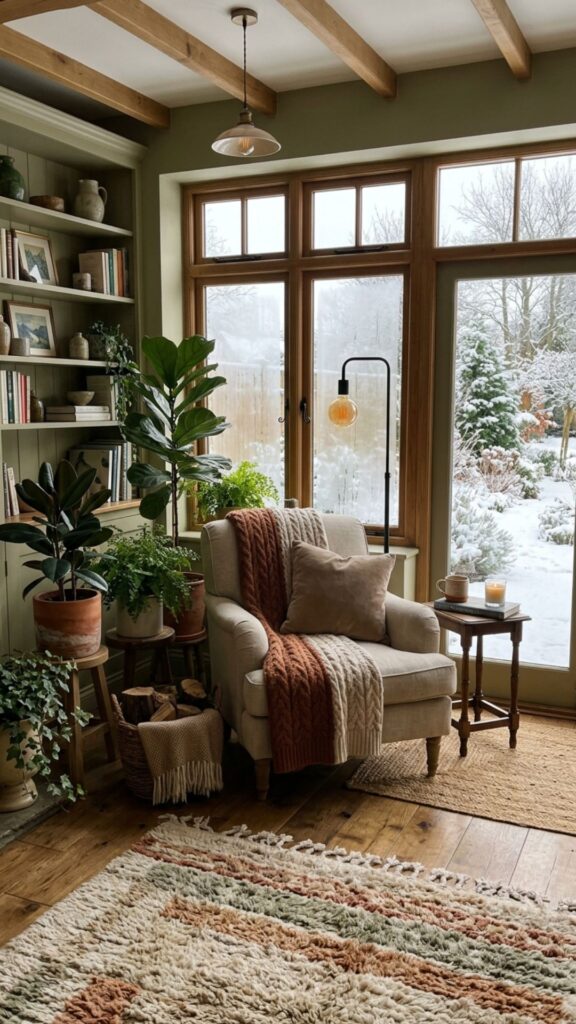
Underfloor heating warms a room evenly without taking up any space. Electric mats sit beneath tile or laminate flooring and radiate gentle heat from the ground up. Your feet stay warm, and so does the whole room.
It runs silently and heats efficiently, which keeps energy costs reasonable. For anyone serious about year-round use, this is one of the most comfortable heating options available.
11. Design a Dining Space for Outdoor Meals
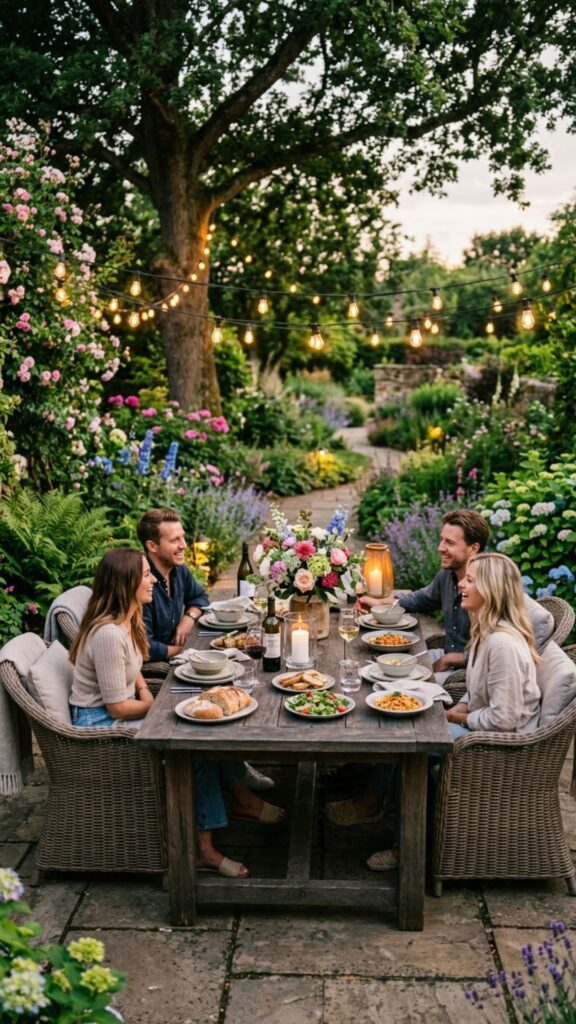
A dedicated dining area encourages you to eat outside more often. A sturdy table, weatherproof chairs, and a nearby prep surface turn ordinary meals into small events. Add a pendant light above the table for evening dinners.
Keep the layout practical. Leave enough room to pull chairs out and move around comfortably. A dining garden room becomes the heart of summer entertaining and a cozy spot for warm meals in cooler months.
12. Use Rugs and Textiles to Soften the Space
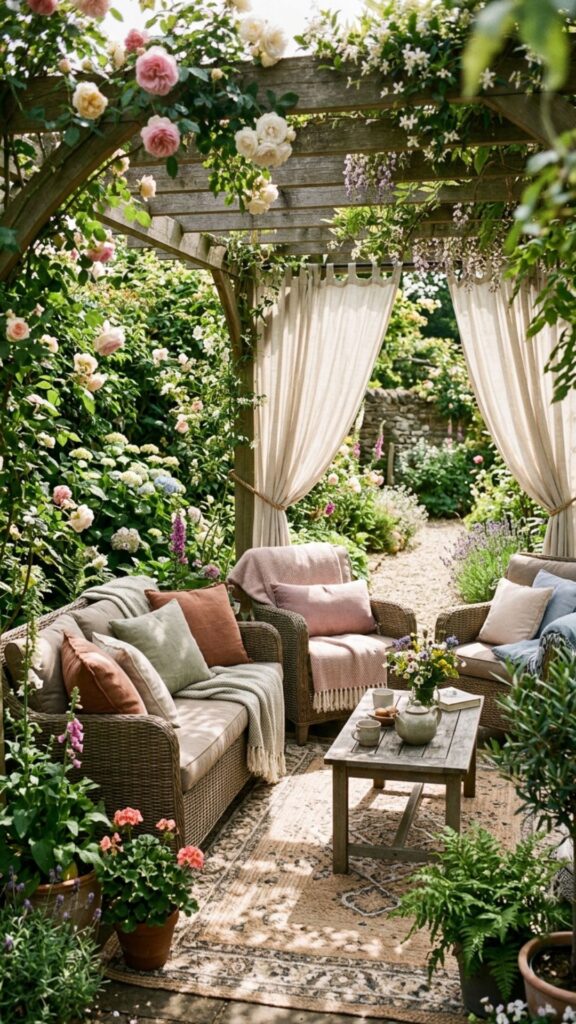
Outdoor rugs anchor a seating area and add instant warmth underfoot. Layer in cushions, throws, and curtains, and the space starts to feel like an extension of your home rather than a bare patio.
Choose textiles rated for outdoor use so they hold up against damp and sun. Rotate lighter fabrics in summer for heavier, textured ones in winter. This simple seasonal swap keeps the room feeling fresh and appropriate all year.
13. Build in Smart Storage
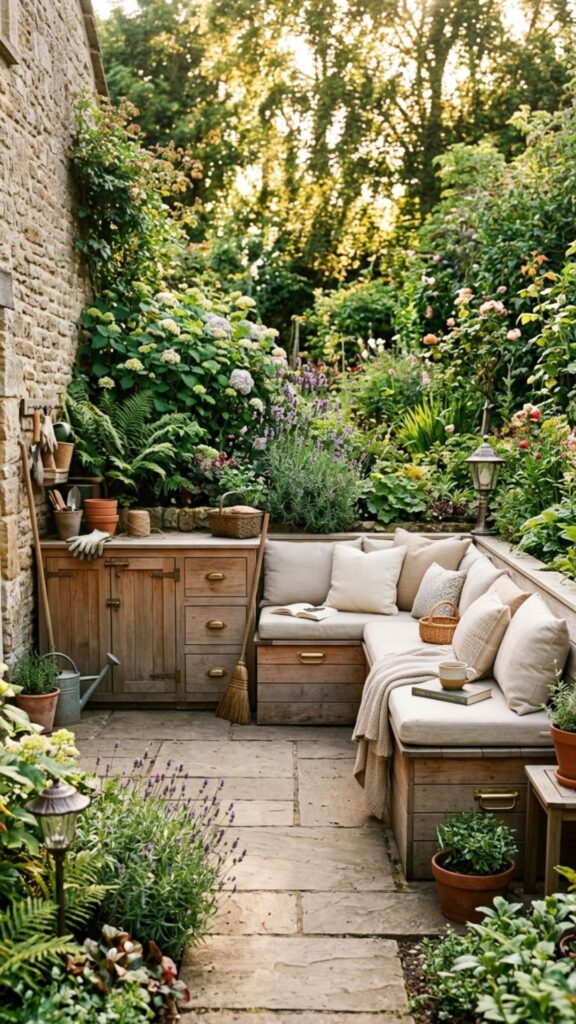
Clutter ruins a cozy feel fast. Built-in benches with hidden storage, wall hooks, and a few closed cabinets keep cushions, tools, and blankets tucked away. A tidy room always feels more inviting.
Storage also protects your soft furnishings from weather when the room isn’t in use. Stash cushions inside a waterproof bench overnight and they’ll last far longer, saving you money over time.
14. Install a Retractable Awning for Flexible Shade
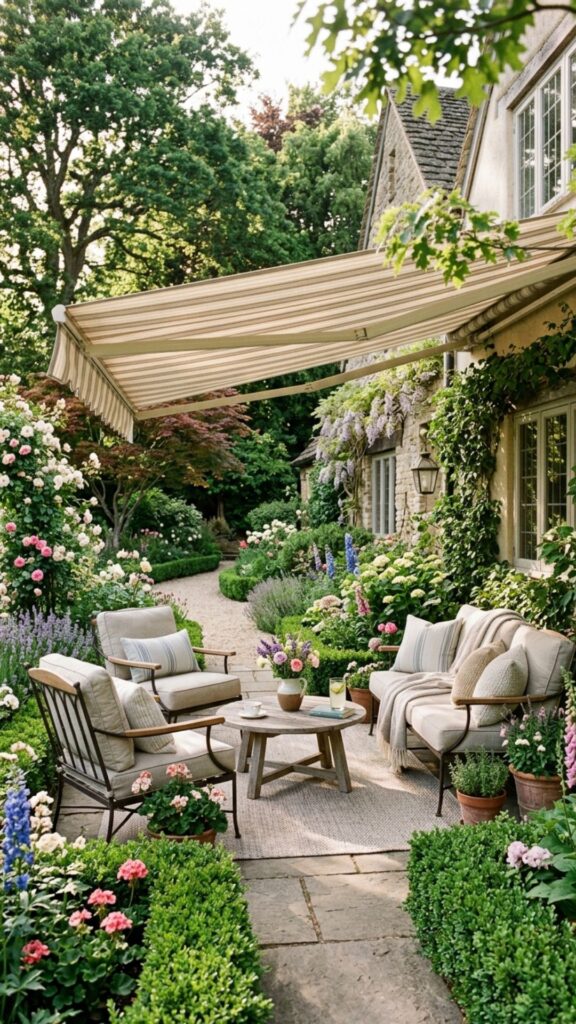
Sun is lovely until it’s too much. A retractable awning lets you create shade on demand and pull it back when you want warmth. Motorized versions extend at the touch of a button.
Awnings also offer light rain protection, buying you extra time outside during unpredictable weather. They’re a smart middle ground for anyone not ready to commit to a full roof.
15. Add a Water Feature for Calm
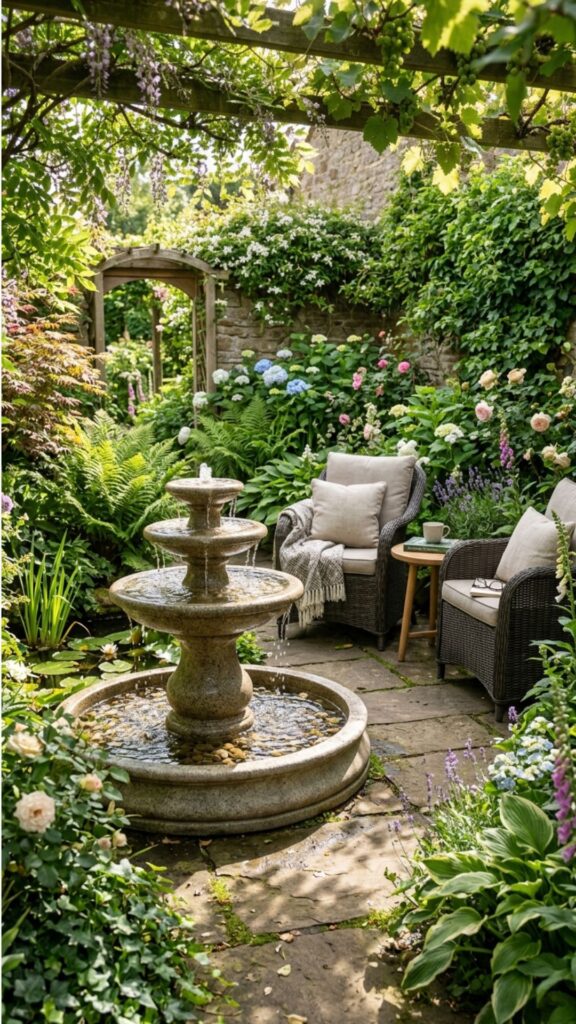
The sound of moving water masks traffic and neighborhood noise while creating a peaceful mood. A small fountain, a bubbling urn, or a wall-mounted feature adds a sensory layer that makes the space feel like a genuine escape.
Choose a self-contained, recirculating model to keep maintenance simple. Position it near your seating so you can hear the gentle trickle while you relax.
16. Set Up a Home Office Retreat
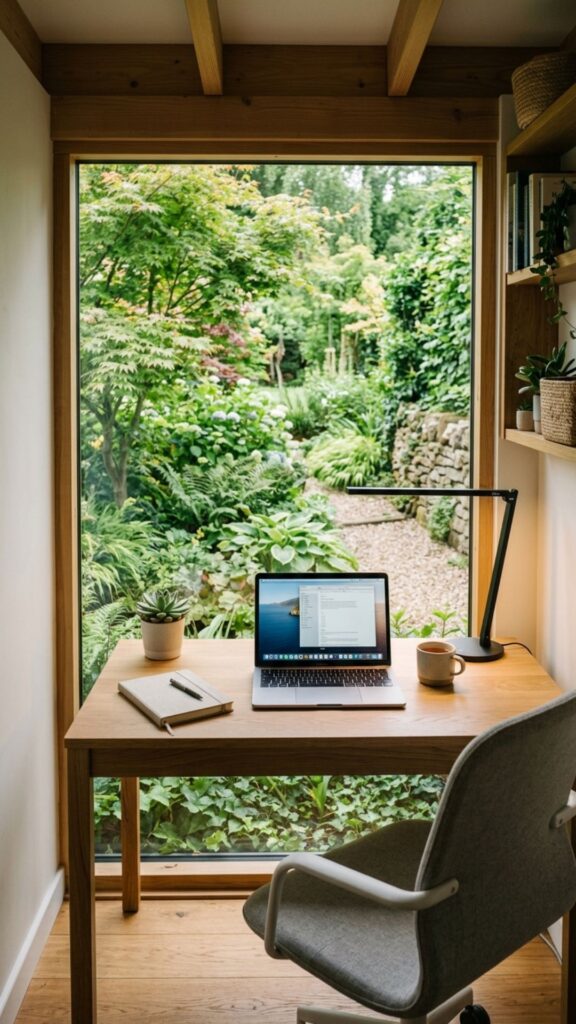
A garden room makes an excellent home office, separate from household distractions. Add a desk, reliable power, strong Wi-Fi, and good task lighting, and you’ve created a productive space with a view.
The short commute across the garden helps mark the line between work and home life. Many remote workers tell me this separation improves focus and makes it easier to switch off at the end of the day.
17. Include Ambient Heaters for Quick Comfort
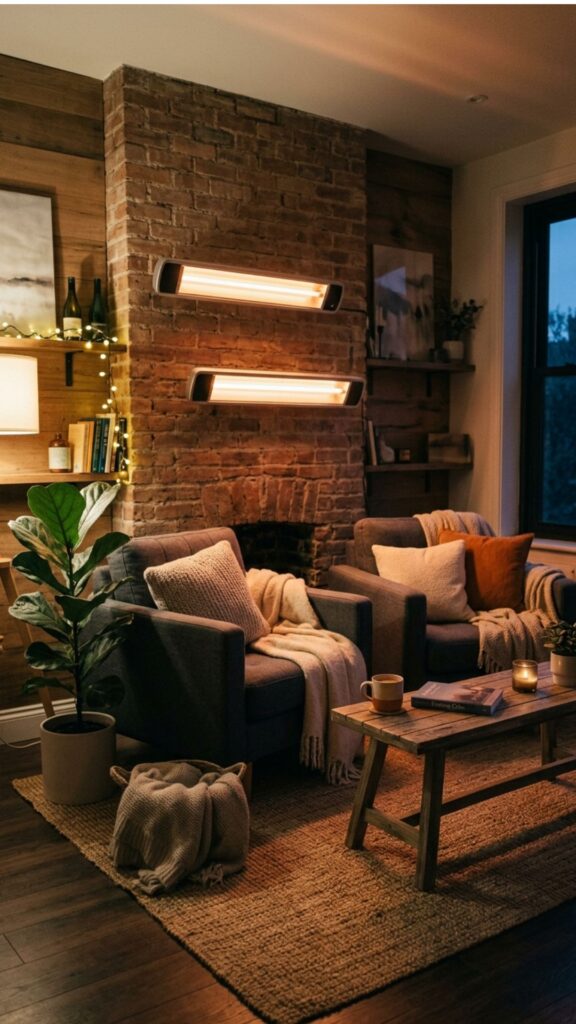
Freestanding or wall-mounted electric heaters warm a space fast when temperatures drop suddenly. Infrared models heat people and objects directly, so you feel warm almost instantly without waiting for the air to change.
They’re perfect for shoulder seasons when you don’t need full heating but want to take the chill off. Look for weatherproof models with tip-over safety switches for peace of mind.
18. Frame the Room With Potted Plants
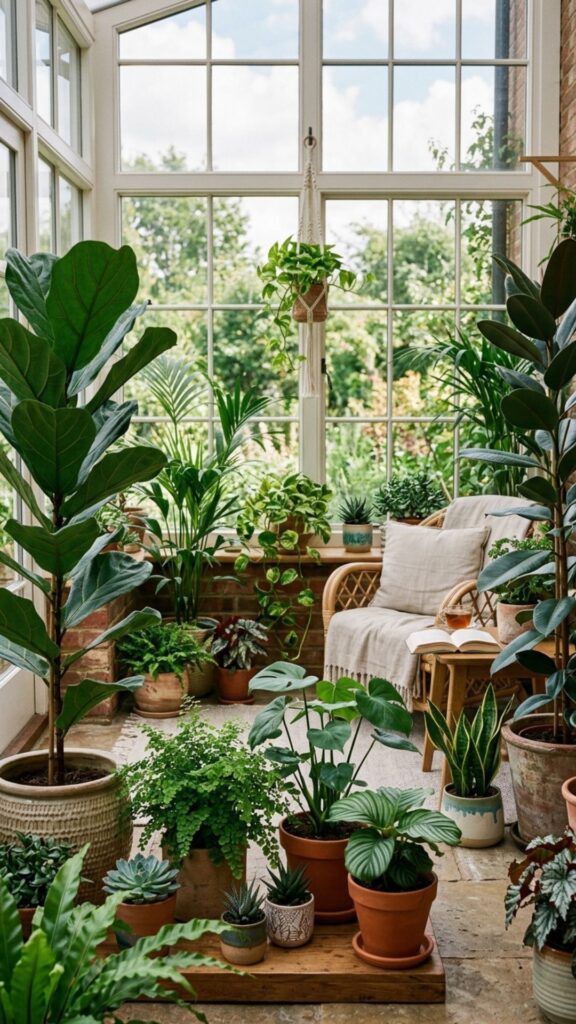
Container gardens define boundaries and add color without permanent landscaping. Cluster pots of different heights around the edges to create a soft, natural border that feels lush and lived-in.
Swap plants seasonally to keep interest year-round. Evergreens and winter blooms carry the space through colder months, while summer flowers add vibrant bursts of color when the room sees the most use.
19. Add a Skylight for Natural Light
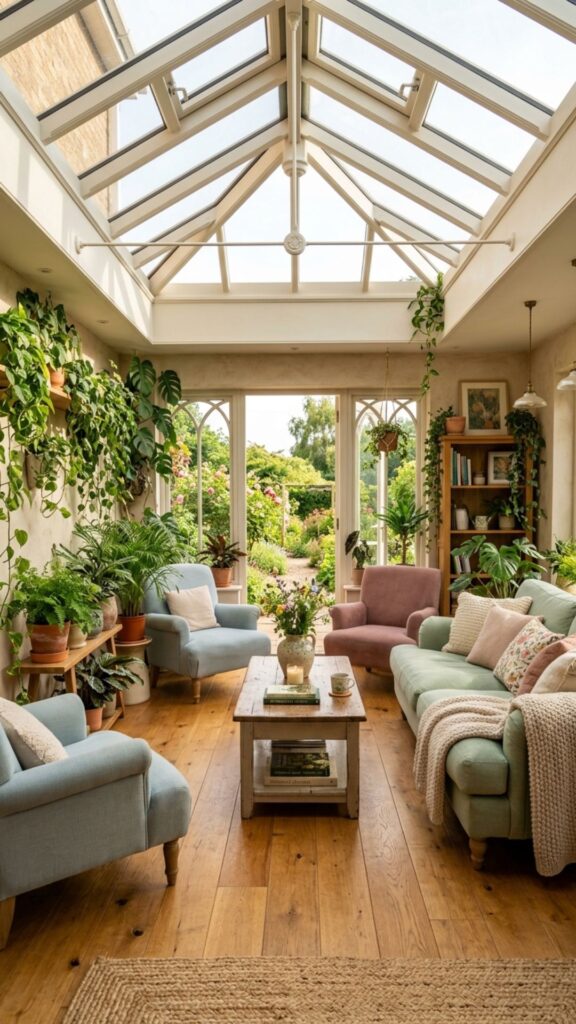
A skylight floods the room with daylight and makes even a small space feel open and airy. It also lets you watch clouds drift by during the day and stars appear at night, connecting you to the outdoors even when the doors are shut.
Opt for a model that opens to boost ventilation on warm days. Good natural light reduces the need for artificial lighting and lifts the mood of anyone using the room.
20. Personalize With Meaningful Touches
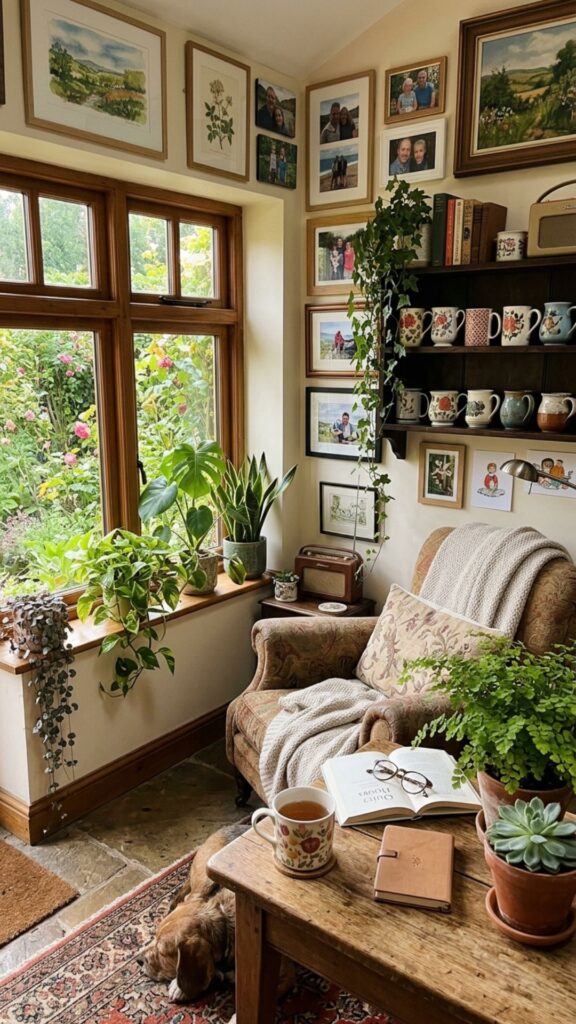
The final step is making the room yours. Add artwork, family photos in weatherproof frames, favorite mugs, or a small speaker for music. These personal details transform a well-designed space into one that feels truly like home.
Don’t rush this part. Live in the space for a while and add pieces as you discover how you actually use it. The most beloved garden rooms grow their character over time, shaped by the people who enjoy them.
Bringing Your Garden Room to Life
A great garden room isn’t about spending the most money. It’s about combining shelter, warmth, comfort, and personality in a way that fits how you live. Start with the essentials, protection from weather and a reliable heat source, then layer in the comfort and character that make you want to spend time there.
Pick two or three ideas from this list that excite you most and start there. Sketch a simple plan, set a budget, and take the first step this weekend. Your perfect outdoor garden room is closer than you think, and once it’s built, you’ll wonder how you ever managed without it. Ready to begin? Grab a notebook, walk out to your garden, and start imagining what’s possible.
How can I use my garden room in winter?
Insulate the walls and floor, add a heat source like a wood-burning stove or underfloor heating, and fit double-glazed doors or windows. These upgrades trap warmth and keep the room comfortable through the coldest months.
What is the best heating for an outdoor garden room?
Underfloor heating and wood-burning stoves offer the most consistent warmth for year-round use. For quick, occasional heat during cooler evenings, infrared electric heaters are efficient and easy to install.
Do I need planning permission for a garden room?
In many areas, small garden rooms fall under permitted development and need no permission. Rules vary by location and depend on size, height, and use, so always check with your local planning authority before building.
How much does an outdoor garden room cost?
Costs range widely based on size and features. A simple furnished space can cost a few thousand dollars, while a fully insulated, heated room with glazing and electrics can run significantly higher. Set a clear budget early to guide your choices.
What furniture works best in a garden room?
Choose weather-resistant furniture with quick-dry foam and fabrics rated for outdoor use, such as acrylic or olefin. These materials resist moisture, fading, and mold, keeping your space comfortable and looking good for years.