A covered patio does more than block the sun. It turns an unused corner of your yard into a room you actually want to spend time in. After years of helping homeowners rethink their outdoor areas, I’ve seen the same thing happen over and over: the right cover changes everything. Suddenly you’re eating breakfast outside in the rain, hosting friends past sunset, and wondering why you waited so long.
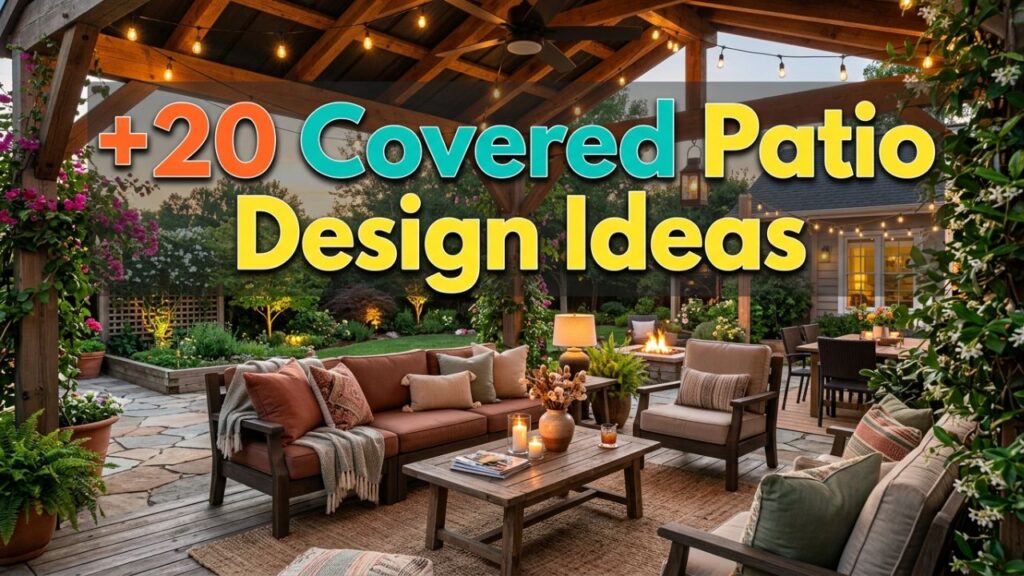
In this guide, you’ll find 20 covered patio design ideas that work for real budgets and real backyards. Some are simple weekend upgrades.
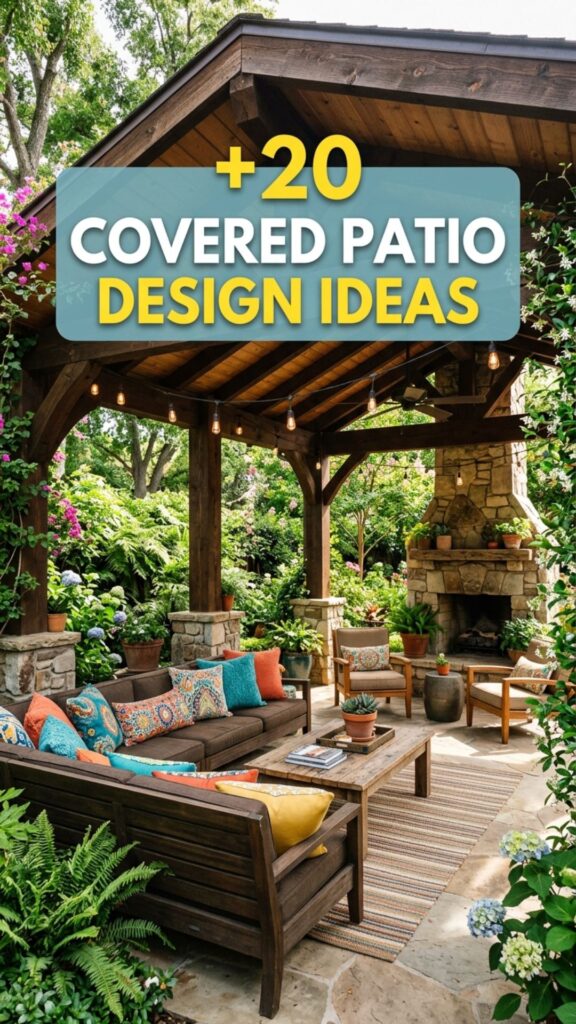
Others are bigger investments that add lasting value to your home. You’ll learn which materials hold up, how to match a cover to your climate, and small styling tricks that make a big difference. Let’s get into it.
1. Classic Wooden Pergola With Climbing Vines
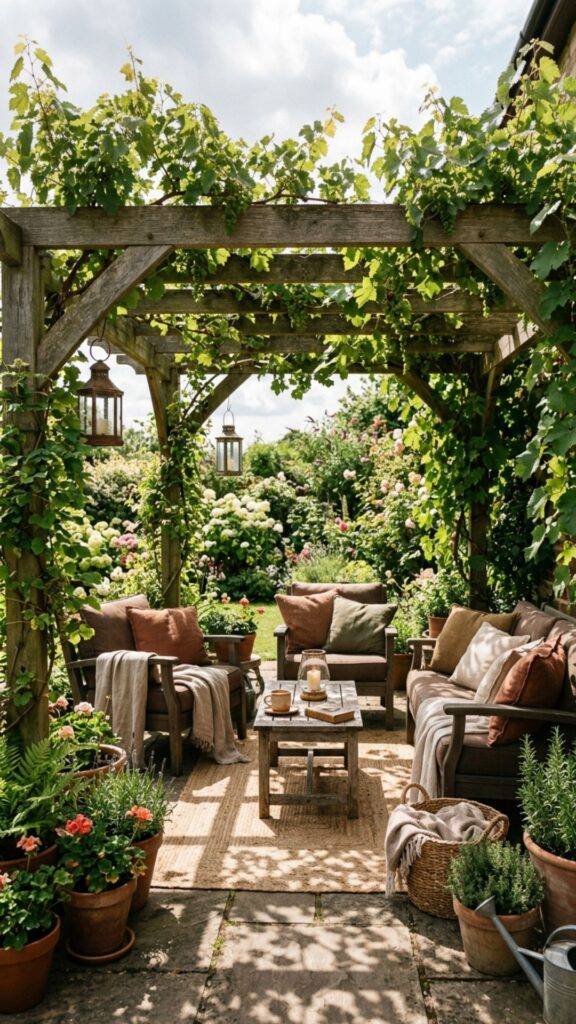
A wooden pergola gives you structure without closing everything in. The open slats filter sunlight into soft, striped shadows, which feels far gentler than a solid roof on a hot afternoon. Cedar and redwood are popular because they resist rot and age into a warm, silvery tone if you skip the stain.
Train climbing plants like wisteria, jasmine, or grapevine over the top and the pergola becomes a living roof. Within a couple of seasons, the greenery fills in and cuts the heat noticeably. It’s one of the easiest ways to blend shade with natural beauty, and the scent during bloom season is a real bonus.
2. Sleek Aluminum Louvered Roof
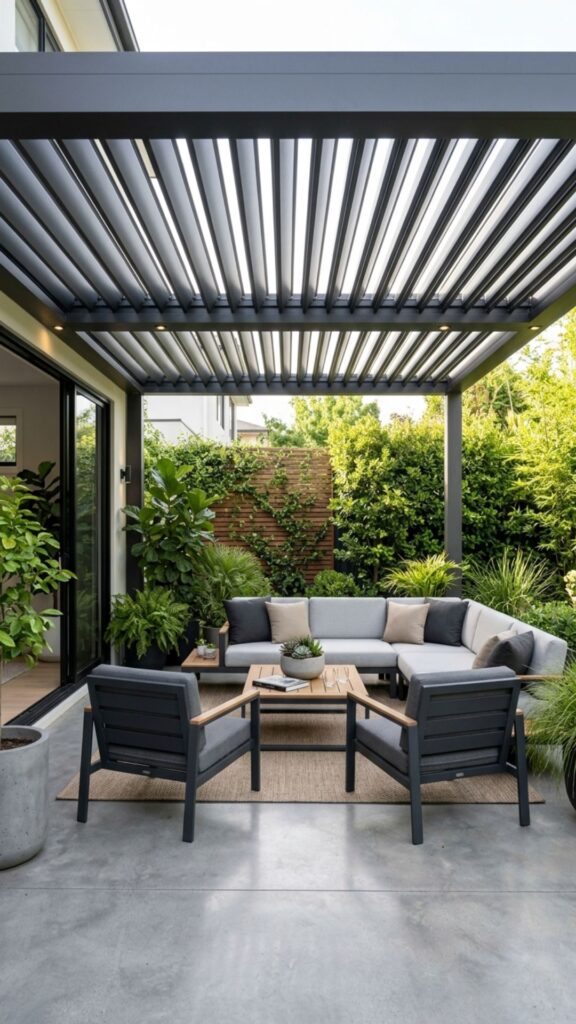
If you want control over sunlight and rain, a louvered roof is hard to beat. The adjustable slats tilt open for airflow and close tight when the weather turns. Many modern systems come motorized, so you adjust the angle from your phone or a wall switch.
Aluminum handles moisture without rusting, which makes this a smart pick for coastal or rainy regions. It costs more upfront than wood, but you gain year-round usability. I’ve had clients tell me it’s the single upgrade that got them outside every day, rain or shine.
3. Rustic Timber Frame Covered Porch
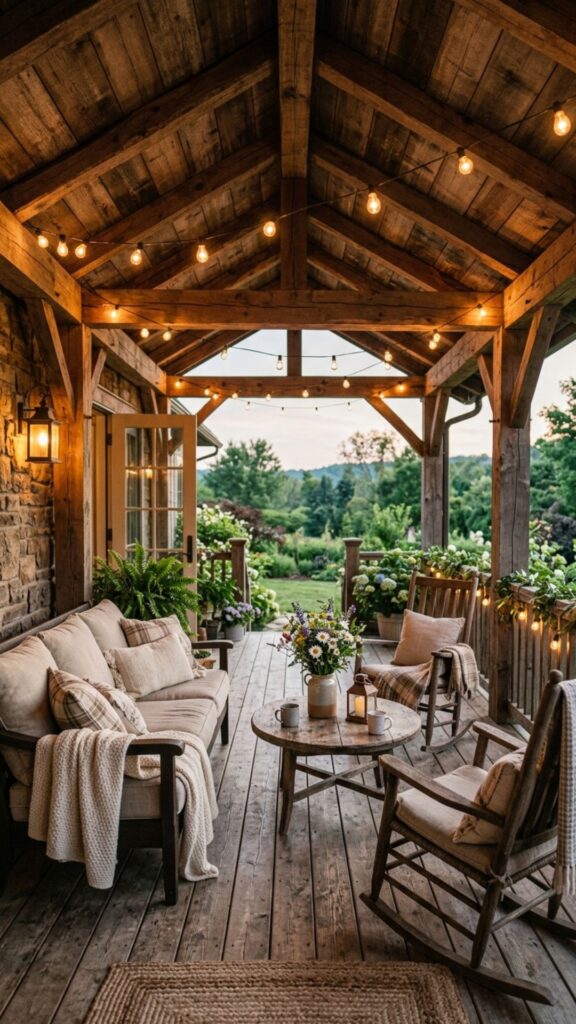
Heavy timber beams bring a grounded, handcrafted look that pairs beautifully with farmhouse and craftsman homes. The thick posts feel solid and permanent, which is exactly the point. This style reads as an extension of the house rather than an add-on.
Pair the timber with a metal or shingle roof to keep the space dry through every season. Add a ceiling fan and some string lights, and you’ve got a spot that works in July and October alike. The materials cost a bit more, but they last for decades with minimal fuss.
4. Modern Flat-Roof Extension
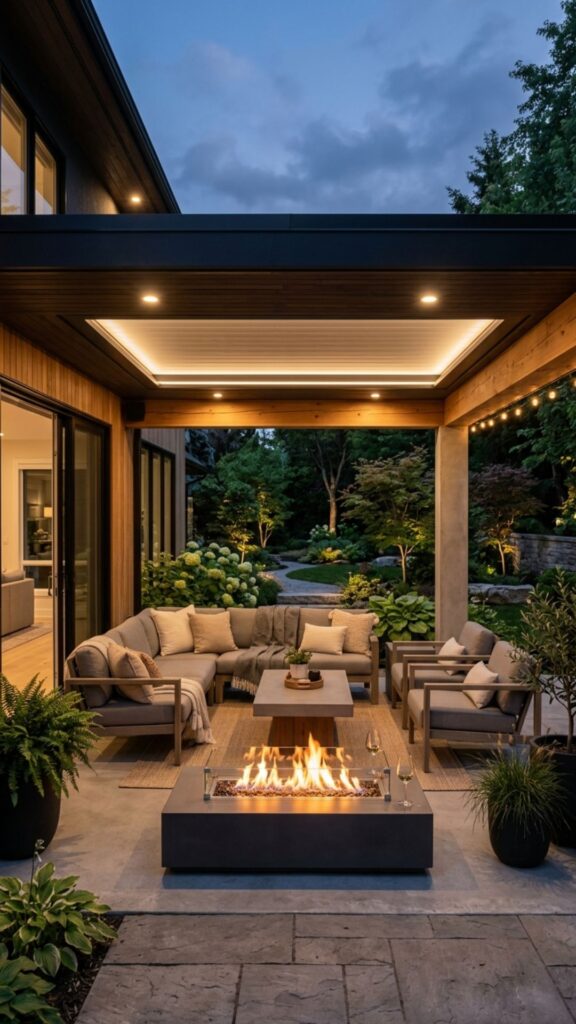
A flat or slightly pitched roof that mirrors your home’s rooflines creates a clean, architectural look. This works especially well on contemporary houses where sharp angles matter. The cover ties into the existing structure so the whole thing feels intentional.
Use recessed lighting and a neutral color palette to keep the vibe minimal. Because the roof is solid, you get full protection from sun and rain, making the space usable as a true outdoor living room. Add a low-profile sofa and a fire table, and it competes with any indoor lounge.
5. Retractable Canopy for Flexible Shade
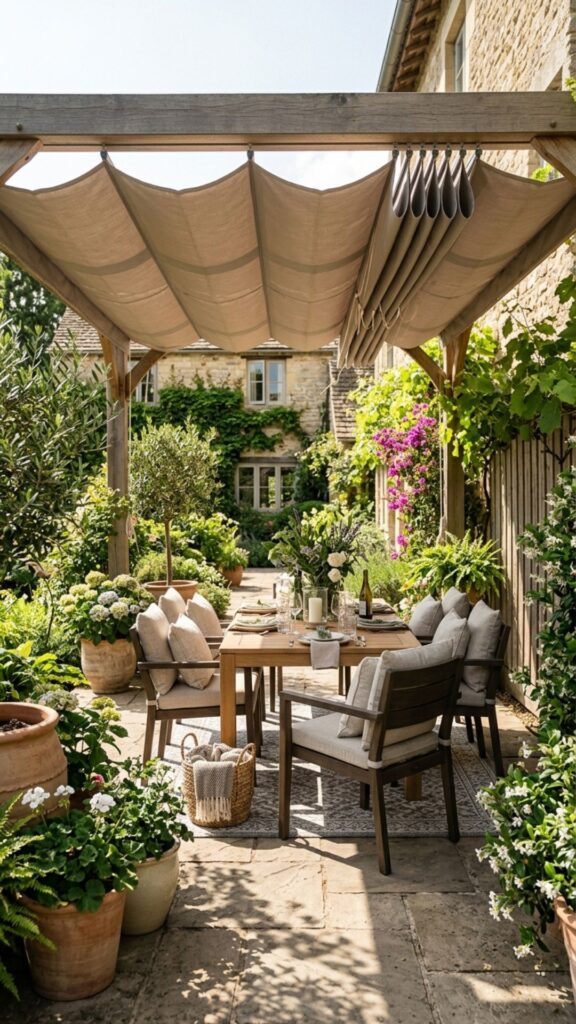
Not ready to commit to a permanent structure? A retractable canopy gives you shade on demand. Roll it out when the sun is harsh, then pull it back to enjoy an open sky in the evening. It’s a practical middle ground for renters or anyone testing out a layout.
Fabric canopies come in dozens of colors and patterns, so you can match your outdoor furniture easily. Look for UV-resistant, water-repellent material that won’t fade after one summer. Quality matters here, cheap fabric sags and mildews fast.
6. Gable-Roof Patio for Extra Height
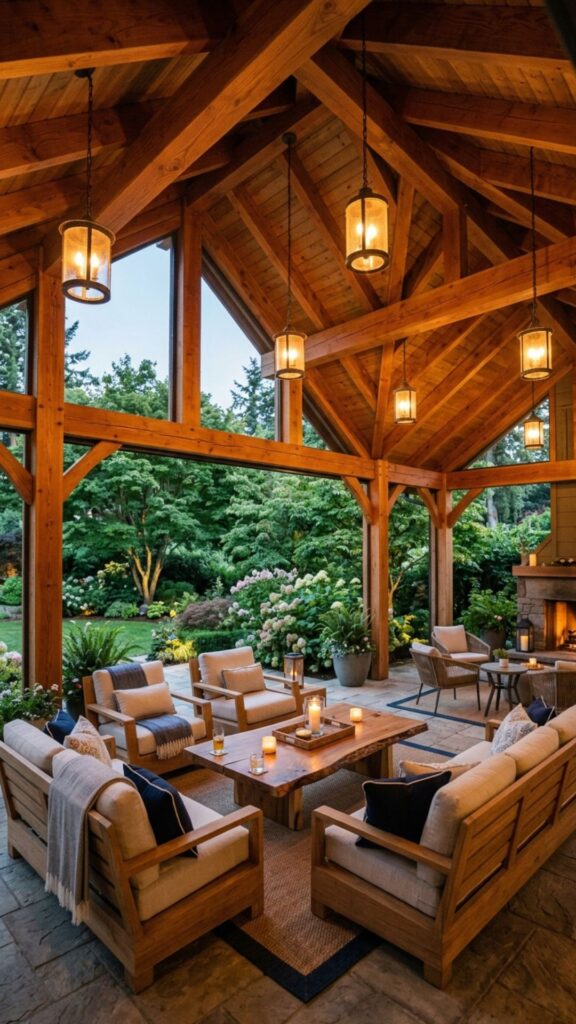
A gable roof, with its classic triangular peak, adds vertical drama and helps rain and debris slide right off. The extra height keeps the space feeling open and airy, even when the sides are enclosed. It’s a favorite for homeowners who want that cozy cabin feel.
The pitch also creates room for a vaulted ceiling with exposed beams or tongue-and-groove wood. Add a hanging light fixture in the center and the space instantly feels finished. This design handles snow loads well, which makes it a solid choice in colder climates.
7. Bamboo and Thatch Tropical Retreat
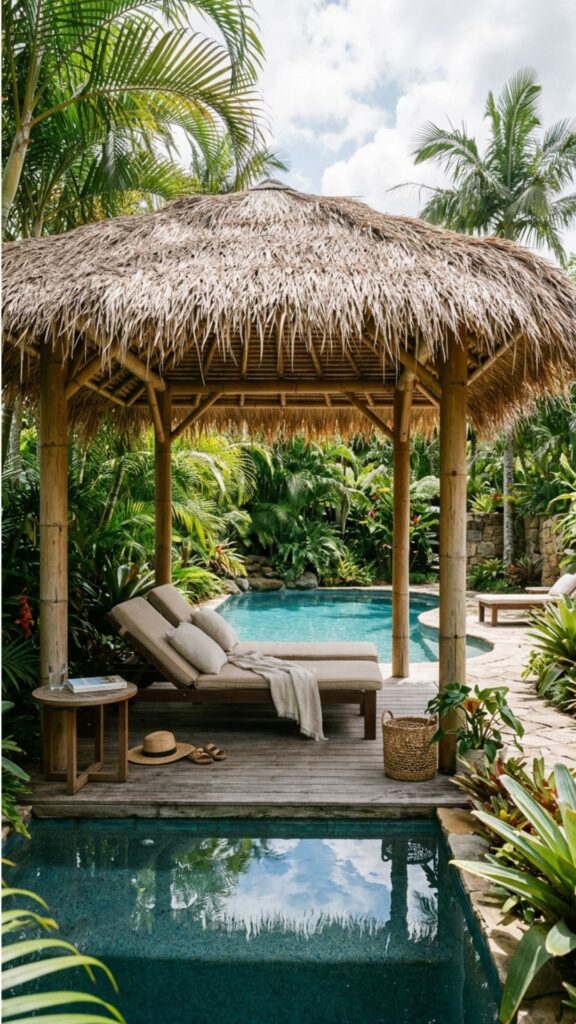
Bring a resort vibe home with bamboo posts and a thatched roof. This tiki-inspired look pairs perfectly with pools, hot tubs, and lush landscaping. It’s playful, casual, and surprisingly affordable compared to hardwood builds.
Thatch does need occasional replacement, so factor that into your plans. To extend its life, choose synthetic thatch, which shrugs off weather and won’t attract pests. Either way, this style turns an ordinary backyard into a vacation you never have to leave.
8. Attached Sunroom-Style Cover With Screens
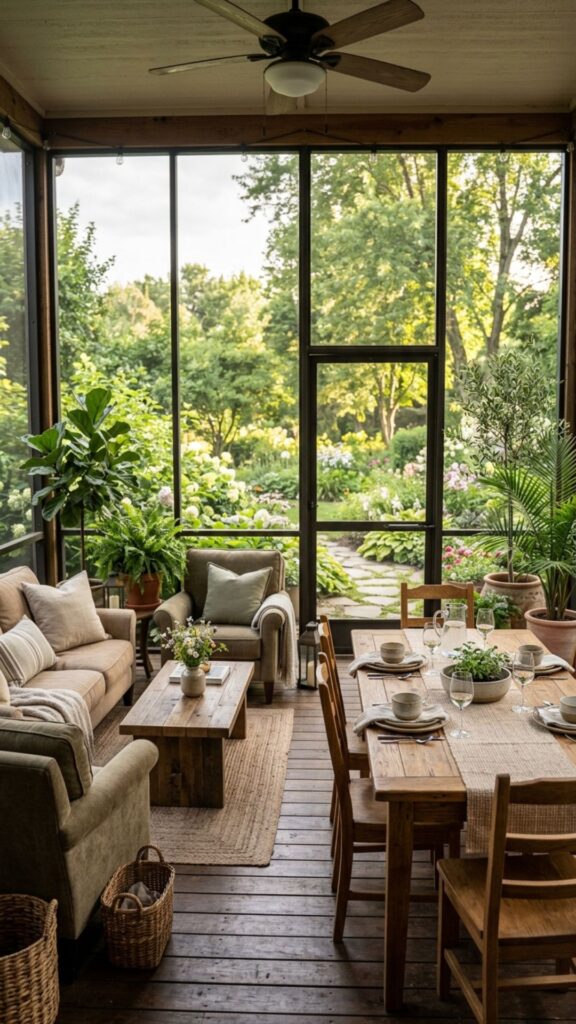
Add screen panels around your covered patio and you get the best of both worlds: fresh air without the bugs. This is a game-changer if you live somewhere with mosquitoes or pollen. You can leave doors open, meals uncovered, and kids playing without swatting all evening.
Screened covers work with almost any roof style, from pergolas to solid panels. For year-round use, some homeowners upgrade to removable glass panels that swap in during colder months. That flexibility stretches your outdoor season by weeks.
9. Polycarbonate Roof That Lets Light Through
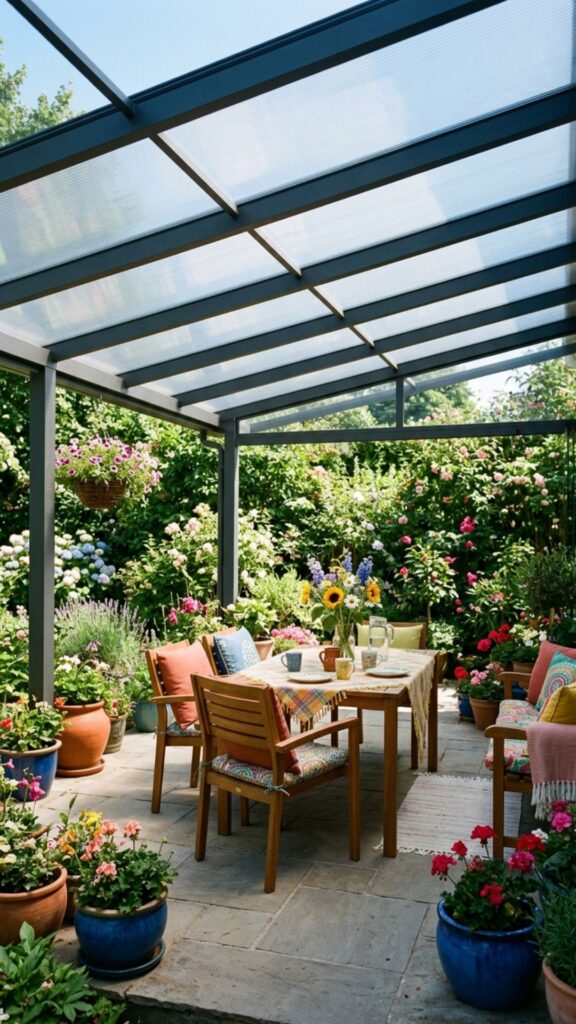
Polycarbonate panels give you rain protection while still letting daylight pour in. Unlike a solid roof, they won’t leave your patio dim and cave-like. The panels come in clear, tinted, and frosted options to control glare.
They’re lightweight, shatter-resistant, and easy to install over an existing frame. This is a smart budget-friendly upgrade for gardeners or anyone who wants brightness without direct sun. Just pair the panels with a sturdy frame so they hold up in strong wind.
10. Cozy Fireplace-Anchored Patio
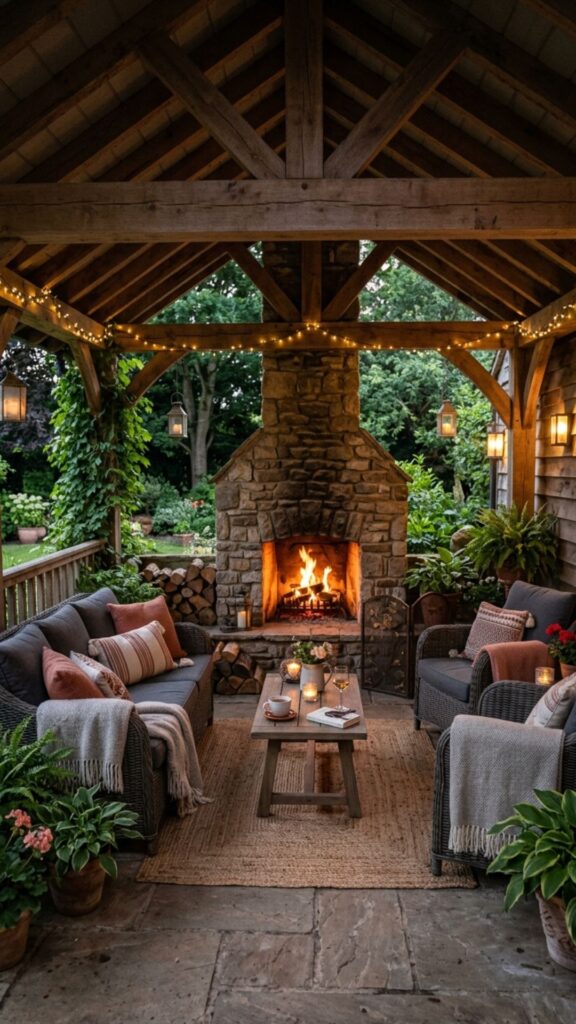
Build your covered patio around an outdoor fireplace and you create a natural gathering spot. The warmth extends your evenings well into fall, and the flames give the space a focal point. Stone or brick surrounds add texture and a sense of permanence.
Position seating in a semicircle to encourage conversation and keep everyone in the warm zone. If a full masonry fireplace stretches the budget, a prefab gas insert delivers the same effect for less. Either way, the fire draws people in, that’s the magic of it.
11. String-Light Draped Pergola
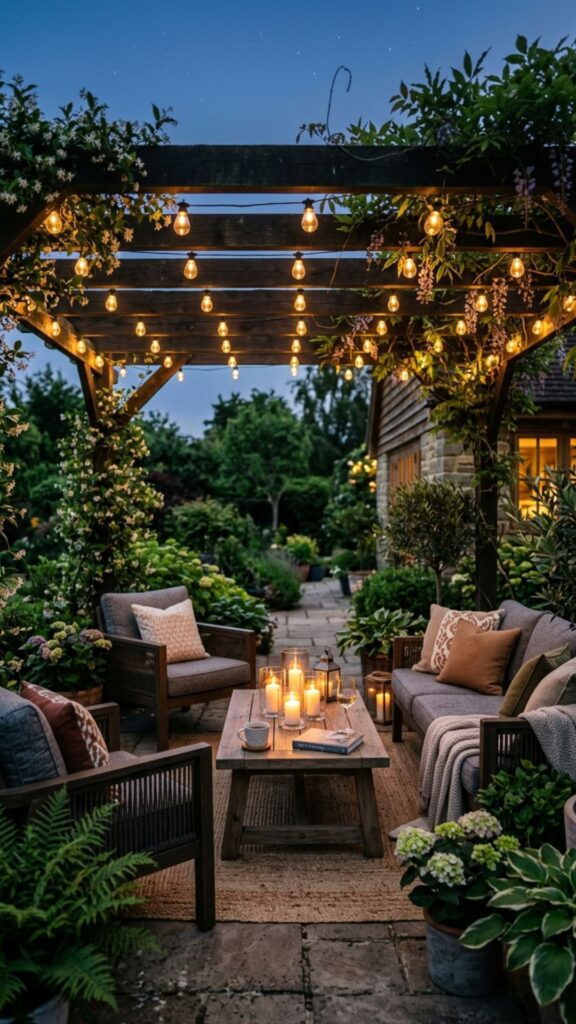
Sometimes the cover is less about weather and more about atmosphere. Drape warm string lights across a pergola and the space glows the moment the sun drops. It’s the cheapest upgrade on this list, and the payoff is huge.
Choose LED bulbs rated for outdoor use so they last and stay energy-efficient. Zigzag the strands or run them in straight parallel lines for a cleaner look. This idea works on its own or layered onto almost any other design here.
12. Multi-Level Deck With Covered Section
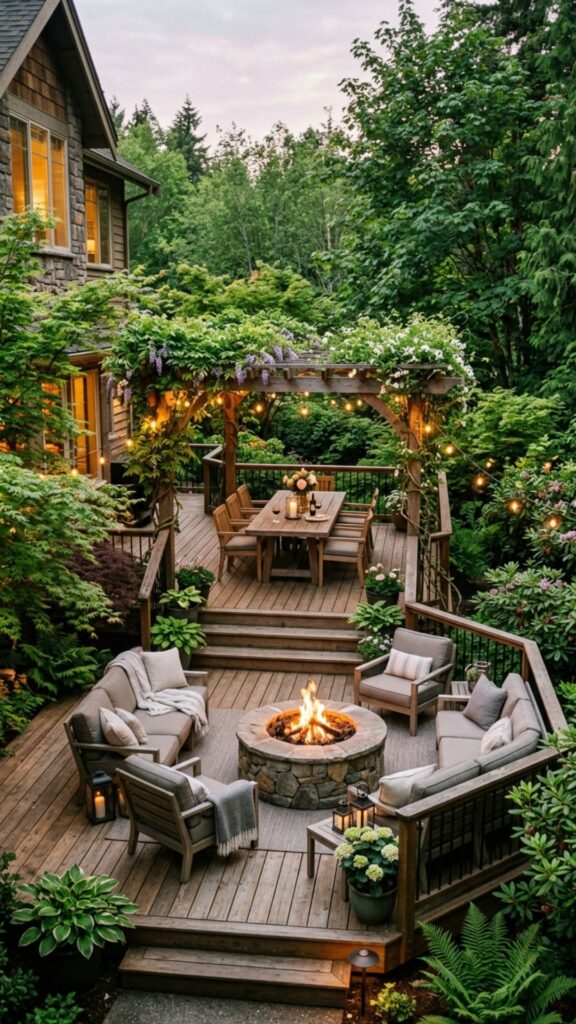
If your yard has a slope, a multi-level deck turns a challenge into a feature. Cover the upper level for dining and shade, then leave the lower level open for sunbathing or a fire pit. The change in height defines each zone without walls.
This layout suits families who want separate areas for different activities. Wide steps between levels double as extra seating during parties. It takes more planning, but the result feels custom and thoughtful.
13. Southwestern Adobe-Style Ramada
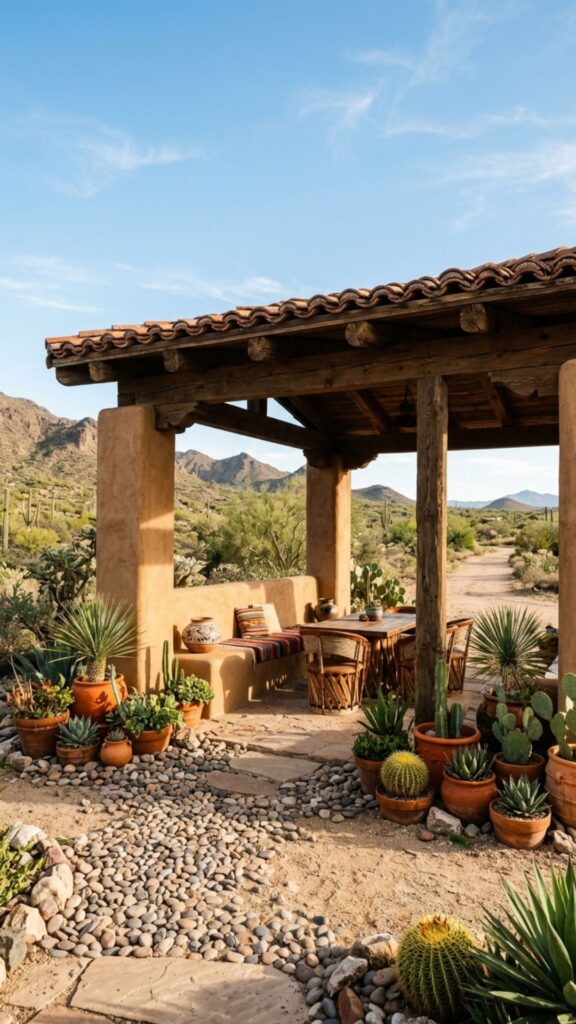
A ramada is a freestanding covered structure with a flat or gently sloped roof, rooted in Southwestern design. Thick posts, earthy stucco, and clay tile give it a warm, sun-baked character. It stands apart from the house, creating a destination in the yard.
These structures handle intense heat beautifully, which is why they’re common in desert regions. Add a built-in bench and some terracotta planters to lean into the style. The solid roof provides deep, reliable shade all day long.
14. Glass-Roof Solarium Patio
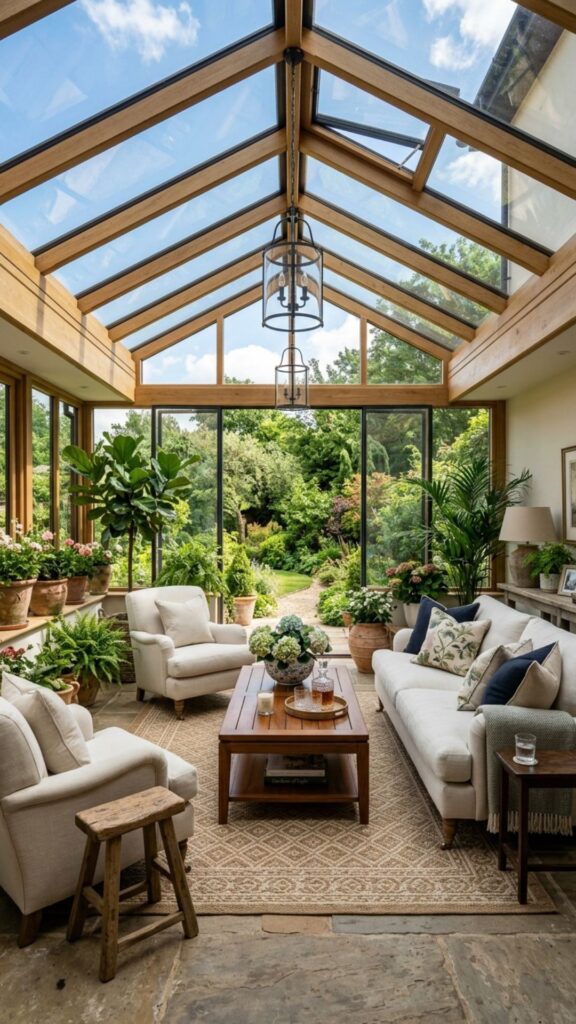
For homeowners who love natural light, a glass roof keeps the space bright and dry at the same time. You watch the clouds, catch the stars at night, and stay protected from rain. It’s a striking, upscale look.
Tempered or laminated glass is essential for safety and durability. Choose low-E coated glass to reduce heat buildup during summer. Yes, it’s a bigger investment, but few covers feel as luxurious.
15. Outdoor Kitchen Under Cover
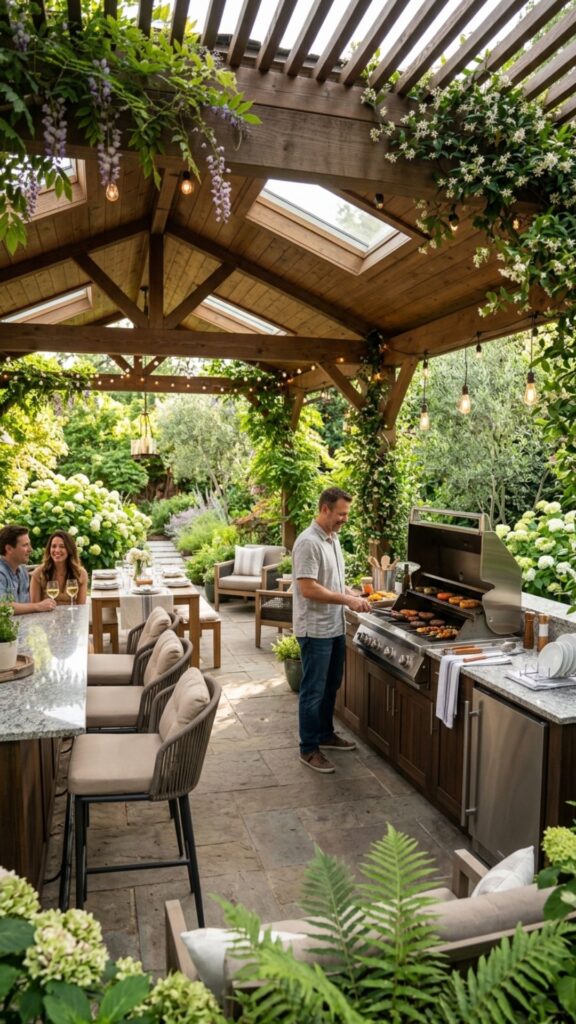
Move your grill and prep station under a roof and cooking outdoors becomes a year-round habit. A covered kitchen protects your appliances from weather and lets you cook comfortably in any season. It also keeps smoke and mess out of the house.
Include a counter, a sink, and storage so you’re not running inside constantly. Position the grill near an open edge for ventilation and safety. This is one of the covered patio design ideas that genuinely changes how you use your home.
16. Curtained Cabana for Privacy
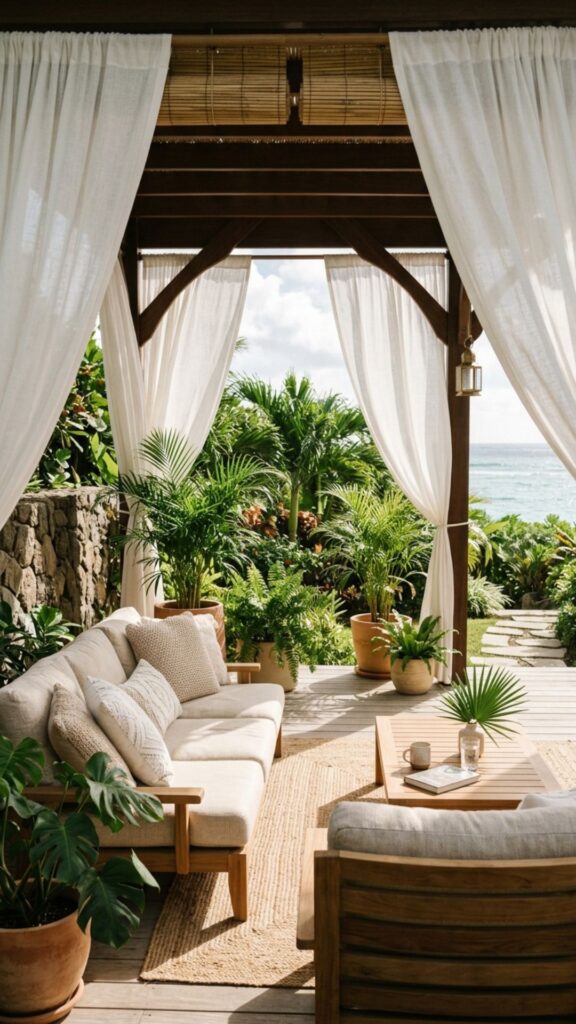
Add flowing outdoor curtains to a covered frame and you gain privacy plus a soft, romantic feel. Draw the panels closed to block wind, low sun, or nosy neighbors. Open them up and the space breathes again.
Weighted, weather-resistant fabric hangs better and won’t blow around wildly. Neutral tones like white or sand keep things elegant, while bold colors make a statement. It’s a simple layer that adds real function and drama.
17. Corrugated Metal Roof for Industrial Charm
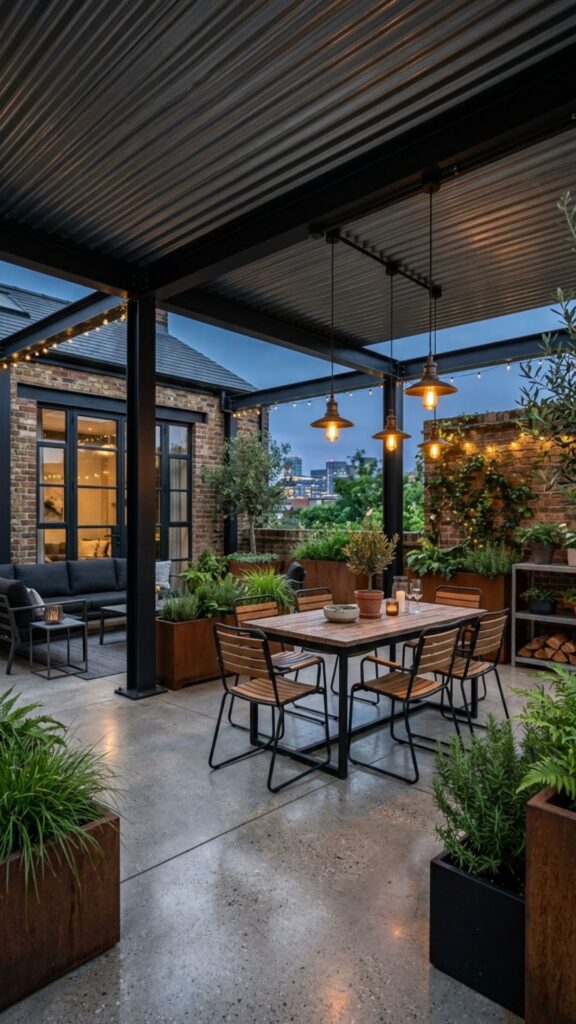
Corrugated metal roofing is durable, affordable, and increasingly stylish. Its ridged surface sheds water fast and stands up to hail and heavy sun. Paired with black steel posts, it delivers a modern industrial edge.
Metal can amplify rain sounds, which many people actually enjoy, though you can add insulation if you’d rather not. This roofing lasts for decades with almost no maintenance. It’s proof that practical and good-looking aren’t opposites.
18. Garden-Integrated Green Roof
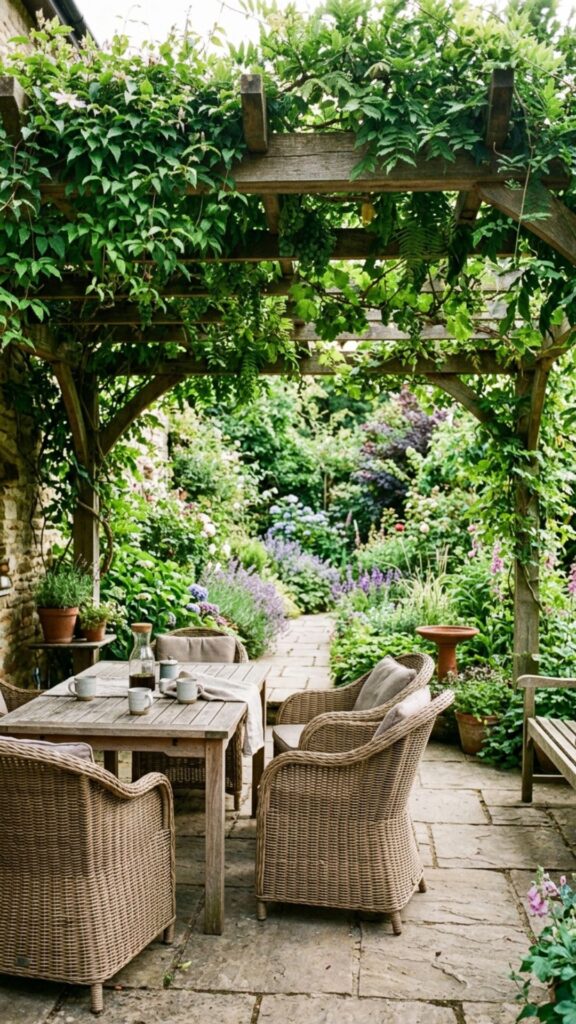
A green roof, planted with hardy sedums or grasses, blends your patio cover into the landscape. It insulates the space below, manages rainwater, and gives pollinators a home. From an upper window, it looks like a living carpet.
This design needs a strong, well-sealed structure to support the soil and moisture. It’s more involved to build, but the environmental payoff is real. For eco-minded homeowners, few options feel as rewarding.
19. Minimalist Shade Sail Installation
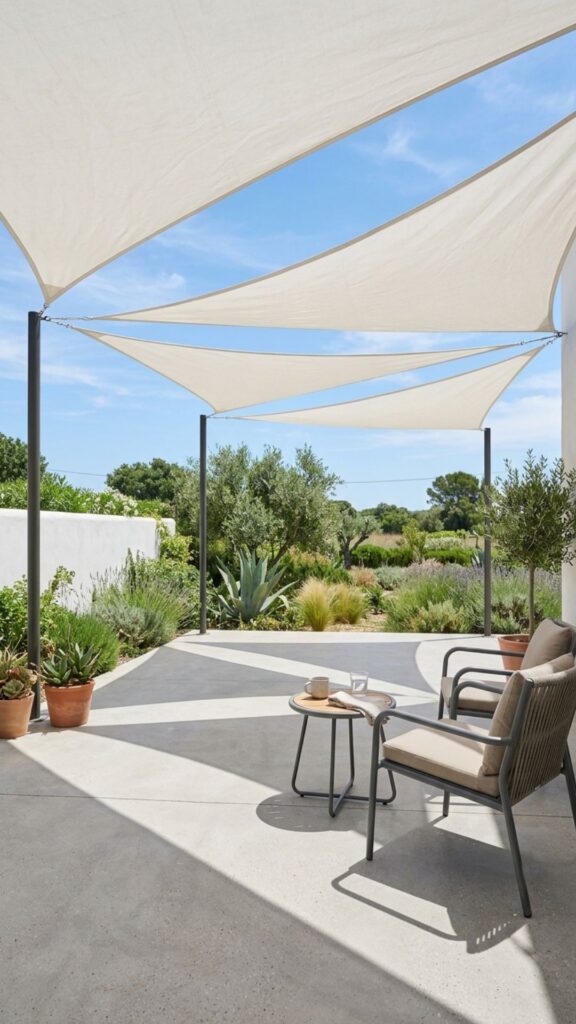
Shade sails are triangular or rectangular fabric panels stretched tight between anchor points. They cast clean, sculptural shadows and cost far less than a built roof. Layer two or three at different angles for full coverage and visual interest.
Tension is everything, so anchor them securely to posts or the house. Choose breathable, UV-blocking fabric that lets air move through. This is a fast, affordable way to shade a patio without heavy construction.
20. All-Season Enclosed Patio Room
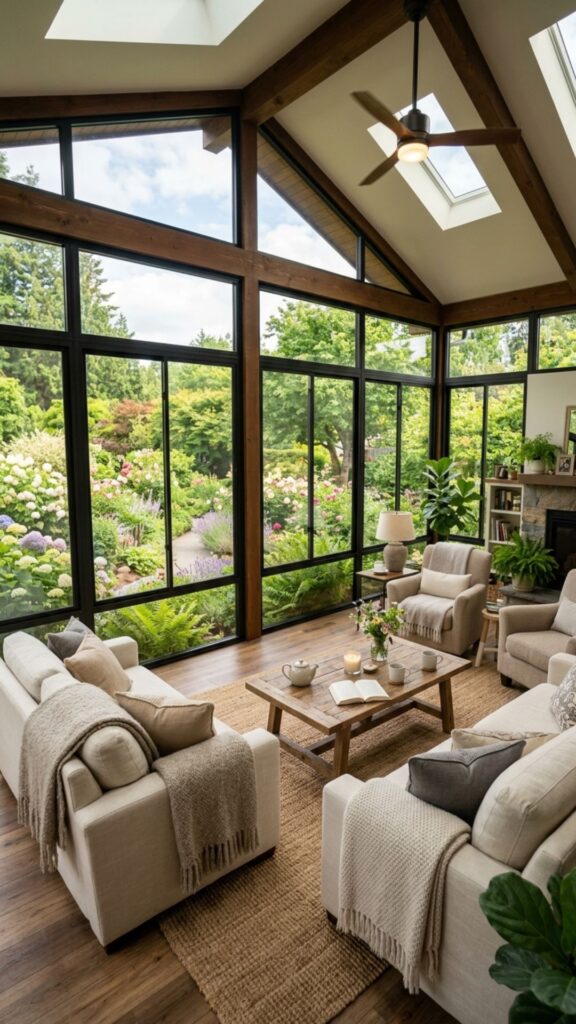
Fully enclose your covered patio with walls and windows and you gain a true four-season room. Add a small heater or fan and you’ll use it in January and July alike. It functions as bonus living space without a full home addition.
This is the biggest commitment on the list, but it also adds the most resale value. Large windows keep the connection to the yard while sealing out the elements. If you want maximum use from your outdoor space, this is the ultimate upgrade.
Bringing Your Covered Patio to Life
The best covered patio design ideas share one thing in common: they match how you actually live. Whether you want a shady spot for morning coffee, a rain-proof dining area, or a full outdoor kitchen, there’s an option here to fit your yard and your budget. Start by deciding what you need most, shade, weather protection, privacy, or ambiance, then build around that.
Take a walk through your backyard this weekend and picture where you’d relax if the space were ready. Measure the area, note the sun’s path, and jot down two or three ideas that excited you. From there, you can price materials or talk to a local contractor. Your outdoor space is waiting, so pick a design and make it yours.
How much does it cost to build a covered patio?
Most covered patios cost between $5,000 and $20,000, depending on size, materials, and roof style. Simple pergolas and shade sails land on the lower end, while enclosed rooms and solid-roof extensions cost more. Labor and permits also affect the final price.
What is the best material for a covered patio roof?
Aluminum and metal roofing offer the best mix of durability and low maintenance. Wood delivers natural warmth but needs regular sealing. Polycarbonate and glass are ideal if you want to keep the space bright while staying dry.
Do I need a permit to build a covered patio?
In most areas, yes, especially for permanent structures attached to your home. Requirements vary by city and county, so check with your local building department first. Freestanding or removable covers sometimes don’t require one.
Can a covered patio add value to my home?
Yes. A well-built covered patio expands your usable living space and appeals to buyers who want outdoor rooms. Enclosed and four-season designs typically add the most resale value.
What’s the easiest covered patio idea for beginners?
A retractable canopy or shade sail is the simplest starting point. Both install quickly, cost little, and require no major construction. They’re a great way to test a layout before committing to something permanent.