Trends come and go, but a well-designed kitchen island stays beautiful for decades. If you’ve ever looked at a magazine spread and thought, “That still looks fresh even though it’s ten years old,” you’ve spotted the magic of classic design. The right island anchors your whole kitchen, adds storage, and gives everyone a place to gather.
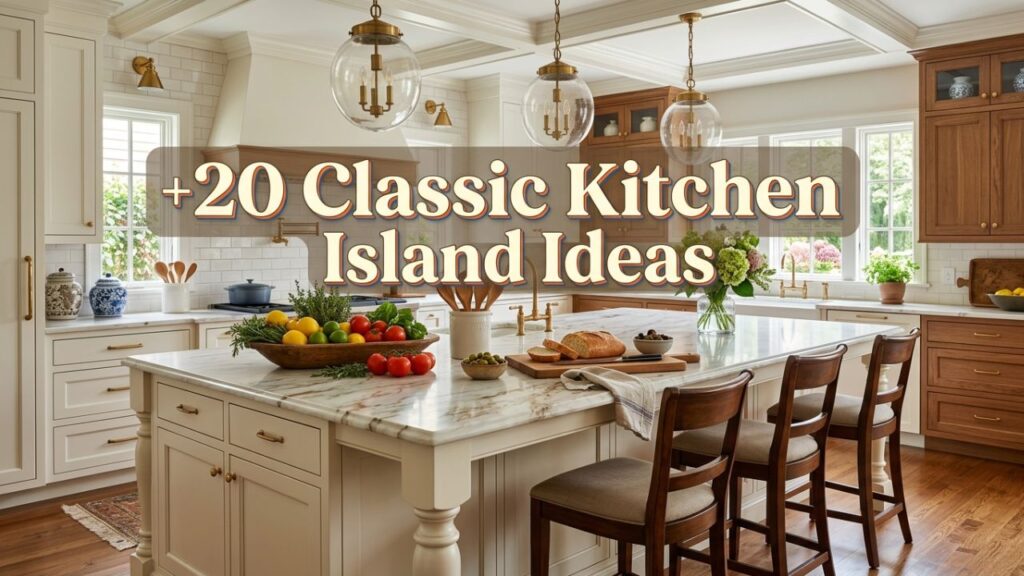
I’ve spent years helping homeowners plan kitchens, and the same truth comes up again and again: classic beats trendy for long-term happiness.
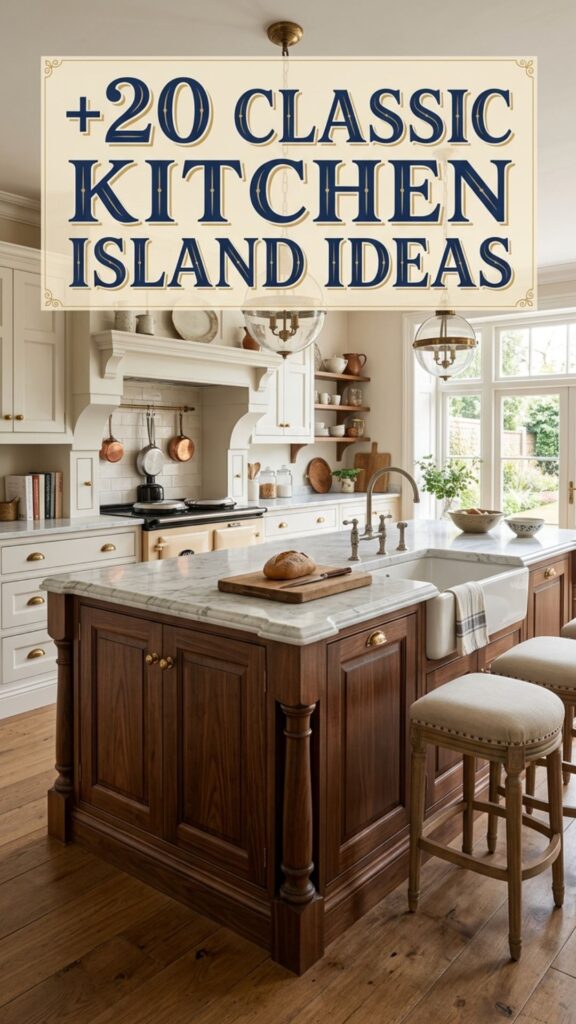
Below you’ll find 20 classic kitchen island ideas that hold their charm through changing tastes. You’ll learn which materials last, which layouts work best, and how small details make a big difference. Let’s dig in.
1. The Timeless White Shaker Island
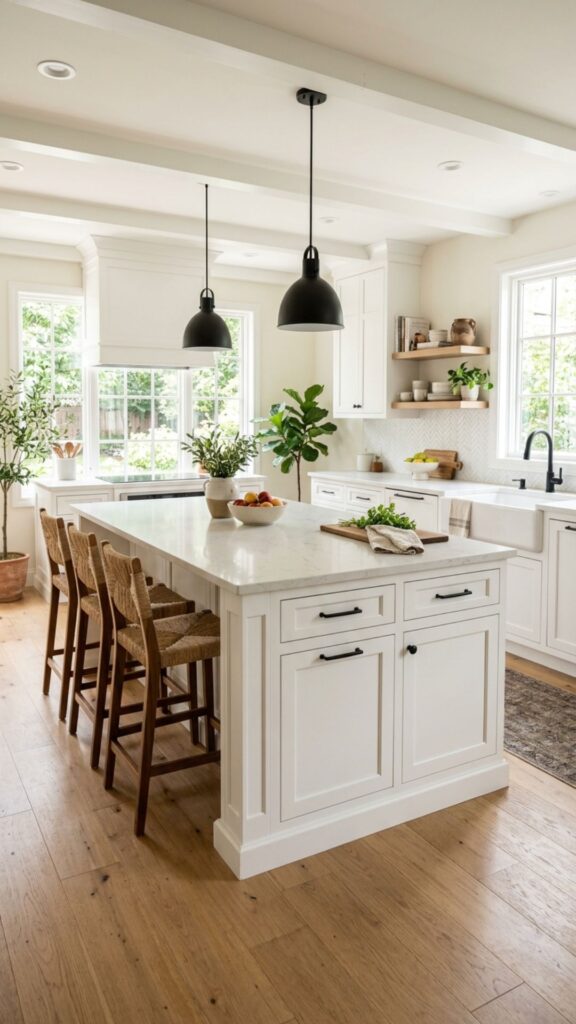
White Shaker cabinetry is the little black dress of kitchen design. Its clean lines and recessed panel doors work in farmhouse, transitional, and modern spaces alike. Because white reflects light, this island brightens even a small kitchen and pairs happily with almost any countertop.
Want to keep it interesting? Add brushed nickel or matte black hardware for contrast. I’ve watched countless clients hesitate over bolder colors, then choose white and never regret it. It’s the safest bet that still feels intentional and polished.
2. A Contrasting Navy Blue Base
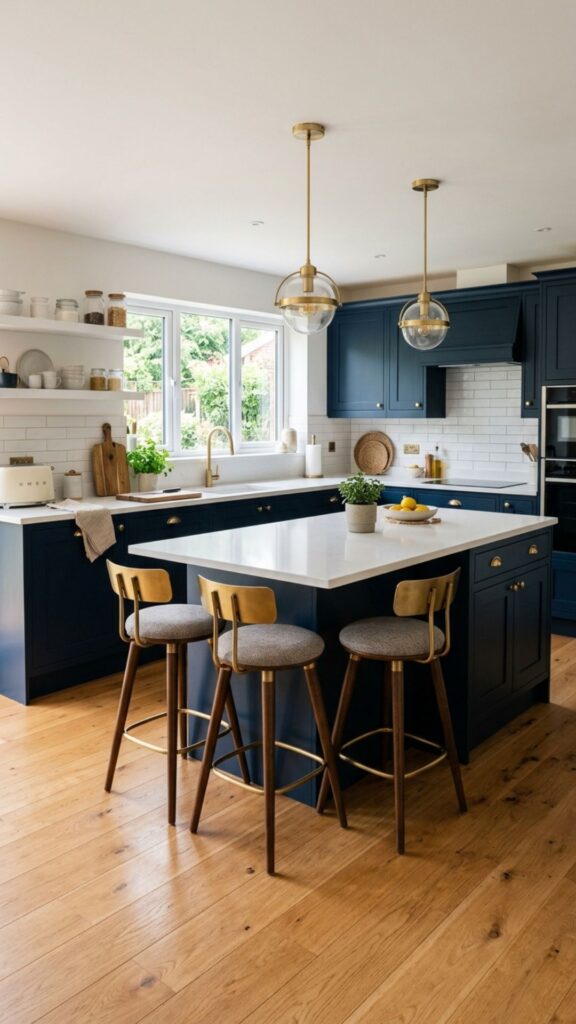
Navy blue offers depth without the risk that comes with brighter shades. Painting your island a deep blue while keeping perimeter cabinets white creates a grounded, elegant focal point. It reads as classic because navy has decorated homes for well over a century.
Pair navy with warm wood floors and gold or brass fixtures for a look that feels rich but never loud. For families worried about fingerprints and scuffs, darker tones hide daily wear better than pale finishes. That practicality is part of why navy endures.
3. Butcher Block Countertop Charm
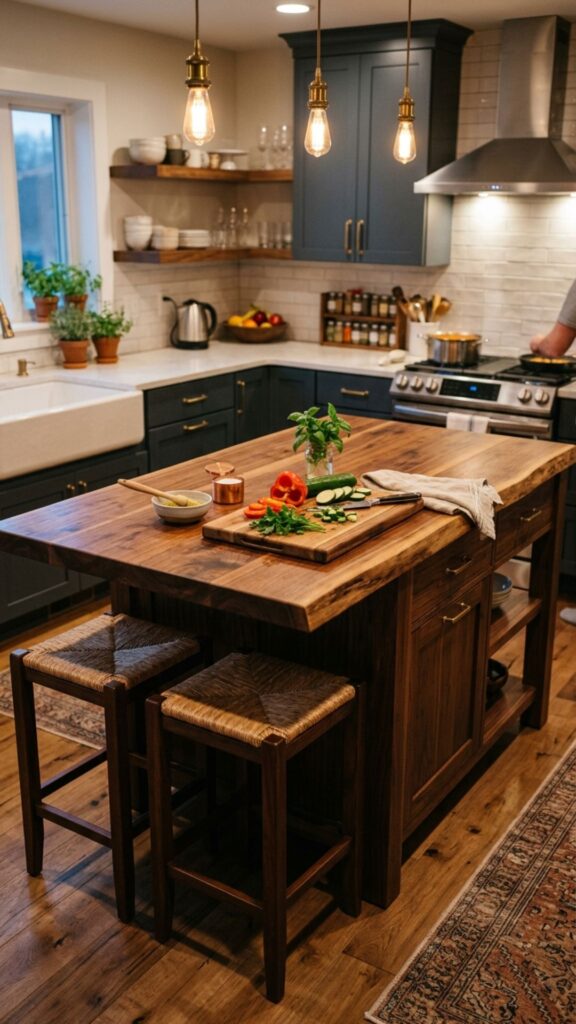
Few surfaces feel as warm and inviting as butcher block. Wood countertops bring natural texture and a sense of history, echoing the farmhouse tables our grandparents gathered around. They’re ideal for a prep-focused island where you chop, knead, and roll.
Maintenance is simple: oil the surface every few months to keep it sealed and looking rich. Small nicks and scratches only add character over time. If you love a lived-in, welcoming kitchen, butcher block delivers that feeling instantly.
4. Classic Marble Waterfall Edge
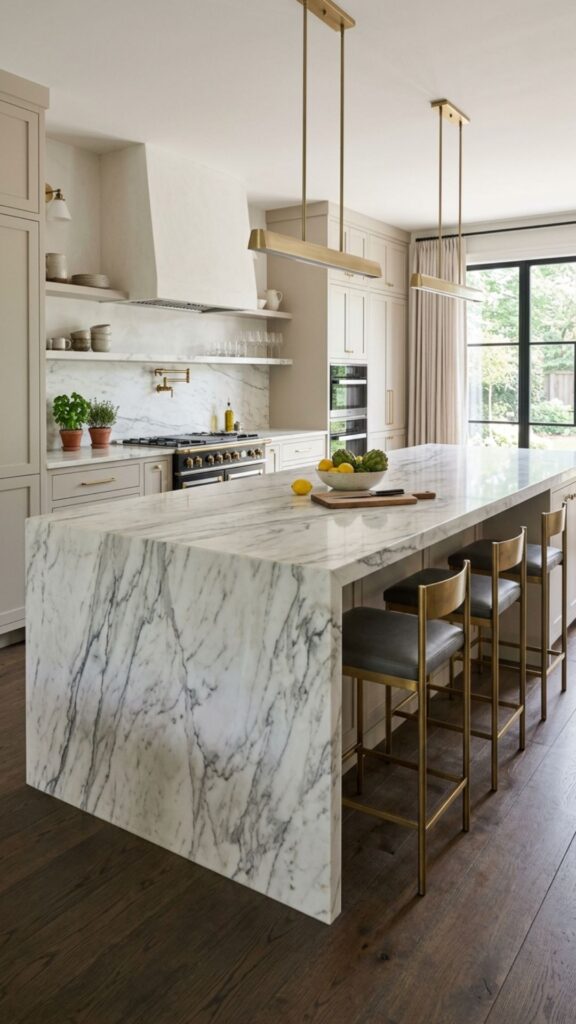
Marble has signaled luxury since ancient Rome, so it’s about as timeless as materials get. A waterfall edge, where the countertop flows down the sides to the floor, adds a clean architectural line that feels both classic and current. It showcases the stone’s natural veining beautifully.
Real marble does require care, since it can stain and etch. If you love the look but worry about upkeep, quartz that mimics marble veining gives you the same elegance with far less fuss. Either way, this feature makes your island the star of the room.
5. The Farmhouse Apron-Front Sink Island
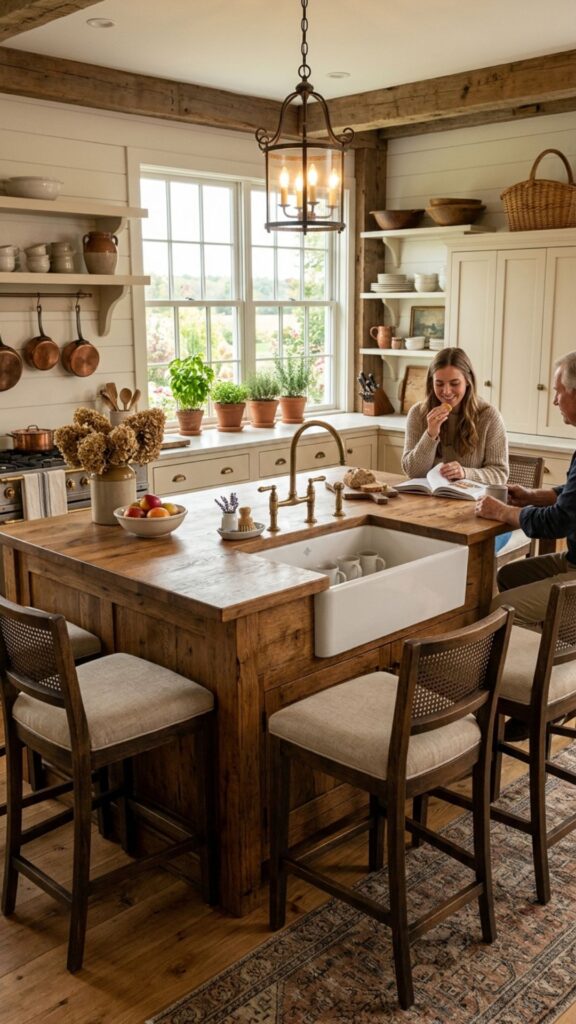
Placing a deep apron-front sink in your island combines beauty with everyday function. This design lets you wash dishes while chatting with family or watching kids do homework. The exposed front panel adds instant farmhouse character that never feels dated.
Fireclay and cast iron are the traditional choices, and both wear well for decades. Position the sink toward the seating side so you stay connected to the room. It’s a layout I recommend constantly because it makes the island the true heart of the home.
6. Turned Legs for Furniture-Style Appeal
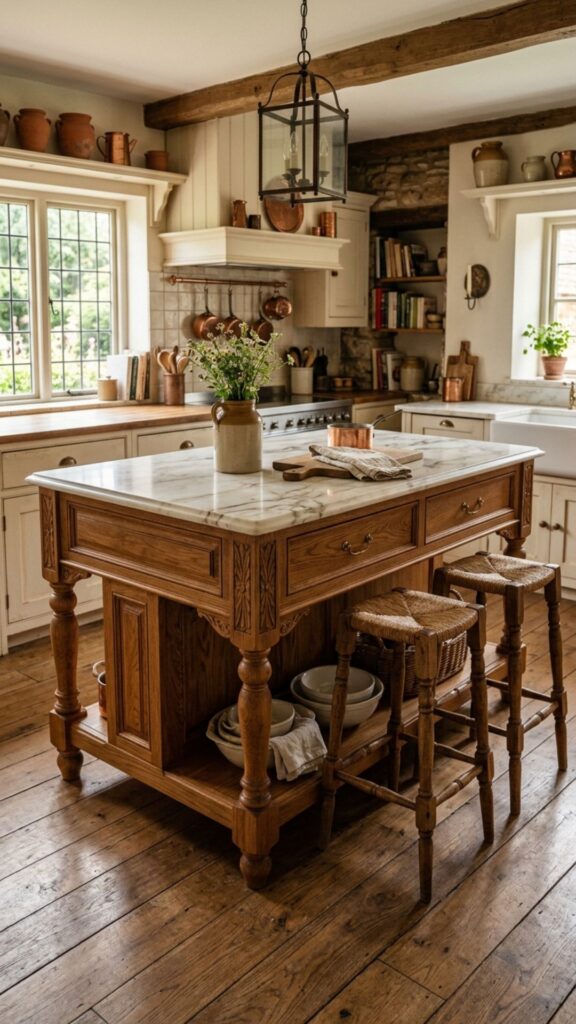
An island with turned wooden legs looks less like built-in cabinetry and more like a handsome piece of furniture. This detail nods to traditional craftsmanship and softens the boxy feel that many modern islands have. It’s a favorite in cottage and country kitchens.
The furniture-style approach works especially well in open floor plans where the kitchen flows into living space. The island feels intentional, almost like an antique table. Add a stone top and you’ve married rustic warmth with everyday durability.
7. Two-Tier Island for Casual Dining
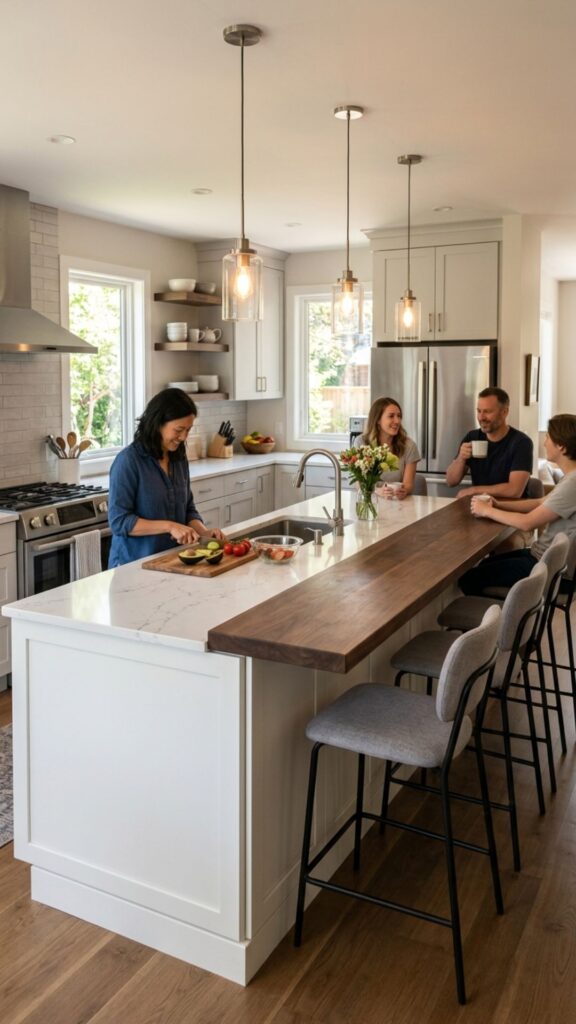
A raised bar section on one side of your island creates a natural gathering spot. The lower tier handles prep and cooking, while the higher counter hides messes from guests seated on the other side. This split-level design has served homeowners well for years.
It’s perfect for entertaining, since friends can perch on stools with a drink while you cook. Families love it for quick breakfasts too. The two-tier setup blends function and hospitality in a way that stays relevant no matter how tastes shift.
8. Beadboard Paneling Details
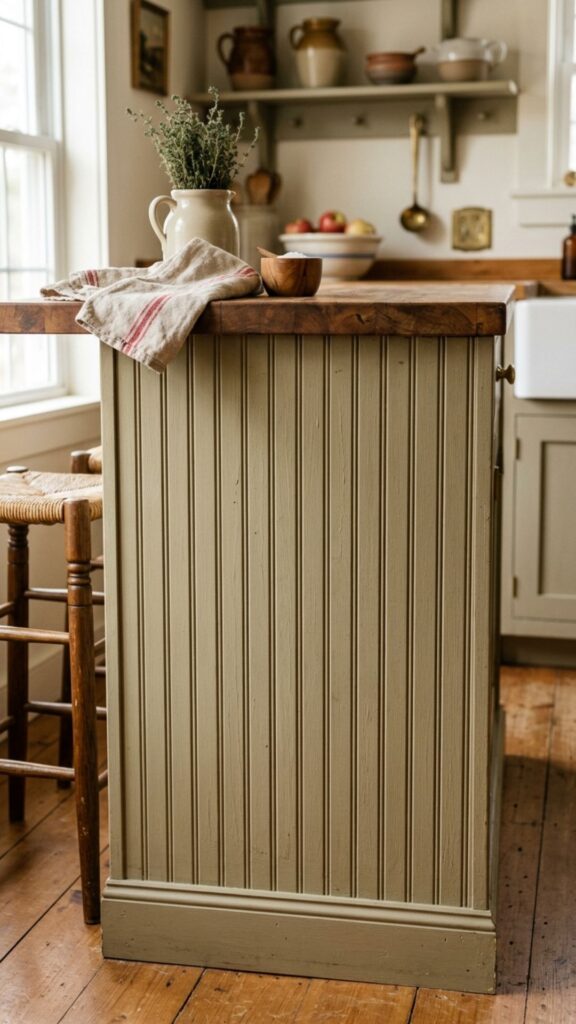
Beadboard, with its narrow vertical grooves, brings cottage charm to any island. Applied to the sides or back, it adds gentle texture and visual interest without overwhelming the space. This detail has decorated American homes for more than a hundred years.
Paint it the same color as your cabinets for a subtle effect, or choose a contrasting shade to make it pop. Beadboard also hides minor scuffs from stools and shoes. It’s an affordable upgrade that instantly signals thoughtful, classic design.
9. Open Shelving Beneath the Counter
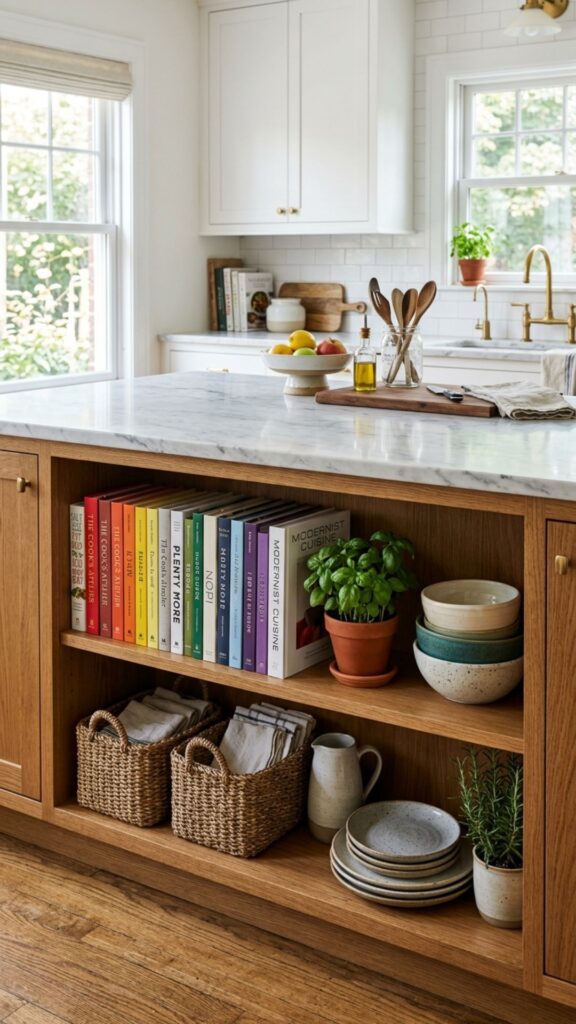
Built-in open shelves on the end or side of an island offer both storage and display space. Line them with cookbooks, woven baskets, or your favorite ceramics. This idea has staying power because it balances practicality with personality.
Open shelving keeps everyday items within easy reach while breaking up solid cabinetry. It also lets you rotate seasonal touches, like fresh greenery in spring or warm textiles in winter. The look feels curated rather than cluttered when you keep it simple.
10. Pendant Lighting That Complements
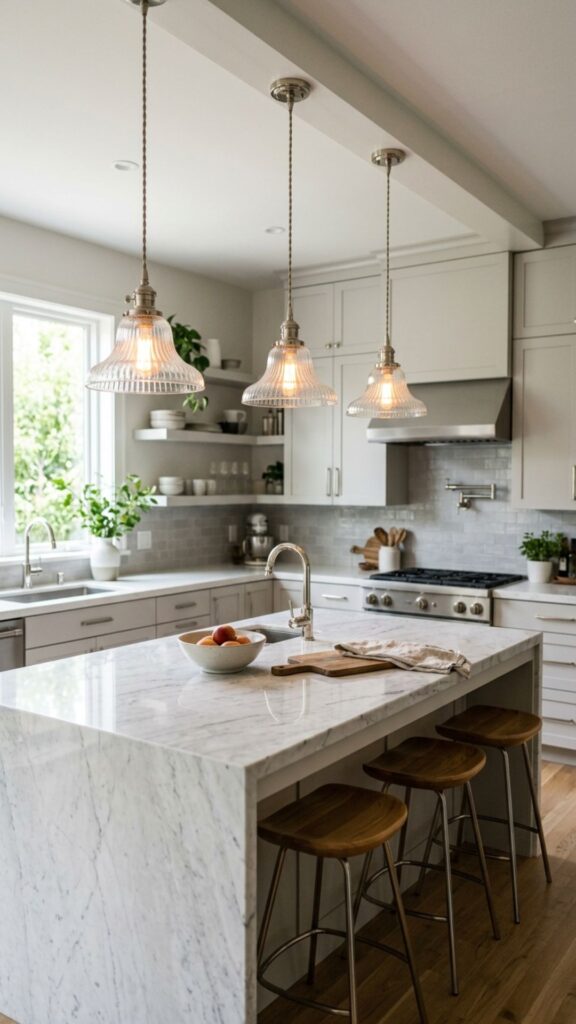
Lighting can make or break an island, and classic pendants never disappoint. Two or three fixtures hung evenly above the counter provide task light and a decorative anchor. Clear glass, lantern styles, and simple metal shades all age gracefully.
Hang pendants about 30 to 36 inches above the countertop for the right balance of light and clearance. Choose finishes that match your hardware for a cohesive feel. Good lighting is one of those details people notice without knowing why a kitchen looks so put together.
11. A Rich Wood-Stained Island
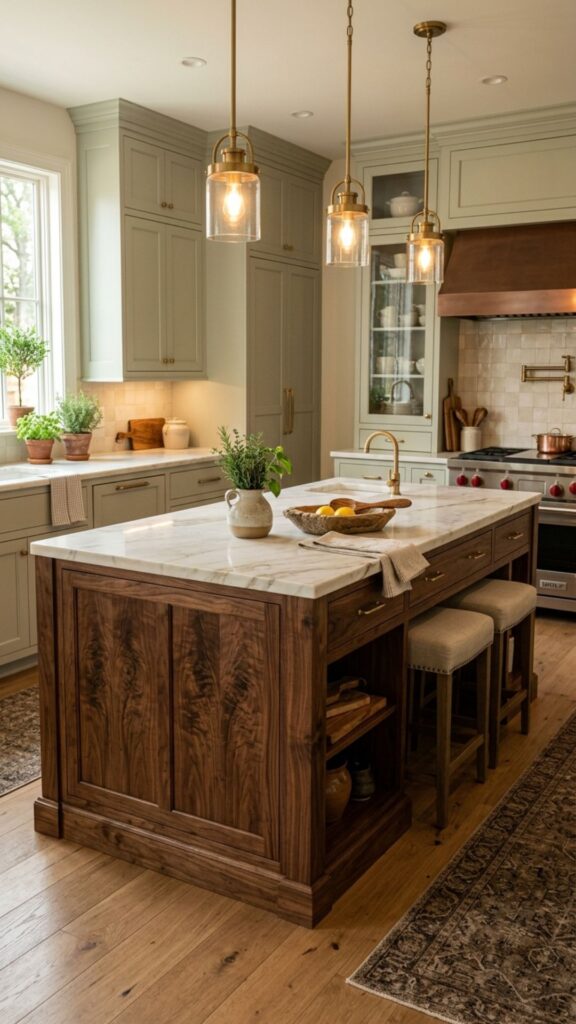
While painted islands get plenty of attention, a natural wood stain offers timeless warmth. Oak, walnut, and cherry each bring their own grain and tone, adding depth that paint simply can’t match. Wood connects your kitchen to nature and history at once.
Pair a stained island with painted perimeter cabinets to create pleasing contrast. This mix-and-match approach has become a classic in its own right. Wood also ages beautifully, developing a patina that many homeowners come to treasure.
12. Built-In Wine Storage
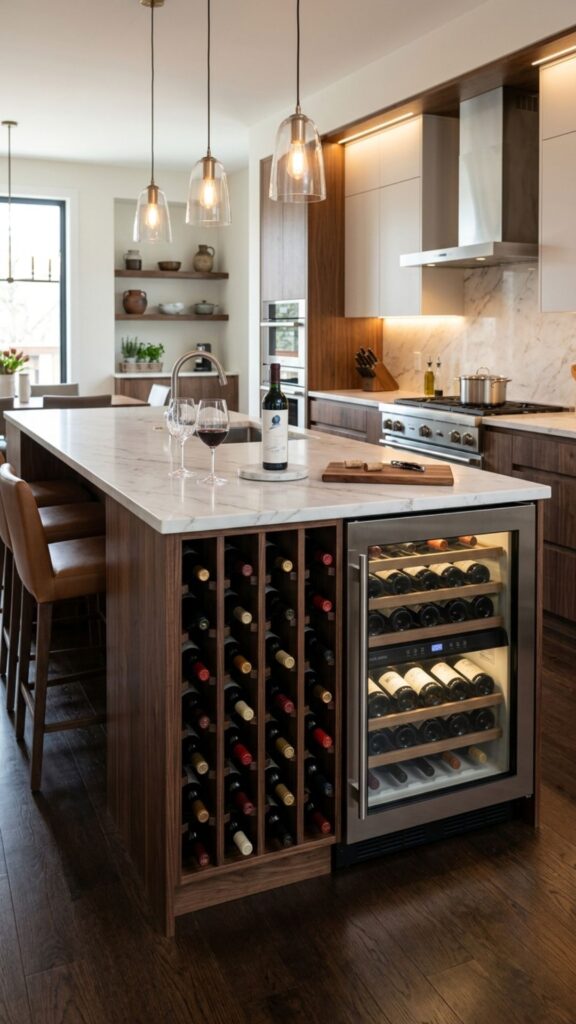
A dedicated wine rack or cooler built into your island appeals to anyone who loves to entertain. Storing bottles horizontally keeps corks moist and wine fresh. This feature has been a mark of gracious hosting for generations.
Position the storage away from heat sources like ovens for the best results. Even a small cubby for six or eight bottles adds function and a touch of sophistication. It’s a detail that quietly says you’ve thought of everything.
13. Classic Bin Pull and Knob Hardware
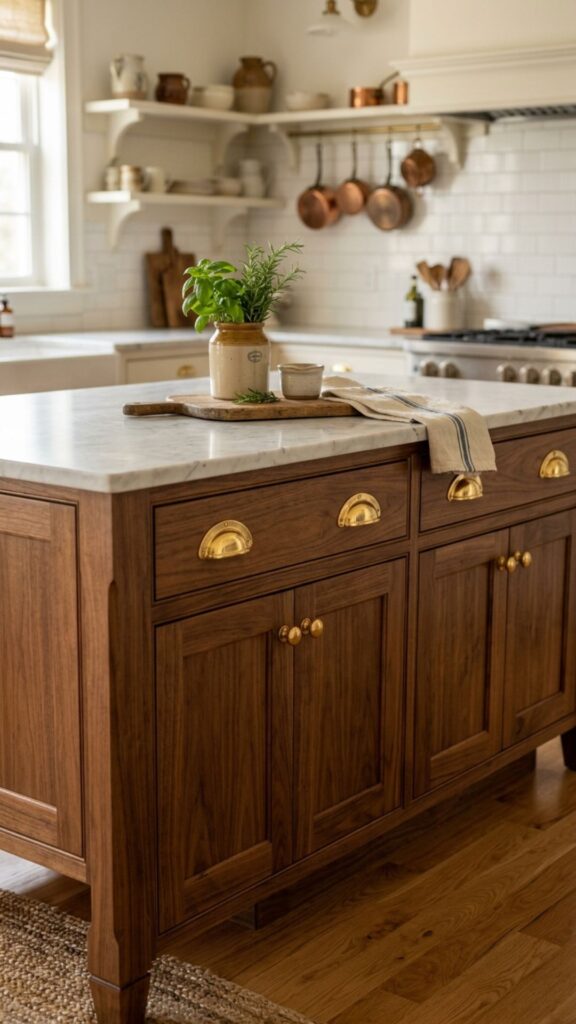
Hardware is the jewelry of your kitchen, and classic bin pulls plus round knobs never look outdated. Cup pulls on drawers and simple knobs on doors nod to vintage craftsmanship. This combination works across nearly every design style.
Brass, oil-rubbed bronze, and polished nickel all stand the test of time. Swapping hardware is also one of the easiest ways to refresh an island later. Start with quality classic pieces and you may never feel the need to change them.
14. A Neutral Gray Painted Base
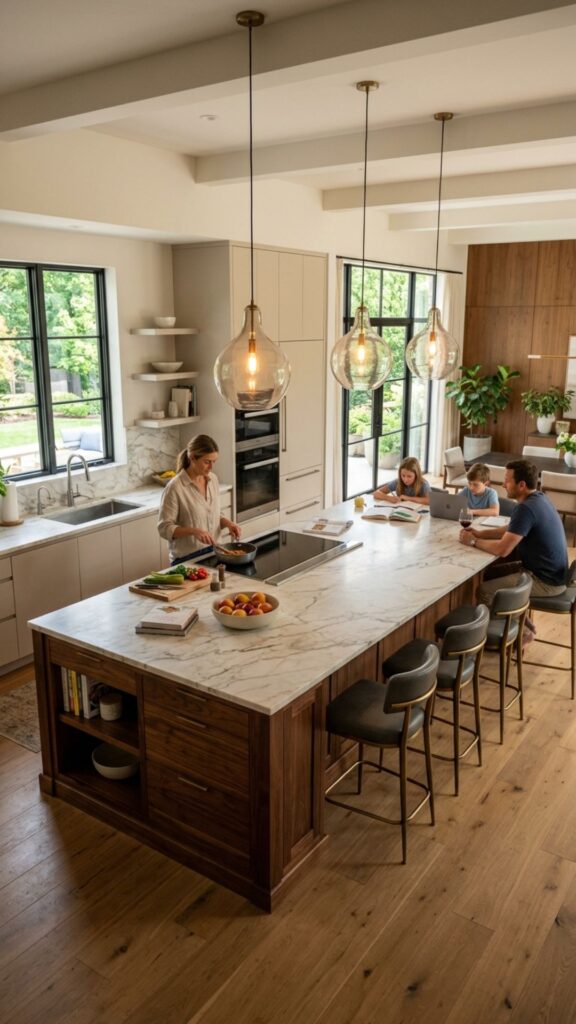
Gray offers a sophisticated middle ground between white and darker shades. A soft greige or warm gray island feels grounded without going too bold. Neutrals like these have anchored elegant kitchens for decades because they pair with everything.
Gray reads differently depending on your lighting, shifting from cool to warm throughout the day. This subtle quality keeps the look interesting. If you want longevity with a hint of character, a neutral gray base is a reliable choice.
15. The Extra-Large Statement Island
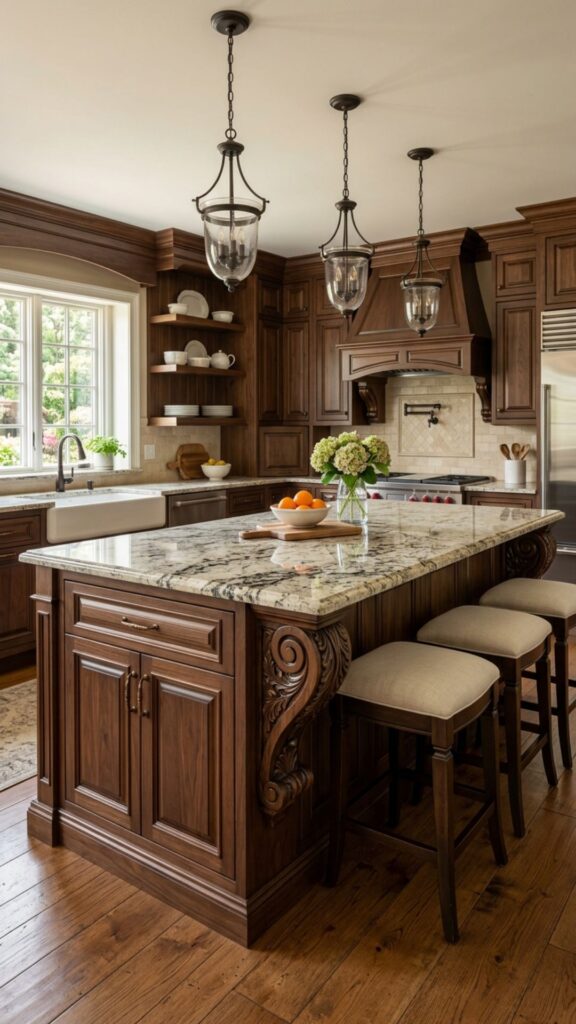
If your kitchen has the space, an oversized island becomes a true command center. It offers ample room for cooking, dining, homework, and hosting all at once. Large islands have long symbolized the kitchen as the heart of the home.
Balance the size with proportional details, like double pendant lights or a generous overhang for seating. Keep the design simple so the scale does the talking. A big, well-planned island rarely goes out of fashion because it serves so many needs.
16. Furniture-Grade Corbels
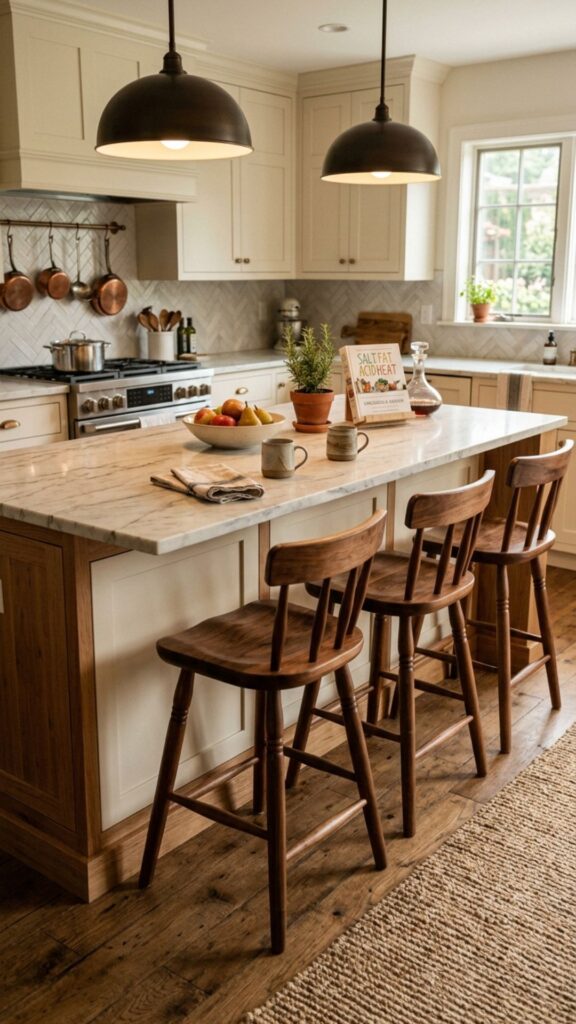
Corbels are decorative brackets that support a countertop overhang, and they add old-world craftsmanship to any island. Carved wood corbels feel especially traditional and elevate the entire piece. They’re a subtle way to signal quality construction.
Use them under a raised bar or wherever your counter extends for seating. Match the wood tone to your island or trim for a seamless look. This architectural detail has decorated fine homes for centuries and shows no sign of fading.
17. Seating with Classic Wooden Stools
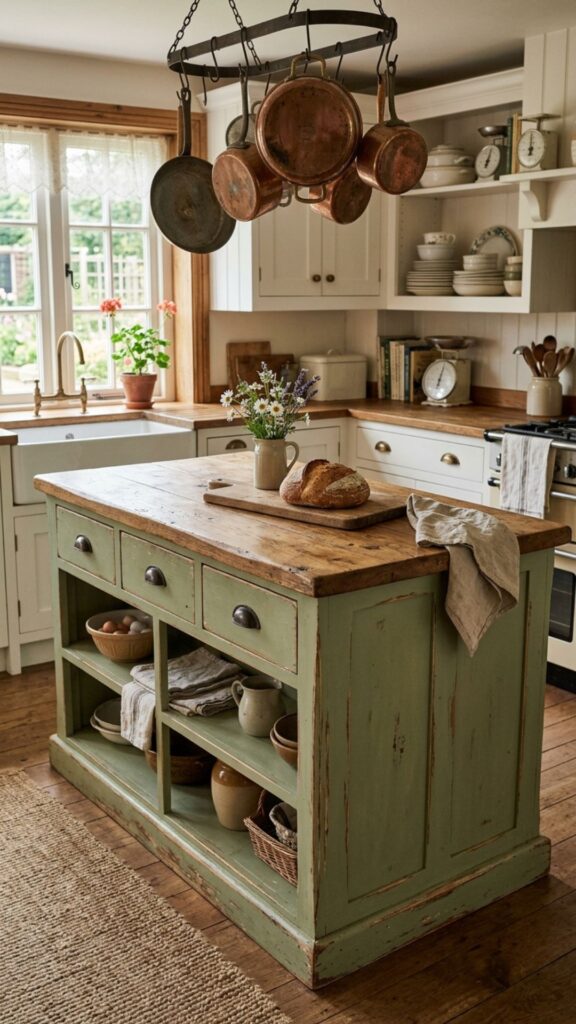
The right stools complete your island and invite people to linger. Simple wooden stools, whether backless or with ladder-back designs, never look dated. They bring warmth and a handcrafted feel to the space.
Choose stools that tuck neatly under the overhang to keep walkways clear. Aim for about 12 inches of knee space per person for comfort. Well-chosen seating turns an island into a genuine gathering spot the whole family will use.
18. A Distressed or Antiqued Finish
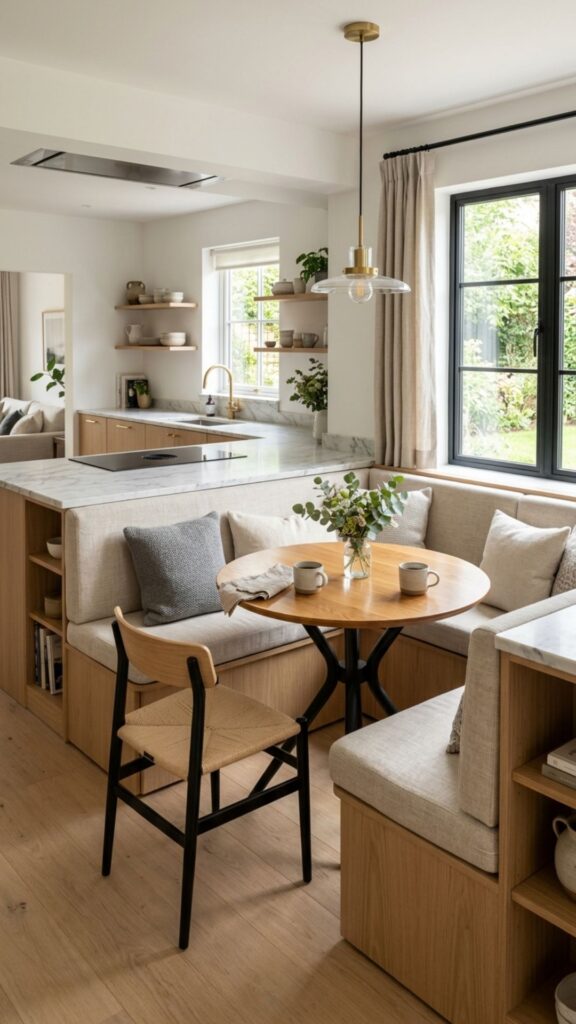
A gently distressed finish gives your island instant history and character. This look mimics the natural wear of a beloved family heirloom. It works beautifully in farmhouse, cottage, and rustic kitchens.
The beauty of a distressed finish is that new scratches simply blend in. That makes it a smart choice for busy households with kids or pets. If you love charm over perfection, this classic technique delivers warmth that only improves with age.
19. Integrated Seating Nook
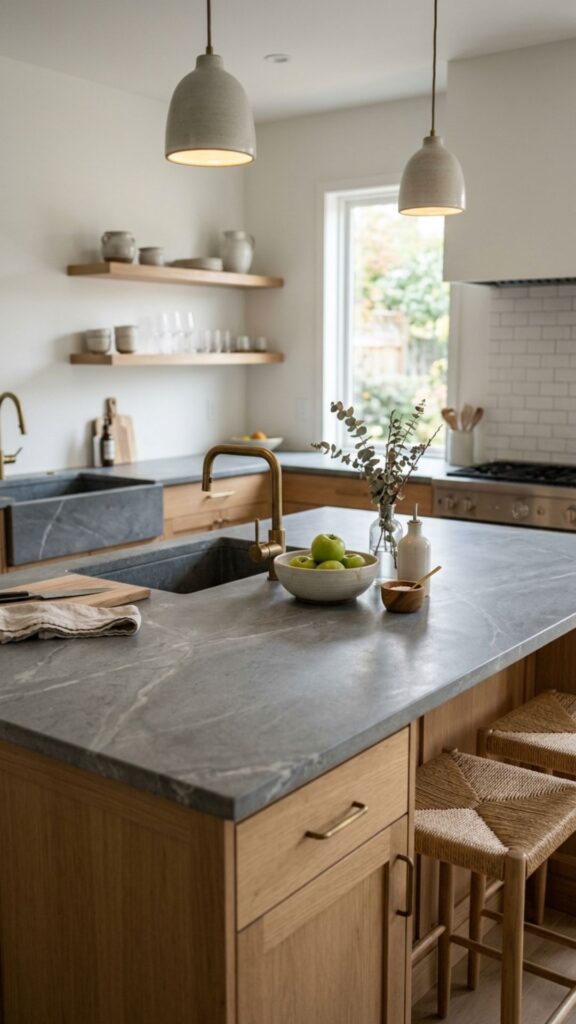
Adding a built-in bench or banquette to one end of your island creates a cozy dining nook. This clever layout maximizes space and gives everyone a comfortable place to sit. Banquettes have welcomed families to the table for generations.
Tuck cushions and a small table beside the island for casual meals and conversation. The nook feels intimate yet connected to the cooking zone. It’s an idea that combines efficiency and warmth, which is exactly why it endures.
20. A Simple Slab of Soapstone
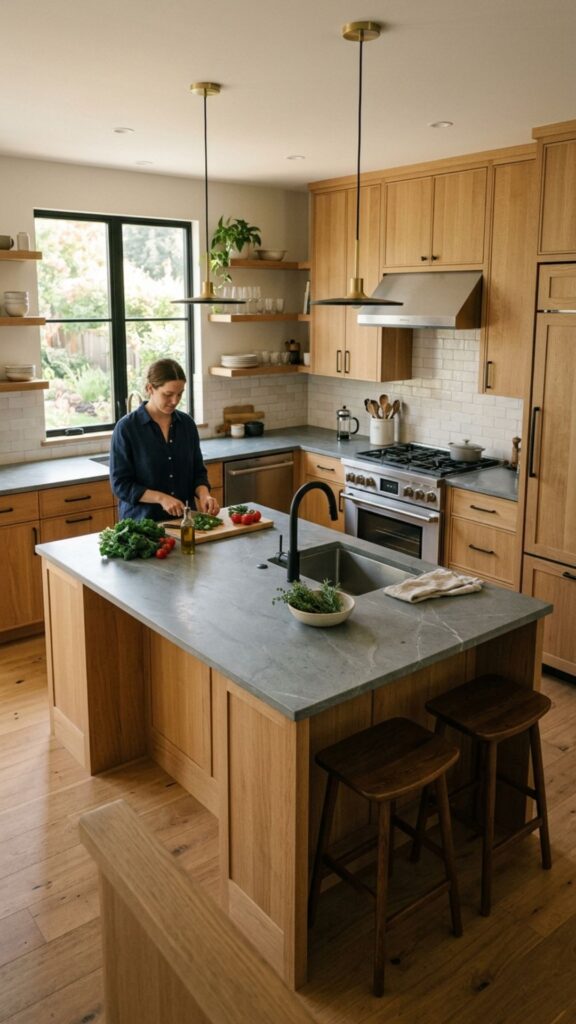
Soapstone brings quiet, understated elegance that has graced kitchens and laboratories for over a century. Its soft gray tone deepens over time, and the surface resists heat and stains remarkably well. It’s a favorite among those who value both beauty and durability.
Unlike some stones, soapstone requires little more than occasional oiling. Its matte finish feels natural and unpretentious. For anyone who wants a classic countertop that ages gracefully, soapstone is a quiet standout.
Bringing Your Classic Kitchen Island to Life
A classic kitchen island rewards you every single day. Whether you fall for a crisp white Shaker base, warm butcher block, or a rich wood stain, these timeless choices protect your investment and keep your kitchen looking beautiful for years. The key is choosing quality materials and details that speak to how you actually live.
Ready to start planning? Pick two or three ideas from this list that fit your style and budget, then sketch out how they’d work in your space. Talk to a trusted kitchen designer or contractor to turn your vision into reality. Your dream island is closer than you think, so take that first step today.
What makes a kitchen island design classic?
A classic kitchen island uses timeless materials and simple, balanced proportions rather than trendy shapes or colors. Think Shaker cabinetry, natural stone or wood countertops, and traditional hardware. These elements stay stylish for decades because they focus on quality and function over passing fads.
What is the best countertop for a classic kitchen island?
The best classic countertops are marble, soapstone, butcher block, and marble-look quartz. Marble and soapstone offer timeless elegance, butcher block adds warmth, and quartz gives you a low-maintenance option that mimics natural stone. Choose based on your budget and how much upkeep you’re willing to do.
How much space do I need around a kitchen island?
Leave at least 36 to 42 inches of clearance on all sides of your island for comfortable movement. In busy kitchens or homes with multiple cooks, aim for 42 to 48 inches. This spacing lets you open cabinets and appliances without bumping into anything.
What color island never goes out of style?
White, navy blue, and neutral gray are the most timeless island colors. White brightens any space, navy adds elegant depth, and gray offers a versatile middle ground. All three pair well with a wide range of countertops, floors, and hardware finishes.
Is a kitchen island worth the investment?
Yes, a well-designed kitchen island adds storage, prep space, seating, and value to your home. Buyers consistently rank islands among their most-wanted kitchen features. Choosing a classic design ensures your investment stays appealing for many years.