Starting a vegetable garden shouldn’t drain your wallet. I’ve spent years growing food in small backyards, cramped balconies, and even a few sad patches of clay soil that nobody thought could grow anything.
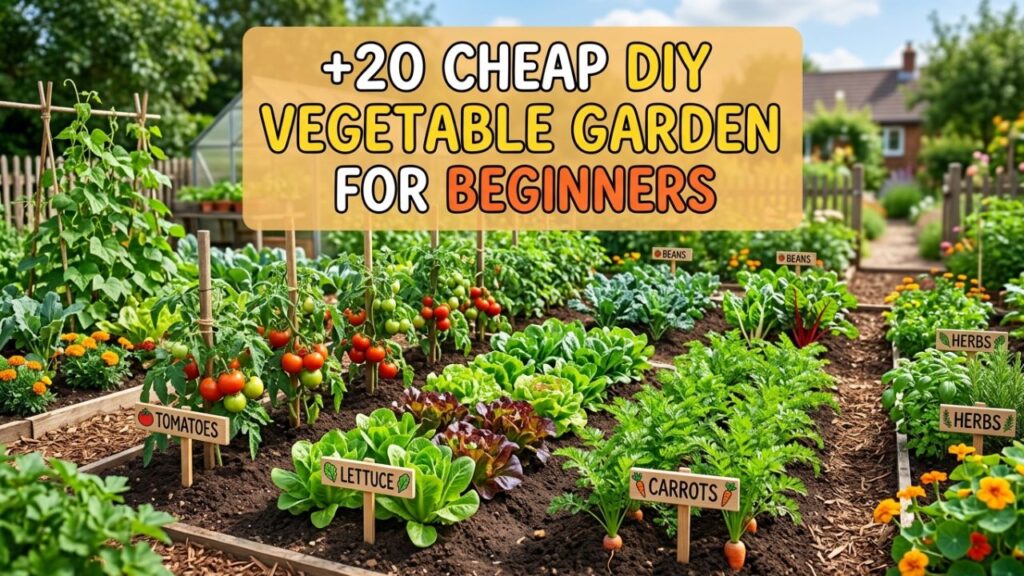
The good news? Some of my best harvests came from projects that cost almost nothing. If you’ve been putting off gardening because you think it’s expensive, this list will change your mind.
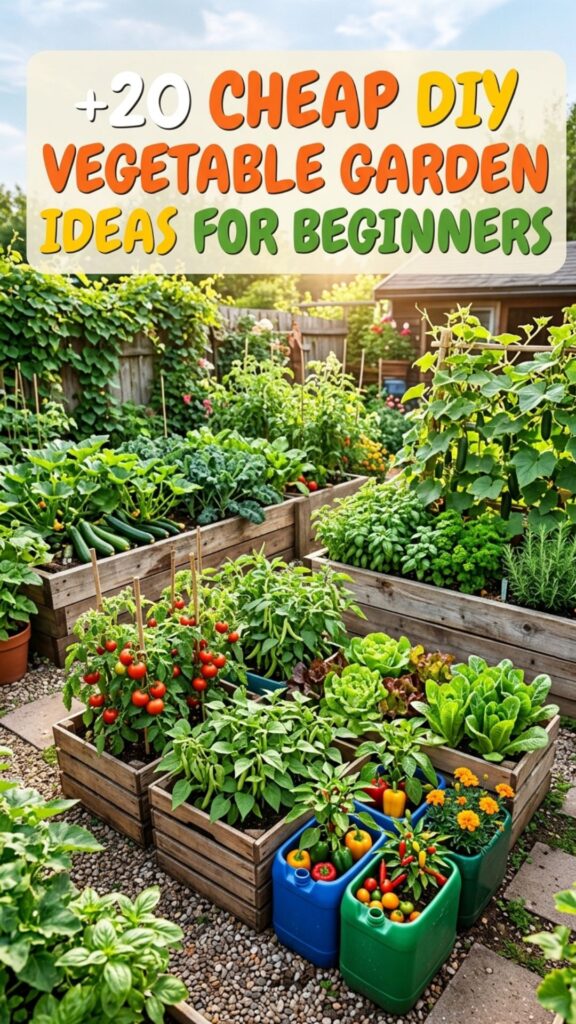
Below you’ll find 20 cheap DIY vegetable garden ideas that work for real beginners. You’ll learn how to build beds, reuse everyday items, and grow more food in less space. Each idea is simple enough to try this weekend, and most cost less than a fancy coffee. Let’s dig in.
1. Build Raised Beds From Reclaimed Pallets
Pallets are everywhere, and businesses often give them away for free. Grab a few, pull them apart, and screw the boards together into a simple frame. You’ll end up with a sturdy raised bed for the price of some screws. Just make sure the pallet is stamped “HT” (heat treated) rather than chemically treated.
Raised beds warm up faster in spring and drain well, which means happier roots. I built my first one from three pallets in an afternoon. Three seasons later, it’s still holding tomatoes and peppers like a champ. Line the inside with cardboard to slow down weeds and it’ll last even longer.
2. Grow in Five-Gallon Buckets
Buckets are the unsung heroes of cheap gardening. Restaurants and bakeries toss out food-grade buckets constantly, so ask around before buying new. Drill five or six drainage holes in the bottom, fill with soil, and you’ve got a portable planter for tomatoes, potatoes, or peppers.
The beauty here is mobility. You can chase the sun, move plants indoors during a cold snap, or rearrange your setup whenever you like. One bucket easily grows a single tomato plant that can produce dozens of fruits over a season. Stack a few along a sunny wall and you’ve built a garden for almost nothing.
3. Start Seeds in Egg Cartons
Seed-starting trays cost money, but egg cartons do the same job for free. Fill each cup with seed-starting mix, drop in a seed or two, and keep them moist near a bright window. Cardboard cartons can even be planted straight into the ground, where they break down naturally.
This trick saves you a fortune compared to buying transplants at the nursery. A single packet of seeds costs a few dollars and gives you dozens of plants. I start my lettuce and herbs this way every February, and by spring I have more seedlings than I know what to do with.
4. Make a Trellis From Old Branches
Climbing plants like beans, peas, and cucumbers need something to grab onto. Instead of buying a trellis, gather fallen branches and lash them together with twine into a teepee or A-frame shape. It looks charming and costs zero dollars.
Natural trellises blend into the garden and add a rustic touch. They’re surprisingly strong too. My bean teepee survived a summer storm that knocked over my store-bought tomato cage. When the season ends, just toss the branches in the compost pile.
5. Repurpose Plastic Storage Totes
That cracked storage bin in your garage can become a productive planter. Drill holes in the bottom, fill it with soil, and plant shallow-rooted crops like lettuce, spinach, or radishes. The depth is perfect for greens that don’t need much room.
Totes with lids can even become mini greenhouses. Prop the lid open a bit to trap warmth and humidity for seedlings in early spring. This idea shines for renters or anyone short on ground space, since you can move the whole thing wherever it fits.
6. Create a Straw Bale Garden
Straw bale gardening turns a bale of straw into a growing container. You condition the bale with water and a bit of fertilizer over two weeks, then plant directly into it. The straw slowly breaks down and feeds your plants as they grow.
Bales cost just a few dollars each and require no digging, which is a gift if your soil is rocky or poor. Tomatoes, squash, and cucumbers love the warm, moist environment inside a bale. When the season wraps up, the decomposed straw makes excellent compost.
7. Use Newspaper for Weed Control
Weeds steal water and nutrients from your vegetables, but you don’t need expensive landscape fabric to stop them. Lay down several layers of wet newspaper around your plants, then cover with a thin layer of mulch or grass clippings.
The paper blocks sunlight from reaching weed seeds while letting water soak through. It slowly decomposes and improves your soil in the process. I’ve cut my weeding time in half with this method, and it costs nothing since old newspapers pile up anyway.
8. Grow Vertically With Hanging Shoe Organizers
A cheap fabric shoe organizer hung on a fence or wall becomes an instant vertical garden. Each pocket holds soil and a small plant. This works beautifully for herbs, strawberries, and leafy greens that don’t need deep roots.
Vertical gardening is a lifesaver for tiny spaces. You get dozens of planting spots in the footprint of a single square foot. Just make sure the fabric drains well and water often, since small pockets dry out quickly in the heat.
9. Build a Keyhole Garden From Scraps
A keyhole garden is a round raised bed with a compost basket in the center. You can build the walls from stacked stones, bricks, or scrap wood you already have. Kitchen scraps go into the middle and feed the surrounding plants as they break down.
This design is popular in dry climates because it holds moisture so well. You water and feed the whole bed from one central spot, which saves effort and resources. It’s a smart, self-sustaining option once you get it set up.
10. Turn a Kiddie Pool Into a Planter
That old plastic kiddie pool the kids outgrew makes a fantastic wide, shallow bed. Drill drainage holes across the bottom, add soil, and plant a mix of vegetables. The large surface area fits a surprising amount of produce.
Because it sits low to the ground, it’s easy to reach and great for kids who want to help. I’ve seen people grow entire salad gardens in a single pool. It’s a fun way to give worn-out summer gear a second life.
11. Make Self-Watering Containers From Soda Bottles
Cut a large plastic soda bottle in half, flip the top upside down into the bottom, and thread a wick of fabric through the cap. Fill the reservoir with water and the top with soil. The plant sips water as it needs it.
Self-watering setups are perfect if you tend to forget watering or travel often. They keep roots consistently moist without drowning them. This project costs nothing and teaches you how plants actually use water, which makes you a better gardener overall.
12. Grow Potatoes in a Trash Bag
You don’t need a big plot to grow potatoes. Fill a sturdy trash bag or feed sack with a few inches of soil, plant seed potatoes, and add more soil as the plants grow taller. Come harvest, just dump the bag out.
This method keeps things tidy and makes digging up potatoes effortless. A single bag can yield several pounds of spuds. Roll down the top of the bag early on, then unroll it as you add soil to give the plants room to climb.
13. Edge Beds With Wine Bottles
Save your empty glass bottles and press them neck-down into the soil to form a decorative border around your beds. It’s a free way to define your garden edges and keep mulch or soil from spilling over.
Beyond looks, the buried bottles help retain a little warmth and moisture near the edges. It’s a quirky project that turns recycling into garden art. Ask friends to save their bottles and you’ll have a colorful border in no time.
14. Sow Seeds in a Rain Gutter
An old section of rain gutter mounted on a fence makes a slick shallow planter for greens and herbs. Cap the ends, drill a few drainage holes, fill with soil, and plant. It’s ideal for lettuce, arugula, and other quick crops.
Mounting gutters at waist height means no bending over to harvest. You can stack several rows for a wall of greens. Leftover gutter pieces from a home project are perfect for this, so keep an eye out before tossing them.
15. Make Compost in a DIY Bin
Healthy soil grows healthy vegetables, and compost is the cheapest soil booster around. Build a simple bin from leftover wood or wire fencing and start tossing in kitchen scraps, leaves, and grass clippings.
In a few months you’ll have rich, dark compost that would cost real money at the store. It cuts your fertilizer spending to nearly zero. I’ve fed my garden with homemade compost for years, and my plants have never looked better.
16. Protect Plants With Milk Jug Cloches
A cut-off plastic milk jug placed over a seedling acts like a mini greenhouse. It shields tender young plants from frost, wind, and hungry pests. Remove the cap for airflow on warm days.
These cloches extend your growing season on both ends without spending a dime. I use them every spring to get my tomatoes in the ground weeks early. Save your jugs through winter and you’ll have a stack ready when planting time comes.
17. Grow Herbs in Tin Cans
Empty soup and coffee cans make charming little herb pots. Punch drainage holes in the bottom, add soil, and plant basil, parsley, or thyme. Line them up on a windowsill or mount them on a board for a wall display.
Herbs are among the easiest and most rewarding crops for beginners. Growing them in cans costs nothing and gives you fresh flavor within reach of the kitchen. A quick coat of paint makes them look intentional rather than thrown together.
18. Build a Cold Frame From Old Windows
If you have an old window pane lying around, you can build a cold frame in an afternoon. Frame a low box with scrap wood and set the window on top as a hinged lid. It traps heat and lets you grow greens well into cold months.
Cold frames are like tiny greenhouses that shrug off frost. Prop the lid open on sunny days to prevent overheating, and close it at night to hold warmth. This project stretches your harvest and protects tender crops for pennies.
19. Reuse Coffee Grounds as Fertilizer
Your morning coffee habit can feed your garden. Used grounds add nitrogen to the soil and help plants like tomatoes and leafy greens thrive. Sprinkle them thinly around your plants or mix them into your compost.
Many coffee shops give away spent grounds by the bagful, so you’ll never run short. Just don’t pile them on too thick, since a heavy layer can compact and block water. Used sparingly, they’re a free and effective soil amendment.
20. Save Seeds From This Year’s Harvest
The cheapest garden of all starts with free seeds you saved yourself. Let a few of your best plants go to seed, then collect and dry the seeds for next year. Tomatoes, beans, peppers, and lettuce are easy places to start.
Seed saving closes the loop and makes your garden nearly self-sufficient. Store your seeds in labeled envelopes somewhere cool and dry. Over time you’ll build a personal seed collection suited perfectly to your climate, and you’ll never pay for those varieties again.
Conclusion
Growing your own food doesn’t require deep pockets or fancy equipment. As you’ve seen, some of the smartest cheap DIY vegetable garden ideas rely on things you already have lying around your home. From pallet beds to milk jug cloches, every project on this list proves that resourcefulness beats a big budget every time.
Pick one or two ideas that fit your space and give them a try this week. Start small, learn as you go, and let your confidence grow along with your plants. Grab those buckets, save those seeds, and get your hands dirty. Your first homegrown harvest is closer and cheaper than you think.
What is the cheapest way to start a vegetable garden?
The cheapest way to start a vegetable garden is to grow in free containers like buckets or storage totes, start plants from seed instead of buying transplants, and make your own compost from kitchen scraps. These three habits alone can bring your startup cost close to zero.
What vegetables are easiest for beginners to grow cheaply?
Lettuce, radishes, green beans, tomatoes, and herbs like basil are the easiest and cheapest crops for beginners. They grow quickly from inexpensive seeds, need little special care, and produce reliable harvests even in small spaces or containers.
Do I need to buy expensive soil for a DIY garden?
No. You can improve almost any soil for free by adding homemade compost, used coffee grounds, and shredded leaves. If you’re using containers, a basic potting mix works fine, and you can stretch it by mixing in compost you make yourself.
How much sunlight does a vegetable garden need?
Most vegetables need at least six hours of direct sunlight each day. Leafy greens and herbs can tolerate a bit less, while fruiting plants like tomatoes and peppers want the full six to eight hours to produce well.
Can I garden cheaply without a yard?
Absolutely. Containers, vertical planters, hanging shoe organizers, and rain gutter planters all let you grow vegetables on balconies, patios, or windowsills. Many of these setups cost nothing and produce plenty of food in a tiny footprint.