The door to your master bedroom does more than close a gap in the wall. It sets the tone the moment you walk in, controls how much noise and light slip through, and either ties your decor together or sticks out like a sore thumb. Yet most people never give it a second thought.
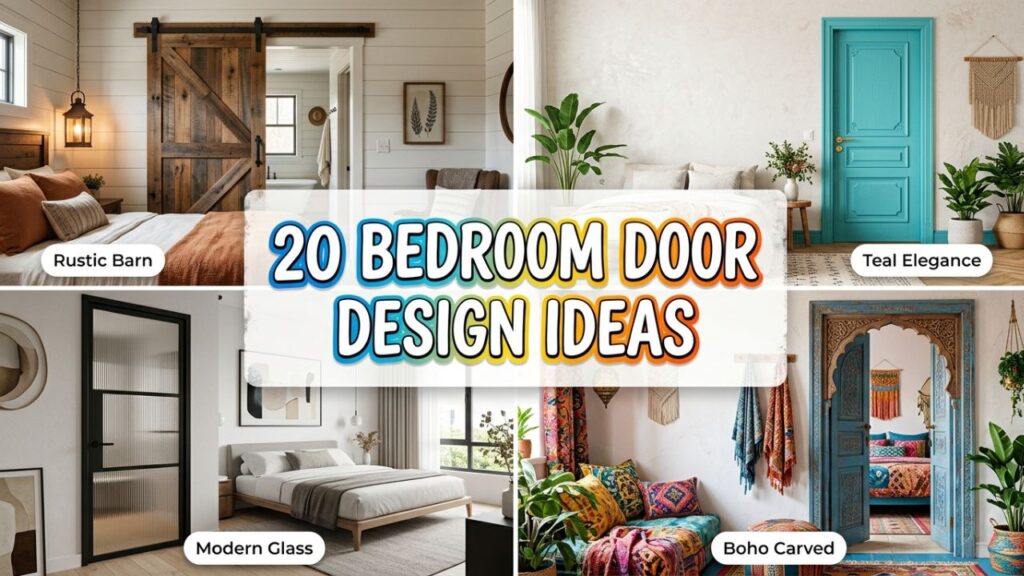
That’s a missed opportunity. The right bedroom door design can add privacy, save floor space, brighten a dark room, and make the whole space feel more polished.
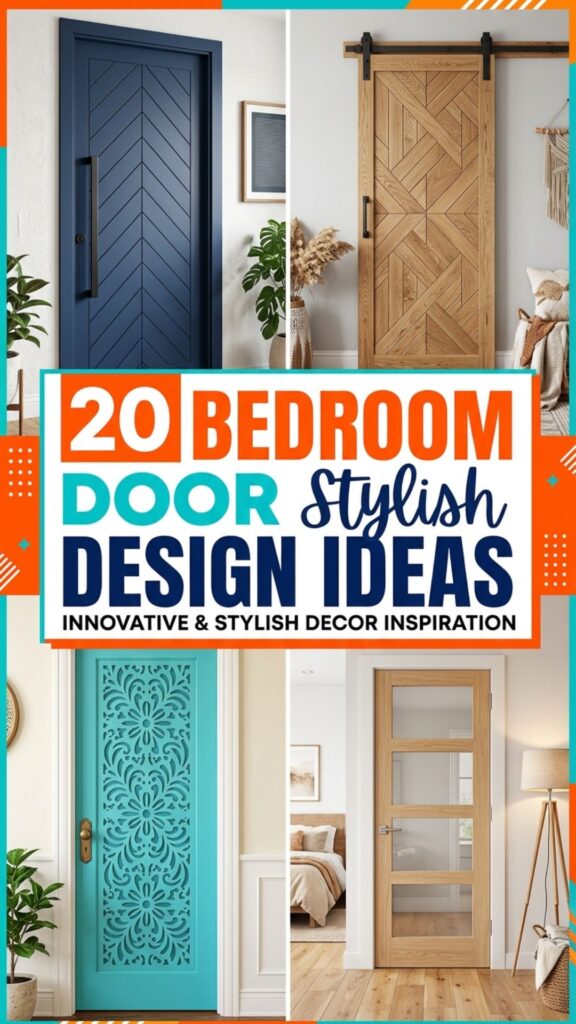
In this guide, you’ll find 20 ideas with practical steps, real examples, and tips for tight spaces, small budgets, and tricky layouts.
1. Choose a Solid-Core Door for Better Sound Control
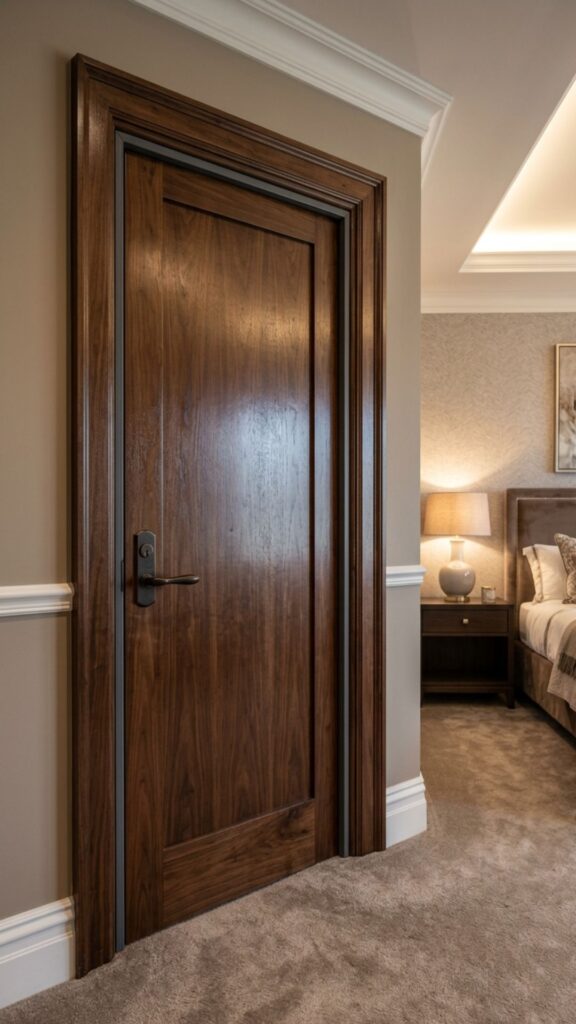
If noise sneaks into your bedroom at night, the culprit is often a hollow-core door. These lightweight doors do little to block sound. A solid-core door, on the other hand, is dense and heavy, which dampens noise from hallways, TVs, and busy households.
Solid-core doors cost more than hollow ones, but the upgrade is worth it for a master suite. Pair the door with a good seal around the frame and a sweep along the bottom. Together they make your room noticeably quieter and more restful.
2. Install a Space-Saving Barn Door
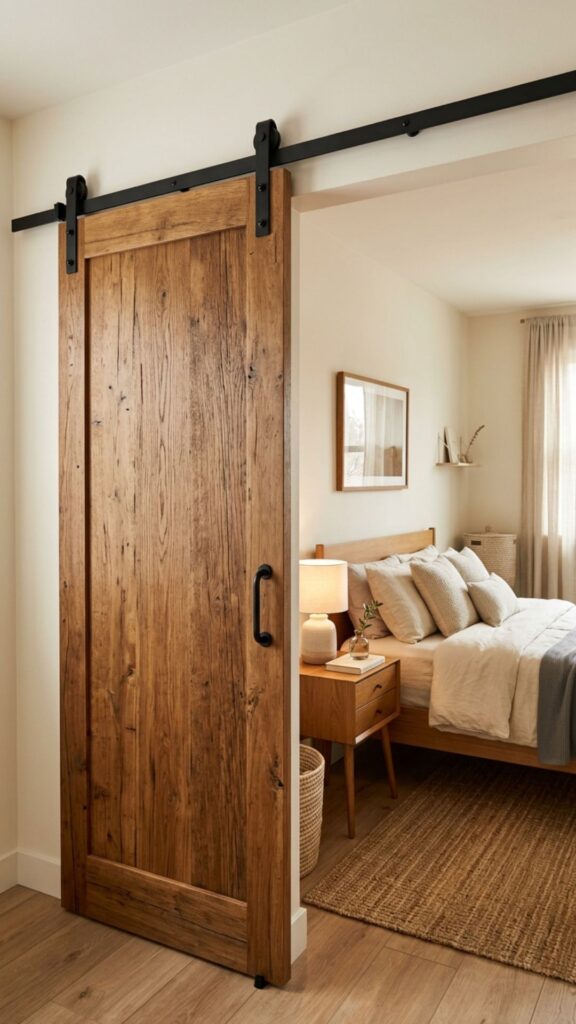
A sliding barn door glides along a track on the wall instead of swinging into the room. This frees up floor space, which makes it ideal for tight master bedrooms or rooms with awkward furniture placement.
Barn doors come in countless finishes, from rustic reclaimed wood to sleek matte black metal. Just remember they don’t seal as tightly as a hinged door, so they’re best where total sound blocking isn’t essential. For privacy, choose a solid panel rather than one with gaps.
3. Brighten a Dark Room with a Glass-Panel Door
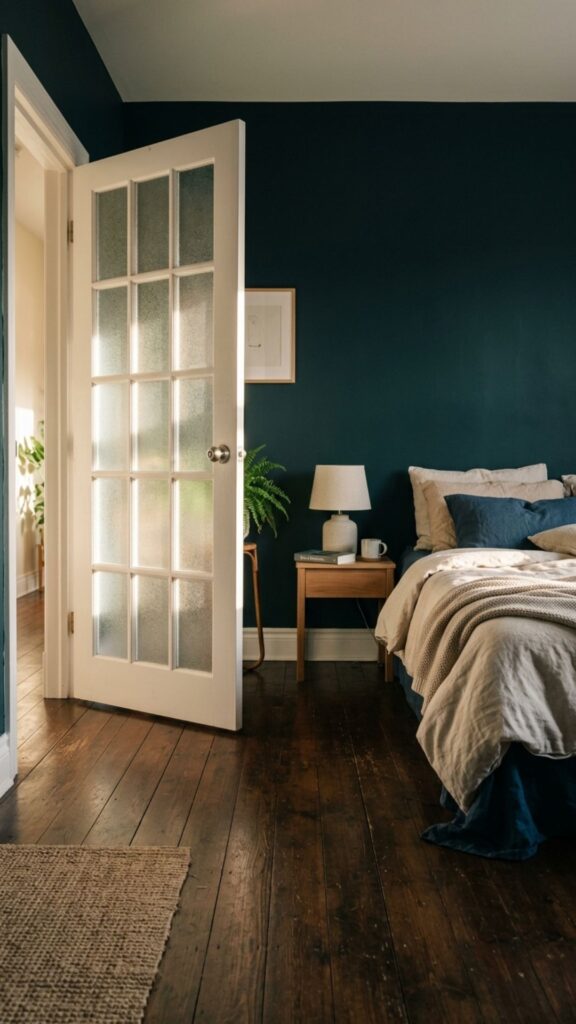
Dark master bedrooms often feel closed off and gloomy. A door with frosted or textured glass panels lets natural light flow between rooms while still keeping things private. It’s a smart fix when your bedroom borrows light from a brighter hallway.
Frosted glass blurs the view but still passes light, so you get brightness without sacrificing privacy. For a modern bedroom door design, look for slim frames and clear lines. In period homes, leaded or fluted glass adds character while doing the same job.
4. Make a Statement with a Bold Paint Color
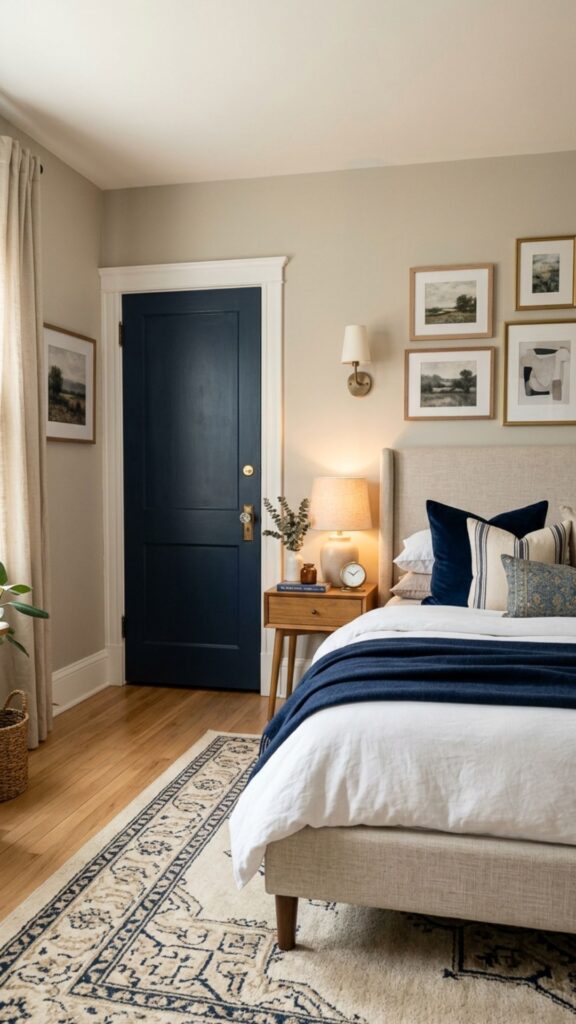
The cheapest way to refresh an outdated door is a coat of paint. A deep, moody shade like charcoal, forest green, or navy instantly turns a plain door into a feature. It’s a high-impact change you can finish in an afternoon.
Pick a color that ties into your room’s palette rather than fighting it. Use a durable satin or semi-gloss finish so the door wipes clean and resists scuffs. This single update often makes a tired room feel intentional and fresh.
5. Add Character with a Paneled Door Design
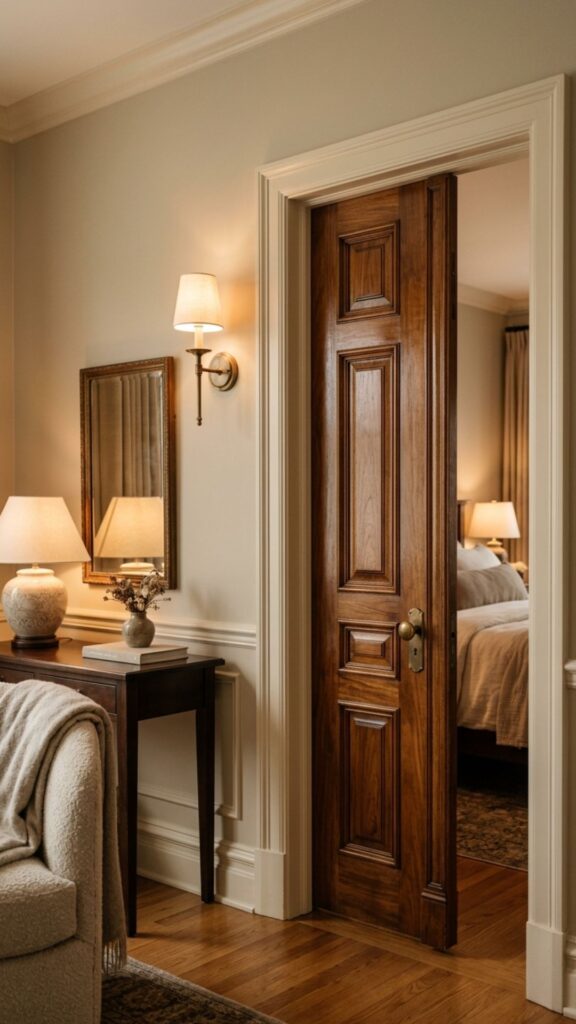
Flat, featureless doors can make a master bedroom feel flat too. A paneled door, with its raised or recessed sections, adds depth and a sense of craftsmanship. Shaker-style panels suit almost any decor, from traditional to modern.
You don’t always need to replace the whole door. Applied molding kits let you create panel detail on an existing flat door for a fraction of the cost. Paint it to match your trim, and the result looks custom and considered.
6. Go Frameless with a Pocket Door
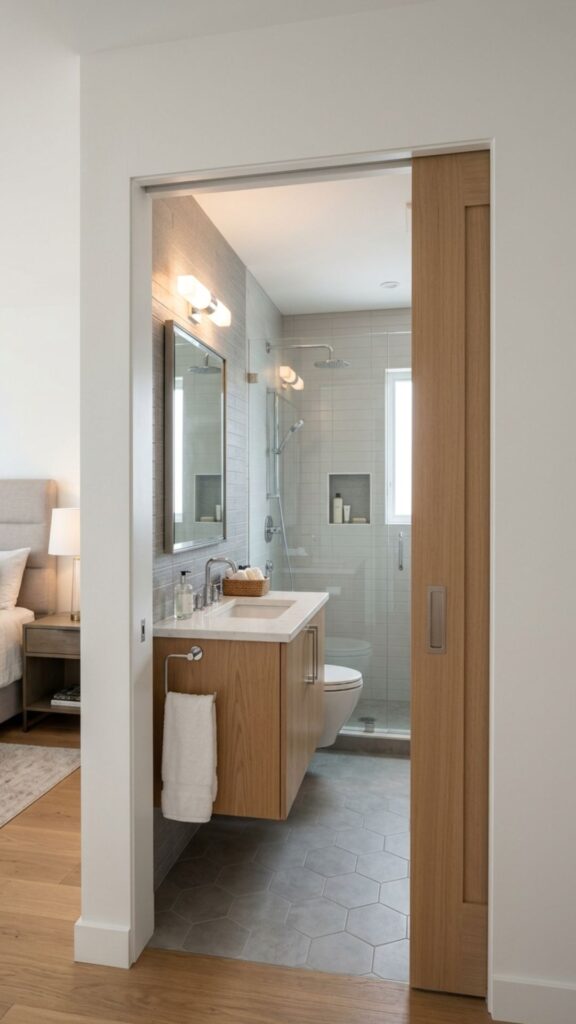
A pocket door slides neatly into the wall, disappearing completely when open. This is the ultimate space saver, perfect for ensuites or small master bedrooms where every inch counts. There’s no swing arc to plan around.
Installing a pocket door means opening up the wall, so it’s a bigger project than a swap. If you’re renovating, though, it’s worth the effort. For privacy, choose a quality latch, since pocket doors rely on the lock rather than a tight frame seal.
7. Embrace Texture with a Reclaimed Wood Door
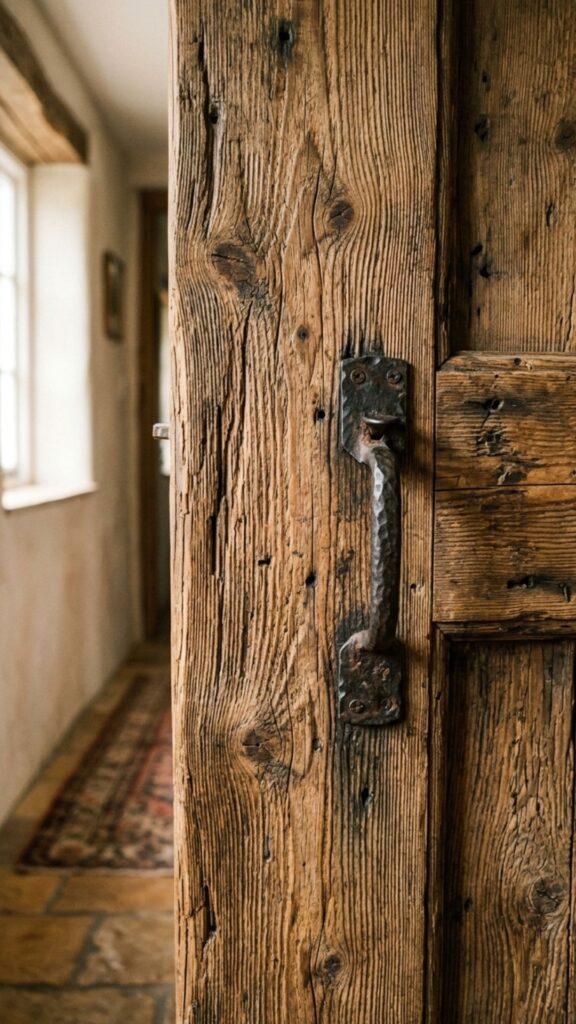
Reclaimed wood brings warmth and a one-of-a-kind look that new doors struggle to match. The natural grain, knots, and patina add instant character to a master bedroom. It’s a great way to soften a sleek, minimal space.
Source salvaged doors from architectural reclaim yards or refinish an old one you already own. Seal the wood to protect it and prevent splinters. This bedroom door design works beautifully in farmhouse, rustic, and even industrial-style rooms.
8. Create Drama with a Double Door Entrance
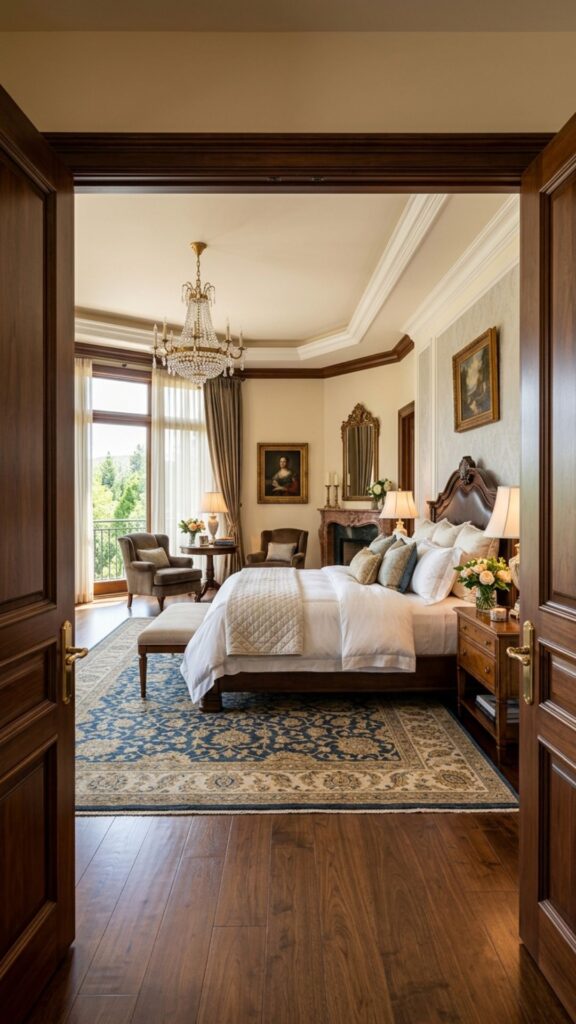
If your master bedroom has a wide opening, a set of double doors makes the entrance feel grand and luxurious. Two doors that meet in the middle give a sense of arrival that a single door can’t.
Double doors suit larger suites and homes with generous hallways. For a refined look, keep the hardware simple and matching. If full doors feel too heavy, French doors with glass panels deliver the same drama while letting in light.
9. Keep It Sleek with a Flush Modern Door
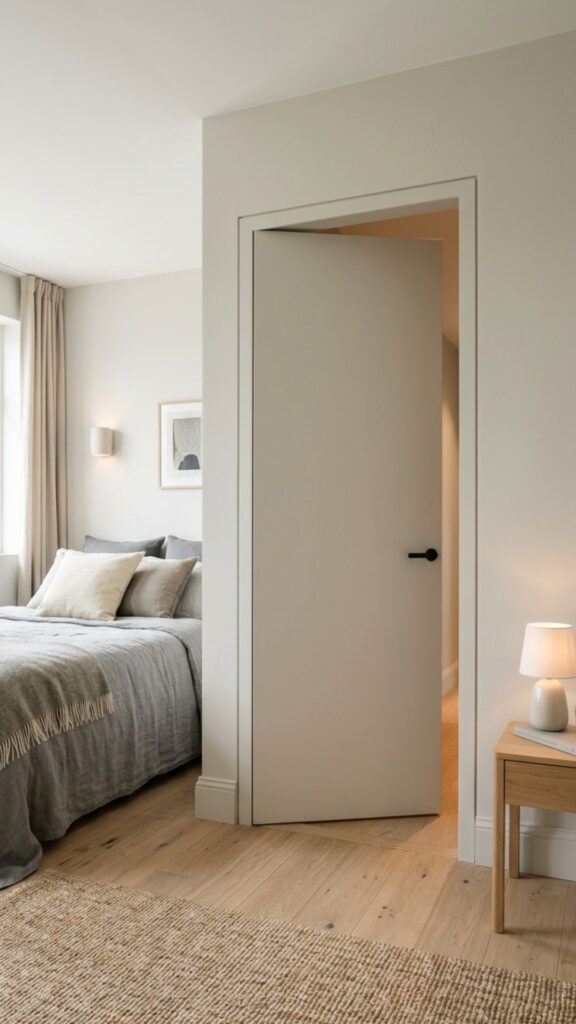
For contemporary spaces, a flush door with a smooth, unbroken surface reads clean and uncluttered. Its simple face suits minimalist rooms and pairs well with hidden or low-profile hardware.
Choose a wood veneer in walnut or oak for warmth, or a crisp painted finish for a sharper look. To keep the modern feel, skip ornate handles in favor of slim levers or edge pulls. The result is calm, current, and easy to live with.
10. Improve Privacy with a Quality Lock and Latch
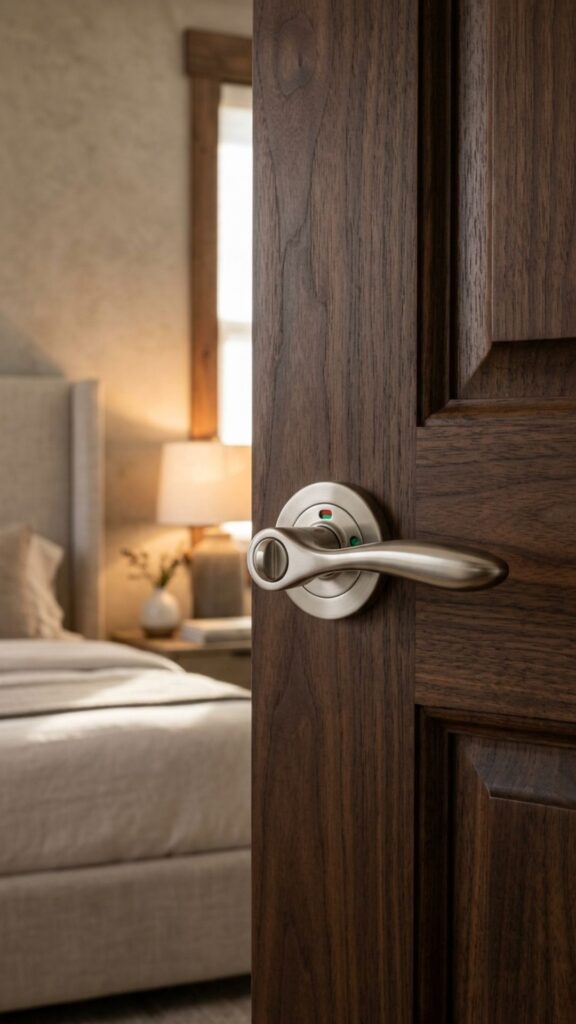
Privacy is the whole point of a bedroom door, yet many fall short because of weak hardware. A solid privacy latch or lock gives you peace of mind, especially in busy households or shared homes.
Choose a lever or knob with a privacy function that locks from the inside. Match the finish to your other fixtures for a coordinated look. Upgrading hardware is quick and affordable, and it makes a cheap door feel far more substantial.
11. Add Height with a Tall Door
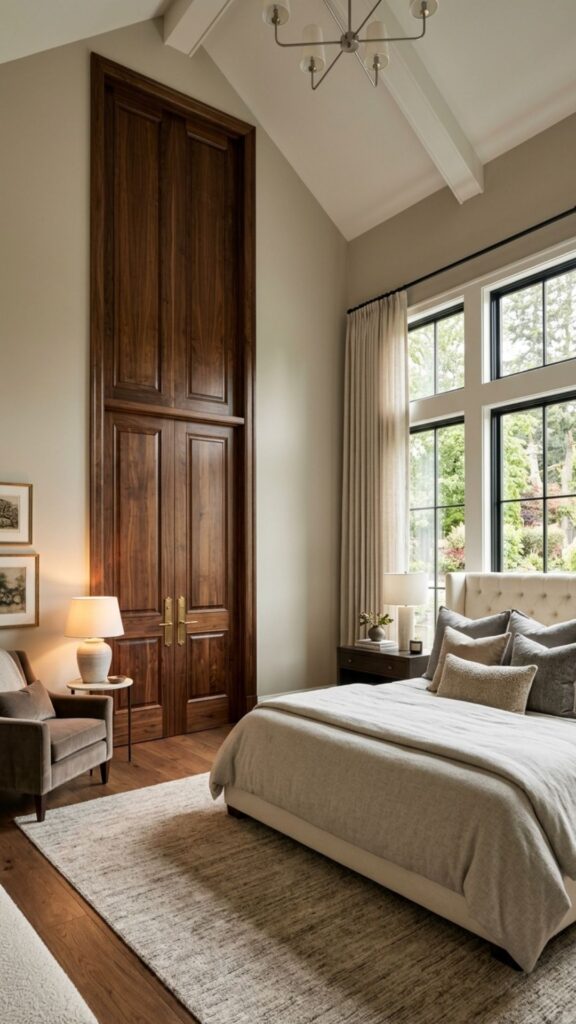
Standard doors run about 80 inches, but a taller door draws the eye upward and makes ceilings feel higher. In a master bedroom with a bit of extra wall height, an extended door adds an unexpected touch of luxury.
Floor-to-near-ceiling doors look dramatic and custom. If a full swap isn’t in the budget, you can fake the effect by painting the door and the wall above it the same color. This visual trick stretches the room upward.
12. Mix Materials for a Custom Look
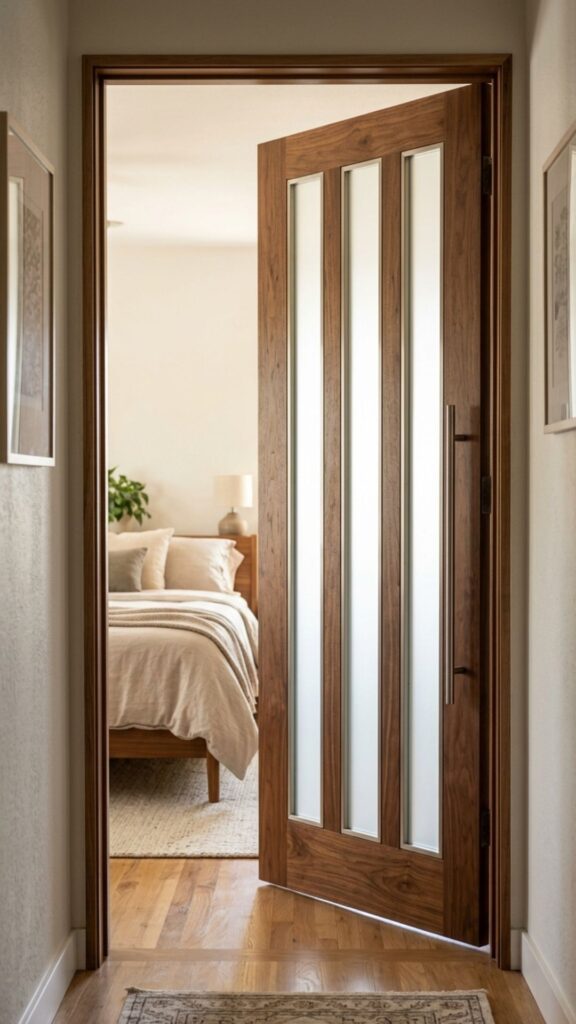
Combining materials gives your door a designer edge. Think a wood frame with a metal grid, or a painted panel paired with a glass insert. Mixed materials add interest and help the door coordinate with other finishes in the room.
Pull a metal accent from your light fixtures or hardware and repeat it in the door. This kind of repetition makes the whole space feel pulled together. Keep the combinations to two materials so the look stays clean rather than busy.
13. Choose Sliding Glass for an Ensuite or Balcony
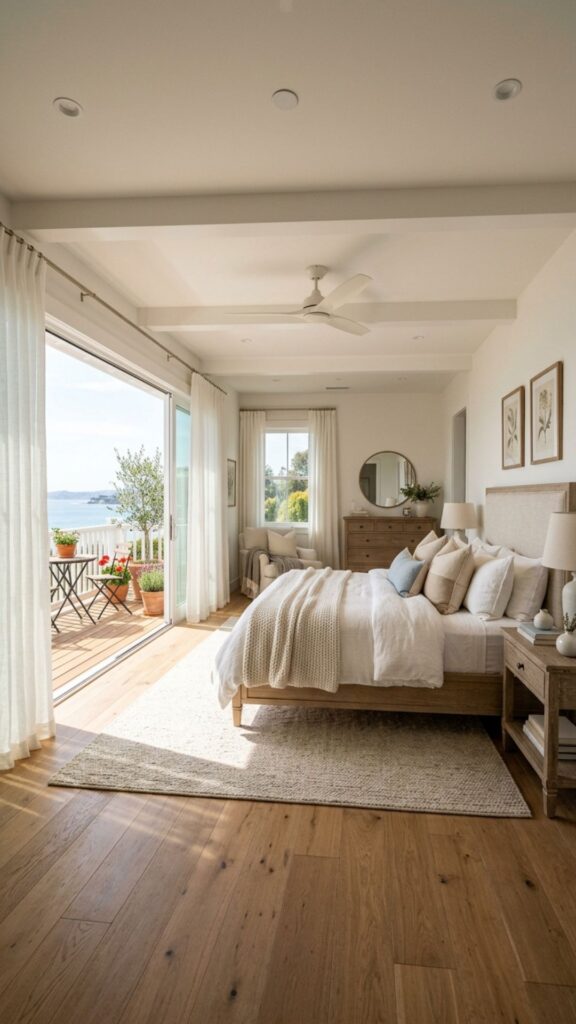
If your master bedroom opens to a balcony or ensuite, sliding glass doors flood the space with light and create a seamless flow. They make a room feel bigger and connect you to the view outside.
Look for double-glazed glass to control temperature and reduce noise from outside. Add sheer curtains or blinds for privacy when you want it. This bedroom door design suits modern homes and any room that craves more daylight.
14. Refinish an Outdated Door Instead of Replacing It
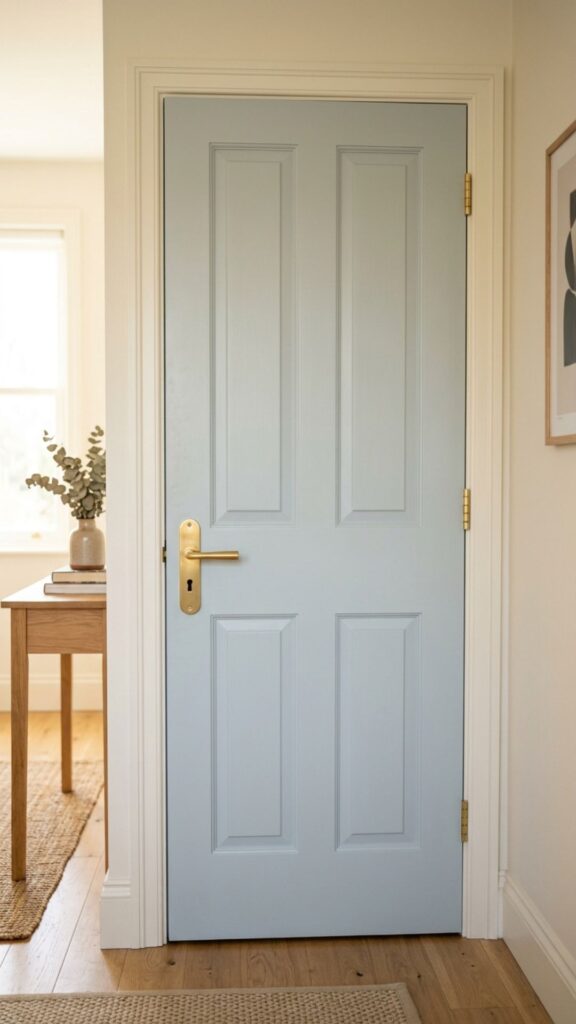
You don’t always need a new door to fix a dated one. Sanding, filling old hardware holes, and repainting can transform a tired door for very little money. It’s the most budget-friendly upgrade on this list.
Strip off chipped paint, smooth the surface, and finish with a fresh color or wood stain. Swap the hinges and handle while you’re at it. The difference is dramatic, and you’ll save the cost of a full replacement.
15. Add Texture with a Fluted or Reeded Door
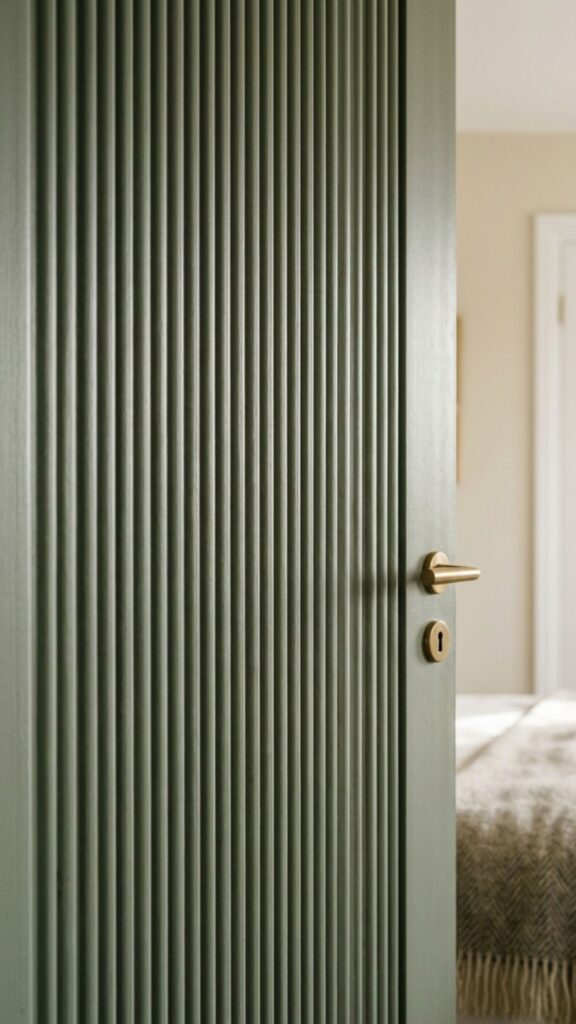
Fluted doors feature vertical grooves that catch light and shadow, adding subtle texture without bold color. They feel current and tactile, giving a master bedroom a quiet sense of luxury.
You can buy fluted doors ready-made or apply slim trim strips to a flat door yourself. Paint them in a soft neutral so the texture, not the color, does the talking. This look pairs especially well with modern and Japandi-style interiors.
16. Match the Door to Your Trim and Decor
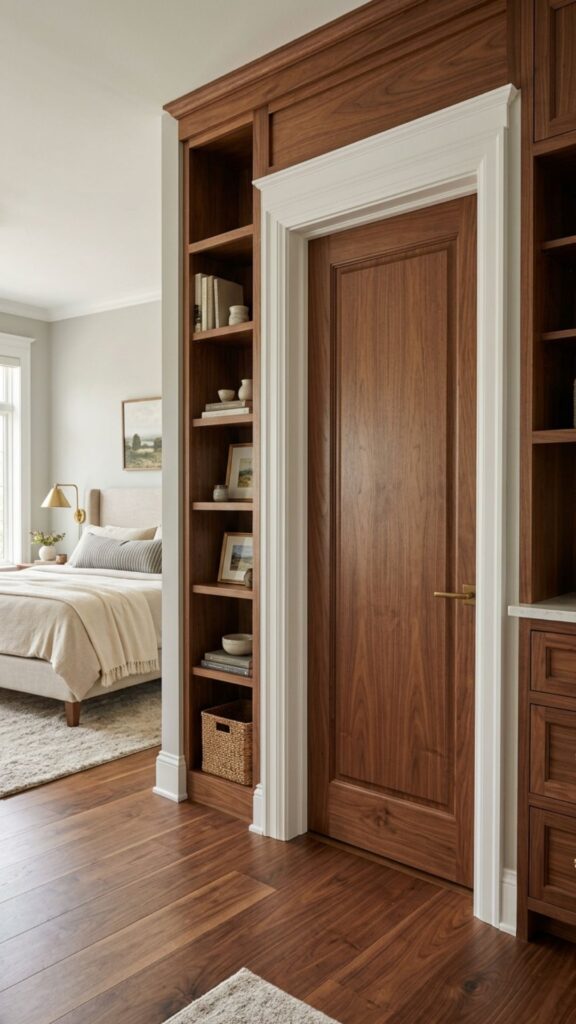
A door that clashes with the rest of the room pulls the whole space down. Matching the door’s color or style to your trim, flooring, or built-ins creates a cohesive, considered look.
If your trim is crisp white, a white door blends in seamlessly. Prefer contrast? Match the door to your furniture wood tones instead. The goal is for the door to feel like part of the room, not an afterthought.
17. Choose Low-Maintenance Materials
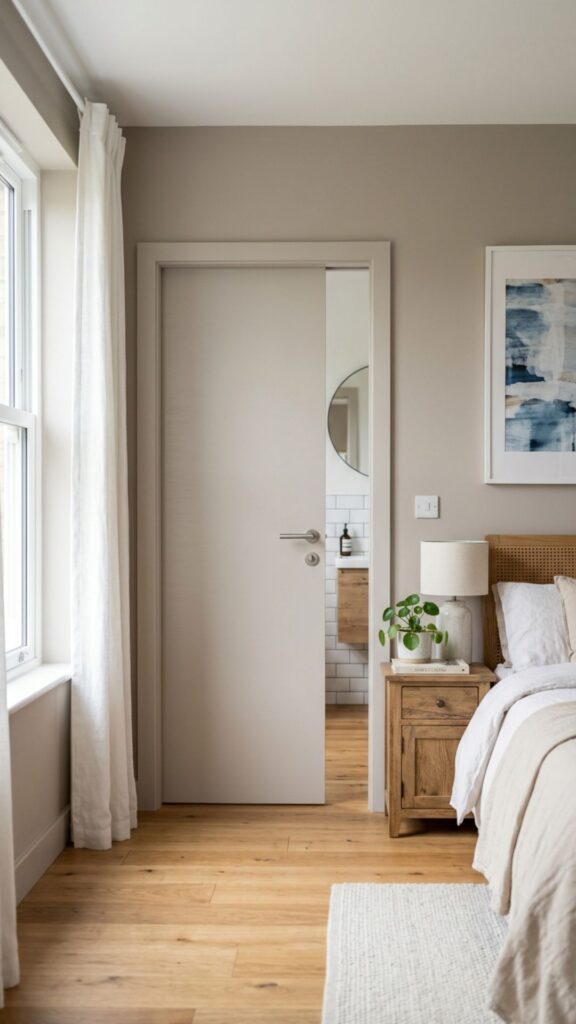
If you’d rather not fuss over upkeep, material matters. Solid wood looks beautiful but can warp or need refinishing. Engineered wood, MDF, and primed composite doors resist moisture and hold paint well with little effort.
For humid climates or ensuite-adjacent doors, moisture-resistant materials are the safer bet. Wipe-clean painted finishes also beat raw wood for everyday practicality. A little planning here saves you headaches down the road.
18. Install French Doors for Light and Elegance
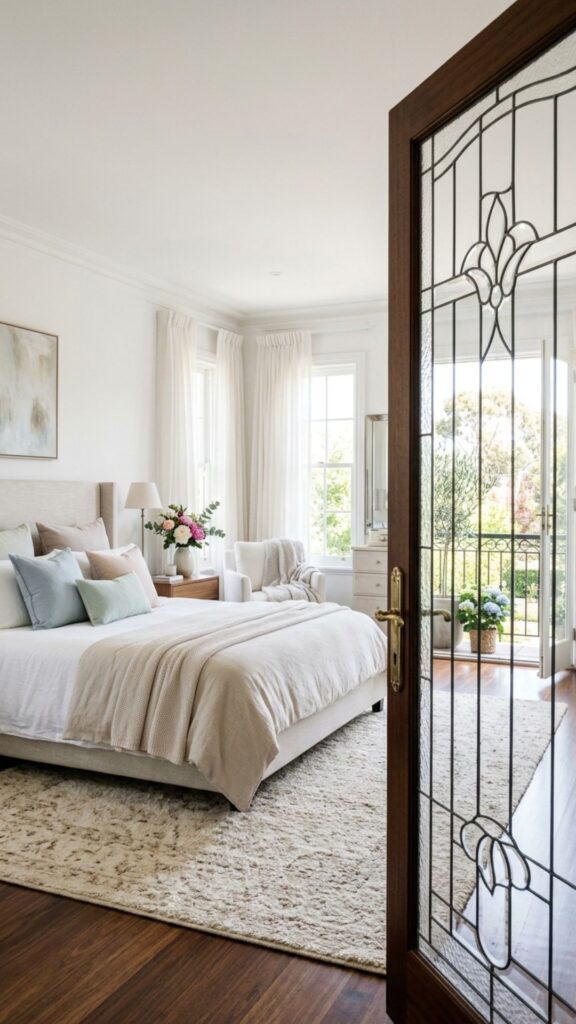
French doors pair two glass-paneled doors for a classic, airy look. They suit master bedrooms that open onto a sitting area, garden, or balcony, flooding the room with daylight while adding instant elegance.
For privacy, choose frosted glass or pair clear panes with curtains. French doors do swing into the room, so plan your furniture layout around the arc. In the right setting, they turn an ordinary entrance into a showpiece.
19. Add a Decorative Door Knob or Handle
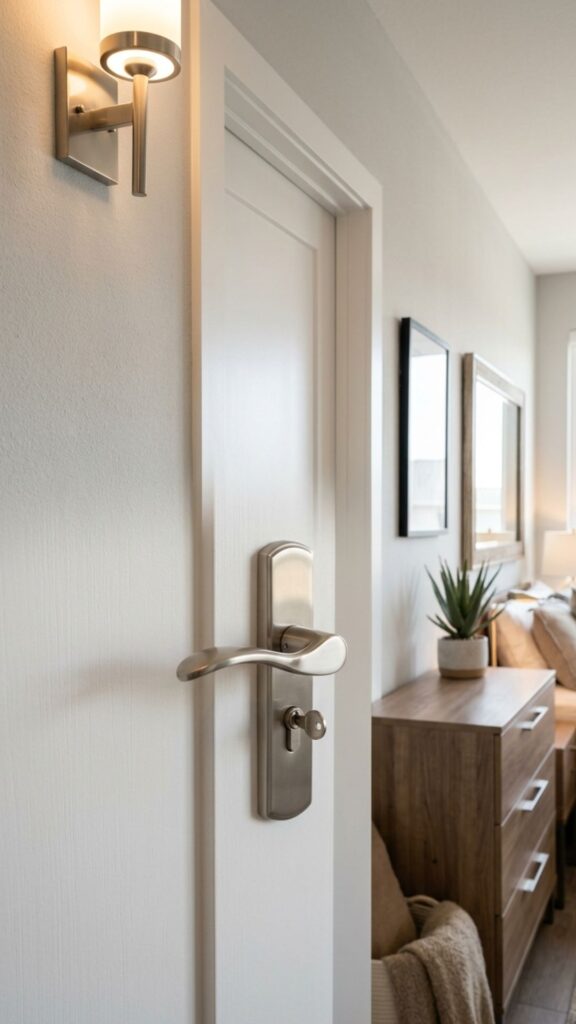
Hardware is the jewelry of a door. The right knob or lever can lift even a plain door, while dated, mismatched hardware drags the whole look down. It’s a small change with a big payoff.
Choose a finish that echoes your other fixtures, such as brushed brass, matte black, or aged bronze. Pick a style that fits your room, whether sleek and modern or vintage and ornate. Then repeat that finish elsewhere for a unified feel.
20. Try a Hidden or Jib Door for a Seamless Look
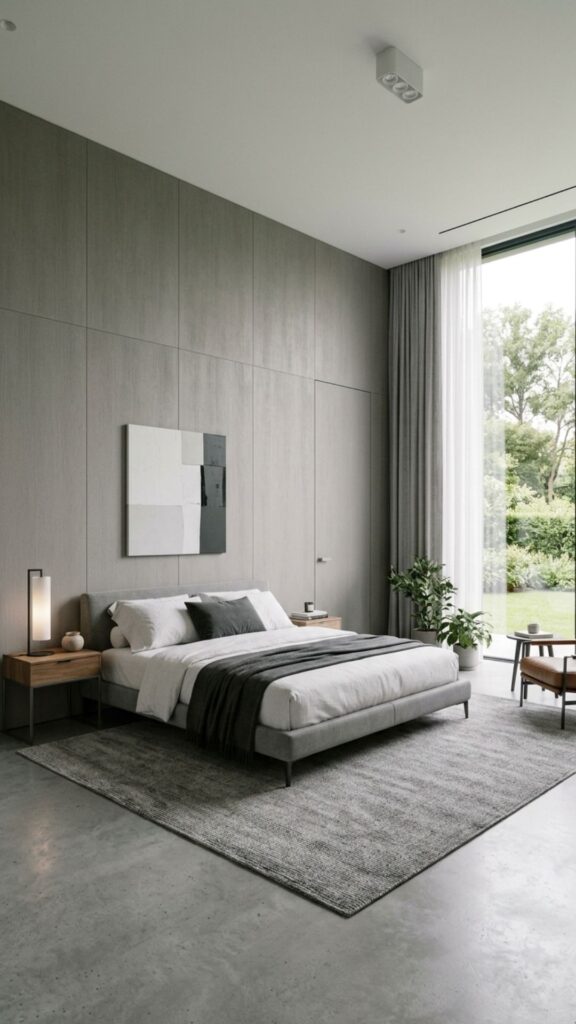
A jib door sits flush with the wall and is finished to match it, so it nearly disappears. This creates a clean, uninterrupted look and works well for hiding an ensuite or walk-in closet entrance.
Hidden doors require precise installation but reward you with a streamlined, modern feel. Carry the wall color or paneling straight across the door so the seam vanishes. It’s a designer trick that makes a master suite feel calm and custom.
Conclusion: Pick a Door That Works as Hard as It Looks
The best bedroom door design balances looks with function. It blocks noise, protects your privacy, suits your space, and ties into your decor. You don’t need a big budget to get there, since a fresh coat of paint or new hardware can transform a tired door overnight.
Start with the pain point that bothers you most, whether it’s noise, a dark room, or wasted floor space. Measure your opening, set a budget, and choose one idea to tackle this month. Your master bedroom will feel more private, polished, and personal as a result.
What is the best door for a master bedroom?
A solid-core door is usually the best choice for a master bedroom because it blocks sound well and feels substantial. If space is tight, a barn door or pocket door saves floor area, while glass-panel doors help brighten darker rooms.
How can I make my bedroom door more soundproof?
Choose a solid-core door, seal the gaps around the frame, and add a sweep along the bottom. These three steps together block most everyday noise. A heavier door with a tight seal makes the biggest difference.
What door saves the most space in a small bedroom?
A pocket door saves the most space because it slides into the wall and takes no floor area. A sliding barn door is the next best option and is easier to install since it doesn’t require opening up the wall.
How do I update an old bedroom door on a budget?
Sand and repaint the door in a bold or neutral color, fill any old hardware holes, and swap the handle and hinges. This refresh costs little and makes a dated door look brand new without replacing it.
How do I get privacy with a glass bedroom door?
Use frosted or textured glass, which lets in light but blurs the view. You can also add curtains, blinds, or a film over clear glass. Pair the door with a quality privacy latch for full peace of mind.