Finding the right space to host family dinners or holiday gatherings often requires expanding your floor plan. A dedicated dining room addition transforms how you experience your home, offering a central hub for connection and celebration.
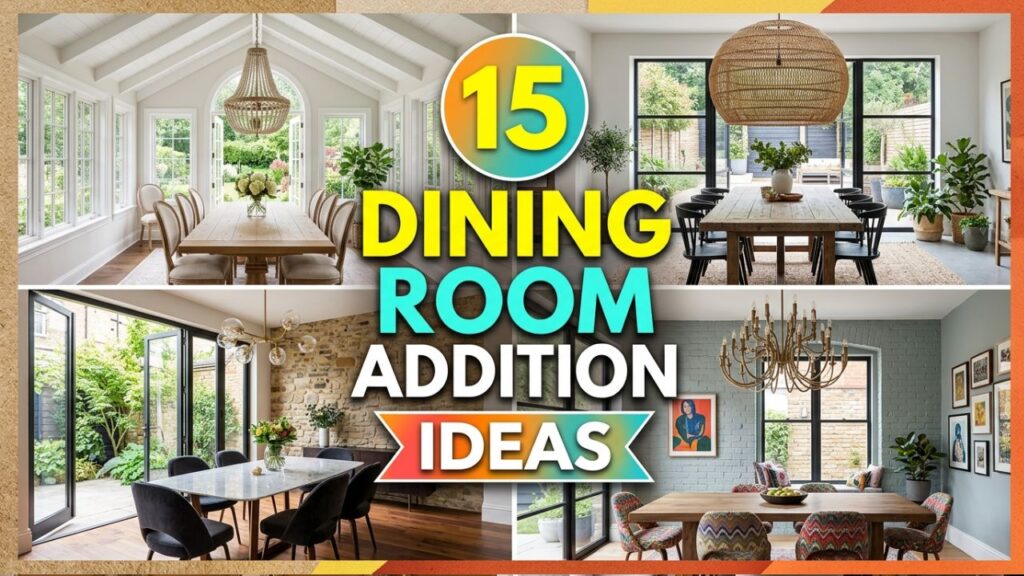
Whether you need a modest extension to fit a six-person table or a massive wing for entertaining dozens of guests, you have plenty of options. Homeowners often struggle to envision how a new room will blend with their existing layout. We will explore structural changes that fit seamlessly into your property while solving your space limitations.
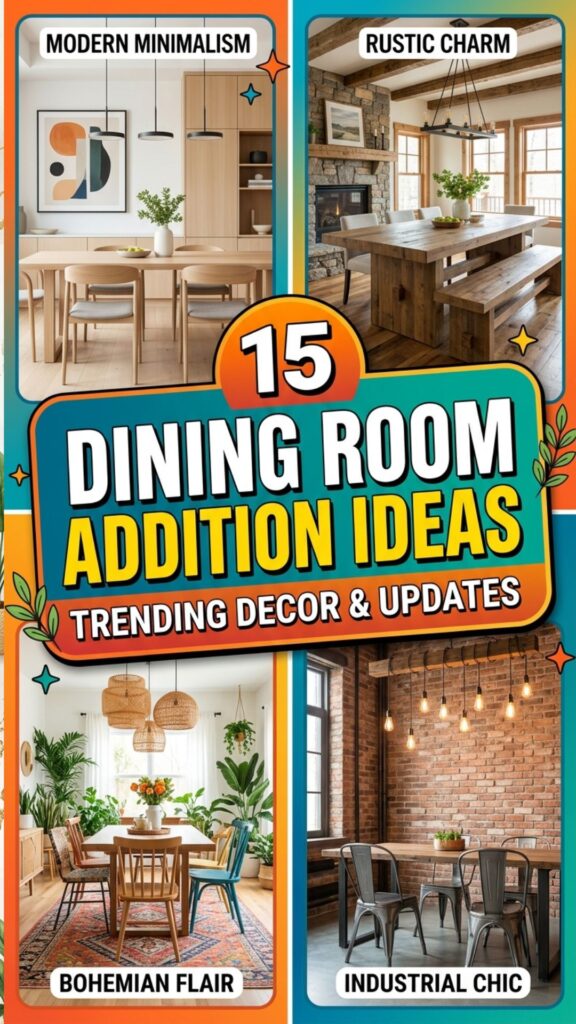
In this guide, you will discover 15 practical dining room addition ideas tailored for both small and large homes. You will learn about budget-friendly bump-outs, luxurious open-concept extensions, and clever conversions. Keep reading to find the exact inspiration you need to start planning your next major home improvement project.
1. The Classic Micro Bump-Out
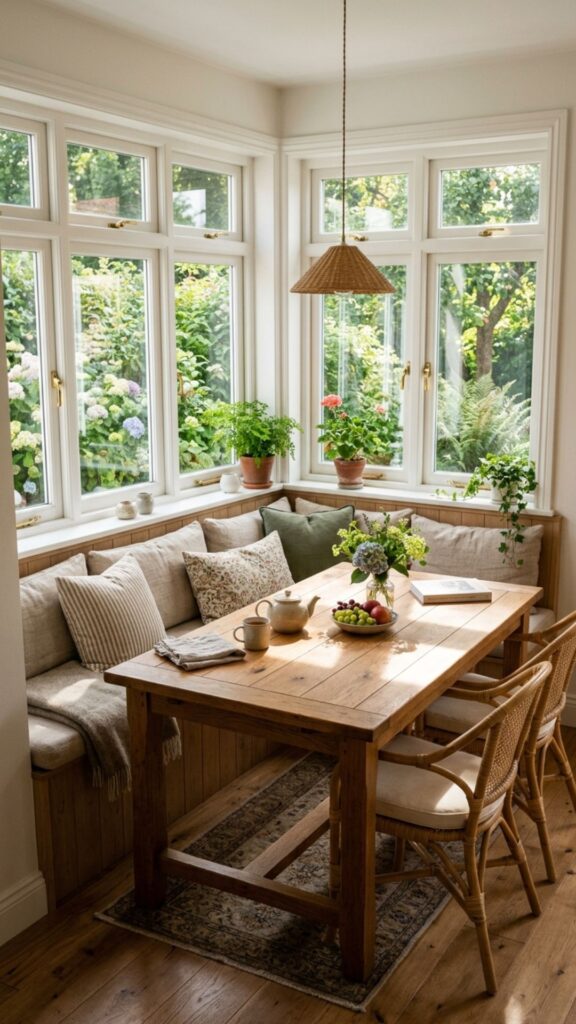
A micro bump-out adds a few extra square feet to your existing floor plan without requiring a massive foundation overhaul. This small dining room addition pushes an exterior wall outward by two to three feet. That extra sliver of space provides just enough room to accommodate a larger table or install a built-in banquette.
This approach works exceptionally well for homes with tight lot lines. You save money on roofing and foundation work while significantly improving the flow around your dining furniture. Adding a row of casement windows along the new bump-out also floods the space with natural light, making the area feel twice its actual size.
2. Glass-Enclosed Sunroom Extensions
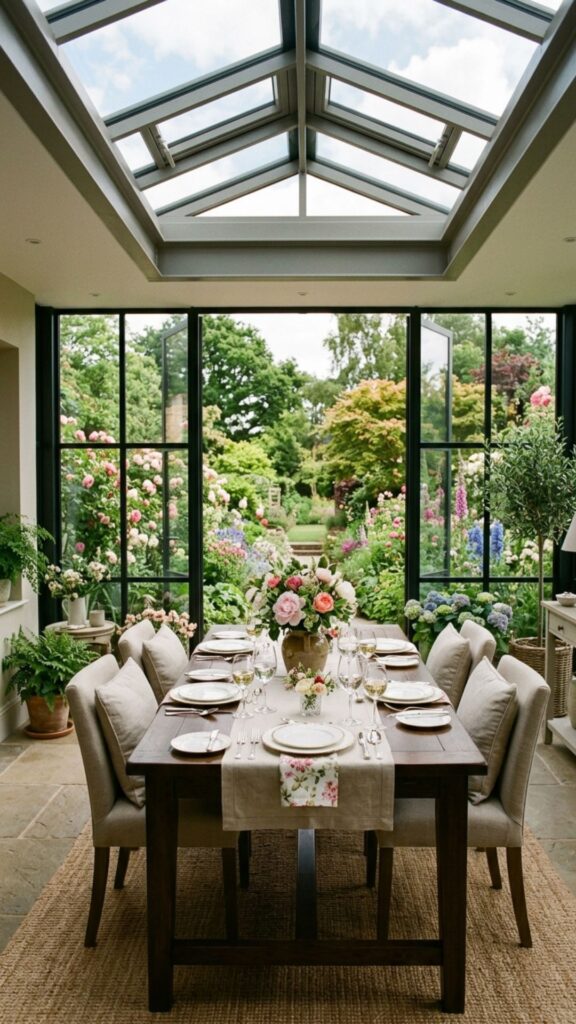
Building a sunroom specifically for dining creates a stunning architectural feature for your home. These structures rely on floor-to-ceiling windows and skylights to blend indoor comfort with outdoor views. You can enjoy your morning coffee or host evening dinner parties while surrounded by your backyard landscape.
For year-round use, ensure your contractor installs four-season insulated glass and ties the sunroom into your home’s HVAC system. Position your dining table in the center of the room, and use low-profile furniture to keep the sightlines clear. This setup turns every meal into a memorable, scenic event.
3. Open-Concept Kitchen Expansions
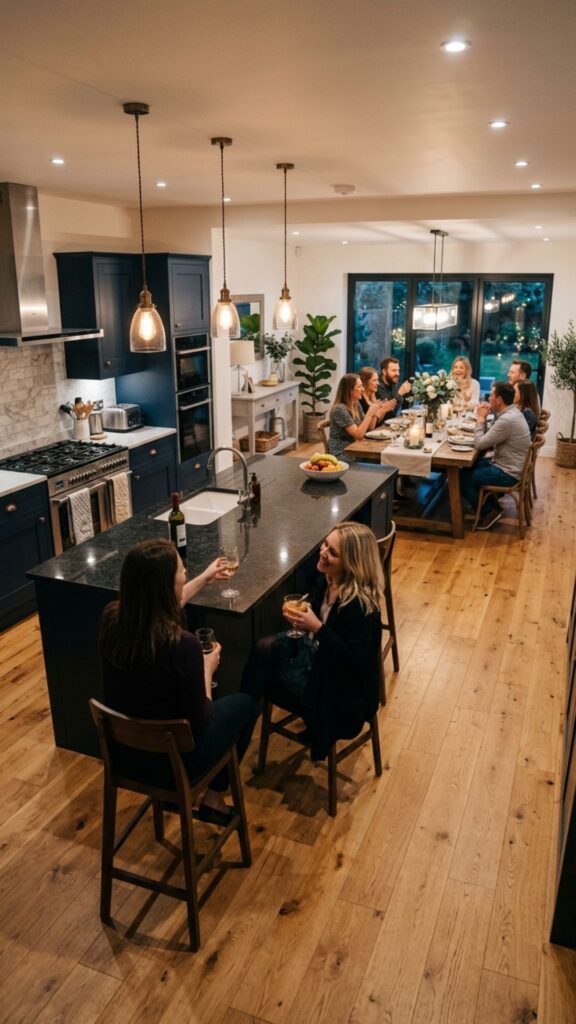
Instead of building a separate, closed-off room, many homeowners prefer extending their kitchen outward to create an open-concept dining area. This type of dining room addition removes the barrier between cooking and eating spaces. You gain a massive, unified zone where family members can socialize while food preparation takes place.
To make this work, you must carry the same flooring and trim details from the kitchen directly into the new dining space. Installing a large kitchen island with bar seating near the formal dining table provides flexible eating options. This layout proves highly functional for large gatherings, as guests can mingle freely between the two areas.
4. Wrap-Around Porch Conversions
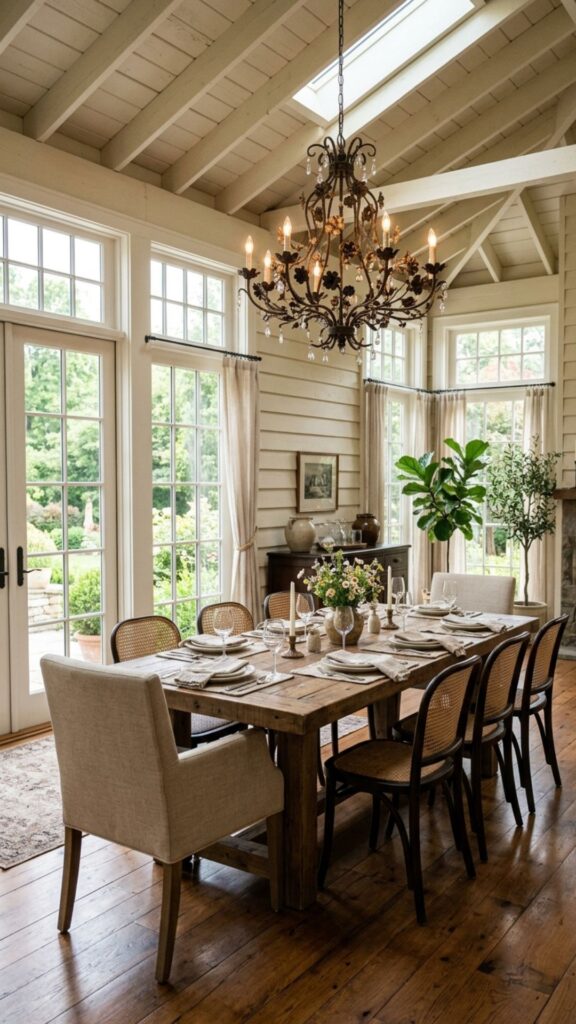
If your house features an underutilized wrap-around porch, converting a section of it into an interior dining space offers a highly efficient solution. Since the roof and foundation already exist, this project moves much faster than a traditional ground-up addition. Contractors simply frame the exterior walls, add insulation, and install windows.
This method retains the historic charm of older homes while delivering modern functionality. You can keep the original exterior siding on one wall as an exposed architectural accent. Finish the space with hardwood floors and a statement chandelier to elevate the room from a former porch to an elegant dining destination.
5. The Grand Formal Dining Wing
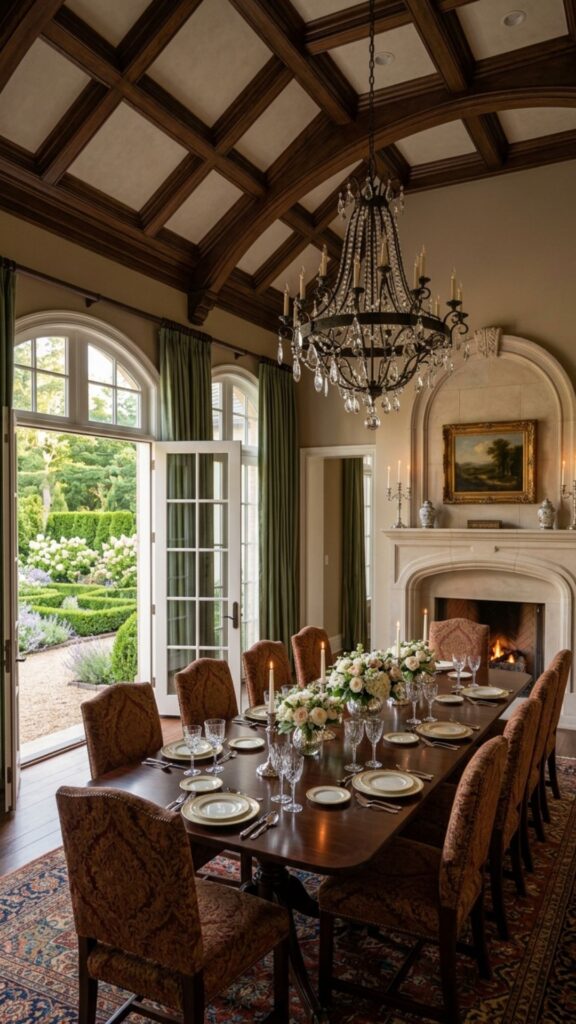
Owners of large homes often want a dedicated wing designed purely for extravagant entertaining. A grand formal dining room addition features high ceilings, custom millwork, and enough square footage to seat twenty or more guests. This project usually requires a substantial foundation extension and careful architectural planning to match the home’s primary exterior.
Luxury Details to Include
When designing a large-scale wing, incorporate specialized features like a butler’s pantry or a built-in wine cellar just off the main room. Install oversized French doors that open out onto a patio for seamless post-dinner socializing. Adding a fireplace at the far end of the room creates a striking focal point that anchors the massive space.
6. Garage Conversions for Entertaining
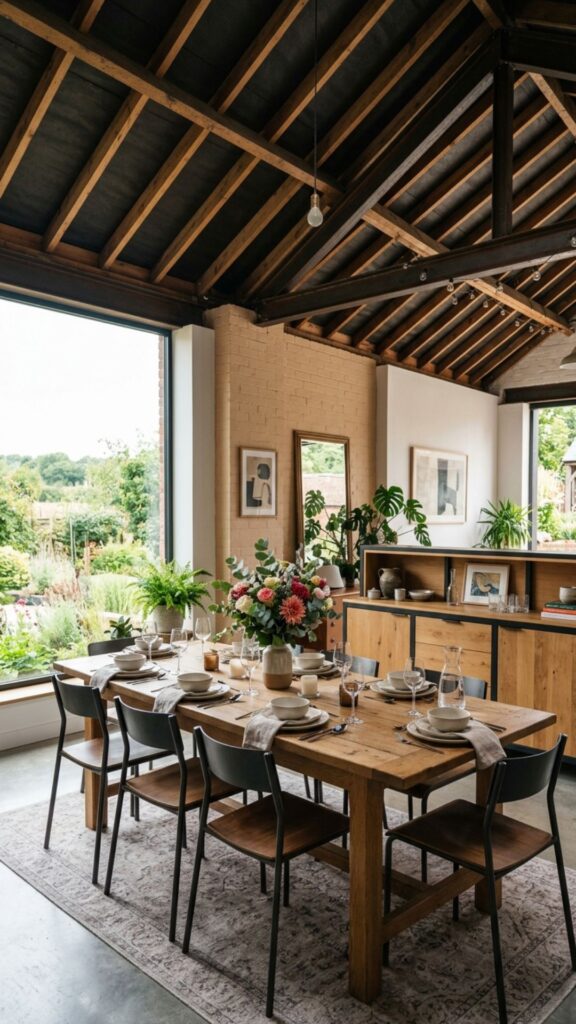
Converting an attached garage offers a brilliant way to gain a large dining space without altering your home’s footprint. Garages typically sit right next to the kitchen, making the plumbing and traffic flow transitions incredibly straightforward. By replacing the garage doors with large picture windows, you instantly modernize the exterior.
To ensure the space feels like a true dining room, you must level the floors and add proper insulation to the walls and ceiling. Many homeowners choose to leave the ceiling exposed, painting the rafters and ductwork for an industrial-chic aesthetic. This wide-open layout easily accommodates extra-long dining tables and accompanying buffet cabinets.
7. Seamless Indoor-Outdoor Dining Spaces
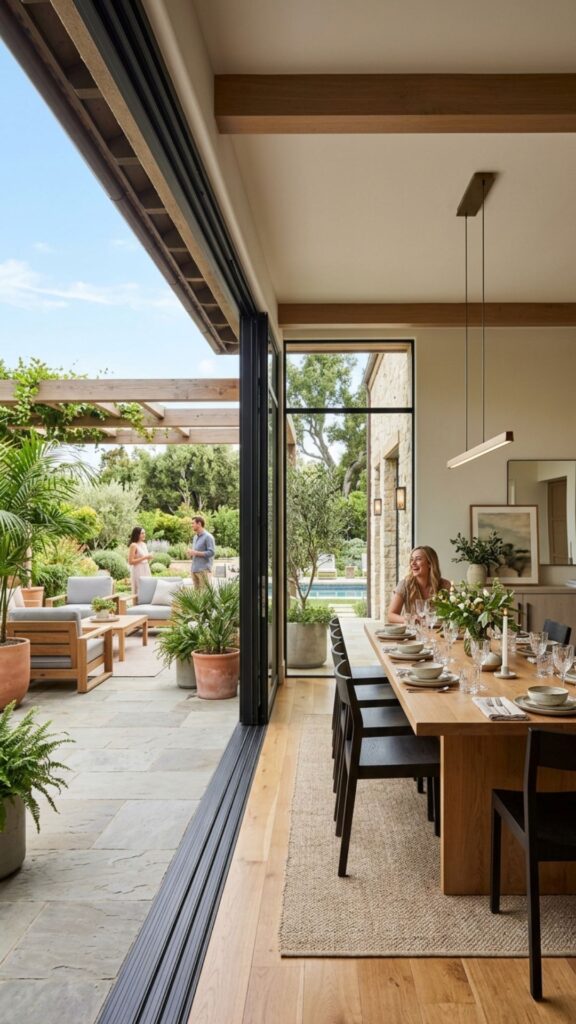
Modern architecture heavily favors additions that erase the boundary between the interior and the backyard. Building a dining room extension equipped with folding glass walls allows you to open the entire room to the outside during warm weather. This concept works beautifully for homeowners who love hosting summer barbecues.
Ensure your patio flooring sits completely flush with your indoor dining room floor to create one continuous surface. Choose durable, weather-resistant materials like slate or luxury vinyl plank that can handle occasional moisture. When the glass walls are pushed back, your dining capacity instantly doubles.
8. Bay Window Breakfast Nooks
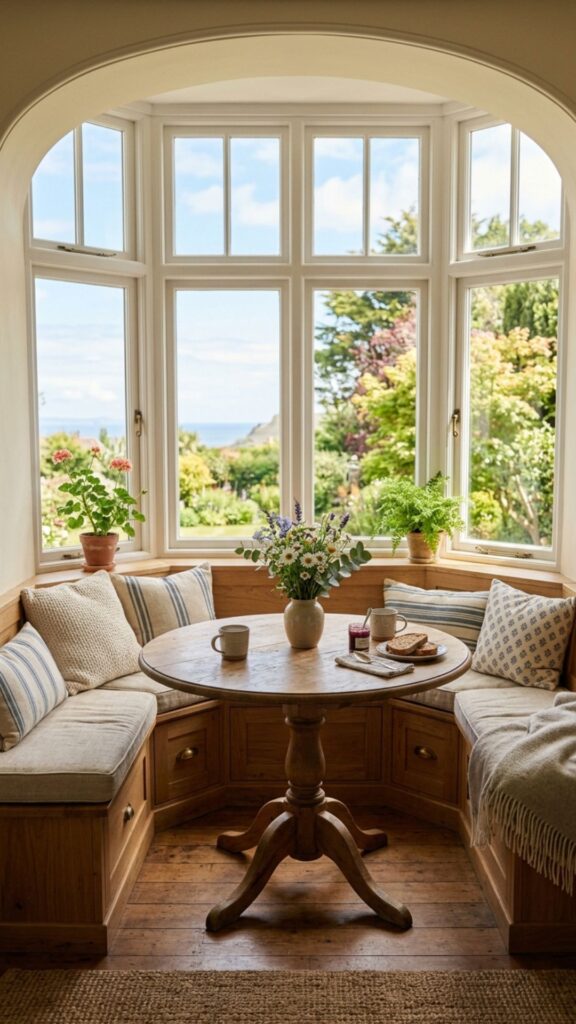
For small homes, adding a cantilevered bay window provides a highly affordable way to create a dedicated eating area. The window structure hangs off the side of the house, meaning you do not need to pour a new foundation footing. This modest dining room addition perfectly houses a round table and custom bench seating.
Maximize the utility of this space by building hidden storage compartments directly beneath the bench seats. You can store extra table linens, holiday decor, or rarely used kitchen appliances out of sight. Keep the window treatments minimal to ensure maximum sunlight filters into your new cozy nook.
9. Rear Home Extensions with Vaulted Ceilings
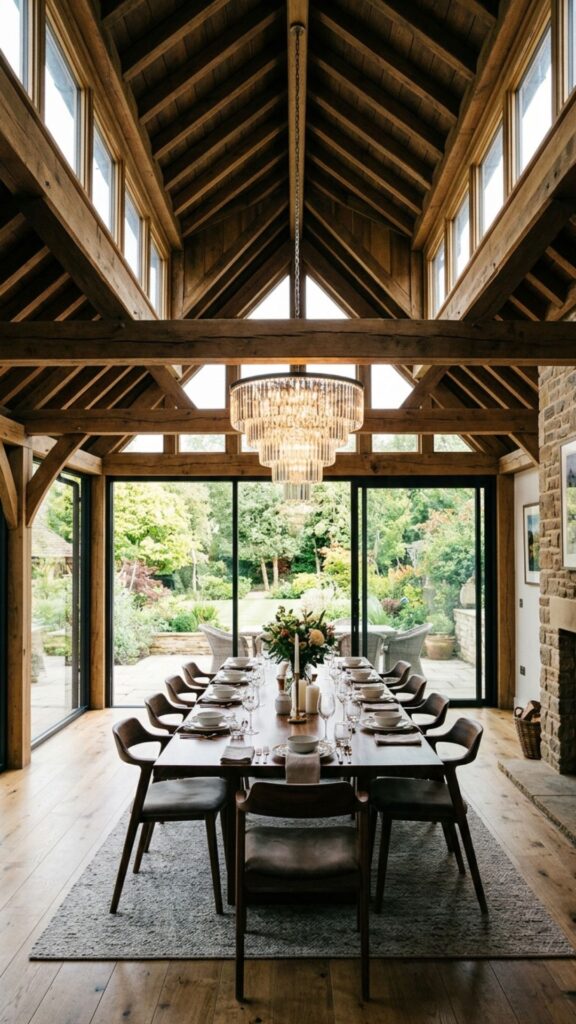
Pushing the back of your house out by ten to fifteen feet allows you to construct a dramatic dining room with vaulted ceilings. The increased ceiling height makes the addition feel incredibly spacious, even if the actual square footage remains relatively modest. Adding exposed timber beams across the vault brings warmth and character to the room.
Hang a large, multi-tiered chandelier from the highest point of the ceiling to highlight the architectural volume. You can also install high clerestory windows near the roofline to let hot air escape and bring in natural light without sacrificing privacy. This design immediately becomes the most visually impressive room in the house.
10. Basement Level Dining Remodels
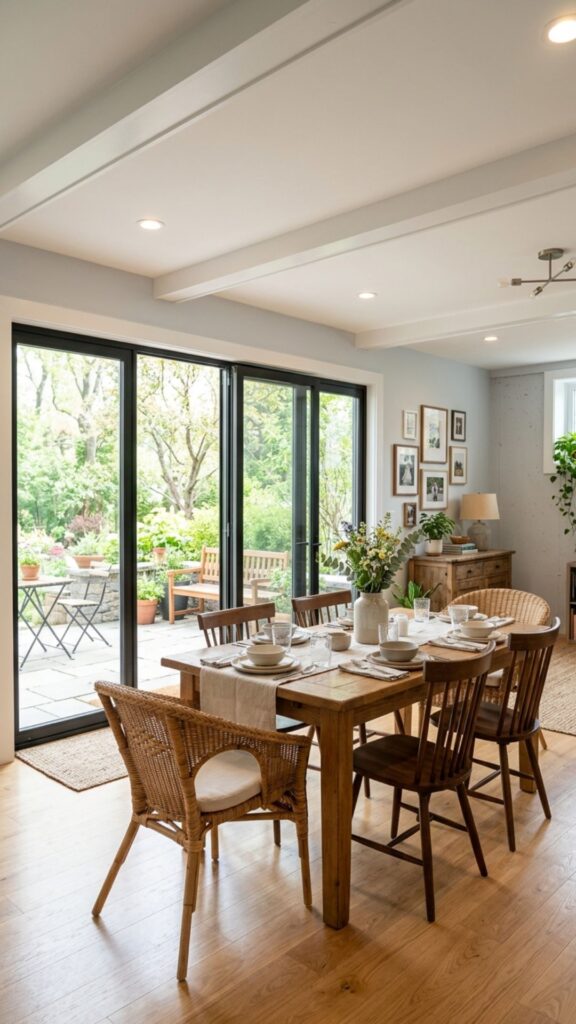
If you have a walk-out basement, extending the lower level outward creates a highly private dining enclave. This type of dining room addition often accompanies a larger basement renovation, tying into a second kitchen or an entertainment bar. It offers a cool, shaded place to host dinners during the sweltering summer months.
Because basement areas naturally lack light, incorporate expansive sliding glass doors that lead directly to the backyard. Use light-colored paint on the walls and install abundant recessed lighting to keep the space feeling bright and welcoming. This setup works perfectly as a secondary dining area for hosting game nights or casual weekend brunches.
11. Side Yard Infill Additions
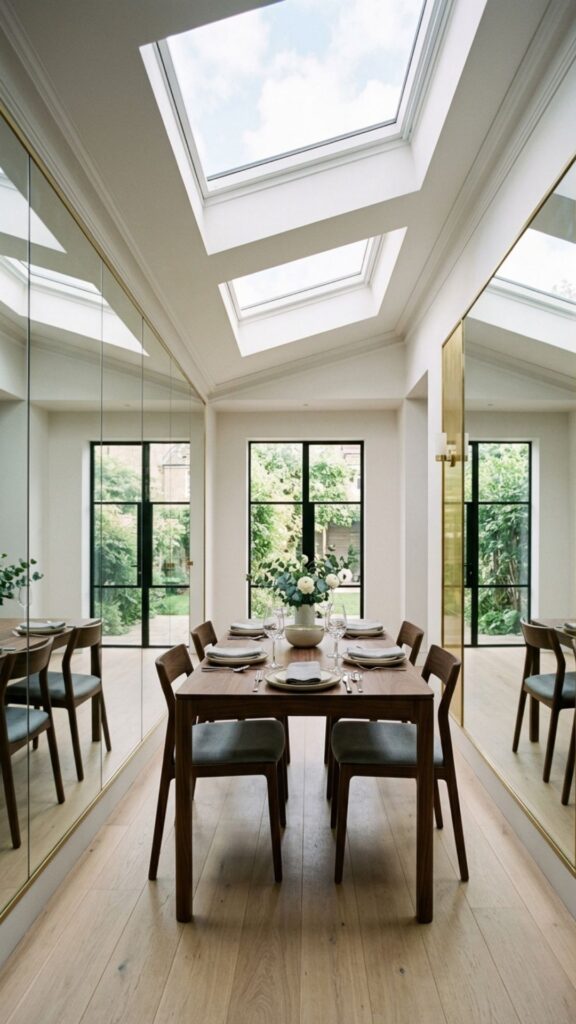
Many homes feature wasted space along the side of the property between the house and the fence line. A side yard infill addition reclaims this dead zone, transforming a narrow strip of land into a highly functional, galley-style dining room. This linear space perfectly accommodates rectangular tables and slim profile chairs.
Because you are building close to the property line, you may need to rely on skylights rather than side windows for natural light. Use mirrored wall panels to visually double the width of the room and reflect light throughout the space. This clever expansion allows you to upgrade your home’s capacity without sacrificing your backyard lawn.
12. Second-Story Dining Lofts
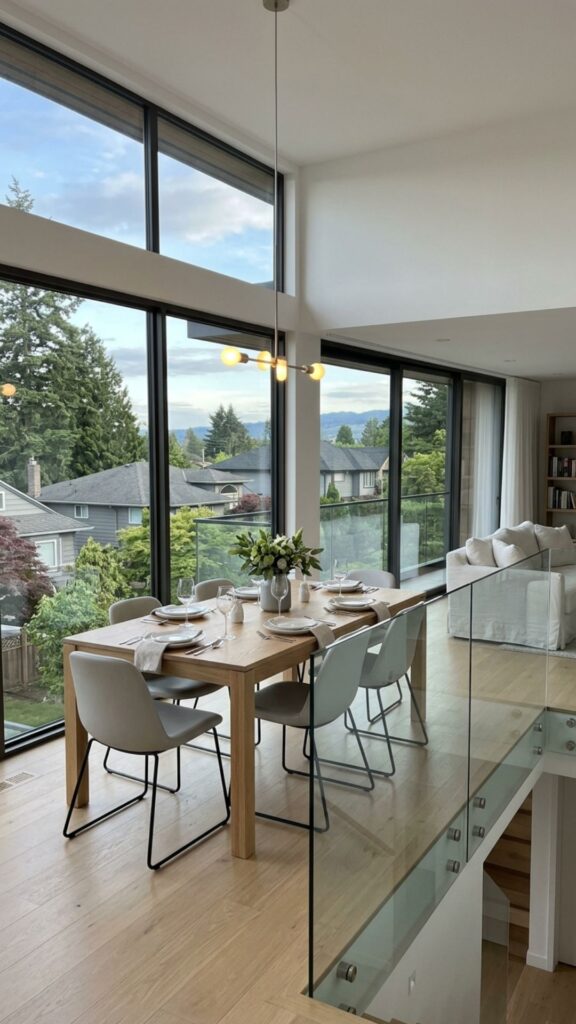
If your lot size strictly prohibits ground-level expansion, look up. Building a second-story dining room addition over an existing garage or single-story wing captures entirely new square footage. This elevated perspective often provides excellent views of your neighborhood or surrounding landscape.
You will need an architect to ensure your existing walls and foundation can support the weight of a second story. Keep the interior design airy and loft-like, using glass railings if the dining area overlooks a staircase or lower living room. This unique approach turns mealtime into an exclusive, high-altitude experience.
13. Repurposed Attic Spaces
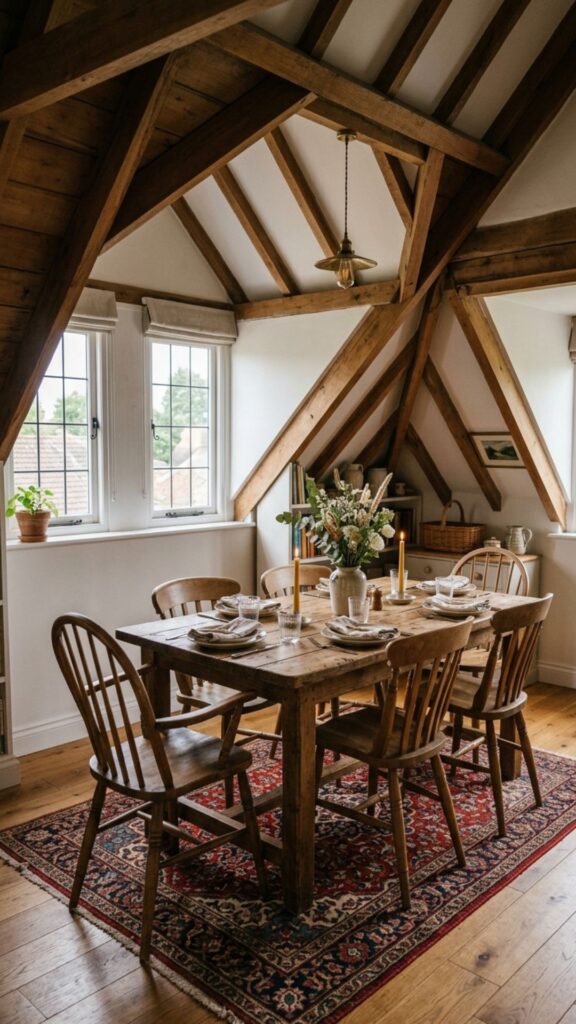
Similar to a second-story addition, finishing a large attic provides a distinct and private area for an expansive dining room. Contractors can add large dormer windows to raise the roofline and increase the usable headroom. This creates a charming, vaulted space characterized by interesting angles and historic appeal.
Soundproofing the floor is critical when placing a dining room above the main sleeping or living areas. Install plush area rugs under the table and use acoustic underlayment beneath hardwood flooring to dampen the noise of chairs scraping. This secluded dining space feels like a hidden retreat within your own home.
14. Cantilevered Dining Room Additions
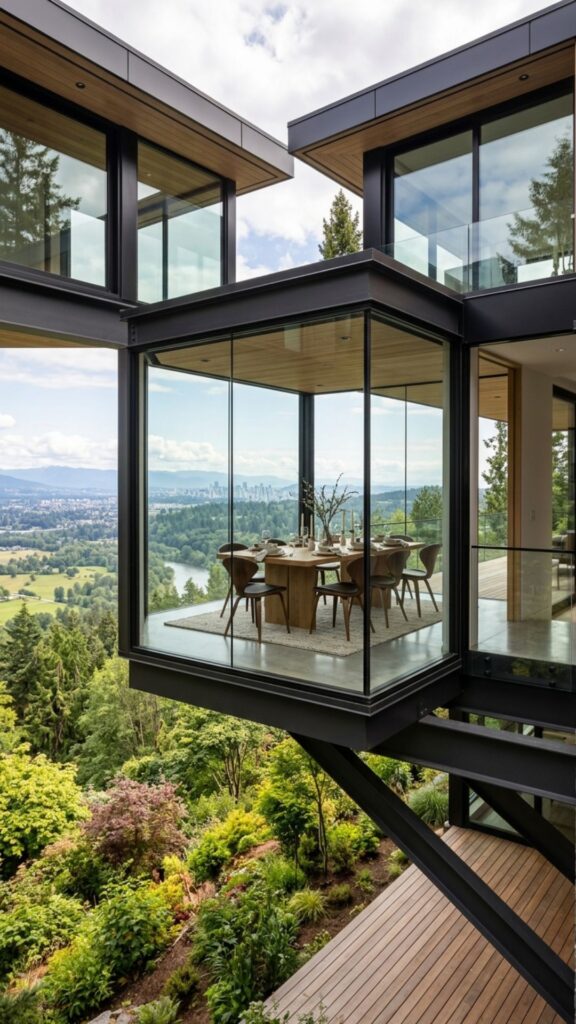
A cantilevered addition extends outward from the home’s second floor, hovering above the ground without vertical support posts. This engineering marvel creates dramatic visual interest while adding just enough interior space to fit a modest dining room. It requires sophisticated structural framing, tying heavy joists deeply into the existing home.
Inside, the floating sensation makes dining feel incredibly unique, especially if you install floor-to-ceiling glass on the outward-facing wall. This method perfectly solves space constraints for homes built on steep hillsides or uneven terrain. You gain a highly modern dining room while leaving the landscaping below completely untouched.
15. Freestanding Dining Pavilions
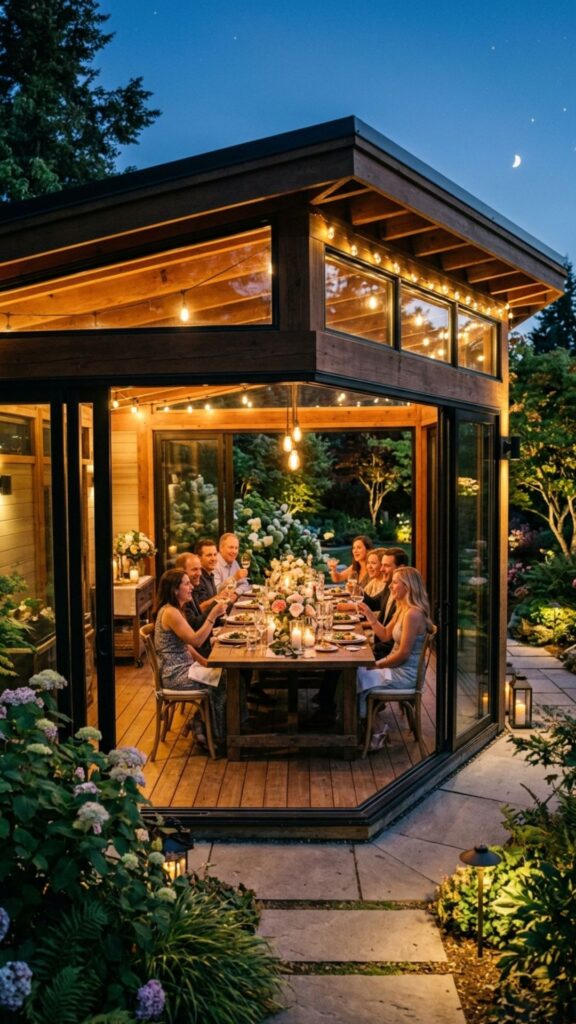
For ultimate luxury, skip the traditional attached room and build a freestanding dining pavilion in your backyard. This separate structure acts as a private destination just steps away from your back door. Connected to the main house by a covered breezeway or a paved path, it completely separates the dining experience from daily household noise.
Equip the pavilion with a dedicated sub-panel for electricity, allowing you to install climate control and high-end lighting fixtures. Many homeowners design these structures with sliding barn doors or large glass panels on all four sides. It serves as an awe-inspiring venue for Thanksgiving dinners, anniversary parties, and milestone celebrations.
Start Planning Your New Dining Space
A thoughtfully designed dining room addition expands your home’s functional space and creates an inviting environment for hosting family and friends. From simple bump-outs to grand entertaining wings, the right design will perfectly match your budget and lifestyle needs.
Do not let a cramped floor plan prevent you from enjoying comfortable meals at home. Review your property lines, determine your budget, and contact a licensed local contractor today to discuss which addition makes the most sense for your home.
How much does a dining room addition cost?
Costs vary widely based on size, location, and materials. A simple micro bump-out might cost between $15,000 and $30,000. A full-scale, ground-up dining room addition can range from $50,000 to over $100,000 depending on foundational needs and luxury finishes.
Do I need a permit for a dining room addition?
Yes, expanding your home’s footprint or altering structural walls requires permits from your local building authority. Your contractor will typically handle the permitting process to ensure all plumbing, electrical, and structural work meets local safety codes.
How long does it take to build a dining room addition?
A standard room addition usually takes three to four months to complete once construction begins. Minor bump-outs or porch conversions can be finished in just a few weeks. The timeline largely depends on weather conditions and material availability.
Does a dining room addition add value to my home?
Yes, adding livable square footage almost always increases your home’s resale value. Buyers place a high premium on dedicated entertaining spaces, making a well-designed dining room addition a strong return on investment when it comes time to sell.