A small living room isn’t a design problem. It’s an invitation to get clever. I’ve spent years helping friends, family, and clients rework tight spaces, and the truth is that the coziest, most stylish rooms I’ve ever seen were also some of the smallest. The secret isn’t spending more money. It’s making smarter choices about what goes where.
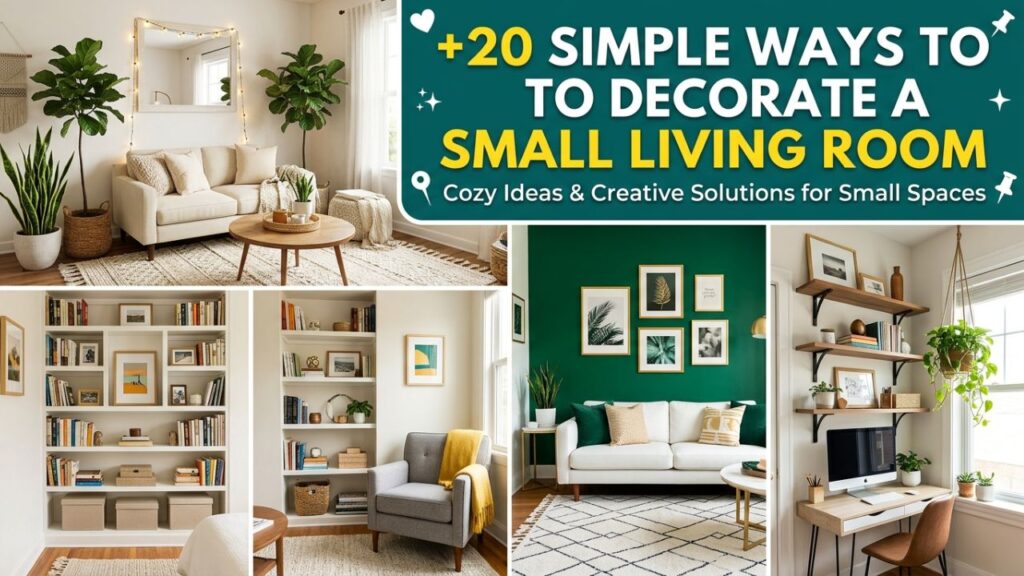
If your living room feels cramped, cluttered, or just a little “blah,” you’re in the right place. Below you’ll find 20 simple small living room decor ideas you can actually use this weekend.
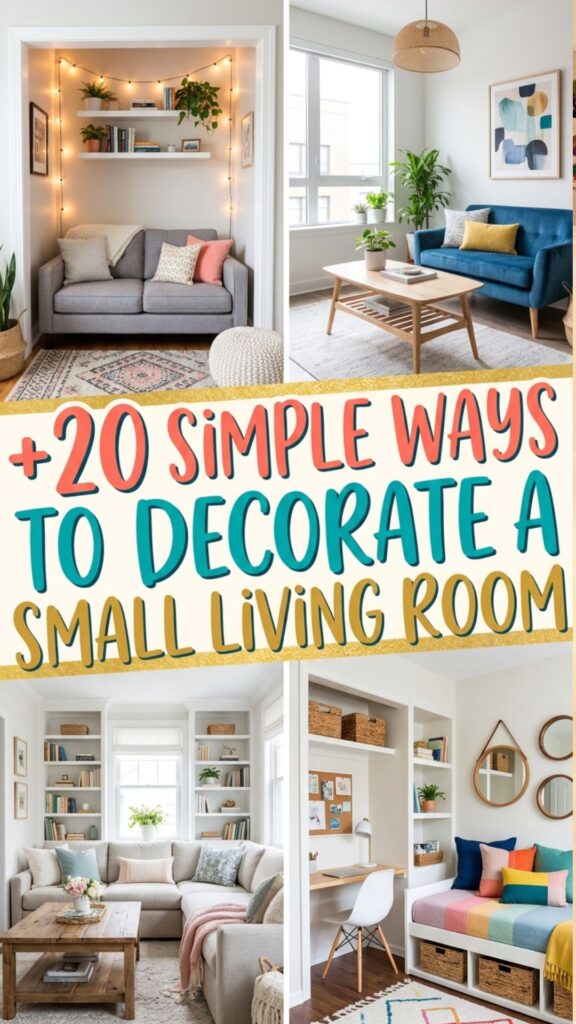
Some cost nothing. Others involve a quick trip to the store. All of them work. Let’s turn that tight square footage into a space you love coming home to.
1. Choose a Light, Airy Color Palette
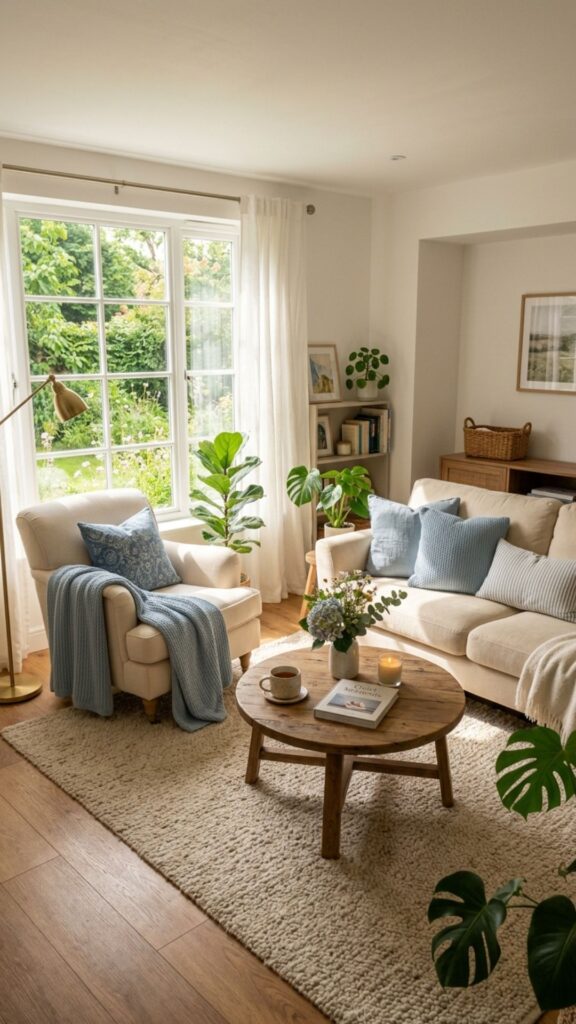
Color does more heavy lifting than any piece of furniture in a small room. Soft whites, warm creams, pale grays, and gentle blues bounce light around and make walls feel like they’re stepping back. When I painted a client’s cramped den a warm off-white, she swore we’d knocked down a wall. We hadn’t.
You don’t have to go stark and clinical, though. Pick a light base color, then layer in warmth through textures and small pops of accent color. Think a soft beige sofa with a rust-colored throw pillow. The light backdrop keeps things open while the accents give the room personality.
2. Use Mirrors to Double the Space
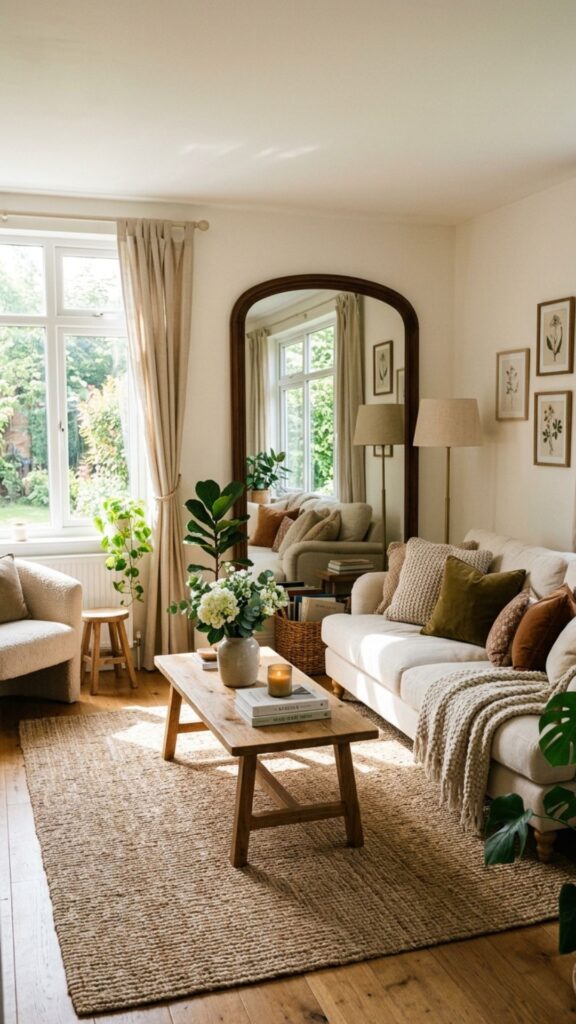
A well-placed mirror is the oldest trick in the book, and it still works beautifully. Mirrors reflect both natural and artificial light, instantly making a room feel brighter and roughly twice as deep. Hang a large mirror opposite a window and watch the whole room open up.
For the biggest impact, go big with one statement mirror rather than scattering several small ones. A large floor mirror leaning against a wall adds height and drama without taking up usable floor space. It’s an easy, affordable fix that pays off every single day.
3. Pick Multi-Functional Furniture
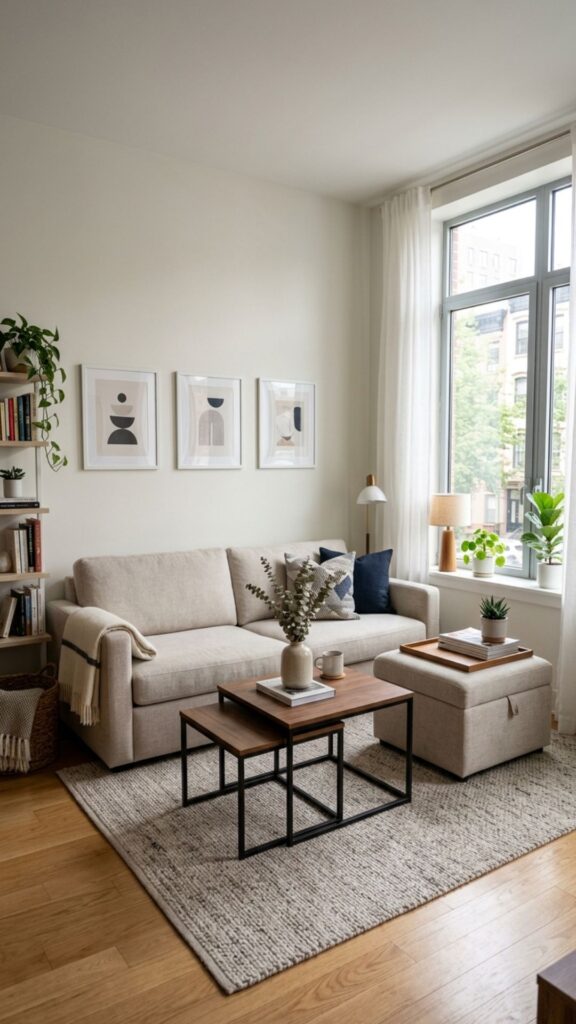
When square footage is tight, every piece should earn its keep. A storage ottoman gives you a footrest, extra seating, and a hidden spot for blankets. A sofa bed handles overnight guests. A nesting coffee table tucks away when you don’t need the extra surface.
I always tell people to ask one question before buying anything: “Can this do two jobs?” If the answer is yes, it belongs in a small living room. This single habit reduces clutter and keeps your floor clear, which is the whole game in a compact space.
4. Float Furniture Away From the Walls
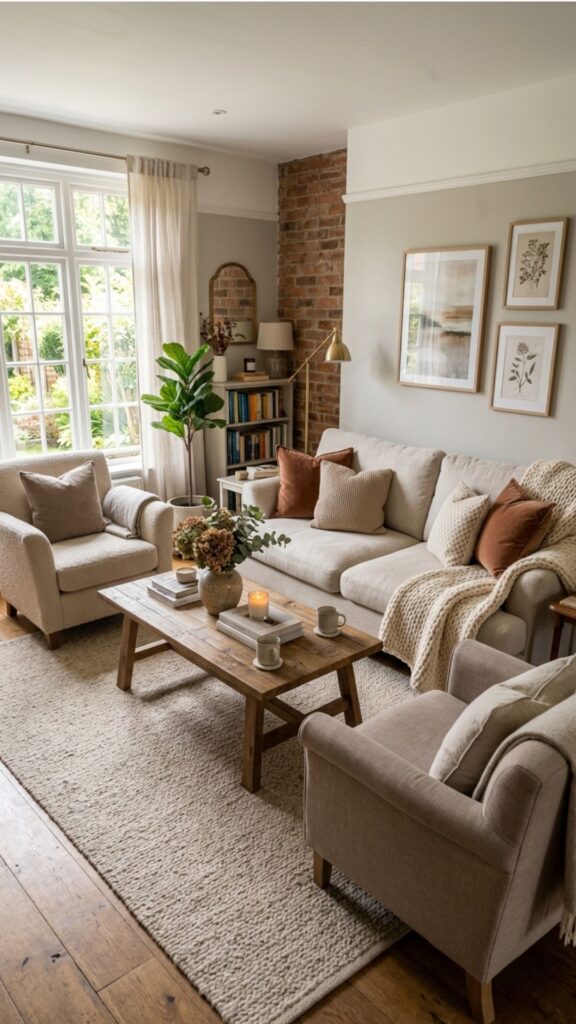
It sounds backward, but pushing everything against the walls often makes a room feel smaller and awkward. Pulling your sofa and chairs a few inches inward creates breathing room and a more intentional, grown-up layout. Even a small gap changes how the space reads.
This approach also improves flow. When furniture floats slightly, you create natural walking paths and cozy conversation zones. In a studio or open-plan setup, floating pieces can even define your living area without any walls at all.
5. Go Vertical With Storage
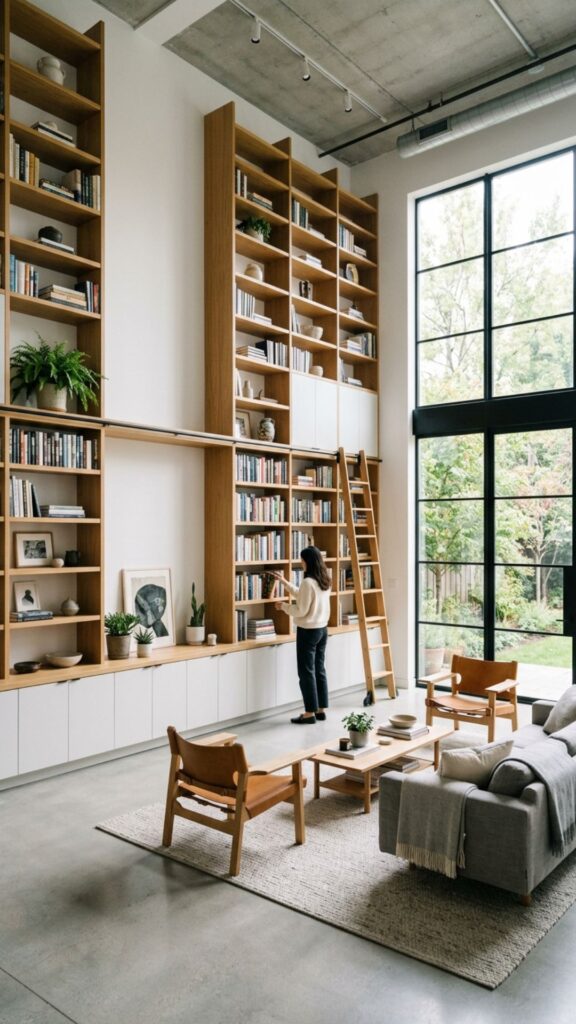
When you can’t build out, build up. Tall bookshelves, wall-mounted cabinets, and floating shelves draw the eye upward and take advantage of space you’re probably ignoring. This trick makes ceilings feel higher and frees up precious floor real estate.
Try installing shelves that reach close to the ceiling, then store rarely used items up top and keep everyday things within reach. A ladder shelf is another great option because its open, tapered design stores plenty without visually crowding the room.
6. Let in as Much Natural Light as Possible
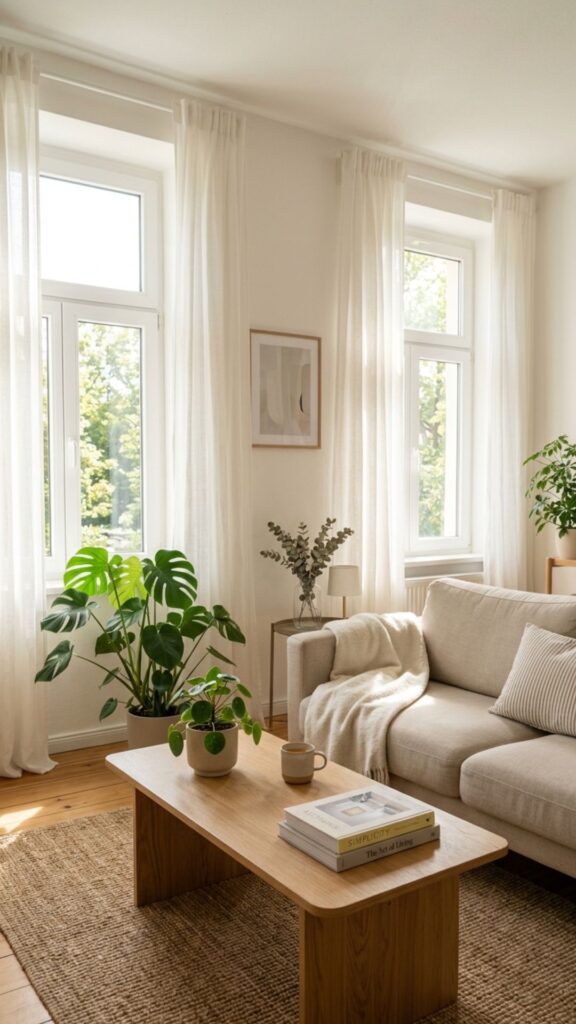
Natural light is your best friend in a small space. It makes rooms feel larger, cleaner, and more welcoming. Skip the heavy, dark curtains that block the sun and swap them for sheer panels or simple blinds you can raise fully during the day.
Keep the area around your windows clear, too. A bulky bookcase blocking the light defeats the purpose. If privacy is a concern, café-style curtains cover the lower half of the window while letting sunlight pour in from above.
7. Choose Furniture With Exposed Legs
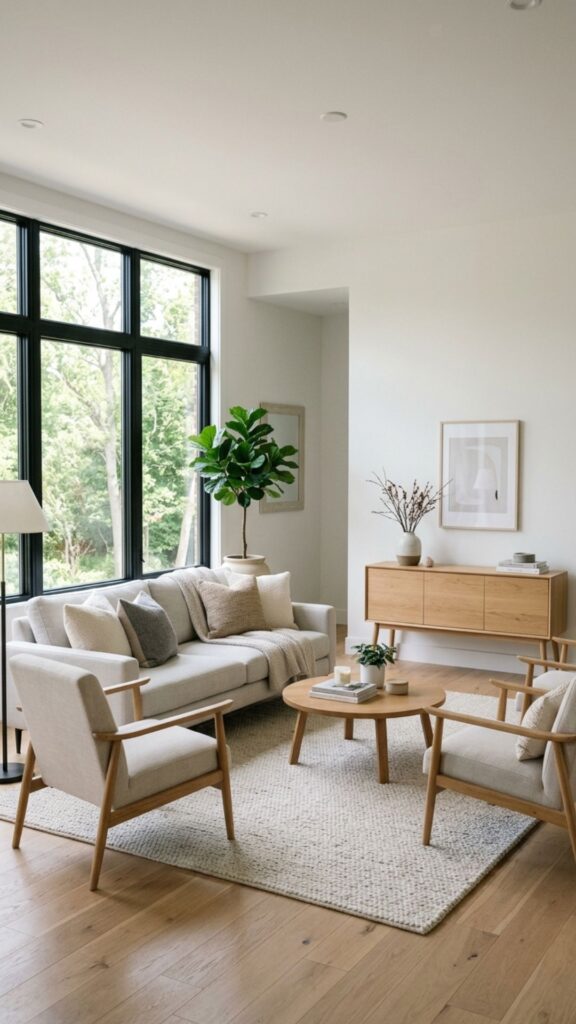
Furniture that sits directly on the floor visually blocks space. Pieces with slim, raised legs let light and floor show through underneath, which tricks the eye into seeing more room. This is why mid-century modern designs work so well in small spaces.
Look for sofas, chairs, and consoles with thin wooden or metal legs. That little sliver of visible floor beneath each piece makes a surprising difference. The room breathes, and everything feels lighter and less bulky.
8. Add a Statement Rug to Anchor the Room
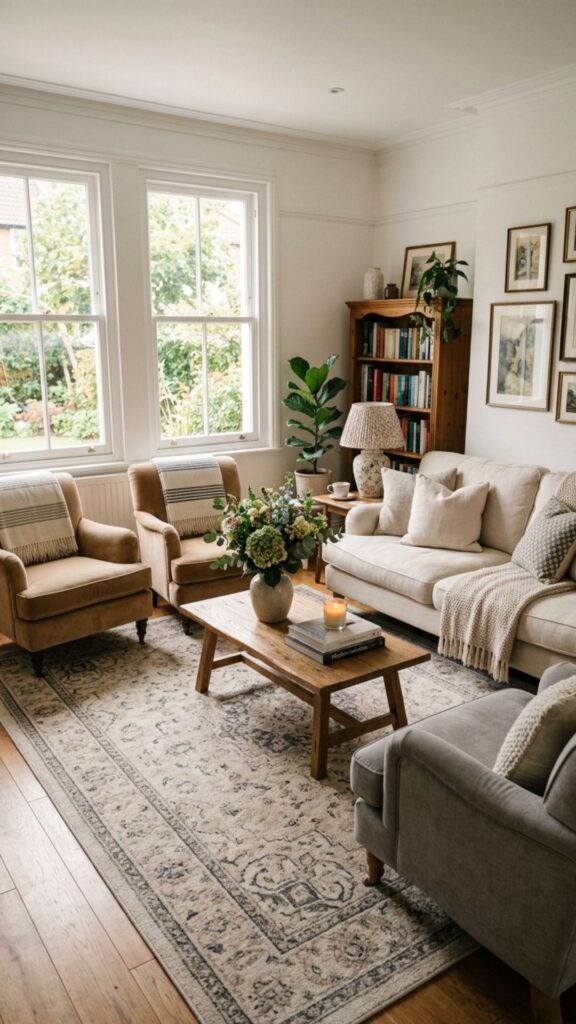
A rug pulls a seating area together and defines your living space, especially in open-plan homes. Choose one large enough that at least the front legs of your furniture rest on it. A rug that’s too small floats awkwardly and actually makes the room feel choppier.
Stick to lighter tones or simple patterns to keep things airy. A subtle rug grounds your furniture without stealing attention. It also adds warmth underfoot, which makes even the tiniest living room feel cozy and complete.
9. Keep Clutter Under Control
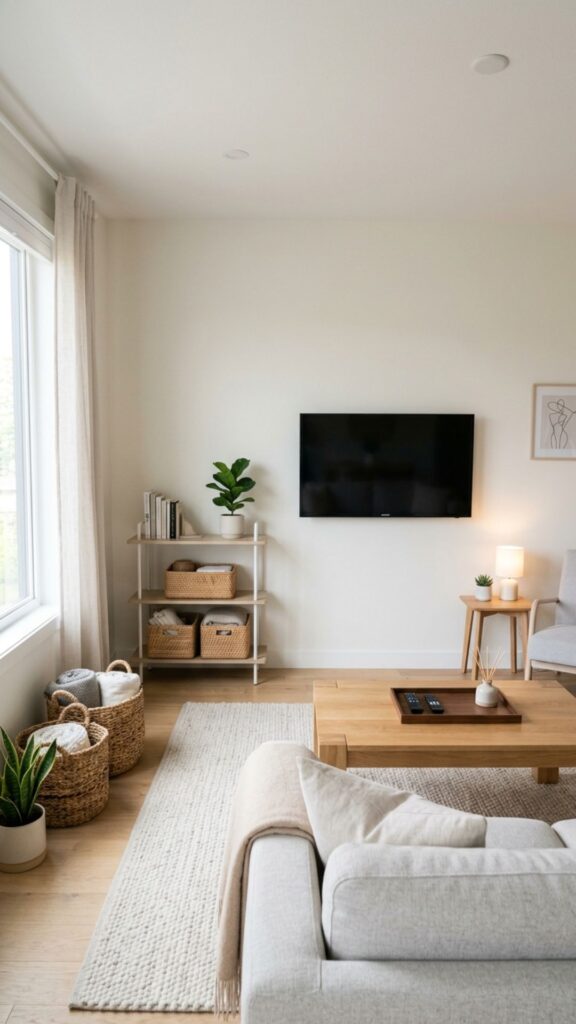
Nothing shrinks a room faster than clutter. Stacks of mail, tangled cords, and random knickknacks eat up visual space and make everything feel chaotic. A quick daily reset keeps your small living room looking styled rather than stuffed.
Give every item a home. Use baskets for toys and blankets, a cord organizer for electronics, and a decorative tray to corral remotes. When surfaces stay clear, the whole room instantly looks bigger and more polished.
10. Use Vertical Stripes and Patterns Wisely
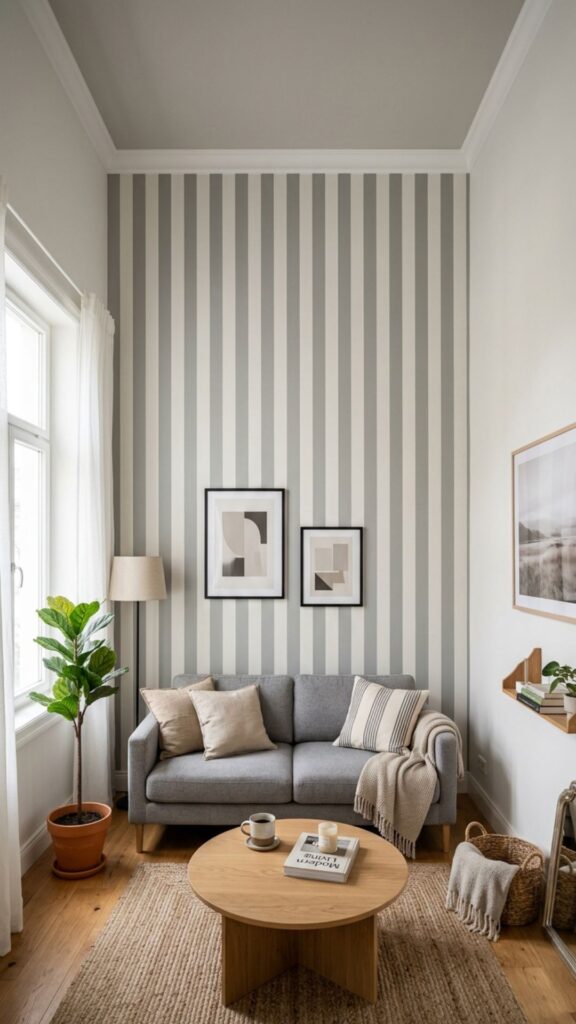
Patterns can either open up a space or overwhelm it. Vertical stripes on a wall, curtain, or rug draw the eye upward and make ceilings feel taller. Horizontal lines can widen a room. Used thoughtfully, pattern becomes a tool, not just decoration.
That said, keep bold patterns to one or two spots. A single striped accent wall or a patterned throw creates interest without visual chaos. Balance is everything. In small rooms, a little pattern goes a long way.
11. Hang Curtains High and Wide
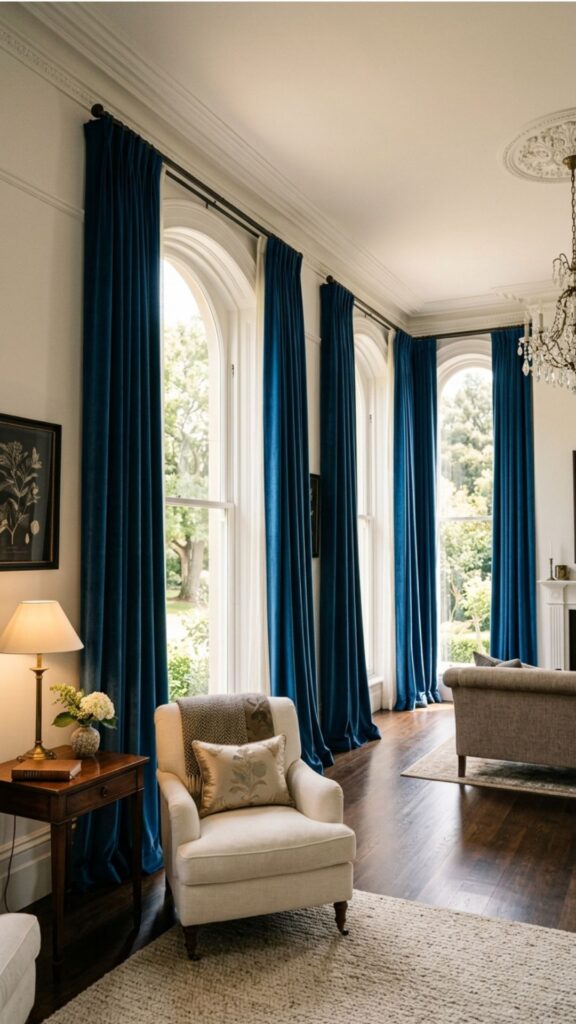
Where you hang your curtains matters more than the curtains themselves. Mount the rod close to the ceiling and extend it a few inches beyond the window frame on each side. This makes windows look larger and ceilings feel taller.
Let the fabric fall all the way to the floor for a clean, elegant line. Floor-length curtains draw the eye up and down, adding a sense of height. It’s a simple styling move that gives any small living room an instant lift.
12. Embrace a Monochromatic Look
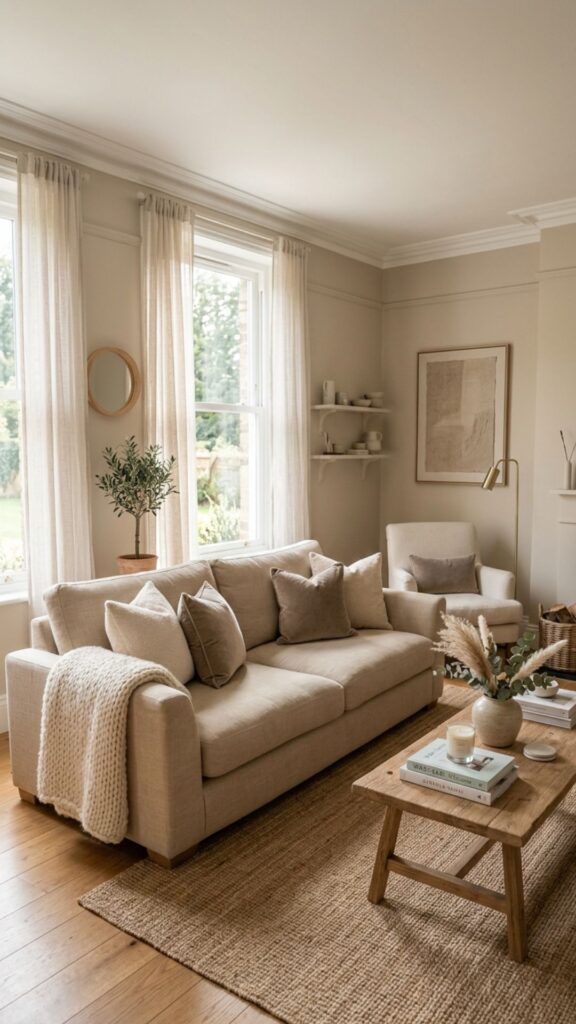
Using different shades of one color creates a seamless, calming flow that makes rooms feel larger. When your sofa, walls, and accents share a color family, the eye glides across the space without interruption. There’s no visual “stopping point” to shrink the room.
You can add depth through texture instead of contrast. Pair a linen sofa with a chunky knit throw and a velvet pillow in the same tone. The result feels rich and layered, never boring, and the cohesive palette keeps everything feeling open.
13. Add Greenery for Life and Height
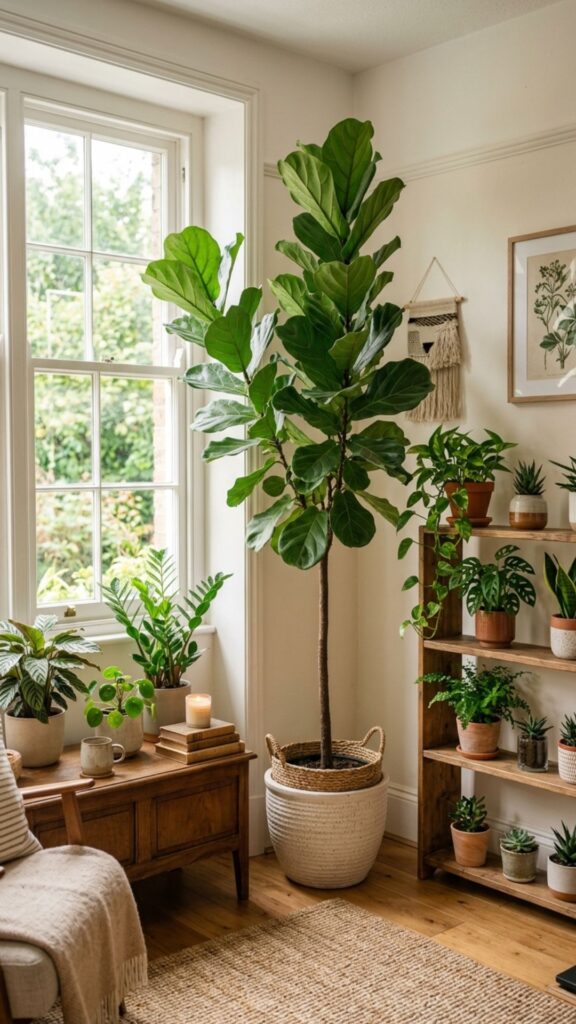
Plants breathe life into any room, and they’re one of the cheapest ways to level up your decor. A tall plant in a corner draws the eye upward, while small potted greens on shelves add fresh pops of color. Greenery softens hard edges and makes spaces feel welcoming.
If you don’t have a green thumb, low-maintenance options like snake plants, pothos, and ZZ plants thrive on neglect. High-quality faux plants work too. Either way, a bit of green makes your small living room feel calm, alive, and beautifully finished.
14. Use a Sectional or Loveseat Instead of a Bulky Sofa
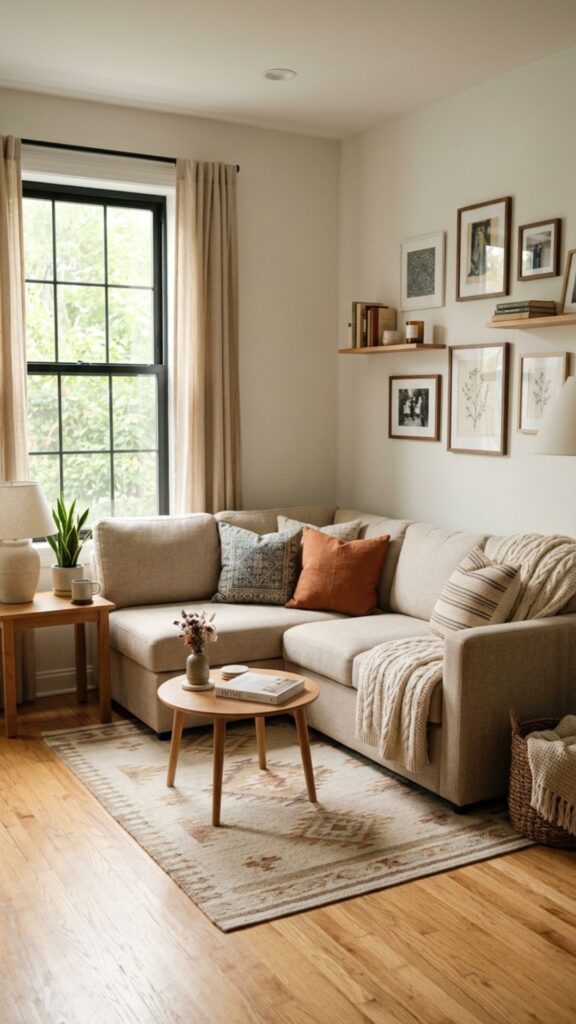
A giant three-seater sofa can swallow a small room whole. A compact loveseat or an apartment-sized sectional gives you plenty of seating without dominating the floor. Measure your space carefully before buying, and always account for walking room.
An L-shaped sectional tucked into a corner is especially smart. It uses often-wasted corner space and creates a cozy nook. The right-sized seating keeps your room functional and comfortable without feeling packed.
15. Create a Focal Point
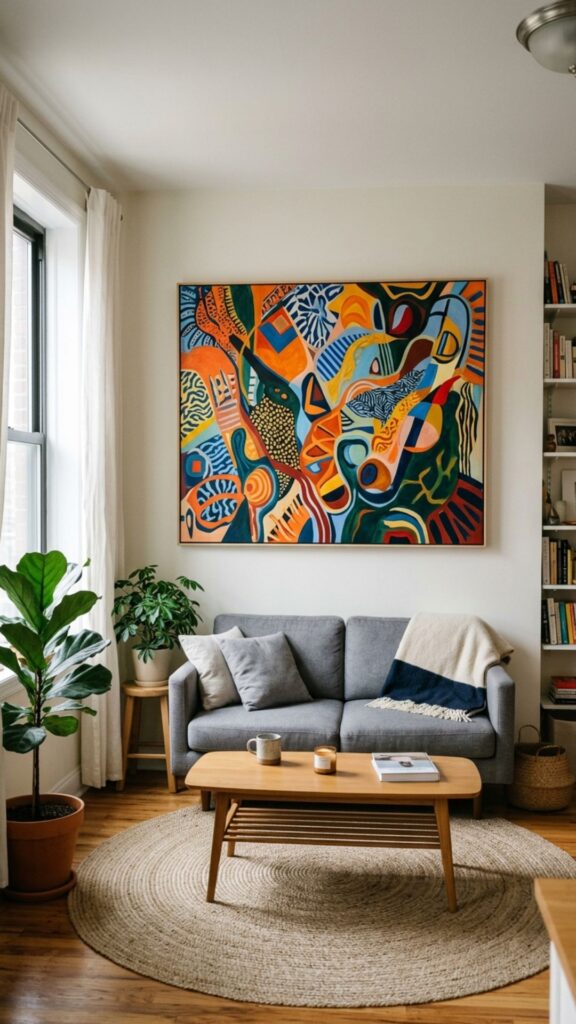
Every room needs a spot for the eye to land. In a small living room, a clear focal point keeps things from feeling scattered. It might be a fireplace, a piece of art, a TV wall, or a bold accent chair. Whatever you choose, arrange your furniture around it.
A strong focal point actually distracts from the room’s size because attention goes to that feature instead. Keep the rest of the space simple and let your focal point shine. This one design principle makes small rooms feel curated and intentional.
16. Choose See-Through Furniture
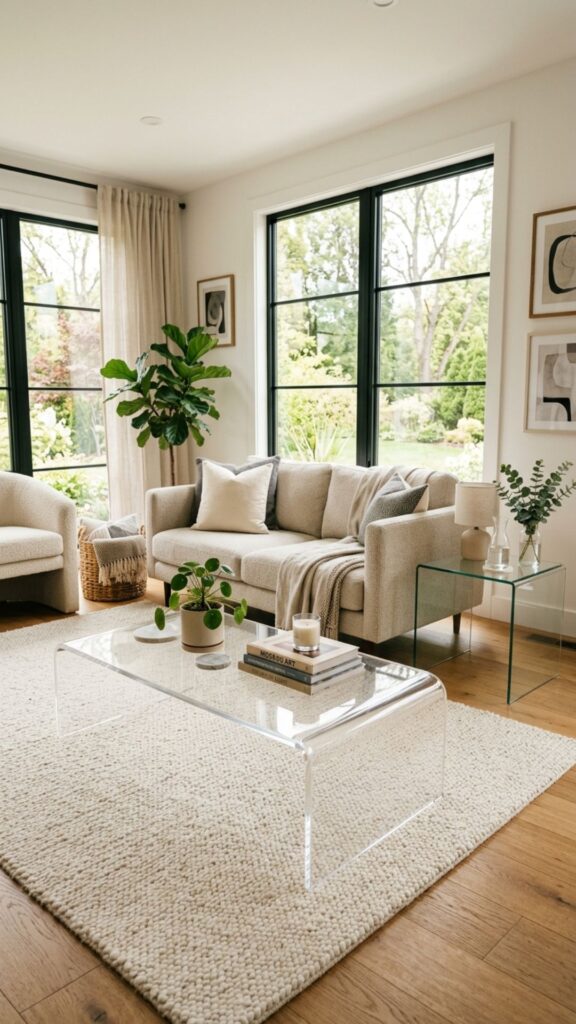
Glass and acrylic furniture take up physical space without visually crowding a room. A clear acrylic coffee table or a glass side table lets your eye travel straight through, which keeps the space feeling open and light.
These pieces are perfect when you need function but not visual weight. A glass-top table still holds your coffee and books, yet it practically disappears. In a small living room, that “invisible” quality is worth its weight in gold.
17. Layer Your Lighting
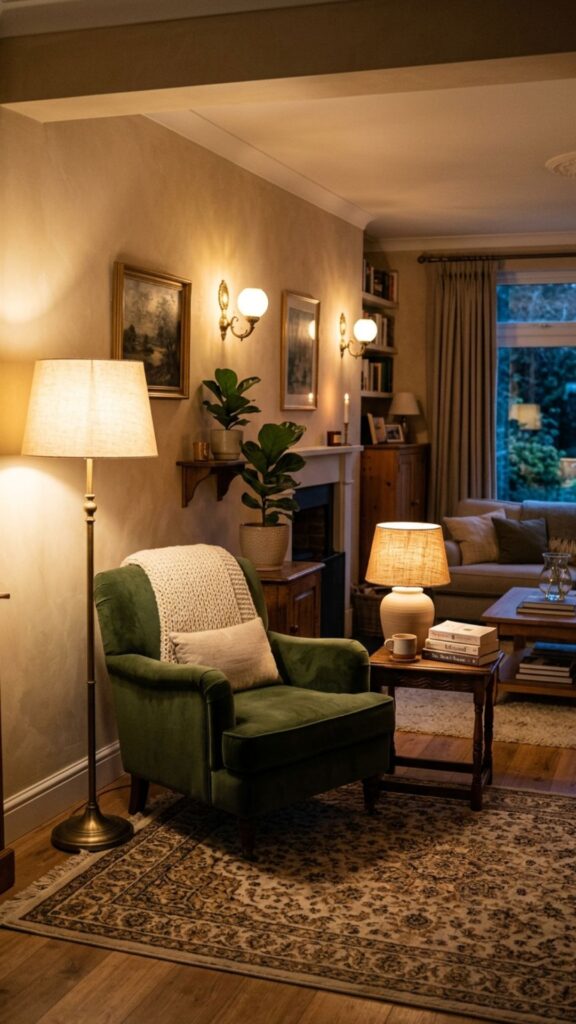
Relying on one overhead light flattens a room and highlights how small it is. Instead, layer several light sources at different heights. Combine a floor lamp, a table lamp, and a few warm bulbs to create depth, warmth, and cozy corners.
Good lighting makes a space feel bigger and more inviting. Wall sconces are especially great because they free up surface space. When you control the mood with layered lighting, your small living room feels intentional and comfortable at any time of day.
18. Scale Your Decor to the Room
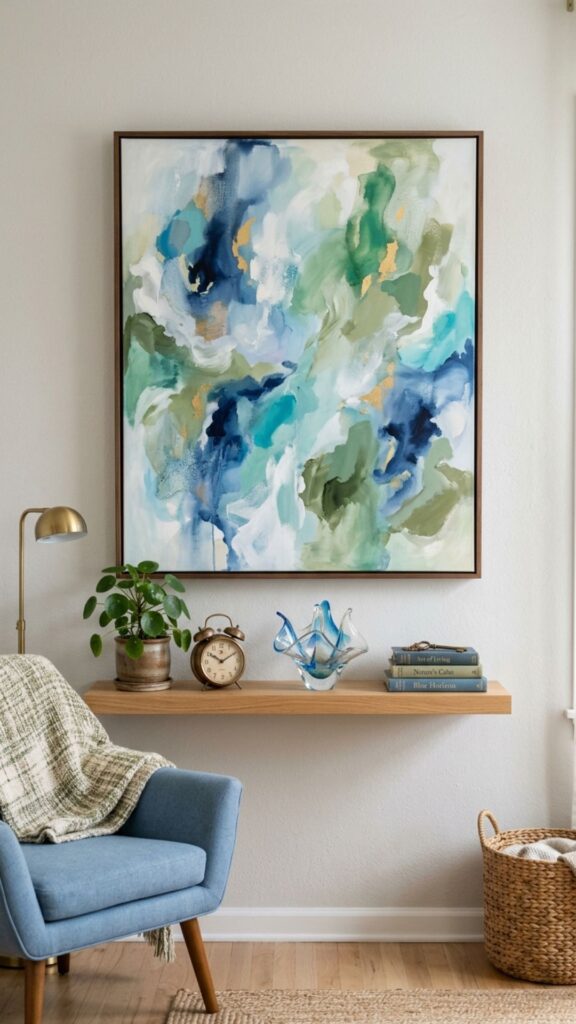
Oversized decor overwhelms a small space, while too many tiny pieces look cluttered. Aim for a happy medium. A few well-chosen items at the right scale make a room feel balanced and thoughtfully designed rather than crowded.
Instead of covering a wall with twelve small frames, hang one large piece of art. Instead of dozens of trinkets, display three meaningful objects. Editing down to fewer, better-scaled pieces always makes a small living room look more elegant.
19. Use Light-Reflecting and Glossy Surfaces
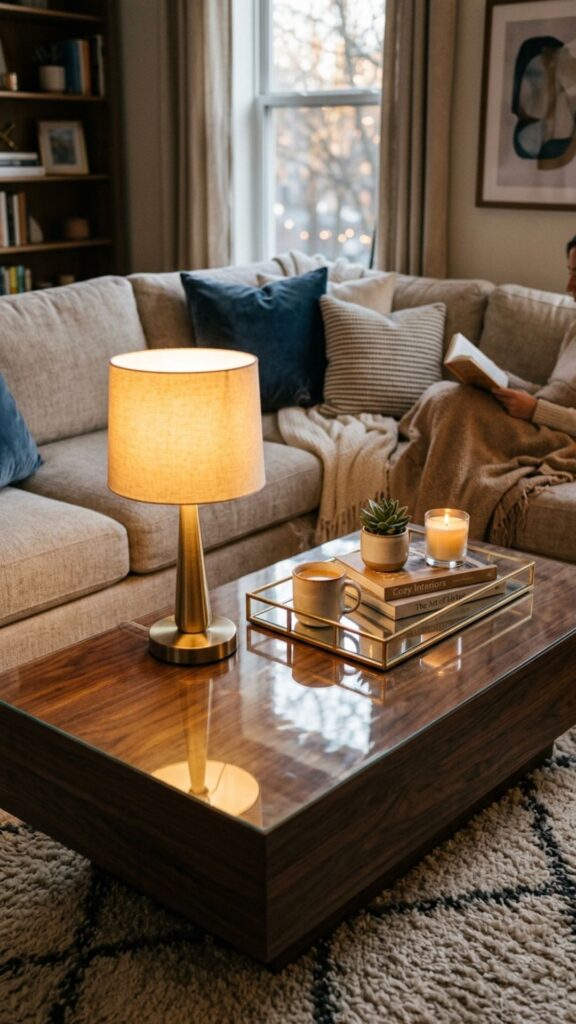
Shiny, reflective surfaces bounce light around a room the same way mirrors do. A glossy coffee table, a metallic lamp base, or a mirrored tray all catch and spread light, making the space feel brighter and larger.
You don’t need everything to sparkle. A few reflective touches are plenty. Mix them with matte textures so the room feels warm rather than cold. This gentle balance of shine and softness gives your small living room a designer-quality glow.
20. Personalize With Meaningful Accents
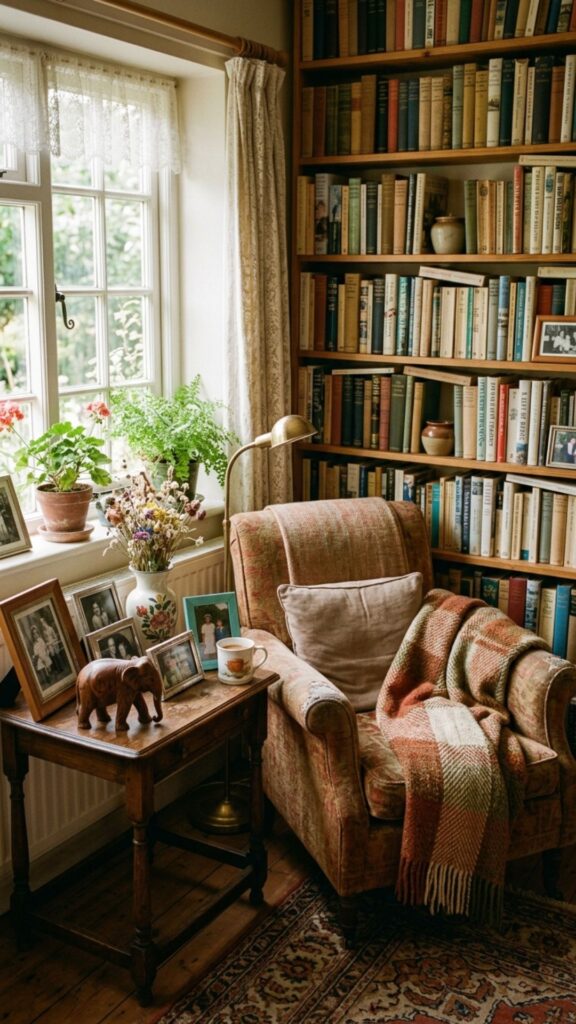
A beautiful room should still feel like yours. Once the layout and palette are set, add small touches that tell your story. Family photos, travel souvenirs, favorite books, or a handmade throw make the space feel warm and lived in.
The key is restraint. Choose a handful of pieces you genuinely love rather than filling every surface. In a small living room, meaningful accents create charm and character without adding clutter. This final layer is what turns a nice room into your favorite room.
Bring Your Small Living Room to Life
Decorating a small living room comes down to a few simple habits: keep it light, keep it clear, and make every piece count. You don’t need a bigger space or a bigger budget. You just need smart choices that work together. Start with one or two ideas from this list, live with the changes for a few days, then add more as you go.
Ready to transform your space? Pick your three favorite small living room decor ideas above and try them this weekend. Snap a before-and-after photo, and you’ll be amazed at the difference. Your cozy, beautiful living room is closer than you think, so go make it happen.
How can I make my small living room look bigger?
To make a small living room look bigger, use light colors, add mirrors, choose furniture with exposed legs, and maximize natural light. Keep clutter down and use vertical storage to draw the eye upward. These simple changes create the illusion of more space instantly.
What colors are best for a small living room?
Light, cool, and neutral tones work best in small living rooms. Soft whites, pale grays, warm creams, and gentle blues reflect light and make walls feel farther away. Add warmth through textured accents and a few pops of accent color for personality.
What furniture should I avoid in a small living room?
Avoid bulky, oversized sofas, dark heavy pieces that sit flat on the floor, and furniture that only serves one purpose. These crowd the room and block light. Instead, choose slim, multi-functional pieces with raised legs to keep the space open and airy.
How do I arrange furniture in a small living room?
Float furniture slightly away from the walls, create clear walking paths, and arrange seating around a single focal point. Use a right-sized rug to anchor the space and keep the layout simple so the room feels open and easy to move through.
Can I decorate a small living room on a budget?
Absolutely. Many of the best small living room decor ideas are simple and low-cost. Rearranging furniture, decluttering, adding a mirror, layering lighting, and bringing in a few plants cost little or nothing yet make a huge visual difference.