A cramped living room doesn’t have to feel that way. After styling dozens of tiny apartments and helping friends refresh their rentals without blowing their savings, I’ve learned that “expensive-looking” has almost nothing to do with how much you spend. It’s about smart choices, a little strategy, and knowing where to put your effort.
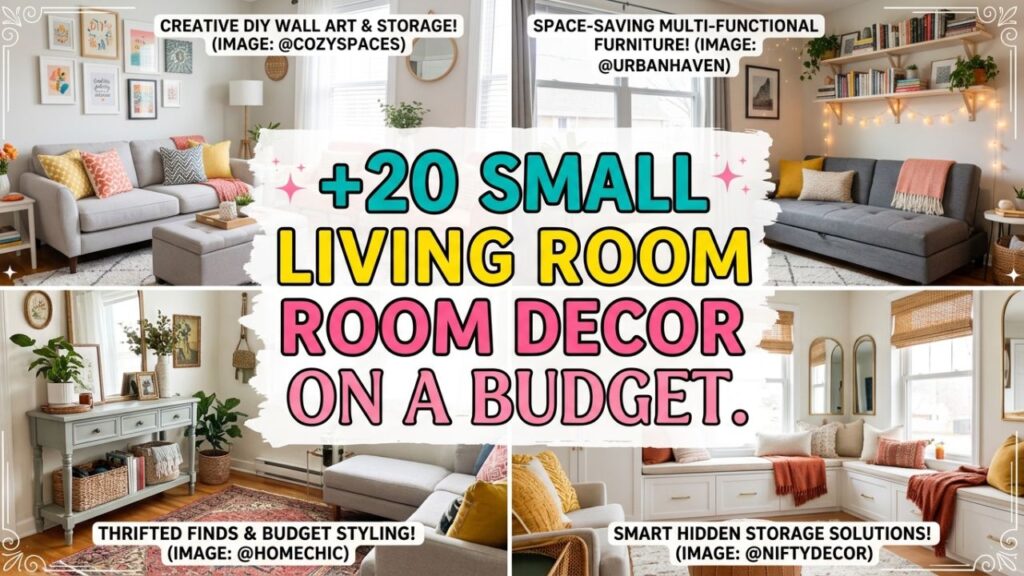
The good news? You can make a small space feel polished, calm, and genuinely high-end with items you already own or can grab for a few dollars. In this guide, you’ll find 20 small living room decor ideas on a budget, each one tested in real homes.
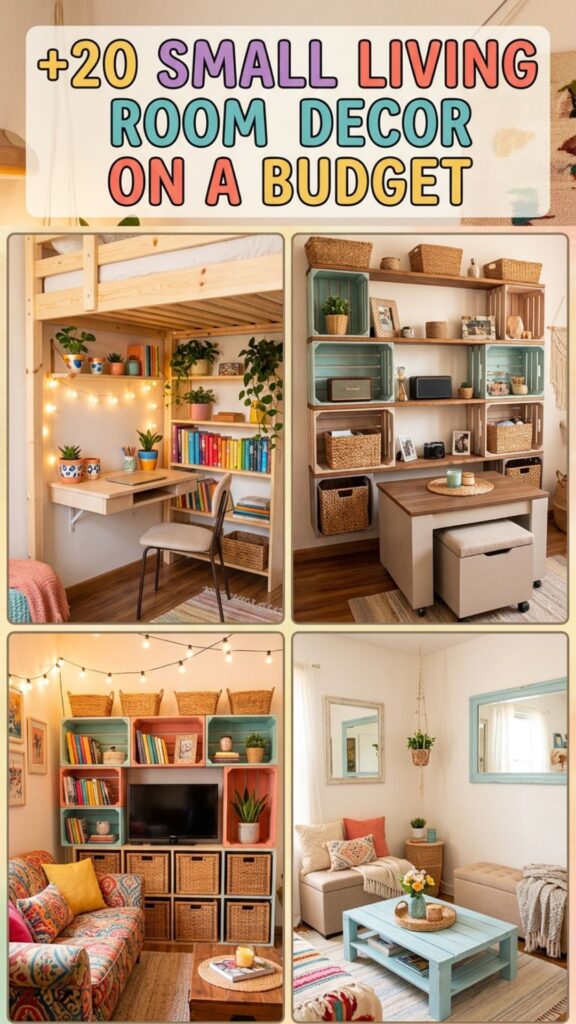
You’ll learn how to trick the eye into seeing more space, add warmth without clutter, and pull the whole room together so it looks like you hired a designer.
Let’s get into it.
1. Paint the Walls a Soft, Light Neutral
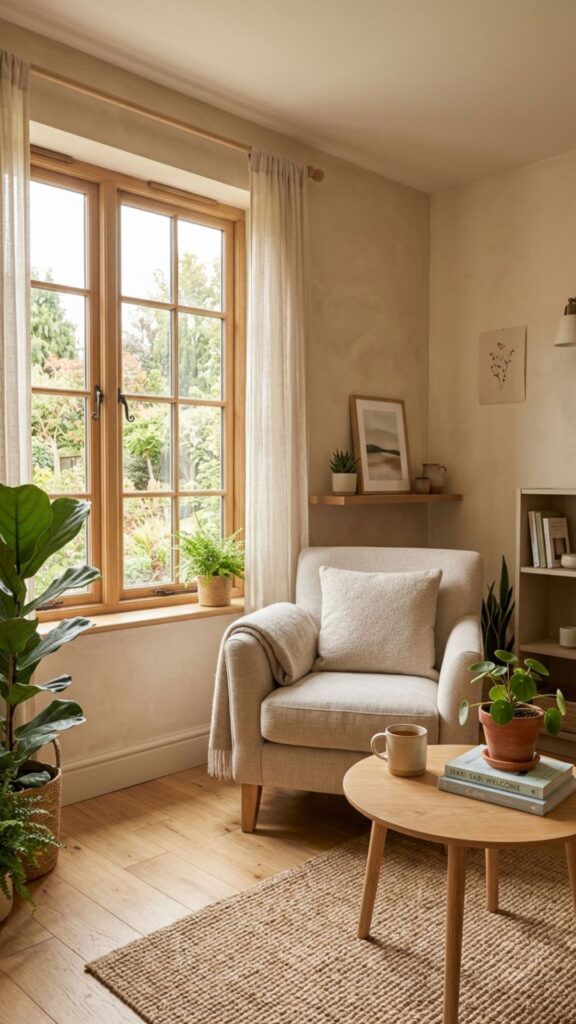
Color does the heavy lifting in a small room, and paint is one of the cheapest upgrades you can make. A gallon runs about $30 to $50 and can completely transform how big a space feels. Soft whites, warm greiges, and pale sage tones reflect light and push the walls outward, so the room instantly breathes easier.
Skip stark bright white if your space lacks natural light, since it can read cold and flat. Instead, test a couple of sample pots first. Paint a swatch, watch it at morning and evening, then commit. That small step saves you from a repaint and keeps the look intentional.
2. Hang Curtains High and Wide
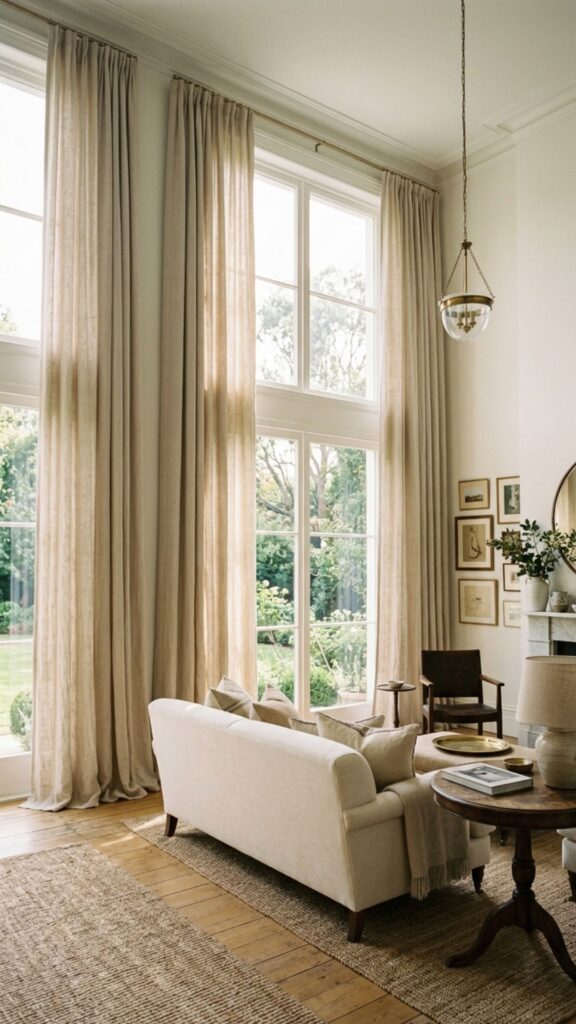
This is my favorite designer trick because it costs almost nothing and changes everything. Mount your curtain rod close to the ceiling and extend it several inches past the window frame on each side. The eye follows the fabric up and out, making ceilings feel taller and windows feel grander.
Choose light, floor-length panels in linen or a linen-look fabric. Curtains that puddle slightly at the floor add a soft, luxe feel that store-bought short panels never manage. You can find affordable options for under $20 a panel if you shop end-of-season sales.
3. Use One Large Mirror as a Focal Point
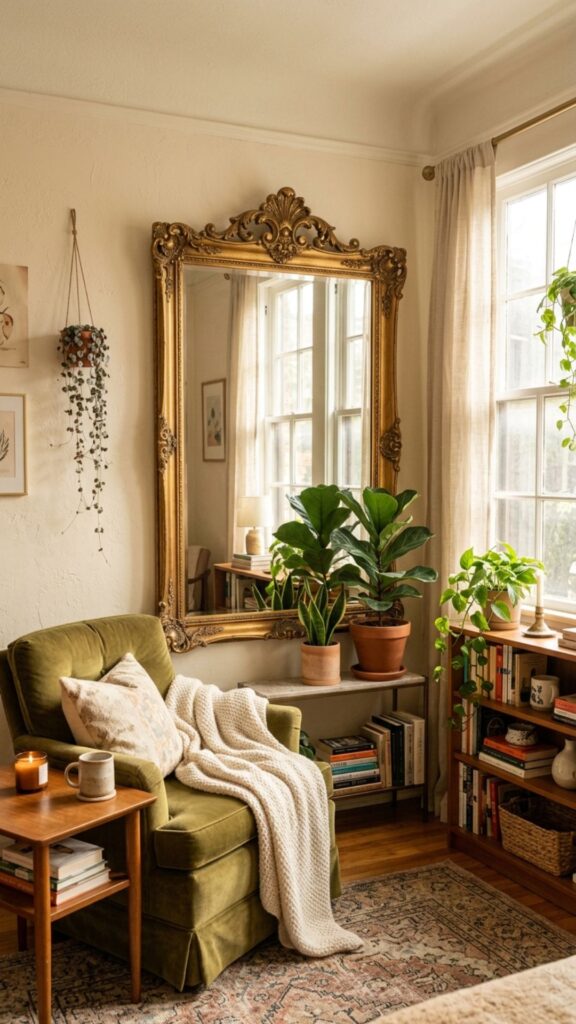
Mirrors are the ultimate small-space hack. One oversized mirror bounces light around and doubles the visual depth of your room. Lean a big framed mirror against the wall or hang it opposite a window so it reflects the view and brightens dark corners.
Thrift stores and marketplace listings are goldmines here. I once found a full-length arched mirror for $25 that looked like a $300 piece. A quick coat of spray paint on the frame, and it became the room’s showpiece.
4. Layer Rugs to Define the Space
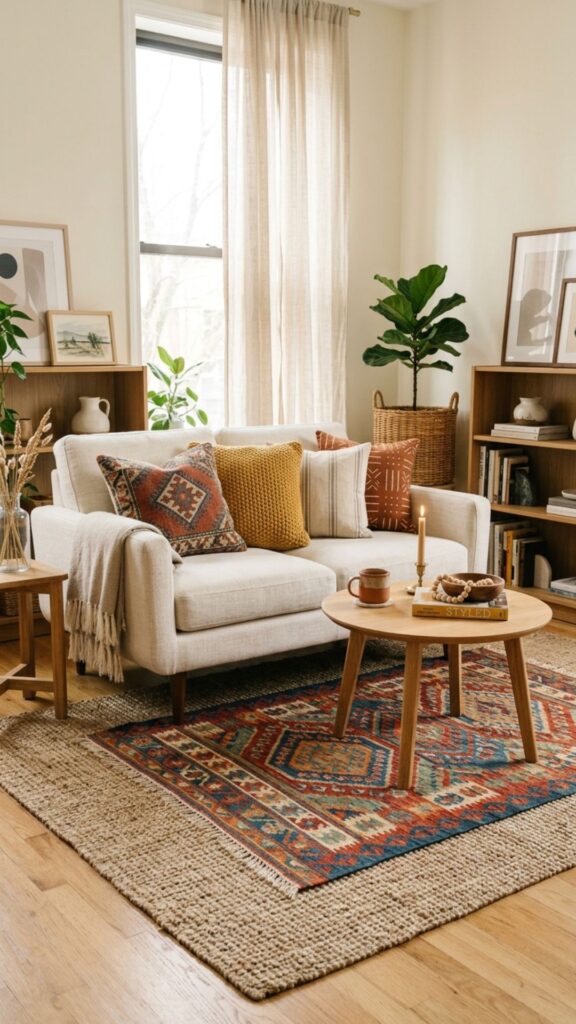
A rug anchors your seating area and adds instant warmth. In a small room, pick a rug large enough that at least the front legs of your furniture sit on it. This simple move makes the whole arrangement feel connected and deliberate.
If a big rug stretches your budget, layer a smaller patterned rug over an affordable neutral jute base. The texture reads as expensive and custom, even though you spent far less than a single designer rug would cost.
5. Choose Furniture With Legs
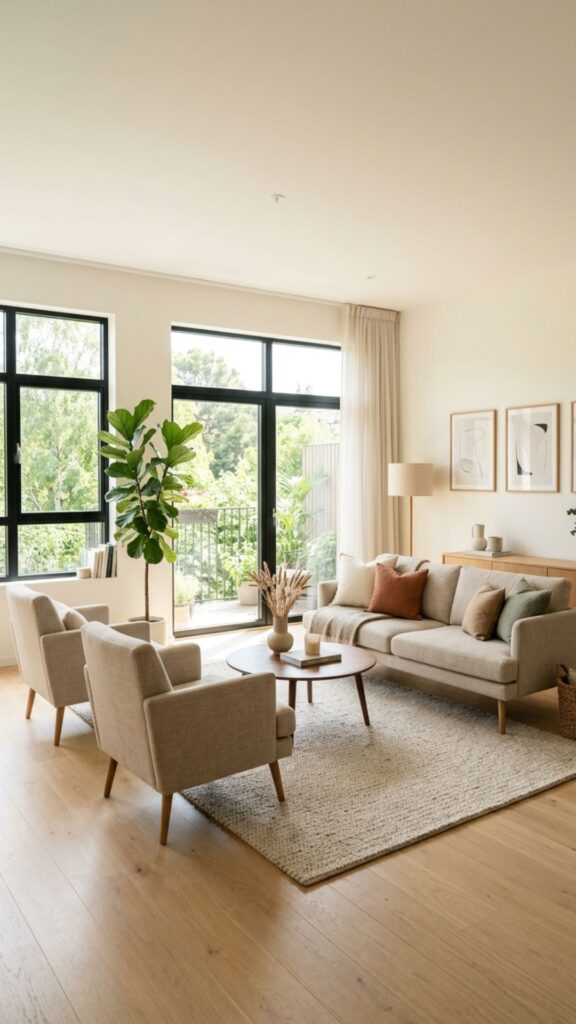
Bulky, floor-hugging sofas eat up visual space. Furniture raised on slim legs lets light and floor show underneath, which tricks the eye into seeing more room. This openness is exactly what makes a space feel airy and refined.
When shopping secondhand, look for mid-century pieces or simple sofas with exposed wooden or metal legs. If you already own a heavy piece, swapping in taller legs from a hardware store is a cheap, quick fix.
6. Add Greenery for Life and Height
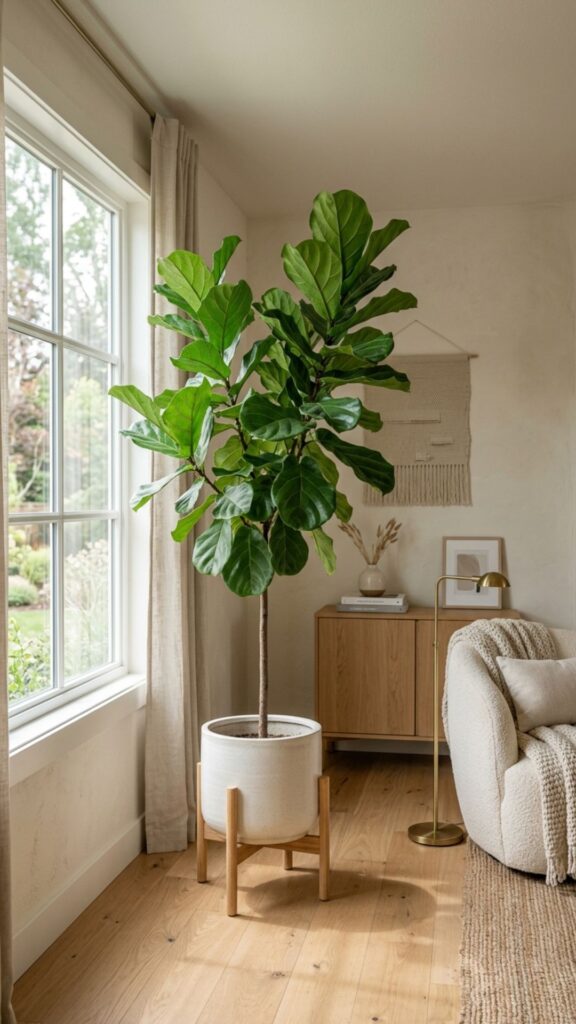
Plants bring energy, color, and a curated feel that photographs beautifully. A tall plant in the corner draws the eye upward and fills empty vertical space without crowding the floor. Even one healthy plant makes a room feel cared for.
If you’re nervous about keeping plants alive, start with a pothos or snake plant. Both thrive on neglect and cost only a few dollars. Group a couple of small pots on a shelf for an easy, layered green moment.
7. Float Your Furniture Off the Walls
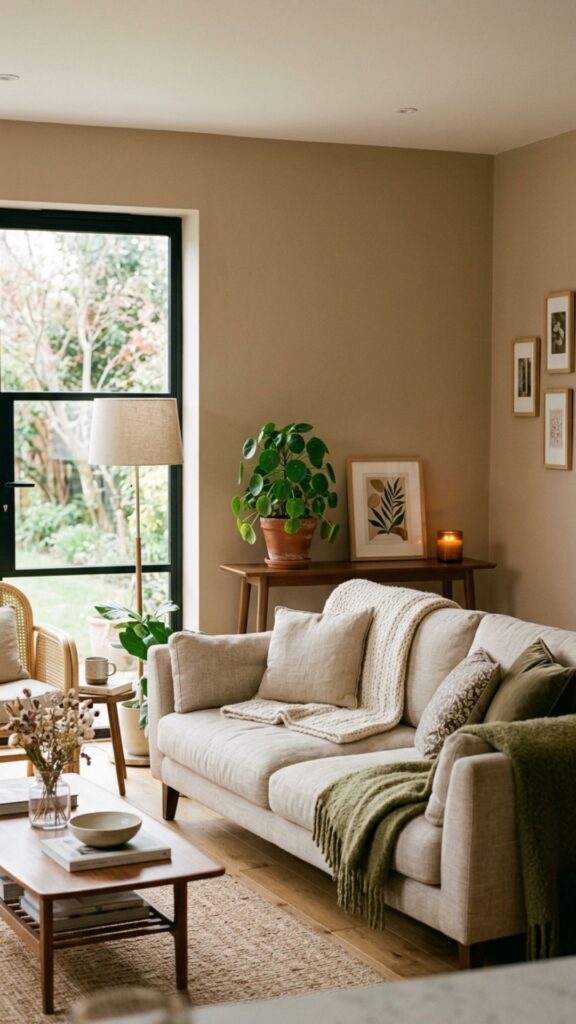
It feels natural to shove everything against the walls in a small room, but that often makes it look smaller and awkward. Pulling your sofa even a few inches forward creates a sense of intentional layout, like the space was designed.
This gap also gives you room to add a slim console or a trailing plant behind the sofa. That extra layer instantly elevates the room and makes it feel styled rather than squeezed.
8. Stick to a Tight Color Palette
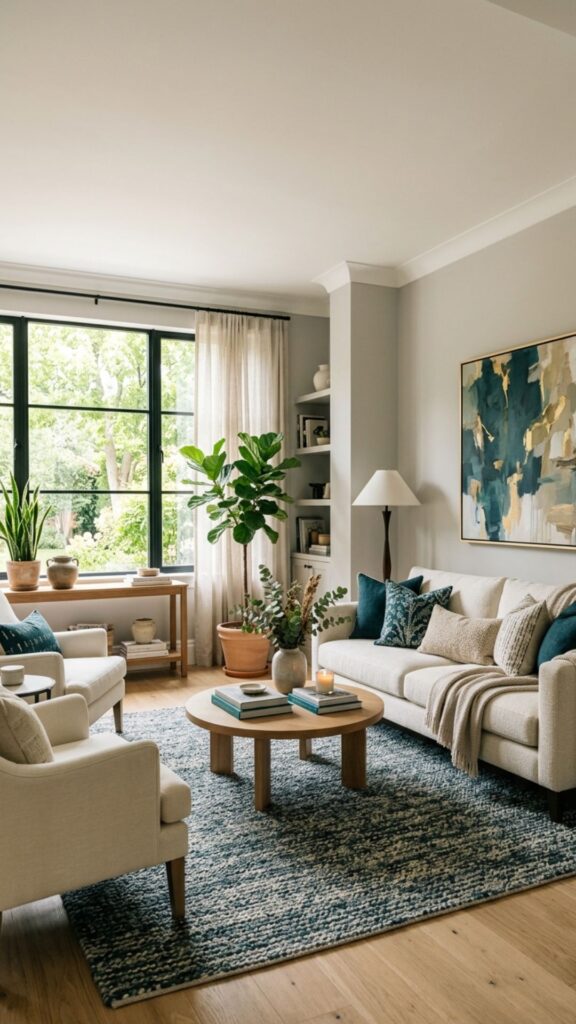
Too many colors make a small room feel chaotic and cheap. Choose three colors total: a main neutral, a secondary tone, and one accent. Repeat them across pillows, art, and accessories so everything feels connected.
A cohesive palette is the secret behind those effortlessly expensive-looking rooms you save on Pinterest. Neutrals with one bold accent, like deep green or terracotta, read as sophisticated and calm every single time.
9. Swap Out Cheap Hardware and Fixtures
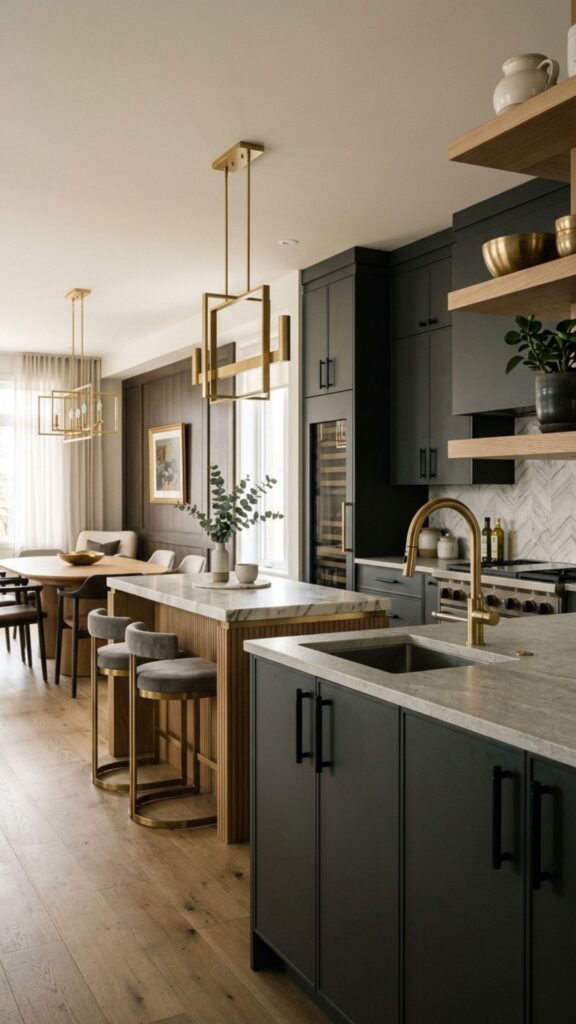
Small details betray a budget faster than anything. Replacing builder-grade cabinet knobs, outlet covers, or a dated light switch plate costs just a few dollars but sharpens the whole room. Brushed brass or matte black finishes look premium instantly.
The same goes for lampshades and light fixtures. A quick shade swap on a thrifted lamp base can turn a $10 find into something that looks straight out of a boutique catalog.
10. Bring in Warm, Layered Lighting
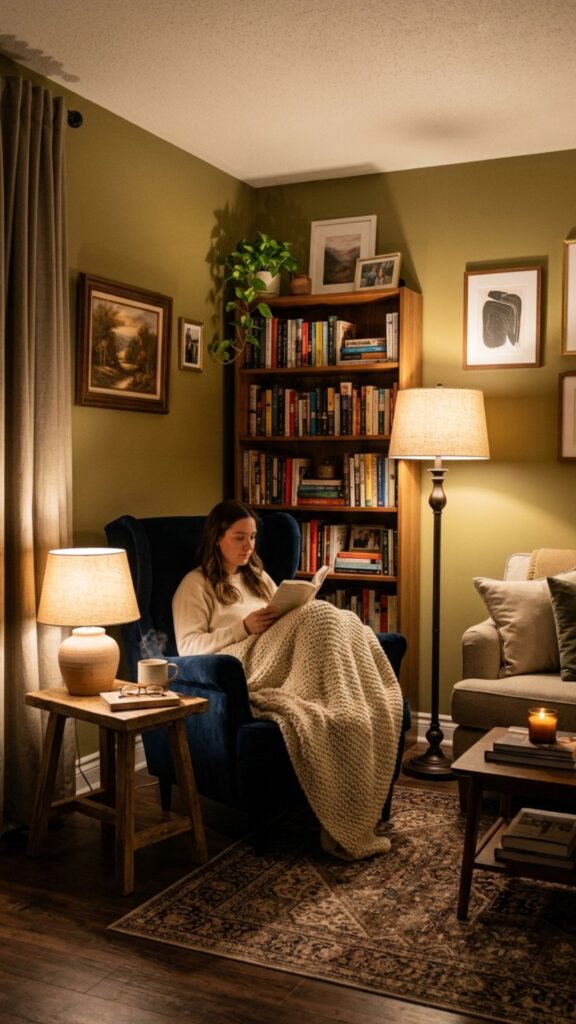
Harsh overhead lighting flattens a room and highlights every flaw. Layered lighting from lamps, string lights, or an inexpensive floor lamp creates cozy pools of warm light that feel expensive and inviting.
Aim for at least two or three light sources at different heights. Use warm bulbs around 2700K for that soft, golden glow. This one change makes evenings in your space feel like a retreat.
11. Display Books and Objects in Odd Numbers
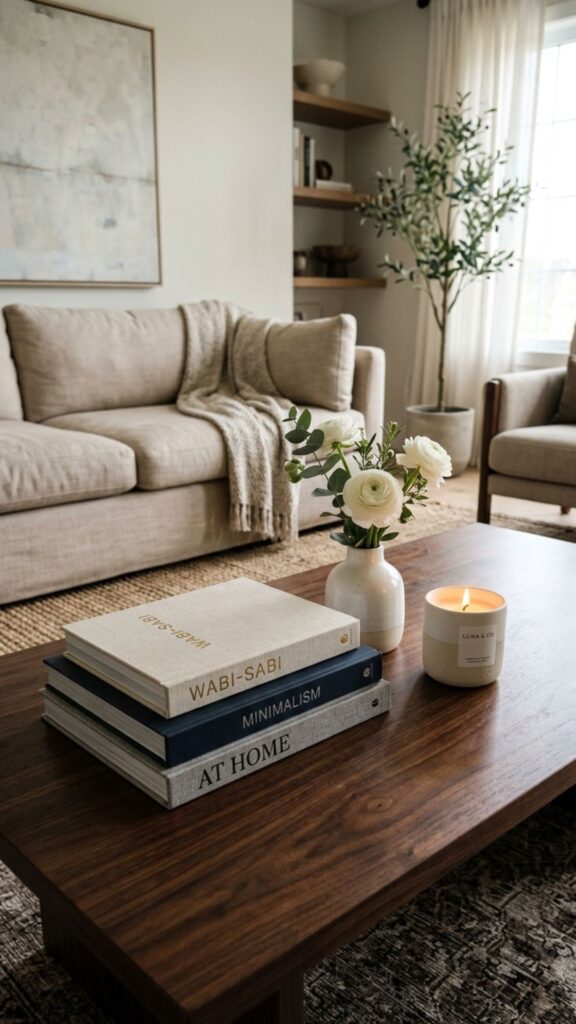
Styling with intention makes budget pieces look curated. Group objects in threes or fives, mixing heights and textures. Stack a few books, add a small vase, then top it with a candle for an easy vignette that looks pulled together.
Coffee table books are affordable at thrift shops and add color and personality. Turn a couple spine-out and stack the rest to build height. It’s a tiny detail that quietly signals “designed.”
12. Use Vertical Storage to Reduce Clutter
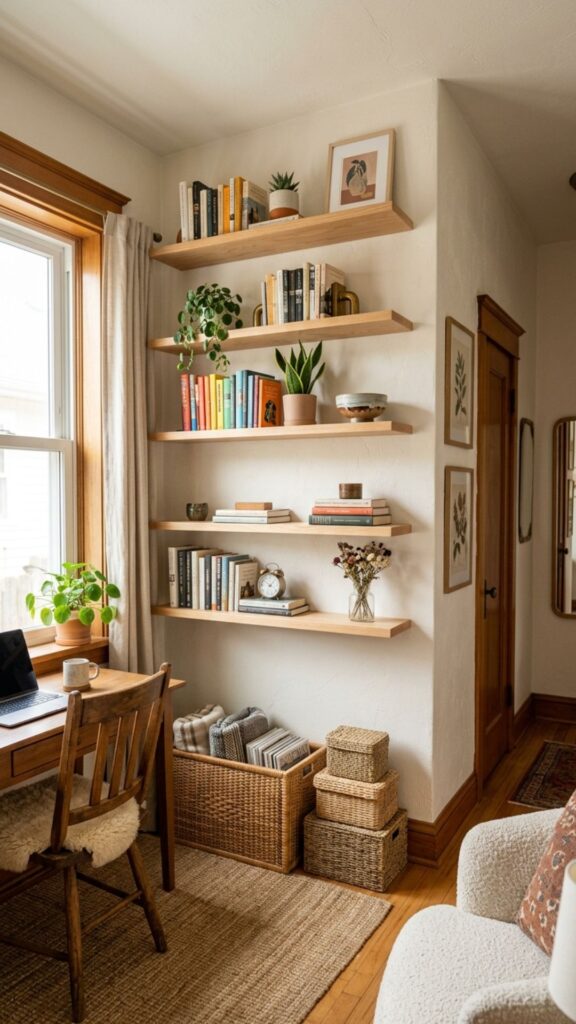
Clutter is the enemy of expensive-looking spaces. Going vertical with floating shelves or a tall, narrow bookcase keeps your floor clear and draws the eye up. Clear surfaces read as calm and intentional.
Baskets are your friend here too. Tuck blankets, remotes, and odds and ends into woven baskets on shelves. The texture looks great, and everything stays hidden and tidy.
13. Add Texture With Throw Pillows and Blankets
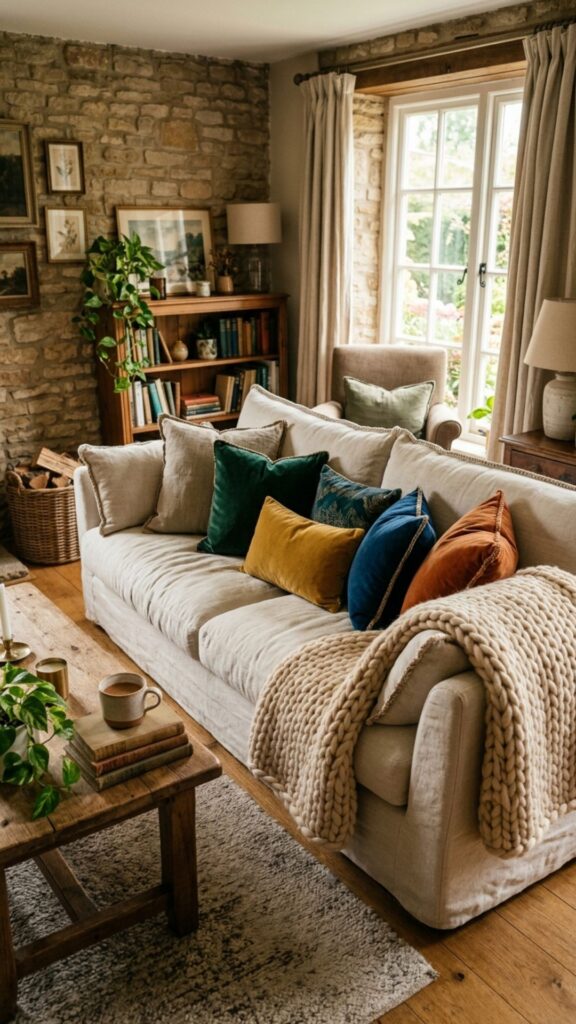
Texture makes a room feel rich, even when everything is affordable. Mix a chunky knit throw with a smooth linen pillow and a bit of velvet. The contrast reads as layered and thoughtful, not budget.
Buy pillow covers instead of full pillows to save money and switch looks by season. A set of neutral covers with one patterned accent keeps your sofa looking fresh without a big spend.
14. Create a Gallery Wall With Budget Art
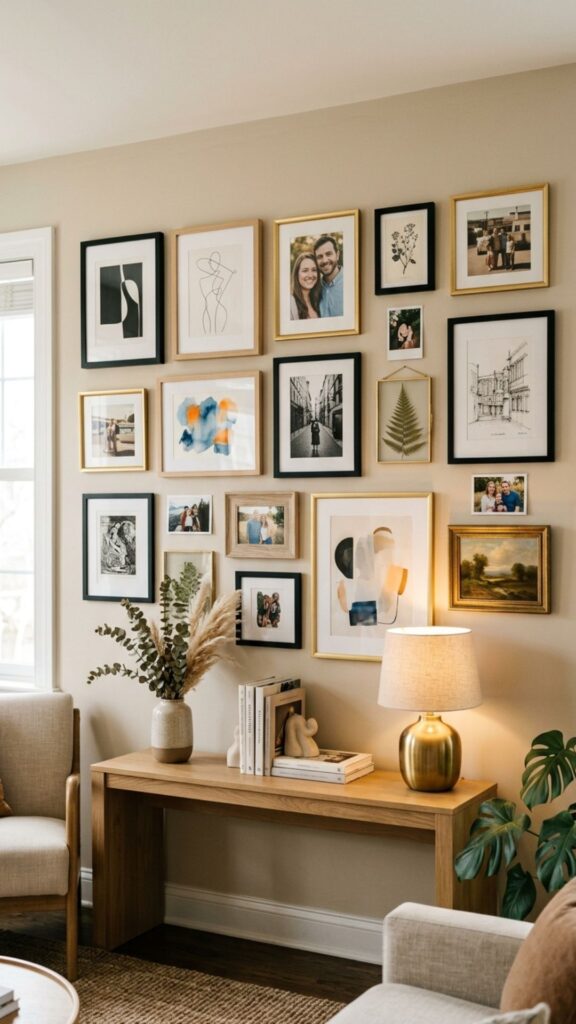
Blank walls feel unfinished, but framed art can get pricey fast. A gallery wall of free printables, thrifted frames, and even pages from an old art book fills space beautifully for very little money.
Keep your frames in a consistent finish for a cohesive look. Lay everything out on the floor first to plan spacing, then hang. The result feels personal, collected, and far more expensive than it was.
15. Choose Multi-Functional Furniture
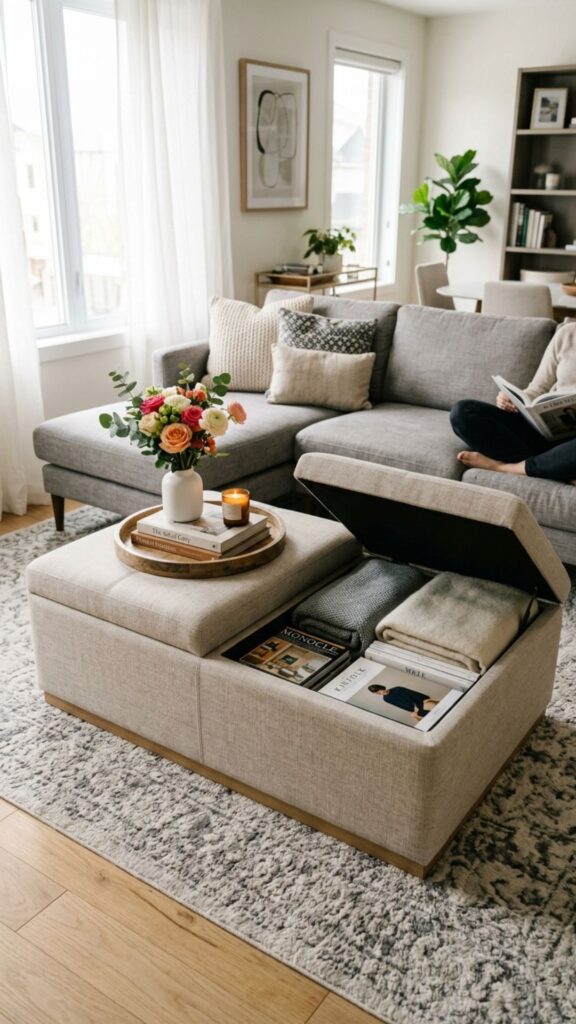
In a small living room, every piece should earn its spot. A storage ottoman doubles as a coffee table, extra seating, and hidden storage. A nesting table set tucks away when you need floor space.
These clever pieces reduce clutter and keep the room flexible. They’re widely available at budget retailers, and their tidy footprint keeps your space feeling open and smart.
16. Keep Window Sills and Surfaces Clear
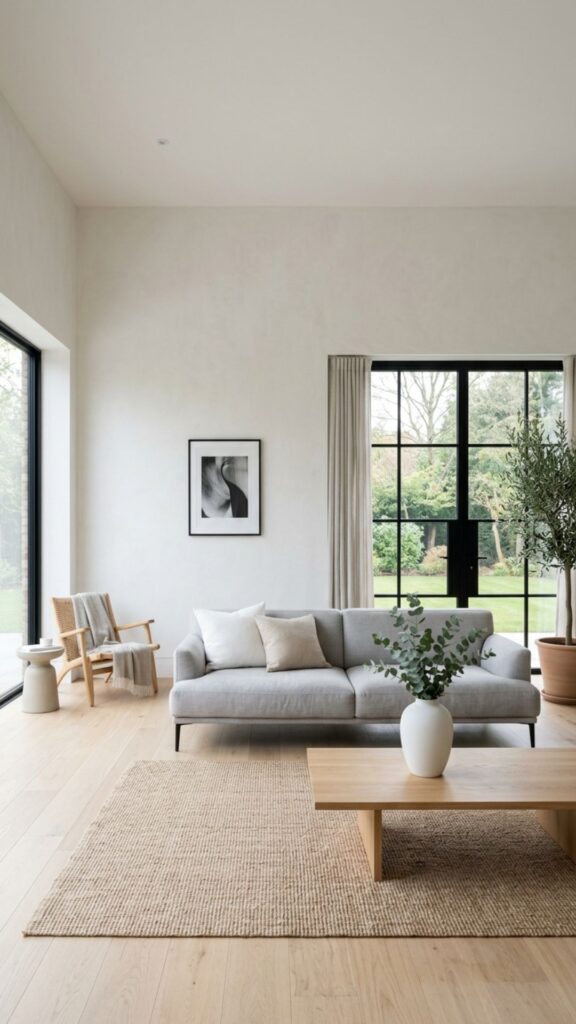
An overloaded surface makes any room feel smaller and messier. Editing down your decor to a few well-chosen pieces gives everything room to breathe. Empty space is a luxury that expensive rooms use on purpose.
Try the “less but better” rule. Remove everything, then add back only your favorite items one at a time. You’ll be surprised how much more high-end the room feels with fewer things.
17. Add a Statement Wall With Removable Wallpaper
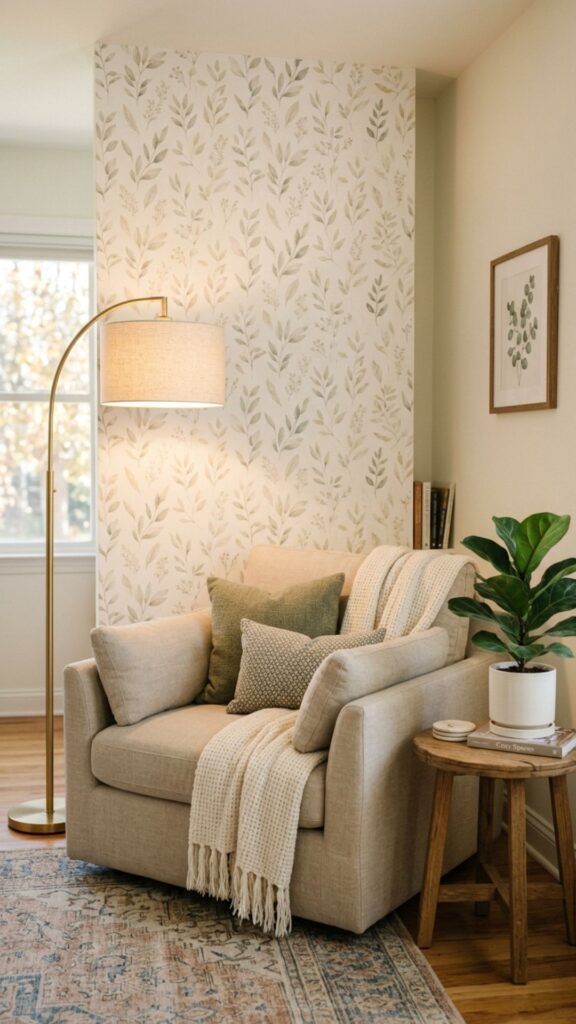
Renters, this one’s for you. Peel-and-stick wallpaper adds instant character to one wall without paint or permanent commitment. A subtle textured or patterned accent wall creates a focal point that looks custom.
A single roll or two is usually enough for a small feature wall, keeping costs low. When you move out, it peels right off, leaving your deposit safe and your walls untouched.
18. Style With Fresh or Faux Flowers
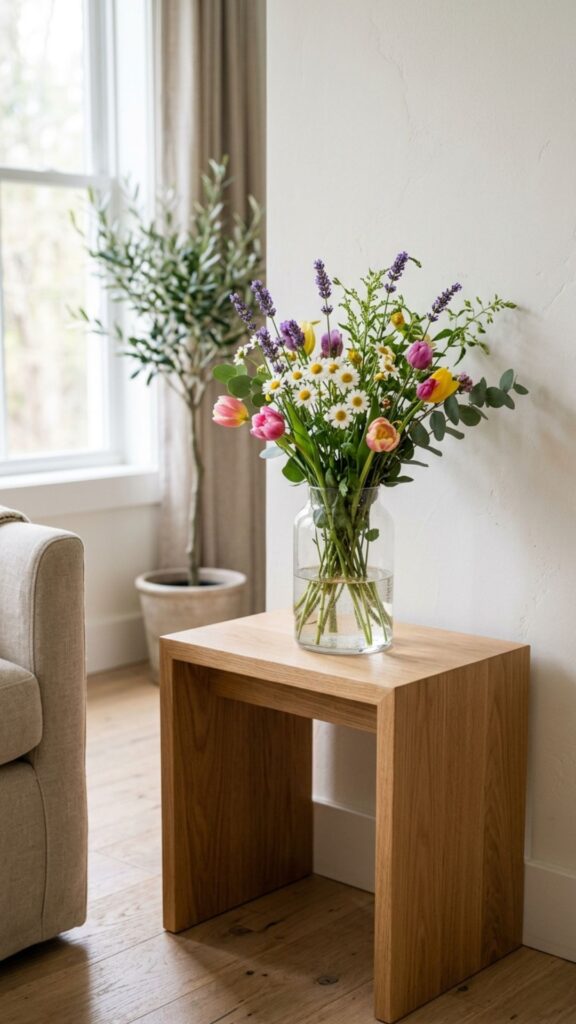
A simple vase of stems brings color and softness to any room. Fresh grocery-store flowers cost just a few dollars and instantly lift the mood. Eucalyptus or a few branches last for weeks and look effortlessly chic.
If you’d rather not fuss, high-quality faux stems have come a long way. Choose realistic ones in a simple vase, and they’ll add that “always styled” feel without any upkeep.
19. Match Your Metals and Finishes
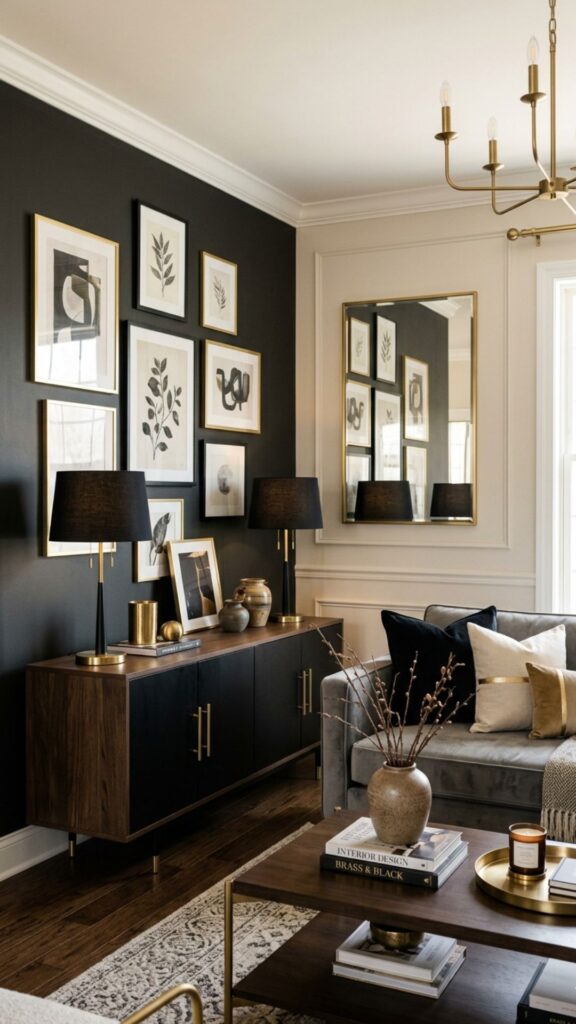
Random mismatched finishes make a room feel disjointed. Picking one or two metal tones and repeating them, like brass and black, ties your accessories together. Frames, lamps, and hardware suddenly look coordinated.
You don’t have to replace everything. A little metallic spray paint can unify mismatched thrift finds for pennies. This small consistency is a quiet mark of a well-designed space.
20. Add a Cozy, Personal Finishing Touch
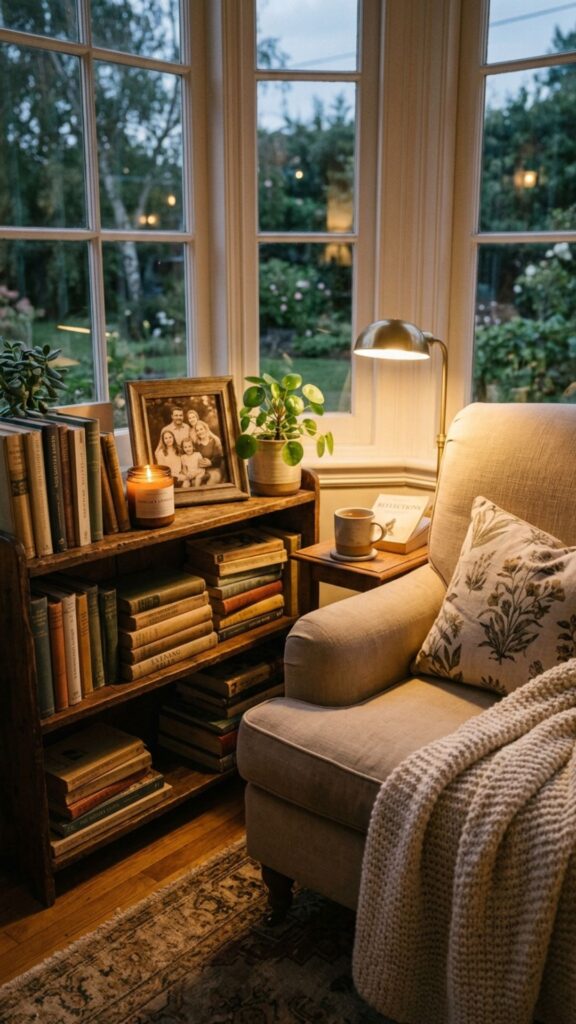
The most expensive-looking rooms feel lived in, not staged. A stack of favorite books, a scented candle, or a small piece with a story adds warmth that no amount of money can buy. Personality is what makes a space memorable.
End your styling by stepping back and asking what makes it feel like yours. That final personal layer is what turns a nicely decorated room into a home you love spending time in.
Conclusion: Start Small, See Big Results
Making a small living room look expensive comes down to light, cohesion, and clever editing, not a big budget. Focus on the high-impact basics first: fresh paint, high-hung curtains, a large mirror, and a tidy, cohesive palette. From there, layer in texture, greenery, and personal touches until the room feels intentional.
Pick just two or three ideas from this list and try them this week. Start with the free ones, like rearranging furniture and clearing surfaces, then add small purchases as your budget allows. You’ll be amazed how quickly your space transforms. Ready to refresh your room? Grab a paintbrush, hit the thrift store, and start with the idea that excites you most today.
How can I make my small living room look more expensive on a budget?
Focus on light and cohesion. Paint walls a soft neutral, hang curtains high and wide, add a large mirror, and stick to a three-color palette. These low-cost changes make the biggest visual impact and instantly elevate the space.
What colors make a small living room look bigger?
Light, soft neutrals like warm white, greige, and pale sage make a small room feel larger. They reflect natural light and blur the boundary between walls and ceiling, creating an open, airy feel.
How do I decorate a small living room without clutter?
Use vertical storage like floating shelves and tall bookcases, tuck items into woven baskets, and keep surfaces mostly clear. Choose multi-functional furniture, such as a storage ottoman, to hide everyday items and keep the floor open.
What is the cheapest way to update a living room?
Rearranging your existing furniture, decluttering surfaces, and swapping small hardware are essentially free or very low cost. A gallon of paint, under $50, is the single most transformative budget upgrade you can make.
How many decor pieces should I put in a small room?
Less is more. Style surfaces with small groupings in odd numbers, like three items, and keep most surfaces clear. Editing down to your favorite pieces makes the room feel calm, curated, and more high-end.