Updating your kitchen design often starts with the cabinets, and selecting the right palette makes all the difference. If you want to add visual interest and depth to your space, two-tone cabinetry offers a perfect solution.
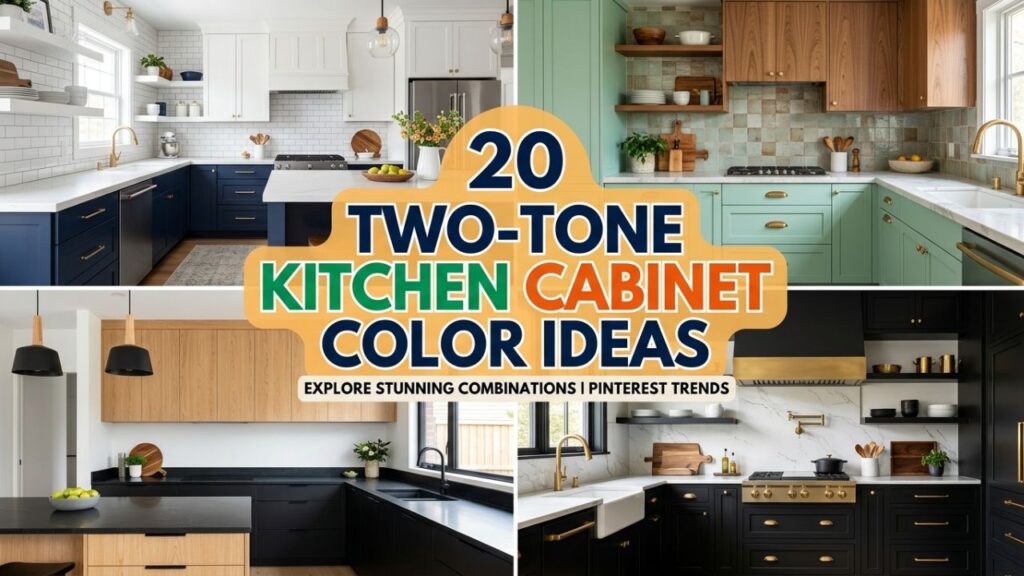
This design approach grounds the room with darker shades on the bottom while keeping the upper sections light and airy.
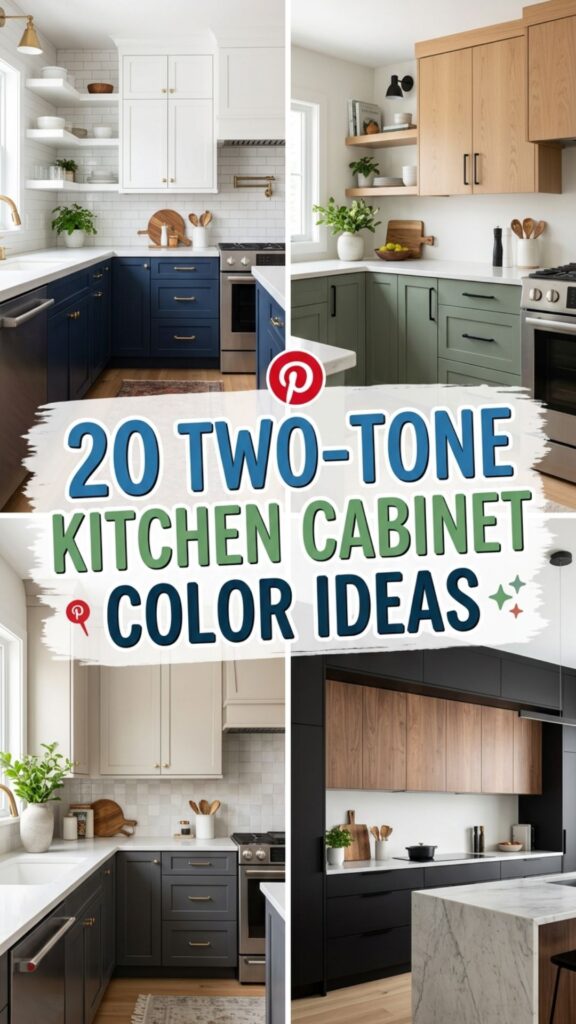
Finding the best kitchen cabinet color ideas can feel overwhelming with so many shades available. Whether you prefer a bold contrast or a subtle, natural blend, breaking up the uniformity of a single color breathes life into the heart of your home. Below, we explore 20 stunning two-tone combinations that suit a wide variety of tastes and architectural styles.
1. Classic Navy Blue and Crisp White
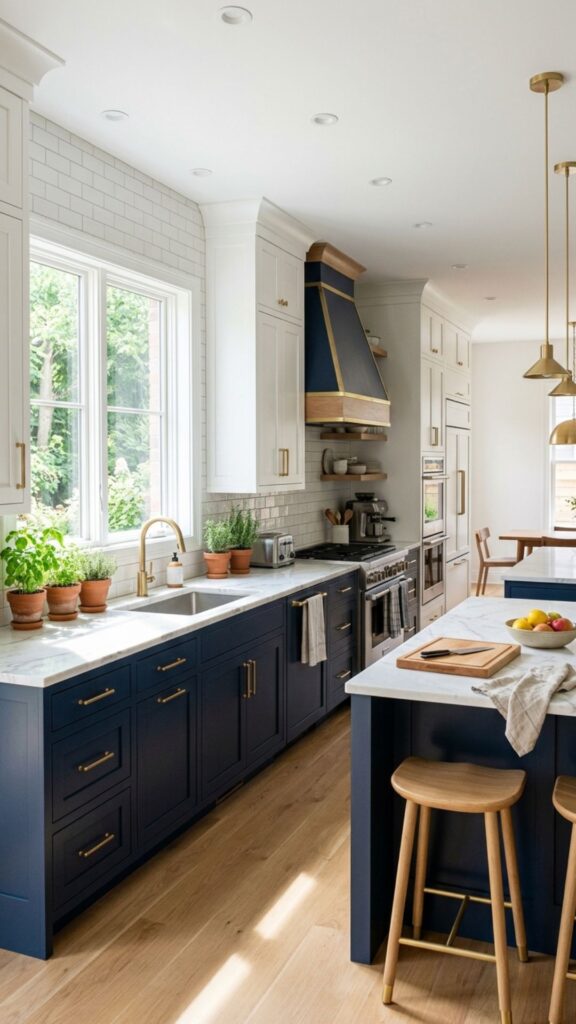
Navy blue lower cabinets paired with bright white uppers create a timeless, nautical-inspired look. The deep blue anchors the room and hides scuffs well, making it highly practical for busy households.
White upper cabinets reflect natural light, making the kitchen feel spacious and open. Add brushed brass hardware to elevate the aesthetic and bring warmth to the cool-toned foundation.
2. Sage Green and Soft Cream
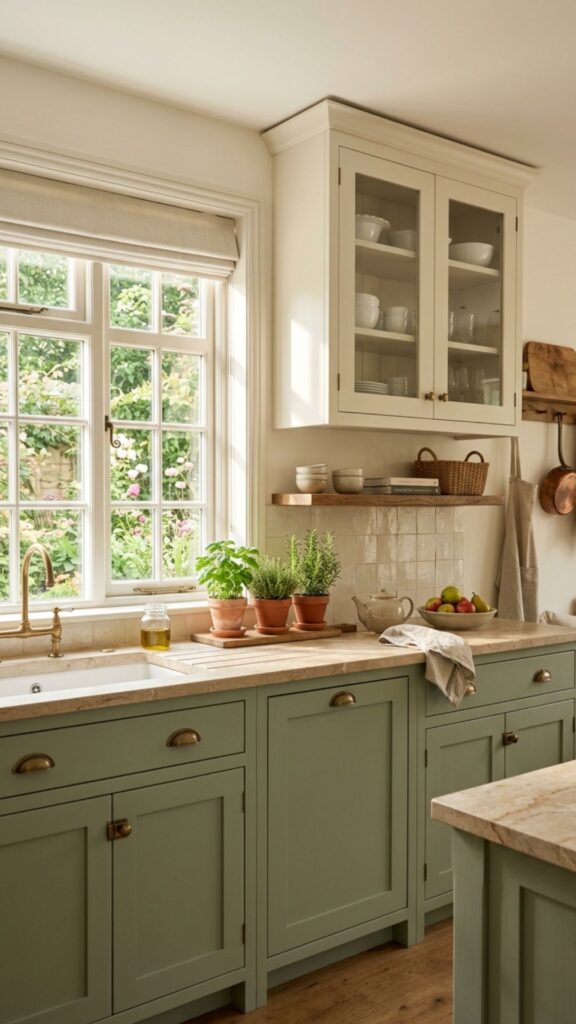
Sage green brings a touch of nature indoors without overpowering the space. Using this muted earthy tone on your base cabinets establishes a calming environment perfect for cooking and gathering.
Pairing sage with soft cream uppers softens the overall transition, creating a warmer feel than stark white. This combination works beautifully with natural stone countertops and woven wood shades.
3. Charcoal Gray and Light Oak
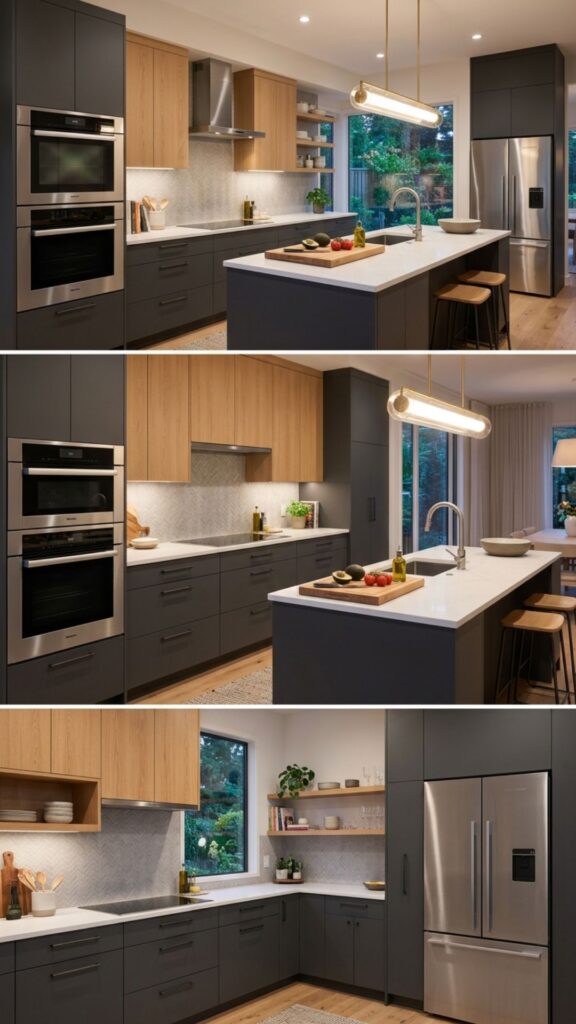
For a sleek, modern aesthetic, charcoal gray lower cabinets provide an excellent base. The dark gray masks everyday wear while delivering a sophisticated, moody atmosphere.
Light oak upper cabinets introduce organic texture and warmth, preventing the gray from feeling too cold or industrial. This pairing looks fantastic alongside stainless steel appliances and minimalist hardware.
4. Matte Black and Bright White
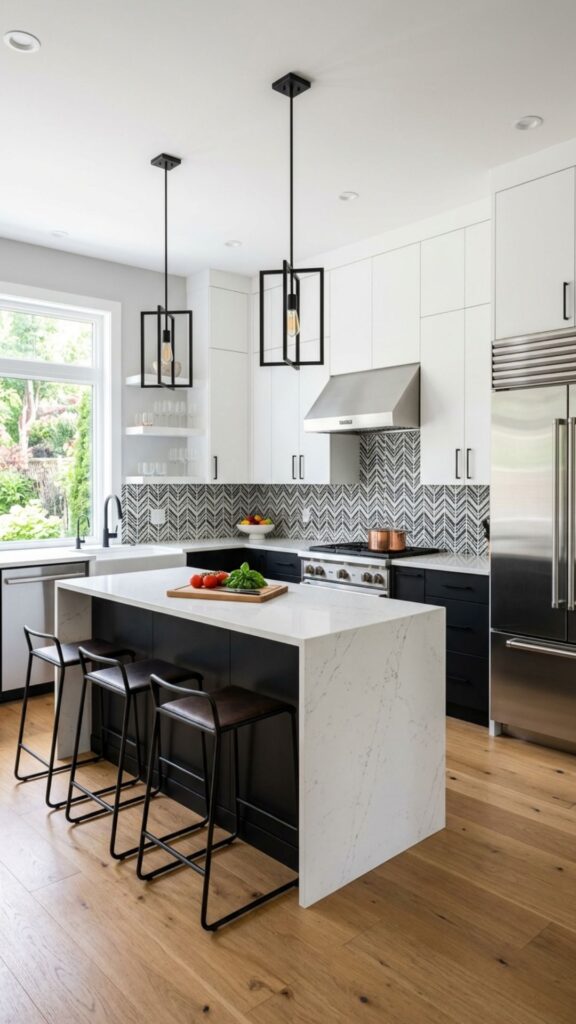
A black-and-white tuxedo kitchen delivers unmatched high contrast. Matte black base cabinets make a bold, grounding statement that instantly draws the eye.
Bright white uppers prevent the room from feeling heavy or enclosed. To pull this striking look together, incorporate a patterned backsplash that features both black and white elements.
5. Rich Emerald Green and Bright White
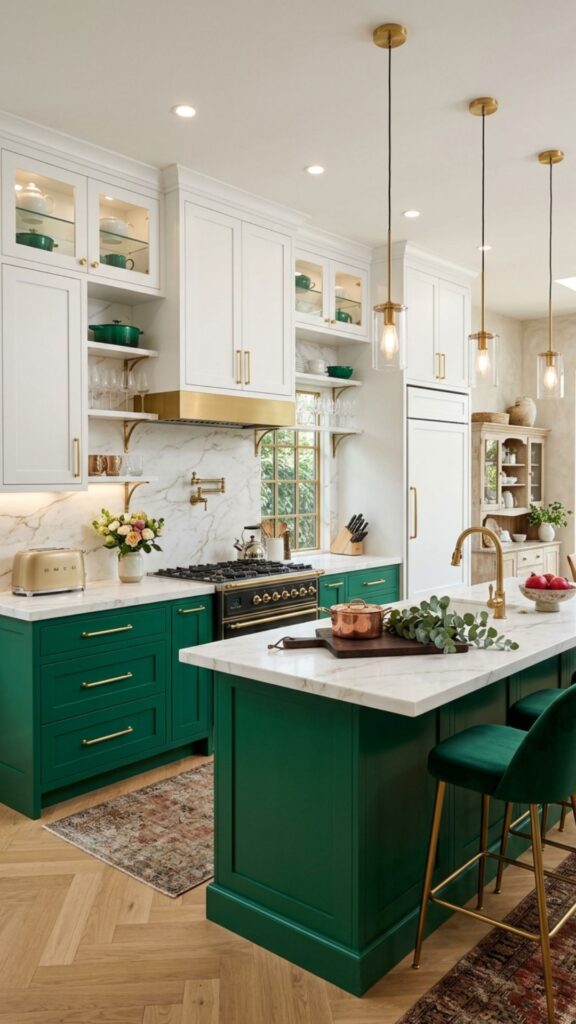
Emerald green injects luxury and vibrant energy into your kitchen. Applying this jewel tone to an island or lower cabinetry instantly transforms the space into a custom-designed showcase.
White upper cabinets keep the focus on the green focal point while ensuring the room remains luminous. Gold or champagne bronze fixtures pop beautifully against the rich green background.
6. Pale Blue and Dove Gray
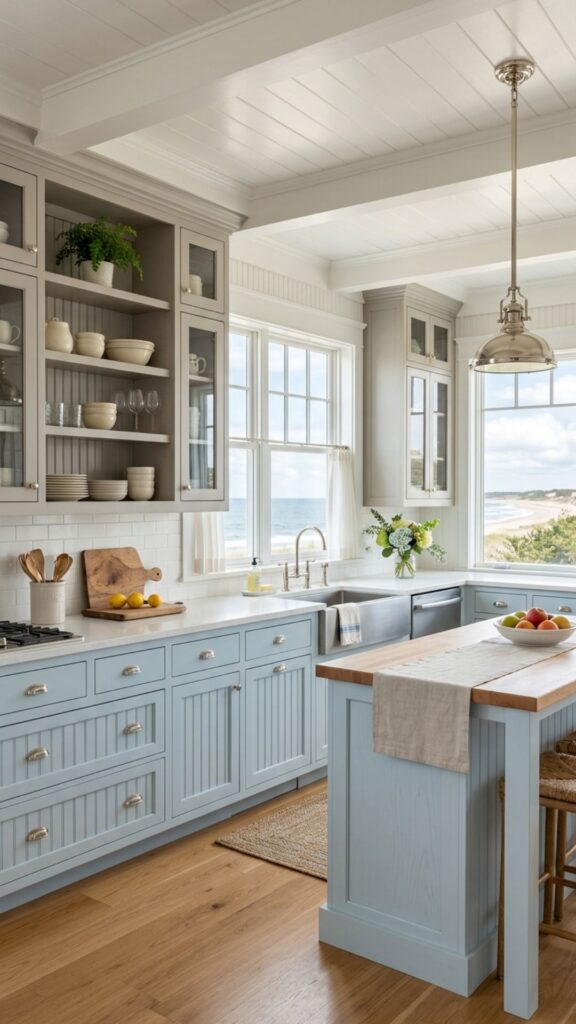
If you prefer a softer, more ethereal palette, pale blue and dove gray make a wonderful pairing. Light blue base cabinets offer a subtle wash of color that feels incredibly fresh.
Dove gray uppers complement the blue with a gentle neutral tone. This combination shines in coastal or cottage-style homes, especially when paired with polished nickel hardware.
7. Deep Plum and Warm Taupe
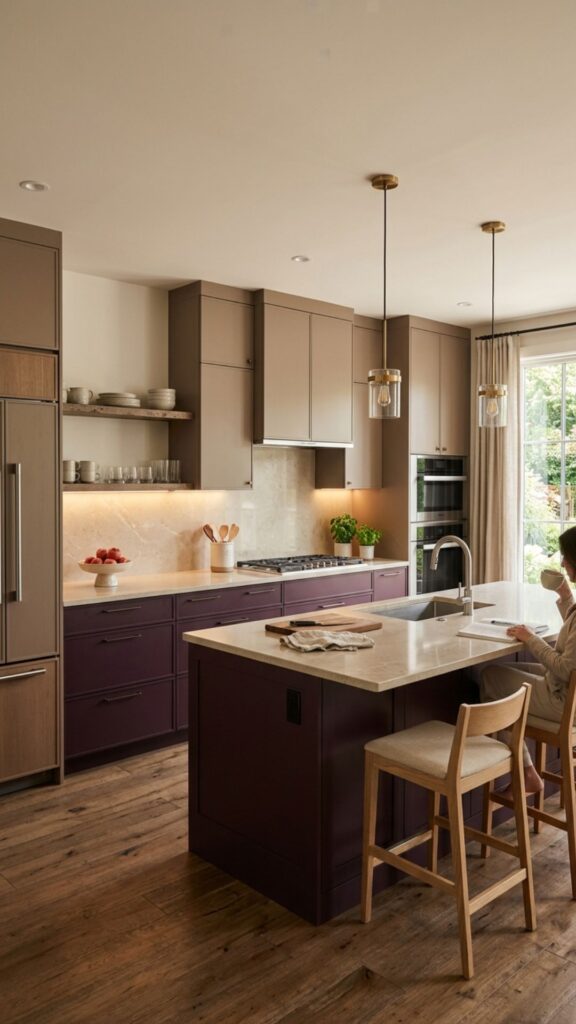
For those who want to step outside the box, deep plum offers an elegant, unexpected foundation. This rich, dark purple adds immense character and a sense of coziness to the room.
Warm taupe upper cabinets balance the intensity of the plum. The resulting atmosphere feels inviting, sophisticated, and perfect for entertaining guests over a glass of wine.
8. Mustard Yellow and Slate Gray
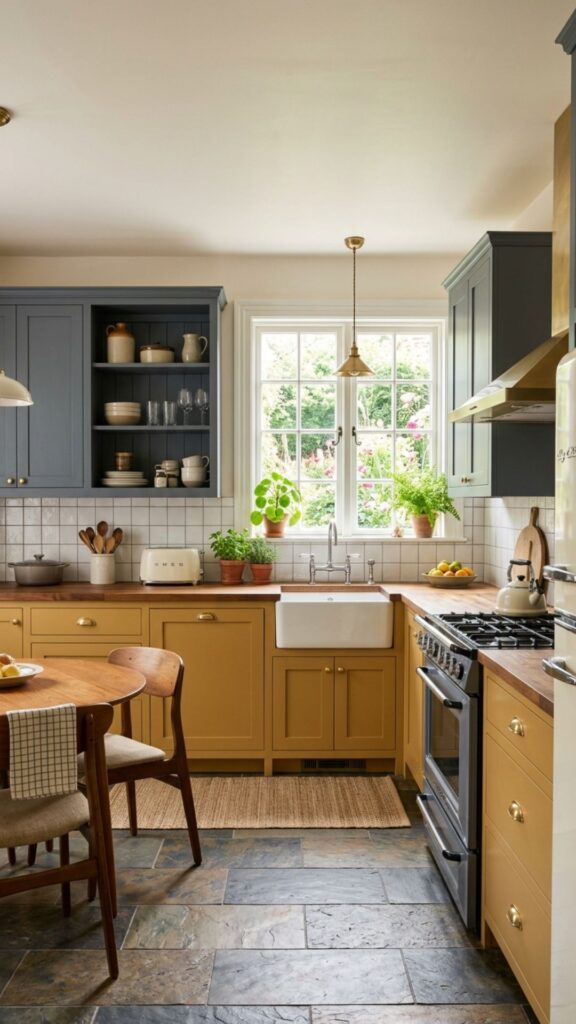
Mustard yellow base cabinets bring a cheerful, vintage-inspired vibe to the kitchen. The warm, energetic hue creates a welcoming space that stimulates the appetite.
Slate gray uppers neutralize the brightness of the yellow, giving the design a grounded, contemporary edge. Slate floor tiles help tie this unique color scheme together seamlessly.
9. Terracotta and Cream
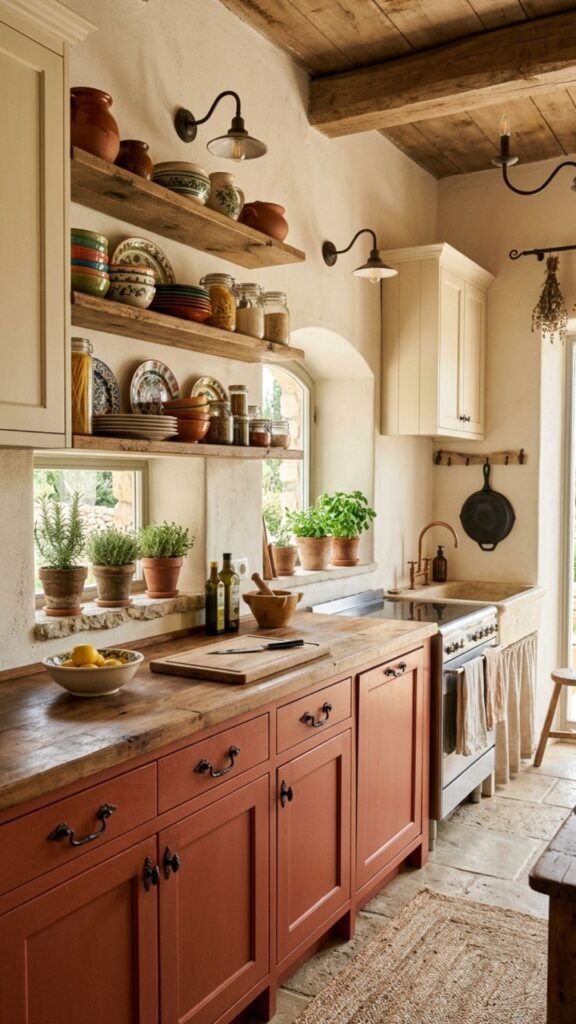
Terracotta lowers infuse the kitchen with baked-earth warmth and Mediterranean charm. The rich, rusty orange tone adds immediate personality and a comforting, rustic feel.
Cream upper cabinets keep the space from feeling overwhelmingly warm. A butcher block countertop and open shelving complete this inviting, farmhouse-ready aesthetic.
10. Mint Green and Walnut Wood
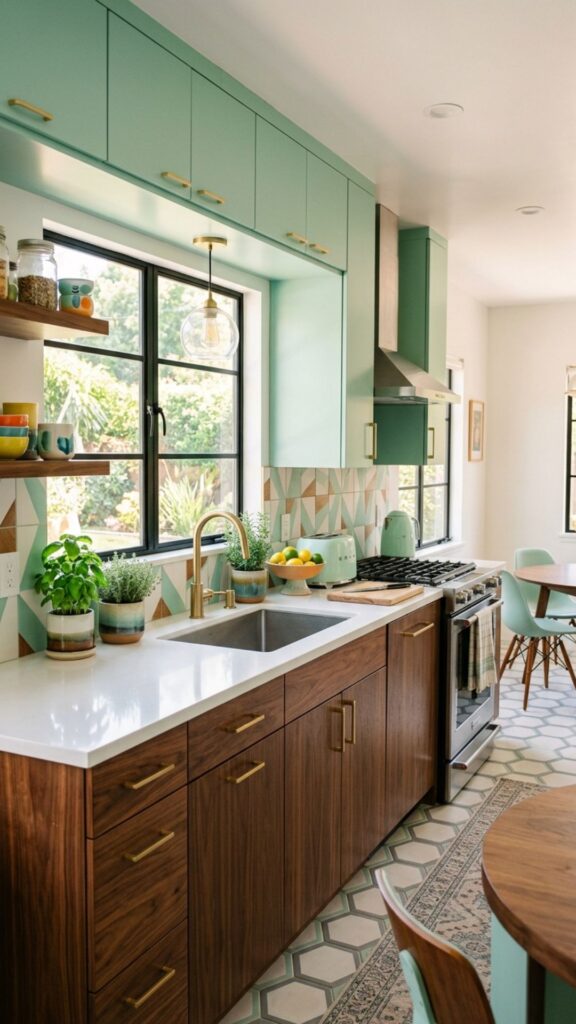
Mint green cabinets bring a retro yet refreshing energy to your cooking space. When used on the upper cabinets, mint draws the eye upward and adds a playful touch.
Walnut base cabinets ground the pastel green with rich, deep wood grains. The contrast between the playful pastel and the serious, luxurious wood creates a highly customized look.
11. Teal and Brass-Accented White
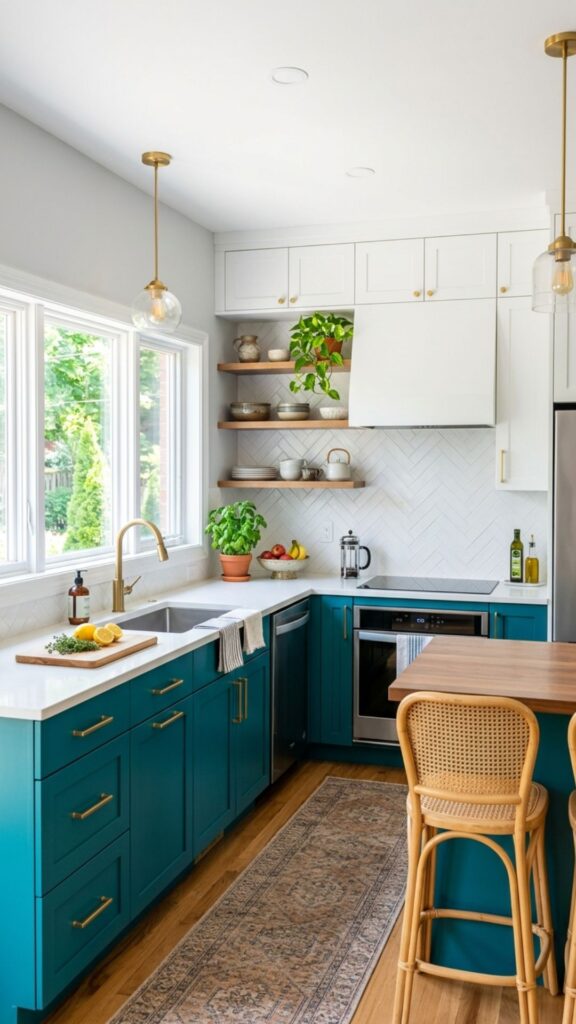
Teal sits perfectly between blue and green, offering a vibrant foundation for lower cabinetry. It creates a lively mood that pairs well with both contemporary and traditional door styles.
White uppers adorned with brass hardware mirror the elegance of the teal lowers. The brass accents reflect light and add a layer of sophistication to the entire room.
12. Blush Pink and Muted Gray
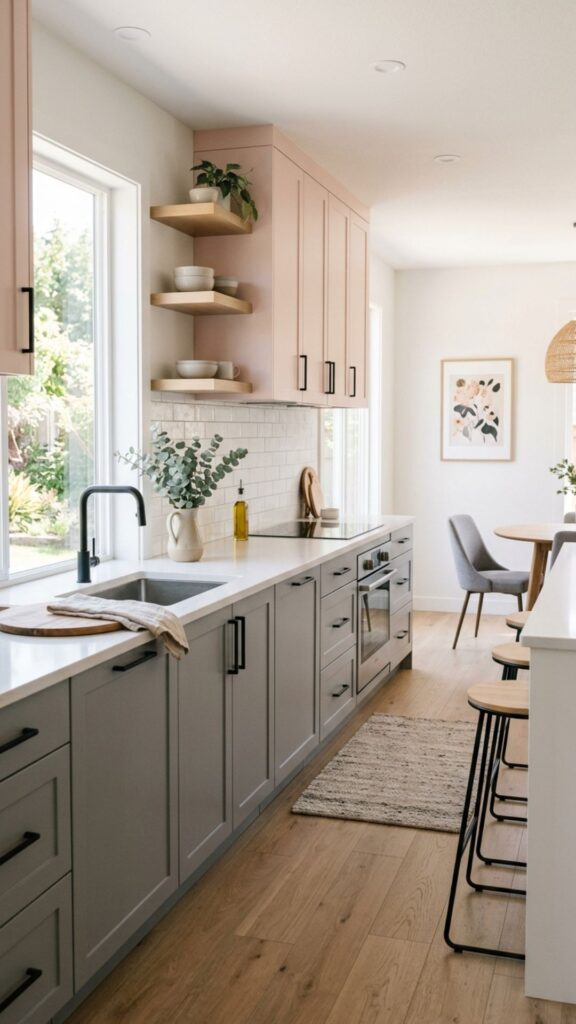
Blush pink is no longer just for bedrooms; it works beautifully as a soft accent color in modern kitchens. Using blush on the upper cabinets adds a warm, delicate glow to the space.
Muted gray base cabinets anchor the pink, ensuring the overall design remains mature and grounded. Matte black hardware provides a modern edge to this gentle color pairing.
13. Olive Green and Creamy Off-White
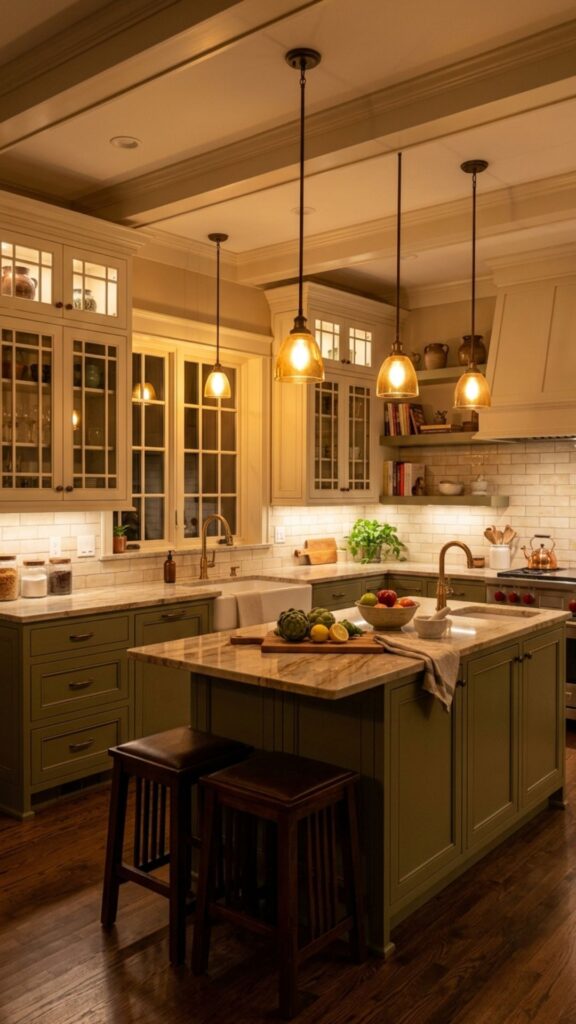
Olive green offers a sophisticated, earthy alternative to brighter greens. Using olive on your lower cabinets gives the kitchen a historic, established feel.
Creamy off-white upper cabinets complement the warm undertones of the olive green. This pairing looks incredibly authentic in craftsman or transitional style homes.
14. Midnight Blue and Natural Maple
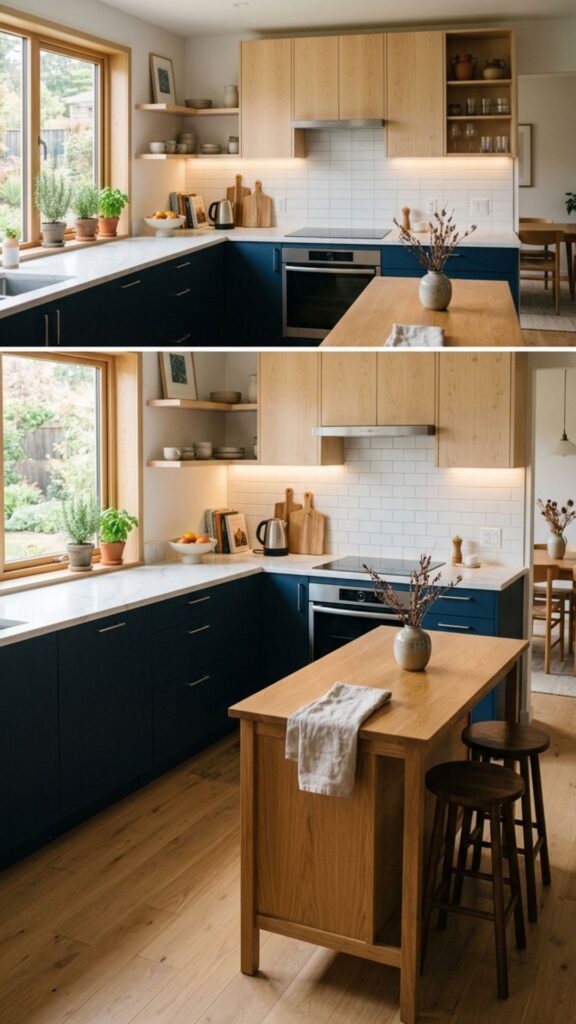
Midnight blue is nearly black but carries the soft elegance of blue. It provides a highly dramatic base that hides spills and stains effortlessly.
Natural maple upper cabinets introduce a light, Scandinavian feel. The pale wood grain softens the intense dark base, creating a balanced, contemporary environment.
15. Dusty Rose and Crisp White
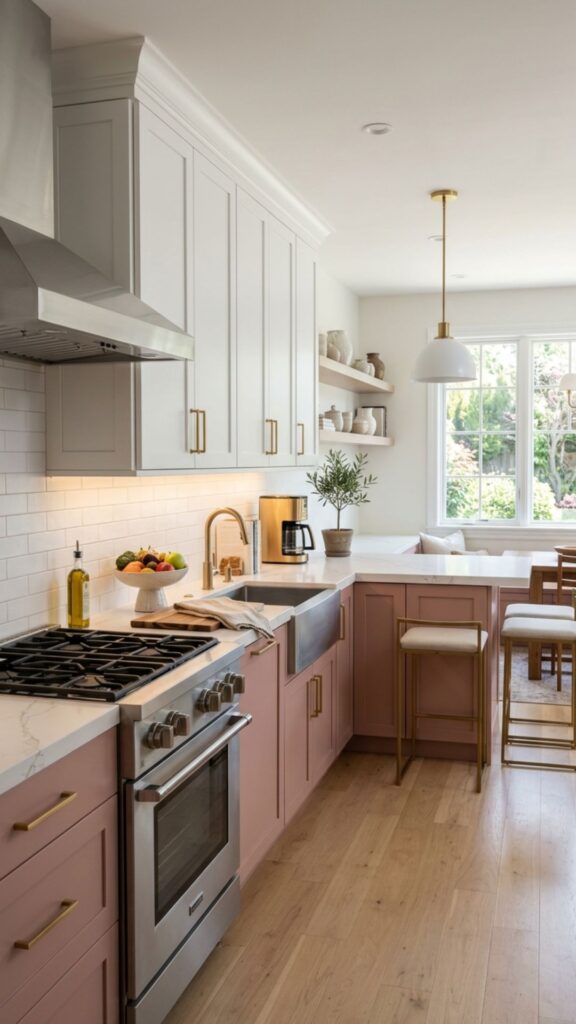
Dusty rose brings a muted, sophisticated warmth to the kitchen. Applying this tone to an island or lower cabinets creates a unique focal point that feels highly personal.
Crisp white uppers ensure the room stays bright and clean. This combination pairs exceptionally well with white quartz countertops featuring subtle gray veining.
16. Greige and Bright White
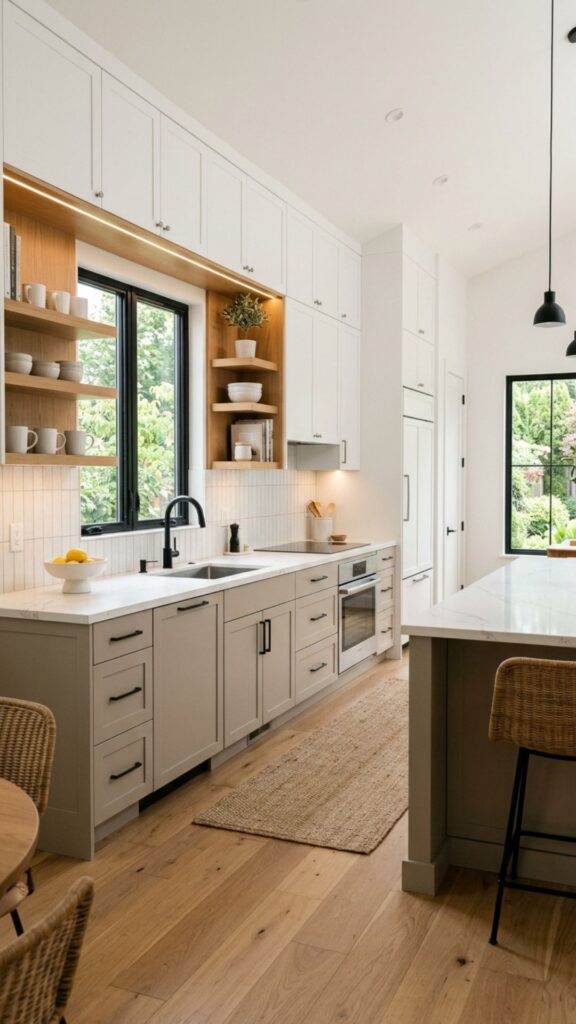
Greige—a blend of gray and beige—offers the ultimate versatile neutral. Greige base cabinets provide a warm, putty-like foundation that adapts to changing daylight.
Bright white uppers keep the kitchen feeling expansive. This understated, elegant two-tone approach allows you to introduce color through accessories and textiles.
17. Deep Burgundy and Soft Gray
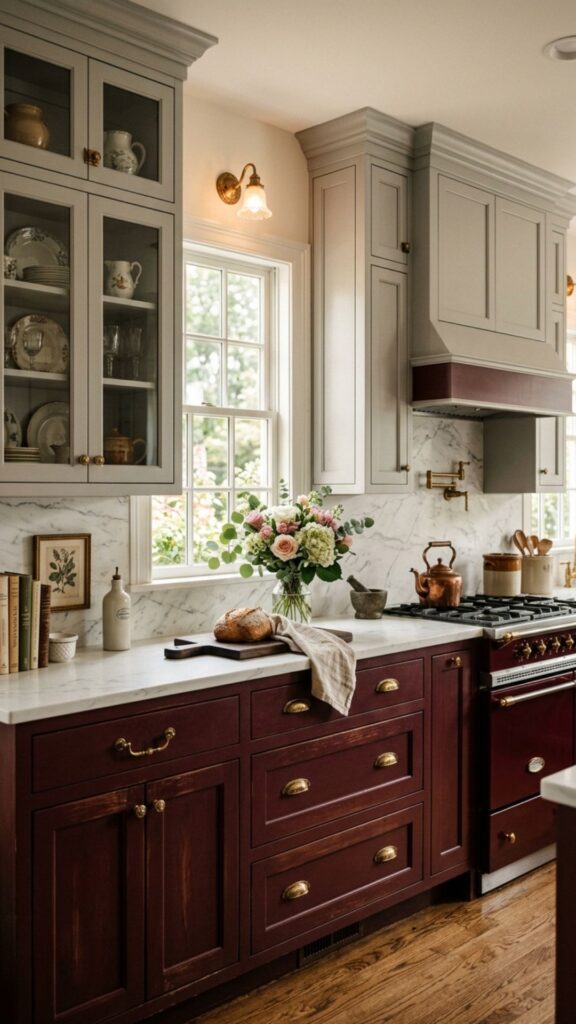
Burgundy lower cabinets make a bold, romantic statement. The deep reddish-brown tone brings an old-world elegance to the heart of the home.
Soft gray upper cabinets cool down the intense warmth of the burgundy. A white marble backsplash perfectly bridges the gap between these contrasting shades.
18. Pale Yellow and Bright White
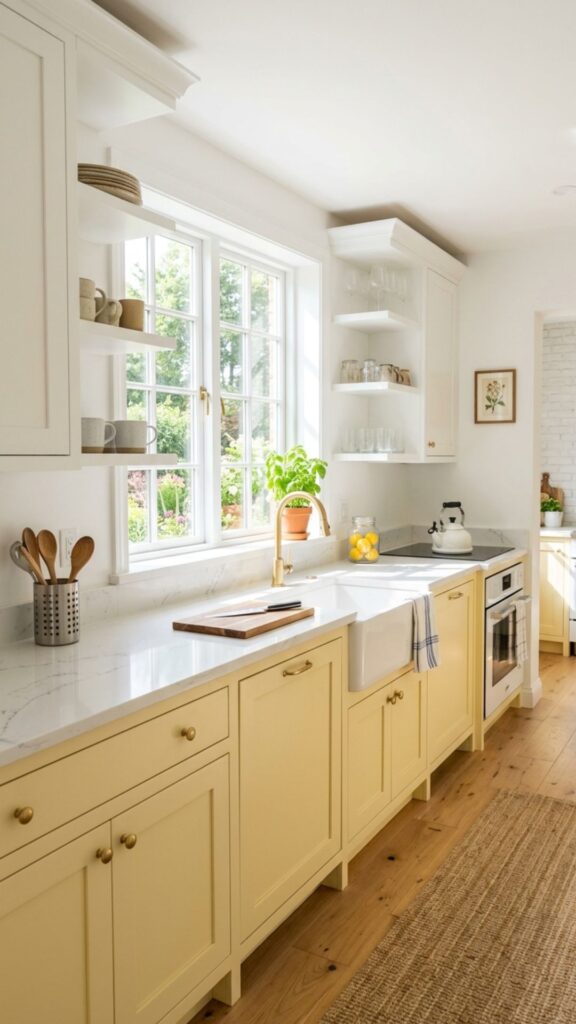
Pale yellow lower cabinets mimic the glow of morning sunlight. This soft, butter-like shade makes the kitchen feel inherently cheerful and welcoming.
Bright white upper cabinets enhance the airy, luminous quality of the space. This combination is highly effective in smaller kitchens or those lacking natural light.
19. Slate Blue and Light Ash Wood
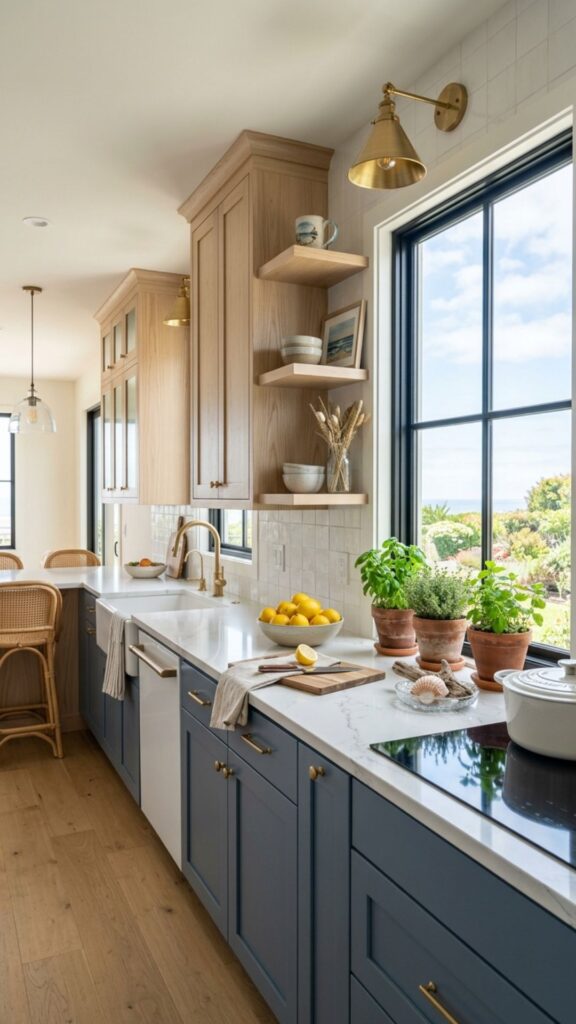
Slate blue carries gray undertones that make it a highly sophisticated choice for lower cabinets. It feels coastal yet entirely modern and refined.
Light ash wood on the upper cabinets adds a layer of organic texture. The raw, natural look of the wood contrasts beautifully with the painted slate blue finish.
20. Coffee Brown and Cream
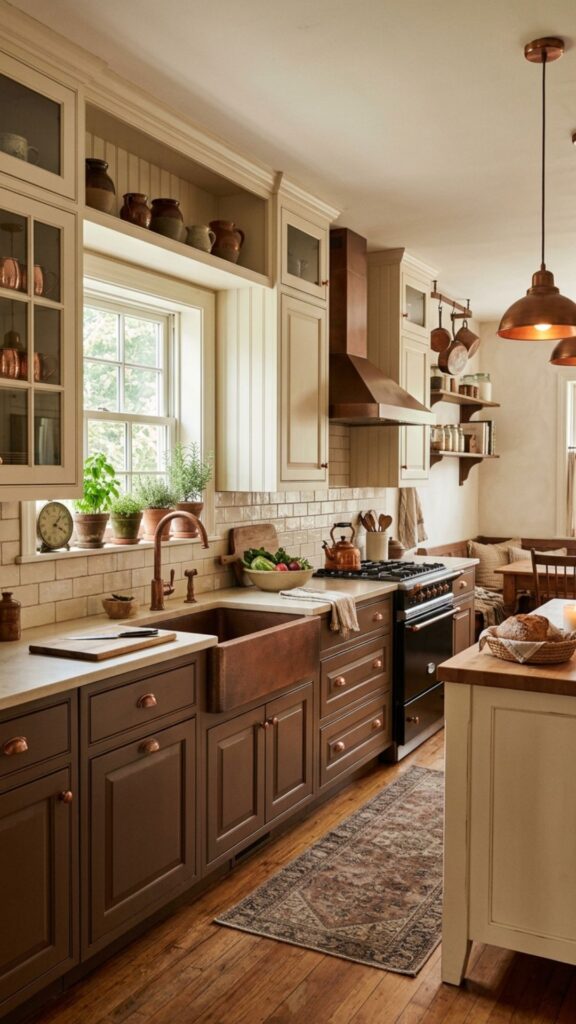
Rich coffee brown base cabinets deliver incredible depth and traditional warmth. The dark hue grounds large kitchens and pairs beautifully with intricate cabinet profiles.
Cream upper cabinets lighten the visual load, preventing the space from feeling like a cave. Copper accents and fixtures enhance the warm, inviting nature of this classic pairing.
Conclusion
Choosing the right color palette dramatically shifts how your cooking space feels and functions. Exploring these two-tone kitchen cabinet color ideas allows you to balance bold personality with timeless elegance. You can anchor your space with rich, dark hues while keeping the upper eye-line bright and expansive.
Take the time to test samples in your home’s unique lighting before making a final decision. Reach out to a local cabinet painting professional today to start bringing your two-tone kitchen vision to life.
What are the rules for two-tone kitchen cabinets?
The most common rule is to place the darker color on the bottom cabinets and the lighter color on the top. This anchors the room and draws the eye upward, making the ceiling feel higher and the space more open.
Do two-tone cabinets increase home value?
Yes, two-tone cabinets often increase home value by modernizing the space. Buyers appreciate updated, stylish kitchens, and a well-executed two-tone design creates a custom, high-end look that stands out in real estate listings.
Should the kitchen island match the two-tone cabinets?
Your kitchen island does not need to match your perimeter cabinets exactly. Many designers paint the island a contrasting accent color—often matching the lower perimeter cabinets—while keeping the rest of the cabinetry light.
What is the best color combination for a small kitchen?
For small kitchens, pair white upper cabinets with a light or medium-toned lower cabinet, like pale blue, sage green, or light wood. This combination adds visual interest without making the room feel heavy or closed in.