If your kitchen sees a lot of action, your backsplash has a tough job. It needs to stand up to oil splatter, sauce stains, steam, and daily wipe-downs without turning cleaning into another chore. That’s why choosing the right kitchen backsplash tile matters so much. The best option is not just about looks. It should also be simple to maintain, durable, and a good fit for how you actually live.
In this guide, you’ll find 20 easy-to-clean backsplash tile options that work well in busy homes. We’ll cover what makes each one practical, where it works best, and what to know before you buy.
Quick takeaways:
- Smooth, low-porosity surfaces are usually easiest to clean.
- Smaller grout lines often mean less scrubbing.
- Glossy and glazed finishes tend to resist stains better than rough textures.
- The best kitchen backsplash tile balances style, upkeep, and budget.
What makes a kitchen backsplash tile easy to clean?
Before you pick a style, it helps to know what affects cleanup. In most kitchens, the easiest materials have a smooth surface that does not trap grease. Glazed, sealed, or non-porous tiles usually wipe clean faster than rough, handmade, or deeply textured finishes.
Grout matters too. Even a low-maintenance tile can become annoying if the grout lines stain easily. Large-format tile, rectified tile, and materials with fewer seams often save time. If you cook often, choosing the right backsplash is really about reducing friction in your routine.
1. Glossy ceramic kitchen backsplash tile
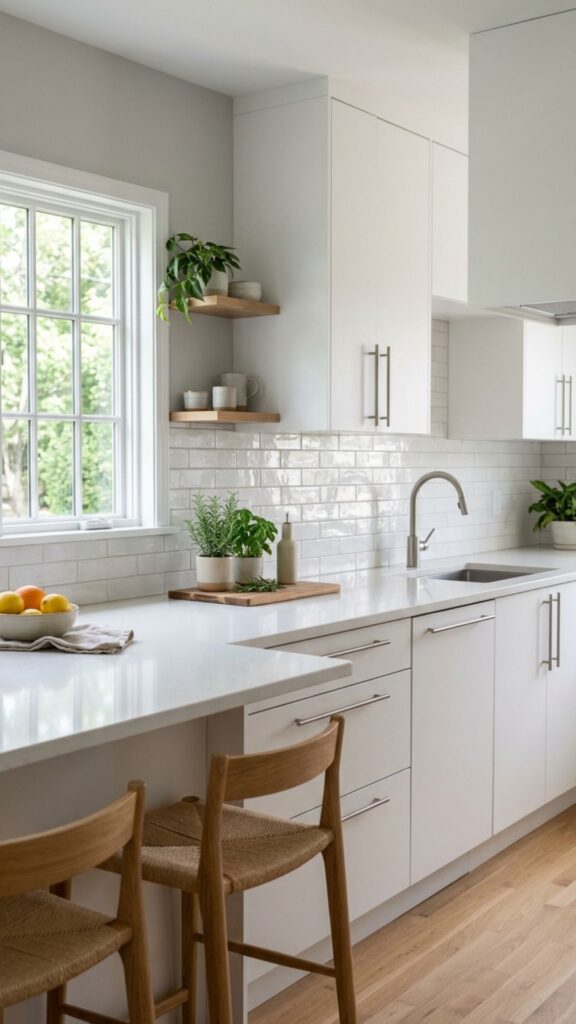
Glossy ceramic tile is one of the most popular choices for a reason. It has a smooth, sealed surface that lets most splatters wipe off with warm water and mild soap. For busy families, that simple cleanup can make a real difference over time.
It also comes in endless colors, shapes, and price points. You can use classic white subway tile for a clean look or go bold with color for more personality. Ceramic is usually budget-friendly, which makes it a smart pick if you want a kitchen backsplash tile that is stylish without being high maintenance.
2. Glazed porcelain backsplash tile
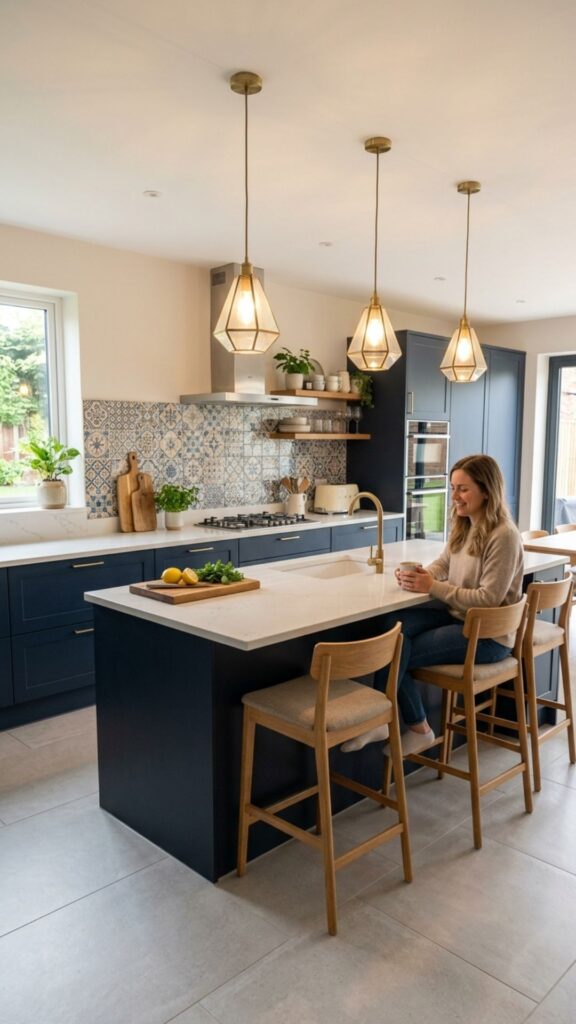
Porcelain is denser than ceramic, which makes it especially strong and less absorbent. That low porosity helps it resist stains, moisture, and wear in hardworking kitchens. If you cook every day, glazed porcelain is a dependable option.
It can also mimic stone, concrete, or wood while still being easier to clean than those natural materials. That makes it useful if you want a designer look without the extra sealing and upkeep. For many homeowners, porcelain offers one of the best mixes of durability and low maintenance.
3. Classic subway tile backsplash
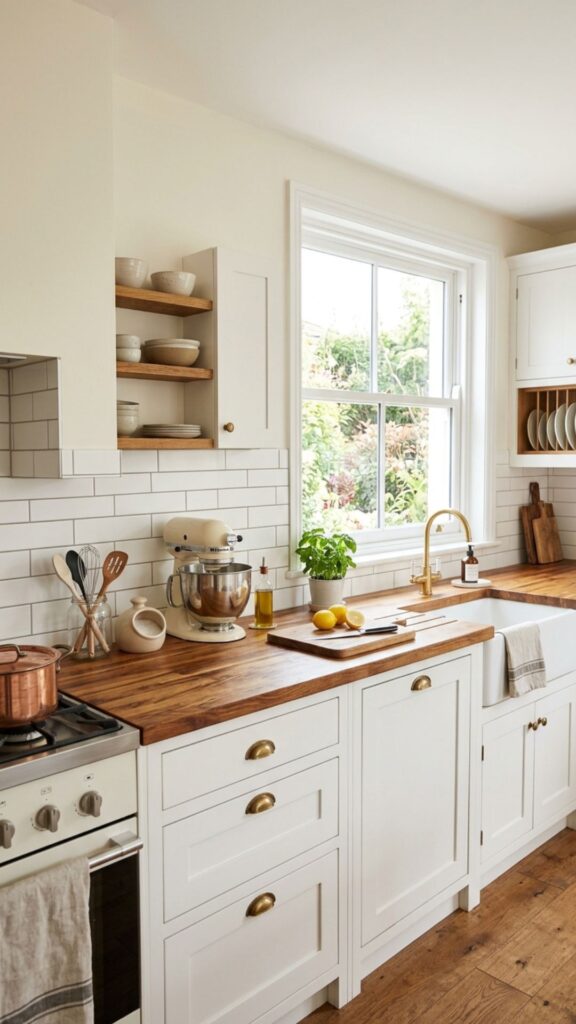
Subway tile remains a favorite because it is simple, clean-looking, and easy to wipe down. Most subway tile is ceramic or porcelain with a glazed finish, so it handles splashes well. It also works with many kitchen styles, from farmhouse to modern.
The main thing to watch is grout. Traditional subway layouts use a lot of joints, which can mean more cleaning over time. If low upkeep is your top priority, choose a stain-resistant grout in a mid-tone shade rather than bright white.
4. Large-format kitchen backsplash tile
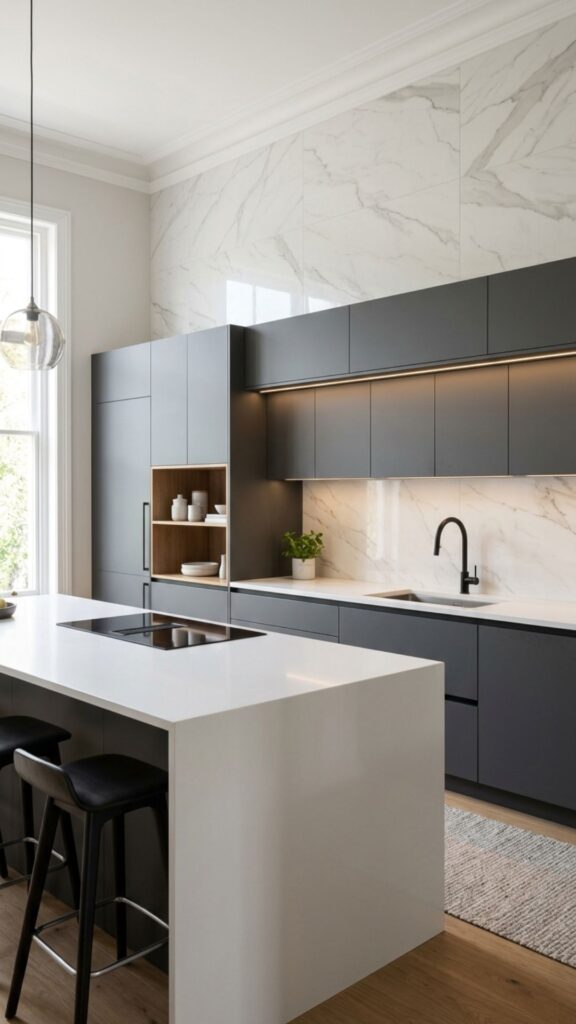
Large-format tile has fewer grout lines, and that alone can save you cleaning time. Instead of scrubbing many small joints, you get broader, more open surfaces that clean quickly with a cloth or sponge. This is a great option for people who want a sleek, modern kitchen.
These tiles also make smaller kitchens feel more open because the surface looks less busy. Porcelain large-format tile is especially practical behind ranges and sinks. Just make sure your wall is flat enough for installation, since bigger tiles show uneven surfaces more easily.
5. Glass backsplash tile
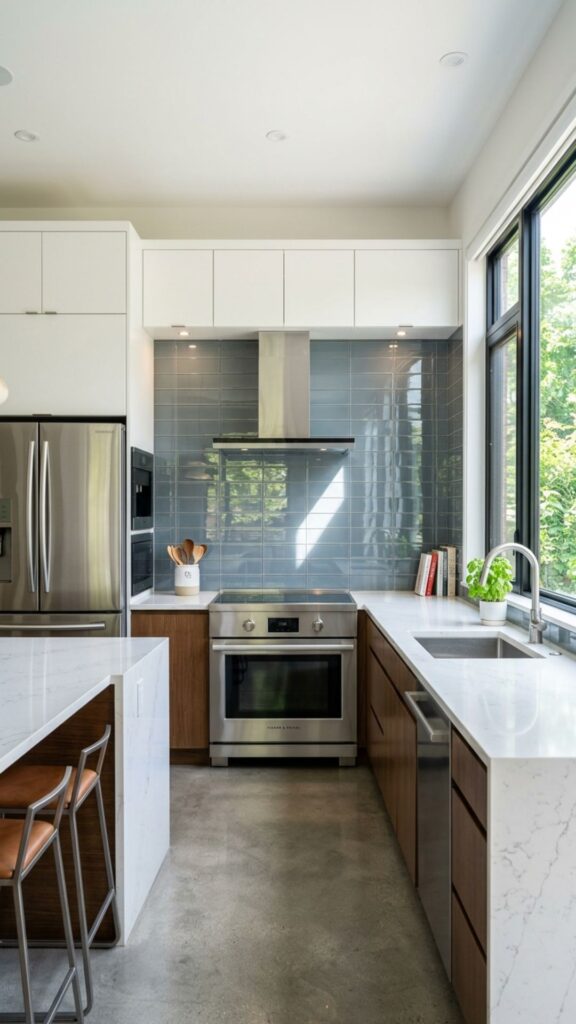
Glass tile is non-porous, so it resists water and most food stains very well. Its glossy surface reflects light, which can brighten a kitchen and make it feel larger. In terms of everyday wiping, glass is often one of the easiest materials to maintain.
That said, fingerprints and smudges can show more clearly on very shiny finishes, especially in darker colors. If that concerns you, choose lighter tones or slightly frosted glass. For homeowners who want a polished look and easy cleanup, glass is still a strong contender.
6. Peel-and-stick backsplash tile
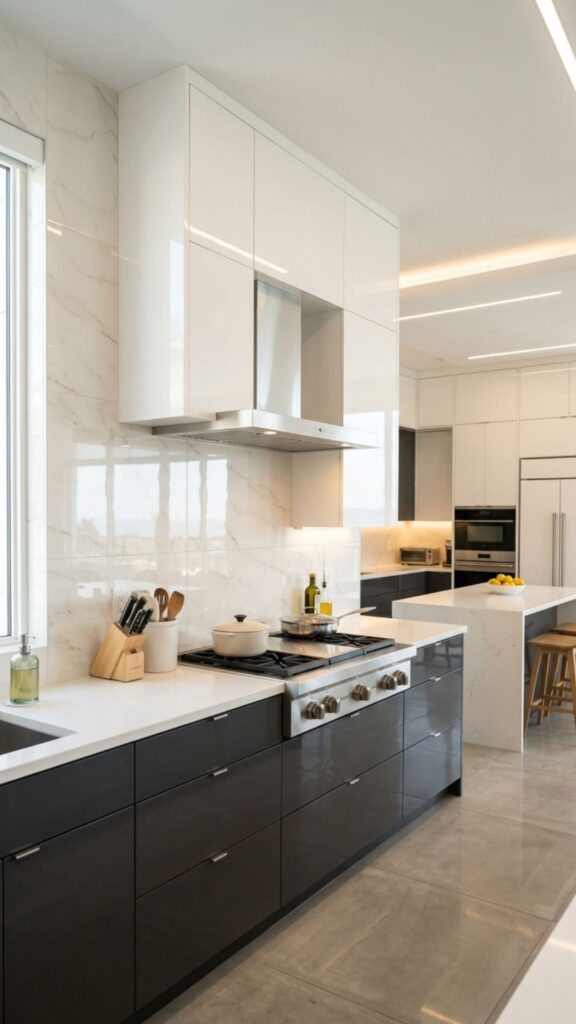
Peel-and-stick tile has improved a lot in recent years. Many versions now mimic ceramic, stone, or mosaic looks while offering a wipeable top layer. For renters or quick updates, this can be an easy, affordable way to refresh the kitchen.
The key is quality. Better peel-and-stick products hold up well in low-splash areas, but cheaper options may peel near heat or steam. If you choose this route, use it in a kitchen where you want simple maintenance and an easy installation, not necessarily a permanent high-end finish.
7. Quartz-look porcelain tile backsplash
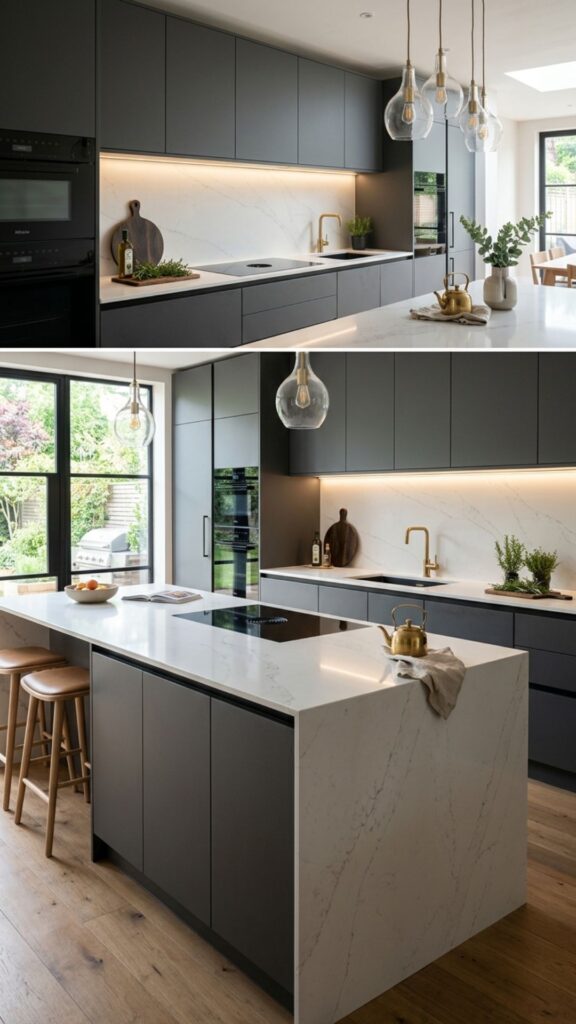
If you love the clean look of quartz slabs but want a tiled installation, quartz-look porcelain tile is worth considering. It gives you a refined, upscale appearance with the easy-care benefits of porcelain. Grease and sauce usually sit on the surface instead of soaking in.
This style works especially well in modern and transitional kitchens. The subtle veining hides small marks better than solid white tile, which can be helpful in active homes. It is a practical choice when you want elegance without constant upkeep.
8. Marble-look kitchen backsplash tile
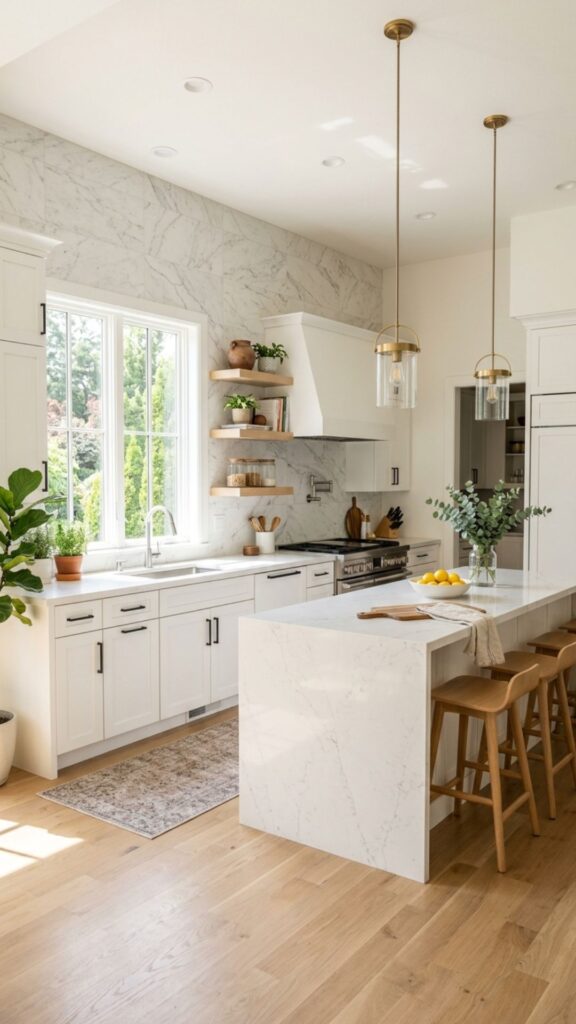
Real marble can be beautiful, but it needs sealing and more careful maintenance. Marble-look tile gives you a similar appearance with fewer worries. Usually made from porcelain or ceramic, it offers the soft veining people love without the same risk of staining.
This option suits homeowners who want a timeless, high-end feel but do not want to baby their backsplash. It pairs nicely with white, gray, navy, or wood-tone cabinets. If your goal is easy cleaning with a classic look, this is a smart compromise.
9. Mosaic tile with stain-resistant grout
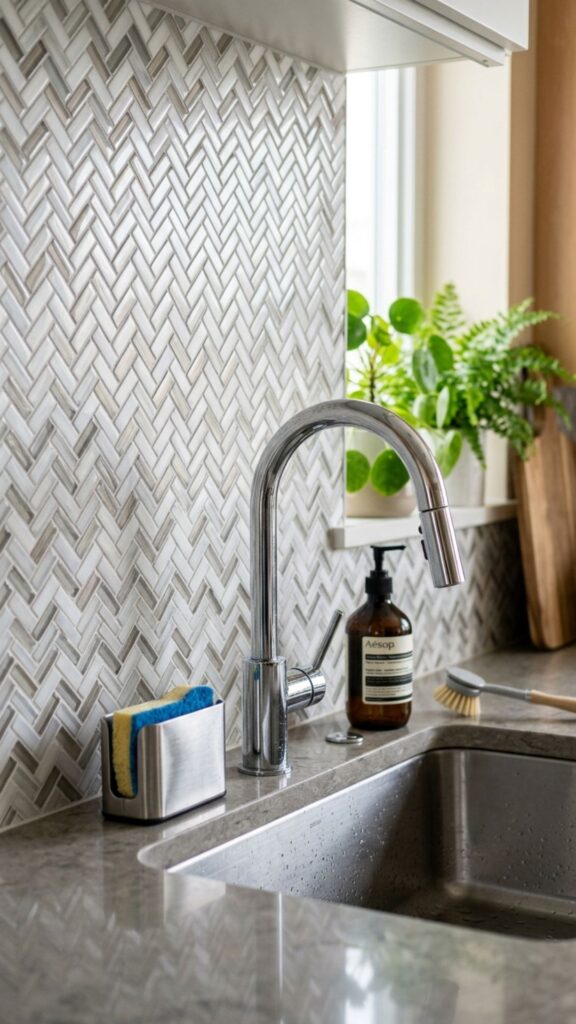
Mosaic tile can sound like a high-maintenance choice because it has many grout lines. But if you choose a smooth mosaic surface and pair it with quality stain-resistant grout, it can still work well in busy kitchens. Small patterns also do a great job hiding minor splashes between cleanings.
Glass and glazed porcelain mosaics are easier to maintain than rough stone mosaics. They add texture and visual detail without being too hard to care for. If you love pattern, mosaic tile can still fit into a low-maintenance kitchen plan.
10. Matte porcelain backsplash tile
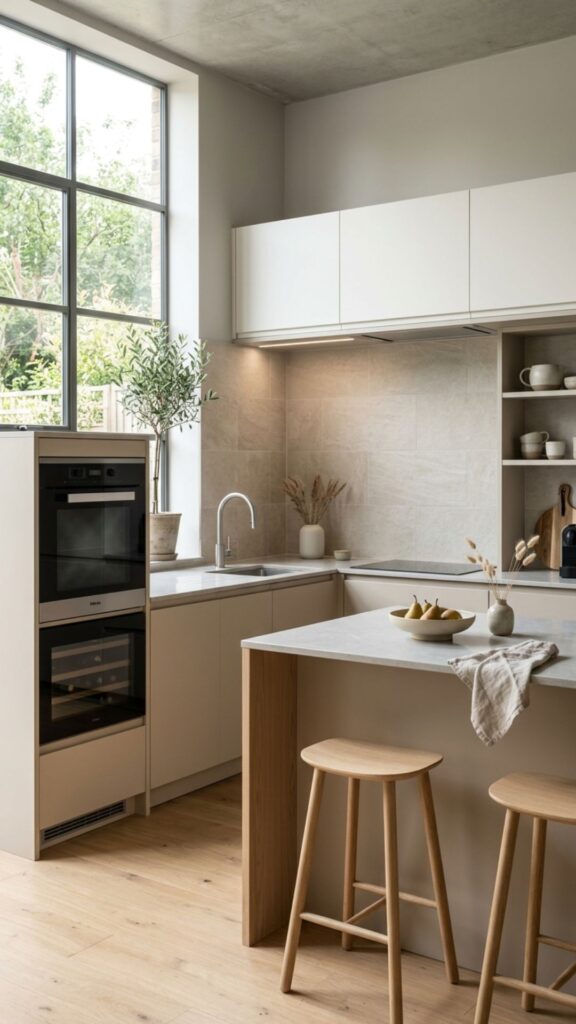
Matte finishes are often chosen for their soft, modern look. Matte porcelain can be easy to maintain as long as the surface is not heavily textured. It tends to hide fingerprints and water spots better than very glossy finishes, which some homeowners prefer.
The important detail is texture. A smooth matte tile cleans up much more easily than one with a rough, chalky, or handmade surface. If you like understated style and less visible smudging, matte porcelain offers a nice balance.
11. High-gloss porcelain tile
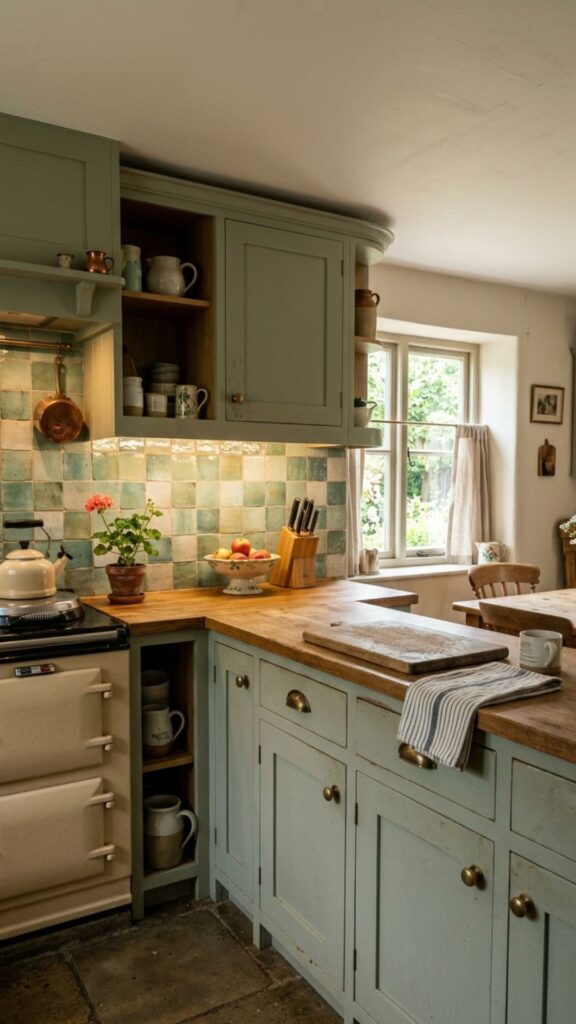
High-gloss porcelain gives you a sleek, polished finish that wipes down quickly. The shiny surface does not hold onto cooking residue the way rougher materials can. It is especially effective behind cooktops, where grease cleanup matters most.
This tile also bounces light around the room, which helps darker kitchens feel brighter. If you want a crisp, reflective look, it is a strong option. Keep in mind that shine can reveal streaks, so a microfiber cloth works well for finishing touches.
12. Rectified tile backsplash
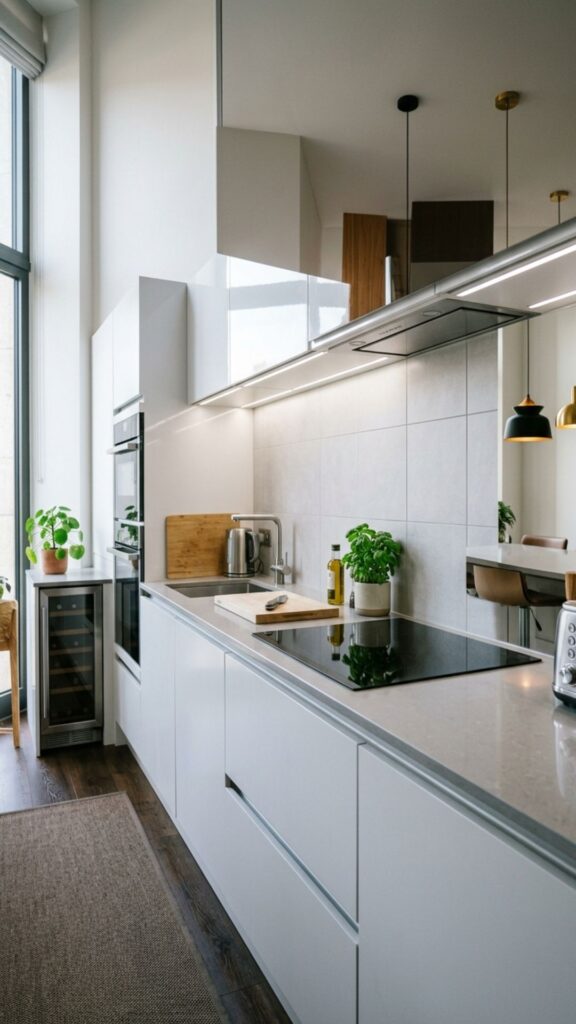
Rectified tile is machine-cut for very precise edges. That allows for narrower grout lines, which means fewer places for dirt and grease to collect. If easy maintenance is your top concern, this detail can make a noticeable difference.
These tiles are often used in modern kitchens because they create a neat, streamlined look. Porcelain rectified tile is especially practical for busy homes. It combines clean lines with easy wiping and less grout to maintain over time.
13. Encaustic-look porcelain tile
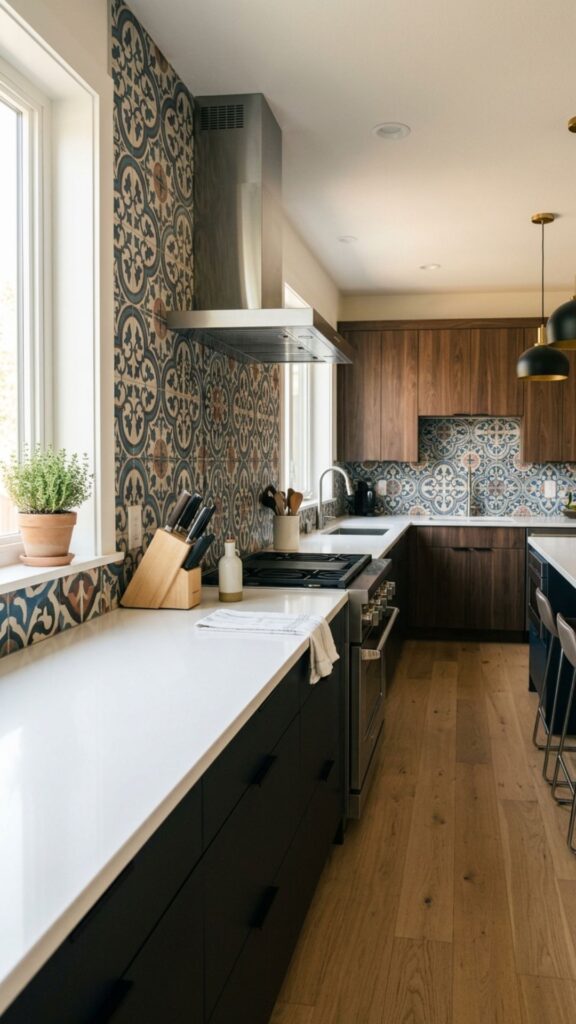
Real cement encaustic tile can be porous and more demanding to maintain. Encaustic-look porcelain gives you the same bold, patterned effect in a much easier-care material. That makes it ideal if you want character without extra work.
Patterned surfaces also help disguise splashes and crumbs better than plain tile. In family kitchens, that can make the space look cleaner between wipe-downs. This is a good pick for people who want style to work a little harder for them.
14. Metallic-look backsplash tile
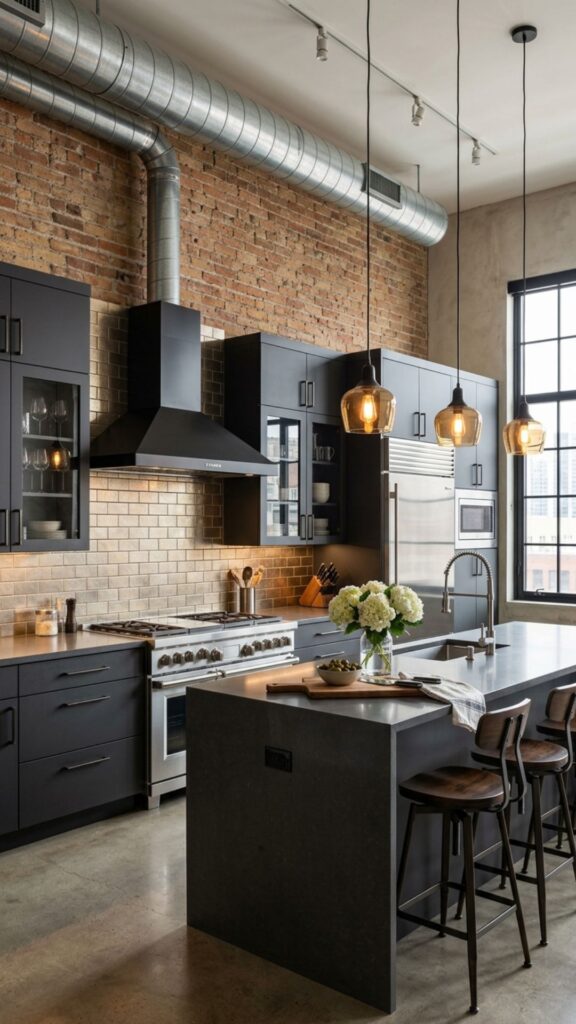
Metallic-look tile, often made from porcelain, ceramic, or glass, brings a modern edge to the kitchen. Its smooth finish is usually easy to wipe clean, especially if the surface is glazed. It can work well in contemporary or industrial-inspired spaces.
These tiles are often used as accents, but they can also cover a full backsplash for a bold effect. Brushed or mixed-tone finishes tend to hide streaks better than mirror-like surfaces. If you want something different that still fits a practical routine, this is worth a look.
15. Stone-look porcelain kitchen backsplash tile
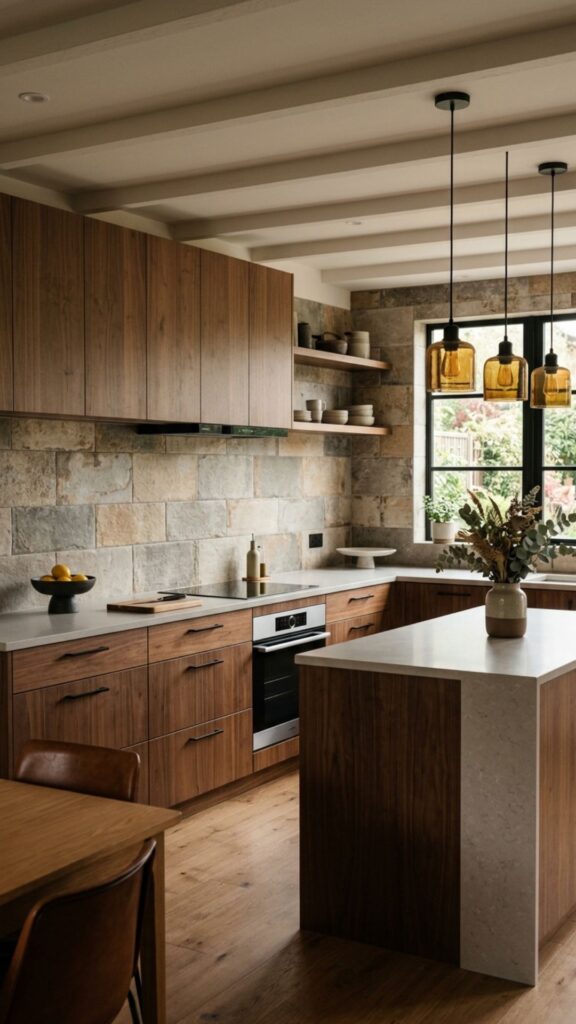
Natural stone can be beautiful, but it often needs regular sealing and gentler cleaners. Stone-look porcelain gives you the warmth and texture of stone with a much easier cleaning routine. It is one of the best choices for homeowners who want a natural feel without the hassle.
It can mimic slate, travertine, limestone, or other materials while offering better stain resistance. For busy homes, that is a major advantage. You get the visual depth of stone and the practicality of porcelain in one finish.
16. Handmade-look glazed tile
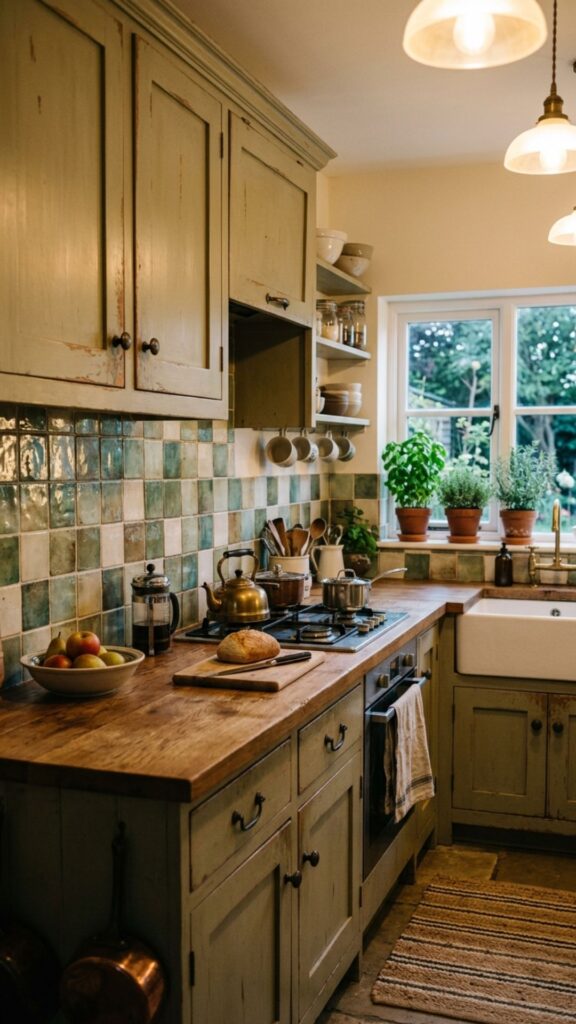
Handmade-look tile offers soft variation in color and shape, which adds charm and warmth. When it has a glazed finish, it is usually much easier to maintain than truly porous handmade materials. That gives you a crafted look with less upkeep.
This style works well in cottage, coastal, and transitional kitchens. Slight variation can also help hide water spots and tiny marks better than perfectly flat solid-color tile. If you want personality without creating more work, glazed handmade-look tile is a smart middle ground.
17. White kitchen backsplash tile
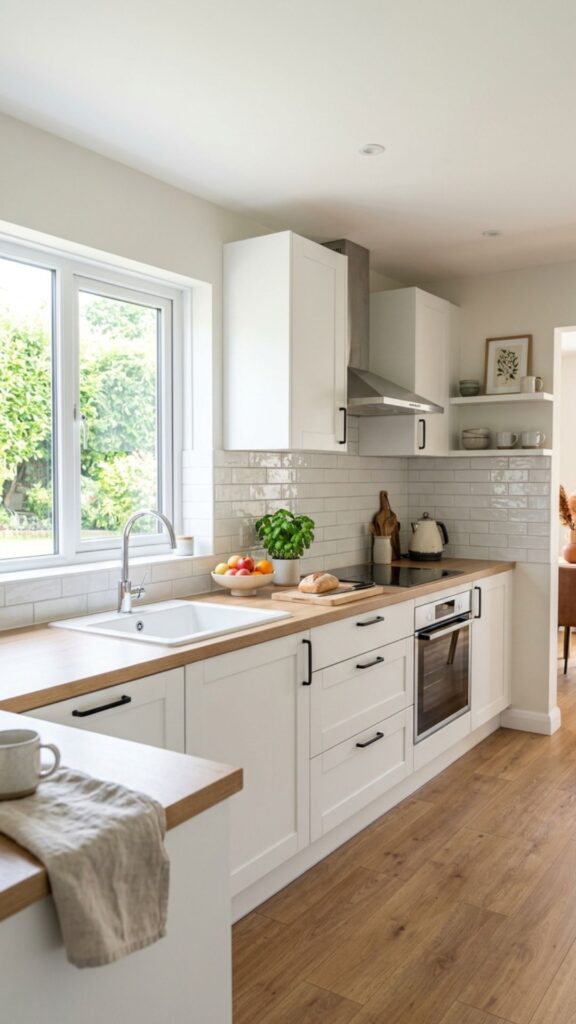
White tile stays popular because it looks fresh, clean, and timeless. In a busy kitchen, white ceramic or porcelain tile with a glazed finish is still a practical option. It reflects light well and works with almost any cabinet or countertop color.
The best way to keep white tile low-maintenance is to think carefully about grout color and finish. Bright white grout can look crisp at first but may need more frequent cleaning. A light gray grout often gives you a similar look with less stress.
18. Gray porcelain backsplash tile
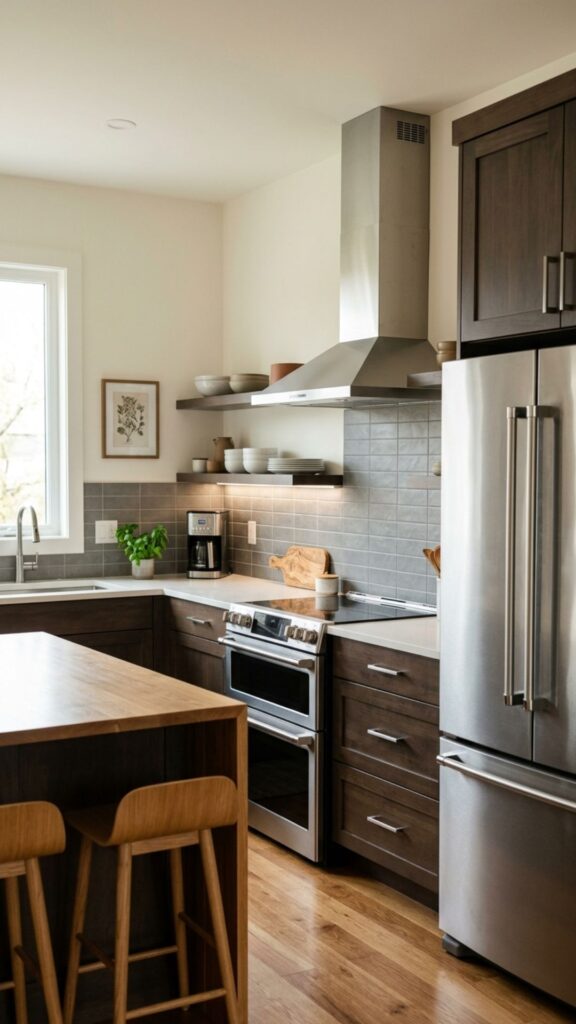
Gray porcelain tile is a practical choice for people who want something forgiving. It tends to hide dust, light splashes, and minor smudges better than bright white or very dark tile. That can help your kitchen look tidy even on busy weekdays.
Gray also fits many styles, from minimal modern kitchens to warmer traditional spaces. It pairs easily with stainless steel, wood, black, and white finishes. If you want a kitchen backsplash tile that is low-drama in the best way, gray porcelain is reliable.
19. Beige or greige backsplash tile
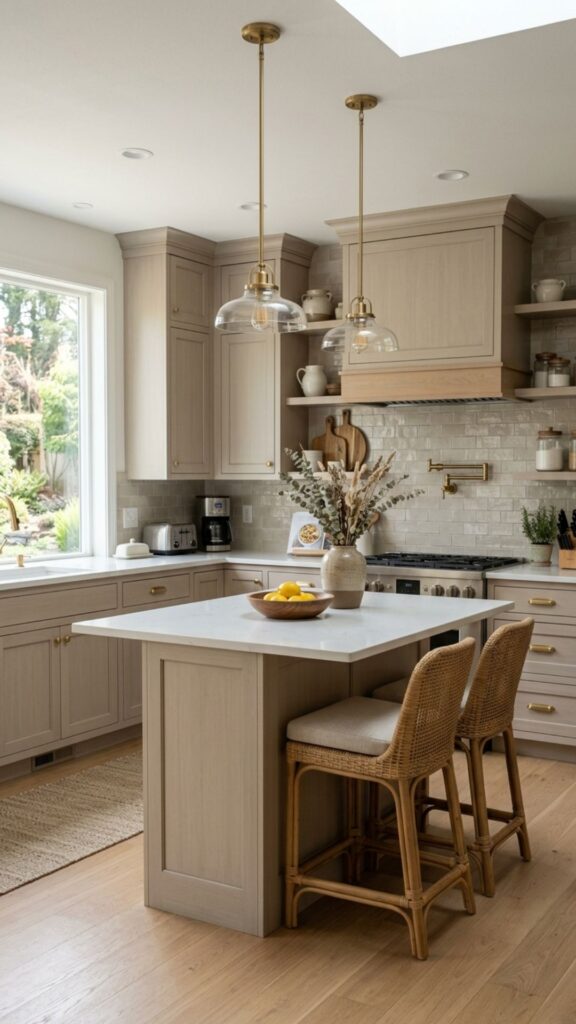
Beige and greige tiles are having a strong comeback because they feel warm and flexible. These neutral shades are especially useful in homes where you want the backsplash to blend rather than stand out. They also tend to disguise everyday mess a bit better than stark white.
In practical terms, glazed ceramic or porcelain in these tones is easy to wipe down and simple to coordinate with changing decor. If you want a timeless look that feels softer than gray, beige and greige are easy to live with.
20. Full-height kitchen backsplash tile
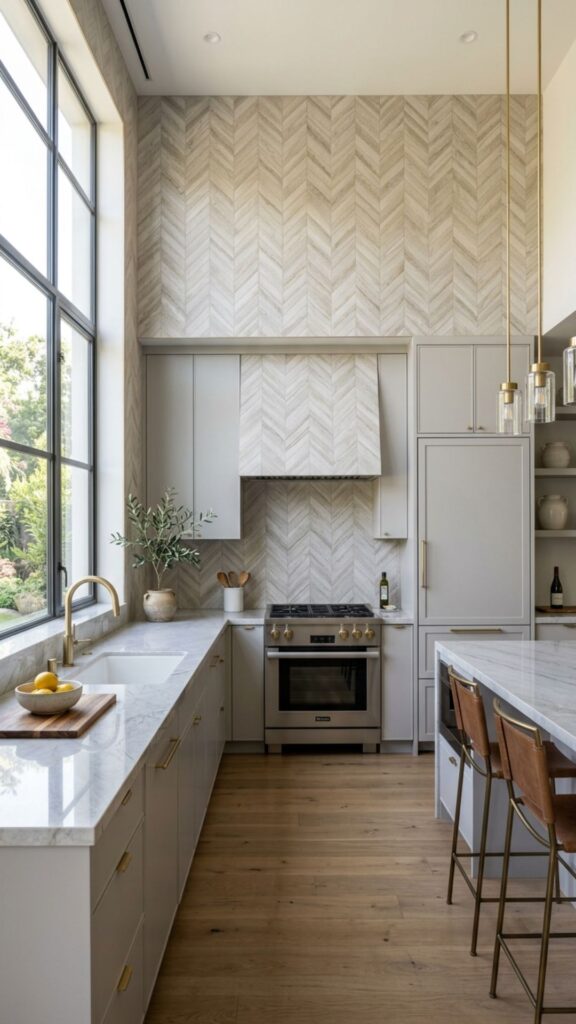
A full-height backsplash runs from the countertop up to the cabinets or ceiling. While this is more of an installation style than a material, it can be a smart move in messy kitchens. It creates a larger protective surface that is easy to wipe clean after cooking.
Using easy-care materials like porcelain, ceramic, or glass in a full-height layout also gives the kitchen a more finished, custom look. It works especially well behind a range or prep zone. If you want more wall protection and a stronger design statement, this option checks both boxes.
How to choose the best kitchen backsplash tile for your home
The best backsplash depends on how you use your kitchen. If you cook often, choose a smooth, non-porous material like glazed ceramic, porcelain, or glass. If you hate scrubbing grout, look for large-format or rectified tile. If your kitchen gets messy fast, consider patterned or mid-tone finishes that hide light splashes between cleanings.
It also helps to match the tile to your real habits, not an ideal version of them. A stunning tile that needs special care may not feel worth it six months later. For most busy homes, the sweet spot is a durable surface, easy grout maintenance, and a style you will still like years from now.
Common mistakes to avoid when picking backsplash tile
One common mistake is choosing based only on appearance. A heavily textured tile may look beautiful in a showroom, but it can trap grease and make daily cleanup harder. Always ask how the tile performs, not just how it looks.
Another mistake is overlooking grout. Homeowners often focus on the tile and forget that grout can affect maintenance just as much. Choosing stain-resistant grout, a practical color, and a smart tile size can save you a lot of time later.
Conclusion
The right kitchen backsplash tile can make your kitchen easier to maintain without giving up style. For most busy homes, the easiest options are glazed ceramic, porcelain, glass, and large-format designs with fewer grout lines. If you want more character, patterned porcelain, handmade-look glazed tile, and marble-look finishes can give you that extra design interest while staying practical.
Start by thinking about how your kitchen really functions each day. Do you need the fastest cleanup possible, fewer grout lines, or a finish that hides splatter well? Once you know your priorities, narrowing down the best backsplash becomes much simpler.
If you are planning a kitchen update, shortlist three tile styles that fit your budget, cleaning routine, and design taste. That small step can save time, reduce decision fatigue, and help you choose a backsplash you will be happy with long after installation day.
What is the easiest kitchen backsplash tile to clean?
Glazed porcelain, glossy ceramic, and glass tile are usually the easiest to clean. They have smooth, non-porous surfaces that resist stains and wipe down quickly.
Is porcelain or ceramic better for a kitchen backsplash?
Both are good choices, but porcelain is usually denser and more moisture-resistant. Ceramic is often more budget-friendly. For most homes, either works well if it has a glazed finish.
What backsplash tile has the least maintenance?
Large-format porcelain tile with narrow grout lines is one of the lowest-maintenance options. Fewer seams mean less grout to scrub and a faster cleanup overall.
Should kitchen backsplash tile be glossy or matte?
Glossy tile is often easier to wipe clean because the surface is slicker. Matte tile can hide fingerprints and water spots better. A smooth matte porcelain can be a good compromise.
What color backsplash tile is easiest to keep looking clean?
Mid-tone colors like gray, greige, and soft patterned finishes tend to hide light splashes and smudges better than pure white or very dark tile.