Furnishing a small bedroom feels like solving a puzzle. You want a comfortable bed, a place for your clothes, and enough room to walk without bumping into a corner. Cram in the wrong pieces, and suddenly your retreat feels more like a storage closet.

The right bedroom furniture changes everything. Smart, space-conscious choices can make a tiny room feel open, calm, and surprisingly roomy.
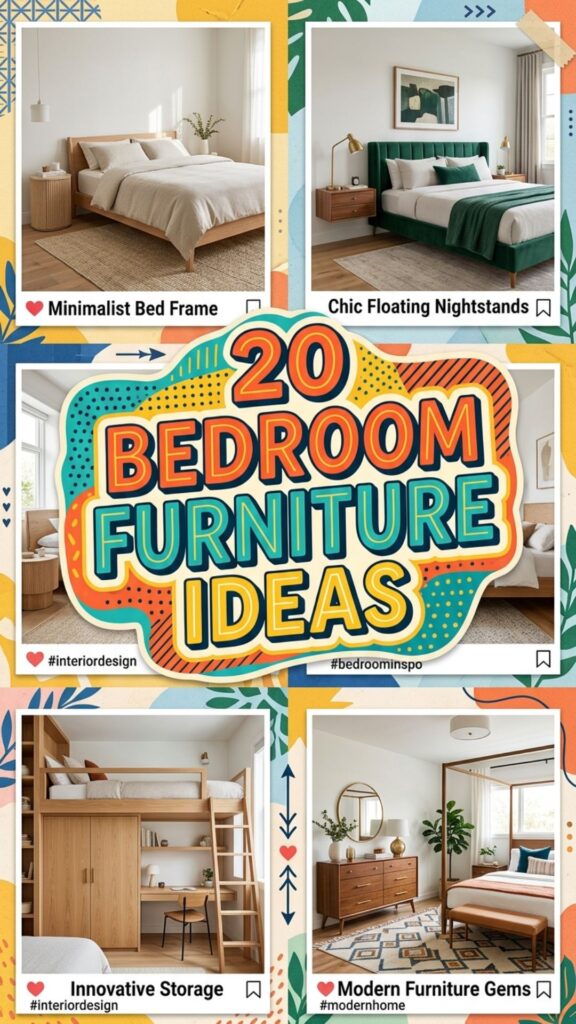
In this guide, you’ll learn 20 practical ideas that solve the most common small-room problems: limited space, clutter, awkward layouts, and not enough storage. Pick a few that fit your room, and start building a space that finally works for you.
1. Choose a Storage Bed With Built-In Drawers
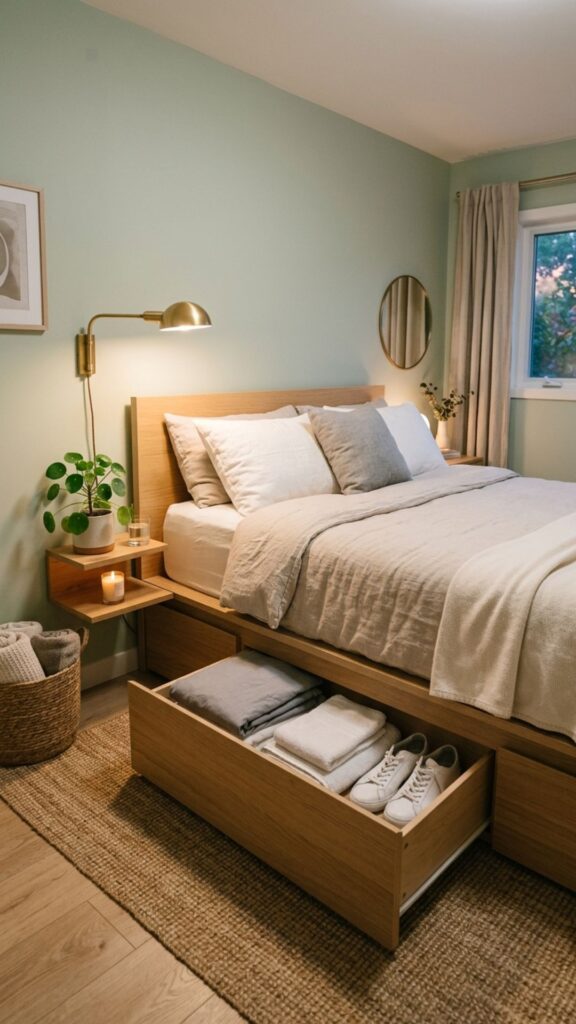
A storage bed is the single best piece of bedroom furniture for a small room. The drawers tucked into the base hold spare bedding, off-season clothes, or shoes, which means you can skip a bulky dresser entirely. You gain serious storage without using a single extra inch of floor.
Look for frames with soft-close drawers or a lift-up base if you need deeper space. A queen storage bed can easily replace two or three other pieces. That’s a huge win when every square foot counts.
2. Pick a Narrow Dresser That Goes Tall, Not Wide
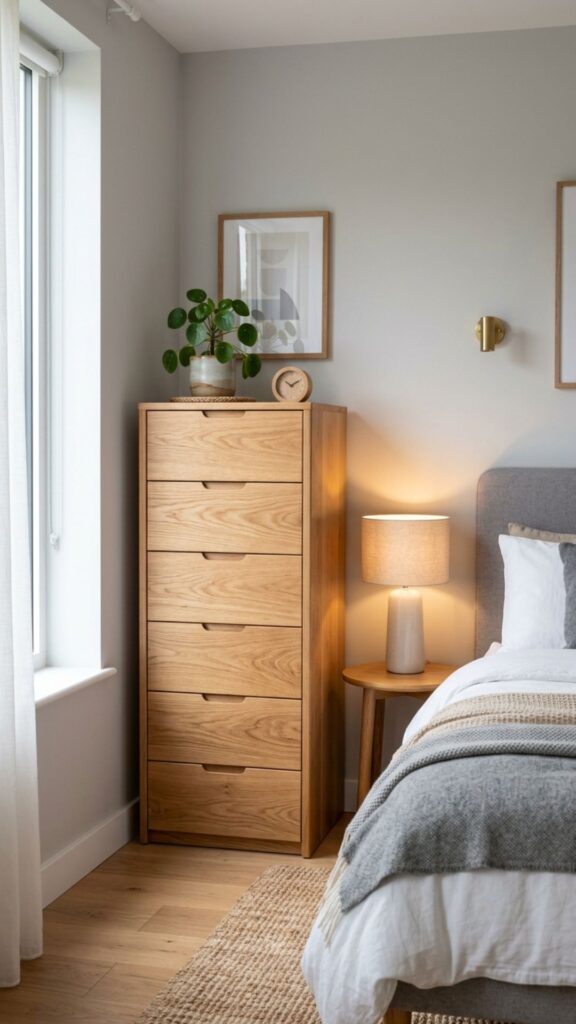
Wide dressers swallow floor space fast. A tall, narrow chest of drawers stores the same amount of clothing while taking up far less ground. Aim for something around 30 inches wide and stacked four or five drawers high.
Vertical storage uses your wall height, which often sits empty in small rooms. Place it in a corner or beside a doorway where a wider piece wouldn’t fit. You keep your clothes organized and your floor clear.
3. Mount Floating Nightstands on the Wall
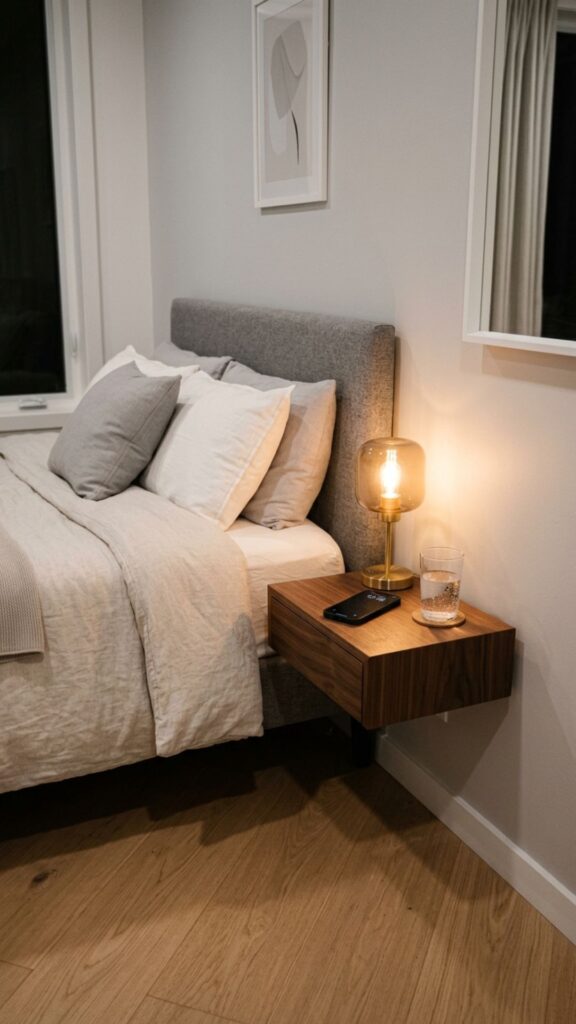
Traditional nightstands with legs eat up valuable floor area and make a room feel crowded. A wall-mounted floating nightstand holds your phone, a lamp, and a glass of water while leaving the floor open underneath. That open space instantly makes the room feel bigger.
Mount it at mattress height for easy reach. Choose one with a small drawer to hide chargers and clutter. In rooms barely wider than the bed, this is often the only nightstand that fits.
4. Use a Loft or Raised Bed to Free Up Floor Space
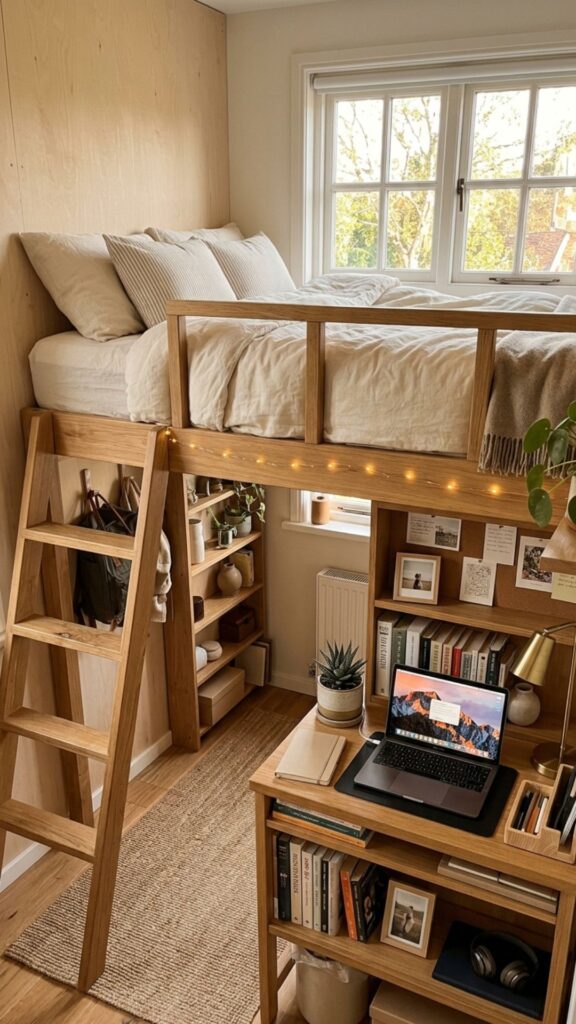
A loft bed lifts your sleeping area up high, leaving the space below open for a desk, dresser, or cozy reading spot. This trick works wonders in studio apartments and tiny single rooms. You essentially double your usable floor area.
Adults can use sturdy, low-clearance loft frames designed for grown-ups, not just kids. Add a small workspace or a set of shelves underneath. It turns one footprint into two functional zones.
5. Add a Slim Bench at the Foot of the Bed
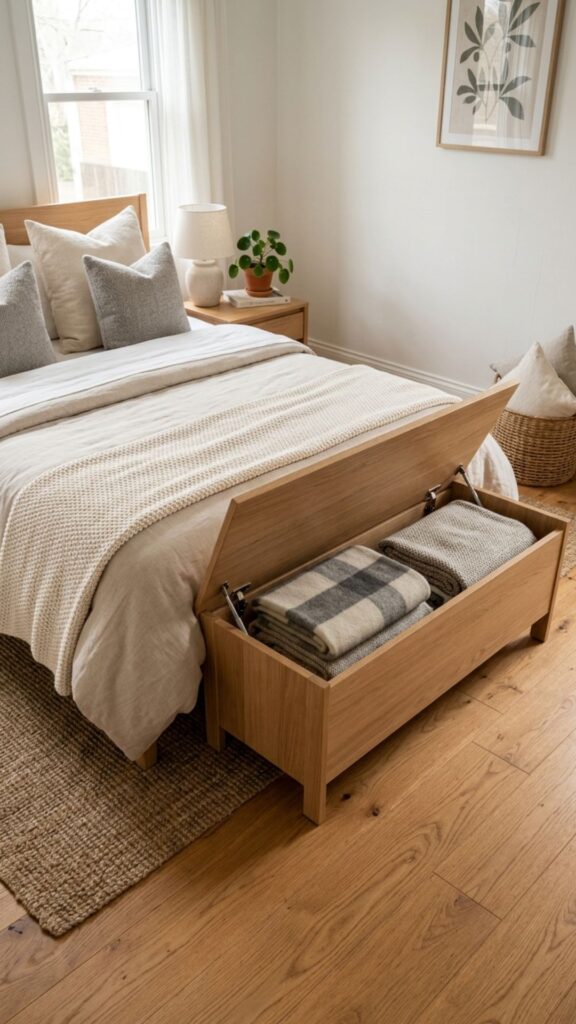
A bench with a hinged, hollow seat gives you storage and a place to sit while getting dressed. Lift the lid and stash blankets, linens, or laundry inside. It keeps stray items off the floor and out of sight.
Choose a low-profile design so it doesn’t block movement around the bed. In a small room, this one piece replaces both a chest and a chair. That’s the kind of double duty tight spaces need.
6. Install Wall-Mounted Shelves Above the Bed
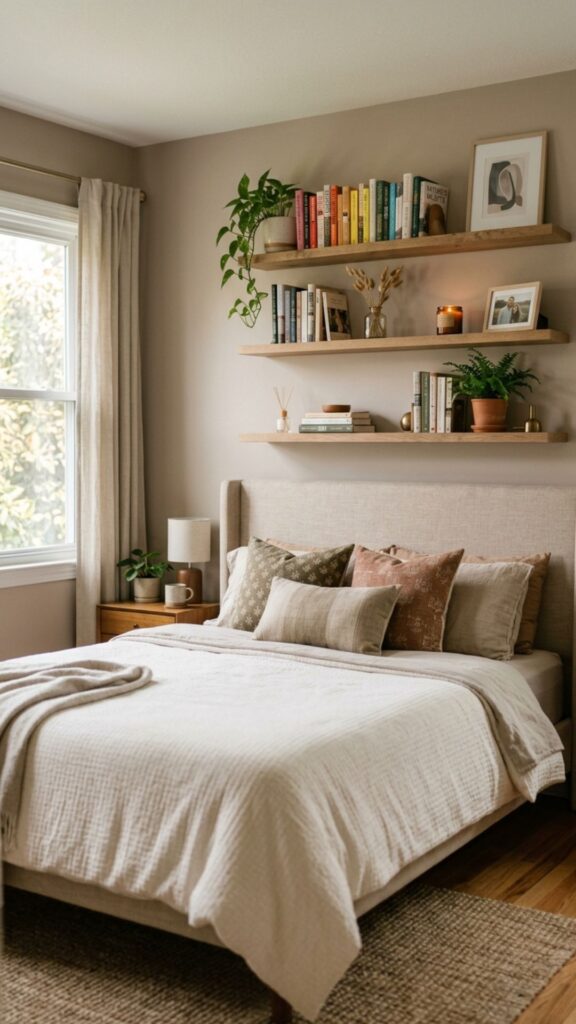
The wall above your headboard is prime real estate that often goes to waste. A row of floating shelves holds books, plants, and small decor without touching the floor. You add storage and personality at the same time.
Keep the shelves shallow, around 8 inches deep, so they don’t loom over your head. Avoid heavy items directly above where you sleep. This simple addition draws the eye upward and makes ceilings feel taller.
7. Choose a Bed Frame With Open Legs
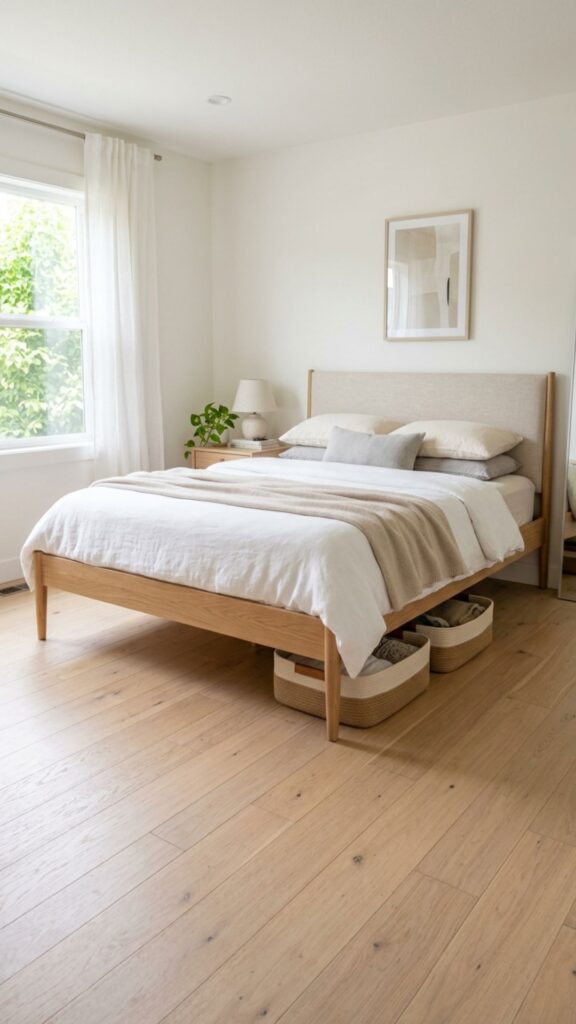
Furniture that sits flush on the floor blocks light and makes a room feel boxed in. A bed frame raised on slim legs lets you see the floor beneath, which tricks the eye into reading the space as larger. It’s a subtle change with a big visual payoff.
The open space underneath also fits low rolling storage bins. Look for wood or metal legs that match your other pieces. Airy furniture keeps a small room feeling light and breathable.
8. Use a Fold-Down Wall Desk
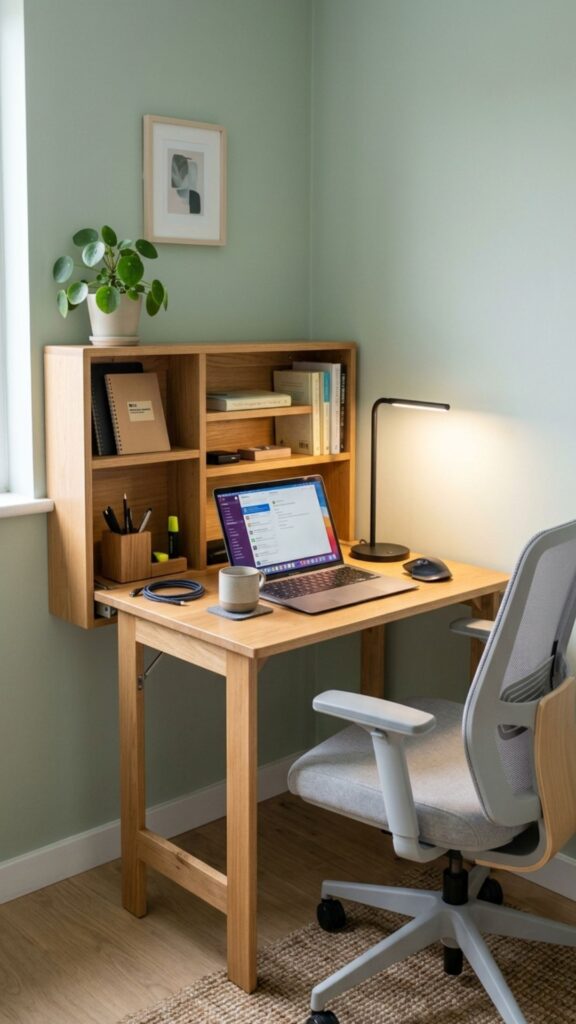
If your bedroom doubles as a workspace, a fold-down wall desk saves the day. It mounts flat against the wall and folds down only when you need it. When the workday ends, you fold it back up and reclaim the floor.
Many models include built-in cubbies for pens, notebooks, and cables. Pair it with a stackable or folding chair. This setup keeps work clutter contained without a permanent desk hogging your room.
9. Pick a Mirrored Wardrobe to Double the Light
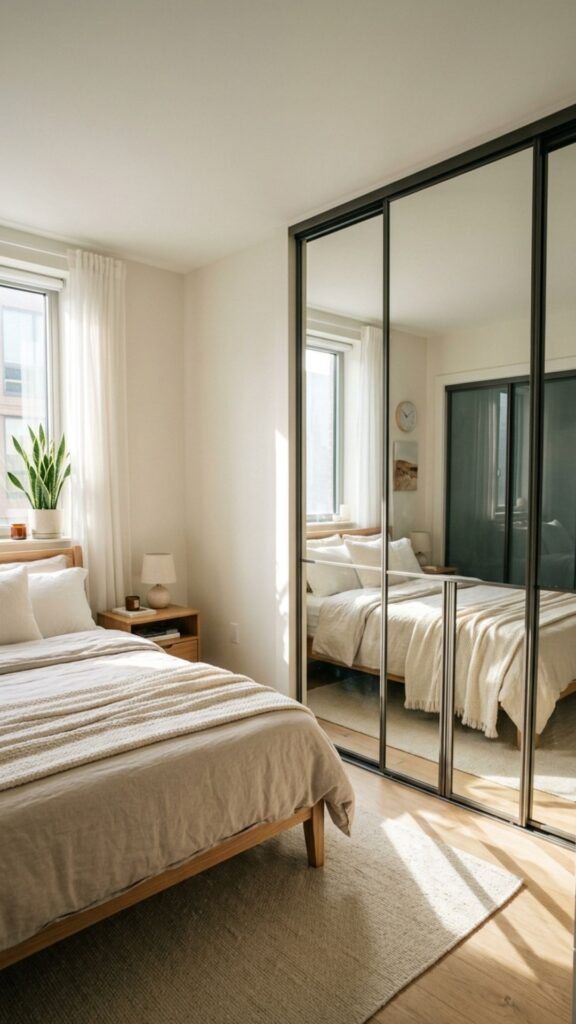
A mirrored wardrobe pulls two jobs at once. It stores hanging clothes and folded items while reflecting light around the room. That reflection makes a cramped space feel noticeably more open.
Sliding doors are key here, since they don’t swing out into your walking path. Full-length mirrors also save you from buying a separate one. It’s one of the most effective bedroom furniture choices for tight quarters.
10. Add an Ottoman With Hidden Storage
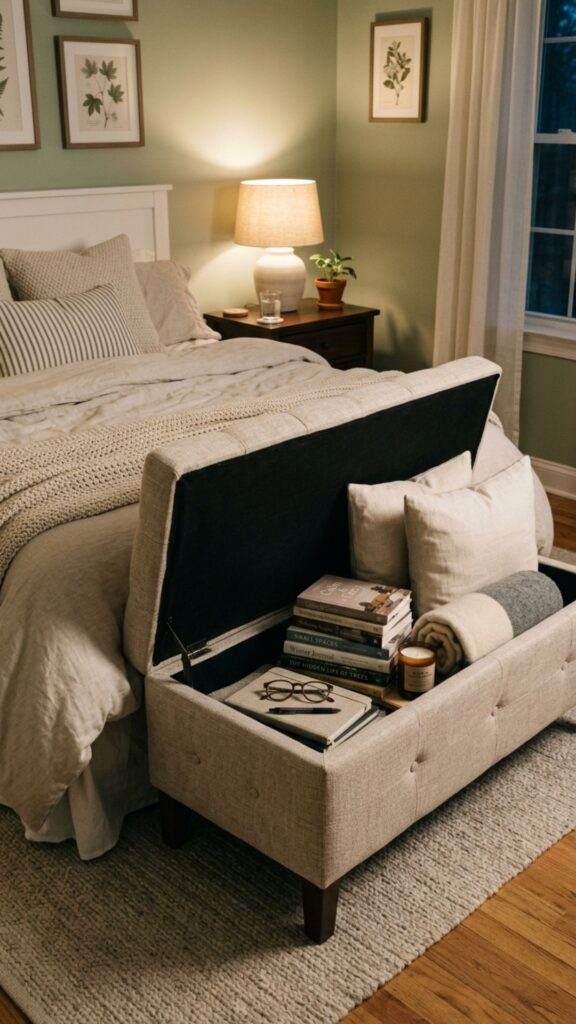
A storage ottoman works as a footrest, a seat, and a hidden bin all in one. Lift the lid to tuck away spare pillows, books, or seasonal accessories. Its small footprint makes it easy to move wherever you need it.
Pick a fabric that matches your bedding to keep the look cohesive. Square shapes usually hold more than round ones. This flexible piece quietly solves several storage problems without crowding the room.
11. Choose a Low-Profile Platform Bed
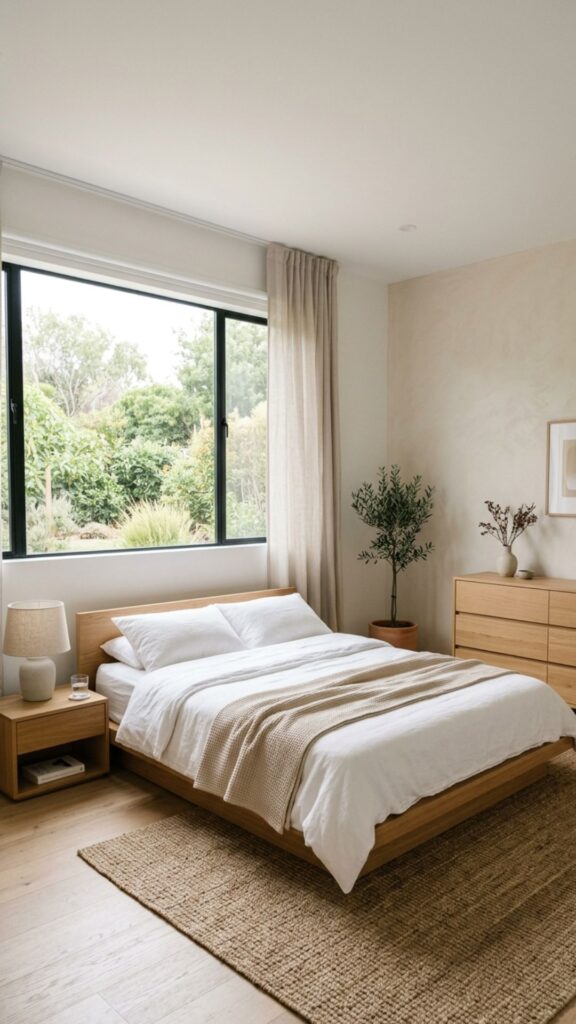
A platform bed sits close to the floor, which keeps sightlines low and makes ceilings appear higher. The clean, simple lines suit small rooms beautifully and create a calm, uncluttered feel. There’s no bulky box spring to add height.
Many platform beds include slatted bases that support your mattress directly. Some even add a few drawers along the side. The streamlined shape helps a tight room breathe.
12. Use Stackable Cube Storage
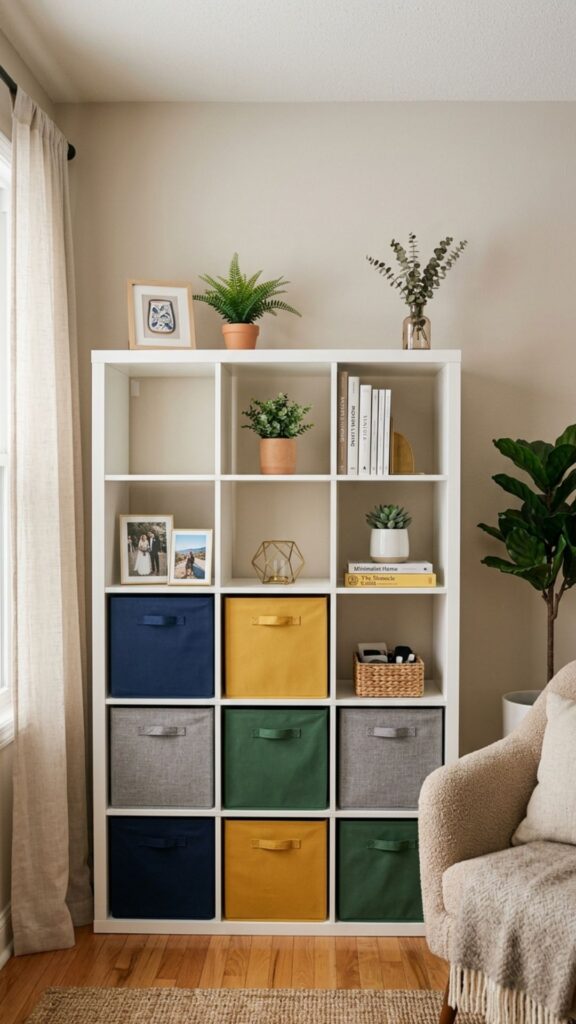
Modular cube shelves let you build storage that fits your exact space. Stack them tall in a corner or line them along a wall under a window. Add fabric bins inside to hide clutter and create a tidy, finished look.
You can rearrange cubes as your needs change, which makes them ideal for renters. Use open cubes for display and covered bins for messier items. This affordable system adapts to almost any small room.
13. Pick a Daybed for Double Duty
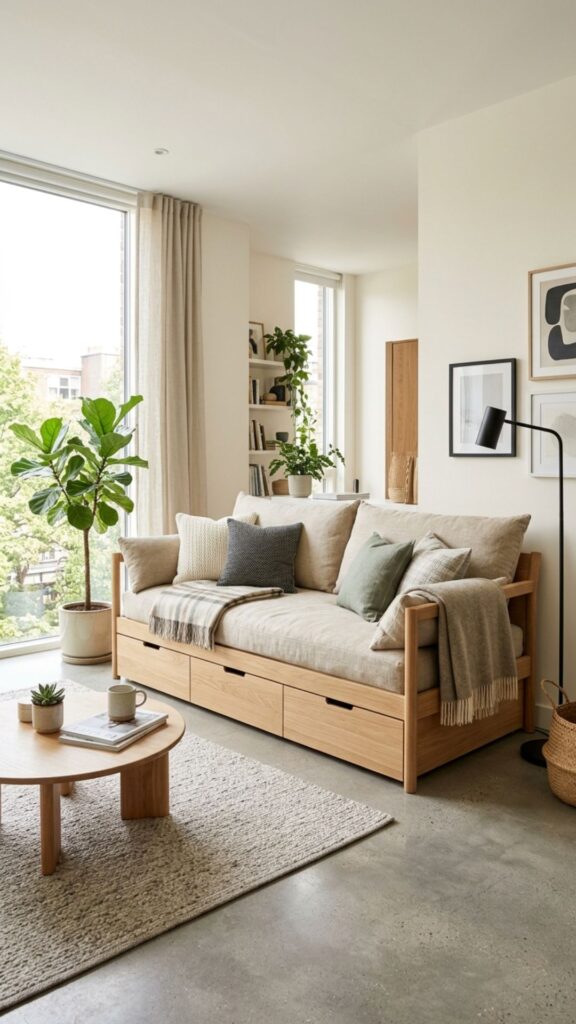
A daybed acts as a sofa during the day and a bed at night, which is perfect for tiny rooms that pull extra duty. It frees up space for sitting without crowding in a separate couch. Guests get a comfortable place to sleep, too.
Look for one with a pull-out trundle or drawers underneath. That hidden space stores bedding or off-season clothes. For studios and small guest rooms, a daybed is hard to beat.
14. Add Corner Shelves to Use Dead Space
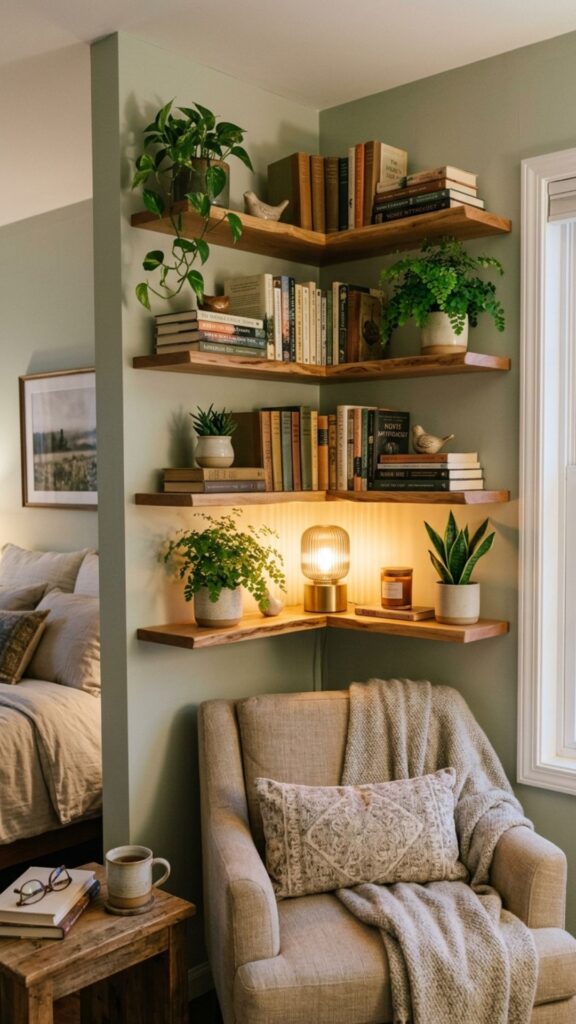
Corners are the most overlooked spots in any bedroom. A set of corner shelves turns that awkward, empty angle into useful storage. You gain a home for books, plants, or a small lamp without taking up walking room.
Floating corner units keep the floor clear and the look light. Stick to a few items per shelf to avoid a cluttered feel. This is an easy fix for rooms with odd shapes or limited wall space.
15. Choose a Headboard With Built-In Storage
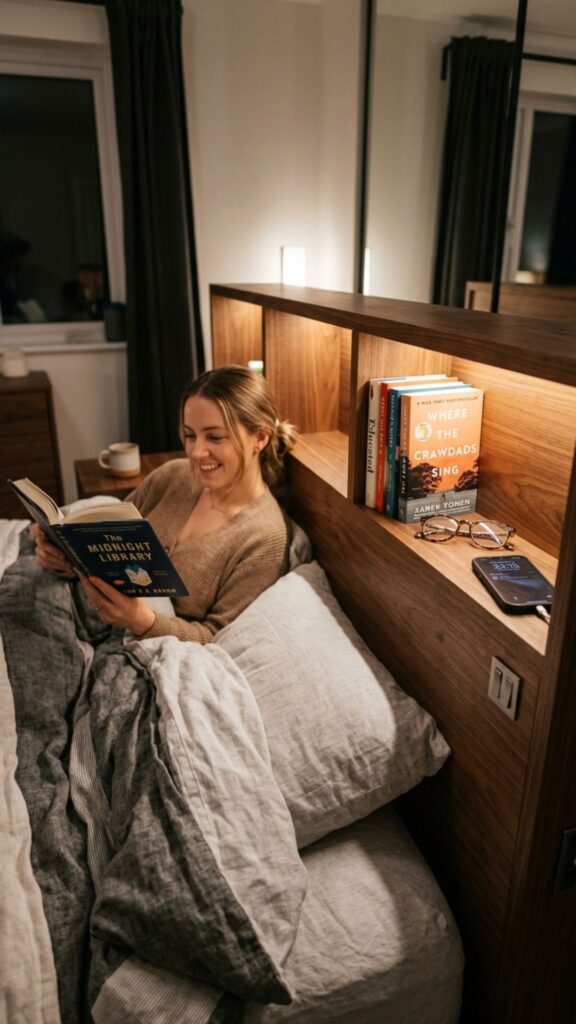
A headboard with cubbies or sliding compartments removes the need for nightstands altogether. Slide your book, glasses, and phone into the built-in nooks right beside you. It’s a clever way to save space in narrow rooms.
Some designs hide shelves behind sliding panels for a clean, minimal look. Others add open cubbies for quick access. Either way, you free up the floor on both sides of the bed.
16. Use Under-Bed Rolling Containers
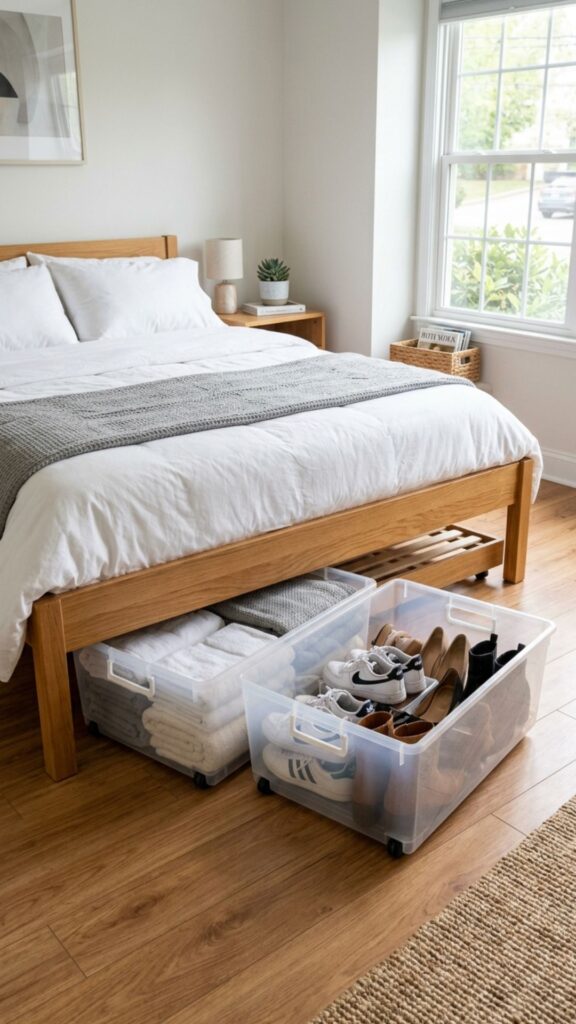
When a storage bed isn’t an option, rolling bins slide neatly under a standard frame. They’re ideal for shoes, sweaters, or extra linens you don’t need daily. Clear containers let you spot what’s inside at a glance.
If clearance is tight, add bed risers to gain a few extra inches. Label each bin so you can find things fast. This low-cost trick adds hidden capacity to nearly any bed.
17. Pick a Round Side Table to Improve Flow
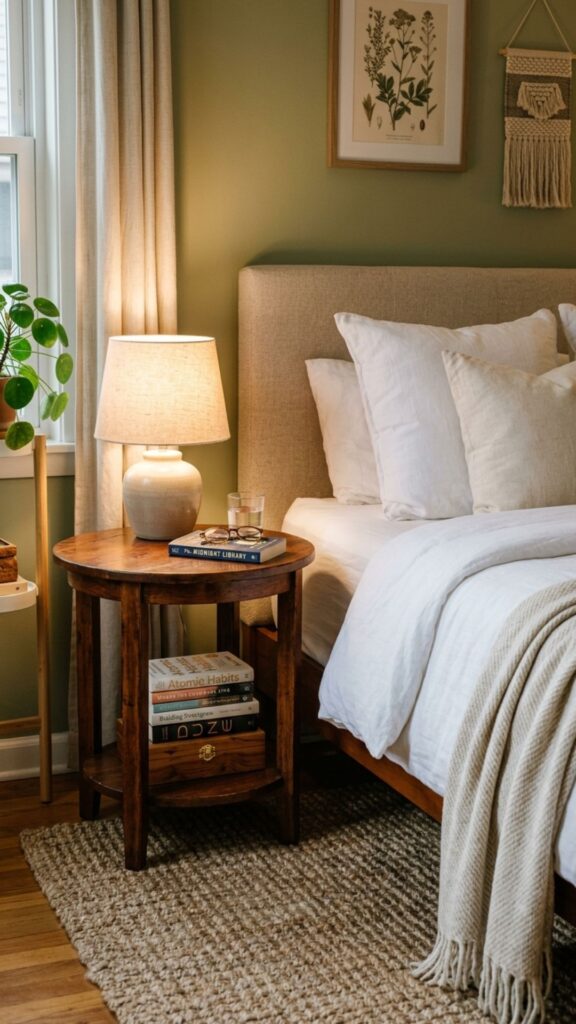
Sharp furniture corners make a small room feel tighter and harder to move through. A round side table softens those edges and helps you walk past without bumping into things. The shape keeps pathways feeling open.
Choose one with a lower shelf to double your storage. It works well beside a reading chair or as a compact nightstand. Small swaps like this make daily movement easier.
18. Install a Pegboard or Wall Organizer
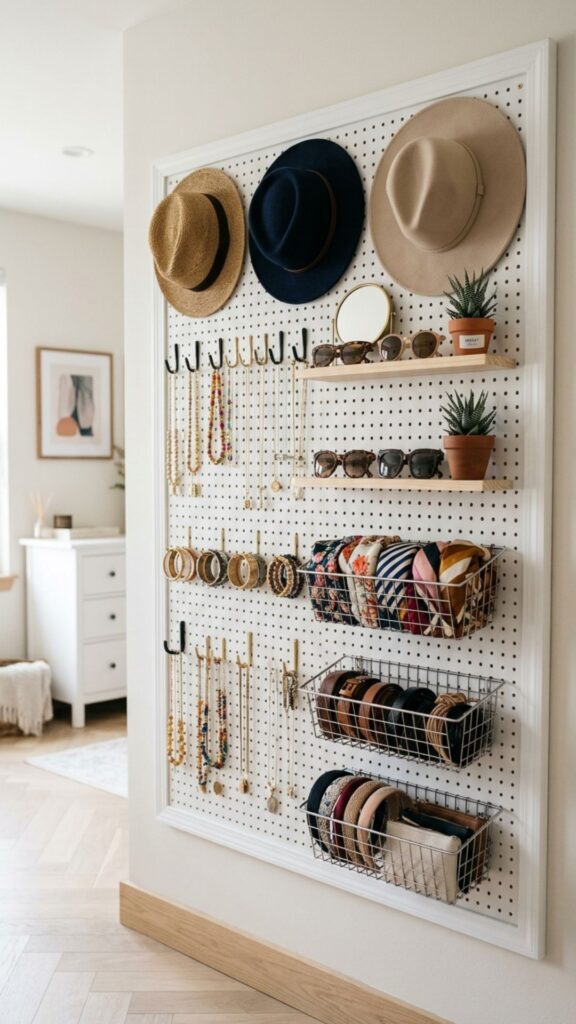
A pegboard turns empty wall space into flexible, customizable storage. Hang hooks, small baskets, and shelves to hold jewelry, hats, or everyday items. It keeps surfaces clear and puts your things within easy reach.
You can rearrange the layout anytime your needs shift. Choose a finish that matches your decor for a tidy look. This vertical solution clears clutter without adding any floor furniture.
19. Choose Furniture in Light, Cohesive Finishes
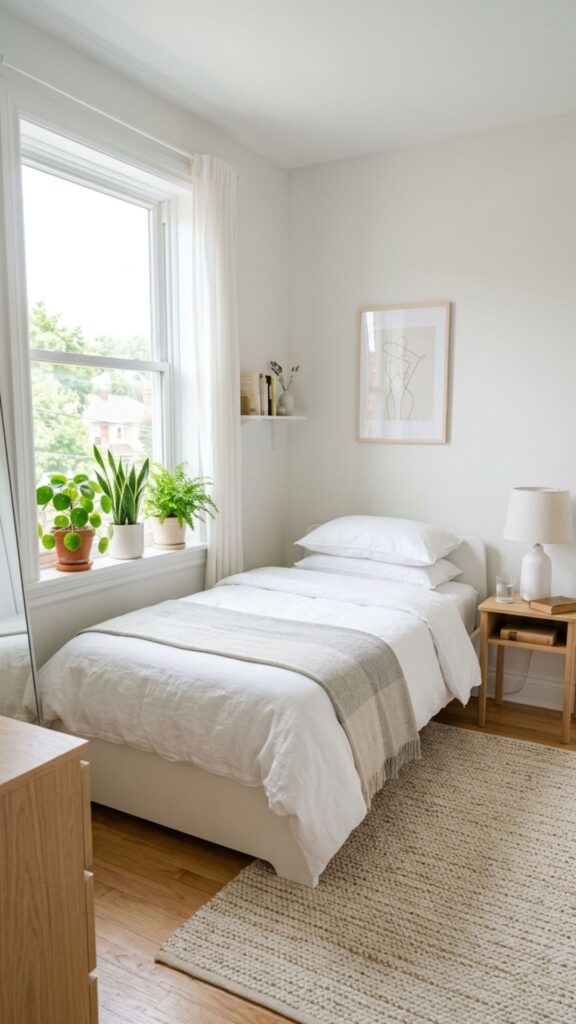
Too many colors and materials make even a tidy room feel chaotic. Stick to two or three light, complementary finishes, like pale wood and white, to keep things calm. Lighter tones reflect more light and make the space feel larger.
You don’t need a perfectly matching set. Repeat one finish across a few pieces to create a sense of order. Cohesive bedroom furniture quietly makes a small room feel more spacious.
20. Add a Slim Vanity or Console Table
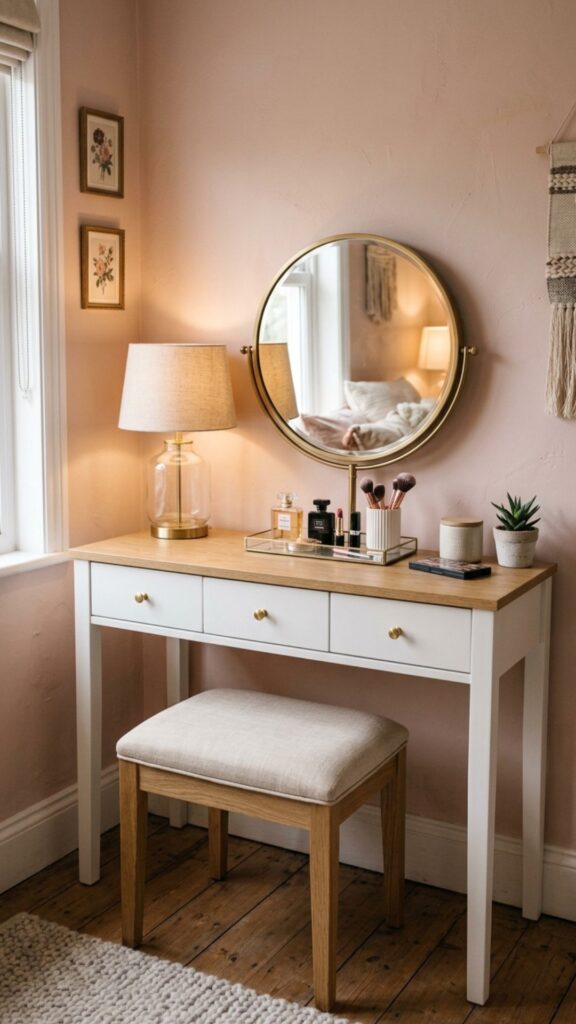
A narrow vanity gives you a dedicated grooming spot, which keeps clutter off your bed and other surfaces. Choose one with drawers to hide makeup, brushes, and small tools. A wall-mounted version saves even more floor space.
Pair it with a stool that tucks fully underneath when not in use. A console table can stand in if a full vanity won’t fit. This adds a touch of everyday function without crowding the room.
Conclusion
Small bedrooms don’t have to feel cramped or chaotic. The right bedroom furniture pulls double duty, uses vertical space, and keeps your floor clear so the room feels open and calm. Focus on pieces that store more than they take up, like storage beds, narrow dressers, and wall-mounted options.
Here are your quick takeaways:
- Choose furniture that does more than one job.
- Build upward with tall, narrow, and wall-mounted pieces.
- Use hidden storage to cut visible clutter.
- Stick to light, cohesive finishes to open up the space.
Ready to transform your room? Pick two or three ideas from this list and start today. Even one smart swap can make your small bedroom feel bigger, tidier, and more like the retreat you deserve.
What furniture should I avoid in a small bedroom?
Skip oversized pieces like wide dressers, bulky armchairs, and beds that sit flush on the floor. These crowd the space and block light. Choose slim, tall, or wall-mounted furniture instead to keep the room feeling open.
How do I fit storage into a small bedroom?
Use vertical and hidden storage. Storage beds, tall narrow dressers, under-bed bins, wall shelves, and ottomans with lids all add capacity without taking extra floor space. Combining a few of these gives you the most room-friendly results.
What is the best bed for a small room?
A storage bed with built-in drawers is usually the best choice, since it combines sleeping and storage in one footprint. Low-profile platform beds and daybeds with trundles also work well for tight spaces.
How can I make a small bedroom feel bigger?
Use light finishes, raise furniture on legs to show the floor, and add mirrors to reflect light. Keep surfaces clear and choose vertical storage. These simple changes trick the eye into seeing more space.