Tossing and turning at night often has less to do with your mind and more to do with your room. The right bedroom essentials can turn a restless space into a sleep sanctuary that helps you fall asleep faster and wake up refreshed.

In this guide, you’ll learn the 20 bedroom essentials that make the biggest difference for sleep.

We’ll cover comfort, lighting, temperature, noise control, and the small habits that tie it all together. Whether you’re a light sleeper, a shift worker, or just tired of feeling tired, you’ll find practical upgrades that fit your space and budget.
1. A Supportive Mattress

Your mattress is the foundation of good sleep, plain and simple. The right one supports your spine, eases pressure points, and keeps you from waking up sore. It helps anyone who deals with back pain, restless nights, or that “I slept but I’m still tired” feeling.
Choose firmness based on how you sleep: side sleepers usually need softer, while back and stomach sleepers do better with firmer support. A quality mattress lasts seven to ten years, so treat it as an investment in every single night.
2. Breathable, Quality Bedding

Soft, breathable sheets keep you cool in summer and cozy in winter. Natural fabrics like cotton or bamboo wick away moisture, which helps if you tend to overheat or sweat at night.
Look for a thread count between 300 and 500 for that balance of softness and durability. Fresh, comfortable bedding makes climbing into bed something you actually look forward to, and that small comfort signals your brain it’s time to wind down.
3. The Right Pillow

A good pillow keeps your head and neck aligned with your spine. The wrong one leaves you with stiffness, headaches, or hours spent fluffing and flipping. The best pillow depends on your sleep position.
Side sleepers need a thicker, firmer pillow to fill the gap between ear and shoulder. Back sleepers do well with medium loft, while stomach sleepers need something thin and soft. Replace your pillow every one to two years for proper support.
4. Blackout Curtains
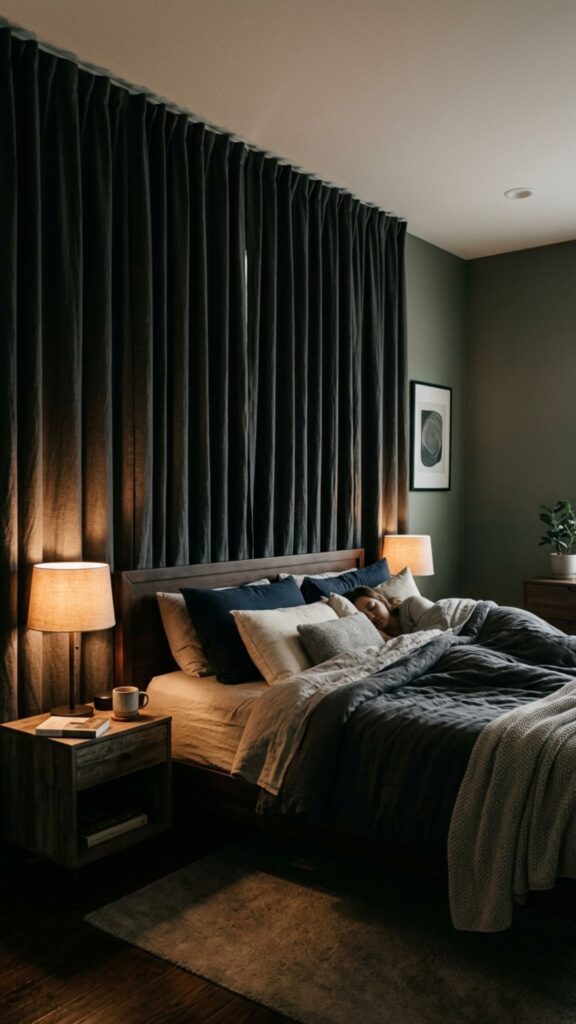
Light is one of the biggest sleep disruptors, and blackout curtains block it completely. They’re a lifesaver for shift workers, city dwellers, and anyone bothered by early sunrises or street lamps.
By keeping your room dark, blackout curtains help your body produce melatonin, the hormone that tells you it’s time to sleep. If you’ve ever woken at 5 a.m. to a bright window, these curtains solve that problem fast.
5. A Dimmable Bedside Lamp

Harsh overhead lights tell your brain it’s still daytime. A dimmable lamp lets you ease into evening with soft, warm light that prepares your body for rest.
Choose a warm-toned bulb, around 2700K, and dim it an hour before bed. This gentle lighting suits readers and night owls who want a calm transition from busy day to quiet night.
6. A White Noise Machine
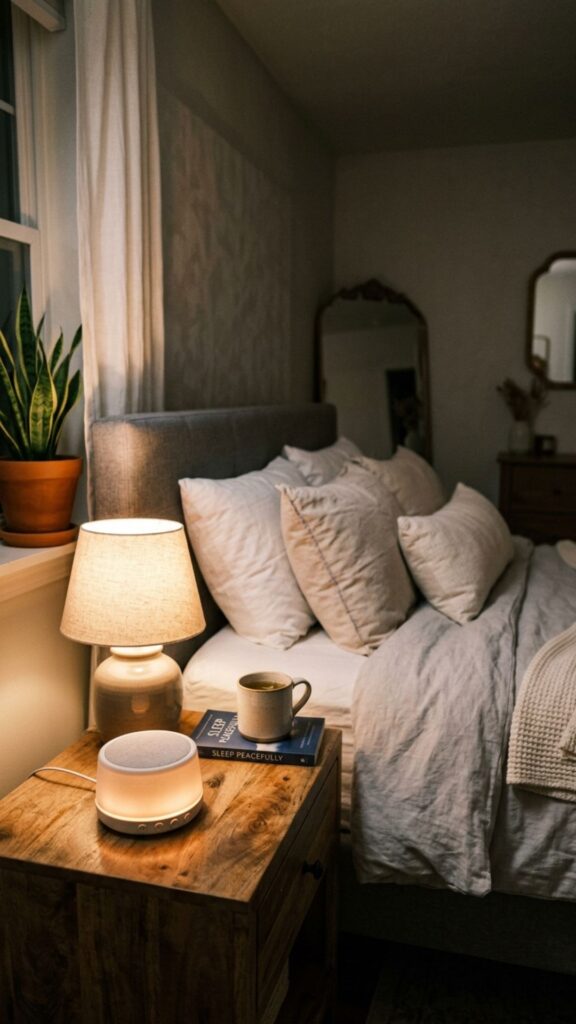
A white noise machine masks sudden sounds like traffic, neighbors, or a snoring partner. The steady hum gives your brain something consistent to focus on, so random noises don’t jolt you awake.
It’s perfect for light sleepers and people in noisy apartments. Many models also offer nature sounds or fan noise, letting you pick what relaxes you most. Consistent sound creates a reliable sleep cue night after night.
7. A Comfortable Room Temperature

The ideal bedroom temperature for sleep sits between 60 and 67 degrees Fahrenheit. A cooler room helps your body lower its core temperature, which is a natural part of falling asleep.
A small fan, a programmable thermostat, or breathable bedding can all help you hit that sweet spot. If you wake up sweaty or shivering, dialing in the temperature is one of the simplest fixes you can make.
8. A Weighted Blanket

A weighted blanket applies gentle, even pressure that mimics a calming hug. This deep pressure can ease anxiety and help your body relax, making it easier to drift off.
It helps people who feel restless or wired at bedtime. Pick a blanket that’s roughly 10 percent of your body weight for the right effect. Many users say it’s the difference between racing thoughts and settling down quickly.
9. A Sturdy Nightstand

A nightstand keeps your essentials within arm’s reach: water, glasses, a book, or your phone. Having everything close means you won’t fully wake up reaching across the room at 2 a.m.
It also reduces clutter on your bed and floor, which keeps your space calmer. A tidy surface beside you supports a tidy mind, and that helps you wind down without distraction.
10. An Analog Alarm Clock

A simple alarm clock lets you keep your phone out of bed entirely. Phones tempt you into late-night scrolling and flood your eyes with sleep-disrupting blue light.
A basic clock with a dim display tells you the time without the rabbit hole of notifications. This swap helps anyone who struggles to put their phone down once their head hits the pillow.
11. Cozy Sleepwear

What you wear to bed matters more than you’d think. Loose, breathable pajamas keep your body temperature steady so you’re not too hot or too cold through the night.
Choose soft, natural fabrics that move with you. The simple act of changing into sleepwear also signals your brain that the workday is over, reinforcing a healthy bedtime routine.
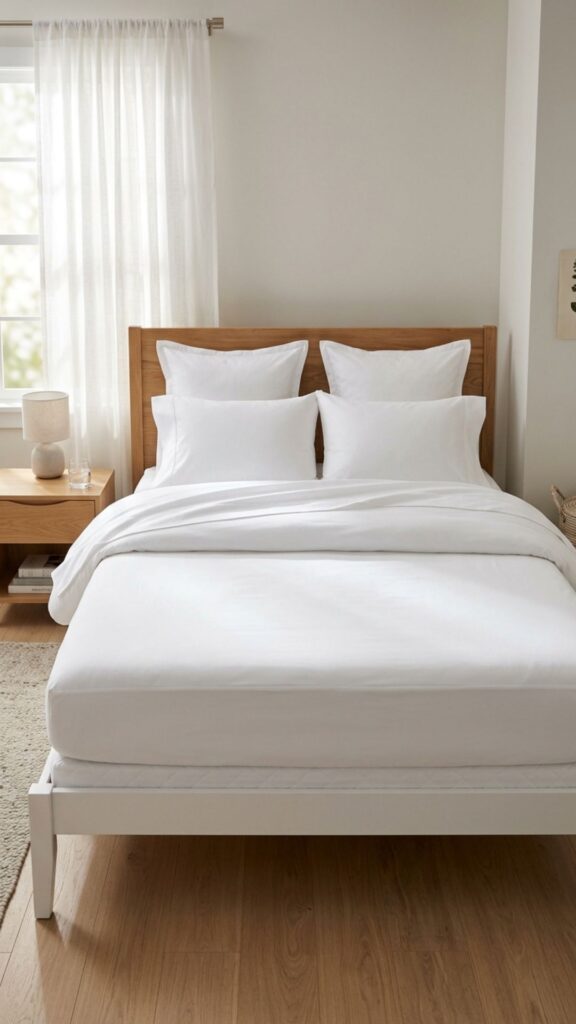
12. A Mattress Protector
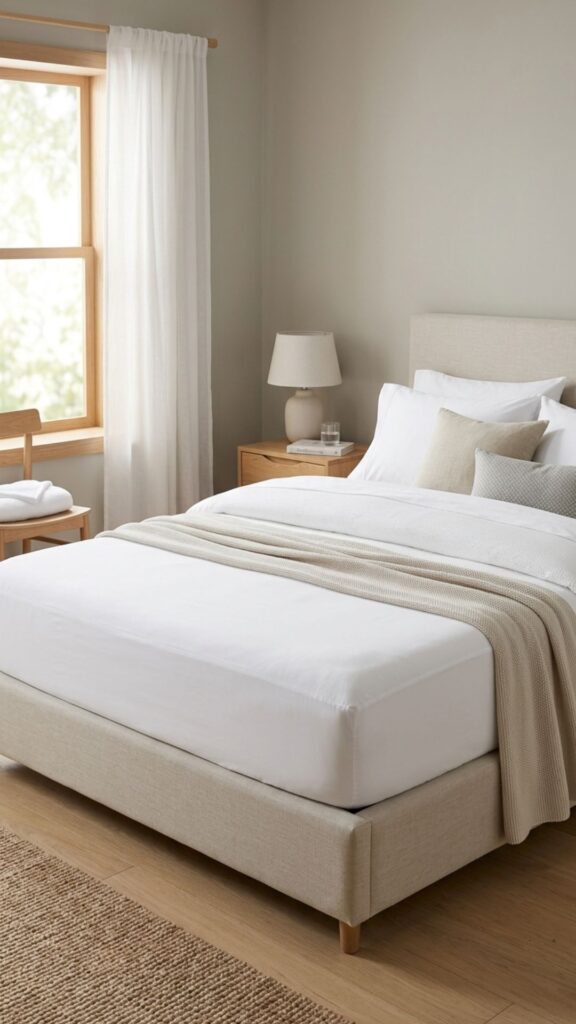
A mattress protector guards against spills, dust mites, and allergens that build up over time. It’s a small purchase that extends the life of your biggest sleep investment.
This essential especially helps allergy sufferers who wake up congested or itchy. A clean, protected mattress means fewer irritants and a fresher surface to sleep on year after year.
13. An Air Purifier
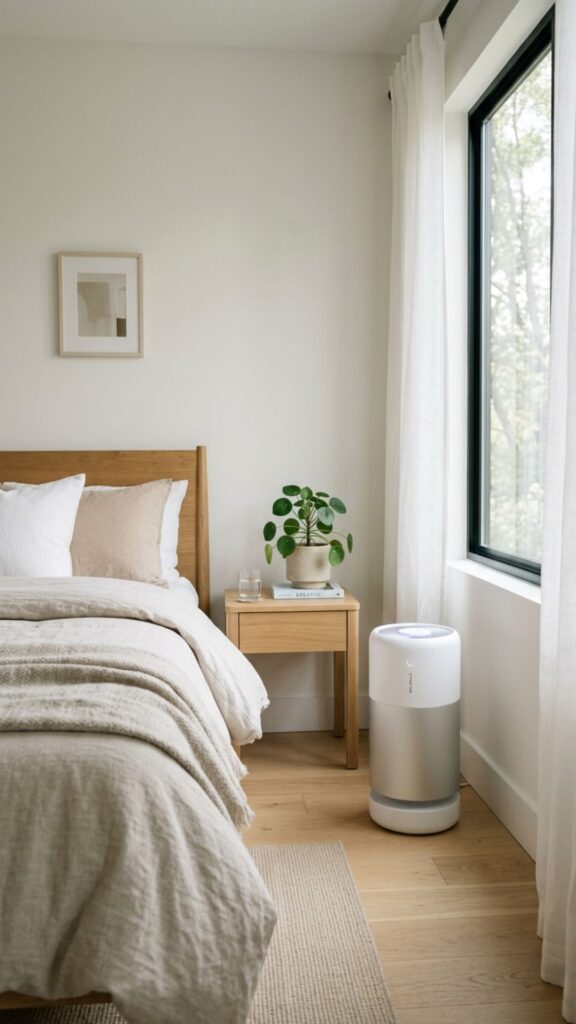
An air purifier removes dust, pollen, and other allergens from your bedroom air. Cleaner air means easier breathing, fewer night-time sniffles, and deeper, less interrupted sleep.
It’s a strong choice for allergy and asthma sufferers, or anyone living near busy roads. The quiet hum of many purifiers doubles as soft background noise, offering a bonus calming effect.
14. Calming Scents and a Diffuser

A diffuser with relaxing scents like lavender or chamomile can help set a peaceful mood. Certain aromas are linked to lower stress and easier relaxation at bedtime.
Add a few drops of essential oil and let the gentle scent fill the room before sleep. This appeals to anyone who wants a simple, natural way to signal that it’s time to unwind.
15. Soft Area Rug

A plush rug beside your bed greets your feet with warmth instead of a cold floor. That small comfort makes mornings gentler and bedtime cozier.
Rugs also absorb sound, which softens echoes and makes the room feel more restful. For hard-floored bedrooms, a soft rug adds both comfort and a quieter atmosphere.
16. Smart Storage and Organization
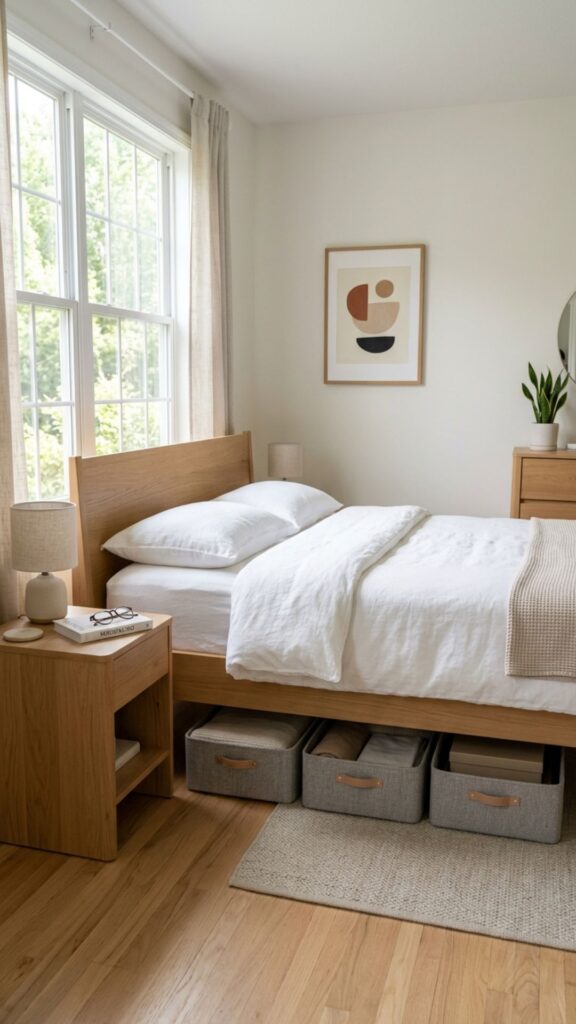
A cluttered bedroom keeps your mind busy when it should be slowing down. Smart storage, like under-bed bins or a dresser with enough drawers, hides the mess and clears your view.
A calm, organized space lowers stress and makes it easier to relax. If a messy room leaves you feeling tense at night, decluttering is a free upgrade to your sleep quality.
17. A Reading Nook or Bedside Books
Reading before bed is a proven way to relax without screens. A few good books on your nightstand give your brain a gentle off-ramp from the day’s noise.
Stick to print or an e-reader without backlight to avoid blue light. This habit suits anyone who lies awake with a busy mind and needs help shifting into sleep mode.
18. A Plant for Cleaner Air

A bedroom plant adds a touch of calm greenery while helping freshen the air. Low-maintenance options like snake plants or pothos thrive with little effort.
Plants can subtly improve air quality and make your space feel more peaceful. For anyone who finds nature soothing, a little green corner adds quiet comfort to the room.
19. A Comfortable Headboard

A padded or upholstered headboard does more than look good. It supports your back when you read or relax in bed and stops pillows from slipping behind you.
It also adds a finished, cozy feel that makes your bed the centerpiece of the room. A comfortable headboard helps anyone who likes to unwind sitting up before lying down to sleep.
20. A Consistent Bedtime Routine
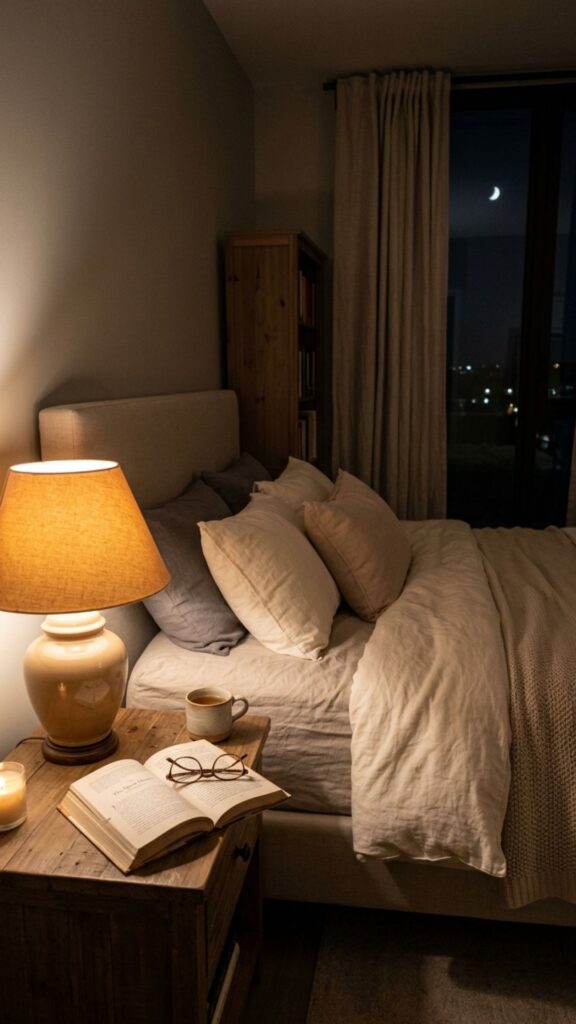
The most powerful bedroom essential isn’t an object at all: it’s a routine. Going to bed and waking at the same time trains your body clock for deeper, more reliable sleep.
Wind down with the same calming steps each night, like dimming lights, reading, or stretching. Pairing good habits with the right bedroom essentials is what truly transforms your sleep.
Conclusion
Better sleep rarely comes from one magic fix. It comes from combining the right bedroom essentials: a supportive mattress, breathable bedding, controlled light and temperature, and calming habits that signal it’s time to rest. Each upgrade builds on the last to create a space your body trusts for sleep.
Ready to sleep better tonight? Start with one or two changes that target your biggest pain point, whether that’s light, noise, or comfort. Audit your bedroom this week, pick a single essential to improve, and feel the difference in how you wake up.
What are the most important bedroom essentials for better sleep?
The most important bedroom essentials are a supportive mattress, a quality pillow, breathable bedding, and blackout curtains. Together they handle comfort and light, the two biggest factors in sleep quality.
What is the best room temperature for sleeping?
The best bedroom temperature for sleep is between 60 and 67 degrees Fahrenheit. A cooler room helps your body lower its core temperature, which makes falling and staying asleep easier.
How can I make my bedroom more relaxing for sleep?
Keep the room dark, cool, and quiet, and reduce clutter. Add calming touches like soft lighting, a diffuser, or a weighted blanket, and keep screens out of bed to help your mind unwind.
How often should I replace my mattress and pillows?
Replace your mattress every seven to ten years and your pillows every one to two years. Worn-out bedding loses support, which can cause aches and disrupt your sleep over time.