Your bedroom should feel like a retreat, not an afterthought. Yet so many rooms end up bland, cluttered, or just plain copied from a catalog. The good news? A few smart choices can turn a generic space into something that’s unmistakably yours.
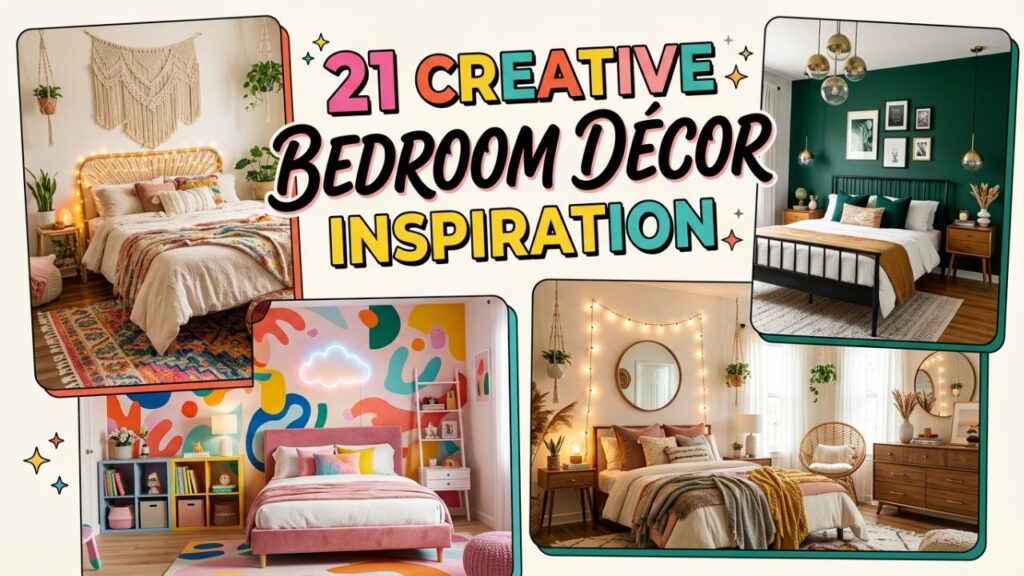
A bedroom feels personal when it reflects how you actually live, and it feels functional when everything has a place.
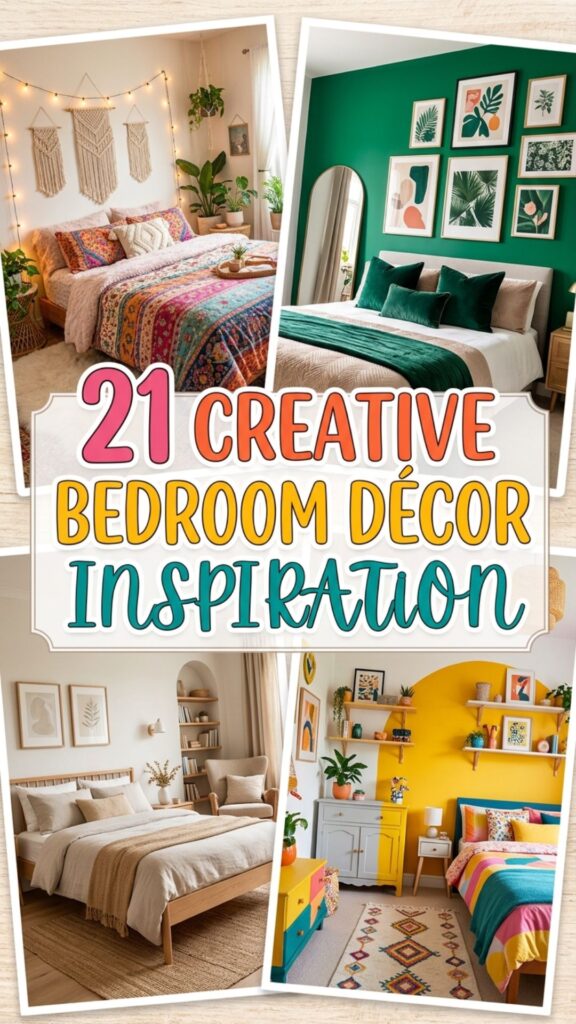
Striking that balance is easier than you think. In this guide, you’ll get 21 fresh bedroom décor inspiration ideas, each with practical steps, real examples, and the common mistakes to dodge along the way. Let’s dig in.
1. Start With a Bold Accent Wall
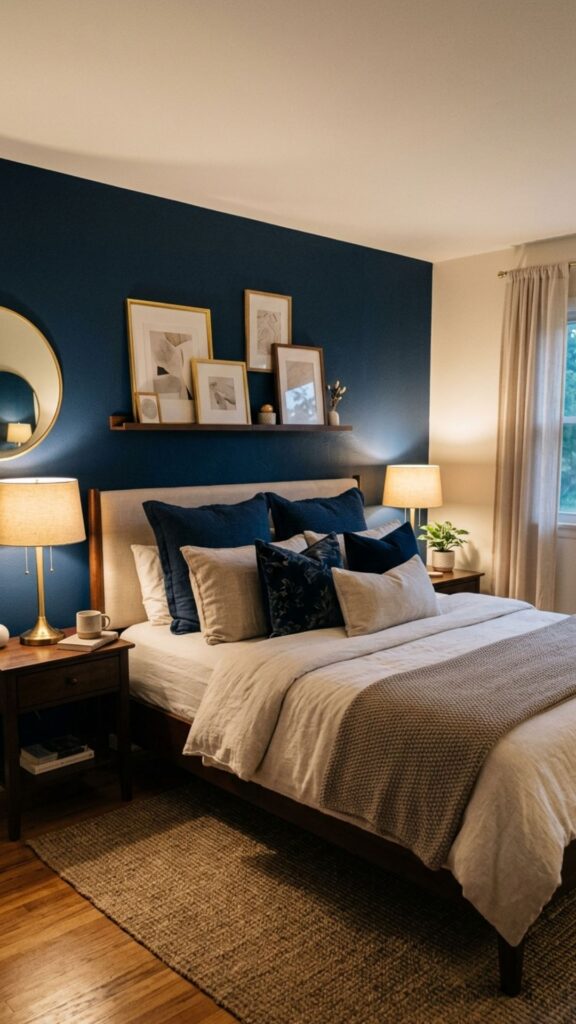
One painted wall can shift the entire mood of a room without overwhelming it. Choose a deep navy, warm terracotta, or moody green behind your headboard to instantly create a focal point. This works especially well in small rooms, where a single dramatic wall adds depth without shrinking the space.
The common pitfall is painting all four walls a dark shade, which can feel cave-like. Stick to one wall, then echo the color in small touches like a throw pillow or lampshade. That repetition ties the look together and keeps it intentional rather than random.
2. Layer Your Lighting
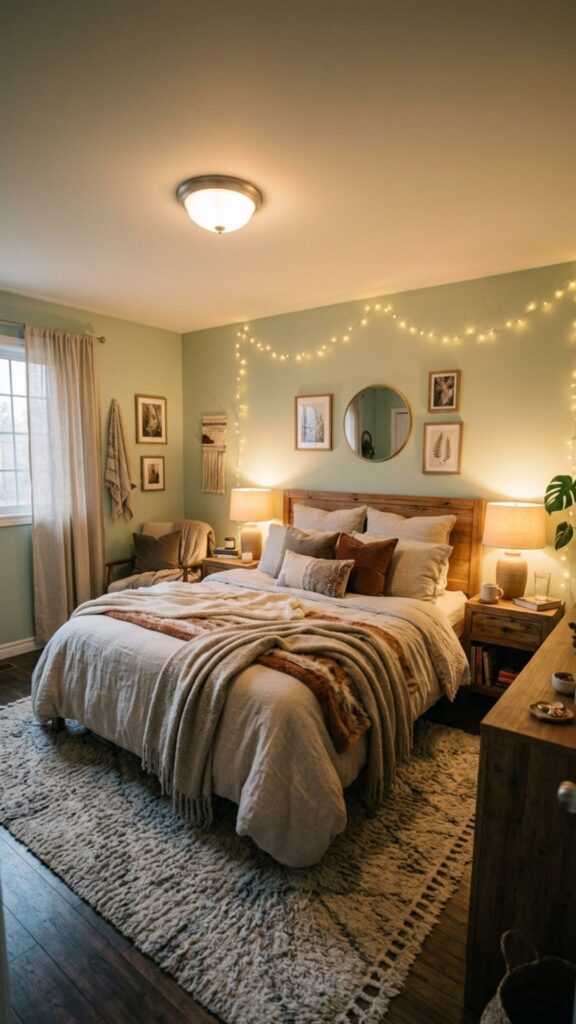
A single overhead light rarely flatters a bedroom. Instead, build three layers: ambient (ceiling), task (bedside lamps), and accent (string lights or a small reading sconce). Layered lighting lets you shift from bright and functional to soft and relaxing with a flick.
Many people skip dimmers, then wonder why their room feels harsh at night. A simple plug-in dimmer or smart bulb solves this for under twenty dollars. Warm-toned bulbs around 2700K give the cozy glow most bedrooms need.
3. Mix Textures for Cozy Depth
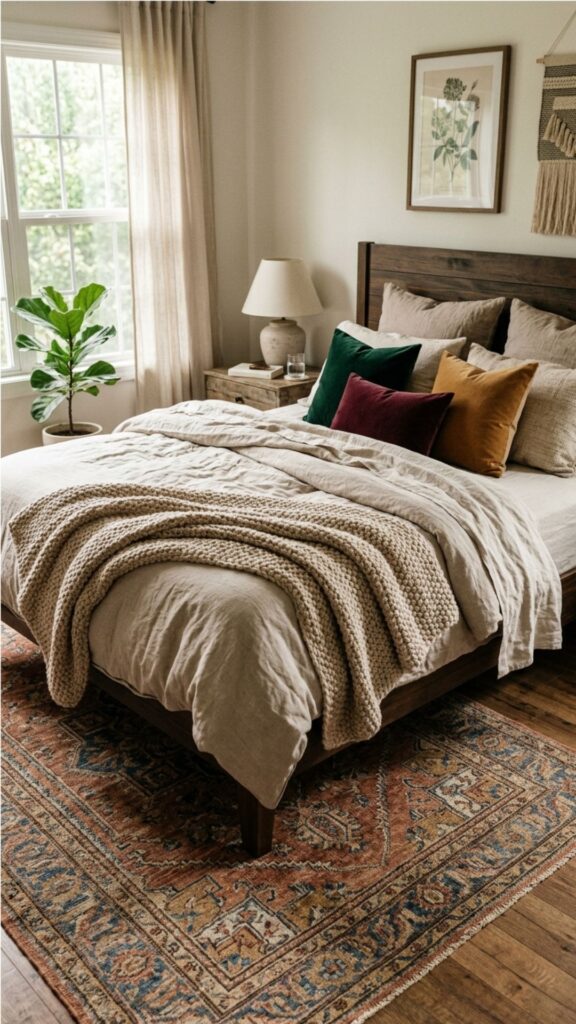
Texture is what makes a room feel inviting rather than flat. Combine a chunky knit throw, linen sheets, a velvet cushion, and a woven rug to engage the senses. The contrast between rough and smooth adds richness even in a neutral color palette.
Don’t overdo it, though. Too many competing textures can look busy and unplanned. Pick three or four materials and repeat them across the room so the effect feels curated.
4. Make the Headboard a Statement
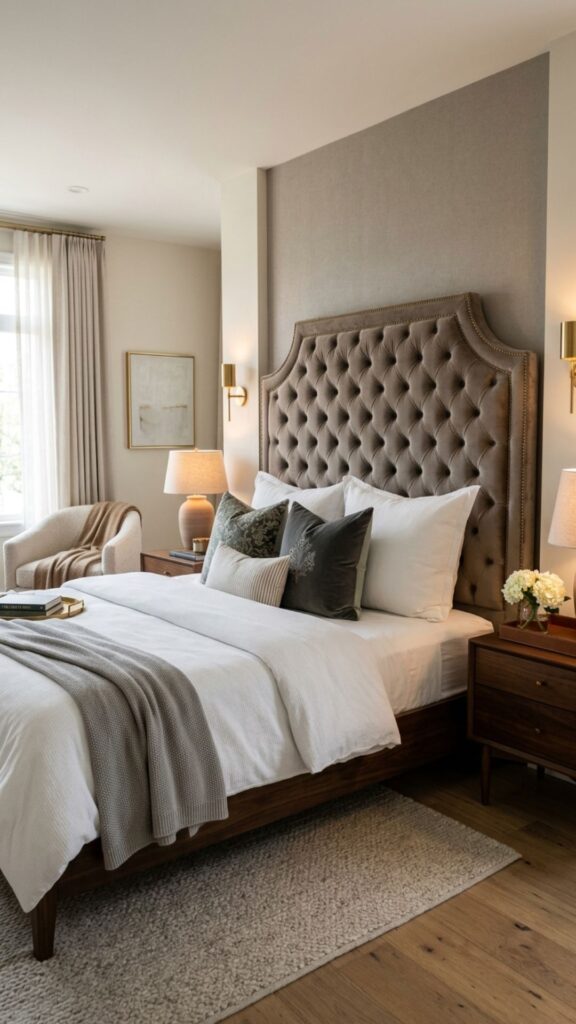
The headboard anchors your whole bed, so let it pull weight. Upholstered panels, reclaimed wood, or a tall rattan frame all bring instant character. If you rent or want flexibility, a peel-and-stick wallpaper “headboard” mimics the effect without commitment.
The mistake here is choosing a headboard that’s too small for the bed. A skimpy headboard looks lost behind a queen mattress. Match the width to your bed and consider going slightly taller for presence.
5. Add Greenery and Plants
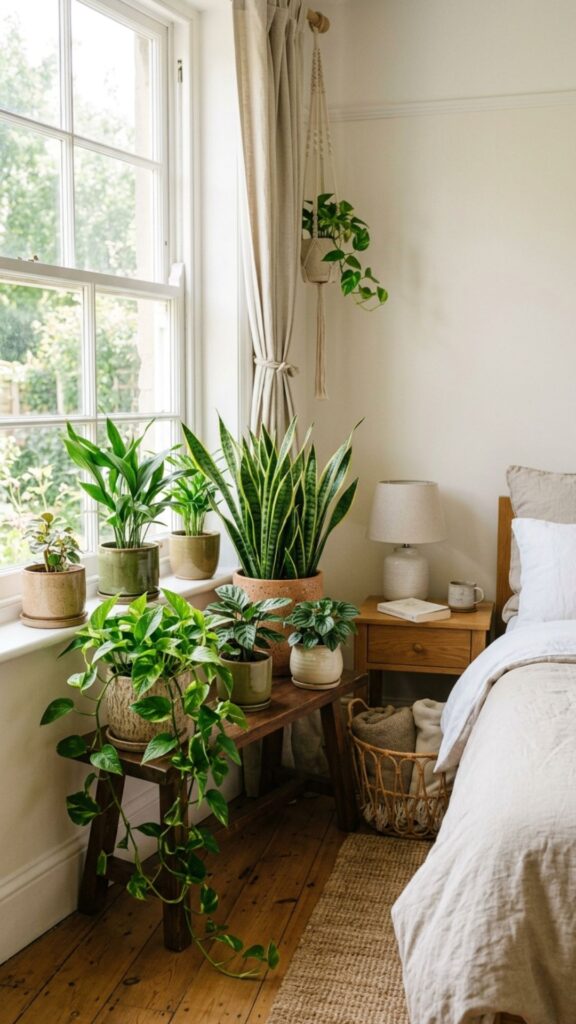
Plants breathe life into a bedroom, literally and visually. A snake plant, pothos, or ZZ plant thrives in low light and asks little in return. Group a few in varying heights near a window for a fresh, calming corner.
Watch out for high-maintenance varieties if you’re forgetful with watering. Faux plants have come a long way and look surprisingly real, so blend a couple in if your thumb isn’t green. Either way, the touch of nature softens hard edges in the room.
6. Create a Reading Nook
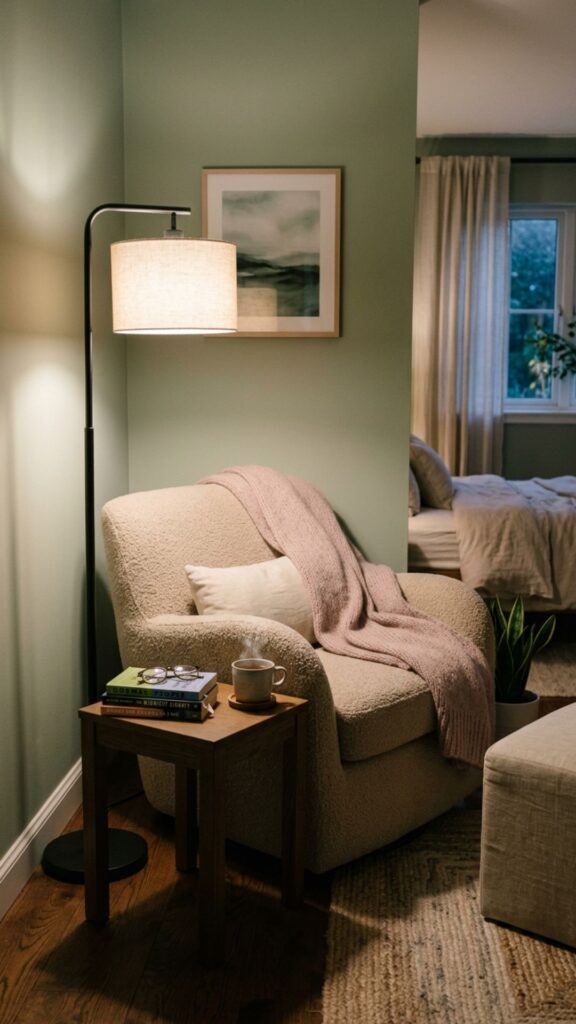
Even a tight bedroom usually has space for a small chair, a floor lamp, and a side table. This dedicated corner signals relaxation and gives you a spot that isn’t the bed. Add a basket of books and a soft throw to complete it.
The pain point most people hit is wasted dead corners. Instead of letting them collect clutter, claim them with purpose. A simple armchair turns an awkward gap into a favorite seat.
7. Hang Art at the Right Height
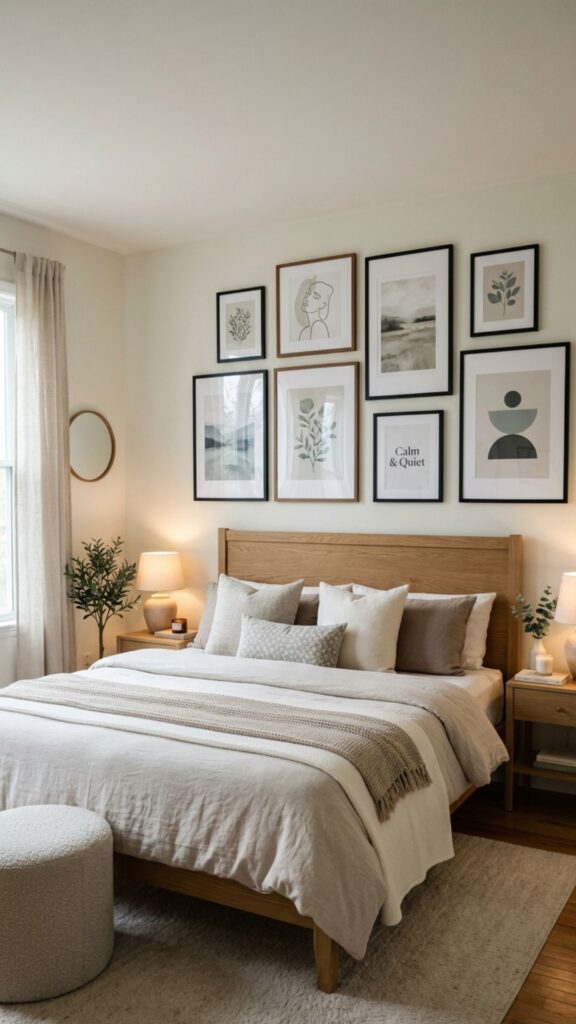
Artwork transforms blank walls, but placement matters more than the piece itself. Hang the center of your art around 57 inches from the floor, which matches gallery standards and eye level. Above the bed, keep the bottom edge about eight inches from the headboard.
A frequent error is hanging pieces too high, leaving an awkward gap. If you’re nervous, cut paper templates and tape them up first. This lets you test the layout before putting holes in the wall.
8. Use Mirrors to Expand Space
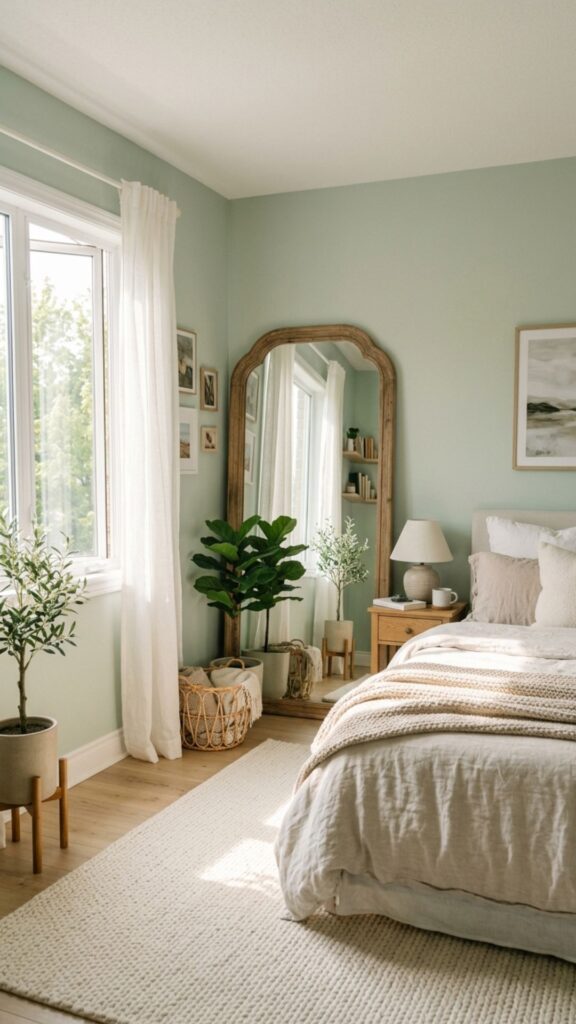
Mirrors bounce light and make small bedrooms feel larger. Position a large floor mirror across from a window to double the natural light pouring in. A mirrored closet door or framed wall mirror works just as well.
Avoid pointing a mirror directly at clutter, since it simply reflects the mess back. Place it where it captures something pleasant, like a plant or a window view. That small adjustment makes the trick feel effortless.
9. Embrace a Calming Color Palette
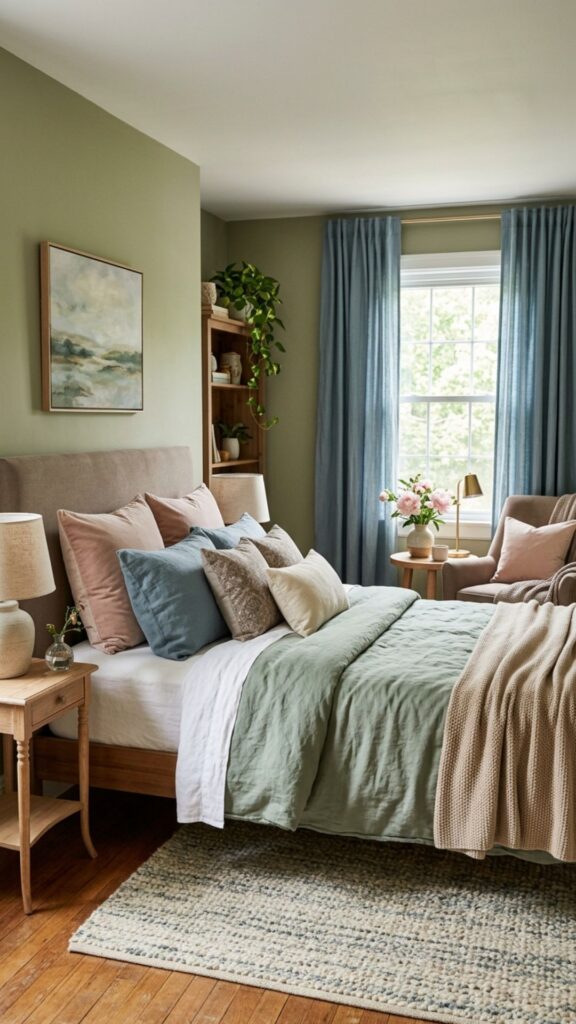
Soft, muted tones promote rest, which is exactly what a bedroom needs. Think sage green, dusty blue, warm taupe, or blush. These shades lower visual noise and help your mind wind down at night.
The pitfall is chasing trendy bright colors that energize rather than relax. Save the bold hues for accents like pillows or art. Keep your walls and bedding in the calmer range for better sleep.
10. Style Your Nightstands With Intention
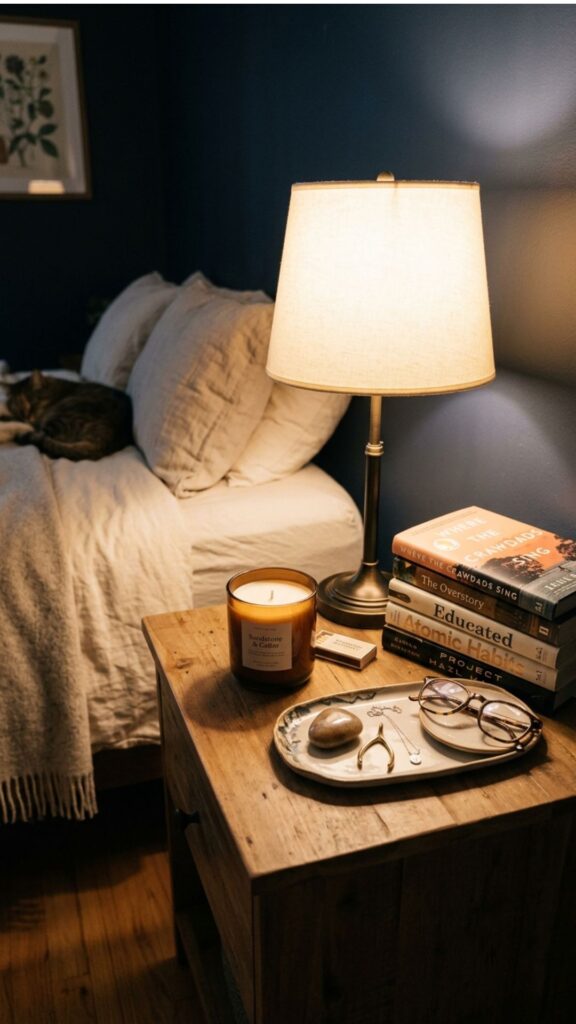
Nightstands often become catch-alls for clutter. Style them with a balanced trio: a lamp, a small stack of books, and one decorative object like a candle or tray. The “rule of three” keeps the surface tidy yet personal.
Resist the urge to cram both nightstands identically if your room is asymmetrical. Slight variation actually looks more natural and lived-in. Just keep the overall heights and tones in harmony.
11. Hang Curtains High and Wide
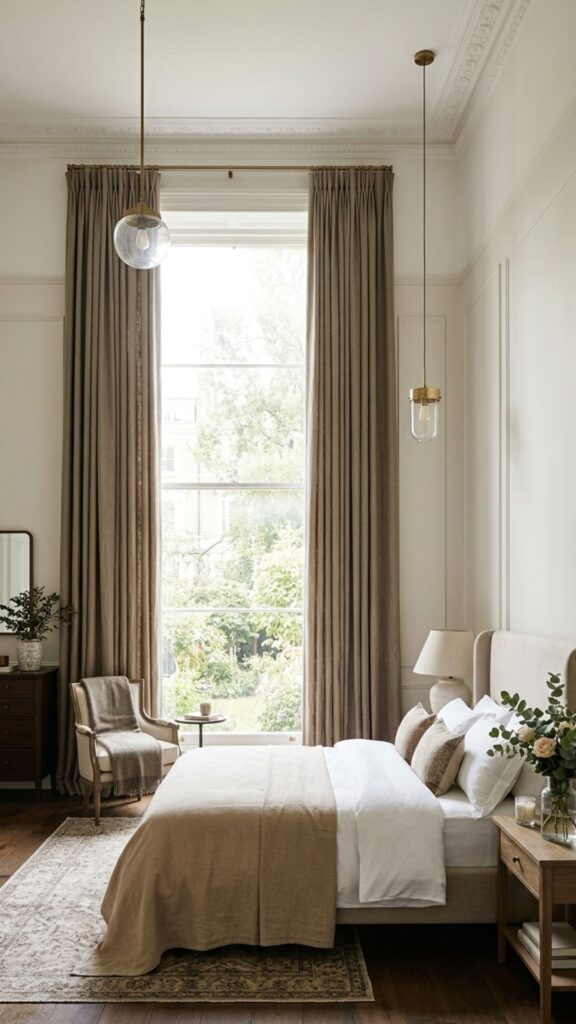
How you hang curtains can change the entire feel of your windows. Mount the rod close to the ceiling and extend it beyond the window frame. This makes windows look bigger and ceilings taller.
Skip the short, skimpy panels that stop above the floor. Floor-length curtains that just kiss the ground look polished and intentional. Linen or cotton blends drape beautifully without breaking the budget.
12. Incorporate a Statement Rug
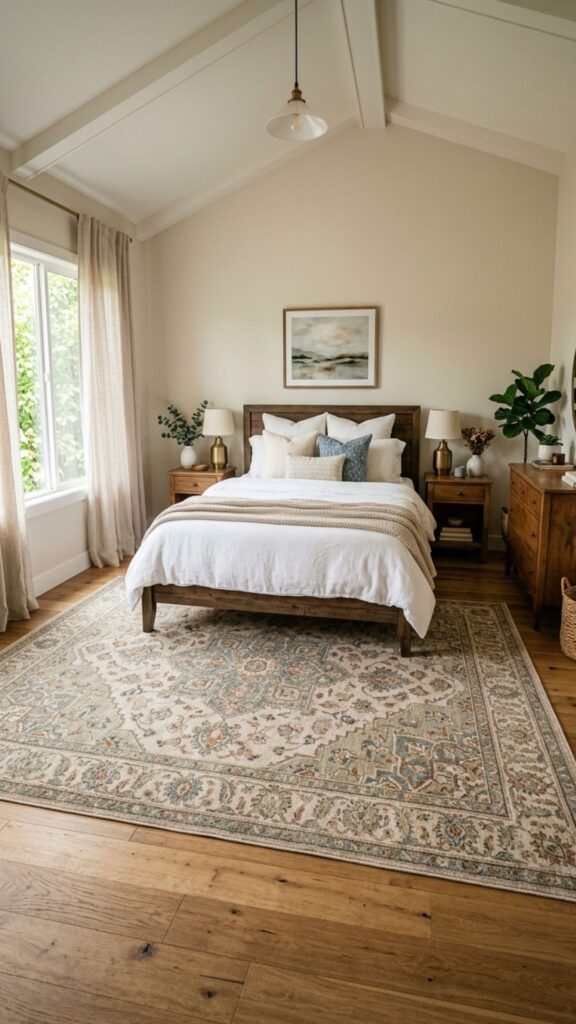
A rug grounds the room and defines the space around your bed. For the best look, let it extend at least 18 inches beyond each side of the bed. Patterns add personality, while solids keep things calm.
The classic mistake is choosing a rug that’s too small, so it floats awkwardly under the bed’s edge. When in doubt, size up. A larger rug always feels more luxurious and complete.
13. Add Personal Photo Displays
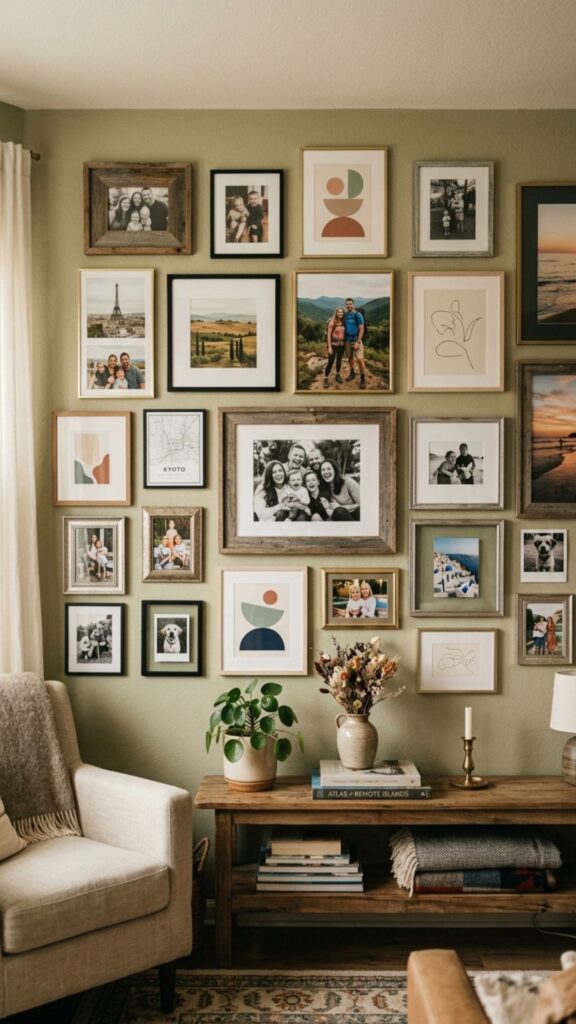
Personal photos turn a house into a home. Arrange a small gallery wall or lean framed prints along a shelf for an easy, changeable display. Mix family shots with travel memories and a few abstract prints for balance.
Don’t let it become cluttered or crooked, though. Keep frames in a loose color family, like all black or all wood, for cohesion. This stops the wall from feeling chaotic.
14. Try a Canopy or Bed Drape
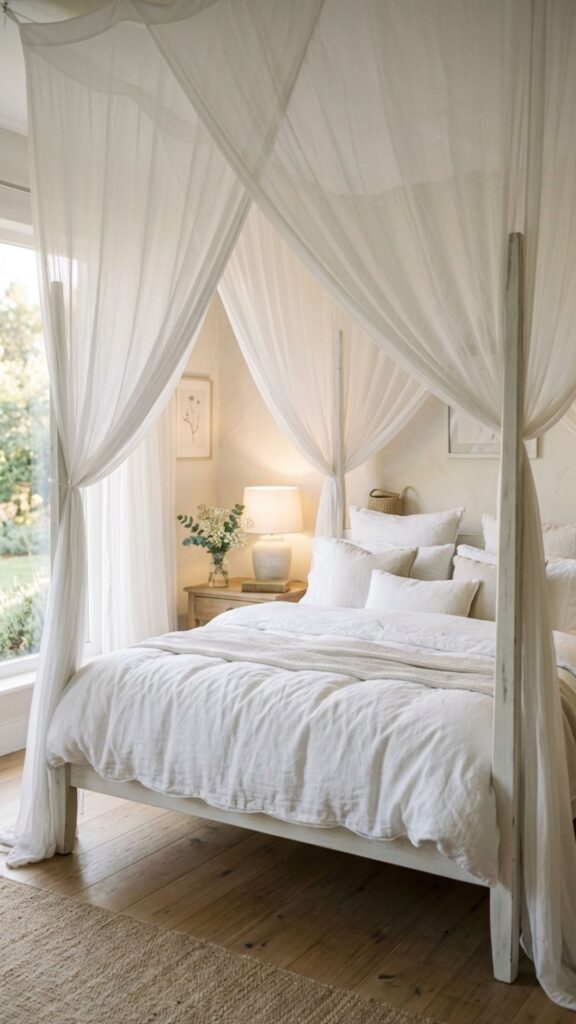
A canopy adds instant drama and a sense of enclosure that feels cozy. You don’t need a four-poster bed either, since a ceiling-mounted hook and sheer fabric create the same effect. The flowing fabric softens the room and frames your bed beautifully.
The common issue is using heavy, dust-collecting fabric. Choose lightweight, washable sheers instead. They move gently and stay easy to clean.
15. Float Some Wall Shelves
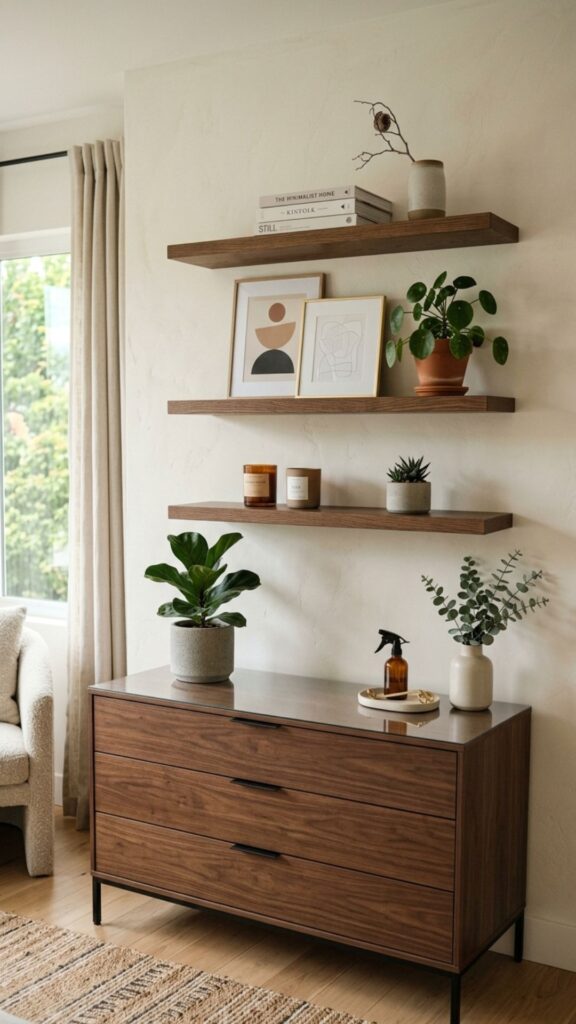
Floating shelves offer storage and display space without bulky furniture. Use them for books, candles, small plants, or framed art above a dresser. They’re perfect for small bedrooms where floor space is precious.
A pain point is overloading shelves until they sag or look cluttered. Leave breathing room between objects and vary their heights. Negative space is part of good styling.
16. Define Zones in a Multi-Use Room
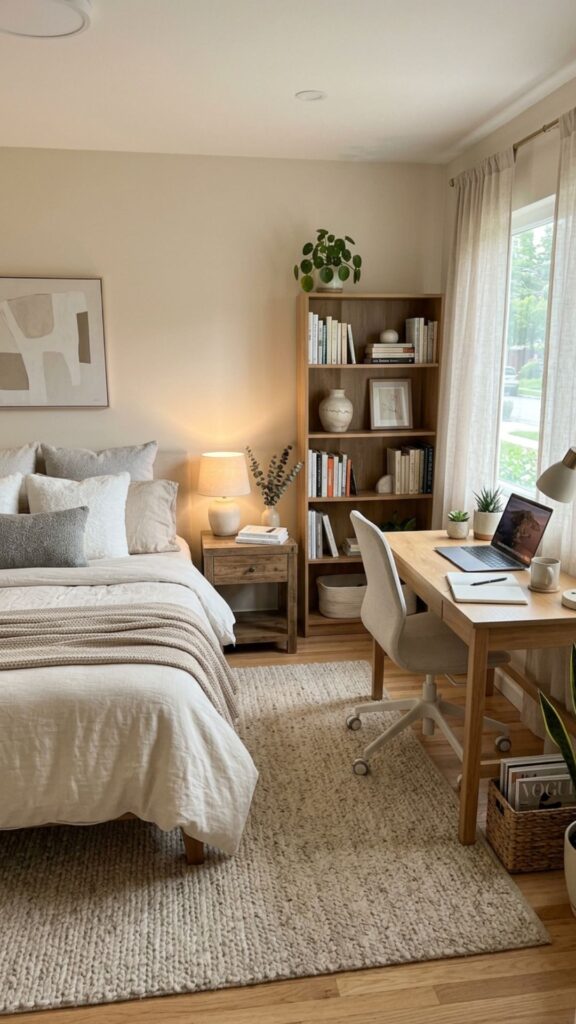
If your bedroom doubles as an office or gym, define each zone clearly. Use a rug, a screen, or a bookshelf to separate the work area from the sleep area. This visual boundary helps your brain switch modes.
The mistake is letting work creep onto the bed or nightstand. Keep your laptop and papers in their zone so the bed stays a place for rest. Clear separation supports both focus and sleep.
17. Choose Multi-Functional Furniture
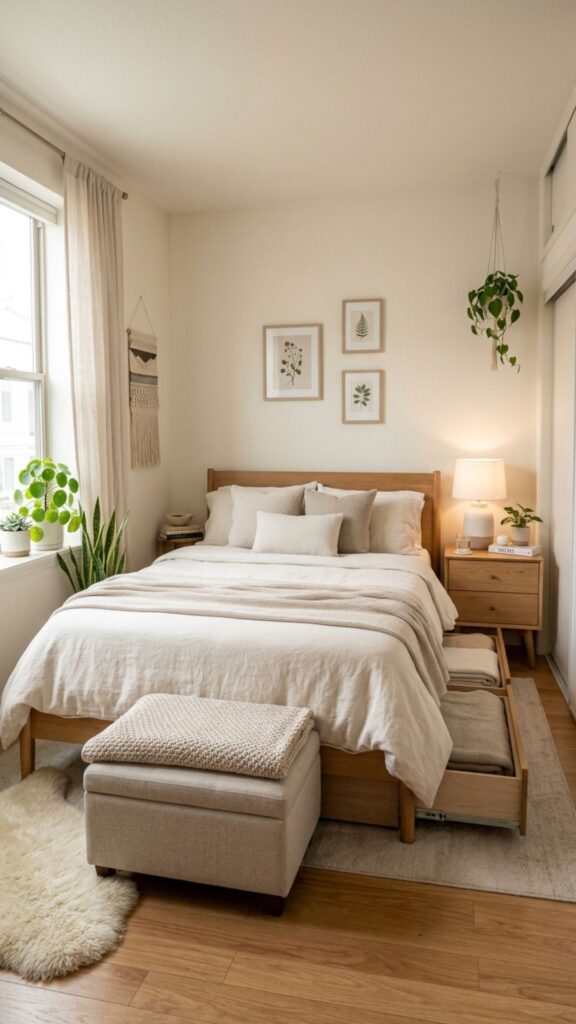
Smart furniture earns its keep, especially in tight rooms. A storage bed, an ottoman with hidden space, or a nightstand with drawers cuts clutter fast. These pieces keep essentials close but out of sight.
Avoid buying furniture purely for looks if it offers no storage. In a small bedroom, every piece should work twice. That mindset keeps the space open and calm.
18. Bring in Warm Metallics
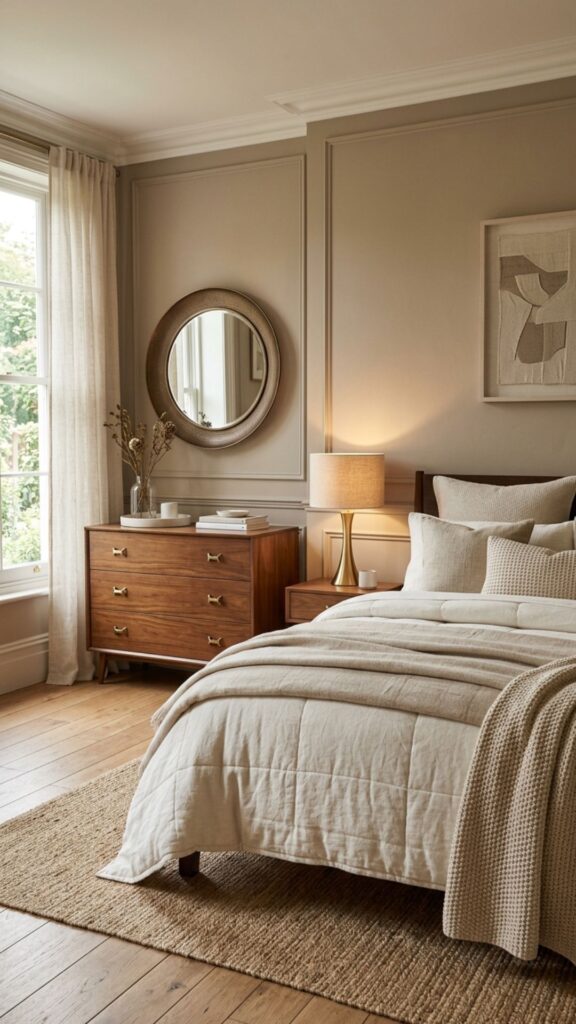
A touch of metal adds polish and catches the light beautifully. Brass drawer pulls, a gold lamp base, or a bronze mirror frame elevate the room instantly. These accents pair especially well with soft, neutral palettes.
The trap is mixing too many metals randomly. Pick one dominant finish and let a second appear sparingly. This keeps the look intentional rather than scattered.
19. Add Scent and Ambiance
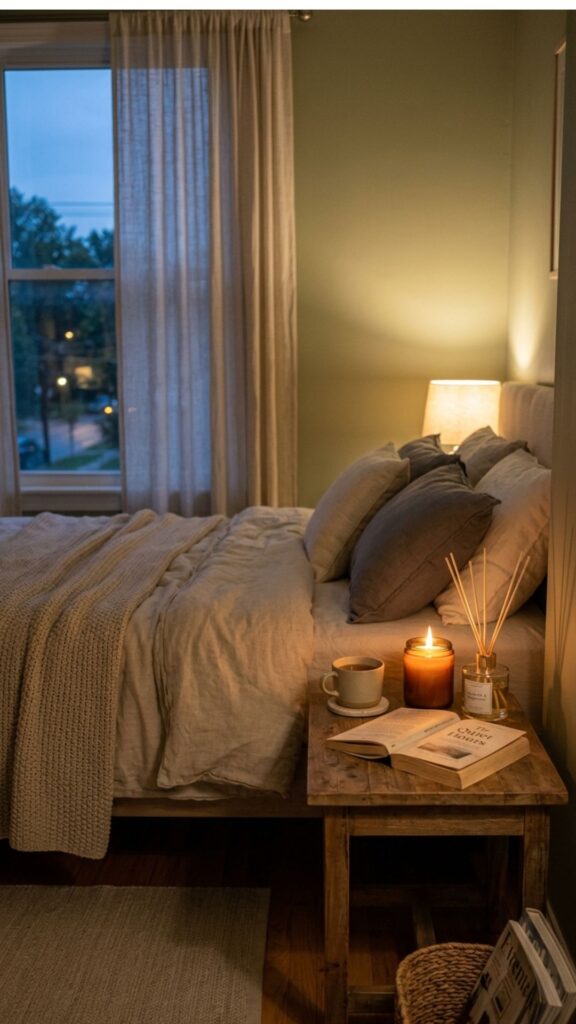
Décor isn’t only visual; scent shapes how a room feels too. A reed diffuser, a soy candle, or a small essential oil diffuser adds a calming layer. Lavender and cedarwood are popular for winding down.
Steer clear of overpowering fragrances that linger too strongly. Subtle is better in a sleep space. A gentle scent should welcome you, not overwhelm you.
20. Use a Bench at the Foot of the Bed
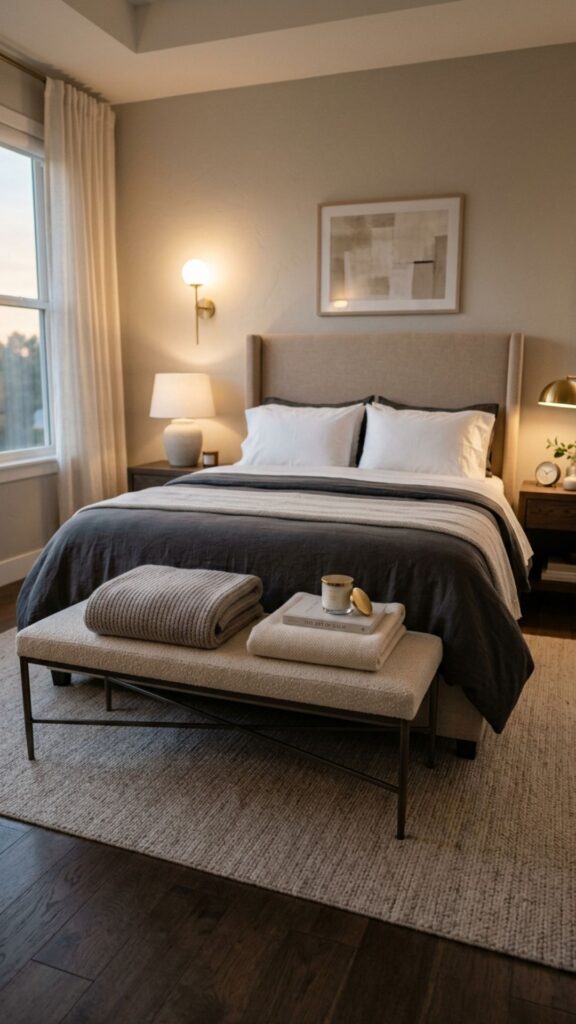
A bench grounds the bed visually and gives you a handy spot to sit or store extras. Use it for folded blankets, a basket, or simply as a perch while dressing. It adds a hotel-like, finished feel.
The downside appears when the bench is too deep for a small room. Measure your walking space first so it doesn’t block the path. A slim bench keeps things functional.
21. Keep It Clutter-Free With Smart Storage
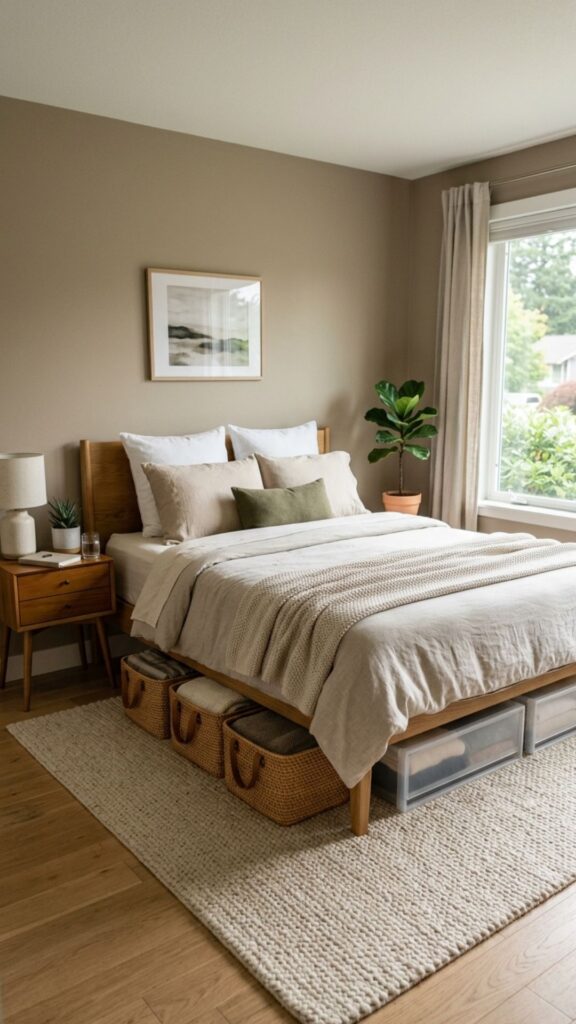
The best décor falls flat in a messy room, so storage matters. Baskets, under-bed bins, and a tidy closet system keep surfaces clear. A clutter-free room instantly looks more designed.
Don’t simply hide everything and forget it, though. Edit your belongings regularly so storage doesn’t overflow. A calm, organized room is the foundation every other idea builds on.
Bringing Your Bedroom Vision to Life
The best bedroom décor inspiration comes from blending function with personality. Start small with one accent wall, layered lighting, or a fresh rug, then build from there. Each change adds up to a space that feels both restful and uniquely yours.
Pick three ideas from this list that excite you most and try them this week. You don’t need a full renovation or a big budget to see a real difference. Snap a before photo, make your changes, and enjoy the room you’ve been wanting all along.
How can I decorate my bedroom on a budget?
Focus on high-impact, low-cost updates first. Paint one accent wall, swap in new throw pillows and bedding, add a rug, and rearrange existing furniture. Thrift stores and DIY art also stretch a small budget while adding personality.
What colors make a bedroom feel relaxing?
Soft, muted tones work best for rest. Sage green, dusty blue, warm taupe, and blush all lower visual stimulation and promote calm. Keep walls and bedding in these shades, and save bold colors for small accents.
How do I make a small bedroom look bigger?
Use mirrors to bounce light, hang curtains high and wide, and choose multi-functional furniture with hidden storage. Light colors, clear floor space, and a single accent wall also create the illusion of more room.
Where should I hang art above my bed?
Center your artwork at roughly 57 inches from the floor, and keep the bottom edge about eight inches above the headboard. This keeps the piece at eye level and balanced with the bed below it.
How many décor changes should I make at once?
Start with two or three changes so the updates feel intentional, not overwhelming. Begin with lighting, color, or textiles, then add accents like art and plants once the foundation feels right.