Most bedrooms start with the same blank slate — four neutral walls, a bed in the middle, and a vague feeling that something is missing. If your room feels a little too plain or just doesn’t look the way you imagined it, you’re not alone. The good news is that fixing it doesn’t have to be complicated or expensive.
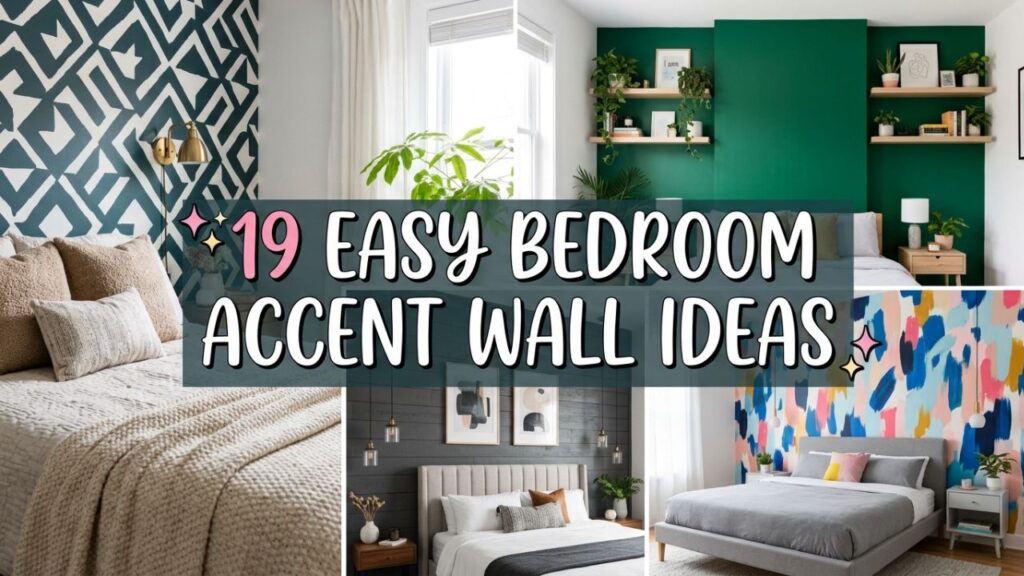
A single accent wall can change everything. It pulls the room together, gives it a personality, and makes the whole space feel more intentional — without touching a single piece of furniture. Whether you’re renting, working with a tight budget, or simply not sure where to start, these bedroom accent wall ideas will show you exactly what’s possible and how to pull it off.
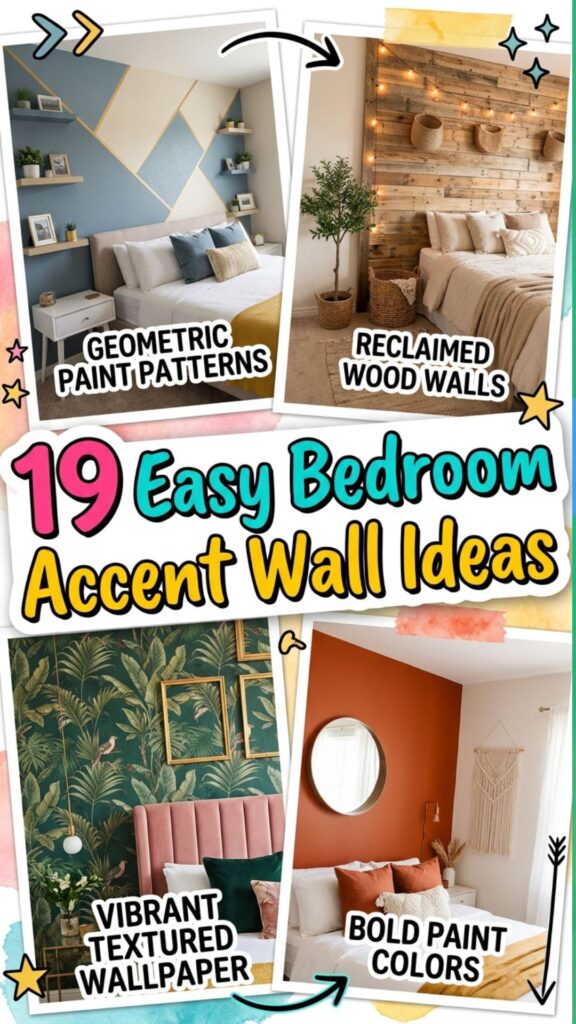
In this guide, you’ll find 19 practical, achievable ideas ranging from simple paint techniques to textured materials and fabric solutions. Each one includes tips you can actually use, not just inspiration to scroll past.
1. A Single Deep-Toned Paint Color
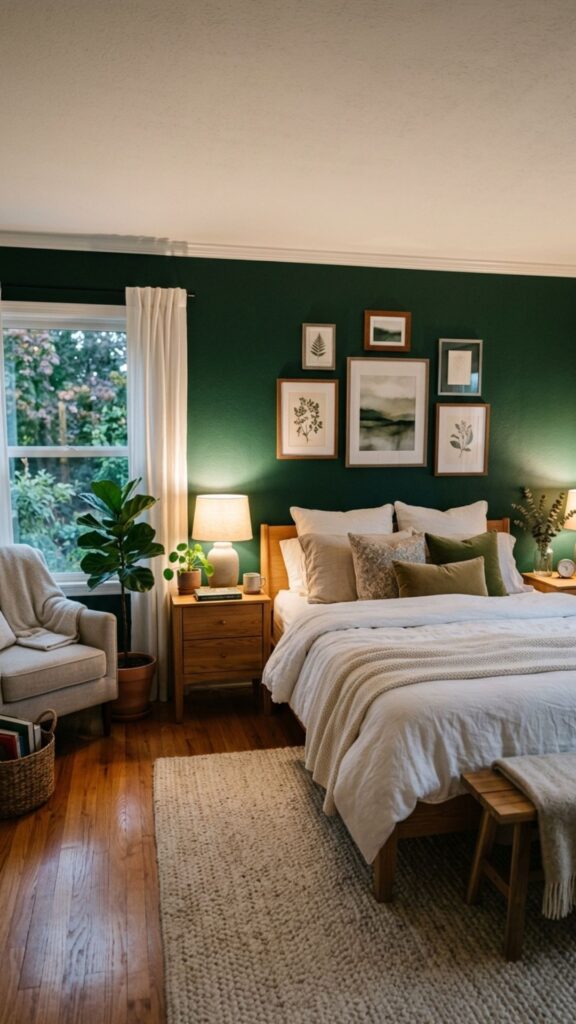
One of the simplest bedroom accent wall ideas is also one of the most effective. Choose a deep, saturated paint color — forest green, slate blue, terracotta, or charcoal — and apply it to the wall behind your bed. The contrast with lighter walls draws the eye immediately and anchors the whole room.
Stick with a matte or eggshell finish for a refined look that hides minor wall imperfections. Pair the wall with lighter bedding to balance the depth. A single quart of paint and an afternoon is genuinely all this takes, and the transformation is significant.
2. Peel-and-Stick Wallpaper
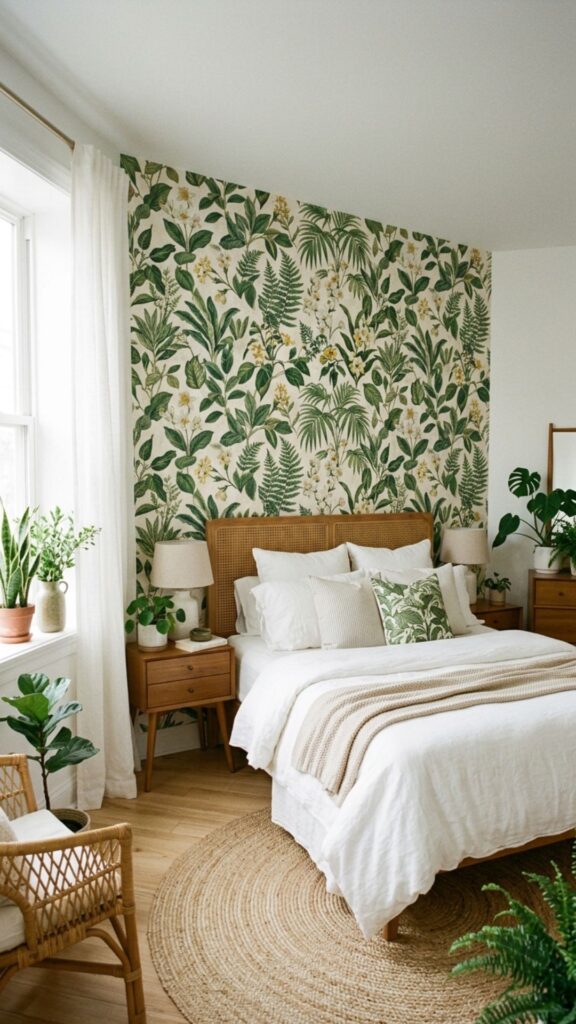
If you’re renting or hesitant to commit to permanent changes, peel-and-stick wallpaper is one of the most accessible bedroom accent wall ideas available. The quality has improved considerably in recent years, and you can find patterns ranging from subtle linen textures to bold botanical prints.
Apply it to the headboard wall for the most visual impact. The key to a clean result is taking your time with the first strip — get it perfectly level, and the rest will follow. Most people can finish a standard wall in two to three hours without any special tools.
3. Shiplap Wood Paneling
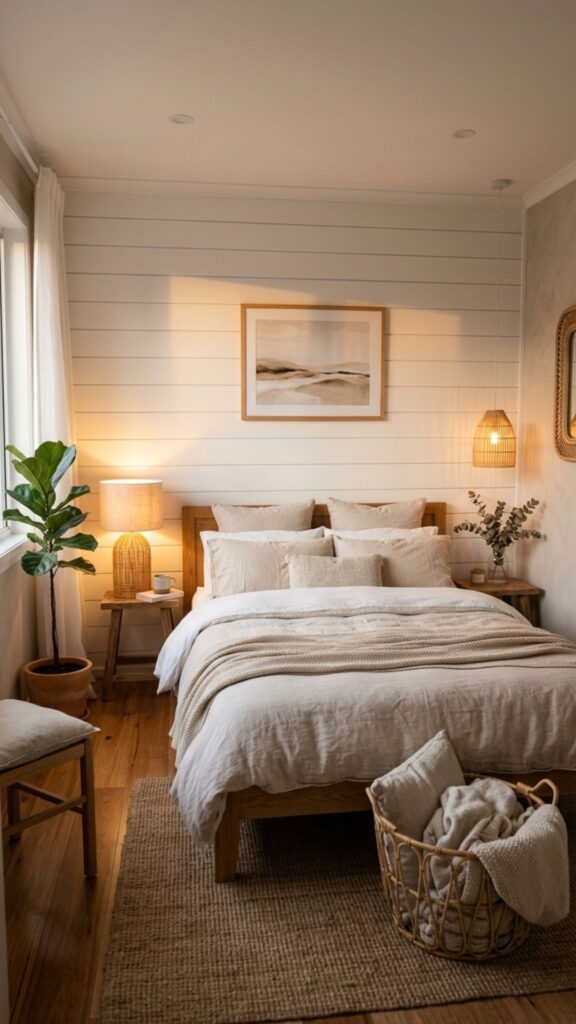
Horizontal shiplap boards add warmth and texture that paint simply can’t replicate. They also make a room feel wider, which is a useful bonus in narrower bedrooms. You can use real pine shiplap or lightweight MDF alternatives, both available at home improvement stores.
Paint it white for a bright, coastal feel or leave it in a natural warm tone for something more rustic. Either way, it pairs beautifully with linen bedding, rattan accents, and warm lighting. Installation is very manageable as a DIY weekend project with basic carpentry tools.
4. Painted Arch Shape
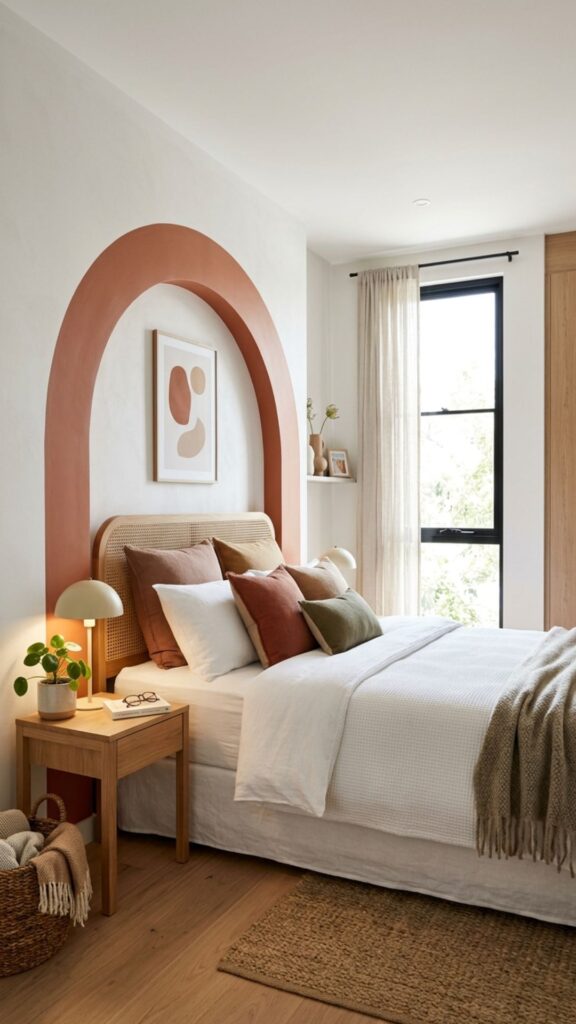
A painted arch is one of the most trending bedroom accent wall ideas right now, and it’s easier than it looks. You’re essentially painting a large curved shape — like a doorway arch — directly onto the wall behind the bed, in a contrasting color to the rest of the wall.
Use flexible plastic sheeting or a thin piece of trim to get a smooth, even curve, then run painter’s tape along the edge before filling in the color. The arch frames the headboard naturally and adds a sense of architectural detail without any construction involved.
5. Board-and-Batten Paneling
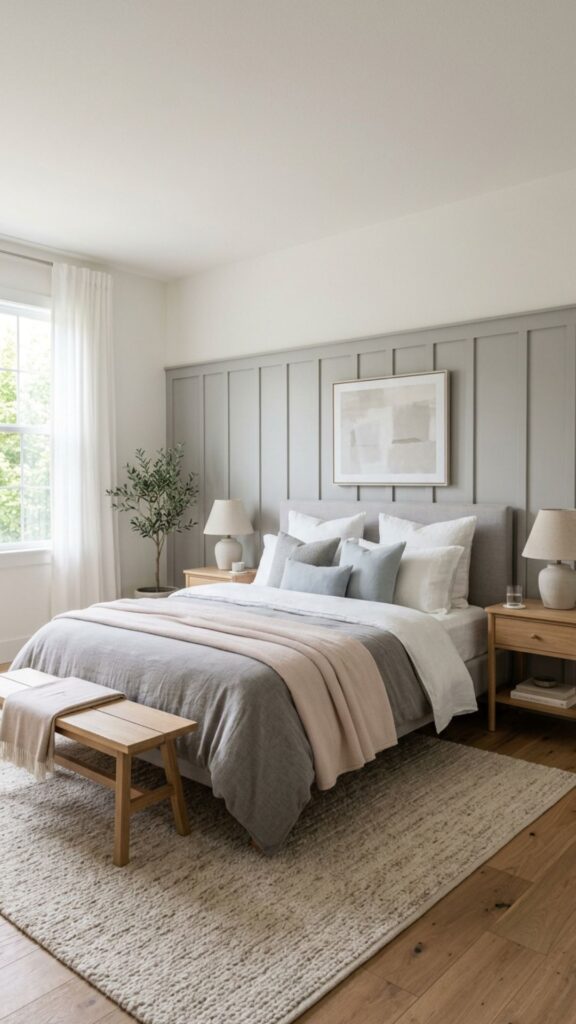
Board-and-batten involves attaching vertical boards to the wall and capping them with a horizontal rail, creating a paneled effect that looks far more custom than it actually is. Painted in a single color — either matching the wall or contrasting it — it brings a sense of craftsmanship to the room.
This works in traditional, farmhouse, and transitional bedroom styles. It’s also practical for walls with surface imperfections since the boards cover a significant portion. Keep the color palette simple — two tones at most — to avoid overwhelming the space.
6. Limewash or Venetian Plaster Finish
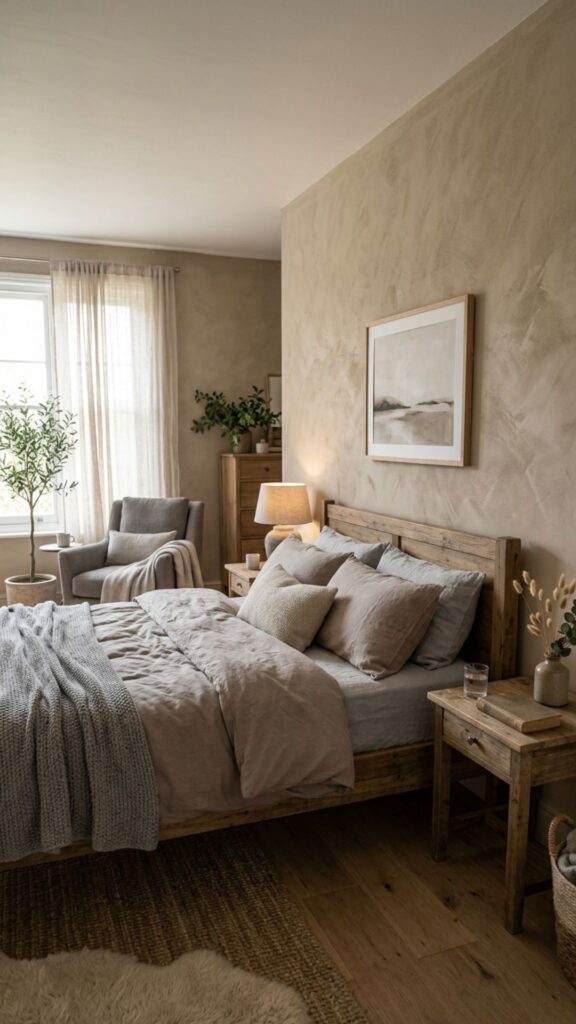
Limewash paint creates a soft, layered texture that shifts slightly as light moves across it throughout the day. The effect looks artisanal and expensive, but the application is surprisingly beginner-friendly compared to traditional plaster work.
Apply it over a base coat using a natural-bristle brush in loose, overlapping strokes. The imperfection is intentional — that’s what makes it look handcrafted. This finish works well in calm, earthy bedroom palettes and adds depth that flat paint never achieves.
7. Gallery Wall of Framed Art and Photos
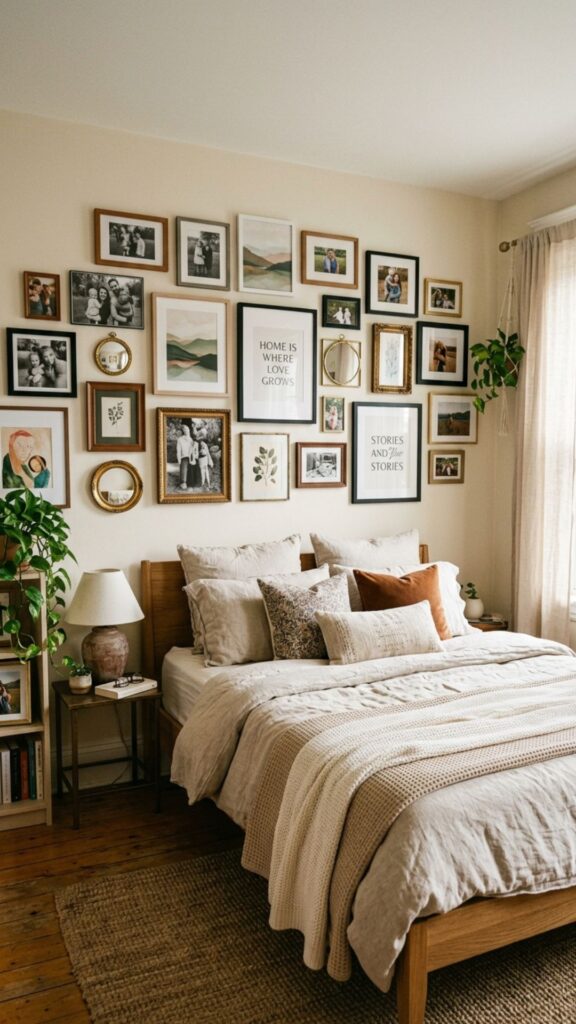
A gallery wall lets you turn a plain surface into something deeply personal. Mix framed photos, art prints, and small mirrors in coordinating frames — the variety in content with consistency in frame finish keeps it looking curated rather than cluttered.
Plan the entire layout on the floor before committing to any nail holes. Start from the center and work outward to keep things balanced. A gallery wall evolves naturally over time, which gives it an authentic, collected quality that immediately makes a bedroom feel lived-in and warm.
8. Reclaimed Wood Planks
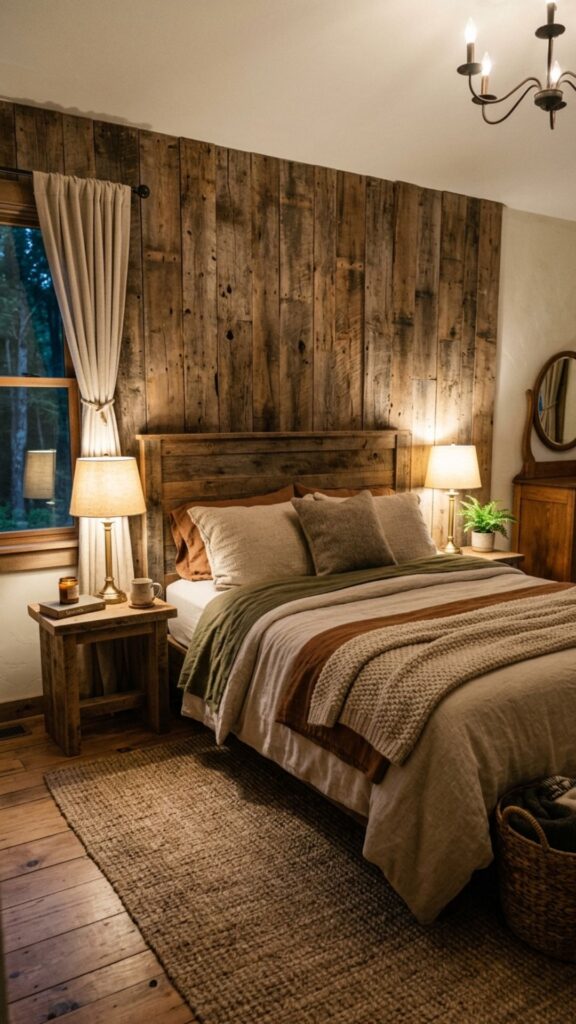
Reclaimed wood brings character that no manufactured product can fake. The natural variation in color, grain, and patina across individual boards creates a rich, layered surface that looks genuinely unique every time.
Source reclaimed planks from architectural salvage stores or repurpose old pallets with careful sanding and cleaning. Seal them once installed to prevent dust and protect the surface. The finished wall tends to look significantly more expensive than it costs, especially when paired with warm, simple furnishings.
9. Fabric-Wrapped Wall Panels
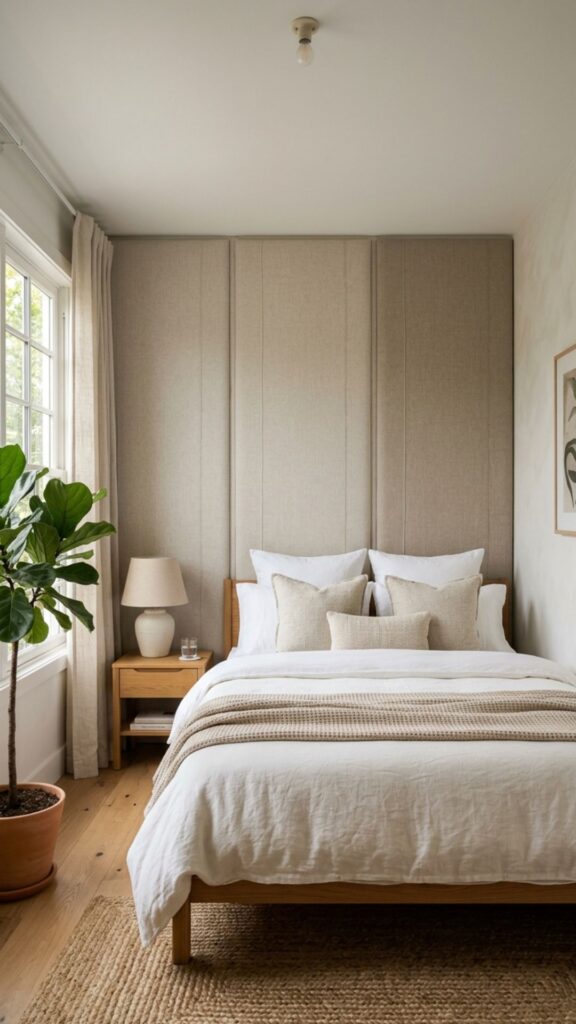
Upholstered panels solve two problems at once — they look soft and inviting, and they absorb sound, which makes bedrooms feel noticeably quieter. Stretch fabric over a lightweight wooden frame and mount it directly to the wall behind the bed.
Choose fabrics like linen, boucle, or velvet depending on the look you want. Linen reads casual and airy, velvet adds luxury, and boucle hits a comfortable middle ground. One large panel or a series of smaller ones in a grid both work well — the format depends on the size of your wall.
10. Large-Scale Botanical Wallpaper
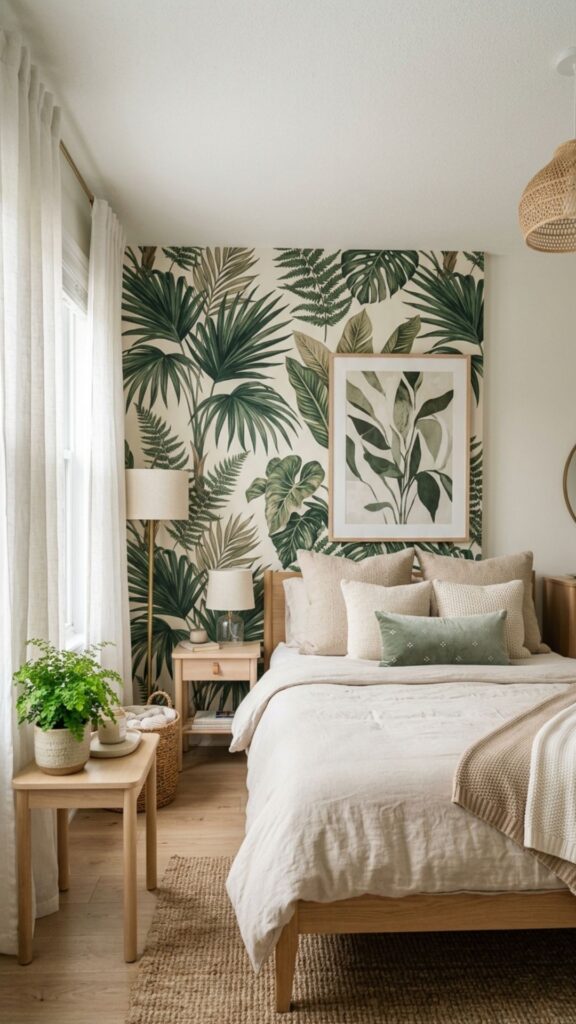
Oversized leaf and floral prints are among the most popular bedroom accent wall ideas for good reason — they make a plain, sparse room feel lush and layered without adding any furniture. The large scale of the print fills space confidently.
Match the wallpaper’s background color to something already present in your room — your rug, curtains, or throw pillows — and it will look intentionally designed rather than randomly chosen. This approach is particularly effective in rooms that feel visually empty or too minimal.
11. Color Blocking
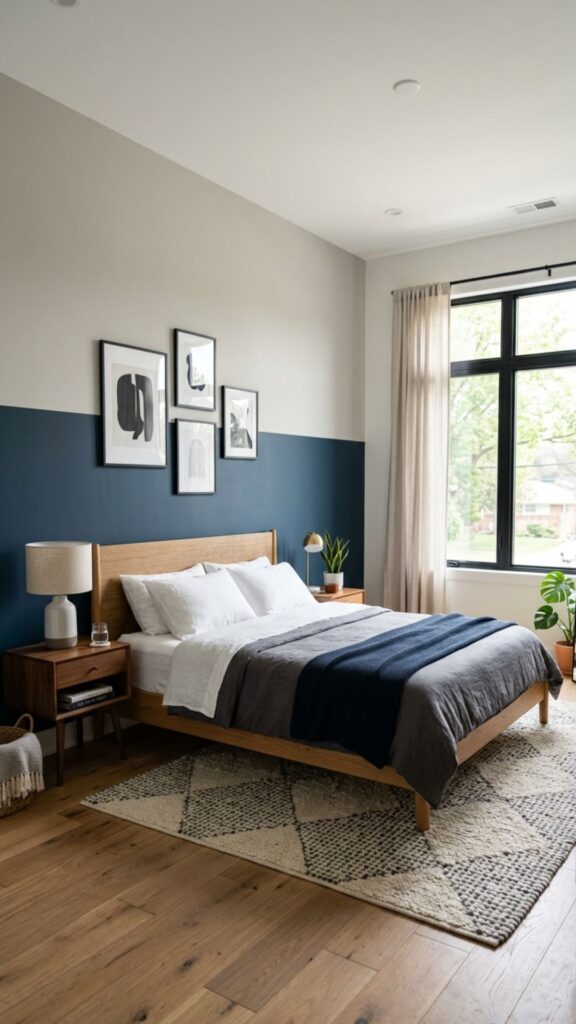
Color blocking uses two solid paint colors in distinct geometric sections — no stencils or patterns required. A common approach is splitting the wall horizontally, with a deeper tone on the lower third and a lighter shade above. You can also split it vertically for a more graphic, editorial effect.
The result is bold and modern with very little effort. Use painter’s tape to get clean lines, and choose shades from the same color family to keep it cohesive. This style suits minimalist and contemporary bedrooms especially well.
12. Stenciled Tile Pattern
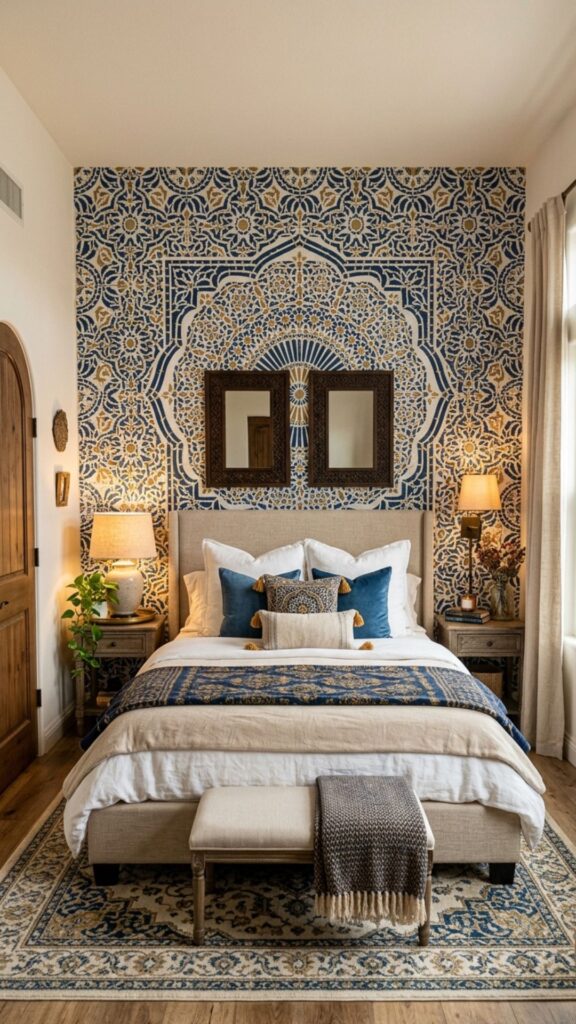
Tile-inspired stencil patterns — Moroccan, Portuguese azulejo, or encaustic cement styles — look intricate and highly decorative but are achievable with a repositionable stencil and two colors of paint. The finished wall looks as though it required a professional, even when it didn’t.
Use a dense foam roller rather than a brush to push paint cleanly through the stencil openings without bleeding. Work methodically from one corner and reposition the stencil carefully at each step. This is one of the more time-intensive bedroom accent wall ideas on this list, but the payoff in visual richness is substantial.
13. Mirror Tiles or Reflective Panels
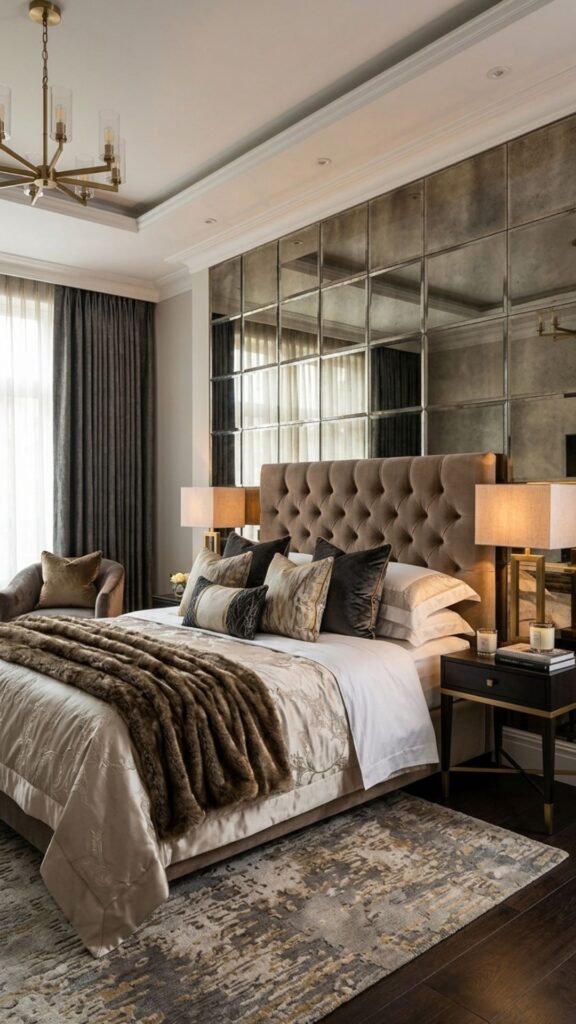
Mirrored surfaces reflect light and create the impression of more space — two things most bedrooms benefit from. A grid of mirror tiles or a single large reflective panel behind the bed adds a glamorous, hotel-inspired quality without requiring a renovation.
Opt for smoked or antiqued mirror finishes if you want the effect to feel softer and more atmospheric rather than stark. These diffuse light more gently than clear mirror. Secure the tiles firmly to the wall — mirror is heavier than it appears, and the mounting needs to be reliable.
14. Pegboard Feature Wall
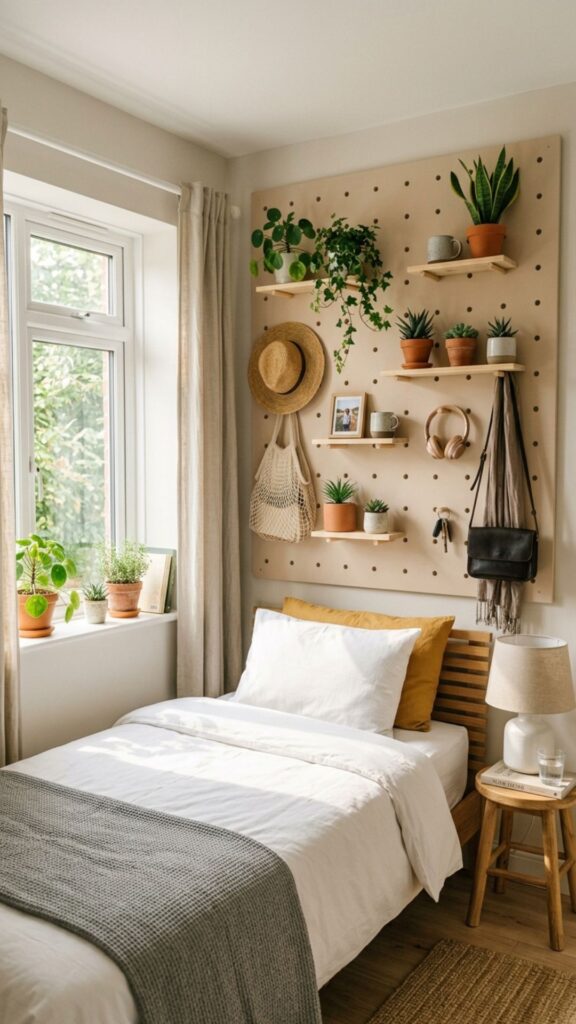
Painted pegboard has moved well beyond the garage. In a bedroom, it creates a textured, functional accent wall that can hold hooks, small shelves, plants, and accessories. It’s especially practical in smaller rooms where wall space doubles as storage.
Choose a powder-coated metal pegboard for a cleaner, more finished look. Mount it on a frame that holds it slightly away from the wall, which gives you room to insert pegs and hooks from behind. Paint it in a color that either matches the wall for a subtle effect or contrasts it for more definition.
15. Ombre Paint Effect
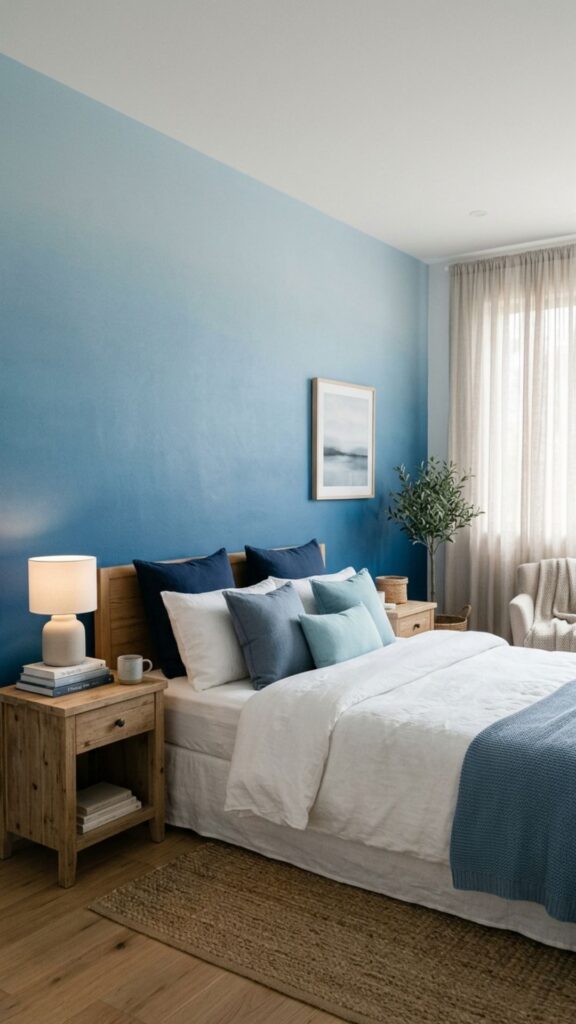
An ombre accent wall transitions gradually from a deeper tone at the bottom to a lighter shade at the top. The upward gradient naturally draws the eye higher, which makes low ceilings feel taller. It looks complex but is very achievable with patience and the right technique.
Use two shades from the same color family and blend them in a wide overlapping band while both layers are still wet. Keep the tonal difference moderate — two to three steps apart on a paint chip — so the gradient reads as intentional rather than uneven.
16. Wainscoting with a Contrasting Upper Wall
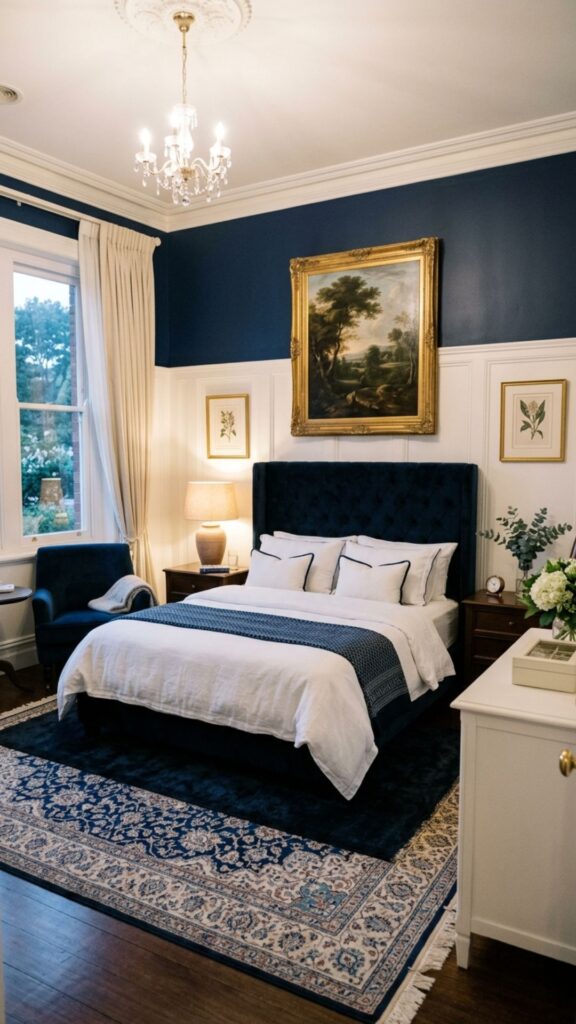
Wainscoting — wood paneling on the lower portion of the wall — adds architectural weight and elegance to a bedroom. Pair the paneling with a deeper or richer color on the upper half to create a layered, formal effect that still feels warm and approachable.
This treatment works in traditional, transitional, and even contemporary bedrooms depending on the finish and colors used. It also conceals imperfections on the lower portion of the wall, which makes it a practical choice for older homes. Keep the overall palette restrained — two complementary tones work best.
17. Macramé or Woven Textile Hanging
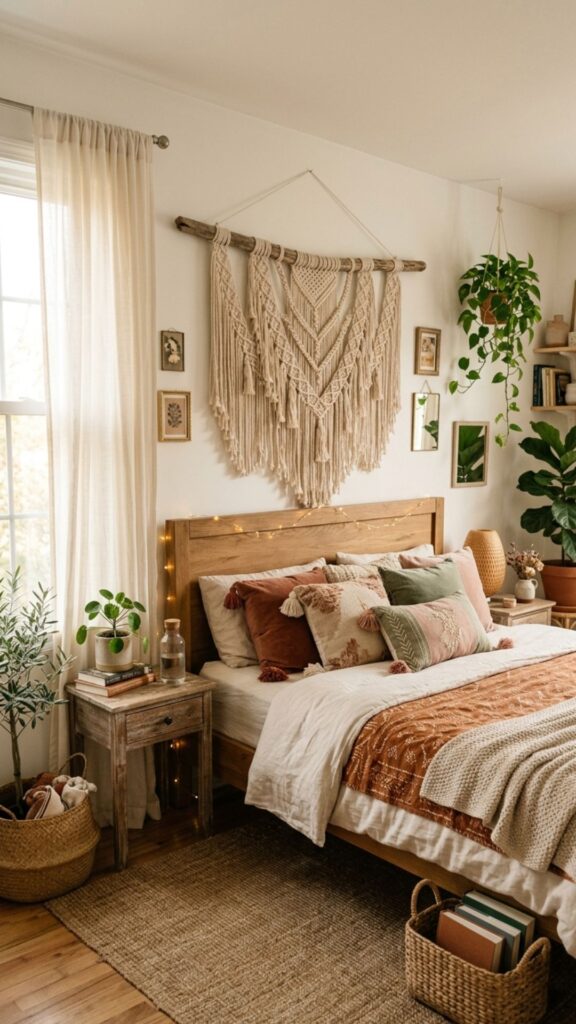
For a completely tool-free approach, a large macramé or woven wall hanging can act as a soft, textural accent wall without any painting or installation. Position it above the headboard so it spans most of the wall’s width and the effect is substantial.
Natural cotton rope gives a relaxed, bohemian look, while a tightly woven piece in black and white feels more graphic and contemporary. This is one of the most renter-friendly bedroom accent wall ideas available — it hangs on one or two nails and comes down just as easily.
18. Acoustic Felt Panels
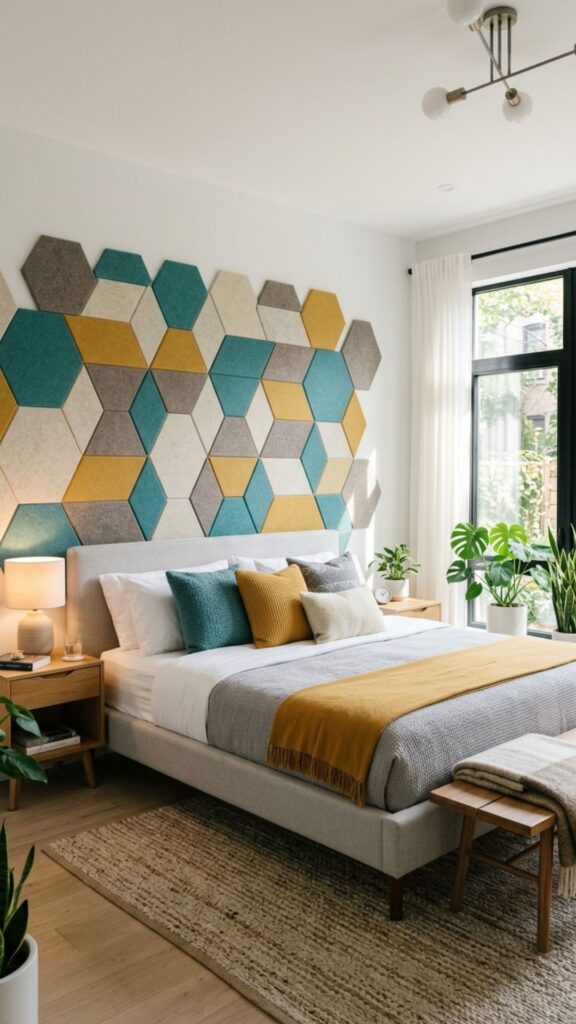
Acoustic felt panels combine function with a genuinely distinctive look. They absorb sound — making the bedroom noticeably quieter and calmer — while adding color and a modern, textured surface. Arrange them in a grid, a gradient of tones, or an asymmetric layout to suit your style.
They attach with adhesive strips or small hardware and can be repositioned without major wall damage. The color range available now is wide enough to complement any palette, from soft neutrals to saturated jewel tones. For anyone dealing with echo or noise in their bedroom, these are hard to beat.
19. Chalkboard Paint Wall
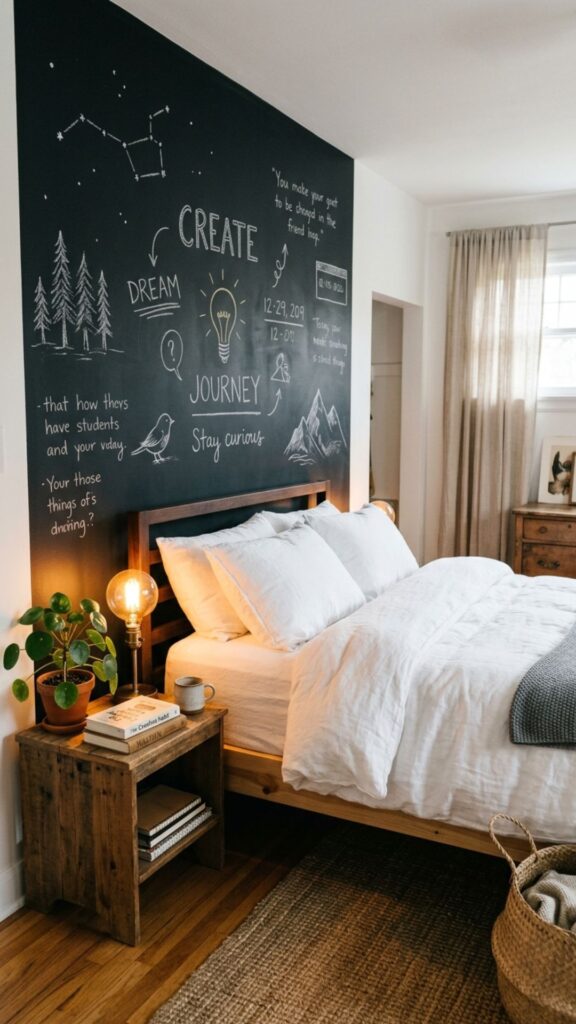
Chalkboard paint turns an entire wall into a writable surface — a practical and creative option for bedrooms used as work-from-home spaces, kids’ rooms, or creative corners. Write quotes, sketch ideas, or leave notes directly on the wall. The surface wipes clean and starts fresh whenever you want.
Prime the wall before applying the chalkboard paint, then season the finished surface by rubbing the flat side of chalk across the entire wall and erasing it before first use. This prevents ghost images from permanently marking the surface. The deep matte black also doubles as a striking visual anchor in the room.
Conclusion
You don’t need a big renovation budget or weeks of work to give your bedroom real character. These 19 bedroom accent wall ideas prove that a single wall — treated thoughtfully — can shift how the entire room looks and feels. From a weekend paint project to a peel-and-stick transformation, every option here is achievable without professional help.
Pick the idea that fits your space, your style, and your timeline. Start there. Gather your materials, set aside a day, and commit to one wall. The difference will be immediately visible — and your bedroom will finally feel like a space that’s actually yours.
Which wall should be the accent wall in a bedroom?
The wall behind your bed — the headboard wall — is the best choice for a bedroom accent wall in most rooms. It’s the natural focal point when you enter the space and frames the bed without competing with windows or doorways. Avoid walls interrupted by large openings, as these reduce the visual impact of any treatment you apply.
Do accent walls make a bedroom look smaller?
Not when done correctly. A single accent wall adds depth without shrinking the room visually. Using lighter colors, reflective materials like mirror, or vertical paneling can actually make a bedroom feel larger. The trick is treating one wall only — not two or three — which preserves the sense of openness in the rest of the space.
What are the easiest bedroom accent wall ideas for beginners?
Painted accent walls and peel-and-stick wallpaper are the most beginner-friendly options. Both require minimal tools and preparation, and neither demands specialized skills. Peel-and-stick wallpaper is particularly forgiving and removes cleanly, making it ideal for renters or anyone who wants flexibility to change things later.
How much does a bedroom accent wall cost?
Costs vary considerably depending on the method. A painted accent wall typically costs $20–$60 for paint and supplies. Peel-and-stick wallpaper usually runs $30–$100 depending on the pattern and coverage area. Wood paneling, felt panels, and wallpaper installations tend to cost more — anywhere from $150 to over $500 — but many DIY options fall comfortably in the $50–$150 range.
Can renters create a bedroom accent wall without damaging the walls?
Yes. Peel-and-stick wallpaper, large textile hangings, removable felt panels, and pegboard installations are all renter-safe options. They create strong visual impact and can be removed cleanly when you move out. Always follow the manufacturer’s removal instructions to avoid any surface damage, and test a small area first if you’re unsure about a product.