Working from home gives attorneys flexibility, but legal work needs more than a spare desk and laptop. Confidential conversations, long research sessions, video meetings, document storage, and focused writing all require a workspace designed with professional needs in mind.

The best home office ideas attorney professionals can use combine privacy, organization, comfort, and a polished appearance. You do not necessarily need a large room. Thoughtful furniture placement, secure storage, proper lighting, and a professional background can transform even a modest space into an effective legal office.
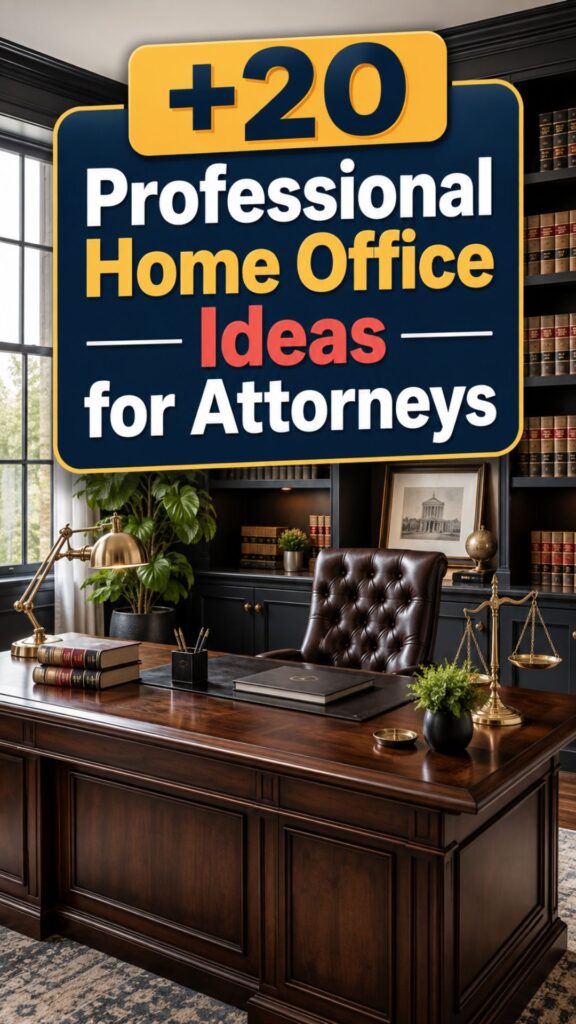
Whether you work remotely every day or only handle occasional cases from home, these ideas can help you build a workspace that feels professional while remaining comfortable enough for long working hours.
1. Create a Dedicated Attorney Workspace
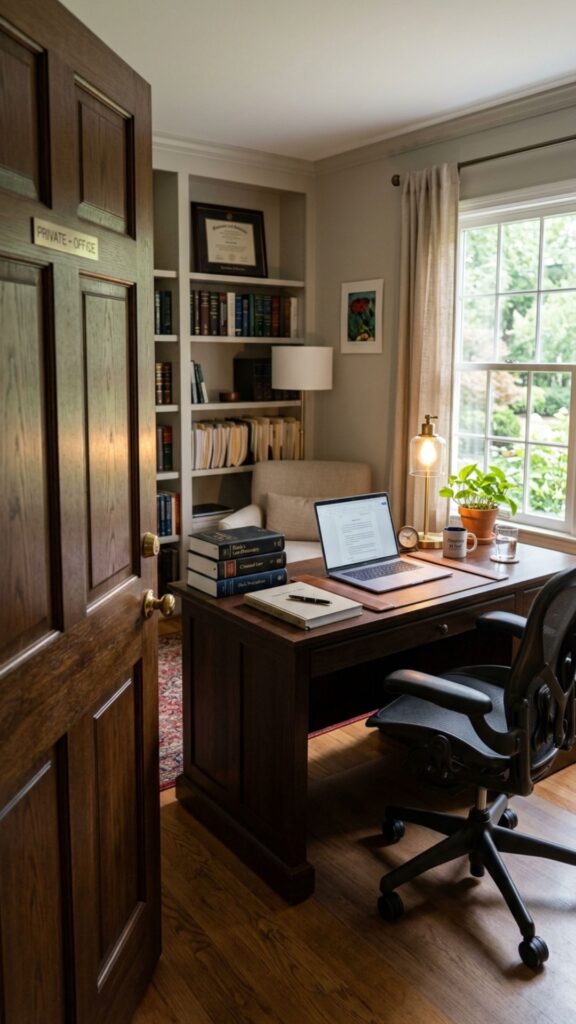
A dedicated workspace is one of the most important home office ideas attorney professionals should consider. Separating your office from bedrooms, dining spaces, and busy family areas helps create a clear boundary between work and personal life.
Choose a room with a door whenever possible. If you do not have a spare room, consider converting a quiet corner, unused guest room, loft, or enclosed portion of another room. The goal is to create a space where interruptions remain minimal.
2. Position Your Desk for Privacy
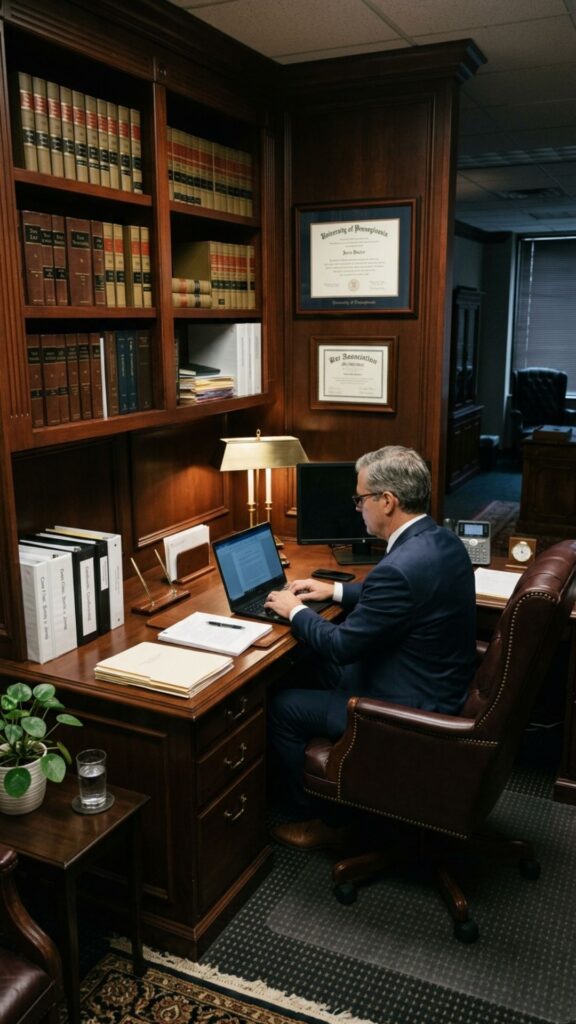
Desk placement can affect both productivity and confidentiality. Avoid positioning your computer screen where family members, visitors, or people passing windows can easily see sensitive legal documents.
Place your desk so you can see the office entrance while keeping your monitor away from direct public view. This arrangement also creates a more confident and professional appearance during virtual client meetings.
3. Invest in a Comfortable Executive Chair
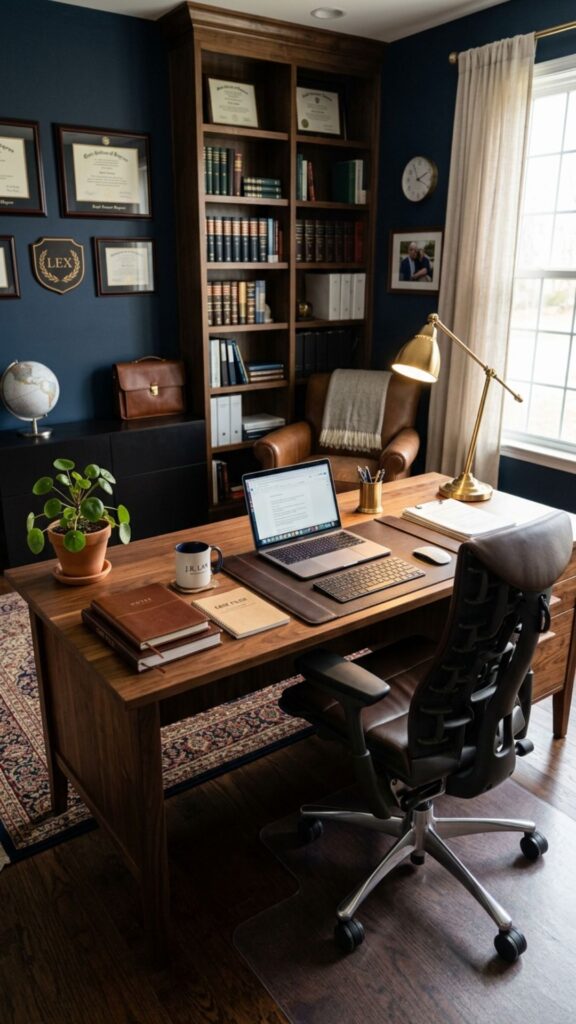
Attorneys often spend several hours reading contracts, researching cases, preparing documents, and participating in meetings. A supportive chair can make those long working sessions much more comfortable.
Look for adjustable lumbar support, armrests, seat height, and breathable materials. Among practical home office ideas attorney professionals can adopt, investing in ergonomic seating can provide benefits every working day.
4. Choose a Spacious Professional Desk
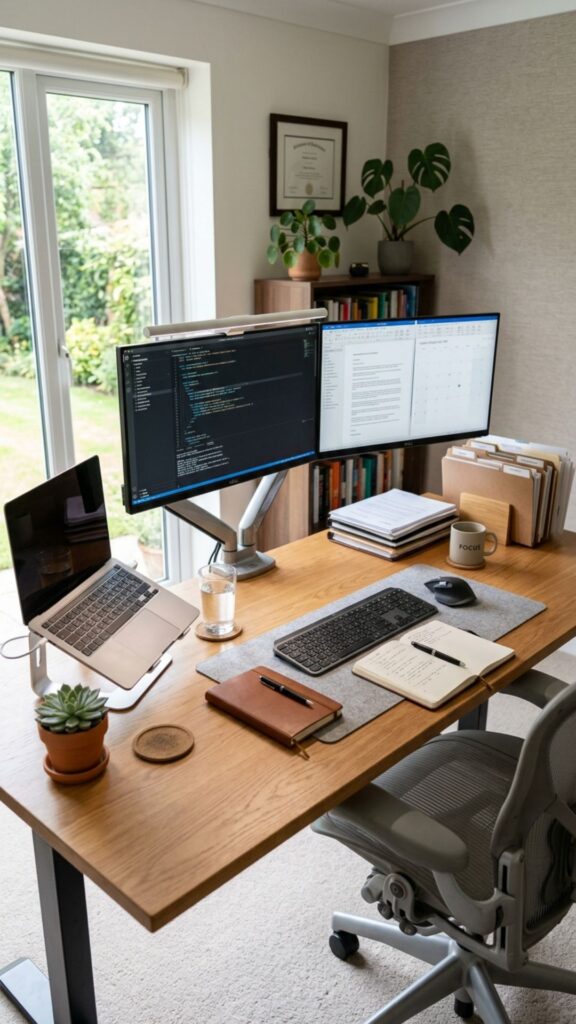
Legal professionals usually need more desk space than someone performing basic computer work. You may need room for multiple monitors, case files, notebooks, reference materials, and occasionally printed contracts.
A traditional executive desk creates a formal appearance, while a clean modern desk can make a smaller office feel more spacious. Choose a surface large enough for daily tasks without making the room feel overcrowded.
5. Use Secure Locking File Cabinets
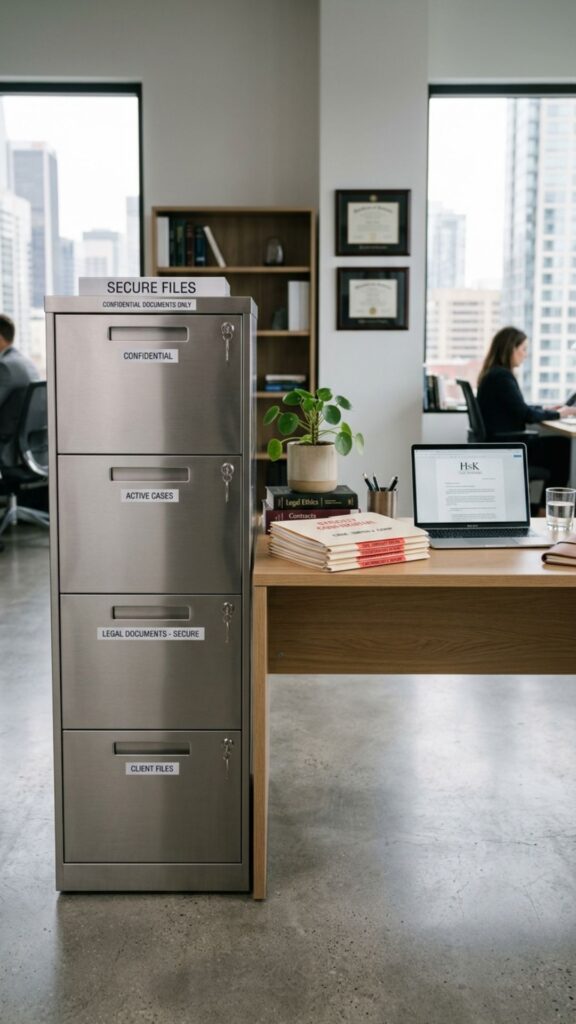
Confidentiality should influence your storage choices. Client information, financial records, contracts, case notes, and other sensitive paperwork should not remain exposed around your home.
Locking cabinets provide secure physical storage while reducing visual clutter. They are especially useful when looking for home office ideas attorney practices can use to maintain both professionalism and privacy.
6. Create a Professional Video Call Background
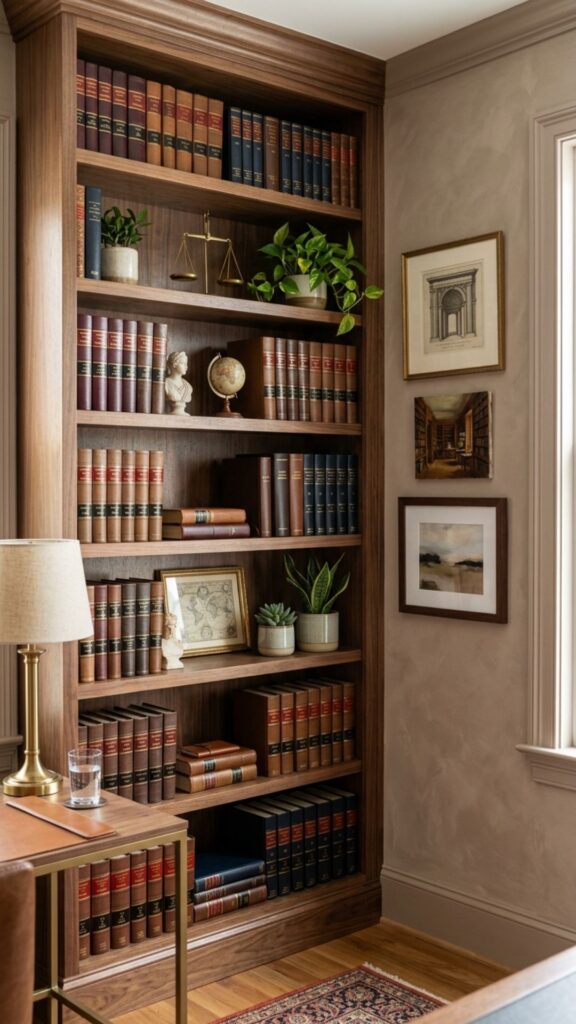
Clients and colleagues will notice what appears behind you during video meetings. An organized background creates a stronger impression than a messy bedroom, kitchen, or random household space.
Consider placing a bookcase, framed artwork, simple wall paneling, or neatly arranged legal books behind your chair. Keep decorations restrained so the background appears professional without becoming distracting.
7. Add a Legal Reference Bookcase
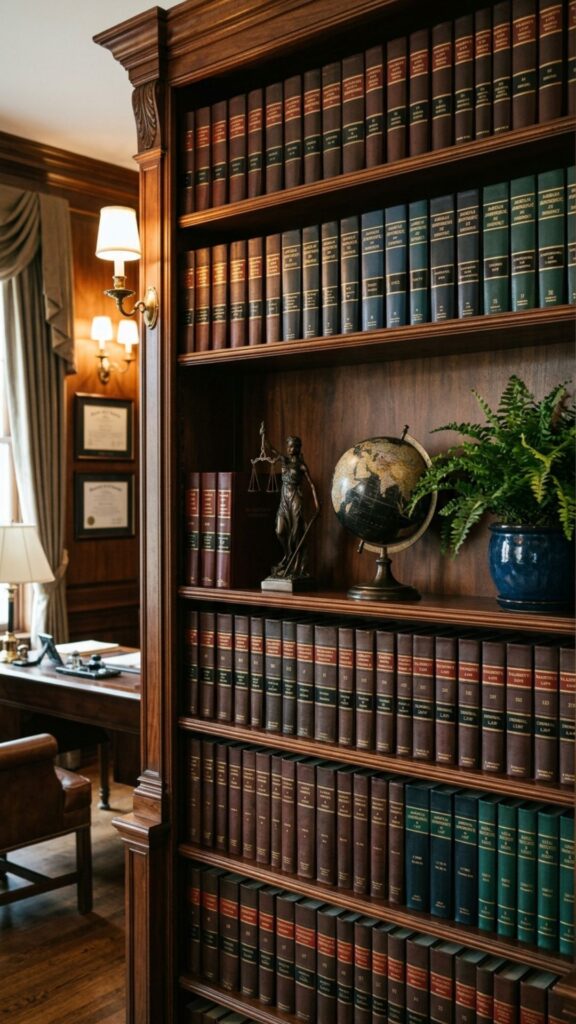
A bookcase gives you convenient access to reference materials while adding character to your home office. Even attorneys who rely primarily on digital resources may benefit from keeping frequently used books nearby.
Mix legal references with a few carefully selected decorative items. Avoid filling every shelf. Leaving some open space creates a cleaner appearance and helps your office feel less crowded.
8. Install Proper Task Lighting
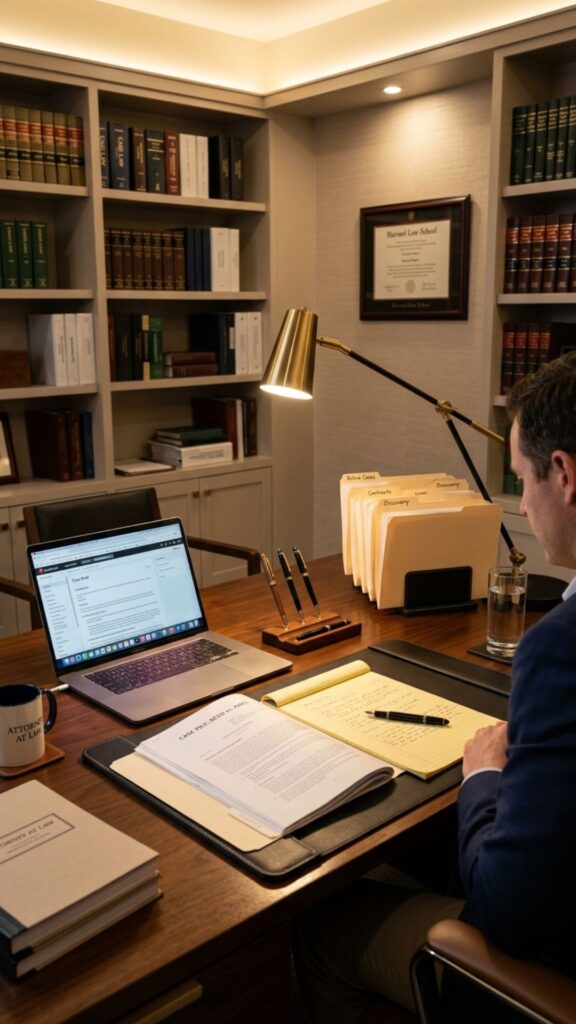
Poor lighting can cause eye strain during long hours of document review. Your office should ideally combine natural daylight, overhead lighting, and focused task lighting.
Place an adjustable desk lamp near your primary reading area. Warm or neutral lighting usually creates a comfortable environment without making documents difficult to read. Good lighting is one of the easiest home office ideas attorney professionals can implement quickly.
9. Take Advantage of Natural Light
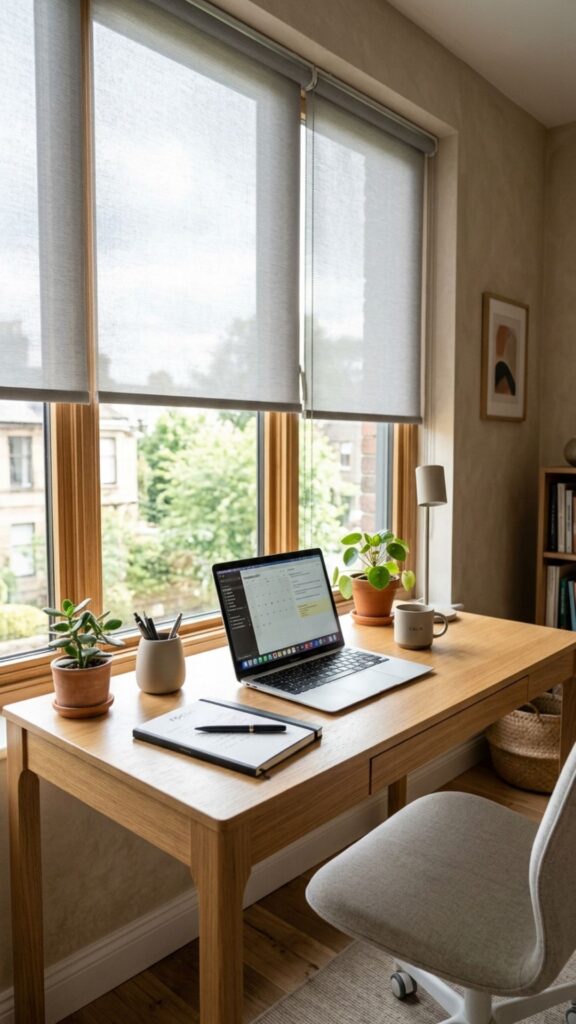
A window can make a home office feel less confined, especially during long workdays. Natural light may also create a more appealing setting for virtual meetings.
Position your desk near a window without placing your monitor directly against strong sunlight. Use blinds or curtains to control glare and maintain privacy when handling confidential information.
10. Add Soundproofing for Client Calls
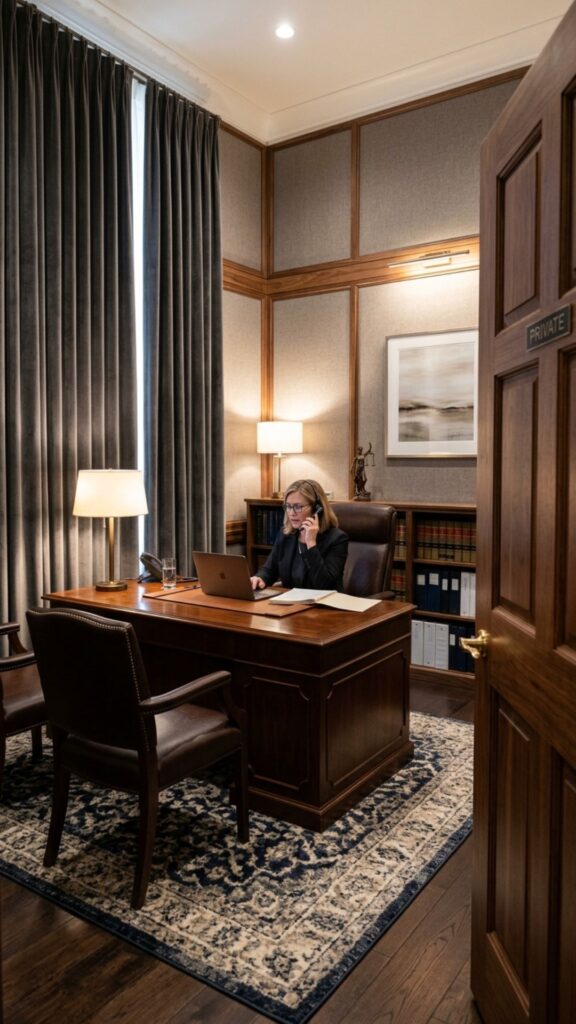
Privacy is particularly important when discussing legal matters. Thin walls and open hallways can allow confidential conversations to travel farther than expected.
Consider adding acoustic panels, thick curtains, rugs, upholstered furniture, or door seals. Even small improvements can reduce sound transmission. For attorneys regularly attending sensitive calls, acoustic control should be a priority rather than purely a design feature.
11. Create a Separate Reading Area
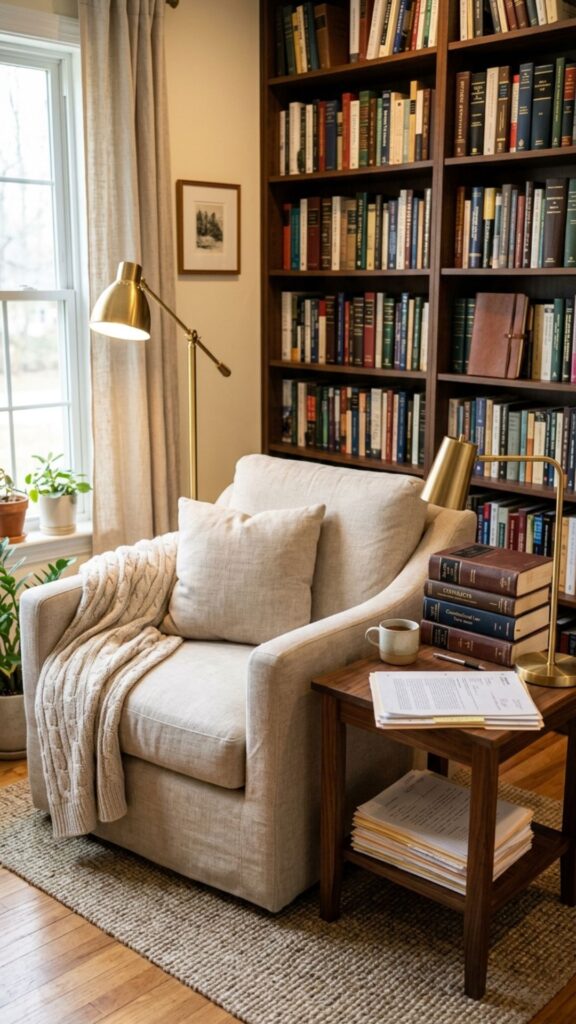
Not every legal task needs to happen at your computer. A comfortable chair near a small table can create a dedicated place for reading lengthy documents or reviewing printed case materials.
This setup also gives you an opportunity to change posture during the day. It is especially helpful when exploring home office ideas attorney professionals can use for long research and document-review sessions.
12. Use Dual Monitors for Legal Research
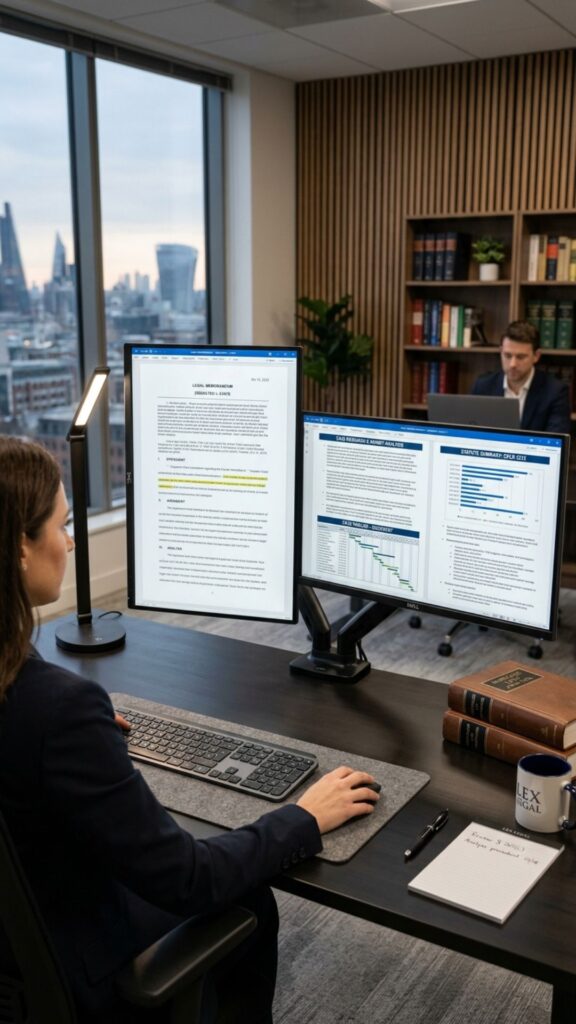
Switching repeatedly between documents can slow your workflow. A second monitor lets you keep research, court documents, email, and drafting software visible at the same time.
Arrange the screens at eye level and keep your main monitor directly in front of you. A monitor arm can free valuable desk space while giving your setup a cleaner, more modern appearance.
13. Keep Technology and Cables Organized
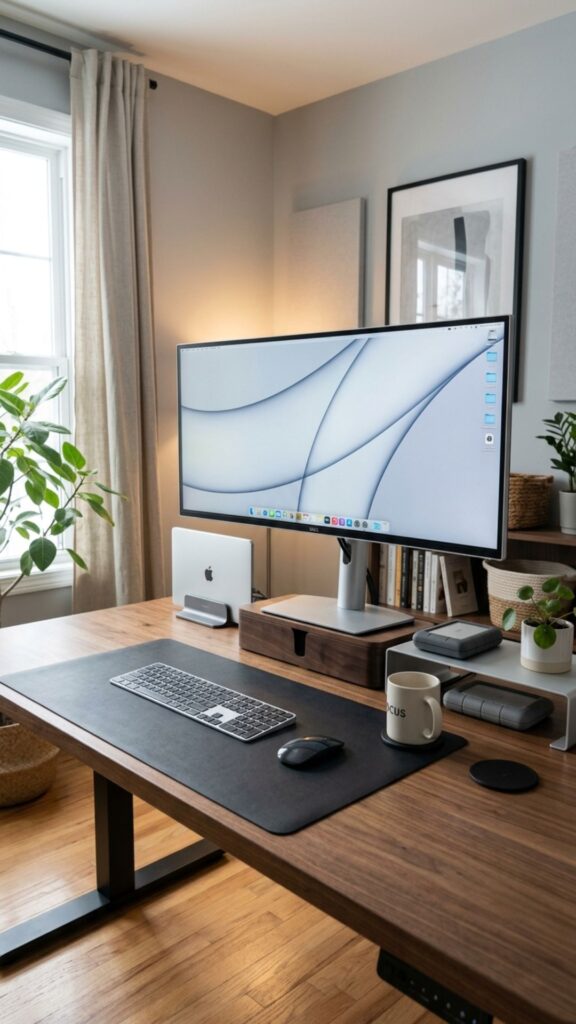
Charging cables, power strips, routers, webcams, and computer accessories can quickly make a professional office look messy. Cable trays and sleeves provide a simple solution.
Attach cables beneath your desk whenever possible. Keep chargers in one location and label less frequently used connections. Small organizational choices make a noticeable difference when clients or colleagues see your workspace on camera.
14. Add a Small Meeting Space
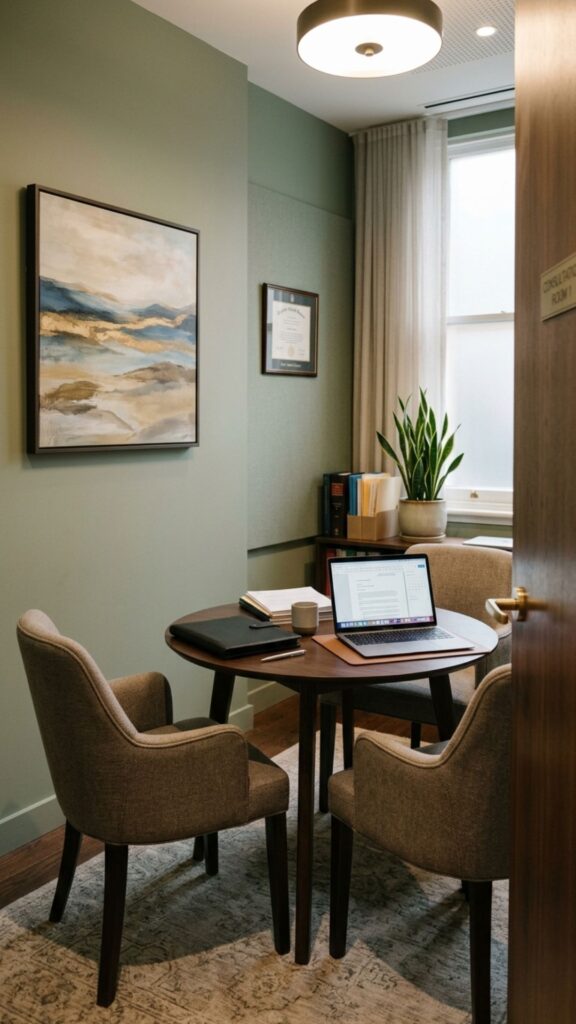
If appropriate for your legal practice, consider adding two comfortable visitor chairs and a small table. This creates a professional setting for occasional in-person conversations without requiring a separate conference room.
Make sure any client-facing area remains private and separate from household activity. Among larger home office ideas attorney professionals may consider, a compact meeting space can make a home practice feel considerably more established.
15. Choose Calm and Professional Colors
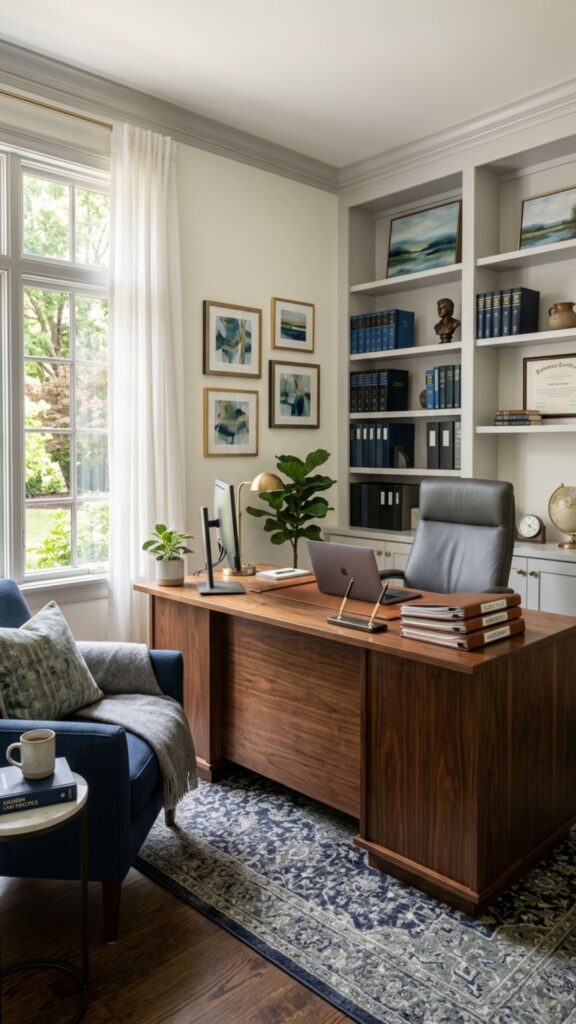
Your office color palette can influence how the room feels. Neutral shades such as warm white, soft gray, beige, navy, and muted green often work well in professional environments.
You do not need to make the office look like a traditional law firm. The goal is to create a calm environment that supports concentration while presenting a polished appearance during meetings.
16. Build a Document Organization System
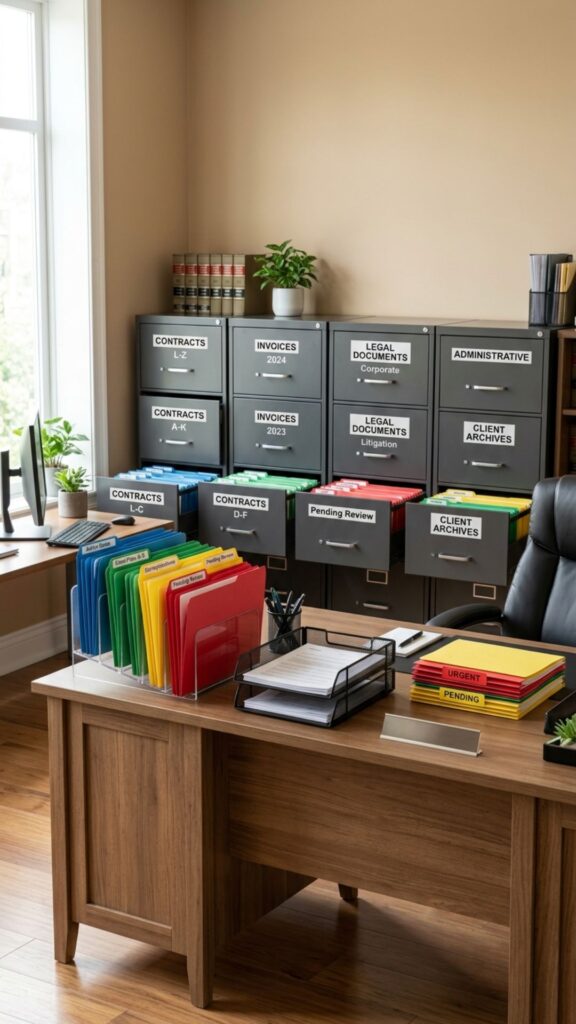
Paperwork becomes difficult to manage when every case file lands in the same pile. Develop a clear system for active matters, reference documents, incoming paperwork, and documents awaiting filing.
Use labeled folders, desktop organizers, and dedicated cabinets. Digital documents should follow an equally consistent naming and folder structure. Good organization reduces wasted time searching for information and helps keep sensitive materials controlled.
17. Create a Distraction-Free Focus Zone
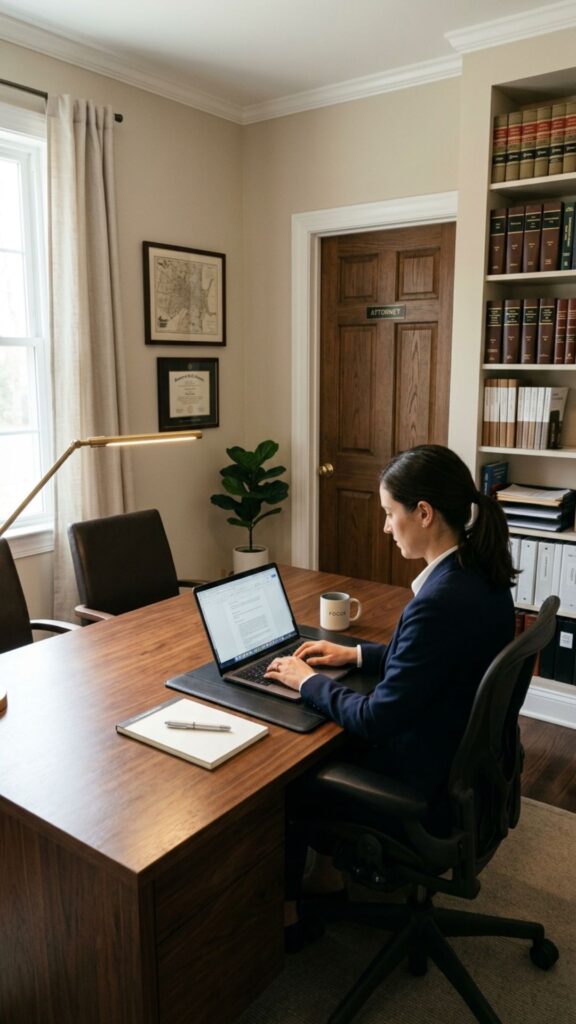
Emails, household noise, phones, and notifications can interrupt deep legal work. Create periods during which your office becomes a focused workspace rather than a general household area.
Keep unnecessary entertainment devices outside the room. Use your phone’s focus settings during research and drafting sessions. Effective home office ideas attorney professionals use should support concentration, not simply improve appearance.
18. Add Personal Decor Without Overdoing It
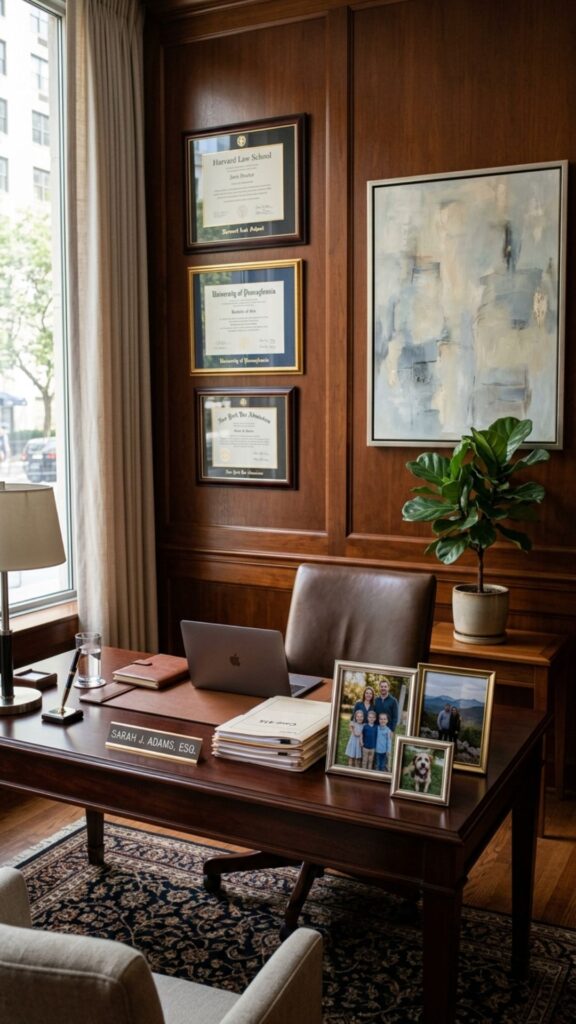
A professional workspace does not need to feel cold. Family photographs, diplomas, awards, artwork, plants, or meaningful objects can make the office feel personal.
However, keep visual clutter under control. Choose a few pieces that reflect your personality and professional experience instead of covering every wall and surface with decorations.
19. Keep Important Supplies Within Reach
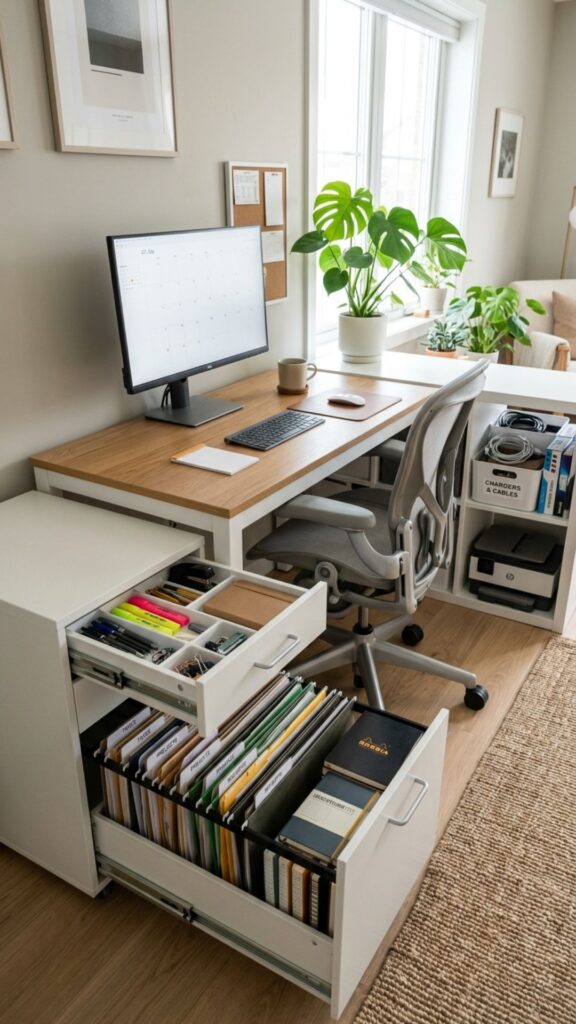
Frequently leaving your desk to find printer paper, pens, notebooks, chargers, or folders breaks concentration. Store everyday office supplies close to your primary work area.
Use drawers, desktop organizers, or a nearby cabinet to create designated locations for common items. Restock supplies regularly so you are not searching for basic materials before an important meeting or deadline.
20. Design the Office Around Your Daily Workflow
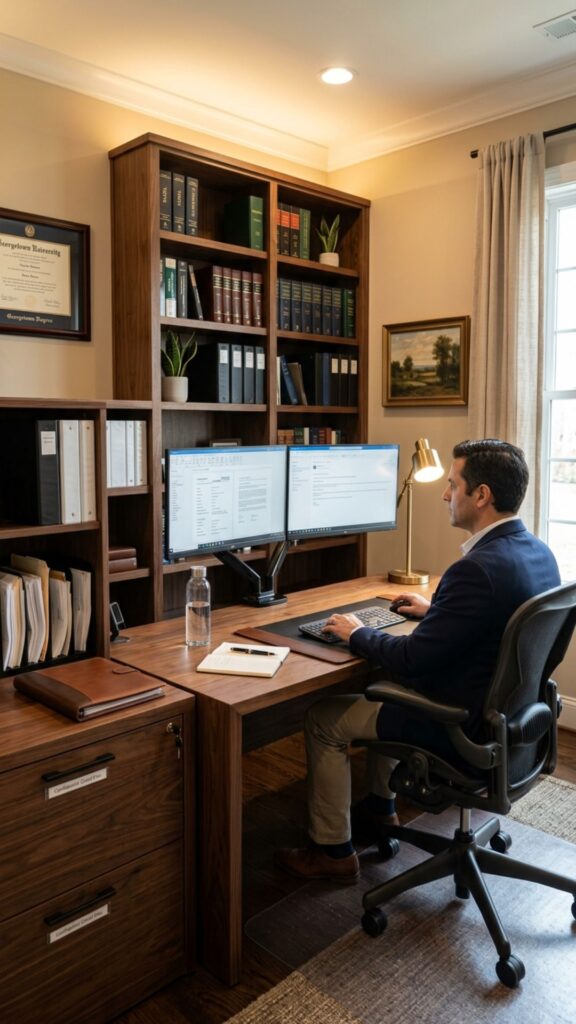
The strongest home office ideas attorney professionals can follow are based on actual working habits. Before buying furniture or decorations, consider how you spend a typical day.
If you conduct many video consultations, prioritize lighting and background design. If you review large amounts of paperwork, focus on desk space and storage. If research dominates your schedule, invest in monitors, comfortable seating, and efficient digital organization.
Build a Home Office That Supports Professional Legal Work
A professional attorney home office should help you concentrate, protect confidential information, stay organized, and communicate confidently with clients and colleagues. You do not need expensive furniture or a huge room to achieve those goals.
Start with the essentials: privacy, comfortable seating, sufficient desk space, secure storage, reliable lighting, and organized technology. Then add features that reflect your particular legal practice and daily routine.
The most effective home office ideas attorney professionals use combine practical requirements with thoughtful design. Review your current workspace today and identify one or two changes that would make your next working day more comfortable, private, and productive.
What should an attorney have in a home office?
An attorney home office should include a comfortable desk and chair, secure file storage, reliable internet, good lighting, appropriate technology, organized document storage, and enough privacy for confidential conversations.
How can attorneys maintain privacy while working from home?
Use a separate room when possible, keep confidential paperwork inside locking cabinets, position computer screens away from public view, and use headphones or acoustic treatments during sensitive conversations. Digital security measures should also follow the requirements of your firm and applicable professional rules.
What is the best desk setup for a lawyer working from home?
A spacious desk with an ergonomic chair, one or two monitors, focused task lighting, accessible document storage, and organized cables works well for most attorneys. The exact setup should reflect whether you spend more time researching, drafting, meeting clients, or reviewing documents.
How can I make my attorney home office look professional on video calls?
Use soft front-facing lighting and keep the area behind you clean. A simple bookcase, neutral wall, framed credentials, artwork, or a few professional accessories can create an effective background without distracting from the conversation.
Can a small room work as an attorney home office?
Yes. Many effective home office ideas attorney professionals use work in compact spaces. A wall-mounted desk, vertical bookcase, locking cabinet, monitor arm, and careful furniture placement can turn a small room or corner into a practical legal workspace.