Your kitchen does a lot of work. It feeds your family, hosts late-night conversations, and somehow becomes the center of every gathering. But does it look the part? If your kitchen feels a little flat or forgettable, a kitchen feature wall might be exactly what it needs.
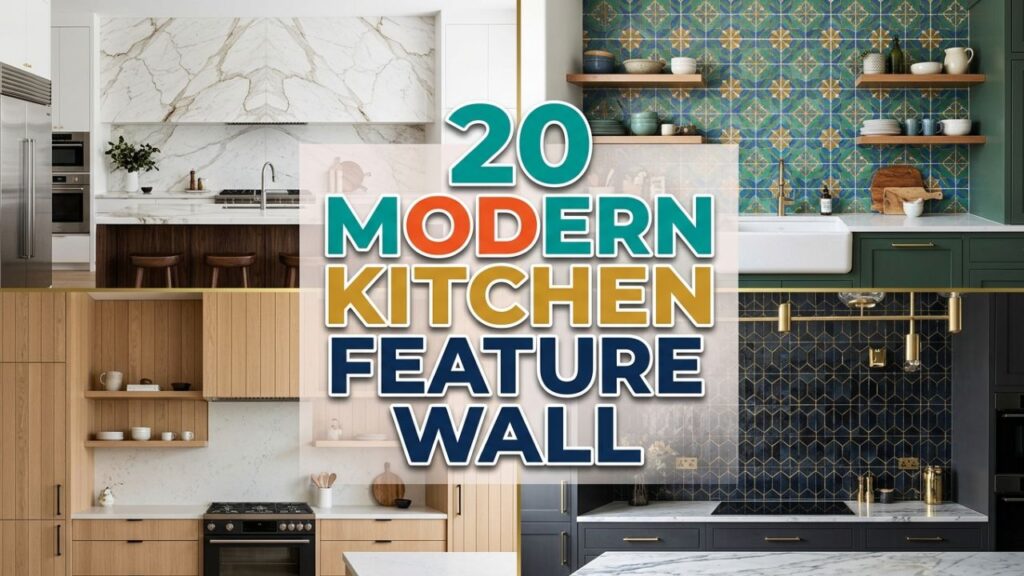
A feature wall is a single wall — or a focused area — treated with a material, color, or finish that stands out from the rest of the room. It creates a focal point, adds depth, and gives the space personality without requiring a full renovation. The best part? There are options for every budget, style, and skill level.
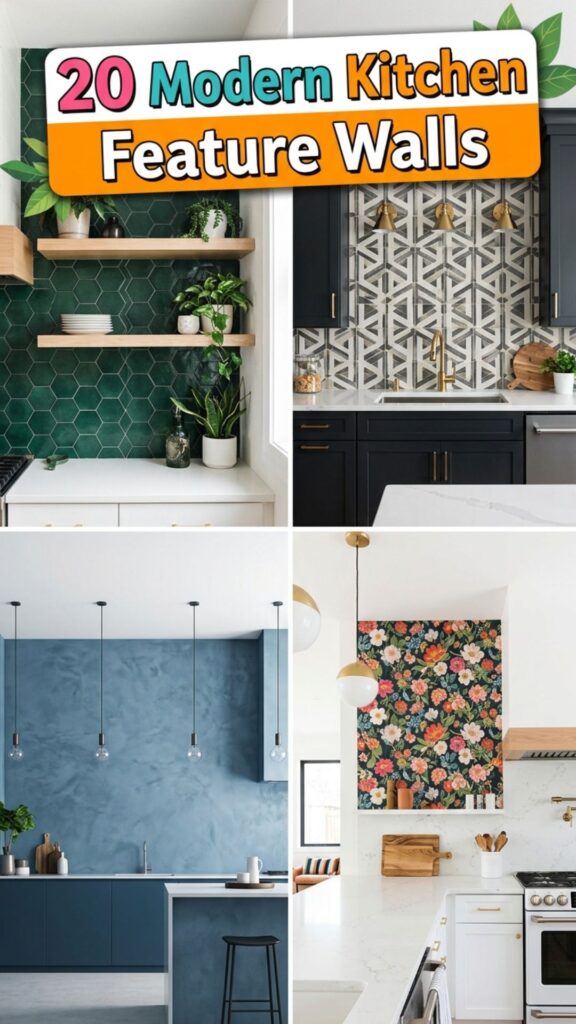
In this guide, you’ll find 20 modern kitchen feature wall ideas, each with practical advice on how to pull it off, what materials work best, and what to watch out for. Whether you’re renovating from scratch or just looking to refresh a tired space, there’s something here for you.
1. Bold Subway Tiles in an Unexpected Color
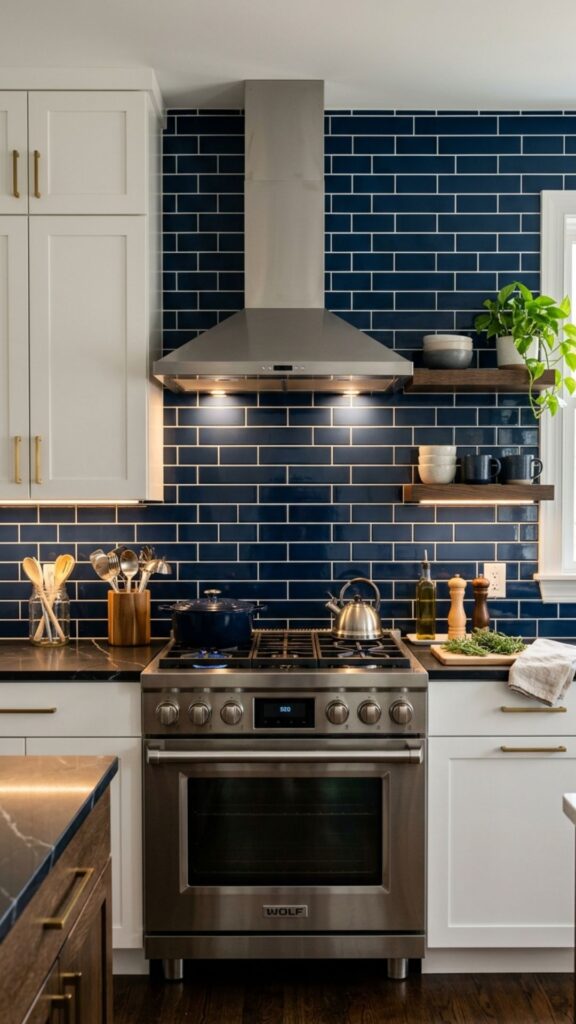
Subway tiles have been a kitchen staple for decades, but the modern twist is ditching the classic white. Deep navy, forest green, terracotta, or even matte black all make a striking statement on a feature wall.
Go with a contrasting grout color to make the pattern pop even more. A dark tile with a light grout — or vice versa — adds graphic energy without needing any additional décor. This look works especially well behind a stove or along a long kitchen wall.
2. Raw Brick or Exposed Brick Effect
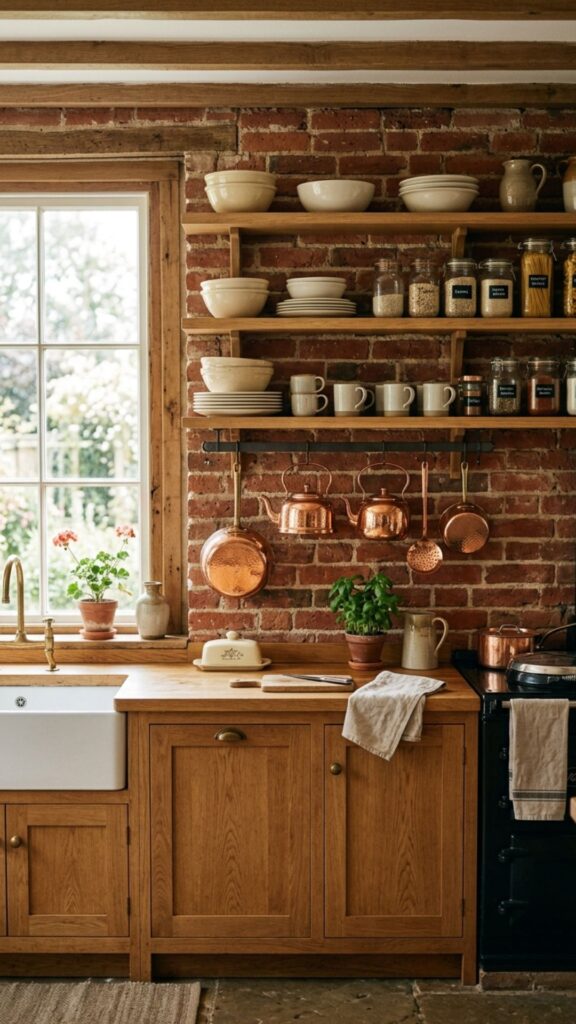
There’s something warmly industrial about a brick kitchen feature wall. Real exposed brick adds texture and history, while brick-effect tiles or panels give you the same aesthetic with far less effort and mess.
If you’re working with a modern kitchen, a whitewashed or limewashed brick finish softens the look and keeps things bright. Pair with wooden shelving and warm-toned metals for a cohesive result.
3. Large-Format Marble-Look Tiles
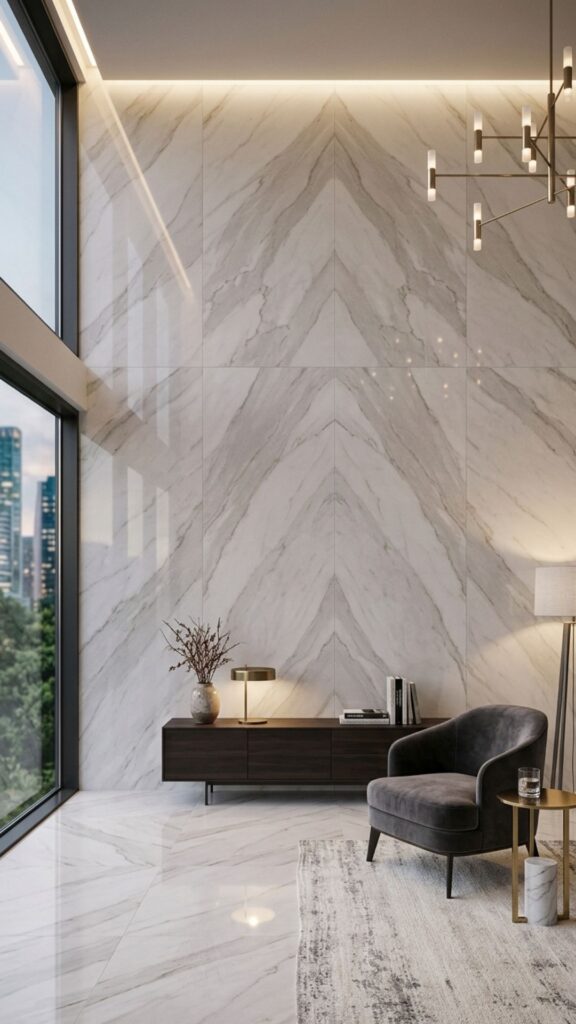
Marble is timeless, but the real thing is expensive and high maintenance. Large-format porcelain tiles with a marble effect give you all the visual luxury at a fraction of the cost — and they’re far easier to keep clean.
Choose a slab-style tile with minimal grout lines for the most seamless look. Running them from the countertop all the way to the ceiling makes the space feel taller and more dramatic.
4. Vertical Shiplap Panels
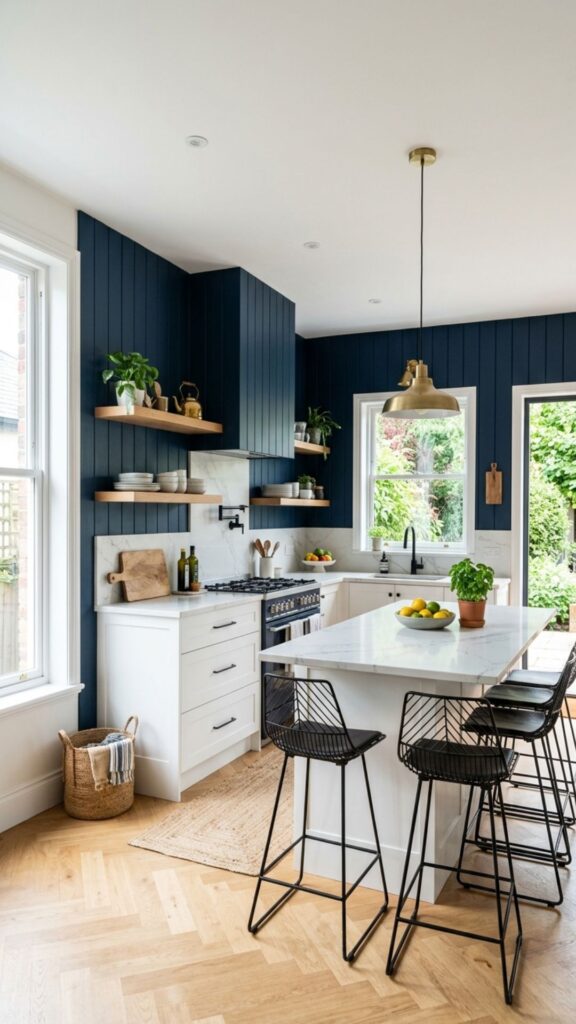
Shiplap isn’t just for living rooms or farmhouse-style spaces. When used vertically on a kitchen feature wall, it draws the eye upward and creates a clean, modern feel that works across a range of design styles.
Paint it in a bold color to make it a true focal point, or keep it white for a fresh, airy look. Shiplap panels are available in MDF or real wood, and moisture-resistant options make them suitable even near cooking areas.
5. Patterned Encaustic Cement Tiles
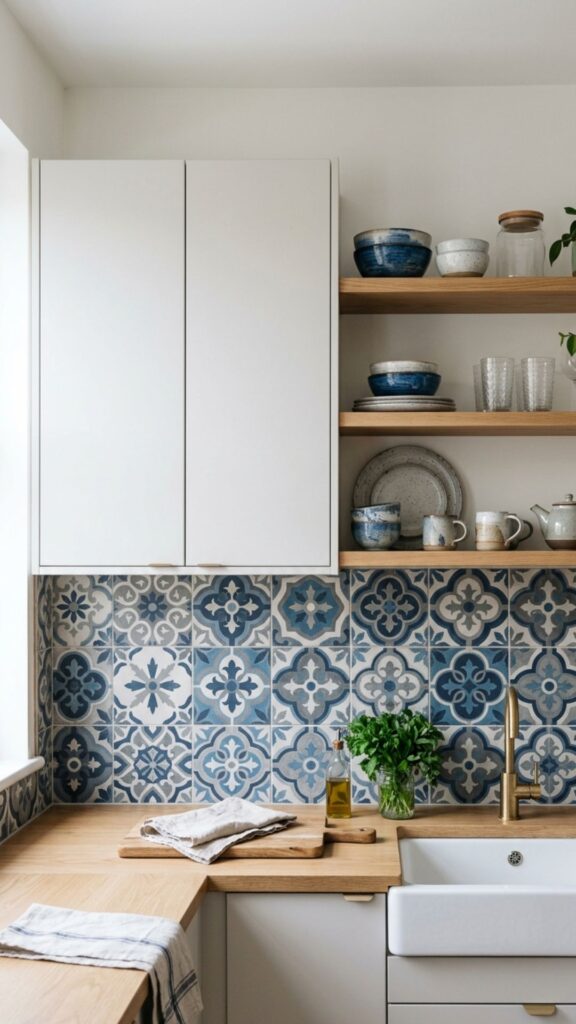
Few things make a kitchen feel more custom than encaustic cement tiles. Their intricate geometric or floral patterns instantly turn an ordinary wall into a work of art — especially behind an open shelving unit or a kitchen island.
These tiles work best when the rest of the kitchen is kept simple. Let the pattern do the talking by pairing with plain cabinets and a neutral countertop.
6. Sleek Microcement Finish
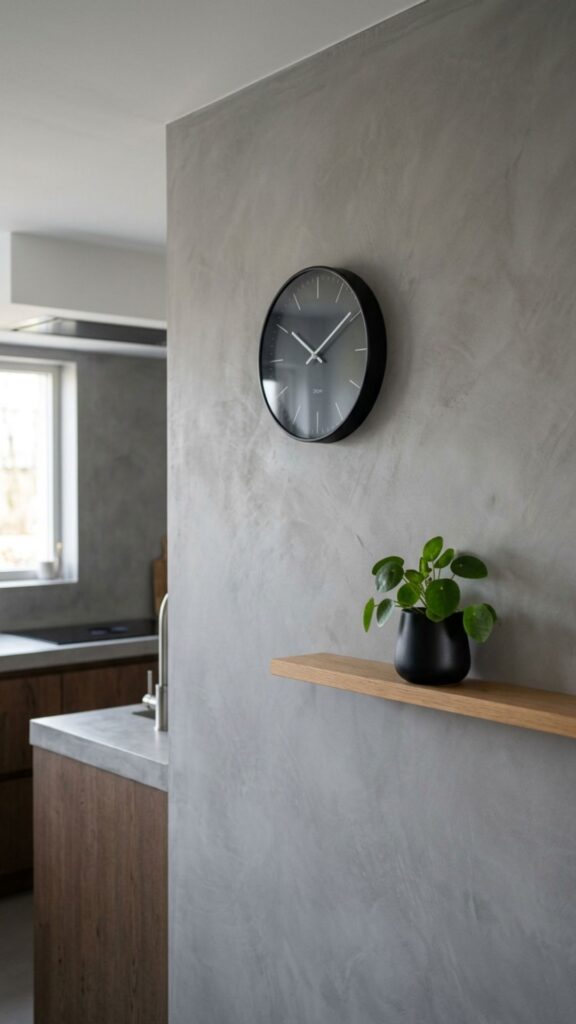
Microcement is one of the most on-trend kitchen feature wall materials right now, and for good reason. It creates a seamless, smooth surface with an industrial edge that looks incredibly polished.
It’s applied in thin layers over existing surfaces, making it a practical choice for renovations. Seal it properly and it becomes water- and stain-resistant — a real bonus in a kitchen environment.
7. Fluted or Ribbed Panels
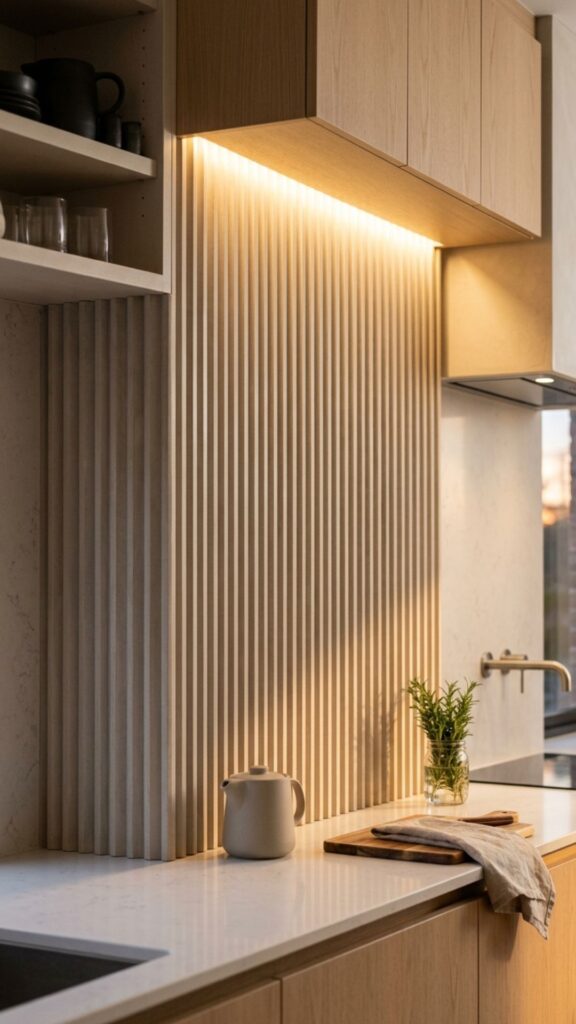
Textured wall panels with a fluted (grooved) finish add architectural interest without any bold color or pattern. The vertical lines create rhythm and depth, making even a small kitchen feel more intentional and designed.
Fluted panels are available in wood veneer, MDF, and even PVC, so you can choose the right one for your budget and the level of moisture in your kitchen. They pair beautifully with integrated lighting that casts shadows along the grooves.
8. Zellige Tiles for Artisan Texture
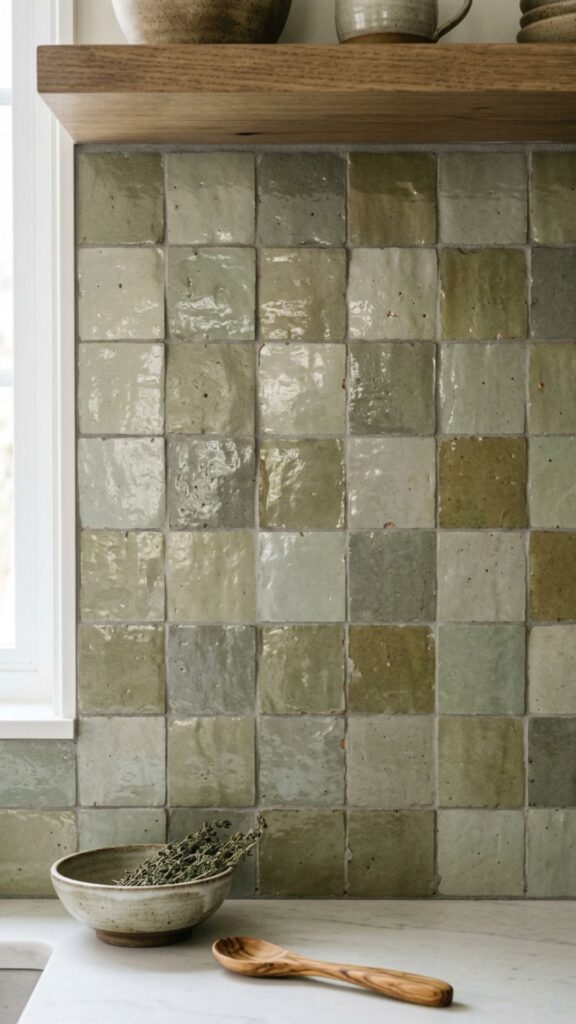
Zellige tiles are handmade Moroccan clay tiles with an uneven glaze that catches light beautifully. Each tile is slightly different, giving the wall an organic, artisan quality that mass-produced tiles simply can’t replicate.
They’re particularly stunning in earthy tones — sage, olive, dusty blue, or warm terracotta. Use them on a splashback area or the full height of a feature wall for maximum impact.
9. Dark Moody Paint with Limewash Effect
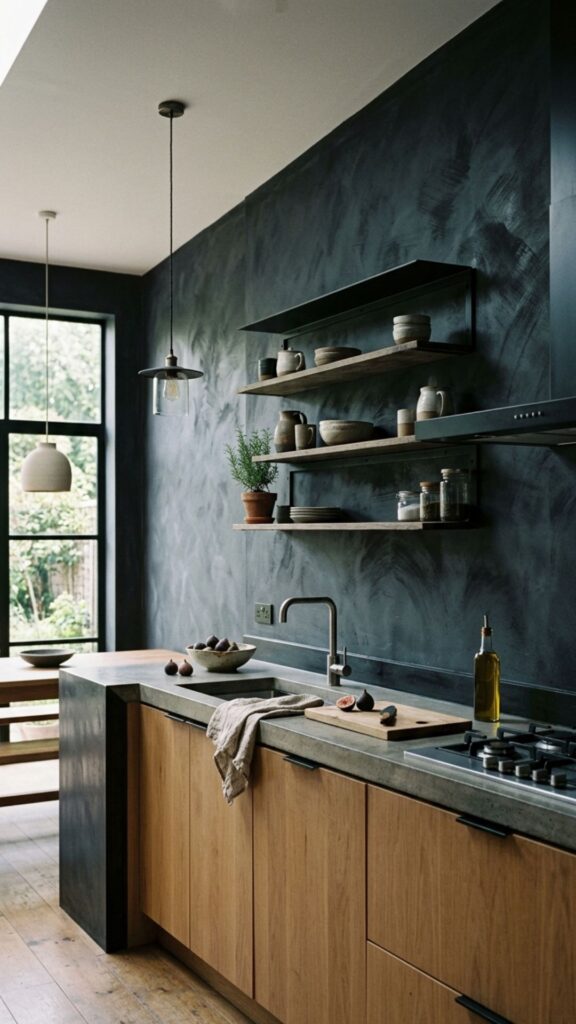
You don’t always need tile or paneling to create a statement. A limewash paint finish in a deep shade — charcoal, dark green, or eggplant — creates a layered, textured look that adds serious atmosphere.
Limewash is applied with a brush in overlapping strokes, leaving natural variation in the finish. It’s a surprisingly DIY-friendly approach, and because no two walls look exactly the same, it has an authenticity that flat paint can’t achieve.
10. Pegboard Feature Wall
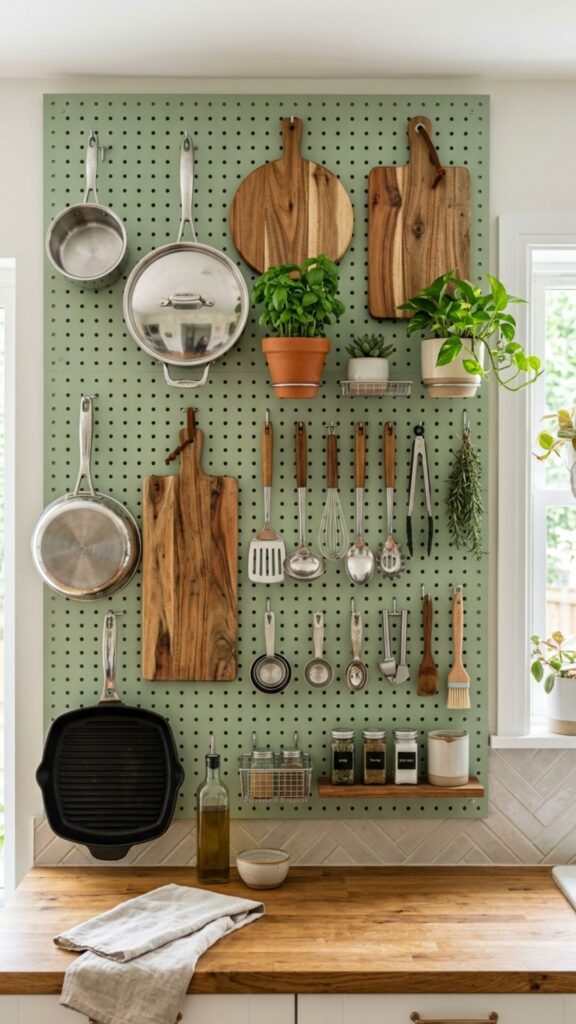
Pegboards aren’t just for garages. A painted pegboard wall in the kitchen combines function with style, giving you a place to hang pots, utensils, cutting boards, and even plants — all in an organized, visual display.
Paint the pegboard in a color that complements your cabinets, then mix metal and wooden hooks for a curated look. This works especially well in smaller kitchens where wall storage is a priority.
11. Stacked Stone Cladding
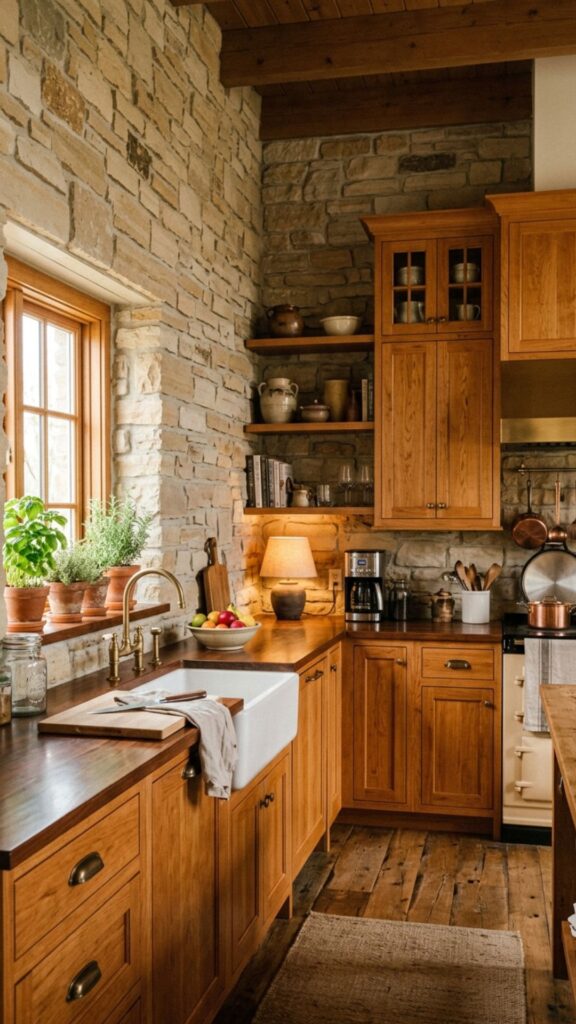
Stone cladding panels — real or faux — bring an outdoor, earthy quality into the kitchen that feels grounded and natural. They’re particularly effective in open-plan spaces where the kitchen flows into a dining or living area.
Stick to lighter tones like sandstone or cream if your kitchen is on the smaller side. Darker slate or basalt works well in larger, brighter spaces where it won’t overwhelm the room.
12. Painted Stripes or Geometric Patterns
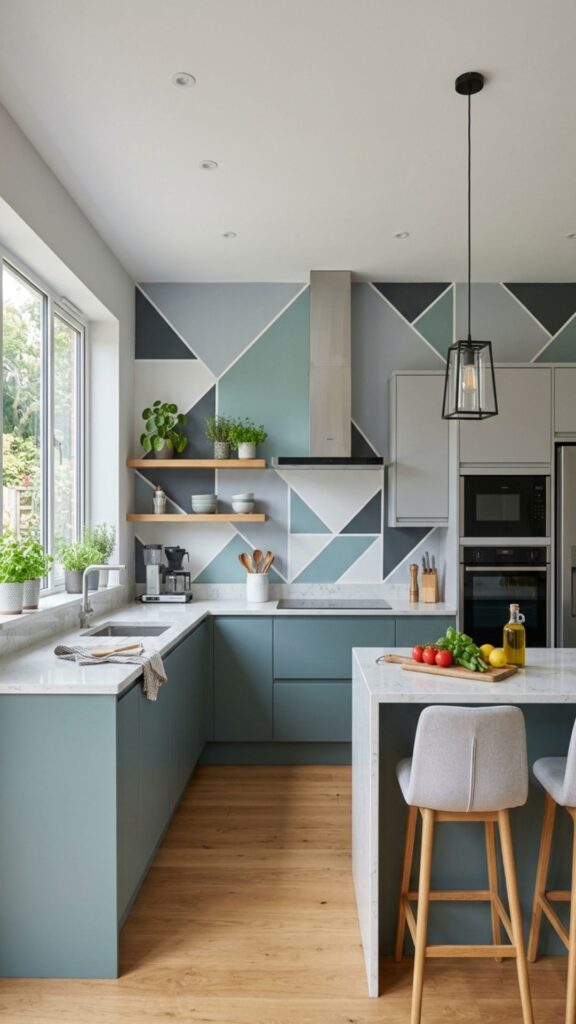
If you’re handy with a roller and a level, painted geometric patterns offer an affordable but highly impactful kitchen feature wall solution. Bold vertical stripes, a herringbone pattern, or a simple two-tone color block can completely transform a wall.
Use painter’s tape to keep edges crisp, and choose colors that are already present somewhere in your kitchen — in the cabinetry, flooring, or fixtures — to tie everything together.
13. Wood Slat Feature Wall
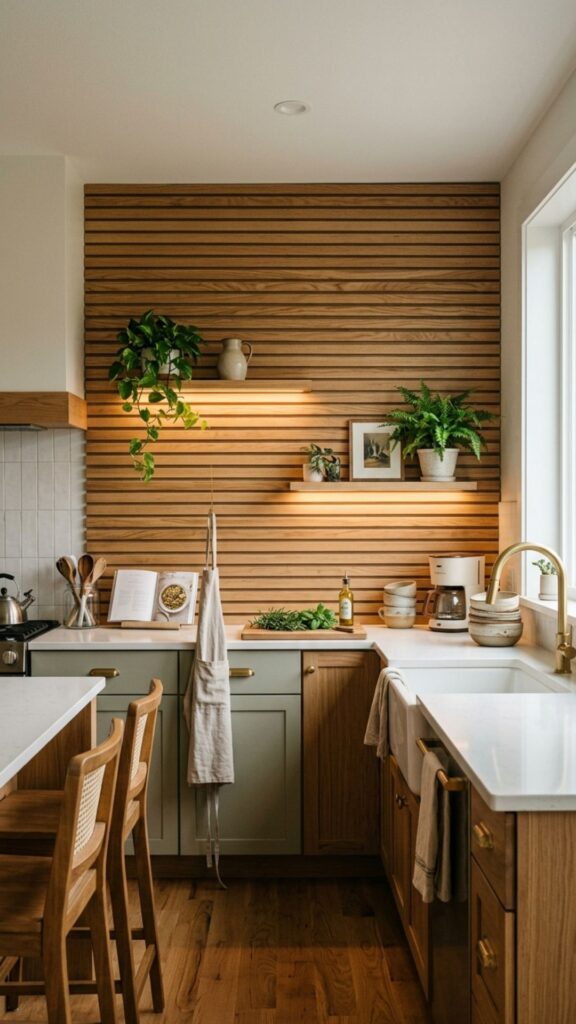
A wood slat wall brings warmth, texture, and a Scandinavian-inspired calm that balances out the hard surfaces typically found in kitchens. The natural grain of the wood adds visual interest without needing any additional décor.
Use treated or sealed timber to handle humidity, and space the slats evenly for a clean, modern result. Backlight the wall with LED strips behind the slats for an especially dramatic evening effect.
14. Mirror or Reflective Panel Wall
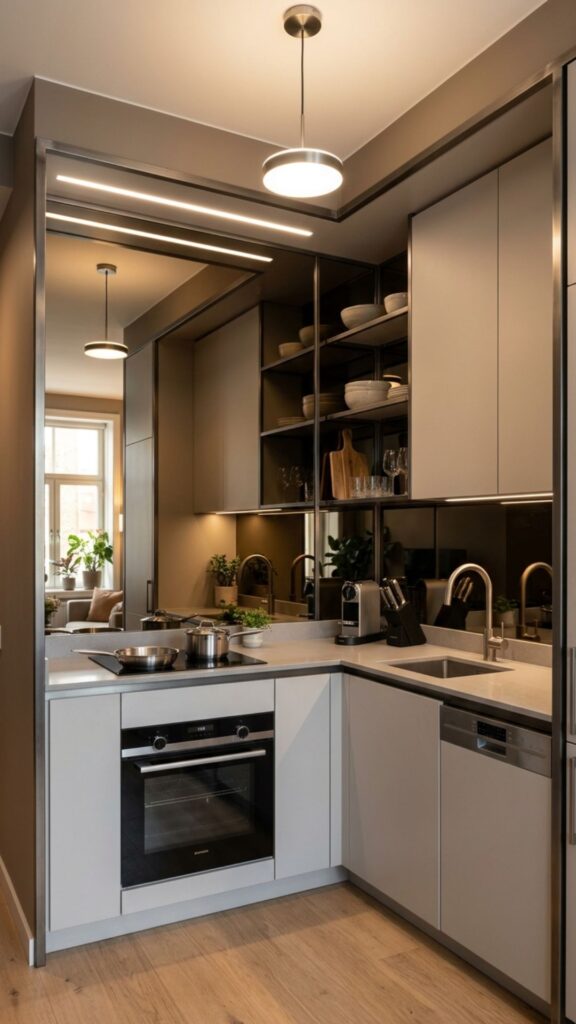
A mirrored or reflective panel is a clever trick in smaller kitchens. It bounces light around the space, makes the room feel larger, and adds a touch of glamour that’s hard to achieve with other materials.
Smoked or antiqued mirror panels are more contemporary than standard mirror and won’t show every fingerprint quite so readily. Frame sections with thin metal trim for a more finished, deliberate look.
15. Terrazzo Tiles
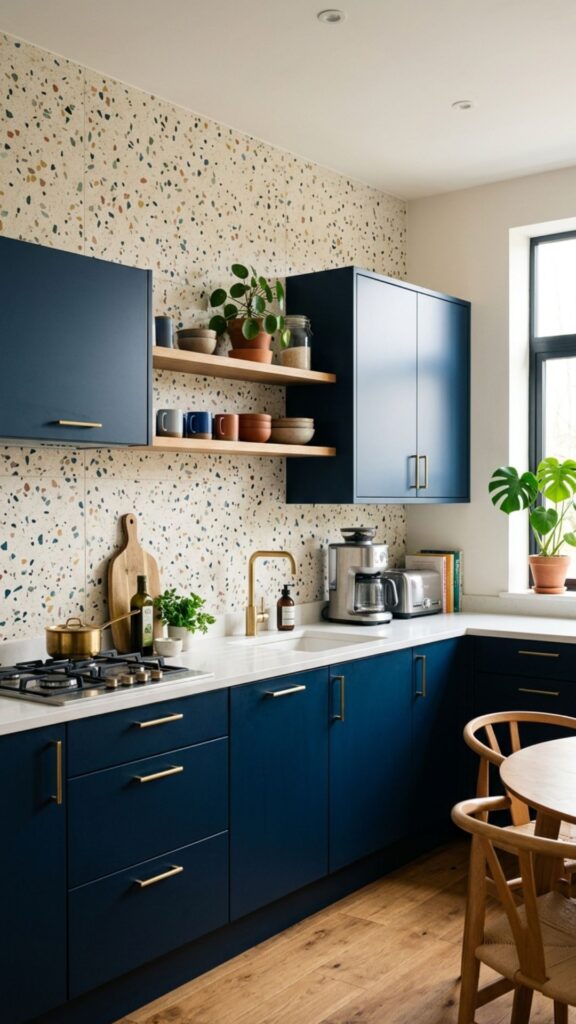
Terrazzo is back — and it’s moved well beyond floors. Terrazzo-effect tiles on a kitchen feature wall bring color, pattern, and a retro-modern energy that works in both classic and contemporary kitchens.
Look for large-format terrazzo tiles with subtle flecks to keep the look sophisticated. Pair with solid-color cabinetry in one of the hues from the tile to create a pulled-together palette.
16. Herringbone Tile Pattern
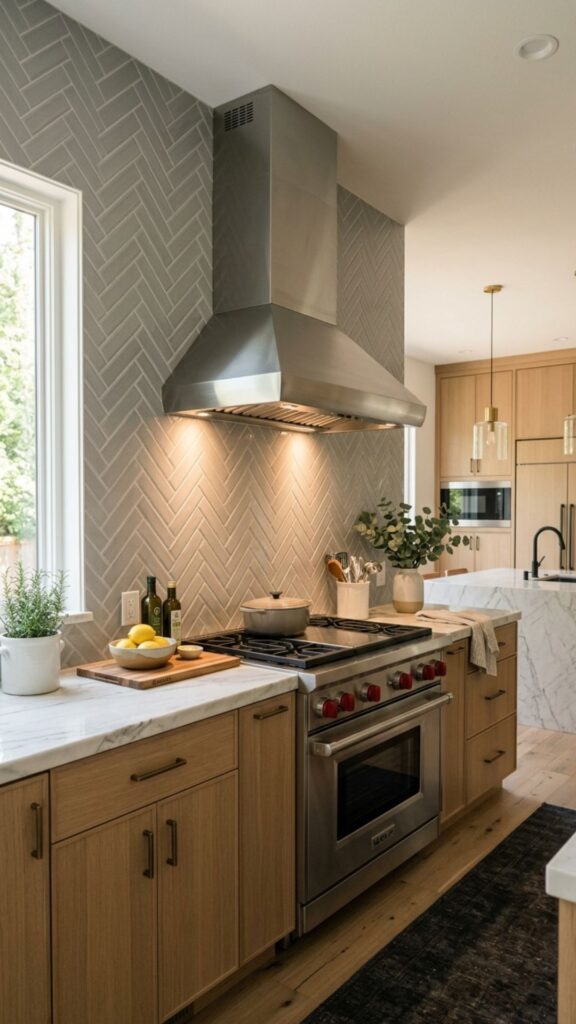
The herringbone pattern is one of those arrangements that elevates even simple materials. Plain white, grey, or blush pink tiles laid in a herringbone formation create movement and visual interest that a standard grid simply doesn’t offer.
This pattern works well behind a range cooker or on a tall galley kitchen wall. Keep the grout color close to the tile to let the pattern speak, or contrast it for a bolder, more graphic result.
17. Open Shelving Against a Feature Color
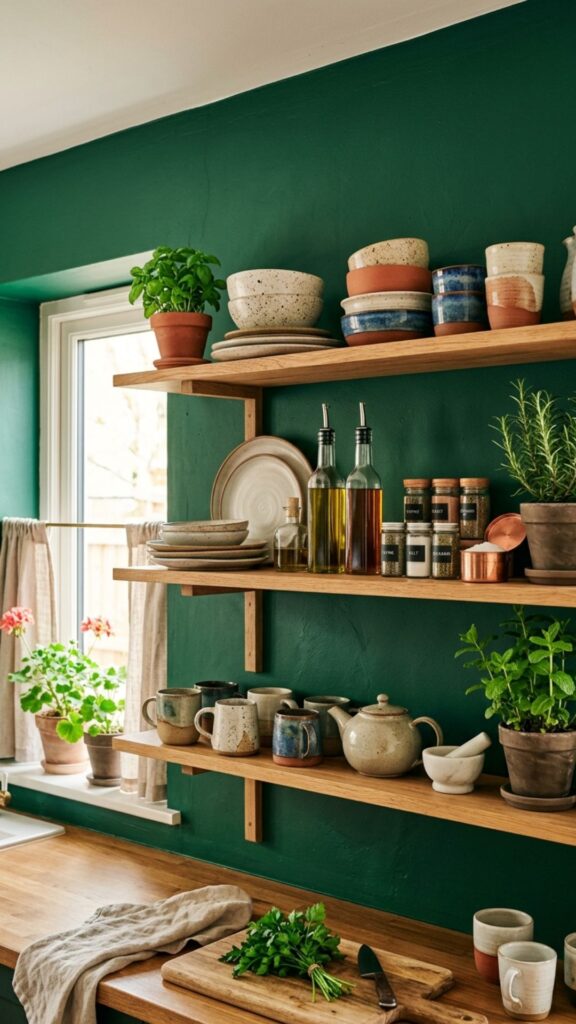
Sometimes the feature wall and the kitchen storage can work together. Paint one wall in a deep, saturated color and mount open wooden or metal shelves against it — the combination creates a gallery-like display that’s both practical and beautiful.
Style the shelves with a mix of everyday items and decorative pieces: stacked plates, olive oil bottles, herbs, and a few ceramics. Keep the arrangement loose and layered rather than rigidly symmetrical.
18. Checkerboard Tile Pattern
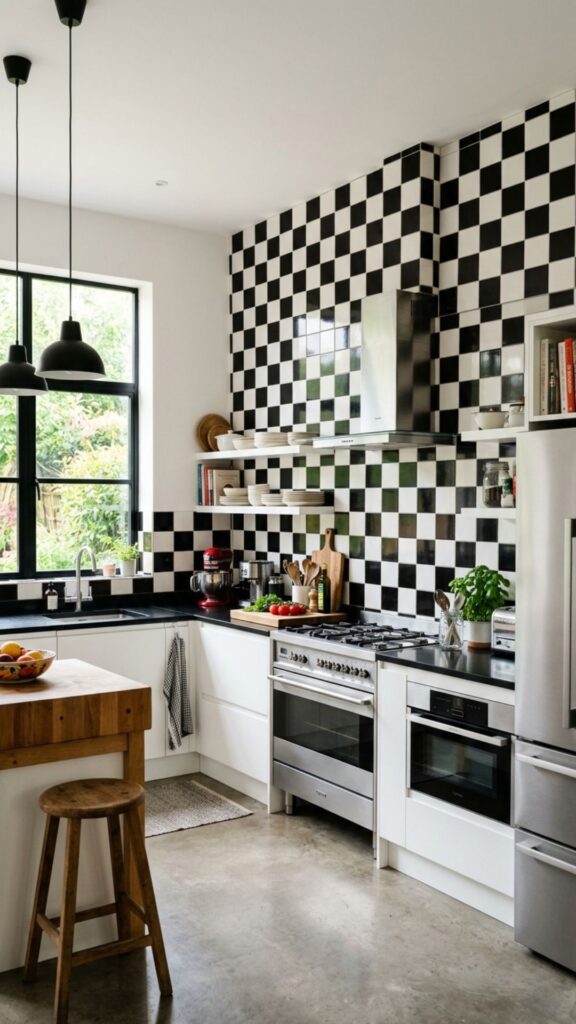
Checkerboard floors have had a huge revival, and the pattern translates beautifully to walls too. A black-and-white or two-tone checkerboard kitchen feature wall feels bold, retro, and surprisingly versatile across modern design styles.
Use smaller tiles for a more traditional café feel, or go large-format for a contemporary, graphic look. Limit the checkerboard to one wall and keep the rest of the kitchen clean so it doesn’t feel overwhelming.
19. Concrete-Effect Panels or Wallcoverings
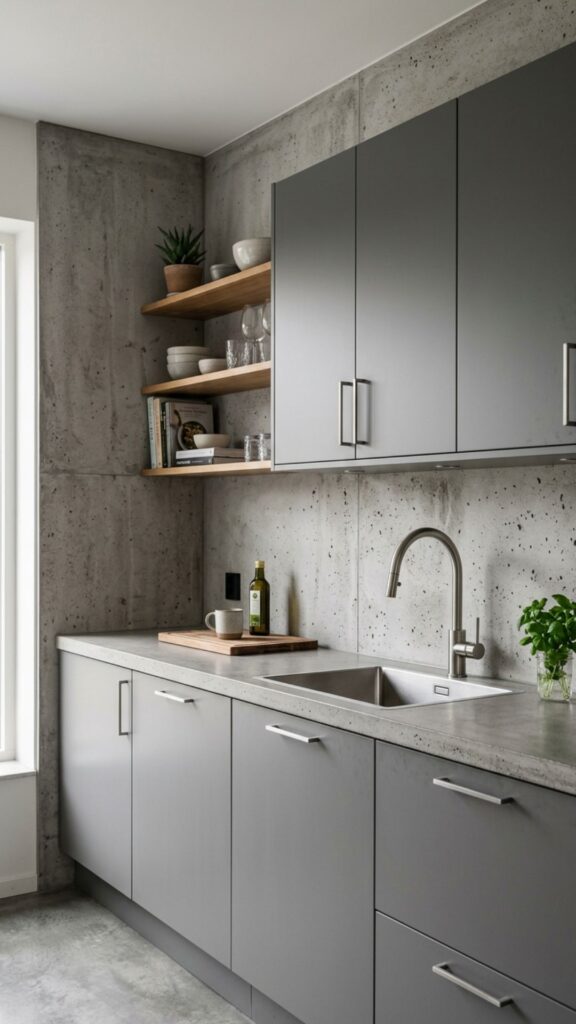
Poured concrete walls look incredible but aren’t practical for most home kitchens. Concrete-effect panels and specialist wallcoverings give you the aesthetic with none of the structural work.
These products have come a long way in terms of realism and durability. Many are wipe-clean and moisture-resistant, making them genuinely suitable for kitchen environments. They pair particularly well with brushed metal fixtures and minimal cabinetry.
20. Botanical or Hand-Painted Mural
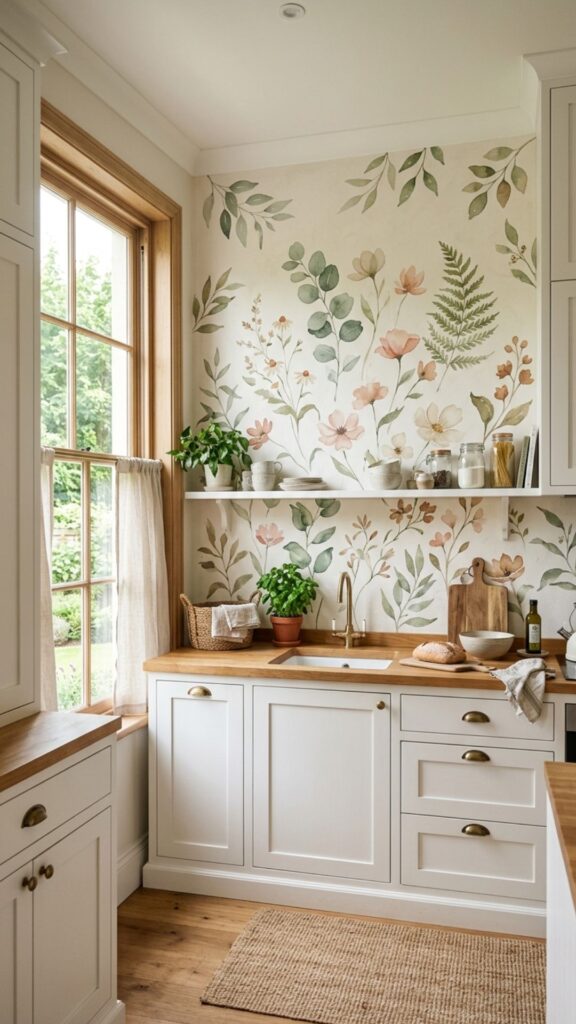
For those who want something truly one-of-a-kind, a mural is the ultimate kitchen feature wall statement. Commission a local artist or use mural wallpaper to bring a botanical print, abstract design, or landscape into the space.
Murals work best on a single, uninterrupted wall with minimal windows or doors breaking it up. Choose a design that includes colors already present in your kitchen so it feels connected rather than dropped in from another room.
Bringing It All Together
The right kitchen feature wall does more than look good — it defines the mood of the entire room. Whether you go bold with encaustic tiles, subtle with a limewash finish, or functional with a pegboard display, the key is to commit to the idea and let it lead the design of the rest of the space.
Start by identifying the wall that naturally draws the eye when you walk into the kitchen. That’s usually your best candidate. Then think about how much natural light you have, the scale of the room, and how much maintenance you’re willing to do. From there, the choice becomes much clearer.
If you’re ready to transform your kitchen, start with one of these ideas that fits your budget and style, and build the rest of the room around it. A kitchen feature wall is one of the most impactful design moves you can make — and now you have 20 ways to do it beautifully.
What is a kitchen feature wall?
A kitchen feature wall is a single wall treated with a distinctive material, color, finish, or pattern to create a focal point in the room. It draws the eye, adds depth, and gives the kitchen personality without redesigning the entire space.
Which wall should be the feature wall in a kitchen?
The best choice is usually the wall you see first when entering the room, or the one behind the stove or sink. Choose a wall with minimal obstructions like doors and windows so the design can be displayed without interruption.
What materials work best for a kitchen feature wall?
Durable, moisture-resistant materials are ideal in kitchens. These include porcelain or ceramic tiles, sealed microcement, treated wood panels, fluted MDF, and specialist kitchen wallcoverings. Avoid untreated materials that can absorb grease or moisture over time.
Can I create a kitchen feature wall on a budget?
Absolutely. Painted finishes like limewash or geometric patterns cost very little and can have a huge impact. Peel-and-stick tiles, pegboards, and wallpaper murals are also affordable options that don’t require professional installation.
Does a feature wall make a small kitchen look bigger or smaller?
It depends on the approach. Light colors, mirrors, and vertical patterns tend to make a small kitchen feel larger. Dark or heavily textured feature walls can make a space feel cozier but may close it in. If space is limited, stick to lighter tones and keep the rest of the kitchen neutral.