Most people open their kitchen fridge a dozen times a day without thinking about it. But when it’s stocked well, everything changes — meals come together faster, food waste drops, and you stop making emergency grocery runs at 9 p.m.
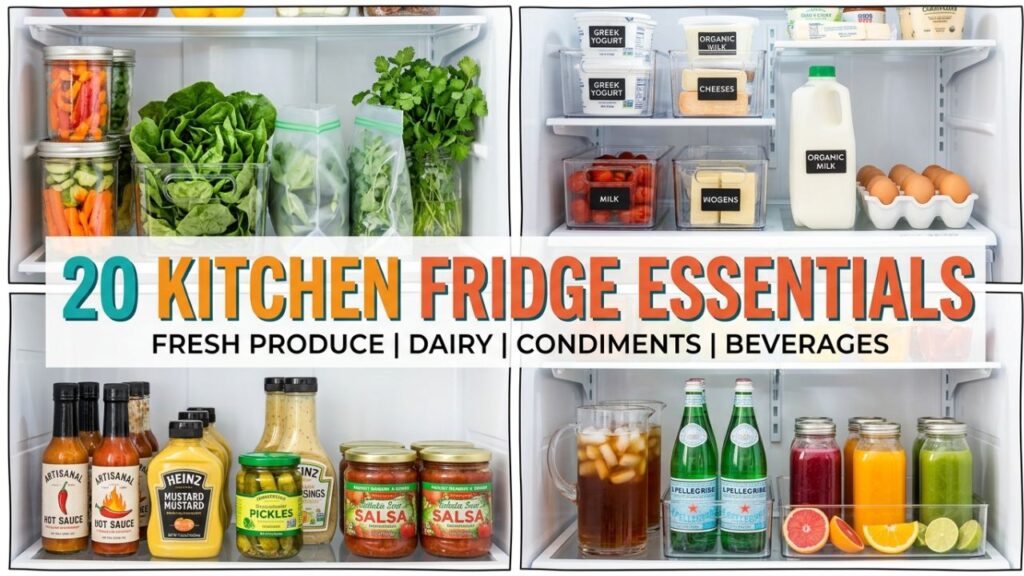
This guide covers 20 essentials that belong in every well-stocked kitchen fridge. Whether you’re setting up your first home, doing a full refrigerator reset, or just trying to cut down on the “there’s nothing to eat” problem, you’ll find practical, actionable advice here.

Here’s what you’ll walk away with:
- A clear list of fridge staples that cover every meal of the day
- Storage tips to keep food fresher for longer
- Advice on what to prioritize when fridge space is limited
1. Fresh Eggs
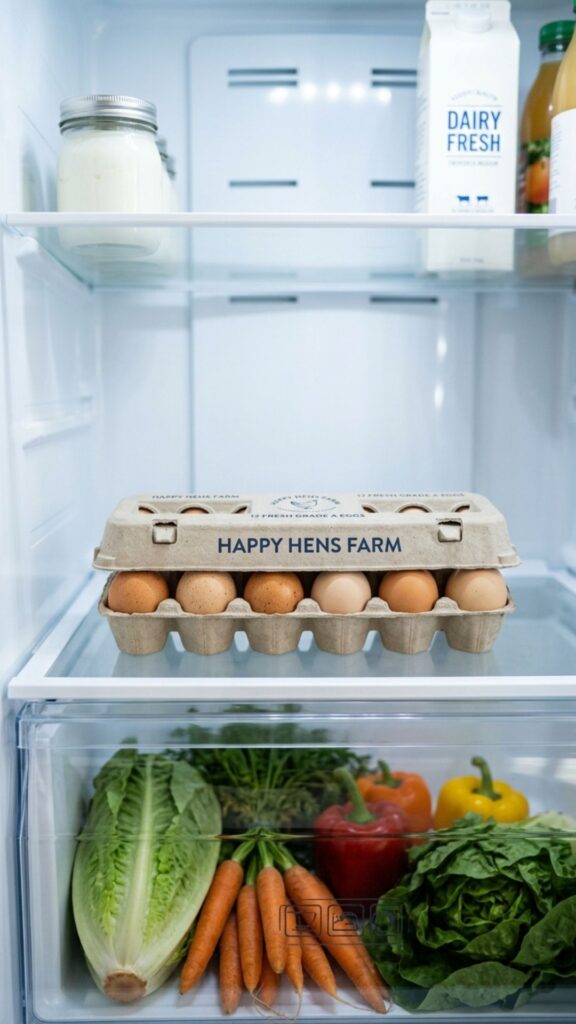
Eggs are one of the most versatile proteins you can keep on hand. Scrambled for breakfast, hard-boiled for lunch, or folded into a quick weeknight dinner — they cover a lot of ground. Store them in their original carton on a middle shelf (not the door), where temperatures are more consistent.
A dozen eggs typically lasts three to five weeks in the fridge. Buy them regularly and you’ll always have a reliable protein source ready to go, no thawing required.
2. Dairy Milk or a Plant-Based Alternative
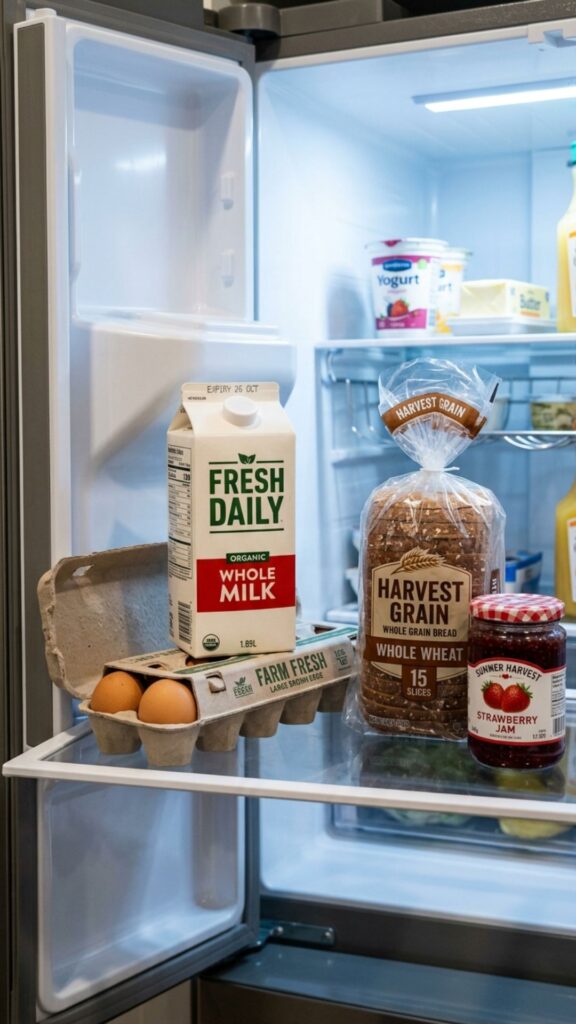
Whether you prefer whole milk, oat milk, or almond milk, a carton in the fridge opens up your options for coffee, cereal, smoothies, and baking. Dairy milk lasts about a week after opening; most plant-based alternatives stay good for seven to ten days.
Keep milk on a middle or lower shelf — the door is the warmest part of the fridge, which shortens its shelf life faster than most people realize.
3. Butter
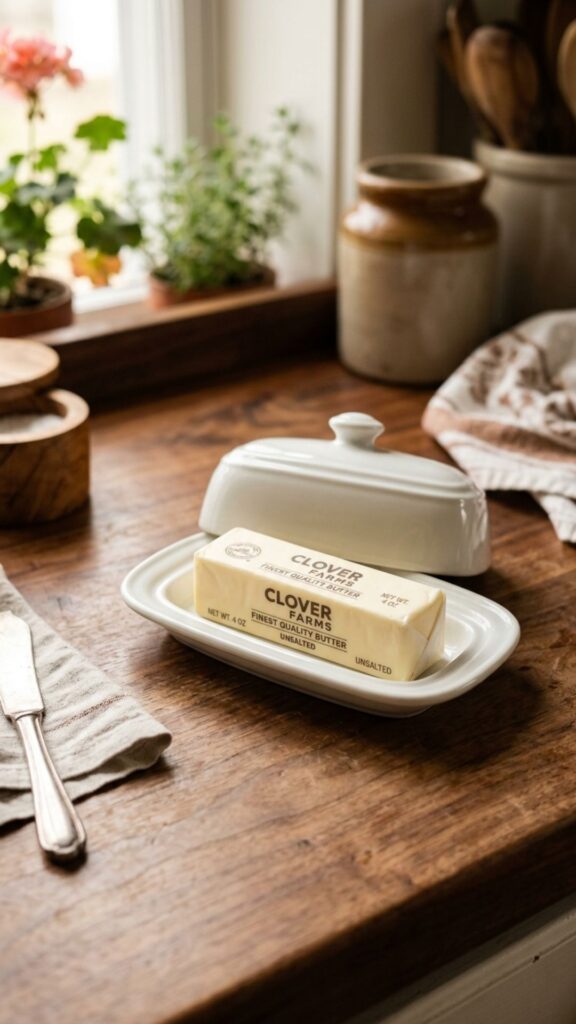
Butter is a kitchen workhorse. It makes toast better, helps vegetables caramelize properly, and brings sauces together. Salted butter lasts longer than unsalted and does double duty as both a cooking fat and a spread.
Store it in a sealed container or its original wrapper to prevent it from absorbing fridge odors. If you go through butter quickly, keeping a small amount on the counter in a butter dish is perfectly safe for up to a week.
4. Hard Cheese
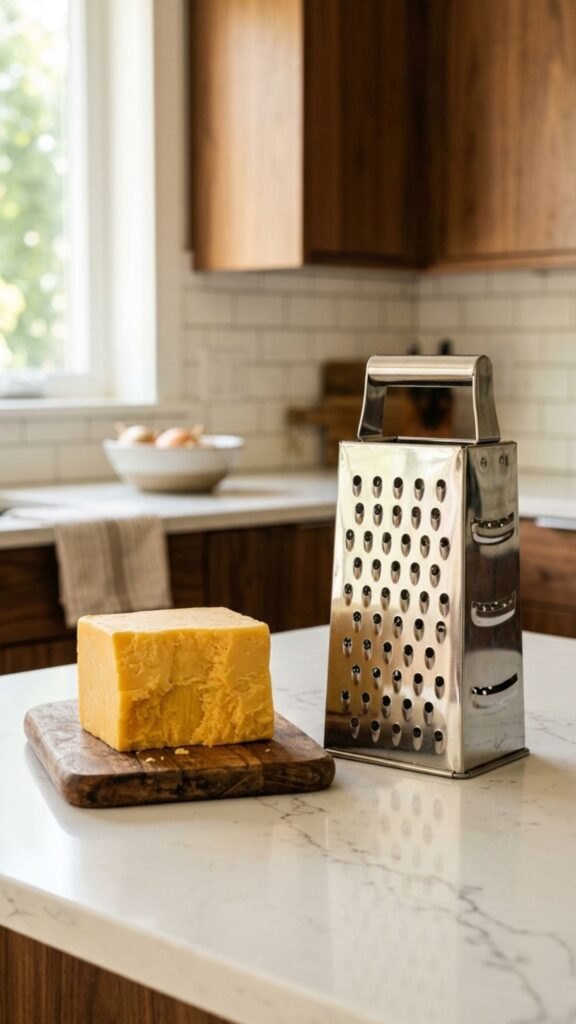
A block of cheddar, Parmesan, or Swiss adds instant flavor to snacks, sandwiches, pasta, and salads. Hard cheeses last two to four weeks once opened when wrapped tightly in wax paper or plastic wrap.
Skip pre-shredded cheese when you can — the added coatings that prevent clumping also affect how it melts. A simple box grater makes fresh shredding quick and worth it.
5. Greek Yogurt
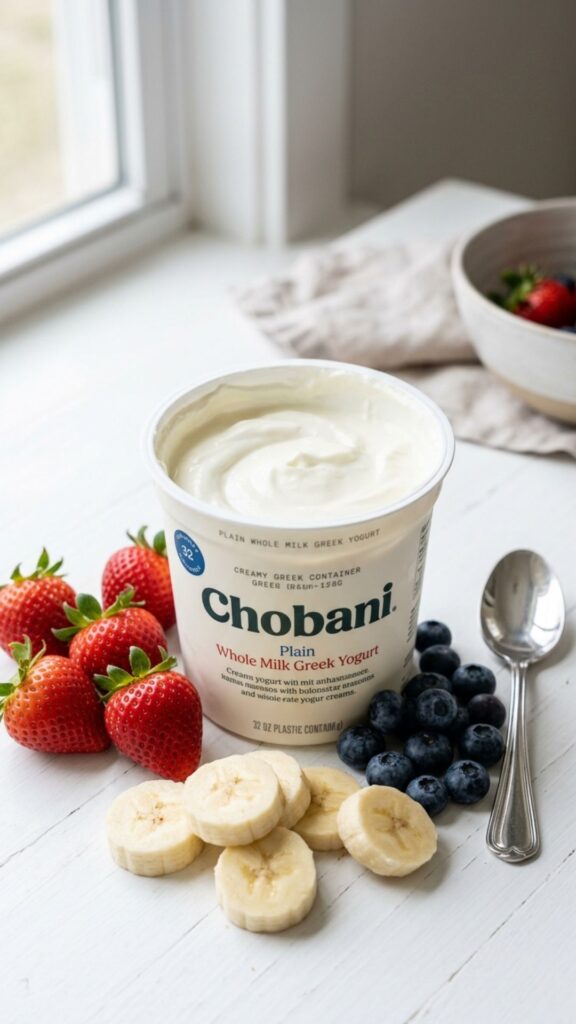
Greek yogurt is a high-protein staple that works for breakfast, snacks, dips, and even as a sour cream substitute. It typically lasts one to two weeks in the fridge, making it a reliable item to keep stocked.
Buy plain versions for maximum flexibility — you can sweeten it yourself or use it in savory recipes without any conflict from added flavors.
6. Fresh Leafy Greens
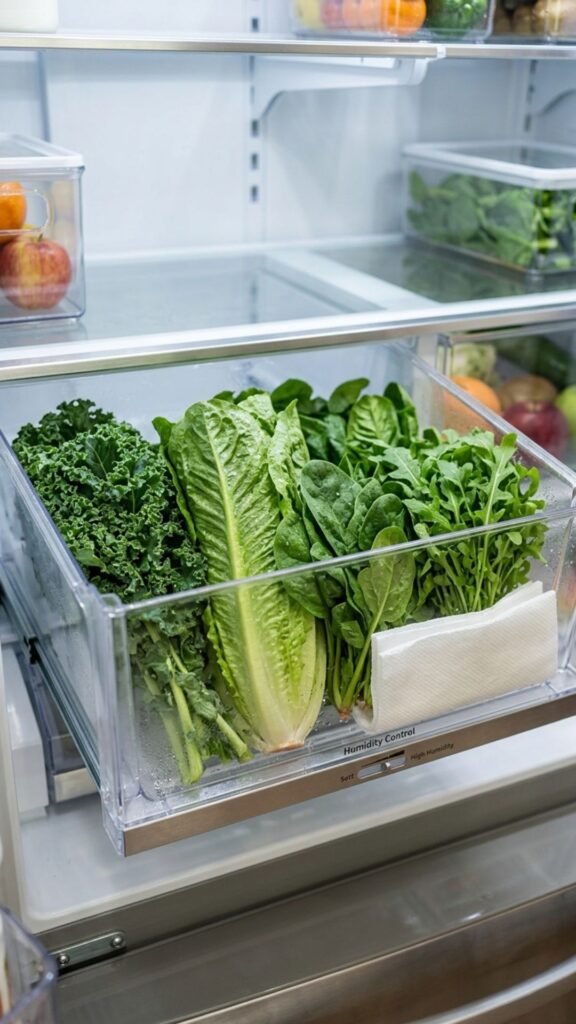
Spinach, romaine, kale, or mixed greens form the base of quick salads and can be tossed into soups, omelets, and wraps. Store them in the crisper drawer in a bag with a paper towel to absorb excess moisture and extend their life.
Greens can wilt fast, so aim to use them within three to five days of purchase. Pre-washed bags are a convenient option for busy households.
7. Fresh Herbs (Stored Properly)

Parsley, cilantro, and basil elevate everyday cooking without much effort. Most soft herbs store well with their stems trimmed and placed upright in a small glass of water, then loosely covered with a plastic bag — just like flowers.
This simple method can extend the life of fresh herbs from a few days to nearly two weeks, dramatically cutting down on waste.
8. Seasonal Vegetables
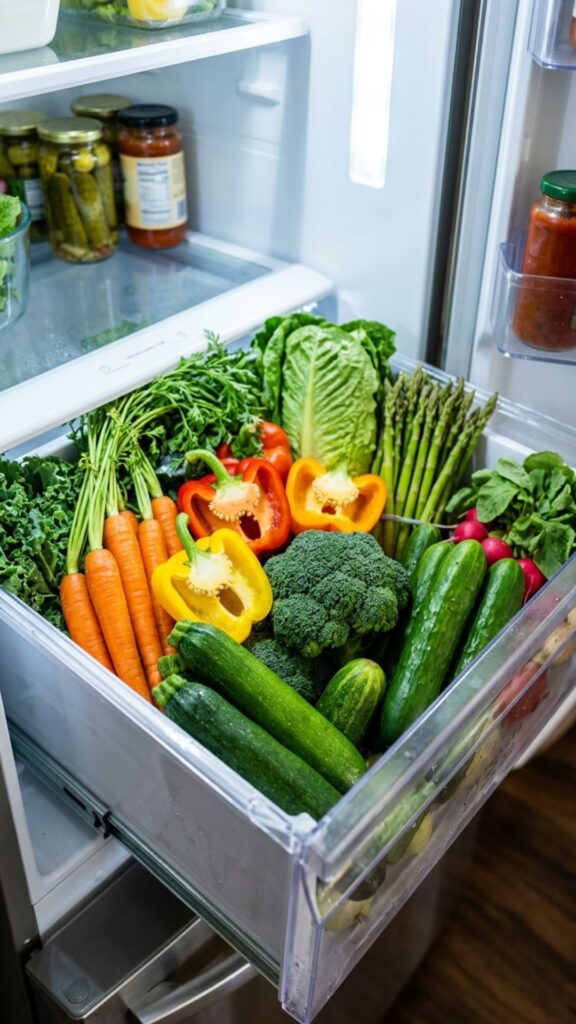
Carrots, bell peppers, broccoli, zucchini, and cucumbers are refrigerator staples that hold up well for a week or more. Keep them in the crisper drawer and wash them right before use, not before storing — excess moisture speeds up spoilage.
Having a mix of colorful vegetables on hand makes it easy to throw together a stir-fry, roast a quick side, or bulk up a meal without much planning.
9. Condiments: Mustard, Ketchup, and Hot Sauce
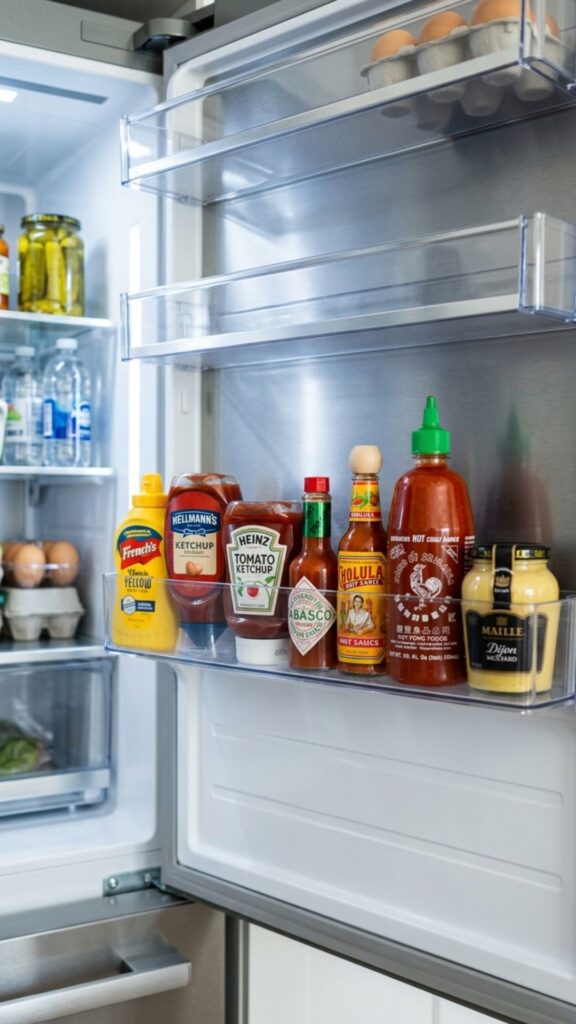
Condiments add flavor fast and take up minimal space. Mustard, ketchup, and a favorite hot sauce should be permanent fixtures on your fridge door, where slightly warmer temperatures are fine for these high-acid products.
Check labels for refrigerate-after-opening instructions. Many condiments last months, but it’s worth doing a quick sweep every few weeks to clear out anything past its prime.
10. Salad Dressing or Vinaigrette

A good dressing turns a bowl of greens into a proper meal. Store-bought dressings last two to three months once opened, while homemade vinaigrette keeps for about a week.
Keep one creamy and one vinegar-based option so you have variety. These also double as marinades, which makes them more useful than they first appear.
11. Leftover Proteins
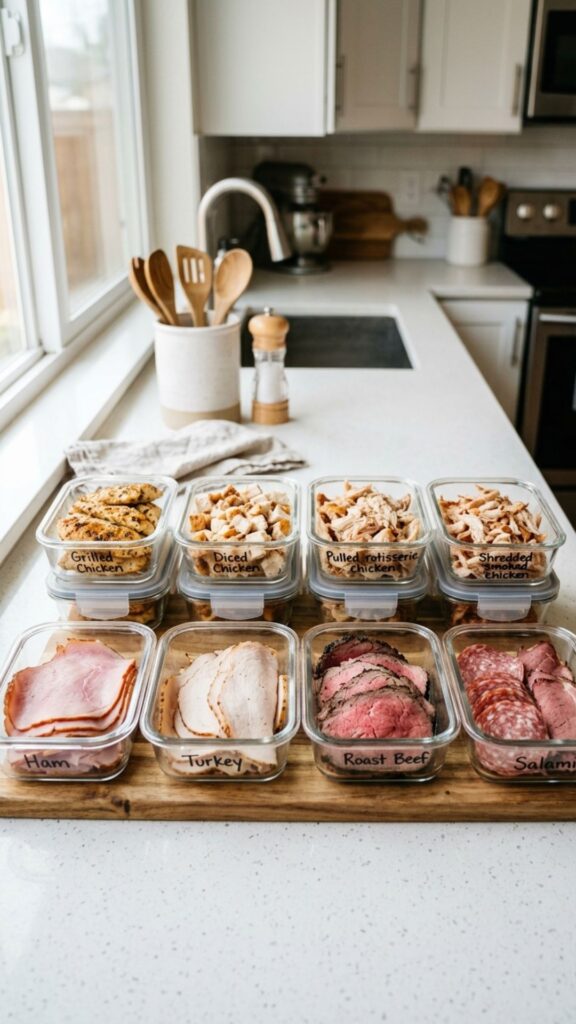
Cooked chicken, ground beef, or sliced deli meats are the backbone of fast lunches and dinners. Store cooked proteins in airtight containers and use them within three to four days for the best quality and safety.
Batch-cooking one or two proteins on the weekend is one of the most practical habits you can build — it cuts weeknight cooking time significantly and reduces the temptation to order takeout.
12. Deli Meats and Sliced Cheese
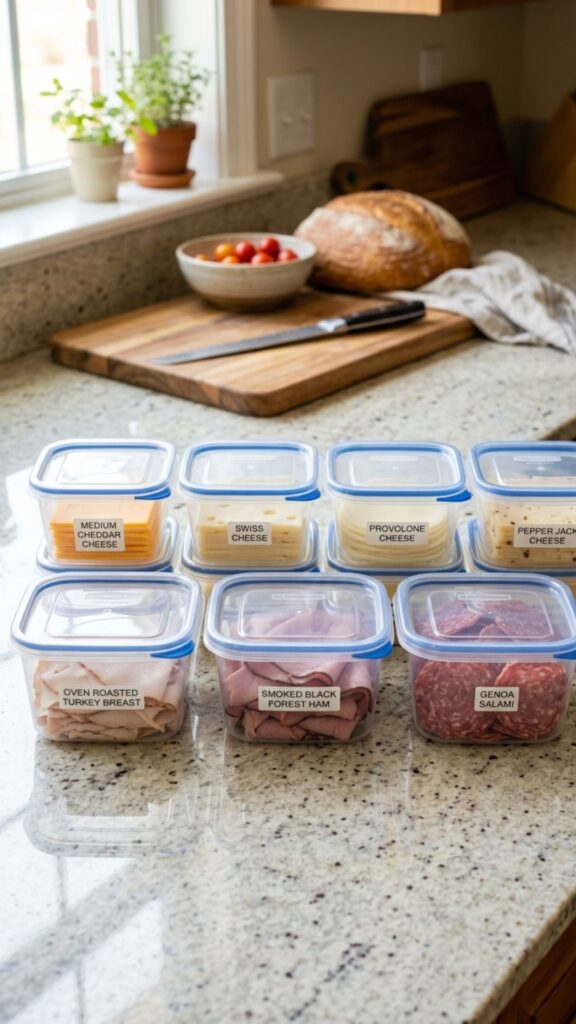
Pre-sliced turkey, ham, or salami paired with cheese makes a quick sandwich or snack board with minimal effort. Once opened, most deli meats last three to five days in the fridge.
Store them in resealable bags or containers rather than the original packaging, which doesn’t seal as effectively after the first opening.
13. Eggs (Hard-Boiled, Pre-Prepped)
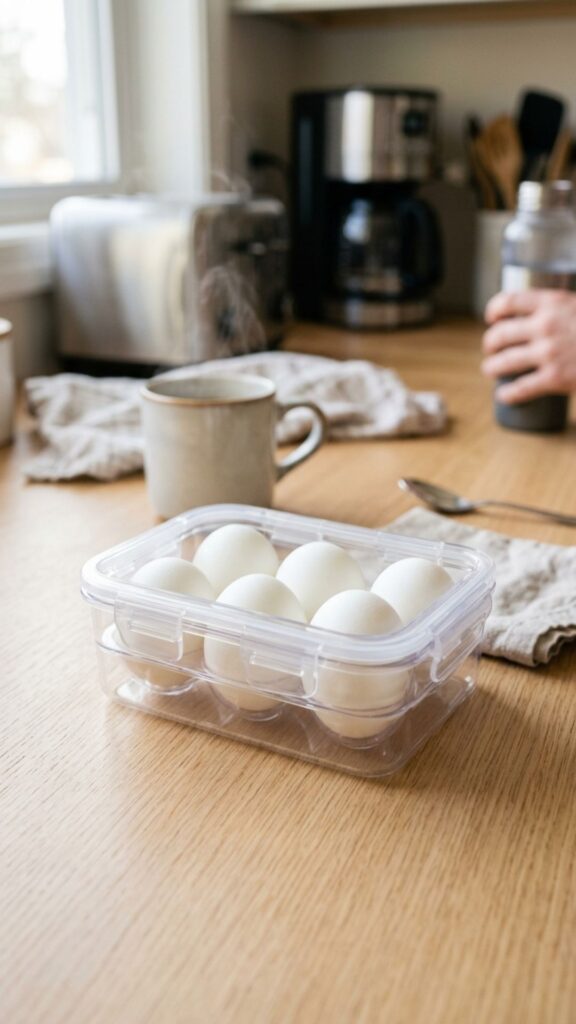
Beyond raw eggs, keeping a batch of hard-boiled eggs ready to go is a game-changer for busy households. They last up to one week in the fridge when stored unpeeled, or five days once peeled and kept in water.
Hard-boiled eggs work for quick breakfasts, protein-packed snacks, and salad toppers. Prep a batch on Sunday and you’ll reach for them all week.
14. Fresh Fruit
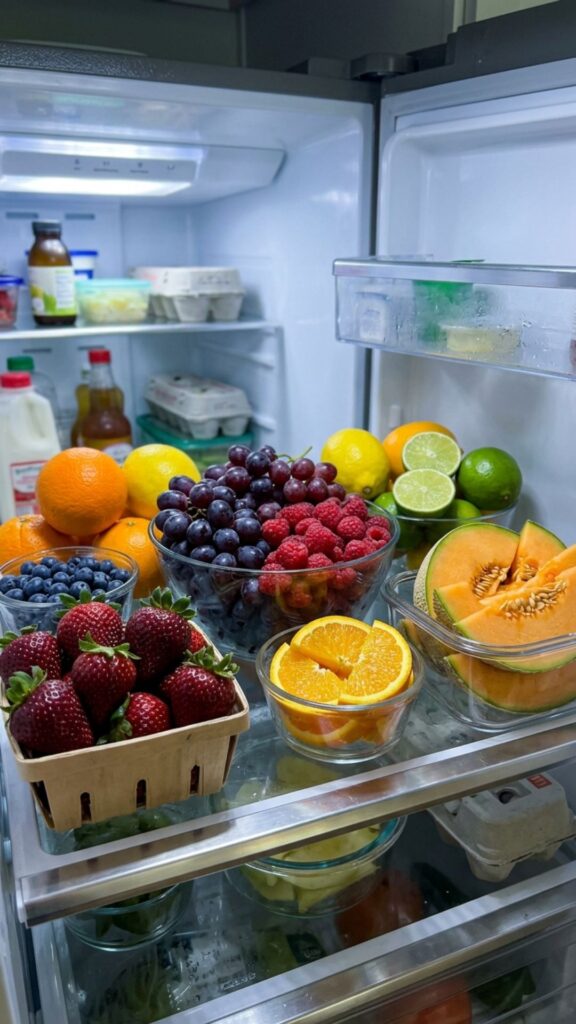
Berries, grapes, citrus, and sliced melon belong in the fridge to stay fresh longer. Berries last three to five days; citrus and apples can last a few weeks. Keep fruits in breathable containers or perforated bags in the crisper drawer.
Having fruit visible and accessible at eye level encourages healthier snacking — it’s a small change that makes a real difference over time.
15. Orange Juice or 100% Fruit Juice
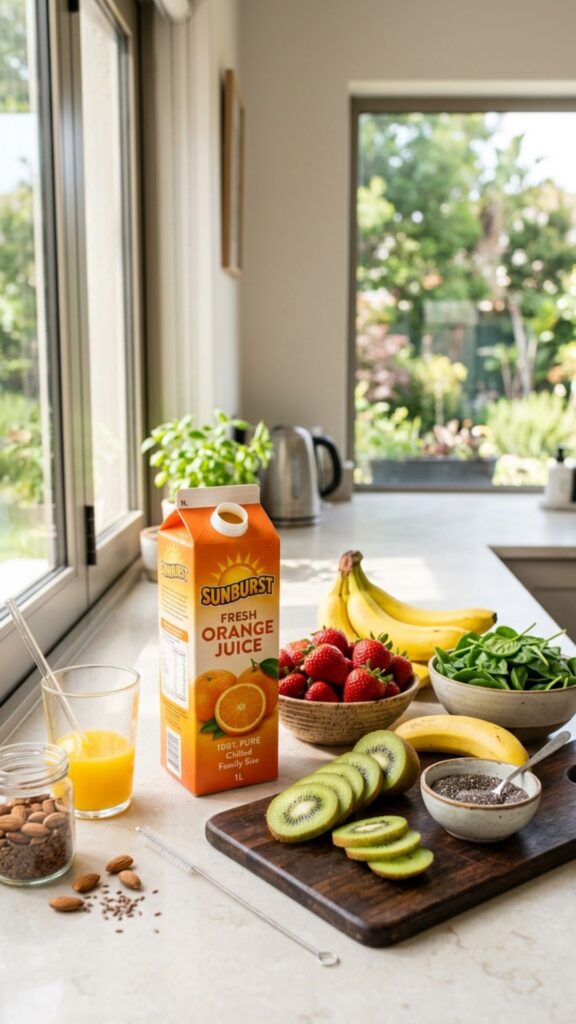
A carton of OJ handles morning routines, smoothie bases, and even cooking (think glazes and sauces). It lasts about a week once opened when kept sealed in the fridge.
Look for 100% juice with no added sugars if nutrition matters to you. Shelf-stable cartons are a smart backup to keep in the pantry for when you run out.
16. Soy Sauce, Worcestershire, or Tamari
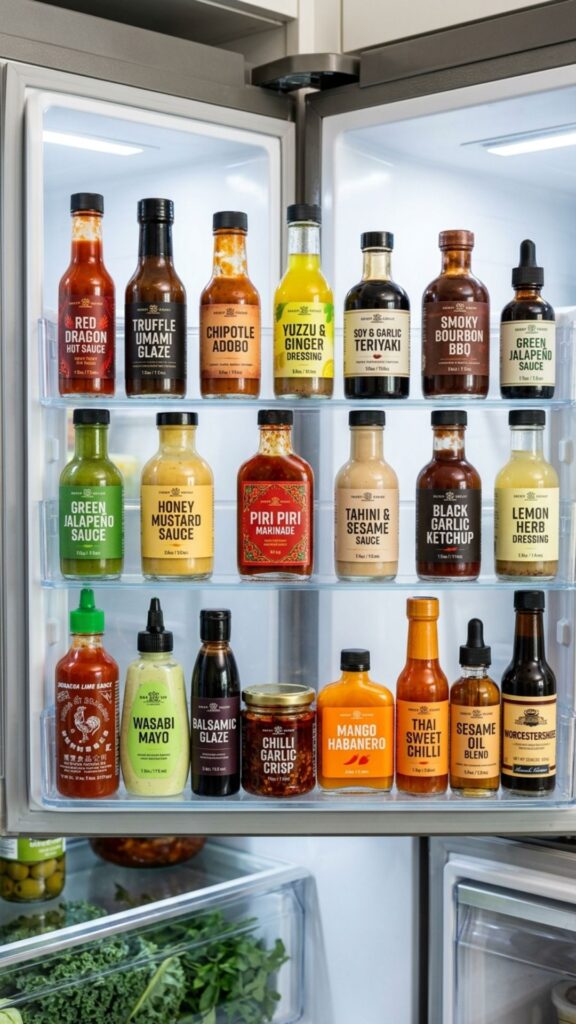
These savory, umami-packed sauces belong in every kitchen fridge. A splash of soy sauce or Worcestershire can transform a marinade, stir-fry, or salad dressing in seconds.
Once opened, they last for months in the fridge. They take up very little space but punch well above their weight when it comes to flavor payoff.
17. Tofu or Tempeh (for Plant-Based Households)
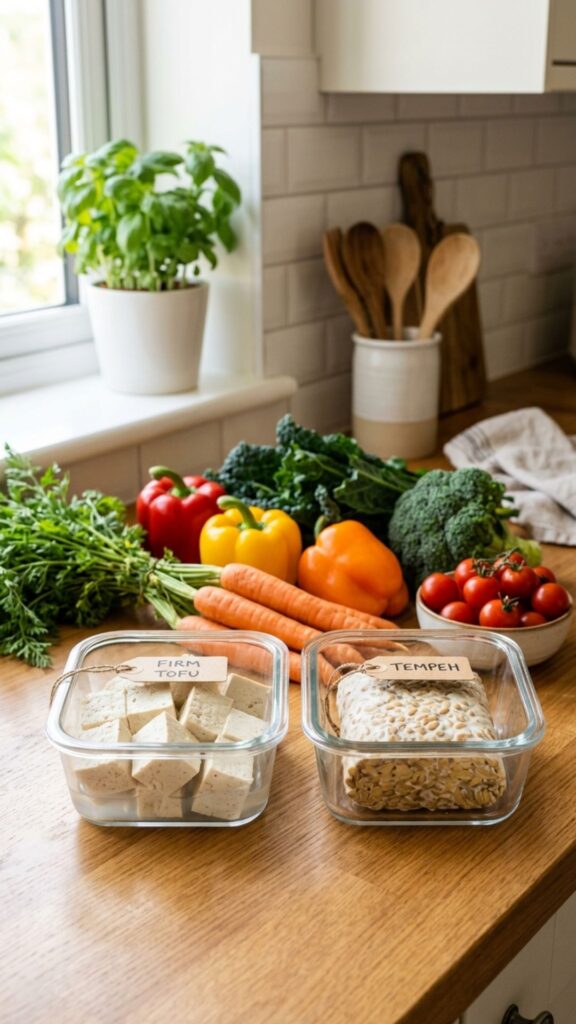
For households that eat less meat, firm tofu or tempeh provides a reliable protein source that absorbs flavor well and cooks quickly. Opened tofu should be stored in fresh water, changed daily, and used within three to five days.
Tempeh is denser and lasts a bit longer. Both are worth keeping if you regularly cook plant-forward meals.
18. Baking Staples: Cream Cheese and Sour Cream
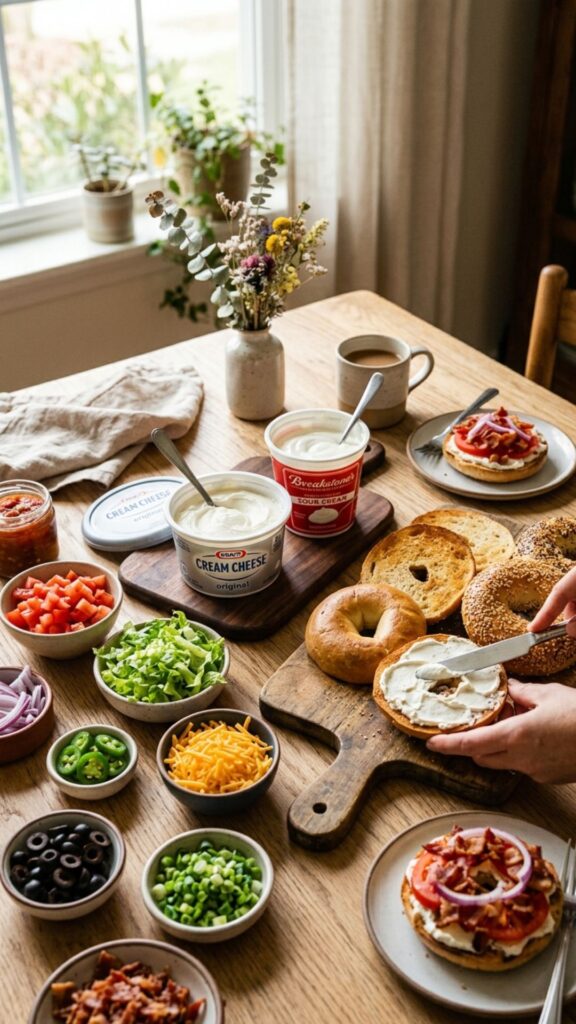
Cream cheese works in sweet and savory dishes alike — from bagel spreads to cheesecake, dips to pasta sauces. Sour cream adds richness to tacos, soups, and baked potatoes. Both last about two weeks once opened.
Having these on hand rounds out your cooking toolkit without requiring frequent grocery trips.
19. Filtered Water or a Water Pitcher
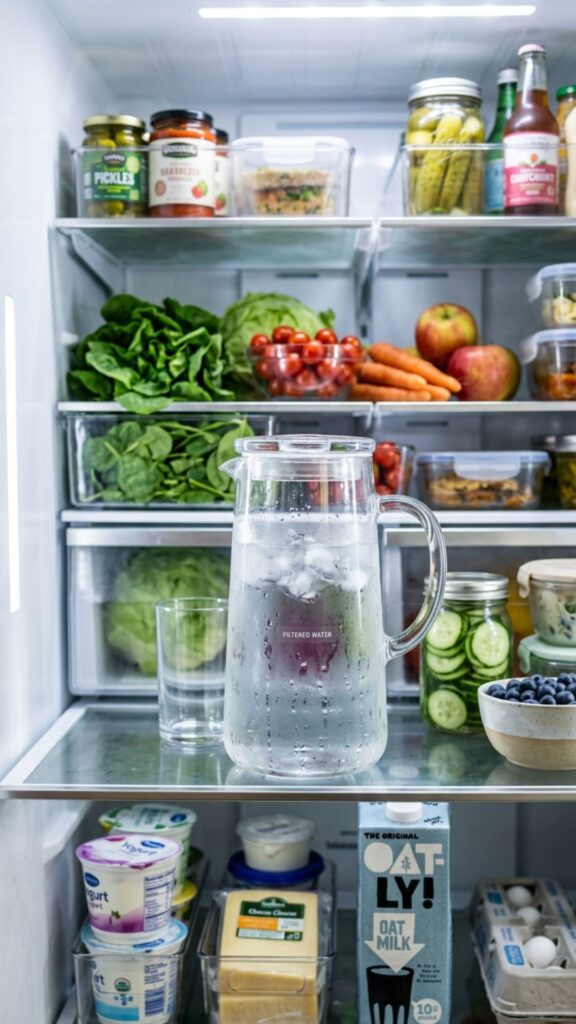
A pitcher of filtered water or a water filter attachment makes staying hydrated throughout the day effortless. Cold, clean water readily available in the fridge reduces sugary drink consumption naturally.
Replace filters on schedule and rinse pitchers weekly to keep water tasting fresh and clean.
20. Meal-Prepped Containers
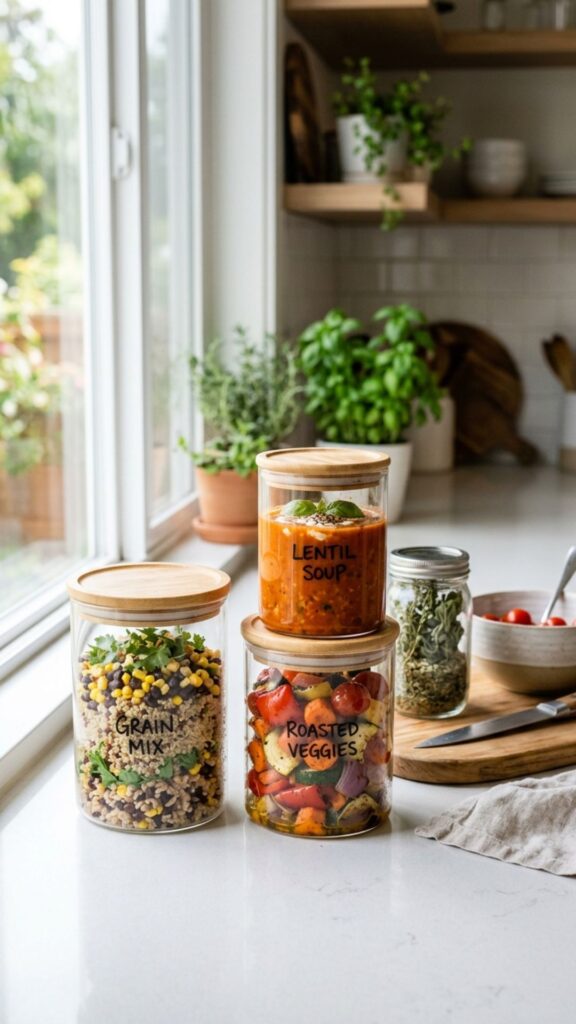
This isn’t a food item — but pre-filled containers of grains, roasted vegetables, or soups are one of the most valuable things your kitchen fridge can hold. Having ready-to-eat components cuts down decision fatigue and makes eating at home genuinely convenient.
Aim for two to three prepped items at any given time. Glass containers work best because they seal tightly, reheat safely, and let you see what’s inside without opening anything.
Conclusion
A well-stocked kitchen fridge doesn’t require a perfectly curated grocery list every time — it just needs a reliable set of essentials you rotate through consistently. Start with the basics from this list, build habits around restocking a few key items each week, and you’ll notice the difference quickly.
Pick five essentials from this list that you’re currently missing and add them to your next grocery run. Small, consistent changes to what’s in your fridge will have a bigger impact on your daily meals than any single recipe or kitchen upgrade ever could.
What does your fridge look like right now? Start there, and build from what you have.
What are the most important things to keep in a kitchen fridge?
Eggs, dairy or a plant-based alternative, fresh produce, a reliable protein source, and a few key condiments cover most daily needs. These basics support breakfast, lunch, and dinner without requiring elaborate planning.
How do I keep my kitchen fridge organized?
Group similar items together — dairy on one shelf, proteins on another, produce in the crisper drawer. Keep frequently used items at eye level, and use clear containers so nothing gets lost and forgotten at the back.
How long do most fridge staples last?
It varies by item. Eggs last three to five weeks; cooked proteins, three to four days; most dairy, one to two weeks after opening; and condiments, one to three months. Checking labels and doing a weekly fridge sweep helps you stay on top of freshness.
How can I reduce food waste in my kitchen fridge?
Store food properly in airtight containers, keep older items toward the front, and do a quick inventory before grocery shopping. Meal prepping also helps — when ingredients are already prepped, you’re far more likely to use them before they go bad.