Your front porch does more than shelter your doorway. It sets the mood for your whole house, greets your guests, and gives you a spot to sip coffee while the neighborhood wakes up. But a cramped or dated porch can hold your home back, both in comfort and in value.
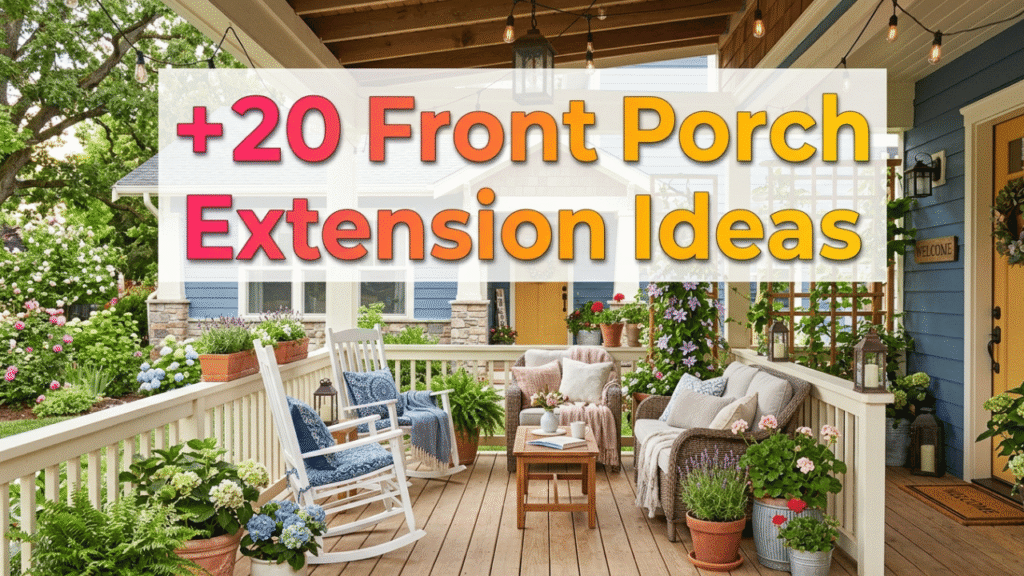
The good news? Extending your porch doesn’t always mean a full teardown. Sometimes a few smart changes make a world of difference. After years of walking homeowners through renovation projects, I’ve seen how the right extension can turn a forgotten entryway into a favorite hangout.
Below you’ll find 20 front porch ideas extension projects that fit different budgets, home styles, and comfort levels. Let’s get into them.
1. Add a Wraparound Section
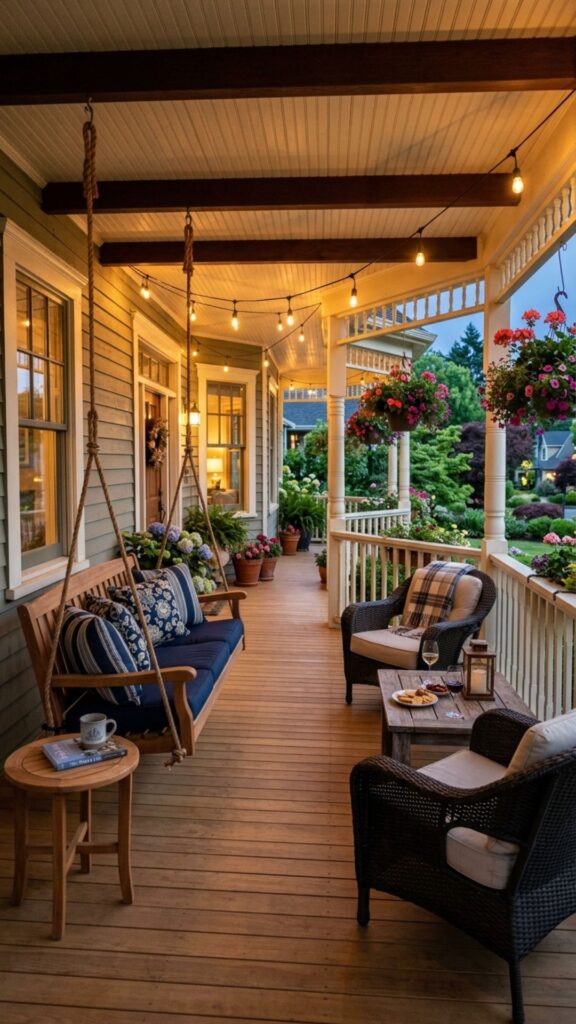
A wraparound porch pulls your outdoor living space around the side of your home, giving you more room to move and more angles to enjoy. It works especially well on corner lots or homes with a wide facade. Even extending the porch just a few feet around one corner opens up space for a bench swing or a small reading nook.
The classic farmhouse look thrives with this style, but it suits modern homes too. Keep the railing and flooring consistent with the front so the whole thing feels intentional. If your yard slopes, plan the framing carefully so the extension stays level and safe underfoot.
2. Build a Covered Roof Overhang
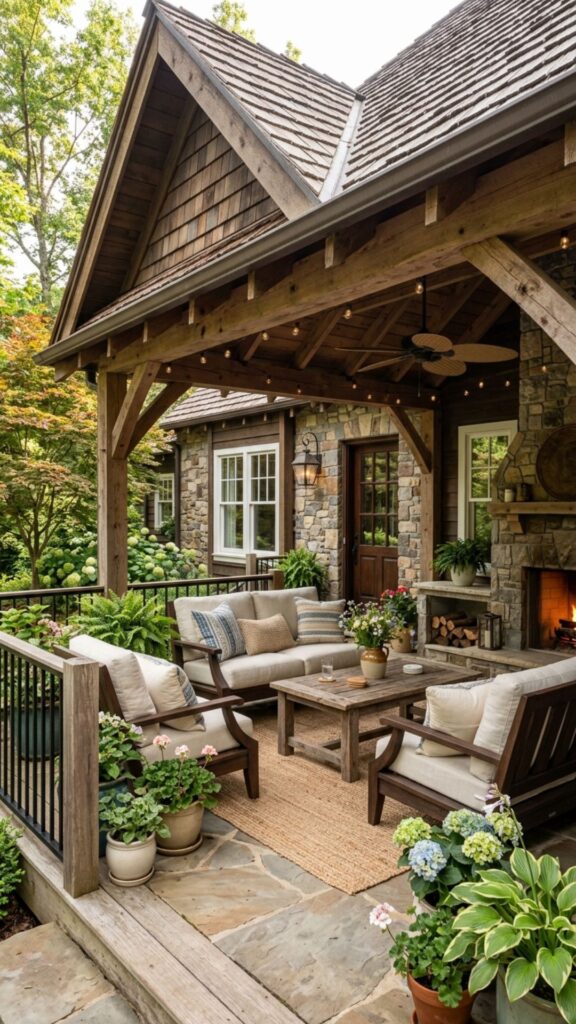
Adding a roof over an existing open porch instantly makes the space usable in rain or harsh sun. A simple gable or shed roof extension protects your furniture and keeps your front door dry during storms. It’s one of the most practical upgrades you can make.
Match the roofline and shingles to your existing home so the addition blends in. If you want extra light, consider clear polycarbonate panels or a skylight built into the overhang. This keeps the porch bright while still shielding you from the weather.
3. Extend the Depth for Seating
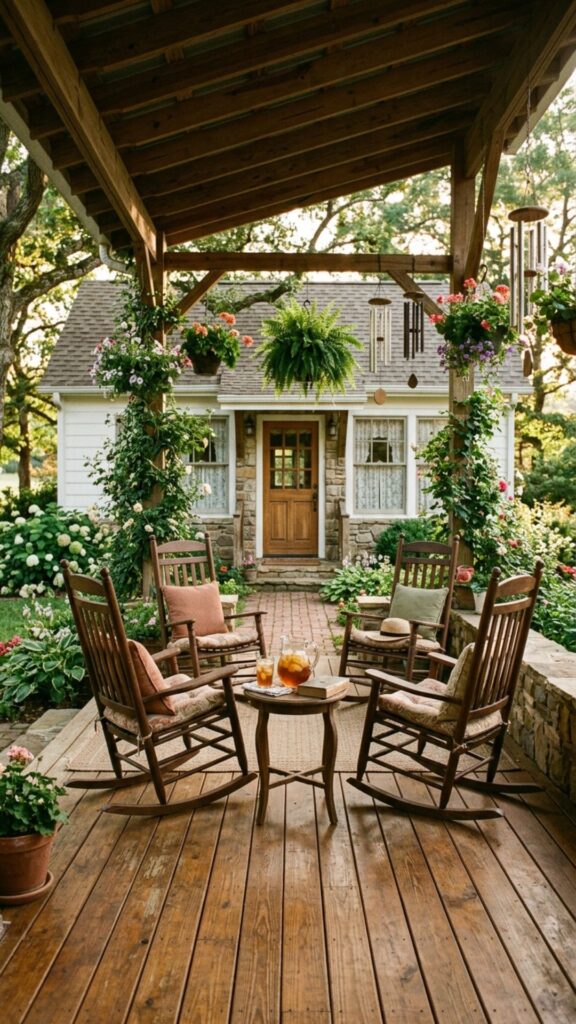
Many older porches are too shallow for real furniture. Pushing the depth out by three or four feet transforms a walk-through space into a place where people actually linger. Suddenly you have room for a couple of rockers and a side table.
Before you build, check your local setback rules, since front extensions sometimes bump against property line limits. A deeper porch also changes how your home looks from the street, usually for the better. Aim for at least six feet of depth if you want a comfortable seating area.
4. Create a Screened-In Porch
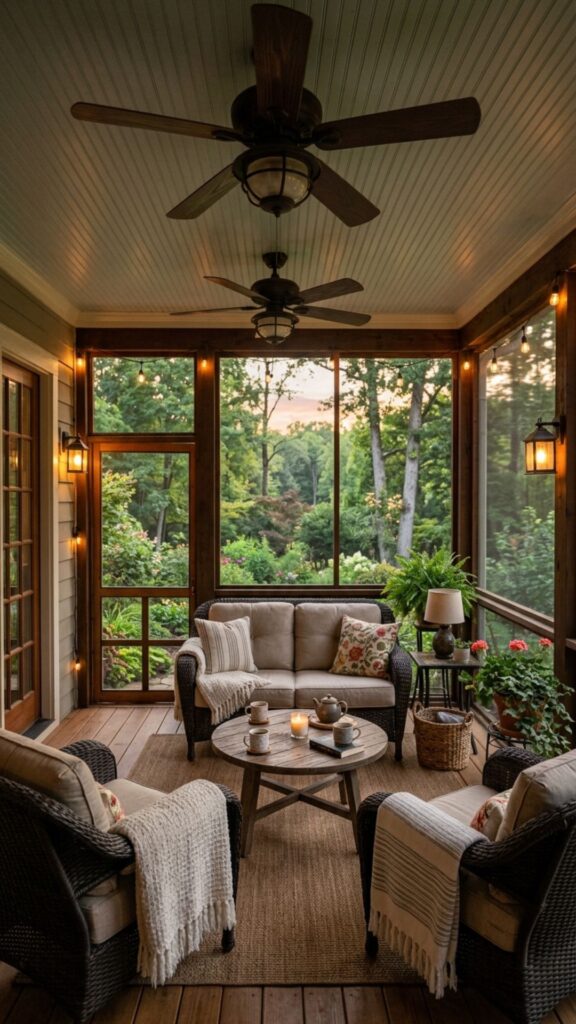
Screening in your porch keeps bugs out while letting the breeze flow through. This is a game-changer in humid regions where mosquitoes make evenings miserable. You get all the fresh air without the itchy aftermath.
You can screen an entire extended porch or just a portion of it. Removable screen panels give you flexibility for the changing seasons. Pair them with ceiling fans, and you’ll have a spot that stays cool and comfortable well into summer.
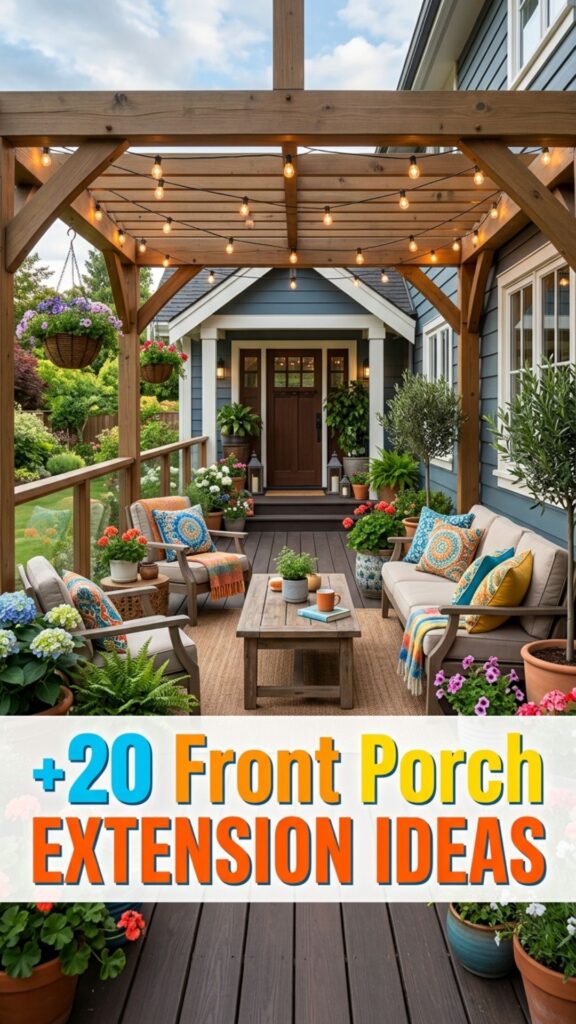
5. Install a Pergola Extension
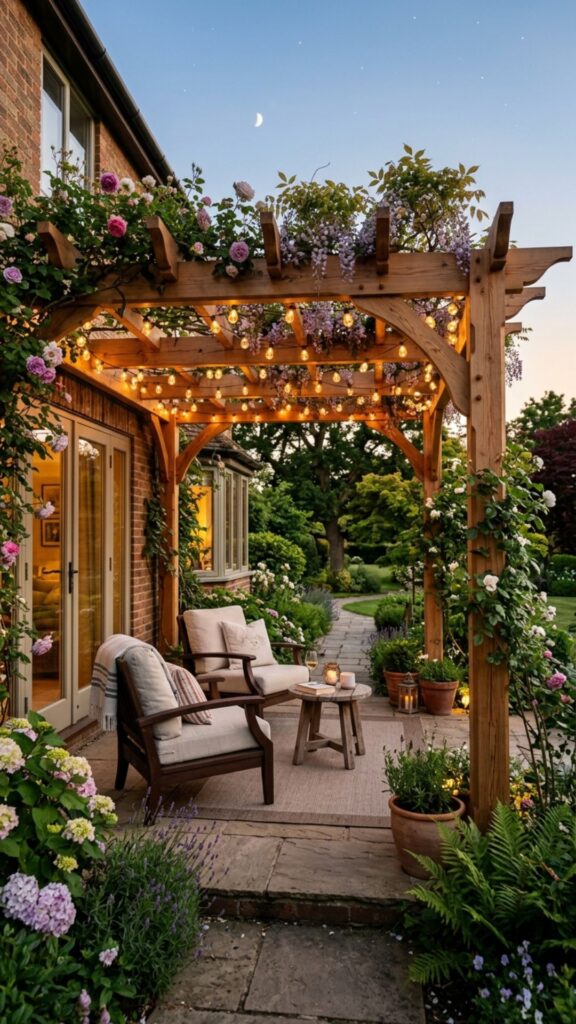
A pergola extends your porch outward with an open, airy structure that filters sunlight. It defines the space without closing it in, making your entry feel larger and more inviting. Climbing vines like wisteria or jasmine add shade and a lovely scent over time.
This option costs less than a full roofed addition and installs faster. Attach one side to your home and support the other with posts for a seamless flow. String some lights along the beams, and the pergola becomes a magical evening gathering spot.
6. Widen the Front Steps
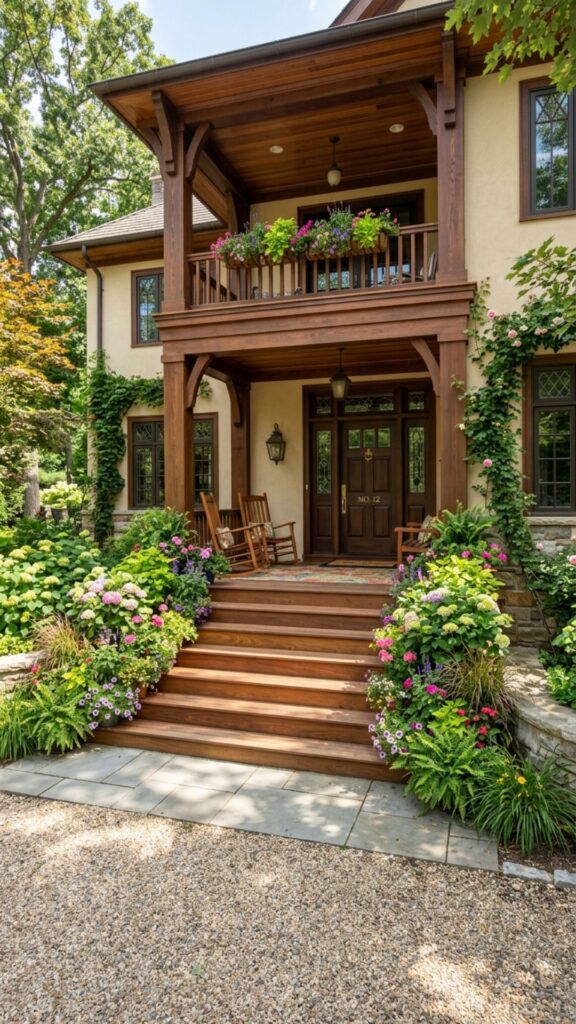
Sometimes the porch itself is fine, but the steps feel tight and steep. Widening them creates a grander, more welcoming approach. Broad, shallow steps are easier to climb and offer casual seating during outdoor gatherings.
Consider extending the steps the full width of the porch for a dramatic effect. Add planters on either side to soften the edges. This relatively small change delivers a big boost to your home’s curb appeal.
7. Add a Ramp for Accessibility
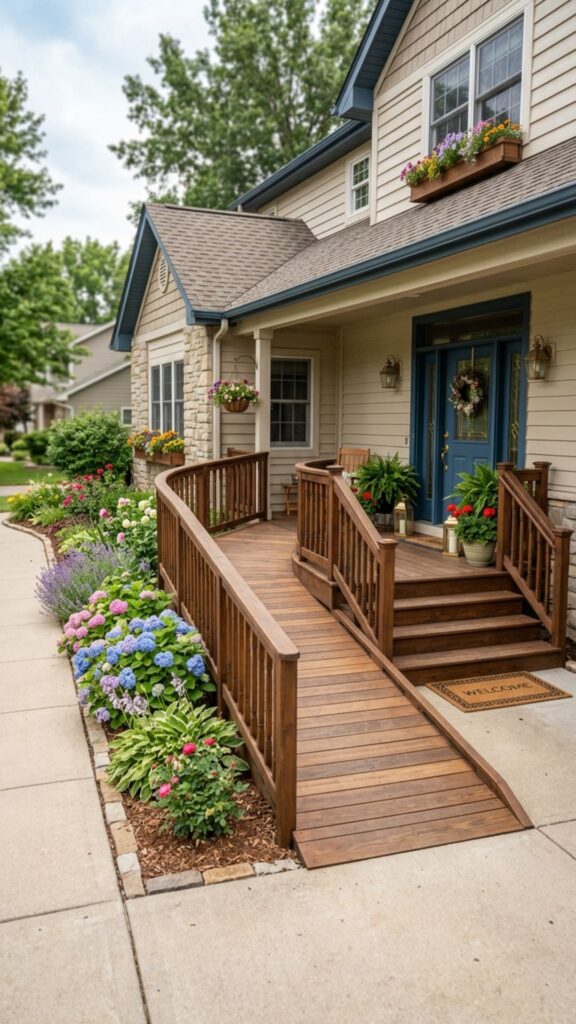
An accessible ramp extension makes your porch welcoming to everyone, including family members with mobility needs. Thoughtful design keeps it from looking clinical. Gentle slopes and matching materials help it blend right in.
Building codes usually require a specific slope ratio, so plan the length carefully. A landscaped ramp with railings that match your porch feels like a natural part of the design. This upgrade adds both function and long-term value.
8. Incorporate Built-In Benches
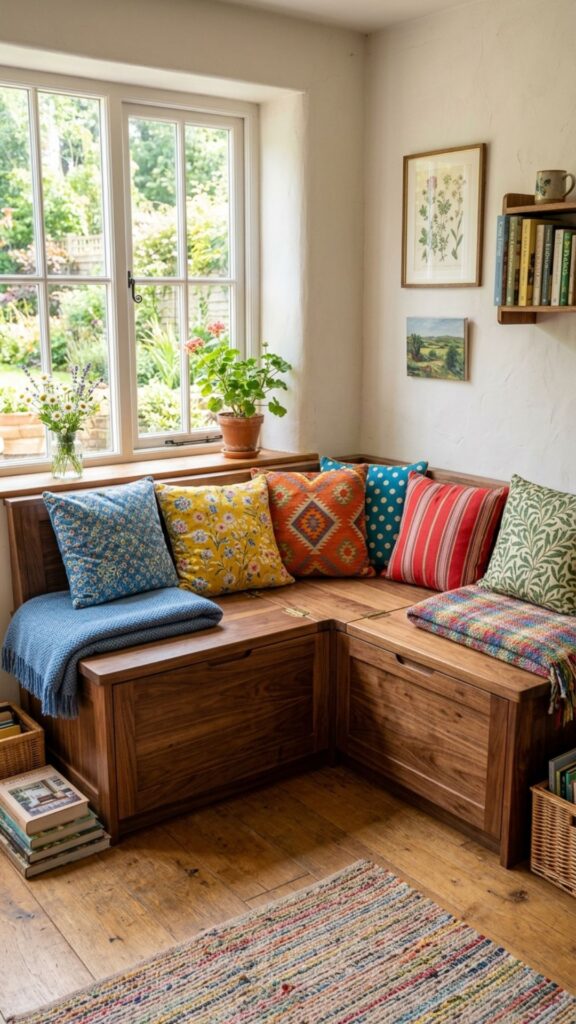
Built-in benches extend your porch’s usefulness without eating up floor space. Line them along a railing or tuck them into a corner for instant seating. Add storage underneath for cushions, garden tools, or kids’ toys.
Wood benches with weather-resistant finishes hold up well outdoors. Top them with outdoor cushions in a color that pops against your home. Guests always appreciate having a place to sit, and you’ll love the tidy, custom look.
9. Extend With a Deck Transition
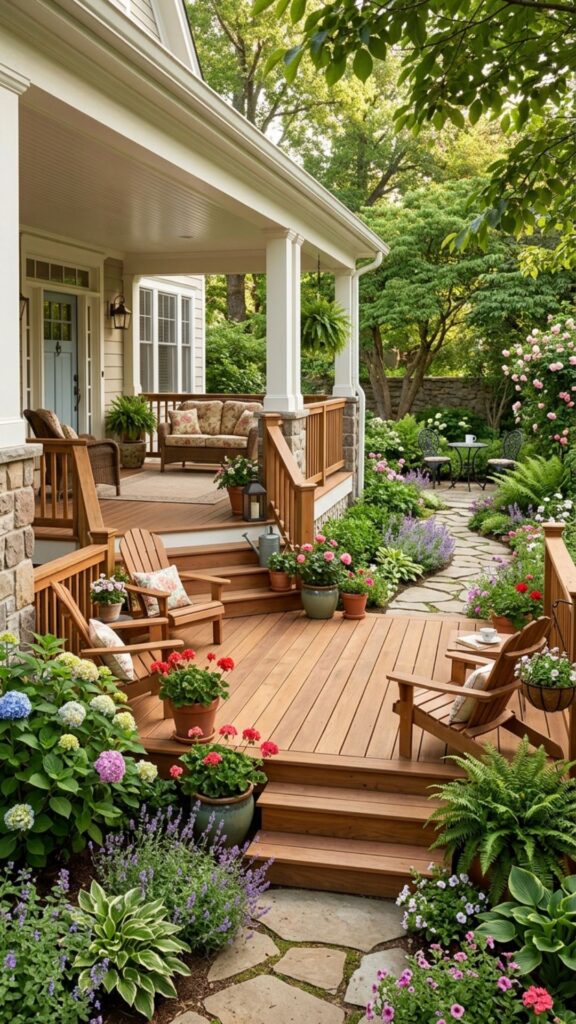
Blending your porch into a small deck creates a smooth flow from front to side yard. This works well when you want to connect the entry to a garden path or seating area. The transition feels natural and expands your usable outdoor space.
Use similar decking materials to keep the two areas cohesive. A step-down or gentle level change can define each zone without a hard boundary. This layered approach gives your home a thoughtful, designed feel.
10. Add Decorative Columns
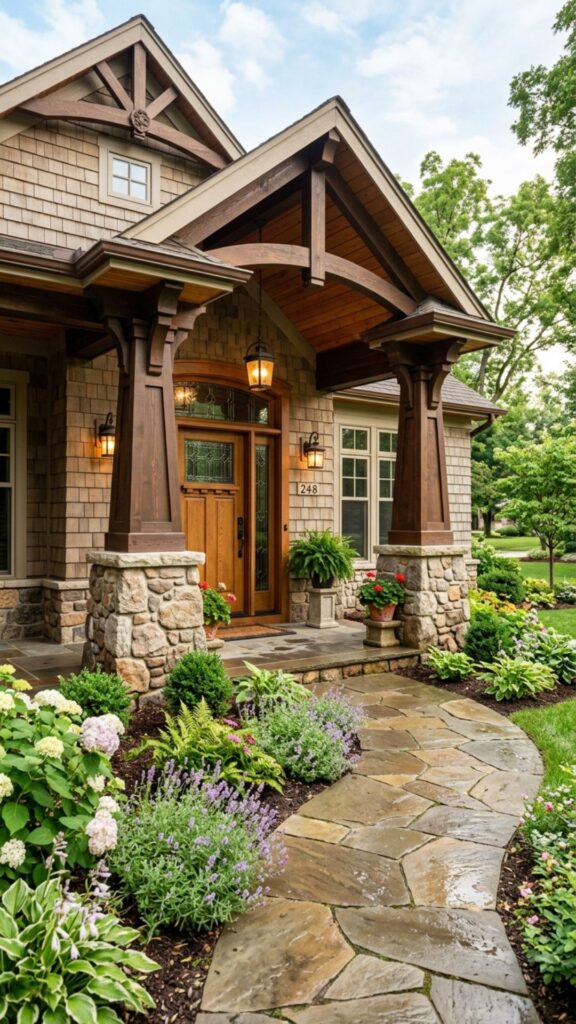
Columns don’t just support the roof, they shape the whole character of your porch. Extending your porch is a perfect time to upgrade thin posts to substantial columns. Tapered, craftsman-style columns add weight and presence.
Choose a material that matches your climate, whether that’s fiberglass, wood, or stone-wrapped bases. Even two well-placed columns can transform a plain entry into something memorable. They frame your front door and draw the eye upward.
11. Install Porch Flooring Upgrades
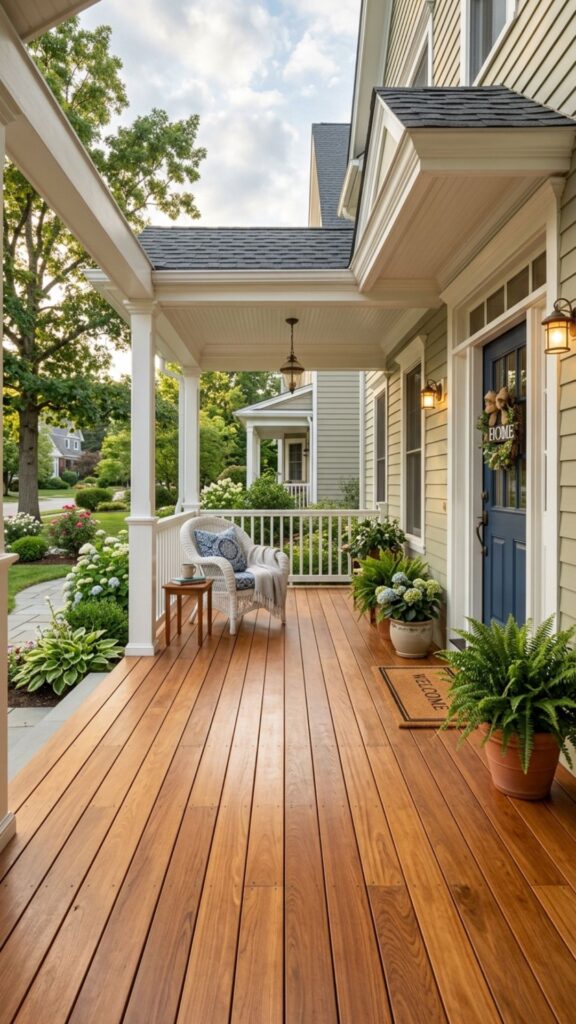
Extending your porch gives you a fresh canvas for beautiful flooring. Tongue-and-groove boards, stamped concrete, or porcelain tile each bring a distinct look. The right surface ties the whole space together.
Pick a material that handles your local weather and foot traffic. Painted wood floors offer charm but need regular upkeep, while composite decking stays low-maintenance for years. A quality floor makes even a modest porch feel finished.
12. Create a Covered Entry Portico
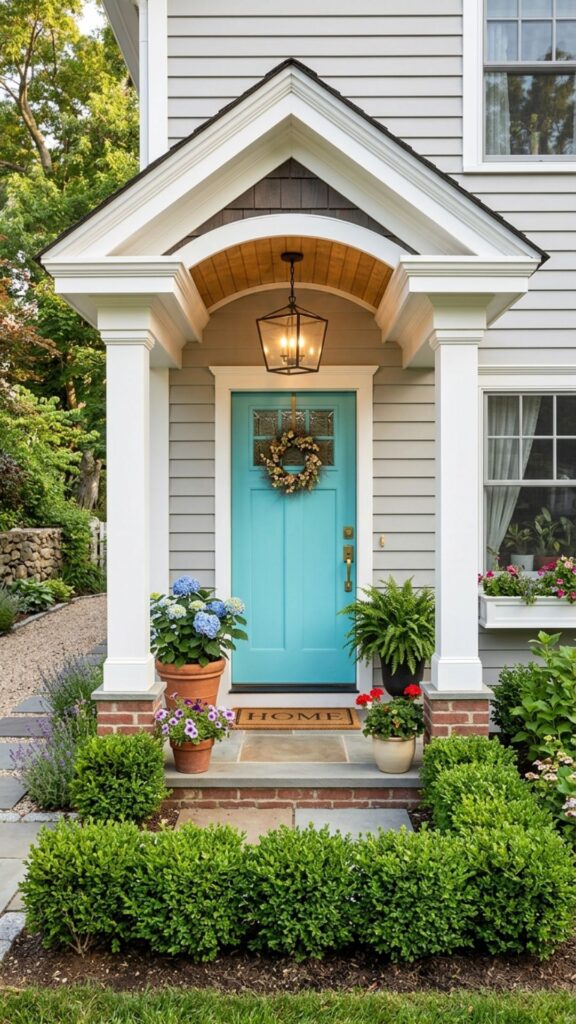
A portico extends just over your front door, offering shelter and a touch of elegance. It’s ideal when a full porch isn’t practical but you still want protection from the elements. Guests stay dry while you find your keys.
This compact extension makes a strong first impression. Pair it with pendant lighting and a bold front door color for maximum impact. Porticos suit both traditional and contemporary homes beautifully.
13. Add Outdoor Lighting Features
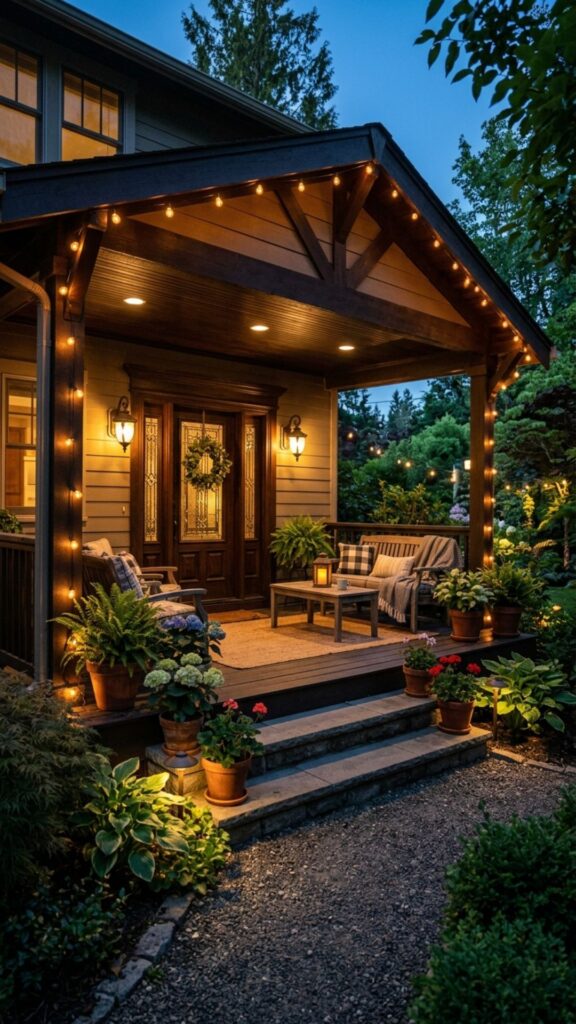
Extending your porch means rethinking how you light it. Layered lighting, from sconces to string lights to recessed fixtures, keeps the space usable after dark. Good lighting also improves safety on steps and pathways.
Warm-toned bulbs create a cozy glow that feels welcoming. Solar options reduce wiring hassles for simpler projects. Add a dimmer, and you can shift the mood from bright and functional to soft and relaxing.
14. Build a Porch Swing Zone
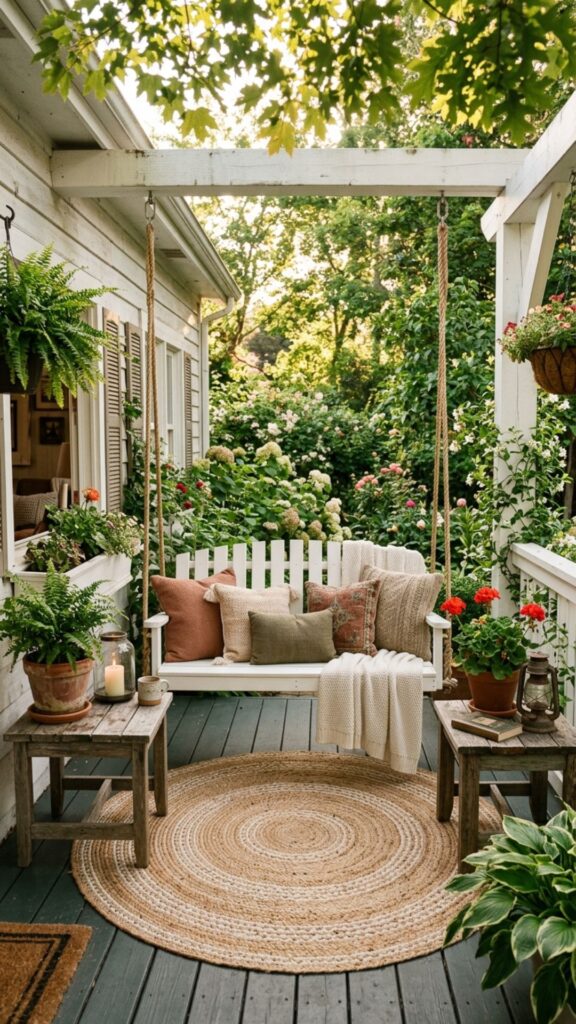
Few things say “relax” like a porch swing. Extending your porch to fit a swing gives you a dedicated spot to unwind. Hang it from sturdy ceiling joists rated for the weight.
Leave enough clearance so the swing moves freely without hitting walls or railings. A pair of side tables and a soft outdoor rug complete the setup. This little zone quickly becomes the most fought-over seat in the house.
15. Add Privacy Screens or Lattice
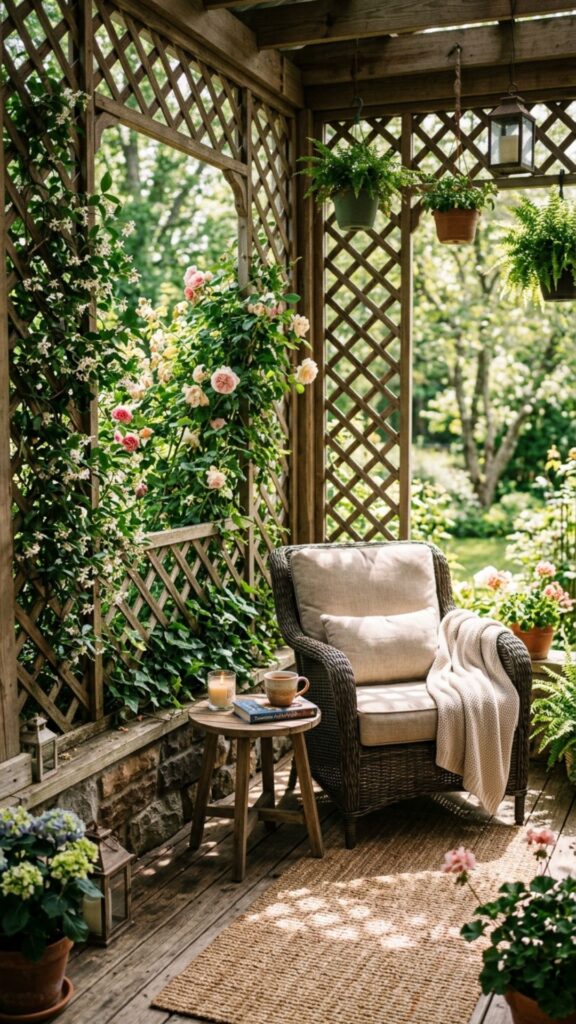
Privacy panels turn an exposed porch into a cozy retreat. Lattice, slatted wood, or planted trellises block sightlines from the street or neighbors. You get to relax without feeling like you’re on display.
Position screens where they’ll do the most good, usually along the open sides. Climbing plants soften hard lines and add greenery. This simple addition makes your extended porch feel like a private outdoor room.
16. Extend for a Dining Area
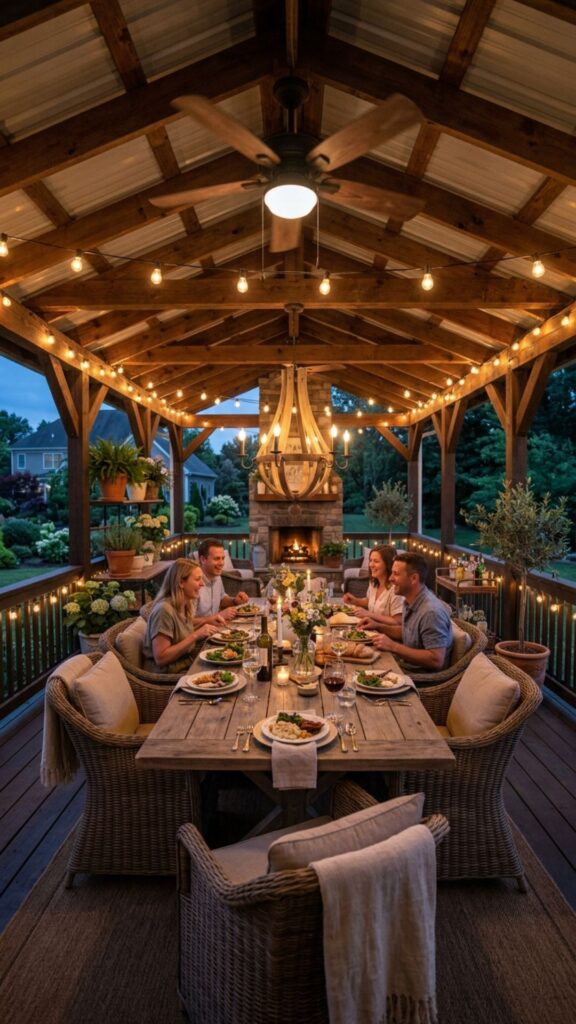
If you love eating outdoors, extend your porch to fit a proper dining set. A covered dining space lets you host meals rain or shine. It’s perfect for weekend brunches and evening dinners with friends.
Make sure the extension is deep enough to pull chairs out comfortably, ideally around ten feet. Add an overhead fan and some ambient lighting. You’ll find yourself eating outside far more often than you expected.
17. Incorporate a Fireplace or Heater
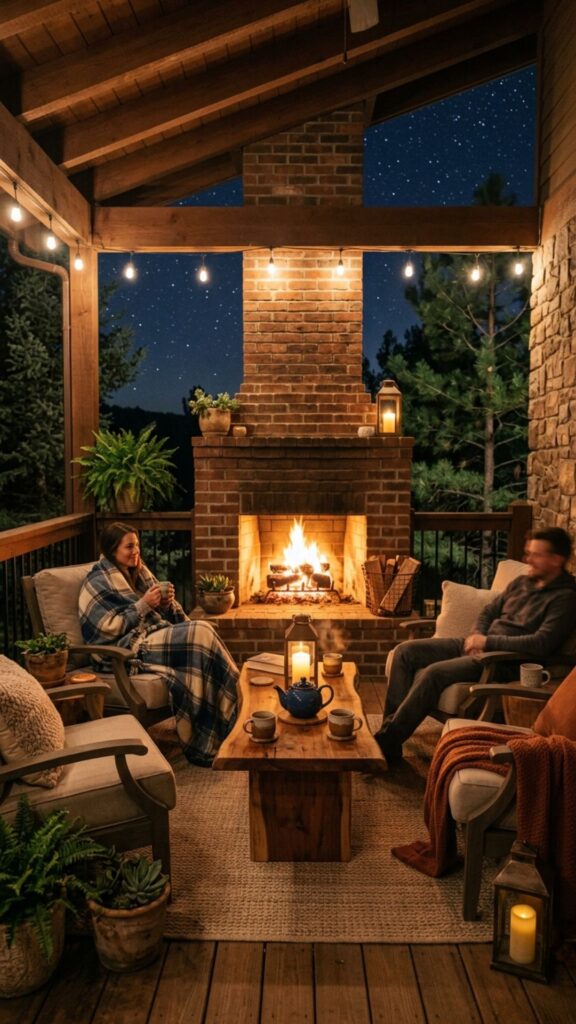
An outdoor fireplace or heater stretches your porch season into the cooler months. Extending your porch around a fireplace creates a natural gathering point. The warmth and glow make chilly evenings inviting.
Freestanding heaters offer flexibility, while built-in fireplaces add permanent charm. Always follow clearance and ventilation guidelines for safety. With a heat source in place, your porch stays useful long after summer fades.
18. Use Stone or Brick Accents
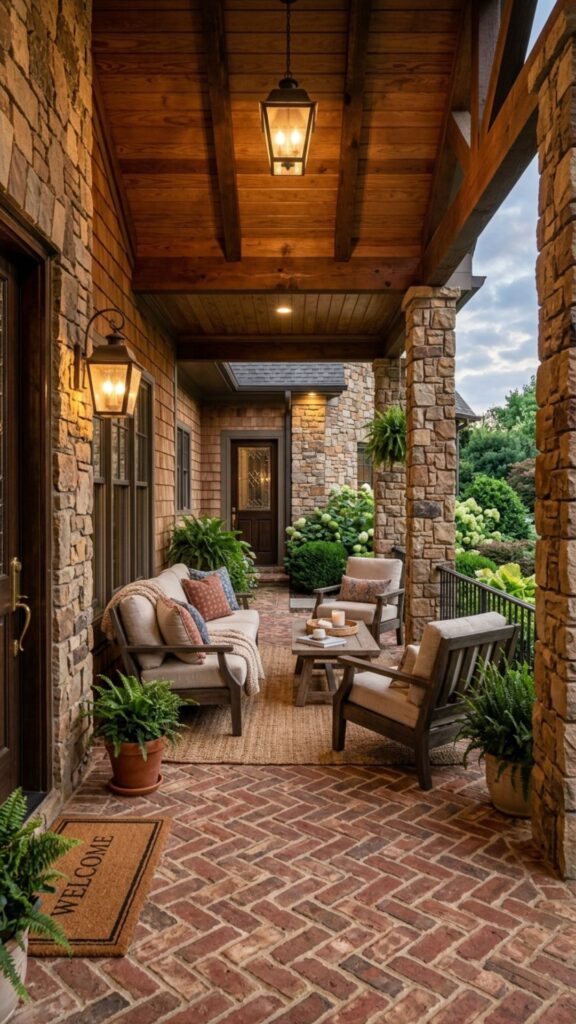
Stone and brick bring texture and permanence to a porch extension. Wrap your columns, skirt the base, or build a low wall for a grounded, sturdy feel. These materials also age gracefully with almost no maintenance.
Mix stone with wood or metal for a balanced look that avoids feeling heavy. A brick floor pattern adds classic character underfoot. These natural materials pair well with nearly any architectural style.
19. Add Ceiling Fans and Beadboard
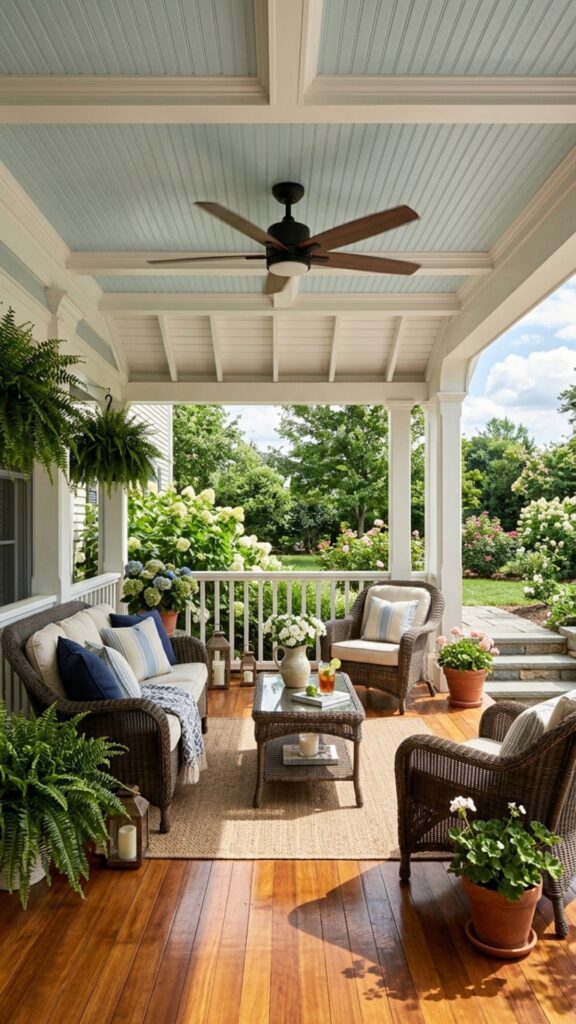
A finished porch ceiling elevates the whole space. Beadboard, often painted a soft blue, adds that timeless Southern charm many homeowners love. It’s a small detail that people notice right away.
Install a ceiling fan to keep air moving on warm days. Combined with beadboard, it turns your porch into a breezy, polished retreat. This upgrade pairs perfectly with a roofed extension.
20. Extend With Container Gardens
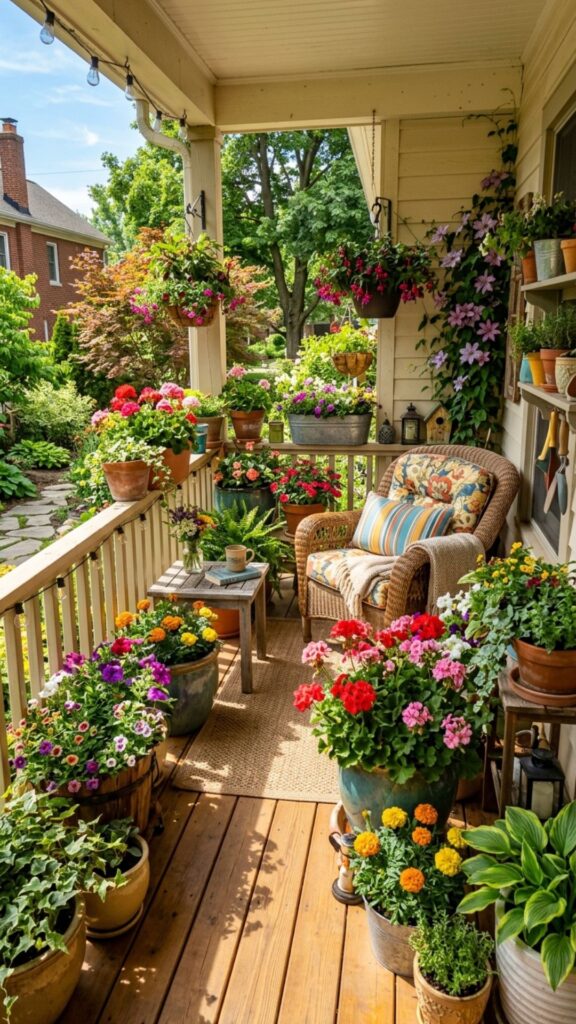
Not every extension needs framing and concrete. Adding container gardens visually stretches your porch and softens its edges. Grouped planters at varying heights create depth and lush greenery.
Choose plants suited to your porch’s sun exposure, and mix in seasonal blooms for year-round color. Large pots can even define the boundary of your space. It’s the fastest, most affordable way to make your porch feel bigger and more alive.
Bringing Your Porch Vision to Life
A porch extension is one of the most rewarding home upgrades you can make. It adds usable space, boosts curb appeal, and often increases resale value, all while giving you a place to slow down and enjoy your home. Whether you choose a simple pergola or a full wraparound addition, these front porch ideas extension projects offer something for every home and budget.
Ready to get started? Sketch out your top three ideas, set a realistic budget, and reach out to a licensed contractor for the structural work. Small changes today can create a porch you’ll love for years to come. Grab a notepad and start planning your dream entry now.
How much does a front porch extension cost?
A front porch extension typically costs between $5,000 and $30,000, depending on size, materials, and whether you add a roof. Simple projects like a pergola or container gardens fall on the lower end, while full roofed additions cost more.
Do I need a permit to extend my front porch?
Yes, most front porch extensions require a building permit, especially when you add structural elements like a roof, foundation, or footings. Check with your local building department before starting, since front-facing additions often have setback rules.
How long does a porch extension take to build?
A basic porch extension takes about one to two weeks, while larger roofed or wraparound projects can take four to six weeks. Weather, permits, and material availability all affect the timeline.
What is the best material for a porch floor?
Composite decking and porcelain tile are among the best porch flooring materials because they resist weather and need little upkeep. Wood offers classic charm but requires regular sealing to stay in good shape.
Can I extend my porch myself?
You can handle simple upgrades like adding planters, screens, or a swing yourself. For structural work involving roofs, footings, or wiring, hire a licensed contractor to ensure safety and code compliance.