Whether you’re setting up your first kitchen or upgrading an existing one, choosing the right kitchen elements can completely transform how you cook.
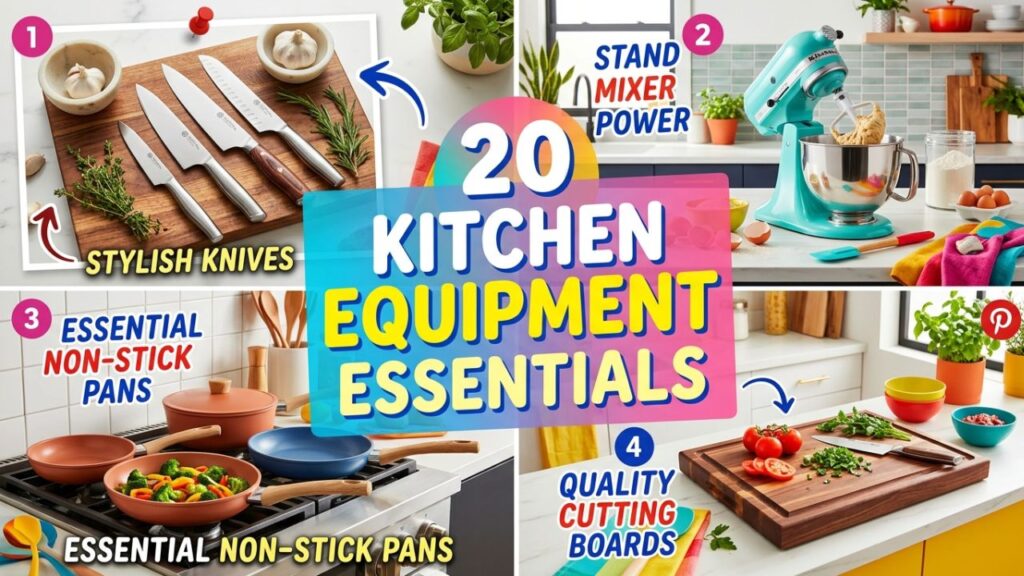
The difference between a frustrating cooking experience and an enjoyable one often comes down to having the right tools on hand.
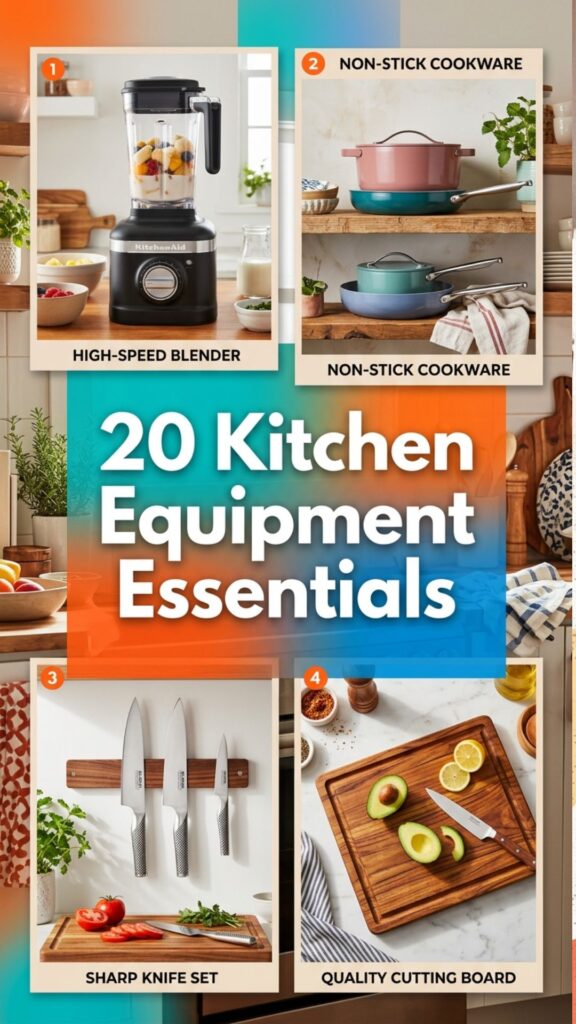
In this guide, you’ll find 20 essential pieces of kitchen equipment that belong in every modern kitchen. Each one is chosen for its practicality, versatility, and real-world value — not just because it looks good on a shelf.
From everyday basics to smart upgrades, this list covers everything you need to cook with confidence.
1. Chef’s Knife
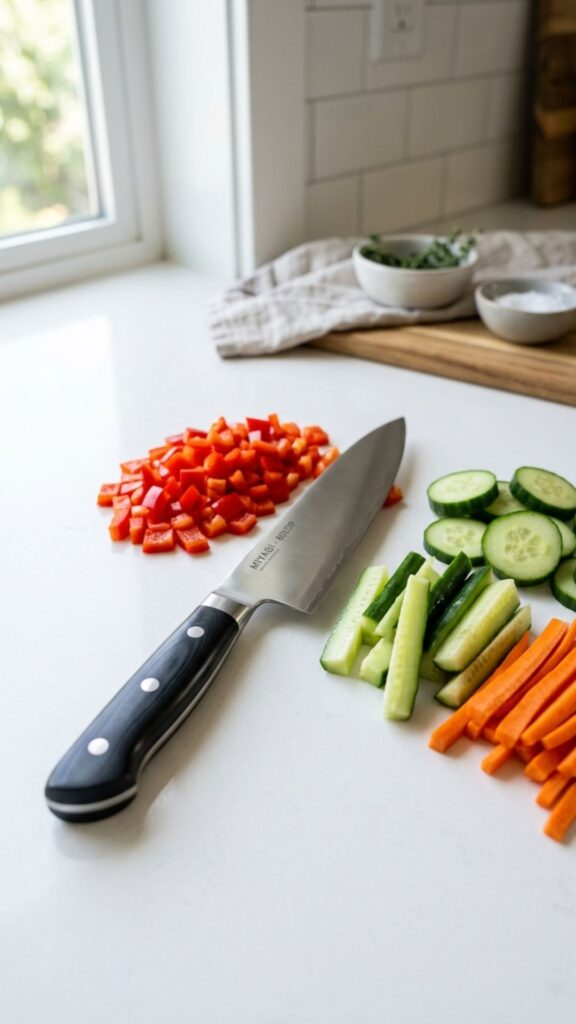
A high-quality chef’s knife is the single most important kitchen element you’ll ever buy. It handles everything from chopping vegetables to slicing meat, making it the workhorse of your entire kitchen setup.
Look for an 8-inch blade with a comfortable grip and a full tang (where the blade runs through the handle). Brands like Victorinox and Wüsthof offer excellent quality at different price points. A sharp knife is also safer than a dull one — it requires less force and gives you more control.
2. Cutting Board
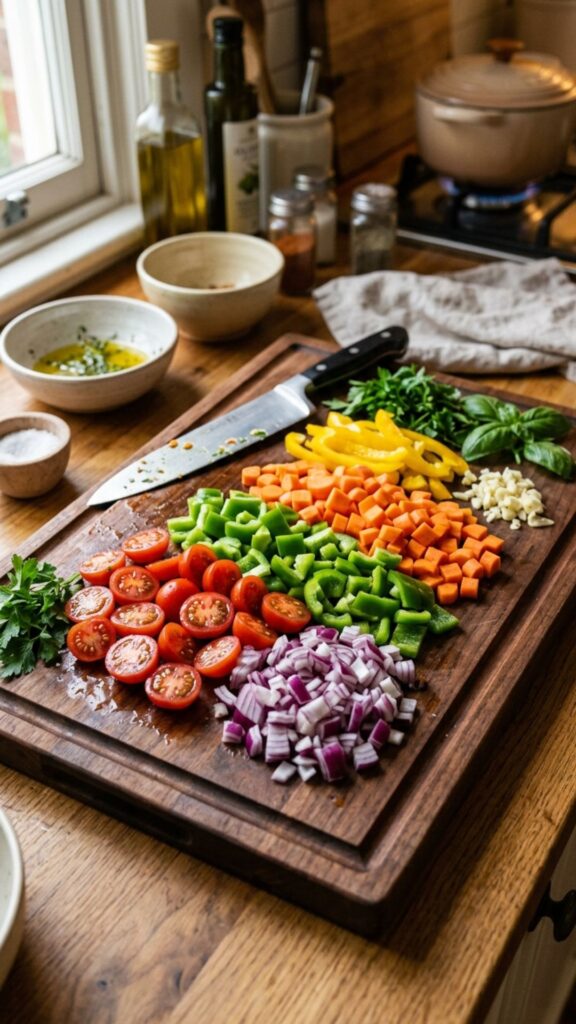
A good cutting board protects your countertops and your knives. Without one, surfaces get scratched, blades get dulled, and food prep becomes unnecessarily messy.
Wooden boards are gentle on knife edges and naturally antimicrobial. Plastic boards are dishwasher-safe and better for raw meat. Ideally, keep one of each — use them for different tasks to avoid cross-contamination and extend the life of both.
3. Cast Iron Skillet
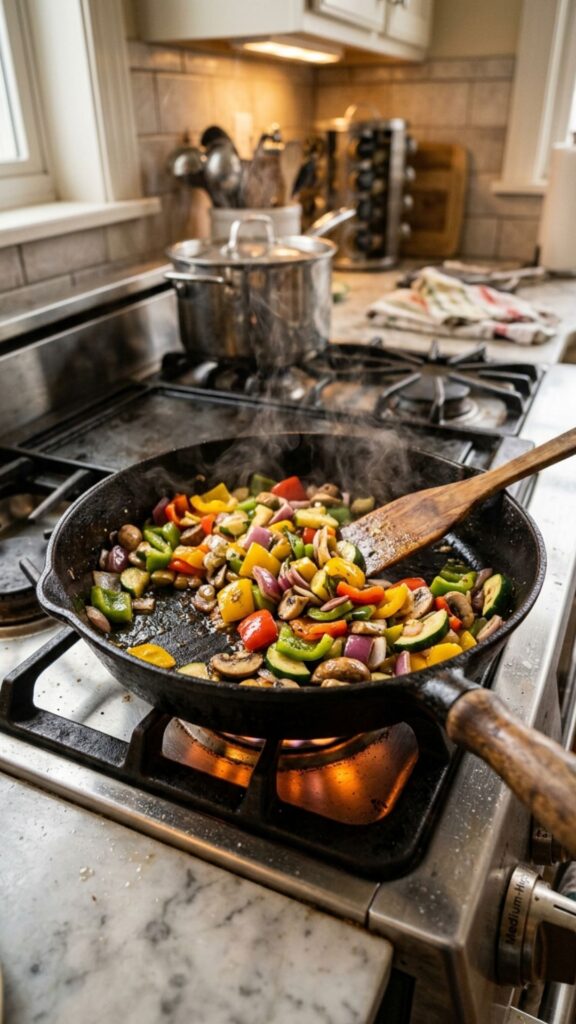
Few kitchen elements are as versatile or as durable as a cast iron skillet. It can go from stovetop to oven, handles extremely high heat, and gets better with age when properly seasoned.
Use it for searing steaks, baking cornbread, frying eggs, or roasting vegetables. A 10- or 12-inch Lodge skillet costs around $30 and will last decades. The only downside is the weight — but that’s a small trade-off for what it delivers.
4. Stainless Steel Saucepan
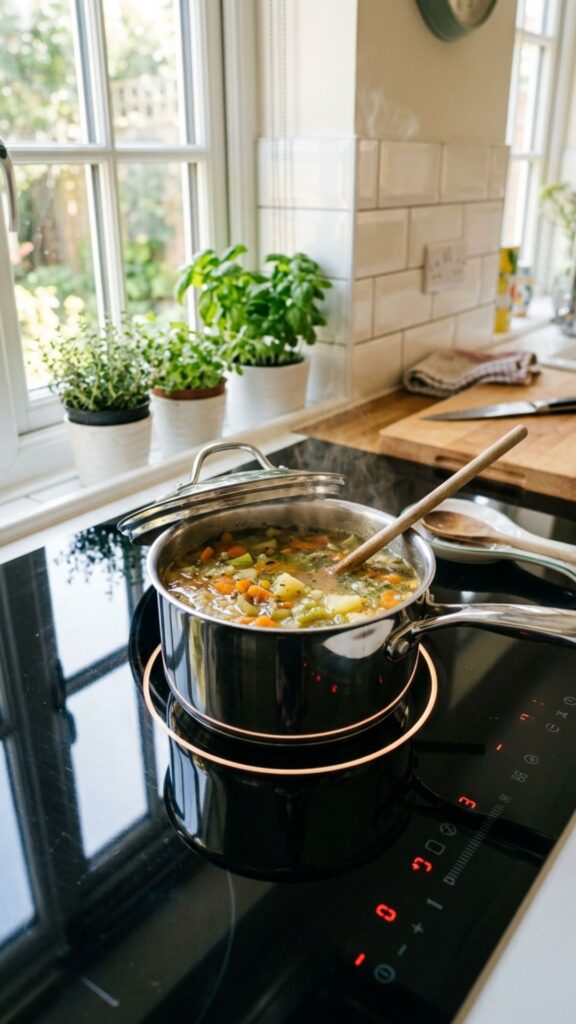
A quality 2- to 3-quart saucepan is something you’ll reach for almost daily. Heating soups, making sauces, boiling pasta, or warming leftovers — it handles all of it reliably.
Stainless steel is preferred because it doesn’t react with acidic foods like tomatoes or citrus. Look for one with a thick, clad bottom to prevent hot spots and uneven cooking. A tight-fitting lid is also a must.
5. Dutch Oven
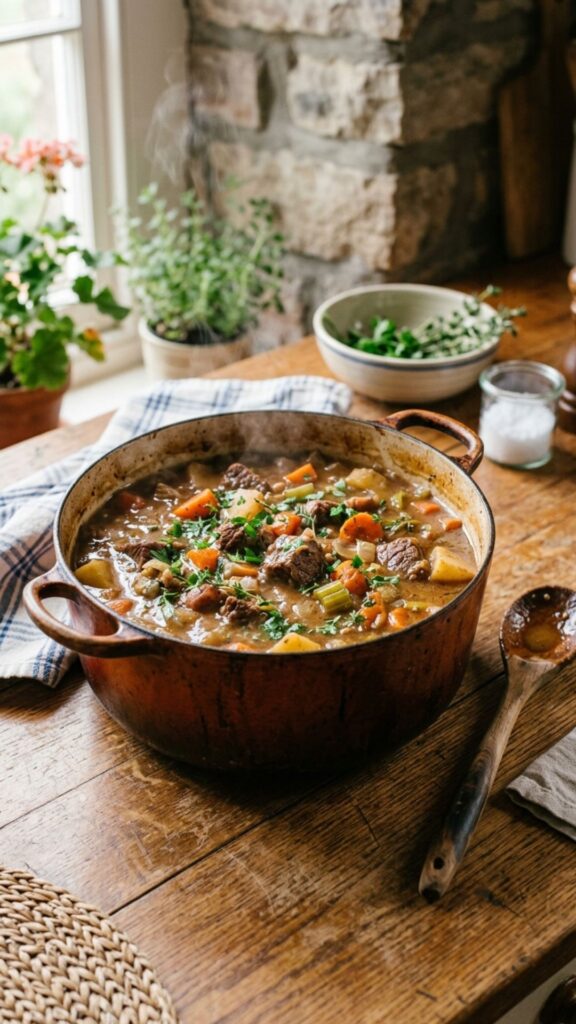
A Dutch oven is one of the most hardworking kitchen elements in any home cook’s arsenal. It functions as a stockpot, a braise, a bread baker, and a slow cooker all in one heavy pot.
Enameled cast iron options from brands like Le Creuset or the more affordable Lodge are excellent choices. A 5- to 7-quart size handles most recipes comfortably. If you make soups, stews, or homemade bread, this becomes an essential rather than a luxury.
6. Sheet Pan
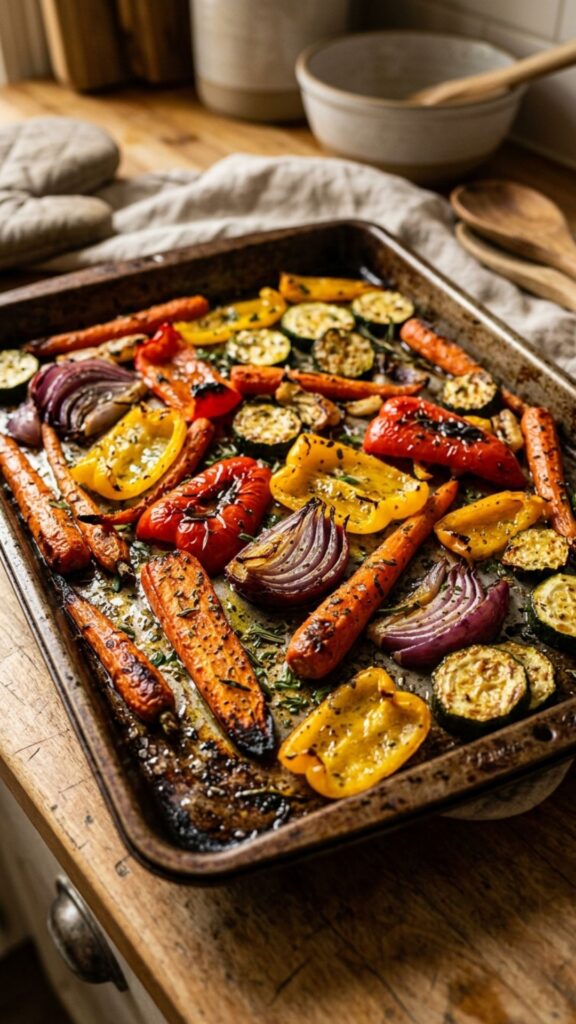
Sheet pans — also called baking sheets or half-sheet pans — are among the most underrated kitchen elements out there. They’re not just for cookies. Roasted vegetables, sheet pan dinners, bacon, and reheated leftovers all benefit from a sturdy pan.
Choose aluminum pans for even heat distribution and avoid the nonstick coating, which can warp at high temperatures. Having two or three on hand is better than one — you’ll use them constantly.
7. Mixing Bowls
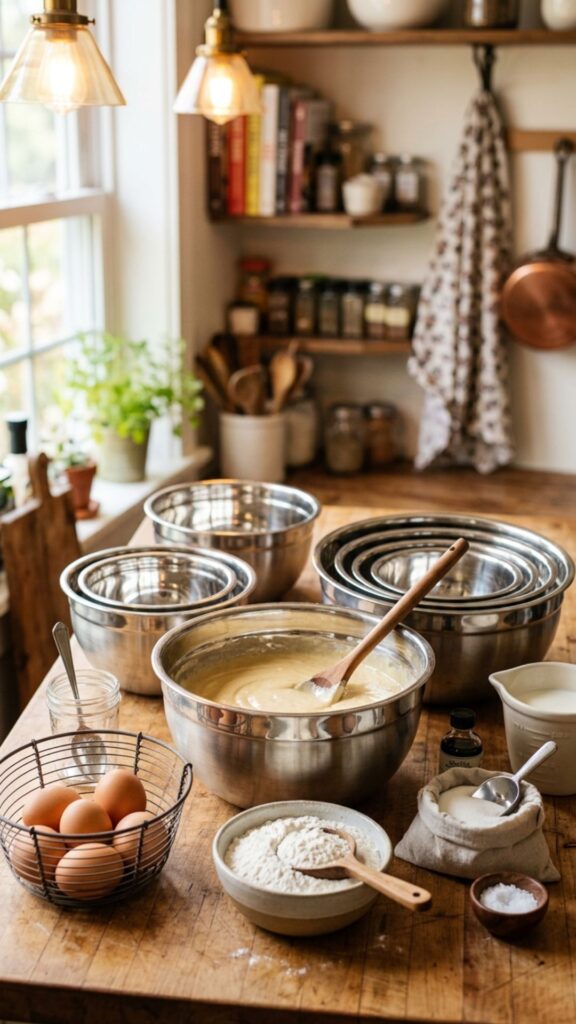
A set of nesting mixing bowls in multiple sizes is an everyday essential. You need them for mixing batters, tossing salads, marinating proteins, and storing prepped ingredients.
Stainless steel bowls are lightweight, durable, and don’t hold odors. Look for a set that includes at least three sizes — small, medium, and large. Bowls with a rubberized base are especially helpful because they stay put while you stir or whisk.
8. Colander
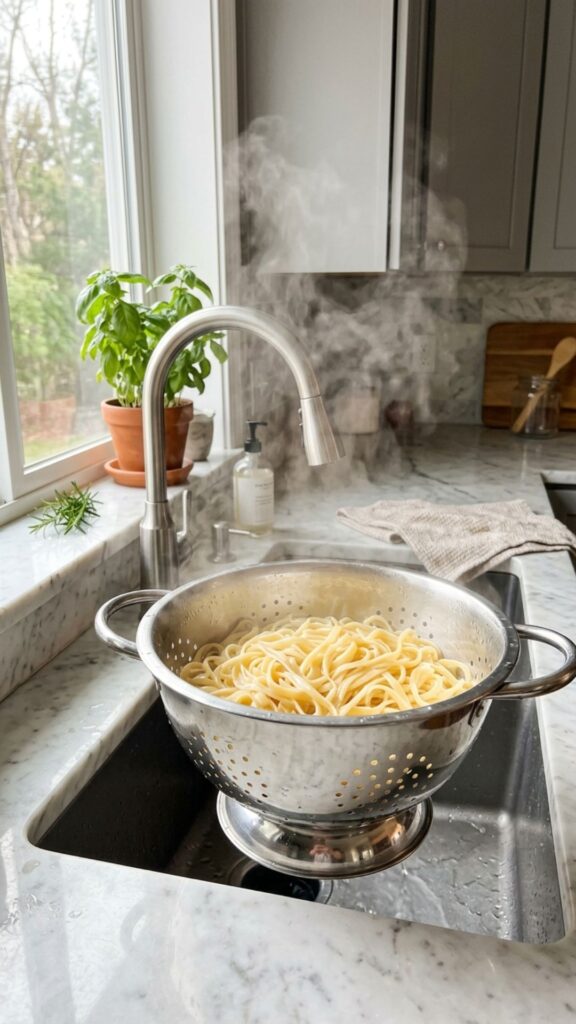
A colander is one of those kitchen elements you don’t think about until you desperately need one. Draining pasta, rinsing fruits and vegetables, and straining broth all require a good colander.
Choose stainless steel over plastic for longevity. Make sure the holes are small enough to catch fine-grain ingredients like quinoa. A colander with sturdy feet and handles makes draining hot liquids much safer and easier.
9. Box Grater
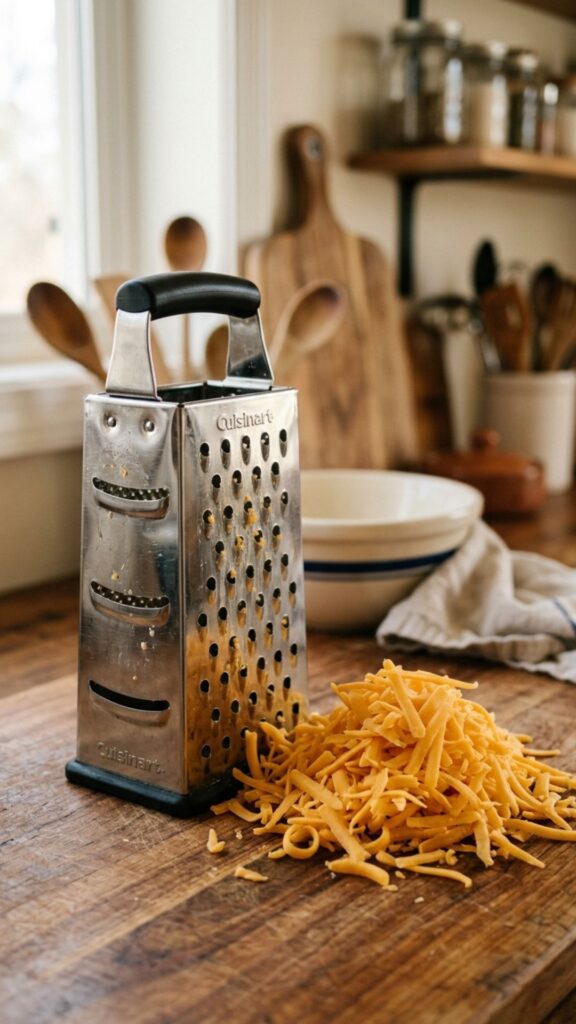
A four-sided box grater gives you multiple textures and uses in one compact tool. Grate cheese, shred vegetables, zest citrus, or prep potatoes for hash browns — all without needing a separate gadget for each task.
The fine side works well for hard cheeses and chocolate; the coarse side handles cheddar, carrots, and zucchini. It’s a simple but essential kitchen element that saves time and reduces the number of tools cluttering your drawers.
10. Instant-Read Thermometer
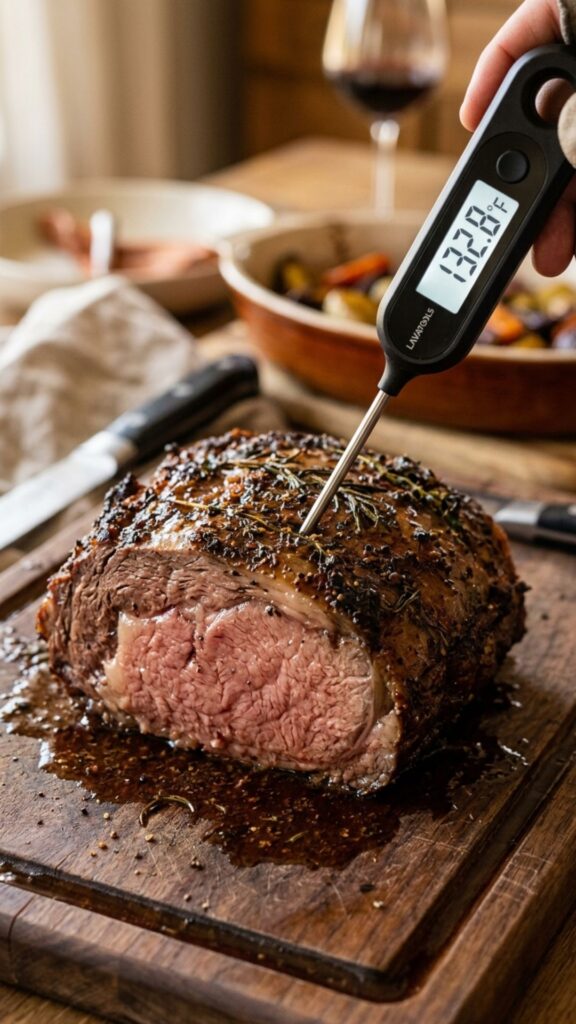
Guessing whether meat is done is one of the most common home cooking mistakes. An instant-read thermometer removes all the guesswork and helps you serve food that’s both safe and perfectly cooked.
Models like the Thermapen or the budget-friendly ThermoPop read temperatures in under three seconds. Use it for chicken, pork, beef, fish, and even baked goods. Once you start using one, you’ll wonder how you ever cooked without it.
11. Wooden Spoons
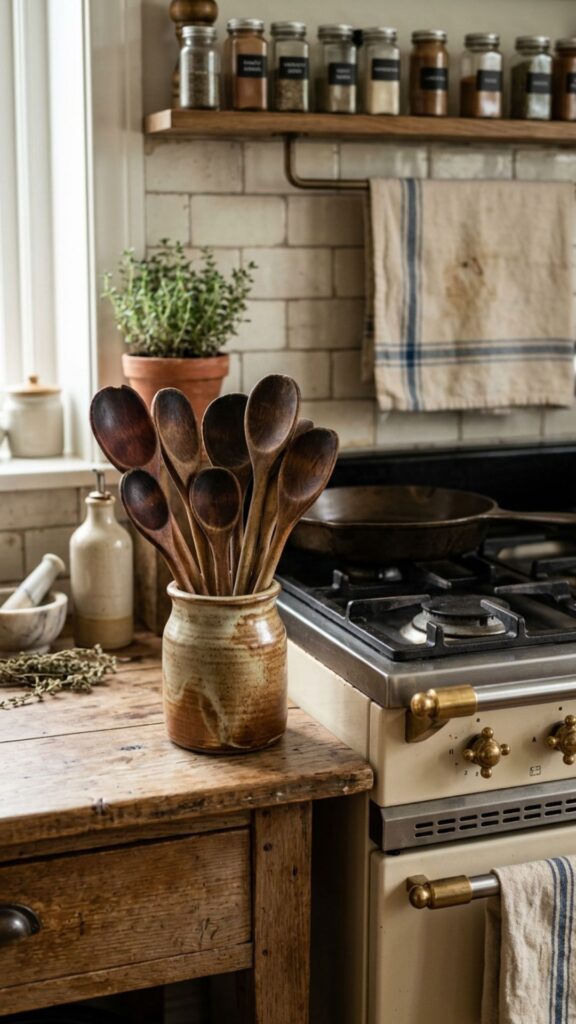
Wooden spoons are classic kitchen elements that have earned their place in modern kitchens. They won’t scratch nonstick surfaces, they don’t conduct heat, and they’re sturdy enough to handle thick batters and heavy stews.
Keep two or three in your utensil holder. Over time, they absorb flavors, so it’s worth designating one for sweet recipes and another for savory ones. Wash them by hand and let them dry fully to prevent cracking.
12. Silicone Spatula
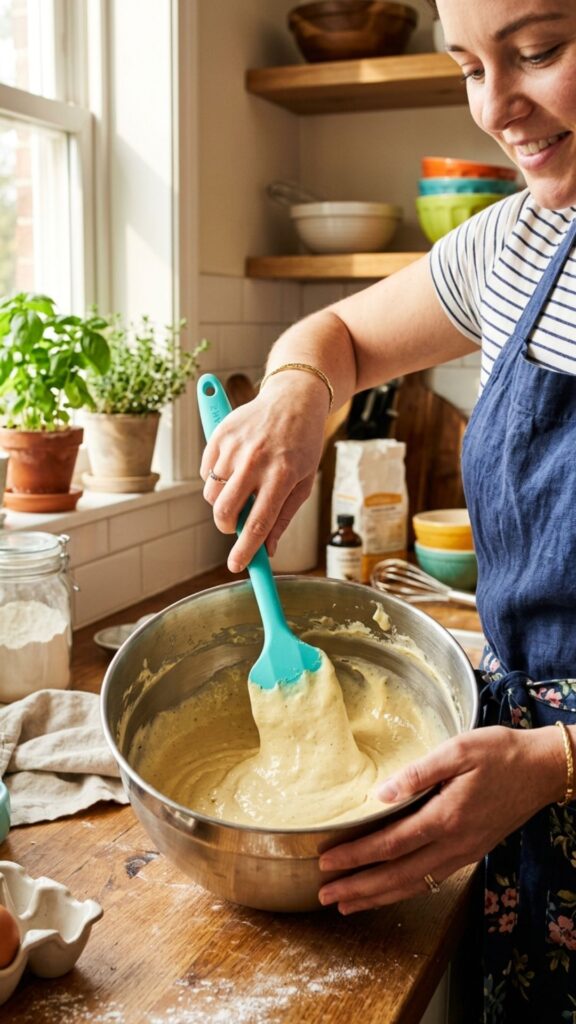
A heat-resistant silicone spatula is one of the most practical kitchen elements you can own. It scrapes every bit of batter from a bowl, folds egg whites without deflating them, and stirs sauces without scratching pans.
Look for one that’s fully seamless (no crevices where bacteria can hide) and rated to at least 400°F. The GIR and OXO brands are consistently well-reviewed. A small and a large spatula together cover virtually every cooking task.
13. Tongs
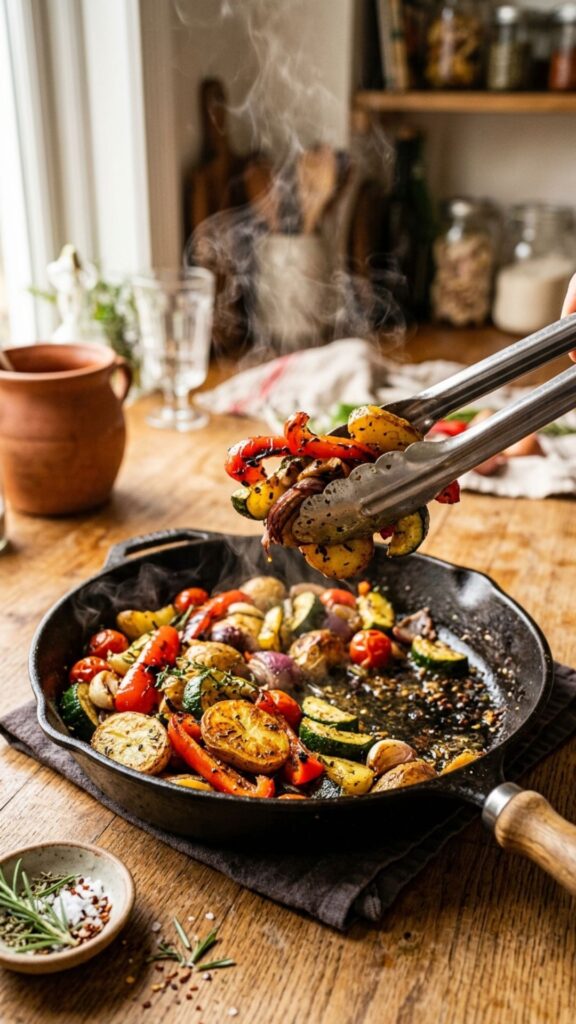
Good tongs act as an extension of your hands. They flip steaks, toss pasta, serve salads, and pull items from the oven without you burning yourself or losing control of food.
Look for 12-inch stainless steel tongs with silicone tips for use in nonstick pans. A locking mechanism makes storage much easier. Like many essential kitchen elements, tongs are inexpensive but used almost every single day.
14. Peeler
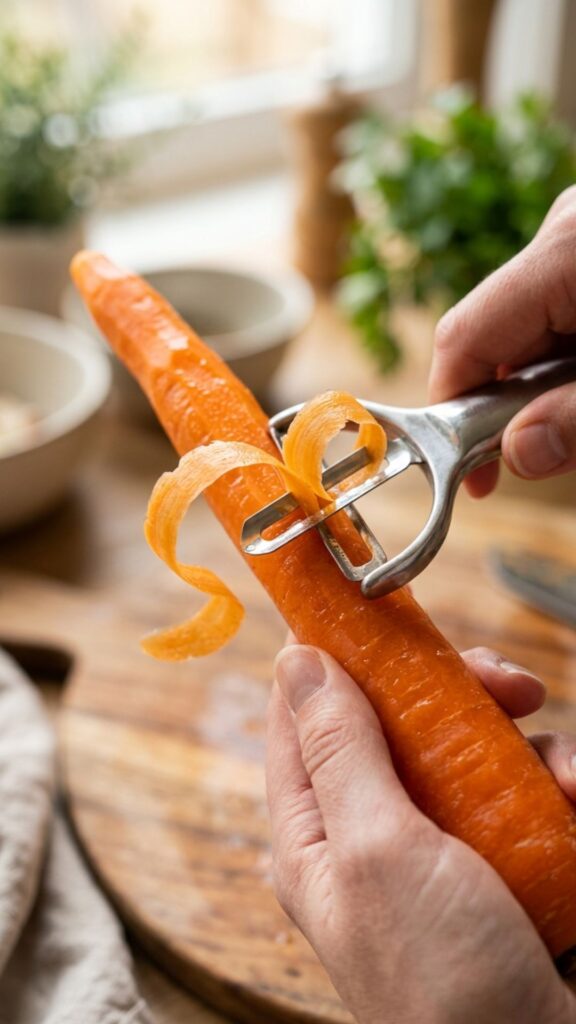
A sharp vegetable peeler removes skin from potatoes, carrots, cucumbers, and apples in seconds. It’s a small, simple tool — but a dull or poorly designed one makes prep work genuinely annoying.
Y-shaped peelers tend to be faster and more comfortable than straight swivel peelers, especially for large vegetables. Replace your peeler every couple of years, since the blade dulls with regular use and slows you down more than you realize.
15. Measuring Cups and Spoons
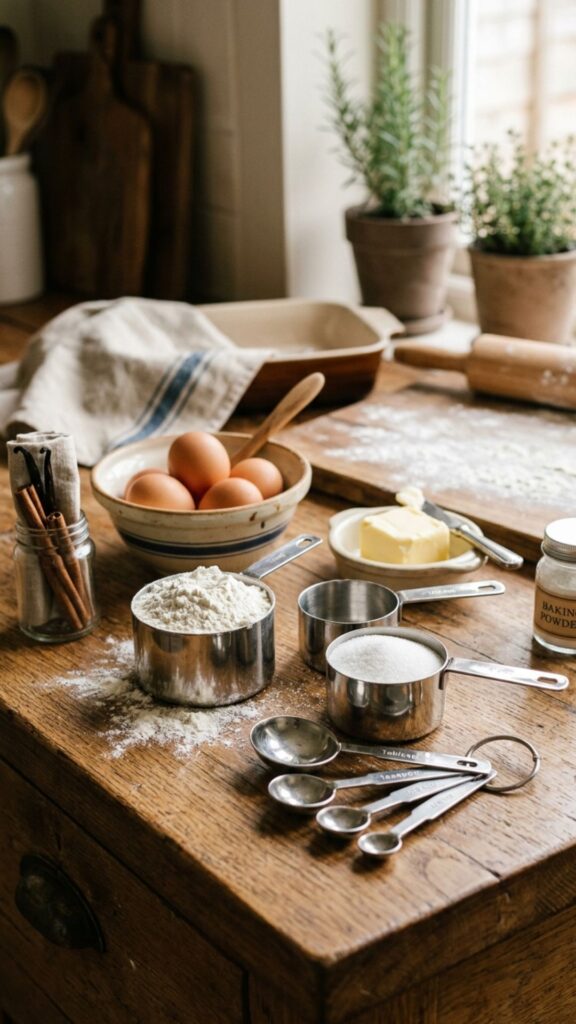
Accurate measurements are the foundation of consistent cooking and baking. Even experienced cooks benefit from having a reliable set of both dry and liquid measuring tools.
Stainless steel dry measuring cups won’t warp or stain. For liquids, a glass Pyrex measuring cup with a pour spout is ideal. Keep a full set of spoons — 1/4 teaspoon through 1 tablespoon — so you’re never eyeballing ingredients in recipes that require precision.
16. Stand Mixer or Hand Mixer
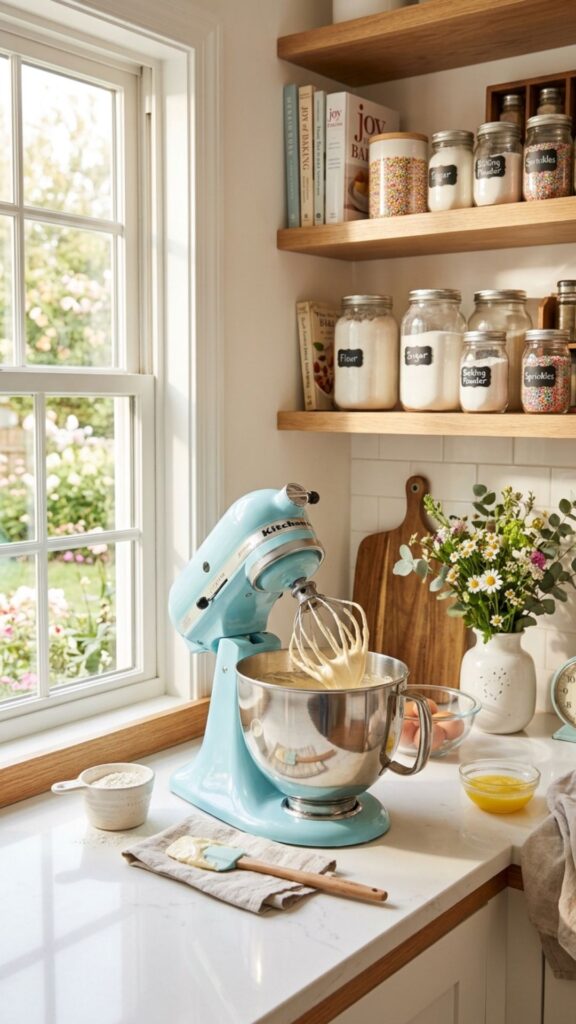
For anyone who bakes regularly, a mixer is a non-negotiable kitchen element. Whipping cream, kneading dough, mixing cake batter, and making meringue all become much easier with the right machine.
A KitchenAid stand mixer is the gold standard, but a quality hand mixer does the job at a fraction of the cost. If you bake once a week or more, the investment pays for itself in time saved and consistent results.
17. Food Processor
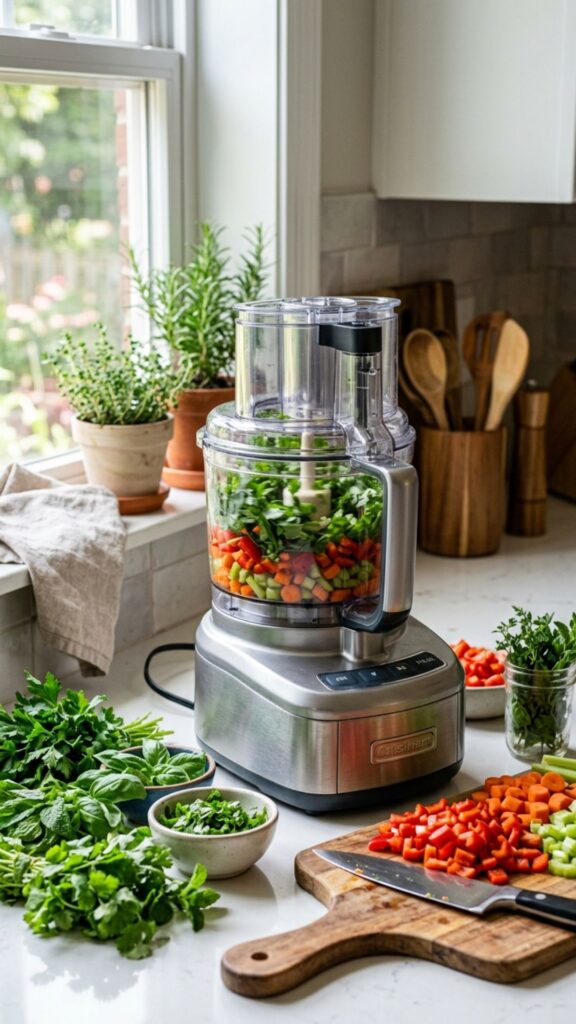
A food processor speeds up nearly every prep task. Chopping onions, making pesto, shredding cabbage, blending hummus, or creating a pie crust — all of these take minutes instead of time-consuming hand work.
A 7- to 11-cup model handles most home cooking tasks comfortably. Cuisinart is a reliable brand at a mid-range price. The key is choosing one with sharp, durable blades and a bowl that’s easy to clean.
18. Blender
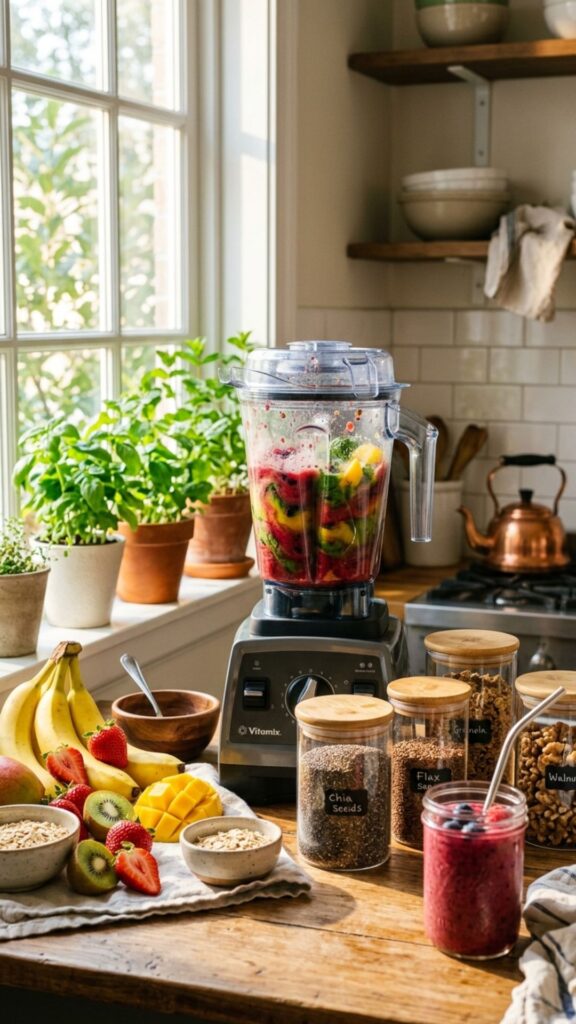
From smoothies to soups to sauces, a blender is one of the most used kitchen elements in the modern home. It handles both cold and hot liquids, making it far more versatile than many people give it credit for.
A high-powered blender like the Vitamix produces incredibly smooth results, but quality mid-range options like the Ninja are strong performers for everyday use. For hot soups, always leave the lid slightly vented to prevent pressure buildup.
19. Kitchen Scale
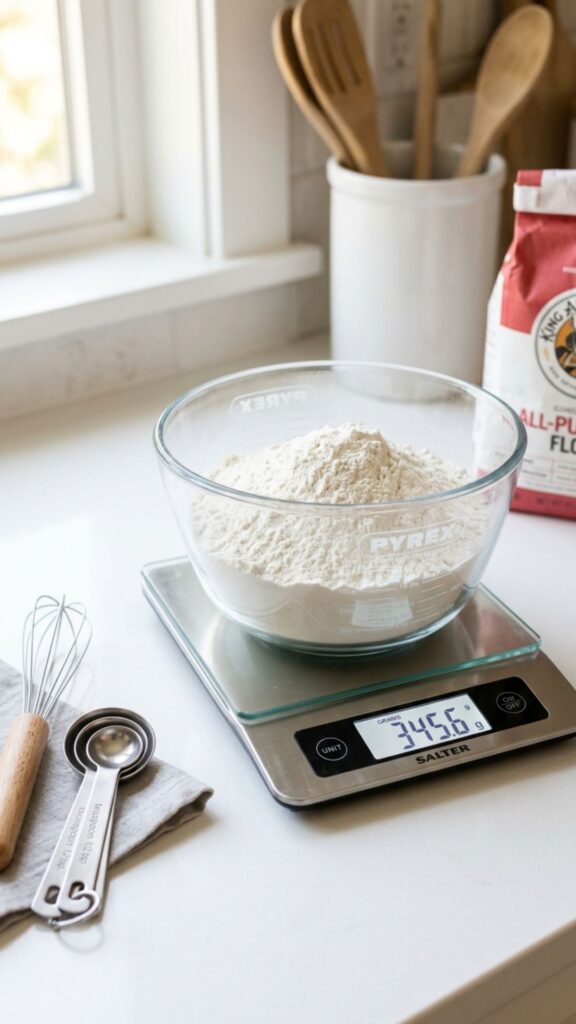
Measuring by weight is far more accurate than measuring by volume — especially in baking. A digital kitchen scale removes inconsistencies and makes it easy to follow international recipes that use grams and kilograms.
Look for a scale with a tare function (which resets to zero after placing a bowl on it) and a capacity of at least 11 pounds. This kitchen element pays dividends in better, more consistent results, and it’s one of the simplest upgrades you can make.
20. Can Opener
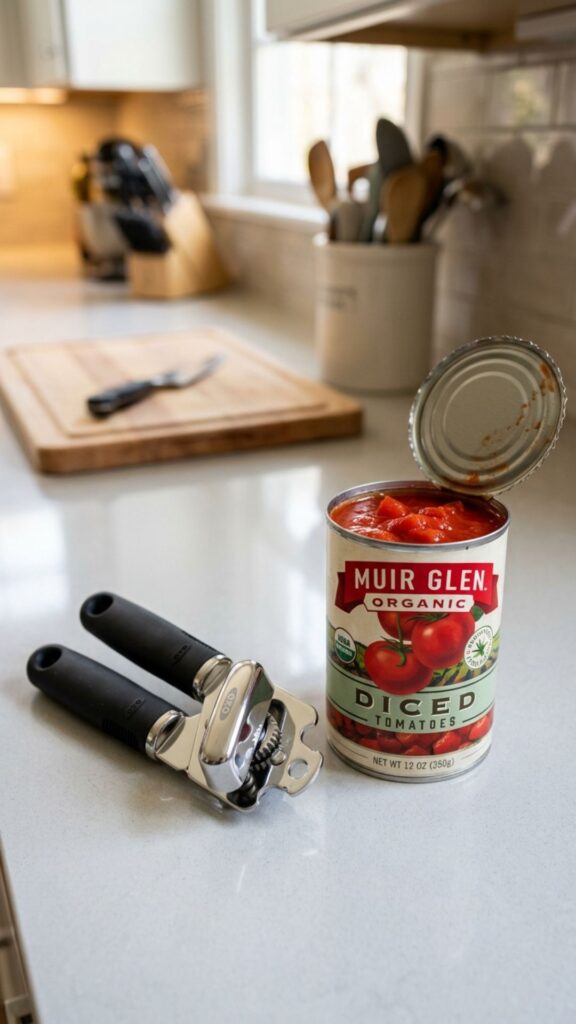
It sounds basic, but a reliable can opener is something many kitchens lack. A poor-quality opener leaves jagged edges, slips mid-turn, and makes a simple task feel like a chore.
The OXO Good Grips can opener is consistently rated as one of the best. It cuts smoothly, leaves safe edges, and is comfortable for people with limited hand strength. Keep it clean, and it will last for years.
Conclusion
Building a well-equipped kitchen doesn’t happen overnight, but knowing which kitchen elements matter most makes it much easier to prioritize. Start with the basics — a great knife, a solid pan, and reliable measuring tools — then add items as your cooking grows.
Each piece of equipment on this list earns its place through everyday usefulness. None of them are gimmicks. When your kitchen has what it needs, cooking shifts from a chore to something you actually look forward to.
Ready to upgrade your kitchen? Start with one or two items from this list and notice the difference they make. Share this guide with a friend who’s setting up their own kitchen — it might save them a lot of trial and error.
What are the most essential kitchen elements for a beginner cook?
Start with a chef’s knife, cutting board, one good skillet, a saucepan, and a set of measuring cups and spoons. These five items will handle the vast majority of everyday recipes without overwhelming you with tools you don’t yet need.
How much should I spend on kitchen equipment?
You don’t need to spend a fortune. A functional, well-equipped kitchen can be built for $300–$500 over time. Prioritize quality on items you use daily (like knives and pans) and choose budget-friendly options for simpler tools like wooden spoons and peelers.
What kitchen elements are worth splurging on?
A chef’s knife, a cast iron skillet, and a stand mixer (if you bake frequently) are the items most worth investing in. These tools last years or even decades, and their quality noticeably affects your results every time you use them.
Can I replace multiple kitchen tools with one multipurpose appliance?
A food processor can replace several manual tools — it chops, shreds, slices, and blends. Similarly, a Dutch oven replaces the need for a separate stockpot, braiser, and bread pan. Focus on tools that serve multiple functions to save space and money.
How do I maintain my kitchen equipment so it lasts longer?
Keep knives sharp and hand-wash them rather than putting them in the dishwasher. Season cast iron regularly and dry it immediately after washing. Store wooden spoons away from moisture. Most kitchen elements last significantly longer with basic, consistent care.