A double wide has a lot going for it, but the front often looks a little bare. That long, flat facade can feel like it’s missing something. The good news? A porch fixes that fast.
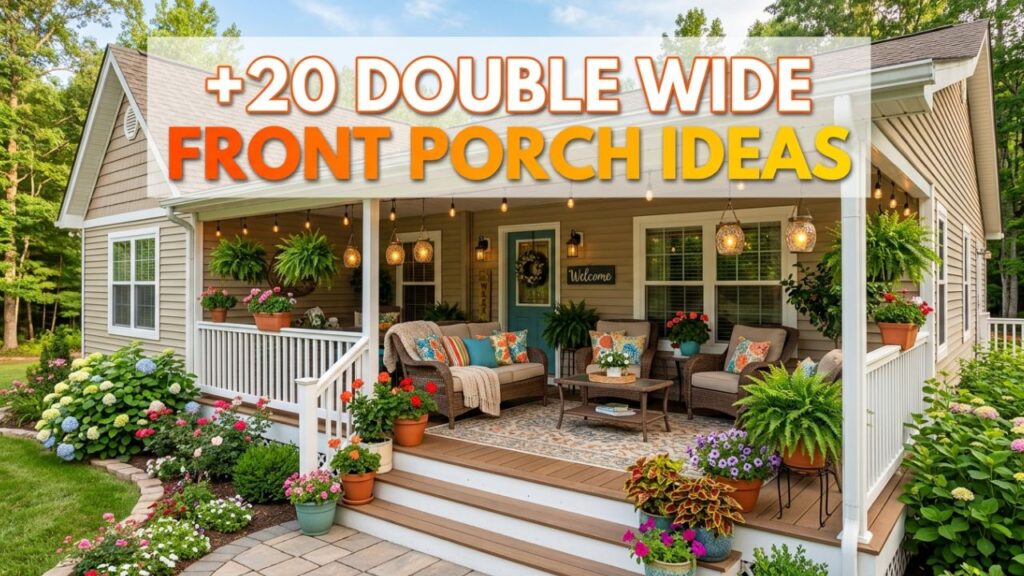
I’ve helped homeowners plan and build porches on manufactured homes for years, and the same truth holds every time: the right porch changes how the whole home reads from the street. It adds shade, gives you a spot to sit, and softens those straight lines.
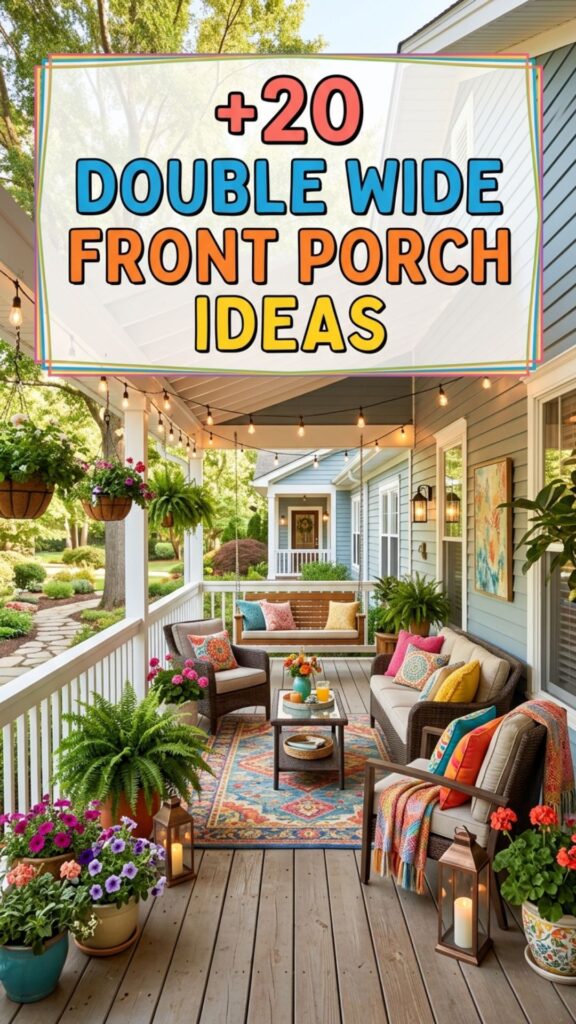
Below you’ll find 20 front porch ideas for double wide homes, from weekend projects to bigger builds. Each one comes with practical tips and real examples so you can pick what fits your budget, your climate, and your style.
1. Add a Full-Length Covered Porch
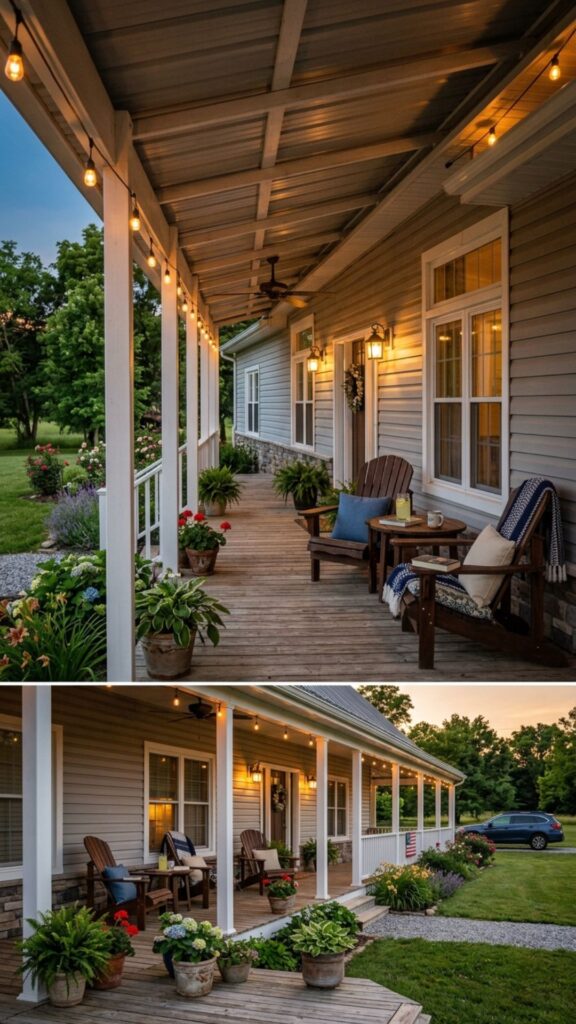
A porch that runs the entire front of your double wide is the single biggest upgrade you can make. It balances the long, low shape of the home and creates one continuous shaded space. Suddenly that flat wall has depth and shadow, which is exactly what curb appeal needs.
Plan for a roof that ties into your existing roofline so it looks built-in, not tacked on. Most homeowners choose a 6 to 8 foot depth, enough for chairs and a small table without eating your yard. If you’re on a tight budget, frame it now and finish the flooring and railings later.
2. Build a Cozy Covered Entry Portico
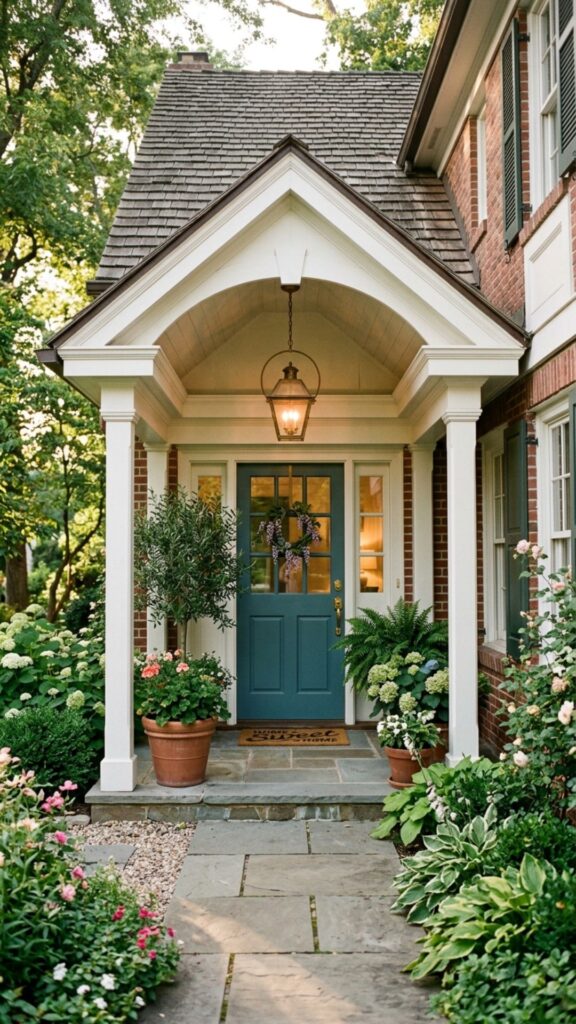
If a full porch feels like too much, a portico over just the front door delivers a big visual punch for less money. It frames the entry, keeps rain off your welcome mat, and gives visitors a clear focal point. This works especially well when your door sits off-center.
Keep the roof pitch consistent with the home for a clean match. A gabled portico with two simple posts reads classic and warm. Add a hanging light and a couple of potted plants, and the whole front feels intentional.
3. Wrap the Corner for Extra Space
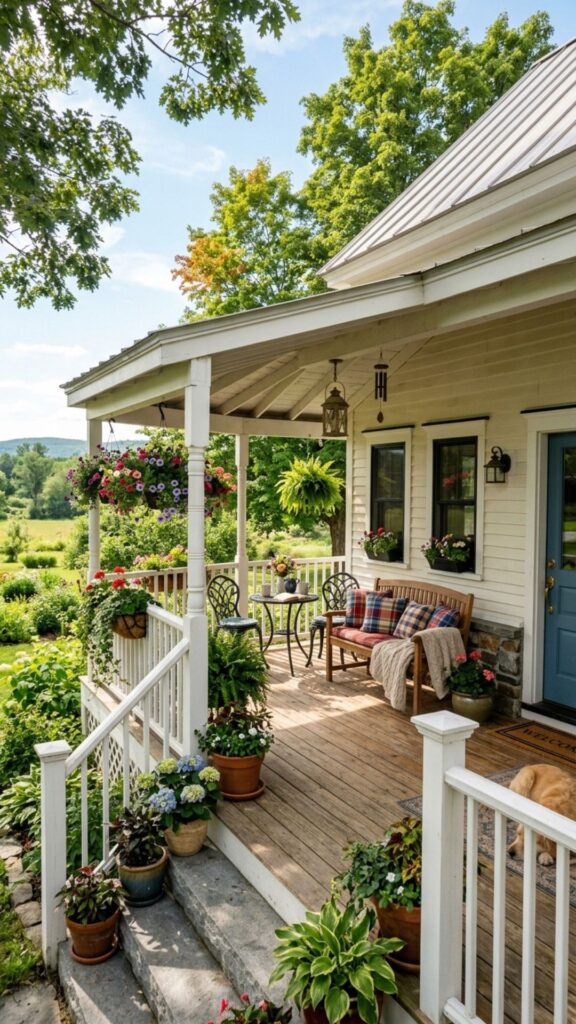
A wraparound porch turns dead corner space into a usable spot and gives your double wide a farmhouse feel. Even a short return of three or four feet around one side changes the look dramatically. It signals “this is a home,” not just a housing unit.
Corners are perfect for a bench or a small bistro set where you catch morning sun. If your lot slopes, use the wrap to hide the transition and create a graceful step-down. Just check your setback rules with the county first.
4. Install Classic White Railings
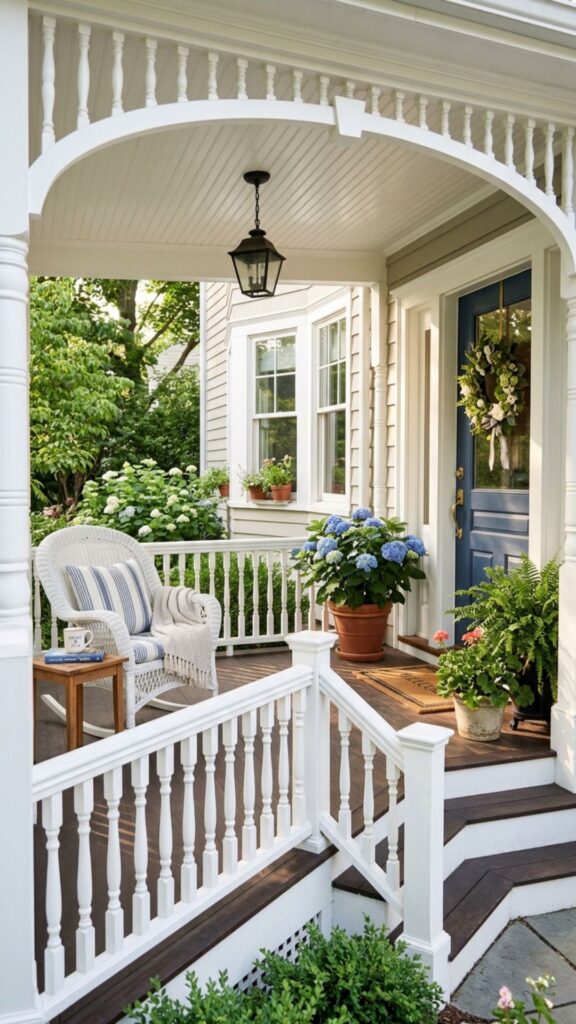
Railings do double duty: they add safety and instantly dress up your front porch ideas for a double wide. Crisp white balusters against a neutral home color create that timeless, welcoming look buyers love. They also make even a modest porch feel finished.
Vinyl railings resist rot and never need painting, which matters in wet climates. If you want warmth, cap wood posts with a decorative finial. Space balusters no more than four inches apart to meet most safety codes and keep pets and kids secure.
5. Create a Farmhouse Look with Board-and-Batten
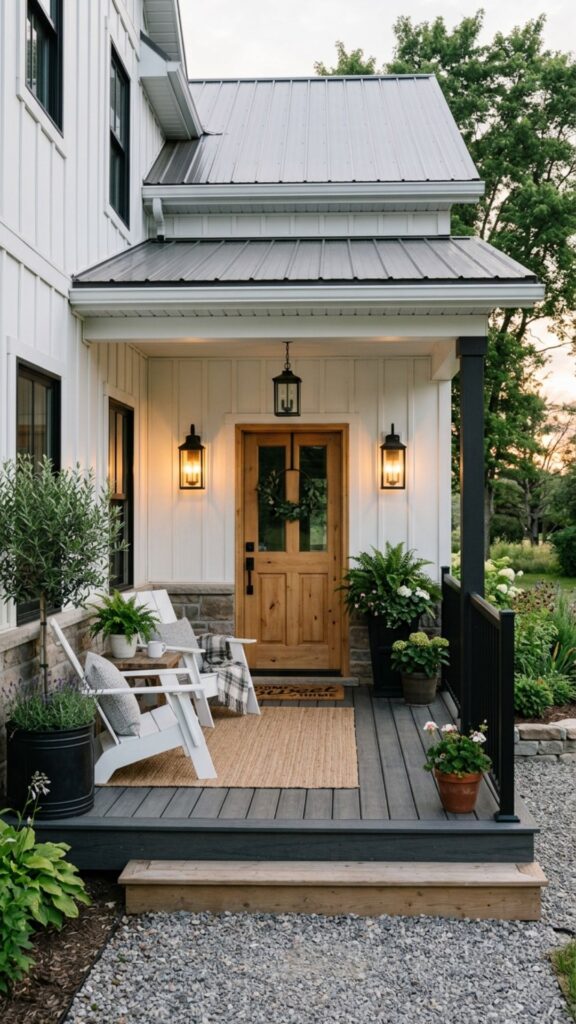
Board-and-batten skirting and porch walls give your double wide that popular modern farmhouse charm. The vertical lines draw the eye up and hide the underside of the home in a stylish way. It’s one of the highest-impact upgrades for the money.
Paint it a soft white or greige, then add black hardware and lanterns for contrast. Pair it with a natural wood door for a cozy touch. This look photographs beautifully, which helps a lot if you ever sell.
6. Go Rustic with a Log or Timber Frame
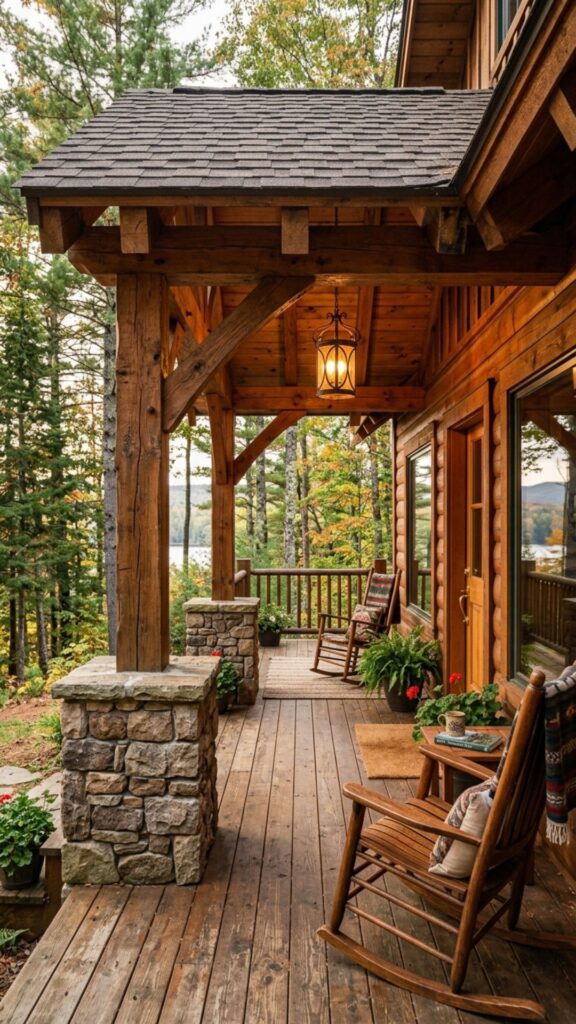
Heavy timber posts and beams bring instant character and a cabin feel. This style suits rural lots and wooded settings where you want the home to blend into nature. The thick posts also make a smaller porch feel substantial and grounded.
Use rough-sawn cedar or pressure-treated timber sealed with a warm stain. Skip fussy details and let the wood do the talking. A stacked-stone base at each post ties the rustic look together.
7. Add a Screened-In Porch for Bug-Free Evenings
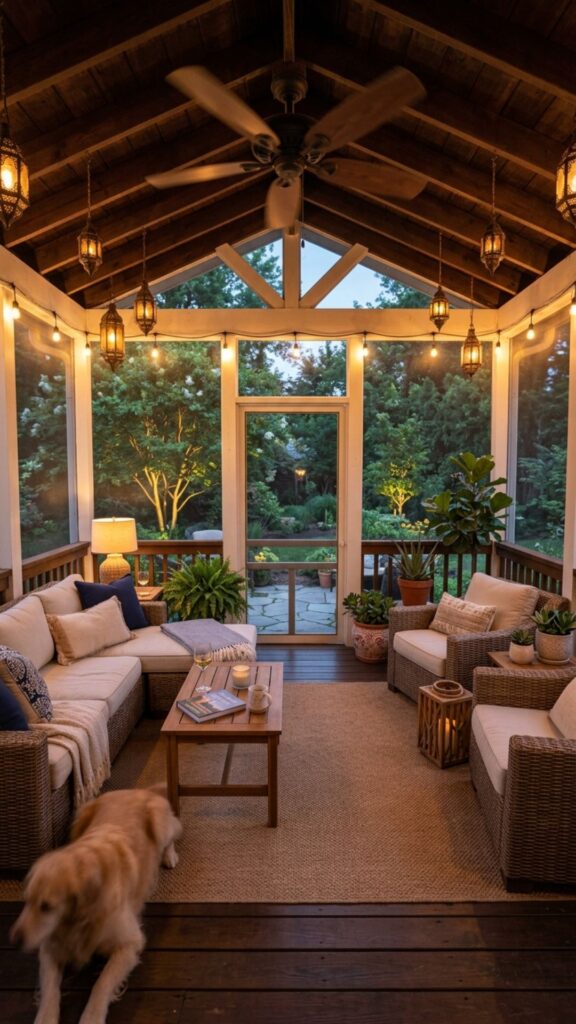
If you live where mosquitoes rule the summer, a screened porch is a game-changer you’ll use daily. It extends your living space and lets you enjoy warm nights without the swatting. For families, it becomes a favorite hangout spot.
Frame the screen panels in the same trim color as your home for a cohesive look. Add a ceiling fan to keep air moving and bugs away. Removable screen panels let you open things up in the shoulder seasons.
8. Use Composite Decking for Low Maintenance
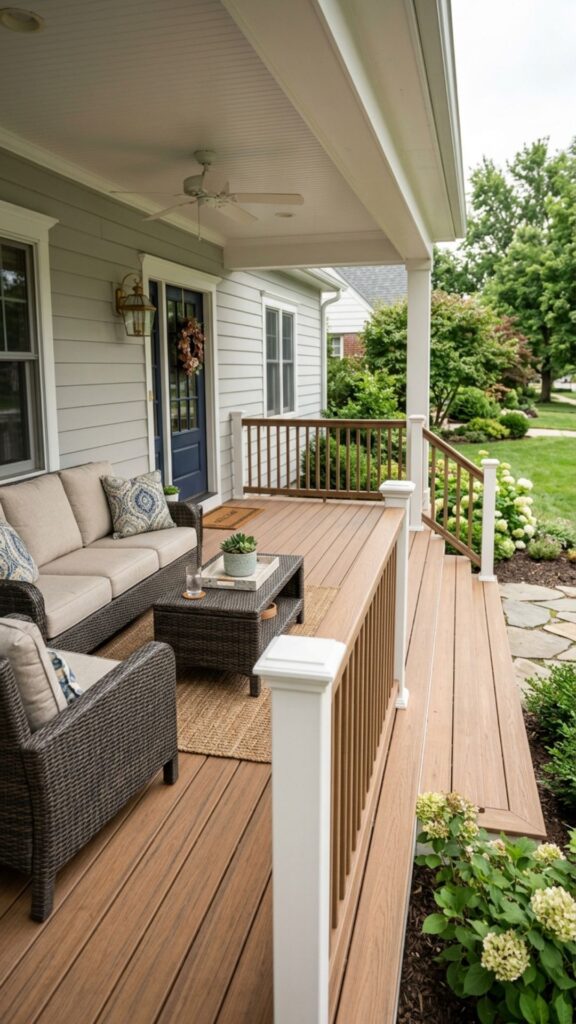
Composite flooring looks like wood but skips the splinters, sealing, and yearly upkeep. It stands up to sun, rain, and foot traffic, which makes it ideal for a porch you actually live on. Over time, the money you save on maintenance often covers the higher upfront cost.
Choose a mid-tone gray or brown that hides dirt and stays cooler underfoot. Pair it with matching composite railings for a clean, unified surface. Many brands carry solid warranties, a real plus for peace of mind.
9. Brighten Things Up with Layered Lighting
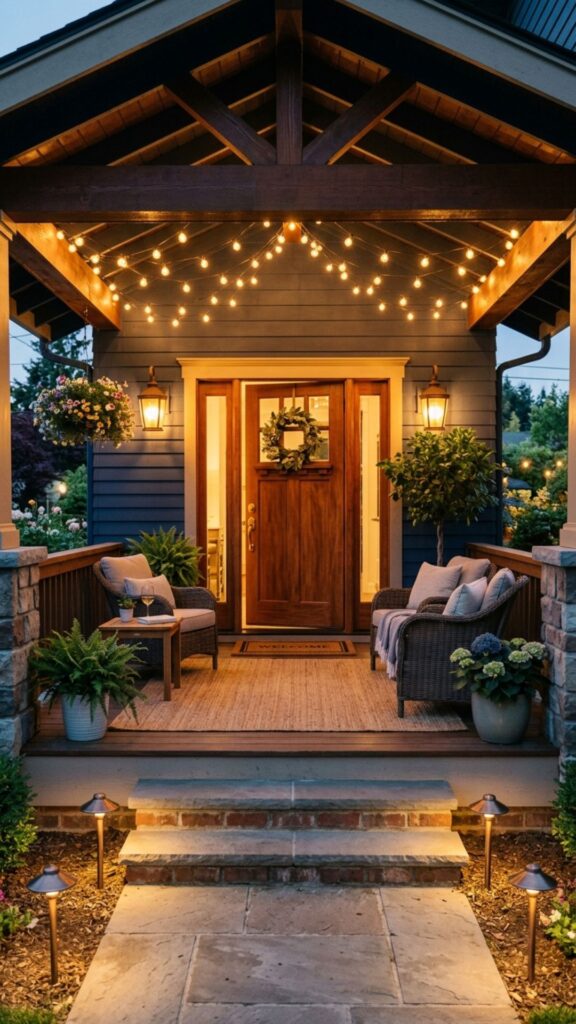
Good lighting makes your porch usable after dark and adds serious nighttime curb appeal. Layer three types: a fixture at the door, path lights along the steps, and something soft overhead. This combo is both practical and inviting.
String lights across the porch ceiling give a warm, relaxed glow for evenings outside. Solar path lights need no wiring and install in minutes. For a polished touch, add matching sconces on each side of the front door.
10. Frame the Entry with Decorative Columns
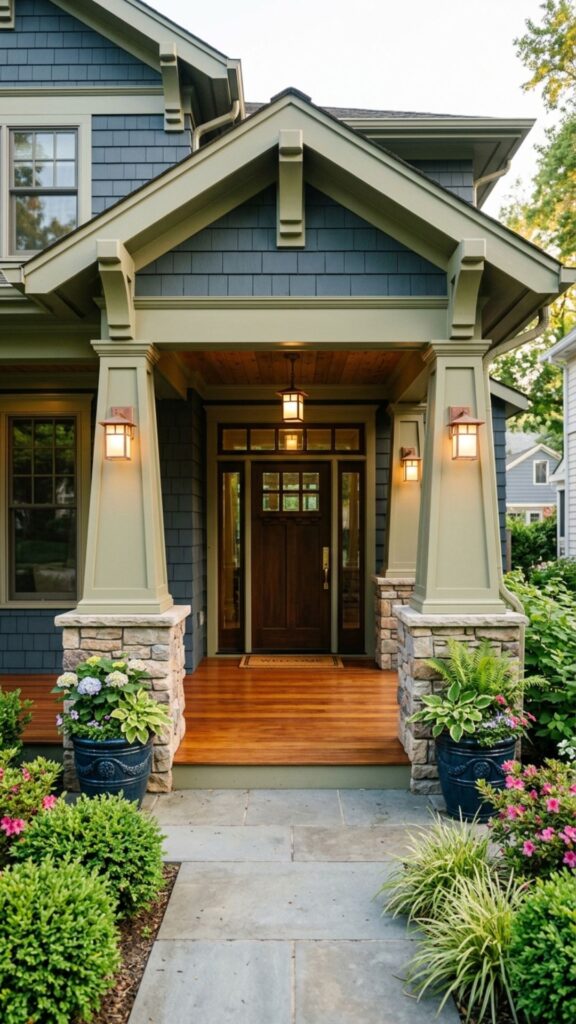
Swapping thin metal posts for wider, tapered columns instantly upgrades a manufactured home. Columns add weight and proportion that plain supports just can’t match. They’re one of the quickest ways to make a porch look custom.
Fiberglass or PVC column wraps slide right over existing posts, so you avoid structural work. Choose a square Craftsman style or a rounded traditional look based on your home. Paint them to match your trim for a seamless, high-end finish.
11. Lay Down a Stylish Outdoor Rug
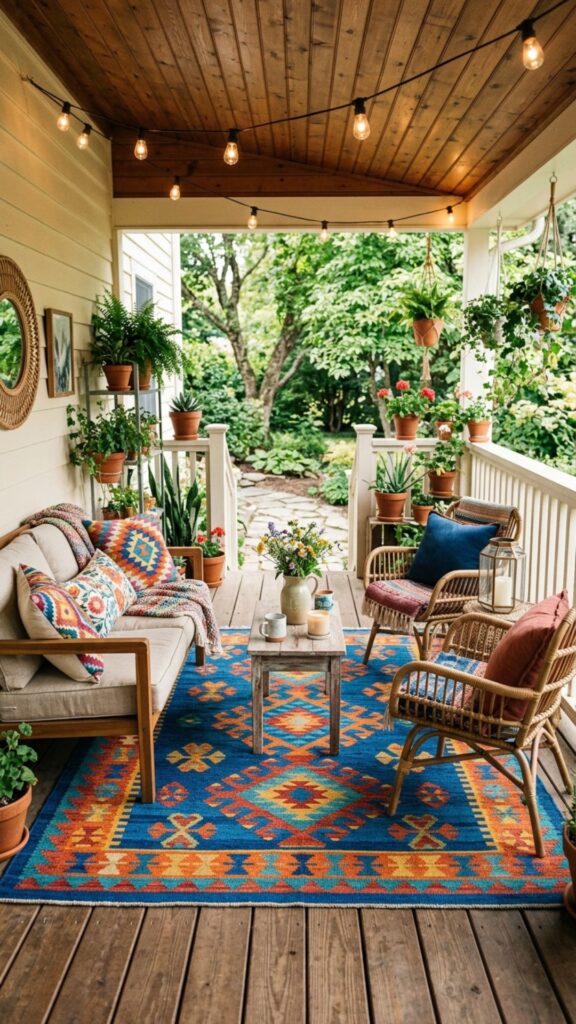
An outdoor rug is the fastest, cheapest way to make a porch feel like a room. It defines a seating area, adds color, and softens hard flooring underfoot. You can completely change the vibe in five minutes.
Pick a rug rated for outdoor use so it handles moisture and fading. A bold pattern draws the eye and hides scuffs. Anchor it under your seating so chairs sit fully on top and stay put in the wind.
12. Add a Porch Swing or Hanging Bench
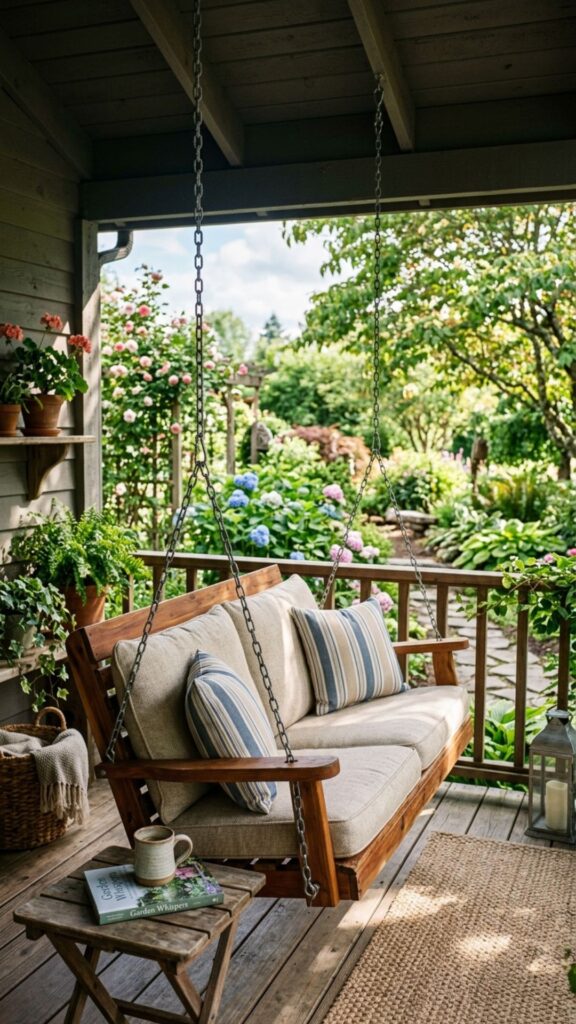
Few things say “welcome” like a porch swing gently moving in the breeze. It’s a nostalgic, cozy feature that invites people to sit and stay. It also gives an empty porch a clear purpose.
Hang it from ceiling joists rated for the weight, or add a freestanding frame if your roof structure is light. Toss on a few weather-resistant cushions for comfort. Position it where you get a nice view and some afternoon shade.
13. Build in Planters and Greenery
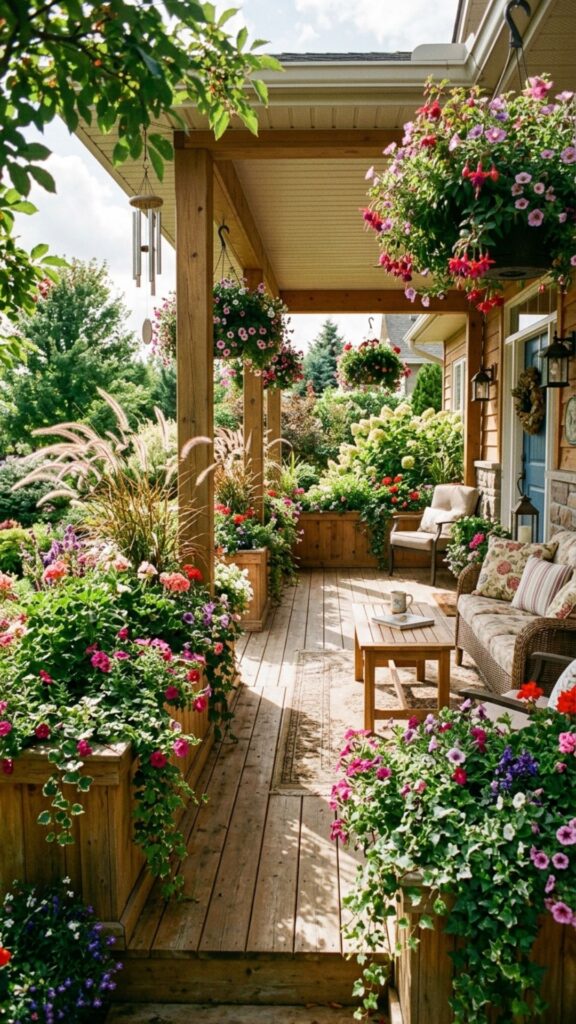
Plants soften the hard edges of a double wide and connect the home to your yard. Built-in planter boxes along the porch edge blur the line between deck and landscape. Greenery adds life that no paint color can match.
Fill planters with a mix of tall grasses, trailing flowers, and evergreens for year-round interest. Hanging baskets add color at eye level without using floor space. If you travel often, choose drought-tolerant plants that forgive a missed watering.
14. Choose a Bold Front Door Color
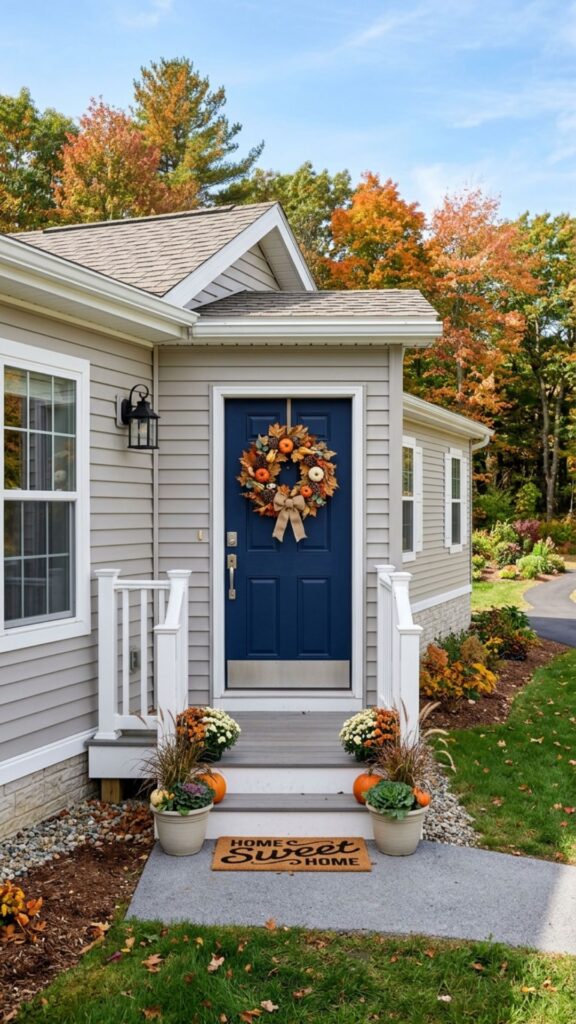
Your front door is the natural focal point, so give it some personality. A bold color, think navy, deep red, or forest green, pops against a neutral home and pulls the whole look together. It’s a low-cost change with high impact.
Prep matters here: clean, sand, and prime for a finish that lasts. Pair the new color with updated hardware and a fresh kick plate. A seasonal wreath adds the final welcoming touch.
15. Install Skirting That Matches Your Porch
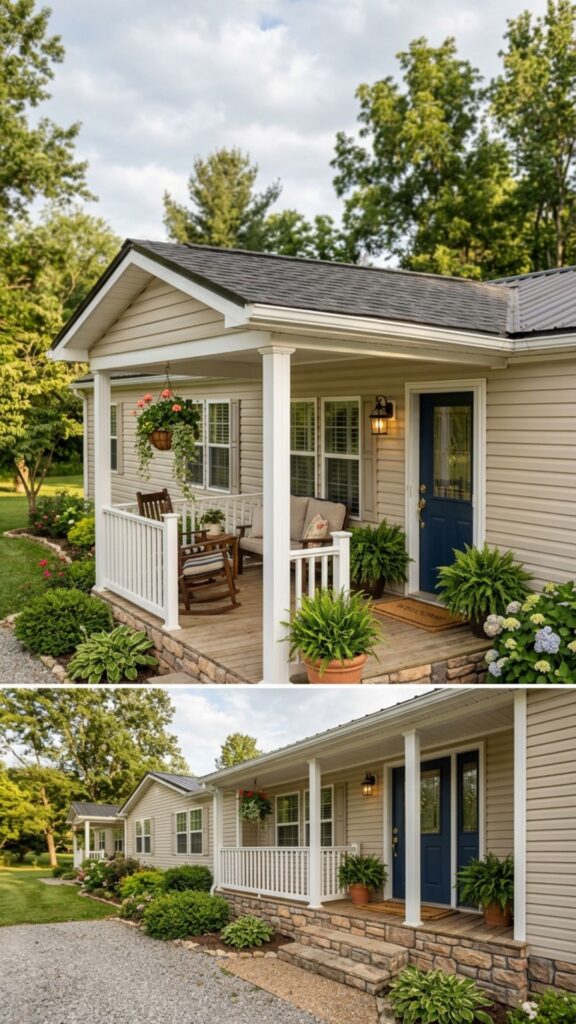
Nothing undercuts a nice porch like builder-grade vinyl skirting peeking out below. Upgrading to brick, stone, or board-and-batten skirting hides the gap under the home and grounds the whole structure. It’s the detail most people forget.
Faux stone panels install fairly easily and cost far less than real masonry. Match or complement your porch base so the two read as one design. Leave a couple of vented access panels for airflow and easy repairs.
16. Add a Ceiling Fan for Comfort
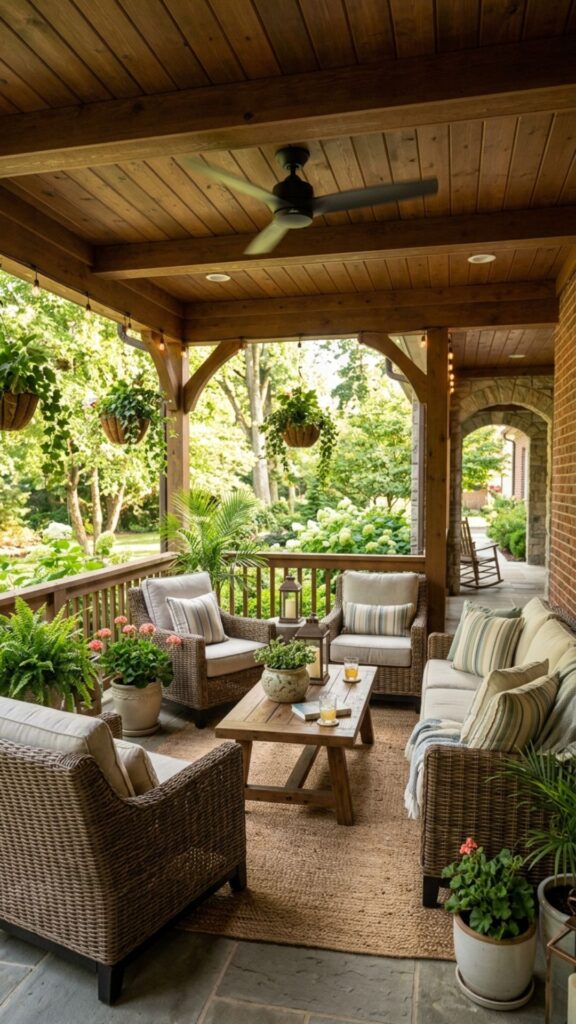
An outdoor-rated ceiling fan turns a hot porch into a place you’ll actually use. Moving air makes summer evenings comfortable and helps keep flying insects away. It’s a small addition that pays off in daily comfort.
Choose a damp- or wet-rated fan depending on how exposed your porch is. A model with a light kit handles two jobs at once. Mount it centered over your seating area for the best breeze.
17. Create a Two-Tone Paint Scheme
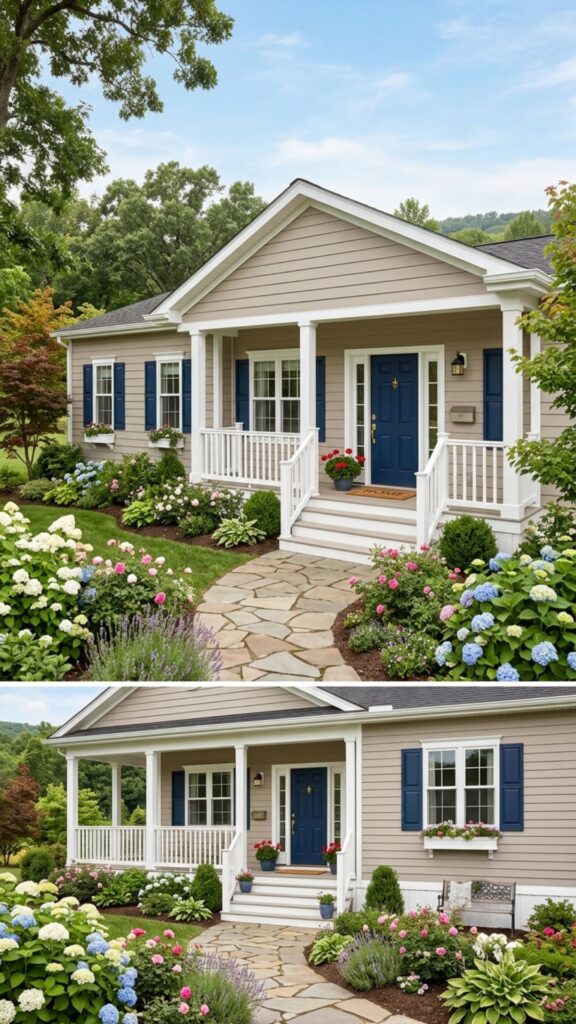
A thoughtful color combo makes a manufactured home look thought-out rather than mass-produced. Pairing a main body color with contrasting trim and porch details adds depth and charm. This is where a plain double wide starts to look like a cottage.
Try a warm neutral body, white trim, and a darker accent on the door and shutters. Test paint samples in real daylight before committing. Keep the palette to three colors so the look stays crisp, not busy.
18. Add Steps with Character
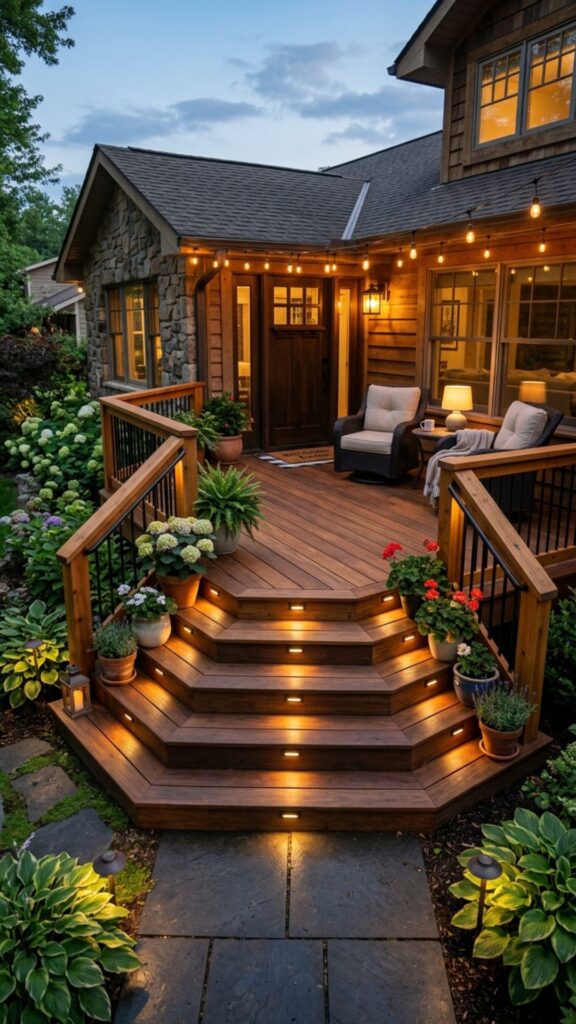
Boring builder steps are a missed opportunity for style and safety. Wider steps, a landing, or a gentle flare at the bottom make the entry feel gracious and easy to climb. Better steps also help older visitors and guests carrying groceries.
Cap the treads with the same flooring as your porch for a unified look. Add lighting along the risers for safe footing at night. If accessibility is a concern, a gentle ramp can double as a design feature.
19. Decorate for the Seasons
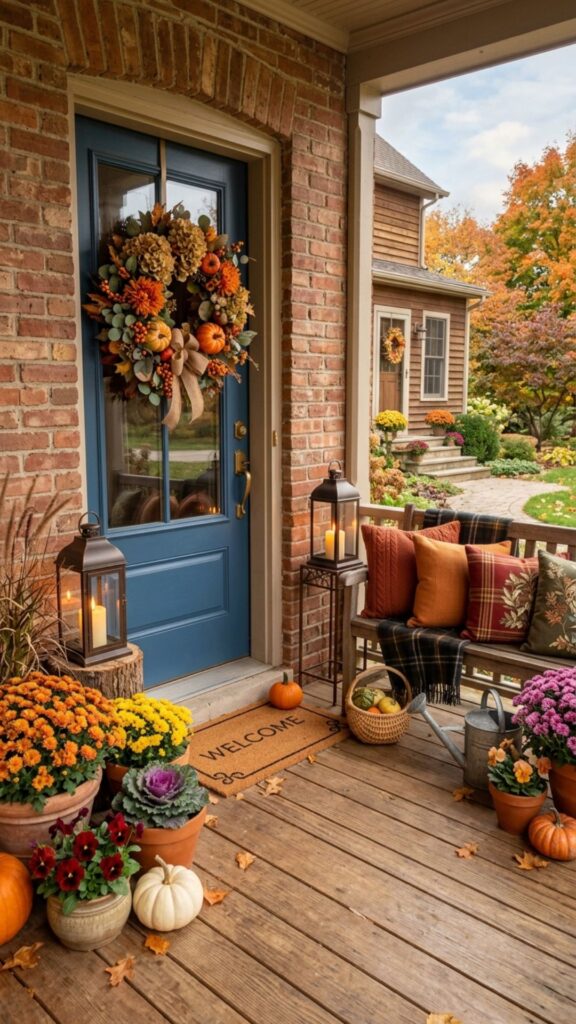
Simple seasonal touches keep your porch feeling fresh and cared for all year. Pumpkins in fall, evergreens in winter, bright flowers in spring, these small swaps signal a home that’s loved. They also cost very little.
Keep a couple of neutral base pieces, like a bench and a lantern, then rotate accents on top. A changeable wreath and a couple of throw pillows do most of the work. This approach gives you big visual change with minimal effort.
20. Extend the Porch into an Outdoor Room
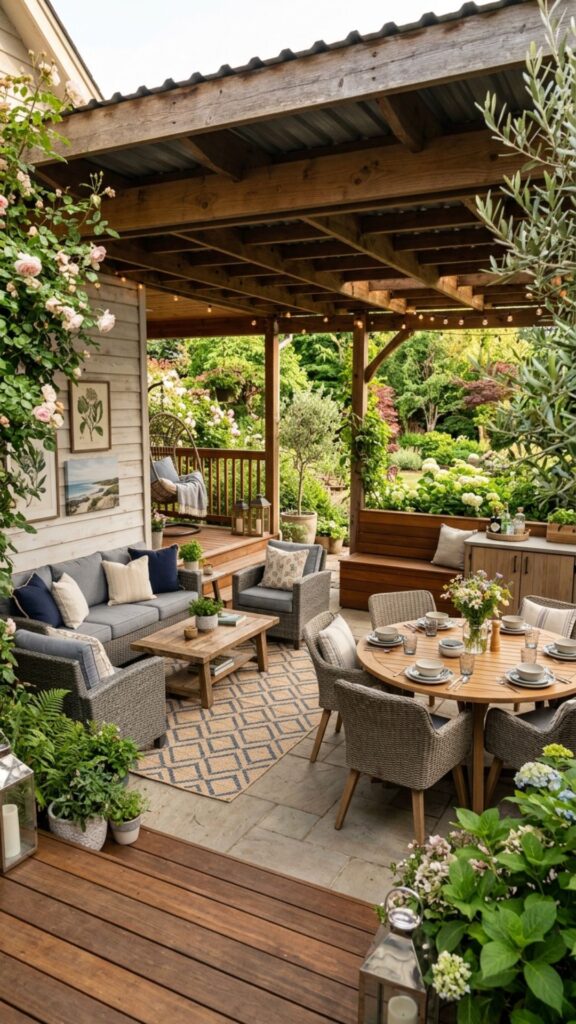
For the ultimate upgrade, treat your porch as a true outdoor living room. Add comfortable seating, a small table, weatherproof art, and maybe a rug and side lamp. When a porch feels like a room, you use it far more.
Define zones if you have the space: one for lounging, one for dining. A small storage bench keeps cushions dry and doubles as extra seating. This is where all the other ideas come together into one inviting spot.
Bringing It All Together
You don’t need every idea on this list to transform your home. Even one or two of these front porch ideas for a double wide can lift your curb appeal, add function, and boost value. Start with the change that fixes your biggest pain point, whether that’s shade, style, or a place to sit.
Pick two projects from this list and map out a simple plan this weekend. Check your local codes, set a budget, and decide what you can do yourself versus what needs a pro. Then get started, your porch and your future self will thank you.
How much does it cost to add a front porch to a double wide?
A basic covered porch for a double wide usually runs between $5,000 and $15,000, depending on size, materials, and labor. Small upgrades like railings, columns, or paint can cost a few hundred dollars. A full wraparound or screened porch can climb to $20,000 or more.
Do I need a permit to build a porch on a manufactured home?
Yes, most areas require a permit for any structure attached to your home, including porches. Check with your local building department before you start. Permits protect you, keep the work safe, and prevent problems if you sell later.
What is the best flooring for a double wide porch?
Composite decking is the best all-around choice because it resists rot, fading, and moisture with almost no maintenance. Pressure-treated wood costs less upfront but needs sealing every year or two. Concrete works well for ground-level porches in wet climates.
Can I attach a porch directly to my manufactured home?
It’s usually best to build a porch as a freestanding structure with its own footings rather than bolting it to the home. Manufactured homes can shift and settle, and a self-supporting porch avoids stress on the frame. Always confirm the right method with a local contractor.
How deep should a double wide front porch be?
Aim for a depth of at least 6 feet so you have room for chairs and easy movement. An 8-foot depth is even better if you want a table or a swing. Anything less than 5 feet tends to feel cramped and limits how you can use the space.