Most home cooks don’t need more stuff — they need the right stuff. Yet kitchen stores and online shopping carts make it easy to accumulate gadgets that get used once before collecting dust. If you’ve ever opened a drawer stuffed with tools you can’t name, this guide is for you.
Here, you’ll find 20 kitchen essentials that genuinely earn their counter space. Whether you’re setting up your first kitchen or trimming down an overstuffed one, this list focuses on what actually gets used — and why each item matters. We’ve grouped related tools so you can shop smarter and cook better, starting today.
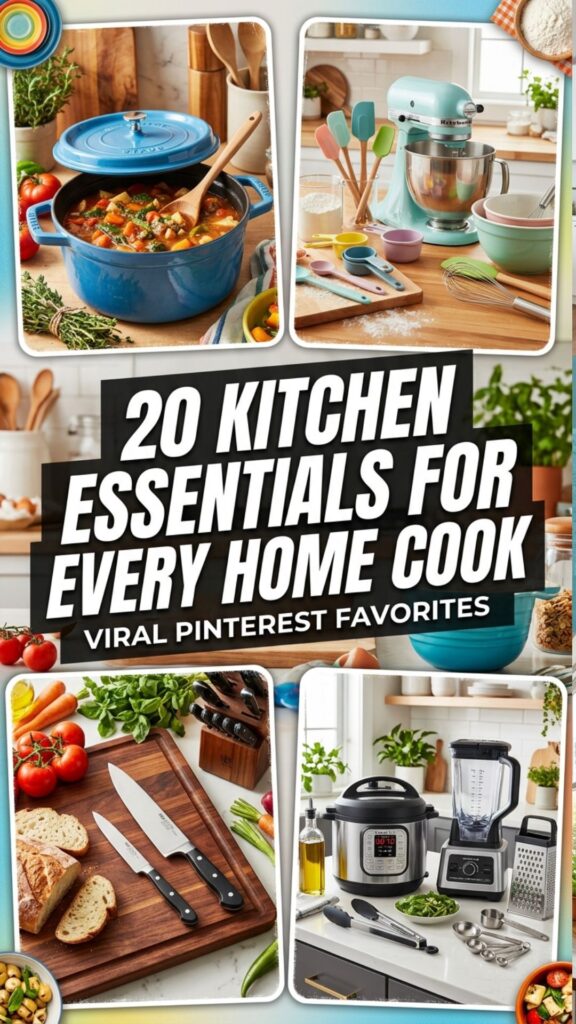
The Foundation: Knives and Cutting Tools
Good knives are the single biggest upgrade any home cook can make. Dull, cheap blades slow you down, tire your hands, and actually increase the risk of cuts.
1. Chef’s Knife (8-Inch)
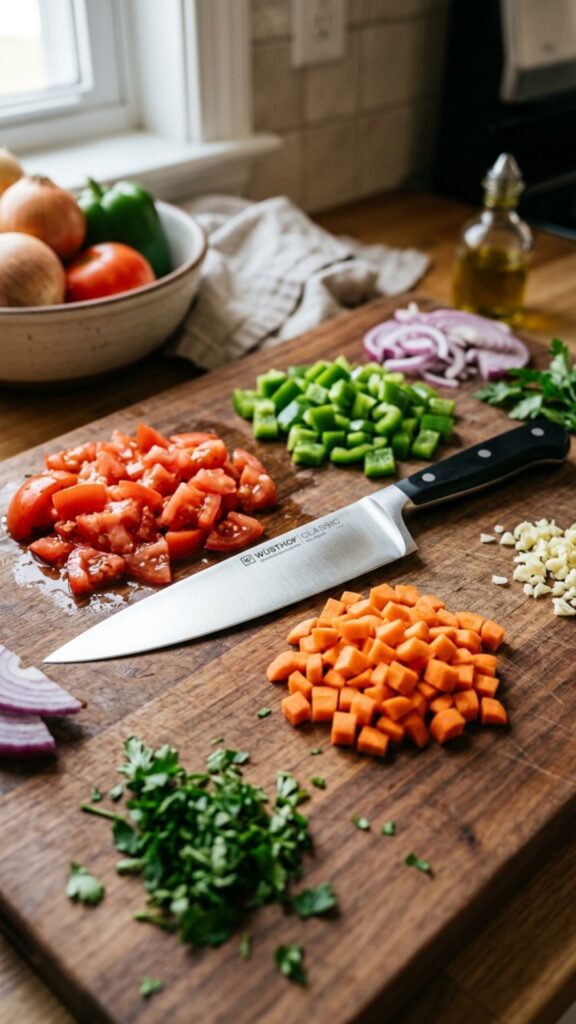
An 8-inch chef’s knife handles roughly 90% of kitchen tasks — chopping vegetables, slicing meat, mincing herbs. Look for a full-tang blade, which means the metal runs the full length of the handle for better balance. Brands like Victorinox offer excellent quality without a steep price tag.
2. Paring Knife
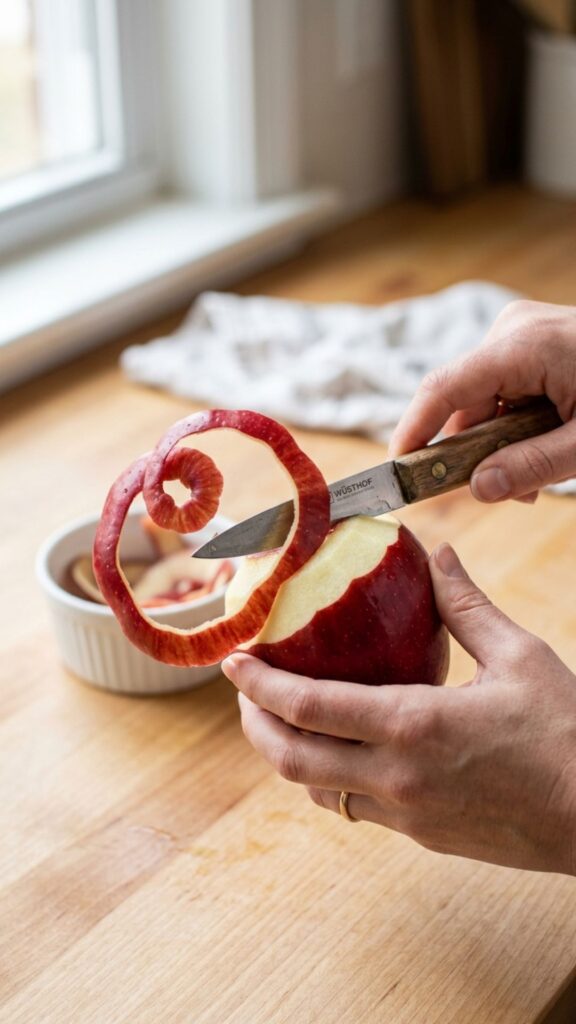
For small, precise work — peeling fruit, deveining shrimp, trimming fat — a paring knife does what a chef’s knife can’t. A 3- to 4-inch blade is the sweet spot.
3. Serrated Bread Knife
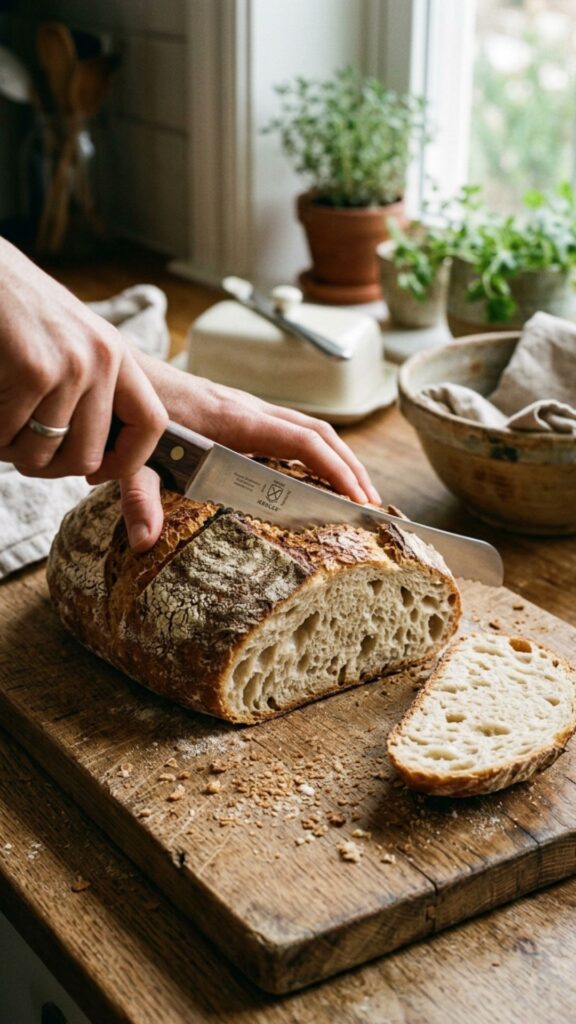
Don’t try to saw through a crusty loaf with a straight blade. A serrated knife glides cleanly through bread, tomatoes, and cakes without crushing them. One good serrated knife lasts decades.
4. Cutting Board (at Least Two)
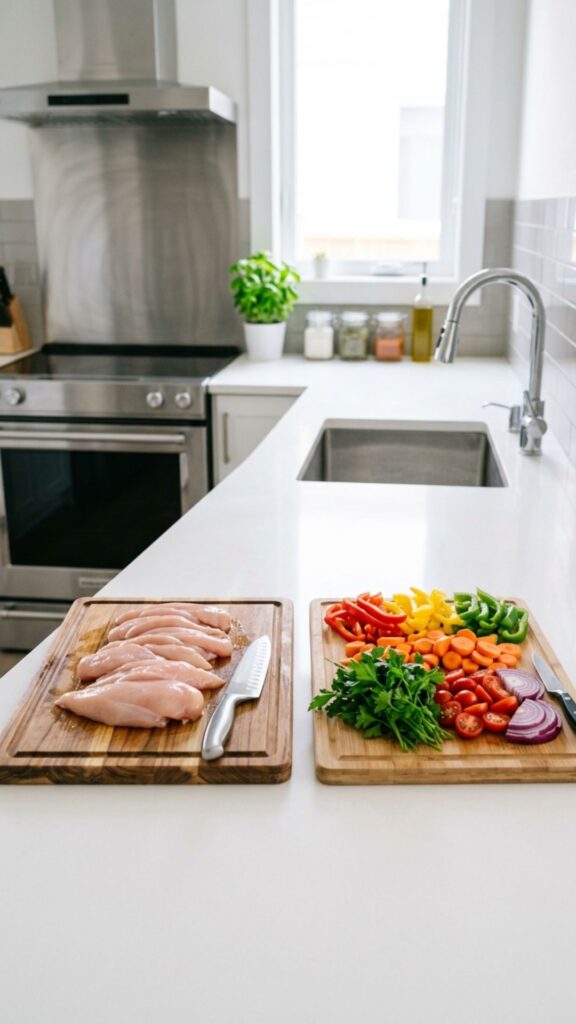
Cross-contamination is a real food safety concern. Keep at least one board for raw proteins and another for produce and ready-to-eat foods. Plastic boards are easy to sanitize; wood boards are gentler on knife edges. Ideally, have both.
Cookware That Actually Gets Used
You don’t need a 12-piece set. You need a few versatile pieces that handle the widest range of cooking tasks.
5. 10 or 12-Inch Stainless Steel Skillet
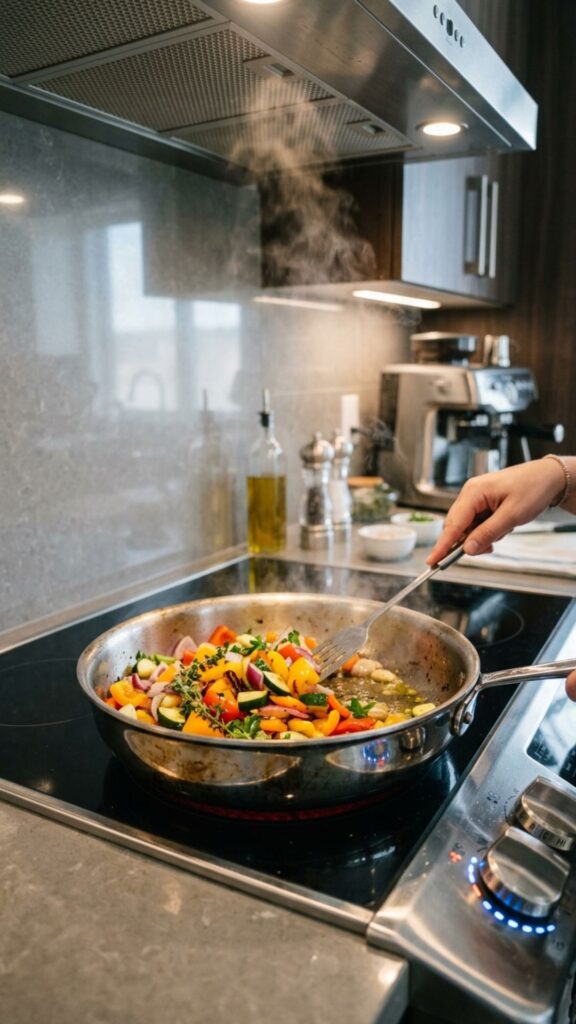
A stainless steel skillet is the workhorse of any kitchen. It goes from stovetop to oven, handles high heat without damage, and develops those brown, flavorful bits (called fond) that make pan sauces exceptional. The learning curve is low once you understand preheating and fat.
6. Cast Iron Skillet
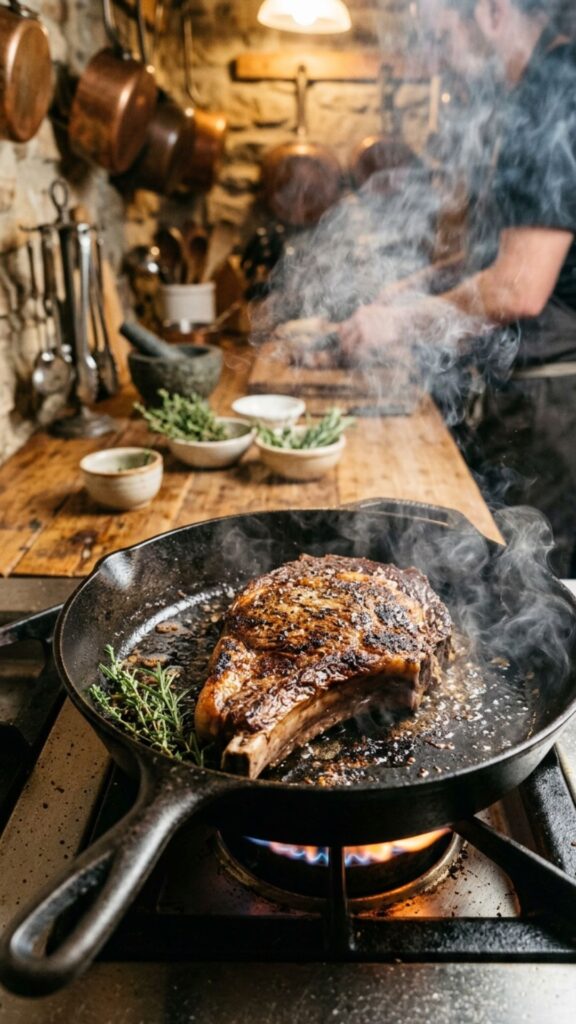
Cast iron retains heat better than almost anything else, making it ideal for searing steaks, baking cornbread, or frying chicken. A 10-inch Lodge skillet costs under $30 and will outlive you if maintained properly.
7. Nonstick Skillet
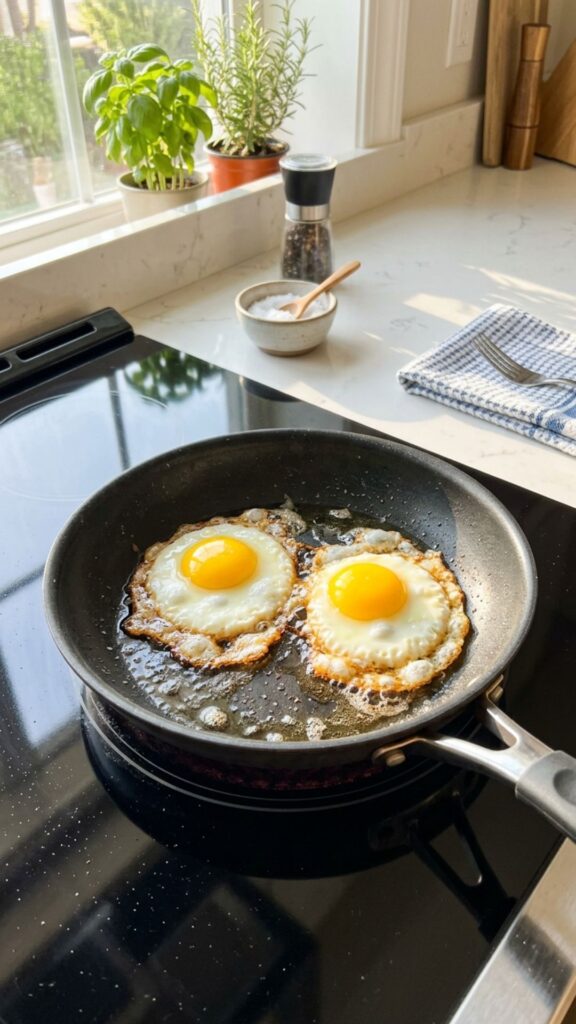
For eggs, delicate fish, and pancakes, a good nonstick pan makes life easier. Don’t overthink the brand — but do replace it when the coating starts to scratch or flake.
8. Dutch Oven (5 to 7 Quart)
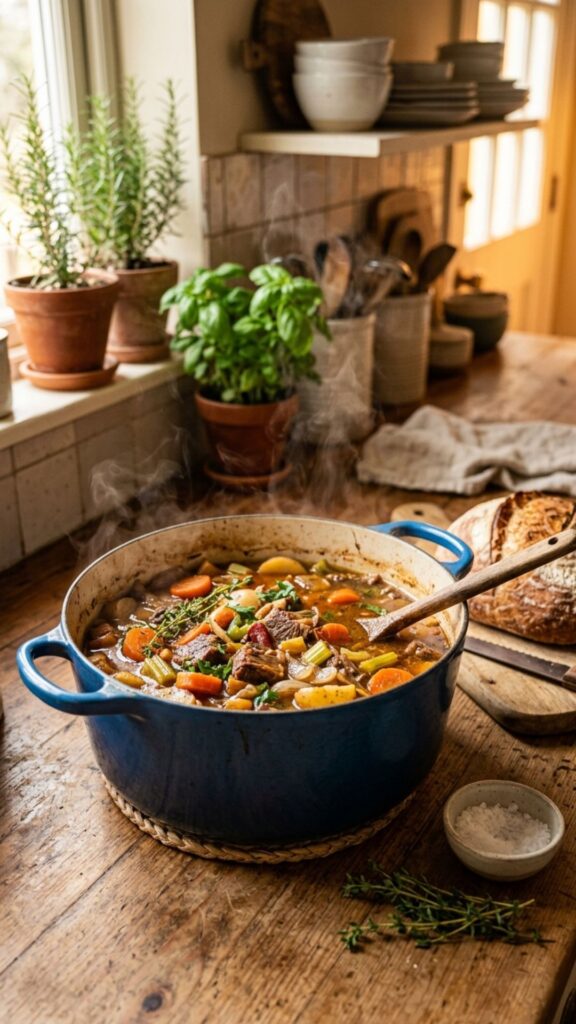
A Dutch oven is one of the most versatile pots you can own. Use it for soups, braises, stews, pasta, bread baking, and even deep frying. Enameled cast iron options from brands like Lodge or Cuisinart are durable and don’t require seasoning.
9. Saucepan (2 to 3 Quart)
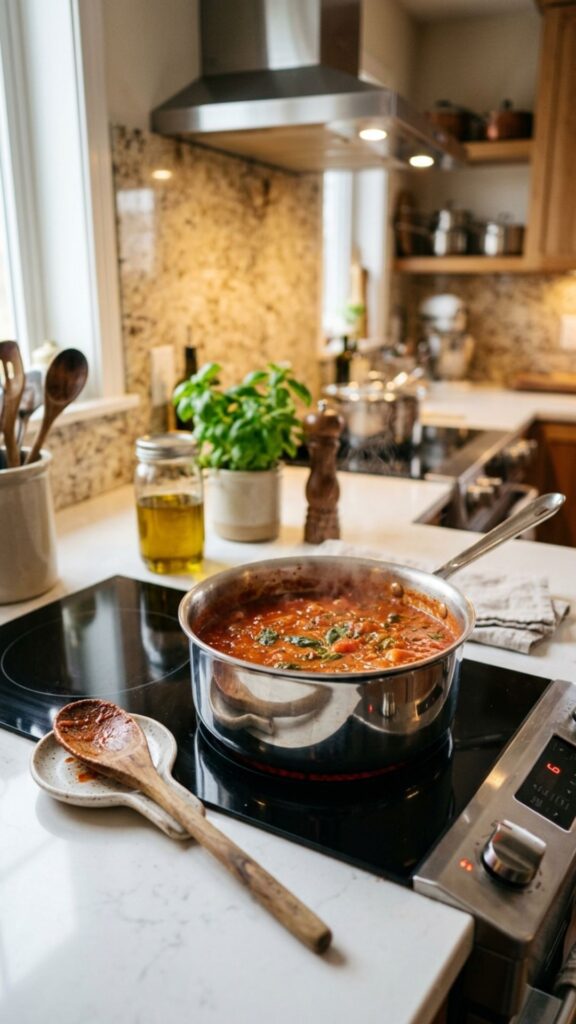
A medium saucepan handles sauces, grains, blanching vegetables, and warming leftovers. Stainless steel with an aluminum or copper core heats evenly and is easy to clean.
Essential Prep Tools Every Cook Needs
The right prep tools cut your active cooking time significantly and make the process more enjoyable.
10. Box Grater
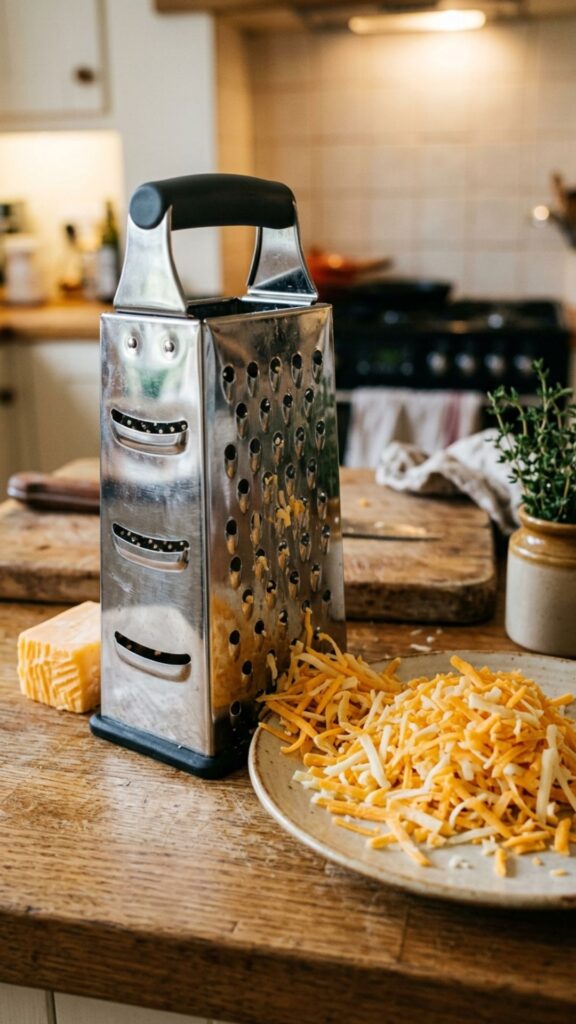
A four-sided box grater handles cheese, citrus zest, ginger, vegetables, and more. It’s more versatile and stable than a flat grater, and far less expensive than buying single-purpose tools.
11. Colander
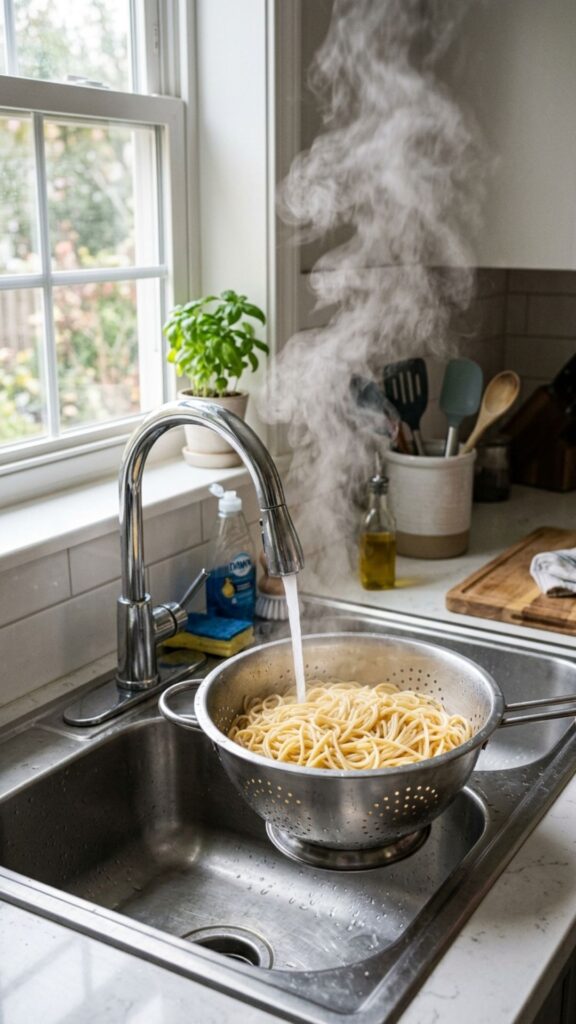
Draining pasta, washing produce, straining stocks — a colander earns its space every week. Look for one with small enough holes that spaghetti won’t slip through, and sturdy feet so it stands steady in the sink.
12. Mixing Bowls (Set of 3)
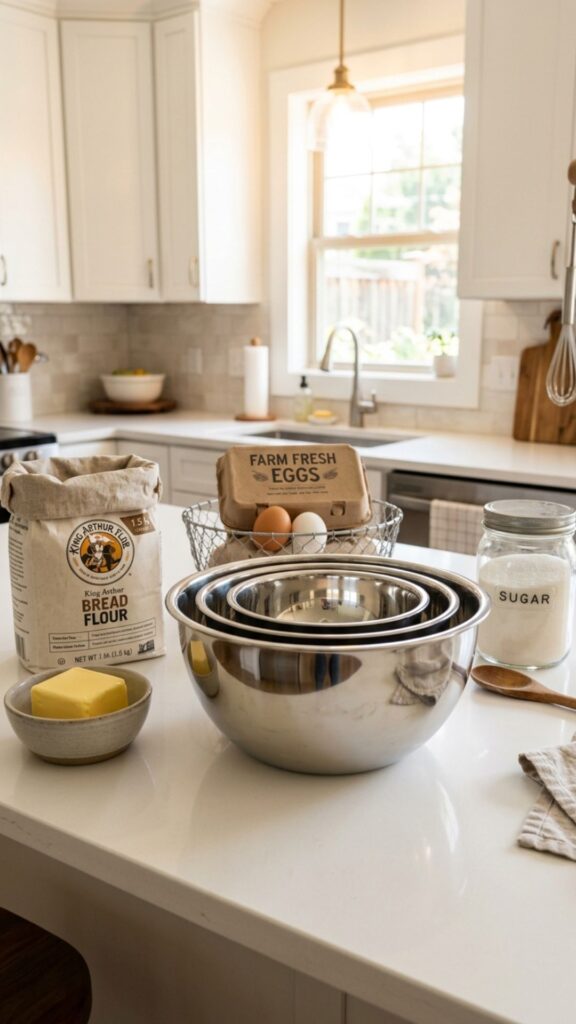
Nested mixing bowls in small, medium, and large sizes cover everything from whisking a single egg to tossing a salad for eight. Stainless steel bowls are lightweight, durable, and don’t hold odors.
13. Measuring Cups and Spoons
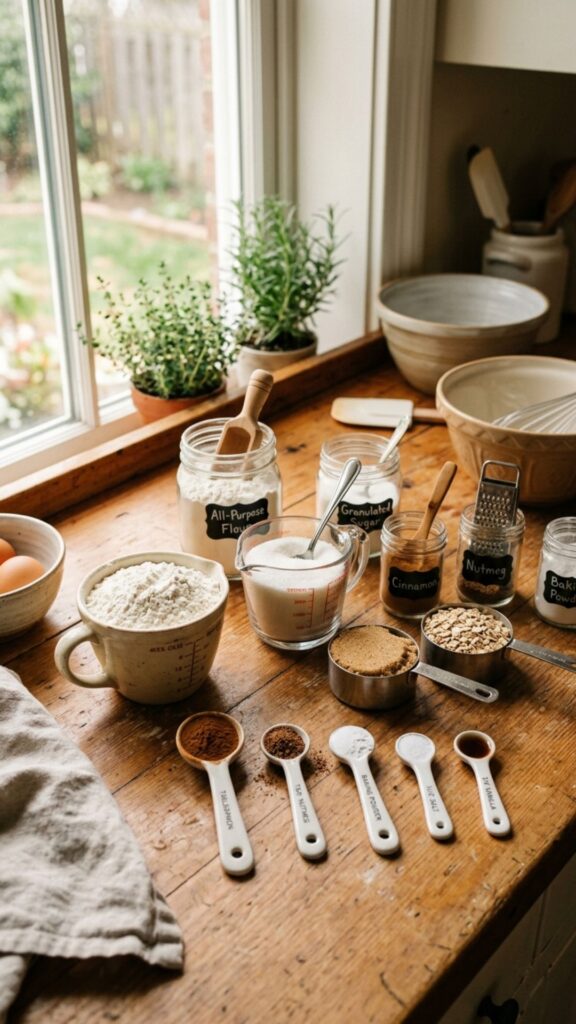
Baking requires precision; even savory cooking benefits from consistent measurements. Get a set of dry measuring cups, a liquid measuring cup (at least 2-cup capacity), and a full set of measuring spoons. These are non-negotiable kitchen essentials.
14. Wooden Spoon and Silicone Spatula
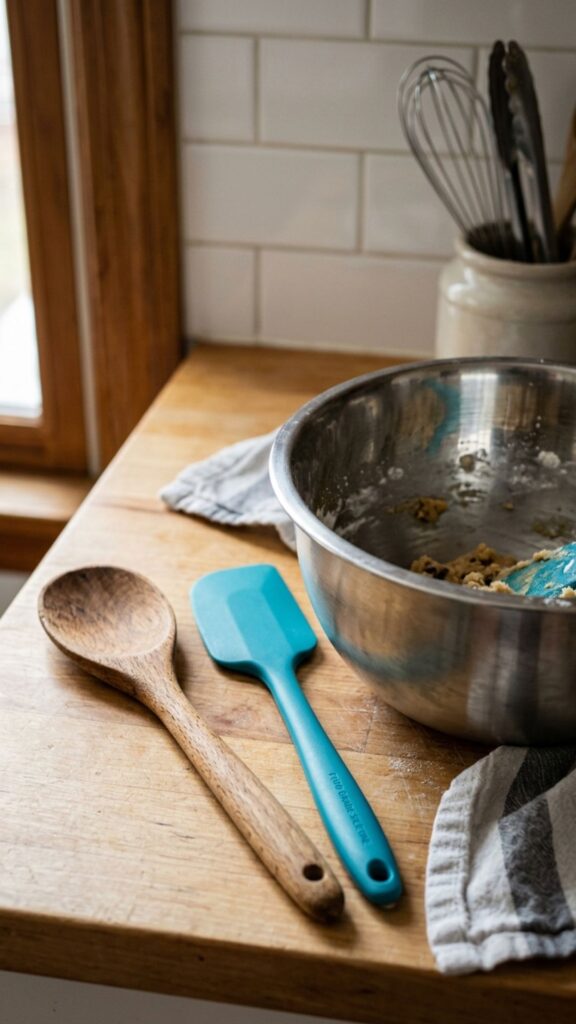
Wooden spoons don’t scratch your cookware and don’t melt under high heat. A silicone spatula handles folding, scraping, and stirring without damaging nonstick surfaces. Buy one of each — you’ll reach for them constantly.
Baking and Roasting Basics
Even if you don’t think of yourself as a baker, a few baking essentials expand what you can cook dramatically.
15. Half Sheet Pan (Rimmed Baking Sheet)
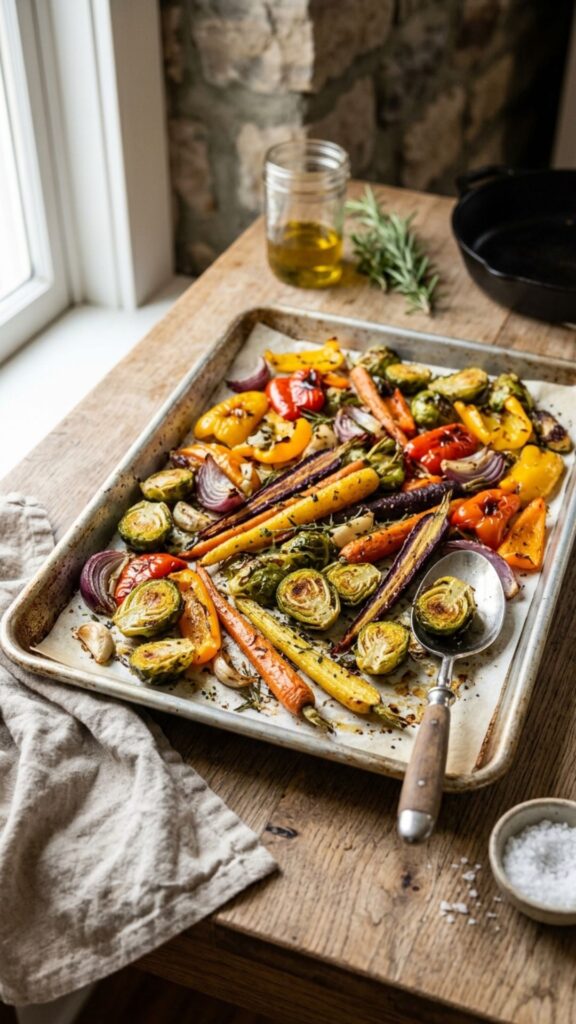
Roasted vegetables, sheet pan dinners, cookies, bacon — the rimmed half sheet pan does it all. Aluminum pans heat evenly and resist warping. Get two, because you’ll often need them at the same time.
16. 9×13 Baking Dish
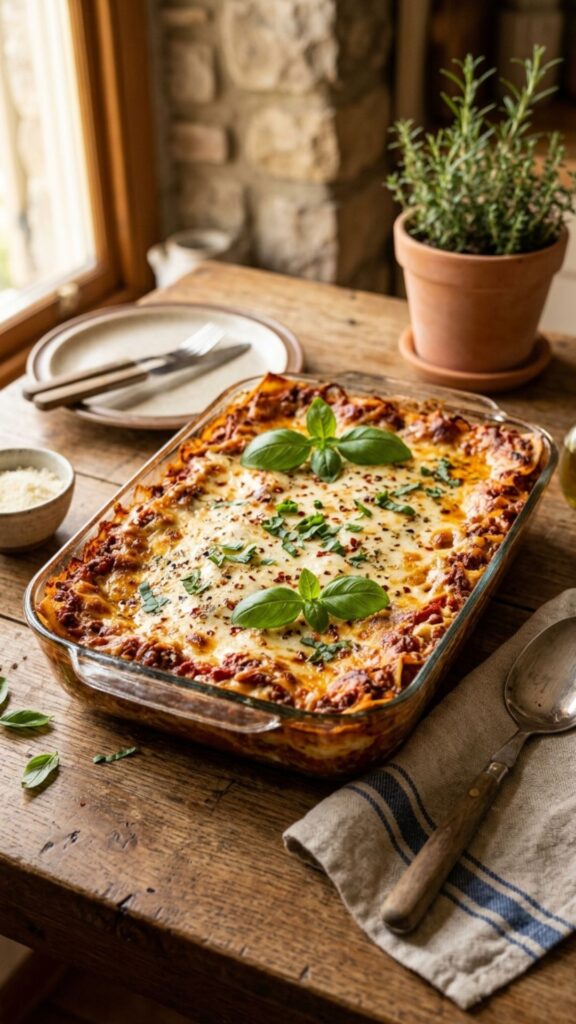
Casseroles, lasagna, brownies, roasted chicken — a glass or ceramic 9×13 baking dish is one of the most-used pieces of bakeware in any kitchen. Glass lets you monitor browning from the bottom; ceramic retains heat longer at the table.
Small Appliances Worth the Counter Space
Be selective here. Only keep appliances you use at least weekly.
17. Instant-Read Thermometer
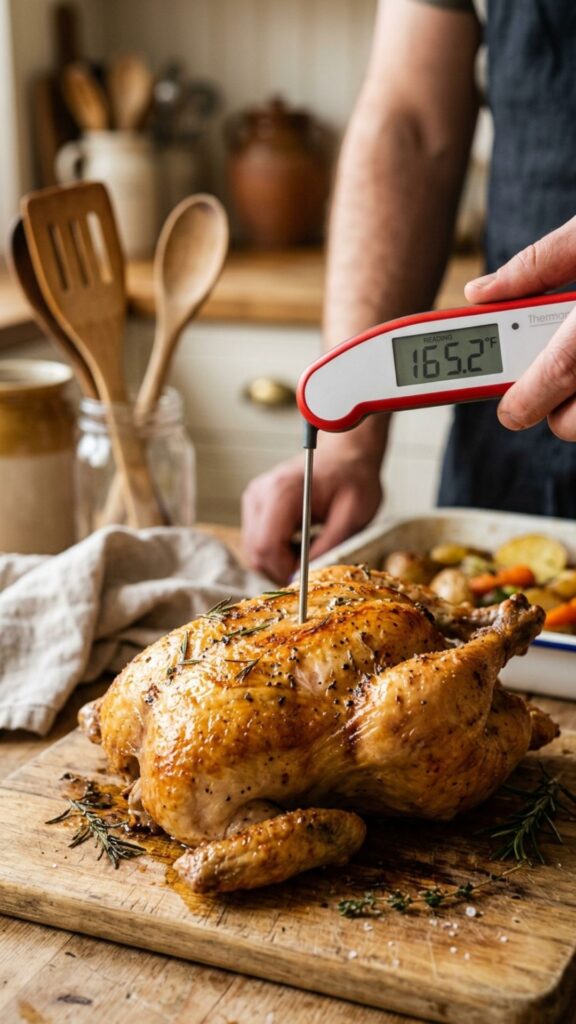
If you’re guessing whether chicken is done, you’re either overcooking it (dry, sad chicken) or undercooking it (a food safety problem). An instant-read thermometer removes the guesswork. The ThermoWorks Thermapen is the gold standard, but budget options under $15 work fine for most cooks.
18. Blender
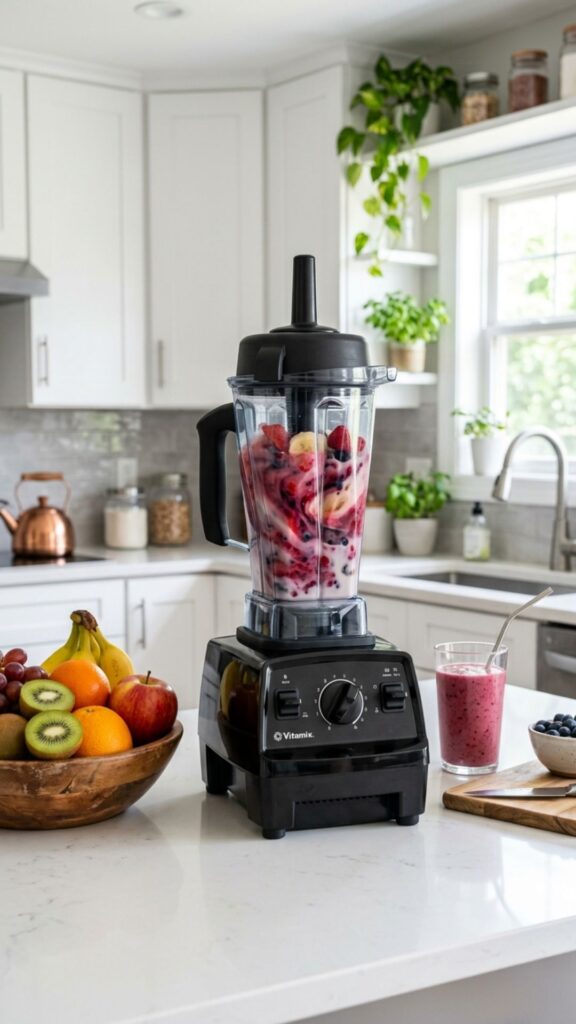
A full-size blender handles smoothies, soups, sauces, and dressings. If counter space is limited, a high-powered immersion blender is a practical alternative — just be cautious blending hot liquids, as pressure can build quickly.
Kitchen Essentials for Organization and Convenience
These items don’t cook your food, but they make the whole process run more smoothly.
19. Kitchen Scale
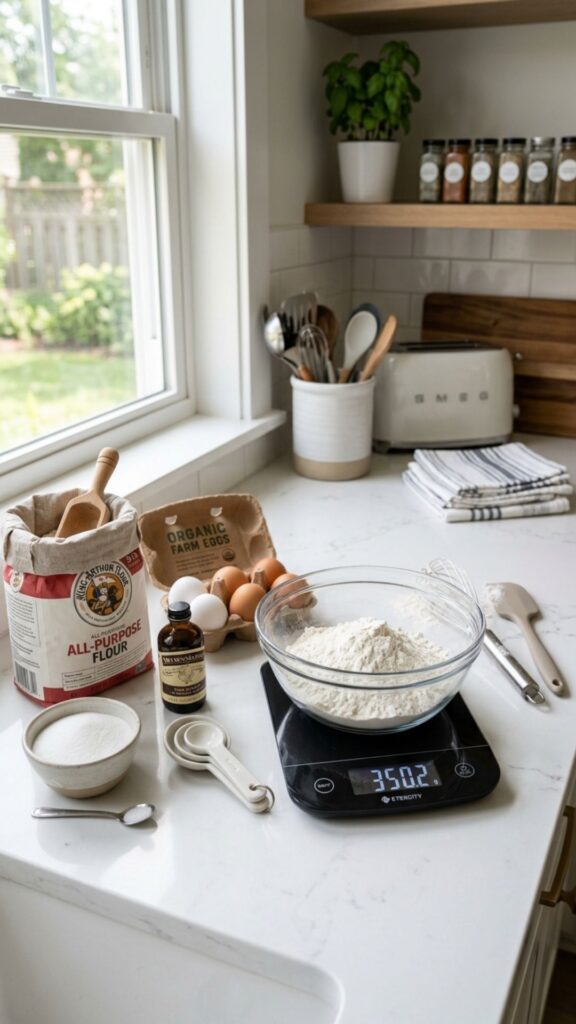
A digital kitchen scale is the most underrated tool on this list. Weighing ingredients is more accurate than measuring by volume, especially for baking. It also reduces dishes — you can measure directly into the bowl. A basic scale under $15 works perfectly well.
20. Can Opener and Peeler
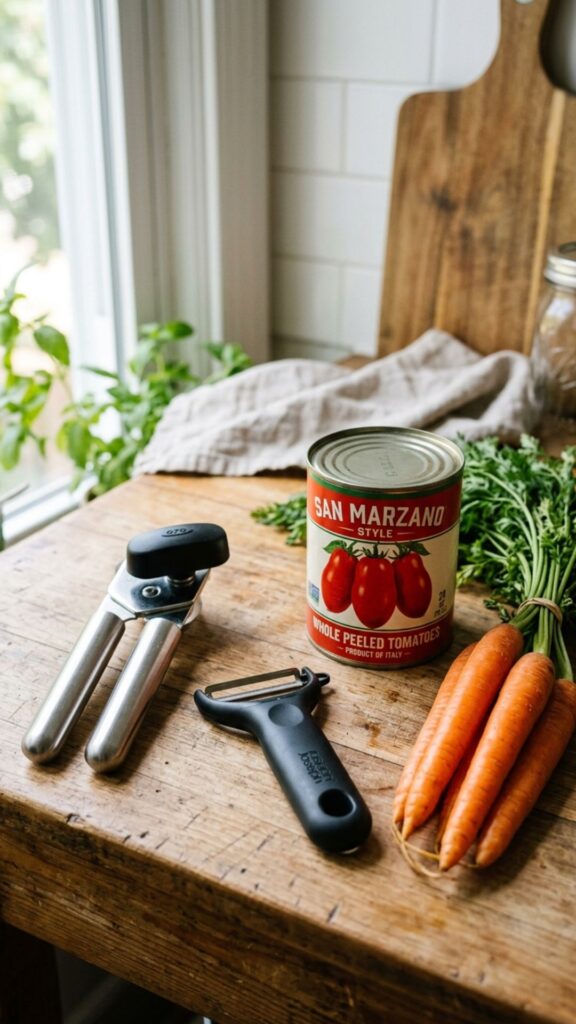
Simple, unglamorous, and completely necessary. A sturdy Y-peeler is faster and safer than the old-style straight peelers. A smooth-edge safety can opener reduces sharp lid edges. Don’t buy the cheapest versions here — cheap can openers and peelers fail quickly and become a frustrating daily annoyance.
Conclusion: Build Your Kitchen with Intention
A well-equipped kitchen doesn’t require a massive budget or a wall of matching gadgets. It requires the right tools — items that work reliably, cover multiple tasks, and get pulled out every week.
Start with the knives, the key pieces of cookware, and the prep basics. Add as your cooking evolves. The 20 kitchen essentials on this list represent what experienced home cooks consistently rely on, not what looks impressive in a showroom.
Ready to build your kitchen toolkit? Print this list, walk through your current setup, and identify what’s missing. Then invest in quality where it counts — knives, cookware, and the tools you reach for every day. Your cooking will improve immediately.
What are the most important kitchen essentials for beginners?
Start with an 8-inch chef’s knife, a cutting board, a 10 to 12-inch skillet, a medium saucepan, and a half sheet pan. These five items cover the vast majority of everyday cooking tasks and give you a solid foundation before adding anything else.
Do I need both stainless steel and nonstick pans?
Yes — they serve different purposes. Stainless steel handles high-heat cooking and builds fond for sauces. Nonstick is gentler on delicate foods like eggs and fish. Using the right pan for each task improves your results and extends the life of both.
How much should I spend on kitchen essentials?
You don’t need to spend a fortune. Prioritize budget for your chef’s knife ($30–$80 for a quality option) and one heavy-bottomed pot or pan. Many other essentials — sheet pans, mixing bowls, measuring tools — perform well at lower price points.
What kitchen tools are worth splurging on?
Spend more on your chef’s knife, a Dutch oven, and a cast iron skillet. These items last decades with basic care and directly affect how your food turns out. Save money on measuring spoons, peelers, and wooden utensils.