Growing your own food sounds like a big commitment, but it doesn’t have to be. I’ve spent more than a decade helping first-time gardeners turn tiny patios and forgotten backyard corners into productive little plots.
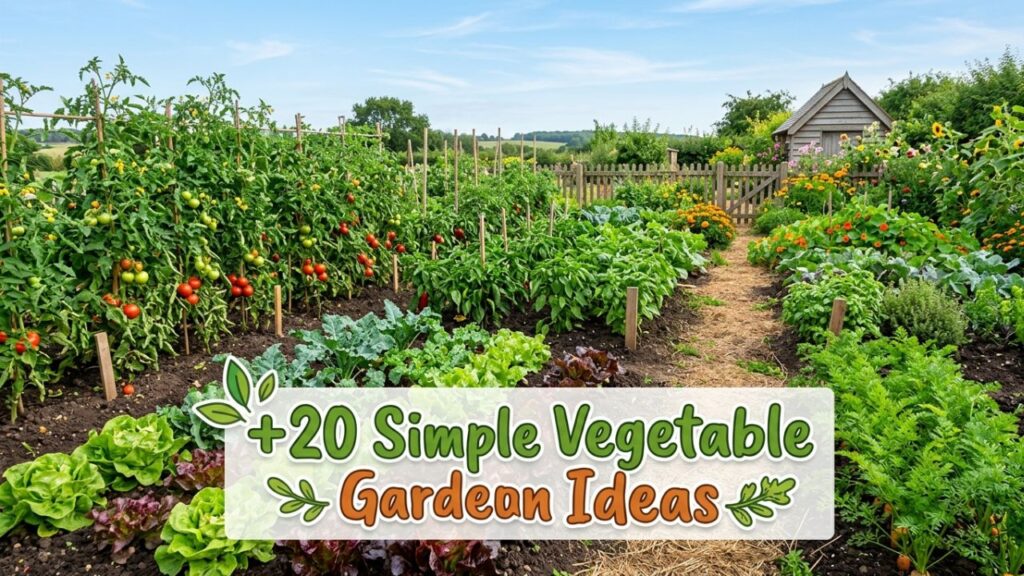
The truth? You can plant your first crop this weekend with tools you probably already own.
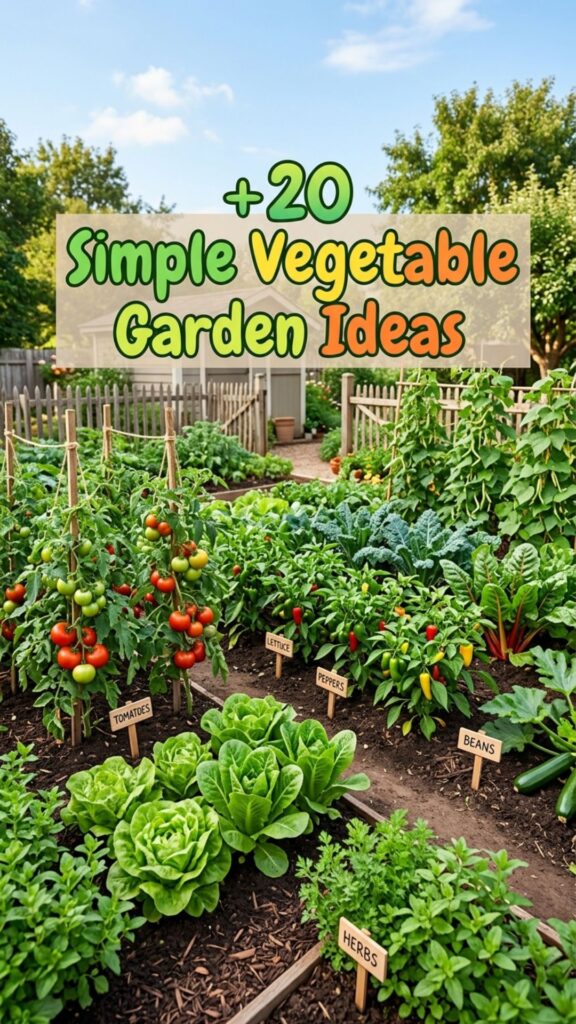
Below you’ll find 20 simple vegetable garden ideas that skip the fuss. Whether you have a sprawling yard or a single sunny windowsill, these approaches focus on quick wins, low costs, and vegetables that actually taste better than store-bought. Let’s dig in.
1. Start With a Single Raised Bed
A raised bed is the friendliest place to begin. You control the soil, drainage improves, and weeds stay easier to manage. A simple 4-by-4-foot wooden frame gives you enough room for tomatoes, peppers, and a border of herbs without overwhelming you.
Fill it with a mix of quality compost and topsoil, and you skip most of the trouble that comes from poor native ground. I always tell new gardeners that one well-built bed teaches you more in a season than reading five books. You’ll learn watering rhythms, spacing, and harvest timing in one tidy square.
2. Grow Vegetables in Containers
No yard? No problem. Pots, buckets, and grow bags turn balconies and steps into food factories. Container gardening is one of the simplest vegetable garden ideas because you can move plants to chase sunlight and pull them under cover during storms.
Choose containers at least 12 inches deep for roots to spread. Cherry tomatoes, lettuce, and bush beans thrive in this setup. Drill drainage holes if your pots don’t have them, since soggy roots are the fastest way to lose a plant.
3. Try a Salad Bowl Garden
Fresh greens are the quickest reward for beginners. A wide, shallow container planted with loose-leaf lettuce, spinach, and arugula gives you salad within three to four weeks. Snip the outer leaves and the plant keeps producing.
This idea works beautifully on kitchen windowsills. I keep one going year-round and love that dinner prep sometimes means walking two steps to harvest. Greens rarely need much space, so even the smallest home can support a steady supply.
4. Plant a Herb Corner Near the Kitchen
Herbs pack the biggest flavor punch for the least effort. Basil, parsley, thyme, and mint grow happily in small pots and reward you every time you cook. Place them close to your door so you actually use them.
Mint deserves its own container, though. Left in open soil, it spreads like it owns the place. Keeping it contained saves you a headache later while still giving you plenty of leaves for tea and cooking.
5. Use Grow Bags for Root Vegetables
Grow bags are cheap, breathable, and perfect for carrots, potatoes, and radishes. The fabric lets air reach the roots and prevents waterlogging. When harvest time comes, you simply tip the bag over.
Potatoes in particular love this method. Add soil as the plants grow taller, and you’ll be amazed at the haul come harvest. Kids especially enjoy digging through the bag like a treasure hunt, which makes this a great family project.
6. Build a Vertical Garden
When ground space runs short, grow upward. A trellis, wall pocket, or stacked planter lets you fit far more plants into a small footprint. Climbing beans, peas, and cucumbers naturally reach for the sky.
Vertical setups also improve airflow, which cuts down on disease. I’ve squeezed a surprising harvest out of a narrow side yard using nothing more than a sturdy trellis leaned against a fence. Look up, and you’ll find growing space you never noticed.
7. Repurpose Old Containers
You don’t need fancy planters. Old buckets, wooden crates, and even worn-out boots can hold soil and a plant. Repurposing keeps costs near zero and adds character to your space.
Just make sure every container drains well and once held nothing toxic. A quick scrub and a few drainage holes turn junk into a garden. This is one of my favorite simple vegetable garden ideas because it proves growing food is about resourcefulness, not spending.
8. Try Square Foot Gardening
Square foot gardening divides a raised bed into a grid, with each square holding a specific crop. This tidy system prevents overcrowding and makes planning almost effortless. Beginners love how organized it feels.
The method also stretches your space. You might fit one tomato in a square, four lettuces in another, and sixteen carrots in the next. Following a simple spacing chart takes the guesswork out and helps you harvest steadily all season.
9. Start Seeds on a Windowsill
Buying seedlings gets expensive fast. Starting your own seeds indoors saves money and gives you far more variety. A sunny windowsill and a few small pots are enough to launch dozens of plants.
Use seed-starting mix rather than heavy garden soil, and keep the surface moist until sprouts appear. Within weeks you’ll have healthy transplants ready for outdoor beds. There’s real pride in watching a plant grow from a seed you tended yourself.
10. Grow a Companion Planting Bed
Some vegetables genuinely help each other grow. Planting basil near tomatoes can improve flavor and deter pests, while marigolds scattered through a bed keep many bugs away. This is gardening working smarter, not harder.
Companion planting also uses space efficiently. Tall plants shade shorter ones, and deep roots pair well with shallow ones. Try a classic trio of corn, beans, and squash, and you’ll see how nature does the heavy lifting when you plan thoughtfully.
11. Set Up a Compost Bin
Healthy soil makes healthy plants, and compost is the cheapest way to build it. A simple bin in the corner turns kitchen scraps and yard waste into rich, free fertilizer. Your garden and your trash bin both benefit.
Balance green waste like vegetable peels with brown waste like dry leaves. Turn the pile now and then, and within a few months you’ll have dark, crumbly compost. I haven’t bought fertilizer in years thanks to this one habit.
12. Plant Fast-Growing Radishes
Radishes are the sprinters of the garden. Many varieties mature in under a month, giving impatient beginners a quick confidence boost. Plant a row, and you’ll be crunching on fresh radishes before you know it.
They also make great markers for slower crops. Sow radishes alongside carrots, and the fast sprouts show you where your rows are while the carrots take their time. Once harvested, the freed-up space gives your carrots room to grow.
13. Create a Window Box Garden
Window boxes bring vegetables right to your view. Compact crops like leaf lettuce, green onions, and dwarf peppers fit nicely and add greenery to your home’s exterior. They’re ideal for renters who can’t dig up the ground.
Secure boxes firmly and choose ones with good depth. Because they dry out faster than bigger beds, check the soil often during warm weather. A little daily attention keeps these small gardens surprisingly productive.
14. Grow Tomatoes in Hanging Baskets
Hanging baskets aren’t just for flowers. Cascading cherry tomatoes trail beautifully over the edges and stay out of reach of ground pests. This clever trick saves floor space on tight balconies.
The trailing habit also means no staking required. Water consistently, since baskets dry quickly in the sun, and feed every couple of weeks. Few things feel more rewarding than plucking warm tomatoes straight from a basket by your door.
15. Try Straw Bale Gardening
Straw bale gardening skips digging entirely. You condition a bale with water and a bit of fertilizer over two weeks, then plant directly into it. The decomposing straw feeds your plants as they grow.
This method works well over poor soil or hard surfaces like driveways. Squash, tomatoes, and peppers all thrive in bales. When the season ends, the broken-down straw becomes excellent compost, so nothing goes to waste.
16. Dedicate a Bed to Leafy Greens
Leafy greens are among the most forgiving crops, making them perfect for a dedicated bed. Kale, chard, and collards keep producing for months and handle cool weather beautifully. One bed can feed a family for a long stretch.
Harvest the outer leaves and let the center keep growing. These greens also pack serious nutrition, so you’re eating well while learning. If you want a reliable, low-stress crop, leafy greens rarely let you down.
17. Build a Simple Drip Watering System
Watering by hand gets old fast. A basic drip system using cheap tubing delivers water straight to the roots, saving time and reducing waste. Set it on a timer, and your garden practically waters itself.
Consistent moisture also produces better crops. Uneven watering stresses plants and can crack tomatoes or make greens bitter. This small setup pays for itself in healthier harvests and hours of freedom during busy weeks.
18. Grow Bush Beans for Easy Wins
Bush beans are a beginner’s best friend. They don’t need trellises, they crop quickly, and they actually improve your soil by fixing nitrogen. A short row delivers heaps of tender beans within two months.
Pick them regularly to keep the plants producing. The more you harvest, the more they give. I recommend beans to anyone doubting their green thumb, because their reliability builds real confidence fast.
19. Make a Kitchen Scrap Garden
Some vegetables regrow from scraps you’d normally toss. Green onion roots, celery bases, and lettuce stumps can sprout new growth in water or soil. It’s a fun, free way to stretch your groceries.
Place a green onion root in a glass of water on the windowsill, and it regrows within days. While scrap gardening won’t feed you entirely, it teaches how plants grow and cuts a little waste. Children find it especially magical to watch.
20. Plan a Small Weekend Starter Plot
If you want the full experience, mark out a modest ground plot around 4 by 8 feet. Clear the weeds, loosen the soil, and mix in compost. In a single weekend you can prepare a space ready for planting.
Start with three or four easy crops rather than a dozen. Tomatoes, beans, lettuce, and herbs make a balanced beginner mix. Keeping it small ensures you enjoy the process instead of drowning in maintenance, and you can always expand next year.
Conclusion
Starting a vegetable garden isn’t about perfection or expensive gear. It’s about picking one or two simple vegetable garden ideas from this list and getting your hands in the soil. Every skilled gardener I know began with a single pot or bed and learned as they went.
So grab a container, a bag of soil, and a few seeds this weekend. Plant something today, and you’ll be harvesting fresh, homegrown food before you know it. Your future self, standing over a basket of vegetables you grew, will thank you for starting now.
What is the easiest vegetable to grow for beginners?
Radishes, lettuce, and bush beans are the easiest. Radishes mature in under a month, lettuce keeps producing when you pick outer leaves, and beans need little care while improving your soil.
How much space do I need to start a vegetable garden?
Very little. A single pot, a window box, or a 4-by-4-foot raised bed is plenty to begin. Containers and vertical setups let you grow food even on a small balcony.
How often should I water my vegetable garden?
Most gardens need about an inch of water per week, but containers dry out faster and may need daily watering in hot weather. Check the soil with your finger; if the top inch feels dry, it’s time to water.
Can I start a vegetable garden in a weekend?
Yes. Building a raised bed, filling containers, or clearing a small plot are all weekend-friendly tasks. Choose a few easy crops, and you can plant your first vegetables in just a day or two.
Do I need special soil to grow vegetables?
Good soil helps, but you don’t need anything fancy. A mix of quality compost and topsoil works well, and adding your own compost over time keeps the soil rich and productive.