Getting kids to eat their veggies is tough. Getting them to grow their own? That’s the secret weapon most parents overlook. When children plant a seed, watch it sprout, and harvest something they can eat, food stops being a battle and becomes an adventure.
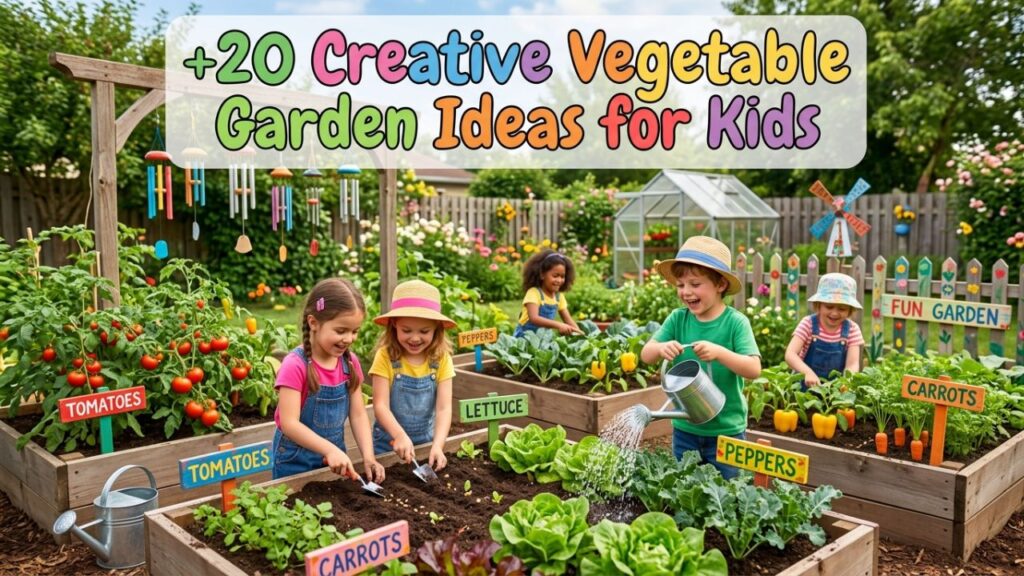
I’ve spent years helping families set up gardens with children of every age, from toddlers who love squishing dirt to teens who want a real project. The best part is that vegetable gardening teaches patience, responsibility, and where food actually comes from.
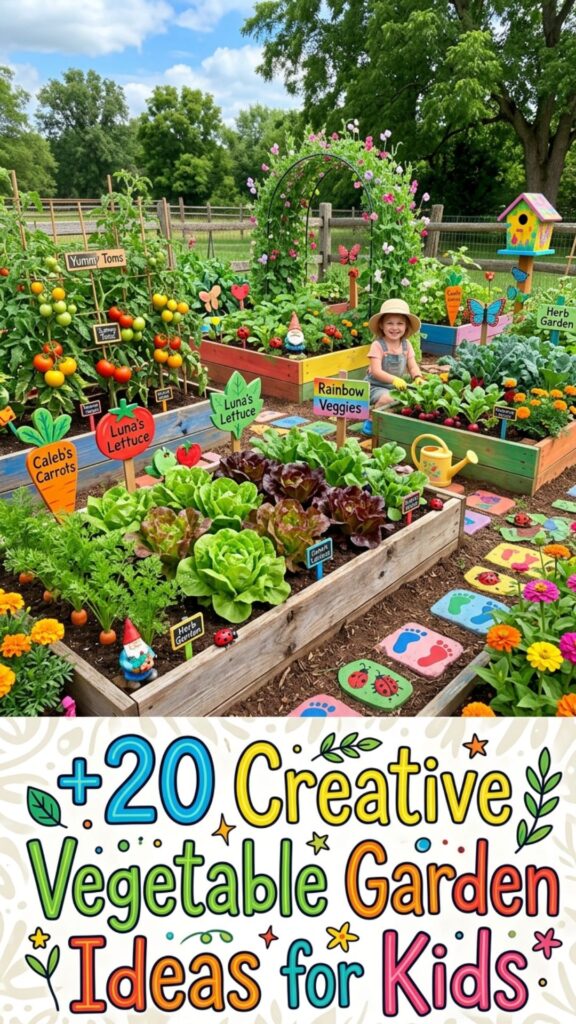
Below are 20 practical, tested vegetable garden ideas for kids that fit any space, budget, or attention span. Let’s dig in.
1. Start with a Pizza Garden
Kids love pizza, so why not grow the toppings? Plant tomatoes, basil, oregano, peppers, and onions in a circular bed divided into “slices.” Each wedge holds a different ingredient, and children can point to exactly what will end up on their next homemade pizza.
This idea works because it connects gardening to a food they already crave. When harvest day comes, let them pick their own toppings and build a pizza from scratch. The direct link between the garden and dinner makes the lesson stick, and picky eaters suddenly want to try what they grew.
2. Grow a Rainbow Vegetable Bed
Arrange vegetables by color to create a living rainbow. Red tomatoes, orange carrots, yellow peppers, green beans, and purple cabbage make a bright display that kids can’t resist. Sort the plants into rows or arcs so the colors flow like an actual rainbow.
Beyond looking fun, this teaches nutrition in a sneaky way. Explain that eating different colors means getting different vitamins. Younger children learn their colors while older ones start understanding why a varied diet matters. It’s a simple visual that turns healthy eating into a game.
3. Build a Sunflower House
Plant tall sunflowers in a square or circle, leaving a gap for a doorway. As they grow, the stalks form walls, and you can train morning glories or beans across the top for a leafy roof. By midsummer, kids have their own secret green hideaway.
This project rewards patience with something magical. Children check daily to see how much taller the walls have grown, and the finished “house” becomes a favorite play spot. You also harvest sunflower seeds later, giving them a tasty snack and seeds to save for next year.
4. Try Container Gardening on a Patio
No yard? No problem. Pots, buckets, and window boxes work perfectly for lettuce, radishes, cherry tomatoes, and herbs. Give each child their own container so they feel full ownership over their little crop.
Containers are forgiving and easy to manage, which suits short attention spans. Kids can move pots to catch the sun, water them without stepping in mud, and see results fast. Radishes, for example, sprout in days and are ready to eat in about a month, keeping impatient gardeners motivated.
5. Plant a Salsa Garden
Combine tomatoes, jalapeños, cilantro, and onions in one bed, and you’ve got everything needed for fresh salsa. Label each plant so kids remember what’s what, and talk about how mild or spicy they want their finished dish.
Once the vegetables ripen, gather everyone in the kitchen for a chopping session. Making salsa together turns garden work into a shared reward. Older kids can practice knife skills with supervision, while little ones stir and taste. The pride of eating homemade salsa is hard to beat.
6. Grow Snacking Vegetables in Reach
Plant cherry tomatoes, snap peas, and baby carrots along a path or at the edge of a raised bed where kids can grab a bite anytime. When healthy food is within arm’s reach, children snack on it without a second thought.
I’ve watched kids who “hate” vegetables devour snap peas straight off the vine. The freshness and the fun of picking their own make all the difference. Keep these plants close to play areas so grazing on veggies becomes a natural habit.
7. Create a Raised Bed Just for Kids
A low raised bed sized for small hands gives children a defined space that’s theirs alone. Keep it around three feet wide so they can reach the middle without stepping on plants. Fill it with easy growers like beans, lettuce, and zucchini.
Ownership matters. When kids know a bed belongs to them, they take pride in weeding, watering, and watching it grow. Raised beds also warm up faster in spring and drain well, giving beginners a better shot at success and fewer discouraging failures.
8. Grow Vegetables from Kitchen Scraps
Regrow green onions, celery, and lettuce from scraps you’d normally toss. Place the root ends in a shallow dish of water on a windowsill, and within days new growth appears. It feels like a science trick, but it’s real.
This idea costs nothing and delivers quick wins. Kids see plants come back to life, which sparks curiosity about how growth works. Once roots form, you can transplant the scraps outside. It’s a great rainy-day project that keeps the gardening spirit alive indoors.
9. Set Up a Bean Teepee
Push tall poles into the ground and tie them at the top to form a teepee frame. Plant pole beans at the base, and as they climb, they cover the structure in green leaves and dangling pods. Kids get both a snack and a shady fort.
Watching beans wind their way up the poles teaches children about how plants seek support and light. Harvesting is easy too, since the pods hang at eye level for little ones. This combines play and produce in one satisfying package.
10. Grow Giant Pumpkins
Few things excite kids like growing something huge. Plant a variety bred for size, give it plenty of space and water, and watch the pumpkins swell all summer. The goal of a giant reward keeps children checking on their patch for months.
This is a lesson in patience and care. Pumpkins need consistent watering and rich soil, so kids learn that big results take steady effort. By fall, they’ll have a jack-o’-lantern or pie ingredient they grew themselves, which makes autumn extra special.
11. Design an Alphabet or Name Garden
Plant vegetables in the shape of a child’s first initial or name using seeds or small transplants. Lettuce and other leafy greens work well because they fill in quickly and hold a shape. It’s a personal touch that makes the garden feel unique.
Younger children practice letters while gardening, blending learning with play. Older kids might design more complex patterns or words. Seeing their own name grow out of the soil gives them a strong sense of connection to their plot.
12. Try a Windowsill Herb Garden
Herbs like basil, mint, and chives thrive in small pots on a sunny windowsill. They grow fast, smell wonderful, and let kids garden year-round regardless of weather. Snipping fresh herbs for dinner makes children feel like real chefs.
This low-commitment project is perfect for beginners and small spaces. Encourage kids to touch and smell the leaves, then add them to meals. The instant aroma and flavor reward makes herbs one of the most satisfying starter plants for young gardeners.
13. Grow Vegetables in Fun Containers
Skip plain pots and plant in old boots, teacups, wagons, or painted buckets. Upcycled containers add personality and turn planting into a craft project. Just be sure each container has drainage holes so roots don’t rot.
Letting kids choose or decorate their own containers boosts excitement. A child who plants lettuce in their outgrown rain boot will check on it far more often than one using a generic pot. Creativity and gardening go hand in hand here.
14. Start a Compost Bin Together
A small compost bin teaches kids that garden waste and kitchen scraps turn into food for plants. Let them toss in banana peels, coffee grounds, and old leaves, then watch nature do its work over the weeks.
Composting shows the full cycle of growth and decay in a hands-on way. Kids love turning the pile and finding worms, which are great helpers. When they spread finished compost on their beds, they understand how healthy soil feeds strong plants.
15. Grow a Three Sisters Garden
This Native American technique plants corn, beans, and squash together so each helps the others. Corn gives beans something to climb, beans add nutrients to the soil, and squash leaves shade the ground to block weeds. It’s teamwork in plant form.
Beyond the growing lesson, this garden offers a chance to share history and culture with kids. Explain how communities have grown these crops together for centuries. It’s a meaningful project that produces three different harvests from one clever setup.
16. Create a Sensory Garden
Fill a bed with vegetables and herbs that engage every sense: fuzzy tomato leaves, crunchy carrots, fragrant basil, and colorful peppers. This idea suits toddlers and children who learn best by touching, smelling, and tasting.
Sensory gardens are especially wonderful for young or neurodiverse children. Encourage them to explore textures and scents freely. When gardening feels like a rich, hands-on experience rather than a chore, kids stay engaged and build a lasting love for growing food.
17. Grow Vegetables in a Vertical Garden
Use a hanging shoe organizer, stacked planters, or a trellis to grow up instead of out. Strawberries, lettuce, and herbs do well vertically, making this perfect for balconies and tiny yards. It also puts plants at a comfortable height for kids.
Vertical setups save space and keep produce off the ground and away from pests. Children can water and harvest without bending or crawling. It’s a smart, tidy option that proves you don’t need acres to enjoy a productive vegetable garden.
18. Start a Fairy or Dinosaur Garden
Add small figurines, painted rocks, or tiny signs to a vegetable patch to spark imagination. Whether it’s fairies among the lettuce or dinosaurs stomping through the beans, the theme keeps kids invested in tending their world.
Play and productivity blend beautifully here. A child who visits their fairy garden daily also ends up watering and weeding along the way. The storytelling element turns routine care into an adventure they look forward to.
19. Plant a Fast-Growing Sprout Jar
Grow bean sprouts, alfalfa, or microgreens in a jar on the counter. Rinse the seeds daily, and within a week you’ll have crunchy sprouts to add to sandwiches and salads. It’s the quickest garden on this list.
For impatient kids, this speed is everything. They see change every single day, which builds confidence and curiosity. Sprout jars also introduce the basics of germination in a clean, simple way that works even in the middle of winter.
20. Keep a Garden Journal
Encourage kids to record what they plant, when it sprouts, and how it tastes at harvest. Drawings, photos, and short notes turn observation into a habit and help children track their progress over the season.
A journal builds skills that reach beyond the garden, from writing to measuring to predicting. Looking back at earlier entries shows kids how much their plants and their knowledge have grown. It’s a keepsake that captures the whole journey.
Conclusion
Vegetable gardening gives kids something rare: a chance to slow down, get their hands dirty, and watch real results from their own effort. These 20 vegetable garden ideas for kids work whether you have a big backyard or a single sunny windowsill. Start small, pick one or two ideas that match your child’s age and interests, and build from there.
The most important step is simply beginning. Grab a packet of radish seeds or a pot of basil this weekend and let your child take the lead. You’ll be amazed at how quickly a little dirt and a few seeds turn into a lasting love for growing food. Ready to plant? Choose your first idea today and watch your young gardener bloom.
What are the best vegetables for kids to grow?
The best vegetables for kids to grow are fast, easy, and fun to harvest. Radishes, cherry tomatoes, snap peas, lettuce, carrots, and beans all sprout quickly and give reliable results, which keeps children motivated and excited.
What age can kids start vegetable gardening?
Kids can start vegetable gardening as young as two or three years old. Toddlers enjoy digging, watering, and planting large seeds, while older children can handle more responsibility like weeding, measuring, and managing their own beds.
How do I keep my child interested in gardening?
Keep kids interested by choosing fast-growing plants, giving them their own space, and connecting the garden to food they enjoy. Themed gardens, fun containers, and hands-on tasks like harvesting also help maintain excitement.
How much space do I need for a kids' vegetable garden?
You need very little space. Containers, window boxes, and vertical planters work on patios and balconies, while a small three-foot raised bed is plenty for a backyard garden that a child can manage on their own.
What is the easiest vegetable for a child to grow first?
Radishes are the easiest first vegetable because they sprout in a few days and are ready to harvest in about a month. This quick turnaround gives children fast, encouraging results with almost no fuss.