Growing your own vegetables sounds expensive and complicated, right? It’s neither. I started my first garden with a few seed packets, some recycled containers, and about $30. That summer, I harvested more tomatoes than my family could eat.
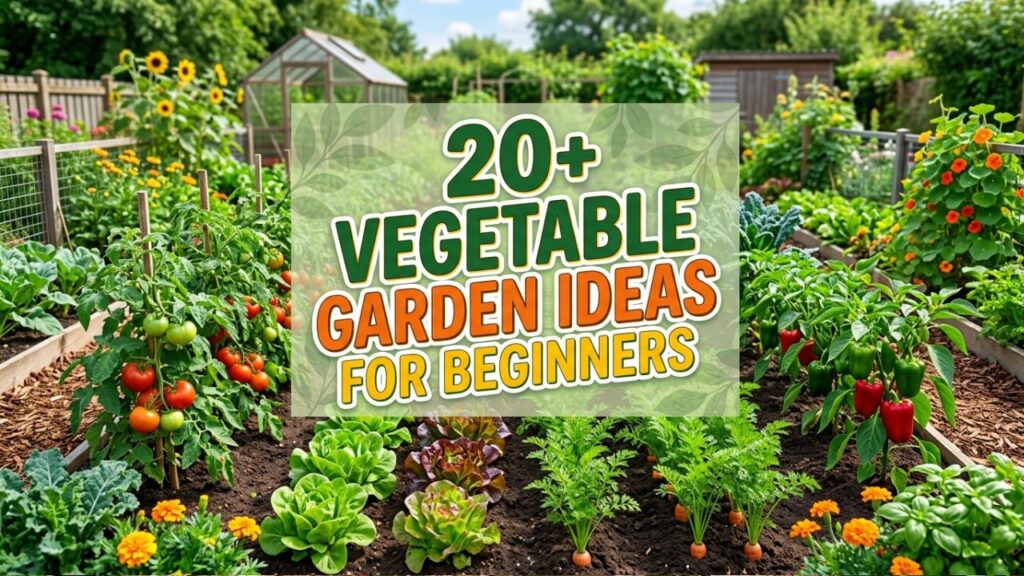
If you’ve been dreaming about fresh produce from your own backyard but worry about the cost, you’re in the right place. Below are 20 practical vegetable garden ideas for beginners that won’t drain your wallet.
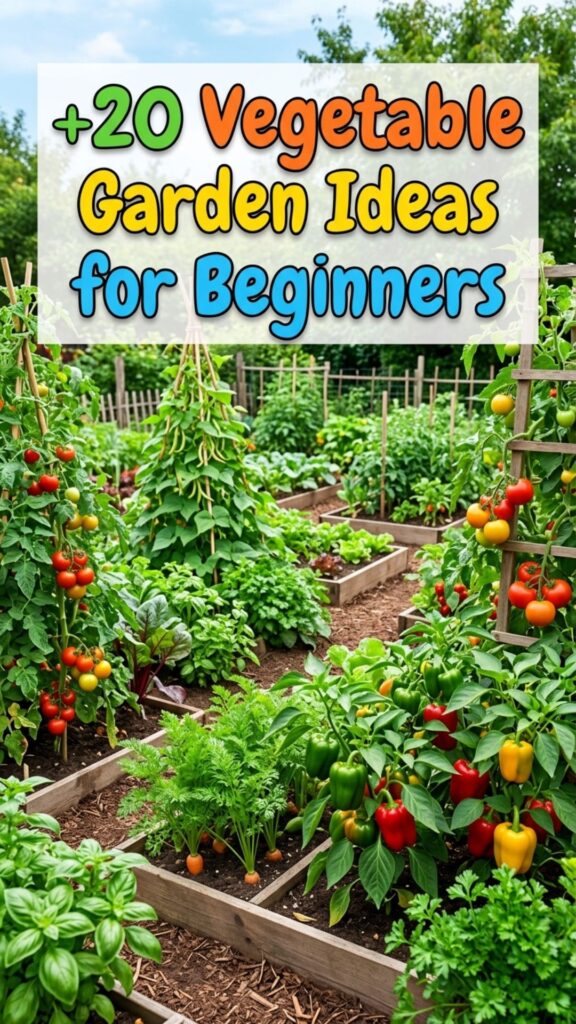
You’ll learn which plants forgive rookie mistakes, how to save money on supplies, and clever tricks to make the most of whatever space you have. Let’s dig in.
1. Start With a Small Raised Bed
A raised bed gives you control over your soil, which matters a lot when your native dirt is rocky or full of clay. You don’t need a fancy kit either. Grab some untreated scrap wood, cinder blocks, or even a stack of old bricks to frame a 4×4-foot space. That size is easy to reach across without stepping on your soil.
Small beds also warm up faster in spring, so you can plant earlier. When I built my first one, I filled it with a mix of cheap topsoil and homemade compost. Everything grew like crazy, and weeding took me maybe ten minutes a week.
2. Grow Vegetables in Containers
No yard? No problem. Pots, buckets, and grow bags let you garden on a balcony, patio, or windowsill. Almost any container works as long as it has drainage holes. Peppers, lettuce, and herbs thrive in this setup and take up barely any room.
Repurpose things you already own to keep costs low. An old laundry basket lined with landscape fabric makes a great potato planter. Just remember that containers dry out faster than garden beds, so check the soil daily during hot weather.
3. Choose Easy, Forgiving Crops First
Some vegetables practically grow themselves, and those are the ones you want when you’re learning. Radishes, lettuce, green beans, zucchini, and cherry tomatoes are reliable performers that bounce back from beginner errors. They germinate quickly and give you fast wins that keep you motivated.
Skip the tricky stuff for now. Cauliflower, celery, and melons demand patience and precise conditions that can frustrate new gardeners. Build your confidence with the easy crops, then branch out next season once you know the ropes.
4. Save Money by Starting From Seed
A single packet of seeds costs a couple of dollars and can produce dozens of plants. Compare that to buying seedlings at $4 each, and the savings add up fast. Lettuce, beans, radishes, and squash all sprout easily from seed sown directly in the ground.
You can start seeds indoors too, using egg cartons or yogurt cups on a sunny windowsill. This gives your plants a head start before the last frost. I keep leftover seeds in a labeled jar in the fridge, and many stay viable for two or three years.
5. Make Your Own Compost
Compost is free fertilizer, and it turns kitchen scraps into rich soil food. Toss vegetable peels, coffee grounds, eggshells, and dry leaves into a pile or a simple bin. Turn it every week or so, and within a few months you’ll have dark, crumbly compost that plants love.
This one habit saved me from ever buying fertilizer again. It also cuts down on household waste, which feels good. If space is tight, a small worm bin under the sink works surprisingly well and produces some of the best plant food around.
6. Try Square Foot Gardening
Square foot gardening divides your bed into a grid of one-foot squares, with a set number of plants in each. This method packs a lot of food into a small area and makes planning simple. You might grow one tomato in a square, nine spinach plants in another, and sixteen carrots in a third.
The tidy layout also makes maintenance easier because you know exactly where everything goes. Mark your grid with string or thin wooden strips. Beginners love this approach because it removes the guesswork about spacing.
7. Use Vertical Space for Climbing Plants
When ground space runs out, grow upward. Cucumbers, pole beans, peas, and small squash happily climb trellises, fences, or netting. Vertical growing keeps fruit off the soil, which means fewer pests and cleaner harvests.
Build a trellis from bamboo stakes, old ladder frames, or wire fencing you already have. I once trained cucumbers up a section of leftover chain-link fence, and it produced a jungle of vines. Going vertical can double your growing area without adding a single square foot to your footprint.
8. Plant Herbs You Actually Cook With
Fresh herbs are expensive at the store yet dead simple to grow at home. Basil, parsley, mint, and chives flourish in small pots on a kitchen windowsill or by the back door. Snip what you need, and the plants keep producing for months.
Herbs also do double duty in the garden by attracting helpful insects and repelling some pests. Mint spreads aggressively, so keep it in a pot unless you want it everywhere. Growing your own means you’ll never toss a wilted, half-used bunch again.
9. Repurpose Household Items as Planters
Before you buy anything, look around your home. Old buckets, wooden crates, colanders, tin cans, and even worn-out boots can become quirky planters. Just add drainage holes and fill them with soil.
This approach saves money and gives your garden personality. My neighbor grows strawberries in an old dresser with the drawers pulled out at different heights. Get creative, and you’ll spend less while keeping usable items out of the landfill.
10. Water Smart to Save Time and Money
Overwatering kills more plants than drought, so learn to check before you pour. Stick your finger an inch into the soil. If it feels dry, water deeply; if it’s still moist, wait. Deep, less frequent watering encourages strong roots.
Collect rainwater in a barrel or bucket to cut your water bill. Watering early in the morning reduces evaporation and helps prevent fungal problems. A layer of mulch keeps the soil damp longer, so you water less often.
11. Mulch to Cut Down on Weeds
Mulch is a beginner’s best friend. A two-inch layer of straw, shredded leaves, grass clippings, or wood chips smothers weeds before they start. That means less time on your knees pulling them and more time enjoying your garden.
Mulch also locks moisture into the soil and keeps roots cool during heat waves. Many of these materials are free. Ask a local landscaper for spare wood chips, or rake up your own autumn leaves and stockpile them for spring.
12. Practice Companion Planting
Some plants grow better together, helping each other resist pests and thrive. The classic trio of corn, beans, and squash, known as the Three Sisters, supports and protects one another. Basil planted near tomatoes is said to improve their flavor and deter bugs.
Marigolds are another beginner favorite because their scent repels many garden pests. Pairing the right plants reduces your need for sprays and boosts your harvest naturally. A little planning here pays off all season.
13. Grow Fast-Harvest Crops for Quick Wins
Nothing keeps you motivated like early success. Radishes can be ready in as little as 25 days, and salad greens like arugula follow close behind. These speedy crops give you something to harvest while slower vegetables mature.
Plant a few quick growers alongside your tomatoes and peppers. By the time the big plants take off, you’ll already be eating fresh salads. This staggered approach keeps your garden productive from spring through fall.
14. Buy Discounted Plants and Supplies
Timing your shopping saves serious cash. End-of-season sales at garden centers offer plants and seeds at deep discounts. Many perennials and even some vegetables survive a late planting just fine.
Check community swaps, yard sales, and online marketplaces for used pots, tools, and trellises. Neighbors often give away extra seedlings in spring. I’ve filled entire beds with free plants friends had no room for.
15. Set Up a Simple Watering Schedule
Consistency matters more than complexity. Pick a routine that fits your life, like watering every morning or every other evening, and stick with it. Plants respond well to steady care, and you’ll quickly learn their needs.
If you travel or forget easily, a basic drip system made from a punctured hose costs almost nothing. Self-watering containers with a reservoir also help. The goal is to prevent the stress swings that come from feast-or-famine watering.
16. Rotate Your Crops Each Season
Planting the same vegetable in the same spot year after year drains specific nutrients and invites disease. Crop rotation simply means moving plant families to new locations each season. This keeps your soil balanced and pests guessing.
A simple rotation might move tomatoes to where beans grew last year, since beans add nitrogen back to the soil. Keep a quick garden journal to track what went where. This habit prevents problems before they start and keeps yields strong.
17. Attract Pollinators With Flowers
Bees and butterflies boost your harvest by pollinating flowers into fruit. Tuck a few blooms among your vegetables to invite them in. Sunflowers, zinnias, and nasturtiums are cheap, cheerful, and easy to grow from seed.
Nasturtiums are especially handy because their leaves and flowers are edible, adding a peppery kick to salads. More pollinators mean more cucumbers, squash, and tomatoes. A pollinator-friendly garden is both prettier and more productive.
18. Grow Vegetables Indoors Year-Round
Cold weather doesn’t have to end your gardening. Leafy greens, herbs, and microgreens grow happily on a sunny windowsill or under an inexpensive grow light. Microgreens especially are ready to harvest in one to two weeks.
An indoor setup lets you keep fresh food coming through winter. I grow a tray of pea shoots on my kitchen counter every January, and they taste like spring. Start small with one pot and expand as you get comfortable.
19. Protect Plants With DIY Pest Solutions
You don’t need expensive chemicals to keep bugs at bay. A spray of water mixed with a little dish soap handles aphids well. Handpicking larger pests like caterpillars works too, though it’s not the most glamorous task.
Physical barriers help enormously. Floating row covers protect young plants, and crushed eggshells scattered around stems deter slugs. These low-cost fixes keep your garden healthy without harming the pollinators you worked to attract.
20. Keep a Garden Journal to Learn and Improve
Every gardener makes mistakes, and the best way to learn from them is to write things down. Note planting dates, what thrived, what flopped, and when you harvested. Over time, your journal becomes a personalized growing guide.
This simple record helps you plan better each year and avoid repeating errors. A cheap notebook or a notes app on your phone works fine. Looking back at my early entries always makes me smile at how far my garden has come.
Conclusion
Starting a vegetable garden on a budget is easier than you might think. With forgiving crops, recycled containers, homemade compost, and a bit of patience, you can grow fresh food without spending much at all. Every one of these ideas is beginner-friendly and rooted in real, hands-on experience.
The hardest part is simply starting. Pick two or three ideas from this list that excite you, grab some seeds this week, and plant them. Your future self, holding a basket of homegrown vegetables, will thank you. Ready to get your hands dirty? Choose your first crop today and watch your garden grow.
What are the easiest vegetables for beginners to grow?
Radishes, lettuce, green beans, zucchini, and cherry tomatoes are the easiest choices. They grow quickly, forgive common mistakes, and produce a reliable harvest, making them perfect for anyone new to gardening.
How much does it cost to start a vegetable garden?
You can start a small vegetable garden for as little as $20 to $50. Save money by starting from seed, using recycled containers as planters, and making your own compost instead of buying fertilizer.
How much space do I need to grow vegetables?
Very little. A single 4×4-foot raised bed, a few containers on a balcony, or even a sunny windowsill is enough. Vertical trellises and container gardening let you grow plenty of food in tight spaces.
How often should I water my vegetable garden?
Water deeply when the top inch of soil feels dry, usually two to three times a week. Adjust for heat and rainfall, and add mulch to hold moisture so you water less often.
Can I grow vegetables indoors?
Yes. Leafy greens, herbs, and microgreens grow well indoors on a sunny windowsill or under an affordable grow light. This lets you enjoy fresh homegrown produce all year, even in winter.