Growing vegetables on your island is one of the most satisfying parts of Animal Crossing: New Horizons. Once you unlock pumpkins, tomatoes, wheat, carrots, potatoes, and sugarcane, your island transforms from a simple getaway into a working little homestead.
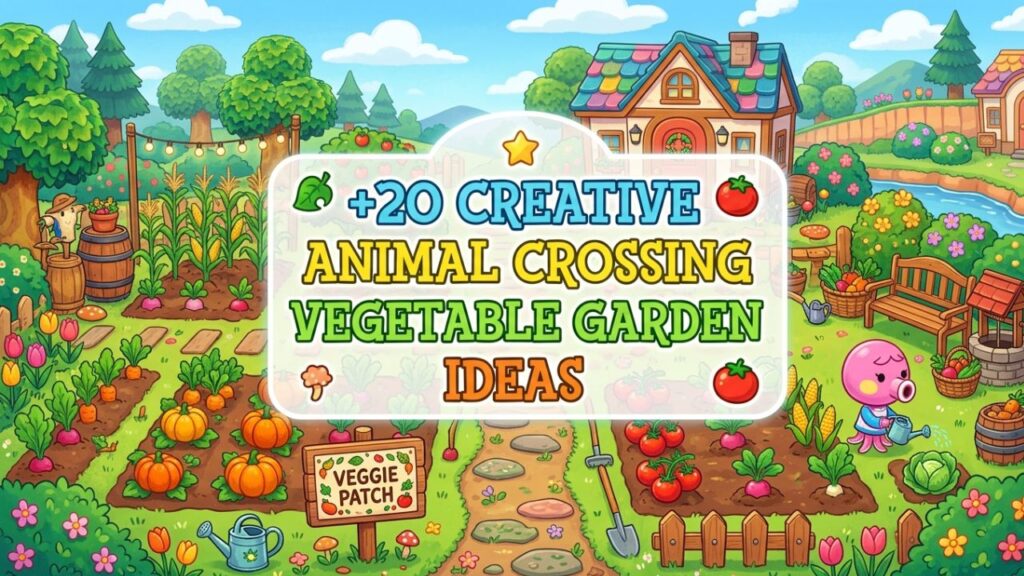
But planting a few random crops in a row gets boring fast. The real fun starts when you turn those plots into something that actually looks good.
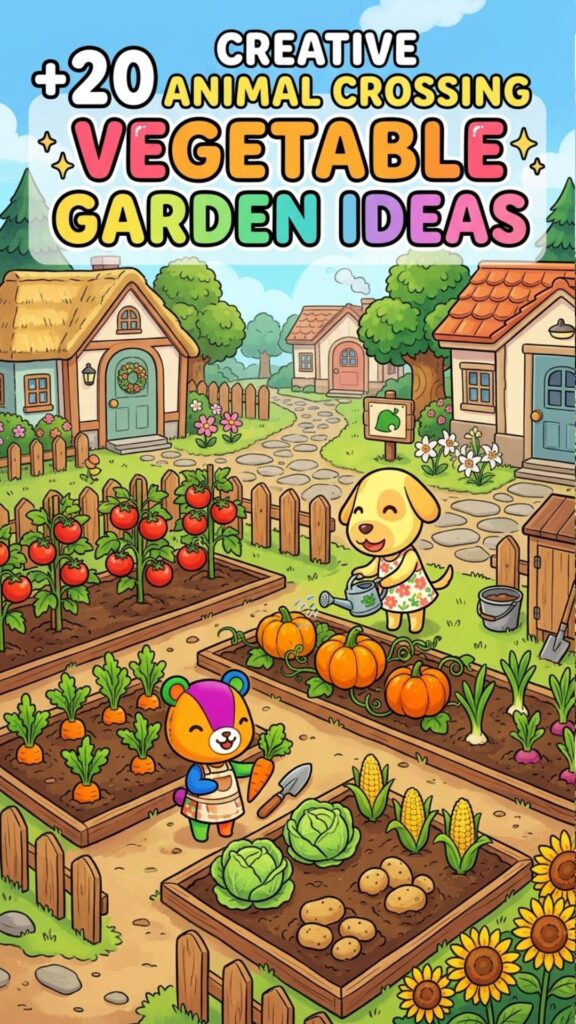
I’ve spent countless hours arranging and re-arranging garden layouts across multiple islands, testing what works and what looks messy. In this guide, you’ll find 20 creative vegetable garden ideas for Animal Crossing that balance beauty and function. Whether you want a tidy farm, a cozy cottage plot, or a full-blown agricultural district, there’s something here to spark your next big project.
1. Classic Grid Farm Rows
The grid layout is where most players start, and honestly, it never goes out of style. Line up your crops in neat rows with a single tile of dirt path between each one. This gives your villagers room to walk through and makes watering a breeze during rainy days when growth speeds up.
To make it pop, separate different vegetables into their own blocks. A square of tomatoes, a square of wheat, a square of carrots. Add a small wooden fence around the whole thing and drop a scarecrow or two near the edges. It reads instantly as a real farm, and it’s beginner-friendly.
2. Cottagecore Kitchen Garden
If you love the soft, storybook aesthetic, build a kitchen garden right beside your house. Keep it small and slightly wild, mixing vegetables with flowers like tulips and pansies so the space feels lived-in rather than industrial.
Frame the plot with a low picket fence and set out a wooden bench, a watering can, and a basket item. This kind of garden works beautifully with brick or stone paths. It tells a story that your character grows their own food and picks fresh veggies every morning.
3. Terraced Hillside Plots
Islands with cliffs give you a chance to build stunning terraced gardens. Carve two or three levels into a hill and plant a different crop on each tier. This mimics real terrace farming from mountain regions and adds serious visual depth.
Connect the levels with ladders or slopes, and edge each terrace with stone or wooden fencing. Running a small waterfall down the side pulls the whole scene together. It takes patience with the terraforming tools, but the payoff is one of the most impressive garden setups you can build.
4. Greenhouse-Style Enclosure
You can’t build an actual greenhouse in the game, but you can fake one convincingly. Use simple panels, glass-style walls, or a rectangle of fencing to define an enclosed growing space. Fill it with your most valuable crops for that “protected produce” look.
Add clear plastic pool items, plant stands, and a few potted plants for extra realism. Placing this near your museum or a modern building sells the idea of a controlled growing environment. It’s perfect for players chasing a clean, professional homestead vibe.
5. Pumpkin Patch for Fall
Pumpkins are the crown jewel of seasonal decorating. Dedicate a corner of your island to a proper autumn patch, planting all four color varieties in loose clusters rather than strict rows. The uneven spacing feels natural and rustic.
Surround the patch with orange and red flowers, scatter some dead leaves via mums and hedges, and add a scarecrow at the center. During Halloween season, this becomes the most photogenic spot on your island and a favorite gathering place for villagers.
6. Sugarcane Sunflower Field
Pair tall sugarcane with sunflowers for a golden, sun-drenched field. Both grow tall, so alternating them creates a wall of warm color that catches the light beautifully in summer.
Leave a winding dirt path cutting through the middle so you can wander through it. This idea works especially well on the western side of your island, where the sunset lights everything up. It’s simple to maintain and endlessly relaxing to look at.
7. Raised Bed Modern Farm
For a cleaner, contemporary look, arrange your crops in blocks that mimic raised beds. Use square-cut path tiles like the sandstone or terracotta options to frame each planting section, giving the illusion of built-up wooden boxes.
Keep the color palette neutral and minimal. Add a few outdoor tables, a garden faucet, and simple lighting. This layout suits players who prefer a sleek, organized island over a rustic one, and it photographs incredibly well.
8. Circular Mandala Garden
Break away from straight lines and build a circular garden instead. Plant your vegetables in concentric rings around a central feature like a fountain, a tree, or a statue. Different crops in each ring create a satisfying bullseye effect.
Curved paths take some trial and error to lay out, but the result feels artistic and unexpected. This is a great centerpiece for a town square or park area. Add benches around the outer edge so villagers can sit and admire it.
9. Riverside Vegetable Rows
Plant your crops along the natural bend of a river to soften the whole scene. The water reflects the greenery, and the curve of the riverbank guides the eye through your garden in a relaxed, organic way.
Add stepping stones, a small dock, and a few fishing-themed items nearby. This layout blends farming with your island’s natural features instead of fighting against them. It’s ideal if you don’t want to do heavy terraforming.
10. Community Garden Plots
Give each of your villagers their own little garden square, like an allotment. Divide a larger area into small fenced sections and assign a crop to each one. It’s a charming way to make the space feel communal and full of life.
Label each plot with a custom design sign, add a shared tool shed item, and drop benches between the sections. This idea works wonderfully near villager houses and adds a sense of neighborhood to your island.
11. Zen Vegetable Garden
Combine your crops with a peaceful Japanese-inspired layout. Frame small vegetable beds with bamboo, stone lanterns, and gravel-style paths. The contrast between orderly plants and calm negative space feels genuinely serene.
Add a small pond, a few koi, and some pink cherry blossom trees around the edges. Keep the crop count modest so nothing feels crowded. This garden is less about volume and more about creating a quiet retreat you’ll want to visit often.
12. Farmhouse and Barn Setup
Center your garden around a rustic building to create a full farmstead. Use fences, hay-themed items, and a windmill to build the scene, then wrap your vegetable rows around the structure.
Place a cart, some crates, and a couple of cows or livestock-themed decorations nearby. This is one of the most immersive vegetable garden ideas for Animal Crossing because it turns a plain plot into a story you can walk through.
13. Rooftop-Inspired Container Garden
Simulate a container or balcony garden using potted plants and vegetable clusters on a paved surface. Arrange everything on a flat, stone-tiled area to suggest an urban rooftop escape.
Mix in potted flowers, a bistro set, and string lights for cozy evening ambiance. This works well tucked beside a modern house or shop. It proves you don’t need sprawling fields to grow a beautiful, functional garden.
14. Wildflower Meadow Farm
Let your garden go a little untamed by weaving wildflowers directly between your vegetable rows. Skip the rigid fencing and let flowers spill across the edges for a soft, meadow-like effect.
Add a rustic bench, a stone well, and a few clovers scattered around. Butterflies and bees show up naturally, adding motion and life. This relaxed style suits players who find perfectly straight rows a bit too stiff.
15. Seasonal Rotation Zones
Design your garden in four distinct sections, one for each season’s produce and decor. Rotate the flowers, trees, and furniture as the in-game seasons change while keeping the vegetables as your constant base.
This keeps your island feeling fresh all year without rebuilding from scratch. It also shows off your attention to detail. Visitors will notice how thoughtfully the space shifts from spring blossoms to snowy winter charm.
16. Vertical Cliffside Vines
Use elevated cliffs to create a dramatic garden that climbs upward. Plant crops along a narrow cliff top and let vines and ivy items cascade down the rock face below for a lush, layered look.
Add a waterfall nearby and a viewing platform at the base. This vertical approach makes clever use of height and works great for smaller islands where floor space is limited but cliffs are plentiful.
17. Market Stall Garden
Combine growing and selling by building a farmers’ market beside your crops. Set up stall items, produce displays, and signs advertising your fresh vegetables. It gives your garden a clear purpose and a lively atmosphere.
Position tables loaded with fruit and veggie items, add a chalkboard sign, and place a few chairs for shoppers. This idea turns your harvest into a whole experience and makes a fun photo spot for visiting friends.
18. Fairy Tale Enchanted Garden
Add a touch of magic with glowing mushrooms, fairy lights, and mystic decor woven through your vegetable beds. Use the illuminated items and star fragments to make the garden sparkle after dark.
Frame it with iron fencing, add a wishing well, and plant blue and purple flowers for a dreamy palette. This whimsical style transforms an ordinary crop plot into something straight out of a storybook.
19. Compact Balcony-Style Micro Garden
Short on space? Build a tiny, efficient garden that packs a lot into a small footprint. Cluster a few of each crop tightly together and border the whole thing with a single tile of decorative path.
Add one bench, one lamp, and a couple of potted plants. That’s all you need. This layout proves that even the smallest corner of your island can become a productive, good-looking garden with a little planning.
20. Themed Color-Coordinated Farm
Pick a color story and build your entire garden around it. For example, group orange pumpkins, orange flowers, and warm-toned paths together, or go for a cool green-and-white scheme with wheat and pale blooms.
Matching your furniture, fencing, and flowers to the crops creates a polished, intentional look. Color coordination is one of the easiest tricks to make a simple vegetable garden feel like a professionally designed space.
Conclusion
Building a vegetable garden in Animal Crossing is about far more than growing food. It’s a chance to express your creativity, tell a story, and make your island truly yours. From tidy grid farms to enchanted glowing plots, these 20 ideas give you plenty of directions to explore, whether you’re just starting out or looking to overhaul an entire district.
Pick the idea that speaks to you, gather your crops, and start terraforming. Try mixing a few concepts together for something completely original. Then grab your camera, snap your favorite angle, and share your creation with friends. Your dream garden is just a few plots away, so open the game and start planting today.
What vegetables can you grow in Animal Crossing: New Horizons?
You can grow pumpkins, tomatoes, wheat, carrots, potatoes, and sugarcane. Pumpkins arrived first, and the rest came with the 2.0 update. You buy starts or seeds from Leif or Nook’s Cranny and plant them in dirt or tilled soil.
How do you make crops grow faster in Animal Crossing?
Water your crops daily to speed up growth. Rain and snow water them automatically. Watering also increases the chance of producing extra bundles at harvest, so keep that watering can handy every day.
How do you make a vegetable garden look good in Animal Crossing?
Use fencing, custom path designs, and decorative items like scarecrows, benches, and lanterns to frame your crops. Group vegetables by type or color, and add flowers around the edges for a finished, intentional look.
Do vegetables regrow after harvesting?
Yes. Most crops regrow after you harvest them, so you don’t need to replant every time. Leave the base plant in the ground and it will produce more over the following days.
Where should I put my vegetable garden on my island?
Anywhere with open, flat space works, but riverbanks, cliffsides, and areas near your house or villager homes look especially natural. Choose a spot you’ll pass often so watering stays part of your daily routine.