A great harvest starts long before you drop a single seed into the soil. It starts with a plan. After years of digging, replanting, and learning from a few flopped tomato crops, I can tell you the layout of your garden matters more than almost anything else.
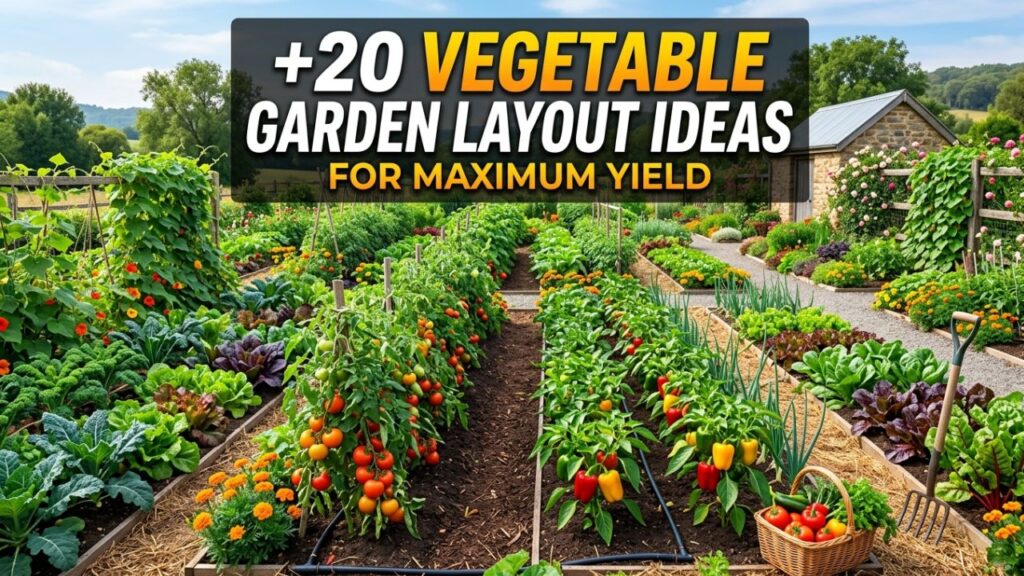
The right design gives your plants room to breathe, catches more sun, and squeezes surprising amounts of food out of even the smallest patch of dirt.
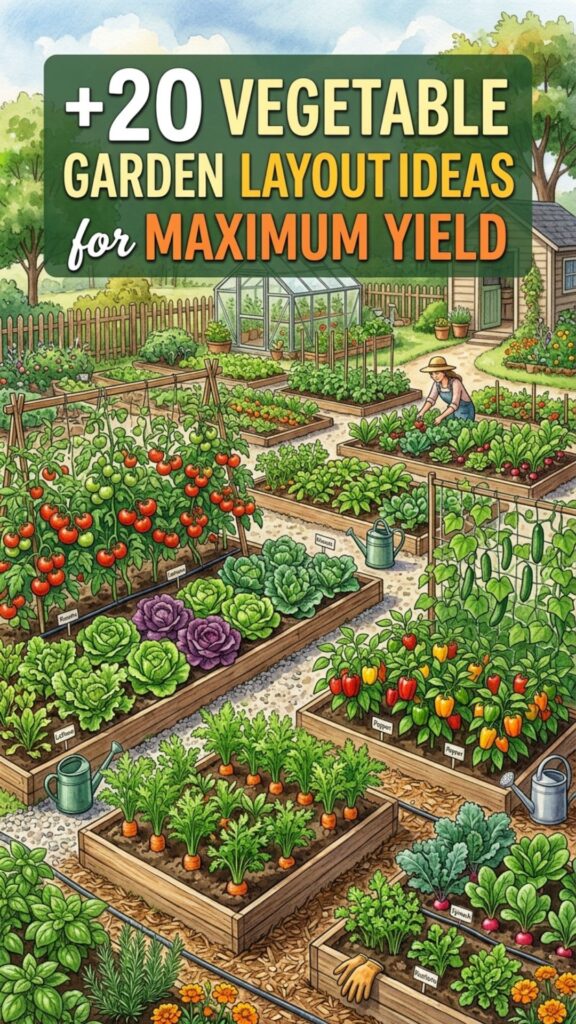
Below you’ll find 20 vegetable garden layout ideas that fit backyards, balconies, and everything in between. Each one comes with real-world tips you can put to work this weekend. Whether you’re planting your first bed or reworking a tired plot, these ideas will help you grow more food in less space.
1. The Classic Row Garden
Straight rows are the oldest trick in the book, and they still work. You plant each vegetable in a long line with walking paths between them. This makes weeding, watering, and harvesting simple because you always know where to step.
Rows work best in larger plots where space isn’t tight. Run them north to south so every plant gets even sunlight through the day. Group tall crops like corn on the north side so they don’t shade shorter neighbors.
2. Raised Bed Blocks
Raised beds are my go-to for almost any yard. You build a frame, fill it with quality soil, and plant in tight blocks instead of rows. The soil warms faster in spring and drains well after heavy rain.
Keep beds about four feet wide so you can reach the center without stepping inside. Stepping on soil packs it down and hurts your roots. A few 4×8 beds can feed a family all summer.
3. Square Foot Gardening
This method divides a raised bed into one-foot squares using string or thin wood. You plant a set number of seeds in each square based on the crop, which cuts waste and keeps things tidy.
It’s perfect for beginners who feel overwhelmed by spacing charts. One square might hold a single tomato, while another holds sixteen carrots. You always know exactly what goes where, and gaps get filled fast.
4. Vertical Garden Walls
When ground space runs out, look up. Trellises, cages, and wall planters let vining crops climb instead of sprawl. Cucumbers, pole beans, and small melons all love to reach for the sky.
Vertical growing keeps fruit off the ground, which means fewer pests and cleaner harvests. It also improves airflow, cutting down on the mildew that plagues crowded plants. A single trellis can double your usable growing area.
5. Keyhole Garden Design
A keyhole bed is a round raised bed with a notch cut into one side, like a keyhole seen from above. That notch lets you reach a central composting basket without walking around the whole bed.
You toss kitchen scraps into the center, and nutrients feed the surrounding soil as they break down. These beds hold moisture well, making them a smart choice for hot, dry climates.
6. The Potager Kitchen Garden
A potager blends beauty and function by mixing vegetables, herbs, and flowers in one attractive design. Think of it as a garden you’d happily show off to guests while still eating from it.
Arrange plants by color, height, and texture to create patterns that please the eye. Edging beds with leafy greens or bright marigolds turns a practical plot into a living work of art.
7. Container Cluster Layout
No yard? No problem. Grouping pots on a patio or balcony creates a portable garden you can rearrange as the sun shifts. Peppers, herbs, lettuce, and dwarf tomatoes all thrive in containers.
Cluster pots of different heights together to save space and hold moisture. Use larger containers for deep-rooted crops and shallow trays for greens. Just remember pots dry out fast, so check them daily in summer.
8. Companion Planting Grids
Some plants grow better as neighbors. Companion planting pairs crops that help each other, like basil near tomatoes or carrots beside onions. The right matches deter pests and boost flavor.
Map out your grid so friendly plants sit side by side. Avoid known rivals, such as beans and onions, which stunt each other. This layout uses biology instead of chemicals to protect your harvest.
9. The Three Sisters Method
This Native American technique plants corn, beans, and squash together in one mound. Corn gives beans a pole to climb, beans add nitrogen to the soil, and squash leaves shade out weeds.
It’s a beautiful example of plants working as a team. Sow corn first, add beans once stalks are knee-high, then tuck squash around the base. One mound delivers three crops in a tight footprint.
10. Spiral Herb Garden
An herb spiral stacks soil into a rising coil, creating different growing zones in a small circle. The top drains fast and stays dry, while the base holds moisture longer.
Plant sun-loving herbs like rosemary near the top and thirsty ones like mint at the bottom. This clever design fits a dozen herbs into just a few square feet of space.
11. Intensive Interplanting
Interplanting means tucking fast crops between slow ones to use every inch of soil. Radishes, for example, mature before nearby broccoli needs the room.
You harvest the quick growers first, then the slower plants spread into the freed-up space. This layout keeps beds full all season and dramatically increases total yield.
12. Hügelkultur Mounds
Hügelkultur builds raised mounds over buried logs and branches. As the wood rots, it feeds the soil and holds water like a sponge, cutting your watering needs.
These mounds take effort to build but last for years. The extra surface area of a mound also gives you more planting room than flat ground of the same size.
13. The Mandala Garden
A mandala layout arranges circular beds around a central point, often with curving paths. It looks stunning and reduces wasted walkway space compared to straight rows.
Circles pack more edge into less area, and edges are where plants thrive. This design suits gardeners who want their plot to feel like a peaceful retreat as much as a food source.
14. Succession Planting Beds
Succession planting means replanting a bed as soon as one crop finishes. Pull spent lettuce in June, then sow beans in the same spot for a fall harvest.
Plan your beds around planting dates rather than fixed spots. A single bed can produce three or four different crops in one season if you keep it working.
15. L-Shaped Corner Gardens
An L-shaped bed hugs the corner of a fence or patio, making use of space that often sits empty. It’s ideal for narrow yards where a big square plot won’t fit.
Place taller crops along the inside of the L and shorter ones on the outer edge. This layout captures sun from two directions and keeps your harvest within easy reach.
16. Straw Bale Gardening
Here you plant directly into conditioned straw bales instead of soil. The bales heat up as they break down, giving roots a warm, rich home while sitting at a comfortable height.
This method is great for poor or rocky ground where digging is a pain. Once the season ends, the broken-down bales become compost for next year.
17. Tiered Terrace Beds
On a slope, terraces turn a tricky hillside into flat, plantable steps. Each level holds a bed supported by stone, timber, or brick walls.
Terracing stops soil from washing away during rain and creates several distinct growing zones. It takes work to build, but it transforms unusable land into productive garden space.
18. The Pizza Garden
A themed pizza garden groups everything you’d need for a homemade pie: tomatoes, basil, peppers, onions, and oregano. Kids especially love watching their dinner ingredients grow.
Arrange it in a round bed sliced into wedges, one crop per slice. It’s a fun, focused layout that teaches beginners how a handful of plants can supply a whole meal.
19. Window Box Edibles
Window boxes turn narrow ledges into productive mini gardens. They suit renters and city dwellers who have zero ground to work with but plenty of sunny windows.
Stick to compact crops like leaf lettuce, chives, and cherry tomatoes. Water often, since shallow boxes dry quickly, and rotate them to keep growth even on all sides.
20. The Four-Section Rotation Plan
Divide your garden into four sections and rotate crop families each year. This simple system stops pests and diseases from building up in one spot and keeps soil balanced.
Move heavy feeders, light feeders, root crops, and legumes around the sections annually. Over time, this rotation keeps your soil healthy without relying on heavy fertilizer.
Conclusion
The best vegetable garden layout is the one that fits your space, your climate, and your daily routine. You don’t need acres of land to grow a rewarding harvest, just a smart plan and a little patience. Start with one or two of these ideas, watch what thrives, and adjust as you learn. Every garden teaches you something new each season.
Ready to dig in? Pick your favorite layout from this list, sketch it out on paper, and get planting this week. Your future self, standing in the kitchen with a basket of homegrown vegetables, will thank you.
What is the best vegetable garden layout for beginners?
Square foot gardening and raised bed blocks are the easiest layouts for beginners. They keep spacing simple, reduce weeding, and make it hard to overplant. Start with one 4×4 raised bed and expand once you feel confident.
How do I plan a vegetable garden layout for maximum yield?
Group plants by sunlight and water needs, place tall crops where they won’t shade shorter ones, and use vertical supports for vining plants. Combine succession planting and interplanting to keep every bed producing all season long.
How much space do I need for a vegetable garden?
You can grow a meaningful harvest in as little as a few square feet using containers or a single raised bed. A 100-square-foot plot can feed one person through summer, while 200 square feet supports a small family.
Which vegetables grow well together?
Tomatoes pair well with basil, carrots thrive beside onions, and the classic corn-bean-squash trio supports one another. Avoid pairing beans with onions or tomatoes with cabbage, as these combinations tend to compete.
How far apart should I space my vegetables?
Spacing depends on the crop. Leafy greens need only a few inches, while tomatoes and peppers need 18 to 24 inches. Check each seed packet, since proper spacing prevents disease and gives roots room to grow.