You don’t need a sprawling farm to grow fresh food at home. A corner of your yard, a sunny patio, or even a shady fence line can turn into a productive plot with the right approach.
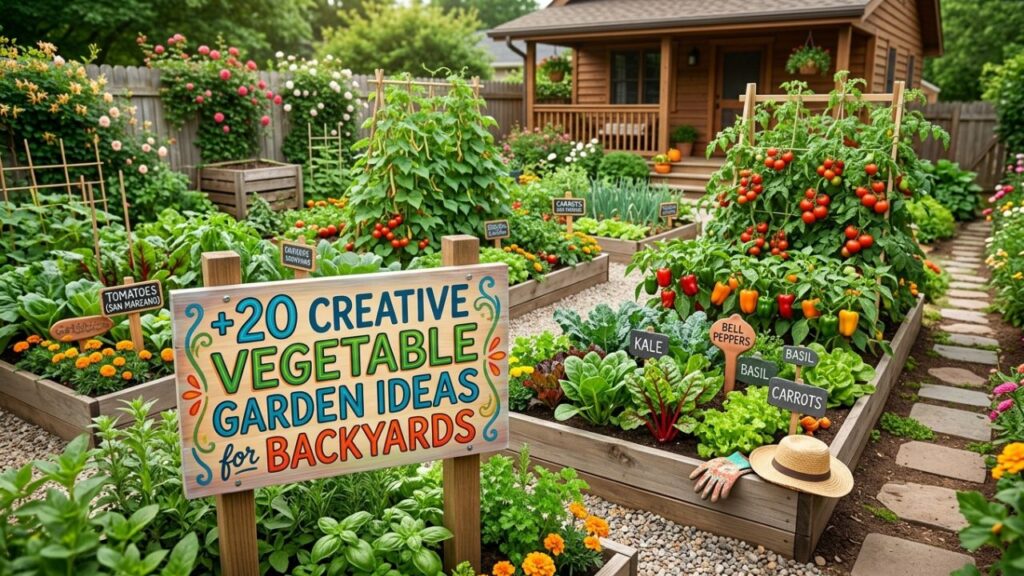
After years of digging in the dirt and helping friends fix their struggling plots, I’ve learned that the best backyard gardens start with a smart idea, not a big budget.
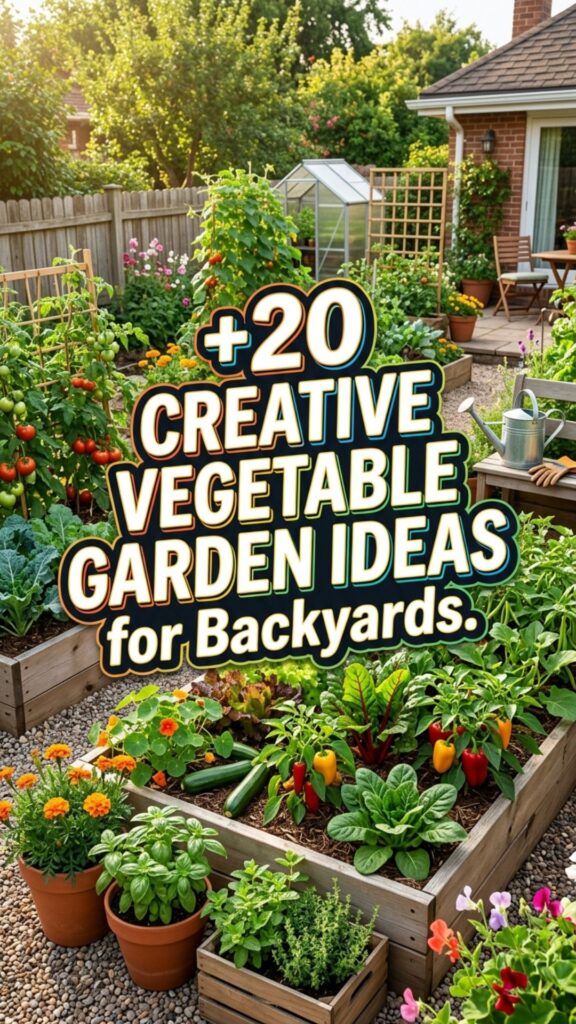
This guide walks you through 20 creative vegetable garden ideas for backyards of every size. You’ll find layouts for tight spaces, designs that fight off pests, and tricks that save water and time. Whether you’re a first-timer or you’ve killed a few tomato plants already, there’s something here you can put to work this weekend.
1. Classic Raised Bed Rows
Raised beds are the workhorse of backyard vegetable gardens, and for good reason. They give you loose, well-draining soil, warm up faster in spring, and keep your back happy since you’re not bending all the way to the ground. A standard 4-by-8-foot bed is easy to reach across and fits most yards without swallowing your whole lawn.
Build your beds from untreated cedar, which resists rot naturally, or grab a metal kit if you want something that lasts decades. Fill them with a mix of quality topsoil, compost, and a bit of coarse sand for drainage. Space multiple beds about two feet apart so you can walk, kneel, and wheel a barrow between them without trampling your crops.
2. Vertical Garden Walls
When floor space runs out, look up. Vertical gardens let you grow leafy greens, herbs, and even strawberries on a wall or fence, freeing up the ground for bigger plants. Pocket planters, stacked crates, and repurposed pallets all make solid vertical structures.
The trick with vertical growing is watering. Water drains fast, so the top pockets dry out quicker than the bottom ones. A simple drip line running along the top row solves this and keeps everything evenly moist. Stick to shallow-rooted crops like lettuce, spinach, and basil for the best results.
3. Container Gardens for Patios
Not ready to dig up the yard? Containers give you a full garden on a deck, balcony, or paved patio. Big pots, grow bags, and old wine barrels all work beautifully for tomatoes, peppers, and eggplants that need room to root.
Choose containers at least 12 inches deep for most vegetables, and make sure every one has drainage holes. Grouping pots together creates a little microclimate that holds humidity and cuts down on watering. Move them around to chase the sun or dodge a surprise cold snap.
4. Keyhole Garden Beds
A keyhole bed is a round, raised design with a notch cut out like a slice of pie, giving you access to the center. In the middle sits a composting basket that feeds the surrounding soil as you toss in kitchen scraps and yard waste. It’s an efficient design borrowed from drought-prone regions.
This layout shines in small yards because it packs a lot of growing area into a tight circle, usually about six feet across. The central compost pile also keeps the soil rich and moist, so you water and fertilize less. It’s a favorite of mine for hot, dry summers.
5. Square Foot Gardening
Square foot gardening divides a raised bed into a grid of one-foot squares, each planted with a specific crop. This method squeezes maximum yield out of minimal space and takes the guesswork out of spacing. One square might hold a single tomato, another sixteen carrots.
Draw the grid with string or thin wooden slats laid across the bed. Follow simple planting rules: one large plant per square, four medium, nine small, or sixteen tiny ones. Beginners love this system because it’s organized, low-waste, and easy to track what’s growing where.
6. Companion Planting Layouts
Some plants grow better together, and companion planting puts that teamwork to use. The classic “Three Sisters” combo pairs corn, beans, and squash so each supports the others. Marigolds tucked among vegetables also repel many common pests.
Plan your beds so tall crops shade the ones that wilt in heat, and place aromatic herbs near vegetables that attract bugs. Basil next to tomatoes, for example, is said to improve flavor while keeping aphids at bay. It’s a natural way to boost health without reaching for chemicals.
7. Herb Spiral Gardens
An herb spiral is a raised, coiling mound that packs several growing zones into one small footprint. The top stays dry and sunny for Mediterranean herbs like rosemary and thyme, while the base holds moisture for parsley and mint. You get different microclimates in about three square feet.
Build the spiral with stacked stones or bricks, then fill it with well-draining soil. Position it near your kitchen door so snipping fresh herbs for dinner takes seconds. It’s both a functional garden and a striking centerpiece that guests always ask about.
8. Trellised Climbing Vegetables
Trellises turn vining crops into vertical space-savers. Cucumbers, pole beans, peas, and even small melons happily climb upward when given support, keeping fruit clean and off the damp soil. This cuts down on rot and makes harvesting a lot easier on your knees.
Set your trellis on the north side of a bed so the climbing plants don’t shade shorter crops. A simple A-frame, cattle panel arch, or string grid all do the job. Bonus: a trellis arch over a walkway creates a shady, green tunnel that looks stunning by midsummer.
9. In-Ground Garden Plots
Sometimes the simplest approach wins. If your native soil is decent and drains well, a traditional in-ground plot costs almost nothing to start. You skip the expense of building materials and get plenty of room for sprawling crops like pumpkins and potatoes.
Start by testing your soil and working in a few inches of compost to boost fertility. Mark rows with a garden line and leave clear paths so you don’t compact the growing beds. Mulch heavily to hold moisture and keep weeds from taking over your open ground.
10. Straw Bale Gardening
Straw bale gardening uses conditioned bales as both container and growing medium. As the straw breaks down inside, it creates a warm, nutrient-rich pocket perfect for tomatoes, squash, and peppers. It’s a genius fix for yards with rocky or poor soil.
Condition the bales for about two weeks first by watering them daily and adding nitrogen fertilizer to kick-start decomposition. Once they heat up and cool back down, plant seedlings straight into the top. At season’s end, the spent bales become excellent compost.
11. Raised Beds with Built-In Seating
Add a wide cap board along the edge of a raised bed and you’ve got instant garden seating. This design makes tending your plants comfortable and turns the garden into a spot where you actually want to linger with a cup of coffee.
Build the cap at least six inches wide so it’s comfy to perch on while you weed or harvest. Taller beds around 24 inches high double as accessible gardens for anyone who struggles to bend or kneel. It’s a small tweak that makes a big difference in daily comfort.
12. Salad Table Gardens
A salad table is a shallow, waist-high box with a mesh bottom, built specifically for fast-growing greens. Because greens have shallow roots, you only need a few inches of soil, which keeps the whole thing light and easy to move. Fresh salad is always within arm’s reach.
Position it in a spot that gets morning sun and light afternoon shade to stop lettuce from bolting in the heat. Sow seeds in succession every couple of weeks for a steady supply all season. It’s one of the fastest wins for new gardeners craving quick results.
13. Themed Kitchen Gardens
Plant a garden around the meals you love to cook. A pizza garden grows tomatoes, basil, oregano, and peppers, while a salsa garden focuses on tomatoes, cilantro, onions, and hot chilies. Grouping crops by recipe makes gardening feel purposeful and fun.
These themed plots are perfect for getting kids involved, since the payoff is a meal they helped grow. Keep the theme in a single raised bed or a cluster of containers near the kitchen. You’ll be surprised how much more you cook with fresh ingredients steps from your door.
14. Shade-Tolerant Garden Corners
That shady corner you thought was useless can still grow food. Many crops actually prefer cooler, shadier spots, especially leafy greens, root vegetables, and herbs that bolt in full sun. Don’t write off any part of your yard until you’ve matched it with the right plants.
Lettuce, kale, spinach, arugula, radishes, and beets all tolerate three to four hours of sun. Cilantro and parsley thrive there too. Just remember that shady beds stay wetter, so hold back on watering to avoid soggy roots and fungal problems.
15. Water-Wise Wicking Beds
Wicking beds have a hidden water reservoir at the bottom that plants draw from as needed. This self-watering design slashes your watering chores and is ideal for hot climates or busy gardeners who can’t water every day. The soil stays evenly moist from below.
To build one, line a raised bed with pond liner, add a layer of gravel and a fill pipe, then top it with soil separated by landscape fabric. You fill the reservoir through the pipe and let the moisture wick upward. Once set up, a wicking bed can go days without attention.
16. Edible Landscape Borders
Who says vegetables can’t be pretty? Edible landscaping weaves food crops into your ornamental beds so the whole yard works harder. Rainbow chard, purple kale, and ruby lettuces look as good as they taste tucked among flowers.
Line a walkway with curly parsley or frame a flower bed with colorful peppers. This approach suits neighborhoods with strict looks or anyone who wants beauty and harvest in one. Nobody has to know your front border is also dinner.
17. Hügelkultur Mounds
Hügelkultur is a German technique that builds raised mounds over buried logs and branches. As the wood slowly rots, it holds water like a sponge and releases nutrients for years. It’s a fantastic way to use up fallen branches while creating fertile ground.
Stack logs, then cover them with smaller branches, leaves, compost, and a final layer of topsoil. The mound sinks over time but stays productive with almost no extra watering or fertilizing. It’s a long-game idea that rewards patience with rich, low-maintenance beds.
18. Greenhouse and Cold Frame Beds
Extend your growing season with a small greenhouse or a simple cold frame. These structures trap heat and protect tender crops from frost, letting you start seeds earlier in spring and keep harvesting deep into fall. Even a tiny cold frame makes a real difference.
A cold frame is basically a bottomless box with a clear, hinged lid, cheap to build from scrap wood and an old window. Set it over a bed and prop the lid open on warm days so plants don’t cook. It’s the easiest way to squeeze extra months out of your backyard garden.
19. Tiered Terrace Gardens
Sloped yards are a common headache, but terracing turns them into an asset. Building level, stepped beds into a hillside stops erosion, catches runoff, and creates a striking layered look. Each terrace becomes its own tidy growing space.
Use retaining walls of timber, stone, or interlocking blocks to hold each level in place. The upper terraces tend to drain fast, so plant drought-tolerant crops there, and save the moisture-loving vegetables for the lower beds. It’s more work upfront, but the payoff lasts for years.
20. Container Tower Gardens
Tower gardens stack planting pockets vertically to grow dozens of plants in a footprint smaller than a trash can. Some are stacked ceramic pots, others are purpose-built systems, but all deliver serious yield in tight spaces like small patios or balconies.
Strawberries, herbs, lettuces, and compact peppers thrive in these towers. Rotate the tower every few days so all sides get equal sun, and water from the top so moisture trickles down through each level. For renters and small-space growers, it’s one of the smartest ideas going.
Start Your Backyard Garden Today
Growing your own vegetables is easier than it looks, and you’ve now got 20 creative vegetable garden ideas for backyards to prove it. From raised beds and vertical walls to wicking beds and tower gardens, there’s a design that fits your space, budget, and lifestyle. The best garden isn’t the fanciest one, it’s the one you’ll actually enjoy tending.
Pick just one idea that fits your yard and start small this weekend. Grab a container, build a single raised bed, or set up a salad table by the back door. Once you taste your first homegrown tomato, you’ll wonder why you waited. Get your hands dirty and let your backyard feed you.
What is the best vegetable garden layout for a small backyard?
Raised beds and vertical gardens are the best options for small backyards. A 4-by-4-foot raised bed using the square foot method or a vertical wall for greens and herbs gives you the highest yield in the least space. Container and tower gardens work well too when ground space is tight.
How much sun does a backyard vegetable garden need?
Most vegetables need at least six hours of direct sunlight a day, especially fruiting crops like tomatoes and peppers. Leafy greens, herbs, and root vegetables can manage with three to four hours, so shadier corners are still usable with the right plant choices.
What vegetables are easiest to grow for beginners?
Lettuce, radishes, green beans, zucchini, and cherry tomatoes are among the easiest crops for beginners. They grow quickly, forgive minor mistakes, and produce reliable harvests. Starting with a few of these builds confidence before you tackle trickier plants.
How do I keep pests out of my backyard vegetable garden?
Use companion planting, such as marigolds and basil, to naturally deter many pests. Row covers, raised beds, and regular inspection also help. Healthy soil and proper spacing keep plants strong enough to resist damage without heavy use of chemicals.
How much does it cost to start a backyard vegetable garden?
You can start an in-ground plot for under $50 with seeds, compost, and basic tools. A single raised bed with soil runs roughly $100 to $200, while container and tower systems fall in between. Starting small keeps costs low while you build your skills.