The first time I ripped out a patch of thirsty lawn and replaced it with native wildflowers, something unexpected happened. Within weeks, butterflies showed up. Then bees. Then a pair of goldfinches that treated my coneflowers like a private buffet. That backyard went from silent to buzzing with life, and my water bill dropped too.
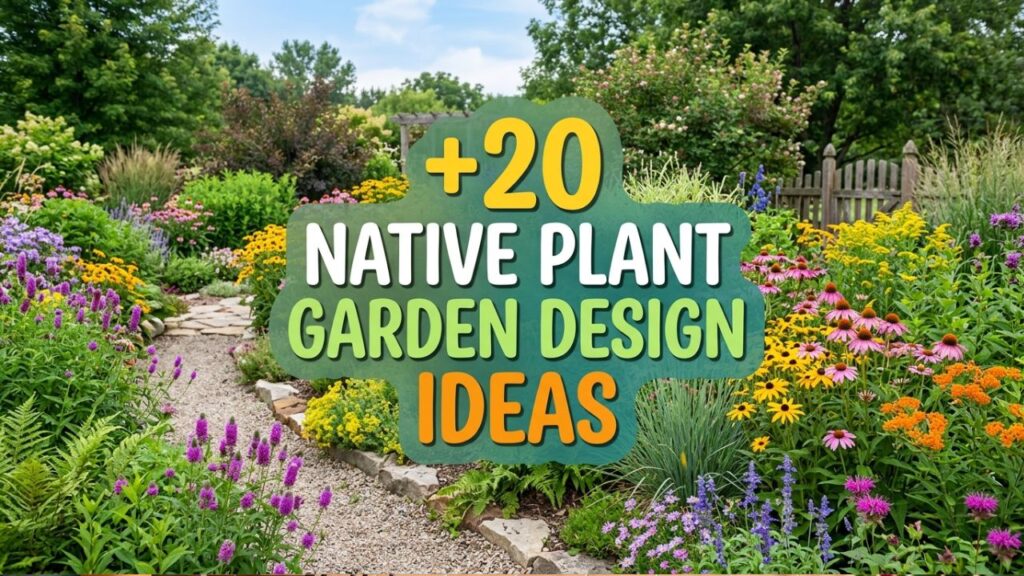
That’s the magic of gardening with plants that already belong where you live. They’ve spent thousands of years adapting to your soil, rainfall, and seasons, so they need far less fussing than exotic imports.
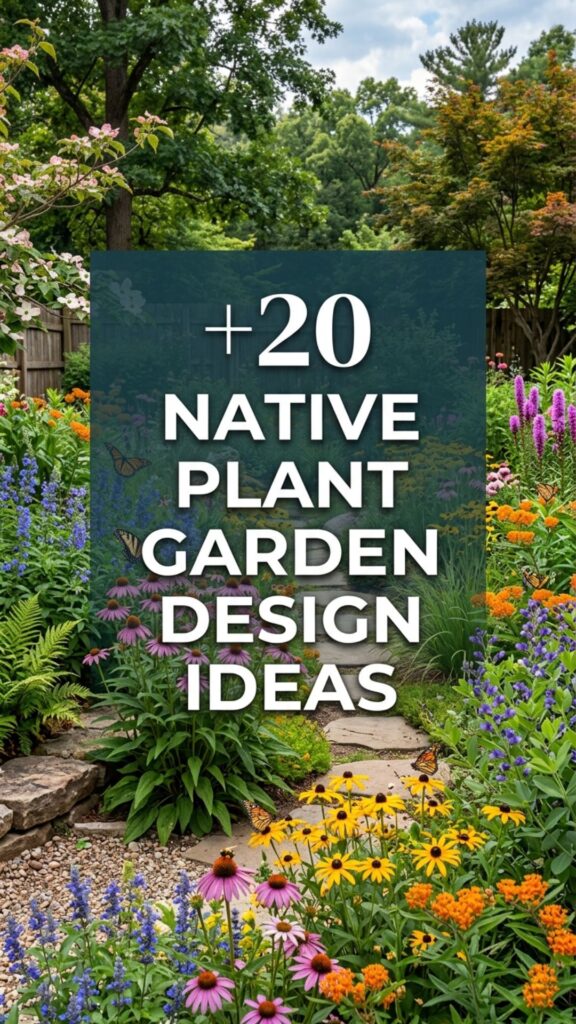
In this guide, you’ll find 20 practical native plant garden design ideas you can start using this weekend. Whether you have a sprawling yard or a tiny corner, there’s something here to help you build a natural oasis that feels alive.
1. Start With a Native Meadow Instead of a Lawn
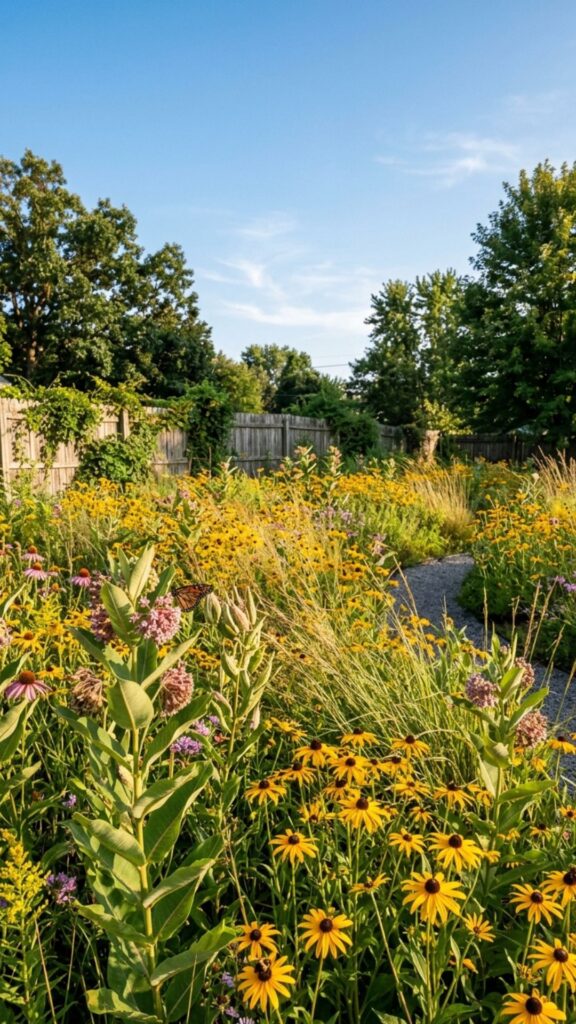
Traditional lawns eat up water, fertilizer, and hours of your weekend. A native meadow flips that formula. Swap sections of turf for grasses like little bluestem and switchgrass mixed with flowering natives such as black-eyed Susans and milkweed. Once established, a meadow needs mowing just once or twice a year.
Start small if the idea feels overwhelming. Convert a 10-by-10 foot patch first, watch how it fills in, then expand. I’ve seen homeowners replace half their front lawn over two seasons, and neighbors almost always end up asking for tips instead of complaining.
2. Build a Pollinator-Friendly Border
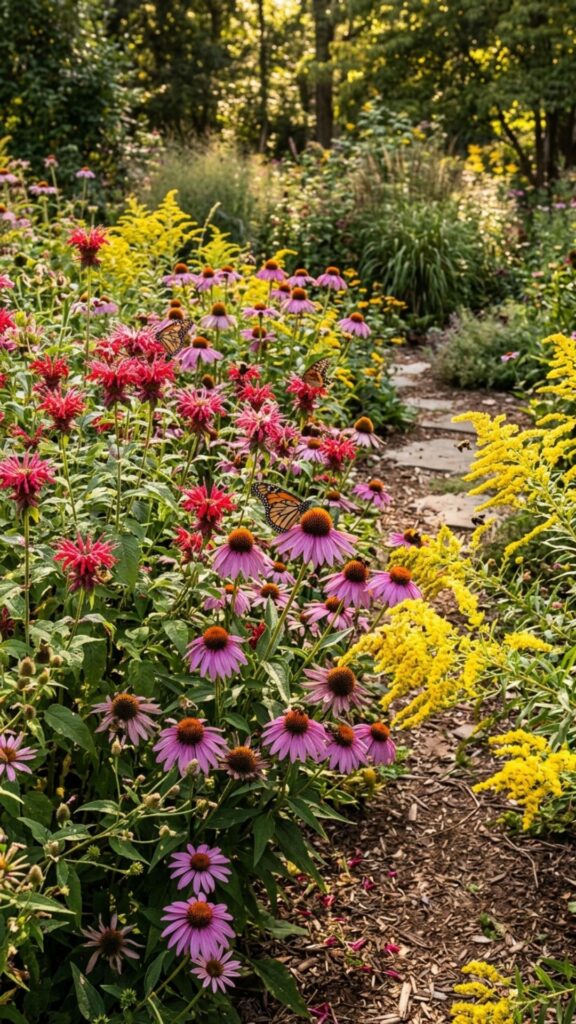
Line your garden beds or walkways with a ribbon of nectar-rich native flowers. Think bee balm, purple coneflower, and goldenrod planted in drifts of three to five so pollinators can find them easily. Bees and butterflies waste less energy when their favorite blooms grow in clusters rather than scattered singles.
Aim for a mix that blooms across spring, summer, and fall. Early bloomers like wild columbine feed hungry pollinators after winter, while late-season asters keep them fed before the cold returns. This staggered schedule turns your border into a reliable food source all year.
3. Create a Rain Garden in Low Spots
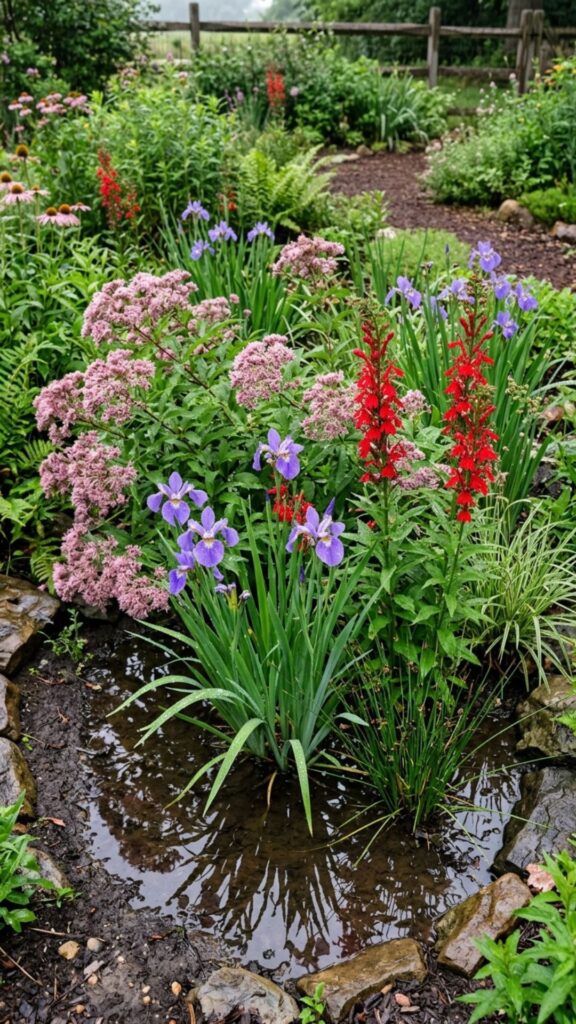
If part of your yard collects puddles after storms, don’t fight it, plant it. Rain gardens use moisture-loving natives to soak up runoff, filter pollutants, and prevent soggy messes. Dig a shallow basin and fill it with plants like blue flag iris, Joe Pye weed, and cardinal flower.
These gardens do double duty. They handle stormwater that would otherwise flood your foundation or run into storm drains, and they look gorgeous doing it. The deep roots of native plants also help water sink into the ground rather than pooling on the surface.
4. Design a Layered Woodland Garden
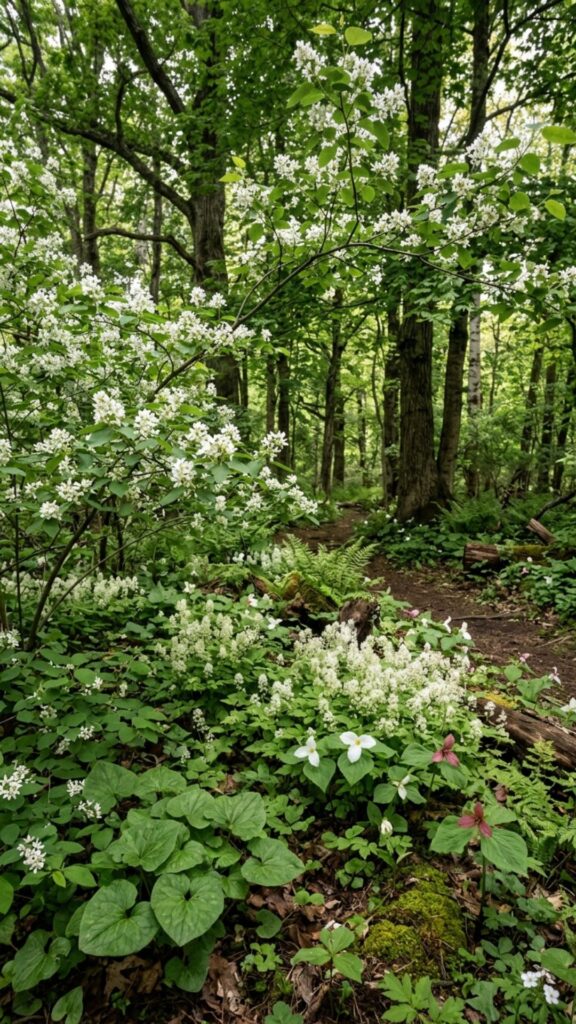
Got a shady corner under mature trees? Recreate a forest floor with layers of native plants. Start with an upper canopy of existing trees, add understory shrubs like serviceberry, then carpet the ground with woodland natives such as wild ginger, foamflower, and trilliums.
Layering mimics how nature actually grows, and it creates habitat at every height. Birds nest in the shrubs while ground beetles and salamanders shelter among the low plants. The result feels like a peaceful pocket of wilderness right outside your door.
5. Frame Your Patio With Native Grasses
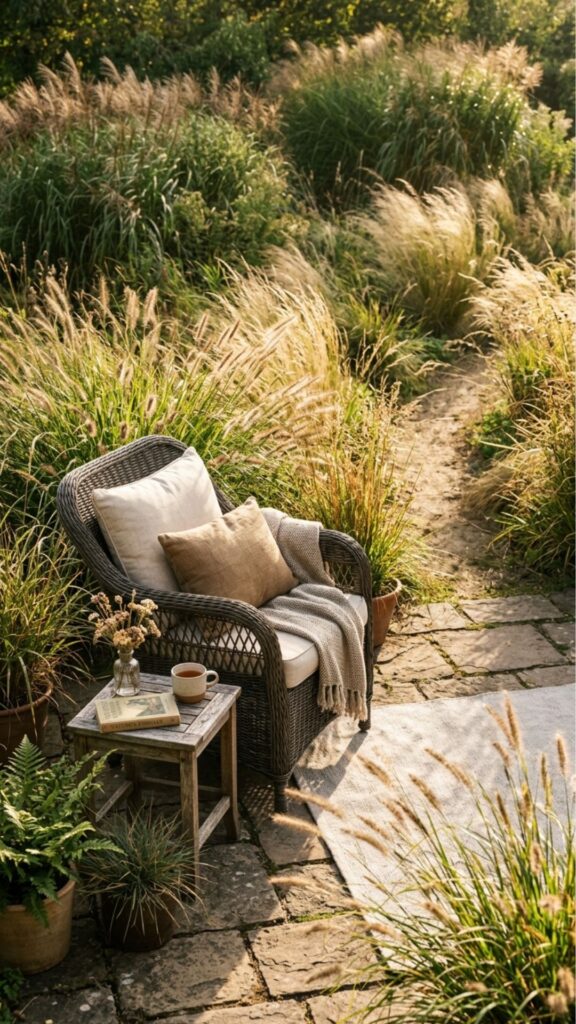
Ornamental native grasses bring movement and texture that flowers alone can’t match. Plant clumps of prairie dropseed, pink muhly grass, or feather reed grass around a patio or seating area. When the breeze picks up, the whole space seems to dance.
These grasses also earn their keep in winter. Instead of cutting them back in fall, leave the seed heads standing. They catch frost beautifully, feed birds through the cold months, and give your garden structure when everything else has gone dormant.
6. Plant a Berry Patch for Wildlife
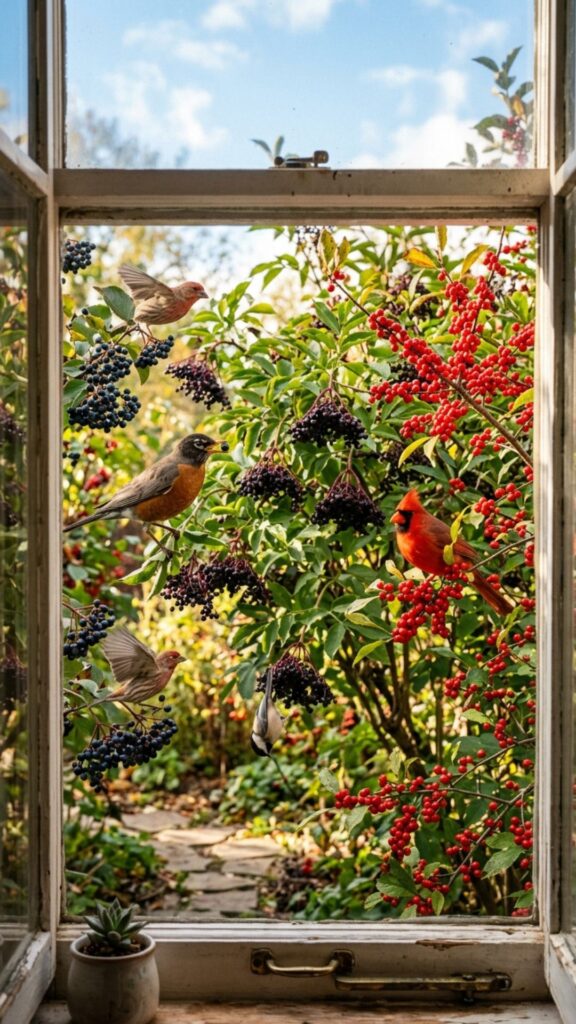
Native shrubs that produce berries feed birds and small mammals while adding color to your landscape. Consider elderberry, winterberry holly, and native viburnums. Many produce spring flowers, summer fruit, and fiery fall foliage, so you get three seasons of interest from one plant.
Position these shrubs where you can watch the action from a window. During my first winter with a winterberry holly, I counted a dozen robins stripping the bright red fruit in a single afternoon. It became my favorite spot for morning coffee.
7. Add Vertical Interest With Native Vines
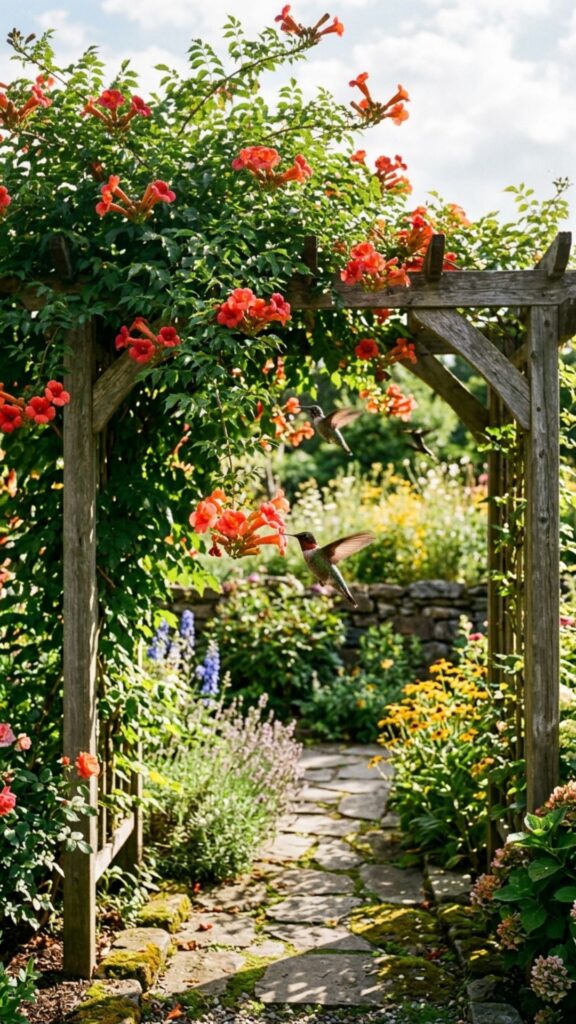
Fences, trellises, and bare walls beg for a splash of green. Native vines like trumpet honeysuckle, virgin’s bower, and Virginia creeper climb quickly and reward you with flowers or fall color. Trumpet honeysuckle in particular is a hummingbird favorite.
Vines solve tricky design problems too. They soften harsh structures, provide privacy, and add height without taking up much ground space. Just give them something sturdy to grab, and they’ll do the rest with minimal help from you.
8. Cluster Plants by Their Water Needs
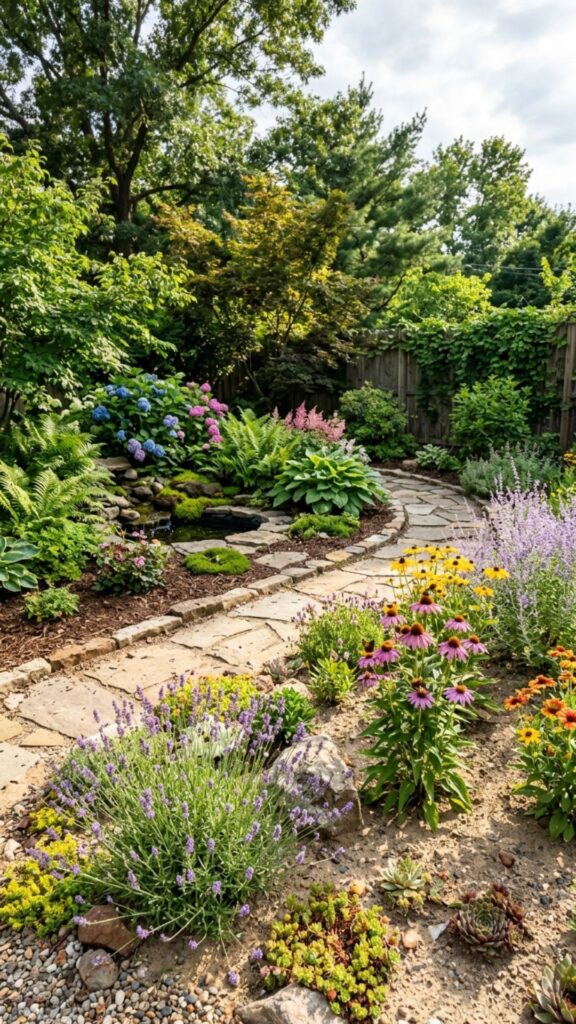
One of the smartest native plant garden design ideas is grouping plants with similar needs together. Put drought-tolerant natives like yarrow and coneflower in one dry bed, and moisture lovers like cardinal flower in another damp zone. This practice, called hydrozoning, saves water and reduces stress on your plants.
When you match plants to their conditions, they thrive with almost no intervention. You won’t waste water keeping a dry-soil plant alive in soggy ground, and you’ll rarely reach for a hose. It’s the kind of small planning decision that pays off for years.
9. Establish a Prairie-Style Front Yard
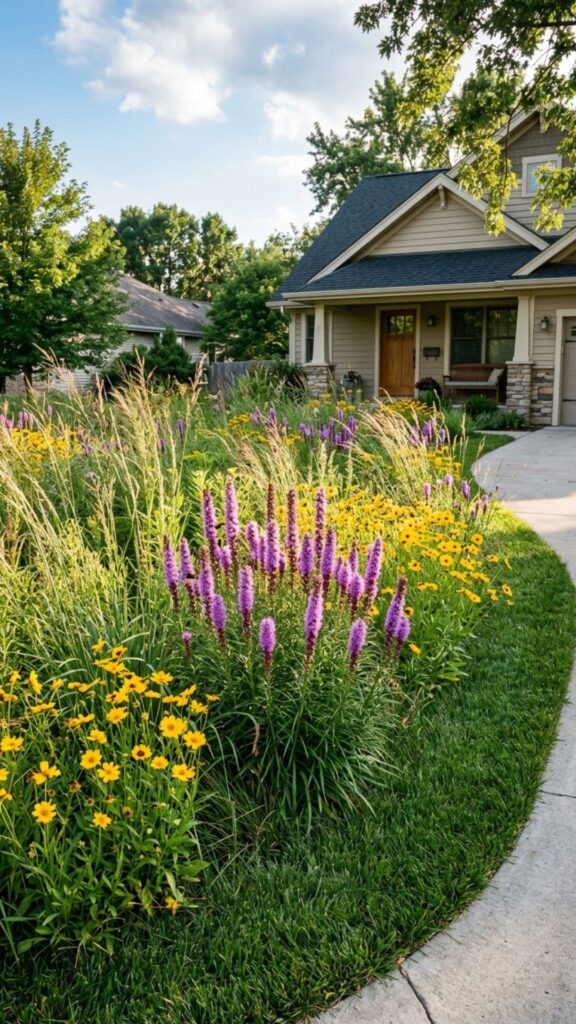
A prairie planting brings sweeping, natural beauty to your front yard while ditching the maintenance of turf. Mix warm-season grasses with tall flowering natives like compass plant, prairie blazing star, and coreopsis. The effect is wild yet intentional.
To keep it looking cared for rather than neglected, add a clean mowed edge or a low border. That simple frame signals to neighbors and passersby that your prairie is a deliberate design choice, not an abandoned lot.
10. Create Habitat Piles and Snags
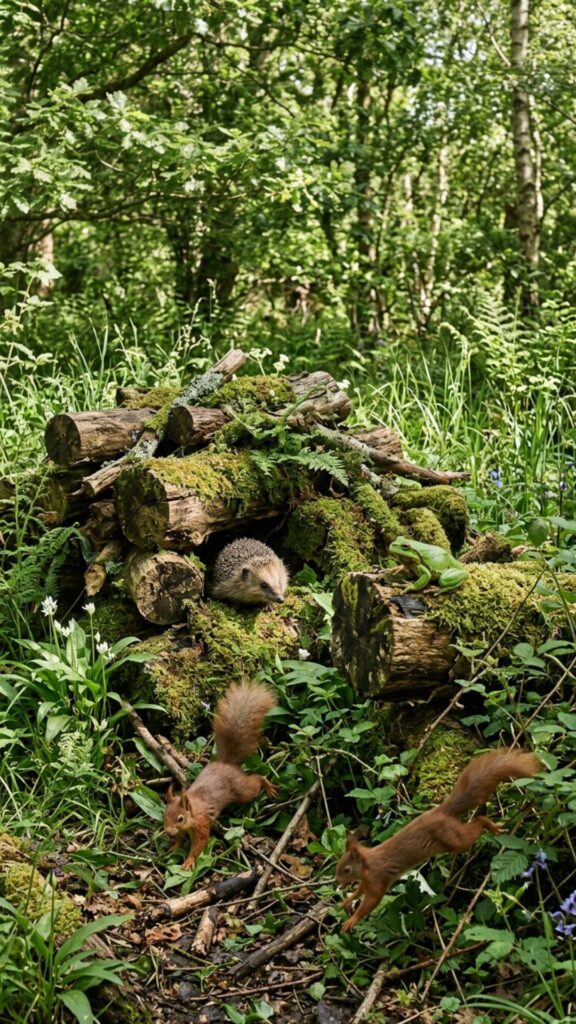
A truly natural garden makes room for the messy stuff wildlife needs. Leave a small brush pile in a back corner, or keep a dead tree standing if it isn’t a safety risk. These features shelter beneficial insects, birds, and small critters.
You don’t need to sacrifice looks to do this. Tuck a log pile behind a stand of tall grasses or native shrubs. It stays hidden from view while giving toads, native bees, and overwintering butterflies a safe place to hunker down.
11. Use Native Groundcovers Instead of Mulch
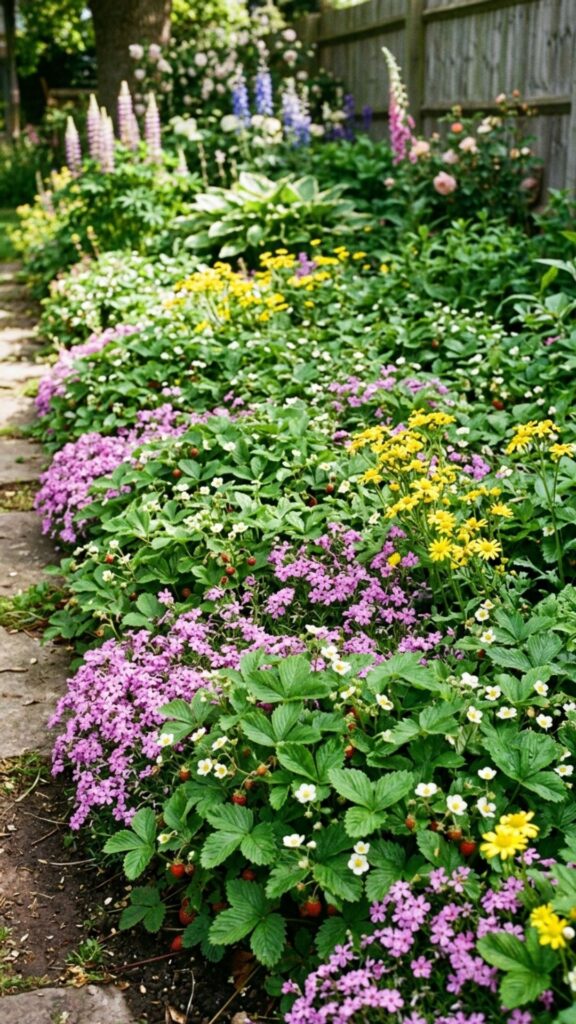
Bare mulch fades, blows away, and needs topping up every year. Native groundcovers do the same job of suppressing weeds and holding moisture, but they’re living, spreading, and free once established. Try wild strawberry, creeping phlox, or golden groundsel.
As these plants knit together, they crowd out weeds naturally and cut your mulching chores to almost nothing. Many bloom too, so you get flowers where you’d otherwise have plain wood chips. It’s a quiet upgrade with lasting rewards.
12. Build a Butterfly Puddling Station
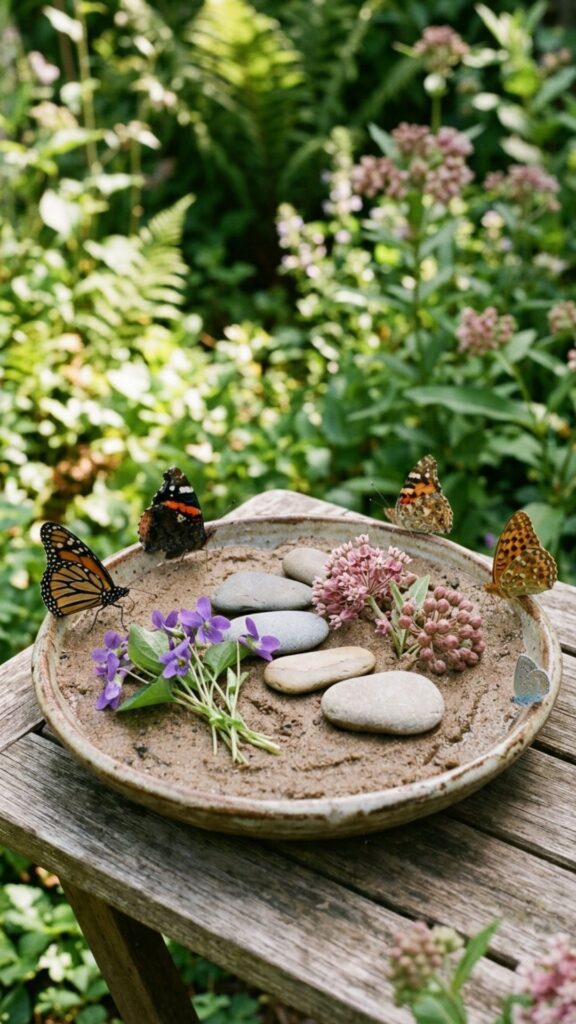
Butterflies need more than nectar, they need minerals and water. A puddling station is a simple shallow dish filled with sand, a few flat stones, and just enough water to keep it damp. Surround it with host plants like milkweed and native violets.
Host plants are essential because caterpillars are picky eaters. Monarch caterpillars only eat milkweed, for example. By pairing food for caterpillars with a puddling spot for adults, you support the full butterfly life cycle in one small area.
13. Design a Dry Streambed With Native Plantings
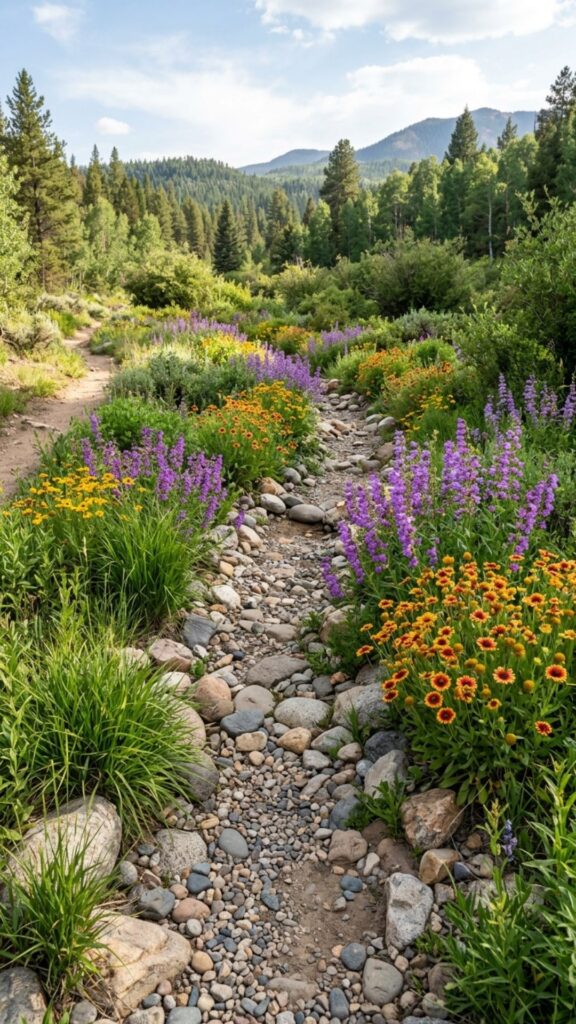
A dry streambed made of rocks and gravel channels rainwater, prevents erosion, and adds a striking focal point. Line it with drought-tolerant natives such as sedges, penstemon, and blanketflower to blur the edges and make it feel organic.
This feature shines in yards with slopes or drainage challenges. During heavy rain it directs water safely, and the rest of the time it looks like a natural creek that happens to have dried up. The surrounding plants tie it into the rest of your landscape.
14. Plant a Hummingbird Garden
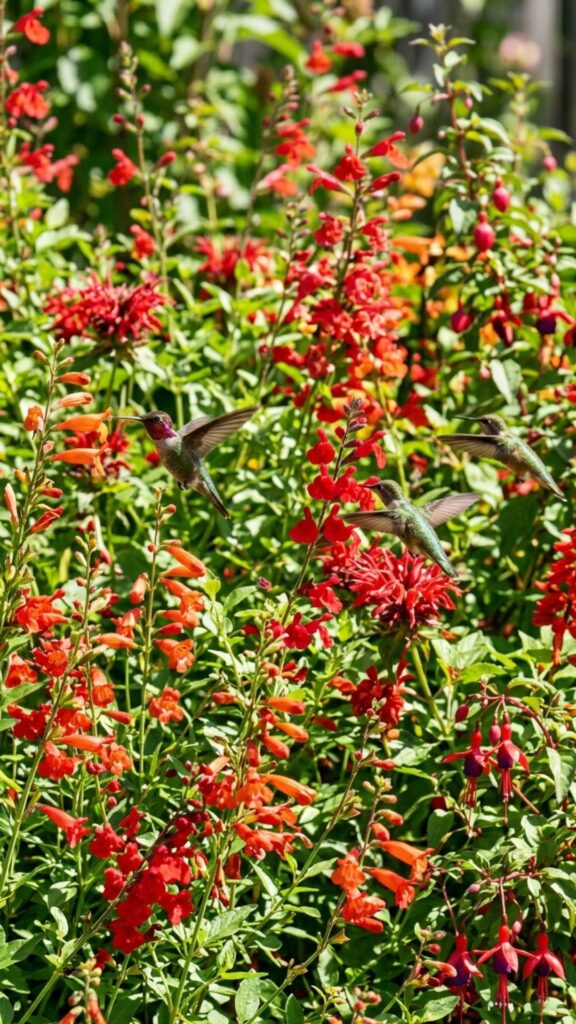
Hummingbirds are drawn to tubular, brightly colored flowers, and plenty of natives fit the bill. Fill a sunny bed with cardinal flower, bee balm, columbine, and trumpet honeysuckle. Reds and oranges tend to grab their attention fastest.
Skip the store-bought feeders if you can, since flowers provide cleaner nutrition and never need scrubbing. Plant in overlapping bloom times so there’s always something open. Once hummingbirds find a reliable garden, they return year after year.
15. Incorporate Native Ferns in Shady Corners
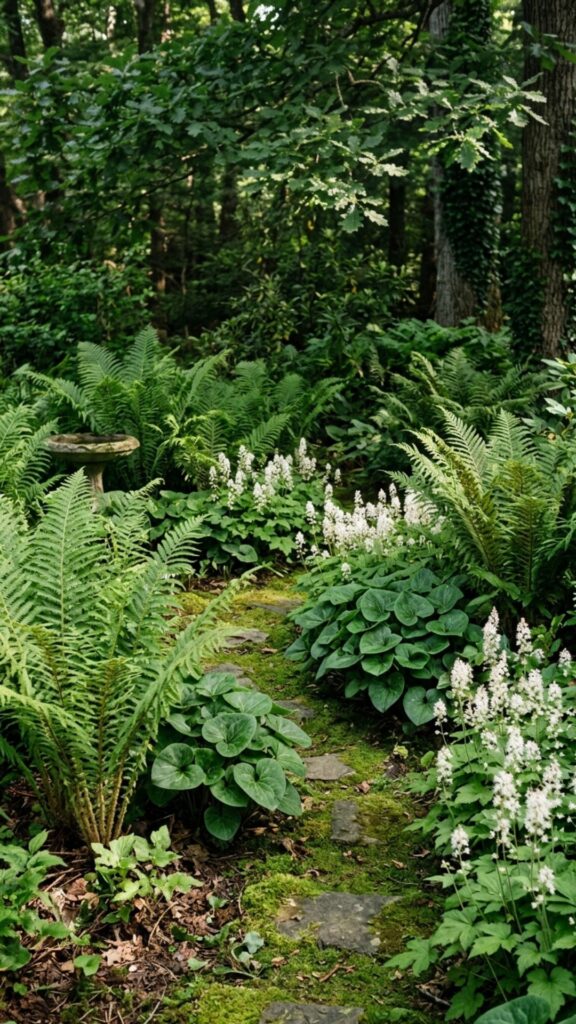
Deep shade stumps a lot of gardeners, but native ferns love it. Ostrich fern, cinnamon fern, and lady fern bring lush texture to spots where flowers struggle. Their unfurling fronds in spring are one of the season’s quiet joys.
Ferns pair beautifully with other shade natives like wild ginger and foamflower. Together they build a cool, green retreat that feels miles away from a manicured lawn. Once settled, they ask for little beyond occasional water in dry spells.
16. Edge Pathways With Low-Growing Natives
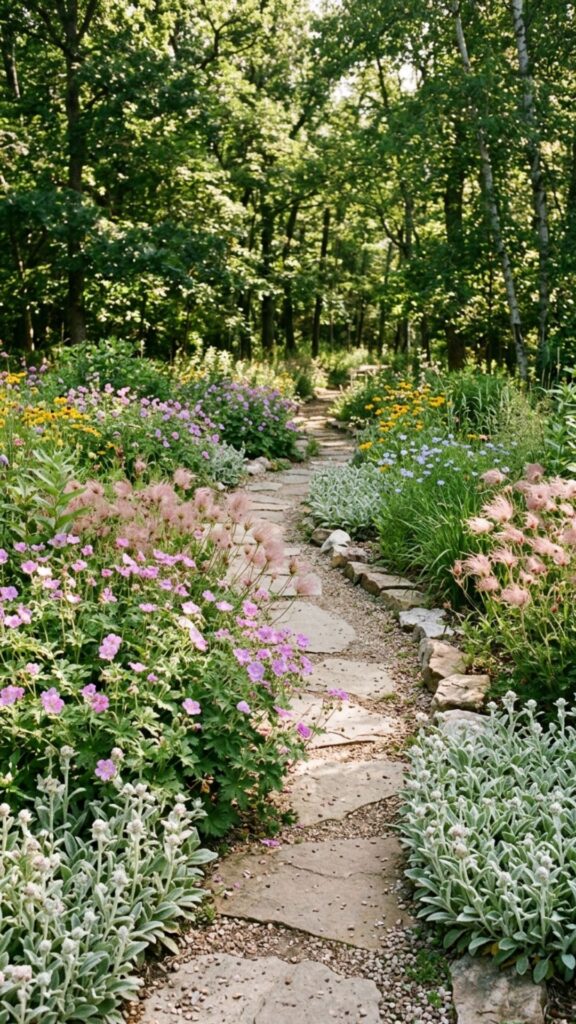
Soften the lines of a walkway with compact native plants that won’t sprawl into the path. Good picks include wild geranium, prairie smoke, and pussytoes. They keep tidy shapes while adding color and inviting closer inspection.
Low edging plants make a garden feel intentional and finished. They guide the eye along a route and give visitors something to admire as they stroll. Choose species suited to how much sun the path gets for the best results.
17. Grow a Native Herb and Tea Garden
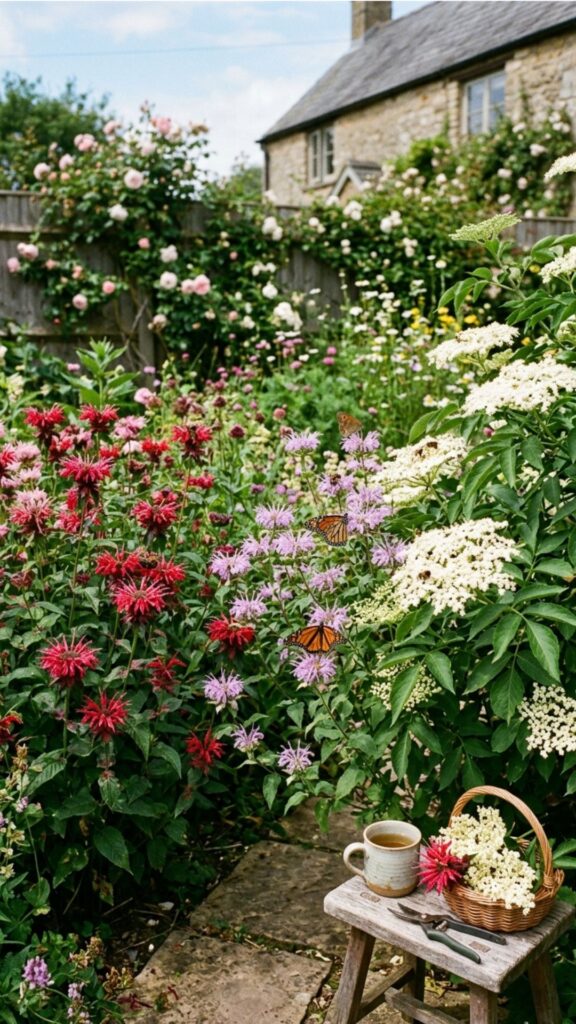
Many native plants have culinary and medicinal traditions. Bee balm makes a fragrant tea, wild bergamot flavors dishes, and elderflowers turn into syrup. A small dedicated bed lets you enjoy these plants while feeding pollinators too.
Research each plant before harvesting, and only use species you’ve confidently identified. When you do, you’ll gain a garden that nourishes both wildlife and your kitchen. There’s real satisfaction in brewing tea from leaves you grew yourself.
18. Add a Small Native Wetland or Bog
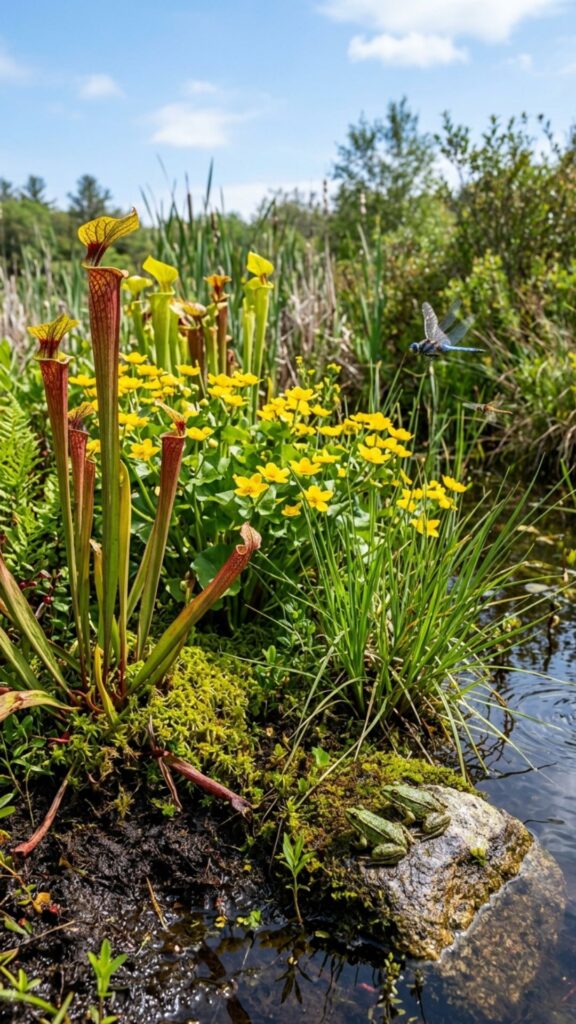
If you have a naturally wet spot or want a container water feature, a bog garden opens up a whole new palette of plants. Pitcher plants, marsh marigold, and sedges thrive in constant moisture and attract dragonflies and frogs.
Even a half-barrel lined and filled with wet soil can host a mini bog. It becomes a fascinating focal point and supports species you’d never fit into a typical bed. Kids especially love watching the creatures a bog draws in.
19. Design Seasonal Color With Succession Planting
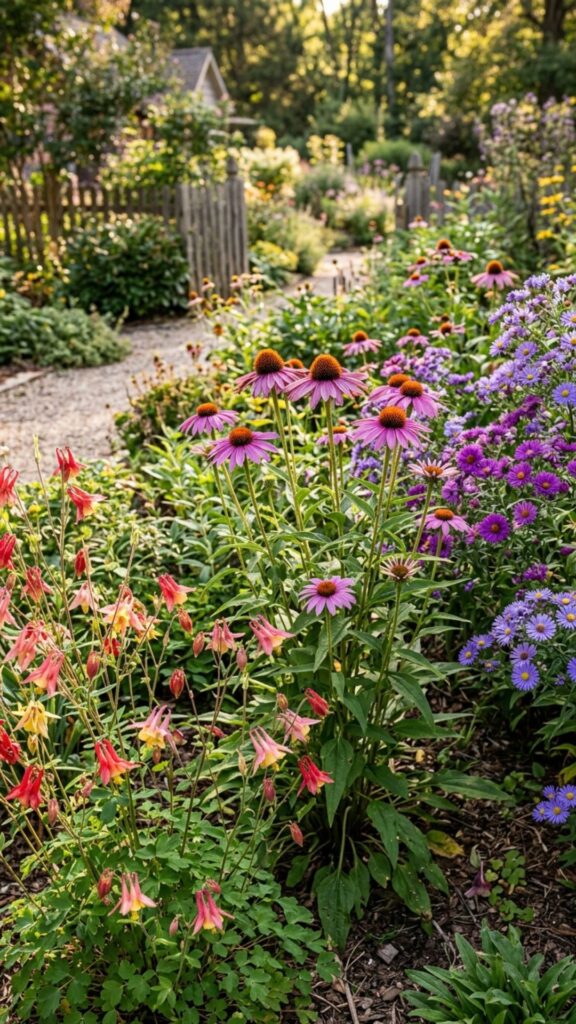
Plan your beds so something new blooms every few weeks from spring through fall. Start with wild columbine and phlox in spring, move to coneflowers and bee balm in summer, then finish with asters and goldenrod in autumn.
This approach keeps your garden interesting all season and ensures pollinators never go hungry. Sketch a simple calendar of bloom times before you plant. It takes a little upfront effort but delivers months of nonstop color.
20. Create a Wildlife Corridor Along Property Lines
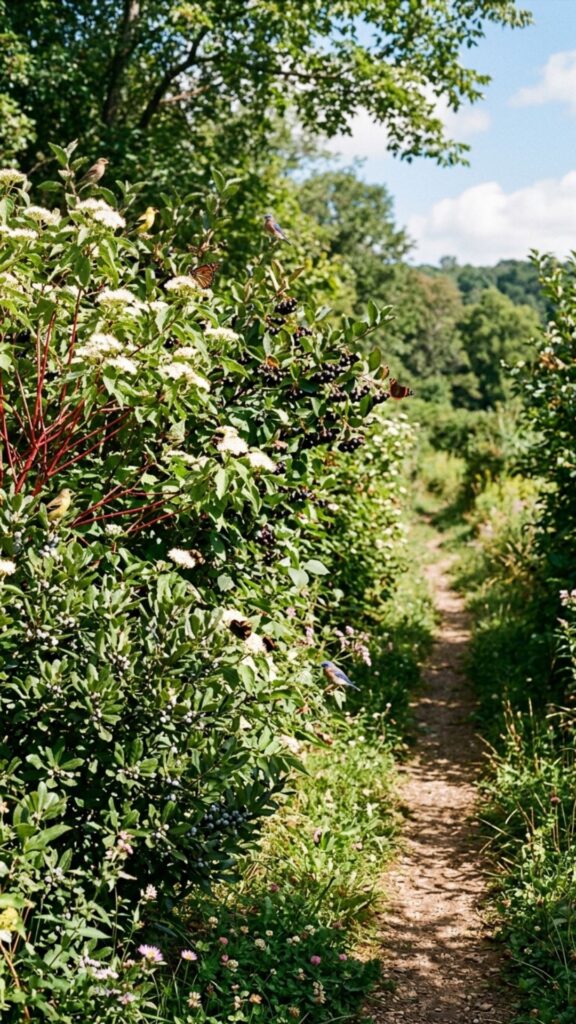
Instead of a plain fence line, plant a mixed hedge of native shrubs and trees along your property edge. Species like dogwood, chokeberry, and bayberry give animals a safe route between habitats while offering you privacy.
These corridors matter more than ever as development chops up natural spaces. Even a narrow band of native plantings connects your yard to nearby green spaces, letting birds and pollinators travel and thrive. Your garden becomes part of something bigger.
Bring Your Backyard Oasis to Life
Building a native garden isn’t about perfection, it’s about progress. Every native plant you add feeds a pollinator, saves water, and reconnects your yard to the natural world around it. Pick two or three ideas from this list that excite you most, and start there. You’ll be amazed how quickly a few plants can transform a patch of ground into a living, breathing habitat.
Ready to dig in? Head to a local native plant nursery this week, ask which species are native to your specific region, and plant your first bed. Your future self, and every bee, bird, and butterfly that visits, will thank you.
What are native plants?
Native plants are species that grew naturally in your region before human settlement introduced foreign plants. They’ve adapted to local soil, climate, and wildlife over thousands of years, which makes them hardy, low-maintenance, and valuable for local ecosystems.
Are native plant gardens really low maintenance?
Yes. Once established, native plants need far less watering, fertilizing, and pest control than non-native ornamentals because they’re already suited to your conditions. Expect some regular care the first year while roots develop, then dramatically less work afterward.
How do I find plants native to my area?
Start by contacting a local native plant nursery, your regional native plant society, or a university extension office. Many states also offer free online databases where you enter your zip code to get a list of plants native to your exact location.
Will a native garden attract pests?
Native gardens actually improve pest balance. They attract beneficial insects and birds that naturally control problem bugs, so you rarely need pesticides. A healthy native garden supports predators that keep pest populations in check on their own.
Can I create a native garden in a small space?
Absolutely. Container plantings, a single pollinator bed, or a narrow border along a fence all work well. Even a few pots of native flowers on a balcony can support pollinators and add natural beauty to a compact space.